Three Points to Planning Your Trip
Tokyo has so much to offer that pre-trip preparation can make or break your experience. In this section, we look at three essential points you should focus on during the early stages of planning your Tokyo adventure. We’ll go through how to choose your accommodation area, the types of transit passes available, and which facilities to book before you depart. By dealing with these issues in advance, you should be able to enjoy Tokyo even on a tight schedule.
1. Pick Your Accommodation Area
When choosing where to stay, ask yourself, “What do I want to do first thing in the morning on a typical day?” This question will help you narrow down your choices. For example, if you want to walk around temples, shrines, or markets in the mornings, the Asakusa and Ueno areas—which still preserve the “old Japan” atmosphere—are ideal.
For travelers who want to prioritize evening shopping and bar-hopping, the Shinjuku and Shibuya entertainment districts are a better fit for your base of operations. Shinjuku offers excellent access across the city, and Shibuya is just four minutes from Shinjuku by subway. Or if you prefer refined streetscapes and upscale restaurants, consider the Ginza and Tokyo Station areas.
| Travel Style | Recommended Area | Budget per Night |
|---|---|---|
| Couples | Ginza/Tokyo Station | ¥15,000–¥30,000 |
| Families | Asakusa/Ueno | ¥10,000–¥20,000 |
| Solo travelers | Shinjuku/Shibuya | ¥8,000–¥18,000 |
From most major accommodation areas, you can reach the main sightseeing spots in roughly 20–30 minutes using the Tokyo Metro or JR lines. We recommend checking the routes and travel times to the places you most want to visit, then picking a base that’s convenient for you.
2. Choose Your Transit Pass
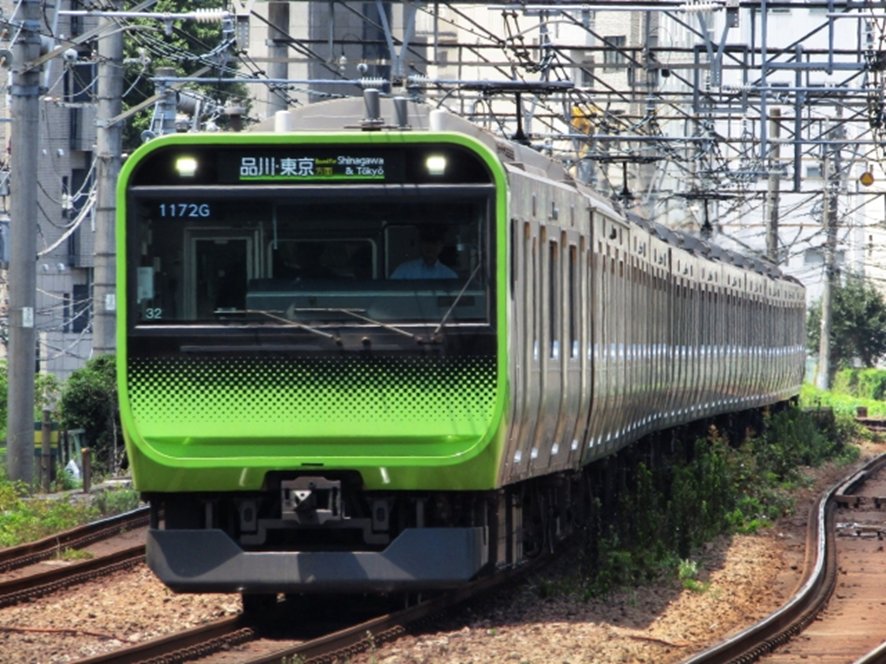
A single subway ride in Tokyo costs about ¥180–¥220, so riding the train multiple times a day can quickly add up to thousands of yen. If you plan to move between multiple areas, consider using an unlimited pass such as the Tokyo Subway Ticket.
| Type | Price (Adults) | Break-even Point |
|---|---|---|
| 24-hour ticket | ¥1,000 | 4+ rides in one day |
| 48-hour ticket | ¥1,500 | 7–8+ rides over 2 days |
| 72-hour ticket | ¥2,000 | 10+ rides over 3 days |
The passes listed above cover all Tokyo Metro and Toei Subway lines and offer greater value the more you ride. You can purchase the ticket in advance at convenience stores or online, then exchange it for an actual Tokyo Subway Ticket via the Keikyu counter at Haneda Airport, major Tokyo Metro and Toei stations, or select tourist information centers. Always check the official website in advance for purchase locations and eligibility.
For travelers who plan to ride JR trains and buses as well, we recommend Welcome Suica. Note that the mobile version is compatible only with iPhones, and Android phones purchased outside of Japan might not be supported. In that case, you can pick up a physical Suica card at the airport instead.
Since some small restaurants don’t accept cashless payments, it’s a good idea to keep about ¥10,000 in cash on hand at all times.
3. Find Out Which Activities to Book in Advance
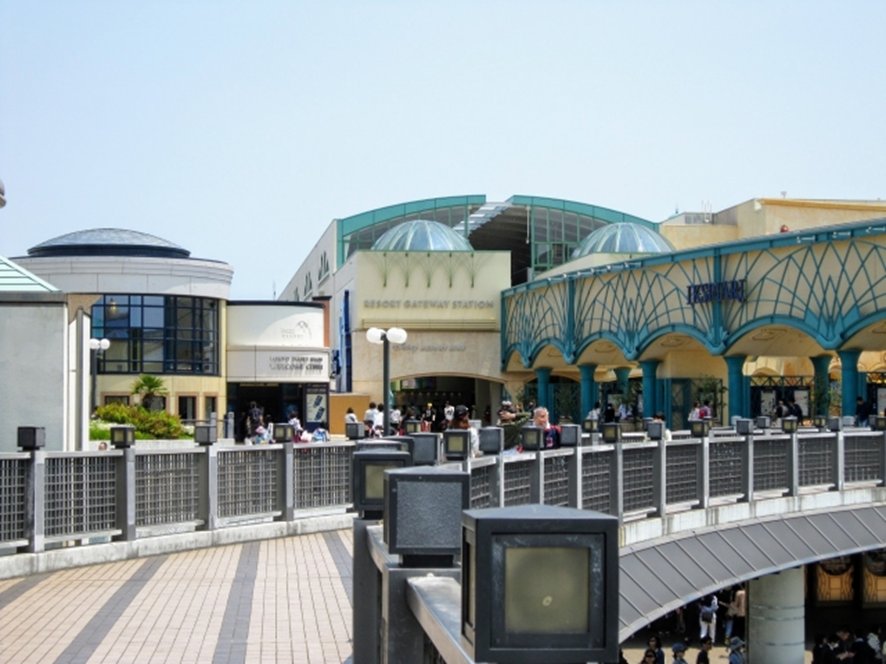
For popular attractions, start making reservations 1–2 months before your trip, as date- and time-specific tickets for venues like teamLab Borderless can sell out even on weekdays. Securing tickets as soon as they go on sale is your best bet. Tokyo Disneyland, for example, doesn’t sell tickets at the gate, so it’s necessary to book your tickets in advance.
Similarly, SHIBUYA SKY and Tokyo Skytree are especially popular during the sunset and evening hours and tend to get crowded around this time. If you plan to visit at a specific time of day, purchasing a web ticket in advance from the official site ensures your spot.
You’ll also find plenty of places you can enjoy without a reservation, so use the list below to decide which venues to book and which ones to leave to the last minute.
| Facility | Reservation? | Notes |
|---|---|---|
| teamLab Borderless | Strongly recommended | Book 1–2 months ahead |
| Tokyo Disneyland | Required | No on-site sales |
| SHIBUYA SKY | Strongly recommended | Evenings often sell out |
| Tokyo Skytree | Recommended | Same-day window OK |
| Sensoji/Meiji Jingu | Not needed | Free entry |
| Tsukiji Outer Market | Not needed | Opens early morning |
Four Major Sightseeing Areas
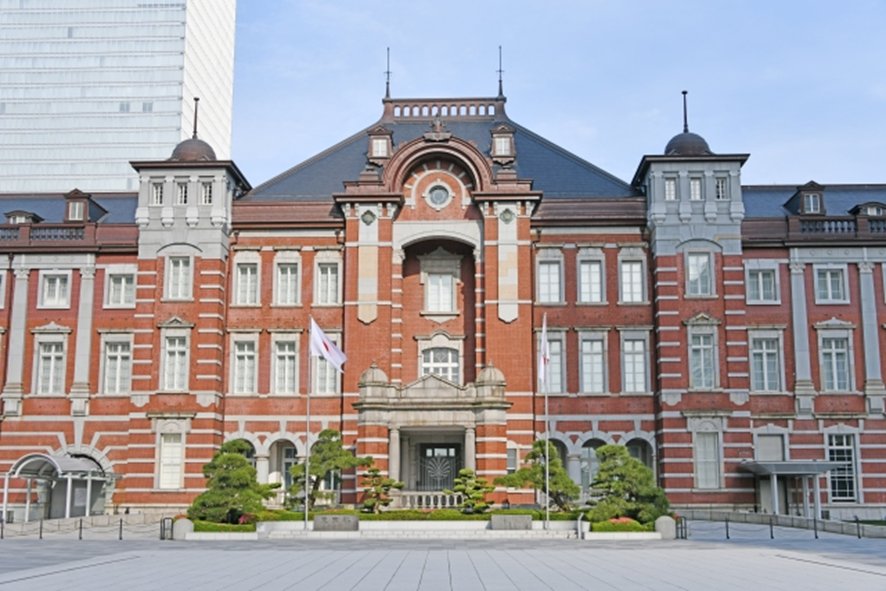
Tokyo has so many appealing spots that first-time visitors often struggle when deciding what to prioritize. Here, we introduce four major areas that we recommend for a first-time trip to Tokyo. We’ll cover each area’s highlights, tips on how to spend your time, info on travel times between areas, and advice on how long to allocate in each place, which should hopefully make it easier for you to build a sightseeing route that matches your interests and schedule.
Asakusa | Tokyo’s Oldest Temple
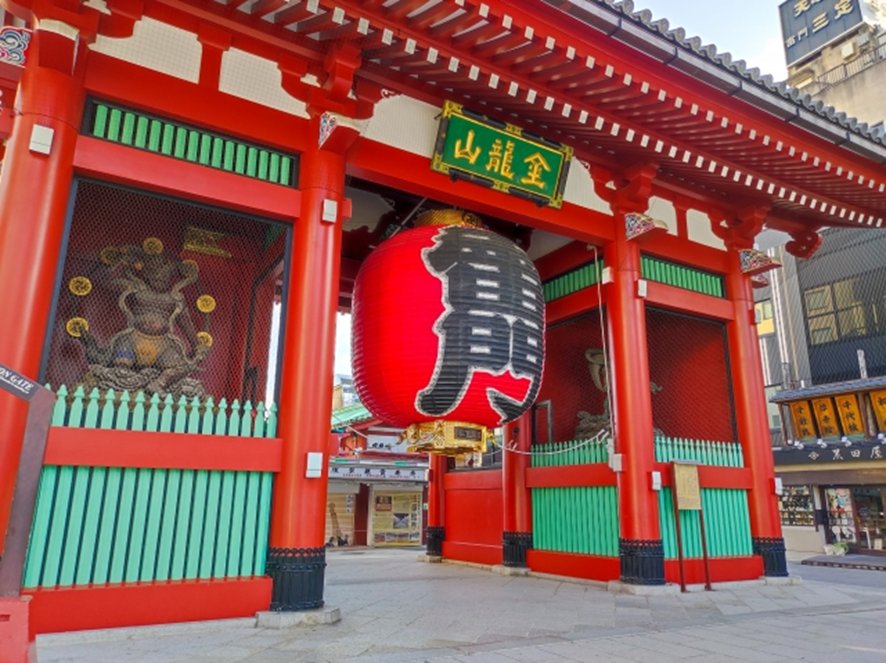
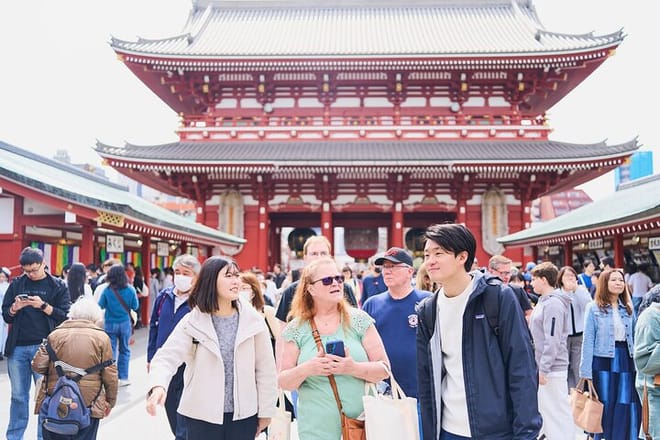
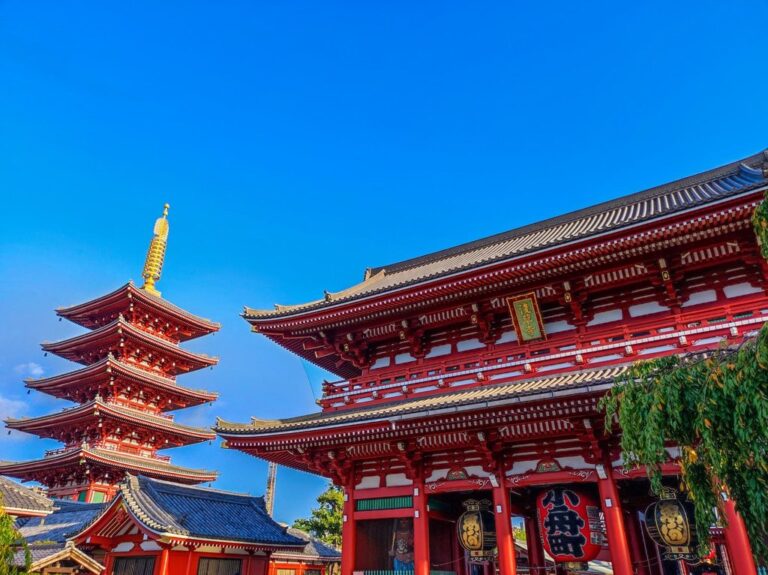
At Sensoji, the oldest temple in Tokyo, the atmosphere of the Edo era wraps around you the moment you pass beneath the giant red lantern of Kaminarimon Gate.
The main hall’s opening hours vary by season, so check out the details before your visit:
| Season | Hours |
|---|---|
| April–September | 6 am-5 pm |
| October–March | 6:30 am-5 pm |
Early mornings mean fewer people, letting you quietly photograph the area around the temple: Nakamise-dori. The main hall closes after sunset, but the grounds are lit up into the night and create a mystical atmosphere.
Nakamise-dori is lined with about ninety shops offering Edo-era classic snacks. Keep in mind that eating while walking is prohibited, and you’re expected to eat in front of the shop where you bought your food or in designated spaces. To avoid crowds, aim to arrive in the area at about 10 am.
After visiting the temple, take a five-minute walk to Hoppy Street to soak up the local energy and maybe even eat some yakitori (grilled chicken skewers). Visit Tokyo Skytree Station on your way back, conveniently just one stop from Asakusa Station.
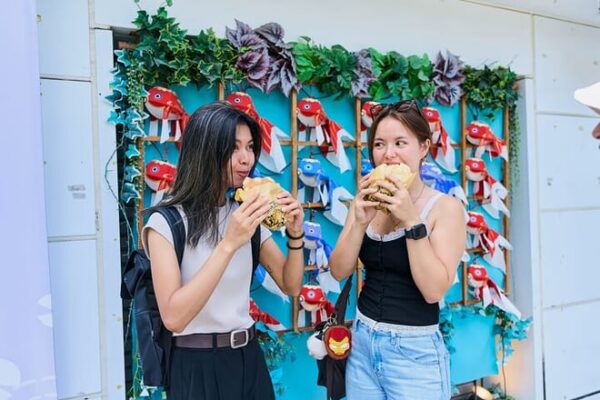
Tokyo: Asakusa & Sensoji ー Oldest Temple Walking Tour (2hrs)
Shibuya | The Scramble Crossing
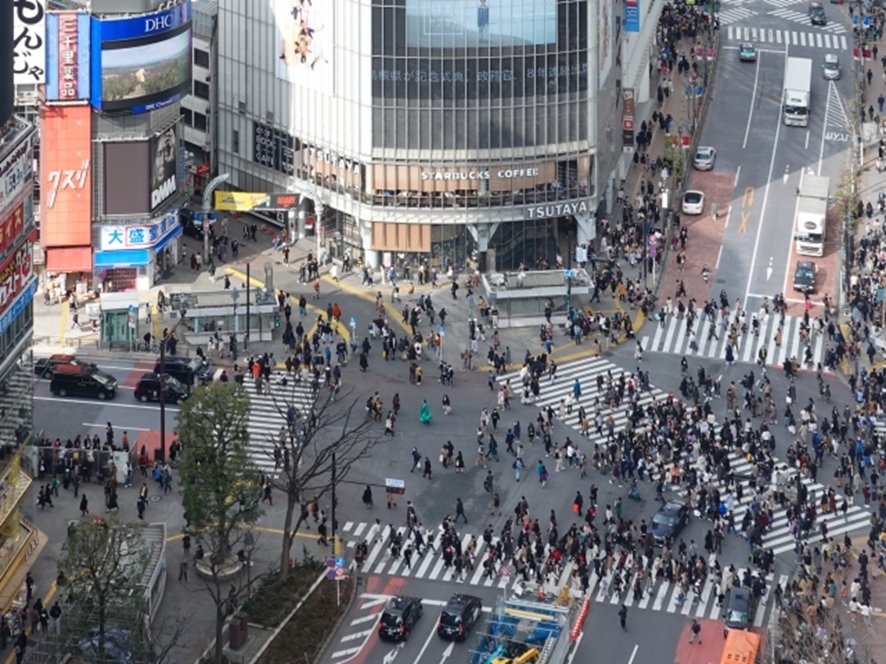
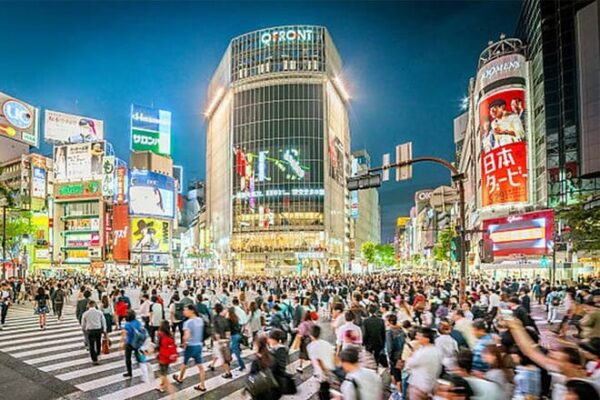
Step out of Hachiko exit at Shibuya Station and you’re greeted by one of the world’s largest scramble crossings. Up to 3,000 people cross here during a single green light, a scene that is likely to surprise and amaze. If you’re looking for that perfect Instagram picture, choosing the right vantage point and time matters: the 2F deck of Magnet by Shibuya109 and the walkway in Shibuya Mark City are classic spots for great shots. Foot traffic peaks around 5-7 pm, when the scene feels most dynamic.
And don’t forget to visit SHIBUYA SKY. You can capture awesome photos looking almost straight down onto the Shibuya scramble crossing from the observation deck here. It’s about 229 m above the ground, making it the tallest viewpoint in Shibuya. Admission to SHIBUYA SKY requires reserving a timed-entry slot, and tickets can be purchased both online and at the counter. Web tickets are cheaper, but only a limited number go on sale at a time. If a popular time slot sells out in advance, you won’t be able to buy it at the counter either. Since the official site allows booking up to two weeks ahead of your visit, we recommend grabbing your preferred time slot early.
| Slots before 3 pm | Slots after 3 pm | |
|---|---|---|
| Web | ¥2,700 | ¥3,400 |
| Counter | ¥3,000 | ¥3,700 |
Shop at Shibuya PARCO or Miyashita Park during the day, then head to Center Gai after sunset to soak up Shibuya at its most electric and neon-lit hours.
Tokyo: Shibuya Highlights Walking Tour & Secret View Spot
Harajuku | Shrines and Fashion
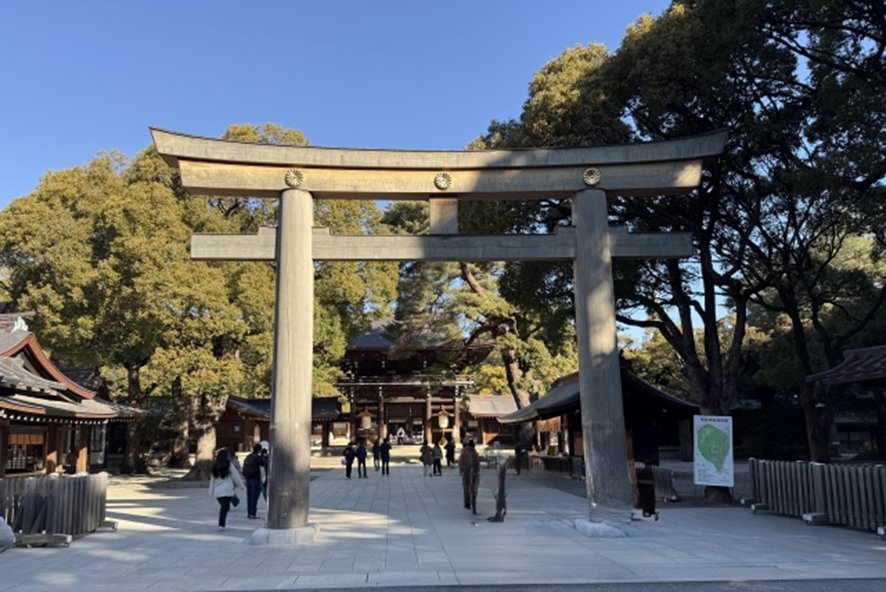
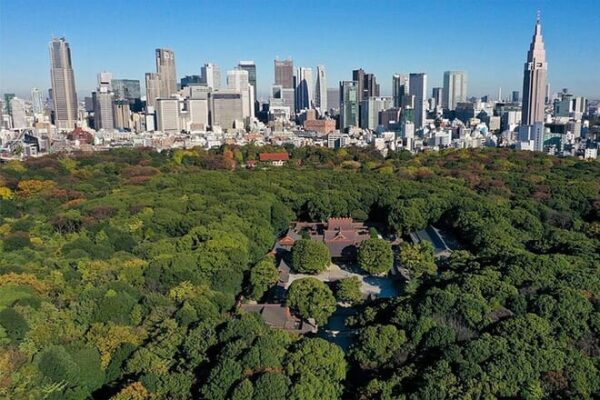
After exiting the train station, you’ll most likely notice that a forested shrine sits right next to a colorful fashion street. This contrast between “stillness and motion” is a uniquely Harajuku experience.
Meiji Jingu Shrine, founded in 1920, is free to visit and welcomes you with one of Japan’s largest wooden torii (traditional shrine gate), towering above visitors at 12 m tall. Follow the gravel path for 15–20 minutes to reach the main hall of the shrine.
Note that opening and closing hours change with the seasons. The shrine is generally open from sunrise to sunset, meaning summer and winter hours can differ by more than 2 hours. Early mornings see fewer visitors and allow you to savor the quiet of the forest, which we highly recommend. Wash your hands with cool water at the stone basin, then pay your respects at the shrine with two bows, two claps, and a final bow (in that order).
Next walk to Takeshita-dori, which is located about 5–10 minutes from the shrine entrance. Continue through the trendy street and you’ll reach Shibuya scramble crossing in another twenty minutes or so on foot.
Tokyo: Meiji Shrine Walking Tour — Shintoism & Imperial System
Shinjuku | Skyscrapers and Old-Fashioned Pubs
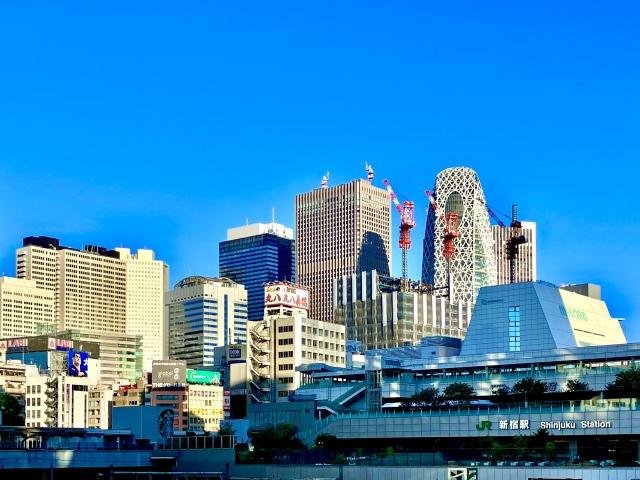
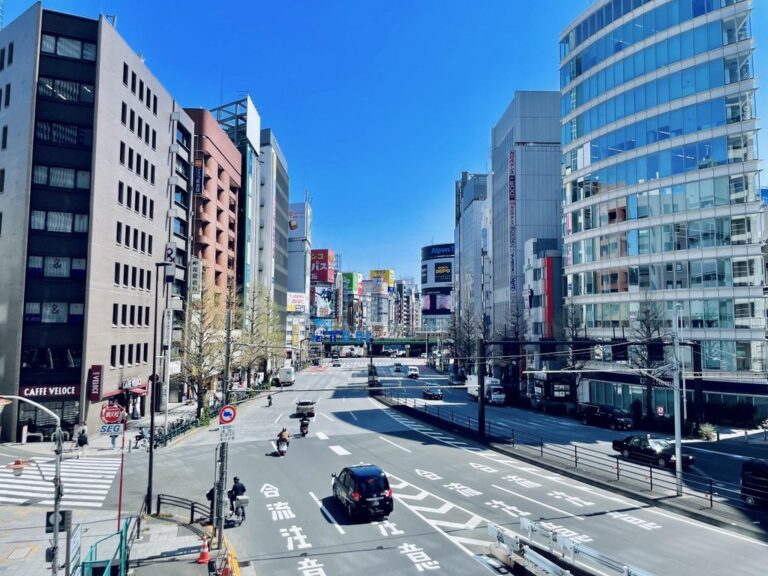
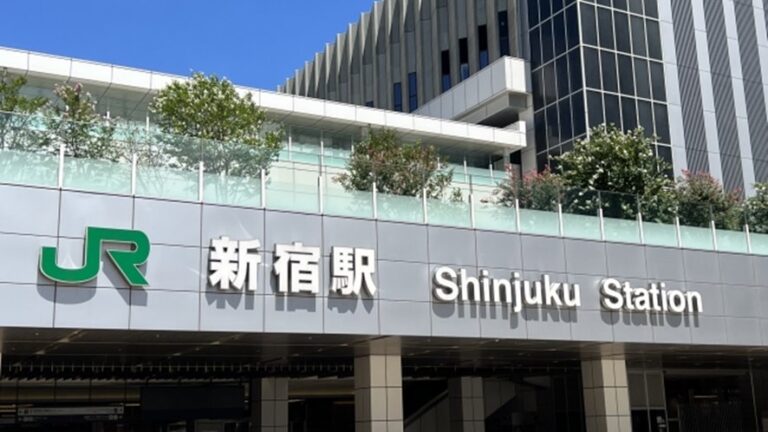
Shinjuku Station is the world’s busiest terminal in terms of passenger numbers. The Tokyo Metropolitan Government Building observation deck—about a 10-minute walk from the west exit—offers free views from high above the city, making it a hidden gem. The South Observatory and North Observatory have different closing days and hours, though, so check the details before you drop in. The South Observatory is open 9:30 am-10 pm (last entry at 9:30 pm) and is great for enjoying the night view. The North Observatory is open 9:30 am-5:30 pm (last entry at 5 pm), though it extends its hours until 10 pm on days when the South Observatory is closed.
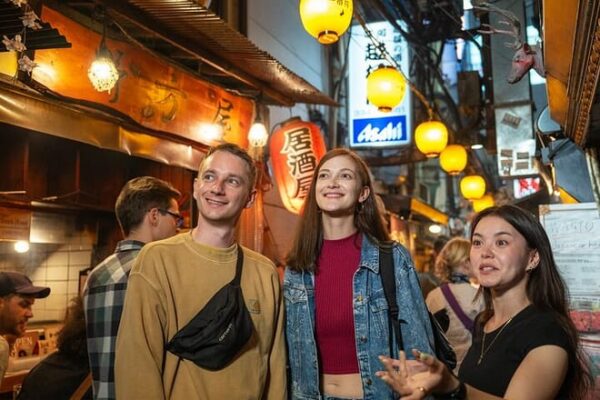
Around Shinjuku Station, three drinking districts are within walking distance of one another: Kabukicho and Golden Gai on the east side, and Omoide Yokocho on the west side. Turn off the neon-lit main streets into an alley and you’ll find yourself in Golden Gai. The yakitori stalls in Omoide Yokocho are great too, and they preserve the retro atmosphere of the mid-20th-century Japan.
Shinjuku Gyoen (admission: ¥500) is a 20-minute walk from the station and is popular during cherry blossom season. Alcohol is not allowed inside the park, however, and there’s a bag check, so don’t bring lots of bags to the park. Many bus tours to Mt. Fuji depart from Shinjuku, and the meeting point is often a short walk from the station. Since departures are early, plan with plenty of time to spare.
Shinjuku: Food Tour – 15 Dishes at 4 Eateries
From Breakfast to Dinner: Three Recommended Food Spots
Tokyo’s food culture wears different faces depending on the time of day and the area. On a trip, you’ll want to enjoy delicious moments in the morning, afternoon, and evening.
Below, we dive into three spots, organized by time of day: seafood at a fish market, yakitori in an alleyway, and trendy sweets to snack on while walking. We’ll also share opening hours and price ranges so you can slot these into your sightseeing plan without stress.
Tsukiji Outer Market | Snack on Seafood
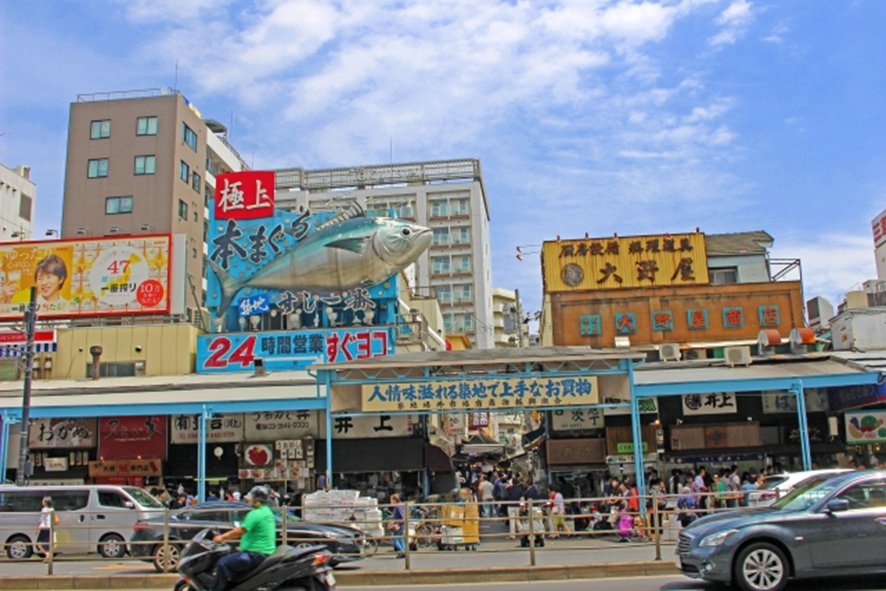
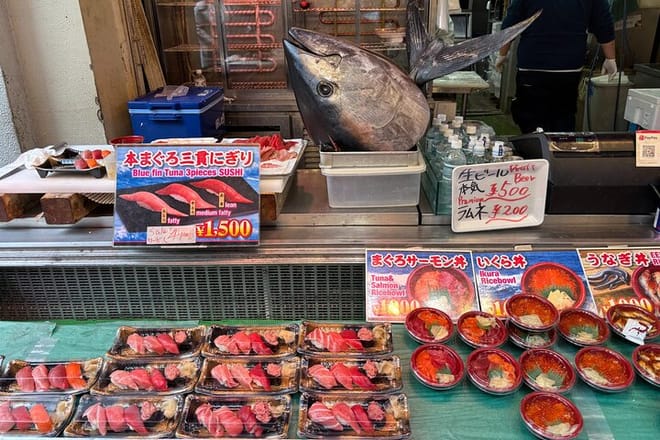
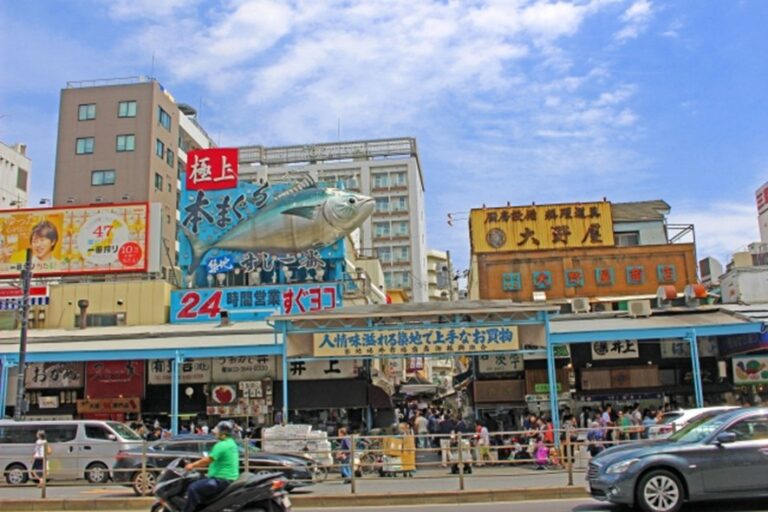
Tsukiji Outer Market has more than 400 shops in operation and is one of Tokyo’s premier breakfast destinations. Many shops open around 5-6 am and start filling up around 1 pm, so make a morning visit the rule. For food, aim to arrive between 9 and 11 am. Note that many shops close on Wednesdays, Sundays, and public holidays. Remember not to walk while eating: finish your snack right at the shop or in one of the designated spots. Stash your luggage in a coin locker at the station so you can move around freely.
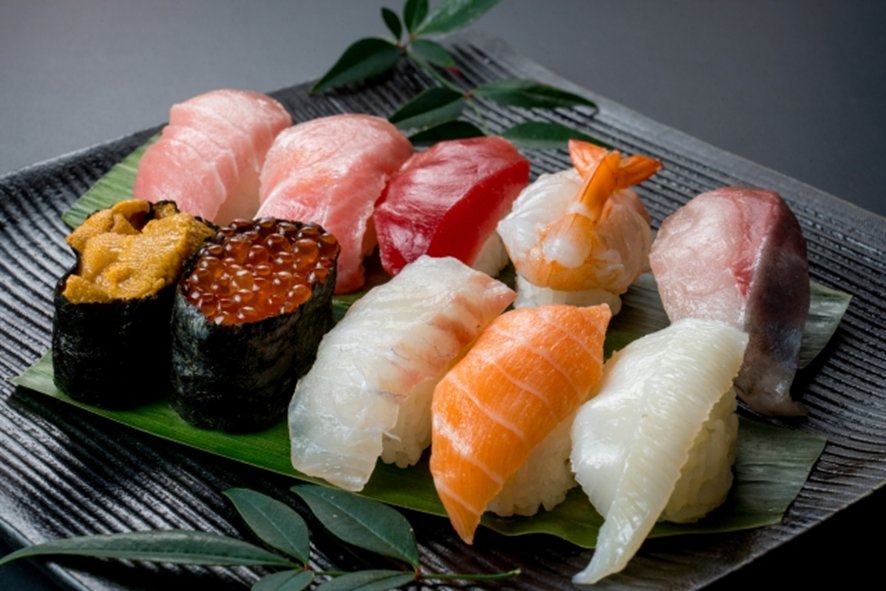
Nigiri sushi (hand-pressed sushi), seafood bowls, and Japanese wagyu beef skewers are especially popular. Even if there’s no English menu, you can order simply by pointing at the food you want to eat. If you’re unsure, a guided tour of some of the best spots is a great option.
Details
| Address | 4-chome and 6-chome, Tsukiji, Chuo-ku, Tokyo |
| Hours | Varies by shop (typically 5 am-2 pm) |
| Closed | Closings vary by shop |
| Official site | https://www.tsukiji.or.jp/ |
| Recommended for | Those who want fresh seafood in the morning or want to feel a bustling market |
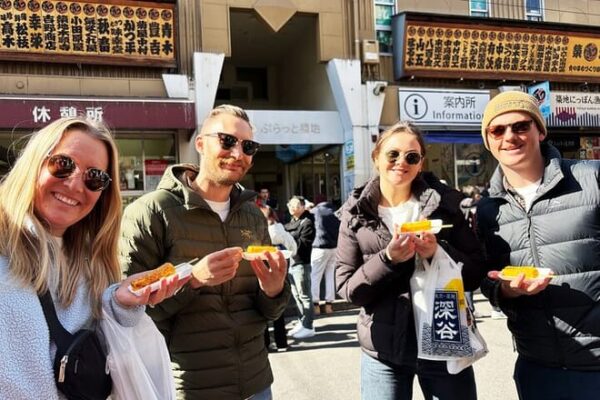
Tsukiji Fish Market: Street Food & Culture Walking Tour
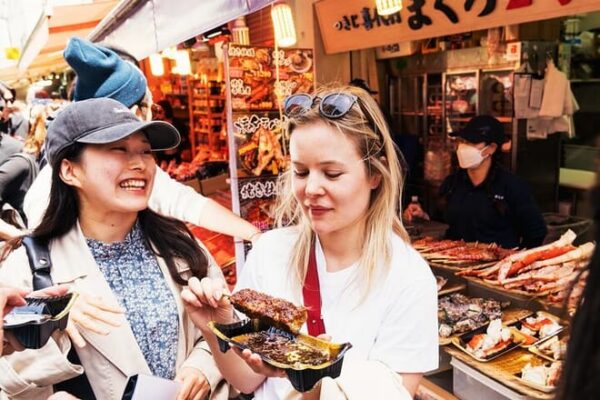
Tsukiji Fish Market Food & Walking Tour with 7 Gourmet Bites
Omoide Yokocho | Eat Yakitori in an Old-Fashioned Alleyway
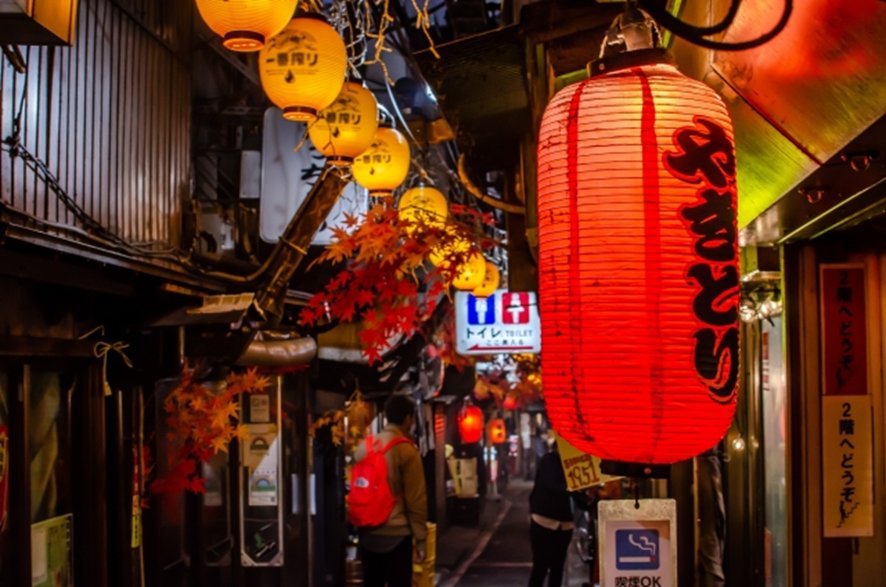
Just a one-minute walk from Shinjuku Station’s west exit, red lanterns line a narrow alley where 1980s Japan still lives on. Around sixty pubs, with roots in the postwar era, cluster together, and the drift of charcoal smoke and aroma is a hallmark of the area’s culture.
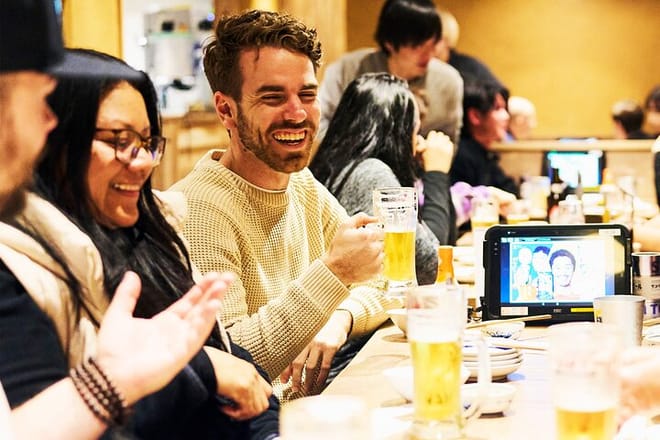
Most shops are tiny counter spots with only six to eight seats. Even without an English menu, you can often point at what a neighbor is eating to order the same. Raising a glass and sharing a “Kanpai!” (cheers) with the person next to you is a great way to break the ice here.
Here are a few things to keep in mind:
- Yakitori runs at about ¥100–¥300 per skewer; some shops offer 6-skewer sets for around ¥1,000
- Draft beer is around ¥300–¥500 per glass
- Some shops serve otoshi (a small appetizer served when you sit down and charged as a kind of cover charge) for around ¥330
If the language barrier makes you nervous, joining a guided food tour is a safe bet.
Details
| Address | 1-2, Nishi-Shinjuku, Shinjuku-ku, Tokyo |
| Hours | Varies by shop (lunch shops from around 7 am; evening shops from around 5 pm until late) |
| Closed | Closings vary by shop |
| Official site | https://shinjuku-omoide.com/ |
| Recommended for | Those who want to experience Tokyo’s local drinking culture or enjoy small-group food walks |
Shinjuku: Food Tour – 15 Dishes at 4 Eateries
Takeshita-dori | Savor on Trendy Sweets
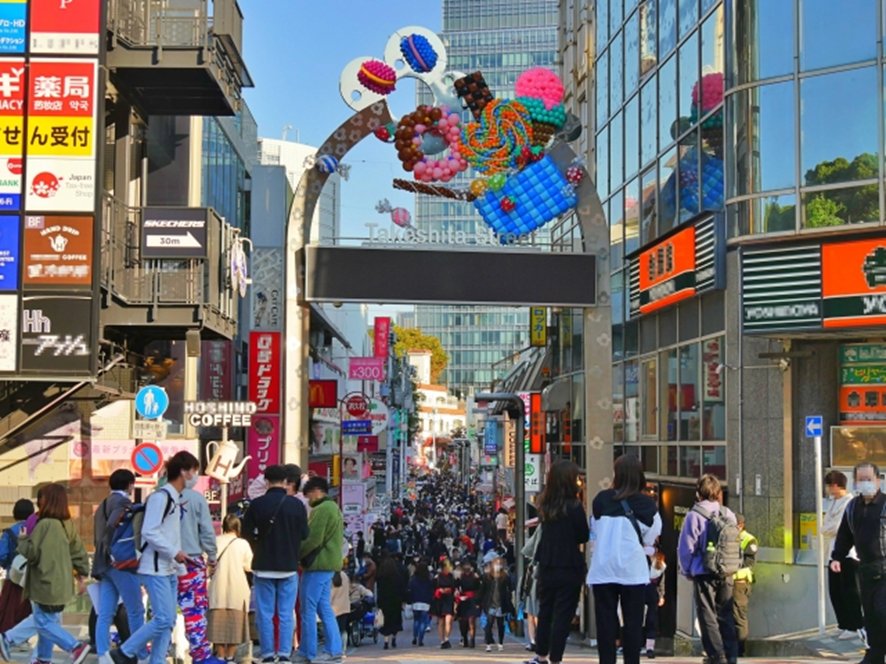
After visiting Meiji Jingu Shrine, walk about a minute to Takeshita-dori. Along this approximately 350-meter street, shops selling Insta-worthy sweets like crepes and matcha ice cream line up side by side. 11 am is a relatively easy time to walk through the area. It gets crowded past noon even on weekdays, though, so aim to arrive early. Popular treats like crepes, churros, and bubble tea are usually priced between ¥500 and ¥900, making it easy to sample and compare.
The archway sign at the entrance is a classic photo spot, where visitors pose with sweets in hand. A 1–2-hour stroll here is plenty, so pair your visit with Meiji Jingu Shrine in the morning and you’ll have ample time to wander the streets in the afternoon.
Details
| Address | 1-chome, Jingumae, Shibuya-ku, Tokyo |
| Hours | Varies by shop (pedestrian-only area open from 11 am to 6 pm) |
| Closed | Closings vary by shop |
| Official site | https://www.takeshita-street.com |
| Recommended for | Those who want to take pictures of sweets or want to pair a visit with Meiji Jingu Shrine |
Tokyo: Meiji Shrine Walking Tour — Shintoism & Imperial System
Three Recommended Spots to Enjoy After Sunset
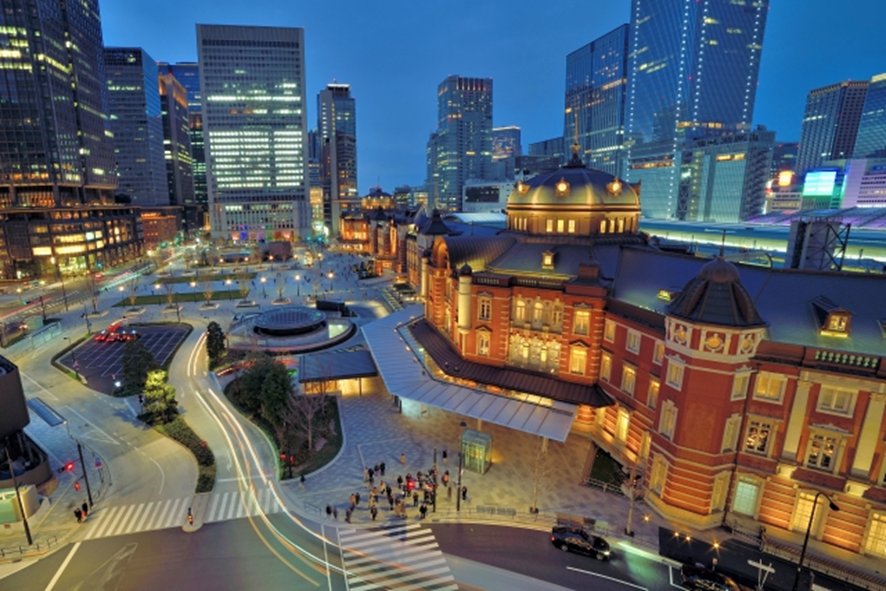
Tokyo at night has a different atmosphere than during the day, and here we’ll cover three spots that make the most of that atmosphere after sunset: Shinjuku, Shibuya, and Asakusa. Once you understand each spot’s character, pricing, and the best times to visit, you should be able to find a suitable way to spend the evening.
Golden Gai | Bar-Hop in Shinjuku’s Back Alleys
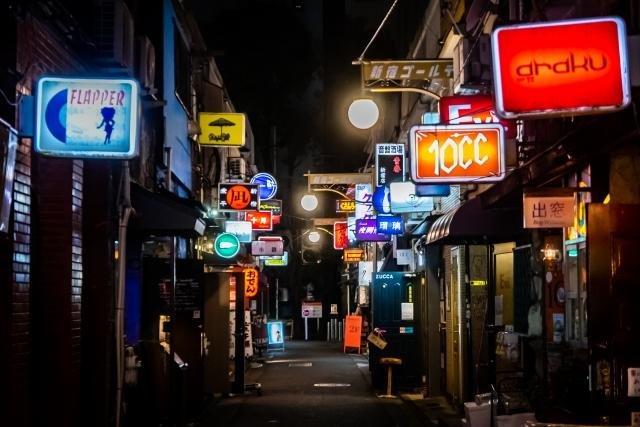
Golden Gai, about a five-minute walk from Shinjuku Station’s east exit, is a maze-like area packed with roughly two hundred tiny bars. Its cultural salon atmosphere is alive and well, and in recent years more shops have started welcoming international visitors.
Each bar has only four to eight seats, and its greatest charm is the conversations that spark between bar owners and customers. Seat charges typically range from ¥500 to ¥1,000 and drinks ¥800–¥1,000, so hopping between two or three bars costs around ¥5,000–¥8,000.
Here are some rules to keep in mind:
- Photography in the alleys is prohibited: don’t take photos or videos without permission
- If you want to take a photo inside a bar, always ask the owner first
- Sitting in the street, talking loudly, or drinking while walking are all considered bad manners
- Many shops accept cash only, so keep coins and bills on hand
Details
| Address | 1-1-9 Kabukicho, Shinjuku-ku, Tokyo |
| Hours | Most shops around 7 pm- 2 am next morning (varies by shop) |
| Closed | Many shops are closed on Sundays |
| Official site | https://golden-gai.tokyo/ |
| Recommended for | Those who want to mingle with locals or soak up the historical atmosphere |
SHIBUYA SKY | Shoot the Night View in Shibuya
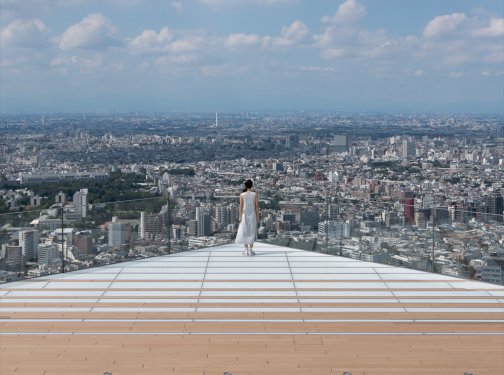
Rising 229 meters into the sky, SHIBUYA SKY is Tokyo’s open-air observation facility. From the top, streams of light at the scramble crossing and clusters of skyscrapers form an unobstructed panoramic night view. If you’re aiming for night photos, book an entry slot thirty minutes before sunset; that way you can capture both the magic hour and the moment the city lights come on. Sunset times vary significantly by season, so check ahead.
There are restrictions on what you can bring to the rooftop. Bags, selfie sticks, and similar items must be stored in the lockers on the 46th floor. Only cameras with straps and smartphones are allowed, and tripods are not permitted. Admission is determined by timed-entry slots, so book your web ticket in advance for a better rate.
Details
| Address | 14F Shibuya Scramble Square, 2-24-12 Shibuya, Shibuya-ku |
| Hours | 10 am-10:30 pm (last entry at 9:20 pm) |
| Closed | Irregular closings |
| Official site | https://www.shibuya-scramble-square.com/sky/ |
| Recommended for | Couples who want to enjoy night views or photography-loving travelers |
Tokyo: Shibuya Highlights Walking Tour & Secret View Spot
Hoppy Street | Visit the Pubs of Asakusa
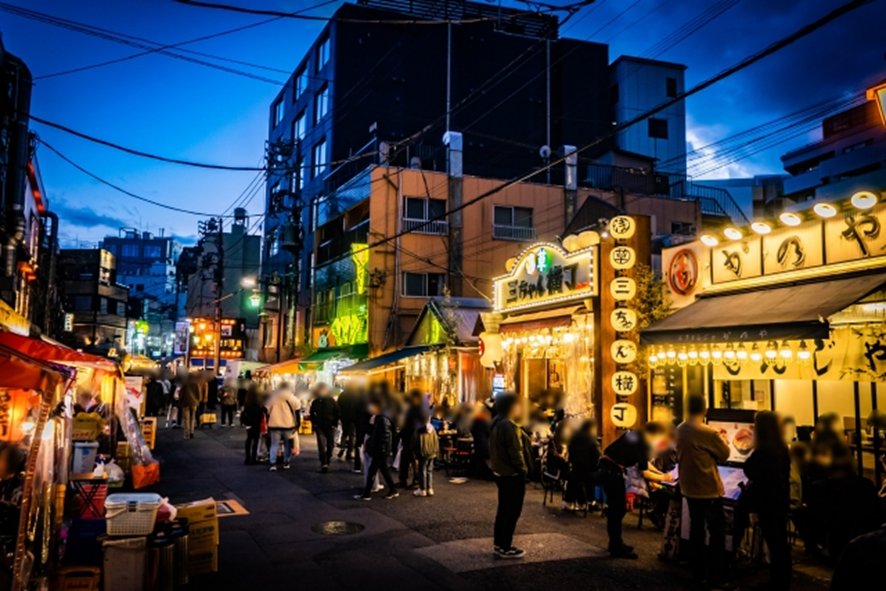
On the west side of Sensoji Temple in Asakusa, Hoppy Street is an approximately eighty-meter alley filled with pubs that have roots in the postwar era. Eating and drinking at streetside tables while soaking up the buzz is the norm here. The signature drink here is Hoppy, a carbonated alcoholic beverage mixed with shochu (a Japanese distilled spirit). First invented in 1948, the drink remains an Asakusa classic. A Hoppy set runs for about ¥550, and well-known dishes like motsu-nikomi (stewed offal) start at around ¥500.
By evening, lanterns turn on and the whole street comes alive. It’s also perfectly located for a stop after visiting the Sensoji Temple. Many shops accept cash only, however, so bring an extra ¥5,000 or so with you.
Details
| Address | 2-chome, Asakusa, Taito-ku, Tokyo |
| Hours | Varies by shop (usually 11 am-11 pm) |
| Closed | Closings vary by shop (many close on Wednesdays) |
| Recommended dishes | Motsu-nikomi, gyusuji (beef sinew), Hoppy set |
| Recommended for | Those who want an easygoing taste of Tokyo’s downtown food culture |
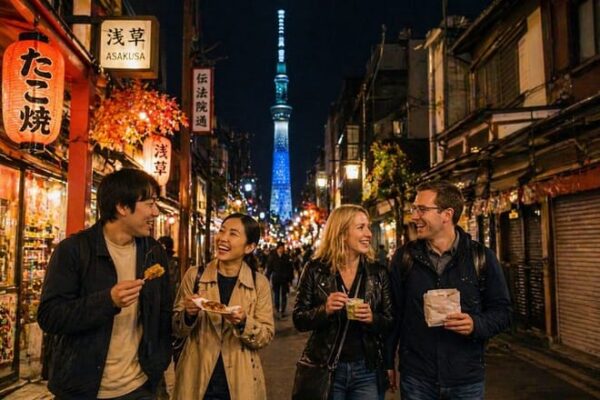
Tokyo: Asakusa Guided Food Tour with 12 Dishes & 3 Drinks
Tokyo: Asakusa & Sensoji ー Oldest Temple Walking Tour (2hrs)
Worry-Free Even for First-Timers! Four Recommended Guided Tours

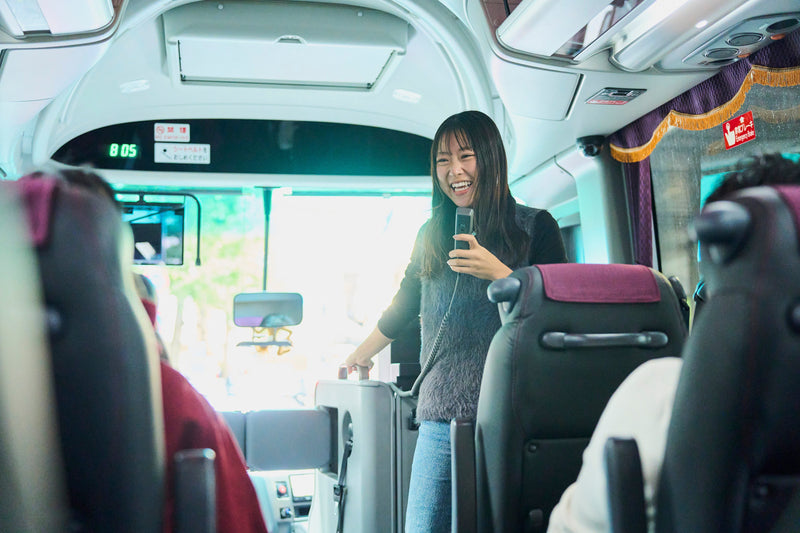
It would be a shame to give up on an experience just because you’re worried about the language or whether you can order on your own. Below are some tours led by English-speaking guides that are well worth considering. From food walks to traditional crafts and Japanese cultural activities, we’ve summarized the duration and booking method for each tour in this section, so you’re sure to find one that fits your travel style.
Tsukiji Food Walk & Cultural Tour
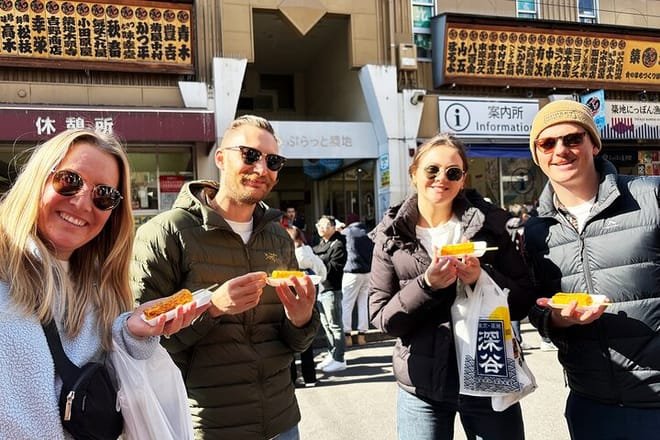
Japan Guide Star’ “Tsukiji Fish Market: Street Food & Culture Walking Tour” takes you around the top shops of Tsukiji Fish Market with an English-speaking guide. The alleys of the market are narrow, and first-timers can easily miss standout shops, but this tour guides you efficiently through carefully selected spots so you don’t miss a thing. The guide will also explain etiquette and manners to visitors, so you can relax and enjoy your food.
We recommend joining an early morning tour so you can avoid the rush of shoppers between 9 and 11 am. The tour runs for 1.5–2 hours, which frees up your afternoon for sightseeing in another area.
Details
| Meeting point | Tsukiji Hongwanji, 3-15-1 Tsukiji, Chuo-ku, Tokyo |
| Duration | Approx. 1 hour and 30 minutes |
| Included | English-speaking guide (plans with food tastings are also available) |
| Booking | https://japanguidestar.com/tour/tsukiji-fish-market-street-food-culture-walking-tour/ |
| Recommended for | Travelers who want a deep dive into food culture or want to see Tsukiji in a limited time |
Tsukiji Fish Market: Street Food & Culture Walking Tour
Tsukiji Fish Market Food & Walking Tour with 7 Gourmet Bites
Asakusa Food Tour: Twelve Dishes and Three Drinks
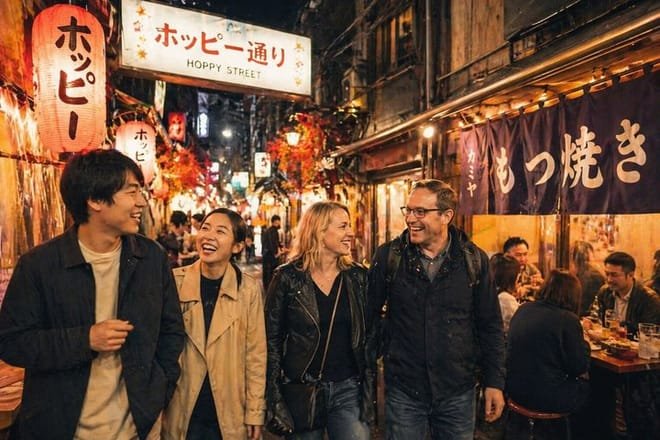
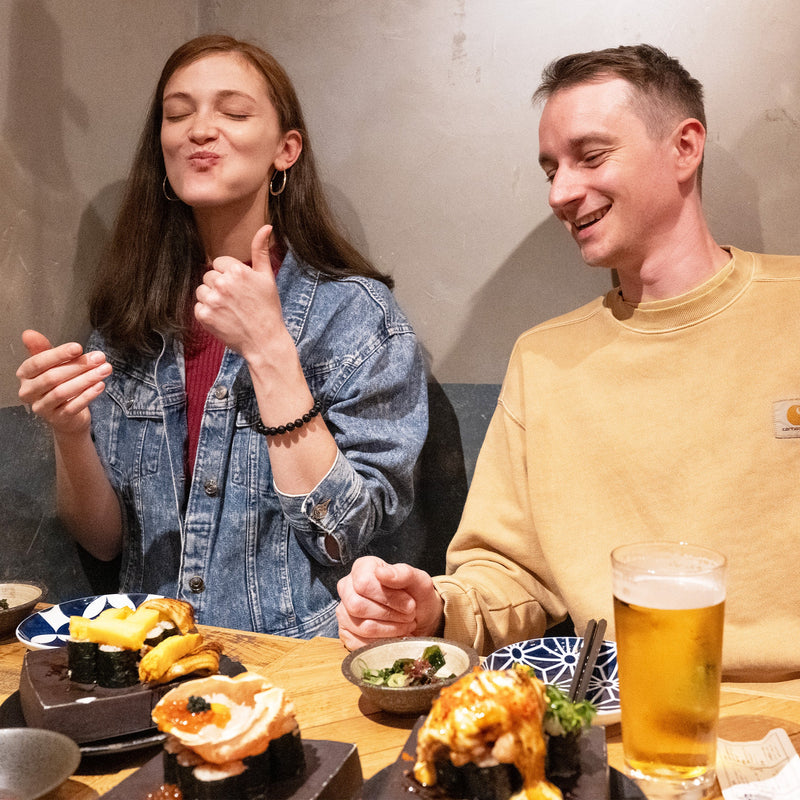
Japan Guide Star’ “Tokyo: Asakusa Guided Food Tour with 12 Dishes & 3 Drinks” is an approximately 3-hour evening food tour that dives deep into Asakusa’s pub culture. Starting with monjayaki (a savory pan-fried dish said to have originated in Asakusa), you’ll visit back-alley favorites that visitors typically miss, with twelve dishes and three drinks included in the tour price. You’ll experience the atmosphere of shops where locals actually gather.
You’ll also learn how to order sake and the accompanying etiquette, giving you the confidence to step into any izakaya on your own the next day. The evening start time makes it easy to join the tour right after a day of sightseeing, too.
If you want to enjoy Tokyo at night from the perspective of a local, be sure to check this one out.
Details
| Meeting point | 1-3-1 Asakusa, Taito-ku, Tokyo |
| Duration | About 3 hours (6:30 pm start) |
| Included | 12 dishes, 3 drinks, English-speaking guide |
| Booking | https://japanguidestar.com/tour/tokyo-asakusa-food-tour-12-dishes-3-drinks/ |
| Recommended for | Food-focused travelers or those who want to make the most of Tokyo at night |
Chopstick-Making Workshop in Ginza
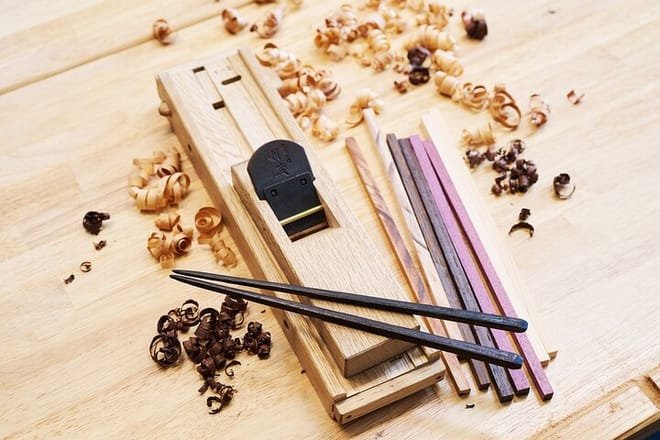
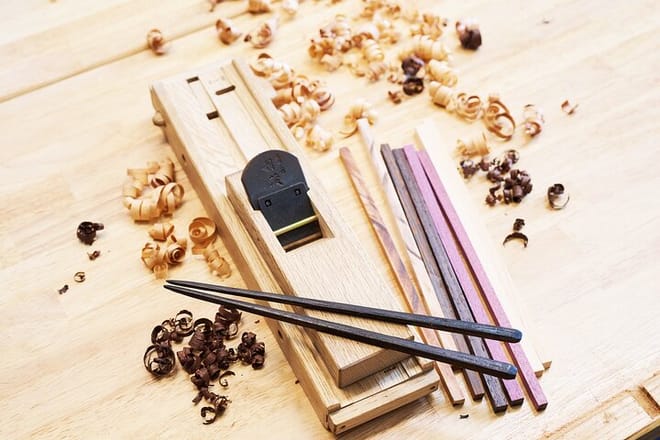
Japan Guide Star’ “Tokyo: Ginza Chopstick-Making Workshop & Cultural Insights” is a hands-on program where you craft your own original chopsticks in Ginza. Here you can choose from over ten types of wood and carefully shape your chopsticks using traditional carpenter’s tools like a kanna (plane). An English-speaking guide supports you at every step, so even guests without woodworking experience can take part with ease.
You can also pay extra to engrave Chinese characters on your chopsticks: carving your name or a commemorative phrase creates a one-of-a-kind souvenir. The workshop takes about an hour to complete, and you get to take home the finished chopsticks when you leave.
Details
| Meeting point | 2F Kusumoto No. 17 Building, 1-14-12 Ginza, Chuo-ku, Tokyo |
| Hours | Sessions every 30 minutes from 8 am to 6 pm |
| Duration | Approx. 1 hour |
| Booking | https://japanguidestar.com/tour/tokyo-ginza-chopstick-making-workshop/ |
| Recommended for | Families, craft-experience seekers, and travelers who want an upscale souvenir |
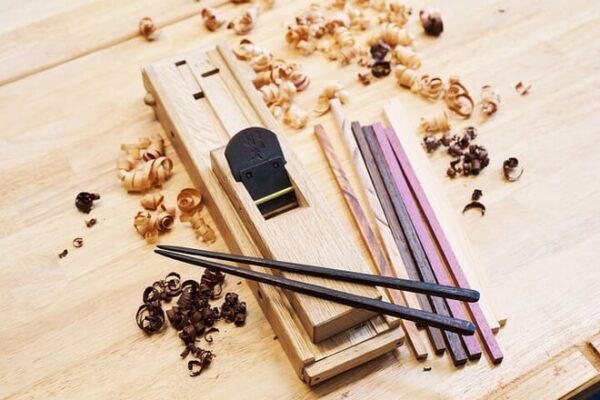
Tokyo Chopstick Making Workshop in Shinjuku
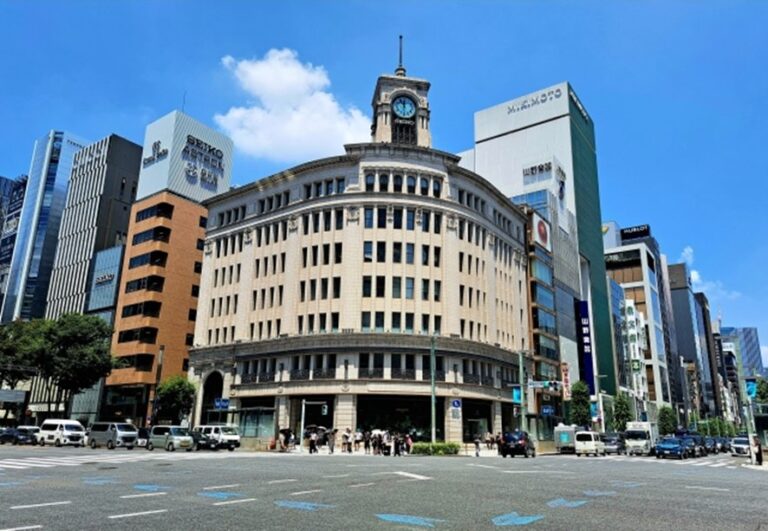
Tea Ceremony & Japanese Sweets Workshop
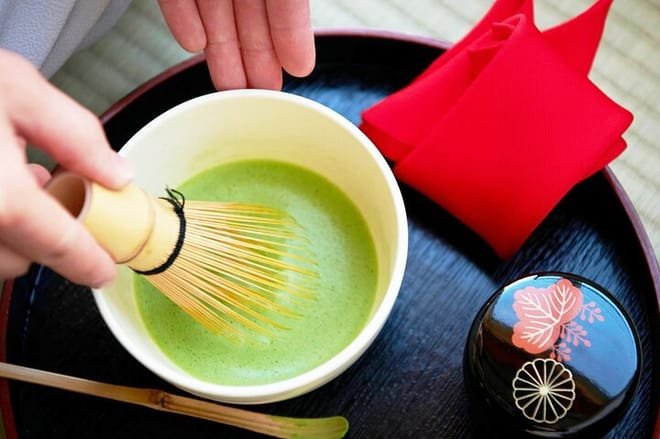
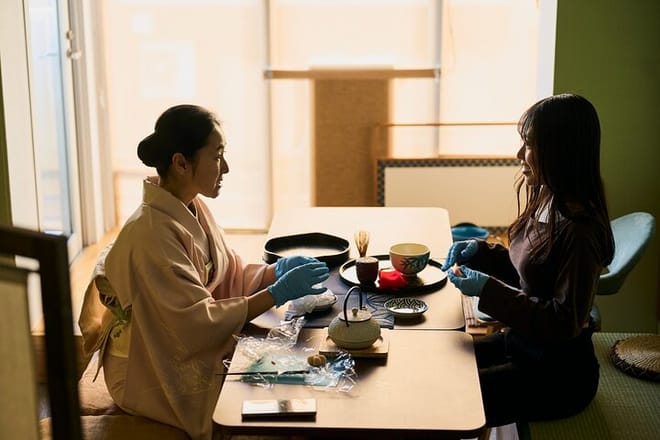
Japan Guide Star’ “Tokyo: Tea Ceremony & Japanese Sweets Making” is a workshop where you learn how to whisk matcha and craft Japanese sweets in a single session. The experience begins with making sweets, where you shape the traditional confection into shapes based on the seasons using wooden molds. Next you’ll learn the basics of the tea ceremony and whisk a bowl of matcha yourself using a bamboo tea whisk. And at the end you finally get to enjoy the gentle sweetness of your handcrafted confection alongside the bitter matcha.
The workshop is conducted in English, so anyone can join in without worrying about the language barrier. At about one hour in duration, it’s easy to slot in between sightseeing.
Details
| Meeting point | 5-36-10 Hakusan, Bunkyo-ku, Tokyo |
| Hours | 2 pm and 4 pm sessions (twice a day) |
| Duration | About 1 hour |
| Included | Tea ceremony experience, Japanese sweets |
| Booking | https://japanguidestar.com/tour/tokyo-tea-ceremony-japanese-sweets-making/ |
| Recommended for | Those wanting a deeper cultural experience, families, or those needing wheelchair access |
Tokyo: Tea Ceremony & Japanese Sweets Making
Experience the harmony, respect, and tranquility of tea
Frequently Asked Questions

When planning a trip to Tokyo, questions about timing, language, and how to get around inevitably come up. The following list provides information about what most travelers want to know before they go. In this section we’ll cover seasonal considerations, English language availability, and how to build your itinerary. Knowing these things in advance will help you plan your trip with confidence.
When Is the Best Time to Visit Tokyo?
If you’re prioritizing scenery, spring (late March to early April) or autumn (mid-November to early December) are the best times to visit the city. On the one hand, the temperature is comfortable, but on the other hand, hotel prices spike and rooms become harder to book.
Winter (mid-December to February) is cold but offers excellent visibility and more affordable accommodations, making it an underrated yet good time to go. Summer (July–August) is extremely hot, so an itinerary centered on indoor facilities and evening activities is a must.
Is English Understood in Tokyo?
Major stations and tourist facilities have English signage and English menus are also common at convenience stores and chain restaurants. At small independent shops, however, Japanese may be the only option. That being said, you can use an app like Google Lens to translate menus just by pointing your camera.
If the language barrier is a real concern, we recommend joining a tour with an English-speaking guide. Consider the food tours and cultural experiences introduced above.
How About a Model Itinerary?
For a three-day trip, we recommend covering one area per day like this: Asakusa → Harajuku/Shibuya → Tsukiji/Ginza.
| Morning | Afternoon/Evening | |
|---|---|---|
| Day 1 | Explore Sensoji Temple | Food walking on Nakamise → Hoppy Street |
| Day 2 | Meiji Jingu Shrine and Takeshita-dori | Shibuya crossing → SHIBUYA SKY |
| Day 3 | Breakfast at Tsukiji Fish Market | Shopping in Ginza → Golden Gai |
Most central spots are ten–thirty minutes apart by train, but reaching Haneda Airport or the suburbs can take over thirty minutes. Check specific times using route search between the areas you want to visit. If you’re staying in Tokyo for four to five days, consider adding these venues and activities to your plans:
- teamLab or Akihabara
- Cultural activities like chopstick making or tea ceremony
- A bus tour to Mt. Fuji or Hakone
Japan Guide Star’ Mt. Fuji and Hakone day tour comes with an English-speaking guide, so you can enjoy the day with peace of mind.

Tokyo: Mt. Fuji Cruise & Hakone Ropeway Day Trip by Bus
Summary
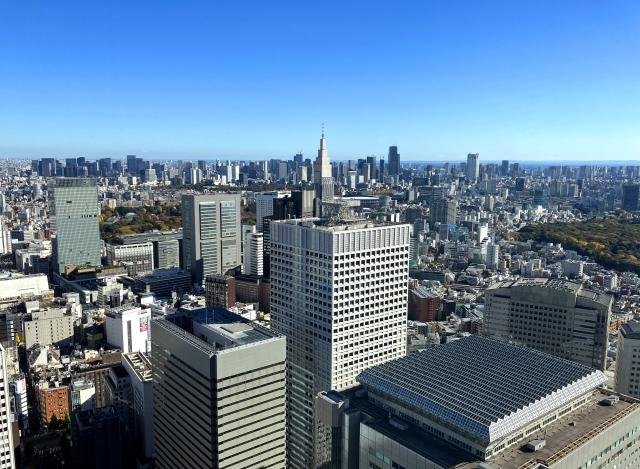
Tokyo has plenty of options. For a successful trip, choose your accommodation area and transit pass, then book popular attractions in advance to make the most of every moment on the ground. Use this guide as a starting point to craft an itinerary that’s uniquely yours.