Thinking about trying a chopstick-making workshop in Ginza but not sure where to book? With prices, workshop details, and booking options scattered across multiple websites, comparing your choices can be tricky.
Two workshops in the Ginza area each offer a unique hands-on experience at different price points. Knowing the key details in advance—about using a kanna, what each session costs, and how cancellation works—makes it easier to choose a workshop and book your spot.
Key Info About Ginza’s Chopstick-Making Workshops

Two workshops in Ginza offer hands-on chopstick-making with English-speaking staff. Both are within walking distance of major train stations, with sessions lasting about sixty minutes and prices ranging from ¥2,800 to ¥3,980.
Two Workshops in the Ginza Area
Two main workshops currently offer chopstick-making sessions in Ginza.
- Chopsticks Studio Ginza (Ginza 1-chome)
- Kinokurashi Ginza Bashi (Ginza 2-chome)
Both are within walking distance of Ginza-itchome Station on the Tokyo Metro Yurakucho Line, making them easy to find even if you’re new to the area.
Nearby, department stores like Matsuya Ginza and a lively dining district with reservation-only restaurants line the streets. Shopping and dining before or after the workshop fits naturally into a full day of sightseeing in Ginza.
Ginza’s upscale setting provides the ideal backdrop for a hands-on encounter with Japanese craftsmanship. The two workshops differ in focus and pricing, so comparing them side by side is the best way to find your match.
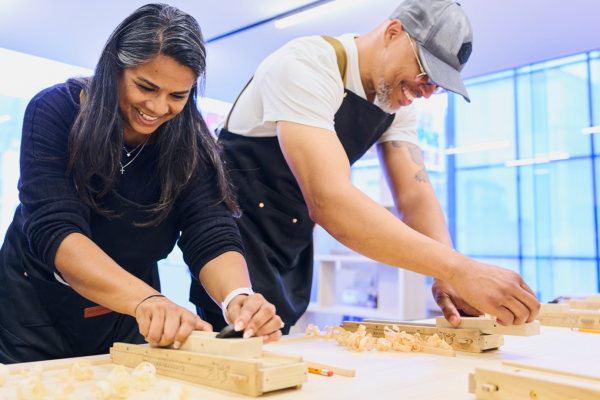
Tokyo Chopstick Making Workshop in Ginza

Prices Range from ¥2,800 to ¥3,980
Base prices typically range from ¥2,800 to ¥3,980 (about $19–$27 USD), but can vary even more depending on the type of wood you choose.
Most plans include tool rental, a basic wood blank, and same-day takeaway of your finished chopsticks. As long as you stick with standard wood and skip optional extras, no additional fees will apply. However, certain types of wood and add-ons carry surcharges, so checking the price breakdown for each plan when booking is a good idea.
Premium woods (such as ebony or rosewood) incur an additional charge on top of the base price. Your final cost depends a lot on the wood you select, so budgeting a little extra is wise.
Name engraving costs an additional ¥1,100 and is paid on-site at the workshop.
The table below summarizes typical pricing:
| Item | Price (estimate) |
|---|---|
| Basic workshop (standard wood) | ¥2,800–¥3,980 |
| Upgrade to premium wood | Additional charge (varies by wood type) |
| Name engraving | ¥1,100 |
To avoid surprises, before you arrive, decide on the wood grade and whether or not you want name engraving. Prices listed here are subject to change, so confirm the latest pricing when you book.
Tokyo Chopstick Making Workshop in Ginza
Finished in About Sixty Minutes with Same-Day Takeaway
The hands-on work takes roughly sixty minutes from start to finish, though some sessions can run for up to ninety minutes depending on group size and how busy the workshop is.
The following time breakdown can help you plan the session around your travel schedule:
| Step | Estimated time |
|---|---|
| Check-in and wood selection | 10–15 min. |
| Shaping and finishing | About 60 min. |
| (Total time at workshop) | (70–90 min.) |
Some venues offer a shorter chop-stick making workshop that takes around forty-five minutes, so confirm the duration of your chosen class when you book.
After shaping, workshop staff will coat your finished chopsticks with a plant-based oil (typically made from linseed oil and beeswax—both food-safe) as a final finish, so you won’t need to wait for them to dry at the studio; instead you can take your chopsticks home right away and let them dry fully at home before first use.
Aprons and all necessary tools are provided on-site, so you can show up empty-handed, a real plus for travelers. Head out from your hotel with nothing but your wallet and return within 90 minutes carrying a handcrafted, practical souvenir.
English Support Makes the Workshops Beginner-Friendly

Staff at both the featured workshops in Ginza speak English, and can explain everything from wood characteristics and tool handling to step-by-step instructions. Most booking platforms are available in English, too, so you can participate even without any Japanese skill.
You don’t need any prior knowledge or experience, either. Even if you’ve never held a kanna—a traditional Japanese wood plane—before, staff will guide you through each step. The process is broken down into clear stages, so you can work at your own pace without feeling rushed.
Support features for beginners include:
- Step-by-step English instruction: Staff explain each step in English, from wood selection through to the final finish
- Kanna demonstration: At the beginning, there’s a demonstration on how to hold and control the kanna
- On-the-spot advice: On-the-spot advice is available if you shave too much or need to adjust the shape
If you are feeling uncertain about the language or the craft, that is all the more reason to give Ginza’s chopstick-making workshops a try.
The Two Chopstick-Making Workshops in Ginza
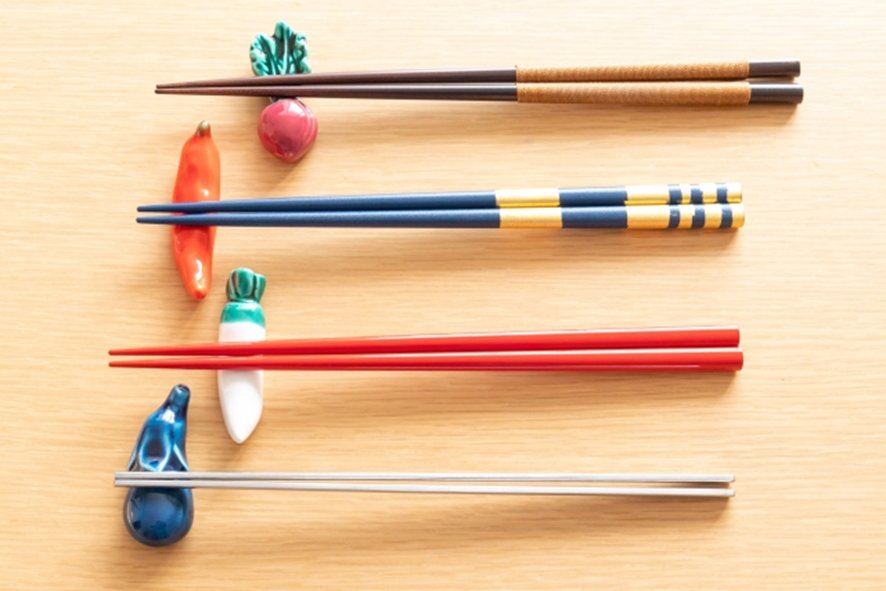
Each workshop has a distinct focus: one emphasizes the cultural background of chopsticks, while the other stands out for its extensive lineup of twenty-six different wood types. Comparing session content, pricing, access, and booking options makes it easier to choose the right fit for your trip.
Chopsticks Studio Ginza: A Workshop with Cultural Commentary
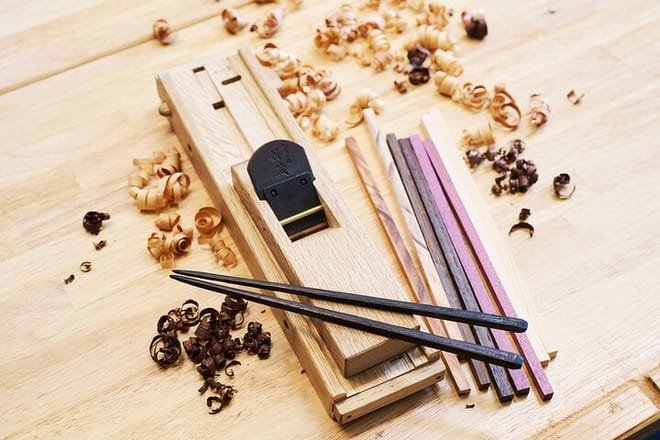
Tokyo: Ginza Chopstick-Making Workshop & Cultural Insights – Japan Guide Star
Newly opened, Chopsticks Studio Ginza’s biggest draw is its in-depth English commentary on chopstick culture. Each session begins with a short lecture on the history and etiquette of chopsticks in Japan, adding a layer of cultural insight to the craft.
The studio is just a one-minute walk from Exit 10 of Ginza-itchome Station. Choose from more than ten types of wood, then shape, sand, and finish your own pair in about sixty minutes. Name engraving is also available as a paid option, and can be used to make your chopsticks even more memorable as a keepsake or gift. The base price of the workshop includes three different wood types; selecting a premium wood outside of those three costs extra.
You can book through a booking site and pay online. If you have questions about premium-wood pricing or on-site payment methods, contact Chopsticks Studio Ginza directly before booking.
Details
| Address | Kusumoto Dai-17 Bldg. 2F, 1-14-12 Ginza, Chuo-ku, Tokyo |
| Hours | 9 am–6 pm (check the official site for last entry times) |
| Closed | Irregular closings |
| Official site | https://japanguidestar.com/tour/tokyo-ginza-chopstick-making-workshop/ |
| Best for | Those who want to learn the cultural background of chopsticks; visitors who want English-language support |
Tokyo Chopstick Making Workshop in Ginza
Kinokurashi Ginza Bashi: A Workshop with Twenty-Six Different Types of Wood to Choose From
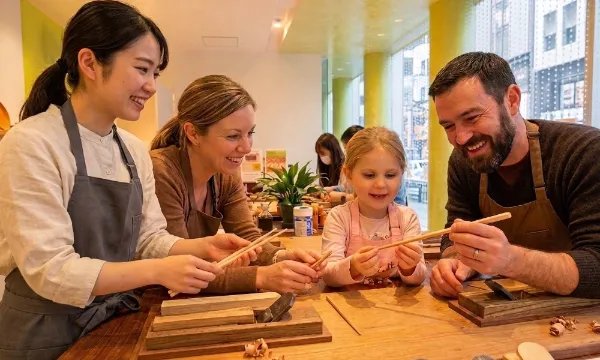
Handmade Chopstick Experience in Ginza | Ginza Bashi
Run by a woodworking company, Kinokurashi Ginza Bashi stands out for its expansive selection of twenty-six types of wood. Here, you can compare grain patterns, colors, and textures side by side and enjoy the process of finding the perfect material for your project. Different length options are also available, so you can tailor the chopsticks to the size of your hand.
The workshop involves shaping the wood with a kanna, smoothing it with sandpaper, then applying an oil finish—completed in about forty-five minutes to one hour. Name engraving is also available for an additional ¥1,100.
Prices start from ¥3,980, and you can reserve your spot through the official website or platforms such as Activity Japan, Rakuten Travel, or Jalan. Note that extra charges for premium wood or name engraving are paid for at the workshop on the day of your visit, and only credit cards and QR code payments are available as payment options.
Details
| Address | GINZA-2 1F, 2-9-13 Ginza, Chuo-ku, Tokyo |
| Hours | 9 am–7 pm (last entry at 6 pm) |
| Closed | Irregular closings |
| Official site | https://ginzabashi.com/ |
| Best for | Those who value choosing from a wide selection of wood; visitors who want an authentic experience with a kanna |
Tokyo Chopstick Making Workshop in Ginza
What Happens During the Workshop: Shaping Chopsticks with a Kanna
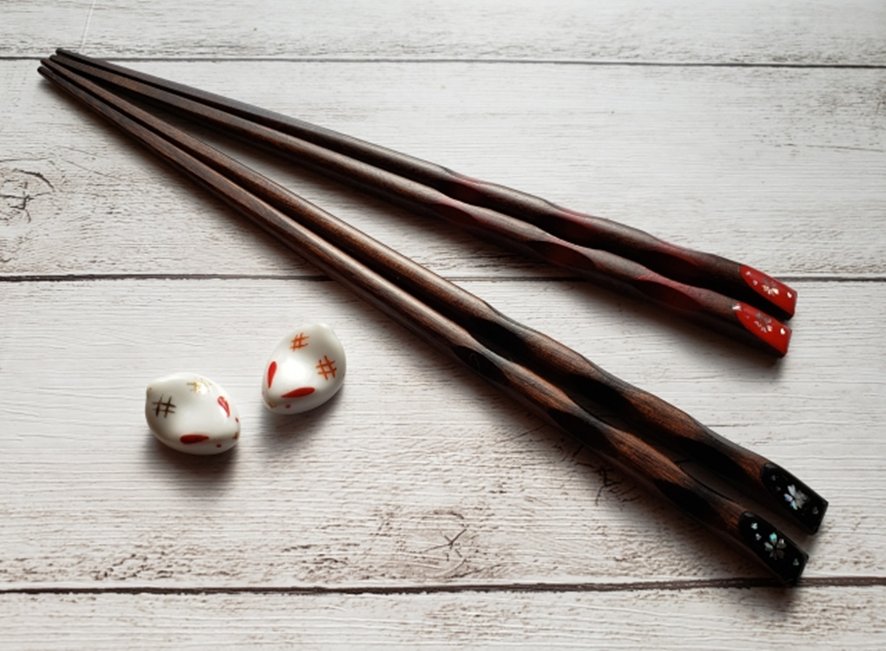
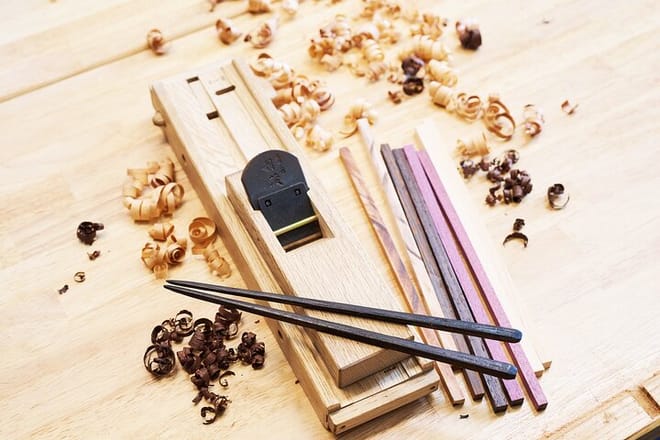
The idea of shaving wood with a kanna may sound intimidating, but the process is simpler than you might expect. Four clear steps will guide you from start to finish: choosing your wood, shaping, refining with sandpaper, and applying the finish.
Understanding the workflow in advance can take the pressure off and let you enjoy the experience from the first stroke of the kanna against the wood.
Step 1: Choose the Type and Length of Wood
When your session begins, you’ll select a piece of wood from the samples displayed on the table.
About five different types of wood are included in the price of the workshop, with popular Japanese options such as hinoki (Japanese cypress) and cherry wood at the center of the lineup. Hinoki is a pale cream color and releases a fresh, clean fragrance the moment you pick it up. Cherry wood has a warm, slightly pink hue and is light and comfortable to hold.
Premium options like ebony and rosewood cost extra, but their substantial weight and rich color set them apart as special. Ebony, for example, has a near-jet-black luster, while rosewood features a striking reddish-purple grain. Ask the staff for recommendations, and they will explain the hardness and aging characteristics of each species in English.
Two lengths of wood are also available: standard and short. The general rule of thumb is that your ideal chopstick length is 1.5 times the span between your outstretched thumb and index finger. Shorter chopsticks tend to be more comfortable for those with smaller hands or for children.
If you’re still undecided about which type of wood to choose, try comparing the weight and feel of different ones in your hand: actually picking up the wood can help you decide.
Step 2: Shave All Four Sides with a Kanna
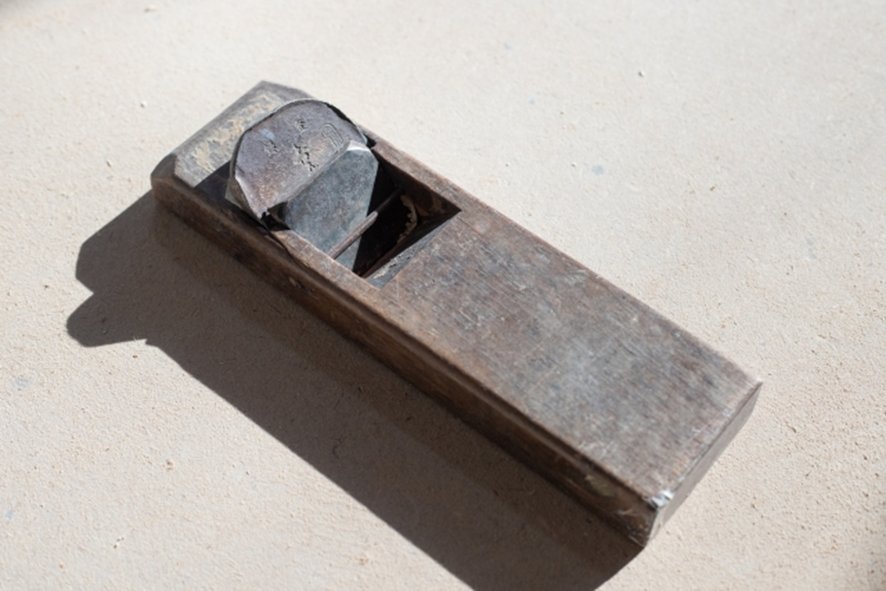
Once the wood is secured in a jig (a fixture that holds the blank in place), work with the kanna begins. The goal is to shave all four sides of the blank in sequence, adjusting thickness and edge angles to produce a chopstick shape.
Because the wood follows a guide, you don’t need to apply a lot of force. The best way to work the kanna is to pull it straight toward you with a steady, even pressure. Staff will demonstrate how to hold the kanna safely and position the blade before you start, so after a few practice strokes you’re sure to find a comfortable rhythm.
With each pass, thin shavings curl off the surface of the wood and a fresh scent rises from the blank. Feeling the chopstick growing steadily thinner after working each side is one of the most satisfying moments in the entire workshop.
A few points to keep in mind for first-timers:
- Staff support: Staff stay nearby throughout the workshop, helping you progress and checking the quality of your work
- Safety: The blade does not swing freely; it simply glides along the surface of the secured wood, keeping the risk of personal injury very low
- Guidance: Staff will let you know if the thickness is uneven or if more shaving is needed on a particular side
This step takes up most of the session, but the sense of accomplishment that comes from shaping chopsticks with your own hands makes the effort well worth it.
Step 3: Smooth the Tips and Edges with Sandpaper
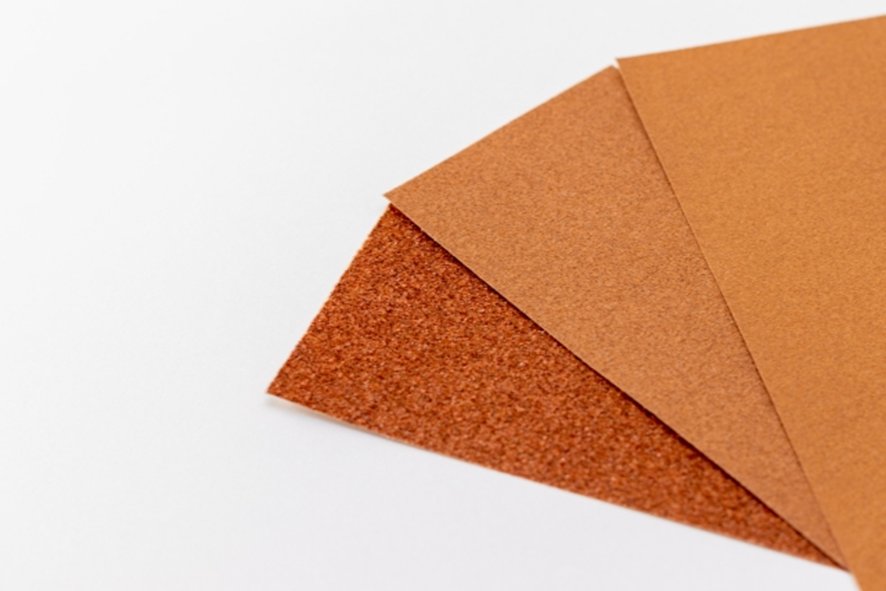
Once all four sides are shaved, you’ll switch to sandpaper to refine the tips and edges.
This step is where your personal touch shows through most clearly. How thin you taper the tips and how much you round the edges out directly affects the mouthfeel and grip, making your pair truly unique. The trick is to move from coarse grit to fine grit sandpapers in stages: start with coarser paper to rough out the final shape, then switch to finer paper to smooth the surfaces.
Pick up the chopsticks several times during this process to test how they feel in your hand. If you want the edges rounder or the tips sharper, ask the staff to help you bring that about. They will show you how to dial in the shaving to match your preferences, so even first-timers can attain a final product that’s close to an ideal shape.
Take your time and enjoy the fine-tuning process. The satisfaction of holding the finished pair in your hand and knowing the chopsticks are one of a kind is hard to beat.
Step 4: Apply the Finish
Once the final shape has been determined with the sandpaper, you’ll rub a natural plant-based oil over the entire surface of the chopsticks. The oil penetrates the wood and creates a protective layer that blocks moisture and stains. As soon as you apply it, the grain springs to life and the texture turns silky, a satisfying moment that makes your chopsticks feel truly complete.
The specific oil used varies by workshop, but plant-derived formulas are standard. Some wood-finishing oils are made from nut-based ingredients such as walnut oil, or from plant oils like perilla oil. Anyone with a nut allergy should be aware that even trace contact could cause a reaction. If allergies are a concern, contact the workshop directly when you book to confirm the type of oil they use.
After you get home, simply reapply a thin coat of oil with a dry cloth from time to time to keep the chopsticks looking beautiful for years. Some workshops offer name engraving as an option, priced at around ¥1,100 per side. An engraving adds a personal touch, whether as a keepsake for yourself or as a gift for someone special.
How to Book a Chopstick-Making Workshop in Ginza and What to Keep in Mind

Once you have decided on a workshop, the next step is booking your reservation. With information spread across multiple platforms, knowing where to start can save time and hassle.
Before you book, check these three points: the differences between booking platforms, tips for securing popular time slots, and cancellation policies.
Book Through a Booking Site or the Official Website
Chopstick-making workshops often accept reservations through booking platforms and official websites. For example, Chopsticks Studio Ginza can be booked through Japan Guide Star, as well as other platforms like Jalan, Asoview, Klook, and HIS. Jalan even has an instant booking feature that allows you to check availability and confirm your spot on the same page.
Kinokurashi Ginza Bashi accepts bookings through its official website and platforms like Activity Japan. The official website supports making reservations in English for ease of access to international visitors.
Some helpful points to keep in mind when choosing a booking platform:
- For reservations in English: Klook, HIS, and Activity Japan all have well-developed English language pages
- For reservations in Japanese: Jalan and Asoview offer point rewards and an instant confirmation feature
- Available payment methods: Confirm your options on each platform’s checkout page
Regardless of the platform, the flow is basically the same: select a date and time, check availability, then complete payment. Once you have a date in mind, checking availability well in advance of your trip is usually the best approach.
Popular Time Slots Can Fill Up Several Days in Advance
Timing matters when booking a chopstick-making workshop in Ginza. Knowing which slots fill up fast and which tend to stay open can help you plan:
- High-demand times: Morning slots, weekends, public holidays, and long holiday periods often sell out several days before the date
- Advance booking: To secure your preferred time, try to reserve at least one week in advance
- Flexible alternatives: Weekday afternoons (around 2–4 pm) tend to have more openings and are a good option if you’ve got a flexible schedule
Booking slots usually run in thirty-minute intervals from 9 am to 6 pm, giving you plenty of options to choose from. Locking in your time as soon as your travel dates are confirmed is the safest strategy. Even if your preferred time appears full, it may not be too late: sudden openings due to cancellations are common on booking sites, and contacting the workshop directly may turn up additional availability.
If the time slot you want is taken, making an inquiry is always worth a try.
Free Cancellation Up to 24 Hours Before the Workshop
When booking through Japan Guide Star or GetYourGuide, you can take advantage of a free cancellation policy up to 24 hours before your session start time. Note that exact refund deadlines and terms vary by product, so make sure to check current details. Always review the cancellation policy on the booking platform before finalizing your reservation, especially if your plans are subject to change.
Asoview also allows free changes up to twenty-four hours before your reservation. For Activity Japan and Rakuten Travel Experiences, fees and refund windows vary by plan and are listed on each plan’s Details page.
The summary for a given workshop may not include all the details, so checking the plan’s full description and refund terms before confirming your booking is highly recommended.
To avoid missing a deadline, a few simple habits can help:
- Set reminders: Right after booking, set a reminder for twenty-five hours before your session start time
- Organize confirmation emails: File the confirmation email in a dedicated folder and add the deadline to your calendar
- Confirm schedules: If traveling with others, confirm everyone’s schedule at least twenty-four hours before the session
Most booking platforms impose a 100% charge for same-day cancellations or no-shows. Policies on late arrivals differ by workshop and platform, so always check the terms in advance and aim to arrive with time to spare.
Common Questions About Chopstick-Making Workshops in Ginza

Before booking, a few questions tend to come up, and having the answers in advance can make it easier to pick the right workshop and time.
Out of the Two Workshops in Ginza, Which One Should I Choose?
The best choice for you depends on your travel style.
For a culturally enriching experience, Chopsticks Studio Ginza is the better pick. Staff explain the history and etiquette of chopsticks in English, giving you insight into Japanese culture beyond just the craft itself. Chopsticks Studio Ginza is especially well suited for first-time visitors who want to combine learning with making.
For maximum material variety, Kinokurashi Ginza Bashi is the way to go. With twenty-six different types of wood to compare by color, grain, and texture, you can create a truly personalized pair of chopsticks. Kinokurashi Ginza Bashi appeals to repeat visitors or anyone who appreciates the feel and character of different types of wood.
Here’s a quick comparison to help you decide:
| Priority | Recommended workshop |
|---|---|
| Learning about culture and etiquette | Chopsticks Studio Ginza |
| Choosing from a wide range of wood types | Kinokurashi Ginza Bashi |
| A reassuring first-time experience | Chopsticks Studio Ginza |
| Making a second pair of chopsticks out of different materials | Kinokurashi Ginza Bashi |
Can Children Participate Too?

Chopsticks Studio Ginza and Kinokurashi Ginza Bashi promote family participation on their official sites, and both workshops welcome young children. Minimum age requirements may differ depending on the booking platform, though, so confirm in advance when bringing small children.
The workshops are set up for safe use, even for children. The wood blank is secured in a jig, and staff demonstrate the correct way to hold and draw the kanna before the child begins. Rather than swinging the blade, you simply slide the kanna in one direction along a fixed surface, which is manageable even for younger children with staff assistance.
General age guidelines:
- Ages 6–8: Most children can fully participate, though the kanna requires some force. An adult sitting alongside to support the child is recommended.
- Ages 9 and up: Most children can handle the kanna on their own, and families often enjoy making separate pairs of chopsticks side by side.
If you plan to bring a young child, mentioning their age when booking helps the workshop better prepare for your arrival.
Are There Certain Time Slots to Avoid?
Weekend and holiday mornings tend to be the busiest times. Tourists are abundant, so the workspace can feel cramped.
Crowd levels directly affect the quality of the activity. During quieter sessions, staff can give each participant more individual attention, offering detailed guidance and answering questions at length. During peak hours, staff attention is inevitably spread thinner.
Ginza’s chopstick-making workshops run for about an hour with staff guiding you throughout. For a more relaxed, focused session, check availability and crowd indicators on the booking site and aim for a weekday or afternoon slot.
A quick guide for choosing a time:
| Time slot | Crowd level | Best for |
|---|---|---|
| Weekends/holidays, mornings | Often busy | Experienced visitors; those short on time |
| Weekdays, afternoons | Relatively quiet | Beginners; those who want more personalized instruction |
For a leisurely experience at your own pace, aim for a weekday afternoon slot.
Are There Sightseeing Spots Near the Workshops?
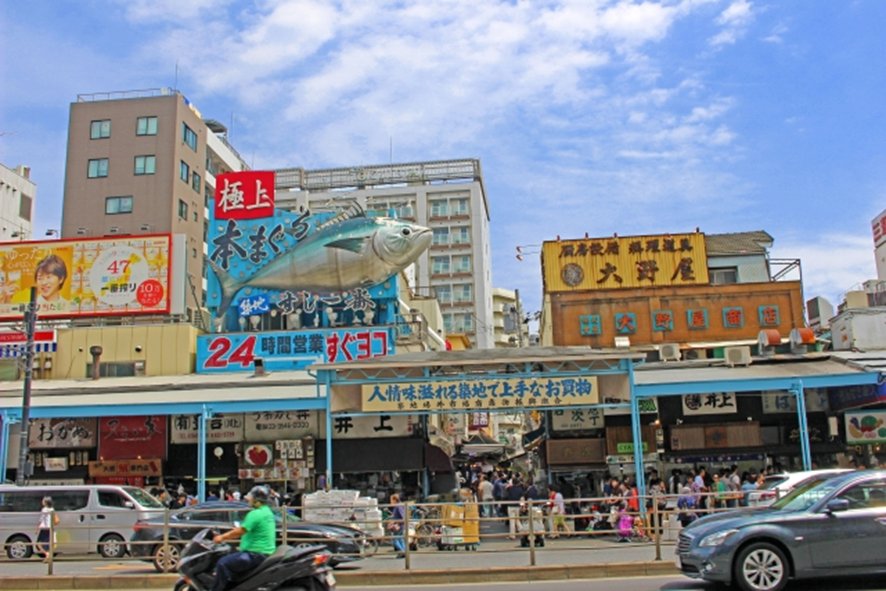
Ginza packs a wide range of Japanese cultural attractions into a walkable area, making it easy to pair a chopstick-making workshop with nearby sightseeing.
Suggested stops organized by time of day:
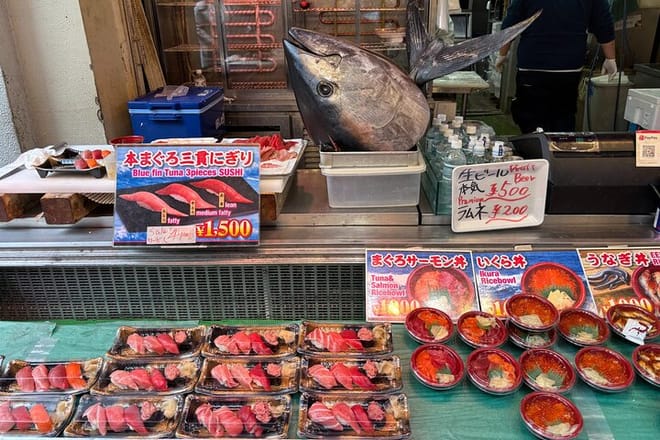
- Before a morning workshop: Tsukiji Outer Market is a food market filled with fresh seafood and tamagoyaki (Japanese rolled omelet). If you want to try street food with your freshly made chopsticks, visiting after the session is another great option.
- After an afternoon workshop: Kabukiza Theatre (directly connected to Higashi-Ginza Station) sells single-act seat tickets at the box office from 10 am same-day, and reserved seats can be purchased online from 12 pm the day before. English audio guides are available. Experiencing both traditional craft and traditional theater in one half-day is something only Ginza can offer.
- For an evening stroll: GINZA SIX (a luxury shopping complex) Rooftop Garden (free) is an open-air space with panoramic views of the Ginza skyline, perfect for unwinding after your crafting session.
A chopstick-making session takes just about 60 minutes, leaving plenty of time to visit one or two more spots before or after the workshop. Combining craftsmanship, food, and traditional performing arts into a single day is an ideal way to immerse yourself in Japanese culture on a tight schedule.
Use the chopstick-making session as a starting point and make the most of a full day in Ginza.
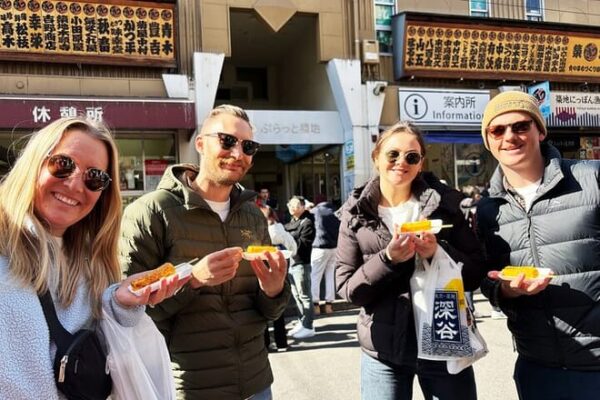
Tsukiji Fish Market: Street Food & Culture Walking Tour
Can I Try Chopstick-Making Outside Ginza?
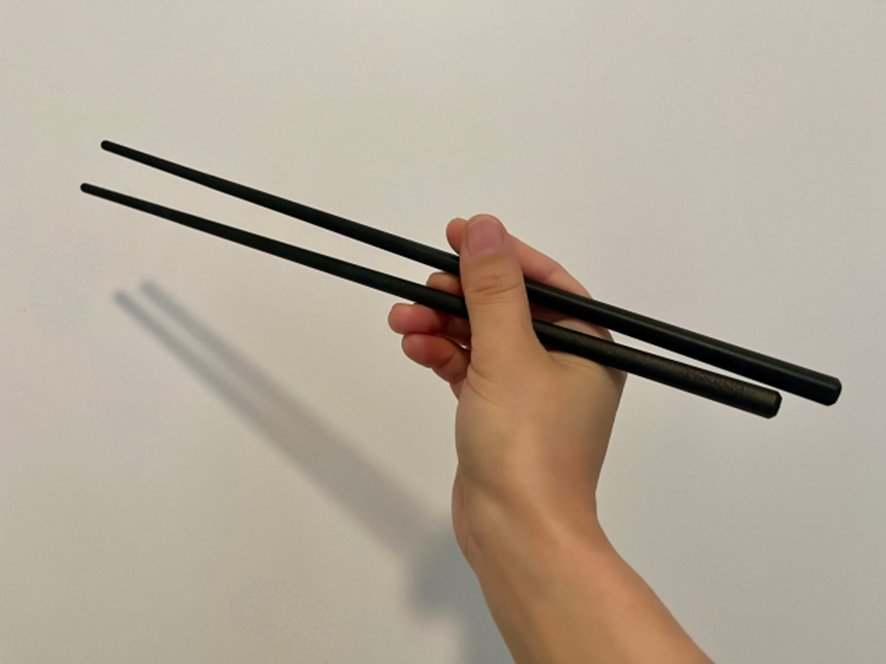
Yes. Chopstick-making workshops are available in other areas as well. Within Tokyo, Shinjuku and Kuramae both host workshops, and Arashiyama in Kyoto is home to a dedicated studio.
Each area has its own character, which is helpful to know when deciding.
| Area | Highlights |
|---|---|
| Ginza | Central Tokyo location with easy access to shopping and sightseeing; a refined workshop setting |
| Shinjuku/Kuramae | Tokyo’s craft and downtown neighborhoods; convenient to slot into another day, too |
| Arashiyama, Kyoto | A nature-rich setting perfect for immersion in traditional culture; pairs naturally with sightseeing in Kyoto |
Ginza is the best option for travelers who want to combine a cultural experience with city exploration during a limited time in Tokyo. From Ginza, Tsukiji and Kabukiza are both within walking distance, making it easy to fill a full day without wasted transit time.
If Kyoto is your main destination or you prefer a more traditional neighborhood feel, Arashiyama or Kuramae are excellent alternatives. Wherever you choose, the joy of bringing home chopsticks you made with your own hands remains the same.
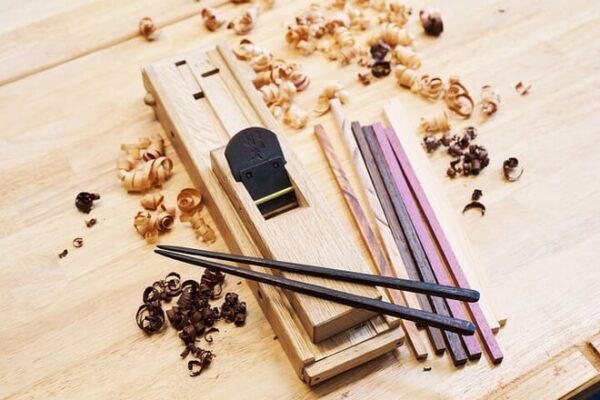
Tokyo Chopstick Making Workshop in Shinjuku
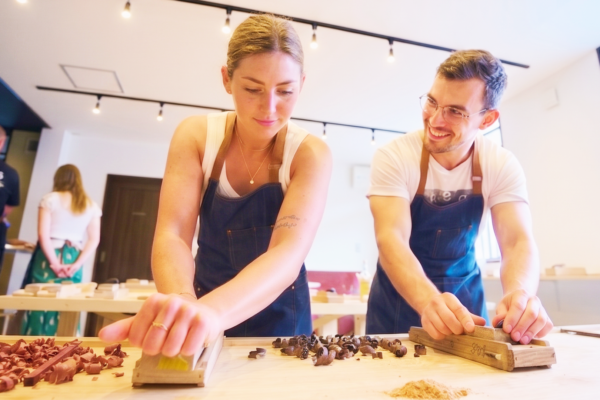
Kyoto Arashiyama Chopstick Making Workshop
Make Your Own Pair of Chopsticks in Ginza

Ginza’s chopstick-making workshops let you craft your own pair of chopsticks in about sixty minutes for around ¥3,000 ($20 USD), an ideal hands-on experience. English-speaking staff and a convenient location near major stations make these workshops accessible to first-time visitors. Popular time slots can fill up quickly, so booking your spot as soon as your dates are set is the way to go. On your next trip to Tokyo, consider visiting Ginza to create your very own one-of-a-kind chopsticks.