Planning a trip to Asakusa but unsure where to go beyond Senso-ji? With so many attractions packed into a compact area, deciding what to prioritize when time is limited can be a real challenge.
Twelve carefully selected spots, activities, and local food favorites are organized by category, with key highlights and practical details to help you build an Asakusa itinerary that matches your interests.
What Makes Asakusa Special? Essential Visitor Information
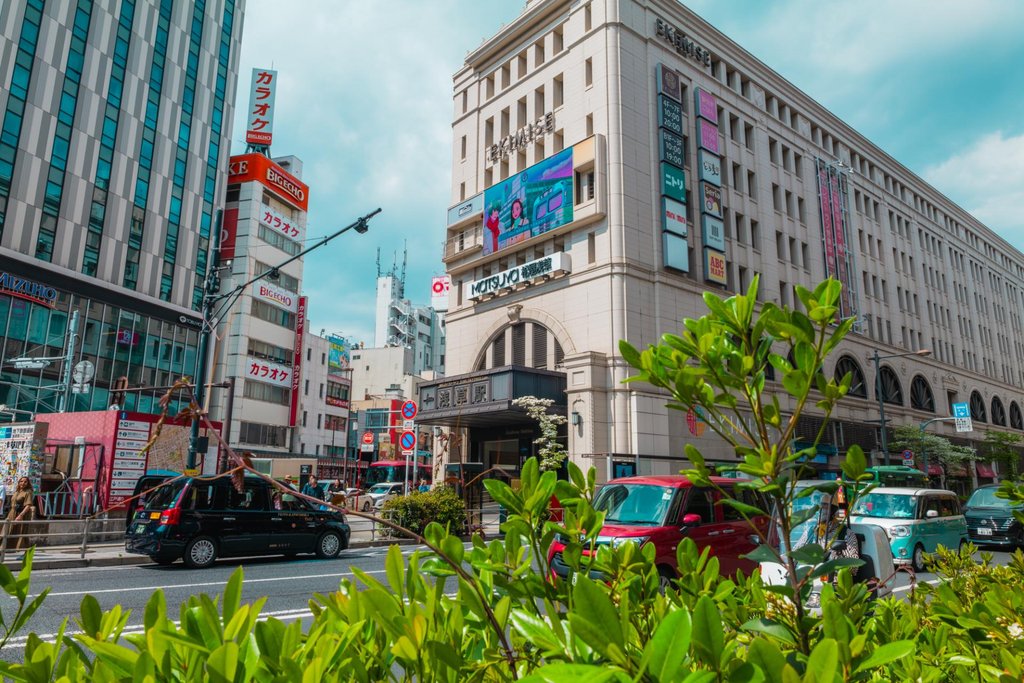
First-time visitors often have basic questions about Asakusa’s layout, dining options, and how much time to set aside.
Asakusa’s walkable layout and rich food scene, combined with easy transit access, make it one of Tokyo’s most rewarding neighborhoods to explore. Understanding the basics makes it easy to fit Asakusa’s top spots and activities into any itinerary.
Major Attractions Are All Within Walking Distance
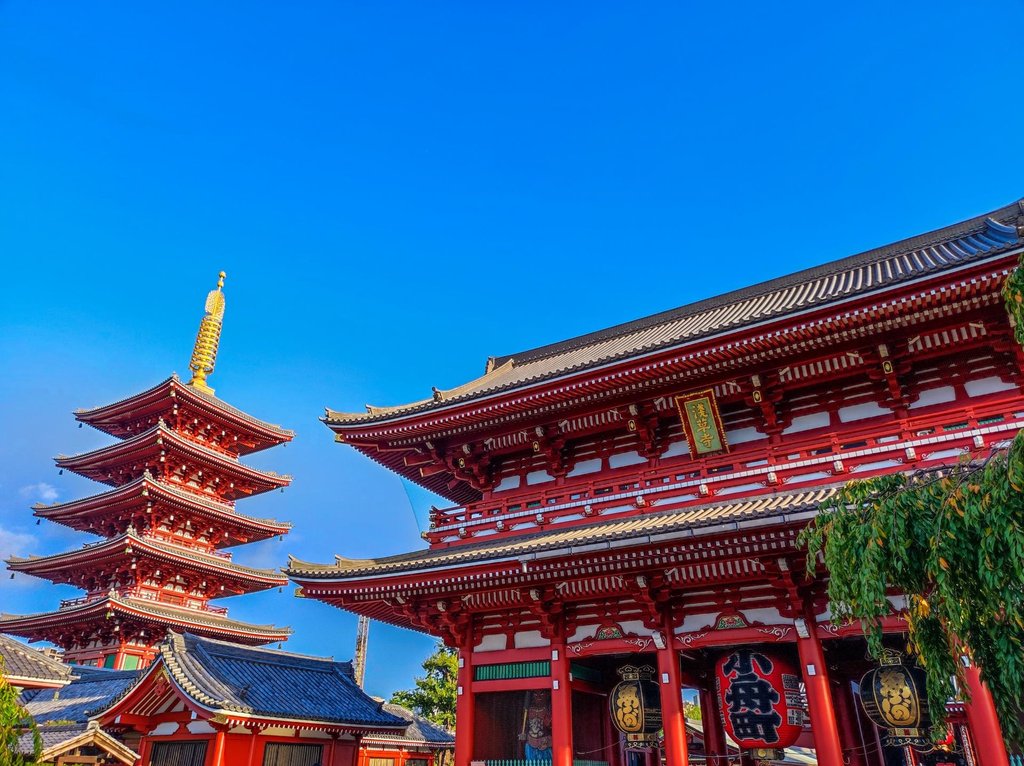
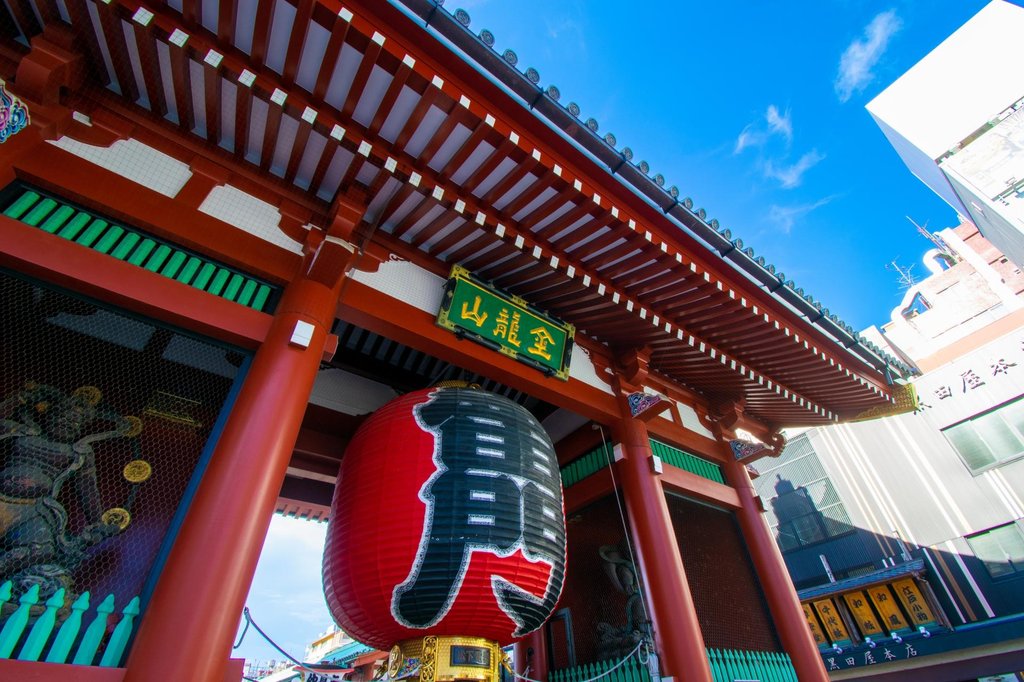
Asakusa’s greatest advantage is how tightly its attractions are clustered. Starting from Kaminarimon (Thunder Gate), Senso-ji, Nakamise-dori, kimono rental shops, and rickshaw stands are all just minutes apart on foot, making sightseeing both efficient and enjoyable.
Hanayashiki amusement park sits just behind Senso-ji, and the Asakusa Culture Tourist Information Center is directly across from Kaminarimon. Visitors can explore multiple landmarks without needing transportation, as temple visits and street-food sampling are all within easy walking distance, making it an ideal setup for first-time visitors.
Use Kaminarimon as your starting point; most major spots are within easy walking distance from the gate.
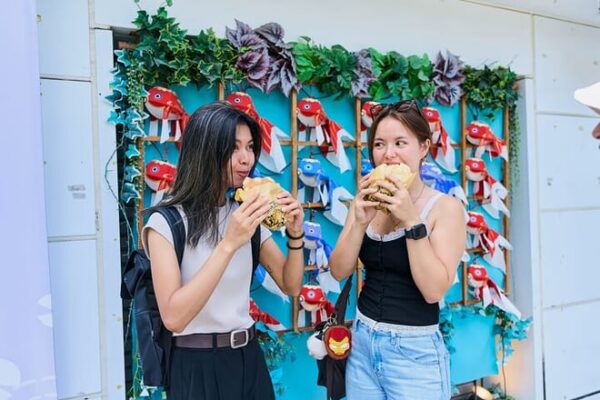
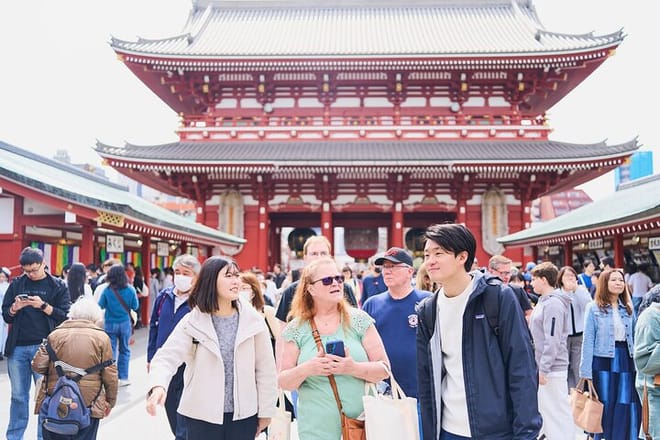
Tokyo: Asakusa & Sensoji ー Oldest Temple Walking Tour (2hrs)
A Food Scene Covering Street Snacks and Izakaya (Japanese Pub) Dining
Asakusa’s dining areas broadly fall into three zones, each suited to a different mood and time of day.
The daytime go-to is Nakamise-dori, where roughly 90 shops line the street and offer easy access to Asakusa’s iconic snacks and street foods.
To escape the midday crowds, step onto nearby Denpoin-dori, a quieter street with a more relaxed pace.
For an evening out, head to Hoppy Street, a row of traditional pubs with a distinctly Showa-era (mid-20th century Japan) atmosphere. Sharing stewed offal and grilled skewers over a cold beer is a quintessentially local way to spend an evening, and a typical bill ranges from ¥3,000–¥5,000.
| Area | Nakamise-dori | Dempoin-dori | Hoppy Street |
|---|---|---|---|
| Best hours | Morning–Afternoon | Morning–Afternoon | Around 4 pm–10 pm |
| Budget | ¥500–¥1,000 | ¥500–¥1,000 | ¥3,000–¥5,000 |
| Typical crowd | Mostly tourists | Mix of tourists and locals | Mostly locals |
Avoid eating while walking—finish your food in front of the shop or in a designated eating area.
Dispose of trash at the vendor’s bin or take it with you.
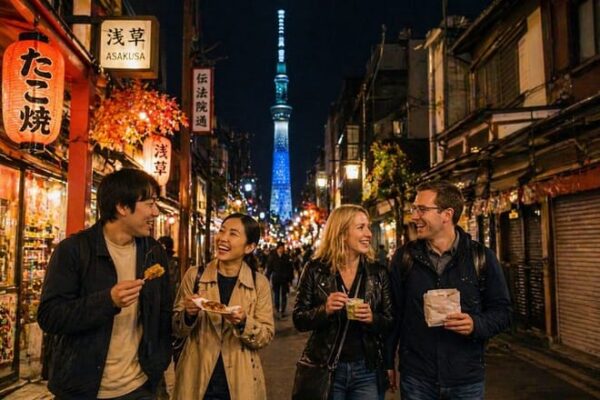
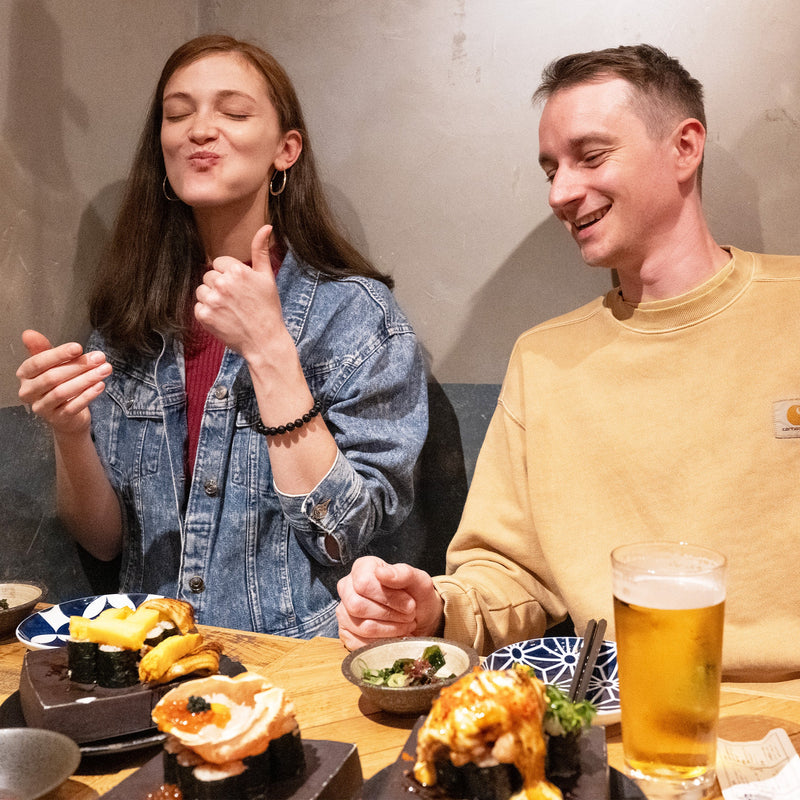
Tokyo: Asakusa Guided Food Tour with 12 Dishes & 3 Drinks
Flexible Enough for a Half-Day or a Full Day
Asakusa works equally well as a quick 2–3 hour visit or an all-day outing from morning until night.
If time is limited, the classic route is the best choice: Kaminarimon → Nakamise-dori → Senso-ji Main Hall → a viewpoint. With more time, start with an early-morning visit to Senso-ji, rent a kimono for a stroll through the neighborhood, walk along the Sumida River, and end the evening with dinner and illuminated temple views.
Asakusa also has excellent transit connections by train and water bus, making it easy to reach Ueno and the Tokyo Skytree area. This connectivity makes Asakusa one of the most practical bases for Tokyo sightseeing.
| Destination | Main Line | Estimated Travel Time |
|---|---|---|
| Ueno | Ginza Line | About 5 min |
| Ginza | Toei Asakusa Line → Ginza Line | About 15 min |
| Shibuya | Ginza Line | About 35 min |
| Tokyo Skytree | Tobu Skytree Line | About 2 min |
A morning in Asakusa followed by an afternoon at Ueno’s museums is an easy and popular combination.
Tokyo: Asakusa & Sensoji ー Oldest Temple Walking Tour (2hrs)
Things to Do in Asakusa 1: Four Iconic Spots to Visit
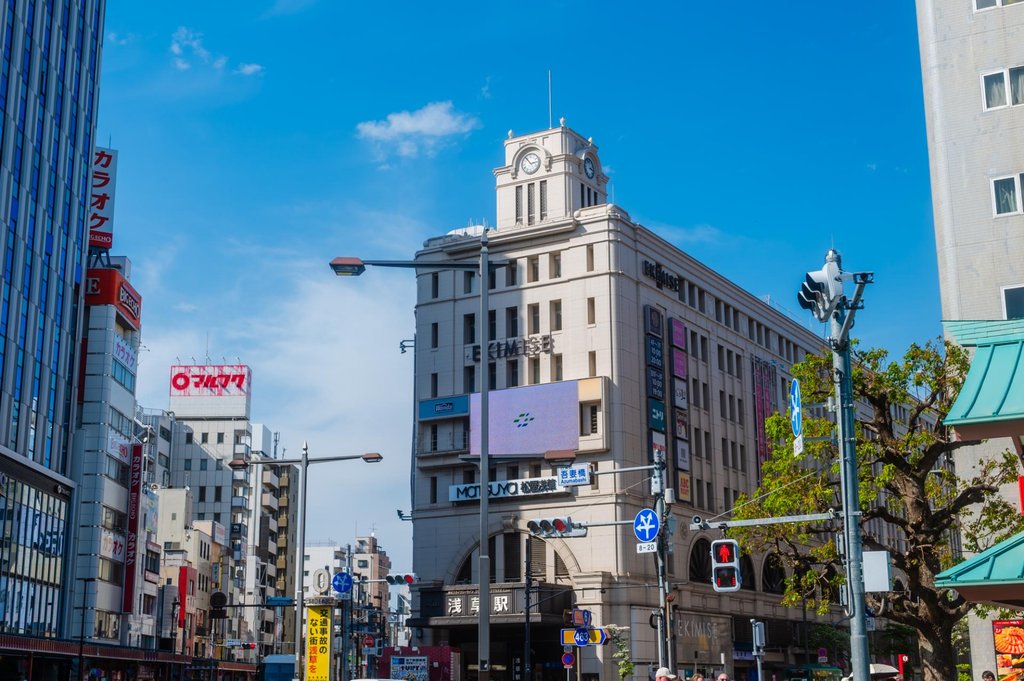
With so many places to choose from, first-time visitors often wonder where to start.
These four landmarks form the core of any Asakusa itinerary: a centuries-old temple, a vintage amusement park, a free observation deck, and a riverside park with clear views of Tokyo Skytree. Estimated visit times and access details for each spot are included to help you plan an efficient route.
Senso-ji | Walk the Pilgrimage Route to the Main Hall
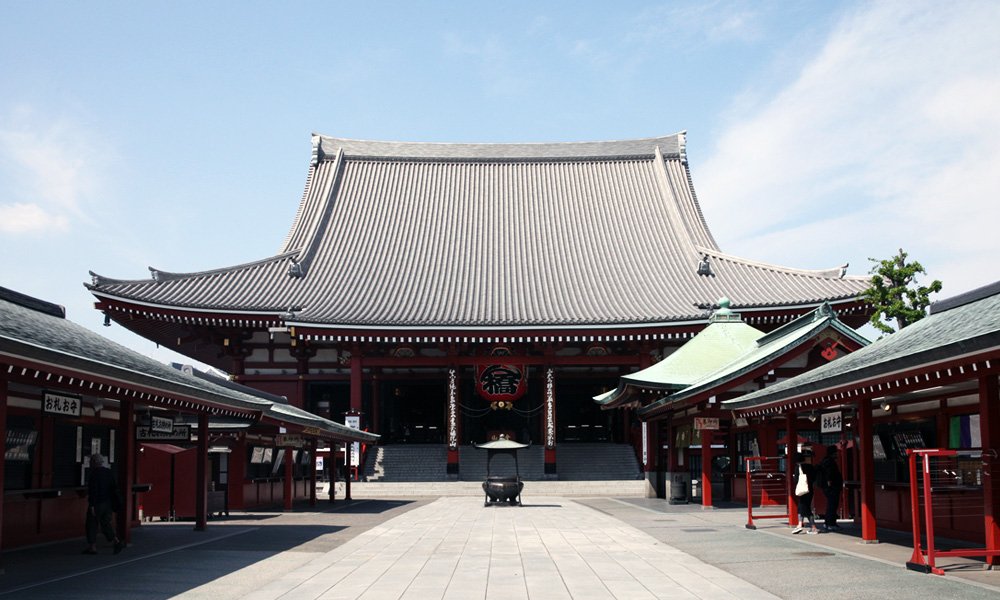
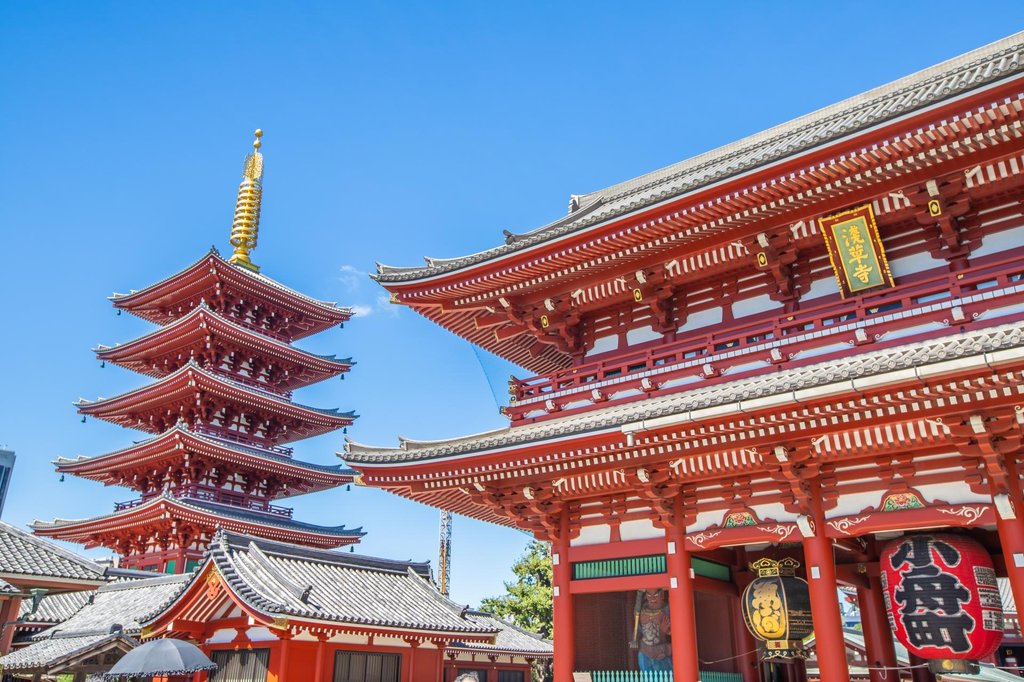
Senso-ji, founded in 628 AD, is Tokyo’s oldest temple and the centerpiece of any Asakusa visit. A single straight path leads from Kaminarimon to the Main Hall, making navigation simple even on a first visit.
The standard route takes you from Kaminarimon along Nakamise-dori, through Hozomon Gate, past the purification fountain and the incense burner, and on to the Main Hall. The roughly 250-meter (820-foot) stretch of Nakamise-dori is lined with souvenir shops and snack stalls, letting you soak in Asakusa’s atmosphere on the way to the temple.
At the Main Hall, rinse your hands at the purification fountain and waft incense smoke over yourself before entering. Place your offering in the box and press your palms together in silent prayer. Because Senso-ji is a Buddhist temple—not a Shinto shrine—you do not clap your hands; at Buddhist temples, prayer is done with hands pressed together in silence, unlike the Shinto practice of clapping.
English-language omikuji (paper fortune slips) are popular among visitors; if you draw an unlucky fortune, you may tie it to the designated rack before you leave.
After sunset, the Main Hall and five-story pagoda are illuminated, creating a completely different atmosphere than during the day. To avoid the largest crowds, aim for early morning or after 4 pm.
Details
| Address | 2-3-1 Asakusa, Taito-ku, Tokyo |
| Hours | Grounds open 24 hours; Main Hall 6 am–5 pm (from 6:30 am October–March) |
| Closed | Open year-round |
| Official site | https://www.senso-ji.jp |
| Best for | First-time Asakusa visitors; anyone interested in Japanese temple culture |
Tokyo: Asakusa & Sensoji ー Oldest Temple Walking Tour (2hrs)
Hanayashiki | Ride Japan’s Oldest Amusement Park
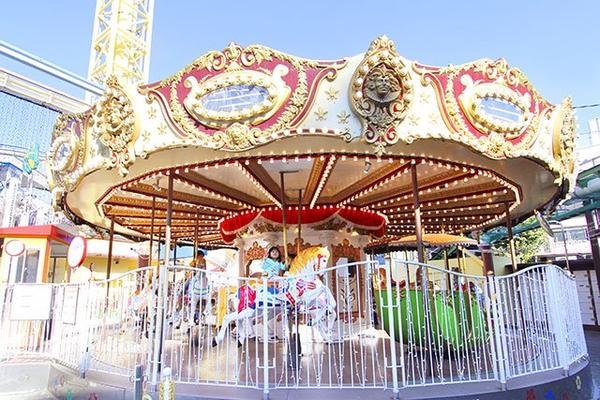
Hanayashiki, which opened as a flower garden in 1853, is Japan’s oldest amusement park. Located about a 3-minute walk from Senso-ji, it makes a convenient stop between temple visits and street-food sampling.
The compact grounds, roughly 6,000 square meters (about 65,000 square feet), contain a surprisingly large number of rides, so even a short visit feels worthwhile. The star attraction is Japan’s oldest surviving roller coaster, built in 1953, which clatters past neighboring houses for a uniquely local experience.
The park also offers plenty of children’s rides, making Hanayashiki a hit with families and couples alike. Children aged 0–4 enter free, though some rides require a separate fee—so it is recommended to check the official website in advance.
Details
| Address | 2-28-1 Asakusa, Taito-ku, Tokyo |
| Hours | 10 am–6 pm (varies by season and weather; last entry 30 min before closing) |
| Closed | Generally open year-round (occasional maintenance closures; check the official calendar) |
| Official site | https://www.hanayashiki.net/ |
| Best for | Families with children; couples; fans of vintage charm |
Asakusa Culture Tourist Information Center | Free Rooftop Views and Night Scenery
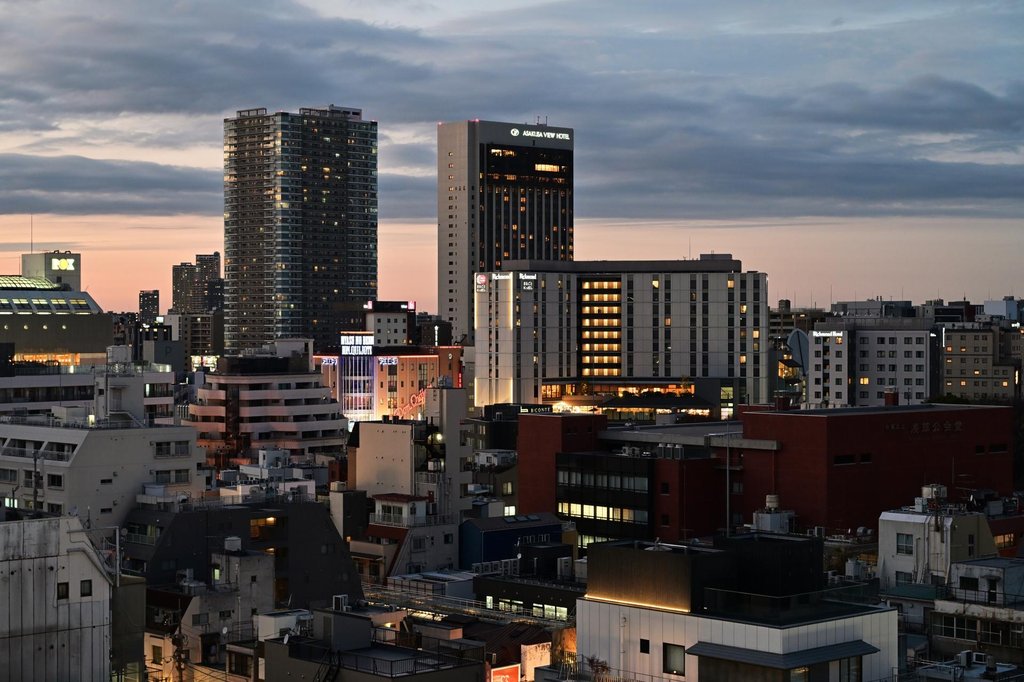
The Asakusa Culture Tourist Information Center stands directly across from Kaminarimon. The building was designed by renowned architect Kengo Kuma.
Its main attraction is the free observation terrace on the 8th floor, accessible by elevator. From here, visitors can look down over Nakamise-dori and Senso-ji’s Main Hall, with Tokyo Skytree visible in the distance, making it an excellent photo spot.
The terrace offers its most striking views from late afternoon into the evening, when the illuminated temple and surrounding streets come to life. For a free viewpoint, the panorama is impressive, and the central location means you can visit at any point during an Asakusa itinerary.
Note that tripods are not permitted on the terrace, so photography should be done with a smartphone or handheld camera. A multilingual tourist information counter on the 1st floor (available in four languages) is also useful for maps and local guidance.
Details
| Address | 2-18-9 Kaminarimon, Taito-ku, Tokyo |
| Hours | Observation terrace 9 am–10 pm; information counter 9 am–8 pm |
| Closed | Open year-round |
| Official site | https://www.city.taito.lg.jp/bunka_kanko/kankoinfo/info/oyakudachi/kankocenter/index.html |
| Best for | Free night views; a convenient starting point for exploring Asakusa |
Sumida Park | Cherry Blossoms and Tokyo Skytree on the Riverbank
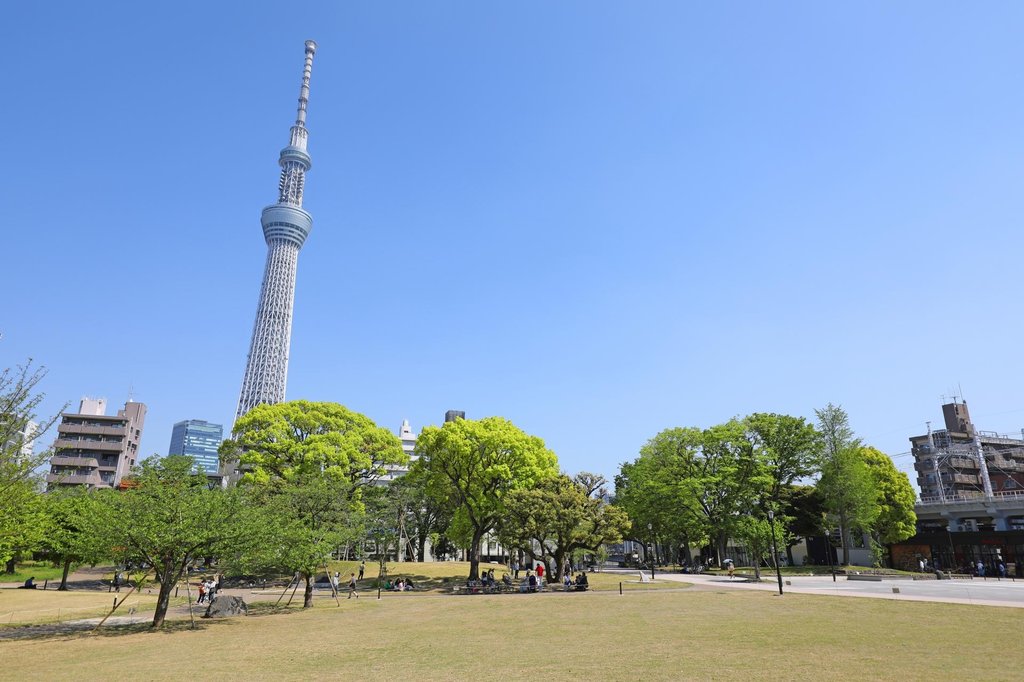
Sumida Park is a public park about a 5-minute walk from Asakusa Station. Admission is free, and the park is open around the clock, so it can be visited at any time that fits your schedule.
The park offers a head-on view of Tokyo Skytree, making it one of the top photo spots in the Asakusa area. On calm days, the Skytree’s reflection in the Sumida River creates a striking mirror image.
A roughly 1 km (0.6-mile) row of cherry trees lines the promenade on the Taito Ward side, producing a spectacular combination of blossoms and Skytree in spring. The Sumida River Fireworks Festival in summer, as well as illuminated night views in autumn and winter, are also major highlights.
Details
| Address | 1-3-45 Mukojima, Sumida-ku, Tokyo |
| Hours | Open 24 hours |
| Closed | Open year-round |
| Official site | https://sumidapark.jp/ |
| Best for | A great spot for Tokyo Skytree photos A peaceful place to rest during your Asakusa visit |
Things to Do in Asakusa 2: Four Activities You Don’t Want to Miss
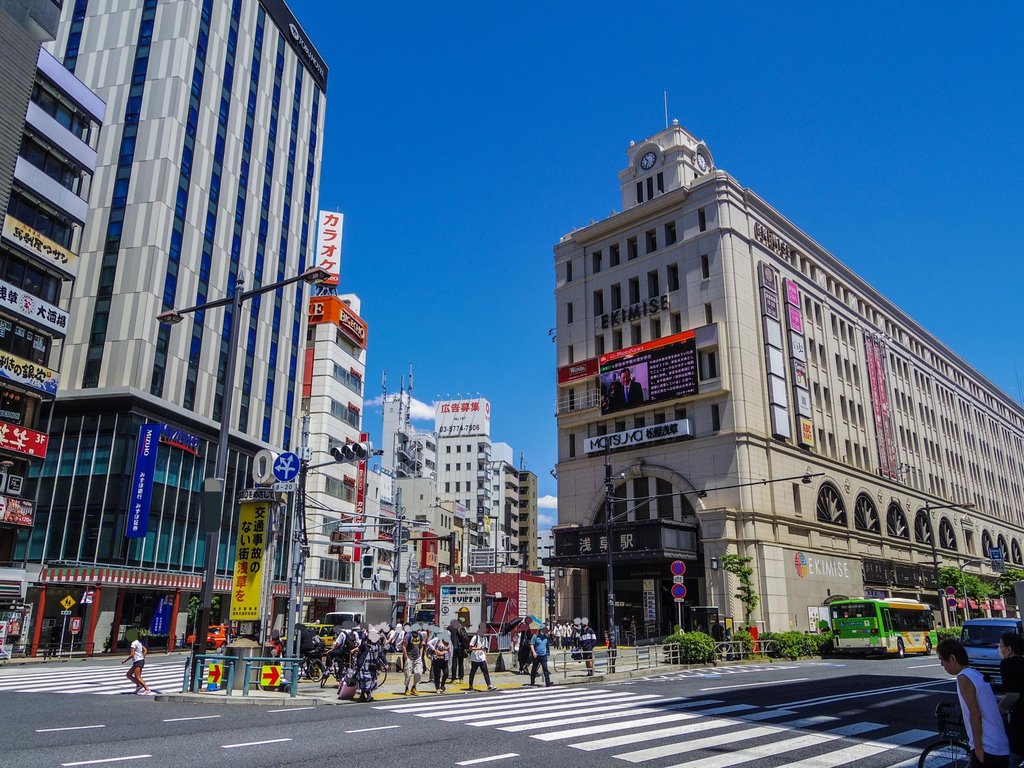
Beyond sightseeing, Asakusa offers a range of hands-on activities that add another dimension to your trip.
Rickshaw tours, kimono strolls, food replica workshops, and dinner cruises on traditional pleasure boats are four experiences that bring Asakusa’s culture to life. Duration, approximate cost, and language support are included for each option to help with planning.
Ebisuya Asakusa | Explore Back Streets by Rickshaw
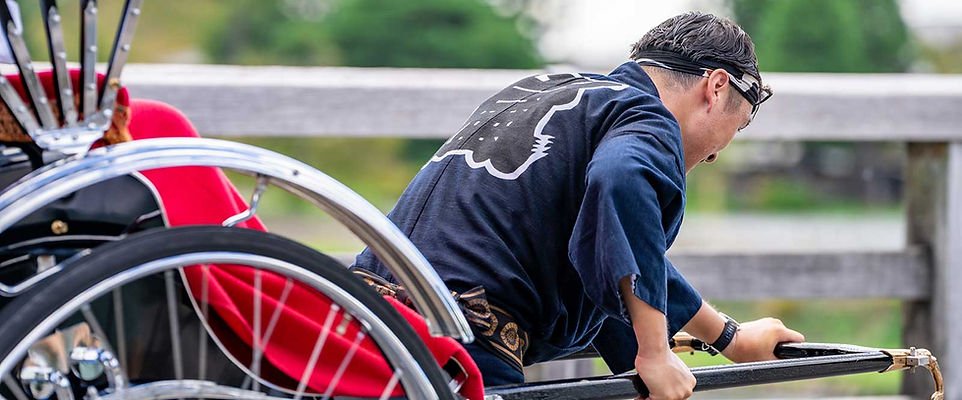
Ebisuya Asakusa offers rickshaw rides departing from just outside Kaminarimon. The elevated seat provides a fresh perspective on the streets, and the experience has become one of Asakusa’s signature activities.
A rickshaw ride is more than just transportation. Your puller narrates Asakusa’s history and points out hidden alleys and photo spots that most visitors would otherwise miss, revealing parts of the neighborhood that most visitors walk straight past.
Courses range from short introductory rides to longer routes that cover more ground. The 30-minute-and-up options are especially popular, so advance booking is recommended on weekends and during peak travel seasons.
An evening ride can be particularly rewarding: bathing Senso-ji and the five-story pagoda in warm tones, creating a memorable atmosphere.
Details
| Address | 1-34-2 Asakusa, Taito-ku, Tokyo (Ebisuya Building) |
| Hours | From 9:30 am (last booking varies by season) |
| Closed | Open year-round |
| Official site | https://www.ebisuya.com/branch/asakusa/ |
| Best for | Visitors keen on hidden alleys and lesser-known spots; those who prefer to sightsee without walking long distances |
VASARA Asakusa Main Store | Stroll the Streets in a Kimono
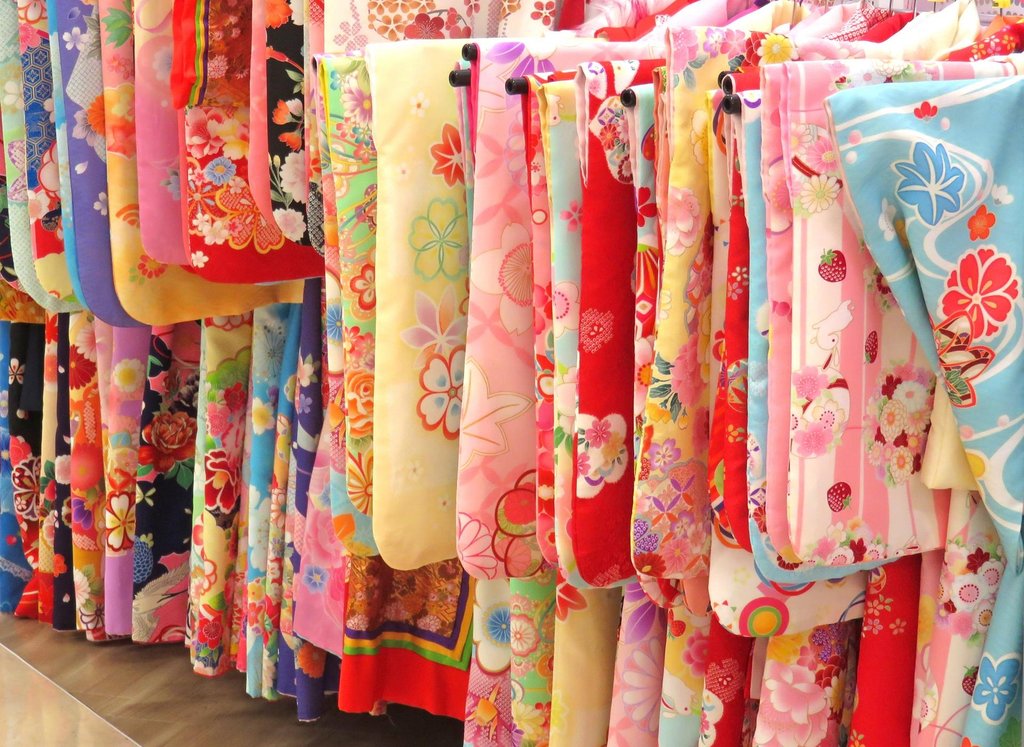
VASARA Asakusa Main Store stocks more than 500 kimono and ranks among the largest rental shops in the Asakusa area. Its location near Asakusa Station and within easy reach of Kaminarimon and Senso-ji makes it easy to combine a kimono experience with sightseeing.
Plans start from around ¥3,300, with options to upgrade the kimono grade or add a hair-styling service. Multilingual support is available, so international visitors can go through the process with confidence.
Dressing takes about 20–30 minutes, so starting in the morning allows for a relaxed stroll through Asakusa into the early afternoon. For photos, the compact loop from Kaminarimon through Nakamise-dori and around Senso-ji is an especially convenient route.
Details
| Address | 1-1-11 Asakusa, Taito-ku, Tokyo |
| Hours | 9 am–6 pm (return by 5:30 pm) |
| Closed | Open year-round |
| Official site | https://vasara-h.co.jp/ |
| Best for | Couples and friend groups looking for photo-worthy moments |
Ganso Shokuhin Sample-ya | Craft Your Own Food Replica
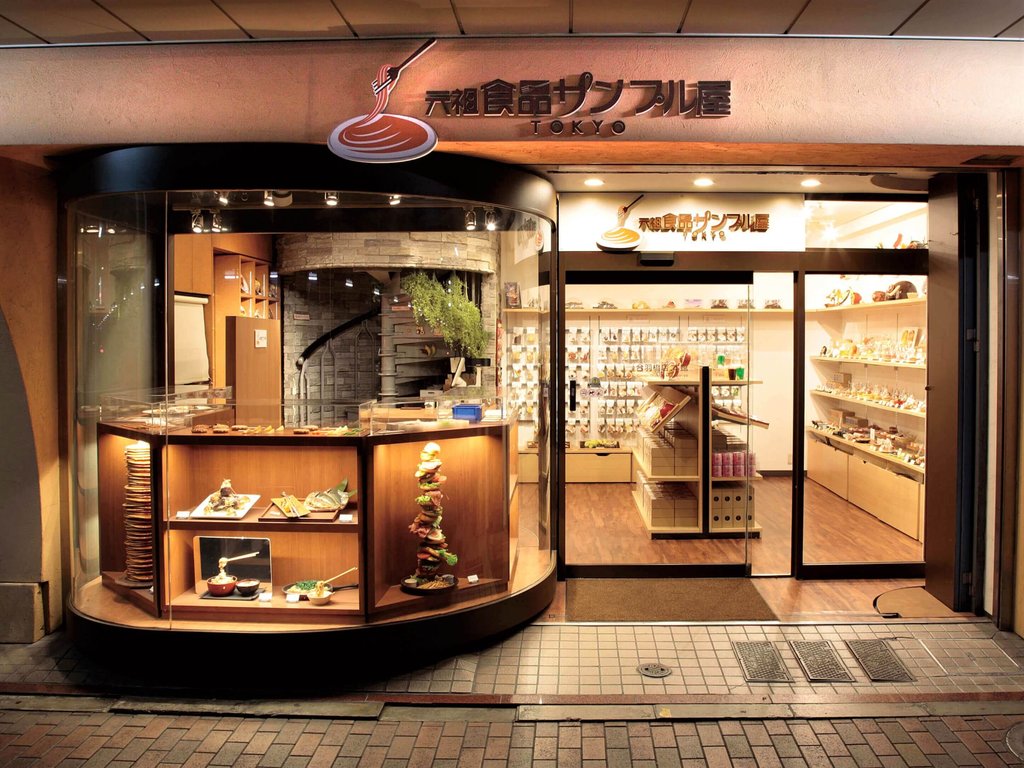
Ganso Shokuhin Sample-ya is a food-replica specialty shop in Kappabashi Kitchen Town. The hands-on workshop, where you create realistic-looking food models, is a uniquely Japanese craft activity that draws visitors from around the world.
During the session, melted wax is shaped in warm water to form items such as tempura or other dishes. The process is simple enough for beginners, and can be enjoyed even without Japanese language skills.
Participants take their finished creation home as a highly personal souvenir. The shop is about a 10-minute walk from Senso-ji and pairs well with a stroll through the kitchenware stores along Kappabashi Street.
Details
| Address | 3-7-6 Nishi-Asakusa, Taito-ku, Tokyo |
| Hours | 10 am–5:30 pm |
| Closed | Open year-round |
| Official site | https://www.ganso-sample.com/ |
| Best for | Craft enthusiasts; families with children; anyone hunting for a unique souvenir |
Yakatabune Amitatsu | Dine on a Traditional Pleasure Boat
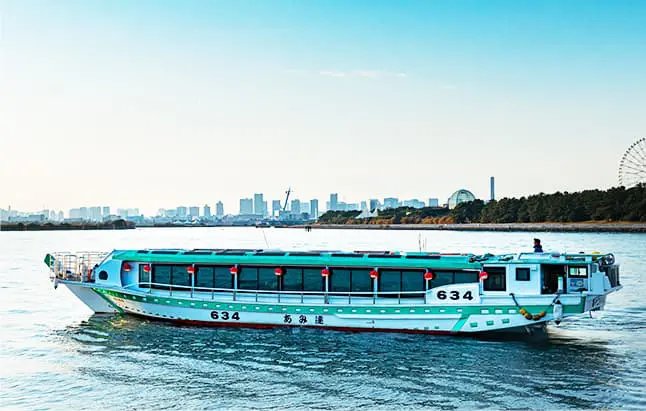
For a truly special Asakusa evening, consider a dinner cruise with Yakatabune Amitatsu.
Carrying on the Edo-era tradition of yakatabune (traditional pleasure-boat) dining, the company operates eight large vessels: six equipped with sunken hori-gotatsu (recessed floor seating with a low table) and two with chair-and-table seating.
Boats depart from Azumabashi Bridge and cruise along the Sumida River toward Odaiba over roughly 2.5 hours.
Enjoying a full Japanese course while drifting past the illuminated Skytree creates a particularly memorable experience.
Shared-boat plans are available for as few as two guests, starting at ¥13,800 per adult (tax included). Cherry blossom and fireworks cruises sell out quickly, so booking one to two months in advance is recommended.
If you have food allergies, contact Yakatabune Amitatsu at least two days before boarding to discuss accommodations.
Details
| Meeting point | 1-23 Azumabashi, Sumida-ku, Tokyo |
| Duration | About 2.5 hours |
| Price (tax incl.) | From ¥13,800 per adult (shared-boat plan) |
| Language | Japanese (English inquiries accepted at time of booking) |
| Official site | https://www.amitatsu.jp |
| Best for | Groups and couples looking for a memorable evening on the water |
Things to Do in Asakusa 3: Four Local Food Favorites to Try
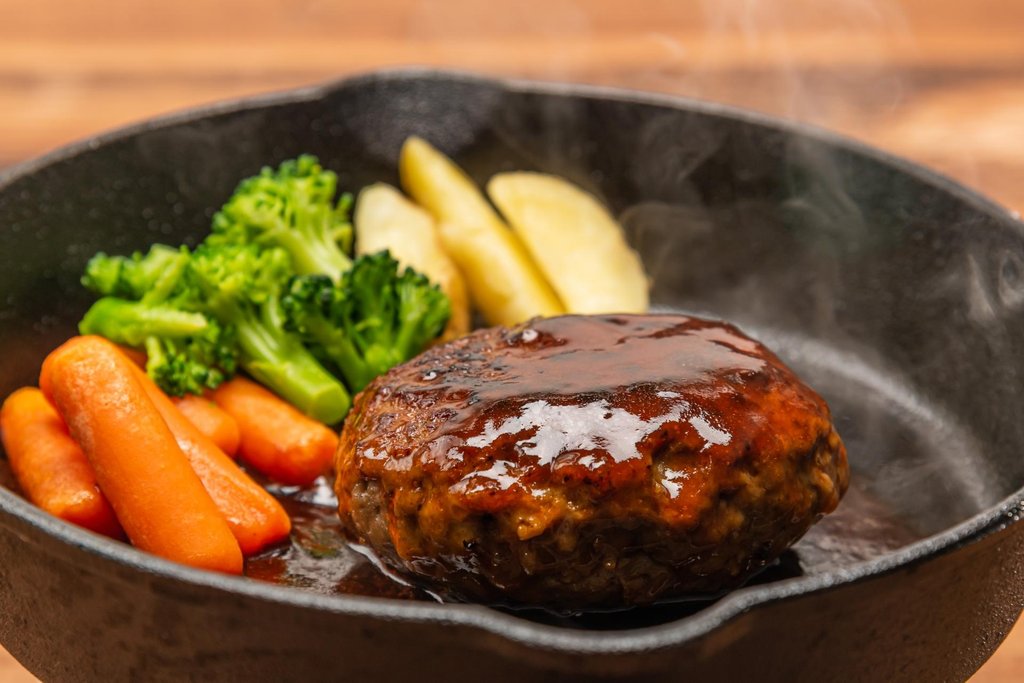
Sampling the dishes that locals have enjoyed for generations is one of the great pleasures of visiting Asakusa.
Street snacks, traditional sweets, a storied tempura restaurant, and Japan’s oldest bar are four local favorites that capture the neighborhood’s culinary character. Each listing includes key highlights, operating hours, and tips for avoiding the longest waits.
Asakusa Kagetsudo | Sink Your Teeth into a Jumbo Melon Pan
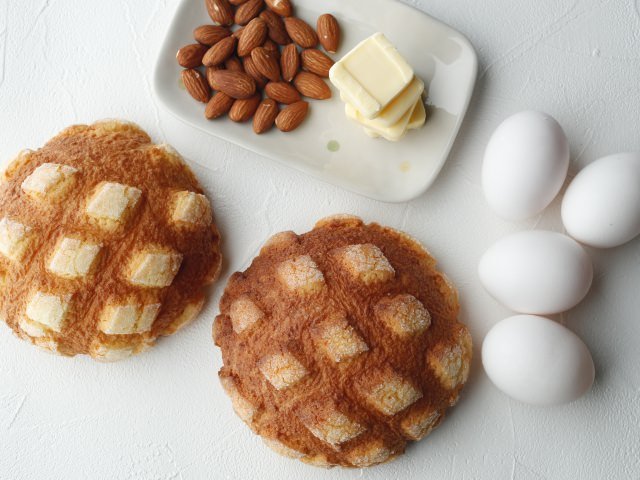
Asakusa Kagetsudo is one of Asakusa’s most popular street-food destinations. The shop’s signature jumbo melon pan (a sweet bread with a cookie-dough crust) measures roughly 20 cm (about 8 inches) across—an eye-catching size that practically begs to be photographed.
The appeal goes beyond its appearance. A crisp, light exterior gives way to a pillowy-soft interior, and the contrast in textures has won over fans of all ages. In addition to the classic jumbo melon pan, variations such as a whipped-cream-filled version are also available.
The main shop is located near Hanayashiki, making it an easy stop during an Asakusa stroll. Because the bread often sells out each day, arriving earlier is the best way to ensure you get one.
Details
| Address | 2-7-13 Asakusa, Taito-ku, Tokyo |
| Hours | Weekdays 11 am until sold out; weekends and holidays 10 am until sold out |
| Closed | Open year-round |
| Official site | https://asakusa-kagetudo.com |
| Best for | Street-food fans; anyone looking for a photogenic sweet treat |
Tokyo: Asakusa Guided Food Tour with 12 Dishes & 3 Drinks
Daikokuya Tempura | Savor a Sesame-Oil Tendon
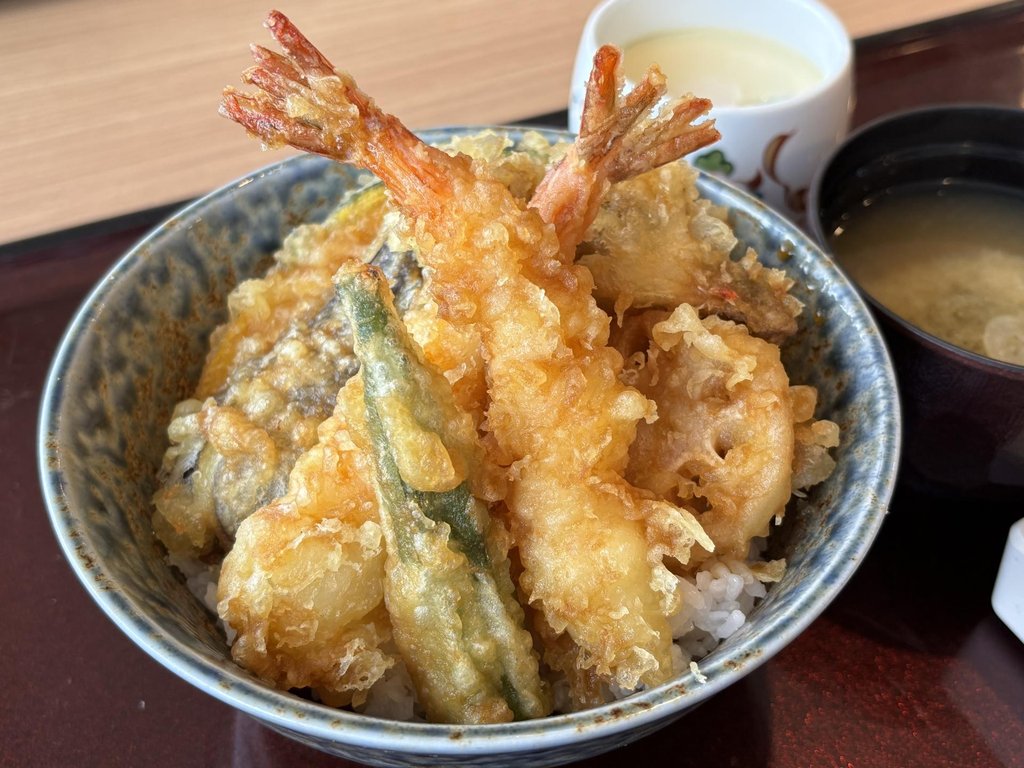
Daikokuya Tempura has been serving tempura since 1887 and is one of Asakusa’s most celebrated restaurants, attracting both tourists and longtime regulars.
The star of the menu is the signature tendon (tempura rice bowl), with tempura fried entirely in sesame oil. Its deep golden color and rich, nutty aroma are distinctive, while the generous drizzle of savory-sweet sauce delivers a taste of old-fashioned Asakusa.
Daikokuya is about a 3-minute walk from Senso-ji, making it an ideal stop for lunch or an early dinner after a temple visit. Lines are common during the lunchtime rush, so arriving after 2 pm usually means a shorter wait.
Details
| Address | 1-38-10 Asakusa, Taito-ku, Tokyo |
| Hours | 11 am–8 pm |
| Closed | Irregular holidays |
| Official site | http://www.tempura.co.jp |
| Best for | Those eager to savor a traditional Asakusa tempura bowl |
Umezono | Classic Japanese Sweets at a Storied Tea House
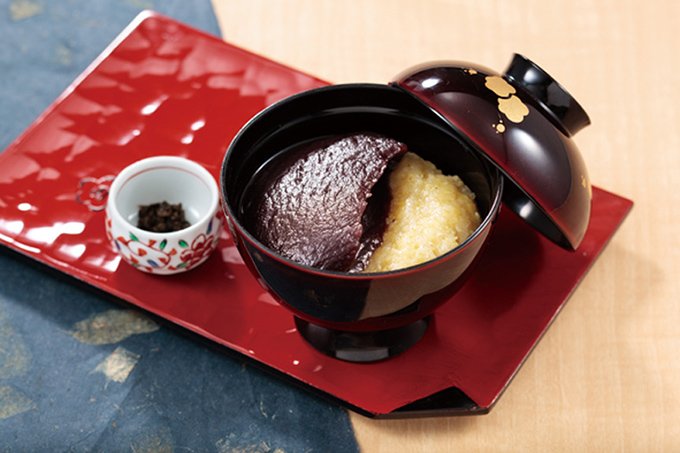
When you need a sweet pick-me-up between sightseeing stops, Umezono, founded in 1854 (the first year of the Ansei era), is an excellent choice.
With over 170 years of history, Umezono remains a cherished destination for traditional Japanese confections.
Its signature dish, awa-zenzai (millet mochi with smooth sweet red bean paste), balances the chewy texture of the mochi with the silky sweetness of the paste.
The menu also includes anmitsu (a dessert made with agar jelly, fruit, and sweet bean paste), oshiruko (sweet red bean soup), and mame-daifuku (a rice cake filled with sweet bean paste), offering plenty of variety.
Located about a 2-minute walk from Senso-ji, Umezono makes a welcome rest stop when your feet need a break.
Details
| Address | 1-31-12 Asakusa, Taito-ku, Tokyo |
| Hours | Mon–Fri 10 am–5 pm; Sat, Sun, and holidays 10 am–6 pm |
| Closed | Two Wednesdays per month; irregular holidays (confirm over New Year’s) |
| Official site | https://www.asakusa-umezono.co.jp |
| Best for | Those looking for a sit-down break; fans of traditional Japanese sweets |
Kamiya Bar | Sip the Legendary Denki Bran
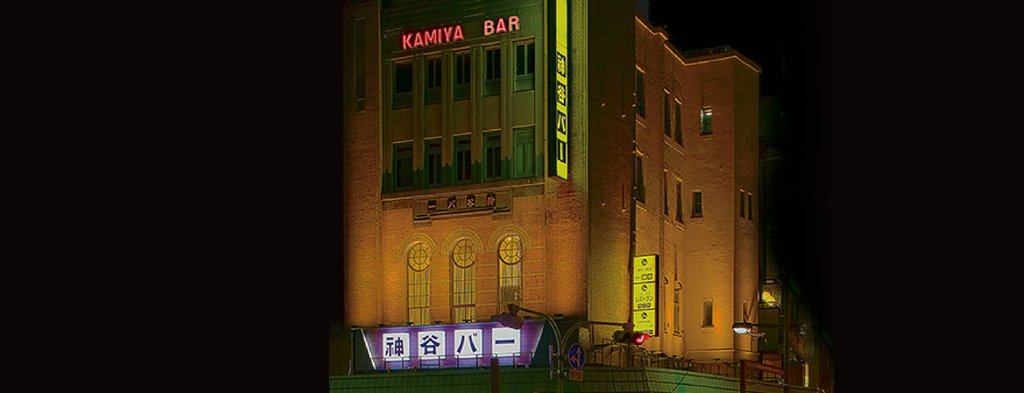
To cap off your day in Asakusa, walk about one minute from Kaminarimon to Kamiya Bar for a taste of history.
Established in 1880, Kamiya Bar is Japan’s first Western-style bar and has remained a beloved gathering place for more than 140 years.
The house specialty, Denki Bran, is a cocktail that blends brandy with a proprietary mix of herbs and botanicals.
The name “Denki” (meaning “electricity”) was chosen at a time when electric power was still considered a marvel of modernity—an origin story worth appreciating alongside the drink itself.
Two versions are available: the standard at 30% ABV and the “Old” at 40% ABV. Ordering both and comparing them, as many regulars do, is part of the experience.
On the first floor, purchase meal and drink tickets at the entrance before taking a seat. Note that Kamiya Bar accepts cash only.
Details
| Address | 1-1-1 Asakusa, Taito-ku, Tokyo |
| Hours | 11 am–8 pm (last order 7:30 pm) |
| Closed | Tuesdays and two Mondays per month |
| Official site | http://www.kamiya-bar.com |
| Best for | Those who want to “taste” a piece of Asakusa’s history |
Get More Out of Asakusa with a Guided Tour
Many visitors want to see Asakusa efficiently and gain a deeper understanding of its history through English-language commentary.
Joining a guided tour tailored to your interests is one of the best ways to appreciate the layers of culture Asakusa has to offer. Japan Guide Star runs two English-language guided tours designed to bring Asakusa to life.
| Item | Daytime Walking Tour | Evening Food Tour |
|---|---|---|
| Meeting point | Asakusa area (details provided upon booking) | Asakusa area (details provided upon booking) |
| Duration | About 2 hours | About 3 hours |
| Highlights | Historical commentary at Senso-ji and a guided neighborhood walk | A pub-hopping tour with 12 dishes and 3 drinks |
| Booking | https://japanguidestar.com/tour/tokyo-asakusa-sensoji-ー-oldest-temple-walking-tour-2hrs/ | https://japanguidestar.com/tour/tokyo-asakusa-food-tour-12-dishes-3-drinks/ |
| Best for | Those who want to learn about Asakusa’s landmarks and history efficiently | Those eager to dive into local food culture |
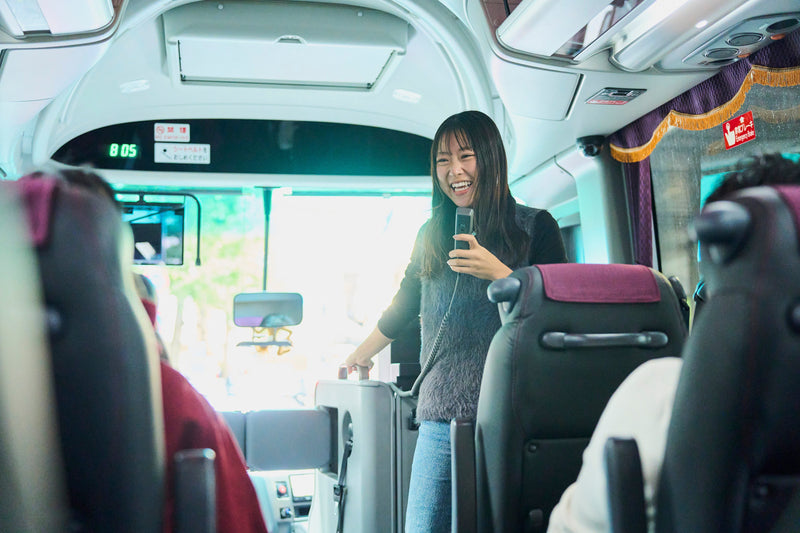
The daytime walking tour covers the history of Senso-ji and proper worship etiquette while guiding visitors through the area’s main sights in about two hours. A local guide provides cultural context that is easy to miss when exploring independently, making it a valuable option for those seeking a deeper understanding of Asakusa.
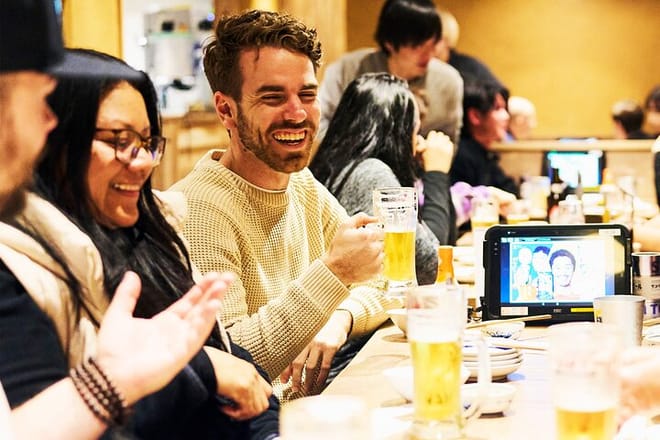
The evening food tour takes participants to beloved local eateries for a firsthand introduction to Japanese dining culture. With food and drinks included, you can enjoy the experience without worrying about language barriers or choosing where to eat.
Exploring Asakusa’s history and culture by day and its food scene by night provides a well-rounded view of the neighborhood. If you want to make the most of limited time, a guided tour can be a worthwhile addition to your itinerary.
Tokyo: Asakusa & Sensoji ー Oldest Temple Walking Tour (2hrs)
Tokyo: Asakusa Guided Food Tour with 12 Dishes & 3 Drinks
Common Questions About Visiting Asakusa

When planning a trip to Asakusa, practical questions about crowd timing, cash needs, and local etiquette tend to come up.
Timing strategies, on-the-ground manners, budget guidelines, and nearby side-trip options are all worth sorting out before you go. A little preparation goes a long way toward a stress-free Asakusa visit.
When Is the Best Time to Avoid Crowds?
Before 9 am or after 4 pm gives you the most breathing room.
The Senso-ji grounds are open 24 hours a day, so an early-morning visit allows you to enjoy quiet views of Nakamise-dori and Kaminarimon with relatively few people around.
The busiest period is typically between 11 am and 2 pm, with weekends and public holidays attracting especially large crowds.
| Time of Day | Crowd Level |
|---|---|
| 6 am–9 am | Light (ideal for photos) |
| 9 am–11 am | Starting to build |
| 11 am–2 pm | Peak (especially on weekends) |
| 2 pm–4 pm | Easing off |
| After 4 pm | Thinning out (evening illuminations begin) |
On days with major events or festivals, expect heavy crowds throughout the day. In such cases, joining a guided tour can help you navigate the area more efficiently.
Are There Etiquette Rules to Follow in Asakusa?
Keep these guidelines in mind to show consideration for both local residents and fellow visitors.
| Category | Guideline |
|---|---|
| Do | Finish takeout food in front of the shop where you bought it |
| Do | Carry large backpacks in front of your body |
| Do | Keep photo sessions at Kaminarimon brief and leave space for pedestrians |
| Avoid | Eating while walking on Nakamise-dori (prohibited by local rules) |
| Avoid | Stopping in the middle of the street for extended photo shoots |
| Avoid | Smoking on the street or littering |
Nakamise-dori can become extremely crowded, and dragging large suitcases through the narrow walkway slows pedestrian traffic for everyone. Consider storing your luggage in a coin locker or using a baggage-storage service near Asakusa Station before beginning your visit.
When visiting Senso-ji, it is also helpful to understand a few basics of temple etiquette. At the purification fountain, avoid placing your lips directly on the ladle, and be mindful of other worshippers while performing the ritual. Inside the Main Hall, press your palms together and pray quietly. As Senso-ji is a Buddhist temple, take care not to confuse its customs with the Shinto two-bow, two-clap, one-bow ritual practiced at shrines.
How Much Cash Should I Carry in Asakusa?
Having ¥5,000–¥10,000 in cash on hand is a safe bet.
Cashless payment is increasingly common, but some long-established shops and small pubs still accept cash only.
| Spending Style | Typical Activities | Cash Estimate |
|---|---|---|
| Street food focus | Nakamise snacks + one sit-down lunch | About ¥3,000–¥5,000 |
| Meals + evening drinks | Lunch + a round at Hoppy Street | About ¥5,000–¥7,000 |
| Full experience | Kimono rental + rickshaw + meals | About ¥10,000–¥12,000 |
If you run short on cash, the currency exchange counter on the 1st floor of the Asakusa Culture Tourist Information Center, located directly across from Kaminarimon, can be a convenient option. Knowing its location in advance can help eliminate one potential source of stress during your visit.
What Nearby Areas Can I Reach Easily from Asakusa?
With Asakusa as your base, several popular areas are just a short train ride or walk away.
| Destination | How to Get There | What to See |
|---|---|---|
| Tokyo Skytree Town | About 15–20 min walk via Sumida River Walk | Panoramic views from the Tembo Deck; shopping at Solamachi |
| Ueno | About 5 min on the Ginza Line (3 stops) | Tokyo National Museum; National Museum of Western Art; Ueno Zoo |
| Ryogoku | About 15 min via Toei Asakusa Line + Oedo Line | Kokugikan sumo hall; Edo-Tokyo Museum; sumo culture experiences |
The Sumida River Walk, a pedestrian bridge over the river, is a scenic way to reach Tokyo Skytree.
Ueno is only about five minutes away on the Ginza Line, making it easy to combine with a museum visit.
If heading to Ryogoku, note that transferring at Kuramae Station requires exiting to street level, be sure to follow the signs carefully.
Make the Most of Your Asakusa Visit
Asakusa packs centuries-old temples and legendary street food into a highly walkable neighborhood and ranks among Tokyo’s top destinations. Beyond the iconic sights of Senso-ji and Nakamise-dori, visitors can tailor their experience to their interests, whether that means a kimono stroll, a rickshaw ride, or dinner at a well-known local eatery.
A serene early-morning temple visit, a daytime wander through bustling streets, and an evening of food and illuminated scenery each show a different side of Asakusa. Check for seasonal events and festivals before you go, and you may find the neighborhood has even more to offer than the standard itinerary.