You can buy souvenirs in many places in Japan, including convenience stores, drugstores, and shops at tourist attractions. With so many options available, it can be hard to decide what to buy.
In this article, we introduce Japanese souvenirs in three categories: crafts, food, and everyday goods. We also cover workshops where you can make your own name-engraved chopsticks and shops where you can buy souvenirs in bulk. Finally, we explain what to keep in mind when taking food and liquids home from Japan and how the tax-free shopping system works.
Three Types of Japanese Souvenirs to Consider
Japanese souvenirs fall broadly into three categories: crafts, food, and everyday goods. This section introduces the characteristics of each category and who each is best suited for.
Crafts: Chopsticks, Folding Fans, and Other Japanese Items for Someone Special
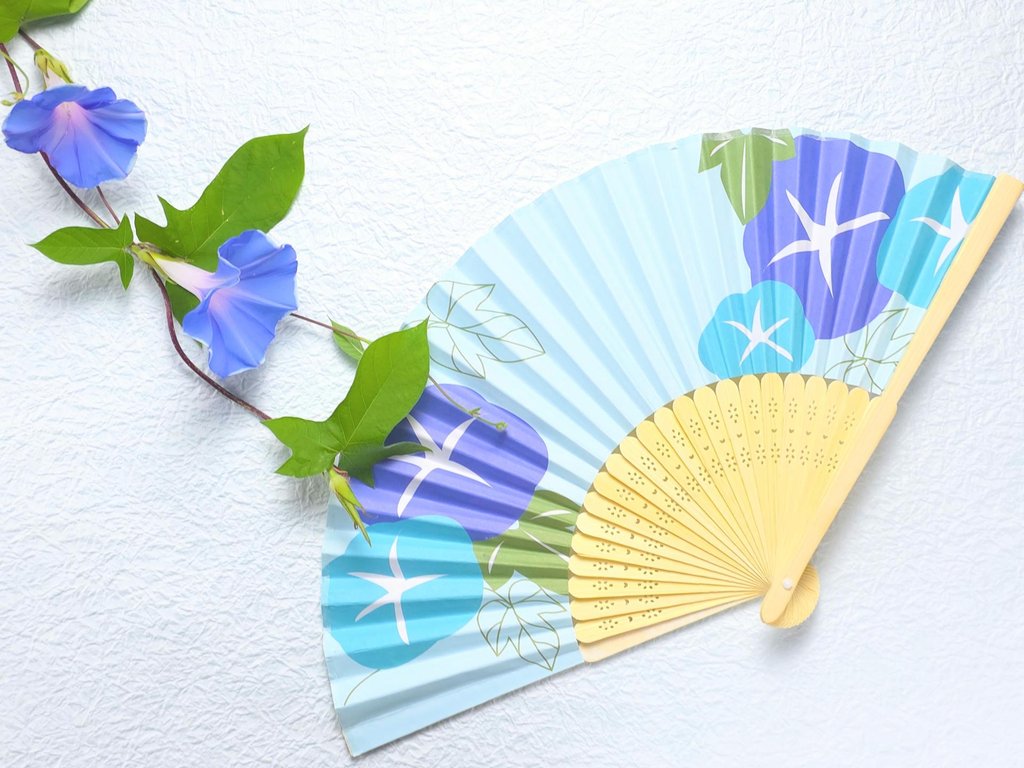
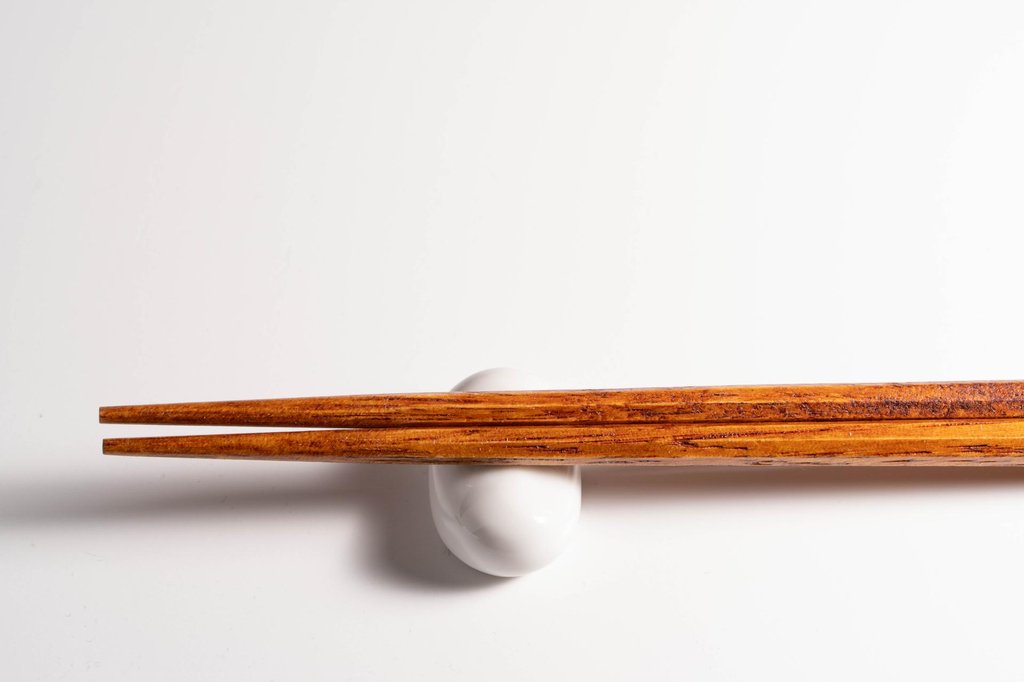
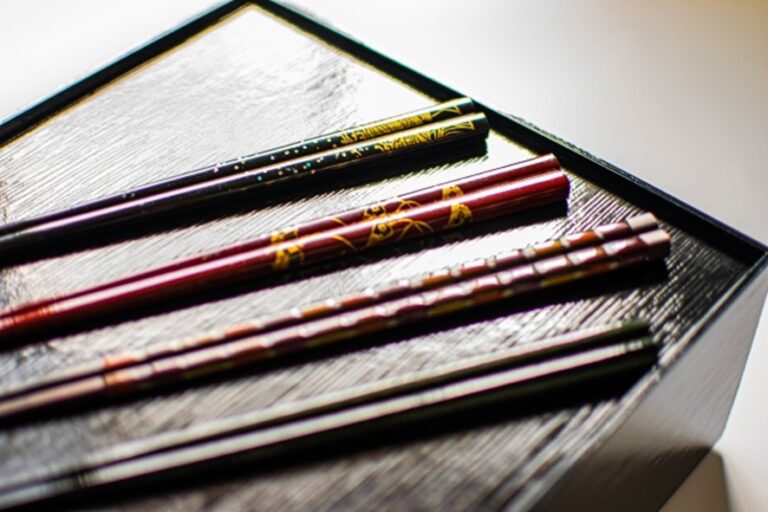
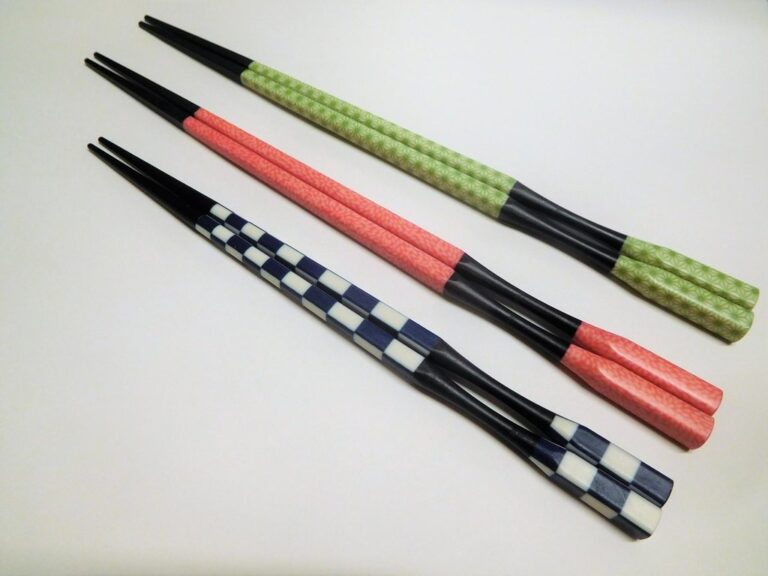
Craft souvenirs include chopsticks, kitchen knives, thin cotton cloths called tenugui, folding fans, and ceramics. Tenugui are dyed with patterns such as seasonal flowers or Mt. Fuji, and you can use them as towels, scarves, or wall decorations. Folding fans fit in a bag and are handy on hot days. Wooden chopsticks are lightweight and less likely to break than ceramics or glass. They are also easy to pack in the gaps between items in your suitcase.
You can buy ready-made chopsticks at 100-yen shops and specialty stores, including shops in Ginza and Kyoto. Specialty stores offer a range of options, such as lacquered chopsticks and shorter pairs for children. You can often choose from different types of wood and designs, and some shops also offer name engraving.
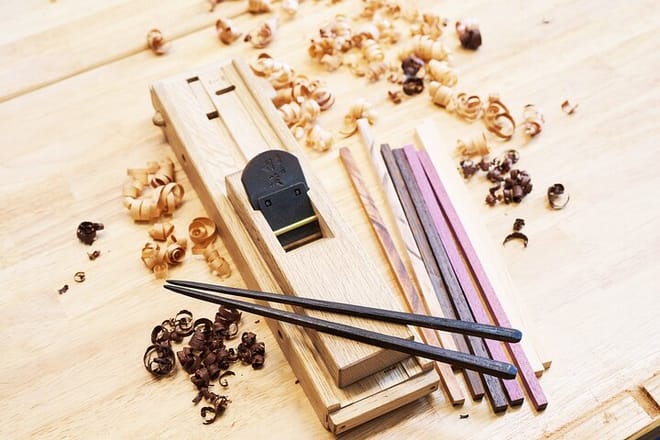
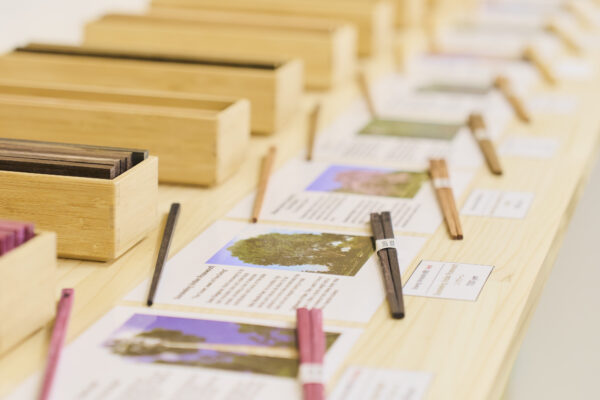
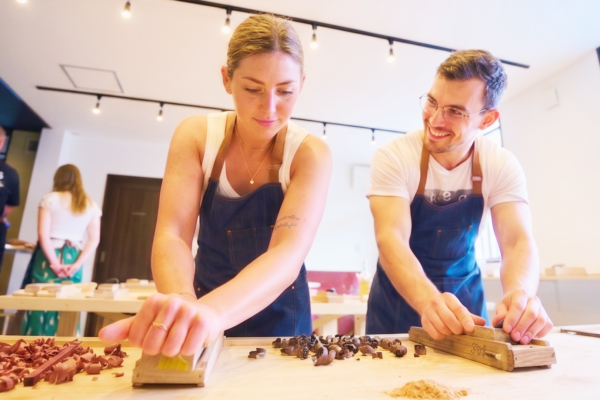
If you would like a more hands-on experience, a chopstick-making workshop lets you shave and shape the wood yourself. Workshops in Tokyo and Kyoto typically take about an hour. You choose your preferred wood, shape it, and smooth the surface with sandpaper. Some workshops in Tokyo also include engraving the recipient’s name in the price, making this an option if you want to give someone a personalized souvenir.
Asakusa Premium Japanese Chopstick Making Workshop
Kyoto Arashiyama Chopstick Making Workshop
Food: Individually Wrapped Sweets Are Easy to Hand Out to Many People
Food souvenirs include chocolate snacks, baked rice crackers, snack foods, teas such as matcha, and sweets sold only in certain regions. Many Japanese sweets come in flavors rarely found outside Japan, such as matcha and soy sauce. Their packaging often features Japanese writing and traditional patterns, giving them a distinctly Japanese feel when presented as gifts.
If you are buying souvenirs for many people, such as coworkers or friends, individually wrapped sweets are a practical option. They are easy to distribute one per person, even to a large group, without difficulty.
Everyday Goods: Thin, Light Items Do Not Take Up Much Space
Everyday goods you can bring home as souvenirs include cosmetics such as face masks and toner, stationery such as ballpoint pens, and kitchenware. You can find these items at drugstores, stationery shops, and 100-yen shops, with prices starting at a few hundred yen. Many Japanese stationery products are designed with careful attention to writing performance and ease of use, making them practical souvenirs for stationery lovers.
Drugstores also sell individually wrapped face masks and travel-size bottles of toner, allowing recipients to try these products in small amounts. Cosmetics and stationery such as ballpoint pens are generally lightweight and compact, making them easy to pick up even toward the end of your trip.
Make Your Own Chopsticks to Take Home: Three Workshops in Tokyo and Kyoto
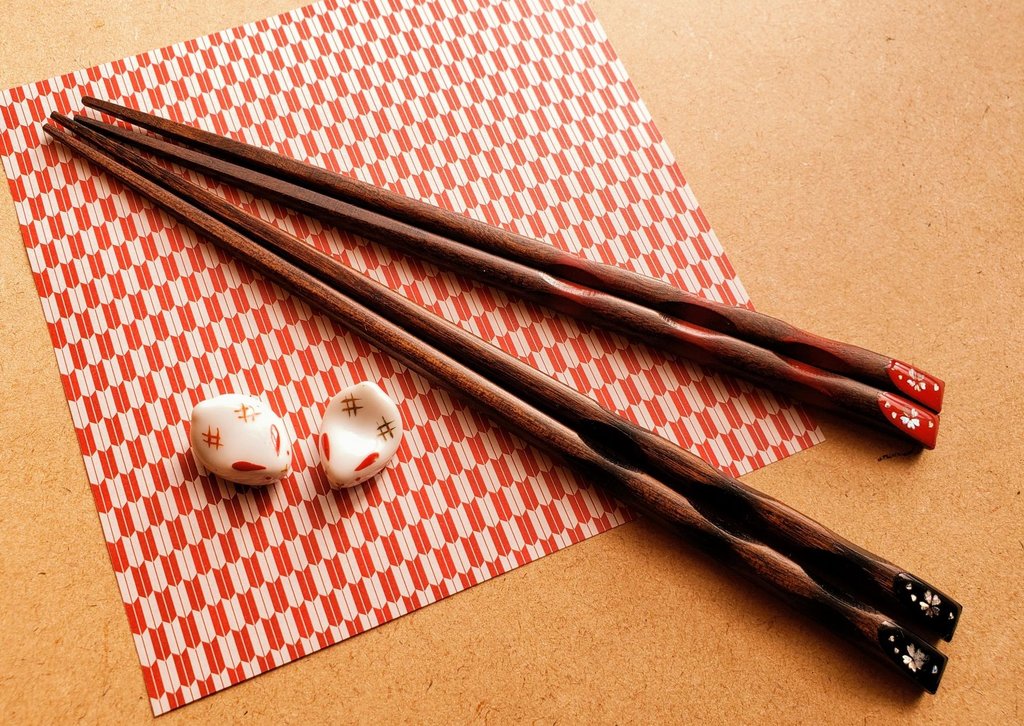
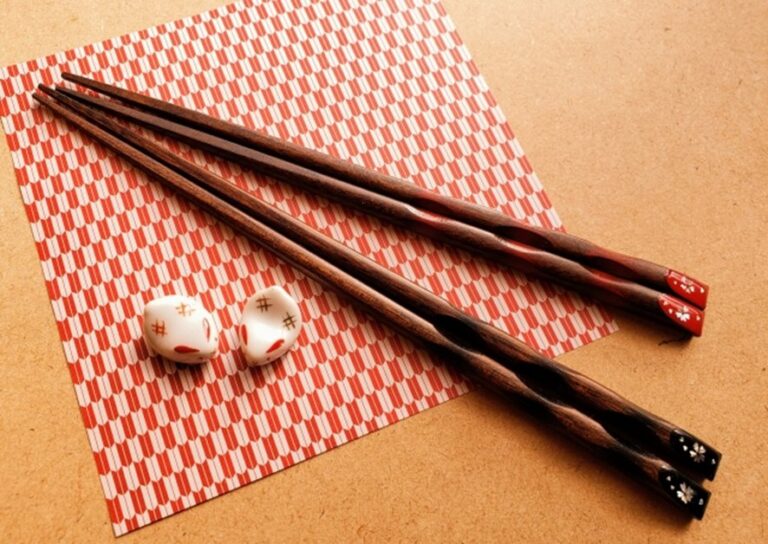
If you choose the wood, shape it, and finish the chopsticks yourself, you will have a one-of-a-kind souvenir. Handmade chopsticks also make a thoughtful gift for someone special, such as a family member or partner. At the Shinjuku and Asakusa workshops, name engraving is included in the Premium plans, allowing you to personalize the chopsticks with the recipient’s name. Here are three workshops in Shinjuku and Asakusa in Tokyo and Arashiyama in Kyoto. Each takes about an hour, making it easy to fit one into your sightseeing itinerary.
Shinjuku: Choose Yakushima Cedar or Another Wood and Add a Name in Kanji
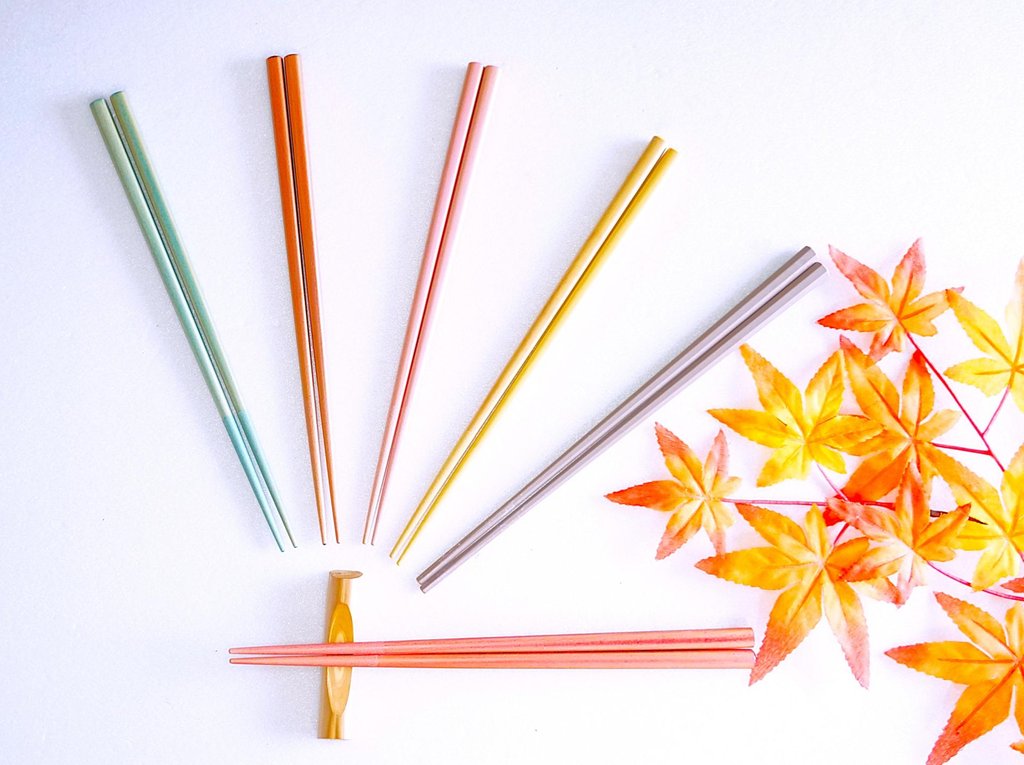
In Japan Guide Star’s “Shinjuku: Premium Japanese Chopstick-Making Workshop,” you can choose from more than 10 types of premium wood, including Yakushima cedar, at no additional charge. Yakushima cedar comes from Yakushima Island in Kagoshima Prefecture, where some trees are over 1,000 years old. Using the studio’s kanji dictionary as a reference, you can select kanji to represent a name and have them laser-engraved on your finished chopsticks.
Name engraving is included in the workshop price, and you can watch the engraving process up close. Choosing kanji to represent the names of family members or friends back home is one way to create a personalized souvenir for them.
The venue is Chopsticks Studio Shinjuku in Kabukicho 1-chome, a four-minute walk from Shinjuku Station. The workshop takes about an hour, with sessions starting every 30 minutes from 9:00 am to 6:30 pm, making it easy to fit into your schedule before or after shopping or dinner in Shinjuku. An English-speaking instructor explains each step, so the workshop is easy to join even if it is your first time. Free cancellation is available up to 24 hours before the workshop starts, offering flexibility if your plans change.
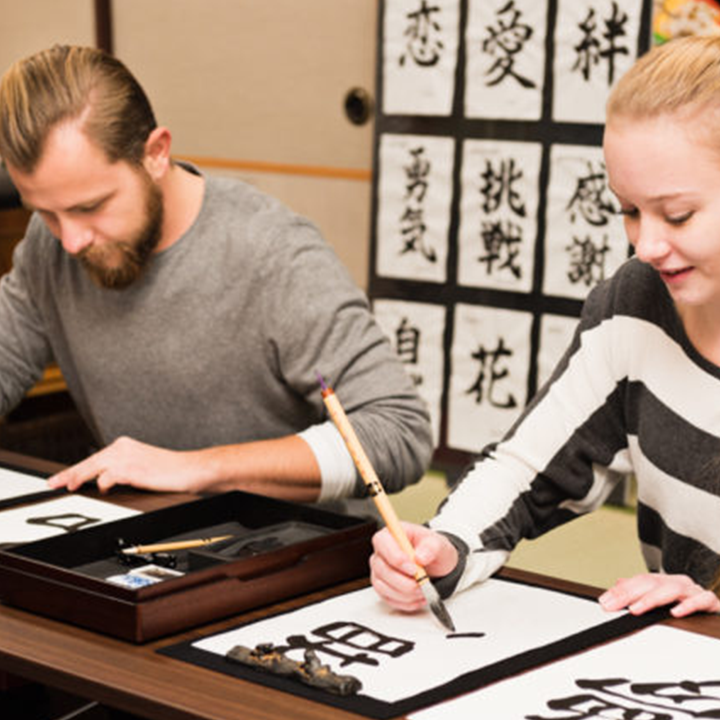
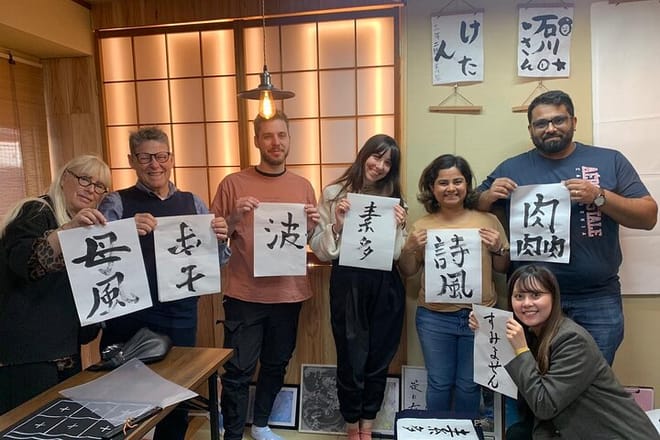
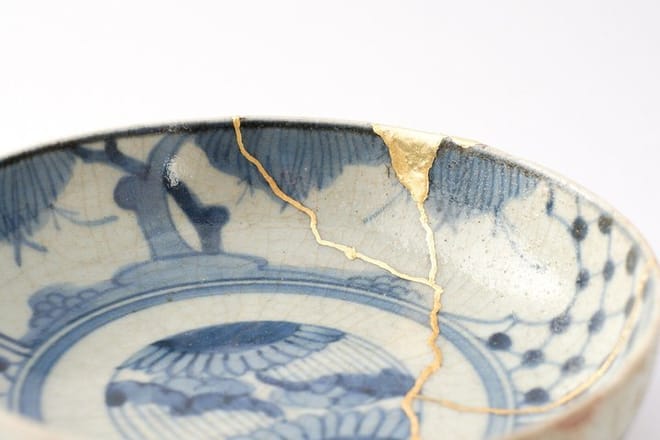
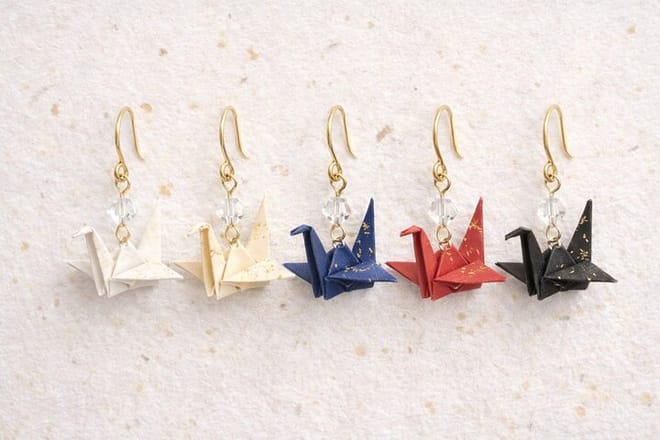
Other workshops held in the same building include origami jewelry making, kintsugi (a technique for repairing broken pottery with lacquer and gold), and calligraphy. You can combine several Japanese cultural activities in one day.
The workshop details are as follows:
| Address | 1-5-4 Kabukicho, Shinjuku-ku, Tokyo |
| Hours | 9:00 am–6:30 pm, starting every 30 minutes |
| Closing days | Check availability on the booking page |
| Official website | https://japanguidestar.com/tour/shinjuku-premium-japanese-chopstick-making-workshop/ |
| Recommended for | Travelers who want to make special chopsticks with a recipient’s name in kanji |
Asakusa: A Three-Minute Walk from Kaminarimon, with Views of Tokyo Skytree
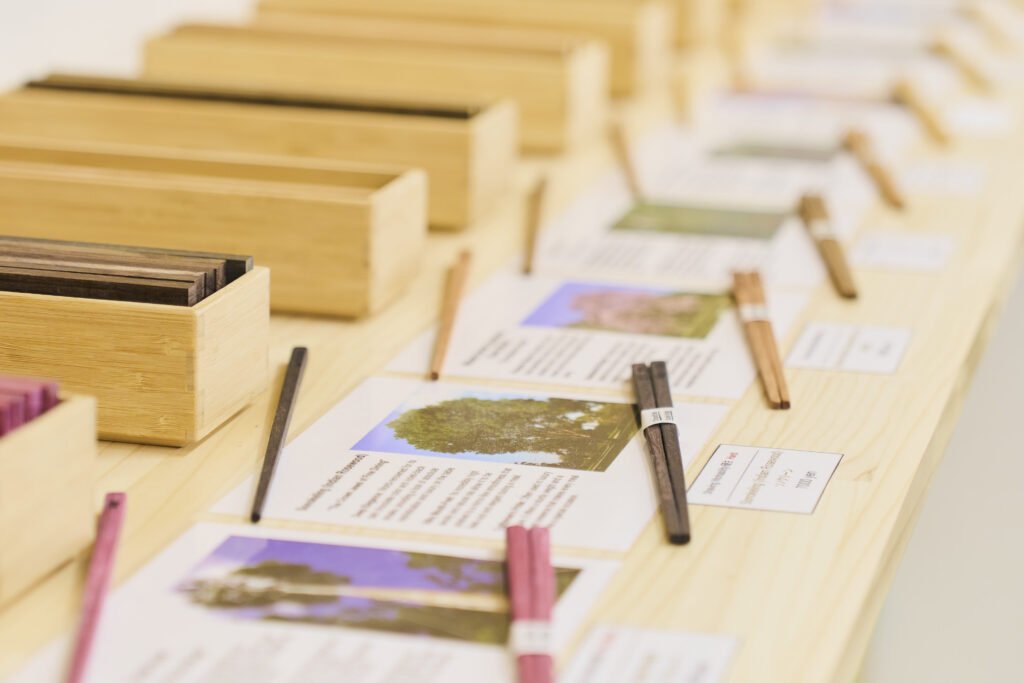
In Japan Guide Star’s “Asakusa Premium Japanese Chopstick-Making Workshop,” you can choose your preferred type of premium wood, with laser name engraving included in the price. The finished chopsticks are wrapped in protective material to keep them safe on the way home. If two people choose the same wood and have their names engraved, they can create a matching pair of chopsticks. This can make a meaningful keepsake for couples traveling together.
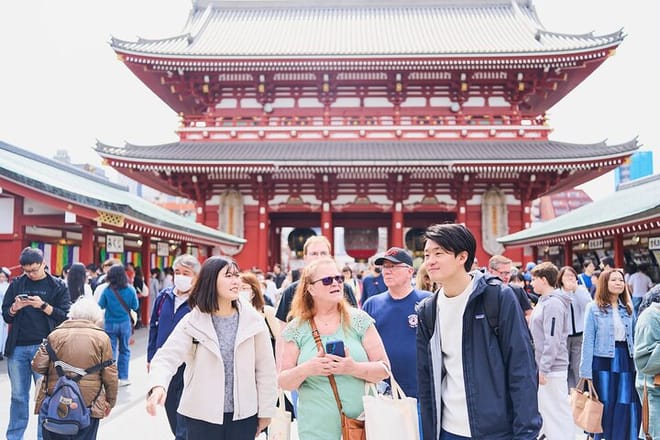
The venue, Chopsticks Studio Asakusa, is a three-minute walk from Kaminarimon Gate, making it easy to combine the workshop with a visit to Senso-ji Temple. From the studio, you can see the streets of Asakusa and Tokyo Skytree. The workshop takes about an hour, with sessions starting every 30 minutes from 9:00 am to 6:30 pm. Participants must be at least six years old. The workshop is conducted in English, and free cancellation is available up to 24 hours before it starts.
The workshop details are as follows:
| Address | TheRoom Asakusa 6F, 1-16-11 Asakusa, Taito-ku, Tokyo |
| Hours | 9:00 am–6:30 pm, starting every 30 minutes |
| Closing days | None |
| Official website | https://japanguidestar.com/tour/asakusa-premium-japanese-chopstick-making-workshop/ |
| Recommended for | Travelers and families who want to make name-engraved chopsticks during a visit to Asakusa |
Asakusa Premium Japanese Chopstick Making Workshop
Arashiyama, Kyoto: Make Chopsticks in an Hour While Exploring the Bamboo Grove
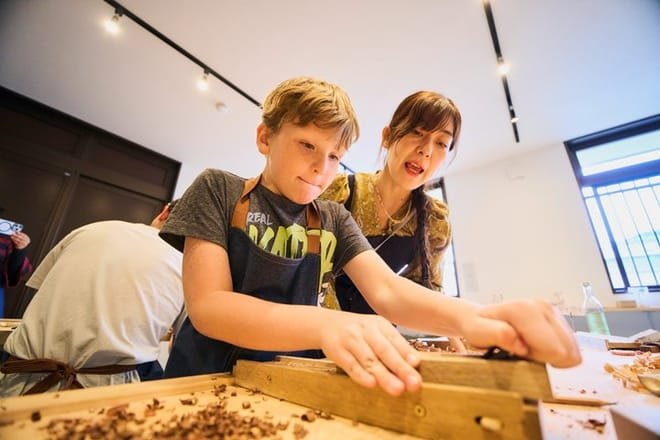
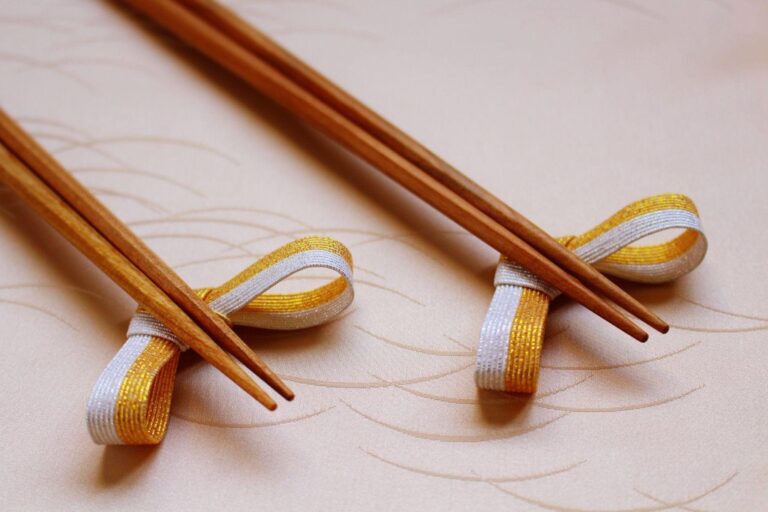
Japan Guide Star’s “Kyoto Arashiyama Chopstick Making Workshop” offers more than 12 types of wood, three of which you can choose at no additional charge. Additional fees apply if you select a different type of wood or opt for name engraving. Each type of wood has its own color, grain, and scent, allowing you to choose one based on its appearance and feel.
The venue, Chopsticks Studio Kyoto, is a two-minute walk from Arashiyama Station on the Randen line. The workshop takes about an hour, making it easy to fit into a day of sightseeing in Arashiyama. Tenryu-ji Temple and the Bamboo Grove Path are also within walking distance, so you can combine the workshop with a stroll through the bamboo grove before or after lunch. Sessions start every 30 minutes from 9:00 am to 6:30 pm, and the instructor explains each step in English. Participants must be at least six years old. Free cancellation is available up to 24 hours before the workshop starts.
The workshop details are as follows:
| Address | 2F, 3-25 Saga-Tenryuji Susukinobaba-cho, Ukyo-ku, Kyoto |
| Hours | 9:00 am–6:30 pm, starting every 30 minutes |
| Closing days | Check availability on the booking page |
| Official website | https://japanguidestar.com/tour/kyoto-arashiyama-chopstick-making-workshop/ |
| Recommended for | Travelers who want to make chopsticks as a memento of Kyoto between sightseeing stops in Arashiyama |
Kyoto Arashiyama Chopstick Making Workshop
Recommended Japanese Sweets and Teas for Souvenirs
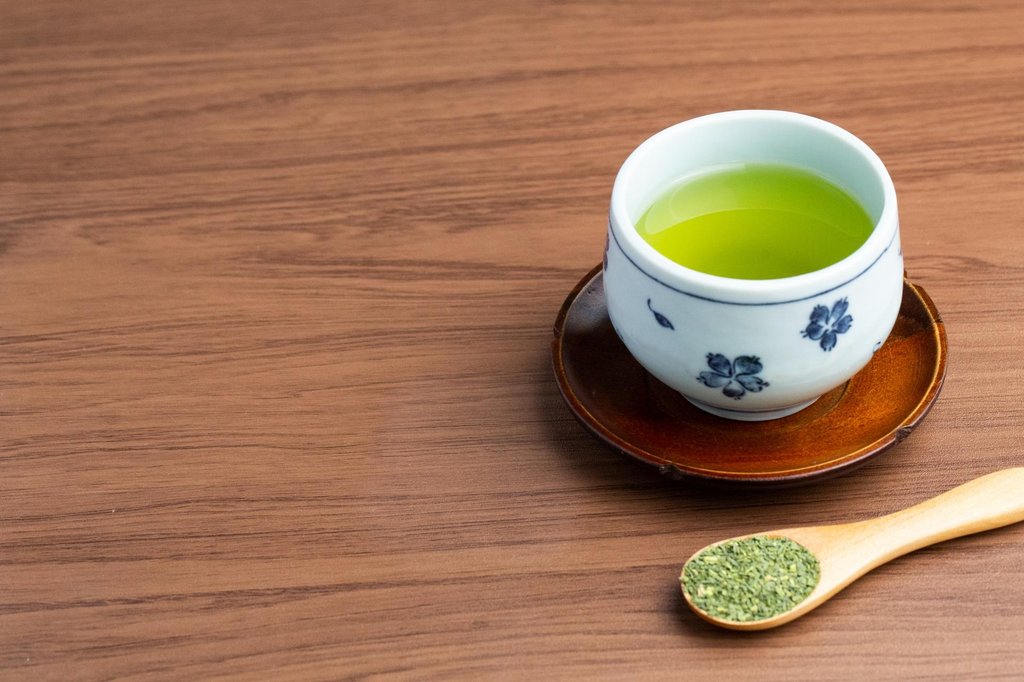
Japanese sweets and teas are classic souvenirs because many are lightweight, easy to carry home, and individually wrapped for convenient sharing. If you plan to give them out several days after returning home, check the best-before date before purchasing. This section introduces classic sweets available nationwide, limited-edition treats sold only in certain destinations, and powdered tea that keeps well.
Classics: Kit Kat and Kaki no Tane, Available Across Japan
Classic Japanese sweets and snacks are available at supermarkets and drugstores across the country. One example is Kit Kat Koi Matcha, a matcha-flavored chocolate snack. A 10-piece pack has a suggested retail price of ¥788, including tax, following a price revision in May 2025. The word koi means “rich” or “strong,” referring to the matcha flavor.
Another popular option is Kameda Seika’s Kameda no Kaki no Tane, a snack made with mildly spicy rice crackers and peanuts. It comes in packs containing six or 12 individually wrapped bags, making it convenient for sharing. Kit Kat Koi Matcha pieces are also individually wrapped, so they are easy to hand out.
Unlike sweets sold only in specific regions, these products are available in Tokyo, Kyoto, Osaka, and other cities you may visit. You can therefore buy them together at the end of your trip. Prices and product selection vary by store.
Limited Editions: Regional Kit Kats and Tokyo Banana
Kit Kat also comes in regional flavors made with local ingredients, such as Itokyuemon Uji matcha, Amaou strawberry, Shinshu apple, Tamaruya Honten wasabi, and purple sweet potato. Other regional varieties include sake and plum wine flavors, which contain alcohol and are therefore unsuitable as souvenirs for children.
Stores such as Keio Department Store Shinjuku, on the seventh floor, and Pirates Factory Gifts, on the sixth floor of Namba Marui, carry several regional Kit Kat flavors. Product availability varies by store.
Tokyo Banana “Mitsuketta” (meaning “Found it!”) is a classic Tokyo souvenir consisting of banana-shaped sponge cakes filled with banana-flavored cream. As of October 2026, a box of eight costs ¥1,296, including tax. You can find it at shops such as Tokyo Bananas in Tokyo Station Ichibangai.
Calbee’s Jagapokkuru Hokkaido Butter flavor is sold only at duty-free shops beyond international departure security at Japan’s international airports. It is a convenient last-day souvenir to pick up before your flight home.
Tea: Lightweight Powdered Green Tea That Keeps Well
Ito En’s “Sarasara Tokeru BOTTLE de STICKS Oi Ocha Green Tea with Matcha” is a powdered green tea blended with matcha. To prepare it, simply add a stick to a plastic bottle of water and shake. It is a convenient way to enjoy Japanese green tea without a teapot, making it a practical souvenir.
As of October 2026, a box of five 2.5 g (about 0.09 oz) sticks has a suggested retail price of ¥378, including tax. The product has been available nationwide since March 2026. It is lightweight and easy to carry, and its 12-month shelf life from the date of manufacture makes it a good option for a souvenir that keeps well.
Four Shops Where You Can Find Japanese Souvenirs, from Sweets to Everyday Goods
Once you have decided which souvenirs to buy, the next step is choosing where to shop. This section introduces four places to buy souvenirs, from stores where you can purchase items in bulk to airport duty-free shops you can visit on the day you fly home.
Don Quijote: A Tax-Free Store Where You Can Buy Everything in One Place
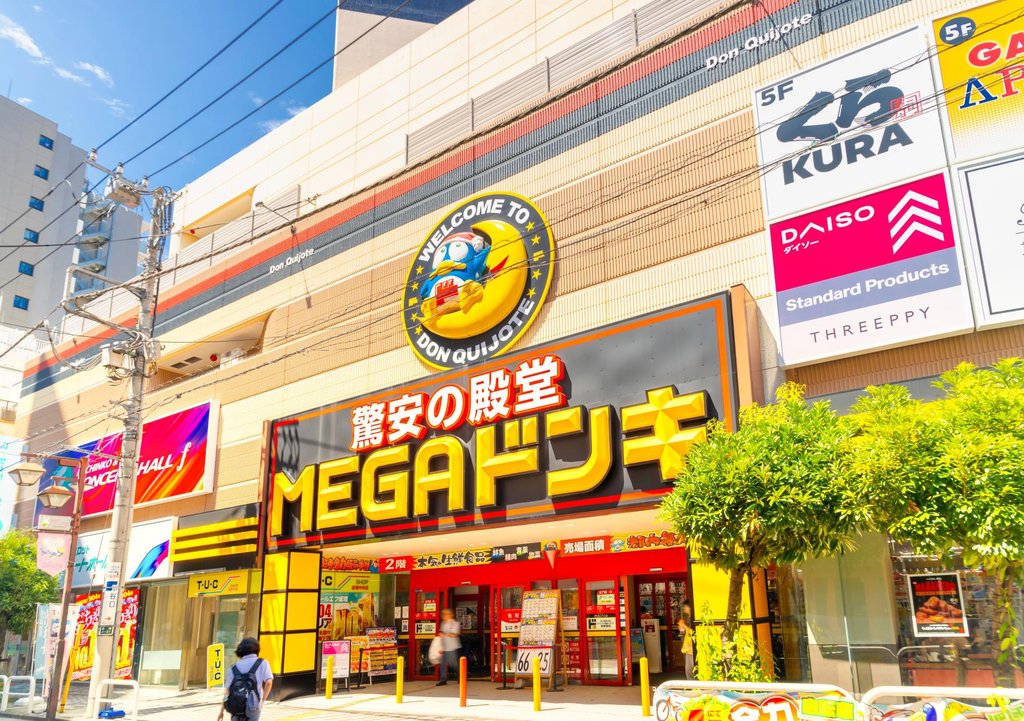
Don Quijote, a discount store chain, carries a wide range of products, including sweets, cosmetics, daily necessities, and home appliances. You can buy sweets to give as gifts and cosmetics for yourself in a single shopping trip. Products are stacked nearly to the ceiling, and the wide selection means you may discover something new in every aisle.
Don Quijote has tax-free stores across Japan. To meet the tax-free shopping requirement of spending ¥5,000 or more, excluding tax, in one store on the same day, combine your purchases at that store.
Many stores are open until late at night, making them convenient to visit after sightseeing or dinner. You will need your original passport for tax-free procedures, so bring it with you on shopping days rather than leaving it at your hotel.
Daiso: Affordable Gifts for Many People, with Most Items at ¥110
Daiso, a 100-yen shop, mainly sells items priced at ¥110, including tax. You can buy a variety of kitchen items and small goods on a limited budget, making it useful when shopping for souvenirs for many people. Daiso also sells small plates and chopstick rests with traditional Japanese patterns, as well as stationery featuring Japanese text.
However, some items cost more than ¥110, with prices reaching ¥550 or more, including tax. Check the price tags before buying in bulk.
Loft: A Tax-Free Store for Japanese Stationery and Cosmetics
Loft, a lifestyle goods store, carries a wide range of Japanese stationery, cosmetics, and household goods. You can find souvenirs for friends who love stationery, as well as cosmetics for yourself. Many sections feature products you can pick up and try, such as pens you can compare side by side and masking tape available in a wide variety of colors.
As of October 2026, tax-free shopping is available at Shibuya Loft, Ginza Loft, Umeda Loft, and other locations. Shibuya Loft is open from 11:00 am to 9:00 pm, while Umeda Loft is open from 10:00 am to 8:00 pm. Tax-free services may end before the store closes, so allow plenty of time if you plan to shop shortly before closing.
For more places to buy souvenirs in Tokyo, see our guide: The Complete Tokyo Shopping Guide: Fifteen Top Picks in Ginza, Harajuku, Shibuya, and Akihabara
Airport Duty-Free Shops: Buy More Souvenirs on the Day You Fly Home
There are many duty-free shops in the international departure areas of Haneda, Narita, and Kansai airports, so you can buy additional souvenirs on the day you fly home. Some shops carry sweets from other regions, such as ROYCE’ Nama Chocolate from Hokkaido, making it possible to pick up souvenirs you missed during your trip.
Duty-free shops past airport security also sell items such as alcohol and cosmetics that exceed the usual limits on liquids in carry-on baggage. However, if you pass through security again at a connecting airport, you may need to keep these items in a sealed security tamper-evident bag (STEB) and retain the receipt. Otherwise, you may not be allowed to bring them on board. Check the requirements for your connecting airport before you travel.
ROYCE’ Nama Chocolate must be kept at 10°C (about 50°F) or below. If you have a long journey home after landing, consider bringing a cooler bag to help keep it chilled.
Four Things to Keep in Mind When Taking Souvenirs Home from Japan

It would be a shame to have souvenirs you carefully selected confiscated at the airport or to miss out on a tax refund. This section covers four things to keep in mind when taking souvenirs home from Japan.
Food: Some Countries Don’t Allow Items Containing Meat or Fruit
Depending on your destination, food purchased in Japan may be subject to import restrictions. For example, bringing meat and dairy products from Japan into the EU or the UK is generally restricted, although some processed foods, such as chocolate and biscuits, may be exempt.
Instant noodles, including Cup Noodles, may also be prohibited in some countries if they contain meat-derived ingredients, such as pork or chicken extract. The UK requires a phytosanitary certificate for many types of fresh fruit, while Australia and Canada require travelers to declare food and plant-based products when entering the country.
For certain meat products, you may also need an export inspection certificate issued by Japan’s Animal Quarantine Service before taking them out of Japan. Before buying food, check the ingredient labels and consult the latest import requirements published by your destination’s customs and quarantine authorities.
Crafts such as wooden chopsticks may also be subject to plant quarantine, depending on your destination. Australia, in particular, requires travelers to declare wooden souvenirs and other items made from plant materials. Check the import requirements for wooden items as well as food before you travel.
Kitchen Knives: You Cannot Bring Them in Your Carry-On
Japanese kitchen knives are known for their sharpness and are popular souvenirs for people who love to cook. However, aviation security rules prohibit passengers from bringing knives and other blades into the aircraft cabin. If a knife is found at security, you may have to check it in or surrender it. If you buy a kitchen knife, wrap it securely, pack it in your suitcase, and check the suitcase with the airline.
Liquids: Pack Items over 100 mL in Checked Baggage
On international flights, containers holding more than 100 mL (about 3.4 fl oz) of liquids or gels are not allowed in the cabin. This restriction applies to toner and sake, as well as liquid or gel foods such as miso, pickles, and jelly. These items must be packed in checked baggage. Containers holding 100 mL or less must fit together in a single clear plastic bag with a capacity of 1 L (about 1 qt) or less. For checked baggage, there is no limit on the amount of sake you can pack if its alcohol content is 24% or less.
Alcohol and cosmetics purchased at duty-free shops after departure procedures can be carried on board even if they exceed 100 mL. However, if you transfer at another airport, these items may be confiscated if they do not meet the transit airport’s security requirements.
Tax-Free Purchases: You Won’t Get a Refund If the Items Aren’t with You at Departure
Japan’s tax-free shopping system will switch to a refund-based system on November 1, 2026. Under the new system, eligible shoppers will pay the price including consumption tax at the time of purchase and receive a refund after customs confirms that the items are being taken out of Japan. Eligible shoppers include foreign travelers who do not reside in Japan, and purchases must total ¥5,000 or more, excluding tax, at the same store on the same day.
You must have your purchased items with you for customs inspection before checking in your baggage. The items must be presented within 90 days of the purchase date. Food and cosmetics that you have consumed or used in Japan are not eligible for a tax refund. Refund methods and any applicable fees vary by store, so check the information provided at the time of purchase.
Frequently Asked Questions About Japanese Souvenirs
Finally, here are answers to some frequently asked questions about Japanese souvenirs.
How Can I Tell If a Souvenir Was Made in Japan?
A “日本製” or “Made in Japan” label on the packaging or tag is a useful indicator. Imported processed foods generally display their country of origin, but country-of-origin labeling is not mandatory for many products, such as everyday goods. As a result, some items made in Japan may not carry a label. If you cannot find one, ask a store employee whether the item was made in Japan.
The country of origin is generally the country where the product underwent a substantial transformation. For example, green tea may be labeled as made in Japan if the leaves are processed into crude tea there. Similarly, rice crackers may qualify if they are baked or fried in Japan, even when the ingredients come from overseas.
What is the Difference Between “Best Before” and “Use By” Dates?
A best-before date indicates how long food is expected to retain its quality when stored as directed, while a use-by date indicates the date by which it should be consumed for safety. Both dates apply to unopened products stored according to the label instructions, so consume food soon after opening it. If you plan to hand out souvenirs after returning home, choose items with a long shelf life and a best-before date.
How Can I Tell Which Stores Offer Tax-Free Shopping?
Look for the Japan Tourism Agency’s tax-free shop symbol displayed at the store entrance. Stores approved by the tax office to offer tax-free shopping can display this symbol.
Can I Ship Souvenirs I Bought to My Home Country?
Yes. You can send items overseas by international mail from a post office, but restrictions vary depending on the items and the destination country. Shipping tax-free purchases home separately by yourself ended on March 31, 2025. If you want to have tax-free purchases shipped directly overseas, check with the store.
Choose Sweets for Sharing and Handmade Chopsticks for Someone Special
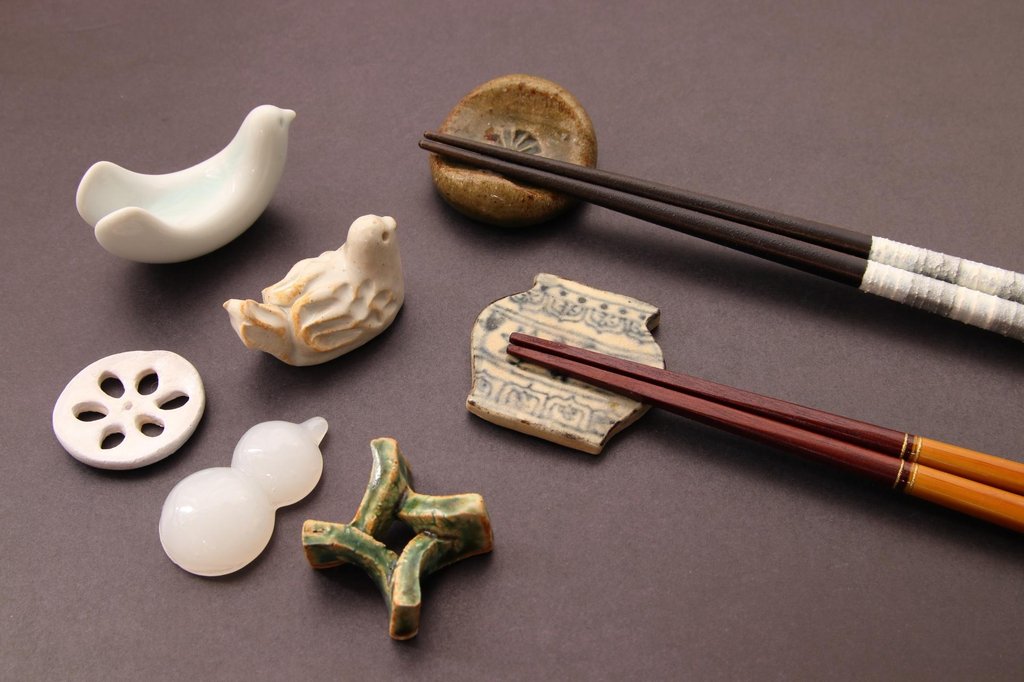
If you are handing out souvenirs to coworkers or friends, light, individually wrapped Japanese sweets are a convenient choice. Matcha Kit Kats and regional limited-edition flavors are easy to buy in quantities large enough for everyone, and their distinctive flavors and packaging make them recognizable as souvenirs from Japan.
For someone special, such as a family member or partner, consider giving handmade chopsticks. You can choose the wood, shape it yourself, and have a name engraved on the finished pair. The experience of making them during your trip adds a personal touch that you cannot get from a ready-made gift.
Asakusa Premium Japanese Chopstick Making Workshop