If you’re looking for a hotel near Shinjuku Station, choosing the right area can be more challenging than it first appears. With dozens of station exits, each part of Shinjuku has its own atmosphere, price range, and advantages.
This guide compares four key areas—East Exit, West Exit, South Exit, and Higashi-Shinjuku—highlighting their distinctive characteristics and typical nightly rates.
It also explains the most important factors to consider before booking, including safety around the entertainment district, potential nighttime noise, and how walking routes differ depending on the station exit.
By the end of this guide, you’ll have everything you need to choose the area that best matches your travel style and book a hotel with confidence.
3 Key Points for Choosing a Hotel Near Shinjuku Station
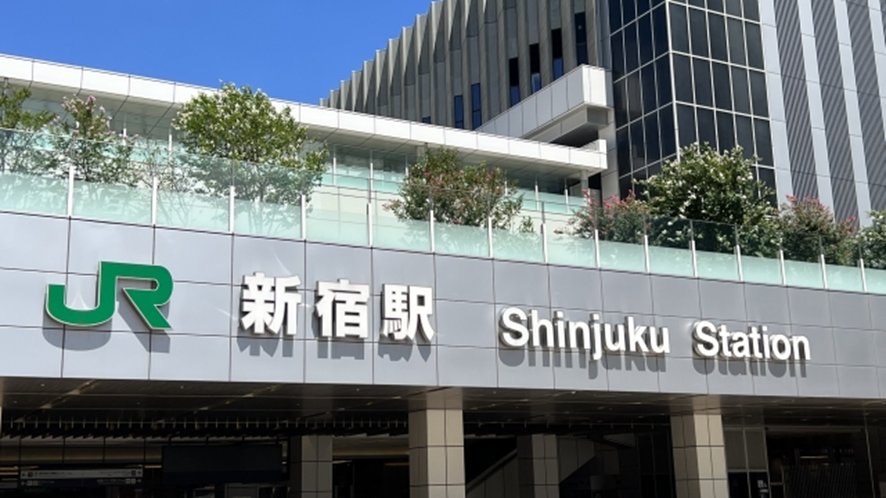
Shinjuku Station has an extensive network of exits, making it important to understand the layout before booking your accommodation. Even hotels described as being “near the station” can vary significantly in walking time depending on which exit they are closest to.
Keep in mind that distances can change considerably depending on the station exit, while the atmosphere of each neighborhood also differs from one side of the station to another. By considering both the surrounding environment and the area’s convenience as a base for sightseeing, you’ll be able to choose a hotel that best suits your travel style.
1. Travel Distance and Time Depend on the Exit and Direction
Shinjuku Station is one of the busiest railway terminals in the world, serving approximately 3.53 million passengers each day. Multiple JR and subway lines converge here, and the station has dozens of exits spread across a vast complex.
Be cautious when you see descriptions such as “5 minutes on foot.” A hotel may indeed be five minutes from the nearest station exit, but reaching that exit from your arrival platform can easily take an additional 10 minutes or more. Traveling with luggage, navigating stairs, and moving through crowded passageways can add even more time.
One useful shortcut is the East–West Free Passageway, which connects the east and west sides of the station outside the ticket gates. Free to use and requiring no ticket, it allows you to cross between the East and West Exits in approximately one to two minutes, significantly reducing walking time.
Before booking a hotel, take a few minutes to verify the following on Google Maps:
- Search for the hotel and confirm which station exit is closest and in which direction it is located.
- Display the walking route to check for stairs, elevators, and escalators.
- Search for a “Shinjuku Station map” to understand the route from your train line to the appropriate exit.
These steps significantly reduce the risk of disorientation after arrival.
2. The Atmosphere Changes Depending on the Direction from the Station
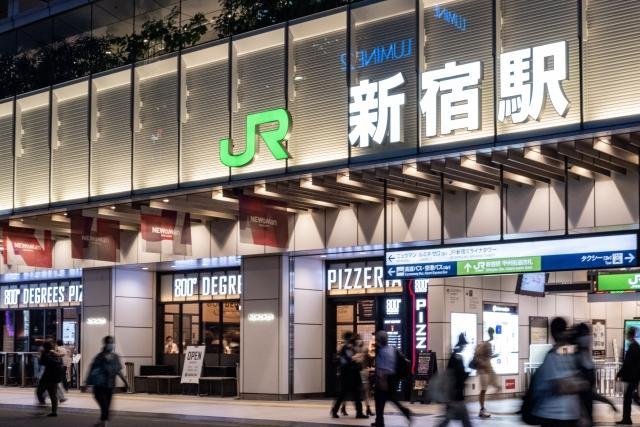
Each side of Shinjuku Station has a distinct atmosphere, so choosing the right neighborhood is just as important as selecting the hotel itself.
The East Exit area is Shinjuku’s main entertainment district, home to Kabukicho and Golden Gai. With countless restaurants, bars, and nightlife venues, it is an excellent choice for visitors who plan to stay out late. However, the lively atmosphere also brings higher noise levels and a busier nighttime environment, both of which should be considered before booking.
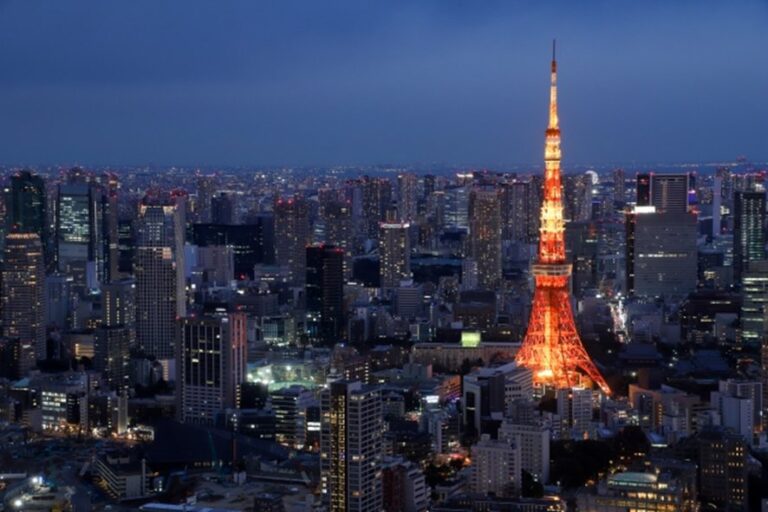
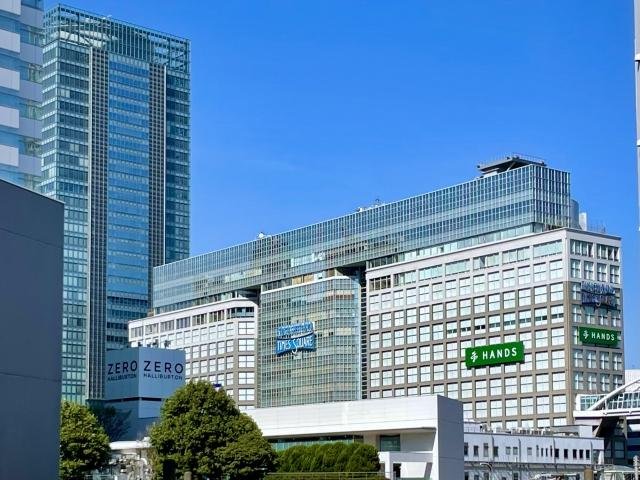
The West Exit area is primarily a business district, centered around landmarks such as the Tokyo Metropolitan Government Building. It offers a quieter setting, and many of the high-rise hotels feature panoramic city views, making it well suited to business travelers and those looking for a more peaceful stay.
The South Exit area is close to Shinjuku Gyoen National Garden and has a more relaxed atmosphere than the busy streets immediately surrounding the station. Meanwhile, Higashi-Shinjuku, located to the northeast, is often a good place to find comparatively affordable accommodation.
The following sections take a closer look at recommended hotels in each of these four areas.

Shinjuku: Food Tour – 15 Dishes at 4 Eateries
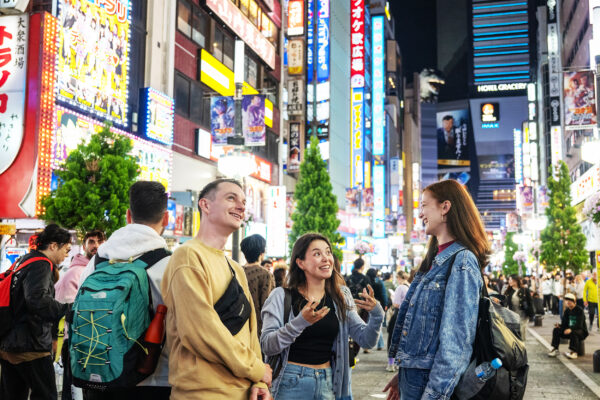
Tokyo: Shinjuku Historical Walking Tour & Secret Backstreets
3. An Ideal Base for Tokyo Sightseeing and Day Trips
As one of Tokyo’s major transportation hubs, Shinjuku Station is an excellent base for both sightseeing within the city and day trips to nearby destinations. Popular districts such as Shibuya and Asakusa are easily accessible, while Airport Limousine Buses serve both Narita and Haneda Airports, making arrivals and departures especially convenient.
Shinjuku also provides excellent access to several popular excursion destinations:
- Hakone: Approximately 75–90 minutes via the Odakyu Romancecar. Limited express tickets can be purchased online from your smartphone between 4:00 am and 2:00 am the following day.
- Lake Kawaguchi: Approximately 1 hour 55 minutes on the JR limited express Fuji Excursion, which provides direct access to the Mount Fuji area.
- Mount Takao: Approximately 45–50 minutes on the Keio Line Limited Express or the Keio Liner (Shinjuku to Takaosanguchi), making it an ideal destination for a casual day hike.
One of Shinjuku’s greatest advantages is the ability to return from a day trip and still enjoy dinner, shopping, and nightlife within walking distance of the station.
If you prefer a quieter neighborhood or expect to use the Shinkansen (bullet train) frequently, it is also worth comparing accommodation around Tokyo Station. Ultimately, choosing a hotel based on the railway lines you are most likely to use will make your stay significantly more convenient and enjoyable.

Tokyo: Mt. Fuji Cruise & Hakone Ropeway Day Trip by Bus
4 Recommended Areas to Stay Near Shinjuku Station
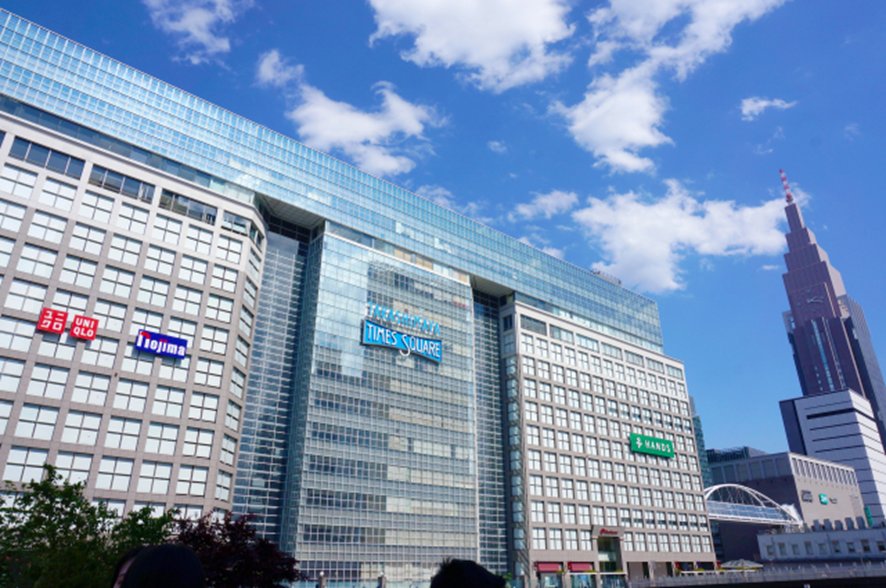
Because the atmosphere, convenience, and typical nightly rates vary significantly depending on which side of Shinjuku Station you choose, selecting the right area is key to a comfortable stay.
The following sections take a closer look at each neighborhood, including its location, approximate walking distance from the station, and typical price range. With this information, you’ll be able to narrow down the area that best matches your travel style, priorities, and budget.
East Exit Area | Hotels in the Entertainment District Near Kabukicho
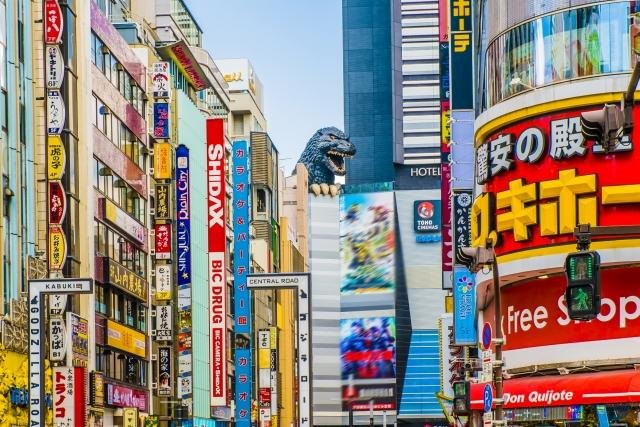
Shinjuku’s largest entertainment district extends from the East Exit, placing Kabukicho and Golden Gai within a comfortable 5–10 minute walk. With countless restaurants, bars, cinemas, and other venues operating late into the night, this area is an excellent choice for travelers who want to experience Shinjuku’s nightlife.
One of the area’s most recognizable hotels is HOTEL GRACERY Shinjuku, easily identified by the iconic Godzilla head on its rooftop. Located about a five-minute walk from JR Shinjuku Station’s East Exit, the hotel is well regarded for its comfortable rooms, all of which feature separate bathrooms and toilets.
Because this is Shinjuku’s main nightlife district, it is worth taking a few basic precautions after dark. The greatest concentration of touts and other potential nuisances is typically between midnight and 3:00 am.
To help ensure a comfortable stay:
- Avoid walking alone late at night whenever possible, and stay on well-lit main streets.
- Consider avoiding Hanamichi-dori and Azuma-dori after dark, as these streets have a high concentration of adult entertainment establishments.
- On Friday and Saturday nights, the area becomes especially crowded, so returning to your hotel earlier in the evening is often the most comfortable option.
By following these simple precautions, most visitors can enjoy the area’s lively atmosphere without concern.
Tokyo: Shinjuku Historical Walking Tour & Secret Backstreets
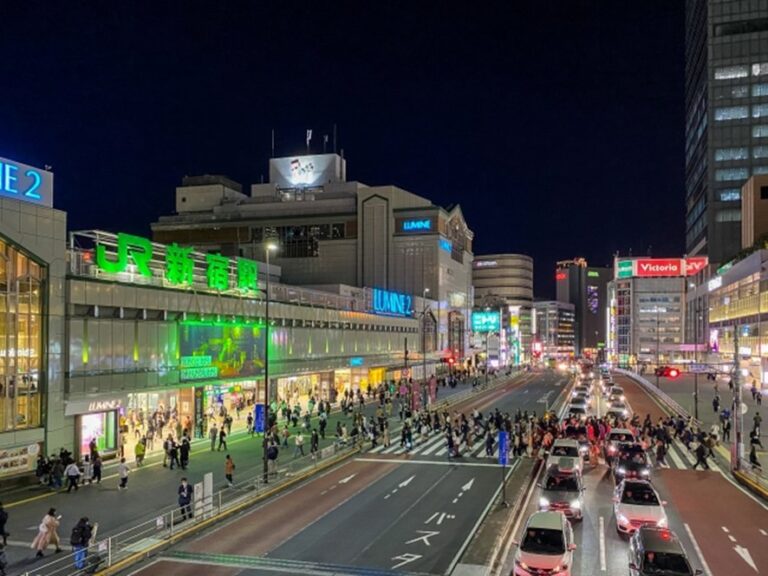
West Exit Area | High-Rise Hotels Overlooking the Metropolitan Government Building
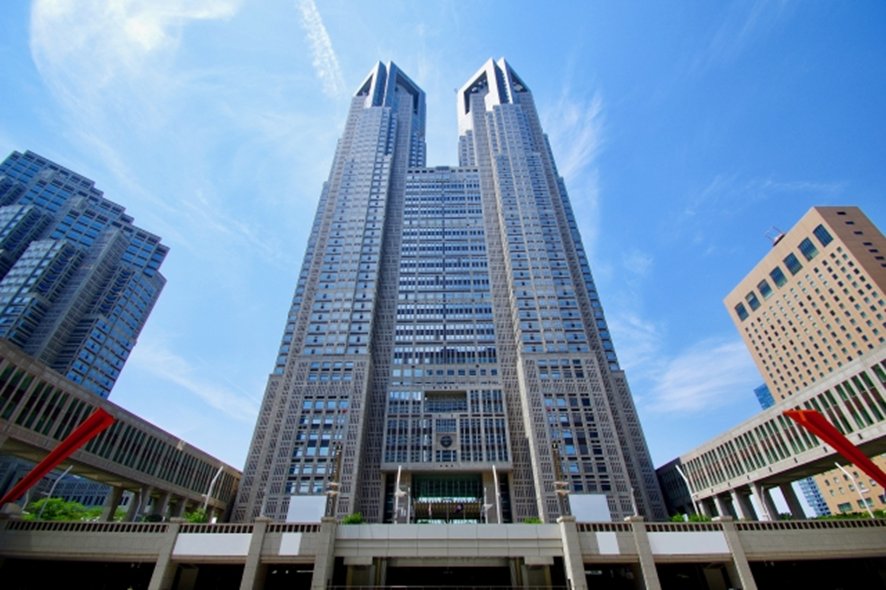
In contrast to the lively East Exit, the West Exit is characterized by high-rise office buildings and wide, well-maintained streets. Its quieter atmosphere makes it an excellent choice for business travelers and visitors who prefer a more peaceful stay.
The Tokyo Metropolitan Government Building is located about a 10-minute walk away and features a free observation deck. On clear days, visitors can enjoy views stretching as far as Mount Fuji, although elevator queues can become lengthy on weekends and public holidays.
Here’s a comparison of two top hotels in the area.
| Hotel | Keio Plaza Hotel Tokyo | Hilton Tokyo |
|---|---|---|
| Total rooms | About 1,452 | About 830 |
| Walk from West Exit | About 5 minutes | About 10 minutes |
| Airport limousine bus | Stop at the hotel entrance | Use a nearby bus stop |
One of the biggest advantages of Keio Plaza Hotel Tokyo is that Airport Limousine Buses stop directly at the hotel’s entrance, making transfers to and from Narita and Haneda Airports exceptionally convenient. The hotel is particularly popular during the cherry blossom and autumn foliage seasons, so booking well in advance is highly recommended.
With minimal nighttime noise and impressive skyline views from its upper floors, the West Exit offers a level of comfort and convenience that more than justifies its price.
South Exit Area | Hotels with Great Views on Quiet Back Streets
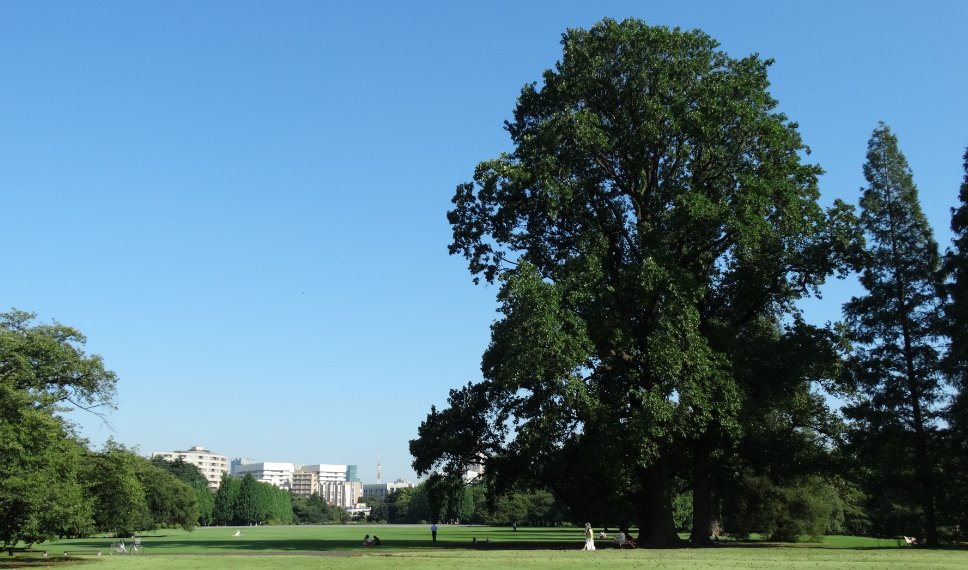
The South Exit area offers a peaceful atmosphere, with the greenery of Shinjuku Gyoen National Garden just a short walk away. Compared with the entertainment district on the east side of the station, this neighborhood is noticeably quieter, making it an excellent choice for travelers seeking a more relaxing stay.
Its greatest advantage is its direct access to Busta Shinjuku, Tokyo’s main express bus terminal. With direct bus services to both Narita and Haneda Airports, you can avoid changing trains while carrying heavy luggage, an especially welcome convenience for early-morning departures or late-night arrivals.
Here’s how two representative hotels compare.
| Item | Odakyu Hotel Century Southern Tower | JR Kyushu Hotel Blossom Shinjuku |
|---|---|---|
| Walk from South Exit | About 3 minutes | About 3 minutes |
| Busta Shinjuku | About 3-minute walk | About 3-minute walk |
| Views | Mt. Fuji and Tokyo night views from floors 22-35 | Rooms with fine views available |
| Luggage storage | Before and after check-in | Before check-in |
One of the South Exit’s distinctive attractions is the opportunity to enjoy views over the treetops of Shinjuku Gyoen from the upper floors of nearby hotels. If your priorities are convenient airport transportation and a tranquil environment, the South Exit area is one of the best places to stay in Shinjuku.
Higashi-Shinjuku and Shin-Okubo Area | Budget-Friendly Stays
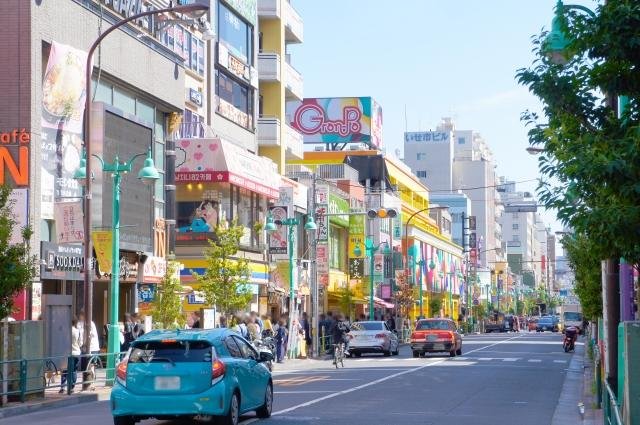
Staying just one station away from Shinjuku can significantly reduce your accommodation costs, making the Higashi-Shinjuku and Shin-Okubo area an attractive alternative. Although these neighborhoods are more modest than central Shinjuku, hotel rates are often considerably lower.
One excellent option is Sotetsu Fresa Inn Higashi-Shinjuku, located immediately beside Exit B2 of Higashi-Shinjuku Station. This compact hotel features Simmons beds and frequently offers rooms in the ¥6,000–¥20,000 per night range, making it especially cost-effective for longer stays.
Both Higashi-Shinjuku Station and Shin-Okubo Station are only about 5–7 minutes from Shinjuku Station, so traveling around Tokyo remains convenient. Access to popular areas such as Shibuya and Harajuku is also straightforward.
| Item | Higashi-Shinjuku Station | Shin-Okubo Station |
|---|---|---|
| Time to Shinjuku Station | About 7 minutes on the Oedo Line | About 5 minutes on the JR Yamanote Line |
| Time to Shibuya Station | About 12 minutes on the Fukutoshin Line | About 10-15 minutes on the JR Yamanote Line |
| Approximate nightly rate | About ¥8,000-15,000 | About ¥8,000-15,000 |
Shin-Okubo is particularly well known for its vibrant Korean food scene, with numerous restaurants and casual eateries that make it easy to enjoy delicious meals while keeping overall travel expenses under control.
If maximizing your budget is a priority without sacrificing convenience, the Higashi-Shinjuku and Shin-Okubo area is well worth considering.
Too Cheap or Too Expensive? Typical Hotel Rates Near Shinjuku Station
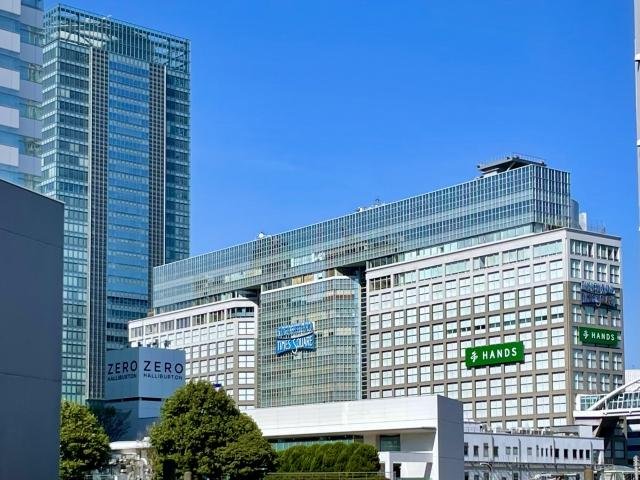
Once you’ve decided which area suits your needs, the next step is to determine an appropriate nightly budget. Hotels around Shinjuku Station generally fall into three categories: budget, mid-range, and luxury; each with its own typical price range and seasonal fluctuations.
Understanding which price tier best matches your budget and travel style will help you choose the right hotel with confidence and know when it’s worth booking early to secure the best rates.
Budget and Business Hotels Typically Run About ¥6,000-12,000 per Night
Hotels in this price range typically offer compact rooms measuring approximately 11–15 square meters (about 118–161 square feet), most of which feature a combined bathroom and toilet. While space is limited, they provide everything needed for a comfortable night’s sleep.
Well-known chains such as APA Hotel and Toyoko Inn are popular choices thanks to their consistent standards of cleanliness, facilities, and service. Some properties also offer amenities such as large communal baths or complimentary breakfast plans, providing excellent value for the price.
For travelers looking to maximize their sightseeing budget, capsule hotels, typically priced between ¥3,000 and ¥7,000 per night, are an even more economical option, leaving more room in your budget for dining and activities.
Another excellent choice for budget-conscious travelers is HOTEL MYSTAYS Nishi-Shinjuku. Located in a quieter part of the neighborhood, it serves as a convenient base for both sightseeing and business trips while offering good value for money.
Details
| Item | Information |
| Address | Nishi-Shinjuku, Shinjuku-ku, Tokyo (about 7-minute walk from the West Exit ground-level exit) |
| Nearest exit | Shinjuku-Nishiguchi Station Exit D5 (about 3-minute walk) |
| Check-in / Check-out | 3:00 pm-midnight / 11:00 am |
| Official website | https://www.mystays.com/hotel-mystays-nishishinjuku-tokyo/ |
| Best for | Cost-conscious business travelers; visitors who want a sightseeing base on the west side |
Mid-Range Hotels Generally Cost About ¥15,000-30,000 per Night
In the mid-range category, rooms measuring more than 20 square meters (about 215 square feet) become much more common, and many hotels offer separate bathrooms and toilets. Breakfast-inclusive plans are also widely available, saving you the time and effort of finding somewhere to eat each morning.
The biggest advantage of this price range is its balance of location, space, and service. You can enjoy a hotel just a few minutes’ walk from Shinjuku Station while benefiting from a noticeably more spacious room, making this category an excellent value for money.
Here’s how two notable hotels compare.
| Item | Hotel Sunroute Plaza Shinjuku | MIMARU Tokyo Shinjuku WEST |
|---|---|---|
| Address | 2-3-1 Yoyogi, Shibuya-ku | Around 3-chome, Nishi-Shinjuku, Shinjuku-ku |
| Nearest exit / Walk | South Exit, 3-minute walk; Oedo Line Exit A1, 1-minute walk | West Exit side, about 10-minute walk |
| Check-in | 3:00 pm | 3:00 pm |
| Features | 624 rooms, Wi-Fi throughout; ideal sightseeing base | Rooms with kitchens; suited to families and long stays |
| Best for | First-time visitors and couples | Families with children; stays of a week or more |
Hotel Sunroute Plaza Shinjuku is ideally located near the station, making it an excellent base for sightseeing around Tokyo.
MIMARU Tokyo Shinjuku WEST, on the other hand, features spacious rooms equipped with kitchen facilities, making it particularly well suited to families, groups, and travelers planning a longer stay.
The best choice ultimately depends on your travel style, the purpose of your trip, and who you’re traveling with.
Luxury Hotels Start at Around ¥50,000 per Night
Near Shinjuku Station, hotels priced from around ¥50,000 per night enter the luxury category, where spacious rooms of approximately 40 square meters (about 430 square feet) or more, and even suites, become the norm. Premium amenities such as spas, panoramic views from the upper floors, and personalized concierge service transform the hotel itself into part of the travel experience.
A flagship example is Park Hyatt Tokyo, which occupies floors 39 through 52 of the building and features just 171 guest rooms. Even the entry-level rooms measure a generous 50 square meters (about 538 square feet), while many offer spectacular views of the Tokyo Metropolitan Government Building and, on clear days, Mount Fuji. Nightly rates typically begin at around ¥100,000 and can exceed ¥200,000 during peak travel seasons.
Park Hyatt Tokyo is located about an eight-minute walk from Exit A4 of Tochomae Station. For a honeymoon, anniversary, or any other special occasion, it is one of the area’s most compelling luxury accommodations.
Details
| Item | Park Hyatt Tokyo |
| Address | 3-7-1-2 Nishi-Shinjuku, Shinjuku-ku, Tokyo |
| Nearest exit / Walk | Tochomae Station Exit A4, 8-minute walk; Shinjuku Station South Exit, 12-minute walk |
| Check-in | 3:00 pm |
| Official website | https://www.hyatt.com/park-hyatt/en-US/tyoph-park-hyatt-tokyo |
| Best for | Travelers marking anniversaries, honeymoons, or seeking a truly special stay |
Expect Peak-Season Prices to Rise 1.5-2 Times the Normal Rate
Hotel rates around Shinjuku Station vary considerably throughout the year. During the following peak travel periods, nightly rates commonly rise to 1.5–2 times their usual levels.
- Cherry blossom season (late March to early April): Demand for hanami (cherry blossom viewing) drives both occupancy rates and hotel prices sharply higher.
- Golden Week and Obon (a mid-August period when families honor their ancestors): Domestic travel reaches its peak, and many of the most popular hotels sell out several months in advance.
- New Year holidays: High demand from both domestic and international travelers often results in the highest room rates of the year.
- Lunar New Year (late January to mid-February): Increased inbound tourism pushes prices upward, particularly in the Nishi-Shinjuku area.
If your travel dates are flexible, consider visiting on weekdays between early January and the start of the Lunar New Year period, or during the rainy season in June. These quieter periods often offer significantly lower rates, with some hotels costing nearly half as much as they do during peak season.
If you plan to visit during one of the busiest times of the year, booking at least three months in advance is a sensible strategy to secure better availability and pricing.
4 Cautions to Avoid Mistakes When Choosing a Shinjuku Hotel
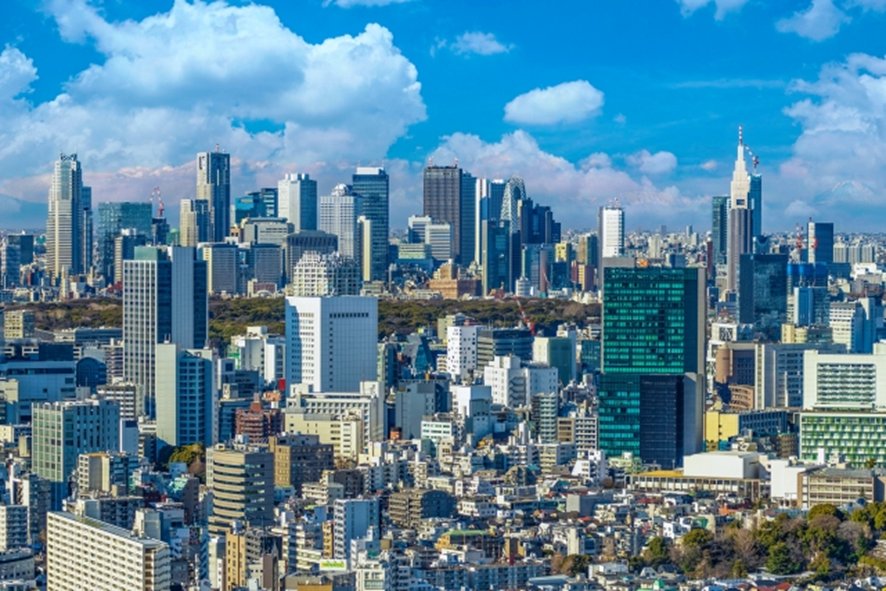
Despite its outstanding convenience, staying near Shinjuku Station comes with a few practical considerations. Before booking, it’s worth understanding four common issues: personal safety, nighttime noise, easily confused station names, and hotel check-in policies.
The following sections explain each of these points in detail and offer practical tips to help you avoid potential problems.
By keeping these considerations in mind before making your reservation, you can choose a hotel with confidence and enjoy a more comfortable stay in Shinjuku.
1. Touts and Overcharging Scams Are Common in Kabukicho Late at Night
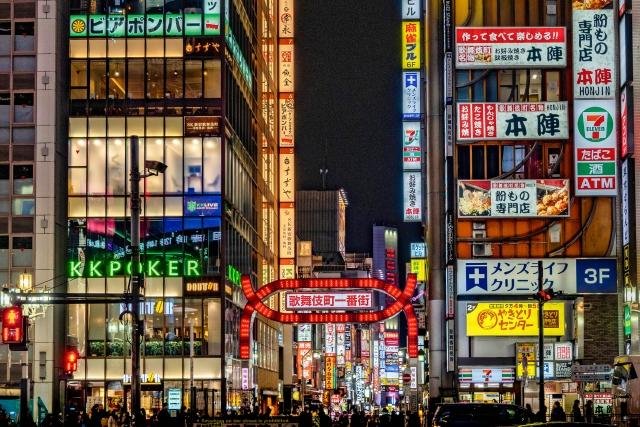
Kabukicho is lively and generally comfortable to explore during the day. After about 10:00 pm, however, street touts become much more active. Although local ordinances prohibit street solicitation and police patrols have been strengthened, solicitation persists in the late-night hours.
There have also been reports of visitors being taken to bars or clubs and presented with exorbitant bills. The most effective way to avoid these situations is simple: do not respond to anyone who approaches you on the street with invitations or special offers.
To stay safe, keep the following precautions in mind:
- Choose a hotel located on a well-lit street rather than in a back alley.
- Use a taxi or public transportation when traveling late at night, and avoid walking through narrow side streets.
- Whenever possible, explore the area with companions rather than alone.
If you do become the victim of a scam or are pressured into making a payment, do not pay cash on the spot. Leave the situation if possible and contact the police immediately.
2. Hotels Facing the Entertainment District or Train Tracks Can Be Noisy
Hotels overlooking the entertainment district experience constant pedestrian traffic well into the night, and outside noise can sometimes be heard even in the early hours. Properties located near the JR railway tracks may also be affected by the sound of the first morning trains.
If you’re a light sleeper, consider the following steps before booking:
- Request a high-floor room on the quieter side of the building. Include the request when making your reservation and mention it again at check-in, as room assignments are subject to availability.
- Search guest reviews using keywords such as “soundproof” and “noise.” Reading firsthand experiences often provides a more accurate picture than the hotel’s description.
- Consider staying in a quieter neighborhood. The South Exit area and the Tokyo Metropolitan Government Building district in Nishi-Shinjuku offer a noticeably calmer atmosphere despite being only a short distance from the entertainment district.
Taking these simple precautions can make a significant difference to the quality of your sleep during your stay.
3. Several Stations Have “Shinjuku” in Their Names
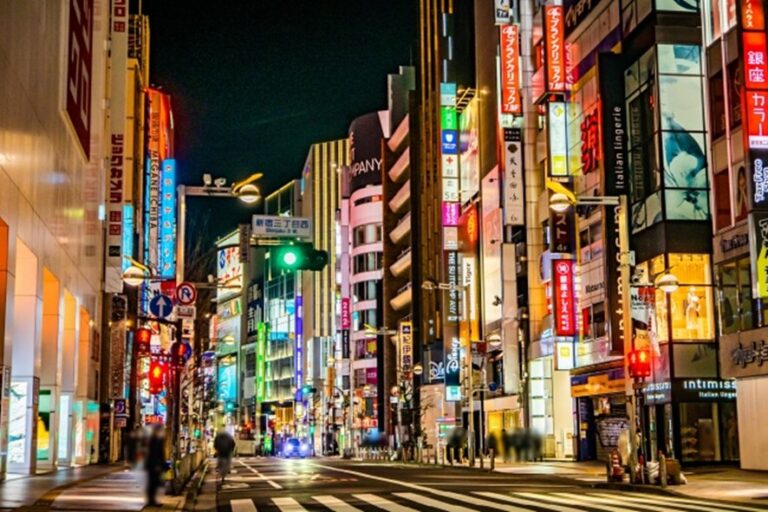
The Shinjuku area is served by several stations with “Shinjuku” in their names, many of which are located some distance from JR Shinjuku Station. Knowing the difference can help you avoid unexpected walks after arrival.
Approximate walking times from JR Shinjuku Station are as follows:
- Seibu-Shinjuku Station: About 7-8 minutes
- Shinjuku-Sanchome Station: About 5-7 minutes
- Shinjuku-Nishiguchi Station and Nishi-Shinjuku Station: About 5-10 minutes
- Minami-Shinjuku Station and Higashi-Shinjuku Station: Sometimes more than 10 minutes
Keep in mind that a hotel with “Shinjuku” in its name is not necessarily closest to JR Shinjuku Station. Likewise, booking websites frequently use the term “Shinjuku Station area” to describe a broad neighborhood, even when another station is actually more convenient.
Before making a reservation, check the hotel’s official website to confirm its nearest station, then use a map application to review the walking route. Verifying the distance and travel time in advance can save you time and prevent unnecessary confusion when you arrive.
4. Early-Morning and Late-Night Arrivals Face Check-in Restrictions
Most hotels near Shinjuku Station begin check-in around 3:00 pm. Even if you arrive on a morning flight, you may reach the hotel in the early afternoon and need to wait before your room is ready.
Luggage storage is another point to consider. Coin lockers inside Shinjuku Station are limited and can fill up quickly during busy travel periods. While many hotels offer luggage storage before check-in, some may not accept valuables, so it is important to plan ahead. For late-night arrivals, failing to meet the hotel’s final check-in time may even result in your reservation being canceled.
Before booking, confirm the following three points:
- Whether late-night check-in is available and the hotel’s final check-in time.
- Whether luggage storage is available before check-in and whether any fees apply.
- How to notify the hotel in advance if your arrival will be delayed.
Taking a few minutes to check these details can prevent major problems if your travel schedule changes unexpectedly.
Common Questions About Hotels Near Shinjuku Station

Even after choosing and booking a hotel, many travelers still have questions about transportation and how to make the most of their stay.
This section provides concise answers to common concerns, including airport access, booking strategies, and recommended experiences nearby, helping you plan a smoother and more enjoyable trip.
How Do I Get from the Airport to Shinjuku?
From Narita Airport, the Narita Express is the most convenient choice, as it takes you directly to Shinjuku without any transfers. For travelers looking to reduce costs, combining the Keisei Skyliner with a JR train is another practical option.
| Option | Travel Time | One-Way Fare (Approx.) |
|---|---|---|
| Narita Express | About 80-90 minutes | About ¥3,250 |
| Keisei Skyliner + JR | About 70-80 minutes | About ¥2,790 |
| Limousine bus (from Narita) | About 70-90 minutes | About ¥3,600 |
From Haneda Airport, you have two main choices: the Airport Limousine Bus or a train route combining the Keikyu Line and JR.
If you are traveling with large suitcases, the limousine bus is often the easiest option, as it takes you directly to major hotels without the need to navigate stairs or transfers. For budget-conscious travelers, the train offers a more economical alternative while still providing reliable access.
Any Tips for Booking a Hotel Without Regrets?
Hotel prices can vary significantly between booking platforms, so taking a few extra steps before confirming your reservation can help you find the best deal.
Follow these three checks before booking:
- Compare the final tax-included price. Use a metasearch site to compare the total cost for the same dates and room type across multiple platforms.
- Review cancellation policies carefully. Check cancellation deadlines and refund conditions, as they can differ between booking sites.
- Check the hotel’s official website. Direct bookings may offer benefits such as member discounts, special plans, or additional perks.
Be careful when comparing prices, as some booking pages mix tax-excluded and tax-included amounts. Always compare the final amount you will actually pay.
When reading reviews, do not rely only on the overall score. Pay attention to category ratings such as soundproofing and cleanliness, especially if these factors affect your comfort.
Japanese business hotel rooms are often compact, typically measuring around 9–15 square meters (about 97–161 square feet). Checking the room size in advance will help you choose accommodation that matches your expectations.
What Are Some Recommended Experiences Around Shinjuku?
The area around Shinjuku Station offers a wide variety of memorable experiences beyond sightseeing and shopping. With English-guided tours available, international visitors can explore the city’s culture, history, and hidden sides without worrying about the language barrier.
For travelers who want to experience the best of Shinjuku efficiently, the programs offered by Japan Guide Star are an excellent option.
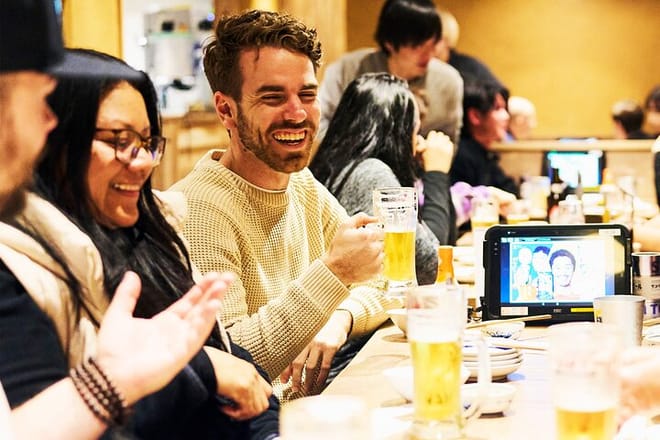
- Shinjuku Food Tour (15 dishes at 4 renowned eateries): Walk through Omoide Yokocho and Golden Gai with an English-speaking guide, sampling 15 local dishes (details: https://japanguidestar.com/tour/shinjuku-food-tour-15-dishes-at-4-eateries/)
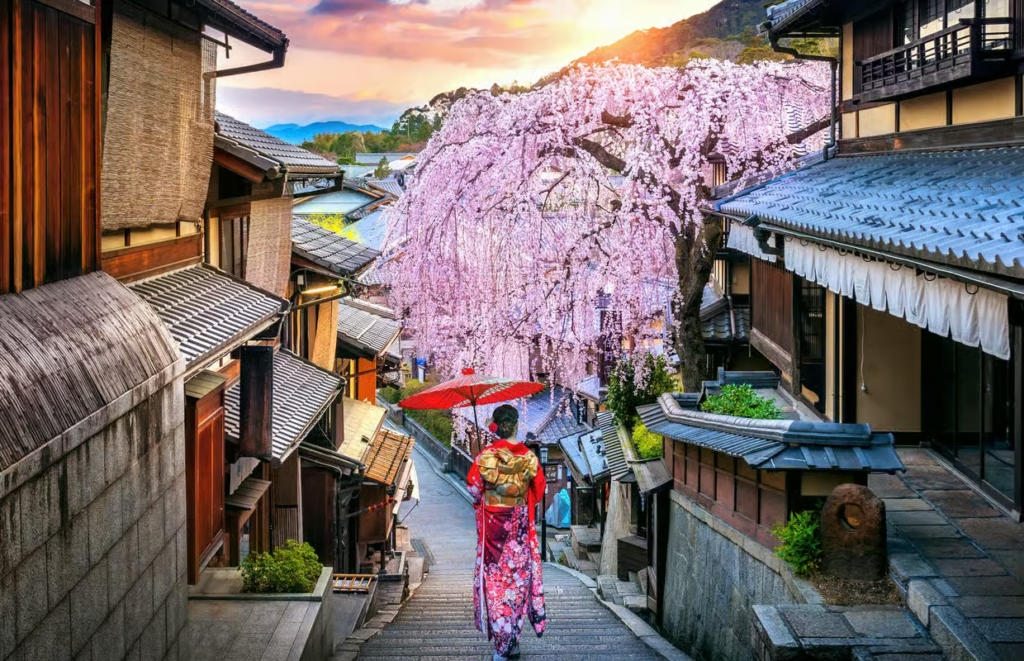
- Shinjuku Nightlife & Backstreet Walking Tour: Explore back alleys that can feel intimidating to enter alone and experience Shinjuku’s history and culture firsthand (details: https://japanguidestar.com/tour/tokyo-shinjuku-historical-walking-tour-secret-backstreets/)
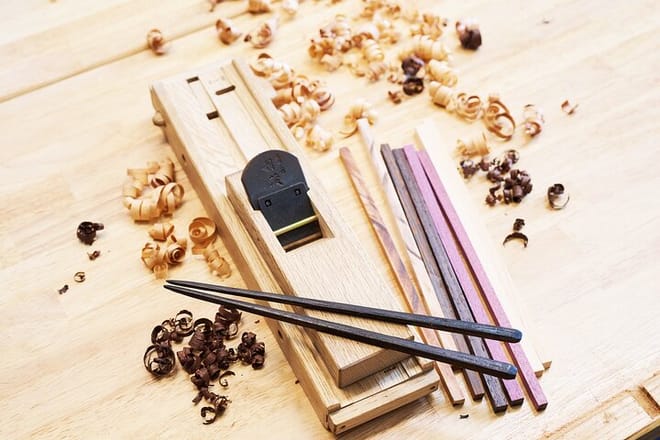
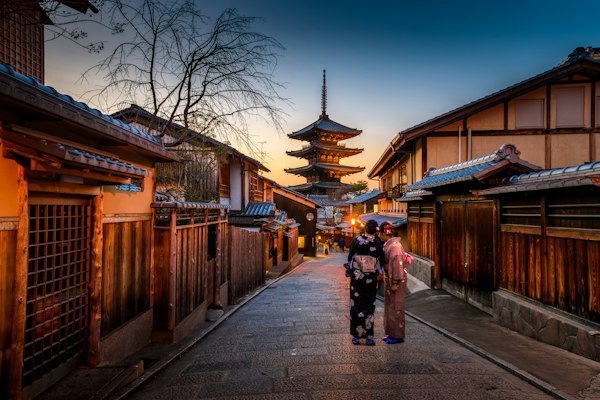
- Chopstick-Making Workshop: Craft your own original pair of chopsticks and take a tangible travel memory home (details: https://japanguidestar.com/tour/tokyo-shinjuku-chopstick-making-workshop/)

Tokyo Chopstick Making Workshop in Ginza
What Popular Spots Can I Visit on a Day Trip from Shinjuku?
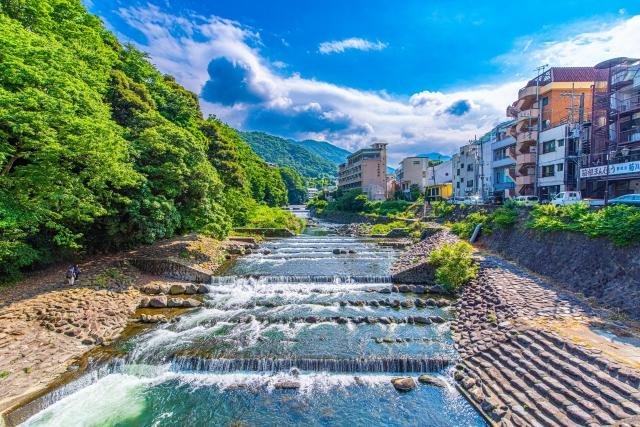
Shinjuku is not only convenient for exploring Tokyo itself:it is also an excellent starting point for day trips to scenic destinations such as Mount Fuji and Hakone.
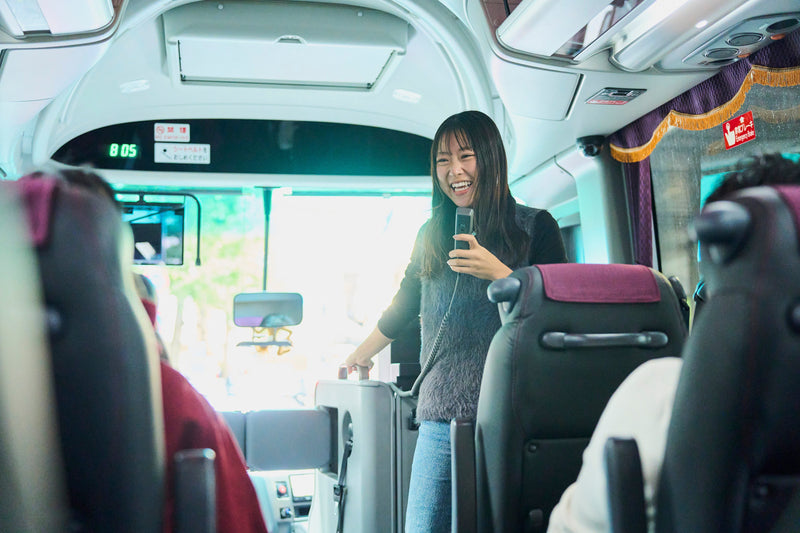
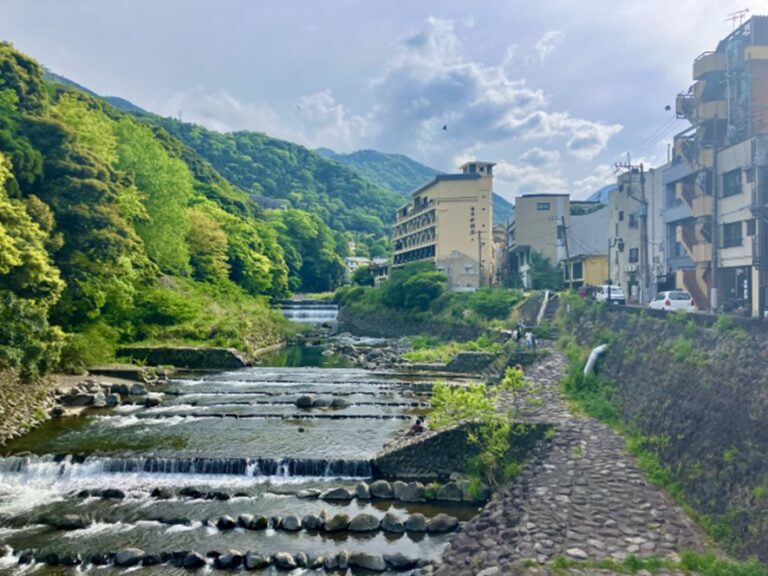
For travelers who want to experience both Mount Fuji and Hakone in a single day, Japan Guide Star’ “From Tokyo: Mt. Fuji Cruise & Hakone Ropeway Day Trip by Bus” is a convenient option. Departing from and returning to Shinjuku, the tour combines a lake cruise and a ropeway ride with the support of an English-speaking guide. With transportation arranged in advance, it is particularly suitable for first-time visitors who want a hassle-free experience. See the official page for details.
For those who prefer a more flexible schedule, independent day trips by public transportation are also rewarding:
- Hakone: About 85 minutes via the Odakyu Romancecar, which offers all-reserved seating for a comfortable journey.
- Mt. Takao: About 50 minutes via the Keio Line, providing an accessible nature escape that even beginner hikers can enjoy.
Because many popular day-trip destinations can be reached directly or with minimal transfers, staying in Shinjuku as your base offers significant convenience and flexibility.
Tokyo: Mt. Fuji Cruise & Hakone Ropeway Day Trip by Bus
Make Shinjuku the Perfect Base for Your Tokyo Stay
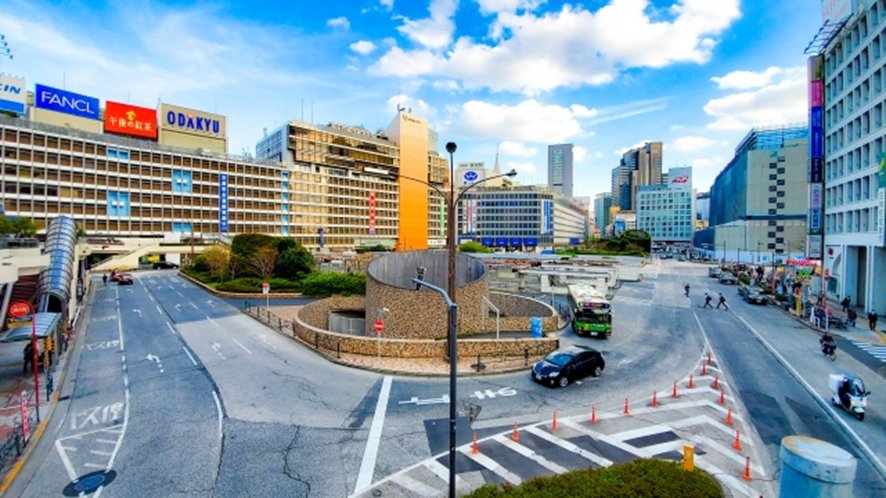
Choosing the right hotel in Shinjuku comes down to understanding the character of each area and finding the one that matches your budget and travel style.
If safety or nighttime noise is a concern, consider prioritizing the quieter Nishi-Shinjuku or South Exit areas. During peak travel seasons, booking early is also essential to secure better availability and rates.
With these points in mind, you’ll be well prepared to select the hotel that best fits your needs and make the most of your time in Shinjuku.