In November, Tokyo’s high temperature drops by about 4°C (about 7°F) between the start and end of the month, so what you pack depends on when you arrive. On top of that, the sun sets as early as the 4:00 pm hour. Head out unprepared and you may end up cold in the wrong clothes, or arrive at a sight just after the gates close and lose part of your day.
Below are clothing guidelines matched to temperatures in each part of the month, spots where the foliage reaches peak color, and events unique to November, including the Tori-no-Ichi fair (a traditional market selling good-luck charms for business prosperity) and the city’s winter illuminations. At the end is a one-day itinerary that covers Harajuku through Shinjuku, from a morning shrine walk to an evening food tour.
Tokyo’s November Weather and What to Wear
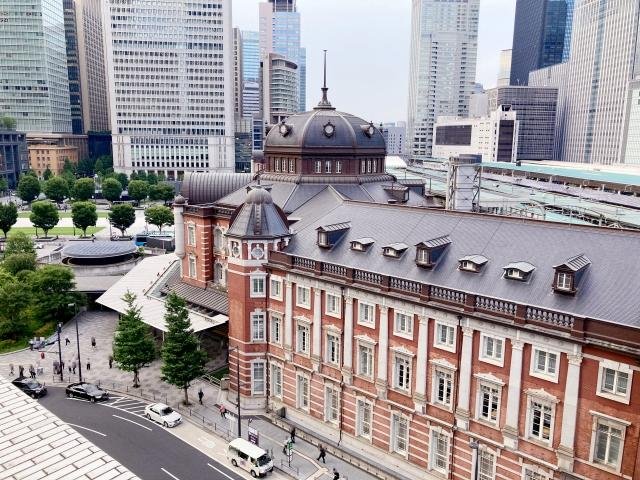
November temperatures in Tokyo change significantly from the beginning of the month to the end, and darkness falls early. The sections below show how temperatures shift from early to late November and what the low rainfall and early sunsets mean for your layers and sightseeing schedule.
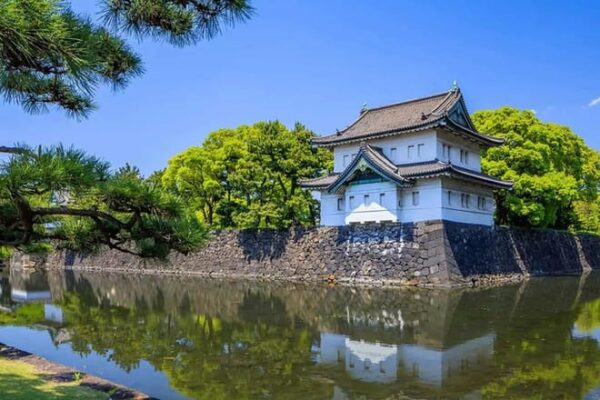
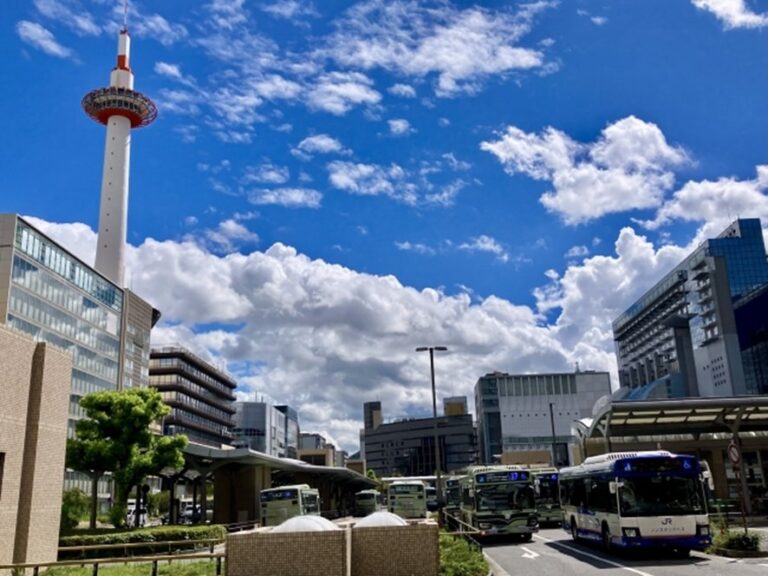
Tokyo Station and Imperial Palace 1 Hour Guided Tour
Temperatures Differ by About 4°C Between Early and Late November
In early November, a light jacket is enough on some days, but by late November, it gets cold enough that you’ll want a winter coat. The table below summarizes temperatures and suggested outerwear for each period, based on Japan Meteorological Agency averages.
| Period | High / Low | Suggested Outerwear |
|---|---|---|
| Early November | 18.6°C (about 65°F) / 10.6°C (about 51°F) | Light jacket or cardigan |
| Mid-November | 16.6°C (about 62°F) / 8.8°C (about 48°F) | Light coat or thin down jacket |
| Late November | 14.9°C (about 59°F) / 7.1°C (about 45°F) | Winter coat and scarf |
Daytime and morning or evening temperatures differ by around 8°C (about 14°F). Relying on a single heavy coat can leave you too warm at midday and too cold at night. Trains, shopping facilities, and restaurants are also heated, so wearing thin layers that you can quickly remove indoors helps keep you comfortable. Use the following as a packing guide:
- Pair a long-sleeved base layer with a mid layer such as a thin down jacket or fleece
- Bring a stole or scarf for chilly mornings and evenings
- Wear comfortable sneakers, since sightseeing often means walking more than 10,000 steps a day
Little Rain Makes Outdoor Plans Easy
Tokyo’s average November rainfall is 26.2 mm (about 1.0 in) in early November, 39.5 mm (about 1.6 in) in mid-November, and 30.6 mm (about 1.2 in) in late November. The monthly total comes to 96.3 mm (about 3.8 in), making November one of the drier times of the year. It sees about 17% less rain than March (116.0 mm, about 4.6 in) and about 28% less than April (133.7 mm, about 5.3 in), the cherry blossom months. Weather-dependent plans such as foliage photography, shrine visits, and outdoor events are therefore relatively easy to schedule.
Showers can still happen, so keep one indoor option in mind. That way, a sudden downpour won’t leave half your day empty. Good candidates include:
- Mori Art Museum: Inside Roppongi Hills, it is easy to reach from the station without getting wet
- Tokyo National Museum: Japan’s oldest museum, located in Ueno Park
- Tsukiji Hongwanji: A temple where you can enter the Main Hall to pray


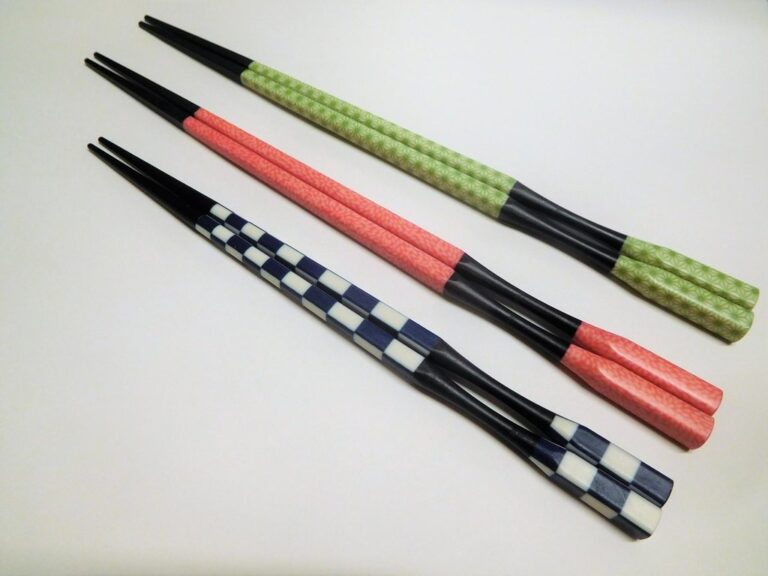
Tokyo Shibuya Chopstick Making Workshop

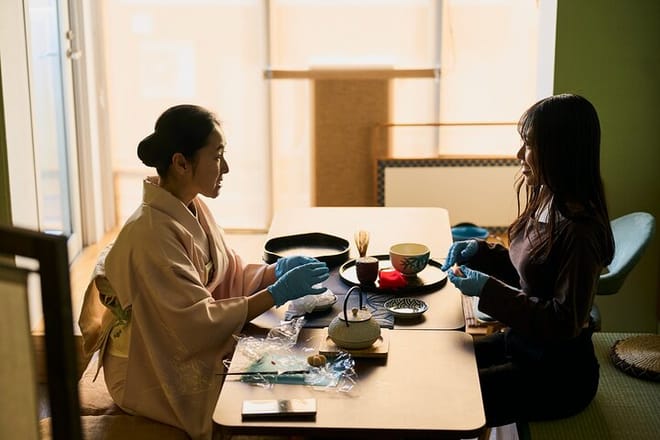
Tokyo: Japanese Gold Repair Kintsugi Workshop in Shinjuku
Sunset Comes Before 5 pm, So Start Outdoor Sightseeing in the Morning
Sunset comes early in Tokyo in November. According to data from the National Astronomical Observatory of Japan, sunset is around 4:40 pm in early November and around 4:30 pm by late November. Shrines and gardens often close their gates earlier as well. Meiji Jingu, for example, closes at 4:10 pm in November. If you leave your sightseeing until the afternoon, you may find the gates already closed when you arrive.
Start your outdoor sightseeing in the morning and switch activities according to the time of day, as shown below, to make the most of the daylight:
- Morning to early afternoon: Focus on outdoor plans such as shrine visits, garden walks, and autumn foliage spots
- After 4 pm: Visit illuminations and illuminated autumn leaves
- Dinnertime: Spend the evening on a food tour or indoor experience
The early sunset also gives you a long stretch of evening to enjoy Tokyo’s illuminations. In Marunouchi, for example, the lights come on at 4:00 pm from mid-November. You can enjoy autumn foliage by day and light-filled streets by night. If you’d like to add an English-guided tour to your itinerary, see the list of Tokyo tours run by Japan Guide Star.
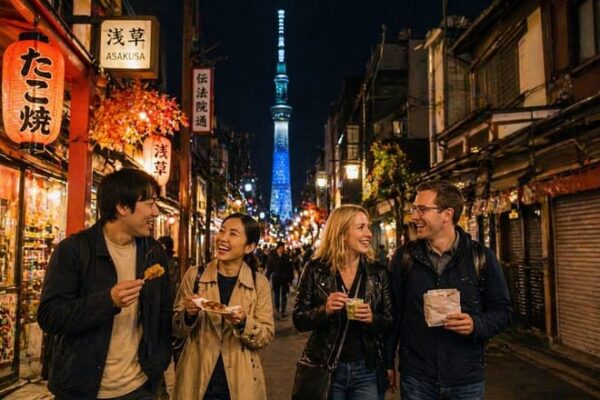
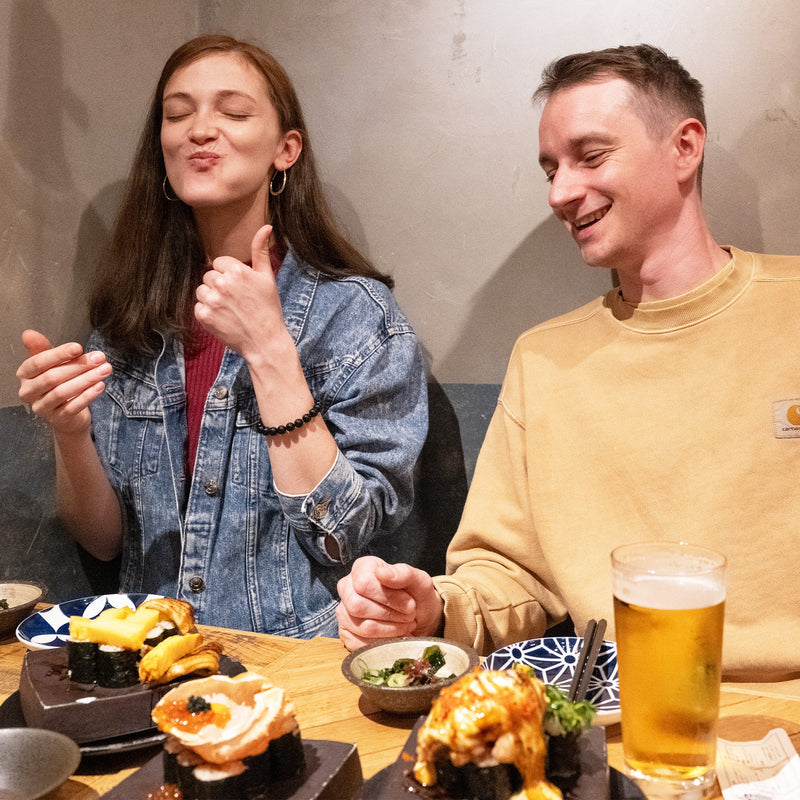
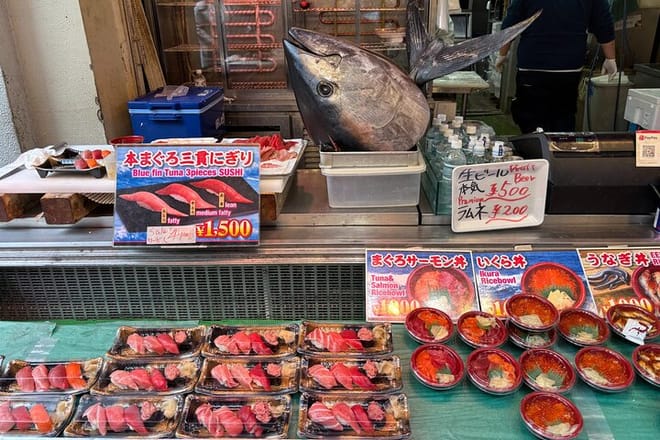
Tokyo: Asakusa Guided Food Tour with 12 Dishes & 3 Drinks

Shinjuku: Food Tour – 15 Dishes at 4 Eateries
4 Recommended Spots and Events for a November Trip to Tokyo
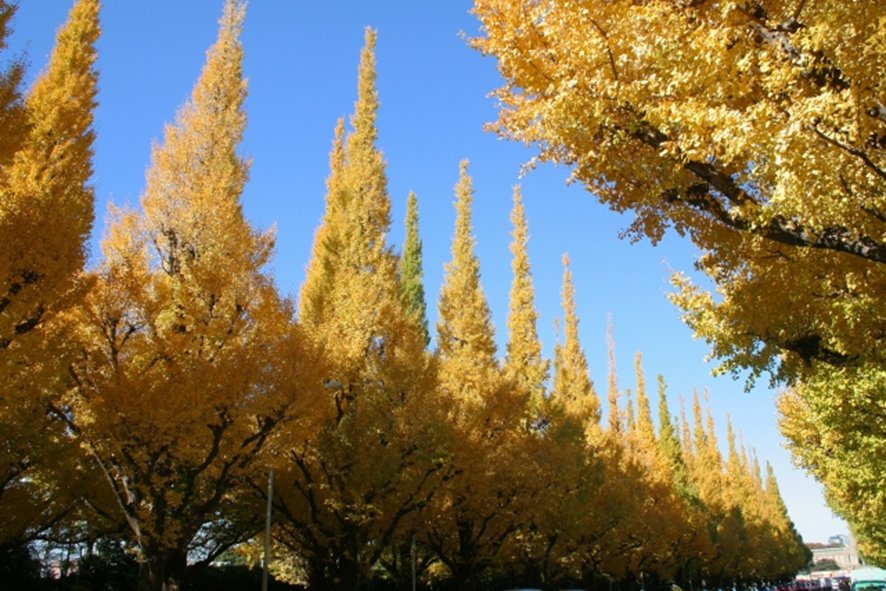
In November, Tokyo’s traditional autumn events, fall foliage, and illuminations overlap, creating seasonal sights and experiences you can enjoy only at this time of year. The four picks below are listed in chronological order:
- A shrine festival
- A market with stalls that stays open late into the night
- Illuminated street trees
- A tree-lined avenue that opens only during foliage season
Check the dates and the times when crowds are most likely, then choose the events that fit your travel dates.
Harajuku | See the Autumn Grand Festival and Shichi-Go-San Visits at Meiji Jingu
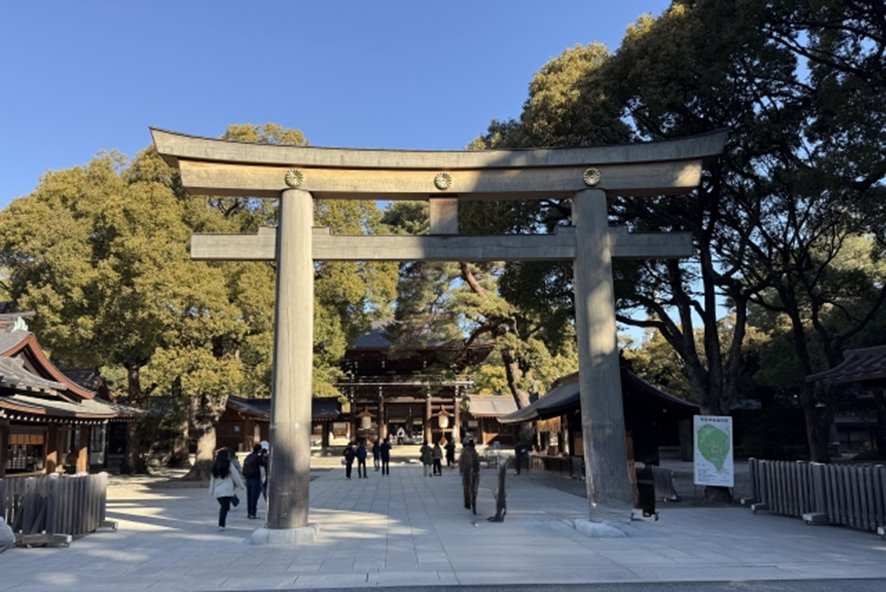
Meiji Jingu holds its Autumn Grand Festival every year for three days, November 1–3. The festival centers on November 3, the birthday of Emperor Meiji. Over these three days, classical performing arts such as Noh, Kyogen, and bugaku (court dance and music) are performed on the stage in front of the main shrine building. On the lawn within the grounds, demonstrations of yabusame (a martial art of shooting arrows at targets from a galloping horse) and classical martial arts are also dedicated to the shrine. All are free to watch, but the yabusame on November 3 is especially popular. If you want to secure a viewing spot, arrive in the morning.
From late October to around November 23, a chrysanthemum exhibition is also held along the main approach. On weekends, families in kimono gather for Shichi-Go-San (a custom of visiting a shrine to celebrate the growth of children aged 3, 5, and 7). The sight of dressed-up children walking along the approach lined with chrysanthemums is unique to this season. In November, the gates open at 6:10 am and close early at 4:10 pm. On weekends, Shichi-Go-San visitors crowd the paths, so arriving early in the morning makes it easier to get around.
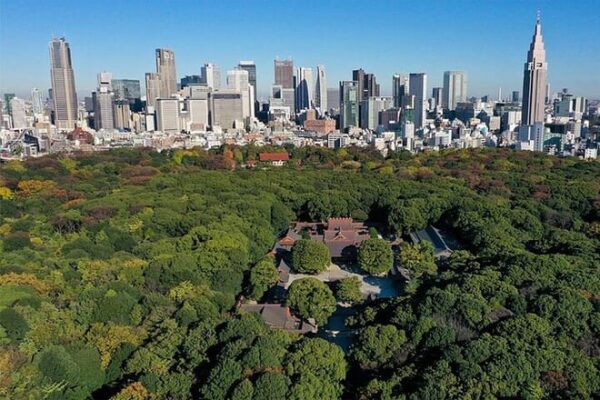
The temizuya (where visitors purify their hands and mouth before praying) and the signboards in front of the main shrine building include English. However, the signs alone don’t convey much of the background, such as the meaning of the torii gate, how to walk the approach, or the shrine’s ties to the Imperial Family. Walking with an English-speaking guide lets you hear these stories as you go from Harajuku Station to the main sanctuary (the hall where the deity is enshrined) in about 1 hour 30 minutes.
Details
| Address | 1-1 Yoyogi Kamizonocho, Shibuya-ku, Tokyo |
| Hours | Sunrise to sunset (opening and closing times vary by month) |
| Autumn Grand Festival Dates | November 1–3 (main day November 3) |
| Official Website | https://www.meijijingu.or.jp/ |
| Recommended For | Visitors in Harajuku who want to watch Noh, yabusame, and Shichi-Go-San visits in early November |
Tokyo: Meiji Shrine Walking Tour — Shintoism & Imperial System
Asakusa and Shinjuku | Walk Through Tori-no-Ichi, a Stall-Lined Fair That Runs Late into the Night
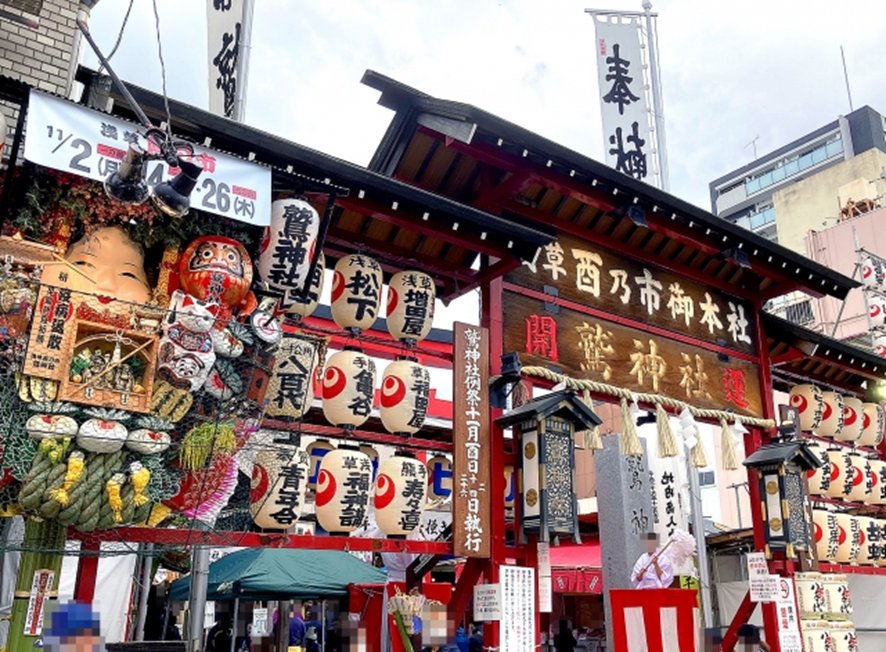
Tori-no-Ichi is a market selling kumade (bamboo rakes decorated with treasure ships, gold coins, and other ornaments), lucky charms bought to pray for business prosperity. It takes place on the tori no hi (Days of the Rooster, which come around every 12 days on the old calendar) in November. In 2026, two dates are scheduled: Saturday, November 7 and Thursday, November 19.
The largest fairs are held at Otori Shrine and Chokokuji Temple in Asakusa and at Hanazono Shrine in Shinjuku. Otori Shrine stays open for a full day, from midnight to midnight on each Day of the Rooster, with kumade stalls lining the grounds and the surrounding streets. At Hanazono Shrine, stalls open from the night before and the fair stays lively until late at night. It’s within walking distance of Shinjuku Station, which makes it easy to stop by after dinner.
Buying a kumade starts with some back-and-forth over the price with the vendor. Once the purchase is settled, the vendors from nearby stalls join in for tejime (a closing ritual in which a group claps in unison). For your first purchase, choose a small kumade; buying a slightly larger one each year is considered the lucky way to do it.
Crowds peak from around 8 pm to 11 pm, when it becomes hard to move. Aim for around 5 pm, when it’s relatively quiet, or after midnight for an easier walk.
Tokyo: Asakusa Guided Food Tour with 12 Dishes & 3 Drinks

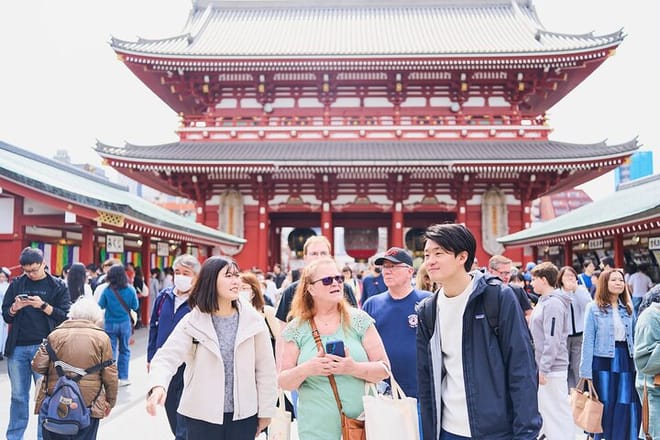
Tokyo: Asakusa & Sensoji ー Oldest Temple Walking Tour (2hrs)
Asakusa Premium Japanese Chopstick Making Workshop
Marunouchi | Enjoy Illuminated Street Trees and a Christmas Market
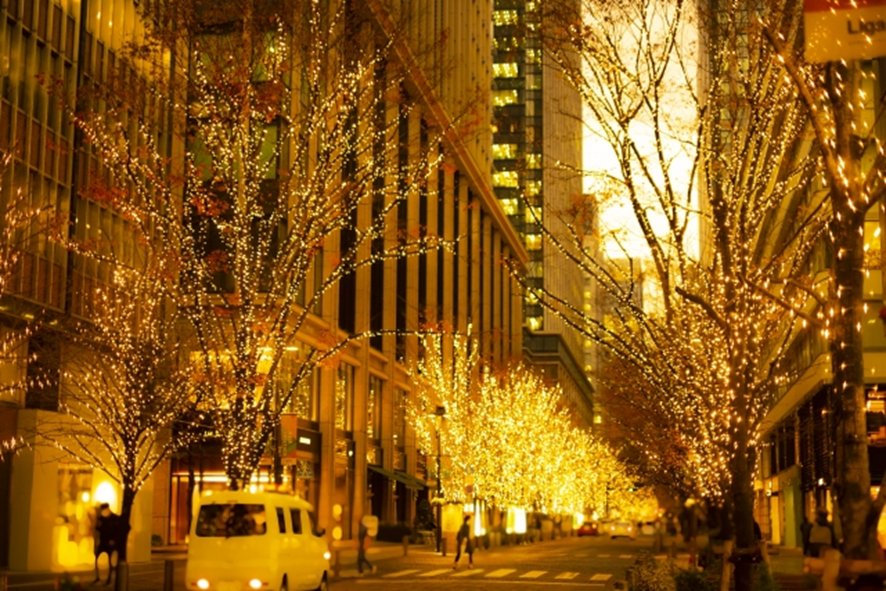
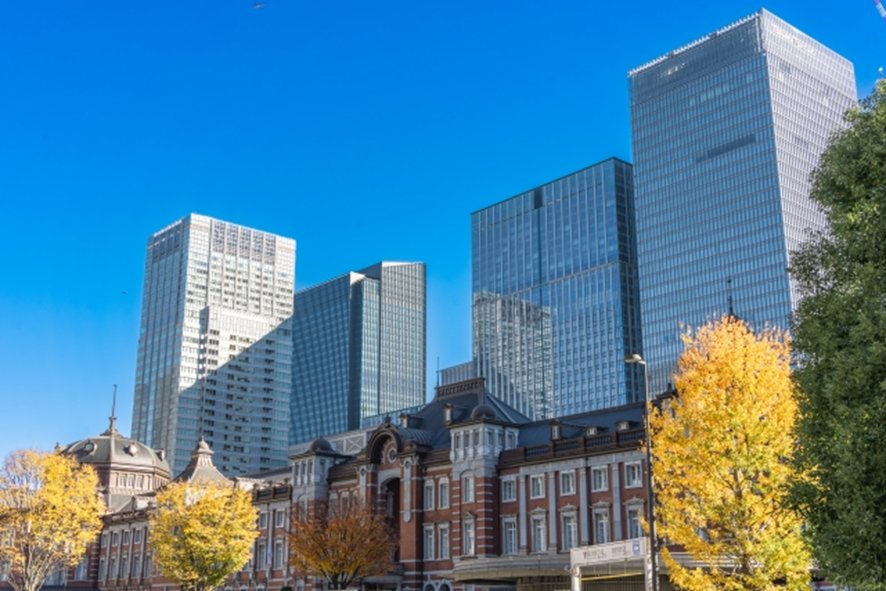
Along Marunouchi Naka-dori Avenue, about 1.2 km (about 0.75 miles) of street trees are lit with champagne-gold LEDs. The lights typically run from mid-November to mid-February (November 14–February 16 for the 2024–2025 season). The lights are on from 4 pm to 11 pm. In November, when the sun sets in the 4 pm hour, you can go straight from an evening stroll to viewing the illuminations. In some years, Christmas markets also open on Naka-dori Avenue and Gyoko-dori Avenue, but whether they’re held and what they include changes from year to year. Check the official website for the latest information before visiting.
The avenue is a short walk from the Marunouchi exit of Tokyo Station, and in late November its season overlaps with the public opening of the Imperial Palace’s Inui-dori Avenue, covered next. Walk among the autumn leaves of Inui-dori Avenue during the day, then head to the Marunouchi Naka-dori Avenue illuminations after dark to enjoy both on the same day.
Details
| Address | Naka-dori Avenue area, Marunouchi, Chiyoda-ku, Tokyo |
| Hours | 4:00 pm–11:00 pm (may be extended to midnight in December) |
| Period | Typically mid-November–mid-February |
| Official Website | https://www.mec.co.jp/ |
| Recommended For | Visitors who want an evening stroll around Tokyo Station |
Tokyo Station and Imperial Palace 1 Hour Guided Tour
Imperial Palace | Walk Inui-dori Avenue, Open Only During Foliage Season
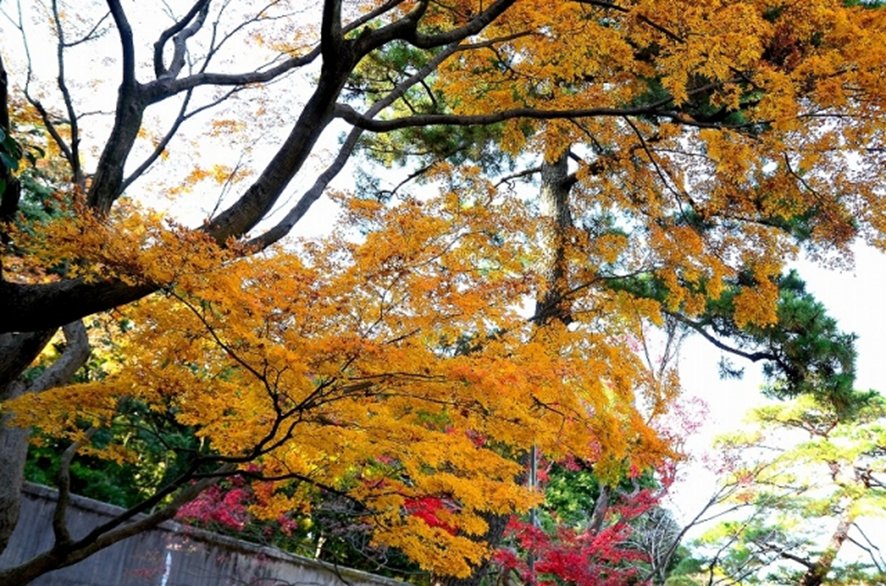
Inui-dori Avenue, which runs through the Imperial Palace grounds, is a tree-lined road about 750 meters (about 2,460 feet) long that is normally closed to the public. It opens only during cherry blossom season in spring and foliage season in autumn. The autumn opening typically lasts nine days, starting around the last Saturday of November. In 2025, it ran from November 29 to December 7, with entry from 9:00 am to 3:00 pm each day. No advance registration is required; simply walk in through Sakashita Gate on the day of your visit. The avenue is particularly suitable for visitors staying in Tokyo in late November, but check the Imperial Household Agency’s announcement for the 2026 dates.
The route runs one way from Sakashita Gate to Inui Gate, under a canopy of yellow ginkgo and red maple leaves. Even with plenty of stops, you can complete the walk in about 30 minutes to 1 hour. Expect a bag check before entry, and lines often form before the gates open, so arriving early for the 9:00 am opening makes for a smoother visit.
Sakashita Gate is about a 15-minute walk from the Marunouchi exit of Tokyo Station. From there, you can easily continue to Marunouchi Naka-dori Avenue in the afternoon and see the illuminations after sunset.
Details
| Address | 1-1 Chiyoda, Chiyoda-ku, Tokyo (enter through Sakashita Gate) |
| Period | Typically 9 days from late November to early December (November 29–December 7 in 2025) |
| Hours | 9:00 am–3:00 pm (exit by 3:30 pm) |
| Official Website | https://www.kunaicho.go.jp/ |
| Recommended For | Visitors staying in Tokyo in late November who want to walk among limited-time autumn foliage |
Tokyo Castle & Imperial PalaceーShogun Walking Tour
Private Tokyo Castle and Imperial Palace Shogun Walking Tour
A Meiji Jingu Walking Tour with an English Guide Who Explains Shrine Etiquette

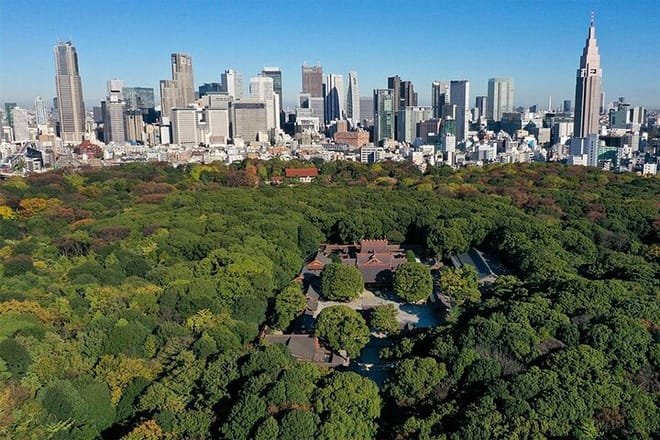
Walking around Meiji Jingu on your own, it’s easy to miss Shinto (Japan’s indigenous faith) worship customs and the meaning behind the shrine grounds. Examples include how to pass through a torii gate and how to purify yourself at the temizuya. This walking tour takes you around the grounds with an English-speaking guide, introducing Shinto beliefs and modern Japanese history. The overview and participant reviews below can help you decide whether to add the tour to your plans if you’ll be in the Harajuku area in November.
Tokyo: Meiji Shrine Walking Tour — Shintoism & Imperial System
Tokyo: Meiji Shrine Walking Tour — Shintoism & Imperial System – JapanGuideStar
Run by Japan Guide Stars, this tour meets at the East Exit of JR Harajuku Station and takes you through the Meiji Jingu forest in about 1 hour 30 minutes. Meiji Jingu draws more visitors for hatsumode (the first shrine visit of the New Year) than any other shrine in Japan. The tour is conducted entirely in English, and as you walk the grounds, you’ll hear about yaoyorozu no kami (the Shinto idea that gods dwell throughout the natural world). You’ll also learn how Japan moved from the era of samurai rule to a modern nation under Emperor Meiji.
The approach is covered in fine gravel, but the path is mostly flat and easy to walk. You can also learn how to pass through a torii gate and how to purify yourself at the temizuya by actually trying these customs yourself.
You can choose from six start times: 8:00 am, 9:00 am, 10:00 am, 11:00 am, noon, and 2:30 pm. Cancellation is free up to 24 hours before the start, giving you some flexibility if your itinerary changes.
Participants rate the tour 5.0 out of 5, with many praising the guide’s easy-to-understand explanations. Others say they learned ways of seeing the shrine grounds that they would not have noticed on their own.
Details
| Meeting Point | East Exit, JR Harajuku Station, Jingumae 1-chome, Shibuya-ku, Tokyo |
| Duration | About 1 hour 30 minutes |
| Included | Guided walk of the shrine grounds and explanation of Shinto and the Imperial system by an English-speaking guide |
| Booking Page | https://japanguidestar.com/tour/tokyo-meiji-shrine-walking-tour-shintoism-imperial-system/ |
| Recommended For | Visitors who want to understand the background of Japanese religion and history while visiting the shrine |
Tokyo: Meiji Shrine Walking Tour — Shintoism & Imperial System
Popular Spots for Autumn Foliage in Tokyo in November
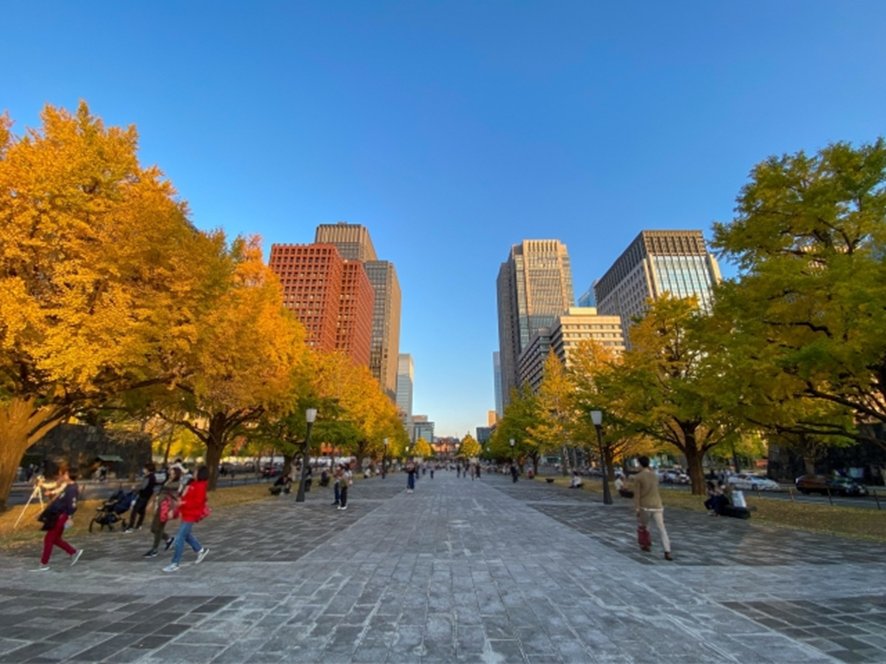
In November, you can enjoy autumn leaves all over Tokyo, from gardens in the city center to mountains on the outskirts. Peak color varies from place to place, however. Mt. Takao typically starts changing color in mid-November, while gardens in central Tokyo tend to peak from late November to early December. The three spots below each have different peak periods and access options:
- Shinjuku Gyoen: Stroll through spacious gardens during the day
- Rikugien: See the autumn leaves illuminated at night
- Mt. Takao: Combine a mountain walk with autumn foliage
Shinjuku Gyoen | See Ginkgo and Maple Leaves One After Another in Central Tokyo
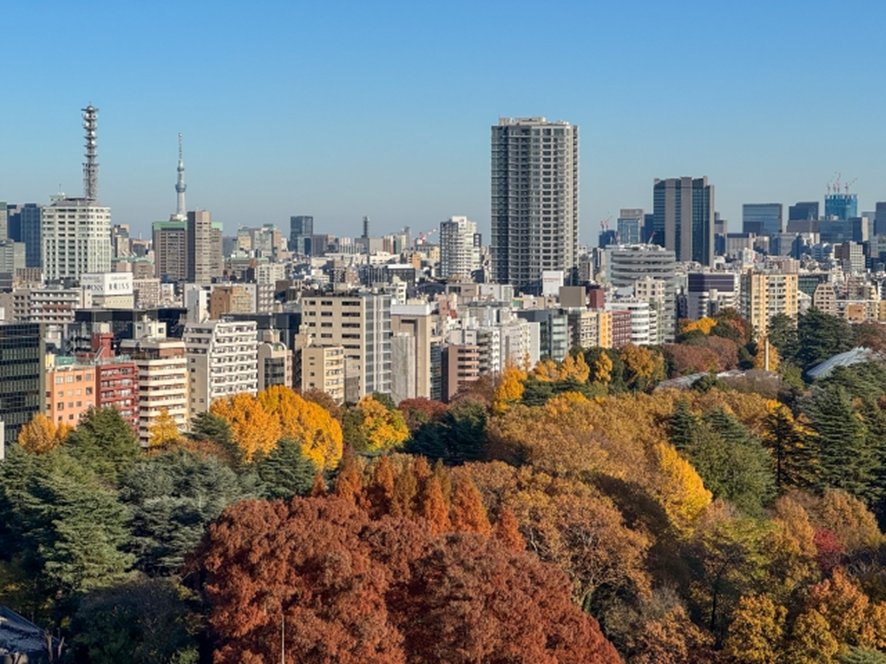
Shinjuku Gyoen is a garden covering about 58 hectares (about 143 acres), located about a 10-minute walk from Shinjuku Station. The grounds are divided into a Japanese garden, an English landscape garden, and a French formal garden, each with its own mix of trees. As you walk, you can compare how the leaves change color, from the ginkgo and maple trees around the lawns to the rows of plane trees in the French garden.
The foliage usually peaks from late November to early December. If you visit in the first half of November, you can also enjoy the Chrysanthemum Exhibition in the Japanese garden, a display of chrysanthemums grown and arranged in traditional Japanese styles, usually held from November 1–15.
From October to mid-March, the garden closes at 4:30 pm, with last entry at 4:00 pm. To leave enough time to explore before closing, visit in the morning or early afternoon.
Details
| Address | 11 Naitomachi, Shinjuku-ku, Tokyo |
| Hours | 9:00 am–4:30 pm (October 1–March 14); last entry 4:00 pm |
| Admission | ¥500 for adults |
| Closed | Mondays (or the following weekday if Monday is a holiday) and the New Year holidays; open daily during the Chrysanthemum Exhibition (November 1–15) |
| Official Website | https://fng.or.jp/shinjuku/ |
| Recommended For | Visitors staying in central Tokyo who want to see autumn leaves in a short time; those who want to walk through different garden styles in one visit |
Prices are subject to change. Please check the official website for the latest information.
Shinjuku: Food Tour – 15 Dishes at 4 Eateries
Tokyo: Shinjuku Historical Walking Tour & Secret Backstreets
Tokyo Chopstick Making Workshop in Shinjuku
Rikugien | See Autumn Leaves Reflected in the Pond During the Evening Illumination
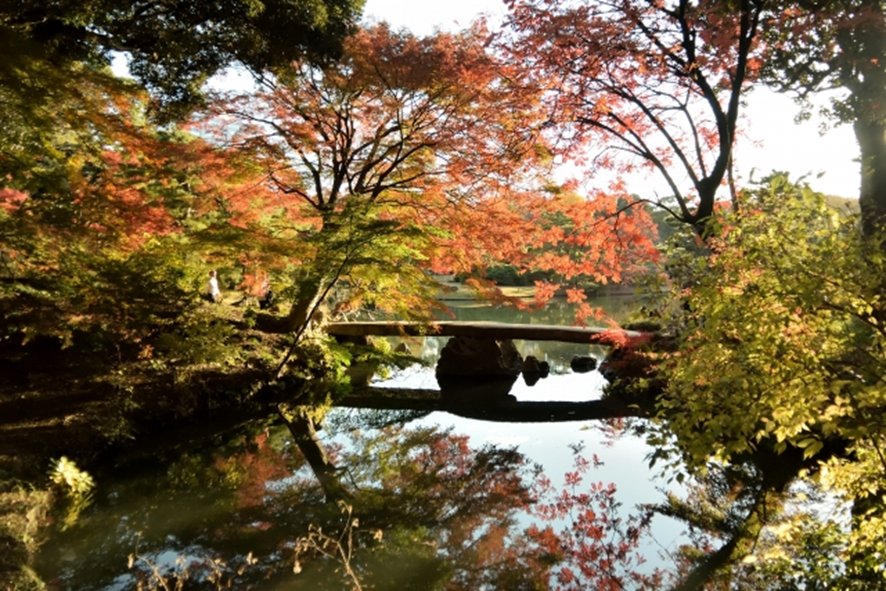
Rikugien is a daimyo garden (a large-scale garden built by a feudal lord) from the Edo period. It was created by Yanagisawa Yoshiyasu, a close aide to Tokugawa Tsunayoshi, the fifth shogun of the Edo shogunate. Walking paths circle the large central pond.
During the special evening viewing, usually held from late November to early December, illuminated maple leaves are reflected on the surface of the water. The scene looks completely different from the daytime view. Even in November, when the sun sets early, the event lets you add evening foliage viewing to your plans.
For the evening viewing, the garden closes at 5 pm and reopens at 6 pm, and a separate evening ticket is required. Advance tickets, sold online only, cost ¥1,000, compared with ¥1,200 for same-day tickets. Same-day tickets are limited, so buying in advance is a good idea if you want to ensure entry. Dates, ticket prices, and sales methods may change from year to year, so check the official website before visiting.
Rikugien is about a seven-minute walk from JR Komagome Station. Last entry for the evening viewing is at 7:30 pm, and lines sometimes form immediately after the 6:00 pm reopening. Arriving around 7:00 pm can make for a smoother entry. Visit spots such as Shinjuku Gyoen during the day, then head to Rikugien after dark to compare daytime and evening foliage in a single day.
Details
| Address | 6-16-3 Honkomagome, Bunkyo-ku, Tokyo |
| Evening Viewing Hours | 6:00 pm–8:30 pm (last entry 7:30 pm) |
| Closed | Open daily during the special evening viewing period (dates vary by year) |
| Official Website | https://www.tokyo-park.or.jp/park/rikugien/ |
| Recommended For | Visitors who want to see illuminated autumn leaves; those who want to photograph maple leaves reflected on the water |
Mt. Takao | Walk Among Mountain Foliage About an Hour from Shinjuku
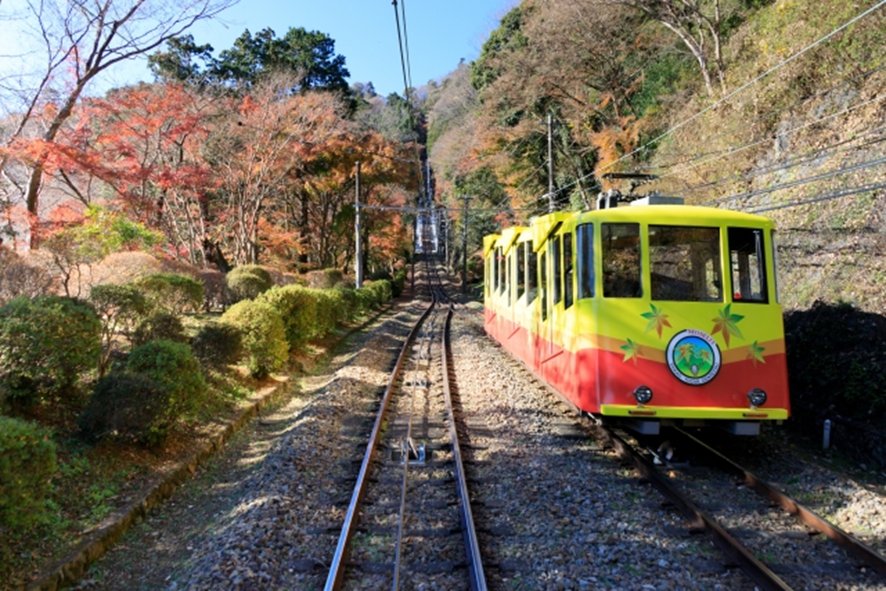
Mt. Takao is about 50 minutes from Shinjuku on the Keio Line, and the cable car station, Kiyotaki Station, is right near the exit of Takaosanguchi Station. Because the cable car takes you partway up the mountain, you can reach the summit without specialized hiking gear. The leaves change color a little earlier than in central Tokyo, usually starting in mid-November.
Around the summit, temperatures are about 3°C (about 5°F) lower than at the foot of the mountain, and it can feel even colder when the wind blows. Pack a windproof layer to wear over your city clothes. On weekends during peak foliage season, the cable car often has long waits, so visit on a weekday or arrive early in the morning to avoid the longest lines.
Allow about 2–3 hours for the round-trip cable car ride and a walk around the summit area.
Details
| Address | 2205 Takaomachi, Hachioji-shi, Tokyo (Kiyotaki Station, cable car) |
| Cable Car Hours | 8:00 am–5:30 pm (weekdays); 8:00 am–6:00 pm (weekends and holidays); November hours, which vary by season |
| Closed | Open year-round (service may be suspended in bad weather) |
| Official Website | https://www.takaotozan.co.jp/ |
| Recommended For | Visitors who want to see mountain foliage outside the city; beginner hikers; those who can visit on a weekday |
A November One-Day Itinerary from Harajuku to Shinjuku
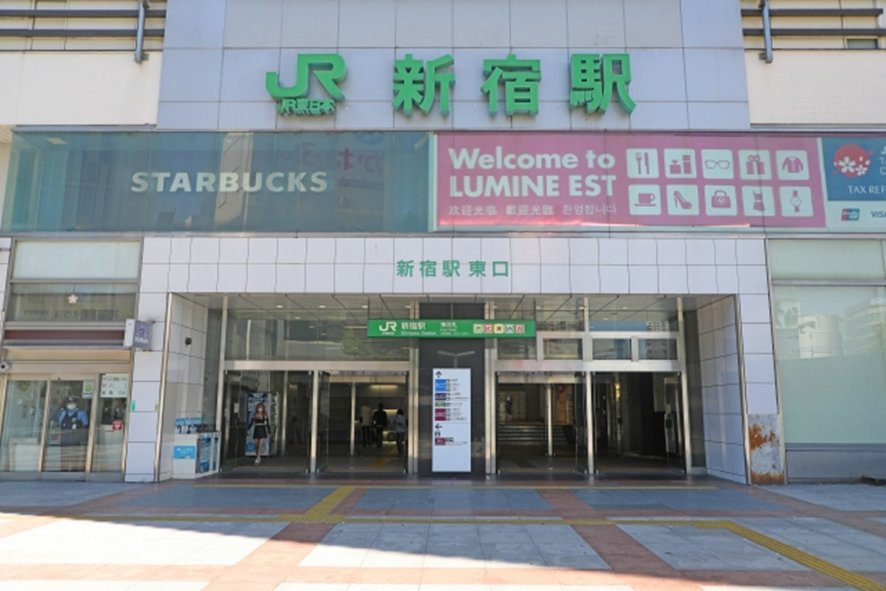
For travelers with limited time who want to enjoy autumn leaves, cultural experiences, and food, this itinerary covers the Harajuku and Shinjuku areas from morning to night in a single day. The day flows as follows:
- Morning: Walk around Meiji Jingu with an English-speaking guide
- Afternoon: See the autumn leaves and chrysanthemums at Shinjuku Gyoen, then make chopsticks in Kabukicho
- Evening: Join a Shinjuku food tour
You can get everywhere by train or on foot. Meeting points and tour durations are included for reference when booking.
10:00 am | Walk Meiji Jingu with an English-Speaking Guide
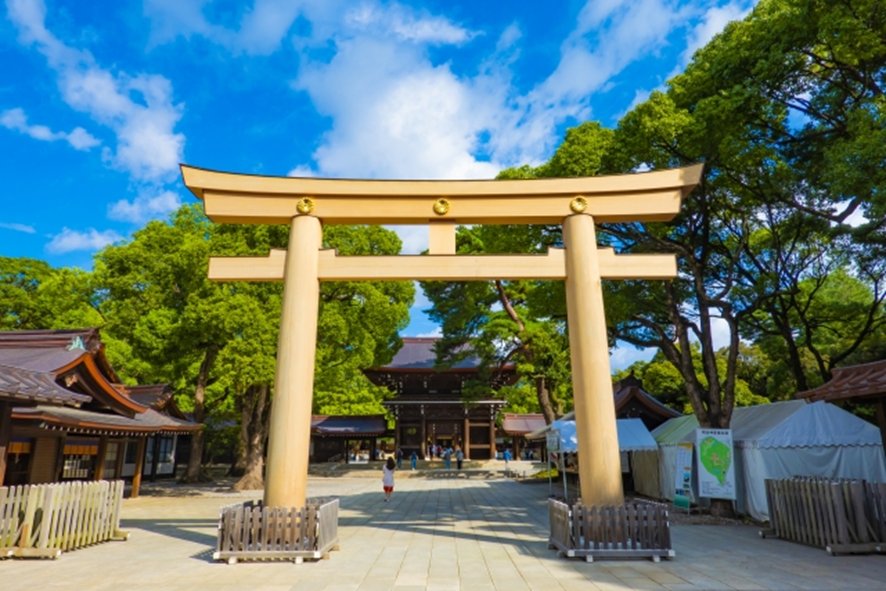
Leave JR Harajuku Station through the East Exit and cross Jingu Bridge to reach the entrance to the Meiji Jingu approach. On the 10:00 am walking tour, an English-speaking guide explains the basics of Shinto and the shrine’s connection to the Imperial Family. You can also try the temizuya purification ritual and the “two bows, two claps, one bow” style of prayer (bowing twice, clapping twice, and bowing once more) on the grounds. Even if you’re nervous about what to do on your first shrine visit, you can follow the guide’s lead and pray with confidence.
The tour ends at 11:30 am. If you visit from November 1–3, you can stay on the grounds to watch the performances dedicated to the shrine as part of the Autumn Grand Festival. The main events in a typical year are listed below, but times and locations may change, so check the official website for the latest information on the day.
| Date | Main Dedicated Performances |
|---|---|
| November 1 | From 12:00 pm: Noh and Kyogen; from 3:45 pm: sankyoku (an ensemble of koto, shamisen, and shakuhachi) |
| November 2 | From 11:45 am: bugaku (dance and music handed down in the imperial court); from 2:45 pm: hogaku hobu (traditional Japanese music and dance) |
| November 3 | From 9:00 am: Kyudo (Japanese archery) tournament and aikido demonstration; from 1:00 pm: yabusame |
After the festivities, take the JR Yamanote Line from Harajuku to Shinjuku. It’s two stops, with Yoyogi in between, and takes about four minutes, leaving you plenty of time to have lunch in Shinjuku before moving on.
See tour details here.
Tokyo: Meiji Shrine Walking Tour — Shintoism & Imperial System
1:00 pm | See Colorful Trees and Chrysanthemums at Shinjuku Gyoen
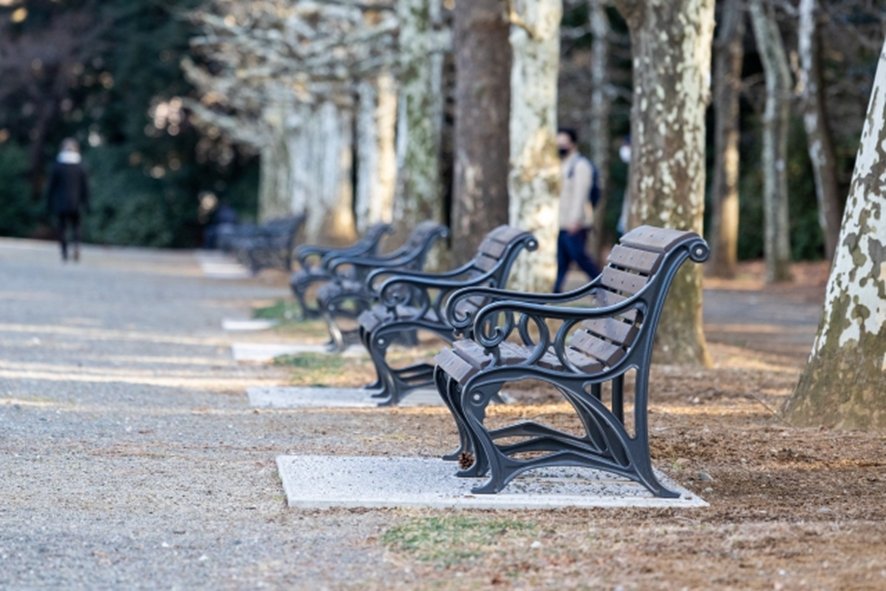
Enter through Shinjuku Gate, about a 10-minute walk from the South Exit of Shinjuku Station. Inside, you can compare the changing colors of the trees in each area, from the lawn and Japanese garden to the rows of plane trees. The soft afternoon light is also good for photographing the foliage. What you’ll see depends on when you visit:
| Period | Main Attraction | Recommended Area |
|---|---|---|
| Early November–15th | Chrysanthemum Exhibition | Japanese garden |
| Mid–late November | Autumn leaves, from the first colors to peak (usually late November) | Lawn area and plane tree rows |
On this itinerary, you leave the garden around 2:30 pm and walk about 15 minutes to Kabukicho, where the chopstick-making venue is located. The garden is closed on Mondays (or the following weekday if Monday is a holiday), but it remains open during the Chrysanthemum Exhibition. If your visit falls on a closed day, replace the garden visit with a walk around Shinjuku. Another option is to add one of the other cultural experiences held in the same building as the chopstick workshop.
Tokyo: Shinjuku Historical Walking Tour & Secret Backstreets

Tokyo: Create Your Own Handmade Origami Jewelry
Discover the beauty of traditional Japanese craftsmanship in this hands-on origami workshop.
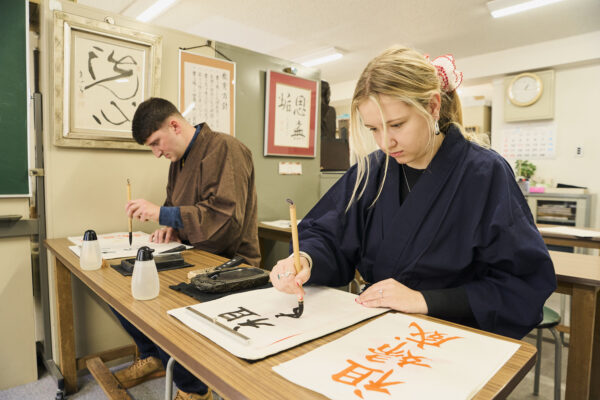
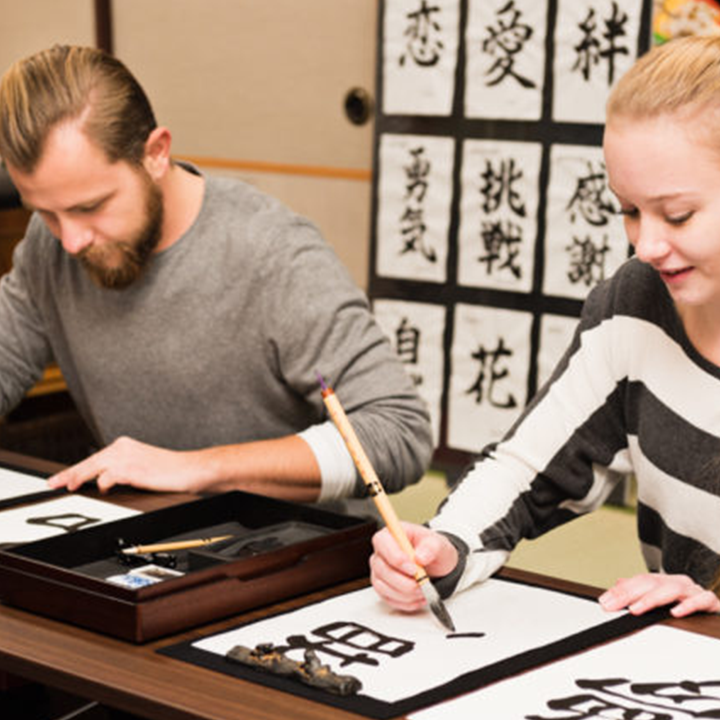
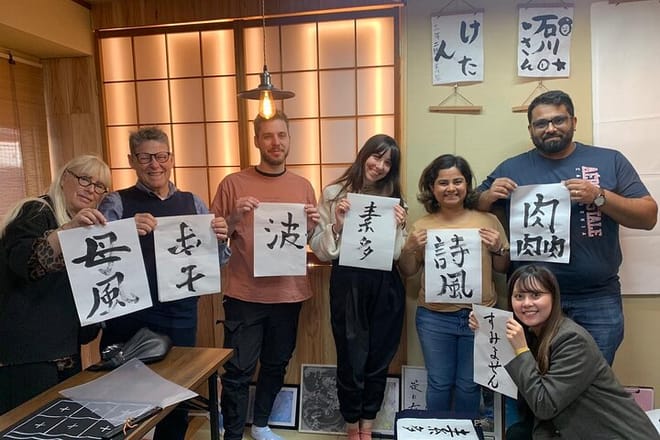
Tokyo: Calligraphy Workshop & Original T-Shirt Creation
You’ll begin by exploring the fascinating history of kanji and its evolution
3:00 pm | Make Your Own Chopsticks in Kabukicho
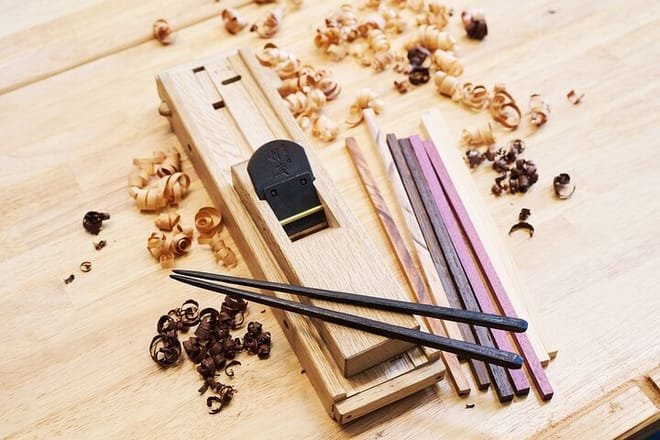
Tokyo Chopstick Making Workshop in Shinjuku – JapanGuideStar
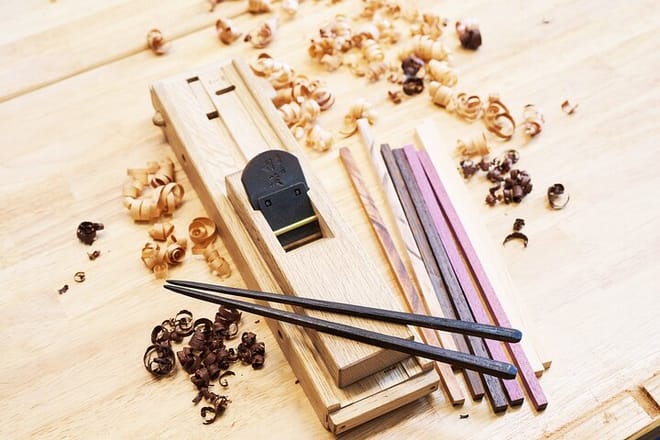
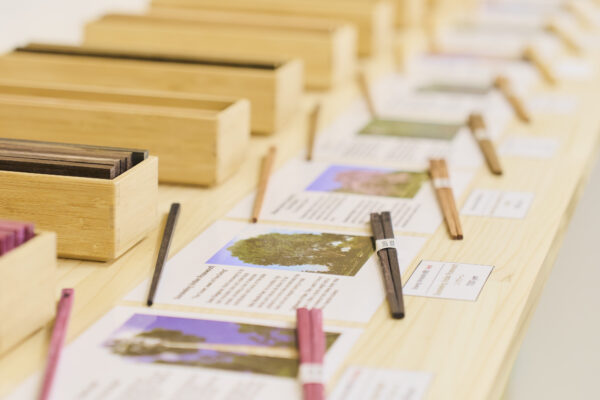
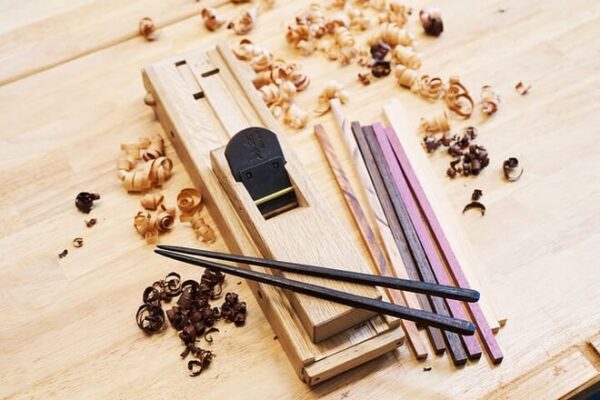
Japan Guide Star’s Tokyo Shinjuku Chopstick Making Workshop is a roughly one-hour chopstick-making experience held at a venue in Kabukicho. You choose from more than 11 types of wood, three of which are included in the price, then shape them by carving and sanding to finish a pair of chopsticks that’s yours alone. Each type of wood differs in color, grain, and texture, making the selection itself an enjoyable part of the experience. You can also have your name engraved on the chopsticks in kanji. English-speaking staff guide you through the process, so there’s no need to worry if you don’t speak Japanese.
Because it’s an indoor activity, rain won’t spoil your plans. Participants also receive the Local Foodies’ Map, a guide to Shinjuku restaurants frequented by locals. You can even try using your finished chopsticks at dinner that evening. Sessions start on the hour from 9:00 am to 6:00 pm, and children aged 6 and up can participate. Cancellation is free up to 24 hours before the start.
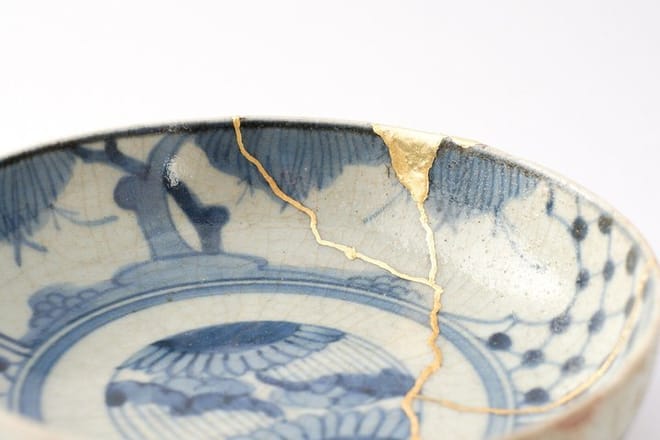
The same building also hosts kintsugi (a traditional Japanese technique for repairing broken pottery with lacquer and gold), origami jewelry-making, and calligraphy workshops. After finishing your chopsticks at 4 pm, you can add another activity and still make the 6 pm or 7 pm food tour on a comfortable schedule. See the other options in Japan Guide Star’s list of Japanese cultural experiences.
Details
| Meeting Point | 8F, Dai-22 Higashi Building, 1-5-4 Kabukicho, Shinjuku-ku, Tokyo |
| Duration | About 1 hour |
| Included | Materials for one pair of chopsticks (choice of 3 types of wood), tools, guidance from English-speaking staff, Local Foodies’ Map |
| Booking Page | https://japanguidestar.com/tour/tokyo-ginza-chopstick-making-workshop/ |
| Recommended For | Travelers who want to make a practical souvenir themselves; families with children aged 6 and up |
Tokyo Chopstick Making Workshop in Shinjuku
Tokyo: Japanese Gold Repair Kintsugi Workshop in Shinjuku
5:00 pm | Eat Your Way Through Shinjuku with an English-Speaking Guide

Shinjuku: Food Tour – 15 Dishes at 4 Eateries – JapanGuideStar
Japan Guide Stars’ Shinjuku: Food Tour – 15 Dishes at 4 Eateries takes you to four local favorites with an English-speaking guide over about three hours. The meeting point, in front of the police box at the East Exit of Shinjuku Station, is just a few minutes’ walk from the chopstick workshop. You’ll taste 15 items in total, including sushi, kushikatsu (skewers of meat and vegetables that are battered and deep-fried), gyoza, and sake. Each eatery serves 3–4 items, enough for a full dinner.
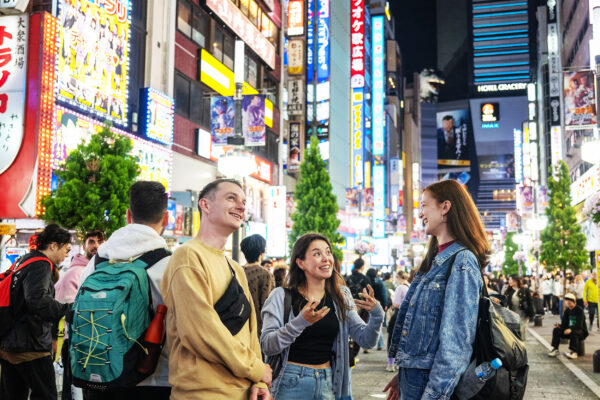
On the 5:00 pm tour, you’ll walk through Kabukicho just as the neon signs begin to light up. The guide explains in English how Japan’s largest entertainment district (an area packed with nightlife venues and entertainment facilities) developed and why each eatery was chosen.
Tours start at 5:00 pm, 6:00 pm, and 7:00 pm, and cancellation is free up to 24 hours before the start. The tour has more than 900 reviews and maintains a rating of 4.9–5.0. Some reviewers mention stops at Golden Gai (a warren of alleys packed with tiny bars) and Hanazono Shrine.
The 5 pm tour ends around 8:00 pm. If your visit falls on a Tori-no-Ichi day (November 7 or 19 in 2026), stop by Hanazono Shrine afterward. It’s about a seven-minute walk from the East Exit of Shinjuku Station, and you can walk through grounds lined with glowing kumade stalls while the sound of tejime clapping rings out around you.
If you’d like to go on a food tour outside Shinjuku, see Japan Guide Stars’ list of food tours.
Details
| Meeting Point | In front of the police box, East Exit of Shinjuku Station, 3-38-1 Shinjuku, Shinjuku-ku, Tokyo |
| Duration | About 3 hours |
| Included | 15 food and drink items served at 4 eateries (sushi, kushikatsu, gyoza, sake, and more); guidance from an English-speaking guide |
| Booking Page | https://japanguidestar.com/tour/shinjuku-food-tour-15-dishes-at-4-eateries/ |
| Recommended For | Visitors who want to visit local favorites with English commentary |
Shinjuku: Food Tour – 15 Dishes at 4 Eateries
Common Questions About Visiting Tokyo in November

Travelers planning a November trip to Tokyo often have questions about three things:
- How crowded it gets when public holidays coincide with foliage season
- What to do after dark
- How easy it is to get around with children
Is Tokyo Crowded in November?
On weekdays, you can sightsee at a relatively relaxed pace, but popular spots get busy when public holidays coincide with peak foliage. November has two public holidays: November 3 (Culture Day) and November 23 (Labor Thanksgiving Day). In 2026, November 23 falls on a Monday, creating a three-day weekend from Saturday, November 21 to Monday, November 23 that also overlaps with peak foliage. Popular spots such as Mt. Takao and Rikugien are therefore especially likely to be crowded.
If you’ll be in Tokyo that weekend, book tours, experiences, and timed-entry tickets for observation decks such as SHIBUYA SKY well in advance. Visiting foliage spots on a weekday or first thing in the morning, when they open, can also reduce waiting times.
What Can You Do in Tokyo After Dark?
Although the sun sets early in Tokyo in November, around 4:30 pm, food tours and indoor experiences continue into the evening. The Shinjuku food tour, for example, departs at 5:00 pm, 6:00 pm, and 7:00 pm and includes 15 dishes at four eateries over about three hours. The Shinjuku chopstick-making workshop also offers evening slots. Combine either experience with the Marunouchi illuminations or Rikugien’s autumn foliage illumination to fill your evening.
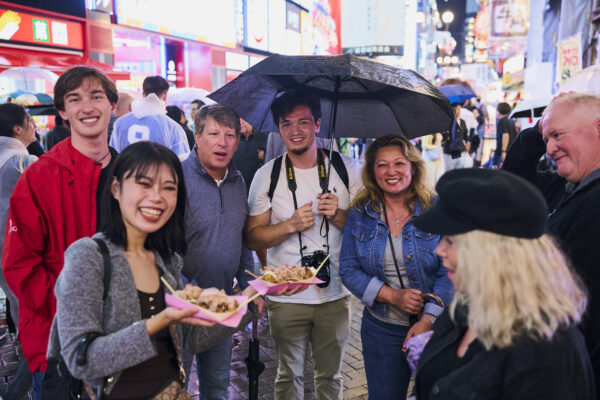
Tokyo: Shibuya Food Tour with 15 Dishes at 4 Eateries
Can You Get Around with Children?
Yes. Children can join the Meiji Jingu walking tour, and the approach is mostly flat, making it easy even for small children to walk. Families can learn temizuya purification and prayer etiquette together.
The chopstick-making workshop takes about an hour, and the activities change throughout the session—from choosing the wood to carving and adding a name—so children are less likely to get bored. The Shinjuku venue accepts participants aged 6 and up. It also provides a useful break when everyone is tired from walking.
Alternating outdoor and indoor activities, such as walking outdoors in the morning and resting your feet at an indoor experience or café in the afternoon, can help the whole family get through the day comfortably.
Tokyo: Meiji Shrine Walking Tour — Shintoism & Imperial System
Tokyo Chopstick Making Workshop in Shinjuku

Plan Your November Days in Tokyo Around Foliage, Festivals, and Lights
November in Tokyo brings relatively little rain and plenty of clear days, along with the overlap of autumn foliage, traditional autumn events, and winter illuminations. Dress in layers to handle the temperature difference between early and late November. With the early sunsets, start outdoor sightseeing in the morning and switch to food tours or indoor experiences in the evening to make the most of each day.
The three-day holiday weekend can bring larger crowds and higher hotel rates, so booking tours and accommodation early can give you more flexibility and peace of mind.
Tokyo: Meiji Shrine Walking Tour — Shintoism & Imperial System