Shinjuku can feel overwhelming for first-time visitors, but with a little planning you can make the most of every hour. Built around one of the world’s busiest transit hubs, Shinjuku packs parks, shopping complexes, and countless restaurants into a single district. With so much to see, having a plan is essential to cover the top attractions efficiently.
From free observation decks to beloved local eateries, Shinjuku offers plenty that’s worth your time, and three sample itineraries—for a half-day, full-day, and afternoon-only—make it easy to build a plan that fits your schedule.
Getting to Know Shinjuku: Essential Information for Visitors
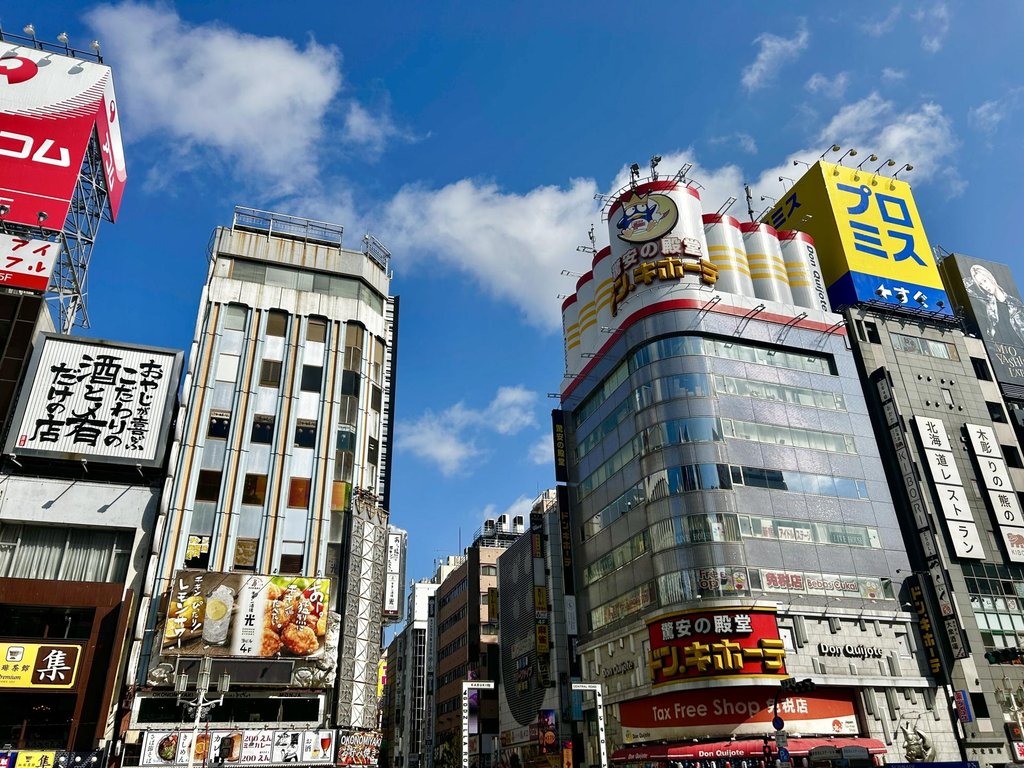
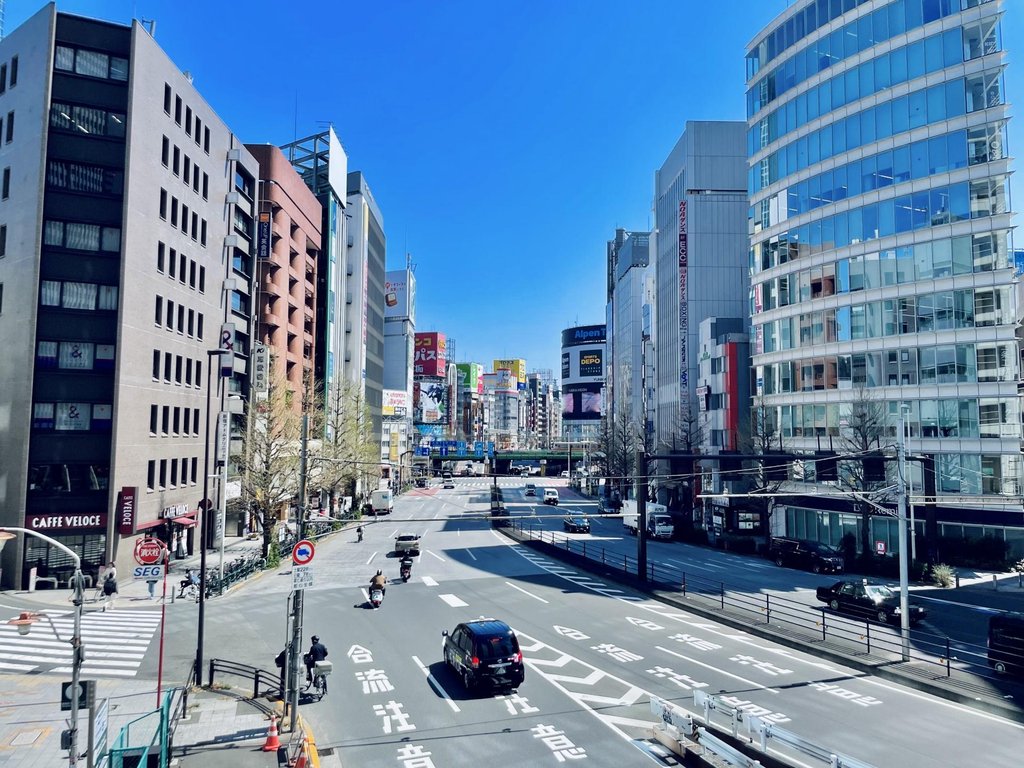
Shinjuku Station has a maze of train lines and exits, yet the main sightseeing spots cluster within a surprisingly compact area. With a few key pointers, you can cover the top attractions in half a day or a full day without wasted steps.
Below are the essentials every first-time visitor should know.
Free Observation Decks and Photo Spots Right by the Station
Several free photo spots are within easy reach of Shinjuku Station. Three stand out for first-time visitors: the Tokyo Metropolitan Government Building Observatory, the Giant 3D Cat on the Cross Shinjuku Vision screen, and the Godzilla Head atop the Shinjuku Toho Building.
The Tokyo Metropolitan Government Building Observatory offers panoramic views of Tokyo from 202 meters (about 663 feet) above ground. The South Observatory stays open until 10 pm, so you can enjoy both daytime and nighttime scenery. The observatory is roughly a ten-minute walk from the west exit of Shinjuku Station.
Over on the East Exit side, a Giant 3D Cat displayed on the curved LED screen of Cross Shinjuku Vision draws crowds throughout the day. The lifelike 3D footage is free to watch and genuinely impressive. Nearby, the Godzilla Head on top of the Shinjuku Toho Building—a Kabukicho landmark—is also worth a look. After dark, the illuminated Godzilla Head makes for a striking photo opportunity.
All three spots are within walking distance of the station and can be covered in about 1–1.5 hours. If you have extra time, consider adding Shinjuku Gyoen National Garden, where a ¥500 (about $3 USD) admission fee gets you access to seasonal landscapes in central Tokyo.
A Wide Variety of Dining Options Near Every Exit of the Station
Each exit of Shinjuku Station leads to a distinct neighborhood with its own character. Knowing each of these differences helps you pick the right area for your meal.
On the west exit side, Omoide Yokocho (a narrow alley of old-school eateries) is famous for its postwar era atmosphere. Stalls serving yakitori (grilled chicken skewers), stewed dishes, and other casual fare line the alley, and you can eat well for around ¥500–1,500 ($3–10 USD) per person.
From the east exit towards Kabukicho, large food halls and trendy restaurant complexes offer a wide range of cuisines. These spots are ideal for sampling regional specialties from across Japan or sharing several dishes with a group.
The area around the southeast exit is known as a competitive hub for ramen shops. Many restaurants stay open late, making the southeast exit area a convenient stop after a day of sightseeing or shopping.
If reading a Japanese menu feels daunting, try using a translation app on your phone, or look for restaurants with photo menus and plastic food displays outside. Restaurants packed with local regulars tend to be reliable picks for both quality and atmosphere.

Shinjuku: Food Tour – 15 Dishes at 4 Eateries
Major Attractions Are All Within a Fifteen-Minute Walk from the Station
One of Shinjuku’s greatest advantages is that the main sightseeing spots sit close to Shinjuku Station, making it easy to explore the area on foot. You rarely need to take a train between areas, which simplifies planning on a tight schedule.
For example, Omoide Yokocho is about a two-minute walk from the west exit, and Cross Shinjuku Vision is about a one-minute walk from the east exit of Shinjuku Station. Shinjuku Gyoen is roughly ten minutes from the south exit, while the Tokyo Metropolitan Government Building Observatory is about ten minutes from the west exit—all comfortably walkable from Shinjuku Station.
As a rough guide, you can visit two to three spots in half a day and five to seven spots in a full day. Narrowing down your list to match available time keeps the pace relaxed and lets you enjoy Shinjuku without rushing.
| Time Available | Number of Spots | Sample Itinerary |
|---|---|---|
| 3 hours | 2–3 spots | Government Building Observatory → Omoide Yokocho → Giant 3D Cat |
| Half day (4–5 hours) | 4–5 spots | Government Building Observatory → Omoide Yokocho → Giant 3D Cat + Shinjuku Gyoen + Isetan food floor |
| Full day | 6 or more spots | Half-day route + Hanazono Shrine + Golden Gai |
Three hours is enough to get a solid taste of Shinjuku. Once you’ve decided what you want to see, choose your exit from Shinjuku Station based on your first destination:
- West exit: Quickest route to Omoide Yokocho and the Government Building Observatory
- East exit: Direct access to the Giant 3D Cat and the Kabukicho area
- South exit: Smooth access to Shinjuku Gyoen
Using the large commercial buildings near each exit as landmarks makes it easier to get your bearings.
Things to Do in Shinjuku: Five Spots to Visit
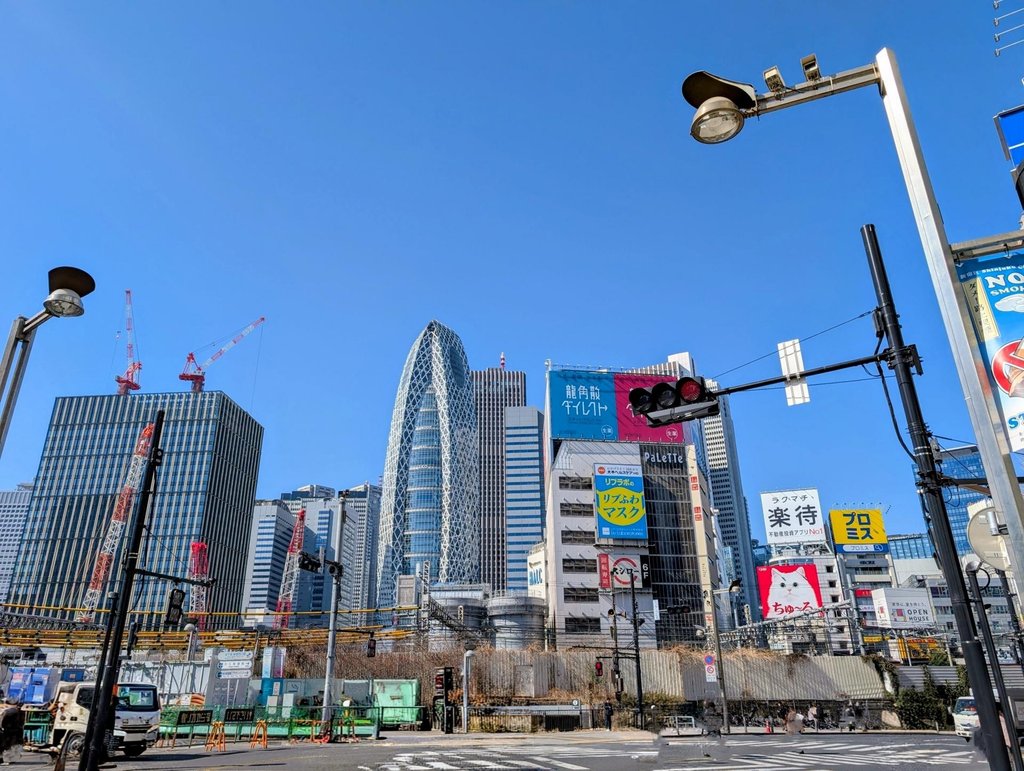
Shinjuku has so many attractions that deciding where to go first can be a challenge. Here are five spots that deserve top priority on a first visit: free observation decks, photo spots, green spaces, a historic shrine, and a major entertainment complex. Pick your destinations based on how much time you have.
Tokyo Metropolitan Government Building Observatory: See All of Tokyo from 202 Meters Up
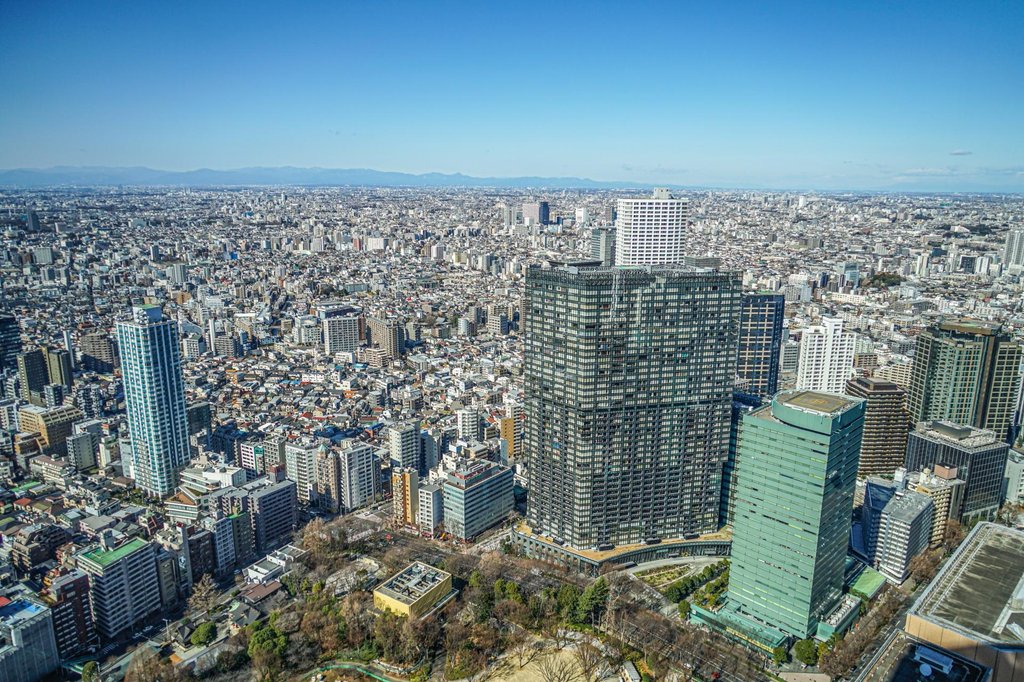
The Tokyo Metropolitan Government Building Observatory is one of Tokyo’s best free viewpoints, where you can take in sweeping views of the city from 202 meters (about 663 feet) above ground. On a clear day, Tokyo Skytree and even Mt. Fuji are visible.
Two observatories occupy the north and south towers, each with different hours and closing days. For evening views, the South Observatory is the better choice since it stays open until 10 pm.
| South Observatory | North Observatory | |
|---|---|---|
| Hours | 9:30 am–10 pm | 9:30 am–5:30 pm |
| Last entry | 30 min. before closing | 30 min. before closing |
| Closed | 1st and 3rd Tuesdays | 2nd and 4th Mondays |
After dark, a projection-mapping show runs on the ground-floor at Tomin Hiroba (Citizens’ Plaza). Viewing is free, though shows may be canceled in bad weather, so check the official website before heading over. The observatory is about a ten-minute walk from Shinjuku Station’s west exit.
Details
| Address | 2-8-1 Nishi-Shinjuku, Shinjuku-ku, Tokyo |
| Hours | South Observatory 9:30 am–10 pm (last entry at 9:30 pm); North Observatory 9:30 am–5:30 pm (last entry at 5 pm) |
| Closed | South: 1st and 3rd Tuesday; North: 2nd and 4th Mondays (moved to the next weekday if on a holiday) |
| Official site | https://www.zaimu.metro.tokyo.lg.jp/tochousha/goannai/tenbou |
| Best for | Anyone looking for free panoramic views or a quick stop right after arriving in Shinjuku |
Cross Shinjuku Vision: Snap a Photo of the Giant 3D Cat

The Giant 3D Cat projected on the large curved LED screen near Shinjuku Station’s east exit is one of Shinjuku’s most recognizable photo spots. The cat appears to leap right out of the screen, creating a startlingly lifelike effect. The clip plays at the top of every hour, as well as at fifteen, thirty, and forty-five minutes past, so you’ll never wait more than fifteen minutes for a showing. For the best looking photos, shoot from across the street.
The LED colors pop even more vividly at night, giving the display a different kind of impact compared to daytime. Cross Shinjuku Vision is a quick and easy photo stop that captures the energy of Shinjuku.
Details
| Address | 3-23-18 Shinjuku, Shinjuku-ku |
| Hours | 7 am–1 am (silent broadcast after midnight) |
| Closed | Open year-round (365 days) |
| Official site | https://shinjuku.xspace.tokyo |
| Best for | Anyone looking for a great social-media-worthy shot |
Shinjuku Gyoen National Garden: Three Distinct Garden Styles Framed by Skyscrapers
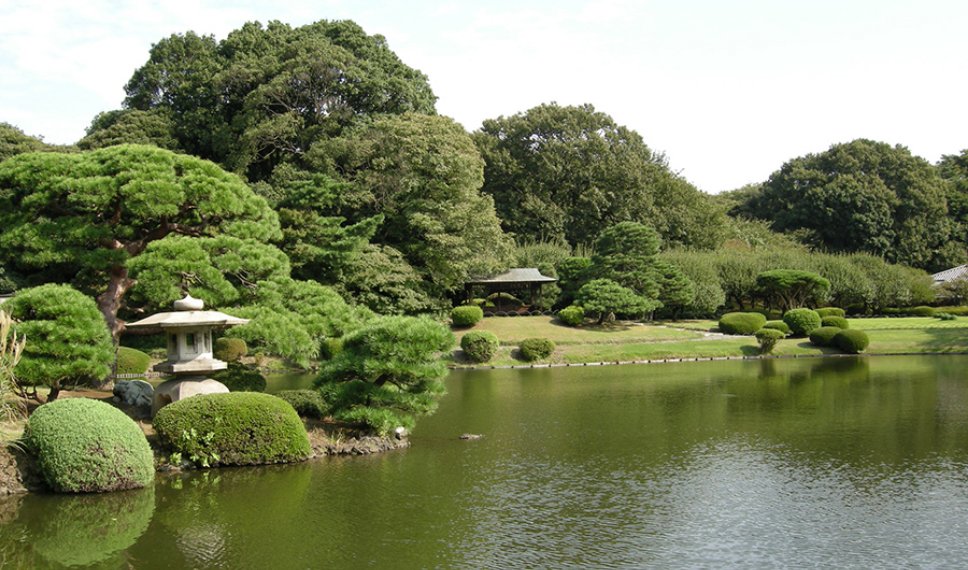
Shinjuku Gyoen blends three garden styles (French Formal, English Landscape, and Japanese Traditional) into a single urban oasis. The view of the Japanese garden with Shinjuku’s high-rise skyline in the background is one of Tokyo’s most photographed scenes.
Admission is ¥500 (about $3 USD) for adults; visitors ages fifteen and under enter free. Note that the garden does not permit alcohol. Closing time varies by season, usually somewhere between 4 and 6:30 pm. The garden closes every Monday as a rule, though cherry-blossom season may require advance reservations to manage crowds. If you plan to visit in spring, check the official website beforehand for the latest entry requirements.
Details
| Address | 11 Naitomachi, Shinjuku-ku, Tokyo |
| Hours | Opens at 9 am; Closing time varies by season (between 4 pm–6:30 pm) |
| Closed | Every Monday (or the next weekday if Monday is a holiday); year-end and New Year holidays |
| Official site | https://fng.or.jp/shinjuku/ |
| Best for | Photographers looking to capture the contrast of nature and cityscape |
Hanazono Shrine: Pay Respects to the Patron of Performing Arts Next to Kabukicho
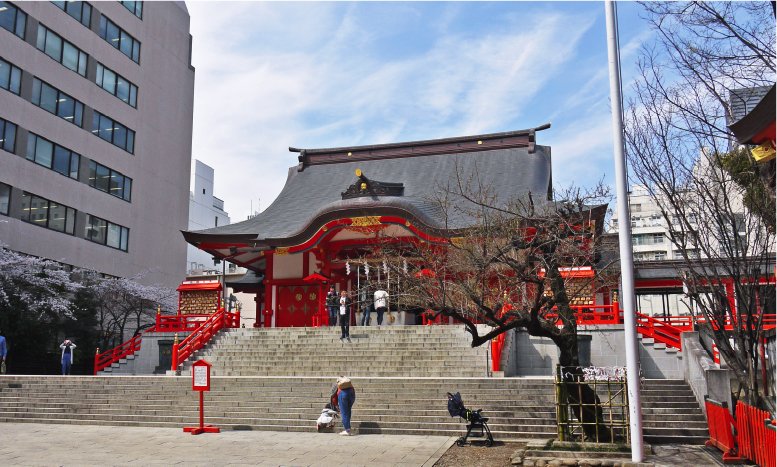
Tucked right next to Kabukicho, Hanazono Shrine has served as Shinjuku’s guardian shrine for centuries. The grounds are open around the clock and entry is free. Within the compound stands two subsidiary shrines: Geino Sengen Shrine—revered by those in the entertainment industry—and Itoku Inari Shrine, known for matchmaking and romantic blessings. These draw not only sightseers but also visitors seeking spiritual benefits.
Every November, the shrine hosts Tori no Ichi (a traditional open-air market) where vendors sell ornamental rakes believed to “rake in” good fortune. The grounds fill with crowds and festival energy during the event. Hanazono Shrine is directly accessible from exit E2 of Tokyo Metro Shinjuku-sanchome Station, making it an easy stop to visit between seeing other attractions in Shinjuku.
Details
| Address | 5-17-3 Shinjuku, Shinjuku-ku, Tokyo |
| Hours | Grounds open 24 hours; Shrine office hours: 9 am–8 pm |
| Closed | Open year-round |
| Official site | http://hanazono-jinja.or.jp |
| Best for | Visitors who want to pair a shrine visit with a stroll through Kabukicho |
Tokyu Kabukicho Tower: Eat, Play, and Explore Under One Roof
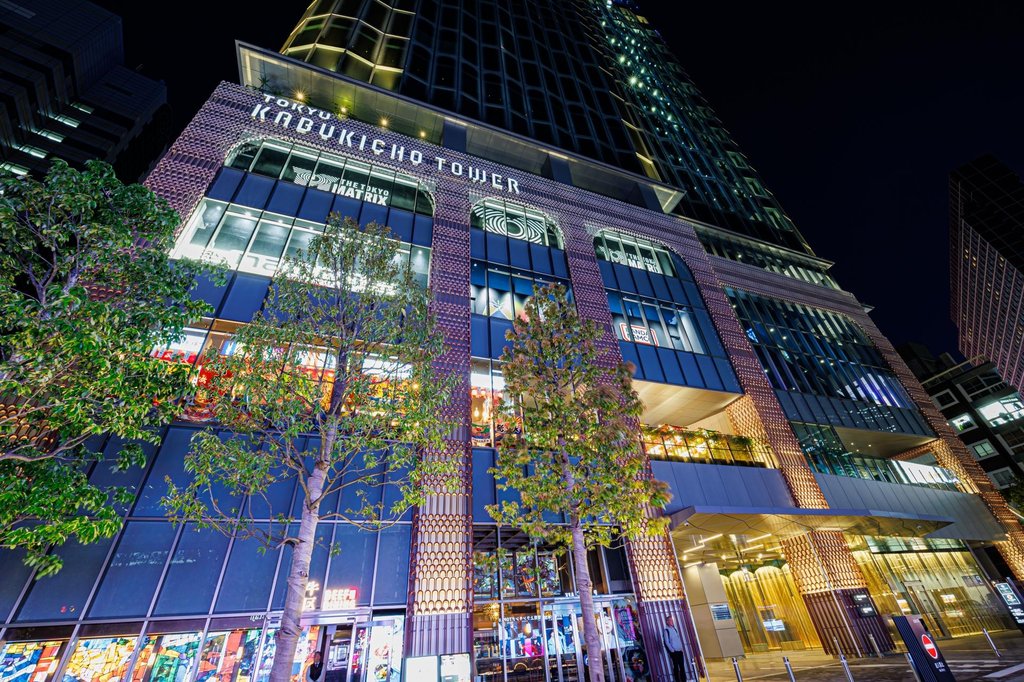
Tokyu Kabukicho Tower opened in 2023 as Shinjuku’s newest landmark. The building brings dining and entertainment together in one facility and has quickly become a go-to destination for visitors.
On the second floor, Shinjuku Kabuki Hall is a food hall that serves regional dishes from all over Japan. It operates from early morning to late at night, making it a convenient refueling stop at almost any point in the day. On the third floor, Namco TOKYO offers arcade games and other amusements for a quick dose of fun.
The area around the tower also gives you a close-up view of the Godzilla Head, one of Kabukicho’s most iconic sights. The Godzilla Head lights up after dark, creating a striking nighttime spectacle for anyone passing through.
Details
| Address | 1-29-1 Kabukicho, Shinjuku-ku |
| Hours | Food hall 6 am–5 am (next day); Namco TOKYO 11 am–11 pm (Fri, Sat, Sun, and the eve of holidays: until 1 am) |
| Closed | Open year-round (individual shop hours may differ) |
| Official site | https://www.tokyu-kabukicho-tower.jp |
| Best for | Anyone wanting to sample regional Japanese food or enjoy arcade games |
Things to Do in Shinjuku: Three Dishes You Should Try
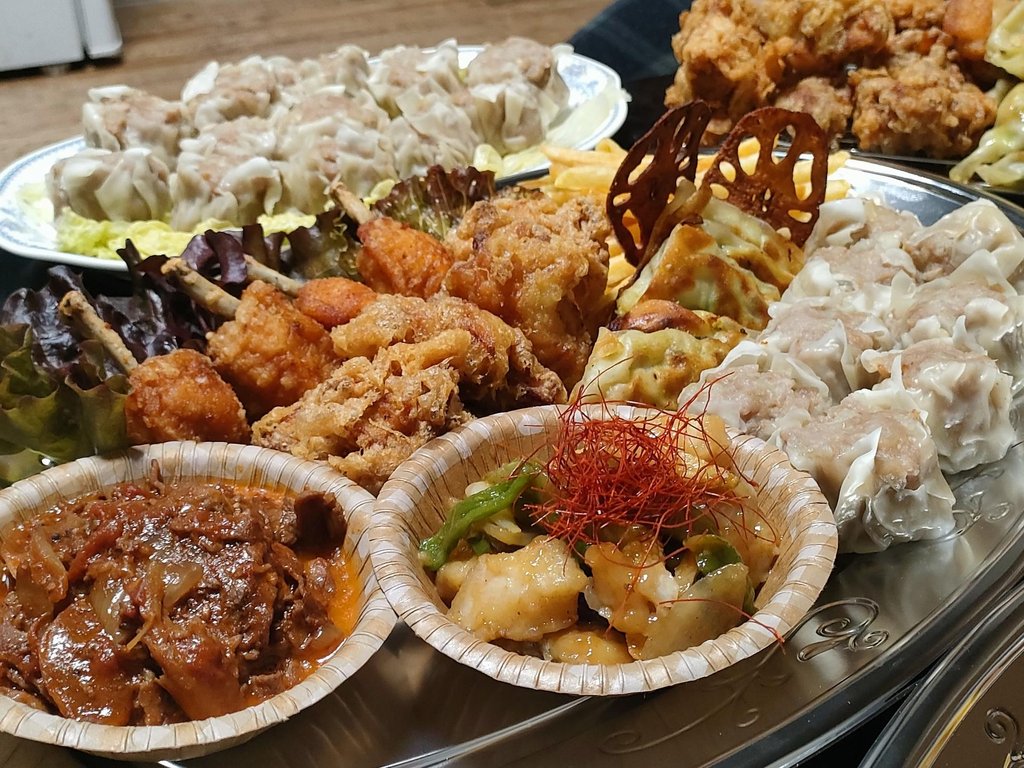
Shinjuku is just as rewarding for food lovers as it is for sightseers. A wide variety of restaurants cluster near the station, covering nearly every cuisine imaginable.
Here are three standout options: a lunchtime yakitori joint, a celebrated ramen shop, and a department-store food floor. Pick whichever fits your tastes and your schedule.
Torien: Charcoal-Grilled Yakitori
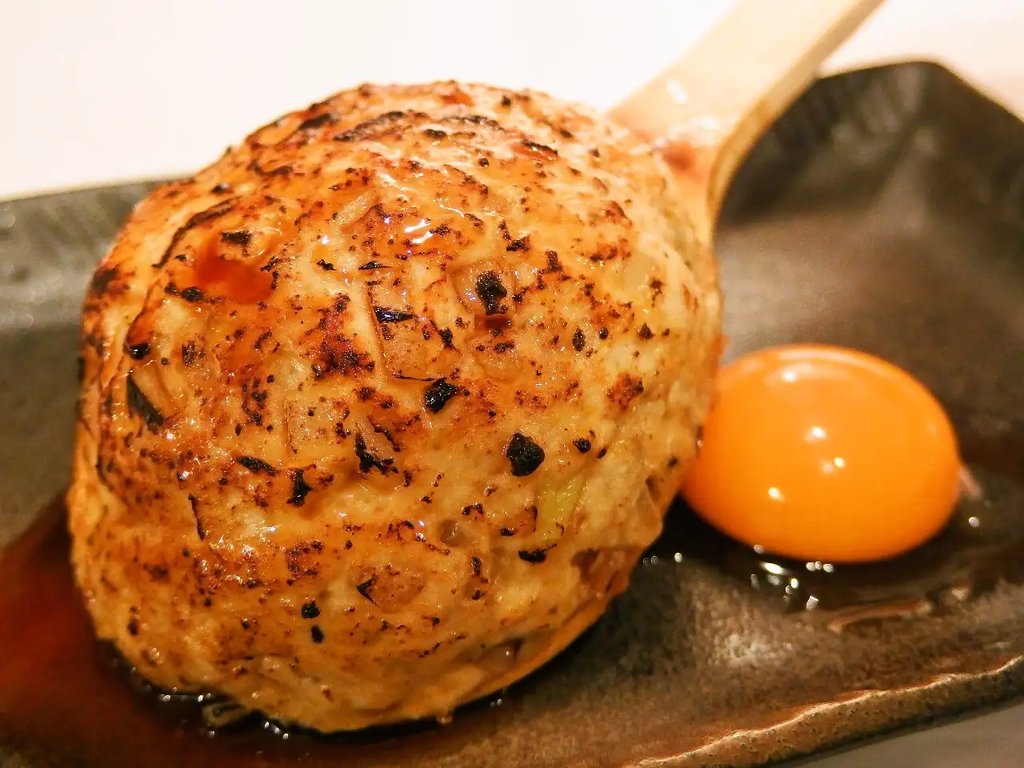
Torien is one of the largest yakitori izakaya (Japanese pub-style restaurants) in Omoide Yokocho. The restaurant serves patrons continuously from 11:30 am, so you can drop in for lunch or a midday drink without any trouble.
Inside, you can watch the grill masters char skewers over live charcoals up close, soaking in the smoky aroma and the lively buzz of the dining room. Besides yakitori, the menu includes sashimi, stewed dishes, and other izakaya staples.
Budget around ¥1,000–2,000 ($7–14 USD) per person. Torien is about a three-minute walk from Shinjuku Station’s west exit, and after your meal you can easily hop to another bar in Omoide Yokocho for a second round.
Details
| Address | 1-2-4 Nishi-Shinjuku, Shinjuku-ku, Tokyo |
| Hours | 11:30 am–11:30 pm |
| Closed | Open year-round |
| Official site | https://ga3y900.gorp.jp/ |
| Best for | Anyone wanting casual yakitori and drinks |
Menya Kaijin: Refined Ramen
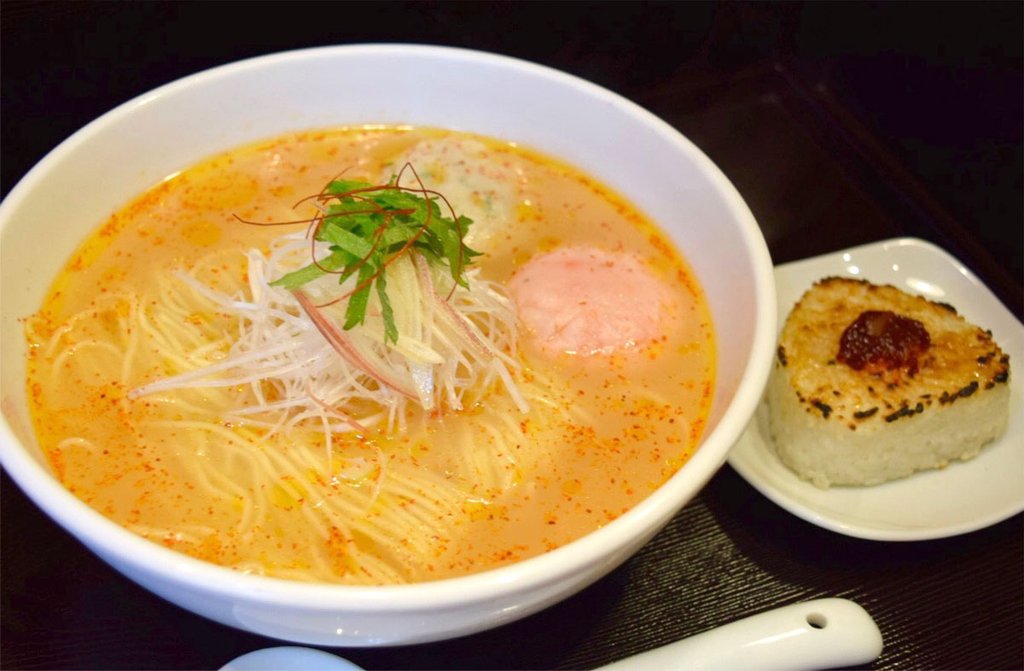
Menya Kaijin is famous for its ara-daki shio ramen (salt ramen made from simmered fish bones), the broth for which is prepared using the bones of about seven varieties of fish. The selection changes daily based on what’s fresh at the market, so the flavor profile shifts subtly from one visit to the next.
The clear, refined broth pairs beautifully with house-made thin noodles, delivering a bowl full of concentrated seafood flavor. Daily variation in fish selection means Menya Kaijin rewards repeat visits with a slightly different experience each time.
The shop is about a one-minute walk from JR Shinjuku Station’s southeast Exit. On weekdays, lunch and dinner are served in separate sessions. Closures are irregular, so check the sign on the first floor before heading up.
Details
| Address | Sanraku Bldg. 2F, 3-35-7 Shinjuku, Shinjuku-ku, Tokyo |
| Hours | Mon–Fri 11 am–3 pm and 4:30 pm–10 pm; Sat, Sun, and holidays 11 am–10 pm |
| Closed | Irregular closures |
| Official site | https://menya-kaijin.tokyo |
| Best for | Seafood-broth lovers and anyone who wants a quick meal near the station |
Isetan Shinjuku: Graze Your Way Through the Depachika Food Floor
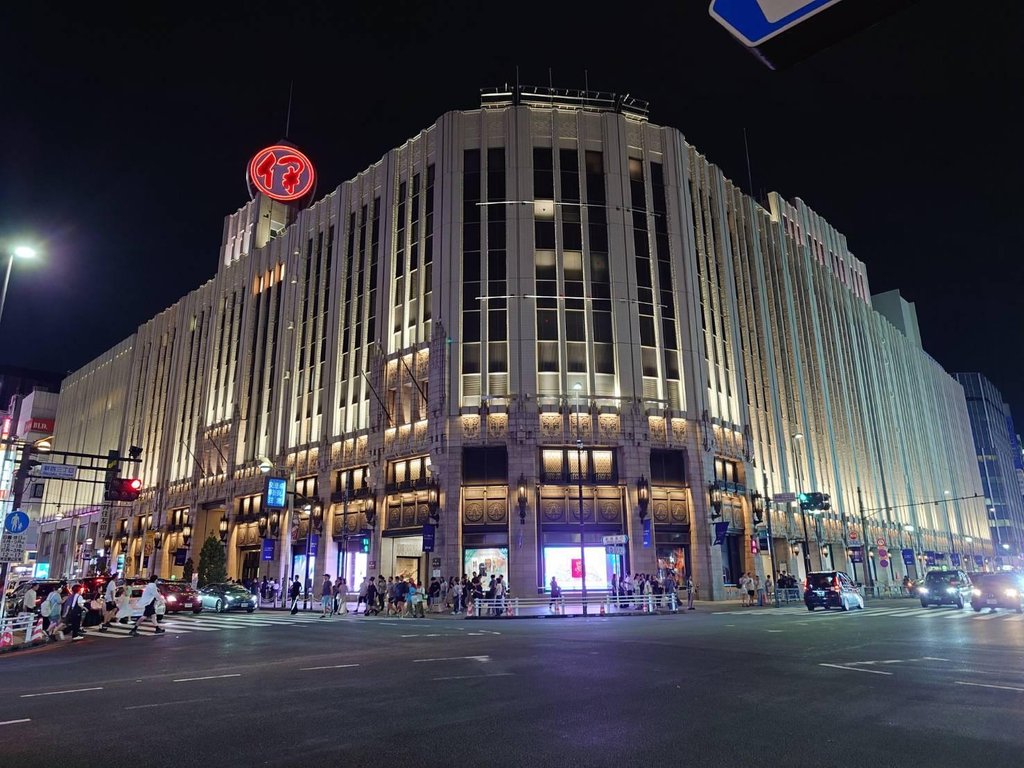
Isetan Shinjuku draws visitors not only for shopping but also for food. The “depachika” (department-store basement food hall) on Basement Level 1 of the main building stocks an impressive selection of Japanese and Western sweets, prepared dishes, and boxed meals from renowned shops. Portions are small, so you can taste your way through multiple specialties in one visit.
The store connects directly underground to exit B1 of Shinjuku-sanchome Station. You can also pick up prepared food and sweets here and enjoy a picnic in nearby Shinjuku Gyoen. International visitors can take advantage of the tax-free shopping service, too: just bring your receipts and passport to the tax-refund counter after purchase to complete the process.
Details
| Address | 3-14-1 Shinjuku, Shinjuku-ku, Tokyo |
| Hours | 10 am–8 pm |
| Closed | Irregular closures |
| Official site | https://www.mistore.jp/store/shinjuku.html |
| Best for | Rainy-day sightseeing; sampling a variety of popular Japanese treats in small portions |
Three Sample Itineraries for Shinjuku
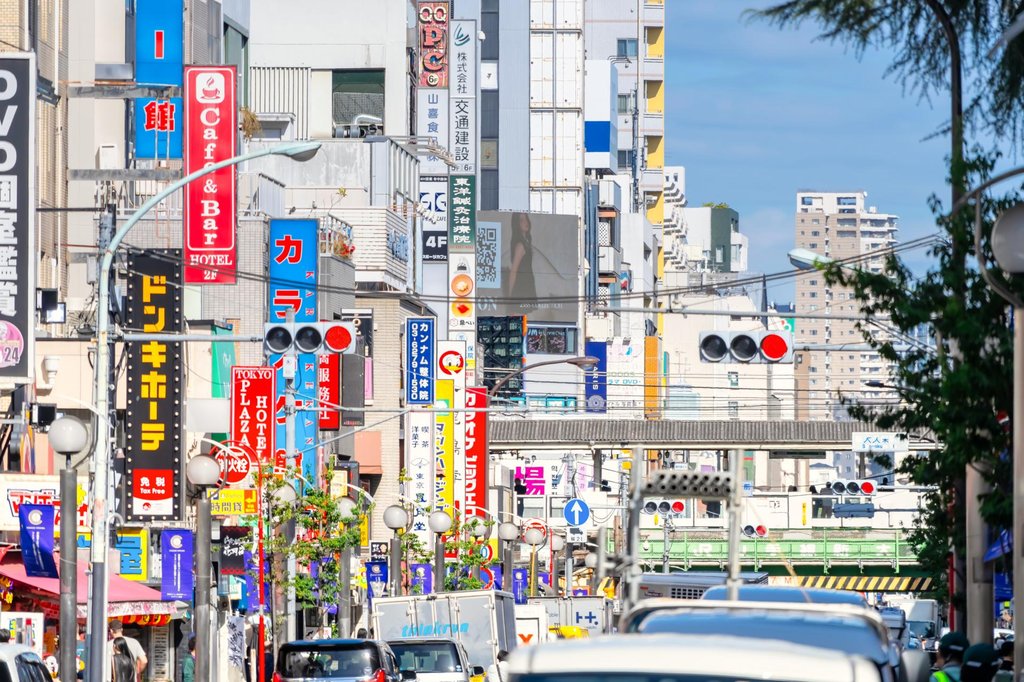
To make the most of Shinjuku, choose your stops to match your available time and arrival window. Even within this compact district there is plenty to see, so mapping out a route in advance can prevent unnecessary backtracking.
Below are three sample itineraries, each designed around a one-way walking route with built-in breaks for rest and meals.
Half-Day Itinerary: Four Top Spots in Four Hours
A south-to-east-to-west route makes the route efficient.
The following four-hour timetable covers four signature stops:
| Time | Spot | Duration |
|---|---|---|
| 9:00–10:30 am | Shinjuku Gyoen | About 1.5 hours |
| 10:45–11:15 am | Isetan depachika | About 30 min. |
| 11:30–11:45 am | Cross Shinjuku Vision/ Giant 3D Cat | About 15 min. |
| 12:00–12:45 pm | Torien | About 45 min. |
If you plan to visit Shinjuku Gyoen, arriving right at the 9 am opening is ideal. The grounds are relatively quiet at that hour, giving you a calm start to the day. The gates accept IC transit cards, which can save time at the ticket window.
The streets around Shinjuku Station are walkable but busy, and traffic lights and occasional wrong turns can eat into your schedule more than expected. Build a small buffer into travel time to keep the pace comfortable.
Full-Day Itinerary: The Grand Tour
Start by exploring the areas of Shinjuku Station’s south and east exits in the morning, shift to the west exit area in the afternoon, then loop back to the east exit area for dinner.
The timetable below covers all the major stops:
| Time | Spot | Duration |
|---|---|---|
| 9:00–10:30 am | Shinjuku Gyoen | About 1.5 hours |
| 10:45–11:30 am | Light bites at the Isetan depachika | About 45 min. |
| 11:40 am–12:00 pm | Visit Hanazono Shrine | About 20 min. |
| 12:10–12:20 pm | Photo stop at Cross Shinjuku Vision (Giant 3D Cat) | About 10 min. |
| 12:30–1:15 pm | Lunch at Torien | About 45 min. |
| 1:30–3:00 pm | Chopstick-making workshop (reservation required) | About 1.5 hours |
| 3:30–4:15 pm | Sunset views from the Government Building Observatory | About 45 min. |
| 4:30–5:00 pm | Projection-mapping show at the Government Building | About 30 min. |
| 5:30–7:00 pm | Dinner in Kabuki Yokocho | About 1.5 hours |
If you plan to join the chopstick-making workshop, confirm availability in advance, since the workshop doesn’t always accept walk-ins.
Shinjuku brings together gardens, shrines, trending food spots, and panoramic views, all within walking distance of Shinjuku Station. Use the above itineraries as your starting point, then swap in any attractions that catch your eye to create a day that suits your interests.
Tokyo Chopstick Making Workshop in Shinjuku
The Afternoon Course: From Golden Hour to City Lights
Starting at 2 pm, this route works well after a morning spent in another part of Tokyo.
Head from the Shinjuku Station east exit area toward the west exit, timing your stops so you arrive at the observatory around sunset:
| Time | Spot | Duration |
|---|---|---|
| 2:00–3:00 pm | Souvenir shopping at the Isetan food floor | About 1 hour |
| 3:00–3:30 pm | Visit Hanazono Shrine | About 30 min. |
| 3:30–4:00 pm | Photo stop at Cross Shinjuku Vision (Giant 3D Cat) | About 15 min. |
| 5:00–6:30 pm | Dinner at Kabuki Yokocho | About 1.5 hours |
| 7:00–8:30 pm | Sunset and night views from the South Observatory | About 1.5 hours |
The walk from Kabuki Yokocho to the Government Building takes about twenty minutes. Note that sunset times shift with the seasons, so adjust your dinner slot accordingly.
Since the South Observatory is free and open late, there’s no rush to leave.
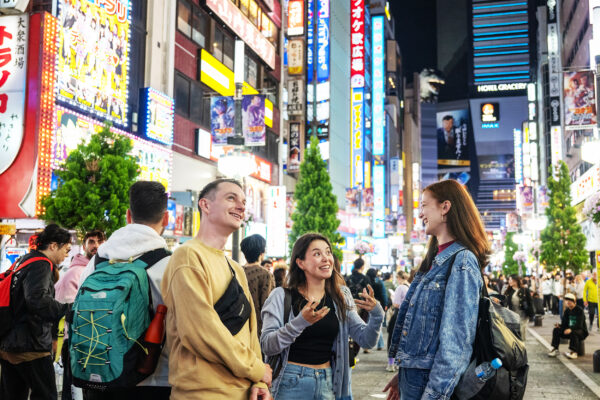
Tokyo: Shinjuku Historical Walking Tour & Secret Backstreets
Three Guided Tours for a Worry-Free Experience in Shinjuku
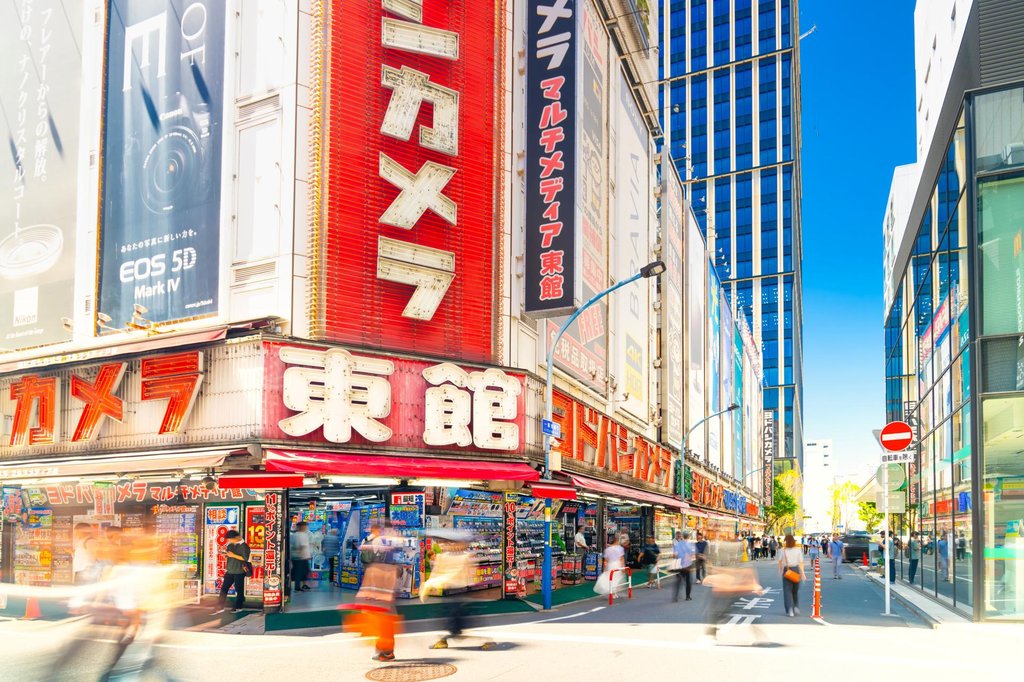
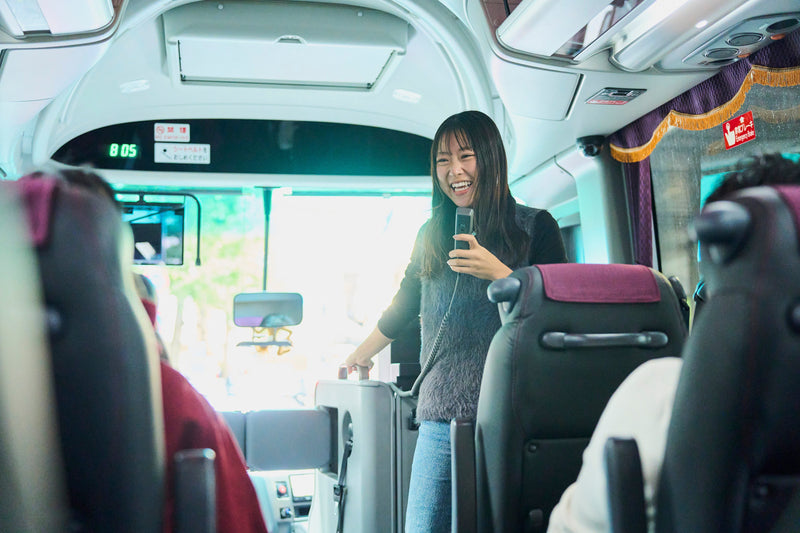
A guided tour is one of the easiest ways to enjoy Shinjuku without worrying about the language barrier or unfamiliar customs. Tours operated by Japan Guide Star let you explore Shinjuku with confidence and local insight.
The three options below cover food, history walks, and hands-on craft experiences. Pick the tour that best matches your travel style.
Shinjuku Food Tour: Fifteen Dishes at Four Local Favorites
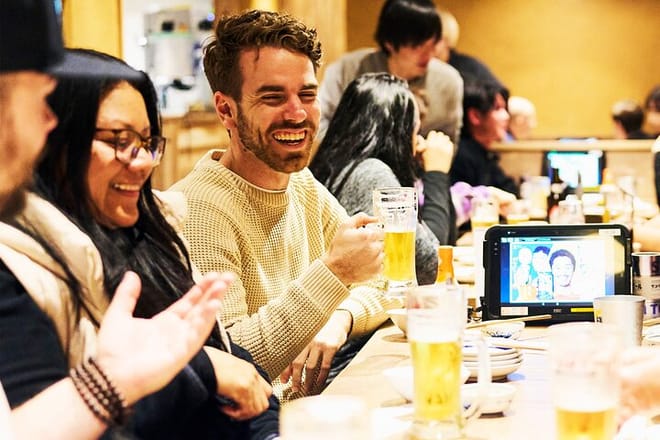
The Shinjuku Food Tour visits four locally beloved restaurants over roughly three hours. An English- and Japanese-speaking guide accompanies the group, so you can enjoy every stop even if ordering in Japanese feels intimidating.
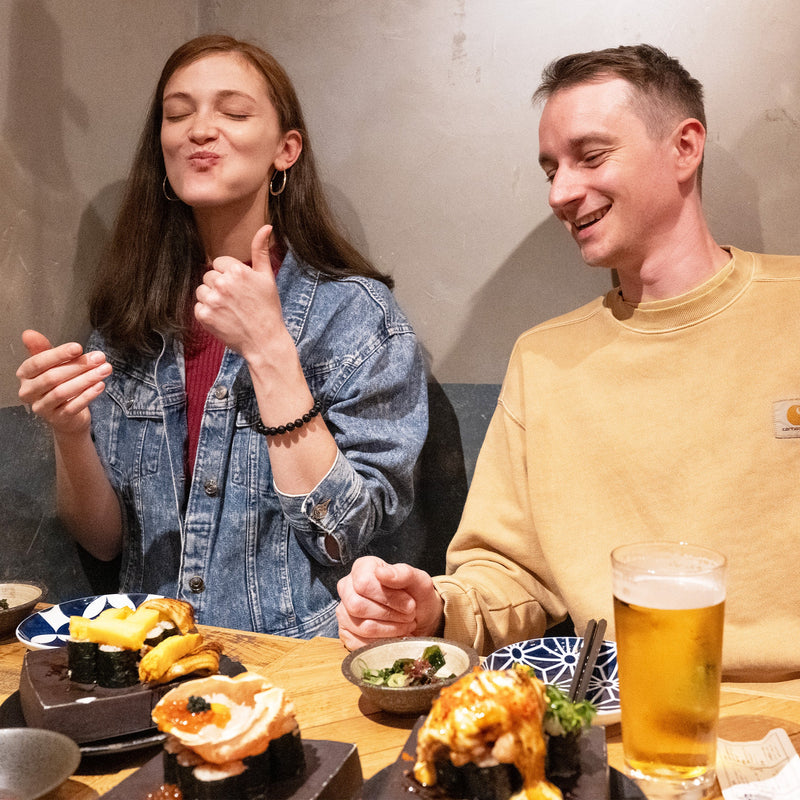
The tour includes fifteen dishes and drinks—sushi, kushikatsu (deep-fried skewered cutlets), gyoza (pan-fried dumplings), and more—giving you an efficient sampling of Shinjuku’s food scene. The guide takes you to places that are hard to find on your own, which is part of the appeal.
The route also passes through one of Tokyo’s premier nightlife districts, blending sightseeing with dining. For first-time visitors, the Shinjuku Food Tour removes the guesswork from choosing where to eat.
Details
| Meeting point | Near Shinjuku Station east exit |
| Duration | About three hours |
| Included | Fifteen dishes, drinks, an English-speaking guide |
| Booking | https://japanguidestar.com/tour/shinjuku-food-tour-15-dishes-at-4-eateries/ |
| Best for | First-timers who want to experience Shinjuku’s izakaya culture; visitors who prefer a guided outing in English |
Shinjuku: Food Tour – 15 Dishes at 4 Eateries
Shinjuku Walking Tour: Explore the History and Culture of Back Alleyways
For first-time visitors or anyone who wants to feel safe while exploring the narrow lanes around Kabukicho, a guided walking tour is a smart choice.
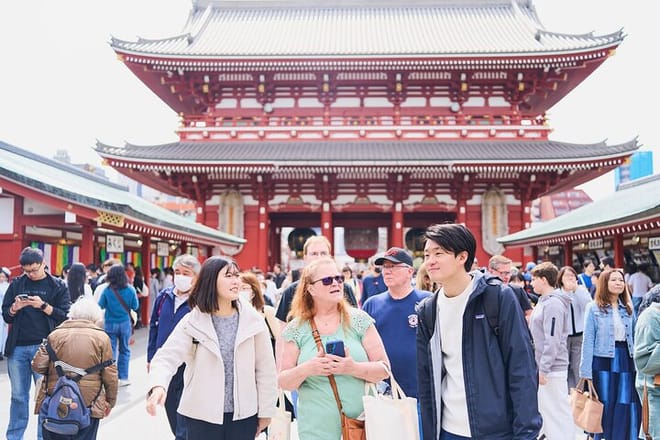
The Shinjuku Historical Walking Tour & Secret Backstreets sets you up with a local guide for a ninety-minute walk through Shinjuku’s landmarks and lesser-known side streets. The route covers Omoide Yokocho and Kabukicho, where your guide shares stories about the neighborhood’s history and how the area took shape. Along the way, you’ll pass through dining districts with over three hundred restaurants and duck into alleys that most tourists never find on their own. One complimentary drink from the guide’s recommendations is included in the tour price, and the local tips shared during the walk add an extra layer of enjoyment.
Since there are no meal stops, you can fit the tour into almost any schedule. Guides speak both English and Japanese, and with a knowledgeable local leading the way, you’re unlikely to get lost, and you get to discover sides of Shinjuku that the main streets never reveal.
Details
| Meeting point | Near Shinjuku Station east exit |
| Duration | 1 hour 30 minutes |
| Included | English-speaking guide, historical commentary |
| Booking | https://japanguidestar.com/tour/tokyo-shinjuku-historical-walking-tour-secret-backstreets/ |
| Best for | Visitors who want a safe, guided walk through Kabukicho and its back alleys; those who enjoy listening to a guide’s commentary while exploring; anyone curious about Shinjuku’s history and culture |
Tokyo: Shinjuku Historical Walking Tour & Secret Backstreets
Chopstick-Making Workshop: Craft Your Own Pair of Chopsticks
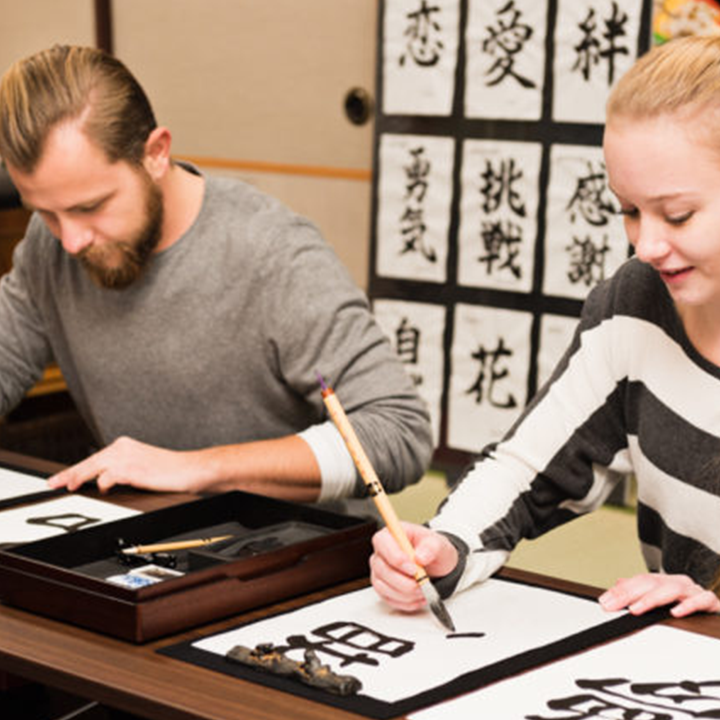
If you want more than standard attractions and are curious about Japanese craftsmanship, a chopstick-making workshop is an excellent option.
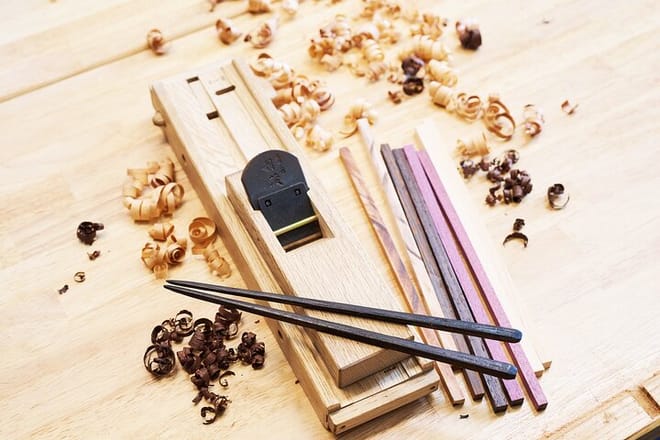
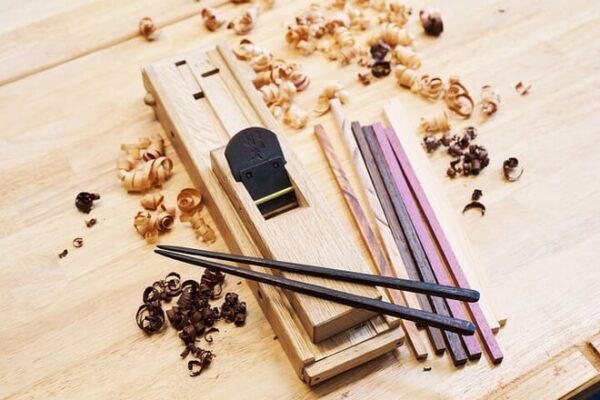
In this workshop, a local artisan teaches you traditional techniques as you shape your own pair of wooden chopsticks from scratch. You choose from over ten types of wood, then carve and sand the chopsticks into their final form. The hands-on process makes for a memorable souvenir. The session takes about one hour, and all tools and materials are provided. Beginners are welcome, and the finished chopsticks are fully functional, making them a practical gift or keepsake.
Beyond the craft itself, the workshop offers insight into Japanese food culture and artisan traditions. The Kabukicho session is a rewarding way to spend a spare hour between other Shinjuku attractions, and you leave with a one-of-a-kind creation.
Details
| Meeting point | 22nd Azuma Bldg. 8F, 1-5-4 Kabukicho |
| Duration | About 60 minutes |
| Included | Workshop fee, materials, English-language support |
| Booking | https://japanguidestar.com/tour/tokyo-chopstick-making-workshop-with-artisan/ |
| Best for | Visitors looking for a short hands-on activity between sightseeing stops; couples and families wanting to create lasting memories together |
Tokyo Chopstick Making Workshop in Shinjuku
Common Questions About Visiting Shinjuku

To help you enjoy Shinjuku with confidence, here are answers to some questions visitors ask most often. Clearing up these points before you arrive makes for a smoother, more relaxed experience.
What Is There to Do in Shinjuku at Night?
Shinjuku comes alive after dark with options to suit every taste: Omoide Yokocho and Golden Gai for an old-fashioned drinking atmosphere, and neon-lit Kabukicho for high-energy nightlife.
Avoid following street touts, and check prices and reviews before entering any establishment.
Shinjuku: Food Tour – 15 Dishes at 4 Eateries
What Are Some Tips for Navigating Shinjuku Station?
Shinjuku Station’s exits connect to very different neighborhoods, so confirm which exit you need before passing through the gates. For sightseeing, keep the west, east, and south exits in mind as your three main routes. If you are heading to the Isetan Shinjuku area around Shinjuku-sanchome, using Shinjuku-sanchome Station instead is often more convenient. Saving the station map on your phone beforehand also helps.
Is Shinjuku Worth Visiting on a Rainy Day?
Rainy days are a good excuse to focus on indoor attractions. Combining observation decks, depachika food floors, and museums keeps you dry while still filling your day. The Yayoi Kusama Museum and SOMPO Museum of Art are especially popular choices for art lovers.
Where Can I Store My Luggage?
Coin lockers are plentiful around Shinjuku Station, but they fill up quickly during peak hours. If you can’t find an open locker, the ecbo cloak luggage-storage service lets you reserve space at nearby shops. The luggage-storage counter inside Busta Shinjuku also handles large suitcases.
Is Shinjuku Family-Friendly?
Shinjuku works well for families. Shinjuku Gyoen and the Tokyo Metropolitan Government Building Observatory are stroller-friendly and popular with families. Omoide Yokocho and late-night Kabukicho tend to get crowded, so consider visiting during the daytime if you have small children.
Make the Most of Your Time in Shinjuku
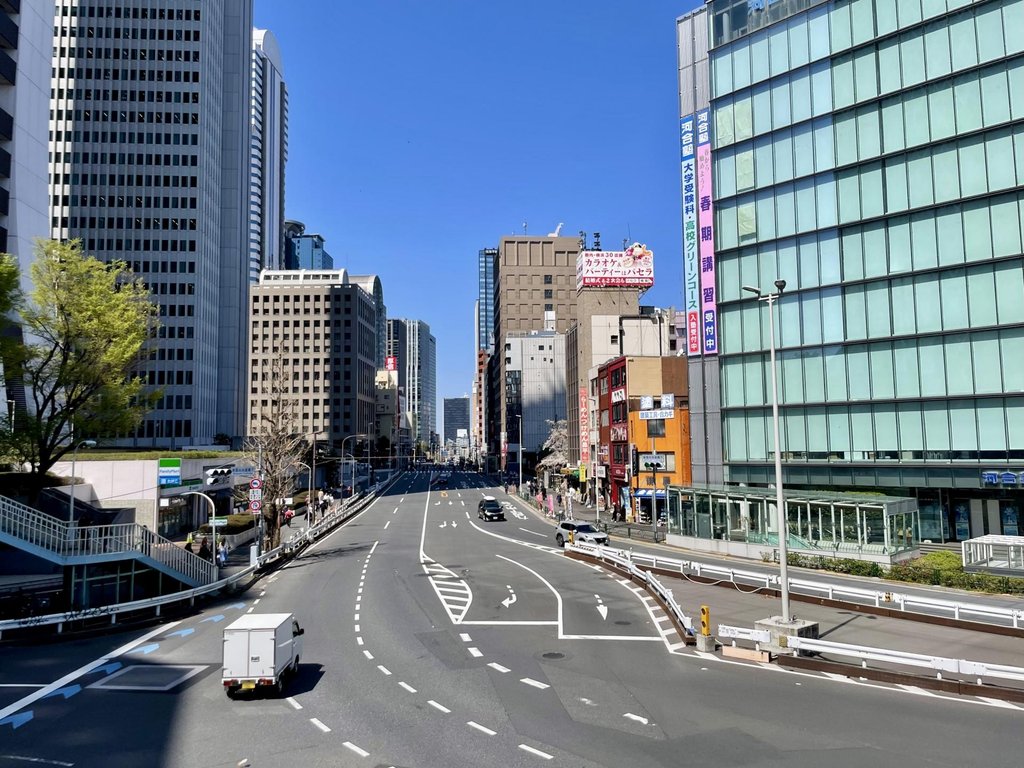
Shinjuku puts gardens, observatories, a historic shrine, distinctive dining, and lively nightlife all within walking distance. Plan your route in advance and you can enjoy a satisfying visit whether you have half a day or a full day.
Use the sample itineraries as a starting point, then customize based on your interests and schedule. To keep your Shinjuku experience hassle-free, steer clear of street touts and check which station exit leads to your next destination before you set off.
Enjoy building your own Shinjuku itinerary and discovering everything the neighborhood has to offer.