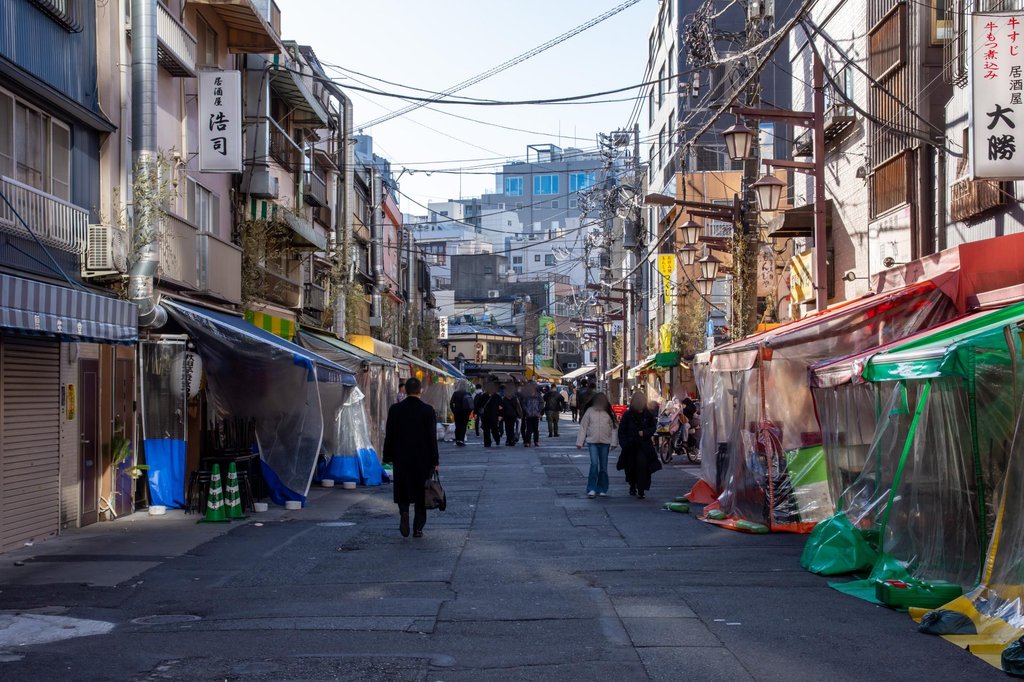
Hoppy Street in Asakusa is a lively dining area lined with around 20 izakaya (Japanese pub-style restaurants). Many of the shops have a similar appearance, and staff often invite passersby inside, so choosing the right place can feel challenging on a first visit.
Here you’ll find everything you need: how the street works, which izakaya are popular with locals, what to order, and the best times to visit. It also explains practical details such as the cash-only culture and Japan’s table-charge custom, helping you settle in and enjoy the atmosphere without uncertainty.
What Is Hoppy Street in Asakusa, Tokyo?
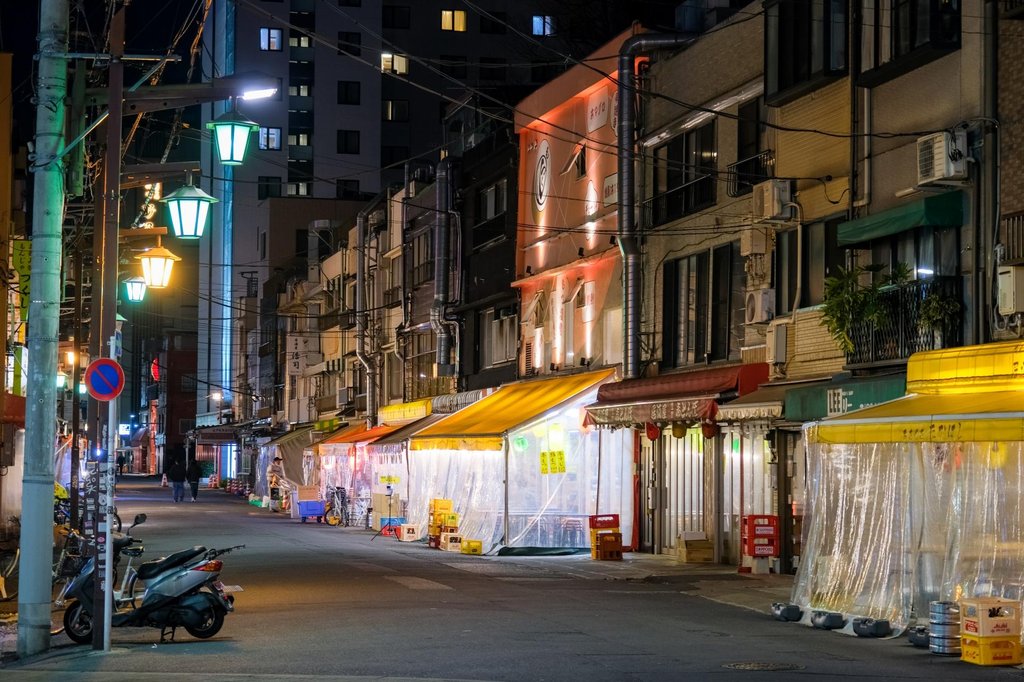
A little background knowledge goes a long way toward making your first visit to Hoppy Street more relaxed. This guide covers the essentials, including the street’s location and size, its affordable daytime drinking culture, its nostalgic Showa-era (mid-20th-century Japan) atmosphere, and access from the nearest stations.
Understanding these basics in advance makes it easier to plan your visit and enjoy the lively atmosphere with confidence.
A Street of About 20 Izakaya on the West Side of Sensoji Temple
Hoppy Street’s official name is Koen Hondori Shopping Street, and it is also nicknamed “Nikomi Alley” (Nikomi Yokocho) after its signature simmered stew dish. About 20 izakaya line this short street, which stretches roughly 80 meters (about 260 feet) along the west side of Sensoji Temple. Walk through Nakamise Shopping Street, turn left after passing the temple, and you will find a lively lane filled with red lanterns and the atmosphere of old Tokyo.
The street’s history dates back to the postwar reconstruction period of the late 1940s. Food stalls that once operated in the black markets of the era gradually developed into the permanent restaurants that visitors see today.
The street takes its name from Hoppy, a carbonated beverage brewed from malt and hops with an alcohol content of about 0.8%. The traditional way to enjoy it is mixed with shochu (Japanese distilled spirit). Because it was more affordable than beer, Hoppy became a popular everyday drink in postwar Japan. As more and more shops adopted it as a signature offering, the name ‘Hoppy Street’ gradually became established.
Daytime Drinking from Around ¥500 per Hoppy Set
One of Hoppy Street’s biggest draws is its affordable daytime drinking culture. Most shops serve a Hoppy set for around ¥400–600 (about $3–4 USD) and small dishes for about ¥550–700, so one drink and one snack typically cost just ¥1,000–1,200 (about $7–8 USD). It is a relaxed stretch of restaurants where local regulars stop by as part of their daily routine.
Many shops open around noon, and between 2:00 pm and 5:00 pm, you will see plenty of people enjoying drinks at the terrace seats. Drinking in broad daylight on a weekday is a common sight here. This culture of drinking while the sun is still up is part of Hoppy Street’s distinctive appeal, and the area makes an easy stop after visiting Senso-ji Temple.
Keep in mind that Japanese law prohibits drinking alcohol under the age of 20. If you plan to drink, carry your passport, as it is generally the only accepted form of identification for foreign travelers when age verification is required.
Red Lanterns and Terrace Seats Create an Old-Fashioned Atmosphere
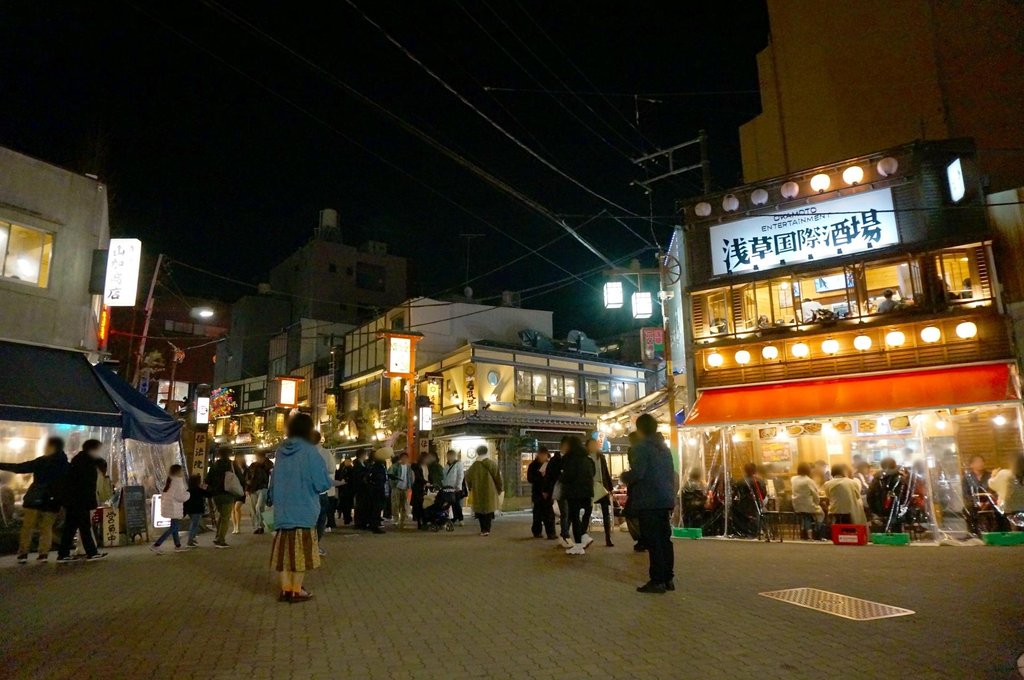
As evening falls, the red lanterns lining both sides of Hoppy Street light up all at once, bathing the narrow lane in a warm glow. It is a scene that captures the unique atmosphere of old Tokyo.
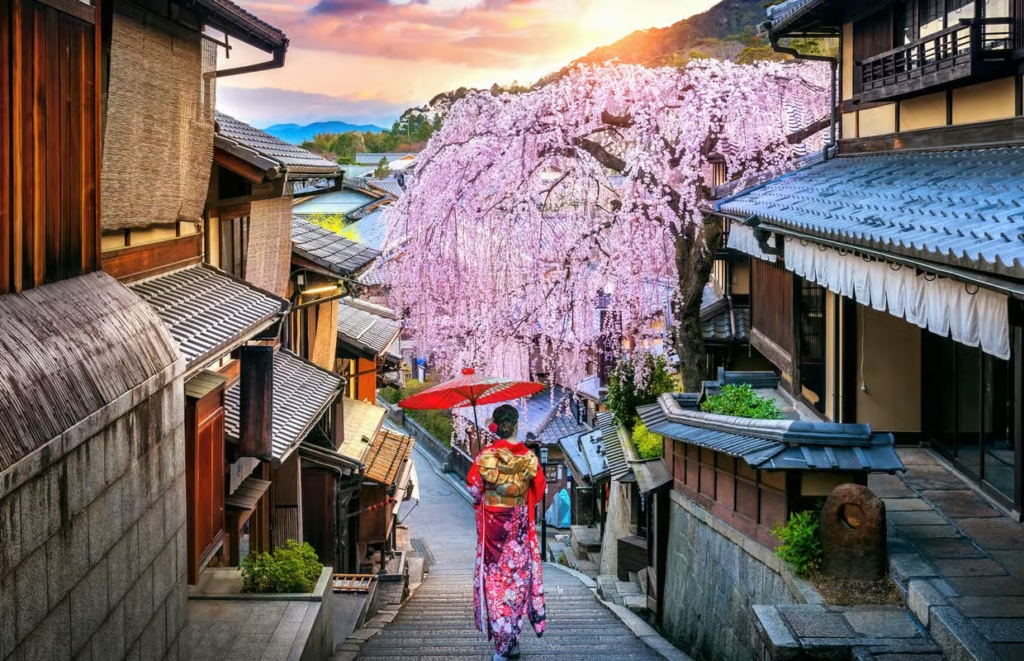
Outside each shop, tables made from stacked beer crates and plastic chairs form open-air terrace seating. Because customers sit so close to one another, conversations often begin naturally between neighboring tables. Tourists wearing kimono and rickshaws passing through the area add to the timeless, quintessentially Asakusa scenery.
The terrace seats are exposed to the weather, however, so keep the following points in mind before visiting:
- In winter, many shops block the cold with vinyl curtains and heaters.
- During extremely hot midsummer days or rainy weather, terrace seating may not be available.
- If the forecast is uncertain, confirm in advance whether indoor seating is also offered.
For the most comfortable terrace experience, a mild spring or autumn evening is hard to beat.
A 2-Minute Walk from Asakusa Station (Tsukuba Express)
The nearest station to Hoppy Street is Asakusa Station on the Tsukuba Express Line. From Exit A1, it is only about a 2-minute walk to the street entrance. For reference, walking times from other nearby stations are as follows:
| Line | Exit | Walking Time |
|---|---|---|
| Tsukuba Express | Exit A1 | About 2 min |
| Tokyo Metro Ginza Line | Exit 6 | About 5 min |
| Toei Asakusa Line | Near Exit A4 | About 5 min |
If you plan to visit Senso-ji Temple first, the route via Denboin Street is especially convenient. After paying your respects at the temple, walk west along Denboin Street and you will naturally arrive at the entrance to Hoppy Street.
Searching “Hoppy Street” on Google Maps will bring up an accurate location pin, so even first-time visitors can find it easily. Its convenient location makes it an ideal finale to a day of sightseeing in Asakusa, so consider adding it to your itinerary.
3 Famous Foods to Try on Hoppy Street During Your Asakusa Trip
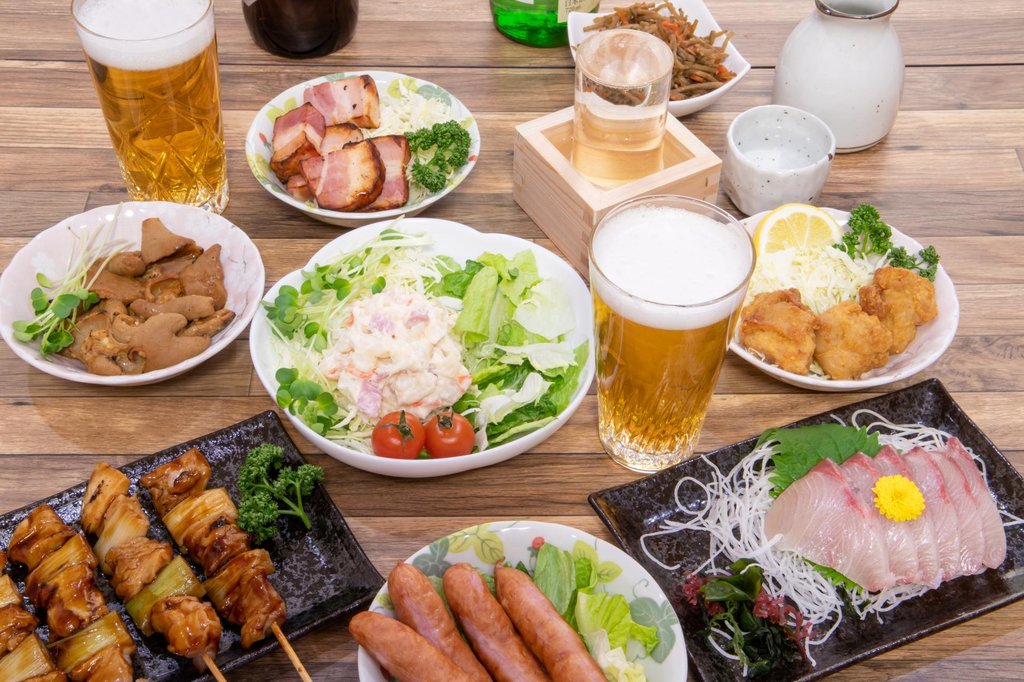
Not sure what to order on your first visit? Start with these three Hoppy Street specialties. Learn how to enjoy Hoppy, the street’s namesake drink; how to compare the different styles of nikomi (simmered stew) served by each shop; and how to try a cocktail that was born in Asakusa.
With these basics in mind, you can order with confidence and make the most of your Hoppy Street experience.
Hoppy | Adjust the Strength with “Naka” and “Soto”
The first two words to learn when ordering Hoppy are naka (a refill of shochu) and soto (a refill of the Hoppy bottle). For your first round, just say “Hoppy set kudasai.” You’ll receive a mug of shochu and a bottle of Hoppy, which you pour and mix yourself.
When the drink becomes weaker, order “Naka kudasai” to add more shochu. When the Hoppy bottle runs empty, say “Soto kudasai” to get another bottle. One bottle of Hoppy typically provides around three servings of shochu, so the most economical approach is to order naka two or three times before adding a soto.
Hoppy comes in two varieties: white and black. Most shops serve white Hoppy unless you request otherwise, so if you want to try the darker version, order “Kuro Hoppy kudasai” from the beginning.
Nikomi Stew | Compare Different Flavors from Shop to Shop
What makes the nikomi (simmered stew) on Hoppy Street so fascinating is that each shop uses different cuts of meat and seasoning. Even though they share the same name, the flavor can vary so much that each bowl feels like a completely different dish. Here is how some of the best-known shops compare.
| Shop | Main Ingredient | Flavor Profile |
|---|---|---|
| Sho-chan | Beef tendon | Sweet and simmered until meltingly tender |
| Suzuyoshi | Beef offal | Korean-style with a spicy kick |
| Izakaya Don | Pork offal | Light, clean salt-based broth |
Sho-chan’s beef tendon stew has a sweet, sukiyaki-like flavor, with meat that falls apart easily with chopsticks. Suzuyoshi’s peppery version pairs especially well with Hoppy, while Izakaya Don’s salt-based stew is popular among those who prefer lighter flavors.
At about ¥550-700 per plate, you can hop between two or three shops and still stay around ¥2,000 (about $13 USD). Rather than filling up at one place, sample a little at each and enjoy the differences. That flutter of anticipation as you walk to the next bowl of stew is the true Hoppy Street experience.
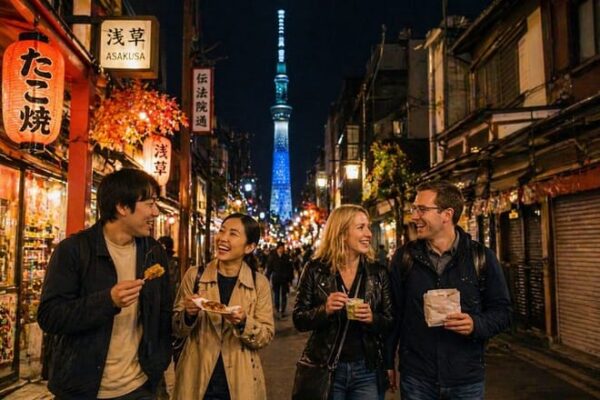
Tokyo: Asakusa Guided Food Tour with 12 Dishes & 3 Drinks
Denki Bran | Try the Cocktail Born in Asakusa
Denki Bran is one of Japan’s oldest cocktails, created around 1893 at Kamiya Bar in Asakusa. It’s an amber liqueur that blends brandy with wine and other ingredients, known for its sweet, mellow character. The name “Denki” (meaning “electric”) comes from a Meiji-era (late 19th to early 20th century Japan) trend of using the word “electric” to describe anything new, modern, and exciting. Today, Denki Bran is available in two alcohol strengths.
| Type | ABV | Taste |
|---|---|---|
| Denki Bran (Regular) | 30% | Sweet and easy to drink |
| Denki Bran Old | 40% | Deeper and richer |
The birthplace of Denki Bran, Kamiya Bar, still operates near Kaminarimon Gate, within walking distance of Hoppy Street. The building itself is a nationally registered Tangible Cultural Property, making it a rare place where you can enjoy a historic drink while surrounded by a Meiji-era atmosphere.
Many regulars finish an evening on Hoppy Street with a quick glass of Denki Bran at Kamiya Bar. If you want to experience the full Asakusa drinking culture, adding this classic cocktail to your itinerary is well worth considering.
Popular with Locals! 5 Recommended Izakaya on Hoppy Street
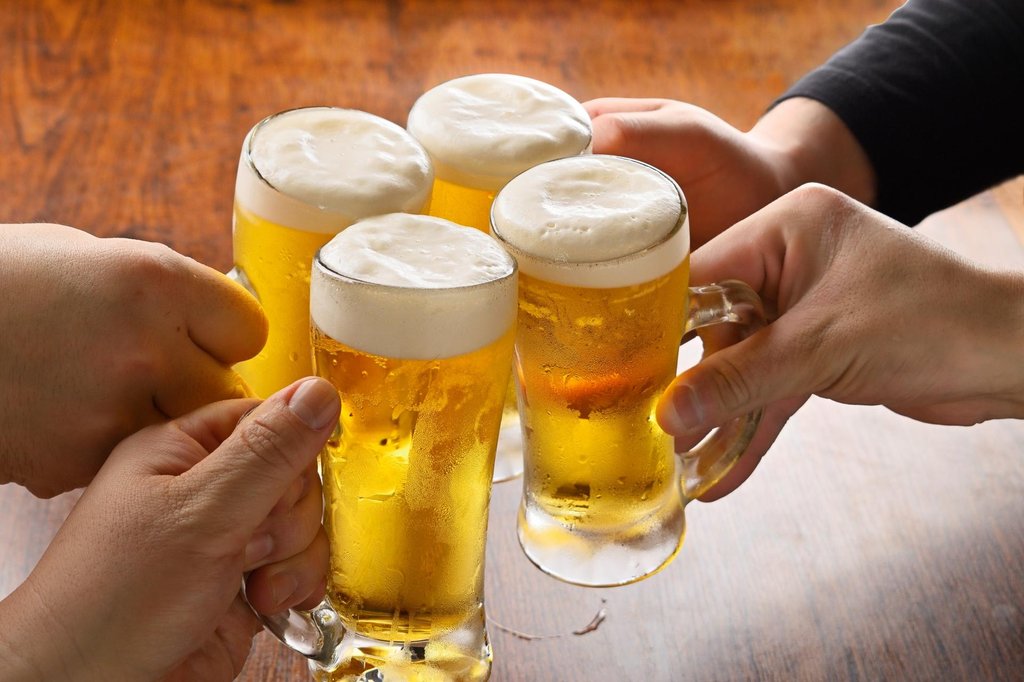
With so many similar-looking izakaya lined up side by side, choosing where to eat can be challenging, especially for first-time visitors. These five recommended shops, popular with both local regulars and travelers, are organized by key factors such as signature dishes, reservation policies, payment methods, and language support.
Whether you are visiting Hoppy Street for the first time or returning for another round, you will find an option that matches your style and plans.
Sho-chan | The Oldest Stew Shop on the Street
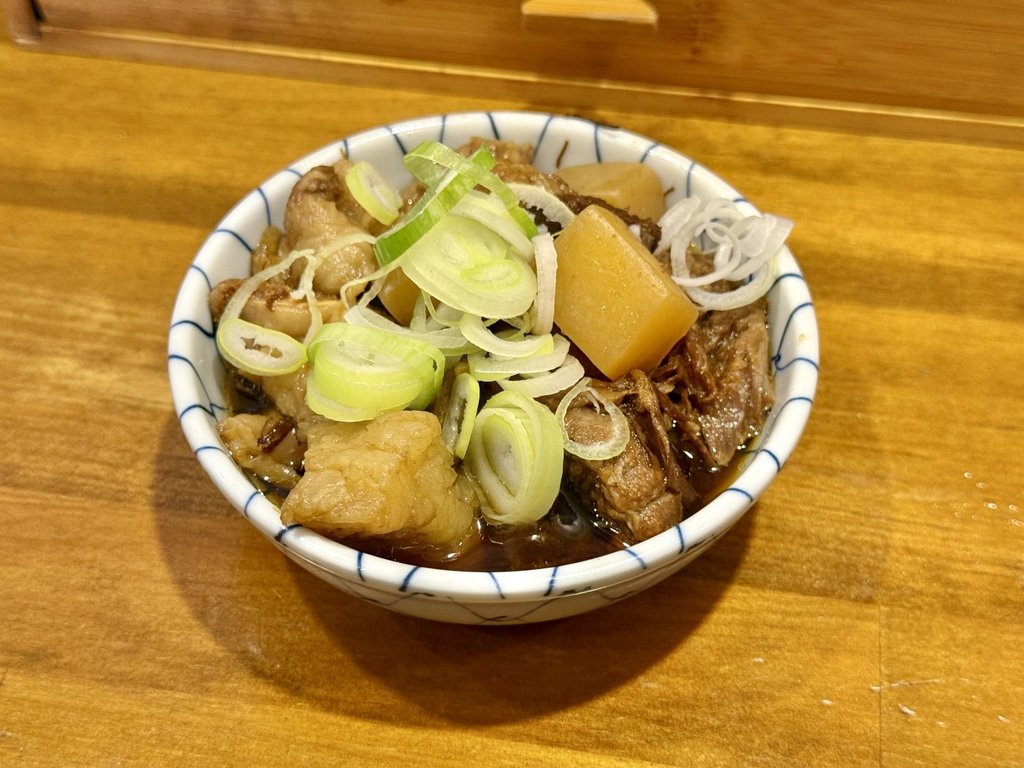
Founded in 1951, Sho-chan is the stew specialist with the longest history on Hoppy Street. It has operated in the same spot since the street’s food-stall days, and the Showa-era atmosphere remains intact.
The signature dish is a beef tendon stew simmered in a slightly sweet, sukiyaki-style sauce until the tendon and tofu become so tender they practically melt in your mouth. The compact shop offers around 10 counter seats along with outdoor tables, and it is common to see local regulars enjoying a solo drink from midday onward.
The menu is straightforward, and ordering is easy even for first-time visitors—simply point to the photos and let the experience begin.
Details
| Address | 2-7-13 Asakusa, Taito-ku, Tokyo |
| Hours | 12:00 pm-9:00 pm (subject to change) *Contact the shop for details |
| Closed | Mondays and Tuesdays |
| Official Website | Not listed |
| Best For | Fans of old-fashioned Showa atmosphere; first-time daytime drinkers; travelers worried about the language barrier |
Tokyo: Asakusa Guided Food Tour with 12 Dishes & 3 Drinks
Asakusa Sakaba Okamoto | The Largest Shop on the Street, with Reservations
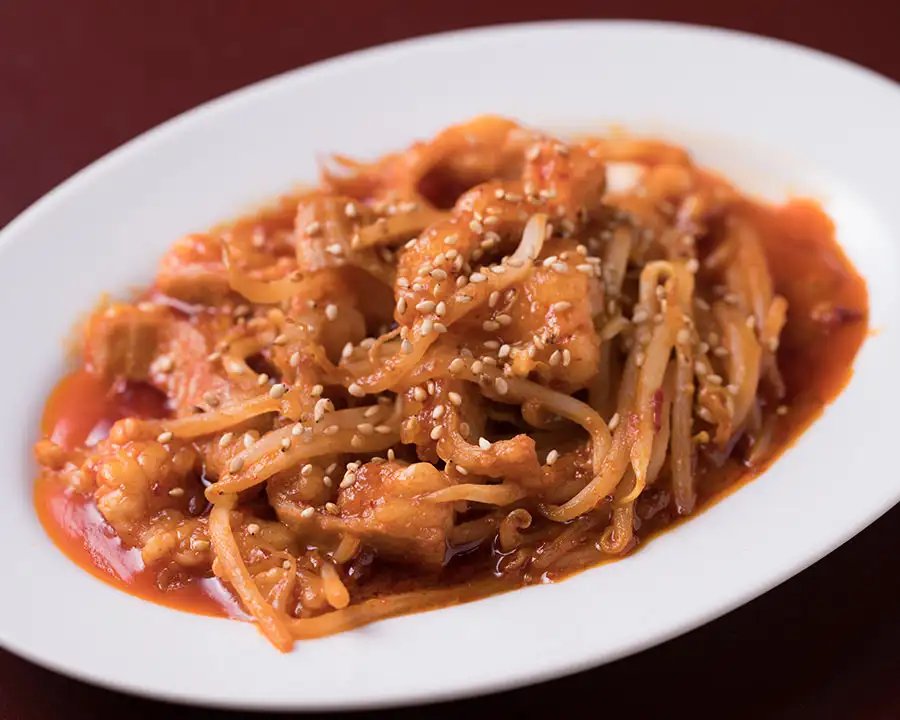
If your group wants a guaranteed table, Asakusa Sakaba Okamoto Hoppy Street Branch is the place. With about 100 seats, it’s the largest shop on Hoppy Street, offering tatami seating, tables, and counter seats. It belongs to the long-established Taishu Sakaba Okamoto family of taverns and accepts online reservations, so you can secure a table in advance even on busy weekends. That makes it especially convenient for groups.
The specialties are simmered beef tendon stew and fiery-hot horumon (grilled offal). Asakusa-style drinks such as red Hoppy and Denki Bran are also on the menu, ready to pair with whatever catches your eye.
Menus are available in English, Chinese, and Korean, and all-you-can-drink courses are offered as well. Asakusa Sakaba Okamoto suits international groups and anyone wanting to enjoy Hoppy Street with a larger party.
Details
| Address | 1-40-7 Asakusa, Taito-ku, Tokyo |
| Hours | Mon-Sat 11:00 am-11:00 pm / Sun 11:00 am-10:30 pm |
| Closed | Open year-round |
| Official Website | https://asakusa-okamoto.gorp.jp/ |
| Best For | Groups; those who want reservations; travelers worried about the language barrier |
Izakaya Koji | A Traveler Favorite with an English Menu
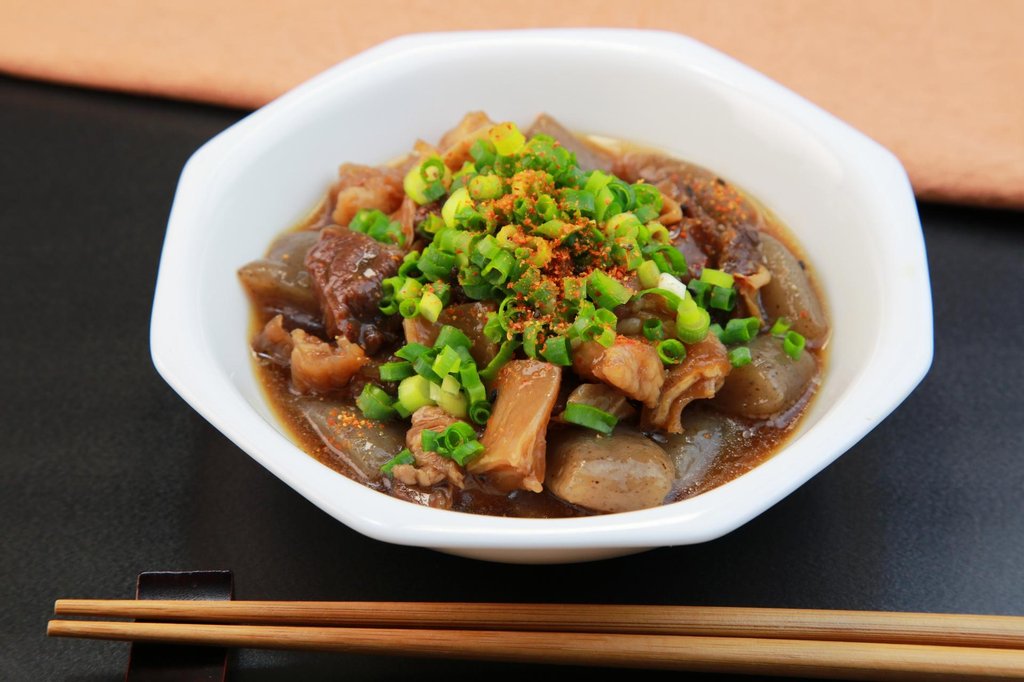
For anyone nervous about the language barrier on their first izakaya visit, Izakaya Koji is a perfect fit. Located near the middle of the street, the shop has a full English menu, and the staff are accustomed to welcoming international guests. You can order by pointing, so language is rarely an issue.
The food centers on Japanese small plates, including soy sauce-based stew and handmade satsuma-age (fried fish cakes), offering the comforting flavors of Japanese home-style cooking. In addition to indoor seating, the restaurant also has terrace seats where you can enjoy your meal while taking in the lively atmosphere of the street.
Payment is cash only, so it is recommended to withdraw money from an ATM before your visit.
Details
| Address | 2-3-19 Asakusa, Taito-ku, Tokyo |
| Hours | Mon-Sat 3:00 pm-10:00 pm Sun 11:00 am-11:00 pm (subject to change) *Contact the shop for details |
| Closed | Irregular holidays |
| Official Website | Not listed |
| Best For | First-time visitors to Japan; those worried about the language barrier; anyone who wants to linger over small plates |
Suzuyoshi | The Only Shop on the Street Serving Draft Hoppy
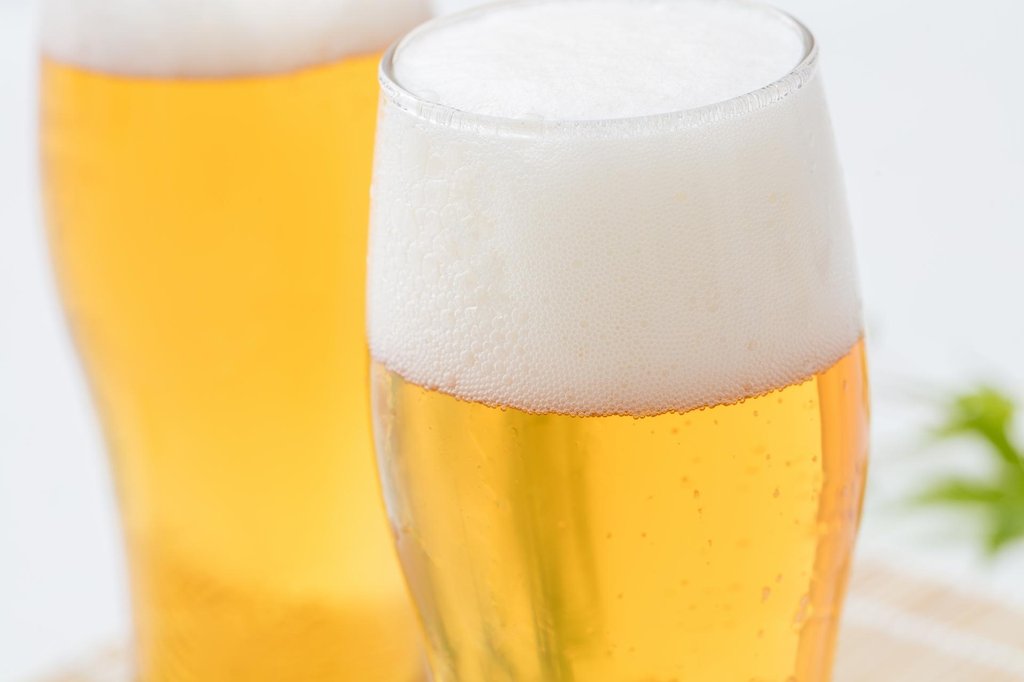
If you want a Hoppy unlike anything from a bottle, visit Suzuyoshi. It’s the only shop on Hoppy Street that serves draft Hoppy, available in white, black, or half-and-half. Because it is poured fresh from the keg, draft Hoppy has a fine, creamy head and a smoother texture that feels noticeably different from the bottled version.
The standout dish is a Korean-style beef stew made with A5-grade domestic beef tendon simmered in a gochujang-based sauce. Its spicy, savory kick provides a sharp contrast to Sho-chan’s sweeter sukiyaki-style stew, making it an excellent choice for a bar-hopping route.
Inside, you order by pointing at the large platters of prepared dishes on display. Sitting shoulder to shoulder with local regulars is part of Suzuyoshi’s unique charm. Payment is cash only, so check that you have enough yen before stepping inside.
Details
| Address | 2-5-1 Asakusa, Taito-ku, Tokyo |
| Hours | 11:30 am-9:00 pm (subject to change) *Contact the shop for details |
| Closed | Open year-round |
| Official Website | Not listed |
| Best For | Draft Hoppy fans; bar-hoppers; anyone who wants to soak up the regulars’ culture |
Izakaya Don | Salt-Based Stew and Cashless Payment
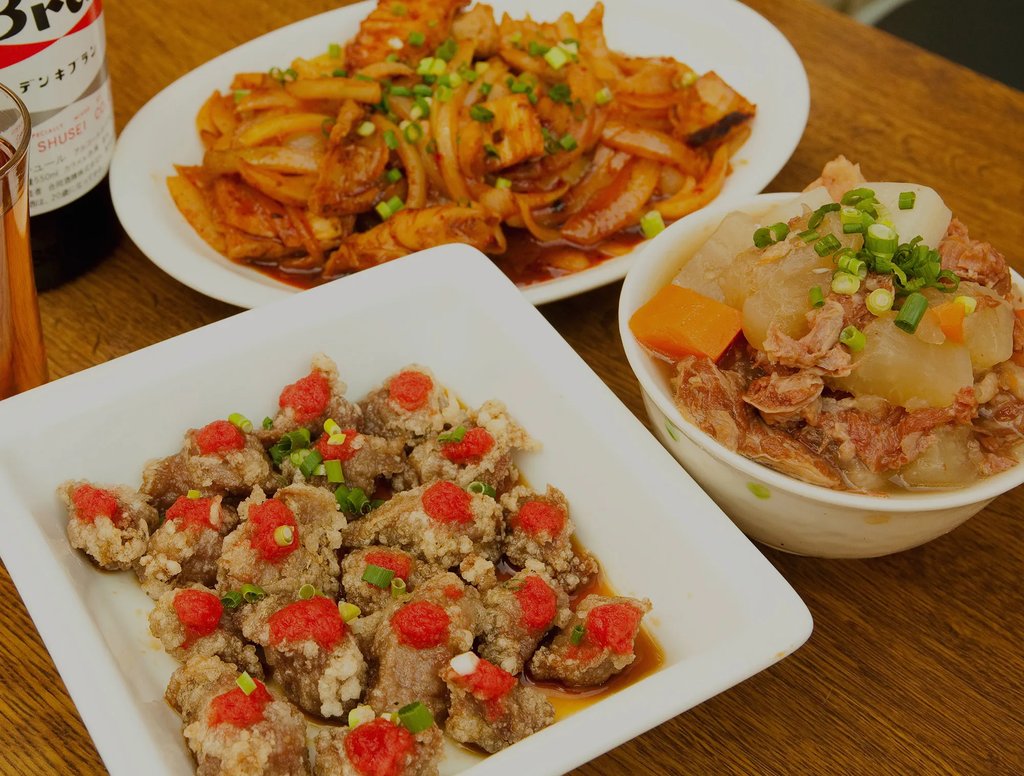
Most of Hoppy Street operates on a cash-only basis, but Izakaya Don stands out by accepting credit cards, transit IC cards, and PayPay. This makes it a convenient stop for travelers who prefer cashless payments or happen to be carrying limited yen.
The flavor stands out, too. Its signature beef tendon stew is finished in an unusual salt-based broth and packed with daikon radish and other vegetables, creating a lighter, cleaner flavor. After trying richer, sweeter stews, this refreshing style provides a welcome change of pace.
With counter seats available, Izakaya Don is also a comfortable option for solo travelers. Consider stopping by if you want a cashless break during a Hoppy Street bar hop or are looking to try a different style of stew.
Details
| Address | 2-3-17 Asakusa, Taito-ku, Tokyo |
| Hours | Weekdays and Sat 11:00 am-11:00 pm / Sun and holidays 11:00 am-10:00 pm |
| Closed | Thursdays |
| Official Website | https://don-asakusa.com/ |
| Best For | Cashless payers; bar-hoppers seeking a change of flavor; fans of lighter, salt-based dishes |
How to Enjoy Hoppy Street in Asakusa by Time of Day
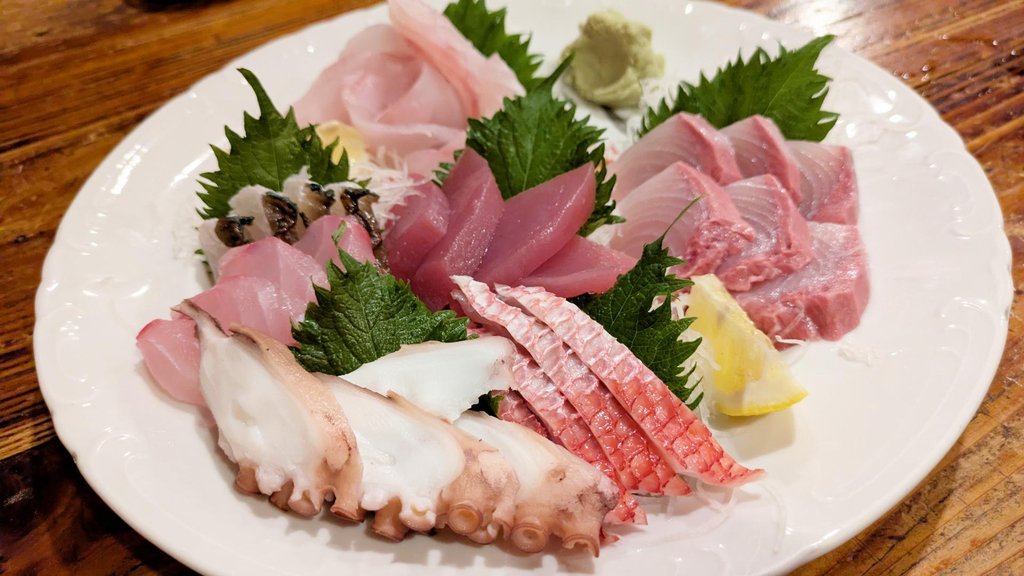
The atmosphere of Hoppy Street changes dramatically depending on when you visit, and the timing of your arrival can shape the entire experience.
This guide breaks down what to expect at different times of day, from a quiet weekday afternoon to an early-evening seat hunt and a livelier night of bar-hopping. Choose the time that best matches your travel schedule and the kind of atmosphere you want to enjoy.
Weekday Afternoons | Quiet Daytime Drinking on an Empty Terrace
Weekday afternoons show Hoppy Street at its calmest. Terrace seats sit open, and you can pick any spot you like, whether solo or with a group. Compared with the weekend and evening crowds, there are fewer regulars, making it an especially comfortable time for first-time visitors to enjoy the atmosphere at their own pace.
Keep in mind that opening hours vary by shop, so it is best to check before heading out.
| Shop | Weekday Opening Time |
|---|---|
| Suzuyoshi | 11:00 am |
| Sho-chan | 1:00 pm |
| Izakaya Don | 3:00 pm |
Suzuyoshi opens at 11:00 am, making it a good match for a visit after a morning at Senso-ji Temple. Sho-chan opens at 1:00 pm, so it works well for a late lunch or early afternoon drink. Izakaya Don does not open until 3:00 pm, making it less suitable for early daytime drinking but a good option later in the afternoon.
Early Evening | Arrive Before the Terrace Seats Fill Up
To snag a terrace seat, aim to arrive before 4 pm on weekdays and before 1:30 pm on weekends. On weekdays, daytime drinkers begin arriving in large numbers between 3:00 pm and 5:00 pm, and available seats often disappear after 4:00 pm. Weekends fill even faster, with terrace tables frequently close to full by around 2:00 pm. Since terrace seats cannot be reserved, arriving early is the safest approach.
For groups, choose a shop with enough seating capacity. Restaurants such as Asakusa Sakaba Okamoto, which accepts advance reservations, can make larger gatherings much easier to manage.
After 5:00 pm, the red lanterns illuminate the street and the nostalgic Showa-era atmosphere reaches its peak. This is the ideal time to enjoy Hoppy while sampling stews from several shops and experiencing the lively charm of Hoppy Street.
| Goal | Recommended Arrival Time |
|---|---|
| Secure a terrace seat (weekdays) | By around 3:30 pm |
| Secure a terrace seat (weekends) | By around 1:30 pm |
| Enjoy the red-lantern atmosphere | Around 5:00 pm |
Night | Join the Regulars for a Bar-Hopping Run
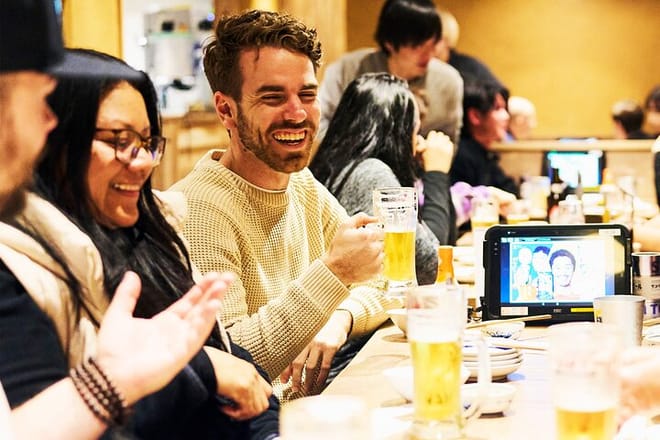
After 7:00 pm, regulars stopping by after work join the terrace crowds, creating the distinctive Hoppy Street scene of tourists and locals drinking side by side. Shared tables are common on the terraces, and conversations with neighboring customers often begin naturally. A simple toast or smile is sometimes all it takes to start chatting with the regulars around you.
For bar-hopping, arriving around 7:00 pm is ideal. Most shops take last orders between 10:00 pm and 10:30 pm, so arriving too late leaves little time to explore multiple restaurants.
- Arrive around 7:00 pm: Visiting two to three shops in about three hours is realistic.
- Arrive after 8:30 pm: You may only have time for one shop.
- Sundays: Take extra care, as many shops stop taking orders around 10:00 pm.
Arriving early gives you time to visit multiple shops and settle in alongside the regulars.
4 Things to Know Before Visiting Hoppy Street in Asakusa
First-time visitors often run into unfamiliar aspects of Japanese dining culture, from payment methods to choosing a shop. These four points cover the essentials: how much cash to bring, how to handle restaurant staff inviting you inside, how the table-charge system works, and what to know about smoking on terrace seats.
Understanding these details in advance helps you avoid surprises and relax into the unique atmosphere of Hoppy Street.
1. Bring at Least ¥5,000 in Cash
Most izakaya on Hoppy Street accept cash only. Many are small, family-run businesses where installing and maintaining card payment terminals may not be worthwhile due to transaction costs and customer volume. Arrive with enough yen, and payment will be simple.
A reasonable budget is around ¥1,500–2,500 per shop, so bring approximately ¥5,000–8,000 (about $33–53 USD) if you plan to visit two or three places. If you run short, there are convenient options nearby to withdraw additional cash.
| Location | Distance from Hoppy Street | Hours |
|---|---|---|
| 7-Eleven Taito Kaminarimon 2-chome (Seven Bank ATM) | About 3-min walk | 24 hours |
| Asakusa Culture Tourist Information Center (tourist info and currency exchange guidance) | About 5-min walk | 9:00 am-8:00 pm, open year-round |
Seven Bank ATMs accept many overseas-issued cards, making them a reliable backup even for international travelers. The Asakusa Culture Tourist Information Center is also a useful daytime stop for guidance on currency exchange and local information.
As long as you know where the nearby ATMs are located, the cash-only culture of Hoppy Street is easy to handle.
2. Politely Decline the Touts and Choose Your Own Shop
As you walk down Hoppy Street, staff standing outside may call out “Irasshai!” (welcome). This is a common custom in Japanese dining districts, not aggressive sales pressure. Taito Ward regulations limit excessive touting and protect visitors’ right to decline. A smile, a small wave, or a simple shake of the head is enough to politely pass.
A good strategy is to walk the entire street once before choosing a restaurant. The route takes only a few minutes each way and allows you to compare the atmosphere, crowd levels, and menu offerings at each shop.
When selecting a place, keep these points in mind:
- Are prices clearly displayed on the menu board? Avoid shops that do not show prices.
- Are local regulars or repeat customers dining inside?
- Do the staff serve customers in a calm and relaxed manner?
A shop you have selected yourself is far more likely to suit your tastes.
3. Otoshi Appetizers Arrive Automatically as a Seating Charge
When you sit down at an izakaya on Hoppy Street, a small dish you didn’t order may arrive at your table. This is otoshi, an appetizer that functions like a seating charge, a long-standing custom in Japanese izakaya culture. It typically costs around ¥200–500 per person and is added to your final bill. Many visitors are surprised to see a charge for something they did not request, but it is not a mistake.
At most shops, otoshi cannot be declined once you are seated. If you have food allergies or dietary restrictions, inform the staff as soon as you sit down. The otoshi often changes daily and usually does not appear on the menu.
If you have specific dietary needs, showing allergy information written on your smartphone can make communication easier, especially at smaller shops where little English is spoken.
4. You May Sit Next to Smokers at Terrace Seats
Most izakaya on Hoppy Street allow smoking. Under Japan’s revised Health Promotion Act, terrace seats are generally treated as outdoor spaces, so smoking restrictions are more relaxed there. Even some indoor seating at smaller establishments remains covered by transitional measures that permit smoking, and many of Hoppy Street’s family-run shops fall into this category.
If you prefer to avoid smoke, consider these two approaches:
- Ask the staff before sitting down: A simple question such as “Do you have non-smoking seats?” will help you understand the available options.
- Choose a shop with more indoor seating: Larger establishments may offer more flexibility in choosing a seat farther away from smokers.
Smoking in restaurants is still relatively common in Japan, especially at traditional izakaya. Knowing this in advance makes it easier to choose a seat that suits your preferences and enjoy your visit comfortably.
Common Questions About Hoppy Street

If it is your first visit, having a few lingering questions is completely natural. The answers below cover the concerns travelers most often have, helping you arrive at Hoppy Street feeling prepared and ready to enjoy the experience.
Can I Enjoy Hoppy Street If I Don’t Drink Alcohol?
Absolutely. Soft drinks are available, and Hoppy itself, served without shochu, is essentially a non-alcoholic beverage. Just note that after 5 pm, many shops have a minimum order of one drink per guest — confirm with the staff when you sit down. Ordering mostly food with a soft drink in hand is a perfectly good way to graze your way down the street.
Do I Need a Reservation?
Most shops on Hoppy Street are walk-in only, with no reservation system. You simply find an available seat and sit down. The main exception is Asakusa Sakaba Okamoto, which accepts online reservations.
The street becomes especially crowded between 5:00 pm and 8:00 pm on weekends and holidays, so if securing a seat is important, consider these strategies:
- Visit on a weekday: Monday is typically the quietest day.
- Arrive early on weekends and holidays: Opening time through around 2:00 pm offers the best chance of finding a seat.
- Book ahead for evening visits: If you want to go during the busiest hours, making a reservation at Okamoto is the safest option.
How Many Shops Should I Visit in One Night?
Visiting two to three shops is the ideal target for a Hoppy Street bar hop. A typical stay is around 20–30 minutes per shop, so setting aside two to three hours allows you to enjoy the experience at a relaxed pace.
For a satisfying route, vary the flavors as you go: start with the sweet, sukiyaki-style stew at Sho-chan, continue with the spicy stew at Suzuyoshi, and finish with the light, salt-based stew at Izakaya Don. This progression lets you appreciate how differently each shop approaches the same classic dish.
On weekday evenings, waits are uncommon, so you can move from one restaurant to the next at a comfortable rhythm without feeling rushed.
Are There Asakusa Tours That Pair Well with Hoppy Street?
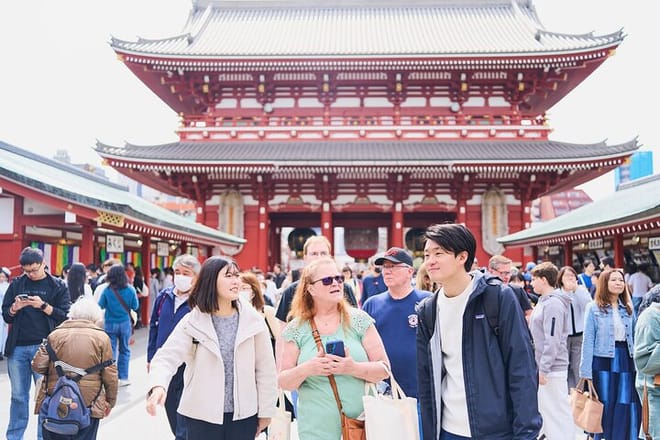
Combining two tours operated by Japan Guide Star makes for an efficient full day in Asakusa. Start the morning with a walking tour that explores Senso-ji Temple and the surrounding area while learning about the neighborhood’s history and culture. In the afternoon, enjoy daytime drinks on Hoppy Street, then join an evening food tour that takes you through several local izakaya.
| Item | Walking Tour | Food Tour |
|---|---|---|
| Duration | About 2 hours | About 2.5 hours |
| Highlights | Sensoji Temple visit and neighborhood stroll | 12 dishes and 3 drinks |
| Meeting Point | Kaminarimon Police Box, Taito-ku, Tokyo | Kaminarimon Police Box, Taito-ku, Tokyo |
Tour details are available on the pages below. Both tours include English-speaking guides, so you can focus on enjoying the experience without worrying about the language barrier.
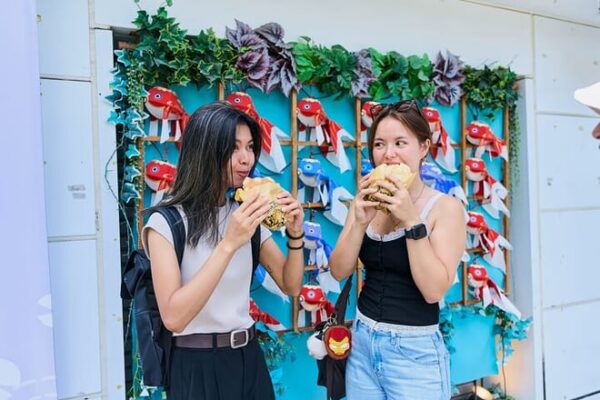
Tokyo: Asakusa & Sensoji ー Oldest Temple Walking Tour (2hrs)
Tokyo: Asakusa Guided Food Tour with 12 Dishes & 3 Drinks
Soak Up the Old-Town Spirit on Hoppy Street
Hoppy Street is a uniquely Asakusa spot where you can enjoy casual daytime drinking and bar-hopping amid retro Showa-era surroundings. Bring enough cash, politely decline unnecessary invitations from touts, and choose your restaurants based on your own impressions for a more authentic local experience.
Settle into a terrace seat with a Hoppy in one hand and a bowl of stew in the other, and feel the energy of Tokyo’s old downtown for yourself.