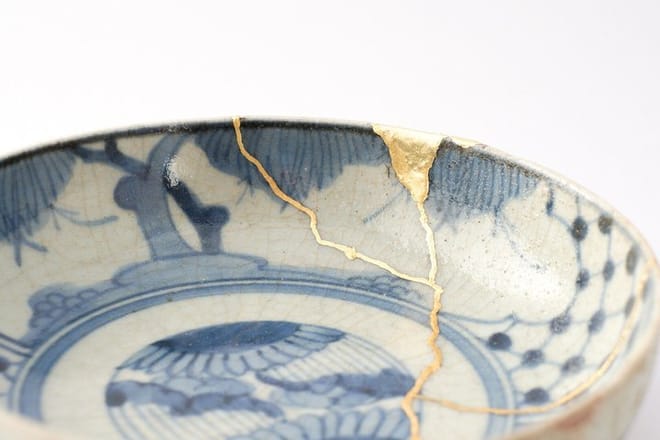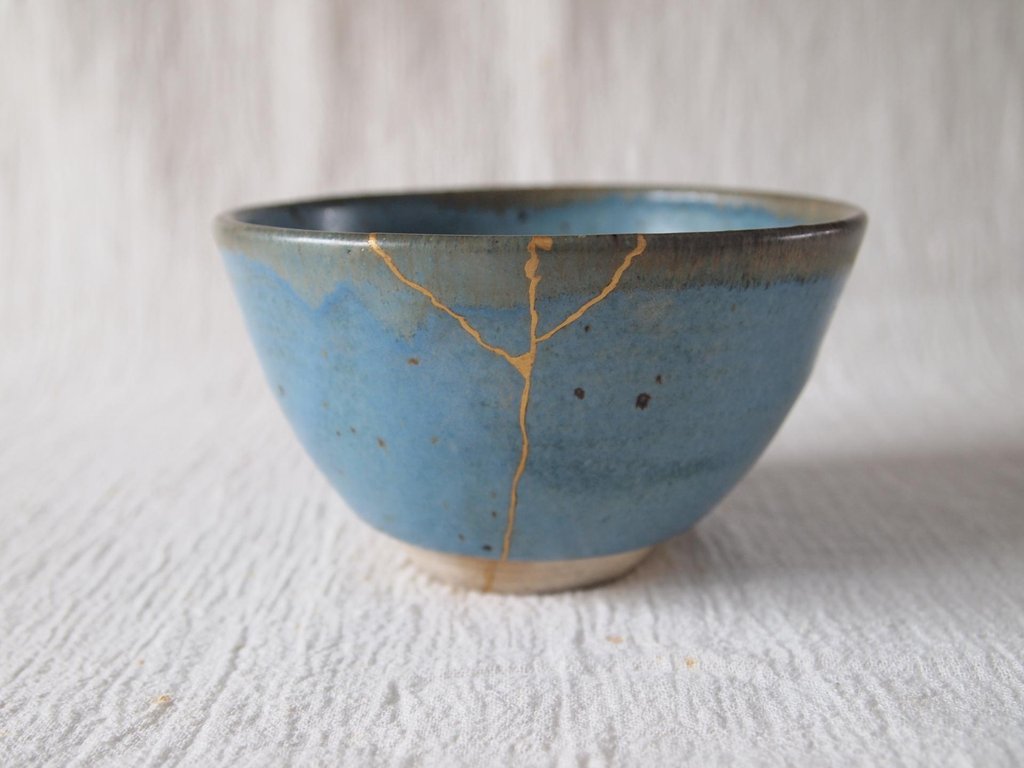
Kintsugi is a traditional Japanese technique for repairing broken or chipped vessels and decorating the mended seams with gold. Rather than hiding the damage, it treats the repair as part of the design, an idea that has attracted attention well beyond Japan.
The name joins two Japanese words. The practice reaches back to the Muromachi period (14th to 16th centuries). The repair process relies on urushi (a natural tree sap used as both adhesive and coating) and gold powder, and behind it lies a way of finding value in imperfection and in the changes brought by time.
Today, workshops in Japan allow visitors to experience the technique for themselves.
What Is Kintsugi? A Japanese Repair Technique Using Urushi and Gold
Kintsugi repairs broken or chipped vessels with urushi, Japan’s traditional natural lacquer, and decorates the seams with gold or other metal powders. It does not simply return a piece to its original state: the traces of the repair stay visible on purpose, becoming a new feature of the vessel.
The sections below cover how the repair works, where the name comes from, what materials go into it, and why the repair is shown rather than hidden.
Bonding Breaks, Chips, and Cracks with Urushi, Then Finishing with Gold Powder
Kintsugi handles three kinds of damage: breaks, chips, and cracks, and each calls for a different process.
- Breaks: the vessel has come apart. Urushi bonds the fragments, and gold powder traces the seam
- Chips: a portion is missing. Urushi putty fills the gap, and gold powder finishes the surface
- Cracks: fissures appear on the surface. Urushi fills the gap, and gold powder follows the repair in a fine line
Urushi performs the structural work, bonding fragments and filling missing sections to restore the vessel’s shape. Gold powder is applied over the repair as a finish, adding decoration and helping protect the repaired area.
Kintsugi suits ceramics and porcelain above all, and works poorly on glass or unglazed earthenware. The glaze on ceramics (the glassy layer covering the surface) bonds tightly with urushi and holds it well.
A Name Built from Kin (Gold) and Tsugi (Joining)
The word kintsugi comes from the Japanese kin, meaning gold, and tsugi, meaning to join. English speakers often render it as “golden joinery” or “golden repair,” both of which capture the technique’s use of gold to decorate the repaired seam.
The name can change depending on the metal powder used for the finish:
- Kintsugi: finished with gold powder, and by far the best known form
- Gintsugi: finished with silver powder for a quieter sheen
- Dotsugi and suzutsugi: finished with copper or tin powder for warm tones or a subdued texture
Gintsugi has long been chosen in the world of chado (the traditional Japanese tea ceremony) to match the character of a particular vessel, chosen when a vessel’s character calls for a quieter finish than gold.
In broader usage, kintsugi can serve as an umbrella term for repair techniques that use metal powders, rather than referring exclusively to gold. As a result, searches for “kintsugi” may also turn up information about “gintsugi” and “dotsugi”.
Repairing with Natural Urushi and Other Natural Materials
Traditional kintsugi centers on natural urushi, combined with other materials drawn from nature. Urushi appears at nearly every step, bonding fragments, filling chips, and finishing the surface, and gold or silver powder goes on last to decorate the repair.
- Wheat flour: kneaded into urushi to make the adhesive that joins fragments
- Wood powder: mixed with urushi to fill chipped areas
- Tonoko (finely ground stone powder): combined with urushi to build a ground layer and even out the surface
These natural materials mark the biggest difference from simplified kintsugi, which uses synthetic materials such as epoxy resin. In the traditional method, the artisan lets the urushi cure fully, and a repaired vessel can return to everyday use at the table.
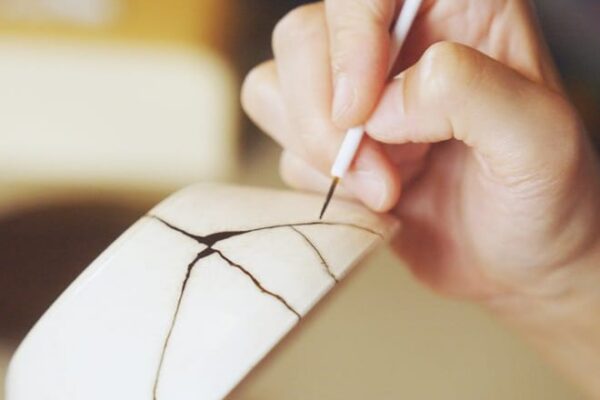
Tokyo: Japanese Gold Repair Kintsugi Workshop in Shinjuku
Showing the Repair as a Line of Gold Instead of Hiding It
Western ceramic restoration puts its highest priority on making seams disappear and returning a piece to how it looked before it broke. Japan has its own long-standing version of that approach, tomonaoshi, which conceals repairs by matching the color of the vessel. What sets kintsugi apart is that it lets go of concealment and decorates the evidence of repair with a golden line.
Because the break is celebrated rather than erased, the repaired vessel takes on a look that differs from its original form, and no two pieces show the same scene of gold powder rising out of black urushi. That choice comes out of wabi-sabi, a Japanese sensibility that finds worth in imperfection.
The Philosophy That Turns Damage into Value
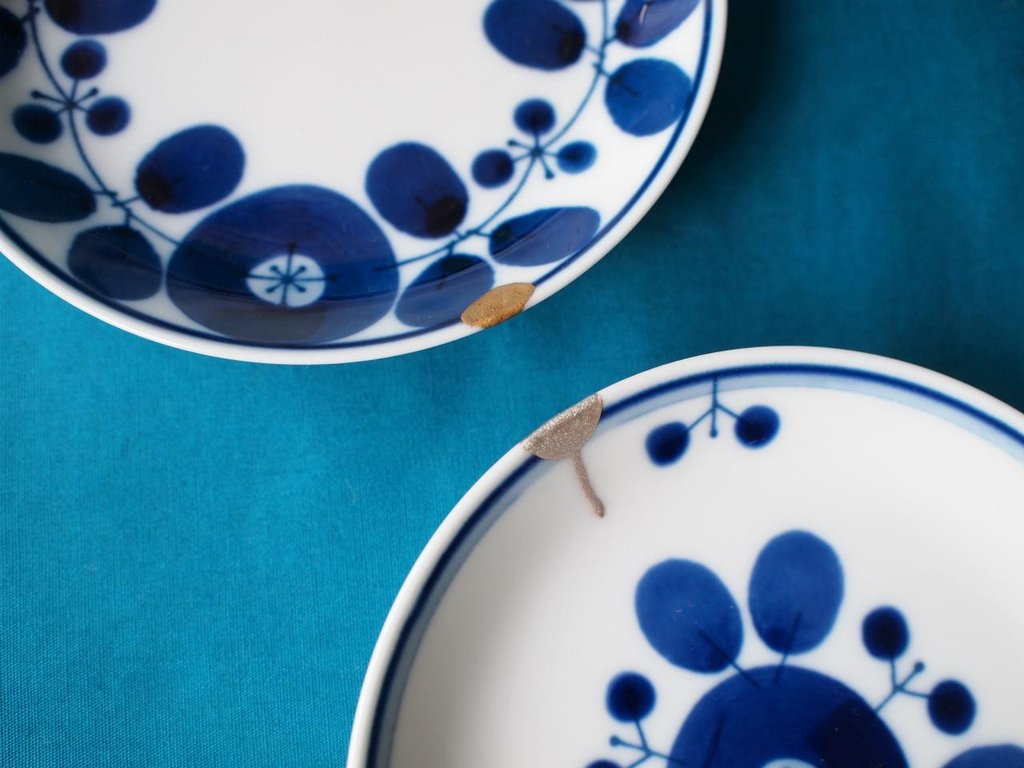
It draws on three ideas: the wabi-sabi sensibility that finds beauty in imperfection, the creative stance that turns damage into opportunity, and the mottainai spirit of reluctance to discard what still has use. Together they offer a way of finding value in objects that have been damaged and repaired.
The Wabi-Sabi Sensibility That Finds Beauty in Imperfection
Wabi-sabi is a Japanese aesthetic that locates beauty in imperfection and in the passage of time. Wabi points to the quiet worth held by simplicity and by things that are lacking, while sabi refers to the flavor that age brings. In the Japanese tea ceremony, practitioners have long appreciated tea bowls with uneven glaze and moss-covered garden stones for a charm that flawless objects do not have.
Kintsugi gives physical form to the idea that chips and scars can become a new kind of beauty. Bringing damage forward as a golden line, rather than hiding it, says that the trace of breakage carries value in itself. The irregular path of gold running along a crack shows that perfection is not the only form of beauty.
Adding a New Expression to a Broken Vessel
Kintsugi has a creative side. It does more than restore a damaged vessel to its former state, using the repair itself to give the piece a new expression. Artisans assess the condition of each vessel and make a series of decisions that shape the final result.
- How much gold powder to sprinkle, and how thick the line should be
- How far to follow the path of a crack
- What shape to give a filled area after rebuilding the missing section
Two vessels can break in similar ways and still end up looking entirely different, depending on the decisions of the person doing the repair. By working with the shape of the damage rather than trying to erase it, then finishing the repair with urushi and gold powder, the artisan gives the vessel an appearance it did not have before.
Tokyo: Japanese Gold Repair Kintsugi Workshop in Shinjuku
The Mottainai Spirit of Not Discarding What Still Works
Underneath kintsugi lies the Japanese sense of mottainai, a reluctance to discard something that still has value or can be used. In Japan, a single vessel may pass from parent to child and remain in use across generations. A break was not necessarily seen as a reason to buy a replacement, but as an opportunity to repair the piece and continue using it.
That way of thinking still carries weight today:
- It reduces waste, conserves resources, and lessens environmental impact
- A repaired vessel carries the story of its owner and the years they have shared
- Repairing and continuing to use an object becomes a practical expression of sustainable living
A vessel you have lived with for years inspires an attachment that no price tag measures: the way it settles into your palm, the meals it has been part of. The tea culture of the Edo period (17th to 19th centuries) formalized the mottainai spirit, finding positive aesthetic value in vessels that had been repaired rather than replaced.
The History of Kintsugi, from the Muromachi Period Onward
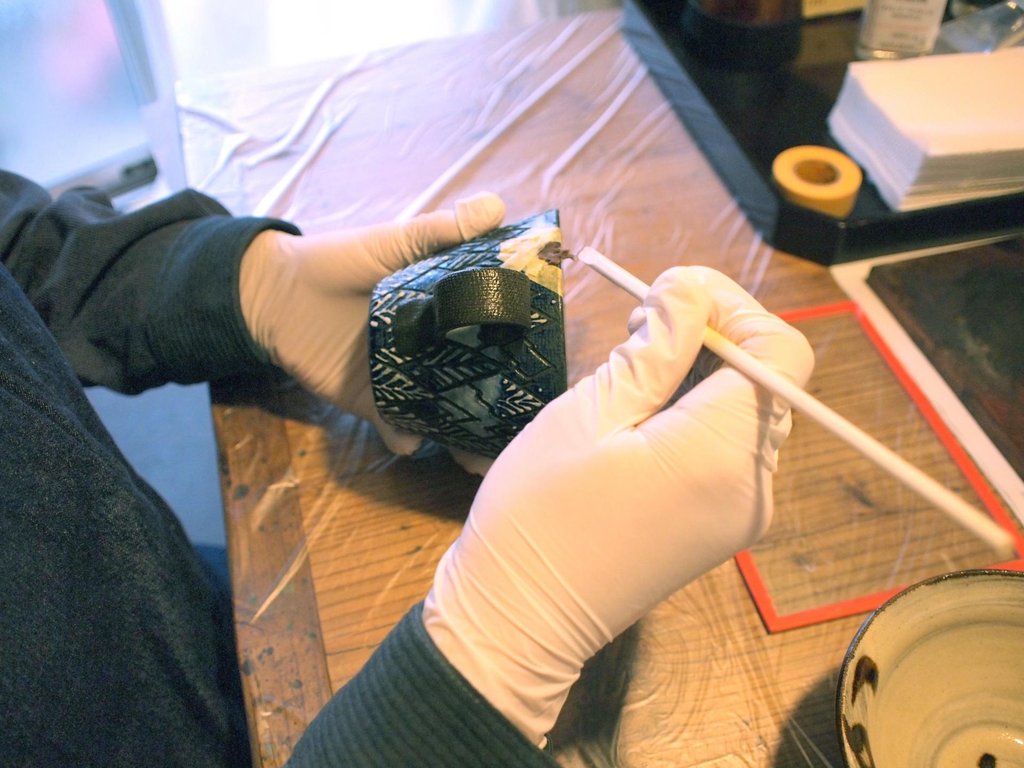
Kintsugi has changed considerably since it first appeared, and its history divides neatly by era. An anecdote from the 15th century marks its origin, and within the world of chanoyu (the ritual tea gathering), tea practitioners came to see the seam itself as beautiful. By the 21st century, “kintsugi” had traveled abroad under its Japanese name, and following that arc shows how both the technique and the aesthetic evolved.
15th Century: The Tea Bowl of Ashikaga Yoshimasa
The best-known origin story for kintsugi involves Ashikaga Yoshimasa, a powerful shogun of the Muromachi period. When a Chinese celadon tea bowl he treasured broke, the repair it received in China used kasugai (iron staples) and struck him as crude. He asked artisans in Japan to mend it with urushi instead, and as the story goes, that request is where kintsugi began.
The bowl survives in the Tokyo National Museum as the Important Cultural Property known as the celadon tea bowl Bakohan. The story comes from an Edo-period text and has no supporting primary source from the Muromachi period, yet tea utensils did carry extraordinary value at the time. A masterpiece brought over from China could be worth as much as a castle, and discarding one was simply not an option. The need to keep costly vessels in use met a sensibility that found beauty in traces of damage, and out of that meeting the technique of kintsugi grew.
15th to 16th Centuries: Seams Gain Value as Chanoyu Spreads
From the late Muromachi period into the Azuchi-Momoyama period, chanoyu spread rapidly among samurai families and powerful merchants. Tea utensils designated as meibutsu, or celebrated works, carried enormous value, and replacing one was out of the question. Demand for the skill to bring a damaged masterpiece beautifully back to life pushed kintsugi forward.
Tea practitioners did not regard the marks of repair as mere damage: they called the cracks and seams on a surface keshiki, or “landscape,” and appreciated them the way one appreciates natural scenery. Decorating an urushi-joined line with gold powder turned the repair into the character of the vessel and produced an expression found nowhere else.
On the technical side, the strong adhesion and water resistance of urushi supported practical use, while the shine of the gold powder carried the beauty. Because it satisfied both usefulness and aesthetics at once, kintsugi rose from simple repair into artistic expression.
17th to 19th Centuries: Repair Becomes Something to Admire
During the Edo period, kintsugi developed into a craft appreciated for its own sake, and related techniques also spread.
- Yobitsugi: using a fragment from a different vessel to replace a missing piece
- Gintsugi: using silver powder to create a calmer sheen and more restrained effect
Yobitsugi was a creative act in which different patterns and glazes met within a single vessel. Artisans and tea practitioners deliberately selected fragments and enjoyed the contrast in color and design, finding new value in combinations that could only emerge through breakage.
At tea gatherings, guests might discuss which vessel a particular fragment had originally come from, making the history of the repair part of the appreciation itself.
21st Century: Kintsugi Travels the World
Since the turn of the 21st century, kintsugi has spread rapidly overseas under its Japanese name. In Japan, it remains a practical repair technique, while growing interest in the handwork itself has led to English-language workshops for visitors.
Abroad, particularly in English-speaking countries, the philosophical side of kintsugi often resonates more strongly than the technique itself. The idea of highlighting damage with gold rather than hiding it has become a metaphor for recovery from hardship, self-acceptance, and resilience.
As a result, the question “What is kintsugi?” can have two answers: one technical and one philosophical.
The Kintsugi Process, from Bonding to Sprinkling Gold
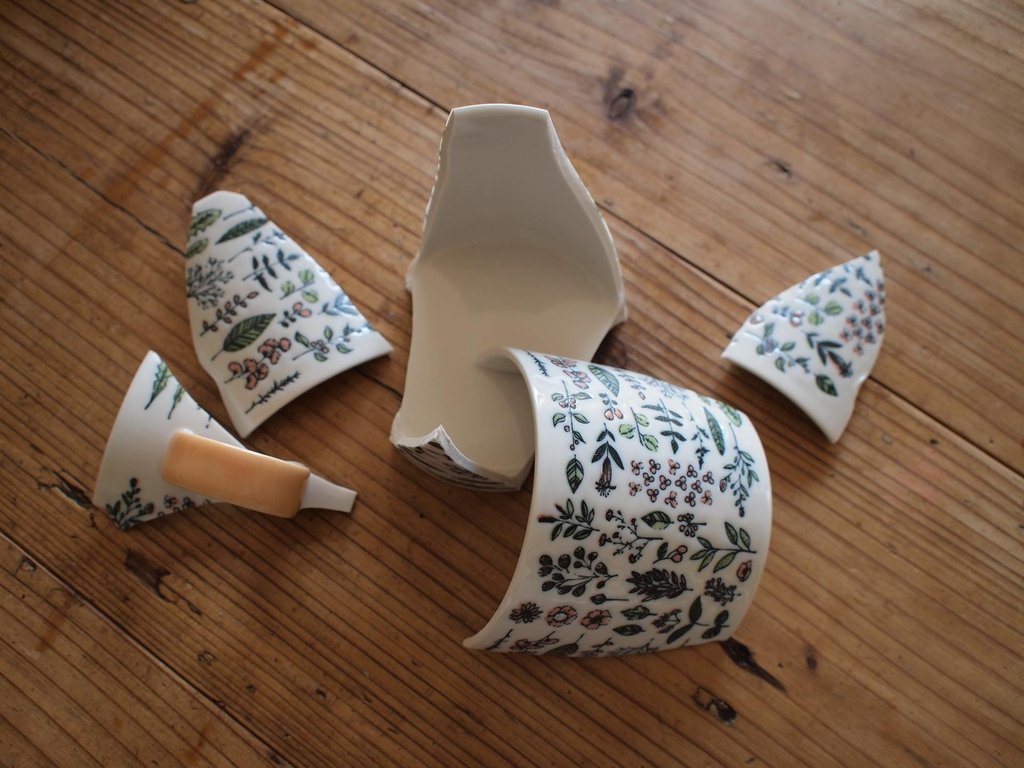
Kintsugi is not a repair that can be completed in a day. It is a craft that can take weeks to months, with repeated cycles of curing and polishing urushi. The process consists of several distinct stages: bonding fragments, filling chips, applying intermediate coats, sprinkling gold powder, and polishing the finished repair.
Understanding how much time and skill go into the process also helps explain the cost of professional kintsugi and the differences between traditional methods and simplified repair kits.
1. Bonding the Fragments Back into Shape with Urushi
The first step returns each fragment to its original position and bonds it with urushi. The adhesive is mugi-urushi, made by kneading wheat flour into raw urushi. Natural urushi can be softened with heat and humidity even after it hardens, so the work can be undone and redone if the vessel ever needs repair again.
How the work proceeds depends on the condition of the piece.
- A vessel with cracks only: mugi-urushi goes thinly into the fissure to secure it from within
- A vessel that has broken apart: mugi-urushi goes onto the broken edges, and tape holds the pieces in position
- A vessel shattered into small pieces: the artisan surveys the whole like a puzzle and plans the order of assembly
With a complicated break, the artisan bonds a few fragments at a time and waits for the urushi to cure, repeating the cycle over many days. The smallest misalignment shows up directly in the beauty of the finished line, so this first step sets the precision of the entire repair.
2. Filling Chips with Urushi Putty and Sanding Them Down
Once the fragments have been bonded, urushi putty fills the missing areas and gradually restores the vessel’s original shape. This is often the longest stage of the process, taking several weeks or more, and the filling is typically done in two stages:
- Kokuso-urushi: a putty of wood powder and cotton fiber mixed into raw urushi. It roughly fills deep losses and cures all the way through
- Sabi-urushi: fine stone powder kneaded with raw urushi. It fills minute unevenness and smooths the surface
Filling a deep loss with sabi-urushi in a single application can leave the surface hard while the interior remains wet, increasing the risk of cracking. Urushi cures by drawing moisture from the air, so a thick layer can prevent sufficient moisture from reaching the center.
The cycle of filling, curing, and sanding repeats many times. Unlike a simplified kit that finishes in a single coat, this layered approach builds the strength and smoothness a vessel needs to serve food again.
3. Building Up Intermediate Coats to Level the Seam
The intermediate coating stage is the most delicate part of kintsugi and decides how the finished piece looks. Thin urushi goes onto the seam, and after it cures, wet sanding removes the unevenness. Repeating that brings the surface almost perfectly flat. Sprinkling gold powder while a slight step or dip remains keeps it from settling evenly, ruining the beauty of the line.
Artisans concentrate on a few points in particular.
- Keeping each urushi coat about the thickness of a single hair, so the ground layer stays covered
- Running a fingertip along the seam to catch minute irregularities the eye cannot see
- Adjusting the number of coating and sanding rounds, layering three times or more for smoothness
Simplified kits skip this stage, which is why their lines tend to vary in thickness, while artisans repeat the coating and sanding by feel until a single, evenly gleaming line appears.
4. Sprinkling the Gold Powder and Polishing
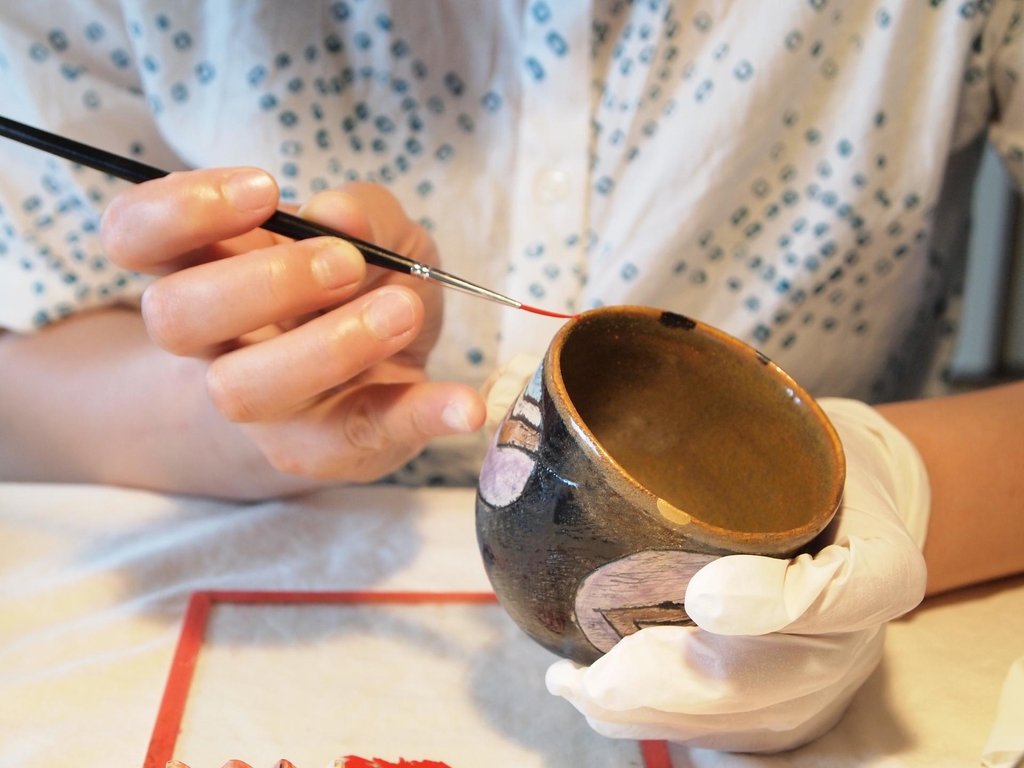
The star of the finish is a fine line of red urushi, bengara-urushi, drawn along the seam. The artisan sprinkles gold powder while the red urushi still holds a slight tack: too early and the powder sinks in, too late and it will not adhere. A few seconds of judgment decide the beauty of the line.
Once the powder has settled, a step called funagatame soaks diluted raw urushi into it to secure durability. Polishing with agate stone or silk floss at the end gives the line a soft, moist luster and breathes new life into the vessel. The bonding and filling groundwork takes weeks. Hands-on workshops generally cover only this finishing portion, in one to two hours.
Beyond gold powder, you can choose other finishes, including the calmer tones of gintsugi and the restrained look of suzutsugi. Changing the metal powder alone shifts the character of a vessel considerably, so you have room to choose the finish you like.
Tips: Holding Temperature and Humidity Steady So the Urushi Cures
Urushi does not “dry.” It hardens through a chemical reaction that requires a humid environment, around 80% humidity and roughly 25°C (77°F). Artisan studios keep a humidity-controlled box called an urushi-buro and place vessels inside between steps to wait out the curing. Because every stage involves waiting, even a simple break takes more than two months to complete. That accumulation of waiting sits behind the cost of kintsugi.
The same environmental control is what makes DIY kintsugi at home difficult, since humidity drops during the Japanese winter and keeping indoor conditions stable is no small task. Building your own urushi-buro and fine-tuning temperature and humidity call for specialist experience.
If genuine urushi is not a priority, a simplified kit based on synthetic resin is a realistic option. It needs no special environment, so you can work at your own table without much fuss.
Four Ways to Try Kintsugi, in Japan or at Home
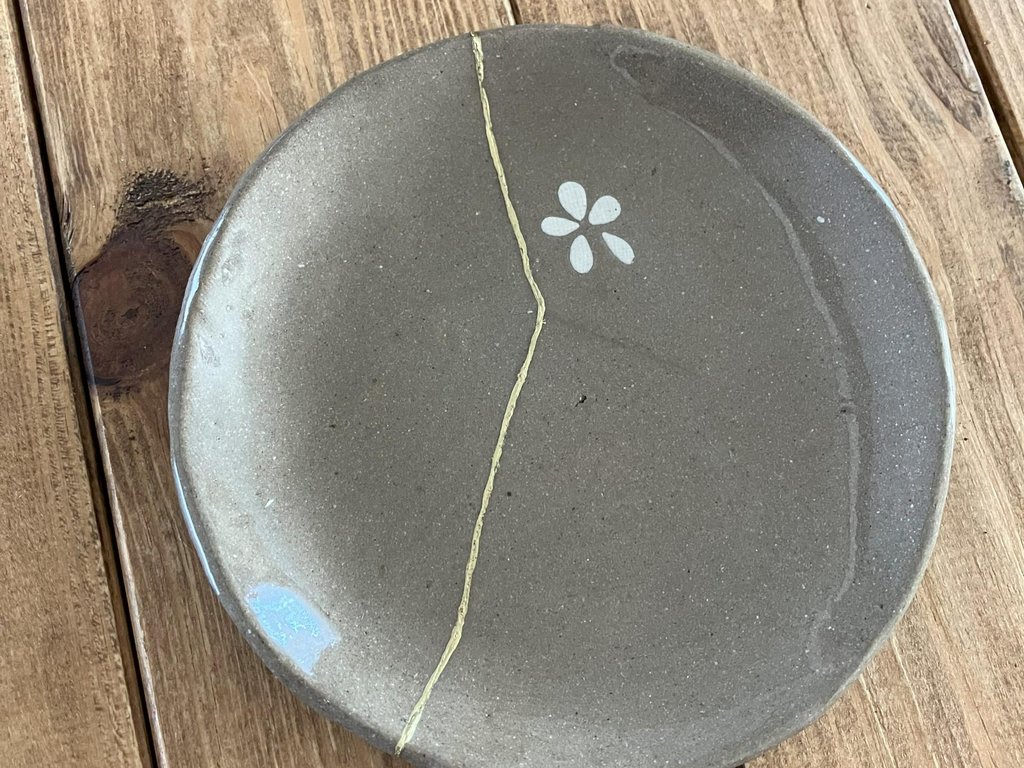
Learning how kintsugi works and what lies behind it tends to make people want to try it. You can choose from several routes: short workshops that take you through to a finished piece, commissioning an artisan for a repair, classes that teach the full process in genuine urushi, and DIY kits you can work with at home.
Each differs in the time and cost involved and in how much of the process you experience, so match the route to your purpose: a light activity during a trip, or a deeper study after you return home.
Hands-On Workshops: Finish the Gold Powder Stage in One to Two Hours
A session of an hour or two fits the limited time of a trip. The vessels arrive with the groundwork already done, so participants can focus on the finishing step of sprinkling the gold powder.
These workshops use fast-setting synthetic materials, so you don’t have to wait for urushi to cure, and you can take your finished piece home the same day. Vessels made with synthetic materials aren’t suited for serving food, so enjoy them as decor or a souvenir of the trip instead. Gold powder falls from the brush tip and turns the vessel’s damage into a line of shine.
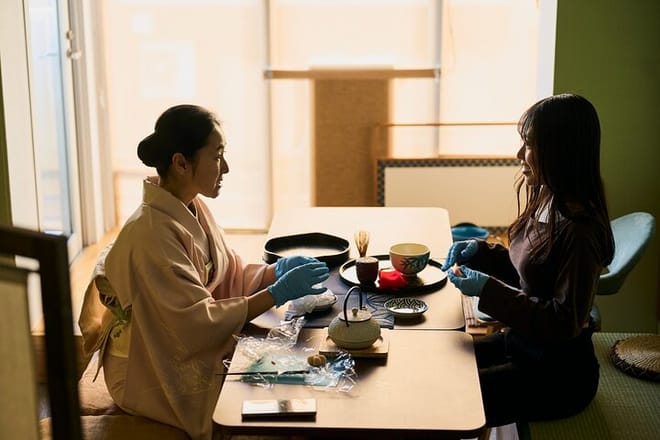
Tokyo now has a growing number of studios that operate in English. The kintsugi workshop in Shinjuku run by Japan Guide Star accepts participants from age six and allows free cancellation up to 24 hours in advance, which suits travelers whose plans tend to shift.
Details
| Address | Chopsticks Studio Shinjuku, 8F Higashi Building, 1-5-4 Kabukicho, Shinjuku-ku, Tokyo |
| Duration | About 1 hour 30 min. |
| Group size | Up to 15 participants |
| Included in the price | Materials, instruction, and your finished piece to take home |
| Booking | https://japanguidestar.com/tour/tokyo-japanese-gold-repair-kintsugi-workshop-in-shinjuku/ |
| Best for | Visitors to Japan, families with children, and anyone who wants a short cultural experience |
Tokyo: Japanese Gold Repair Kintsugi Workshop in Shinjuku
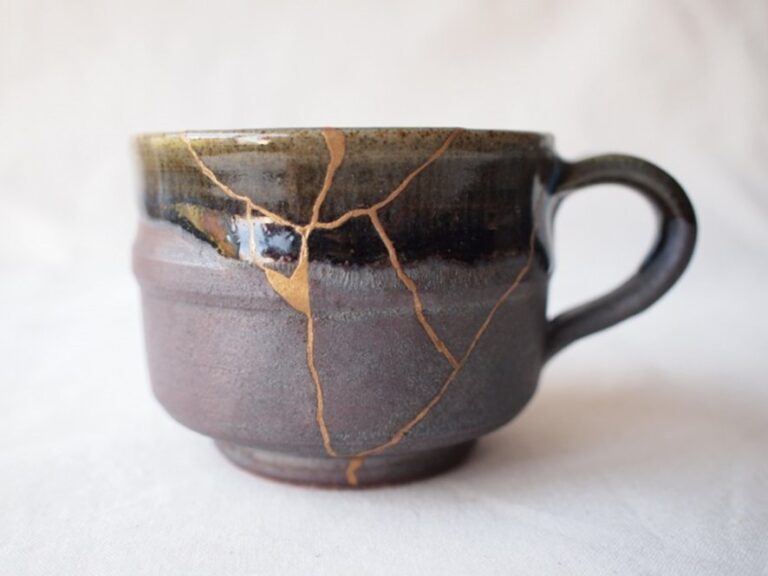
Commissioning an Artisan: Have Your Own Vessel Repaired in Genuine Urushi
If you want a treasured vessel brought back reliably, commissioning an artisan is the most dependable route. Repair in genuine urushi uses natural materials only, so the piece can safely return to use as tableware. Curing urushi requires waiting time in a humid environment, and completion typically takes three to six months.
Anyone living outside Japan who commissions a Japanese studio should weigh a few practical hurdles first.
- International shipping both ways can cost more than the vessel is worth
- Customs duties and import consumption tax may apply on receipt
- Natural urushi falls under plant quarantine or import restrictions in some countries
When choosing a studio, look for photographs of past repairs, an estimate of turnaround time, and experience with overseas shipping. Opening the careful packaging months later to find a beautifully repaired vessel brings a satisfaction that can outweigh the wait.
Classes and Courses: Learn the Full Urushi Process over Several Months
To master every step of kintsugi in genuine urushi, a class you attend over several months is the best fit. The curriculum moves in stages from bonding through to sprinkling gold powder, and the waiting time for urushi to cure gives you a feel close to real practice. Completion takes roughly three to six months, which suits people staying in Japan long term.
Online courses have expanded the options in recent years. You work at home and receive feedback through video and remote instruction, which eases the constraints of time and place.
- In-person classes: watch the instructor’s hands up close and learn urushi application directly
- Online classes: continue after you return home and move through the steps at your own pace
- Combined route: take a hands-on workshop first, then move on to a course, and you get a feel for the material before you commit
DIY Kits: Try the Whole Process at Home
If you want to keep practicing kintsugi at home after your trip, a DIY kit makes an accessible starting point. Kits fall into two broad types, so choose based on your skill level and your working environment.
| Item | Natural urushi type | Synthetic material type |
|---|---|---|
| Curing time | Several weeks to several months | Several hours to one day |
| Ease of use | Requires temperature and humidity control | No special environment needed |
| Finished texture | Deep, rich luster | Convenient, though slightly artificial |
| Use as tableware | Generally safe once cured | Not recommended for anything touching the mouth |
Working with natural urushi calls for safety precautions. Urushi contains urushiol, a compound also found in poison ivy and its relatives, and skin contact can cause a rash. Wear rubber gloves and long sleeves, and keep the area well ventilated.
If this is your first attempt at kintsugi, one option is to learn the basic steps with an easier synthetic kit, which makes each stage easier to picture when you move on to genuine urushi later.
Common Questions About Kintsugi

Questions about kintsugi tend to cover the same ground: cultural background, food safety, and the cost of a repair.
Is Kintsugi Practiced Only in Japan?
Kintsugi developed in Japan on its own terms. Repair traditions around the world, including Chinese kasugai staples and European riveting, share the goal of making the mend as inconspicuous as possible.
What makes kintsugi fundamentally different is that it shows the seam deliberately, as a line of gold. The wabi-sabi philosophy of finding beauty in imperfection raised the scar into decoration. The technology for processing urushi from trees native to the Japanese islands, combined with the aesthetics of chanoyu, is one reason kintsugi took root in Japan.
How Does Kintsugi Differ from Gintsugi?
The basic process is identical. The only difference lies in the metal powder sprinkled at the end, and a piece finished with silver powder is called gintsugi.
Silver powder has one distinctive trait: it oxidizes and shifts in color over time. It starts out bright silver and moves toward a calm gray with use, giving you the pleasure of watching a piece age.
- On pale vessels, a line of gold stands out and creates a bright, striking effect
- On deep blue or black vessels, the quiet sheen of silver blends in more easily
Asking whether a workshop offers gintsugi can widen your options.
Can You Eat from a Vessel Repaired with Kintsugi?
A vessel finished in natural urushi is generally safe to use as tableware. Japan has used urushi as a coating for eating vessels since ancient times. Once cured, it poses little risk in contact with the mouth.
Vessels repaired with the synthetic resin common in off-the-shelf kits call for caution. If you cannot confirm that the material meets safety standards, enjoying the piece as decoration is the safer choice.
To keep a genuine urushi piece in good condition, avoid the following:
- Microwaves and dishwashers: temperature changes and strong water pressure can damage the urushi coating
- Bleach and long soaking: these can deteriorate the coating and weaken the repaired areas
With gentle hand washing and appropriate care, a vessel repaired with genuine urushi can remain usable at the table for many years.
Is Kintsugi Repair Expensive?
Repair in genuine urushi ranges from a few thousand yen to several tens of thousands of yen (roughly $20 to $300), and the price reflects both the waiting time for urushi to cure at each stage and the labor of the artisan.
The main factors behind the cost include:
- Type of damage: cracks, chips, and breaks generally require progressively more work
- Number of fragments: more pieces mean more rounds of bonding, filling, and sanding
- Metal powder used: gold powder is the most expensive option, while silver or brass can keep the cost lower
If you are considering a commission, send photographs of the vessel through the studio’s website and request a quote. Describe the damage as clearly as possible, and the studio can provide an estimated price and timeline.
What Other Japanese Cultural Experiences Are Similar to Kintsugi?
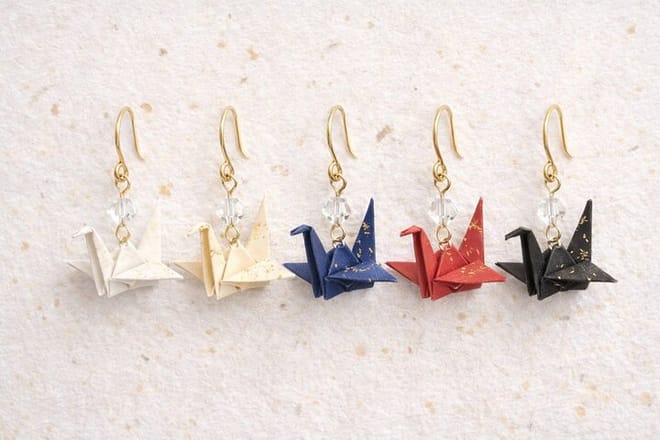
For anyone who wants to try more Japanese craftsmanship alongside kintsugi, you will find workshops in chopstick making, calligraphy, and origami jewelry. All of them run in the Shinjuku area, so half a day is enough to combine several.
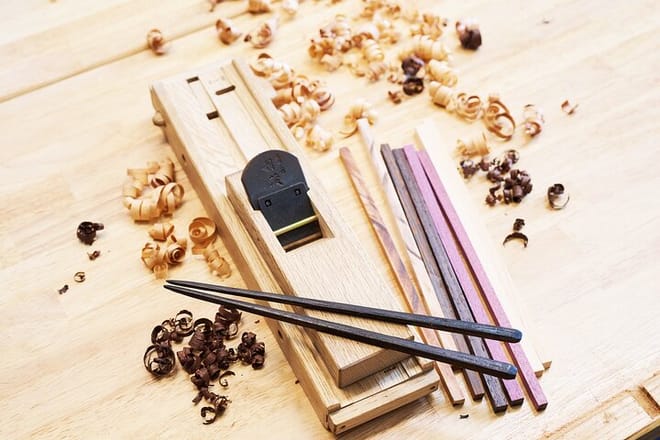
In the chopstick-making workshop, you shave wood into your own pair in about an hour, and carving wood is a different kind of handwork from kintsugi. You take the finished pair home, which makes for a practical souvenir.
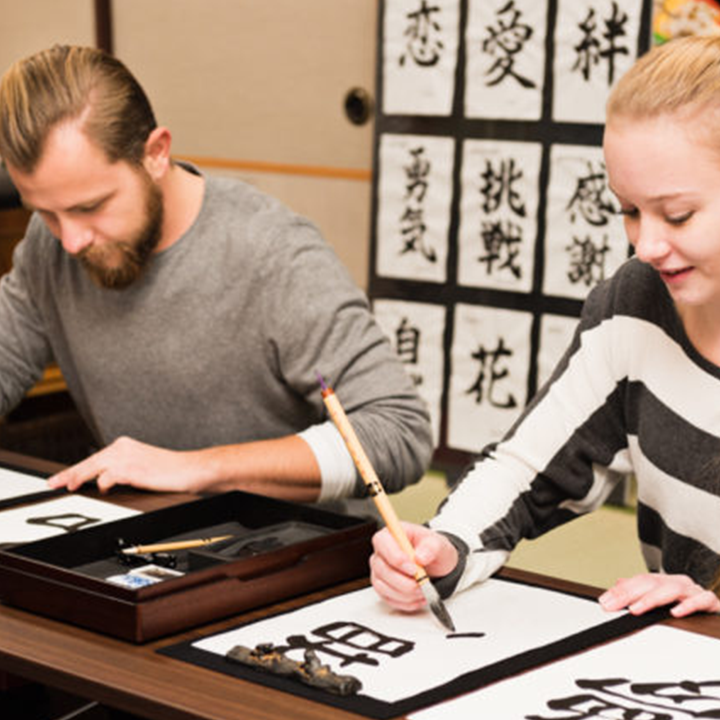
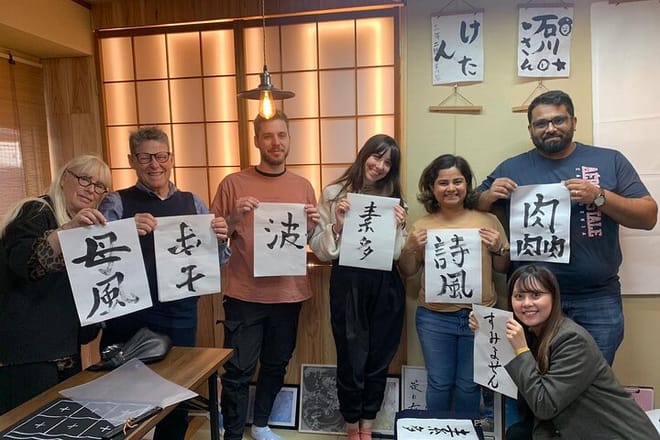
In the calligraphy session, you write your own name in kanji (the Chinese-derived characters used in Japanese writing) and turn the characters into a T-shirt. Brush and ink give you a feel for Japanese calligraphy. You leave with the finished piece.
You can book both through the Japan Guide Star official site.
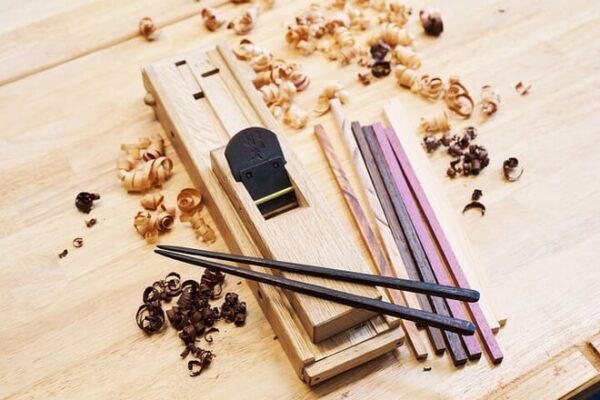
Tokyo Chopstick Making Workshop in Shinjuku
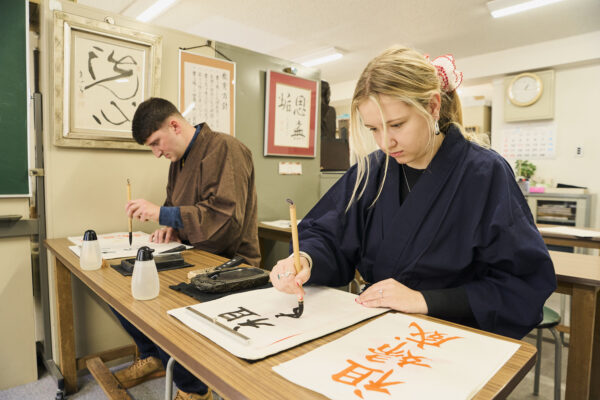
Tokyo: Calligraphy Workshop & Original T-Shirt Creation
You’ll begin by exploring the fascinating history of kanji and its evolution
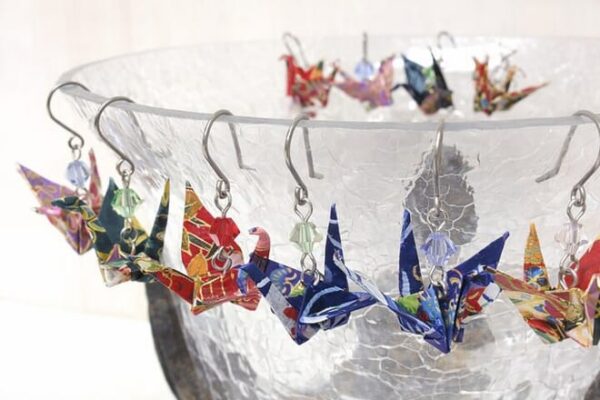
Tokyo: Create Your Own Handmade Origami Jewelry
Discover the beauty of traditional Japanese craftsmanship in this hands-on origami workshop.
Kintsugi Turns Damage into Part of a Vessel’s Story
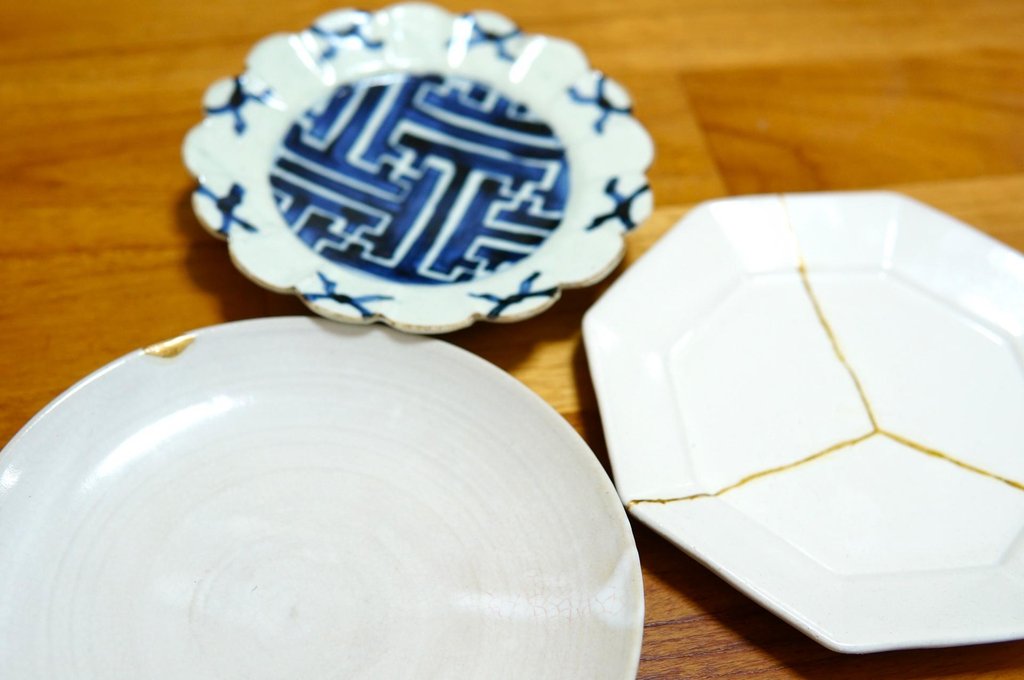
Kintsugi is a traditional Japanese technique that repairs broken or chipped vessels with urushi and decorates the marks with gold powder. Its appeal lies in treating damage as part of the history a vessel has lived through.
A hands-on workshop of one to two hours covers the gold powder stage while you are in Japan. Repairing a vessel with your own hands, using urushi and gold powder, puts you in touch with both the technique and the aesthetic sensibility behind it.