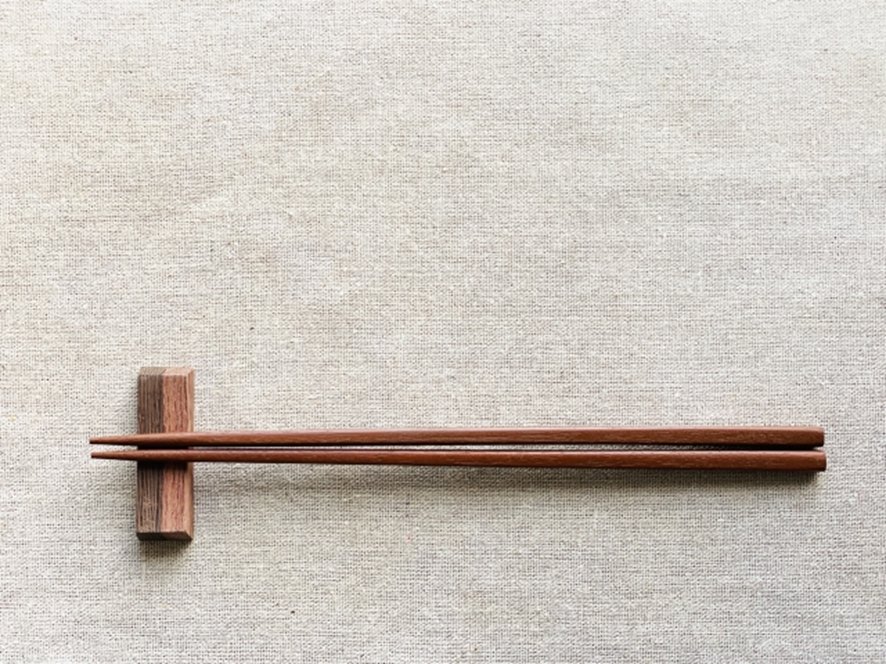
Which Japanese chopsticks should you buy as a souvenir or for everyday use? China and Korea also have long-standing chopstick traditions, but Japanese chopsticks have their own distinctive features, including slim, pointed tips, as well as differences in length, materials, and finishes. Without knowing what to look for, you might choose a pair that does not fit your hand or find them difficult to care for once you return home.
In this article, you will learn what makes Japanese chopsticks unique and how they differ from those used in other countries. You will also discover how to choose a pair that suits you based on four factors: length, wood type, finish, and where to buy them. Finally, you will find workshops in Tokyo and Kyoto where you can make your own chopsticks.
What Makes Japanese Chopsticks Unique
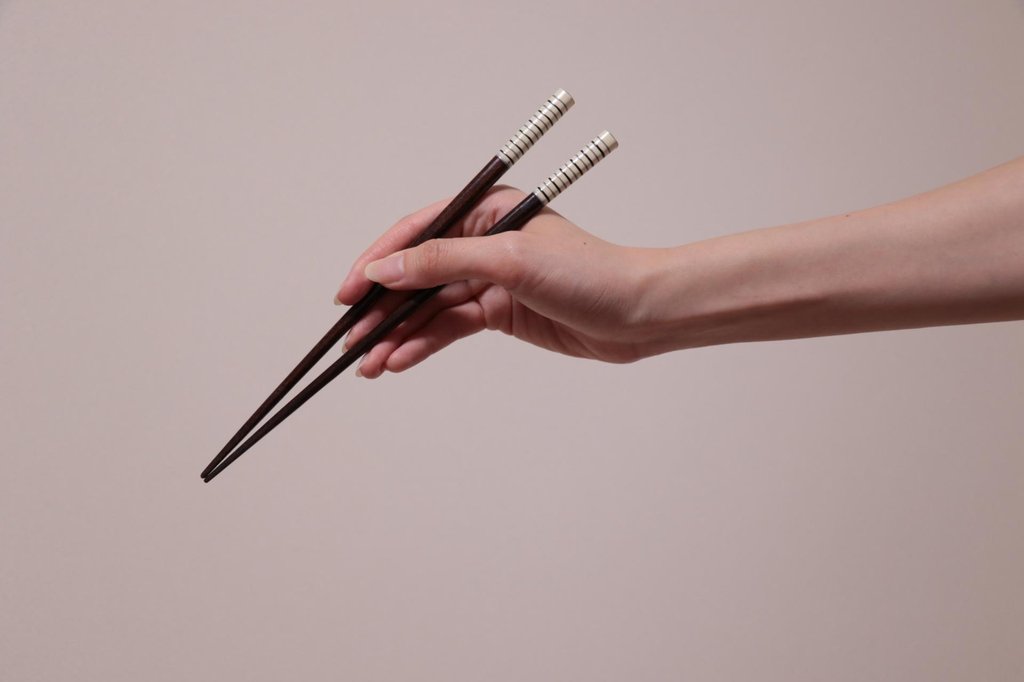
The shape and size of Japanese chopsticks have evolved to suit Japanese dining customs. In this section, you will learn about three key features to look for when comparing chopsticks in a store: tip shape, typical lengths for adults and children, and the different types of chopsticks based on their materials and intended use.
Thin Tips Make It Easy to Pick Up Small Foods
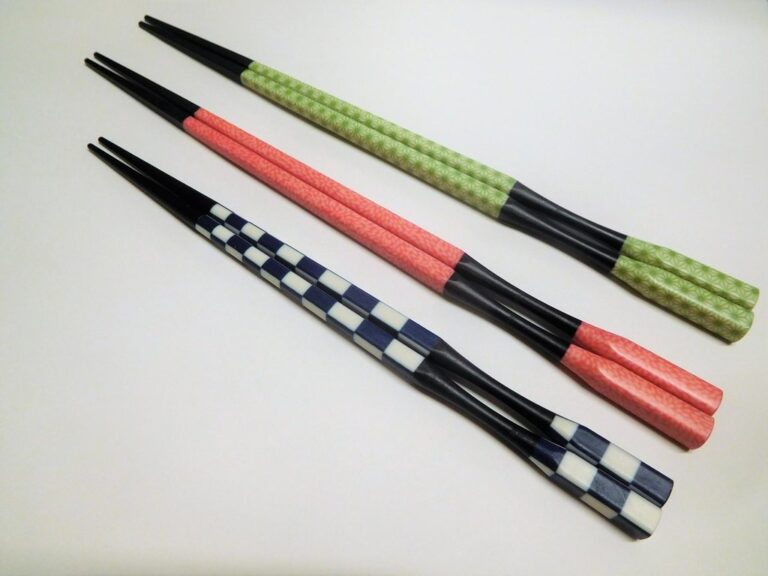
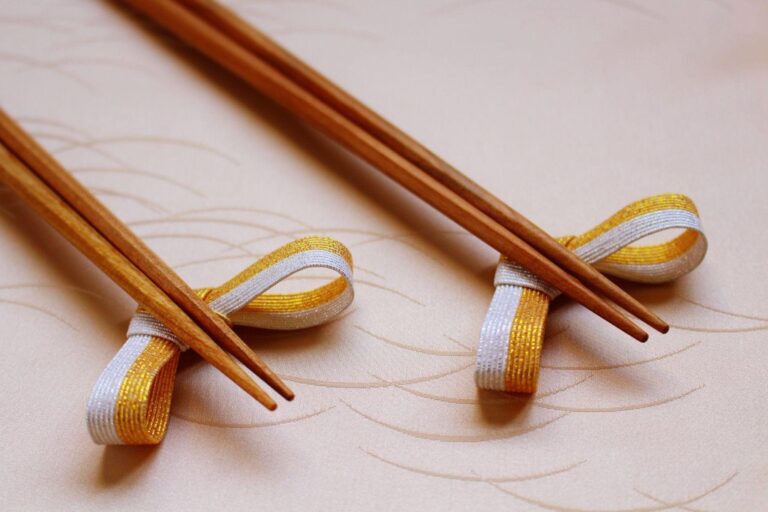
Japanese chopsticks gradually taper from the handle toward the tip, ending in a fine point. This shape makes precise movements easier, whether you are picking the flesh of grilled fish off the bones, picking up individual beans, or wrapping rice in a sheet of seaweed to bring it to your mouth.
In Japan, spoons are used less frequently during traditional meals, and it is common to lift a soup bowl and sip directly from it. Since chopsticks are used for much of the meal, their tapered shape is well suited to tasks that require precision. When you gently separate the white flesh of grilled fish from the skin and bones, you can appreciate how easily the fine tips reach small, delicate pieces.
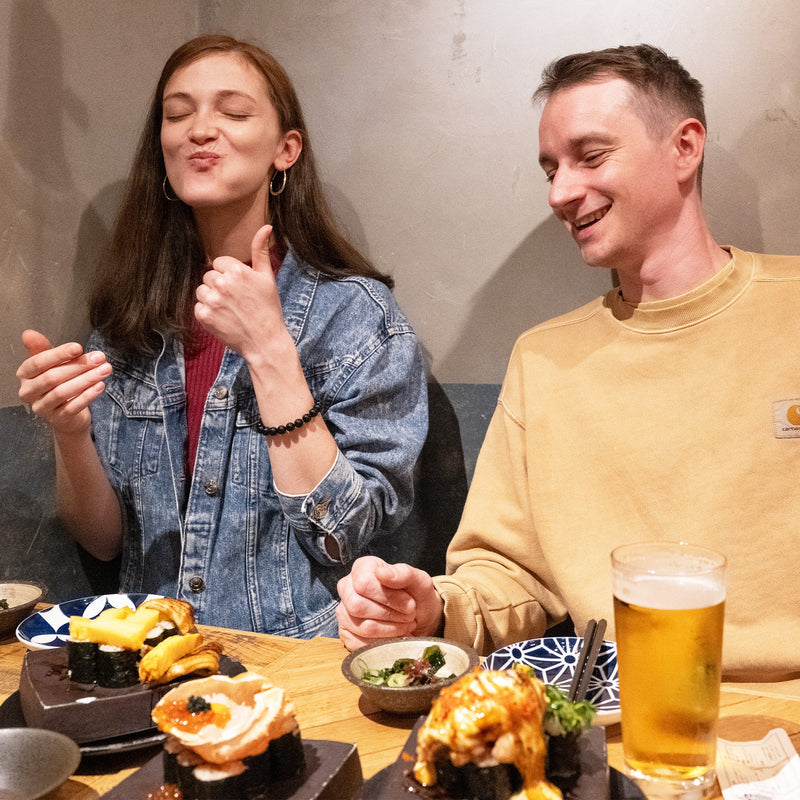
However, the narrow tips may provide less grip on slippery foods, such as noodles or sashimi. If you find these foods difficult to pick up, consider chopsticks with a non-slip finish, featuring fine grooves or a textured surface near the tips. These features can help you grip food more securely. To try Japanese dishes that lend themselves to the precision of Japanese chopsticks, consider joining one of Japan Guide Star’s food tours, where an English-speaking guide takes you to local eateries.
Adult Chopsticks Are About 21 to 23 cm Long, and Children’s Are Shorter
Most Japanese chopsticks for everyday use are around 21–23 cm (8.3–9.1 in) long for adults. As a general guideline, men’s chopsticks are about 22.5 cm (8.9 in) long, while women’s are about 21 cm (8.3 in). Stores often display them separately by length.
Children’s chopsticks are shorter, with recommended lengths varying by age and hand size. If you are choosing chopsticks as souvenirs for your family, use the following guide:
| Approximate age | Chopstick length |
|---|---|
| 2–3 years | 13–14 cm (about 5.1–5.5 in) |
| 4–5 years | 15–16 cm (about 5.9–6.3 in) |
| 6–8 years | 17–18 cm (about 6.7–7.1 in) |
| 9 years and older | 19–21 cm (about 7.5–8.3 in) |
Because children’s hand sizes vary even among those of the same age, measuring the child’s hand is the most reliable way to find a comfortable length. For instructions on how to calculate the ideal length based on hand size, see the “Length: Choose Based on Your Hand Size” section later in this article.
There Are Many Types Based on Use and Material
Japanese chopsticks come in many varieties, depending on their materials, finish, and intended use. Knowing the main types can help you narrow down your choices, even when a specialty store displays hundreds of designs.
There are three main types based on material and finish:
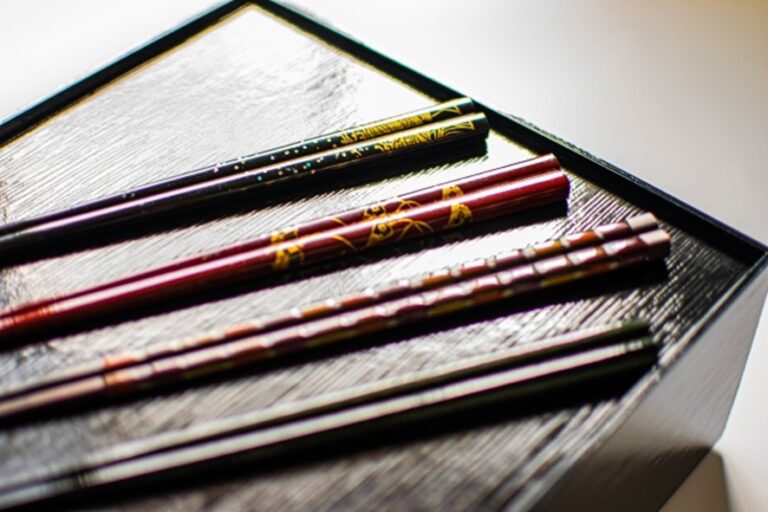
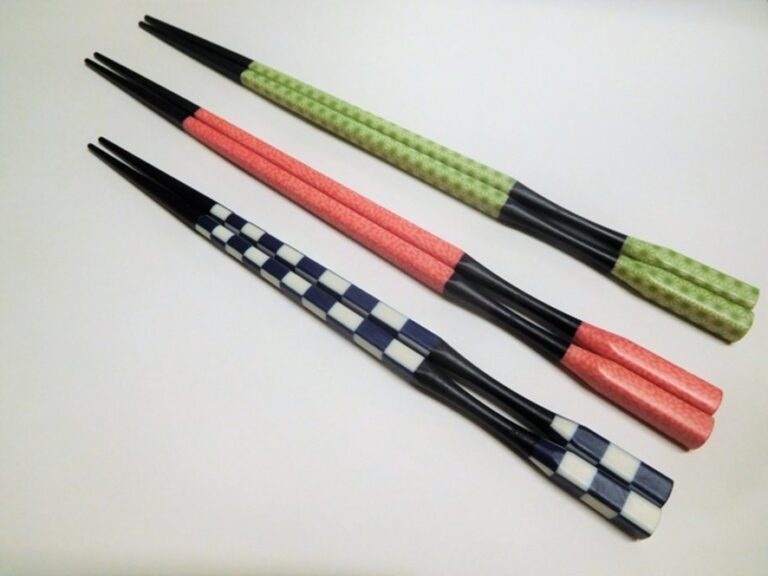
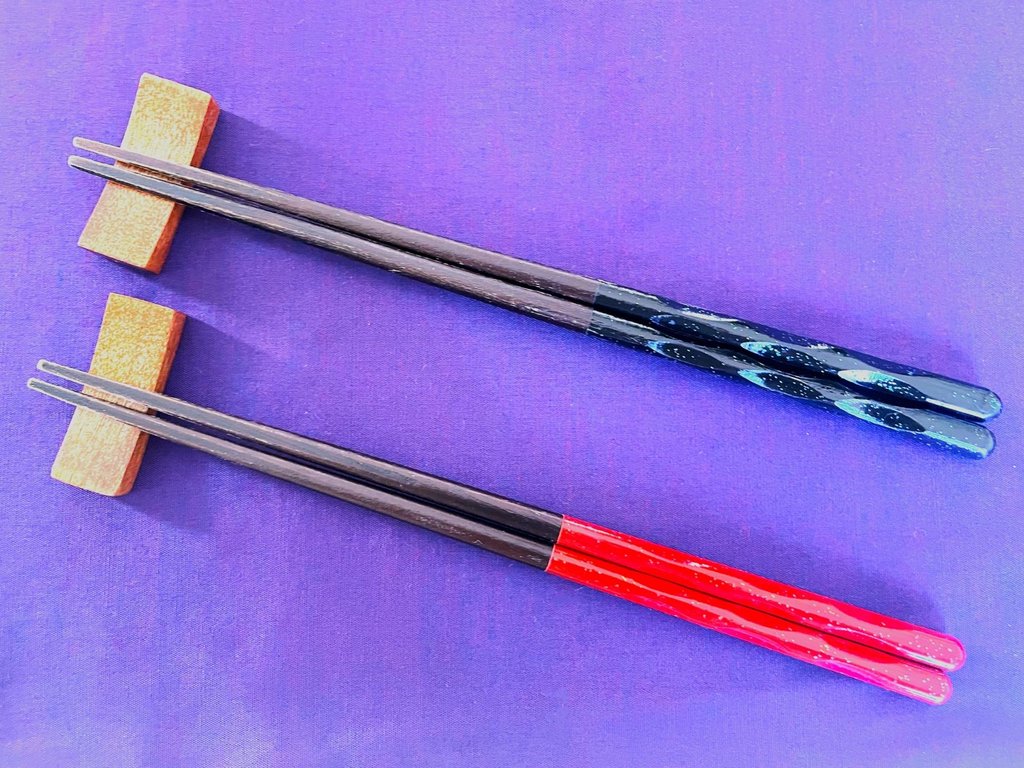
- Lacquered chopsticks: Wooden chopsticks coated with lacquer, a natural finish made from the sap of the lacquer tree. They often have a glossy sheen and can be durable when properly made and cared for.
- Bamboo chopsticks: Chopsticks made from bamboo. They are lightweight and have a slight natural flexibility, making them comfortable to handle.
- Unfinished wooden chopsticks: Wooden chopsticks with no surface coating. They let you appreciate the wood’s natural color, texture, and scent.
Other types are designed for specific occasions or tasks:
- Willow chopsticks: Traditionally used for celebratory occasions, including New Year’s. Willow wood is valued for its flexibility, and these chopsticks are associated with good fortune.
- Disposable chopsticks: Single-use chopsticks commonly made from wood such as Japanese cedar or Japanese cypress. Many are supplied joined together and are split apart before use.
- Cooking chopsticks: Longer than table chopsticks, these are used for food preparation and cooking. Their extra length helps keep your hands farther from hot pots and splattering oil.
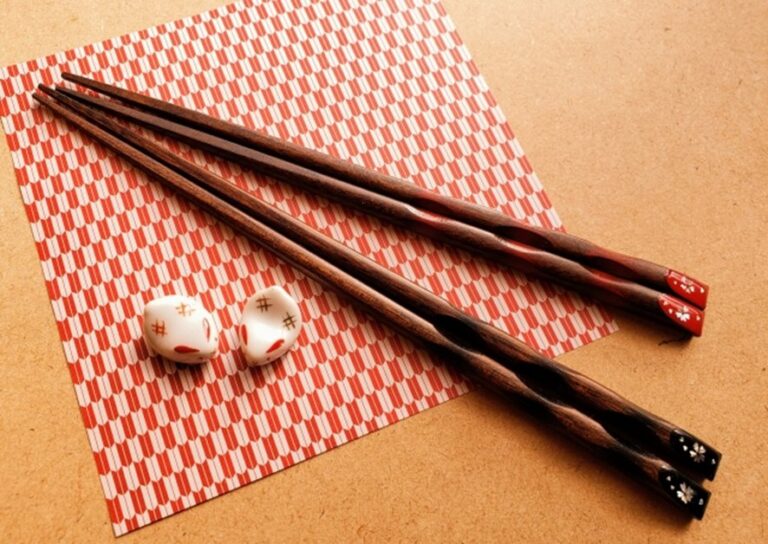
Lacquered and unfinished wooden chopsticks are popular souvenir choices and can also be used for everyday meals. Some lacquered designs feature decorative patterns made with materials such as seashell or eggshell inlaid into the lacquer. These details can catch the light differently, giving the patterns a subtle changing appearance.
How Japanese Chopsticks Differ from Chinese and Korean Chopsticks
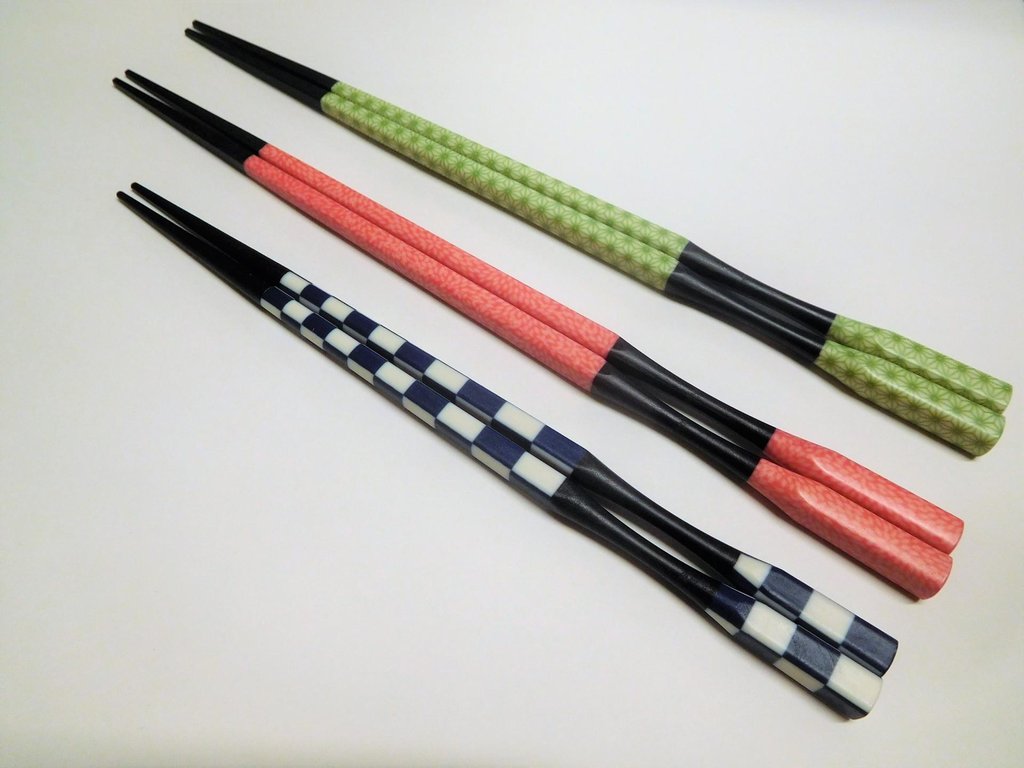
Chopsticks are used in many East Asian countries, but their shape, length, and materials vary by country. The table below compares chopsticks from Japan, China, and Korea across three key features:
| Country | Tip shape | Length | Main materials |
|---|---|---|---|
| Japan | Thin and pointed | Around 21–23 cm (about 8.3–9.1 in) for adults | Mostly wood and bamboo |
| China | Often rounded | Tend to be the longest of the three | Bamboo and wood, plus many made of fiberglass-reinforced resin or stainless steel |
| Korea | Often flat | Between Japanese and Chinese chopsticks | Stainless steel and other metals |
Chinese chopsticks are generally longer, a design often associated with the tradition of placing shared dishes on large platters in the center of the table. In Korea, metal tableware has a long history, and flat metal chopsticks are commonly used alongside a spoon.
Japanese dining traditions, by contrast, often involve serving food in individual dishes. Chopsticks are also used for delicate tasks, such as separating the flesh of grilled fish from the bones or picking up small beans. Japanese chopsticks are therefore often shorter, with slender, tapered tips, and are commonly made from wood or bamboo. Compared with the longer chopsticks with blunt, rounded tips often found in Chinese restaurants, their fine tips are well suited to handling small pieces of food.
How to Choose Japanese Chopsticks
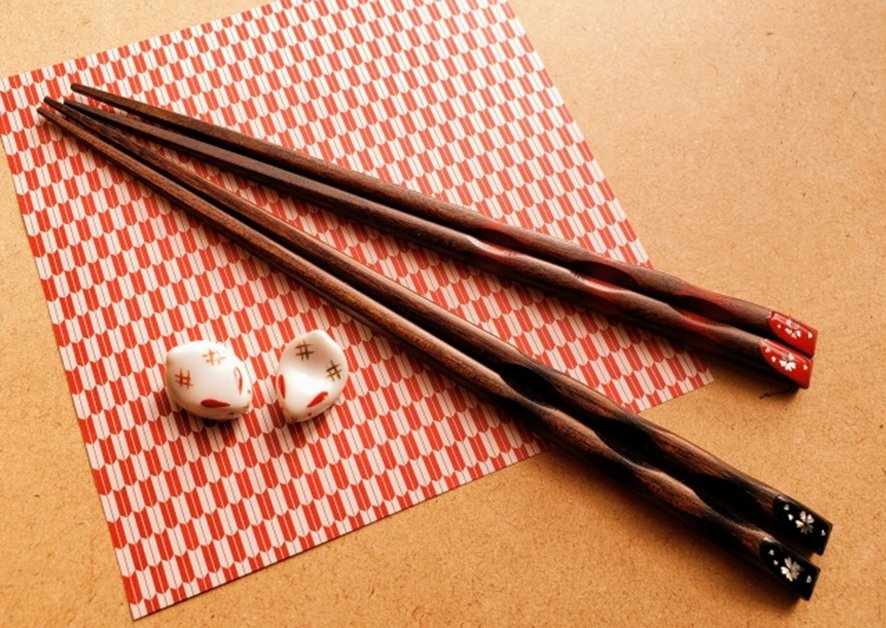
Now that you know what makes Japanese chopsticks distinctive, it is time to find a pair that suits you. This section covers four things to consider when choosing chopsticks: length, wood type, finish, and where to buy them.
Length: Choose Based on Your Hand Size
Choosing chopsticks based on your hand size can help you find a comfortable fit. Spread your thumb and index finger at a right angle, then measure the distance between their tips. A chopstick length equal to about one and a half times this distance is a common guideline in Japan. This measurement is known as hitoata-han, meaning “one and a half spans,” and is based on the traditional practice of using the hand as a unit of measurement.
For example, if the distance between your fingertips is 15 cm (5.9 in), the recommended chopstick length is about 22.5 cm (8.9 in). However, chopsticks within about 2 cm (0.8 in) of this guideline may still feel comfortable. If you cannot find a pair of exactly the recommended length, you can choose a similar size based on your preferred wood type or color. If you are buying a gift and do not know the recipient’s hand size, chopsticks around 22.5 cm (8.9 in) for men or 21 cm (8.3 in) for women are common starting points.
Wood: Choose by Your Preferred Color and Hardness
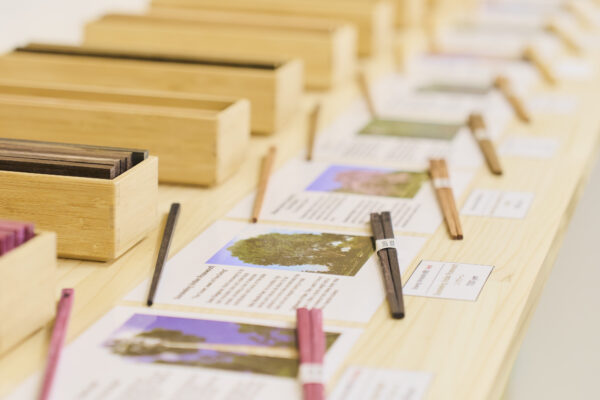
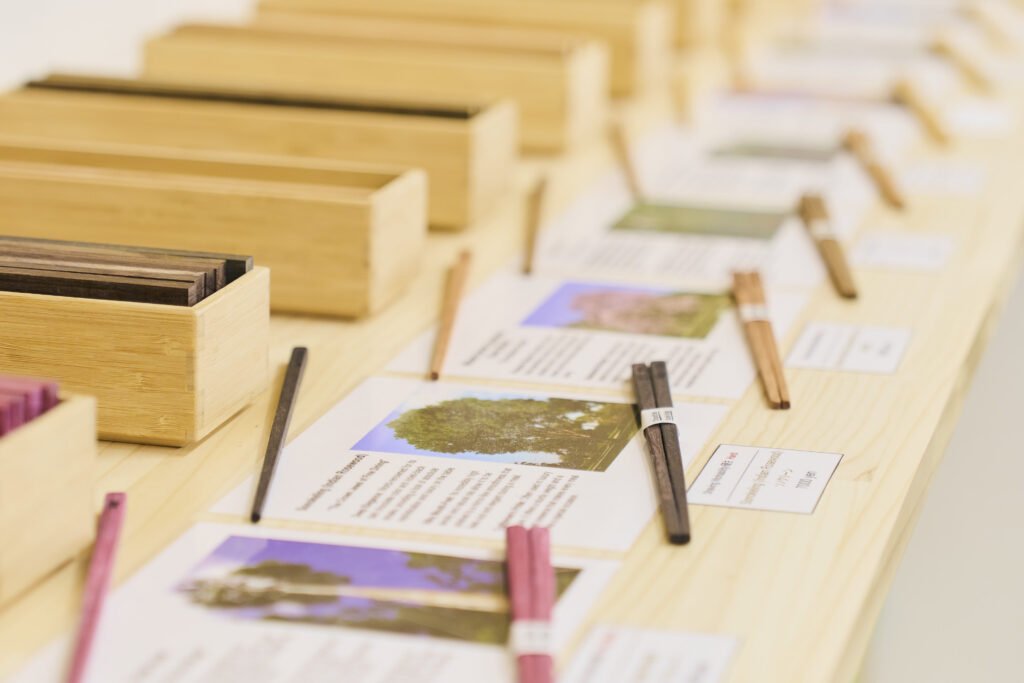
With wooden chopsticks, the color, hardness, weight, and scent vary depending on the type of wood. Even chopsticks of the same length can feel quite different in weight and look distinct on the table. Choose a pair that you will enjoy using every day.
Everyday chopsticks are often made from dense, durable woods, including ironwood and other hardwoods. Harder woods tend to resist wear at the tips and retain their shape with regular use and proper care. Chestnut, with its understated color, and Japanese zelkova, known for its distinctive grain, are also popular choices.
Premium chopsticks are sometimes made from dense, dark woods such as ebony and rosewood. Ebony is typically deep black, while rosewood can range from reddish brown to darker shades. These woods often have a substantial feel in the hand and can make elegant gifts for special occasions.
Finish: Choose Based on the Care Required
Choosing a finish based on how you plan to wash your chopsticks can help you avoid maintenance issues. If you choose a pair based on appearance alone, you may find that its care requirements do not suit your routine, especially if you regularly use a dishwasher.
Lacquered chopsticks can last for years with proper care. Wash them by hand using mild dish soap and a soft sponge, then wipe them dry with a clean cloth. As a general rule, avoid putting them in a dishwasher, dish dryer, or microwave, as heat and temperature changes can damage the lacquer or the wood beneath it.
Wooden chopsticks finished with plant-based oil let you feel the natural texture of the wood. However, they may absorb more moisture than coated chopsticks, so wipe them dry promptly after washing and allow them to dry thoroughly in a well-ventilated area. If the surface becomes dry and whitish over time, apply a thin coat of perilla seed oil or linseed oil with a cloth to restore the smooth texture.
If you regularly use a dishwasher, resin-coated chopsticks specifically labeled as dishwasher-safe may be a more practical choice.
Where to Buy: Choose at a Specialty Chopstick Store
Japan has specialty chopstick stores that carry hundreds of styles, allowing you to pick up different pairs and compare their length, wood, and finish before making a choice. Some stores in tourist areas such as Asakusa in Tokyo also offer name engraving, making it easy to find a personalized pair for yourself or as a gift.
Chopsticks sold overseas as “Japanese” are not necessarily made in Japan. Country-of-origin labeling requirements vary by country and region, so the packaging alone may not always tell you where a pair was made. When shopping in Japan, you can ask the staff about the chopsticks’ place of manufacture and who made them before deciding which pair to buy.
You can also do more than shop for chopsticks in Japan. In Tokyo and Kyoto, some studios offer workshops where you select the wood, shape the chopsticks, and apply the finish yourself. At the studios introduced in the next section, you can create a pair tailored to your hand and take it home the same day.
Asakusa Premium Japanese Chopstick Making Workshop
Five Recommended Studios Where You Can Make Your Own Chopsticks in Japan

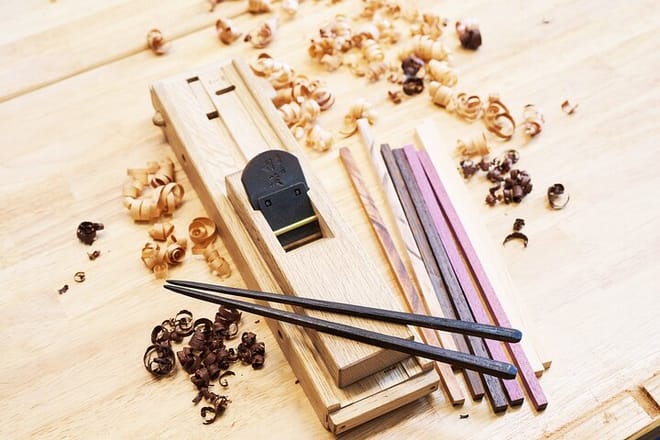
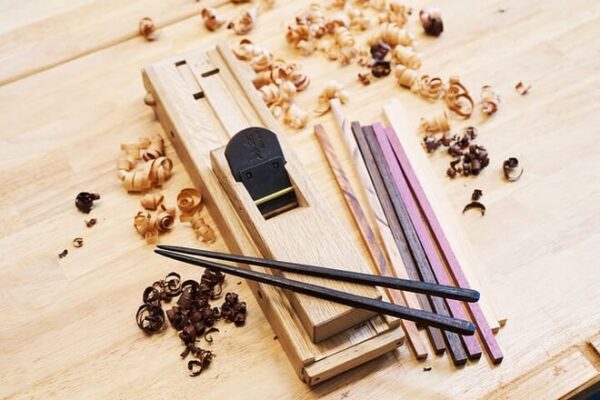
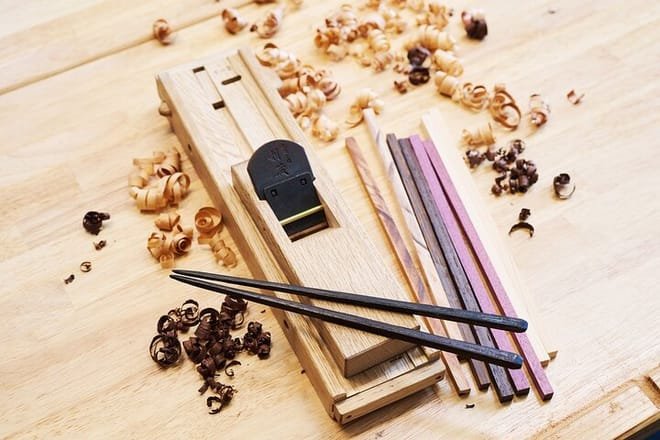
Now that you know how to choose chopsticks that suit you, why not make your own pair during your trip to Japan? At a chopstick-making workshop, you can compare woods with different colors and levels of hardness, then shape, sand, and finish the chopsticks yourself. With each stroke of the plane, the wood releases its natural scent, and a simple angular blank gradually takes shape in your hands. It is a hands-on experience that you cannot get simply by buying chopsticks in a store.
In this section, you will discover five studios in Tokyo and Kyoto. Each workshop takes about an hour and offers guidance in English, making it accessible even if you do not speak Japanese. Choose a studio that fits easily into your sightseeing itinerary. For more ideas, explore Japan Guide Star’s list of Japanese cultural activities.
Chopsticks Studio Shinjuku: A Four-Minute Walk from Shinjuku Station
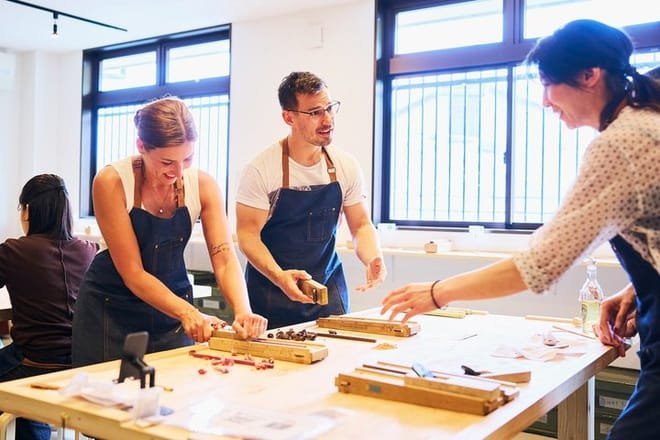
Japan Guide Star’s “Tokyo Chopstick Making Workshop in Shinjuku” takes place at Chopsticks Studio Shinjuku, on the eighth floor of a building about a four-minute walk from Shinjuku Station. The studio offers more than 10 types of wood, three of which are included in the workshop fee. You can choose one of these woods, then shape, sand, and finish your chopsticks yourself. Each type of wood differs in color, hardness, and how it feels to work with, allowing you to compare these characteristics as you create a pair to your liking.
The workshop takes about an hour, with sessions starting every 30 minutes from 9:00 am to 6:30 pm. This makes it easy to fit into your sightseeing itinerary between shopping and other activities. English-speaking staff guide you through each step, and free cancellation is available up to 24 hours before the workshop begins.
Many participants praise the staff for their clear, step-by-step explanations, the wide selection of wood, and the enjoyable experience for the whole family. Some plans also offer premium wood options or name engraving.
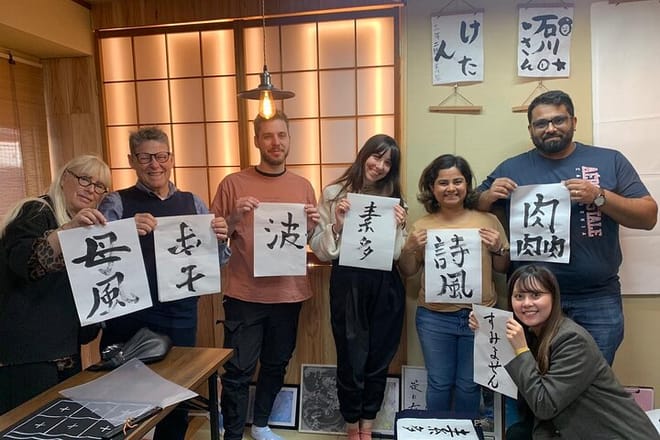
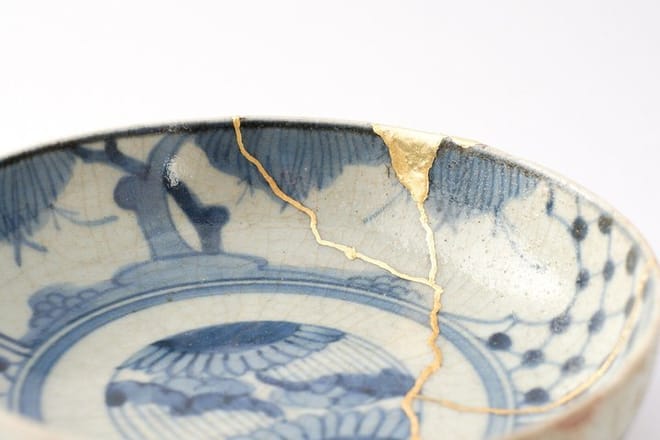
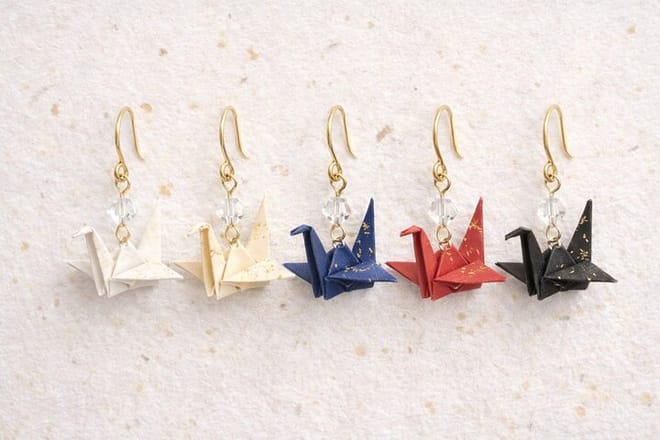
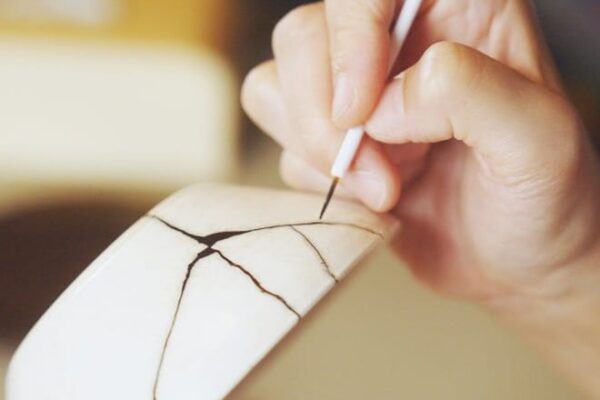
The same building also hosts workshops in calligraphy, kintsugi—the Japanese art of repairing broken pottery with lacquer and decorating the repaired areas with gold—and making accessories from origami. By booking another workshop before or after your chopstick-making session, you can experience several aspects of Japanese culture in a single day.
Details
| Meeting point | 8F, Dai-22 Higashi Building, 1-5-4 Kabukicho, Shinjuku-ku, Tokyo |
| Duration | About 1 hour |
| Price includes | Wood (1 of 3 types, from 10+ available), all tools, guidance from English-speaking staff, finished chopsticks to take home |
| Booking site | https://japanguidestar.com/tour/tokyo-shinjuku-chopstick-making-workshop/ |
| Recommended for | Travelers who want a workshop between Shinjuku sightseeing stops, those who want to combine it with other cultural activities such as calligraphy or kintsugi |
Tokyo Chopstick Making Workshop in Shinjuku
Tokyo: Japanese Gold Repair Kintsugi Workshop in Shinjuku
Chopsticks Studio Asakusa: A Five-Minute Walk from Asakusa Station
Japan Guide Star’s “Asakusa Premium Japanese Chopstick Making Workshop” takes place in Asakusa and lets you choose from a selection of premium woods at no additional charge. The package also includes laser name engraving and protective packaging, so you can personalize a pair made from your preferred wood and take it home neatly wrapped.
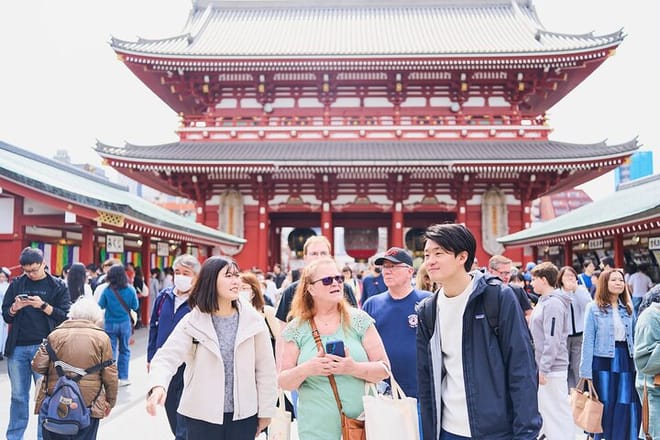
The venue, Chopsticks Studio Asakusa, is on the sixth floor of a building about a five-minute walk from Asakusa Station on the Tokyo Metro Ginza Line and a three-minute walk from Kaminarimon, the gate marking the entrance to the approach to Senso-ji Temple. From the workshop space, you can enjoy views of Asakusa’s streets and Tokyo Skytree. The location makes it easy to combine the workshop with a visit to Senso-ji or a stroll along Nakamise-dori, the shopping street leading from Kaminarimon toward the temple’s main hall.
The workshop takes about an hour, with sessions starting every 30 minutes from 9:00 am to 6:30 pm. Guidance is available in both English and Japanese. Free cancellation is available up to 24 hours before the workshop begins, giving you some flexibility if your travel plans change.
Details
| Meeting point | 6F, TheRoom Asakusa, 1-16-11 Asakusa, Taito-ku, Tokyo |
| Duration | About 1 hour |
| Price includes | Choice of premium wood, laser name engraving, all tools, protective packaging, finished chopsticks to take home |
| Booking site | https://japanguidestar.com/tour/asakusa-premium-japanese-chopstick-making-workshop/ |
| Recommended for | Travelers sightseeing in Asakusa, those who want chopsticks engraved with a name as a souvenir or gift |
Asakusa Premium Japanese Chopstick Making Workshop
Chopsticks Studio Ginza: A One-Minute Walk from Ginza-Itchome Station
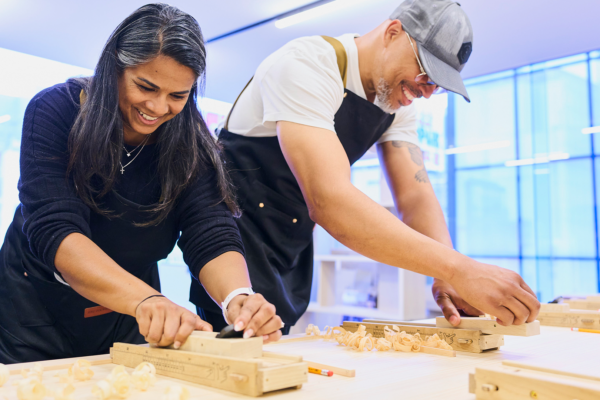
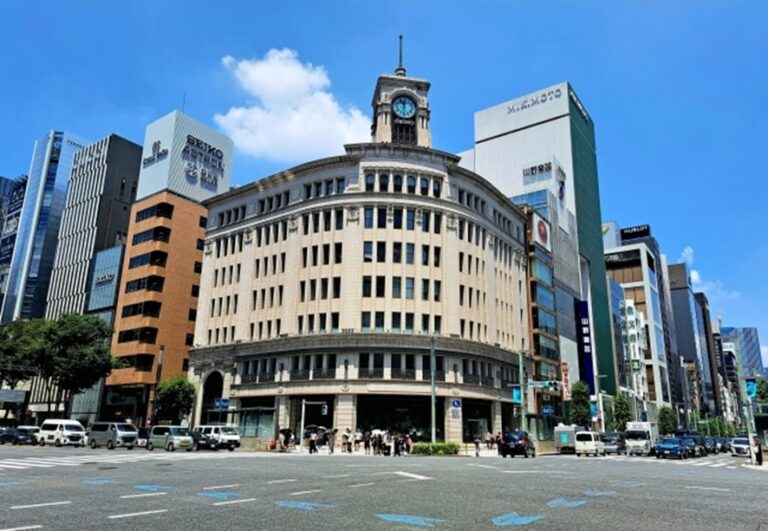
At Japan Guide Star’s “Tokyo Chopstick Making Workshop in Ginza,” you can choose one of three types of wood from a selection of more than 10, at no additional charge. You will then shape, sand, and finish the chopsticks yourself. The venue, Chopsticks Studio Ginza, is on the second floor of a building about a one-minute walk from Ginza-itchōme Station on the Tokyo Metro Yurakucho Line. Its convenient location makes it easy to fit the workshop into your plans before or after shopping or dining in Ginza.
The workshop takes about an hour, with sessions starting every 30 minutes from 9:00 am to 6:30 pm. English-speaking staff guide you through each step, and free cancellation is available up to 24 hours before the workshop begins.
Many participants praise the friendly staff, the easy-to-follow instructions, and the chance to create a unique souvenir. Some plans also offer premium wood options or name engraving. If you would like to personalize your chopsticks with a name or the date of your trip, consider booking one of these plans.
Details
| Meeting point | Kusumoto Dai-17 Building, 1-14-12 Ginza, Chuo-ku, Tokyo |
| Duration | About 1 hour |
| Price includes | Wood (1 of 3 types), all tools, finished chopsticks to take home |
| Booking site | https://japanguidestar.com/tour/tokyo-ginza-chopstick-making-workshop/ |
| Recommended for | Travelers who want a workshop between shopping or dining in Ginza, those who prefer a studio close to the station |
Tokyo Chopstick Making Workshop in Ginza
Chopsticks Studio Shibuya: A Five-Minute Walk from Shibuya Station
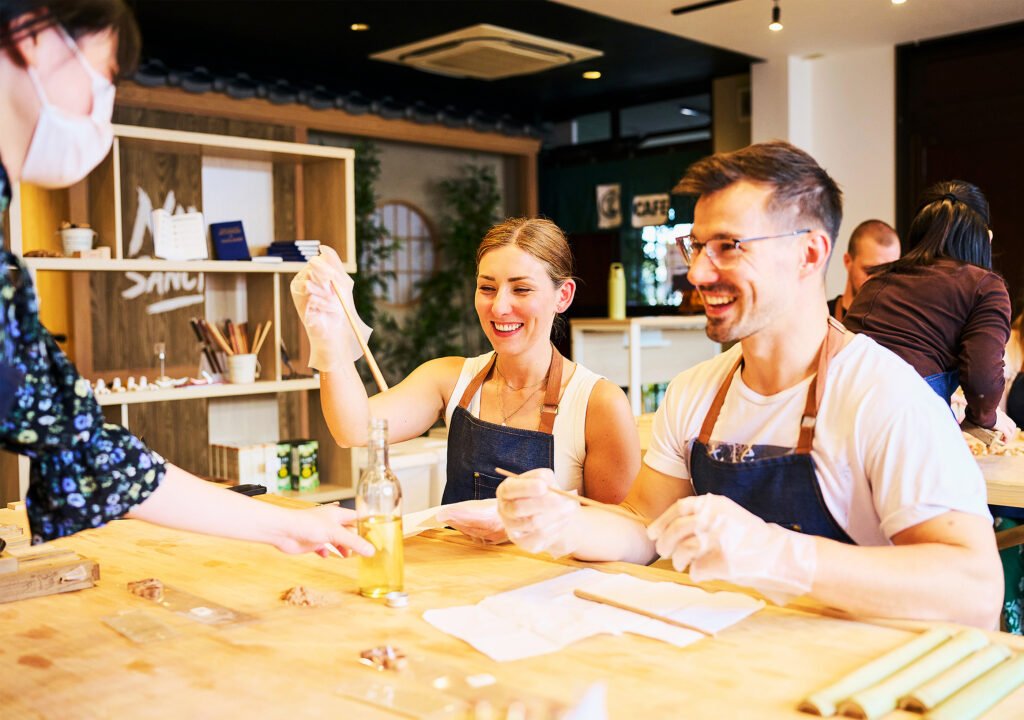
Japan Guide Star’s “Tokyo Shibuya Chopstick Making Workshop” takes place at Chopsticks Studio Shibuya, on the fourth floor of a building in Jinnan 1-chome, about a five-minute walk from Shibuya Station. You can choose one of three types of wood from a selection of more than 10 at no additional charge, then shape, sand, and finish the chopsticks yourself. The studio is easy to visit while exploring or shopping in Shibuya, making it simple to combine the workshop with nearby sights such as Shibuya Scramble Crossing.
The workshop takes about an hour, with sessions starting every 30 minutes from 9:00 am to 6:30 pm. Guidance is available in both English and Japanese, and free cancellation is offered up to 24 hours before the workshop begins.
Name engraving is available for an additional fee, while some plans include premium wood and engraving. With a minimum age of just five years old, the workshop can also be a convenient option for families with young children.
Details
| Meeting point | 1-20-7 Jinnan, Shibuya-ku, Tokyo |
| Duration | About 1 hour |
| Price includes | Wood (1 of 3 types), the full process from shaping to finishing, finished chopsticks to take home |
| Booking site | https://japanguidestar.com/tour/tokyo-shibuya-chopstick-making-workshop/ |
| Recommended for | Travelers sightseeing or shopping in Shibuya, families with young children, those who want a special touch with name engraving |
Tokyo Shibuya Chopstick Making Workshop
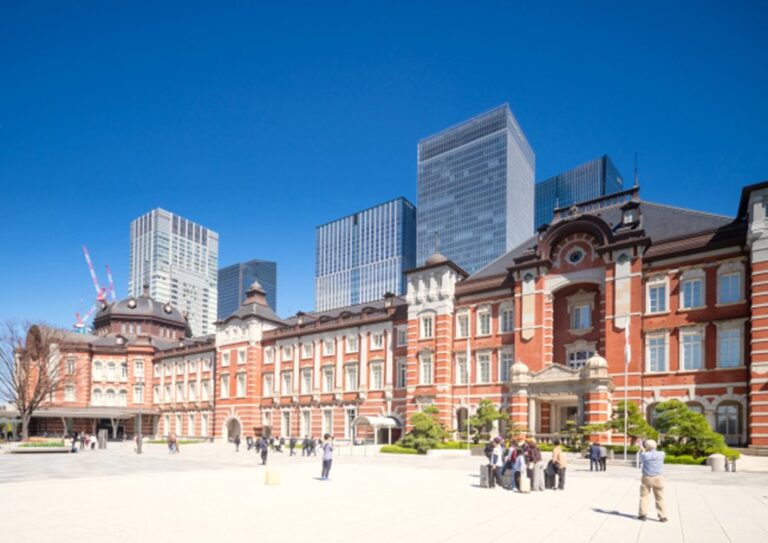
Chopsticks Studio Kyoto: A Two-Minute Walk from Randen Arashiyama Station
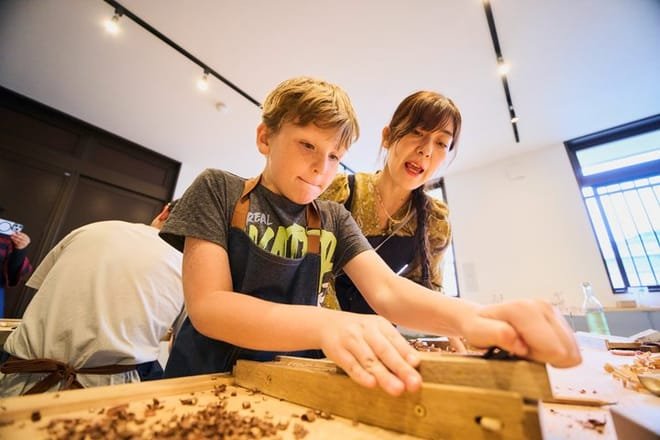
At Japan Guide Star’s “Kyoto Arashiyama Chopstick Making Workshop,” you can choose three types of wood from a selection of more than 12, each with its own scent, color, and hardness, at no additional charge. You will then shape, sand, and finish your own chopsticks while learning about Japanese chopstick culture. Discovering how chopsticks have been used and valued in Japan can give your handmade pair even more meaning, making them a memorable keepsake from your trip to Kyoto.
The venue, Chopsticks Studio Kyoto, is about a two-minute walk from Arashiyama Station on the Randen, the common name for the streetcar network operated by Keifuku Electric Railroad. Tenryu-ji Temple and the Bamboo Forest Path, a walkway lined with towering bamboo, are also within walking distance. This makes it easy to fit the workshop into a day of sightseeing in Arashiyama.
The workshop takes about an hour, with sessions starting every 30 minutes from 9:00 am to 6:30 pm. English-speaking staff guide you through the process, and free cancellation is available up to 24 hours before the workshop begins. Many participants praise the staff’s easy-to-understand English explanations and say they leave with a unique souvenir of their trip.
Details
| Meeting point | 2F, 3-25 Saga-Tenryuji Susukinobaba-cho, Ukyo-ku, Kyoto |
| Duration | About 1 hour |
| Price includes | Wood (1 of 3 types, from 12+ available), all tools, an introduction to chopstick culture, finished chopsticks to take home |
| Booking site | https://japanguidestar.com/tour/kyoto-arashiyama-chopstick-making-workshop/ |
| Recommended for | Travelers sightseeing in Arashiyama, those who also want to learn about the cultural background of chopsticks |

Kyoto: Arashiyama UNESCO Walking Tour with Admission
Frequently Asked Questions About Japanese Chopsticks

Finally, here are answers to some common questions travelers have about Japanese chopsticks. Before buying a pair or booking a workshop, learn about a few practical details, including how to count chopsticks in Japanese, dining etiquette, and making chopsticks with children.
How Are Japanese Chopsticks Counted?
Japanese chopsticks are counted in pairs of two. One pair is called ichizen. Two pairs are called nizen. To count individual chopsticks, use ippon for one chopstick. Two individual chopsticks are nihon. If you are buying chopsticks for a family of four, you can say “Yonzen kudasai” (“Four pairs, please”) to make it clear that you want four sets of chopsticks.
Do Japanese Families Share Chopsticks?
In Japanese homes, each family member commonly has their own pair of chopsticks for everyday use, a practice often associated with Japanese dining culture. If you are buying chopsticks as souvenirs for your family, consider choosing a pair for each person based on their hand size and personal preferences. This thoughtful approach can make the gifts more useful and meaningful.
Are There Famous Chopstick-Producing Regions in Japan?
Yes. Obama City in Fukui Prefecture is a major production center for lacquered chopsticks, accounting for a large share of Japan’s domestic production. The area is known for Wakasa-nuri, a lacquerware tradition said to date back to the Keicho era (1596–1614). Wakasa-nuri is designated as a Traditional Craft by Japan’s Minister of Economy, Trade and Industry, a status recognizing crafts made using traditional techniques.
Wajima-nuri, another designated Traditional Craft, comes from Wajima City in Ishikawa Prefecture. Known for its durability, this lacquerware tradition is also used to make chopsticks finished with multiple layers of lacquer.
Are There Ways of Using Chopsticks You Should Especially Avoid in Japan?
Yes. Two chopstick practices are particularly important to avoid in Japan: sticking chopsticks upright in a bowl of rice and passing food directly from one pair of chopsticks to another. Both are associated with Buddhist funeral rituals and are considered inappropriate at the dining table. Avoiding these two practices will help you respect Japanese dining etiquette, even if you are still getting used to holding chopsticks.
Can Children Join the Chopstick-Making Workshops?
Yes. Children aged six and older can participate in workshops at the Asakusa, Ginza, and Kyoto studios, while the Shibuya studio accepts children aged five and older. The booking page for the Shinjuku studio does not specify a minimum age. If you plan to attend with young children, contact the studio before booking to confirm its age policy.
Tokyo Shibuya Chopstick Making Workshop
Find the Perfect Pair of Japanese Chopsticks
The way Japanese chopsticks feel in your hand and how much care they require depend on several factors, including tip thickness, length, wood type, and finish. By choosing a length that suits your hand, a wood you like, and a finish that fits your lifestyle, you can find a pair you will enjoy using every day.
The best way to find chopsticks that feel right is to try holding them yourself. If you have the chance to visit Japan, consider browsing a specialty chopstick store or joining a chopstick-making workshop to find or create a pair that suits you. A well-chosen pair can make your everyday meals even more enjoyable.
Tokyo Chopstick Making Workshop in Ginza