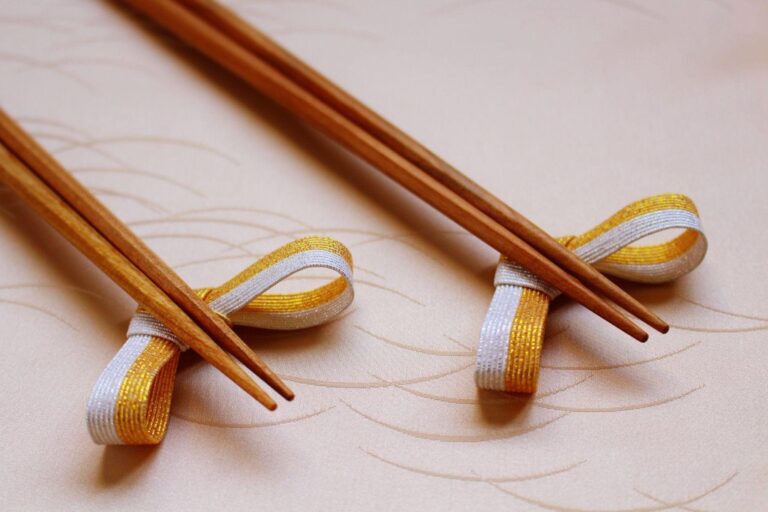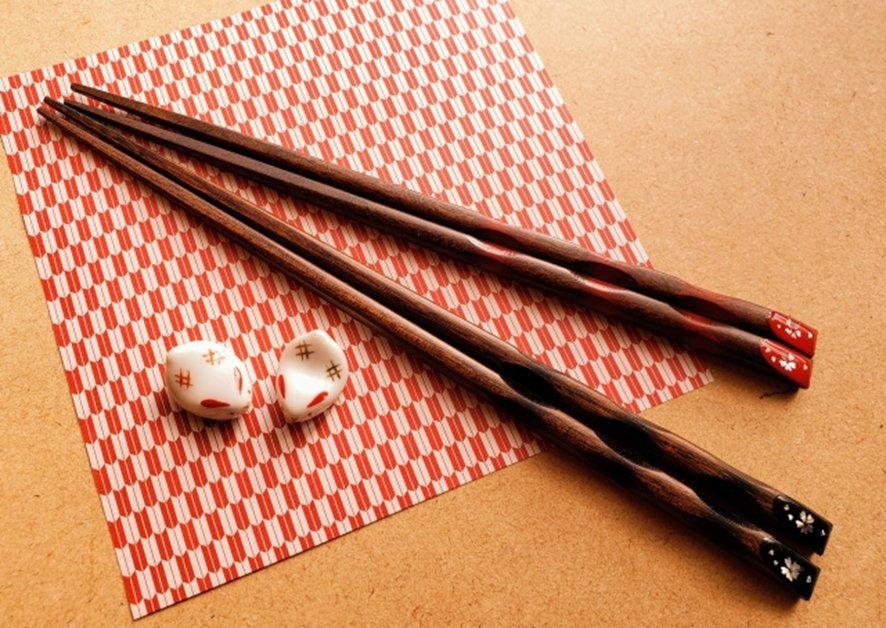
A pair of chopsticks you shaped yourself is a souvenir from Japan that you can keep using at home, and Shinjuku has studios where you can make your own. The questions start as soon as you open a booking page: Will someone explain the process in English? Is the listed price really all you pay? How young can a child be to join? Booking sites often describe the same studio differently, which is why many travelers abandon the booking page and return to it later.
Two chopstick-making workshops in the Shinjuku area offer English support, and their prices, session lengths, minimum ages, and access differ enough to compare point by point. Four things are worth checking before you book. What to wear on the day and how to carry your finished chopsticks home on a plane are the practical details participants most often overlook.
A Kabukicho Studio Fits Easily into a Shinjuku Itinerary
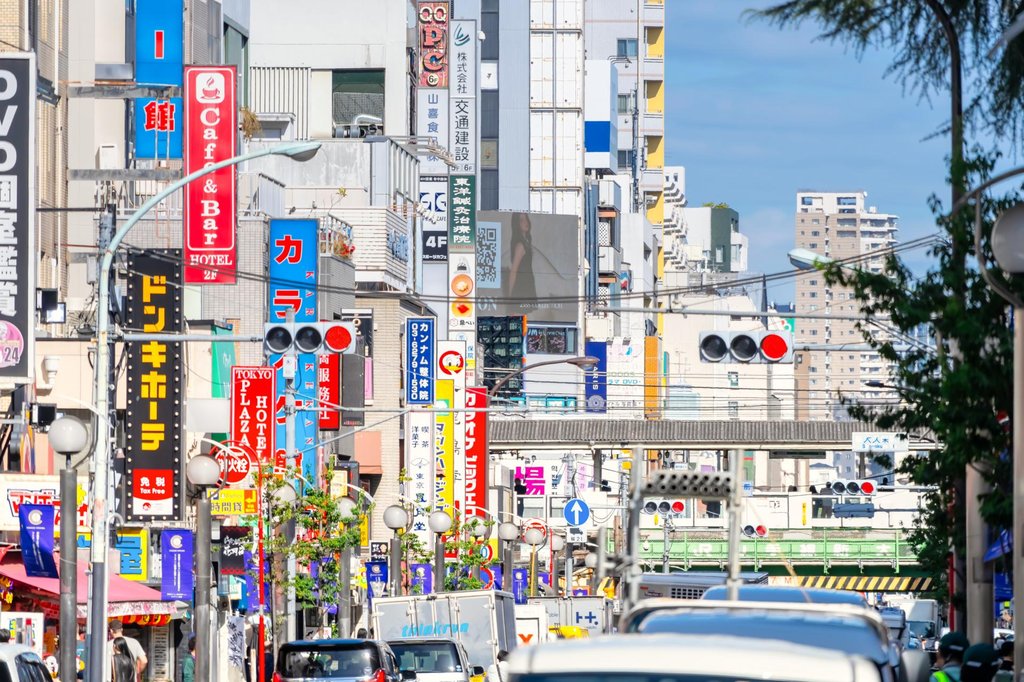
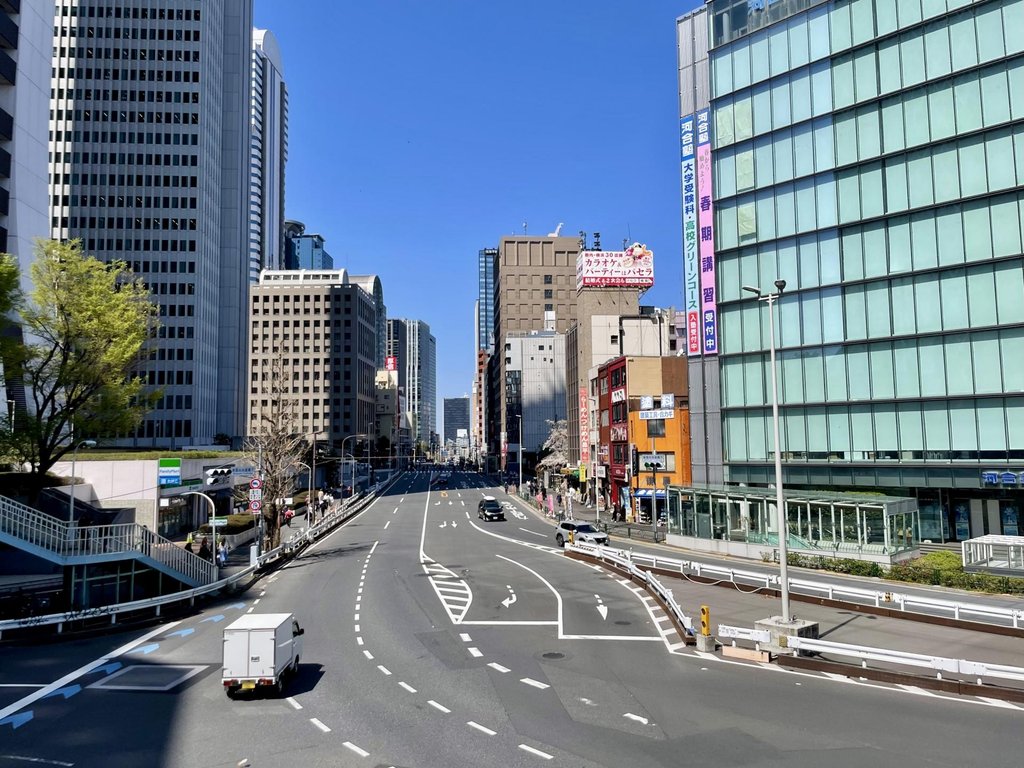
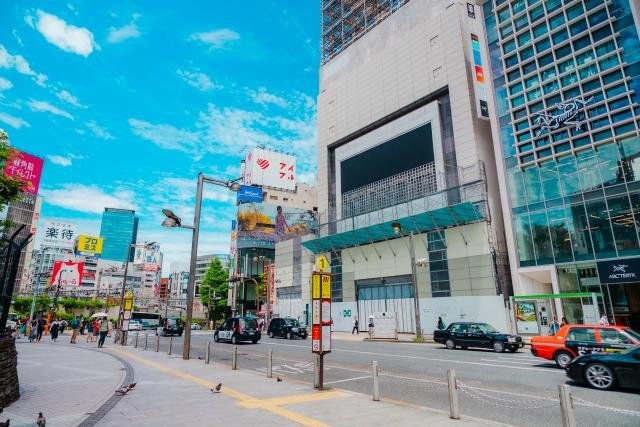
Time in Shinjuku is limited, so it makes sense to book a chopstick-making session somewhere that keeps travel short and leaves the rest of the day open. The studio in Kabukicho (the busy district of restaurants and entertainment on the east side of Shinjuku Station) works well on both counts: it is easy to reach, and there is plenty to do nearby once the session ends.
Getting there is simple. The Kabukicho studio is about a three-minute walk from Seibu-Shinjuku Station and about five minutes from the East Exit of JR Shinjuku Station, close enough that even carrying large luggage is manageable. Sessions start every 30 minutes from 9:00 am to 6:30 pm, so you can fit one between morning sightseeing and dinner or use an evening slot to round off the day.
The session lasts about an hour, and the chopsticks you shape and finish with oil go home with you the same day. Walk straight out to a nearby ramen shop or izakaya (Japanese pub-style restaurant) and use the pair you just made at your first meal afterward. The studio also hands out a map of Kabukicho restaurants at the end of the session, so you do not have to start searching for somewhere to eat from scratch.
The advantages of choosing the Kabukicho studio come down to two:
- Easy access: The studio is three to five minutes on foot from major stations, with few transfers and little long underground walking
- Restaurants nearby: Restaurants are clustered all around the studio, so you can use your finished chopsticks at that day’s meal, while the map provided at the end saves you from researching where to eat next
You can book the session through Japan Guide Star as the Tokyo Shinjuku Chopstick Making Workshop. The price includes all tools and materials, so you can turn up empty-handed.
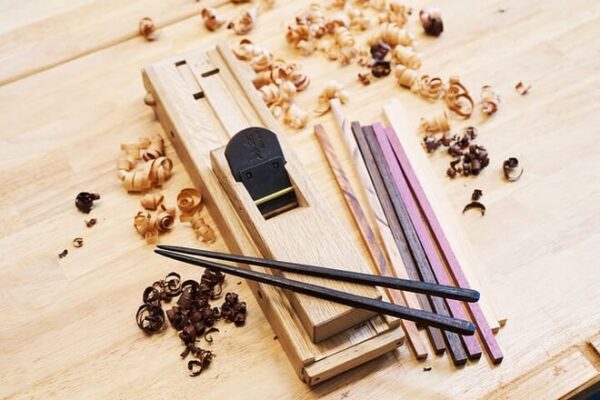
Tokyo Chopstick Making Workshop in Shinjuku
Four Points to Check When Choosing a Chopstick-Making Studio in Shinjuku
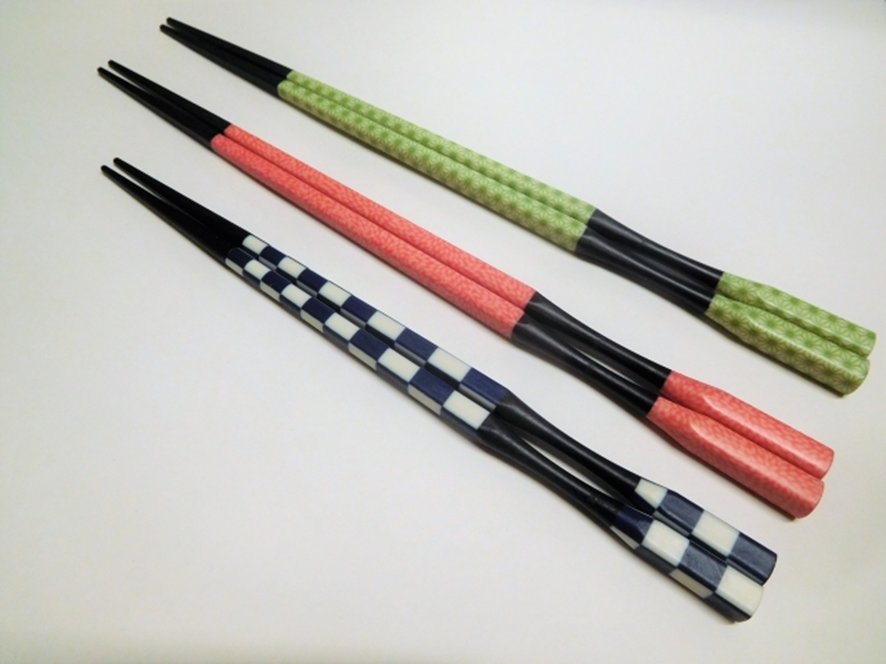
Even after you find several studios that offer English support, booking sites can present their information quite differently. The process often comes down to practical questions such as which exit of Shinjuku Station to use and how young a child can be to take part.
Four things are worth settling before you book: the meeting point, English support, the minimum age, and what the price covers. Each can affect how long your day takes or how much you ultimately pay.
1. Meeting Point
The English-friendly chopstick workshops in Shinjuku are split between two sides of the station. Kabukicho is on the East Exit side, while the high-rises of Nishi-Shinjuku stand on the West Exit side. Shinjuku Station has a large number of exits, and the street-level routes from the East and West Exits have little in common. Coming out on the wrong side can easily cost you more than 10 minutes just to get back across the station.
A few checks soon after booking can save you that time:
- Enter the address in your confirmation email into a map app and check whether the nearest exit is the East or West Exit
- Set your starting point to “Shinjuku Station East Exit” or “Shinjuku Station West Exit,” display the walking route, and note the estimated time
- If both an underground and a street-level route appear, take the street-level route, which offers more landmarks to help you navigate
JR publishes an English version of the Shinjuku Station floor plan on its official site, so save a screenshot in advance in case your phone signal is weak. Aim to be through the ticket gates 15 minutes before your start time.
2. English Support
Most chopstick studios advertise English support, yet some booking sites list “Japanese only” in the language field. The discrepancy often comes from the different registration formats used by each booking platform, so a booking page alone is not a reliable guide to whether English-speaking staff are available.
This matters because chopstick making is an experience you learn by watching the instructor’s hands. The angle at which the kanna (a traditional Japanese hand plane used to shave thin slivers of wood) meets the wood, and how much force you use when pulling it, are much easier to judge with spoken guidance. If you rely on copying by eye alone, you can shave off too much at once and end up with chopsticks that are thinner than you intended.
To confirm English support before booking, the following checks can help:
- Look for a statement about supported languages on the studio’s official site or in its press releases
- Check Google Maps and Instagram reviews for posts from overseas participants
- Email the studio directly to ask whether English-speaking staff are always on site or available only at certain times
Tokyo Chopstick Making Workshop in Shinjuku
3. Minimum Age
Because the process involves shaving wood with a hand plane, each studio sets a minimum age for participants. If you are traveling with a young child, that age limit can determine whether the workshop is an option at all.
Listings are not always consistent, though. The same studio may be listed as accepting children from age 0 on one site and from age 6 on another. Use the studio’s official website or social media accounts as the reference for the current age requirements.
If your child is close to the lower age limit, asking the studio directly before booking can remove any uncertainty:
- “Can a child aged X take part?”
- “Does a parent need to stay with or assist the child during the workshop?”
- “Can a child participate only in the steps that do not involve a blade?”
4. What the Price Covers
The price shown for a chopstick-making session is usually the base rate for standard wood options, but that figure does not always match the final amount you pay. The base rate generally covers four things: the session itself, materials, use of the tools, and instruction.
The number of wood types included in the base price varies by studio. Choosing a wood outside that selection costs extra, as does personalized engraving, such as having your name or another character engraved on the handle. Some studios collect the additional wood fee on site, making the final cost difficult to see at the time of booking.
To avoid unexpected charges on the day, check whether the booking page clearly states:
- How many types of wood are included in the base price
- Whether engraving, a carrying case, or other options are available, and how much they cost
- Payment method: Whether the full amount is paid in advance or part of the cost is paid on site
Two Chopstick-Making Workshops in Shinjuku That Run in English

The two English-friendly chopstick-making workshops in the Shinjuku area are compared below, including how each session works and what to check before booking.
One studio is in Kabukicho and the other in Nishi-Shinjuku. The four points above apply to both, making it easier to compare the two options side by side.
Tokyo Shinjuku Chopstick Making Workshop
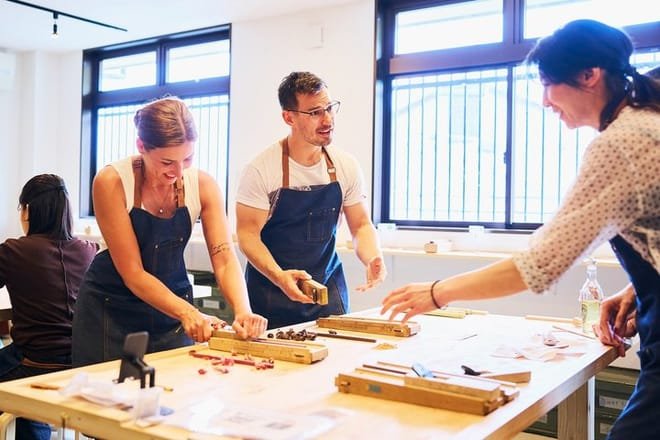
Tokyo Chopstick Making Workshop in Shinjuku – JapanGuideStar
This programme runs at Chopsticks Studio Shinjuku in Kabukicho and takes about an hour. The studio is about a three-minute walk from Seibu-Shinjuku Station and about five minutes from the East Exit of JR Shinjuku Station. Sessions begin every 30 minutes from 9:00 am to 6:30 pm, so you can choose a time that fits your sightseeing route that day.
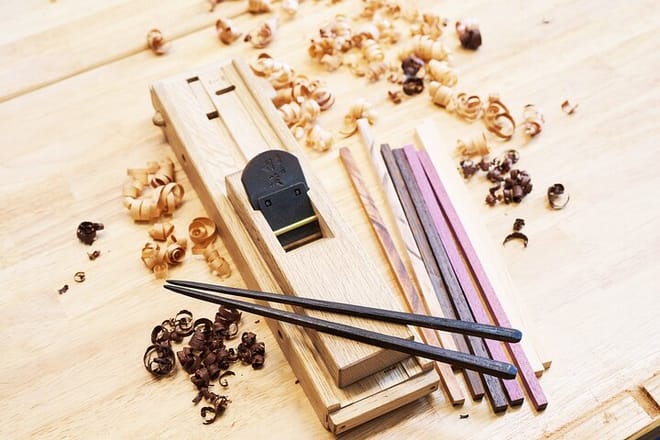
The session starts by choosing from more than 10 types of wood, three of which are included in the base price at no extra charge. Once you have chosen your wood, you shape it with a hand plane, smooth the surface with a file, and finish it with oil. English-speaking staff demonstrate each step as you go, so even first-time users of a hand plane can follow along. Reviews frequently mention the instructor watching each participant’s technique closely, as well as families completing their own pairs of chopsticks together.
The booking page clearly states that participants must be at least 6 years old, so families can check the age requirement without contacting the studio. You can also add kanji (Chinese-derived characters used in Japanese writing) engraving of your name, and the studio offers free cancellation up to 24 hours before the start. That gives you some flexibility if your plans change because of weather or other circumstances.
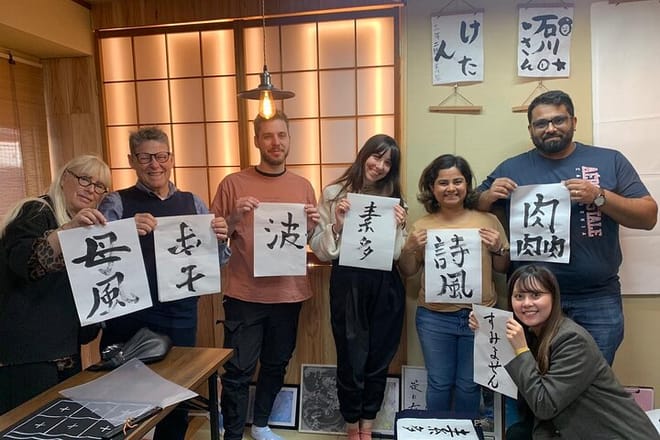
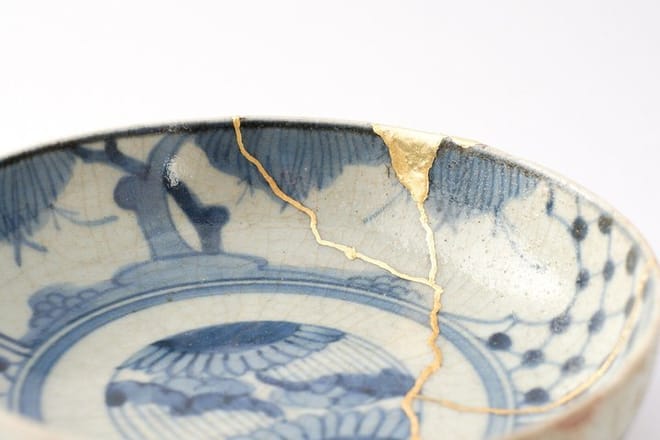
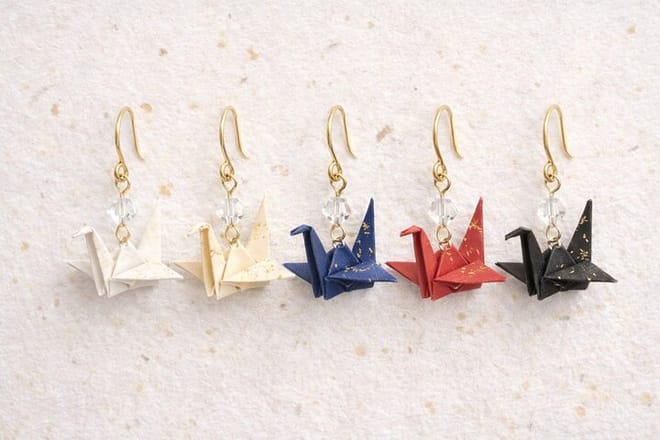
The same facility also hosts workshops in kintsugi (repairing broken ceramics with lacquer and gold powder) and origami jewelry, so you can combine more than one Japanese craft experience in a single day.
Details
| Meeting point | Chopsticks Studio Shinjuku, 1-5-4 Kabukicho, Shinjuku-ku, Tokyo |
| Duration | About 1 hour (sessions start every 30 minutes, 9 am to 6:30 pm) |
| Included in the price | Wood (3 of more than 10 types included), hand plane, file, oil and instruction (nothing to bring) |
| Engraving | Optional (additional charge) |
| Cancellation | Free with full refund up to 24 hours before the start |
| Booking site | https://japanguidestar.com/tour/tokyo-shinjuku-chopstick-making-workshop/ |
| Best for | Travellers staying near Kabukicho; anyone using the JR Shinjuku East Exit; families with children aged 6 and over |
Tokyo Chopstick Making Workshop in Shinjuku
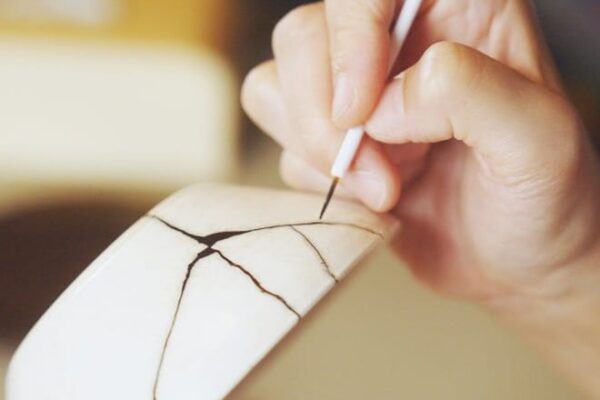
Tokyo: Japanese Gold Repair Kintsugi Workshop in Shinjuku
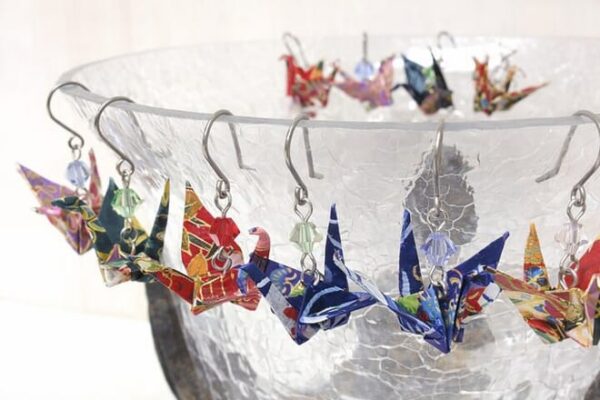
Tokyo: Create Your Own Handmade Origami Jewelry
Discover the beauty of traditional Japanese craftsmanship in this hands-on origami workshop.
ZEN Chopsticks Workshop, Shinjuku
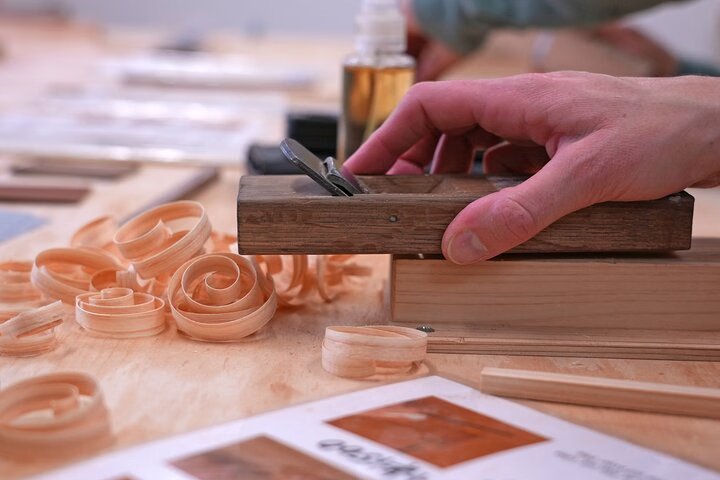
Shinjuku Chopsticks – Traveling Tokyo
The other option is a studio on the 10th floor of the Shinjuku West Square Building in Nishi-Shinjuku 7-chome. The venue is a few minutes’ walk from Shinjuku-nishiguchi Station on the Toei Oedo Line and close to Seibu-Shinjuku Station, but about 10 minutes on foot from JR Shinjuku Station. If proximity to the station is your main concern, the Kabukicho studio on the east side is closer; if you are staying in Nishi-Shinjuku, the Nishi-Shinjuku studio is more convenient.
The surrounding area includes the Tokyo Metropolitan Government Building, the city’s administrative offices with a free observation deck, as well as a cluster of high-rise hotels. Pairing the workshop with the observation deck or a stay at a Nishi-Shinjuku hotel lets you keep the day’s activities on the west side of the station.
The session follows broadly the same format as the Kabukicho studio: choose from eight or more types of wood, shape the chopsticks with a hand plane, and finish them with a file. The session takes about an hour. The base price includes roughly two types of wood, and engraving is available as an additional option.
The booking site notes that wheelchair users can participate and that the building’s lift reaches the 10th floor. Check the booking page for the current minimum age and which types of wood are included in the base price before booking.
Details
| Meeting point | Shinjuku West Square Building 10F, 7-4-5 Nishi-Shinjuku, Shinjuku-ku, Tokyo |
| Duration | About 1 hour |
| Included in the price | Wood (about 2 of 8 or more types included), full set of tools and instruction |
| Engraving | Optional |
| Booking site | https://www.traveling-tokyo.com/zen/chopsticks/shinjuku/ |
| Best for | Travellers staying in Nishi-Shinjuku; wheelchair users; anyone combining the session with the Metropolitan Government observation deck |
Tokyo: Shinjuku Historical Walking Tour & Secret Backstreets
Comparison Table: The Two Shinjuku Chopstick Studios Side by Side
Set side by side, the two studios differ in their distance from the nearest station, whether the minimum age is clearly stated, how many types of wood are included in the base price, and whether you can follow the session with another craft in the same building.
The right choice depends mainly on where you are staying and the ages and needs of the people in your group.
| Item | Chopsticks Studio Shinjuku (Kabukicho) | ZEN Chopsticks Workshop (Nishi-Shinjuku) |
|---|---|---|
| Distance from nearest station | About a 3-minute walk from Seibu-Shinjuku Station; about 5 minutes from the JR Shinjuku East Exit | A few minutes’ walk from Shinjuku-nishiguchi Station on the Toei Oedo Line; around 10 minutes from JR Shinjuku Station |
| English support | English-speaking staff on site, explaining each step as they demonstrate it | An English-speaking instructor leads the session |
| Minimum age | From age 6 | Not stated on the booking page; confirm directly with the studio |
| What the price covers | Wood (3 of more than 10 types), tools and instruction. Engraving costs extra | Wood (about 2 of 8 or more types), tools and instruction. Engraving costs extra |
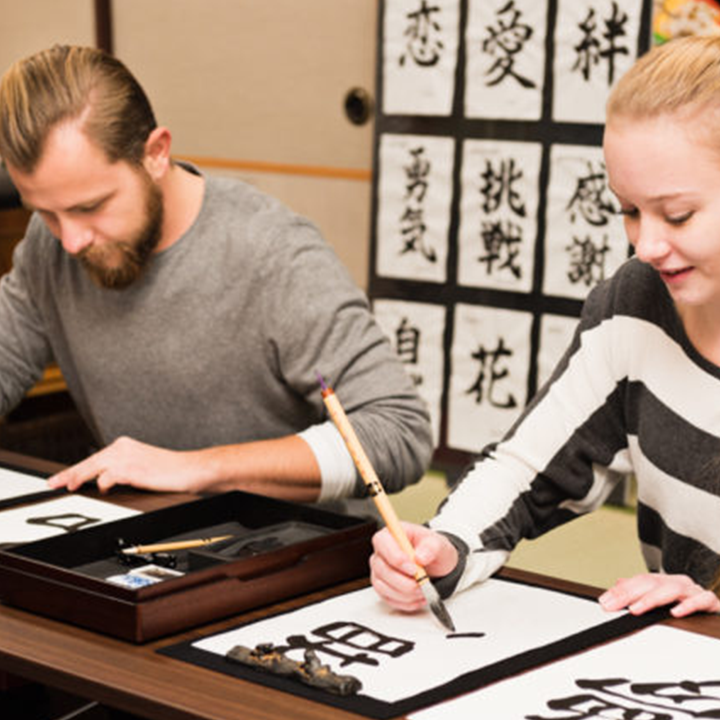
| Other crafts at the same venue | The same building also hosts shodo (Japanese calligraphy written with brush and ink), kintsugi and origami jewellery making | Not listed |
Chopsticks Studio Shinjuku is straightforward for first-time visitors. The walk from both Seibu-Shinjuku Station and the JR Shinjuku East Exit is short, and with three types of wood included in the base price, you can choose among them without worrying about an additional wood fee. The booking page also clearly states the minimum age of 6, so families can check the requirement without contacting the studio.
The same building also hosts calligraphy, kintsugi, and origami jewelry workshops, so you can add another Japanese craft experience to the same half-day without traveling to another venue.
For travelers staying in a Nishi-Shinjuku hotel, or anyone who needs to confirm wheelchair accessibility, the Nishi-Shinjuku studio offers a practical alternative. Base your choice on how far you would actually walk from your accommodation and whether the studio’s stated facilities meet your needs.
The full list of Japanese cultural experiences run by Japan Guide Star is available here.
Tokyo Chopstick Making Workshop in Shinjuku
Tokyo: Japanese Gold Repair Kintsugi Workshop in Shinjuku
Tokyo: Create Your Own Handmade Origami Jewelry
Discover the beauty of traditional Japanese craftsmanship in this hands-on origami workshop.
Common Questions About Chopstick Making in Shinjuku
Six questions come up repeatedly before booking and on the day itself, covering everything from choosing the wood and what to wear to how to carry your finished pair home.
How Should I Choose the Wood for My Chopsticks?
The weight in your hand and the feel of the surface are the most reliable guides. Color, weight, and texture vary by species, so on the day, hold two or three pieces at once and run a fingertip over each to compare how the edges feel and how smooth the grain is.
| Wood | Weight and Hardness | Colour |
|---|---|---|
| Ebony (kokutan, a premium hardwood) | Dense and hard | Black to blackish brown with a rich sheen |
| Cherry | Middling, well balanced | Pale reddish brown, deepening to amber |
| Chestnut | Light and easy to handle | Pale yellowish brown, darkening over time |
Chestnut suits anyone who prefers a lighter pair, while cherry is a good choice if you like the idea of watching the colour deepen with use. If you cannot decide, tell the staff what you usually cook and eat, and they can suggest a wood that suits your preferences.
Can I Use the Chopsticks I Make for Everyday Meals?
Yes. The finish is a thin coat of a drying oil such as linseed or perilla oil, both of which are also used in food. Wipe the surface thoroughly after applying the oil. The chopsticks are dry enough to use the same day, but leaving them in a well-ventilated place for 24 hours allows the finish to cure fully before regular use.
Avoid soaking wooden chopsticks for long periods or putting them in a dishwasher. Repeated exposure to water can make the wood swell and shrink, leaving the surface rough or causing the chopsticks to warp. Wash them by hand with a soft sponge, wipe off excess water, and dry them somewhere with good airflow.
To restore the sheen, apply a light coat of cooking oil about once a month and buff it off with a dry cloth.
Can I Make Them Without Ever Having Used a Hand Plane?
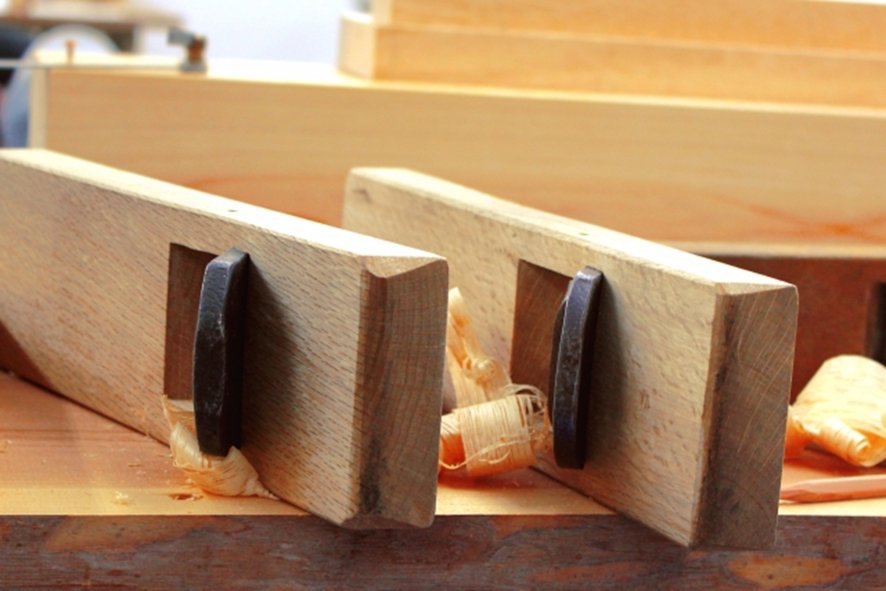
Yes. Chopstick-making sessions for travelers are designed with first-timers in mind. Staff demonstrate the correct cutting angle and how much force to use, then you try it yourself.
The key is to make thin, repeated strokes along the grain rather than forcing the blade into the wood. If the plane rides up or digs into the wood, staff can step in immediately and correct your grip and technique.
Is There a Dress Code?
No. Shavings do settle on your clothing, though, so everyday clothes that are easy to wash will save you the trouble. Sleeves that can be rolled up stay out of the way while you work, and long hair is best tied back so shavings do not get caught in it.
A light brush removes most of the shavings, so you can head straight out into Kabukicho afterward.
Can I Take the Finished Chopsticks Home on a Plane?

Yes. Wooden chopsticks are generally not treated as bladed or potentially dangerous items, so you can usually pack them in either your carry-on or checked baggage. The final decision rests with the airline and security screening, though, so if you are concerned about the finely tapered tips, packing them in checked baggage is the safer option.
Keep the chopsticks in the bag or case provided by the studio, wrap them in clothing, and place them in the middle of your suitcase to reduce the risk of them snapping.
Are There Chopstick-Making Studios in Tokyo Outside Shinjuku?
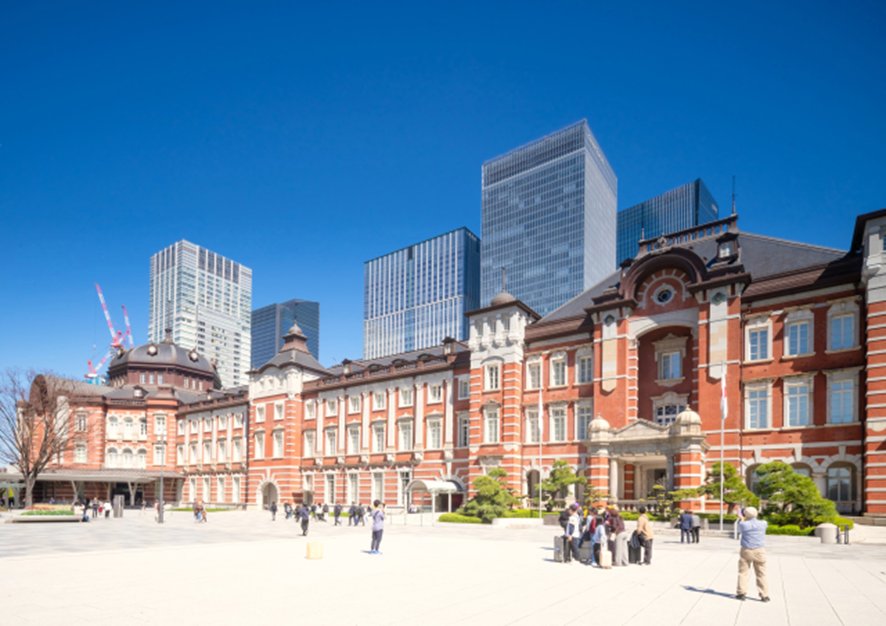
Yes. Ginza, Asakusa, and Kuramae all have studios that offer workshops in English, each with its own range of woods, nearest station, and nearby sights to combine with the session.
Ginza is just minutes from the station in central Tokyo, making it easy to fit into an afternoon of shopping. Asakusa works well as part of a half-day visit alongside Senso-ji Temple. Kuramae, known for its woodworking and leather ateliers, offers a different atmosphere, with workshops that feel closer to a working craftsman’s bench.
The full list of tours and experiences in Tokyo is available here.
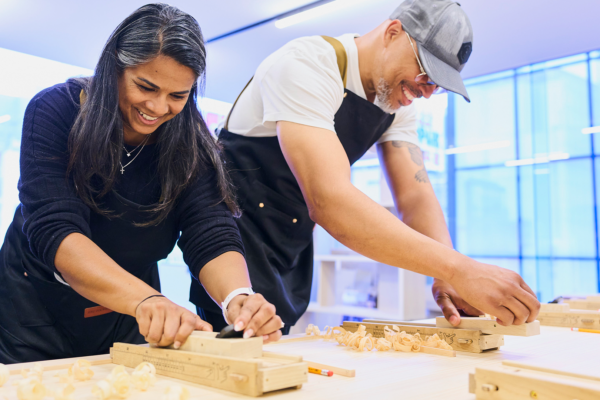
Tokyo Chopstick Making Workshop in Ginza
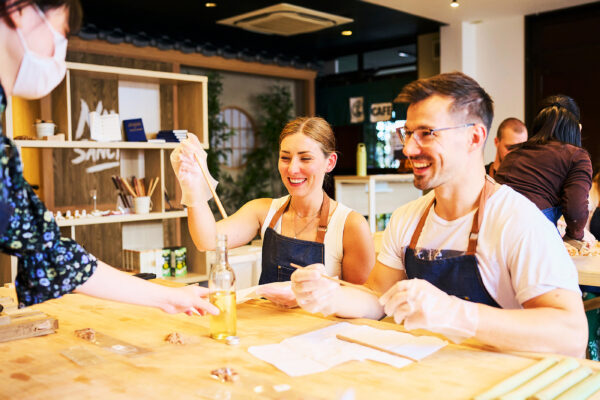
Tokyo Shibuya Chopstick Making Workshop
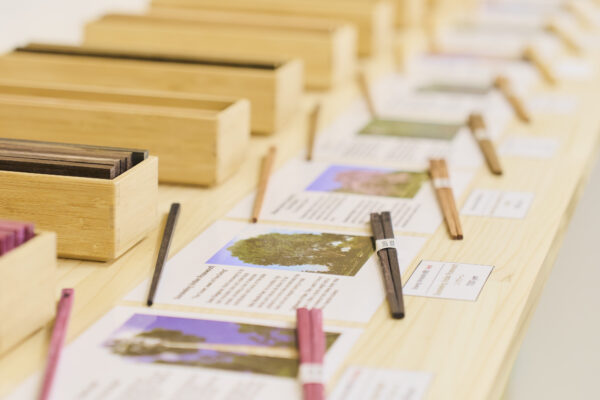
Asakusa Premium Japanese Chopstick Making Workshop
Choosing Your Shinjuku Chopstick-Making Studio
At a Shinjuku studio with English-speaking staff, you can make a pair of chopsticks in about an hour, with guidance down to the angle of the hand plane and the force behind each stroke. Before booking, confirm four things: whether the studio is on the east or west side of Shinjuku Station, whether English-speaking staff will be available, how many types of wood are included in the price, and the minimum age.
Chopsticks Studio Shinjuku in Kabukicho is three to five minutes on foot from the station, and you can follow the session with a calligraphy or kintsugi workshop in the same building. If you are staying in Nishi-Shinjuku, ZEN is closer. Let the distance from your accommodation guide your choice, and book once your dates are set, as weekend and high-season slots can fill quickly.
A pair of chopsticks shaped by your own hands makes a practical memento to take home from Shinjuku.