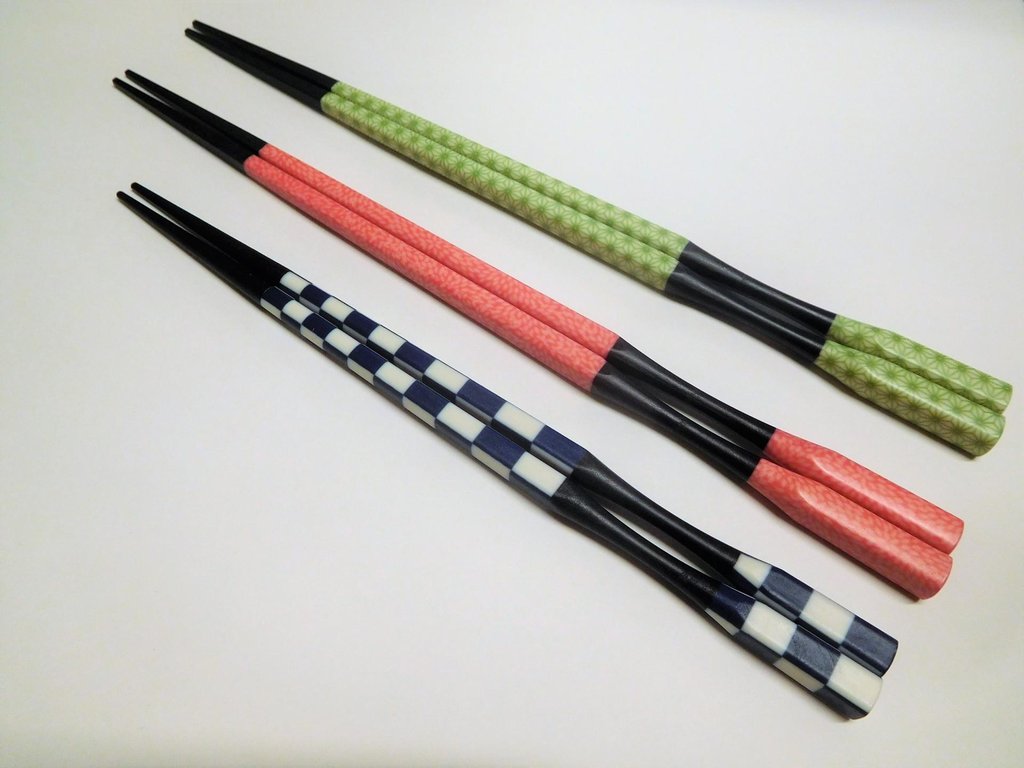
While traveling in Japan, you may want to shape your own one-of-a-kind pair of chopsticks. Where the English-friendly studios are, how much they cost, how long a session takes, and whether woodworking beginners can produce something usable are all questions to settle before you book.
Four chopstick-making workshops with English support in Tokyo and Kyoto are compared in this article by what’s included in the price, access, and booking method, along with tips on choosing a studio and answers to common questions. Each workshop is short enough to do on a sightseeing day.
You Can Make Your Own Chopsticks in Tokyo or Kyoto in About an Hour
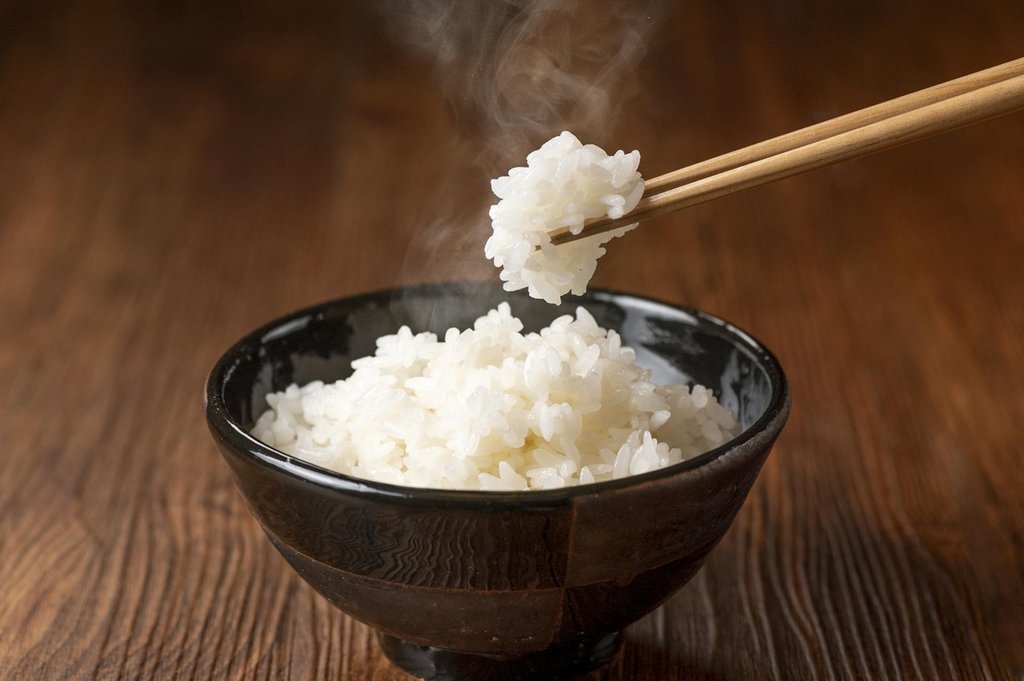
Many travelers assume a chopstick-making workshop will eat up half a day, but choosing your wood, shaving it, sanding it, and finishing it with oil can be done in about sixty minutes. Below, we’ve provided some pointers on how to pick a studio that suits your itinerary.
A Studio Near a Train Station Is Easier to Fit into Your Schedule
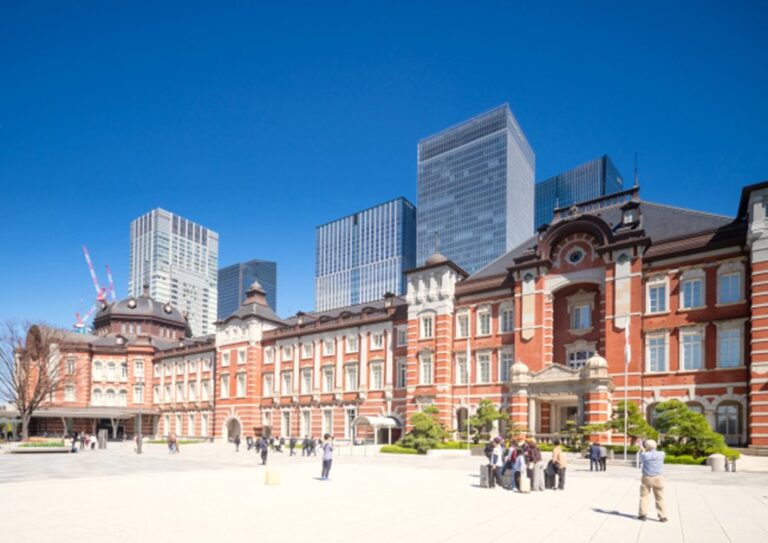
Every bus or train transfer costs you time on a trip. The distance between a studio and its nearest station matters more than you might expect: a studio just outside the exit lowers the risk of getting lost and leaves breathing room before and after the session. You could, for instance, finish shopping in Ginza, make chopsticks nearby, and then head straight to the subway on your way to dinner.
The table below compares the four studios by distance from the station.
| Studio Name | Nearest Station | Walking Time |
|---|---|---|
| Chopsticks Studio Ginza | Ginza-itchome Station, Exit 10 | About 1 minute |
| Chopsticks Studio Shinjuku | Shinjuku Station | About 4 minutes |
| Chopsticks Studio Asakusa | Asakusa Station | About 5 minutes |
| Kyoto Arashiyama Workshop | Arashiyama Station on the Randen (a streetcar line running through Kyoto) | About 2 minutes |
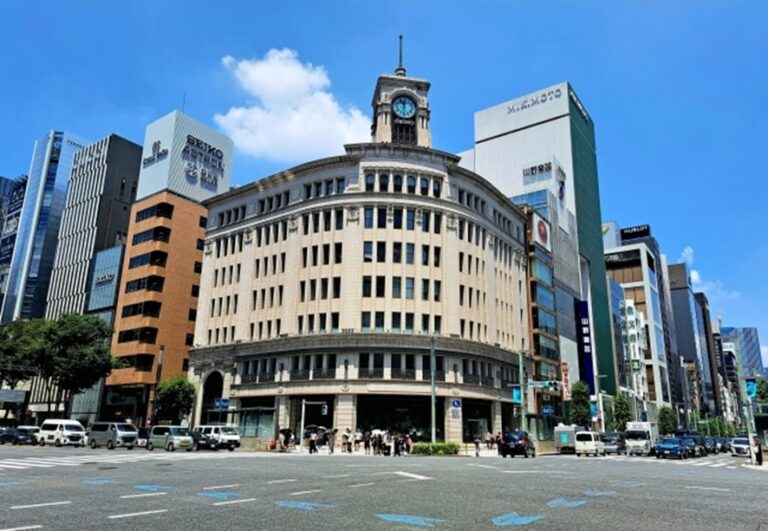
Chopsticks Studio Ginza stands out here: it’s just one minute from exit 10 of Ginza-itchome Station, so it is hard to miss. Sessions run for about an hour, and you’ll take your finished chopsticks home the same day, making it a light activity to enjoy between sightseeing spots.
Studio Prices and Area Will Influence Your Options
Your budget and the area you are staying in influence which studio will fit your itinerary best. When you’re feeling uncertain, use the quick reference below to help you decide where to participate in a workshop.
| What Matters Most? | Recommended Studio |
|---|---|
| A lower base price | Chopsticks Studio Ginza, Chopsticks Studio Shinjuku, or Kyoto Arashiyama Workshop |
| Name engraving and upgraded wood | Chopsticks Studio Asakusa |
| Wanting to join calligraphy, kintsugi, or other cultural activities on the same day | Chopsticks Studio Shinjuku |
| Sightseeing in Kyoto before and after | Kyoto Arashiyama Workshop |
Chopsticks Studio Asakusa charges a higher base price than the others, but name engraving and premium wood are already included, so it may suit travelers who want those extras. If you simply want the chopstick-making itself, the Ginza, Shinjuku, or Arashiyama studio can help keep your total down.
If you’re based in Tokyo, the Ginza, Shinjuku, and Asakusa studios give you three options to match your sightseeing routes. Shinjuku also offers calligraphy and kintsugi classes in the same building, so chopsticks in the morning and a second cultural activity in the afternoon are easy to arrange.
If Kyoto is your base, the Arashiyama studio, the only one of the four in Kyoto, is the most practical choice.
Tokyo Chopstick Making Workshop in Ginza
Kyoto Arashiyama Chopstick Making Workshop
Four Points to Check Before Choosing a Chopstick-Making Workshop
Prices and access differ from studio to studio, and booking without comparing these can leave you with the impression that the session cost more or took longer to get to than you expected. The four points that matter are what’s included in the price, where the venue is located, how far it is from the station, and whether you need to make a reservation. Confirm these points in advance in order to narrow down the list of workshops that match your budget and your route.
1. What’s Included in the Price
Booking based on the listed price alone and then realizing that add-ons cost extra on the day of your workshop could push your spending past what you budgeted. This is why we recommend always checking what the base price covers before you reserve your spot at a studio.
At many studios, the base price typically covers the session itself, standard-grade wood, use of the tools, and guidance in English. Upgraded wood, name engraving, the wood box for storing your chopsticks, and gift wrapping are usually charged separately. Engraving and other extras can add up quickly, so choosing various add-ons can add more to the total price than you originally planned on.
When you open a booking page, look for four things:
- Whether the “What’s Included” section lists the types of wood, the workmanship, and the instructor’s fee
- How many woods you can choose from, and what an upgrade costs
- Whether the booking page states the price of engraving or other add-ons
- Whether any on-site charges can arise on the day
When you contact an English-friendly studio, remember to ask about these points.
2. Where the Studio Is Located
The area where a studio is located changes how easily it fits into your day, and knowing where each one is relative to your accommodations can help keep your travel time down. Check the locations below against where you’re staying.
The Tokyo studios are in Ginza, Shinjuku, and Asakusa, and they’re all in major sightseeing areas. You could shop in Ginza in the morning, ride the subway for about fifteen minutes to Asakusa for a chopstick workshop, then eat near Sensoji Temple (Tokyo’s oldest temple) in the evening. The Asakusa studio is close to Kaminarimon (the large red gate at the entrance to Sensoji Temple), so it goes well with a visit to Tokyo Skytree.
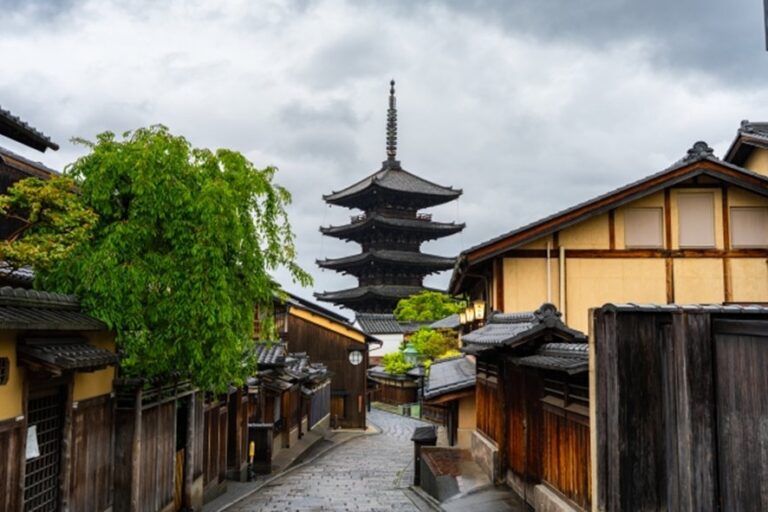
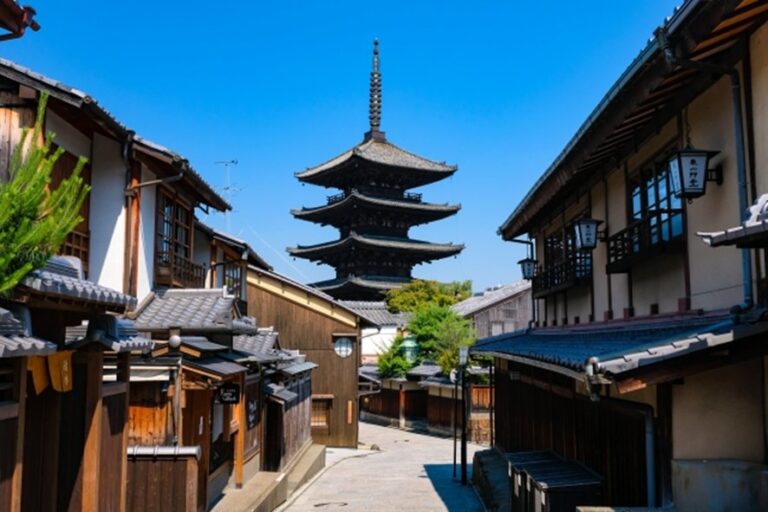
In Kyoto, studios operate in areas such as Arashiyama, near Tenryuji Temple, and Gion, near Yasaka Shrine. A morning visit to Fushimi Inari Shrine followed by an afternoon workshop can work well.
The type of building differs too:
- Station-front buildings (Ginza, Shinjuku): a room inside a commercial building, reachable in any weather
- In tourist areas (Asakusa): in a building steps from Kaminarimon, right on the tourist route
- Along a historic street (Kyoto): facing an atmospheric lane, where the walk there is part of the experience
Asakusa Premium Japanese Chopstick Making Workshop
3. How Close the Nearest Station Is
A map app might say “a five-minute walk,” but pulling a suitcase can make the journey feel more than twice that long. Stations in Japan often have lots of stairs, and elevators are not always easy to find. We recommend that you check the route itself, not just the walking time. Before booking, trace the path from the station exit to the studio using Street View on Google Maps.
You can reach the Shinjuku studio, for example, along a main street from JR Shinjuku Station. This building has an elevator, so a stroller or a suitcase is less of a burden. The Arashiyama studio in Kyoto is on the second floor with no elevator, so you’ll have to take the stairs. On days when you’re carrying a lot, leave your bags in a coin locker at the station first.
Do you prioritize an easy approach, or do you count the walk over stone-paved lanes as part of the experience? Decide which studio to visit based on how much you’re carrying and how much walking your companions are up for.
4. Whether Or Not You’ll Need a Reservation
Can you drop in without a reservation, or should you lock in a spot ahead of time? This is a good question to ask when you’re building a travel itinerary.
Chopstick studios often require reservations. Some accept same-day bookings when slots remain, but each session holds only a few people, so assume that the studio is likely to turn away a walk-in. Spots fill up fastest during busy tourist seasons, such as late March through April (cherry blossom season) and November through December (autumn foliage season). Golden Week (a week-long holiday from late April to early May) is also a busy season, so book one to two months ahead of your trip to be safe.
Also check these points before you confirm your booking:
- Cancellation terms: some plans allow free cancellation until the day before your reservation. Others allow free cancellation up to twenty-four hours ahead, and some charge a fee from four days out
- Payment: online credit card payment is standard, though some studios also accept PayPay or payment on site
- Confirmation email: staff will likely ask you to show it on the day of your workshop, so save a screenshot of the email as soon as it arrives
Availability is shown in real time on each booking platform. If the date you want isn’t shown, email the studio directly through its official site.
Four Recommended Chopstick-Making Workshops by Area
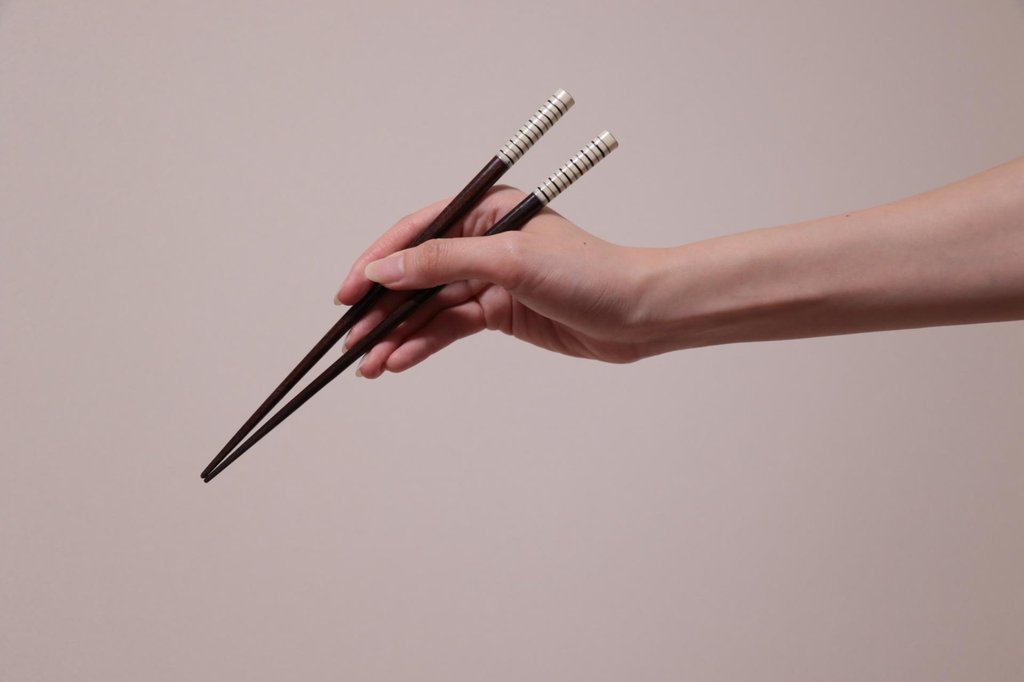
Information on four workshops is provided below, and each entry includes the workshop’s location, content, availability of English support, access, session length, and engraving options.
Tokyo Ginza Chopstick Making Workshop
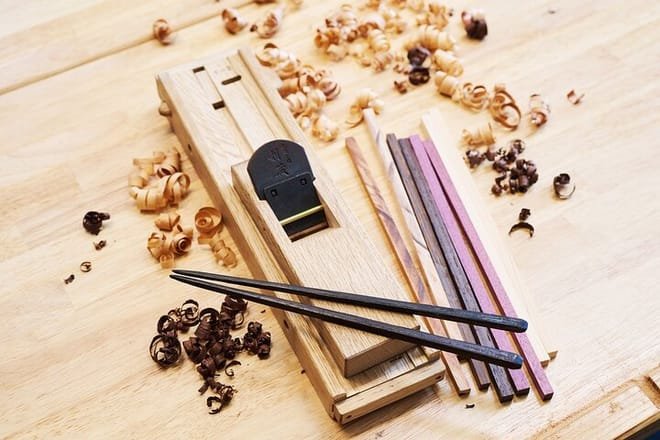
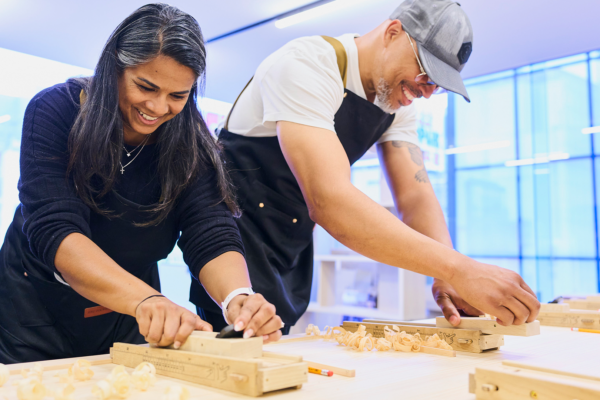
A session at Chopsticks Studio Ginza lasts about an hour, with start times every thirty minutes between 9:00 am and 6:30 pm, so it can fit in on the way back from a morning in the Tsukiji district or before an afternoon of shopping.
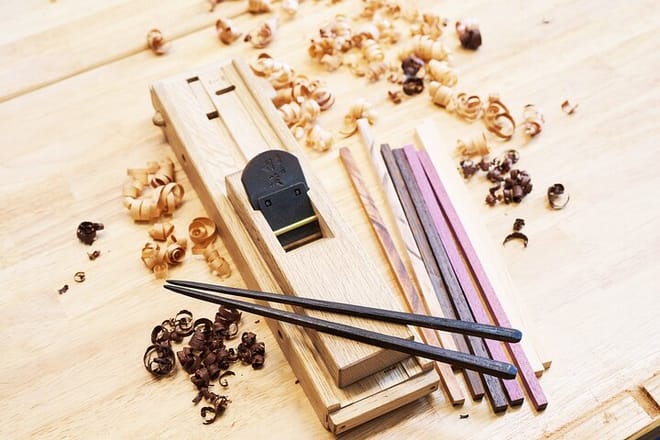
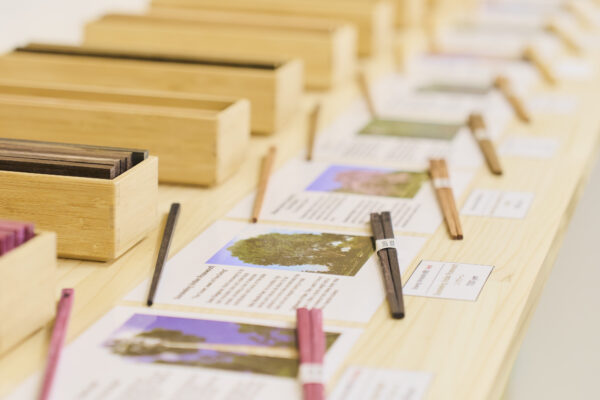
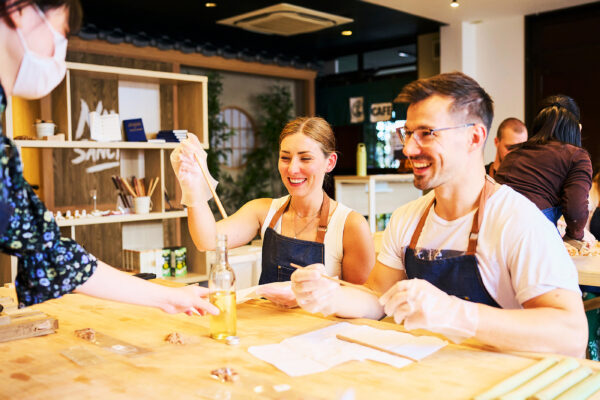
You’ll choose from more than ten woods, three of which are free of charge. Staff will then demonstrate each step of making your chopsticks as you shave the wood with a traditional Japanese hand plane, smooth it with sandpaper, and finish it with oil, so no woodworking background is needed. All tools and materials are available at the studio, so you can arrive empty-handed.
English-speaking staff are on site at all times, so you can follow each step even if you don’t know Japanese.
Details
| Meeting point | Kusumoto Dai-17 Building, 1-14-12 Ginza, Chuo-ku (a 1-minute walk from Ginza-itchome Station, Exit 10) |
| Duration | About 60 minutes (start times every 30 minutes, 9:00 am–6:30 pm) |
| What’s included | Wood (more than 10 types), tools, and oil finish |
| Booking page | https://japanguidestar.com/tour/tokyo-ginza-chopstick-making-workshop/ |
| Best for | Couples and solo travelers who want to enjoy a short cultural activity |
Session details and available dates for Chopsticks Studio Ginza can be accessed from the website listed below.
Tokyo Chopstick Making Workshop in Ginza
Asakusa Premium Japanese Chopstick Making Workshop
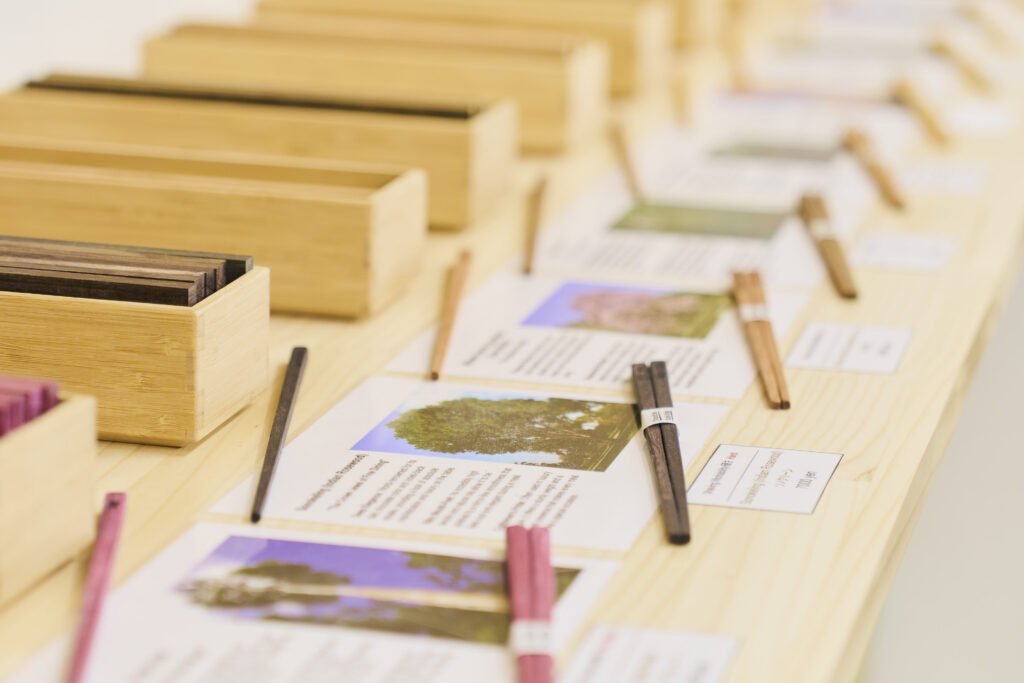
What sets Chopsticks Studio Asakusa apart is the inclusion of premium wood and name engraving in the base price. You’ll take home chopsticks carved with your name or a message at no extra cost—a nice option if you’re looking to give them as a gift for a family member or friend.
The premium plan costs more than standard sessions at other studios, but with more than ten premium woods to choose from and engraving included, it’s worth considering if you want both.
Cancellation is free up to twenty-four hours before the start time of your class, so you can book a spot and then cancel if your plans change.
Details
| Meeting point | TheRoom Asakusa 6F, 1-16-11 Asakusa, Taito-ku, Tokyo (about a 5-minute walk from Asakusa Station) |
| Duration | About 60 minutes |
| What’s included | Premium wood, laser name engraving |
| Booking page | https://japanguidestar.com/tour/asakusa-premium-japanese-chopstick-making-workshop/ |
| Best for | Travelers wanting to make an engraved gift; families |
Full details on the Asakusa premium plan, including the engraving, can be found at the website listed below.
Asakusa Premium Japanese Chopstick Making Workshop
Tokyo Chopstick Making Workshop in Shinjuku
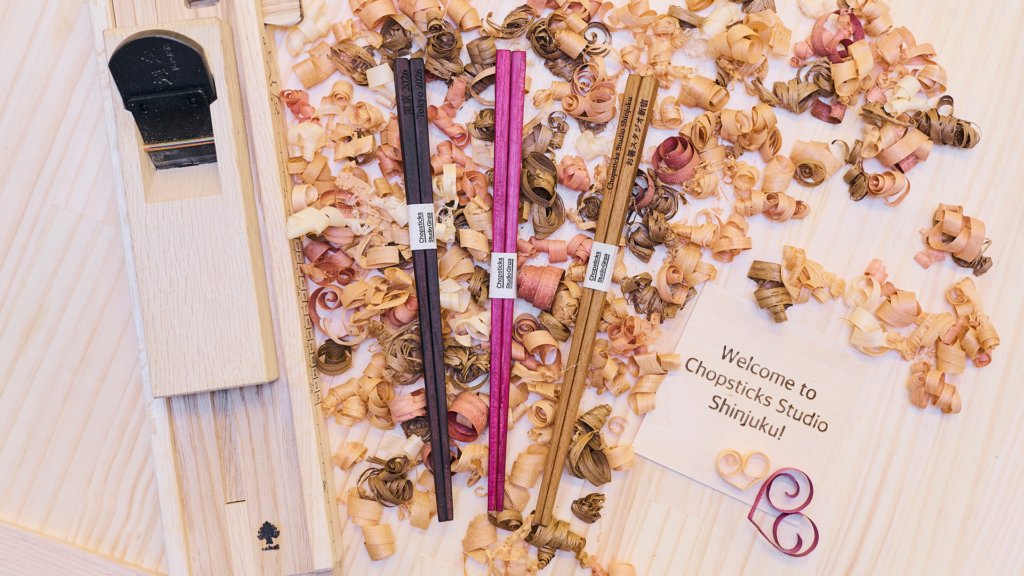
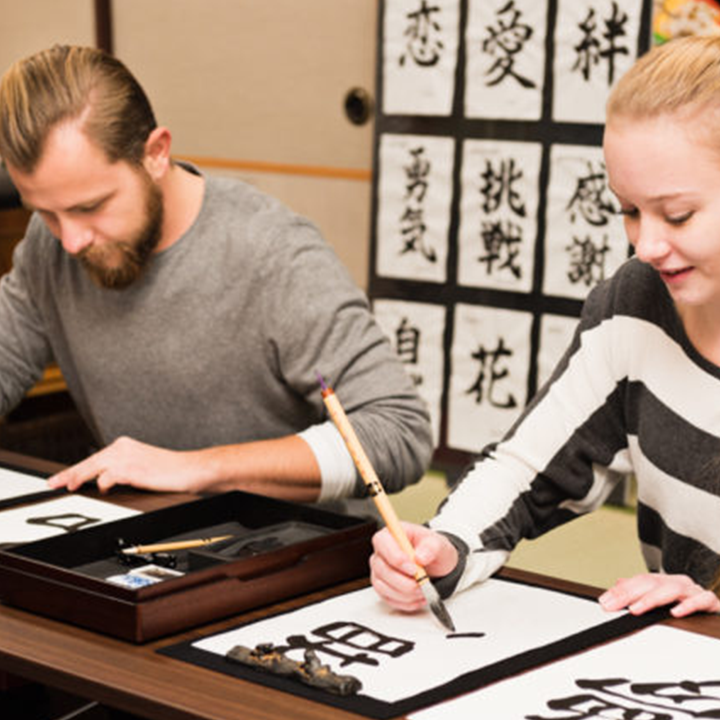
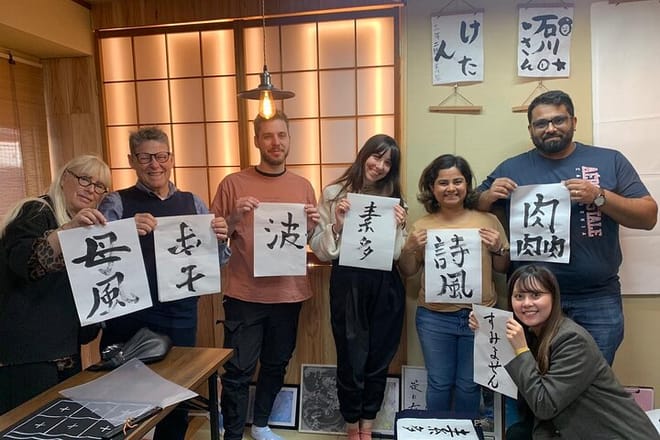
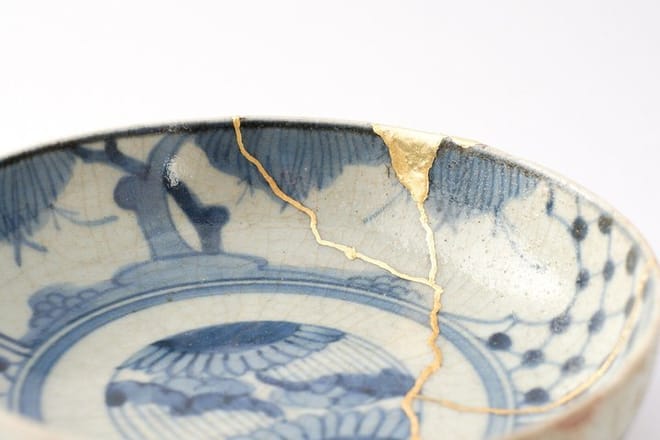
Chopsticks Studio Shinjuku opened in June 2026 as a Japanese cultural activity complex about a four-minute walk from Shinjuku Station. The venue offers a range of activities under one roof: calligraphy and kintsugi classes are in the same building as the chopstick-making workshop. This means that you can do woodworking in the morning and try calligraphy in the afternoon, all without leaving the building.
Besides showing you how to handle the tools, staff explain the history of chopsticks and calligraphy, the meanings behind kanji (the Chinese-derived characters used in Japanese writing), and the Japanese spirit of hospitality, all in English.
The studio takes up to sixty people per class, and alongside independent travelers it increasingly hosts agency tours, school trips, and corporate group training sessions. Classes finish in one to two hours, so even groups can fit a workshop into a packed schedule.
Details
| Meeting point | Dai-22 Higashi Building 8F, 1-5-4 Kabukicho, Shinjuku-ku (about a 4-minute walk from Shinjuku Station) |
| Duration | 1–2 hours (depending on the activity) |
| What’s included | Wood, tools, and a cultural talk |
| Booking page | https://japanguidestar.com/tour/tokyo-shinjuku-chopstick-making-workshop/ |
| Best for | Travelers combining several cultural activities in one day, and group or corporate trips |
Prices are subject to change. Please check the official website for the latest information.
Details and bookings for chopstick making and kintsugi at Chopsticks Studio Shinjuku can be found at the website listed below.
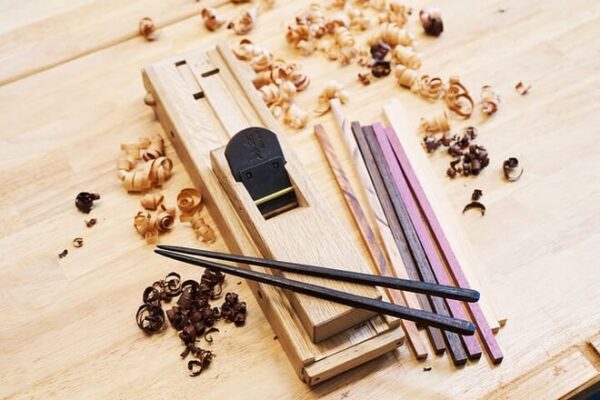
Tokyo Chopstick Making Workshop in Shinjuku
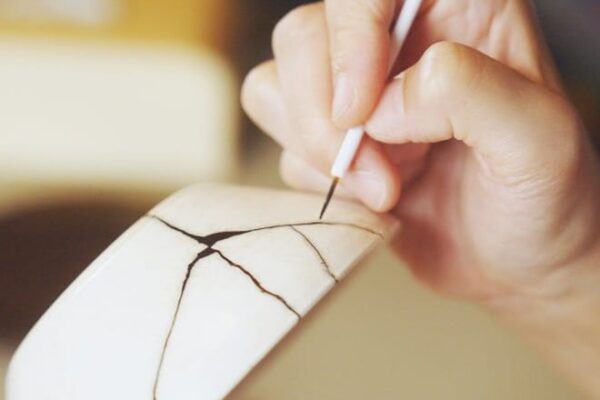
Tokyo: Japanese Gold Repair Kintsugi Workshop in Shinjuku
Kyoto Arashiyama Chopstick Making Workshop
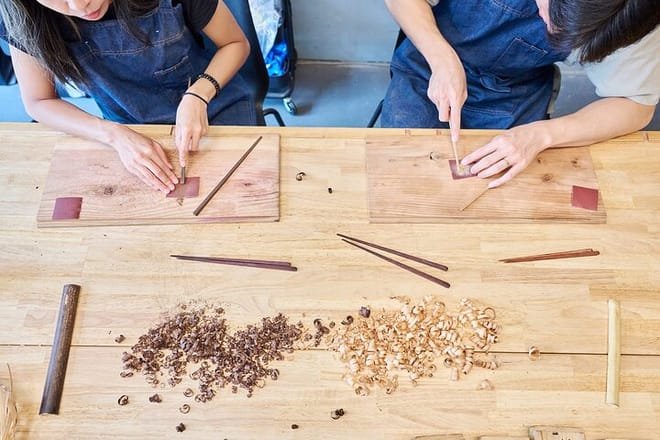
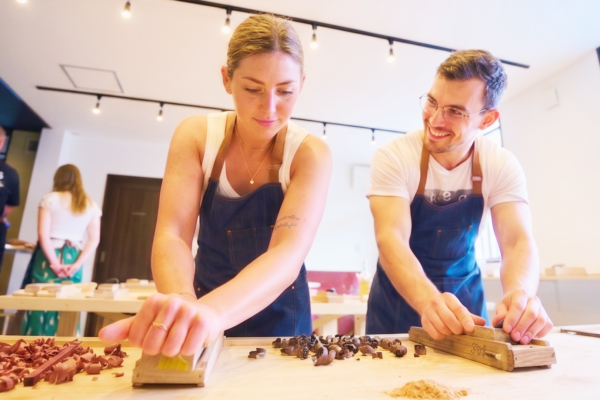
Located at a venue just a two-minute walk from Randen Arashiyama Station, a workshop here is easy to combine with a half-day visit to Tenryuji Temple and the Bamboo Grove Path. Sessions run for around sixty minutes and start every thirty minutes from 9:00 am to 6:30 pm, so you could walk the bamboo grove in the morning and make chopsticks before lunch.
You’ll choose from more than ten woods, three of them included in the base price of the session. The studio holds up to thirty people and accepts group bookings. They also allow children from age six and up to join in, making it a solid fit for family trips.
The venue is on the second floor of a building with no elevator, so ask for assistance in advance if you have a stroller or large bags. Engraving is available for an extra charge and cancellation is free until the day before your reservation.
Details
| Meeting point | Saga Tenryuji Susukinobaba-cho, Ukyo-ku, Kyoto (about a 2-minute walk from Randen Arashiyama Station; 2nd floor, stairs only) |
| Duration | About 60 minutes (9:00 am–6:30 pm, every 30 minutes) |
| What’s included | One pair of chopsticks (more than 10 woods, 3 with no surcharge), tools, instruction |
| Booking page | https://japanguidestar.com/tour/kyoto-arashiyama-chopstick-making-workshop/ |
| Best for | Travelers sightseeing in Arashiyama, and visitors on group tours |
Check the following website for details on the Arashiyama workshop.
Kyoto Arashiyama Chopstick Making Workshop
Comparing the Four Chopstick-Making Workshops
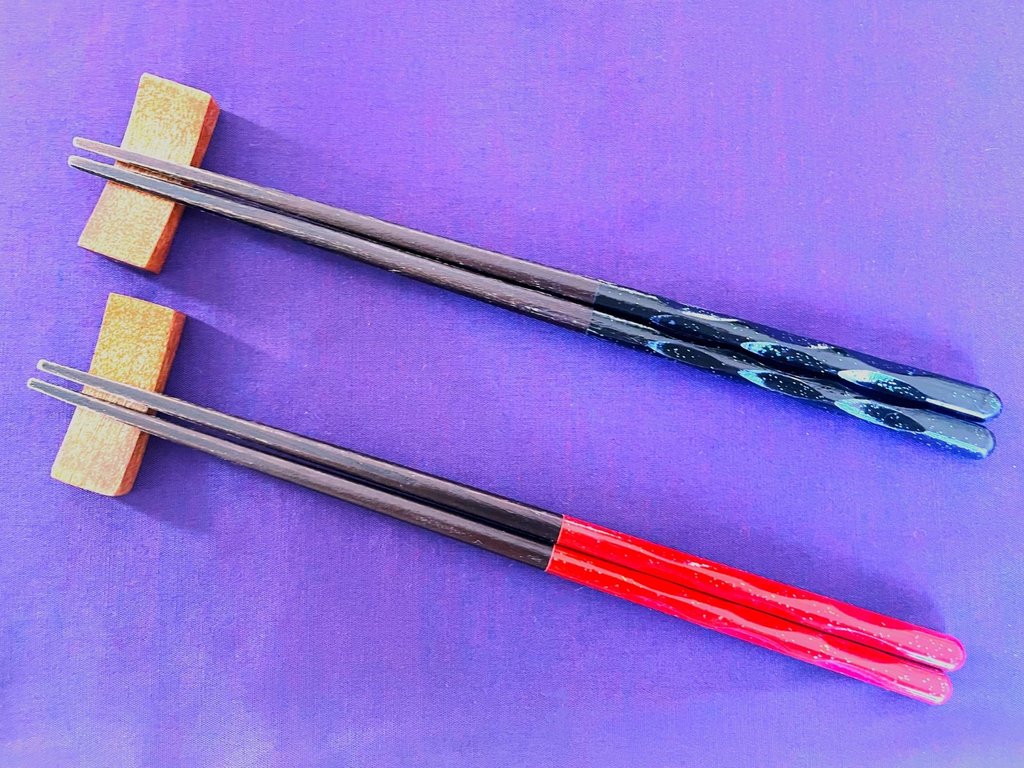
Even when you know what each studio offers, the final call is easier to make with a side-by-side look at what’s included and how to get there. The table below lines up the four workshops by session content, location, distance from the nearest station, and what each studio is known for.
| Studio | Workshop Content | Location | Nearest Station | Features |
|---|---|---|---|---|
| Ginza | Wood (10+ types, 3 free), tools, oil finish | Ginza 1-chome, Chuo-ku | About a 1-minute walk from Ginza-itchome Station, Exit 10 | Start times every 30 minutes; works for a short gap in your day |
| Asakusa | Premium wood, laser name engraving | Asakusa 1-chome, Taito-ku | About a 5-minute walk from Asakusa Station | Clear all-in price with engraving; open to ages 6 and up |
| Shinjuku | Wood, tools, cultural talk | Kabukicho 1-chome, Shinjuku-ku | About a 4-minute walk from Shinjuku Station | Calligraphy and kintsugi in the same building; groups of up to 60 |
| Kyoto Arashiyama | Wood (10+ types, 3 free), tools, finishing. Engraving costs extra. | Saga, Ukyo-ku, Kyoto | About a 2-minute walk from Randen Arashiyama Station | Start times every 30 minutes; works as a rainy-day alternative |
Prices are subject to change. Please check the official website for the latest information.
Information current as of September 2026. For the latest details, check out each page from the chopstick-making workshop list.
Name engraving is often an optional extra. If budget or timing is what you are weighing, the following guidelines might help.
- Want to keep costs down? The Ginza, Shinjuku, and Arashiyama workshops have lower base prices than the Asakusa premium plan.
- Short on time? The Ginza and Arashiyama studios are just one to two minutes from the station, with start times every 30 minutes and sessions of about an hour.
- Want more? The premium chopstick-making course in Asakusa adds engraving to your plan, and the additional calligraphy class in Shinjuku gives you even more cultural exposure.
Common Questions About Making Your Own Chopsticks

Before booking, you might wonder whether you can really make a decent pair of chopsticks or whether children can participate with you. The information compiled in this section covers age restrictions, how to carry the finished chopsticks home, and how to care for them in everyday use.
Can I Make a Good Pair of Chopsticks Even if I’m Not Handy?
You sure can. The four studios in this article generally describe their sessions as “easy,” and the programs don’t assume a background in arts and crafts. Instructors demonstrate each step, such as how much pressure to apply when using the plane, and they’ll correct anything you’re getting wrong, so serious mistakes are unlikely.
The wood you pick influences the difficulty, however. Soft woods such as Japanese cedar suit first-timers, while cherry is a little harder to shave but yields a finer finish. Ask “Which wood is the easiest to shave?” when you book or during the consultation on the day. Staff can help you choose a material that matches your needs.
Are There Age Restrictions?
Age restrictions vary by studio, so check before booking if you plan to participate in a workshop with children. Asakusa and Arashiyama accept participants aged six and up, though Asakusa asks that children under thirteen be accompanied by a guardian or have a guardian’s consent.
The Ginza studio doesn’t publish a minimum age on its website, so if you want to bring a young child, note the child’s age in the comments field of the booking form or message the studio directly to confirm. When confirming, ask whether any step involves blades and whether child-sized aids are available.
Can I Take My Chopsticks Home on a Plane?
Wooden chopsticks are typically not a restricted item, so you can generally carry them in the cabin or in your checked baggage. Note that airline security may flag them as pointed objects, so wrap them in cloth and check them in your suitcase if you’d rather not risk them getting confiscated.
Plant quarantine rules at your destination are easy to forget about. For example, Australia and New Zealand require you to declare wooden items, and bark, insect damage, or traces of soil can lead to confiscation.
Can I Use the Chopsticks Every Day?
The chopsticks you make can be used every day. The finish is typically perilla or linseed oil, both of which are edible and pressed from seeds, so they should be safe for use with food.
To keep them in good shape, wash them by hand with a soft sponge (rather than in the dishwasher). Avoid soaking them in water for long periods and wipe them dry right after washing them. Finally, let them air-dry somewhere well ventilated.
Are There Other Studios Where I Can Make Chopsticks?
Besides the four studios introduced in this article, Tokyo and Kyoto have other studios that offer chopstick making. In Tokyo, a dedicated chopstick studio operates in the Shibuya area, and the Kuramae district hosts workshops regularly. In Kyoto, sessions are also available in Shijo Karasuma and Gion, both central sightseeing districts.
Tokyo Shibuya Chopstick Making Workshop
Take Home a Pair of Chopsticks You Made Yourself
With an English-friendly studio, the language barrier isn’t a problem, and with sessions lasting about an hour, chopstick making is easy to add to your sightseeing plans. Compare what different studios cover in their base prices, consider each studio’s distance from the station, confirm any extras or add-on services, then book the studio that matches your itinerary.
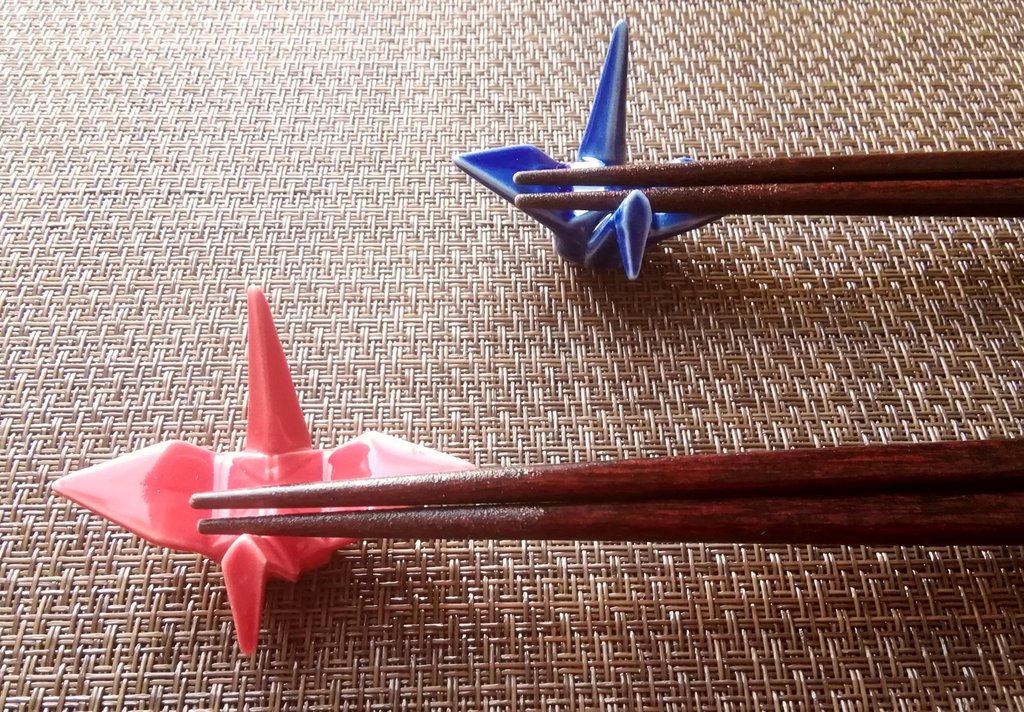
A pair of chopsticks you made with your own hands will remind you of your time in Japan at every meal, even after you return home. It also makes a one-of-a-kind souvenir.