Many visitors to Japan feel uneasy during meals, worried that unfamiliar chopstick use might accidentally come across as rude.
Some chopstick mistakes are considered especially serious taboos because they evoke Japanese funeral customs and other deeply rooted cultural associations. Even when done unintentionally, these actions can genuinely surprise or unsettle people nearby.
Below are 10 important chopstick taboos that foreign visitors should know, ranked by how serious they are generally considered in Japan. Each is explained together with its cultural background in a clear and approachable way.
This guide also covers proper chopstick grip and the correct etiquette for serving food from shared dishes, helping you enjoy meals in Japan with greater confidence and comfort.
Along the way, you’ll also learn how Japanese people actually feel about chopstick manners in everyday situations, along with practical tips you can start using immediately, so be sure to read through to the end.
How Japanese People Really Feel About Chopstick Etiquette
Many visitors to Japan worry, “What if I use my chopsticks the wrong way and offend someone?”
This section explains how chopstick etiquette is actually perceived in everyday Japan. You’ll learn which taboos are considered genuinely important, how people tend to react to visitors making an effort to use chopsticks properly, what kind of impression pre- and post-meal greetings leave, and how flexible sushi etiquette really is in practice.
Understanding these points should help you approach meals in Japan with much greater confidence and peace of mind.
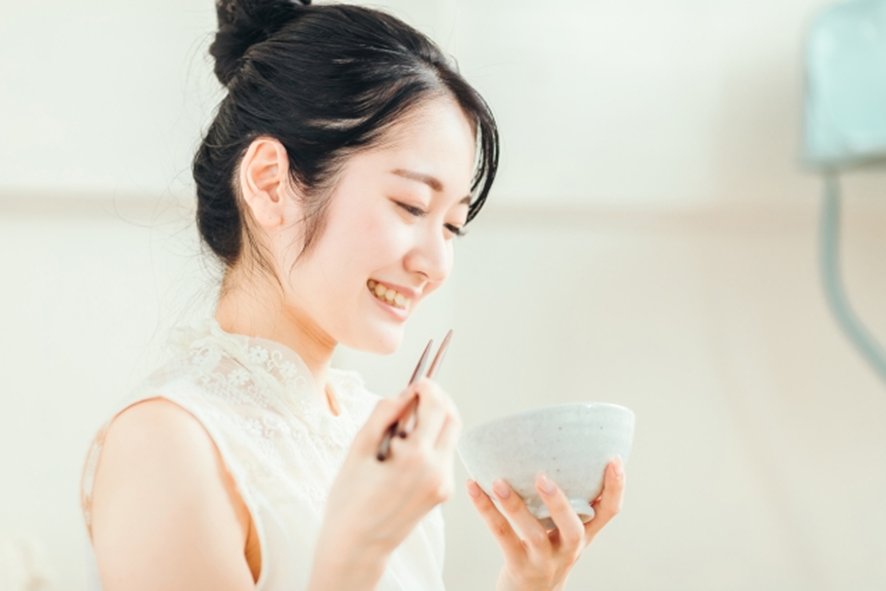
Just Trying to Use Chopsticks Is Seen Favorably
At restaurants and in homes across Japan, seeing a foreign visitor make an effort to use chopsticks is generally received very warmly.
Many Japanese people will simply think, “They’re showing respect for Japanese culture.” In most situations, the willingness to try matters far more than perfect technique, and that effort itself is often appreciated as a sign of courtesy.
In fact, even among Japanese people, not everyone holds chopsticks perfectly. There’s no need to worry that you’re “the only clumsy one.”
That said, expectations around etiquette do vary depending on the dining situation:
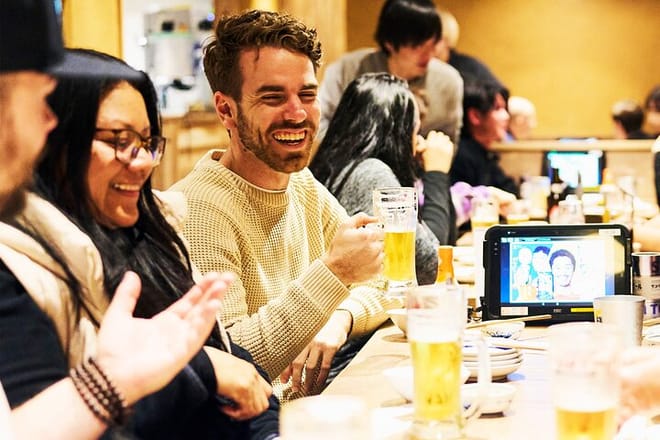
- Casual meals (such as izakaya, Japanese pub-style restaurants): Almost nobody pays close attention to how precisely you hold your chopsticks
- Business meals: Awareness of taboos—especially those tied to funerals—becomes more important
- Family meals: Often a warm, supportive atmosphere—the perfect place to practice
In relaxed dining settings, a little awkwardness is rarely a problem. Even in formal or business situations, avoiding the major “don’ts” matters much more than handling chopsticks elegantly.
Simply making the effort to use chopsticks already leaves a positive impression on many Japanese people.
Avoiding the “Don’ts” Matters More Than a Perfect Grip
If you focus too intensely on holding your chopsticks perfectly, your hands can become tense and you may stop enjoying the meal itself.
In reality, what many Japanese people pay far more attention to is not the elegance of your grip, but whether you avoid certain major taboos at the table.
Some chopstick actions are considered especially inappropriate because they are closely associated with Buddhist funeral rituals.
For example, sticking chopsticks vertically into a bowl of rice—called tate-bashi (chopsticks stood upright in rice)—mirrors exactly how rice is offered to the deceased.
And hiroi-bashi (passing food directly from chopstick to chopstick) recalls the ritual of transferring cremated bones after a funeral.
Because these actions strongly evoke death and funerary customs, they can instinctively make Japanese people feel deeply uncomfortable.
Once you understand that cultural background, the priorities become much clearer:
- Chasing a perfect grip → You get tense and stop enjoying the meal
- Just reliably avoiding the funeral-related taboos → You don’t make anyone uncomfortable, and you can dine at ease
In practice, “holding the chopsticks reasonably well while avoiding the major taboos” is the most realistic, and most appreciated, approach.
“Itadakimasu” and “Gochisousama-deshita” Make a Great Impression
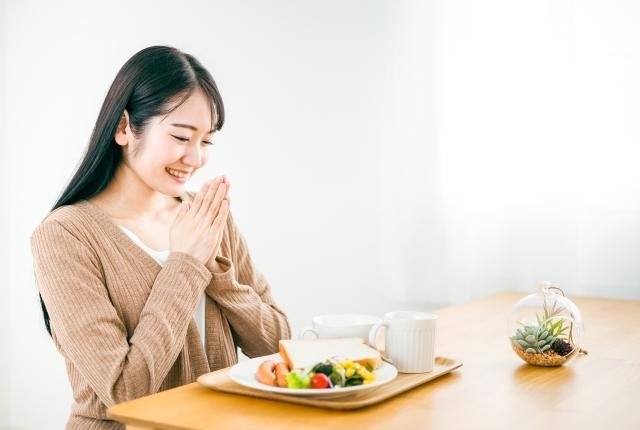
Even if you’re not confident using chopsticks, simply saying a few words before and after a meal can dramatically change the impression you leave.
Those words are itadakimasu (a pre-meal expression of gratitude) and gochisousama-deshita (a phrase of thanks said after finishing the meal).
Together, these two expressions reflect the spirit of gratitude that has long been deeply valued in Japanese culture.
Itadakimasu expresses appreciation for the lives of the ingredients and for the person who prepared the food.
Gochisousama-deshita conveys thanks and respect to everyone involved in making the meal possible.
In Japan, children repeatedly learn these phrases both at home and at school, so using them becomes almost automatic in daily life.
Because of this, when foreign visitors use these expressions, Japanese people often react very positively. Many will simply feel, “They’re trying to understand Japanese culture.”
Even if your chopstick technique is a little awkward, expressing gratitude through these words is more than enough. Very few Japanese people would criticize someone who sincerely says itadakimasu and gochisousama-deshita.
The custom itself is very simple:
- Before eating, lightly bring your hands together and say itadakimasu
- After eating, do the same and say gochisousama-deshita
- Even if your pronunciation isn’t perfect, the willingness to try is what truly matters
In practice, making these two phrases part of your meals is often far more meaningful than striving for flawless chopstick etiquette. If you have the opportunity to dine in Japan, try using them yourself.
Sushi: Eating With Hands or Chopsticks Is Both Fine
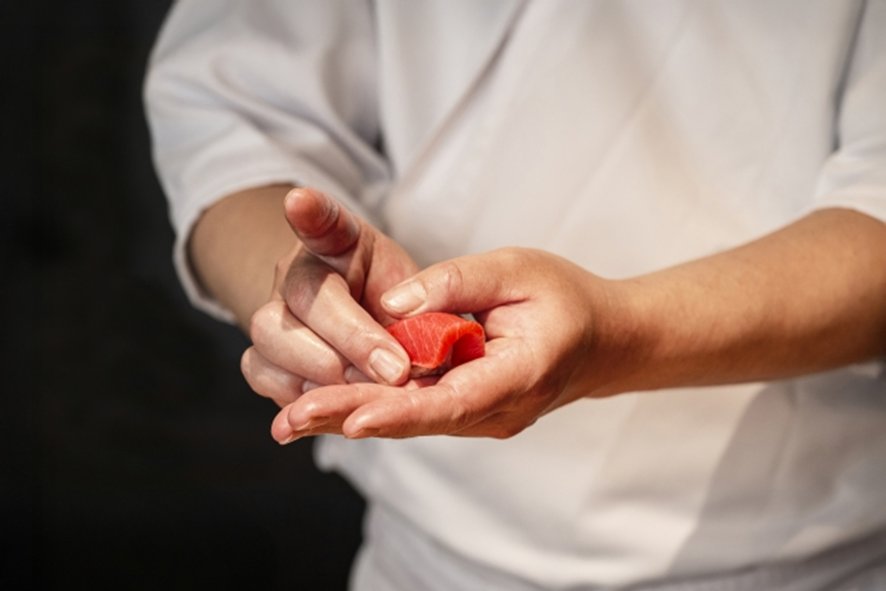
“Is it really okay to eat sushi with my hands?” is a question many visitors to Japan have.
The answer is yes — when eating sushi, using either your hands or chopsticks is completely acceptable and is not considered bad manners.
The reason comes from sushi’s history. Sushi originally developed as a kind of fast food during the Edo period (1603–1868). People commonly ate it while standing at street stalls, picking it up with one hand and eating it quickly. That tradition has continued into modern times, which is why even high-end sushi restaurants still recognize eating sushi by hand as perfectly proper.
If you choose to eat sushi by hand, there are three helpful points to keep in mind:
- Wipe your hands clean with an oshibori (a moist towel or paper provided to keep hands and fingers clean) before starting
- Pick up the sushi gently without breaking the shari (vinegared rice), turn it so the neta (topping placed on top of the rice) faces down, and lightly dip just the neta in soy sauce
- Bring the sushi to your mouth with the neta still facing down, and eat it in one bite
These points are less about strict etiquette and more about enjoying sushi in the way it was traditionally intended to taste best.
Of course, using chopsticks is equally acceptable, so you should simply choose whichever method feels most comfortable for you.
3 Absolute No-Gos: Chopstick Habits That Evoke Funerals
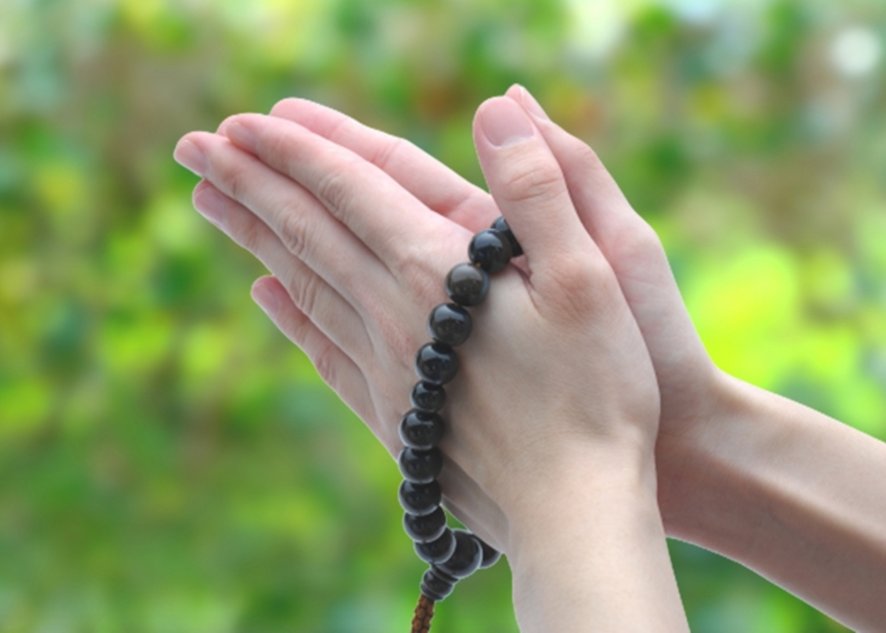
Among the many forms of chopstick etiquette in Japan, the actions most strongly avoided are those associated with funeral rituals and mourning customs. These behaviors can create genuine psychological discomfort for Japanese people, so they are considered important taboos to avoid whenever possible.
Let’s go over the three taboos you should absolutely steer clear of.
We’ll cover the cultural background of tate-bashi, hiroi-bashi, and watashi-bashi (resting chopsticks across a bowl), and how to avoid each.
Once you understand why these actions are considered inappropriate, navigating meals in Japan becomes much less stressful, and you’ll be able to dine with far greater confidence.
Tate-bashi|Sticking Chopsticks Vertically Into Rice
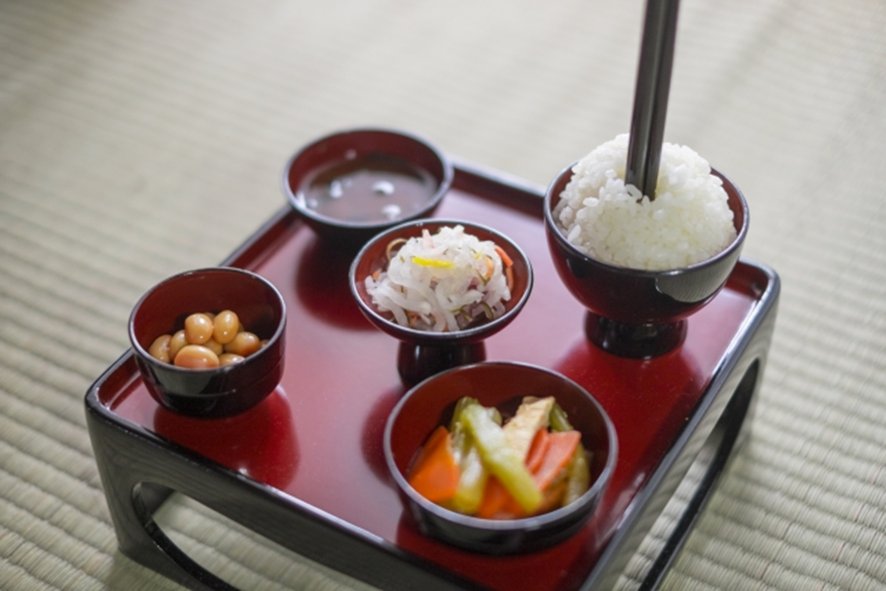
Tate-bashi refers to sticking chopsticks vertically into a bowl of rice, and it is widely regarded as the single most serious taboo in Japanese chopstick etiquette.
The reason it provokes such a strong reaction is its close connection to funeral customs.
At Japanese funerals, a special offering known as makura-meshi (“pillow rice”) is placed beside the deceased. It consists of a bowl of rice with a pair of chopsticks standing upright in the center. Recreating that same image at the dining table immediately evokes death and funerary rituals for many Japanese people, which can cause genuine discomfort.
Because of this association, Japanese children are taught from a very young age: “Never stick your chopsticks upright into rice.” Even people who do not fully know the historical background often remember being firmly corrected by parents or grandparents if they ever did it.
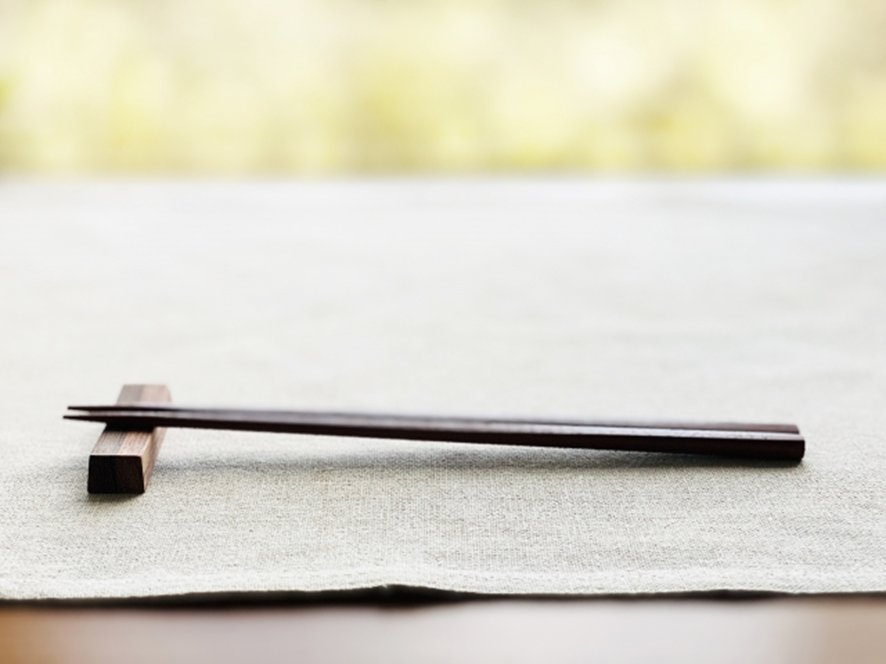
If you are unsure where to place your chopsticks during a meal, the safest approach is to use a chopstick rest. If none is provided, many people simply fold the chopstick wrapper into a temporary rest instead.
For Japanese diners, even a brief moment of chopsticks standing vertically in rice can instantly call funeral imagery to mind. Simply knowing this custom allows you to avoid unintentionally making others uncomfortable during a meal.
Hiroi-bashi|Passing Food From Chopsticks to Chopsticks
Hiroi-bashi refers to passing food directly from one person’s chopsticks to another’s. Alongside tate-bashi, it is considered one of the most serious chopstick taboos in Japan.
The reaction it triggers is every bit as strong as tate-bashi.
The custom originates from kotsuage, a funeral ritual performed after cremation in which family members use chopsticks to pick up the deceased’s bones and place them into an urn. During this ritual, two people may hold the same bone at the same time with their chopsticks and pass it between them.
The chopsticks used for kotsuage are also distinctive: the pair is intentionally mismatched, often made from different materials such as bamboo and willow.
Because kotsuage is regarded as a sacred ritual associated only with funerals, recreating the same motion at the dining table strongly evokes death and mourning for many Japanese people. Since it is a solemn experience encountered only a few times in life, seeing a similar action during an ordinary meal can feel deeply unsettling.
Fortunately, avoiding hiroi-bashi is very simple. When sharing food from a hot pot or large communal plate, use one of these alternatives:
- Place the food onto the other person’s plate first, then have them pick it up
- Use tori-bashi (serving chopsticks meant for sharing)
- If no serving chopsticks are available, ask the staff to bring some
A simple rule to remember is: “Never pass food directly from chopsticks to chopsticks.”
Watashi-bashi|Resting Chopsticks Across the Top of a Bowl
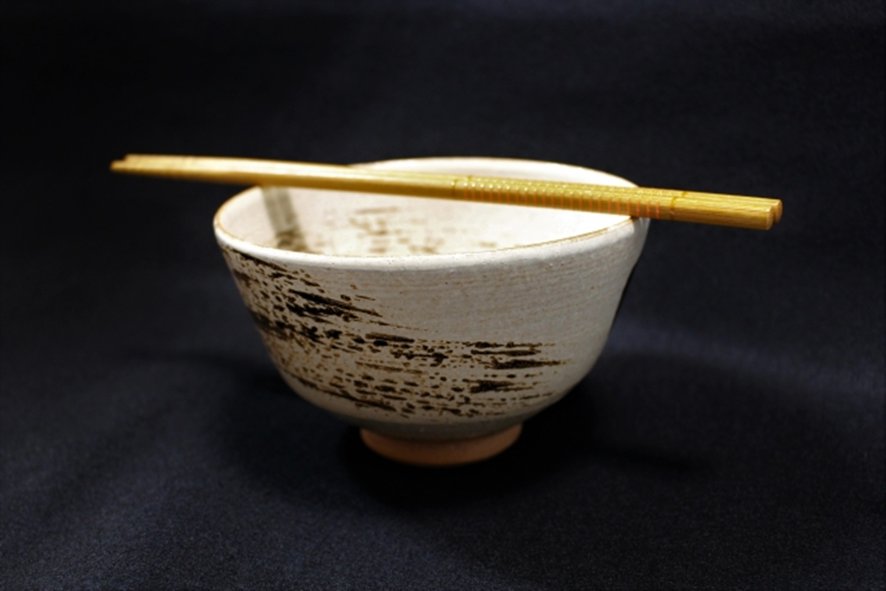
Watashi-bashi is one of the most commonly committed chopstick mistakes in everyday meals.
It refers to resting your chopsticks horizontally across the top of a bowl. Traditionally, this shape is said to resemble a bridge across the Sanzu River — the river in Buddhist and Japanese folk belief believed to separate this world from the next. Because of that association, the gesture has long been avoided as something that evokes death and the afterlife.
Historical etiquette manuals from the early modern period also contain warnings against placing chopsticks across the top of soup bowls.
There is also a practical reason to avoid watashi-bashi: it can signal, “I’m finished eating.” If you rest your chopsticks this way during the meal, restaurant staff may mistakenly think you are done and clear your dishes away even if food remains.
So what should you do when you want to set your chopsticks down temporarily?
- If there’s a chopstick rest, returning them there is the standard practice
- Fold the chopstick wrapper into a small makeshift rest as a substitute
- Lightly resting just the tips on the edge of a small plate is also acceptable
Chopstick rests themselves have a long history dating back to the Muromachi period (1336–1573), and they remain an established part of Japanese table etiquette today.
Learning how to make a simple chopstick rest from the wrapper is especially useful, since it ensures you’ll never be unsure where to place your chopsticks during a meal.
7 Chopstick Habits to Avoid During Meals
While these actions are not considered as serious as the funeral-related taboos, there are several common chopstick habits that can still make people around you uncomfortable during a meal.
We’ll cover seven habits to avoid, such as sashi-bashi (stabbing food with chopsticks) and mayoi-bashi (wavering chopsticks over dishes), that people often fall into without realizing it during everyday meals.
For each custom, we’ll also explain why it is viewed as impolite and what kind of impression it can create at the table.
A quick review of these habits will help you use chopsticks more naturally and confidently in almost any dining situation in Japan.
Sashi-bashi|Stabbing Food With Chopsticks
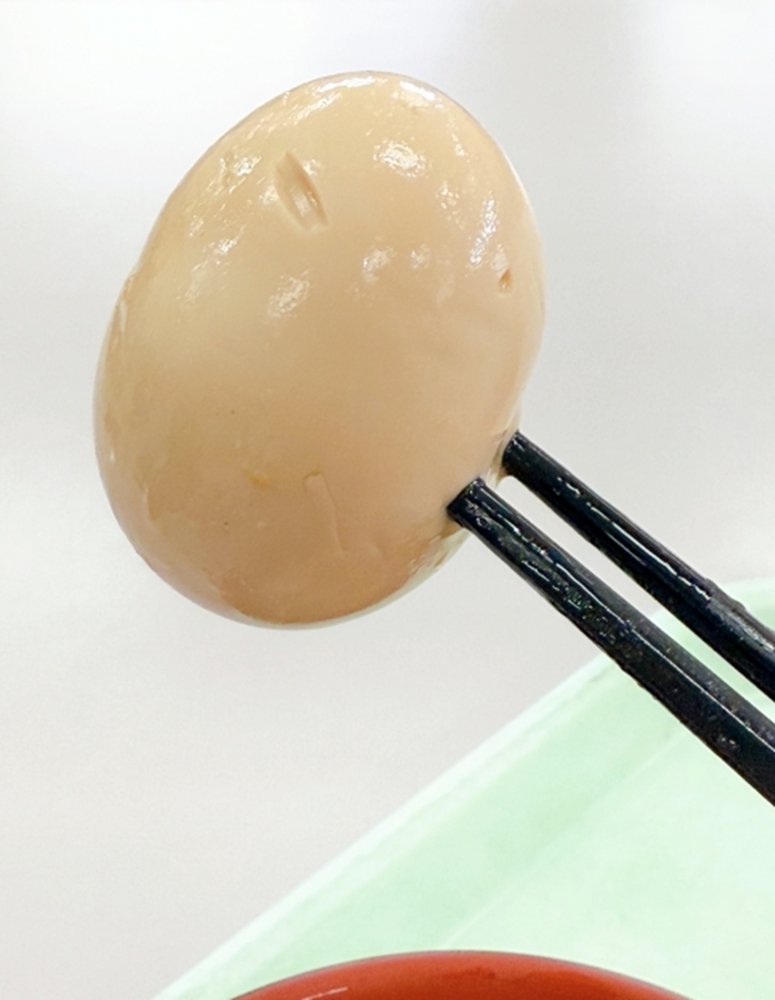
Sashi-bashi refers to stabbing food with your chopsticks and lifting it to your mouth that way.
With slippery foods such as satoimo (taro) or tofu, it can be tempting to spear the food with the chopstick tips to keep it from falling. However, this is generally considered poor manners in Japan.
The reason is that chopsticks are traditionally viewed as tools for gently pinching and holding food. Using them to stab food goes against their intended function and can create an impression of roughness or carelessness at the table.
Some people also associate it with tate-bashi and find it ominous, so it’s a habit that can easily trigger negative reactions.
You can still pick up slippery ingredients reliably with a few small tricks.
- Tofu: Don’t push the tips in too deep; gently lift it by supporting the bottom
- Konnyaku (a jelly-like food made from konjac yam): Cut it into smaller pieces, then grip with the sides of the tips
- Satoimo (taro): Make a small cut beforehand so you can grip it gently without crushing it
If a food still feels too difficult to pick up cleanly, switching to a spoon is completely acceptable and often the better option.
As a general rule, if you find yourself thinking, “I can only eat this by stabbing it,” it’s usually a sign that using a different utensil would be more appropriate.
Mayoi-bashi|Wavering Your Chopsticks Over the Dishes While Deciding
Mayoi-bashi refers to moving your chopsticks back and forth over several dishes while hesitating about what to eat next.
In Japanese etiquette guides and children’s food education, it is commonly identified as a chopstick habit to avoid.
The issue is not that it breaks a strict rule, but rather the impression it creates. When the tips of your chopsticks wander indecisively above the dishes, it can make you appear restless or distracted at the table.
In settings such as kaiseki (traditional multi-course Japanese dining) or shared hot-pot meals, this behavior can also interrupt the rhythm of the meal and may come across as inconsiderate to the other diners.
Fortunately, the solution is very simple:
Decide what you want to eat with your eyes before moving your chopsticks.
A helpful habit is to follow this sequence:
“Choose with your eyes first, then move the chopsticks once.”
Practicing this naturally creates a calmer, more thoughtful dining style and gives a more graceful impression during the meal.
Sashi-bashi (Pointing)|Pointing at People or Things With Your Chopsticks
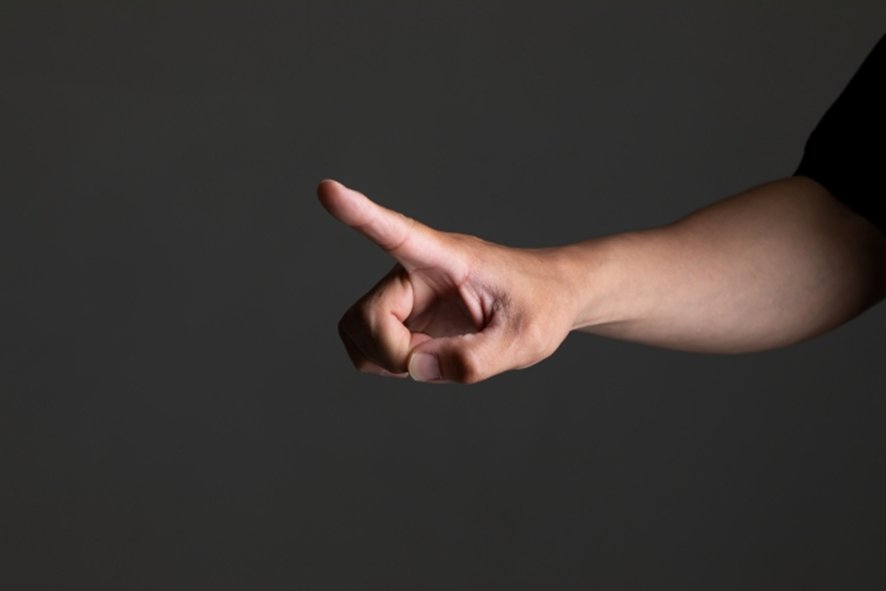
This form of sashi-bashi refers to pointing at a person or dish with the tips of your chopsticks.
It often happens unintentionally during lively conversation. For example, you might gesture toward a dish while still holding your chopsticks, or the tips may end up directed toward the person you’re speaking to.
This is a habit you should avoid.
Pointing with chopsticks is disliked because the act of pointing at a person is itself impolite.
Even with chopsticks involved, the other person feels the same intimidation and discomfort as being pointed at with a finger.
Interestingly, this idea is not unique to Japan. In Western table manners as well, pointing at someone with a fork or knife is considered bad etiquette. The feeling that pointing utensils at people during conversation appears aggressive is actually a shared social instinct across many cultures.
Chopsticks are meant to be tools for eating, not for gesturing.
If you want to indicate a dish or direct someone’s attention, the more polite approach is to set your chopsticks down first and gesture gently with an open hand instead. That small action naturally conveys greater respect and consideration toward everyone at the table.
Yose-bashi|Pulling a Dish Toward You With Your Chopsticks
Yose-bashi refers to using your chopsticks to pull a bowl or plate closer to you.
For example, when a bowl of miso soup is just slightly out of reach, it can be tempting to hook it with your chopsticks and slide it toward yourself. In Japanese etiquette, however, this is considered poor manners.
The reason this is considered bad manners becomes clear when you think about what chopsticks are for.
Chopsticks are tools for bringing food to your mouth, not for moving dishes.
Using them to manipulate the dishes gives the impression that you’re using the tool incorrectly, and is seen as lacking refinement.
The rule to remember is simple:
- When you want to move a dish, set down your chopsticks and pick it up with your hand
- Use chopsticks only to pick up food
- When the table is full of dishes and you can’t reach a far one, ask someone next to you to pass it closer
Remembering the idea “hands for dishes, chopsticks for food” naturally helps prevent yose-bashi in everyday dining situations.
Neburi-bashi|Licking Your Chopsticks
Neburi-bashi refers to licking food or sauce directly from the tips of your chopsticks.
When grains of rice or bits of sauce cling to the chopsticks, the temptation to lick them clean is understandable. However, in Japanese dining etiquette, this behavior is considered particularly unpleasant for the people around you.
The reason is fairly simple: watching someone lick their chopsticks immediately disrupts the sense of cleanliness and refinement at the table.
In Japanese dining culture, visual impressions play an important role. The moment someone sees chopsticks being licked, many people instinctively think “unclean.” Even if the meal itself is excellent, creating discomfort for the other diners can spoil the atmosphere of the table as a whole.
If the tips of your chopsticks become dirty, there are several more polite ways to handle it:
- Use kaishi (small folded paper traditionally used in Japanese tea ceremony and dining) or a napkin to gently wipe the tips
- Quietly let any liquid drip off against the edge of your plate
- For dishes with a lot of broth, bring the bowl closer to your mouth and then use the chopsticks
Kaishi paper is easy to find at Japanese 100-yen (Japanese variety stores) shops and stores that sell traditional household goods. Carrying even a single sheet can be surprisingly useful, not only for wiping chopsticks but for many small dining situations as well.
Namida-bashi|Dripping Liquid From Your Chopsticks as You Bring Food to Your Mouth
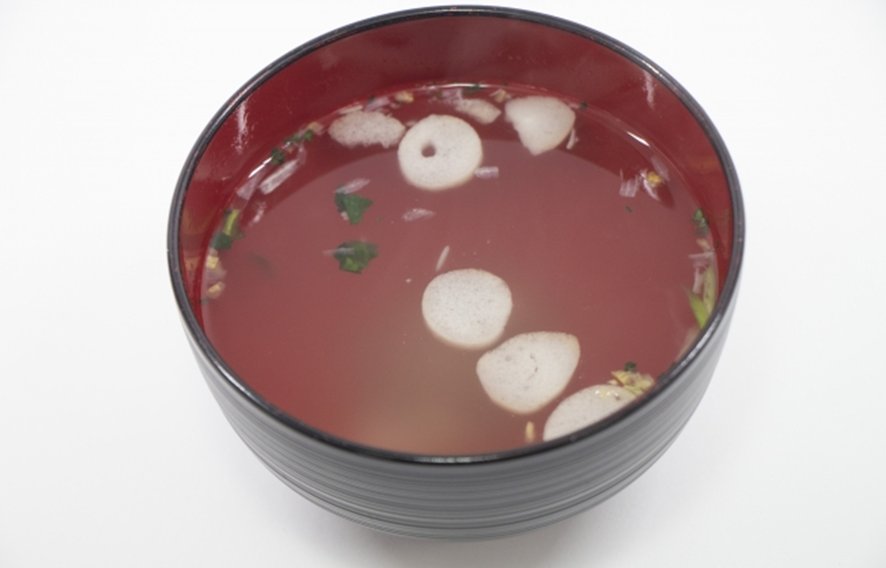
Namida-bashi, literally “crying chopsticks” refers to liquid dripping from the tips of your chopsticks as you carry food to your mouth.
It easily happens with soba (buckwheat noodles) dipped in tsuyu (a dashi-based dipping sauce), or sashimi (sliced raw fish) dipped in soy sauce.
The main reason namida-bashi is considered poor manners is practical: dripping broth or sauce can stain the table, dishes, or even other people’s clothing. It can also create the impression that the food is being handled carelessly, which is why people tend to be especially mindful of it during formal meals.
There are a few simple tips to prevent it:
- Before lifting the food, gently let excess liquid drip off against the edge of the bowl
- With dipping sauces or soy sauce, only dip the tips briefly—don’t soak the food
- Hold your dish firmly, and use a small plate as a catch dish if needed
One point worth noting: catching dripping food by cupping your free hand underneath it — known as te-zara (“hand plate”) — is itself generally considered poor etiquette in Japan. Using a bowl, plate, or kaishi paper instead is the more proper approach.
With just a little awareness, keeping the table clean becomes easy and natural.
Kosuri-bashi|Rubbing Disposable Chopsticks Together
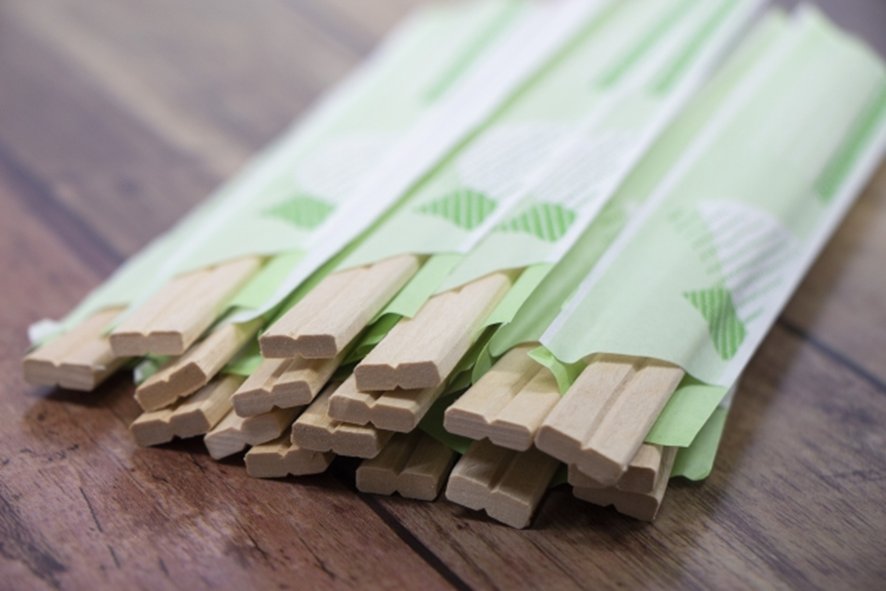
Kosuri-bashi refers to rubbing disposable chopsticks together after splitting them apart in order to brush off wood shavings.
Although people often do this out of concern for cleanliness or splinters, it is considered a habit to avoid in Japanese dining etiquette.
The reason is that rubbing the chopsticks together can unintentionally send the message, “These chopsticks are cheap or poorly made.” To restaurant staff, it may feel as though the quality of the establishment itself is being criticized or distrusted.
The scraping sound can also be noticeable to nearby diners and may subtly disrupt the atmosphere of the meal.
If you are bothered by a splinter or rough edge, there are more polite ways to handle it:
- Gently pinch it off with your fingertips
- Ask the staff to bring you a new pair of disposable chopsticks
- Split the chopsticks slowly and quietly so that splinters are minimal to begin with
Because kosuri-bashi is often done unconsciously, it helps to adopt a simple habit:
“Once the chopsticks are split, use them as they are.”
Keeping that in mind naturally helps you avoid the gesture without needing to think about it too much.
The Correct Way to Hold and Move Chopsticks
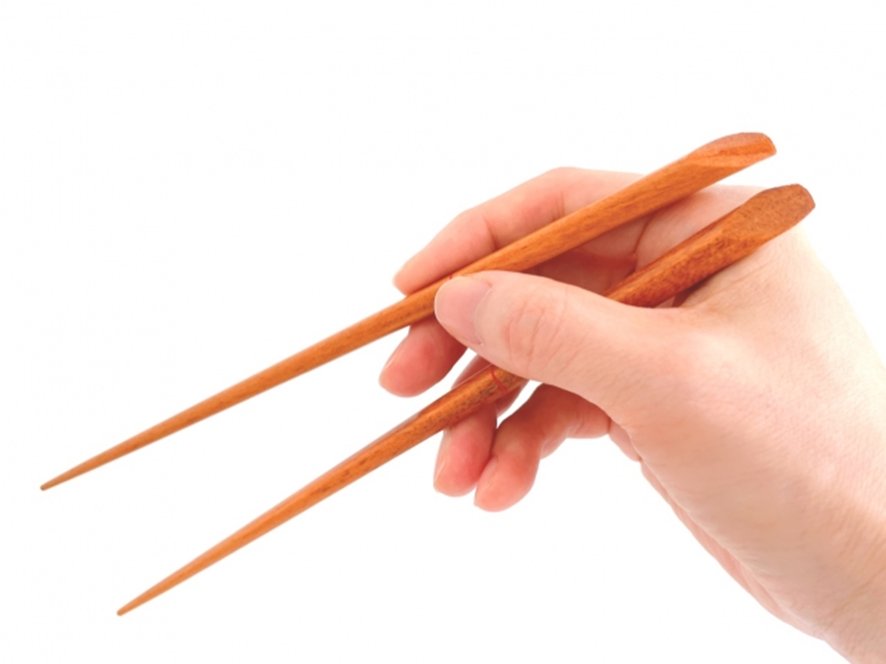
Many people feel self-conscious about how they hold chopsticks and become tense eating in front of others.
In reality, the basic technique is much simpler than it looks. Once you understand the core movement, using chopsticks becomes far more natural and comfortable.
The fundamental principle is this:
“Keep the bottom chopstick still, and move only the top one.”
The bottom chopstick rests at the base of your thumb and on the tip of your ring finger, and never moves during the meal.
The top chopstick is held like a pencil with your index finger, middle finger, and thumb, and the tip moves up and down to pick up food.
When picking up food, the key is to keep the bottom chopstick still and use your thumb as a pivot, bending and extending your index and middle fingers to smoothly move only the top chopstick up and down.
A good way to practice is to focus on only one chopstick at first.
Try moving just the top chopstick and repeatedly drawing the number “1” in the air. This helps your fingers get used to the motion naturally before you begin picking up food.
How to Properly Serve Food From a Shared Dish With Chopsticks
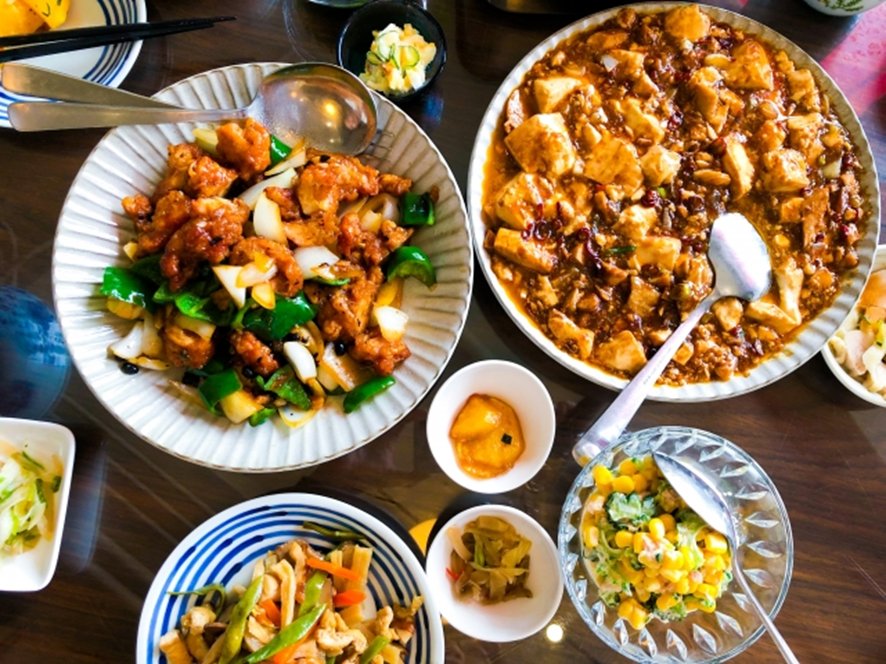
At meals with shared dishes, many people become unsure about the proper way to serve food using their chopsticks.
One commonly seen practice is sakasa-bashi (“reverse chopsticks”), where people flip their chopsticks around and use the opposite ends to take food from a communal plate. Although this is often done with hygiene in mind, it is not always considered the best solution.
We’ll also cover the proper approach: asking for serving chopsticks.
Keeping these two points in mind helps you handle shared dishes naturally and confidently, even during formal meals or business dinners.
Using the Reverse End of Chopsticks Is Actually Less Hygienic
Sakasa-bashi refers to flipping your chopsticks around and using the handle ends to take food from a shared dish.
This custom developed from a well-meaning intention: avoiding the chopstick tips that have already touched your mouth. However, from a hygiene perspective, it can actually be counterproductive.
The reason is straightforward.
The upper part of the chopsticks is gripped by your hand throughout the meal, so bacteria from your fingers are on it.
When the handle end is then pressed directly onto shared food, those bacteria may be transferred to the communal dish.
Here are the risks sakasa-bashi creates:
- Bacteria from your hands and table dirt transfer onto the food through the handle end
- After serving, both ends (the food end and the handle end) end up contaminated
- The dirty tips become visible to others, leaving a poor impression
Japanese etiquette guides don’t recommend sakasa-bashi either.
It is an easy misunderstanding: what appears to be a considerate gesture can actually create the opposite effect.
When serving chopsticks are not provided, the best approach is simply to ask the restaurant staff for a pair.
Asking the Staff for Serving Chopsticks Is the Right Move
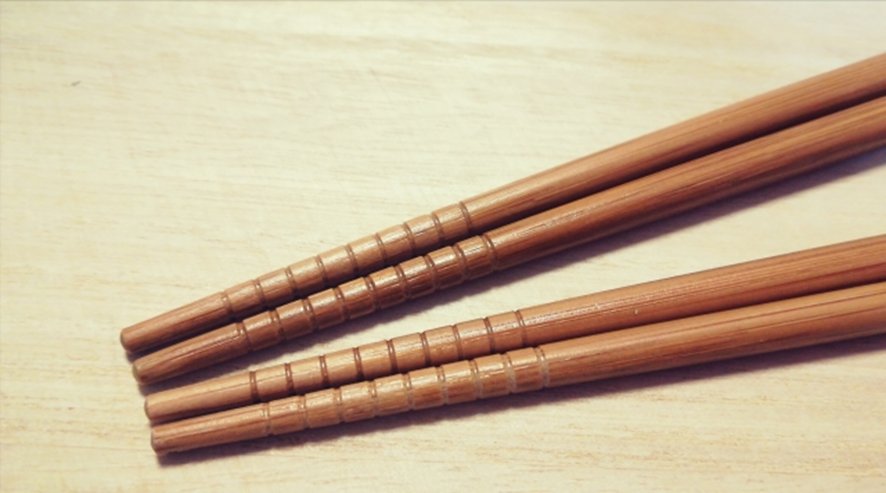
When a shared dish arrives, the best practice is to ask for tori-bashi — chopsticks specifically intended for serving food from communal plates.
In English, “Could we have some extra chopsticks for sharing, please?” will get the message across naturally.
At the same time, it’s important to remember that Japanese dining etiquette is not completely rigid. Expectations often shift depending on the setting, the relationship between the diners, and the level of formality involved.
Here’s a quick guide by scene:
| Scene | Need for Serving Chopsticks |
|---|---|
| Business meals, first-time meetings | Required |
| Casual meals with friends | Polite to have |
| Hot pot with family or close friends | Direct chopsticks are fine |
At business meals or when older or more senior people are present, paying attention to the order of serving also leaves a good impression.
Generally, you serve those of higher status first and take your own portion last.
On the other hand, at relaxed meals with family members or close friends, people may say jika-bashi de douzo — meaning, “Please go ahead and take food directly with your own chopsticks.”
In those casual situations, using your personal chopsticks directly is completely acceptable and often considered perfectly natural.
Deepen Your Understanding of Food Culture Through a Chopstick-Making Experience
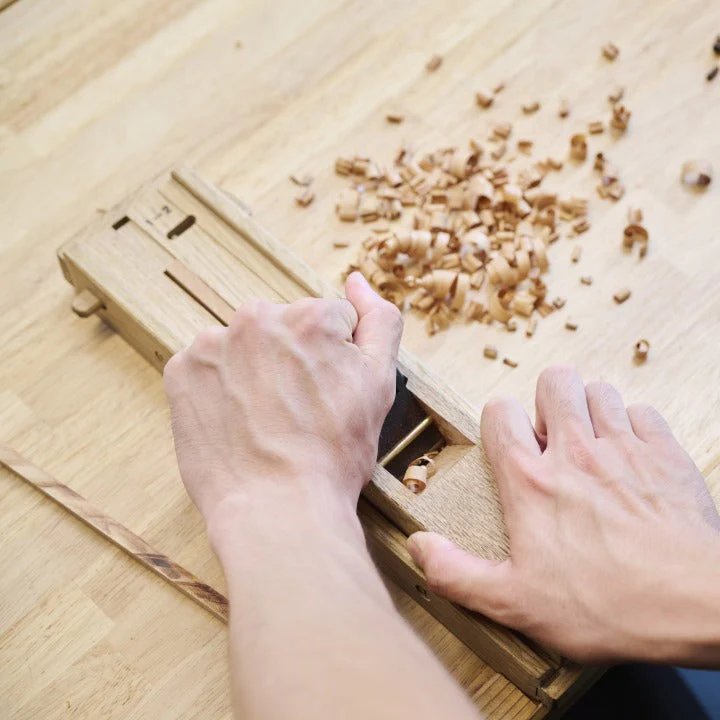
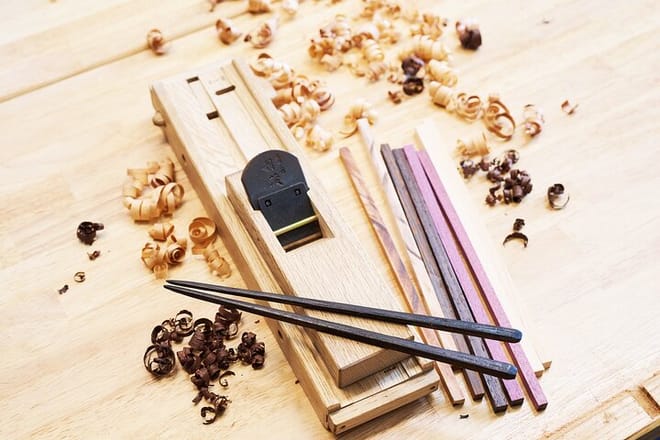
Tokyo: Chopstick Making Workshop with Artisan – Japan Guide Star
Beyond simply memorizing dining etiquette, one experience we especially recommend is carving your own chopsticks from wood under the guidance of a skilled artisan.
Making chopsticks yourself gives you a much deeper understanding of them as everyday tools, and many people find that it also helps them develop a more natural feel for using them.
The chopsticks you create become a practical and memorable Japanese souvenir as well. Many workshops offer engraving services, allowing you to add your name in kanji (Chinese characters used in Japanese) or romaji (the Latin alphabet), which makes them a meaningful and useful gift too.
We especially recommend Japan Guide Star’ “Tokyo: Chopstick Making Workshop with Artisan.”
You receive direct instruction from an artisan, and English-language support is available.
You can take your finished chopsticks home the same day.
There is also an optional personalized engraving service (¥1,000), which adds an especially memorable touch to the experience.
If you are interested in Japanese food culture and table manners, this is a rewarding activity to include during your trip to Japan.
Details
| Address | 1-7-1 Misuji, Taito-ku, Tokyo 111-0055, Yukiiri Shigyosha Hashiko Chopstick Shop & Workshop |
| Hours | 9:00 am / 10:00 am / 11:00 am / 12:00 pm / 1:00 pm / 2:00 pm / 3:00 pm / 4:00 pm / 5:00 pm / 6:00 pm (10 sessions per day) |
| Closed | None |
| Official site | https://japanguidestar.com/tour/tokyo-chopstick-making-workshop-with-artisan/ |
| Recommended for | Those who want to experience Japanese culture, or are looking for a special souvenir |

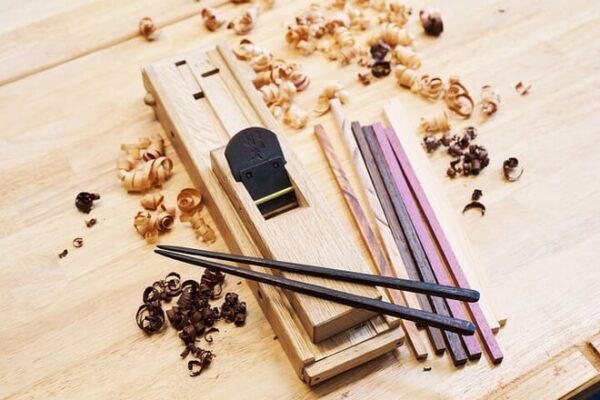
Tokyo Chopstick Making Workshop in Shinjuku
【FAQ】Common Questions About Chopstick Etiquette
The more you learn about chopstick etiquette, the more situations arise where it can be difficult to know what is actually considered correct.
To make things easier, the following section answers some of the most common questions visitors have in a simple Q&A format.
We’ll cover four situations that people frequently encounter while dining in Japan, along with practical explanations of what is generally considered appropriate.
Once you understand these points, you’ll be able to approach almost any dining situation with much greater confidence and ease.
Is it rude to use chopsticks with my left hand?
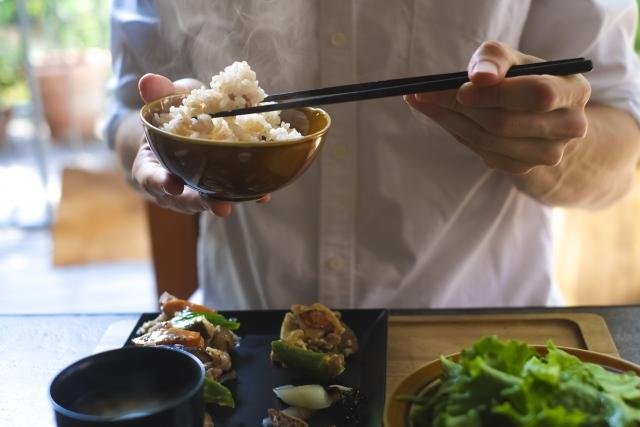
Holding chopsticks in your left hand is not bad manners in itself, so please enjoy your meal with your dominant hand.
In fact, some restaurants will even adjust the placement of dishes slightly so that left-handed guests can eat more comfortably.
If your elbow might bump into the person next to you, just say something like “Could I have the seat at the left end?” and you’ll be fine.
There is absolutely no need to feel hesitant about dining out in Japan just because you are left-handed.
How should I rest my chopsticks when I’m not using them?
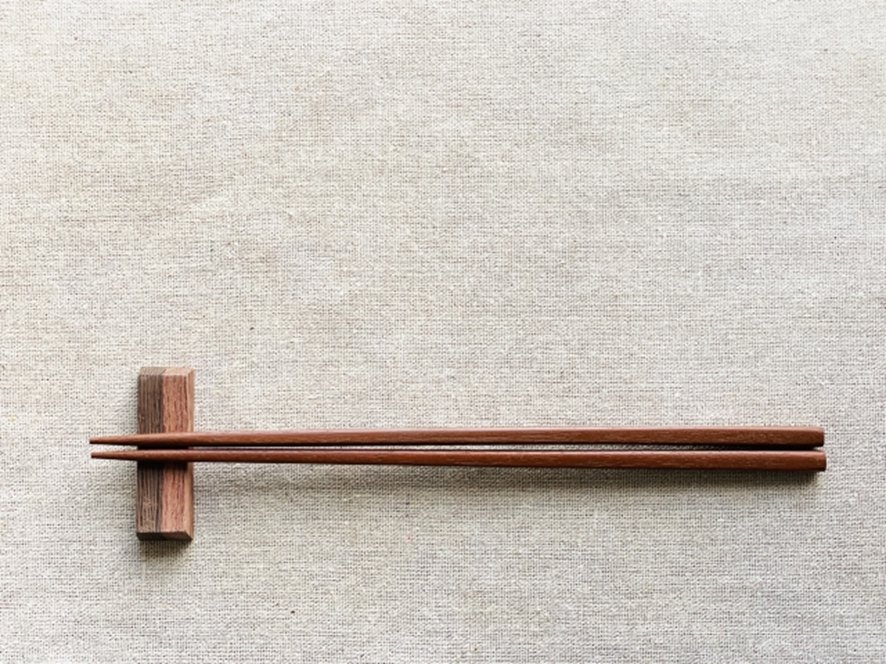
The standard practice is to place them horizontally on a chopstick rest. This keeps them clean and looks neat on the table.
In any dining situation, placing them horizontally on a chopstick rest is the right choice.
What should I do if there’s no chopstick rest?
Watashi-bashi (resting chopsticks across a bowl) is technically considered bad manners, but many restaurants don’t provide a chopstick rest—at places like ramen (Japanese wheat noodle soup) shops, people often end up doing watashi-bashi without thinking.
When there’s no chopstick rest, do your best to follow the spirit of the etiquette—for example, fold the chopstick wrapper into a makeshift rest, or lightly hook the tips on the edge of a small plate.
At more formal occasions, if there’s no chopstick rest, ask the staff and they’ll be happy to bring one.
Is it rude to slurp noodles loudly?
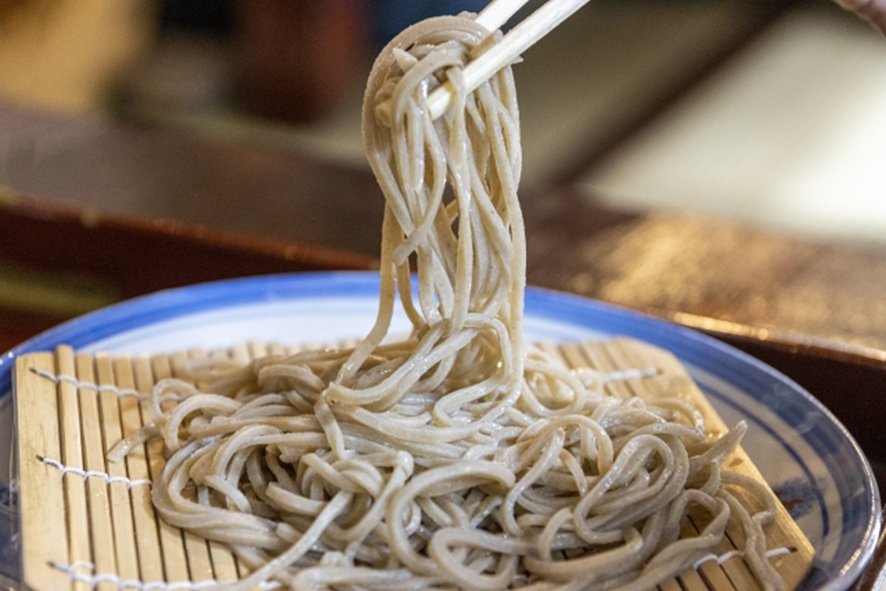
In Japan, slurping soba, udon (thick wheat noodles), ramen, and other noodle dishes with some sound is generally accepted as part of the food culture, and within reason it’s not usually considered bad manners.
Even so, making loud noises while eating is generally seen as poor manners, so you should avoid slurping so forcefully that food splatters onto your clothes, or making sounds loud enough to make others uncomfortable.
Be considerate of the atmosphere, the people around you, and any foreign guests, and enjoy your noodles with moderation.
- Lift small portions with your chopsticks, bring them close to your mouth, and then slurp
- Lean your face slightly toward the bowl so the soup doesn’t splatter
- Western-style noodles like pasta are eaten without slurping, even in Japan
With these in mind, enjoy your meal at your own pace.
Summary
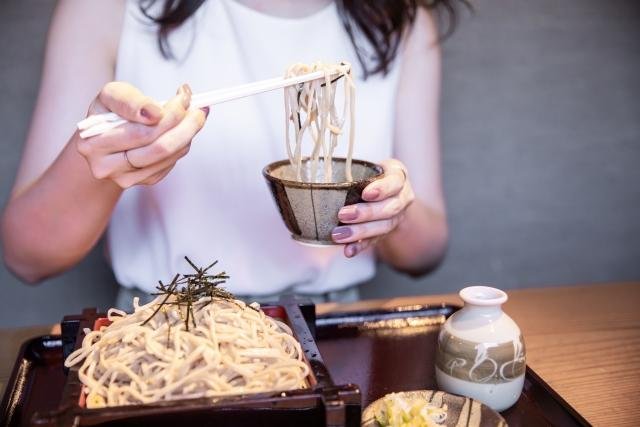
The most important point in Japanese chopstick etiquette is simply to avoid the major funeral-related taboos — especially tate-bashi and hiroi-bashi.
As for the other manners and habits, once you understand the cultural background and the reasons behind them, following them tends to feel natural.
There is no need to aim for absolute perfection.
In Japan, the willingness to try using chopsticks itself is widely seen as a sign of respect for Japanese food culture. Most people appreciate the effort far more than flawless technique.
Use this guide as a foundation, relax, and enjoy your meals in Japan with confidence.