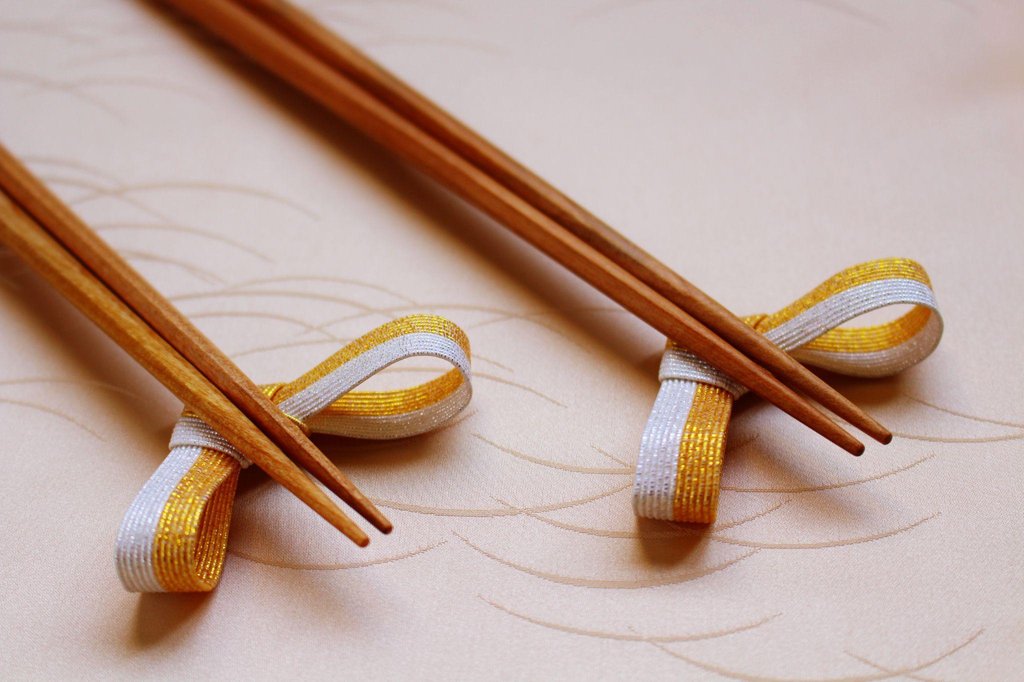
Making your own chopsticks in Asakusa is possible in English, but not every studio offers English support. With limited time in the city, the checklist can quickly grow: Is the studio close enough to fit between sightseeing stops? Is engraving included in the price? How old does a child have to be to take part?
Two workshops in the Asakusa area offer confirmed English support, and their locations, prices, session lengths, and minimum ages differ enough to compare side by side. The same booking criteria also apply to both, along with practical routes that pair a workshop with a visit to Senso-ji, Tokyo’s oldest temple.
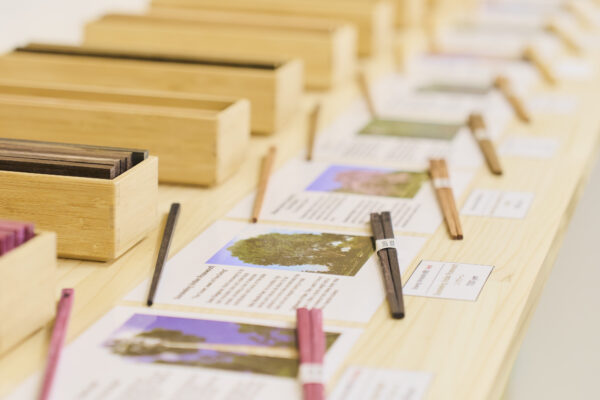
Asakusa Premium Japanese Chopstick Making Workshop
Tokyo: Asakusa & Sensoji ー Oldest Temple Walking Tour (2hrs)
Workshops Near Kaminarimon Fit Most Easily into an Asakusa Itinerary
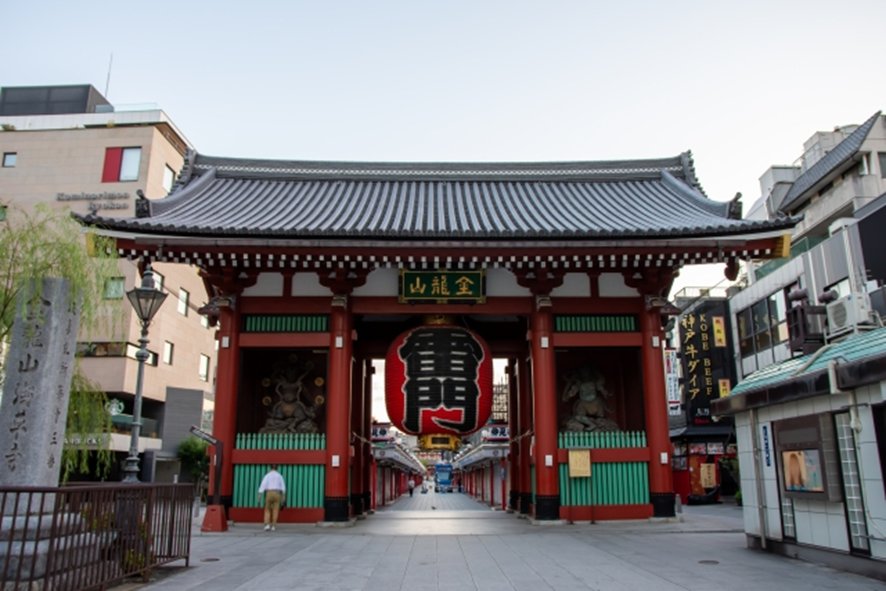
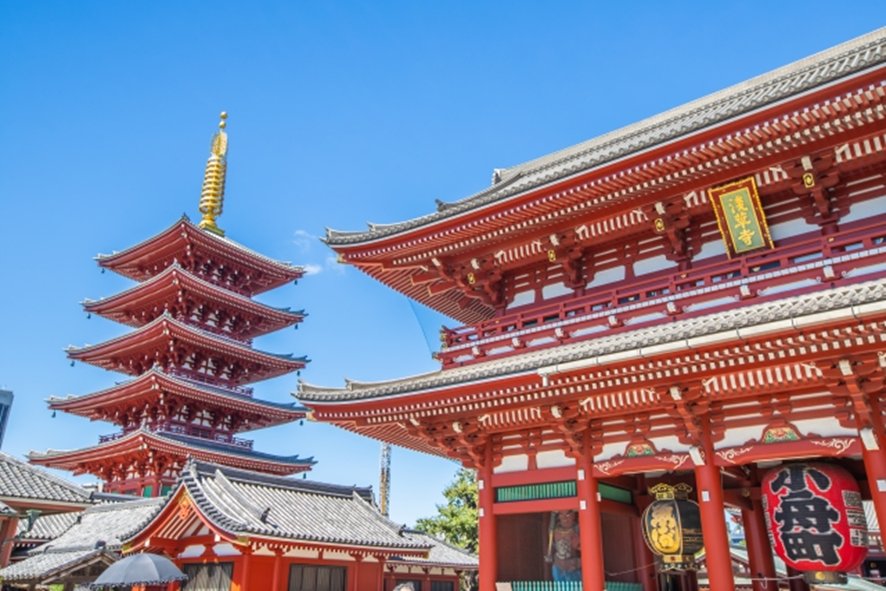
If you only have half a day in Asakusa, two things determine which workshop fits your itinerary: how much time you spend getting there and how much you ultimately pay on the day. Narrowing your options to the area around Kaminarimon, the gate at the entrance to Senso-ji with its enormous red lantern, helps with both.
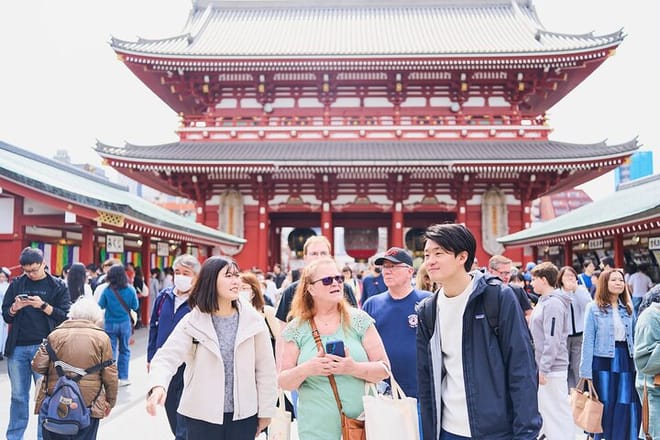
The Asakusa Premium Japanese Chopstick Making Workshop, run by Japan Guide Star, is one example. Its venue, Chopsticks Studio Asakusa, is about a three-minute walk from Kaminarimon, making it easy to combine with a visit to Senso-ji and a stroll along Nakamise-dori, the shopping street lined with souvenir and sweets shops leading to the temple. The session lasts about an hour, so you can visit the temple and sample street food in the morning before fitting the workshop into the gap before your next plan.
The price is also easy to pin down in advance. You can choose from more than 10 types of wood at no extra charge, and laser engraving of your name and packaging are included in the tour price. The studio does not charge additional fees for wood upgrades or engraving on the day, so your total is fixed when you make the reservation.
Asakusa Premium Japanese Chopstick Making Workshop
Four Points to Check Before Booking a Chopstick Workshop in Asakusa
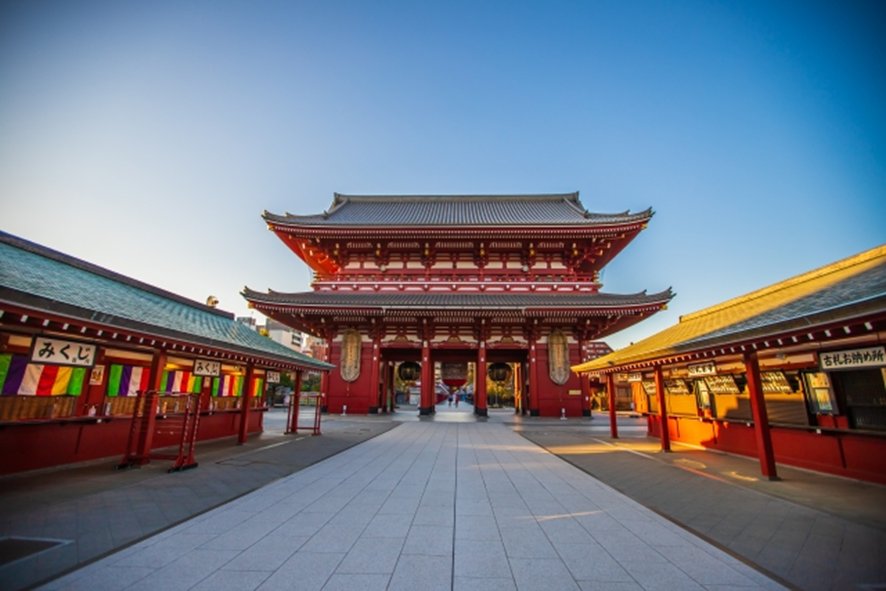
Choosing a workshop based on the booking page alone can lead to surprises on arrival, whether the walk from the station is longer than expected or the instructions are not available in English. Neither detail is always clear from the booking page itself.
Four points matter when comparing workshops:
- Walking route: The actual route from the nearest station, not just the stated distance
- English support: What English support actually covers during the session
- Age requirements: The minimum age and any conditions for children
- Price: Exactly what is included in the listed price
1. Distance from the Nearest Station
Four lines serve Asakusa Station: the Tokyo Metro Ginza Line, the Toei Asakusa Line, the Tobu Skytree Line, and the Tsukuba Express. Their ticket gates are several hundred meters (a few hundred yards) apart, even though they share the same station name. So when a booking page says a studio is “X minutes from Asakusa Station,” the actual walking time can vary depending on which line and exit you use.
Exit 1 on the Ginza Line, for example, brings you out right in front of Kaminarimon, while Exit A1 of the Tsukuba Express opens onto Kokusai-dori, the main road running north to south along the west side of Asakusa, leaving you a few more minutes’ walk to the gate. The choice of line and exit alone can create a difference of roughly five minutes, so it is practical to measure the route from the ticket gate you will actually use.
Studios calculate their “X-minute walk” figures according to the Japanese real estate advertising standard of one minute per 80 meters (about 260 feet) of road distance, which assumes an adult walking at a standard pace without luggage. With small children or a suitcase, allow about 1.5 times the stated time. Tracing the route from the ticket gate to the studio on Google Maps Street View beforehand can also help you see exactly where you need to go and how long the walk is likely to take.
2. What English Support Covers
Even when a booking page says “English Available,” the amount of the session that actually takes place in English can vary from studio to studio. The language field on a booking platform may simply be a system setting, while a studio website that mentions a bilingual instructor does not guarantee that an English-speaking staff member will be working on your date.
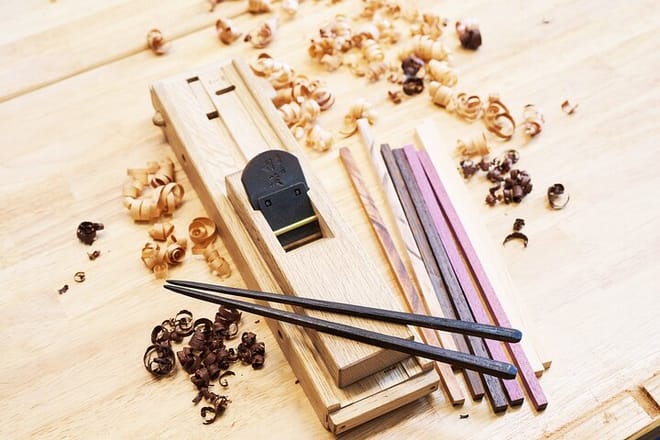
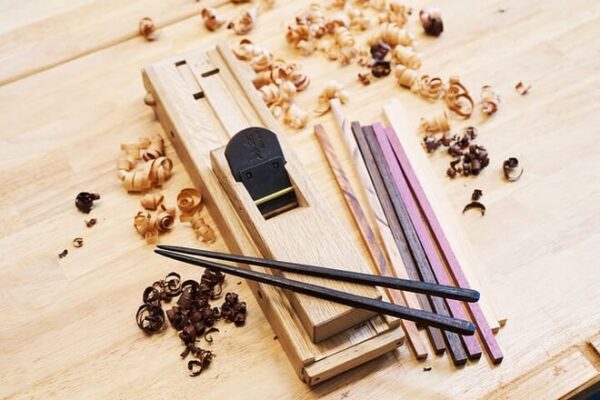
The difference matters most during the hands-on instruction. A chopstick workshop involves watching the instructor demonstrate the shaving motion and then copying it yourself, but the angle of the kanna (a hand plane fitted with a blade for shaving thin layers from wood) and the amount of pressure to apply can be difficult to judge without spoken guidance. Photo-illustrated step sheets and gestures may be enough to keep the workshop moving, but finer instructions, such as whether to shave with or against the grain, are harder to convey.
Before booking, it is safest to email the studio with three questions:
- Will an English-speaking staff member be working on my date?
- Can the instructor demonstrate how to use the kanna in English?
- If no English-speaking staff member is available, are English step sheets or tablet-based translation available?
3. Age Requirements
For families, the first stumbling block is usually the minimum age. The same studio may state “from first grade (age 6)” on its own site, while asoview (a Japanese activity booking site) lists “from age 4” and Jalan (another Japanese booking site) shows “from age 0.” These differences can come from each platform’s input rules and display settings, and they do not always reflect the conditions the studio actually applies.
The reason a minimum age exists at all is safety during the planing stage. Children who are not yet used to handling a blade may need help from a guardian, so some studios set their condition as “age 6 and over, accompanied by a guardian.”
Treat the age shown on booking sites as a reference and use the studio’s own website as the final authority. Some studios also require an accompanying adult for children in third grade or below (roughly age 9 and under), so check the supervision requirement as well as the minimum age.
If you want to join with a child under the stated age limit, ask through the inquiry form how much assistance the studio expects the parent to provide. That lets you confirm the conditions and decide in advance who will handle each part of the workshop.
4. What the Price Includes
The base price generally covers the materials for one standard pair of wooden chopsticks and the instruction fee. Some studios offer a choice of around three types of wood at no extra charge, as long as you stay within the standard selection.
Extra charges usually come from wood upgrades and name engraving. Upgrading to a darker or rarer species typically costs ¥500 to several thousand yen (about $3–20 USD), payable on site. Engraving also varies by studio: some include it in the base price, while others charge around ¥1,000 (about $7 USD) per name. The number of characters and available scripts—alphabet only, or Japanese scripts such as kanji and hiragana as well—can also differ, so if you want your name engraved, confirm the details before booking.
At studios with multiple plans, the choice of wood and whether engraving is included may differ between standard and premium options. Prices on booking sites can also differ from those on the studio’s own website, so use the official price list when estimating your final cost to avoid unexpected charges on the day.
Asakusa Premium Japanese Chopstick Making Workshop
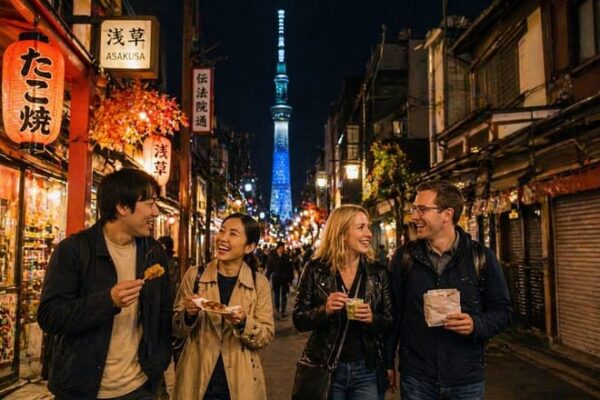
Asakusa: Guided Food Tour with 12 Dishes at 4 Local Eateries
Two Recommended Chopstick Making Workshops in Asakusa with English Support

Based on those four criteria, two Asakusa workshops offer confirmed English support: one beside Kaminarimon and another closer to Kokusai-dori.
The two differ in more than location. Their pricing, inclusions, and age requirements are also different, making each a better fit for different travelers. Compare the conditions with your accommodation and itinerary in mind, then choose the workshop that fits your plans.
Asakusa Premium Japanese Chopstick Making Workshop
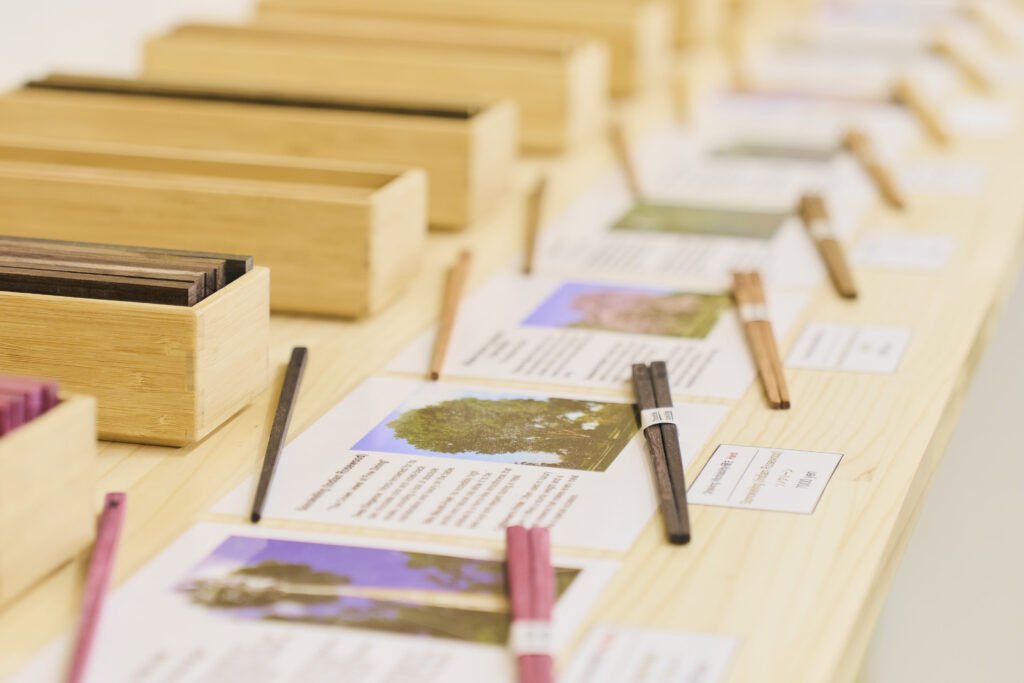
Asakusa Premium Japanese Chopstick Making Workshop – JapanGuideStar
This premium plan is operated by Japan Guide Star and held at Chopsticks Studio Asakusa on the 6th floor of TheRoom Asakusa, about a three-minute walk from Kaminarimon. It is roughly three minutes on foot from Exit A1 of Tsukuba Express Asakusa Station and about five minutes from Exit 1 of the Tokyo Metro Ginza Line Asakusa Station, so whichever line you use, the walk is short. Sessions start every 30 minutes from 9:00 am to 6:30 pm, making it easy to fit the workshop in before a visit to Senso-ji or ahead of dinner.
The session begins with choosing from more than 10 types of wood and selecting the piece you want to use. You then plane the corners off a square blank, smooth the surface with sandpaper, and finish the chopsticks with a coat of oil. The process takes about an hour. The studio provides all the necessary tools and an apron, so you can arrive empty-handed. The fee also includes the cost difference for the available wood options, laser engraving, and packaging, so there are no additional charges to pay on the day.
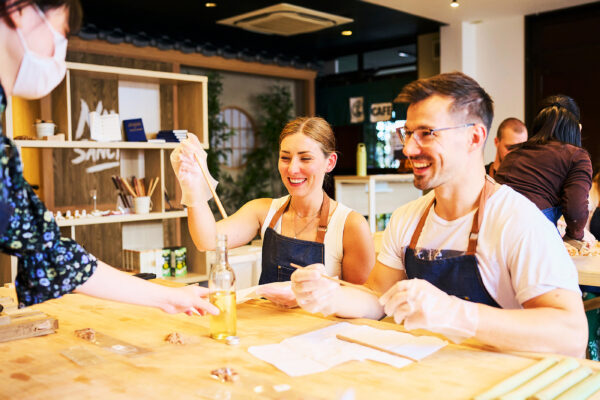
A bilingual instructor guides the session in both English and Japanese, and the booking page clearly states that participants must be at least 6 years old. Each session accommodates up to 20 people, allowing the instructor to move around the room and check each participant’s technique. Cancellation is free up to 24 hours before the start.
Cherry blossom season in late March and early April and autumn foliage season from mid-November to early December attract many international visitors, while weekend slots can fill quickly. Reserving as soon as your dates are set gives you more flexibility in choosing a time.
Details
| Meeting point | TheRoom Asakusa 6F, 1-16-11 Asakusa, Taito-ku, Tokyo |
| Duration | About 60 minutes (sessions start every 30 minutes, 9:00 am–6:30 pm) |
| Included in the price | Materials; difference in wood price; laser engraving; packaging; use of tools and an apron |
| Booking site | https://japanguidestar.com/tour/asakusa-premium-japanese-chopstick-making-workshop/ |
| Best for | Travelers pairing the workshop with Sensoji sightseeing; anyone who wants engraved chopsticks as a souvenir |
Asakusa Premium Japanese Chopstick Making Workshop
Closer to Kokusai-dori: ZEN Craft Studio, Asakusa
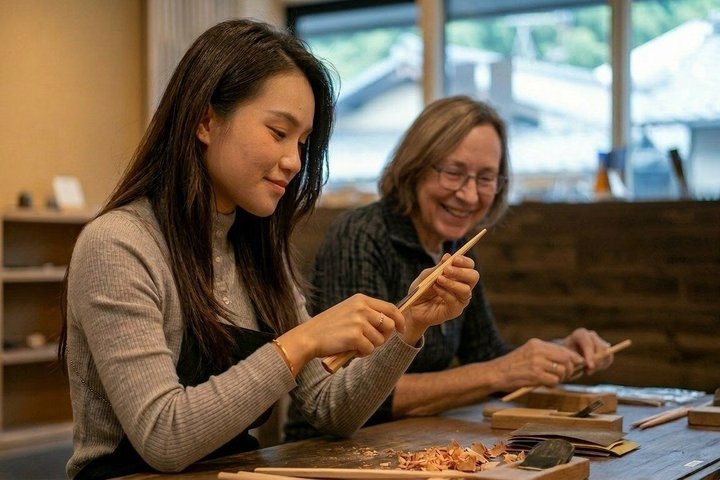
Asakusa Chopsticks – Traveling Tokyo
The other option is ZEN Craft Studio, on the 10th floor of the Asakusa Tosei Building at 1-27-2 Asakusa. The walk from Asakusa Station takes around 10 minutes, but if you are staying along Kokusai-dori or north of Senso-ji, you can head there directly without doubling back toward Kaminarimon, which may make the journey shorter.
The session follows broadly the same sequence as the studio near Kaminarimon, with planing, sanding, and finishing completed in about 30 minutes. Eight or more types of wood are available, with two included in the base price. Other wood options and engraving cost extra, although the exact inclusions vary by plan, so confirm them when booking. Instructors who can explain the process in English are available.
The age requirements also differ. The studio near Kaminarimon sets its minimum age at 6, as noted above, while ZEN Craft Studio advertises some plans for children from age 3. Because age information can vary between booking sites, confirm the requirement with the studio before booking. The planing stage may also require assistance from a guardian, so check how the session is conducted and which steps the child can handle independently.
For families with children aged 3–5, ZEN Craft Studio is the only option of the two based on the stated minimum age.
Details
| Meeting point | Asakusa Tosei Building 10F, 1-27-2 Asakusa, Taito-ku, Tokyo |
| Duration | About 30 minutes |
| Included in the price | Instruction fee; use of tools; materials for two kinds of wood |
| Booking site | https://www.traveling-tokyo.com/zen/chopsticks/asakusa/ |
| Best for | Families with children aged 3–5; travelers staying near Kokusai-dori |
Comparison: How the Two Asakusa Chopstick Workshops Differ
Both studios covered here run their sessions in English. The differences come down to five areas: distance from the station, English support, minimum age, what the price covers, and the number of wood types available.
| Comparison point | Chopsticks Studio Asakusa | ZEN Craft Studio, Asakusa |
|---|---|---|
| Distance from station and Kaminarimon | About a 3-minute walk from Kaminarimon; same route as Nakamise-dori | About a 10-minute walk from Asakusa Station; toward Kokusai-dori |
| English support | Bilingual English and Japanese instructor leads the session | Instructors able to explain in English on staff |
| Ages accepted | From age 6 (stated on the booking page) | Slots from age 3 (confirm in advance; guardian’s help assumed) |
| What the price covers | Wood price difference, laser engraving, and packaging all included | Two kinds of wood; other woods and engraving cost extra |
| Number of woods | More than 10 (all selectable within the price) | 8 or more (2 of them within the price) |
Chopsticks Studio Asakusa works well for travelers who want to keep their sightseeing route compact and avoid extra charges on the day. The walk from Kaminarimon leads naturally into a visit to Senso-ji and Nakamise-dori, while the listed price includes the additional costs described above. With sessions running every 30 minutes from 9:00 am to 6:30 pm, it is also easy to fit the workshop into an open slot in your itinerary.
For travelers staying along Kokusai-dori, or families with children aged 3–5, ZEN Craft Studio offers a different combination of location, age requirements, and pricing. Match the workshop to where you are staying, what you want included in the fee, and the ages of the children joining.
Asakusa Premium Japanese Chopstick Making Workshop
Common Questions About Chopstick Making in Asakusa
Six questions tend to come up before booking and on the day itself, from choosing the wood and taking your finished pair home to finding workshops in other parts of the city. Read through them in advance, and you can focus on the shaving when you arrive.
How Should I Choose the Wood?
The surest way to choose is to pick up each piece and judge it by weight and feel. Color, hardness, and scent vary by species: hinoki (Japanese cypress, a pale, lightweight softwood) releases a forest-like fragrance as you shave it, while walnut, a dense hardwood, develops a rich dark-brown finish.
If you are taking part with a child, a softer species such as hinoki is easier to work with. It shaves with light pressure, so the process moves quickly and is easier for a child to stay focused on through to the end. At a studio that lays out more than 10 types of wood side by side, each member of the family can choose a different species and take home chopsticks that vary in color and weight.
Can I Take the Finished Chopsticks Home the Same Day?
Yes. Both Asakusa studios apply the final oil coat within about 30 minutes to an hour, so there is no waiting for the chopsticks to dry and no need to have them shipped later.
Taking them home by air is generally straightforward as well. Wooden chopsticks are not considered blades, so they are normally permitted in both carry-on and checked baggage. Some countries, including Australia and New Zealand, require travelers to declare wooden items on arrival, and traces of bark or signs of insect damage may result in inspection, treatment, or disposal. Check the rules for bringing wooden goods into your destination on the official website of the relevant agriculture ministry or quarantine authority before you travel.
Before packing, brush off any remaining wood dust and place the chopsticks in a sealed bag. This keeps your luggage clean and makes them easier to present if customs or quarantine staff ask to inspect them.
Can I Fit It into the Same Day as Sightseeing at Sensoji?
Yes. The session takes 30 minutes to an hour, and both studios are within walking distance of Kaminarimon and Nakamise-dori, so a workshop can easily fit into the same half-day as a visit to Senso-ji.
A natural approach is to visit Senso-ji and Nakamise-dori in the morning and head to the studio afterward. If an evening slot is available, you can spend the day exploring Asakusa on foot and fit the workshop in later. Choosing a studio in Ginza or Shinjuku adds roughly 30 minutes to an hour of travel each way, so if the rest of your day is already centered on Asakusa, a local studio keeps more of your time in the neighborhood.
Asakusa Premium Japanese Chopstick Making Workshop
Tokyo: Asakusa & Sensoji ー Oldest Temple Walking Tour (2hrs)
Asakusa: Guided Food Tour with 12 Dishes at 4 Local Eateries
Is There a Dress Code?
There is no dress code, but wood shavings can settle on your clothes, so wear something you do not mind getting dirty.
Wide cuffs and loose tops can catch on the tools or wood, so long sleeves that can be pushed up or three-quarter sleeves keep your hands free to move. For children, it is safer to remove hoods, long drawstrings, and jewelry before the session. The studio provides tools and aprons, so there is nothing special to pack.
Are There Chopstick Making Studios in Tokyo Outside Asakusa?
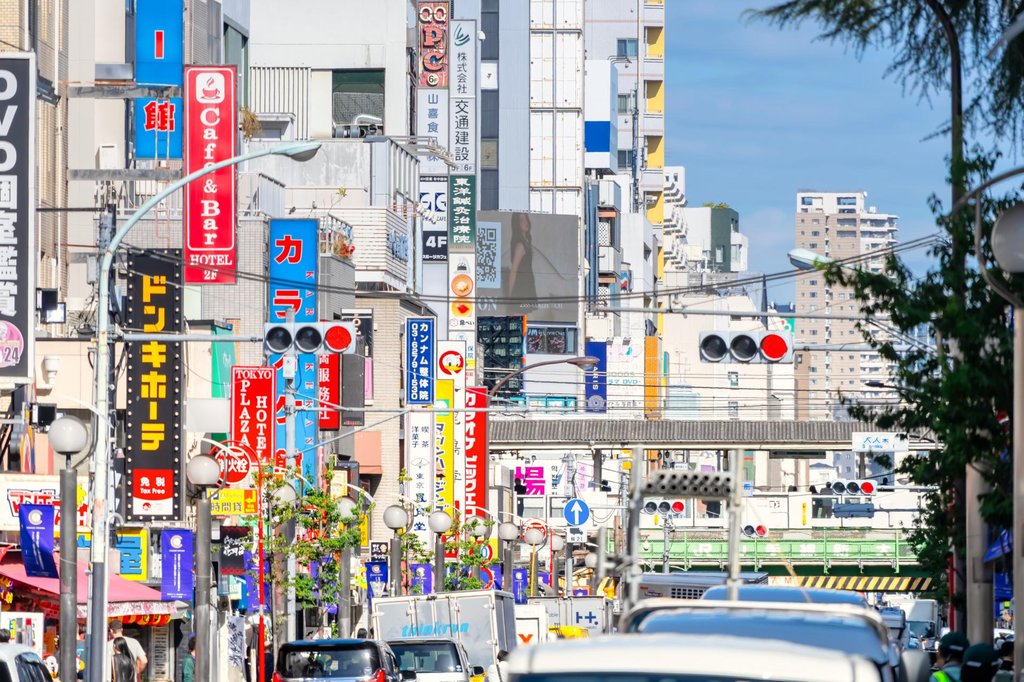
Yes. Ginza and Shinjuku both have studios that run sessions in English, and they differ in the number of wood types available, the nearest station, and the nearby attractions you can pair with the workshop.
| Area | Features |
|---|---|
| Ginza | A studio in Ginza 1-chome, easy to pair with shopping on the weekend pedestrian streets |
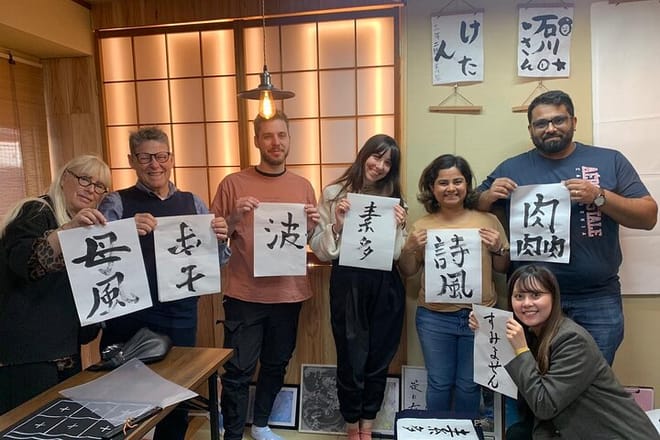
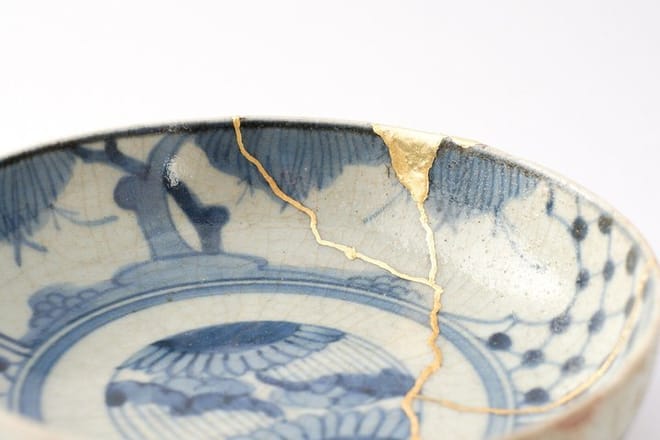
| Shinjuku | Origami jewelry making, kintsugi (repairing broken vessels with lacquer and gold powder), and calligraphy sessions run in the same building, so several Japanese cultural experiences fit into one day |
| Asakusa | A 3-minute walk from Kaminarimon, slotting straight into the Sensoji and Nakamise sightseeing route |
Asakusa’s main advantage is its walkable access to the heart of the sightseeing district. The Shinjuku studio, by contrast, allows you to combine several experiences in the same building, which can be useful on rainy days or when you want to fit more cultural activities into a day without traveling between venues.
Japan Guide Star’s full list of Japanese cultural experiences is available here.
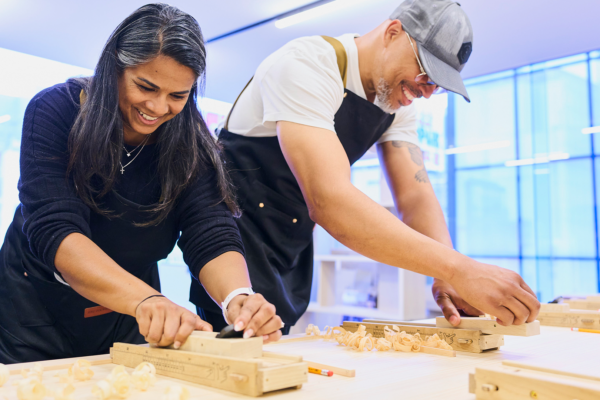
Tokyo Chopstick Making Workshop in Ginza
Tokyo Chopstick Making Workshop in Shinjuku
Tokyo Shibuya Chopstick Making Workshop
Can I Use the Chopsticks I Made for Everyday Meals?
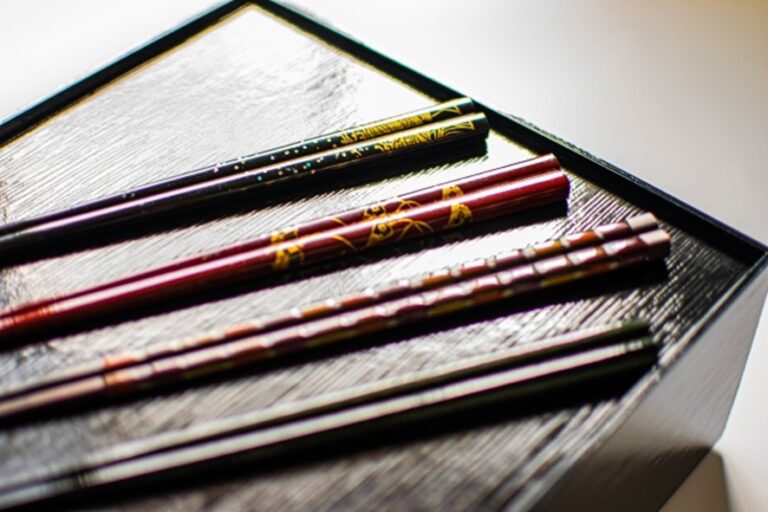
Yes. Oil-finished wooden chopsticks are designed for daily use as tableware, so there is no need to keep them as a display piece.
The key to making them last is how you handle water. Prolonged soaking can cause the wood to swell, develop mold or dark stains, and eventually split. Avoid the dishwasher as well, since high heat and rapid drying can warp the wood. Wash the chopsticks by hand, wipe off excess moisture promptly, and let them dry thoroughly.
When the surface starts to look dry or pale, apply a thin coat of walnut oil or perilla oil—plant oils that dry into a film—and buff it gently to restore the sheen and smooth feel.
Choosing the Asakusa Chopstick Workshop That Fits Your Trip
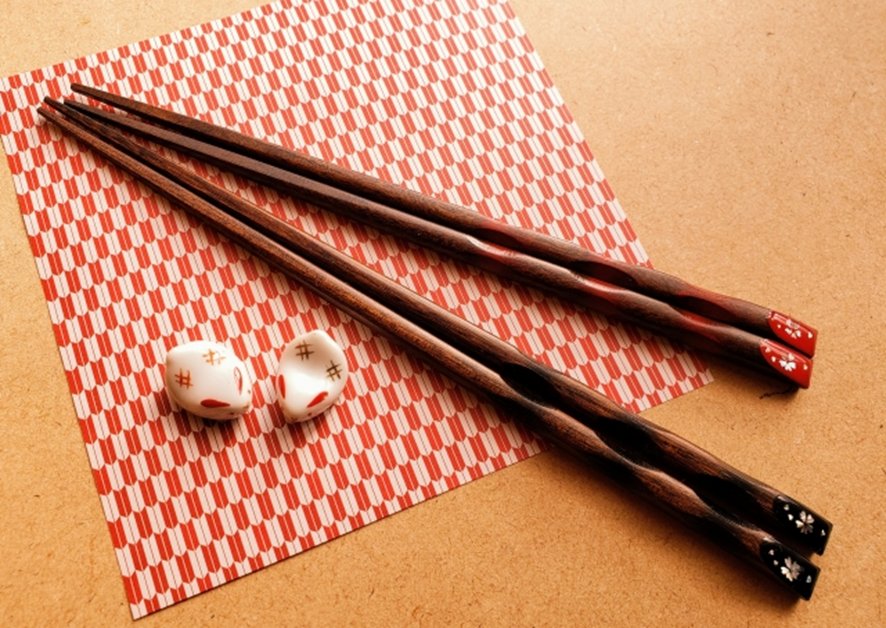
Chopstick making in Asakusa is straightforward in English when you choose a studio with confirmed English support. Chopsticks Studio Asakusa, about a three-minute walk from Kaminarimon, includes the wood options, engraving, and packaging described above in the fee, making it convenient for travelers who want to keep both their sightseeing route and their spending predictable. ZEN Craft Studio, about a 10-minute walk from Asakusa Station, offers plans for children from age 3, making it an option for families with younger children and travelers staying around Kokusai-dori.
Sessions take about 30 minutes to an hour, and both studios provide the tools, so you can arrive empty-handed. The finished chopsticks are ready to take home the same day. Weekend slots can fill quickly during the cherry blossom and autumn foliage seasons, so book your preferred time once your travel dates are confirmed.
Whichever studio you choose, you will leave with a pair of chopsticks shaped by your own hands and ready to use at home.
Asakusa Premium Japanese Chopstick Making Workshop
Tokyo: Asakusa & Sensoji ー Oldest Temple Walking Tour (2hrs)