Looking to make your own one-of-a-kind chopsticks during your Kyoto trip?
When searching for a chopstick-making workshop, differences in price, location, and program details can be hard to sort through. That’s why we’ve written this article, to offer readers a comparison of four Kyoto workshops where visitors can participate in chopstick making. We’ve included information on prices and access, and we’ll also walk you through the flow and mention a few precautions so that even beginners can join in with confidence.
Each workshop’s features and common questions are covered below. Read on to find the right fit for your trip.
What Makes Kyoto’s Chopstick-Making Workshops Special
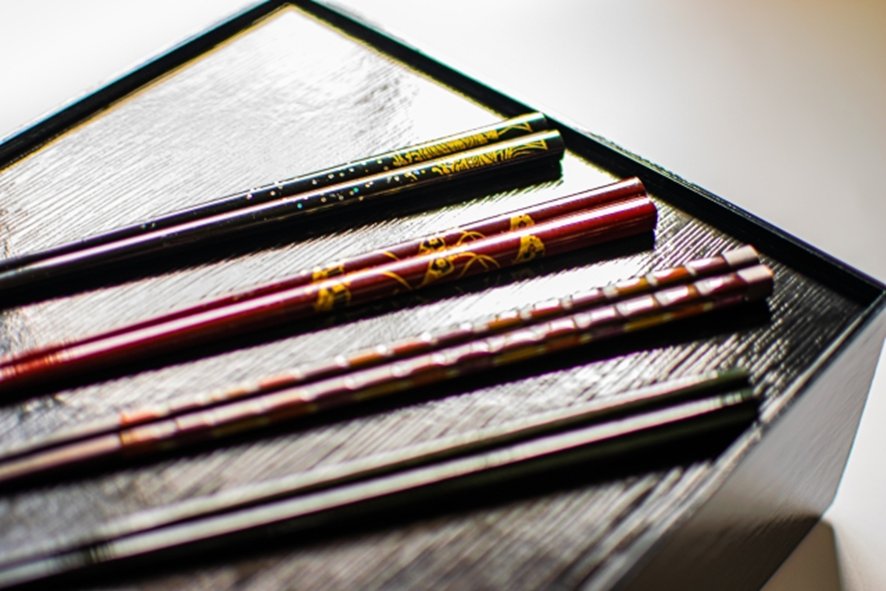
Kyoto’s chopstick-making workshops boast a historical and cultural element found nowhere else. Three points in particular give the workshops here unique appeal: the influence of Japanese tea ceremony on chopstick craftsmanship, the diverse price range, and the clustering of workshops in popular tourist areas.
Understanding these points will help you confidently choose an experience that fits your itinerary and budget.
Bamboo Chopsticks Rooted in Japanese Tea Ceremony
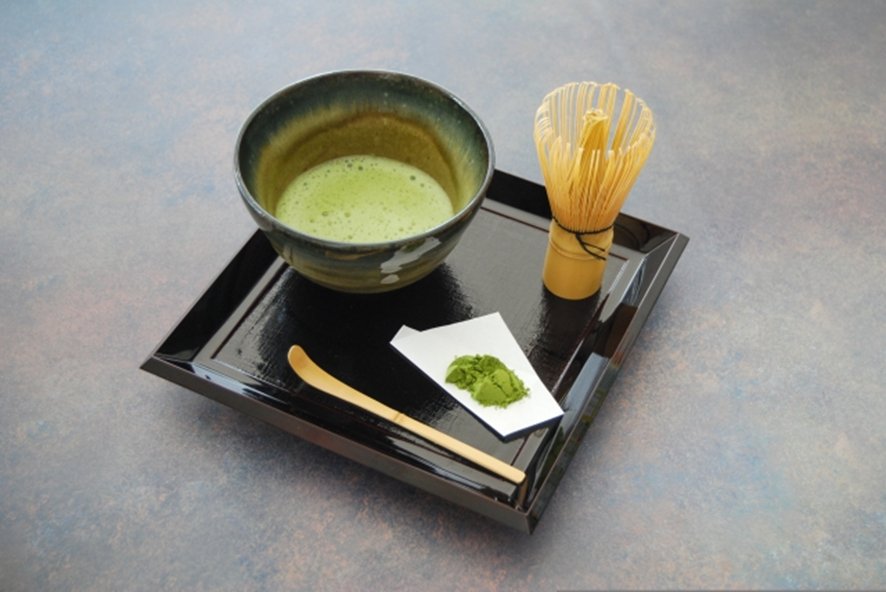
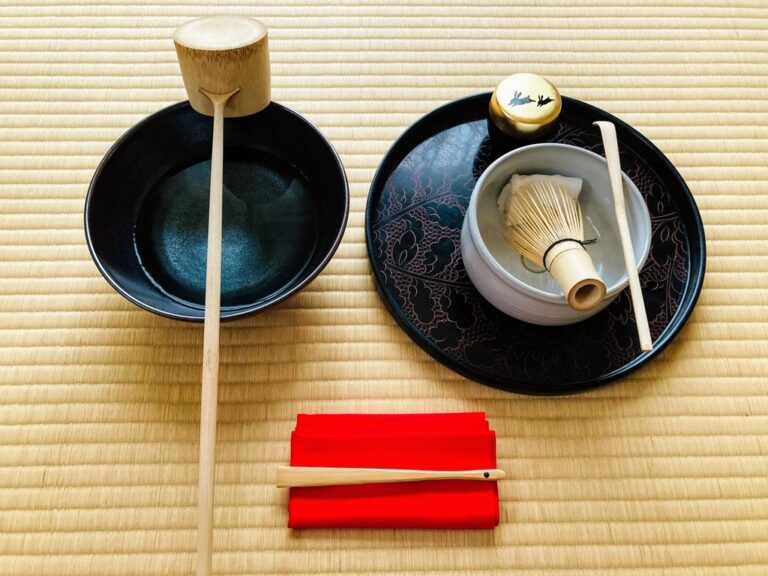
What sets Kyoto’s chopstick craft apart has to do with the characteristics it inherited from the tea ceremony culture that flourished here during the Muromachi period (1336-1573). As the tea ceremony spread, Kyoto-based craftspersons refined precision techniques for the creation of bamboo tea utensils, such as the chashaku (tea scoop). This accumulated mastery forms the foundation of today’s bamboo chopstick craft.
The materials also have a distinct Kyoto background: kitayama-sugi (Kitayama cedar), a material used in making chopsticks, is a wood available in the Kyoto area with roughly 600 years of history, long prized for use in crafting the pillars found in tea rooms.
Unlike other regions known for elaborate decorative techniques, Kyoto’s bamboo chopsticks are defined by simple shaving that brings out the natural texture of the material. The understated beauty cherished in the tea ceremony comes through in the finished product. At workshops in Kyoto, you’ll learn the same time-tested bamboo crafting techniques that have been used for making tea utensils for hundreds of years.
Prices Range From ¥2,500 to ¥15,500
Kyoto’s chopstick-making workshops vary in price depending on the course. To pick a plan that fits your budget and purpose, it helps to understand the differences across price ranges.
Basic courses bundle shaving, polishing, and name engraving and are typically priced from ¥3,000 to ¥4,000. These sessions run from thirty minutes to one hour, making them easy to slot in between sightseeing stops.
Premium courses (priced from ¥10,000 to ¥15,000) add in traditional techniques such as applying urushi—Japanese lacquer—to your chopsticks. The finish is noticeably different, so these courses suit travelers who want to craft something closer to a true work of art.
Here’s a quick reference for choosing a course:
| Category | Basic Course | Premium Course |
|---|---|---|
| Price | ¥2,500-¥4,500 | ¥10,000-¥15,000 |
| Duration | 0.5-1 hour | 1-1.5 hours |
| Main content | Shaving, polishing, name engraving | Basic course + lacquer |
Name engraving is often offered as an option, with an added fee of around ¥1,000 at some workshops. Use the workshop comparison in the next section to match your desired plan to your budget.
Workshops Cluster Around Major Sightseeing Areas

Kyoto’s chopstick-making workshops are concentrated in major sightseeing areas. Choosing a workshop that you can pair with nearby attractions on the same day makes for a more efficient itinerary.
Three main areas and the spots you can combine with each:
| Area | Easy-to-Combine Sightseeing Spots |
|---|---|
| Around Kyoto Station | Toji Temple, Fushimi Inari Taisha |
| Arashiyama | Arashiyama Bamboo Grove, Togetsukyo Bridge, Tenryuji Temple |
| Gion/Kawaramachi | Yasaka Shrine, Kenninji Temple, Hanamikoji Street |
In the Arashiyama area, you can stroll through the bamboo grove and then walk to a nearby workshop to make chopsticks. In Gion, you can fit in the experience on the same day as a walk along Hanamikoji or a tour of temples and shrines. You’ll also find workshops in the Kawaramachi and Karasuma downtown areas, easy to drop into between shopping and meals.
Workshops in Osaka are often located away from major sightseeing spots, so travel time tends to add up compared to doing this activity in Kyoto. Many of Kyoto’s sightseeing destinations are near the city center, too, with workshops and landmarks often within walking distance of one another.
Four Workshops in Kyoto Where You Can Make Chopsticks
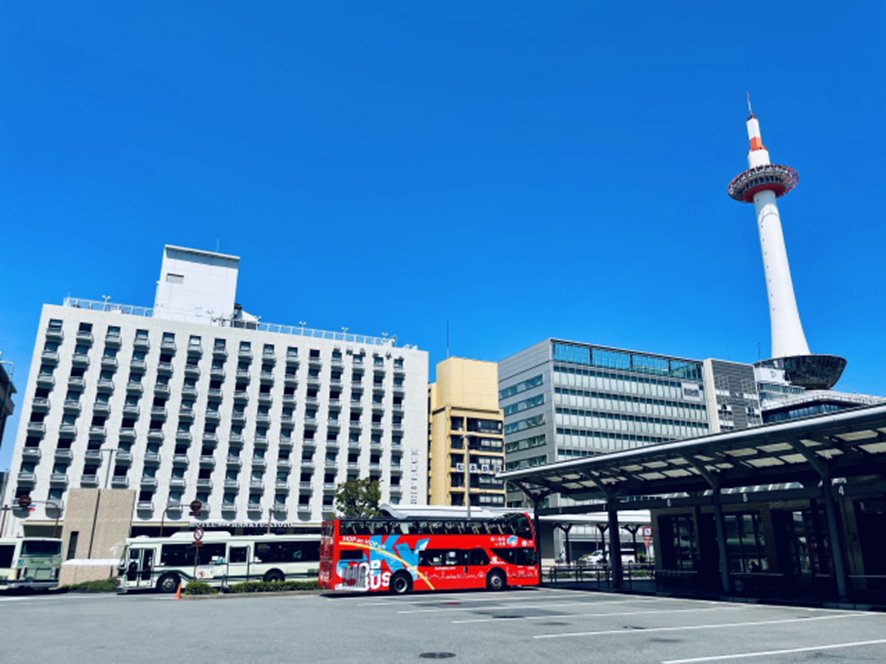
Each Kyoto chopstick-making workshop differs in location, price, and difficulty, and finding the right match for your needs can be tricky.
Four workshops are introduced below: one near Kyoto Station, one suited to large groups, one set in a traditional Kyoto house, and one offering the opportunity to learn about lacquerwork. Compare the features of each venue to find the best fit for you.
HASHI LAB: A Five-Minute Walk From Kyoto Station, Walk-Ins Welcome
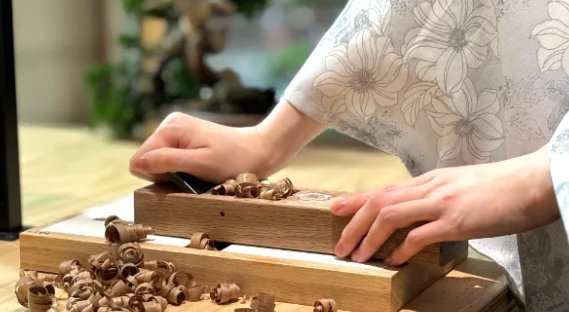
If you want to fit in a workshop right after arriving at Kyoto Station, HASHI LAB Kyoto Station Main Store is just a five-minute walk from Kyoto Station and accepts walk-in visitors.
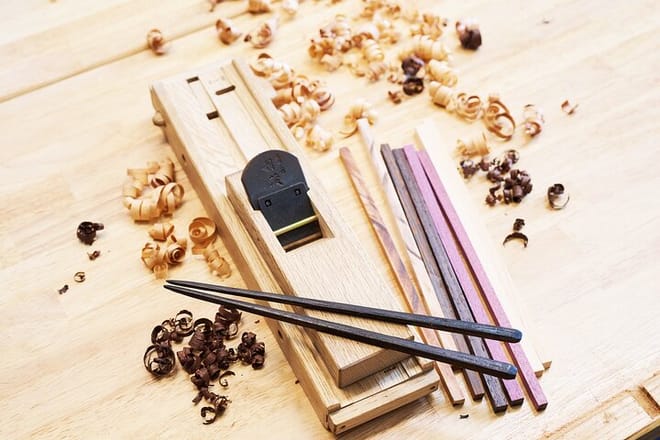
The session wraps up in about 30 to 45 minutes, making it easy to fit into a busy schedule. You can choose from around ten different kinds of wood, shape the chopsticks with a plane and sandpaper, then finish them with oil. Children aged 5 and up can join in too, making it a good option for family trips.
Prices start at ¥3,980 per adult, an approachable price for couples or parents with children. The venue, built inside of a traditional Kyoto house, is more than 100 years old, and part of the appeal lies in it being a modern facility within a historic setting. HASHI LAB suits travelers who want to make the most of their time in the Kyoto station area.
Details
| Address | 509-2 Minamicho, Shimogyo-ku, Kyoto (5-min. walk from Kyoto Station Central Exit) |
| Hours | Weekdays 10 am-6 pm; Weekends and holidays: 10 am-9 pm |
| Closed | Open year-round |
| Official site | https://hashilab.studio.site/ |
| Best for | Travelers who want to jump into a workshop right after arrival, or for those short on time |
Chopsticks Studio Kyoto: Accommodates Up to 30 People, Great for Groups
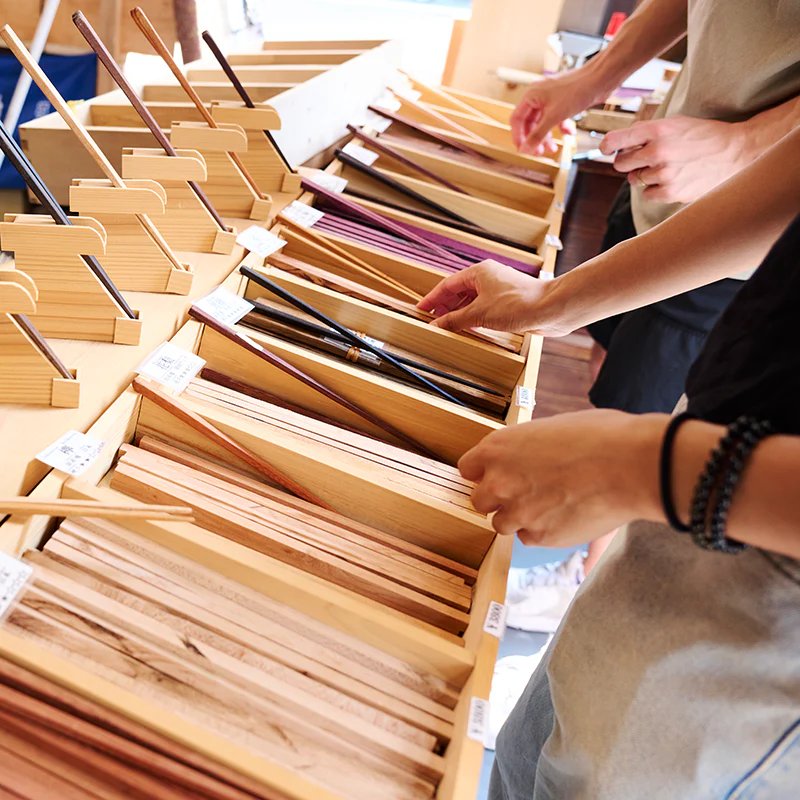
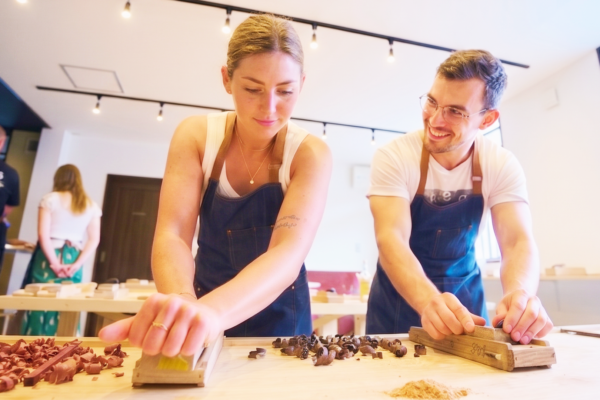
Chopsticks Studio Kyoto is ideal for travelers who want to enjoy chopstick making in a larger group. The studio can host up to 30 people at a time and welcomes school trips and tour groups.
The basic plan is priced at ¥2,000 per person; keeping costs low while still adding a hands-on learning element is a strong draw for school organizers.
Access is excellent: just a 2-minute walk from Arashiyama Station, you can finish the session in the morning and stroll the bamboo grove in the afternoon, all within walking distance. English language support is also available, so groups from overseas can participate with confidence.
Details
| Address | 2F, 3-25 Saga Tenryuji Susukinobaba-cho, Ukyo-ku, Kyoto |
| Hours | 9 am-6 pm (sessions every hour) |
| Price | ¥2,000 |
| Official site | https://www.instagram.com/chopstickstudio/ |
| Best for | Group travelers, school field trips, educators, or international groups |
Kyoto Arashiyama Chopstick Making Workshop
Kyo-Machiya Experience Studio Waraku: Craft Inside a Historical House
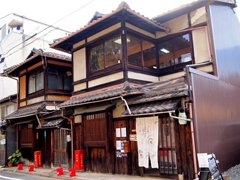
Kyo-Machiya Experience Studio Waraku offers the exciting experience of crafting chopsticks inside of a historical house that’s more than 120 years old.
Both the setting and the materials carry Kyoto’s history. Built around the Meiji era, the house is a valuable piece of architecture that retains its traditional design. Using rare smoke-aged bamboo, you finish your chopsticks under the guidance of a real chopsticks artisan. You can choose your bamboo at the beginning and take the finished product home the same day.
Priced at ¥3,300 per person and running for a duration of about 60 minutes, this session fits easily between other sightseeing plans. It’s also a great way to create memories on a family trip.
Details
| Address | 602 Tatsumi-cho, Yamato-Oji-dori Shichijo-sagaru, Higashiyama-ku, Kyoto |
| Hours | 9 am-6 pm |
| Price | ¥3,300 |
| Closed | Open year-round |
| Official site | https://waraku.kyoto.jp/ |
| Best for | Travelers seeking a richer taste of Kyoto culture, those who value a historical setting, and those who enjoy interacting with artisans |
Tsutsumi Asakichi Urushi-Ten: Advanced Course That Includes Lacquer Coating
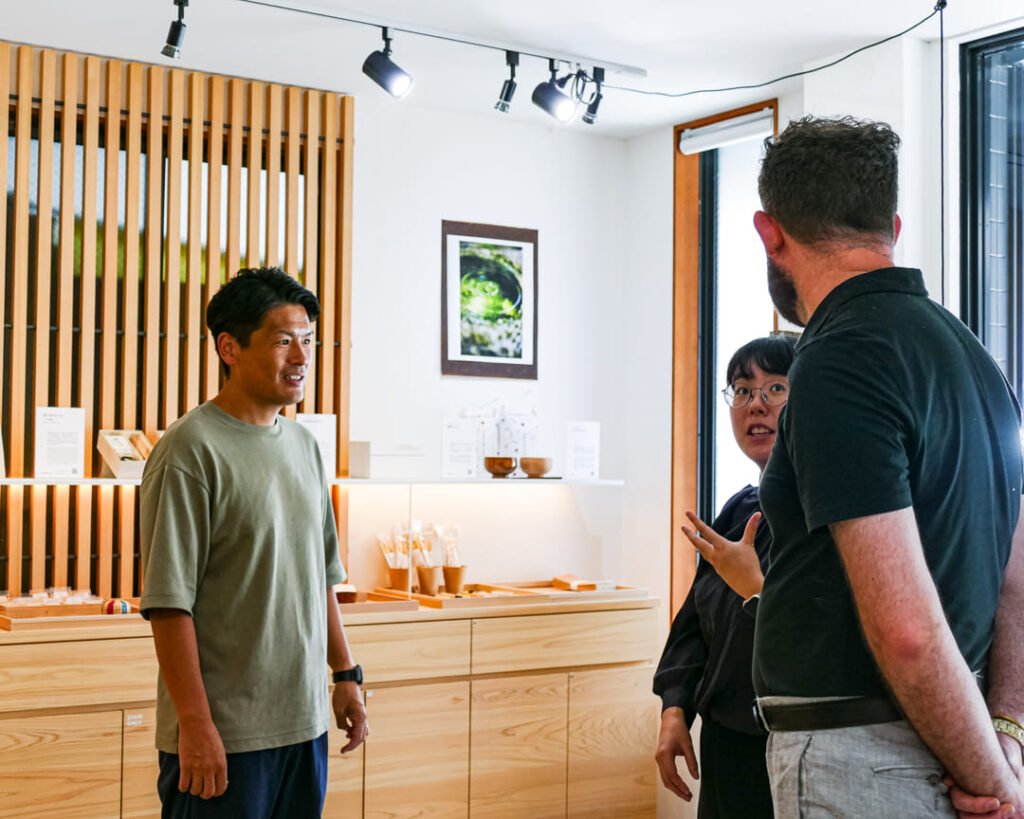
Run by a lacquer wholesaler founded in 1909, this workshop embodies the tradition of passing down artisan skills. The fuki-urushi (wipe-on lacquer) chopstick workshop is ¥6,600, while plans that include a factory tour with commentary are priced separately. The minimum age for participation is 13 years-old, higher than at most other workshops.
The higher price reflects the rare chance to tour the lacquer-refining facility, which is normally closed to the public. After learning about how urushi lacquer is refined and used, you’ll apply it to your own chopsticks. The value here lies in learning about the origins of traditional materials while also making something with your own hands.
This workshop is well suited for:
- Travelers with a serious interest in Japan’s traditional crafts and who want more than surface-level sightseeing
- Those with extra time and money who are looking for an authentic cultural experience available only in Kyoto
- Learners curious about the “why” and “how” behind chopstick craftsmanship
Details
| Address | 540 Inari-cho, Ainomachi-dori Matsubara-agaru, Shimogyo-ku, Kyoto |
| Duration | About 90 min. (includes factory tour, commentary, and workshop) |
| Price | ¥6,600-¥12,100 |
| Closed | Open year-round (reservation required, contact by email) |
| Official site | https://www.tsutsumi-urushi.com/ |
| Best for | Travelers with a serious interest in Japanese crafts, and those seeking an authentic experience |
How a Chopstick-Making Session Unfolds: From Bamboo or Wood to Finish
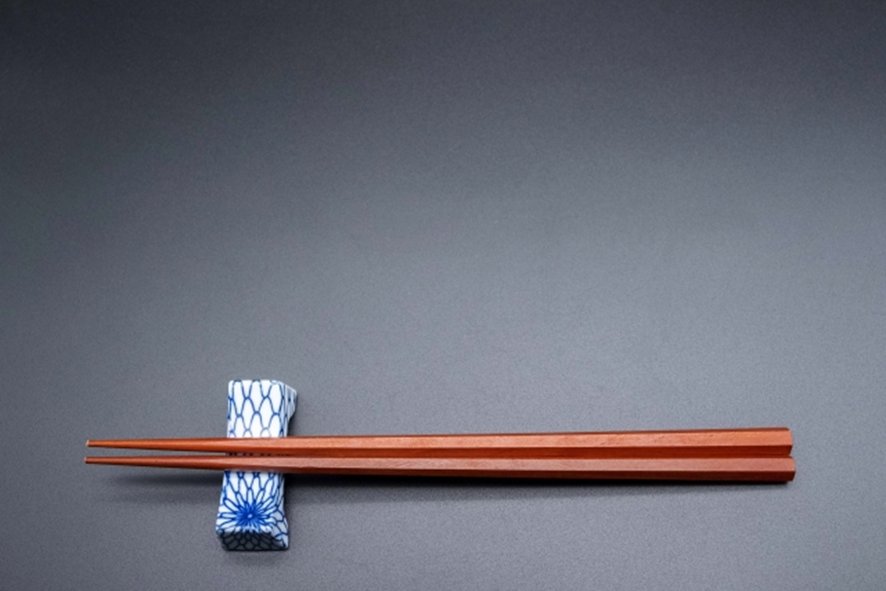
Once you’ve chosen a workshop, it helps to be aware of how the session actually unfolds. The following five steps will walk you through everything from selecting your materials to taking your finished chopsticks home, including duration, difficulty, and options such as name-engraving.
Use this section as a guide when trying to fit a workshop into your itinerary.
1. Choose a Kyoto-Sourced Material Such as Bamboo, Cedar, or Hinoki
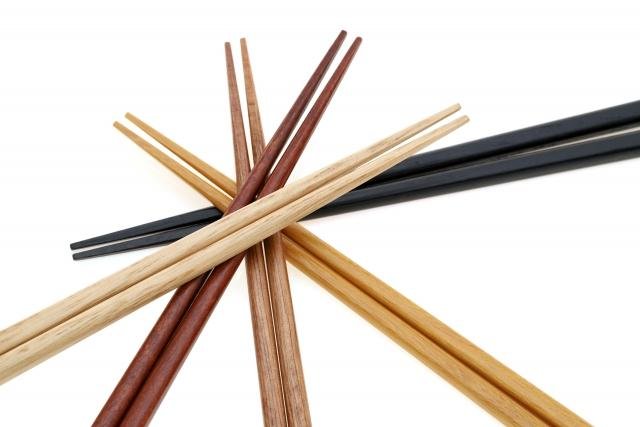
The first step is selecting the kind of wood or bamboo you’ll shape. Local materials are on hand, and your choice will determine the character of the finished product.
Here are the differences between the three main materials:
| Material | Features | Suited To |
|---|---|---|
| Bamboo | Light, flexible, and oil-resistant; easy to shave along the grain | Beginners; everyday users |
| Kitayama cedar | Beautiful grain with a soft feel on the lips; also enjoyable for its fragrance | Those who value appearance and texture |
| Hinoki (Japanese cypress) | Fine grain and lightweight; a good balance of durability and workability | Those who want a pair of chopsticks that will last |
Bamboo is a high-quality material with a long history of use in tea utensils. Kitayama cedar has a pleasant fragrance and brings the spirit of Kyoto to the dining table. Hinoki is smooth to shave and is well regarded for the beauty of its finish.
At workshops offering several materials, you can compare the grains side by side before deciding. Feel free to ask the artisan about which wood is right for you.
Plans that include applying lacquer often specify the material to be used, so it’s a good idea to confirm this at the time of booking, especially if it’s important to you to be able to pick your own materials.
2. Shape With a Plane and File
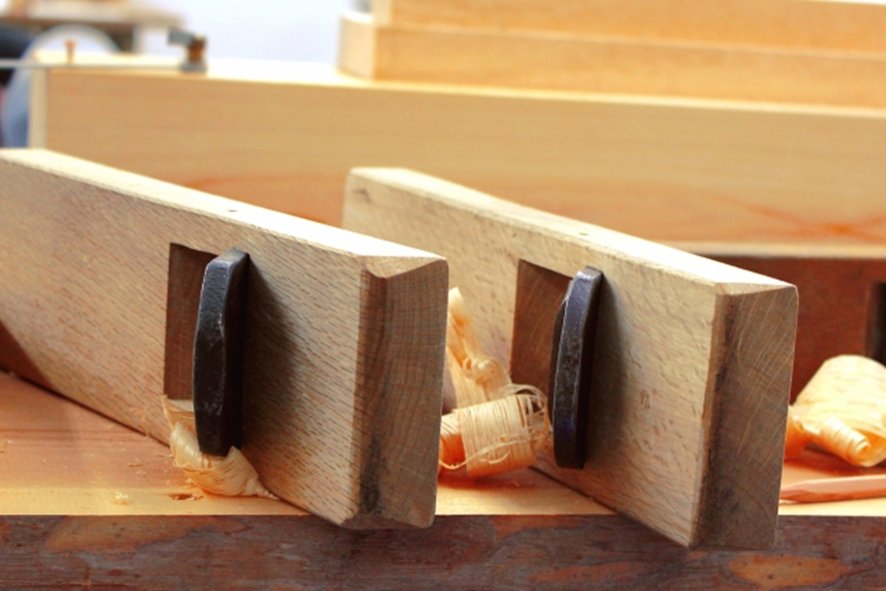
After choosing your material, you’ll move on to the shaving step. Even if you’re nervous about handling a plane or file, a staff member will be available to guide your strokes, so you can relax and enjoy the process.
The work is split into two phases:
- Rough shaping with a plane (about 10-20 min.): roughing out the overall form of the chopsticks. The trick is to rotate the surfaces and shave evenly.
- Detailed shaping with a file (about 5-15 min.): removing corners and uneven spots, refining the form into something easy to grip.
It also helps to know how each material feels under the blade. Bamboo cuts smoothly along the grain but tends to splinter if you shave against it. On the other hand, cedar is soft and easy to over-shave, so a light touch is key with this kind of wood.
All materials come with the tools pre-adjusted, so beginners and children can work safely. After just a few strokes, you’ll get a feel for the right amount of pressure to apply.
3. Polish the Surface With Sandpaper
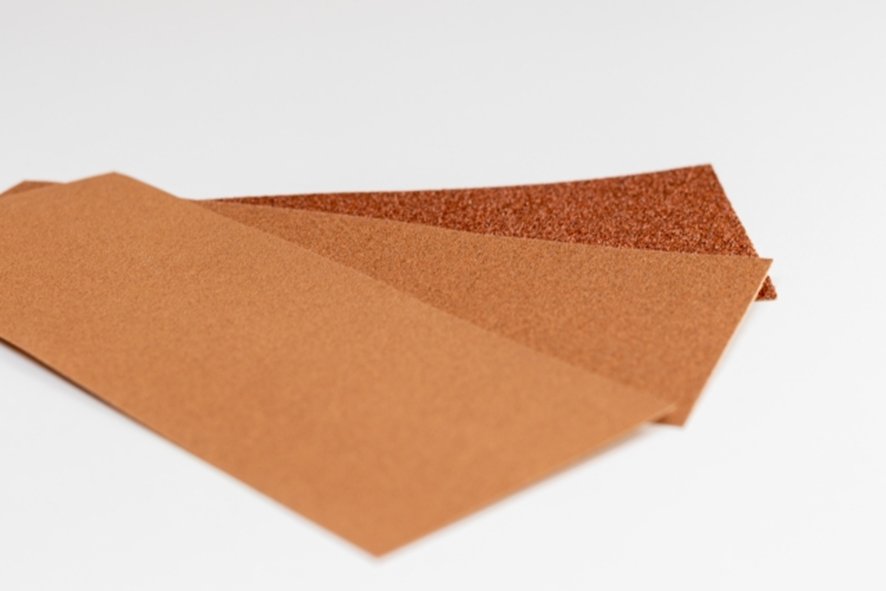
Once the shape is set, you’ll smooth the surface with sandpaper. This polishing step is essential in determining both the feel of the chopsticks in your hand and the visual finish.
This work takes anywhere from a few minutes up to about fifteen. After using coarse sandpaper to remove the marks left by shaving, you’ll switch to fine sandpaper and polish your chopsticks until they’re smooth. Using different grit of sandpaper gradually brings out the grain of the wood or the fibers of the bamboo.
While polishing, check these points:
- Tip thickness: make sure the tips are slim enough to pick up food
- Handle thickness: hold the chopsticks to see if they sit comfortably in your hand
- Left-right balance: lay your chopsticks side-by-side and check for uniform length and thickness
If something feels off you can re-polish your chopsticks on the spot, so there’s no need to rush. As they become smooth, you’ll feel your one-of-a-kind pair coming to life.
4. Add Name Engraving for a Truly Personal Pair
Engraving your name on the polished chopsticks turns them into a keepsake that’s truly one-of-a-kind.
There are two main styles of name engraving:
- Staff engraving: a professional engraves your name with a wood-burning pen or a dedicated machine. Each pair takes about 5 minutes, and some workshops offer this service free of charge.
- Hands-on engraving: you do the letters yourself with a wood-burning pen. You can practice on scrap wood first to get the feel for it, so there’s no need to worry about making mistakes.
Alphabet, hiragana, and kanji are available, and fees for name engraving range from free to around ¥1,000. The time required for name engraving varies by venue and course content, but for simple engraving alone, a pair can be finished in about 20 minutes.
Full hands-on classes that include material selection can take anywhere from an hour to an hour and a half. Be sure to ask about duration in advance so the activity doesn’t clash with your sightseeing schedule.
5. Take the Finished Chopsticks Home the Same Day
With shave-and-polish plans, you can take your finished chopsticks home with you on the same day, and since they’re only about 23 cm (approximately 9 inches) long, they fit easily inside carry-on luggage. Even on the last day of your trip, you can bring them home as a souvenir without dealing with shipping.
Plans that involve applying a lacquer require extra care. The lacquer takes several days to dry, so same-day pickup is usually not possible. If the workshop offers the option to ship them to you at a later date, confirm in advance whether international shipping is available and what extra fees may apply.
Here’s a quick summary of pickup conditions:
| Finish Type | Same-Day Pickup | Notes |
|---|---|---|
| Shave-and-polish finish | Yes | Can go straight into carry-on luggage |
| Lacquer finish | Usually no | Some workshops can ship your chopsticks to you once they’re dry |
Being able to finish and take home your chopsticks is part of what makes this experience so popular. When choosing a workshop, check the finish method as well as the pickup conditions.
Things to Keep in Mind During a Chopstick-Making Experience
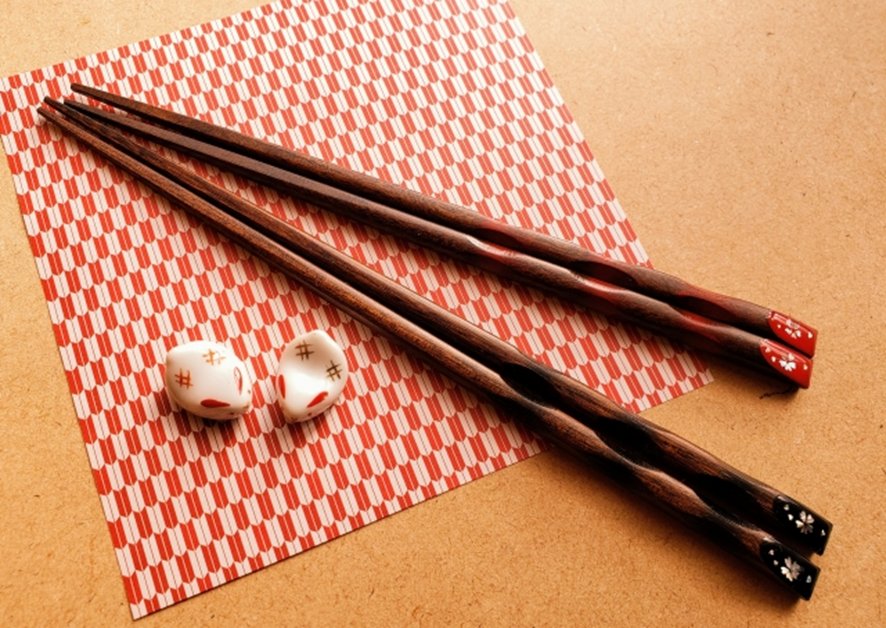
Making chopsticks is a beginner-friendly activity, but there are a few things to keep in mind. First, be careful about what you wear to the workshop. Second, be aware that there is a risk of skin-irritation when using urushi lacquer (sessions limited to shaving wood carry no risk of skin reactions). A little preparation goes a long way toward enjoying the activity with confidence.
Wear Clothes That You Don’t Mind Getting Dirty
Fine wood shavings drift around during the shaving step and tend to settle on the front of your top or on your cuffs. Dark colors show the dust easily, so wear something that you don’t mind getting a little messy.
Whether aprons are available or not depends on the workshop, so we recommend confirming this at the time of booking.
In the case that an apron is not provided, keep these points in mind:
- It’s easy to brush off wood shavings from cotton or linen fabrics
- Patterns or mid-tone colors can make wood dust less visible
- Tighter sleeves and snug cuffs keep shavings from getting inside your clothes
Tools are provided at the workshop, so you can travel light. If photography is allowed, feel free to bring a camera or smartphone: capturing these moments makes for a memorable keepsake of your trip.
Using Lacquer Carries a Risk of Skin Reactions

Plans that include lacquer can result in contact dermatitis caused by the compounds in raw urushi. Individual sensitivity varies, but even touching something with lacquer on your hands can trigger a reaction.
Common symptoms include:
- Strong itching or redness
- Swelling or blisters
- Most cases last a few days, more severe cases can last up to 2 weeks
Some workshops provide protective gear such as gloves. If you have sensitive skin or known allergies, mention them at the time of booking. If symptoms appear after working with the lacquer, see a dermatologist promptly.
Sessions that involve only shaving and finishing the wood don’t use lacquer, so there’s little concern about skin reactions. If you have any concerns, the shave-and-polish plan is the safer choice.
Other Cultural Experiences to Pair With a Workshop
Once you’ve chosen a chopstick-making workshop, you can start to plan other parts of your itinerary.
Below are some cultural experiences in Kyoto and Osaka that pair well with chopstick making, including a half-day course that combines the Arashiyama bamboo grove with chopstick making, and a route that adds in a sumo experience in Osaka. Even during a short stay, you can take in plenty of Japanese culture.
Half-Day Plan: Arashiyama Bamboo Grove and Chopstick Making Workshop
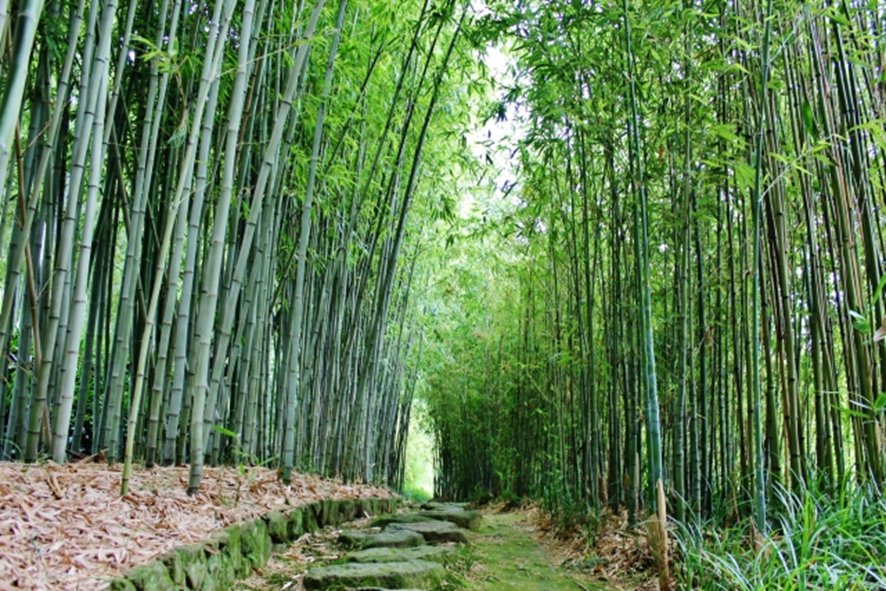
The Arashiyama bamboo grove and a chopstick-making workshop sit within walking distance from each other, so you can enjoy both in just half a day. A recommended schedule looks like this:
- 10:00-10:30 am: Stroll the Bamboo Grove Path (about 30 min.)
- 11:00 am-12:00 pm: Lunch in the Arashiyama area (about 60 min.)
- 1:00-2:30 pm: Chopstick-making workshop (about 60-90 min.)
Chopsticks Studio Kyoto is conveniently located close to the Arashiyama bamboo grove. English-speaking staff are on hand, and finished pieces go home with you the same day. Finishing your chopsticks after taking in the bamboo scenery makes the trip all the more memorable.
If you join an English-guided tour, you can also hear about Kyoto’s culture and history along the way. Booking a guided tour in advance through a reservation site provides added reassurance. You can leave Arashiyama before 3 pm, which makes it possible to continue on to Kinkakuji Temple or Nishiki Market.

Kyoto: Arashiyama UNESCO Walking Tour with Admission
For a Tour of Western Japan, Add a Sumo Experience in Osaka
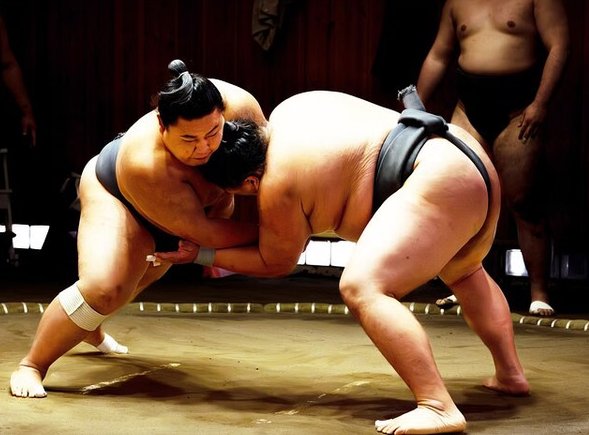
The JR Special Rapid train from Kyoto to Osaka takes only about 30 minutes, with a one-way fare of around ¥560. Trains run frequently, so you can travel without watching the clock.
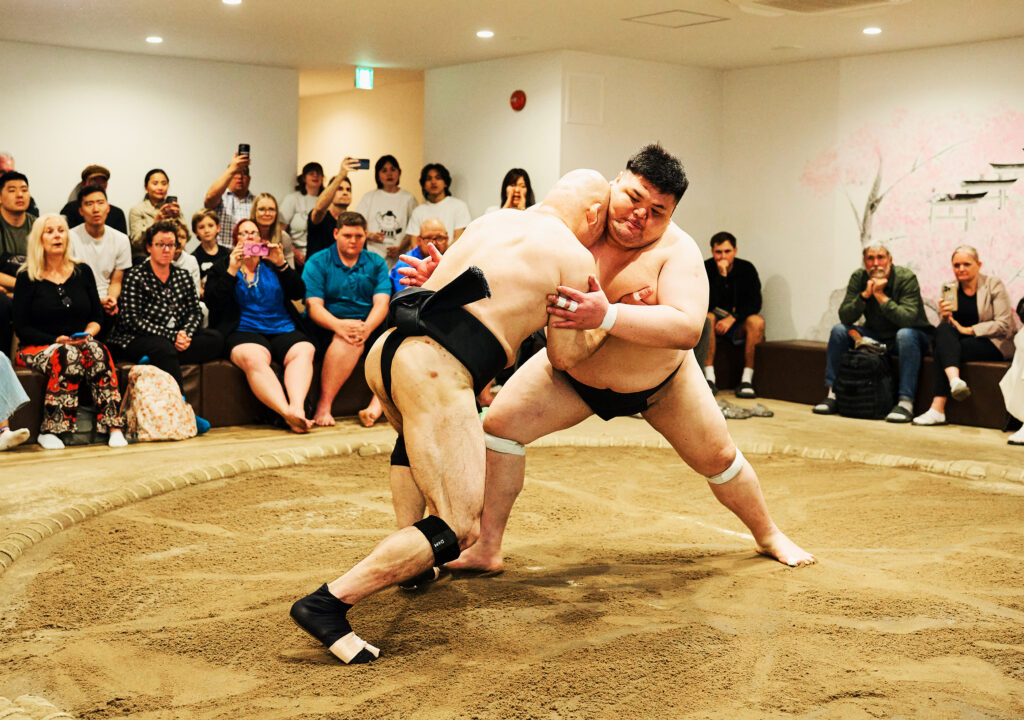
Our recommended plan is to participate in a chopstick-making workshop in Kyoto in the morning, then head to Sumo Studio Osaka in the afternoon for a hands-on sumo experience. The roughly 90-minute session lets you observe sumo techniques and live bouts in the ring up close. English commentary is provided, and there’s also a program where you can step up and face a former professional sumo wrestler.
Hands-on chopstick making paired with an immersive sumo experience makes for a memorable centerpiece of any trip.
Details
| Address | 1F Hanazonocho AI Building, 1-5-1 Asahi, Nishinari-ku, Osaka (right by Hanazonocho Station) |
| Hours | 10 am-9 pm (last session starts at 8 pm) |
| Closed | Open year-round |
| Official site | https://sumowrestlingshow.jp/ |
| Best for | Travelers who want to experience Japan’s traditional sport firsthand |
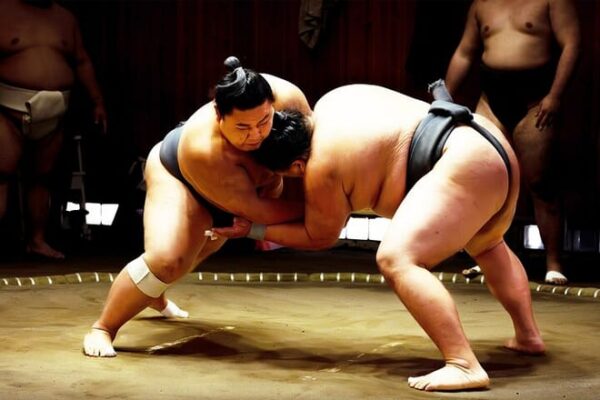
Osaka Sumo Experience with Live Show and Audience Challenge
Common Questions About Chopstick Making in Kyoto

Here are some answers to common questions to help clear up any confusion before booking your experience.
Details about language support, age limits, and same-day reservations are all covered briefly below.
Can I Participate if the Workshop Staff Don’t Speak English?
Even without English-speaking staff, you can usually participate simply by watching the artisan’s demonstrations and following their actions. Instructions on how to handle tools and safety information rely on language, so if you’re concerned, confirm the available languages in advance or choose a plan with English language support.
If you’re unsure, pick a plan on a reservation site clearly listed as having “English-speaking staff.” Sessions in other languages are sometimes available too, so check those listings as well.
Below, we’ve summarized the points about language covered in this section:
- Check the language indication on the reservation site: look for phrases like “English-speaking staff” or “English instructor”
- Choose a demonstration-based experience: classes that focus on hands-on work rather than lecturing may be easier to follow along even with the language barrier
- Consider a guided plan: tours led by an English-speaking guide can field questions whenever you have them
What’s the Minimum Age for Children?
The minimum age for participation varies by workshop, with many allowing children older than 5 or 6. Some plans have no age limit, so options are available for travelers with younger children.
Workshop differences are summarized here:
| Point to Check | Details |
|---|---|
| Age range | Anywhere from age 5 or no limit, depending on the workshop |
| When blades are used | Some workshops introduce small knives from age 10 |
| Adult accompaniment | Generally required for children under 12 |
When blades are involved, staff may guide the child’s hands. The level of support varies by venue, though, so tell the staff your child’s age at booking in order to learn the details.
Can I Bring Chopsticks Onto a Plane?

Wooden and bamboo chopsticks are allowed in carry-on luggage without any issue, and Japanese airlines impose no restrictions on either domestic or international flights.
That said, extremely sharp tips might draw attention from security, but workshop-made chopsticks rarely raise any concerns. If you’re worried, packing them in your checked luggage is the safer option.
For chopsticks finished with lacquer, drying takes time and shipping after you’ve already gone home is sometimes necessary. Confirm with the workshop in advance whether international shipping is available.
Below is a summary of the information covered in this section:
- Wooden and bamboo chopsticks are allowed in carry-on luggage (no restrictions under TSA rules or with Japanese airlines)
- Security screening can vary by country and airport, so when in doubt, place them in checked luggage
- For lacquer finishes that require shipping, check international shipping availability with the workshop ahead of time
Are There Workshops That Accept Walk-Ins?
HASHI LAB accepts same-day visits, and you can join without a reservation if there’s space. Other workshops generally require booking in advance.
Peak tourist seasons fill up quickly, so book online early.
Kyoto Arashiyama Chopstick Making Workshop
If I Make a Mistake, Can I Start Over?
Staff support you throughout the chopstick-making process, so serious mistakes rarely happen. The materials come pre-prepared and you’ll check progress at each step, which keeps things manageable.
Even if the shape ends up a little uneven, refining it into your own personal pair is part of what makes the experience special. What happens if you shave off too much can vary by facility and available materials, so confirm details with each workshop in advance.
How Do Chopstick-Making Experiences Differ Between Kyoto and Osaka?
The two cities have different approaches.
In Kyoto, the focus is on locally sourced wood, with simple finishes that bring out the grain and fragrance. The setting, whether a traditional Kyoto-style house or a bamboo grove, adds depth, and the value lies in immersing yourself in traditional culture.
In Osaka, experiences more often involve choosing from several types of wood and shaving them to fit your own hand, with a practical, everyday-use focus.
Here’s a quick guide to choosing between workshops in Kyoto and Osaka:
| What You Value | Recommended City |
|---|---|
| Traditional culture and atmosphere | Kyoto |
| Abundant choices in materials and decorations | Osaka |
| Bringing out the texture of wood to the fullest | Kyoto |
| A decorative finish | Depends on the plan; check with each workshop |
If you’re touring Western Japan, trying both and comparing them is also a great option.
Bring Home a Pair of Handmade Chopsticks from Kyoto
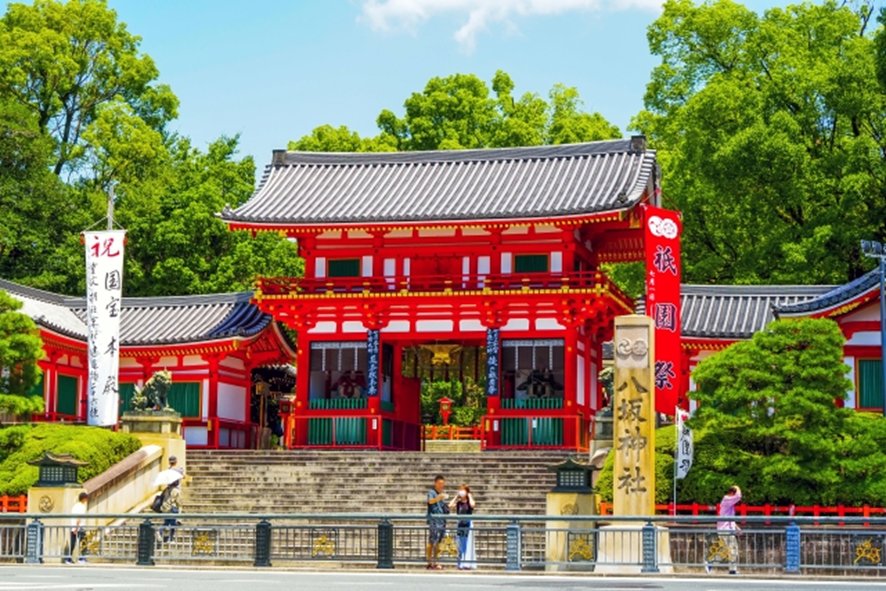
Kyoto offers a wide selection of chopstick-making experiences, with a workshop to suit just about any preference. The options include casual drop-in venues as well as facilities where you can study authentic urushi lacquer, and the range of activities available in the city varies just as widely. At workshops that handle lacquer, remember to take precautions against skin reactions.
A pair of chopsticks you’ve shaped with your own hands is sure to become an irreplaceable souvenir of your Kyoto trip, so consider working this unique experience into your itinerary.