Even if you want to rent a kimono in Tokyo, choosing the right shop from among the many rental options is not always easy. Asakusa in particular is home to a large number of kimono rental shops, and the points you want to compare often include pricing, kimono variety, English support, hair styling options, and access to sightseeing spots.
We have carefully selected seven recommended kimono rental shops in the Asakusa, Shibuya, Ginza, and Harajuku areas. We compare each shop’s prices, services, and location in an easy-to-understand way, and also explain the full process from online booking to dressing, sightseeing, and returning the kimono.
Basic Information About Kimono Rental Shops in Tokyo
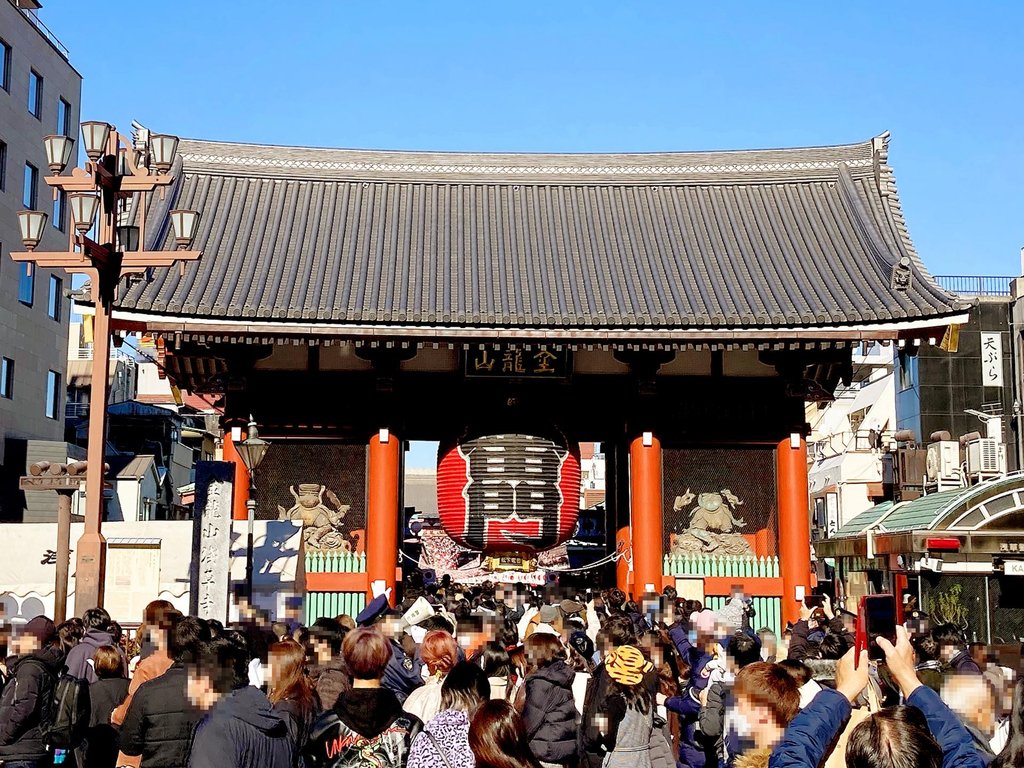
When planning a trip to Tokyo, first sort out which areas you’ll visit, your budget, and the season of your visit before comparing individual shops for kimono rental. Each area offers different sightseeing spots and streetscapes, and rental costs will vary depending on the plan and options you choose. Depending on the season, shops may also offer yukata (a lightweight summer kimono with excellent breathability) instead of formal kimono.
Below, we’ll explain the characteristics of different areas, price ranges, and the seasons when shops switch from kimono to yukata.
Shops Are Available in Various Areas
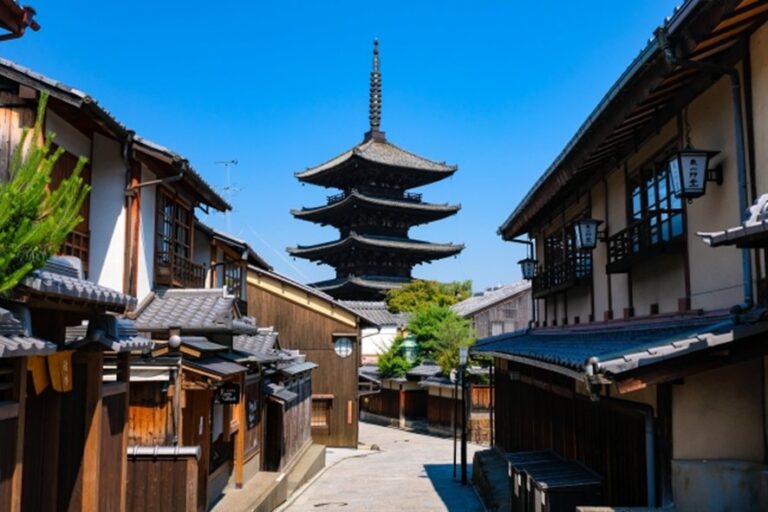
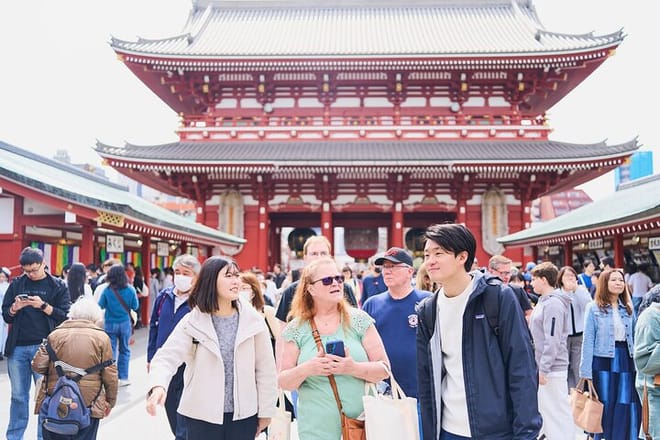
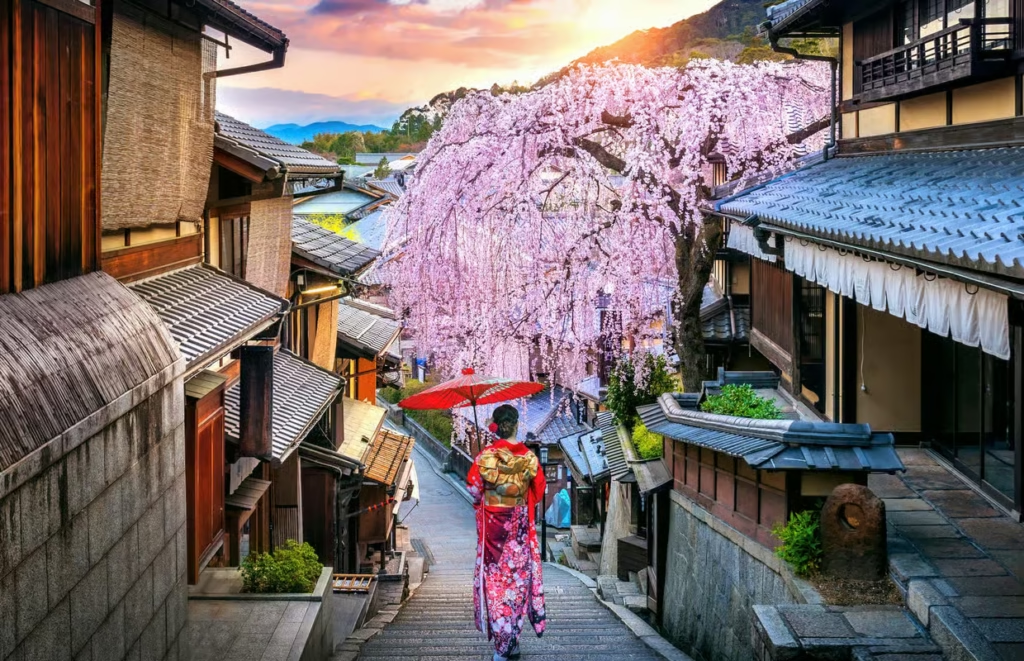
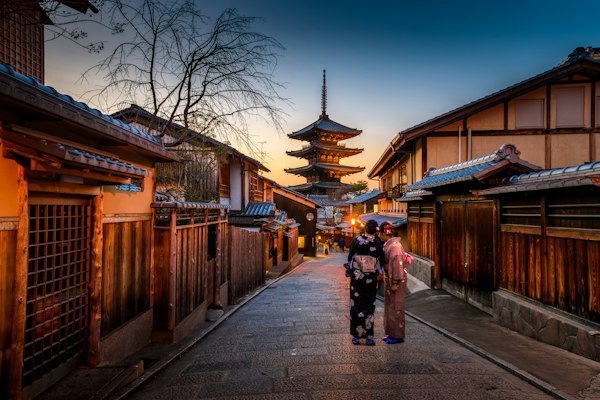
The area with the highest concentration of kimono rental shops in Tokyo is Asakusa, a district packed with iconic sightseeing and photo spots. Kaminarimon, Sensoji Temple, and Nakamise-dori are all within walking distance, so once you’re dressed you can immediately head out to enjoy sightseeing and photos in your kimono.
You may also want to choose a different area to match your purpose or the atmosphere you prefer. Here’s a quick guide to the characteristics of each area:
Itineraries by Time Available
| Area | Atmosphere & Features | Recommended For |
|---|---|---|
| Asakusa | Old-town charm with temples/shrines within walking distance | First-time kimono experiences, couples, families |
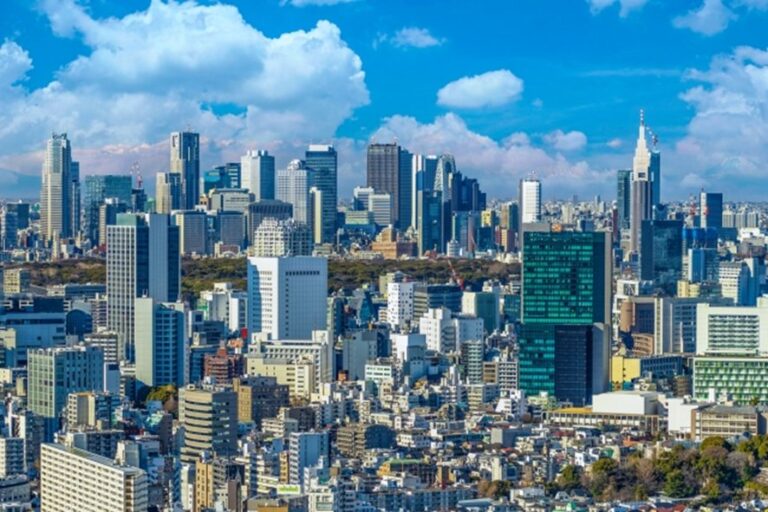
| Shibuya/Harajuku | The greenery of Meiji Shrine set against a modern cityscape | Trend-conscious visitors, groups of friends |
| Ginza | Refined, upscale atmosphere | Formal styling, adult commemorative photos |
In Shibuya and Harajuku you can take elegant photos against the lush greenery of Meiji Shrine, while in Ginza you can make the most of the sophisticated streetscape. Asakusa is recommended for those who want to enjoy classic sightseeing spots, while Shibuya, Harajuku, and Ginza suit those seeking a different atmosphere and more unique photos.
Basic Plans Are Available from ¥3,000 to ¥7,000
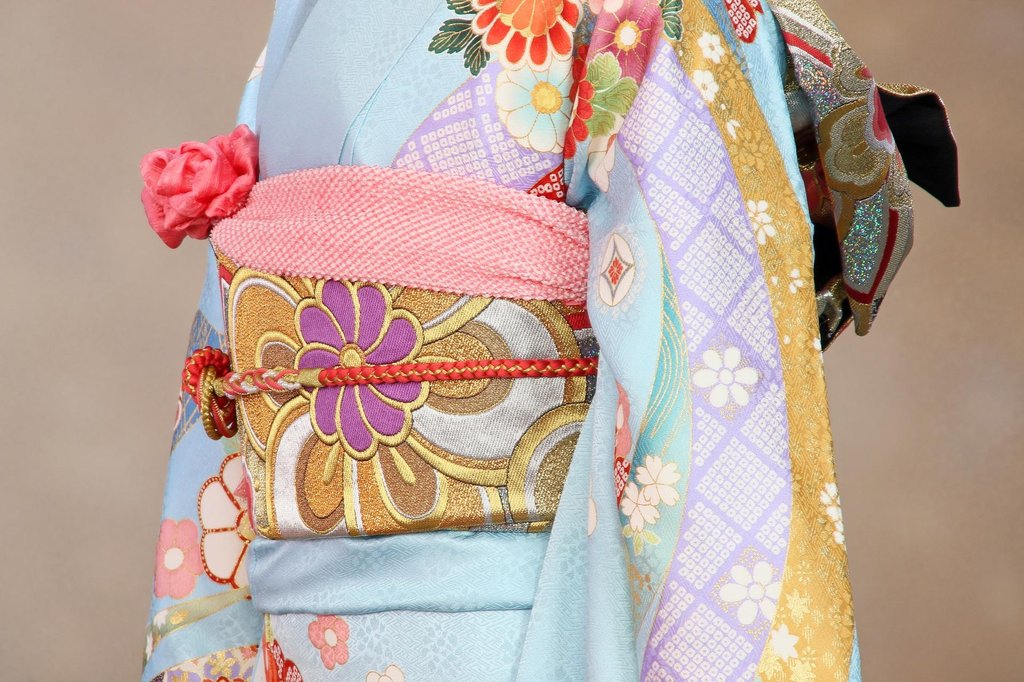
In general, plans include the kimono, obi (sash), zori (sandals), a drawstring bag, and dressing service. The factor that most affects the total cost is whether or not hair styling is included. Some shops offer it for free, while others charge an additional ¥1,000 to ¥2,000. Including surcharges for more elaborate styling, the total for a single day in kimono is usually in the range of ¥5,000 to ¥8,000.
If you want to try a more trendy design, plans typically range from about ¥5,000 to ¥9,000. Some shops also offer discounts for visitors who use their services with friends or family, so be sure to check in advance if you’re visiting as a group.
Here are some points to confirm in advance:
- Whether the listed price includes hair styling and accessories: Confirm if these services are part of the base package or require additional fees
- Whether upgrading the design of the kimono incurs additional fees: Some premium or antique designs may cost extra
- Whether there are discounts for couples or families: Group bookings often come with special pricing
Check what services are included in the base fee and what will cost extra, so you can avoid unexpected expenses when you arrive at the shop.
Shops Switch from Kimono to Yukata from June to September
From around late June through September, many shops switch from kimono to yukata. The timing of this switch varies by shop, however, so confirm which options will be available to you when making your reservation.
Yukata are highly breathable and well suited to Tokyo’s hot summers. On the other hand, if you prefer a more substantial and formal look, we recommend a kimono. We recommend choosing your garment based on whether you prioritize staying cool or looking elegant.
Since Tokyo experiences severe heat in July and August, keep these precautions in mind when strolling the city in traditional attire:
- Use a parasol or hat to block direct sunlight: This helps prevent sunburn and heat exhaustion
- Stay well hydrated and increase your salt intake: Combat dehydration during hot summer days
- Concentrate activities to the cooler morning or evening hours: Avoid the peak heat between 12 PM and 3 PM
Because available attire changes depending on when you visit, we recommend contacting shops as soon as your travel dates are set to see what options will be open to you.
Four Recommended Kimono Rental Shops in Asakusa
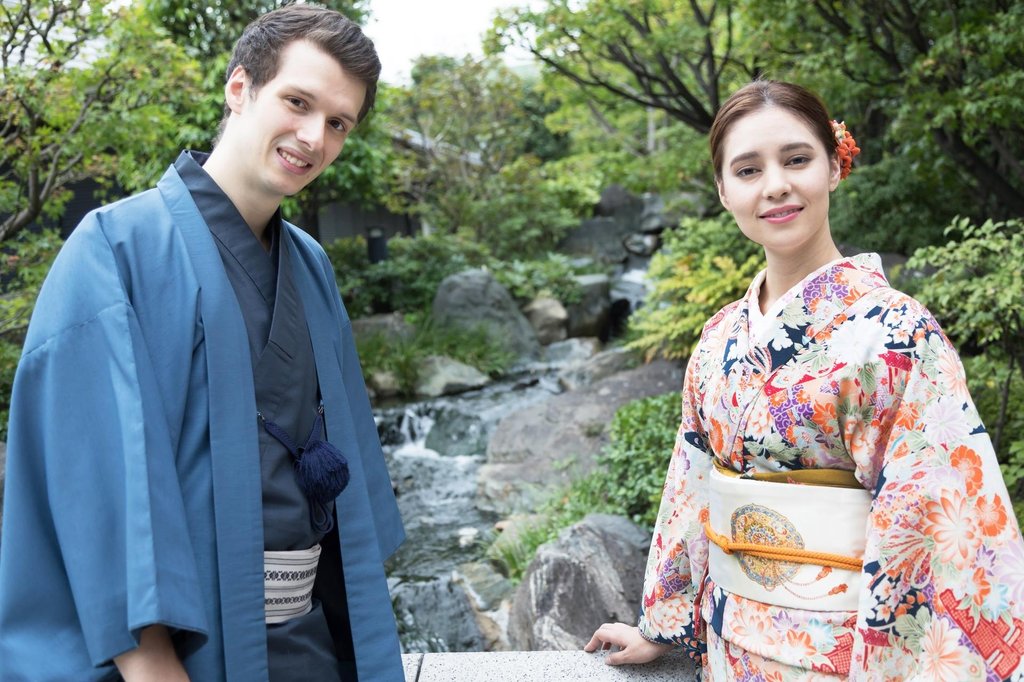
Asakusa is home to many kimono rental shops, each with different pricing structures and services. As a result, many visitors are unsure of which shop to choose. In this section we’ll introduce four shops that stand out for their clear pricing, wide selection, and great locations. Compare their features and find the one that best fits your budget and priorities.
VASARA Asakusa | Tokyo’s Largest Rental Chain
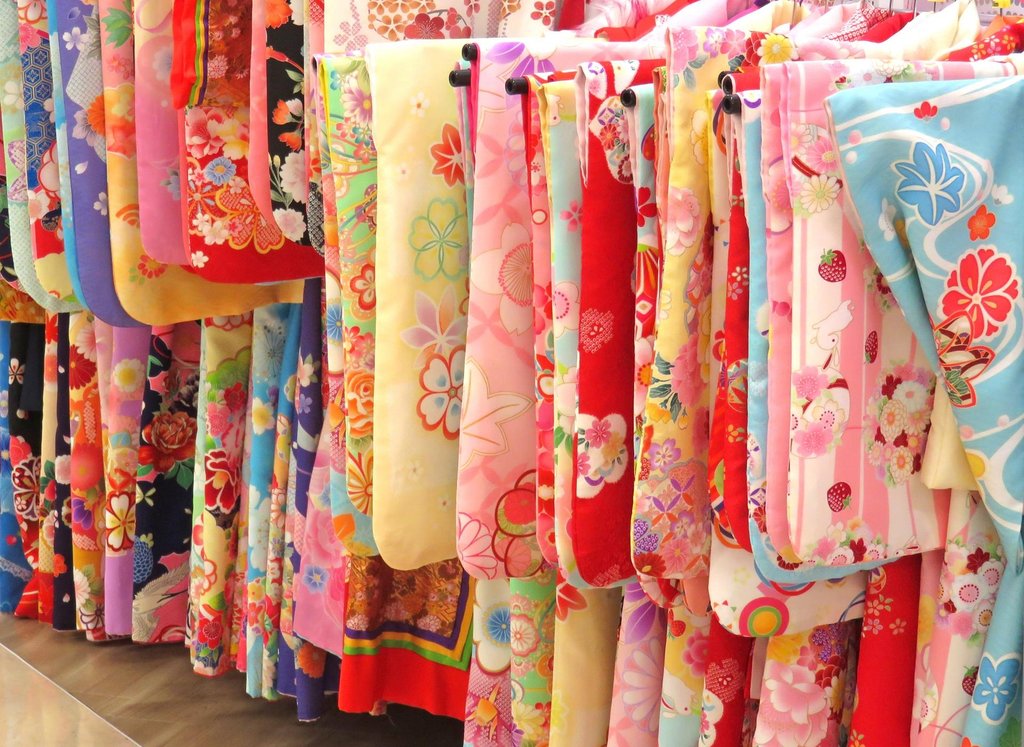
VASARA, a major nationwide kimono rental chain, operates three shops in the Asakusa area: the main store, the Sensoji store, and the Ekimae (station-front) store. Being able to choose the shop that best matches the location of your accommodations or sightseeing plans is one of the strengths of choosing a large chain store.
All shops carry more than one thousand different kimonos, so you can select from a wide range of designs at any location. The standard rental plan starts at ¥3,278 (tax included), and you can even book through international platforms such as Klook, which makes multilingual reservations easy.
VASARA also has shops in Shinjuku, Shibuya, Ginza, and other areas throughout Tokyo. They even allow customers to return the kimono to a location different from where it was rented, giving you the freedom to choose the shop that is most convenient for your overall itinerary.
Details
| Name (Japanese) | 着物レンタルVASARA 浅草本店 |
| Name (English) | VASARA Asakusa Main Store |
| Address | 1-1-11 Asakusa, Taito-ku, Tokyo |
| Hours | 9:00 AM–6:00 PM (last appointment at 5:00 PM; must be returned by 5:30 PM) |
| Closed | Open year-round |
| Official website | https://vasara-h.co.jp/ |
| Recommended for | Visitors who want to complete their booking in English, or use multiple locations across Tokyo |
Yae | All-Inclusive, Flat-Rate Plan
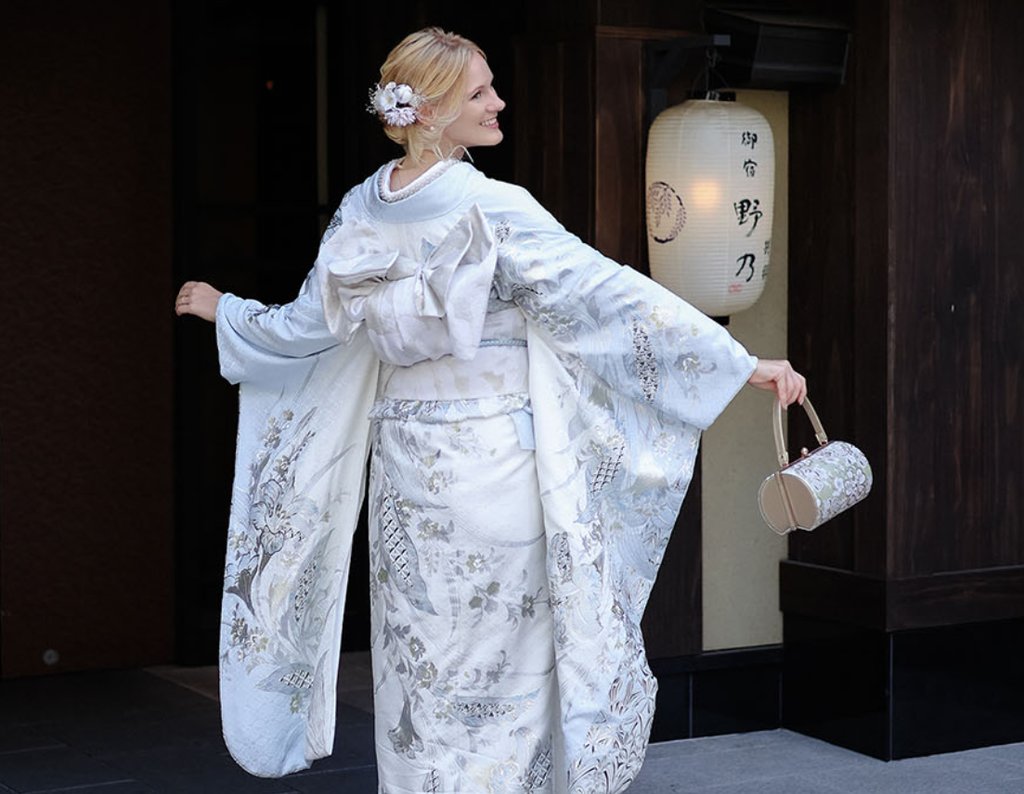
Yae’s strength is its transparent, all-inclusive pricing: the kimono, accessories, shoes, drawstring bag, and hair styling are all included in a flat-rate plan, so you can avoid surprise charges. For example, the Women’s Standard Plan costs ¥6,900 (tax included). Not having to mentally add up separate costs for all the different services you use allows you to focus on selecting your outfit without worrying about your budget.
The shop also sits just thirty seconds from Asakusa Station and offers more than five hundred unique designs, including plus-size options. And with the help of on-site multilingual staff, you can search for your favorite kimono without worrying about the language barrier—another major bonus.
Details
| Name (Japanese) | 浅草着物レンタル 八重 |
| Name (English) | Yae |
| Address | Nakaden Building 3F, 1-2-6 Hanakawado, Taito-ku, Tokyo |
| Hours | 9:30 AM–5:30 PM |
| Closed | Irregular closures |
| Official website | https://yae-japan.com/ |
| Recommended for | Visitors who prefer a flat-rate pricing system, or are looking for plus-size kimono options |
Kimono Rental wargo | Later Return Time
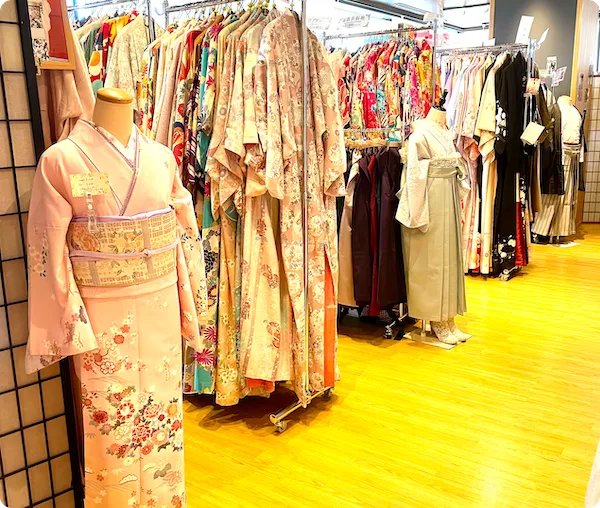
Kimono Rental wargo, one of Japan’s largest chains, stocks a combined total of more than twenty thousand kimonos across all its shops. With a wide variety of styles, including retro, modern, antique, and lace kimonos, you’re sure to find a design you’ll love. The standard plan starts at ¥3,300 (tax included) and includes a simple hair styling session and one kanzashi hair ornament. The return time is comparatively later than other kimono rental shops (6 pm), allowing you to enjoy wearing your chosen kimono until the evening.
Options such as next-day in-store return (+¥1,100) or the option to return the kimono to a convenience-store (+¥2,750) are also available. These can be convenient choices for those who want to enjoy their experience without worrying about return times.
Details
| Name (Japanese) | きものレンタルwargo 浅草店 |
| Name (English) | Kimono Rental wargo Asakusa |
| Address | Rakutenchi Asakusa Building 4F, 2-6-7 Asakusa, Taito-ku, Tokyo |
| Hours | 10:00 AM–6:00 PM |
| Closed | Irregular closures |
| Official website | https://kyotokimonorental.com/shop/8 |
| Recommended for | Visitors who value design variety, and who want to wear their kimono until evening |
REN Tokyo | Affordable Plans from ¥2,500
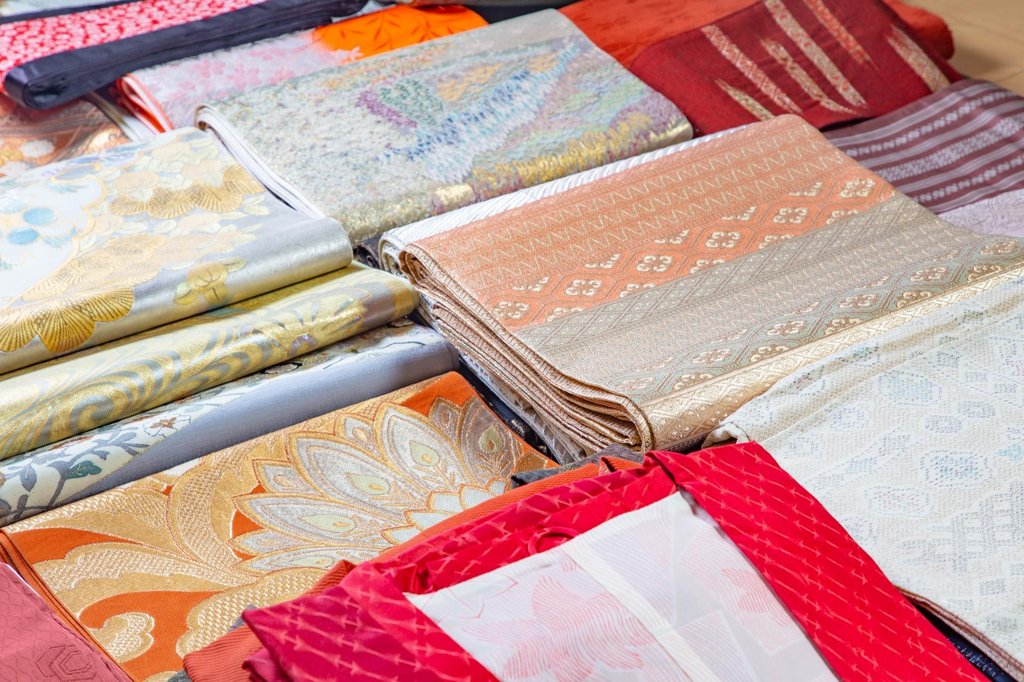
For budget-conscious visitors, REN Tokyo is a great choice. Their standard plan (available via web reservation only) starts at ¥2,500—an affordable price point even for the Asakusa area. The plan includes a full kimono set and dressing service; hair styling is charged separately. Note that prices are subject to change during peak seasons, so confirm the latest rates on the official website before booking.
Located just a three-minute walk from Sensoji Temple, REN Tokyo offers both lightweight polyester and authentic silk kimono options. The attentive, personal service that only an independent shop like this can provide is another major draw.
Details
| Name (Japanese) | 着物レンタルREN 東京浅草店 |
| Name (English) | REN Tokyo |
| Address | Kitahachi Building 2F, 1-39-13 Asakusa, Taito-ku, Tokyo |
| Hours | 10:00 AM–5:30 PM |
| Closed | Irregular closures |
| Official website | https://kimono-ren.com/ |
| Recommended for | Budget-minded visitors who want a local, independent shop option |
Three Recommended Kimono Rental Shops in Shibuya, Ginza, and Harajuku
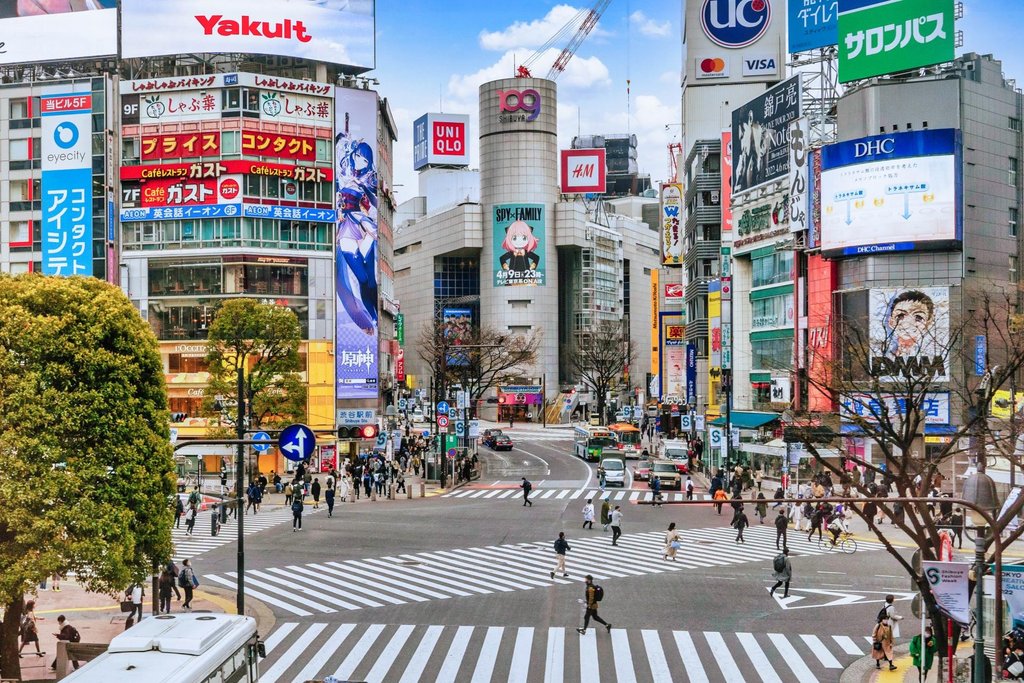
In this section we’ve compiled information on kimono rental shops in Shibuya, Ginza, and Harajuku, for those who want to enjoy wearing kimono in areas outside of Asakusa. We’ll introduce three selected shops with distinct features, including stores with multiple locations, stores with time-based plans, and stores that offer pure-silk kimono options. Reference the information below when choosing a shop that matches your sightseeing route.
Aki Kimono Rental | Locations in Shibuya, Ginza, and Ikebukuro
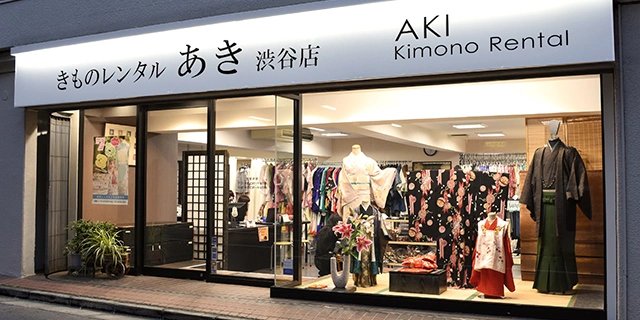
Aki Kimono Rental is a chain store with five locations: Shibuya, Ginza, Ikebukuro, Yokohama, and Atami. They offer the convenience of incorporating renting a kimono between shopping and sightseeing in major areas other than Asakusa. Plus all of their shops have English-speaking staff on hand, so you can communicate smoothly without Japanese language skills.
The Ginza shop is convenient if you want to stroll around major spots like the Kabukiza Theatre, while the Shibuya main store offers excellent access to public transportation: just a three-minute walk from Shinsen Station. Return times at Aki are also flexible—up to 7 pm on weekdays and 6 pm on weekends and holidays—allowing you plenty of time to enjoy your kimono.
Details
| Name (Japanese) | 着物レンタルあき 渋谷本店 |
| Name (English) | Aki Kimono Rental Shibuya Main Store |
| Address | El Alcazar, 15-14 Maruyamacho, Shibuya-ku, Tokyo |
| Hours | Weekdays: 10:00 AM–7:00 PM; Sat/Sun/holidays: 10:00 AM–6:00 PM |
| Closed | Tuesdays |
| Official website | https://kr-aki.co.jp/ |
| Recommended for | Travelers who want to sightsee in Shibuya and Ginza while wearing a kimono |
Kimono Rental SHIBUI | Just Minutes from Meiji Shrine

Kimono Rental SHIBUI sits a short three-minute walk from Harajuku Station and Meiji-jingumae Station, and once you’re dressed you can head straight to the main approach of Meiji Shrine.
A distinctive feature of this shop is its time-based pricing plans: you can choose from four options—from a sixty minute rental to all day—making it well suited to visitors who want to make efficient use of their limited time in the city.
Here’s a quick guide to pricing and sizing options:
- Pricing: 60 min. for ¥6,000; 90 min. for ¥7,000; 120 min. for ¥8,000; all-day rental for ¥11,000
- Add-ons: Hair styling: +¥3,000; professional photographer: from ¥15,000
- Sizing: Accommodates bust, waist, and hip sizes of up to 130 cm
Since walk-ins are also accepted, you can stop by SHIBUI whenever the mood strikes you, and with English-speaking staff on hand to help you can use their services with ease.
Details
| Name (Japanese) | 着物レンタルSHIBUI |
| Name (English) | Kimono Rental SHIBUI |
| Address | Harajuku Corp Bekkan Room 413, 1-10-34 Jingumae, Shibuya-ku, Tokyo |
| Hours | 10:00 AM–5:00 PM |
| Closed | Irregular closures |
| Official website | https://kimono.shibui-jp.com/ja |
| Recommended for | Those who want to wear a kimono at Meiji Shrine, or who want to rent on a whim |
Sakaeya | Pure-Silk Kimonos and Private Tea Ceremony Workshop
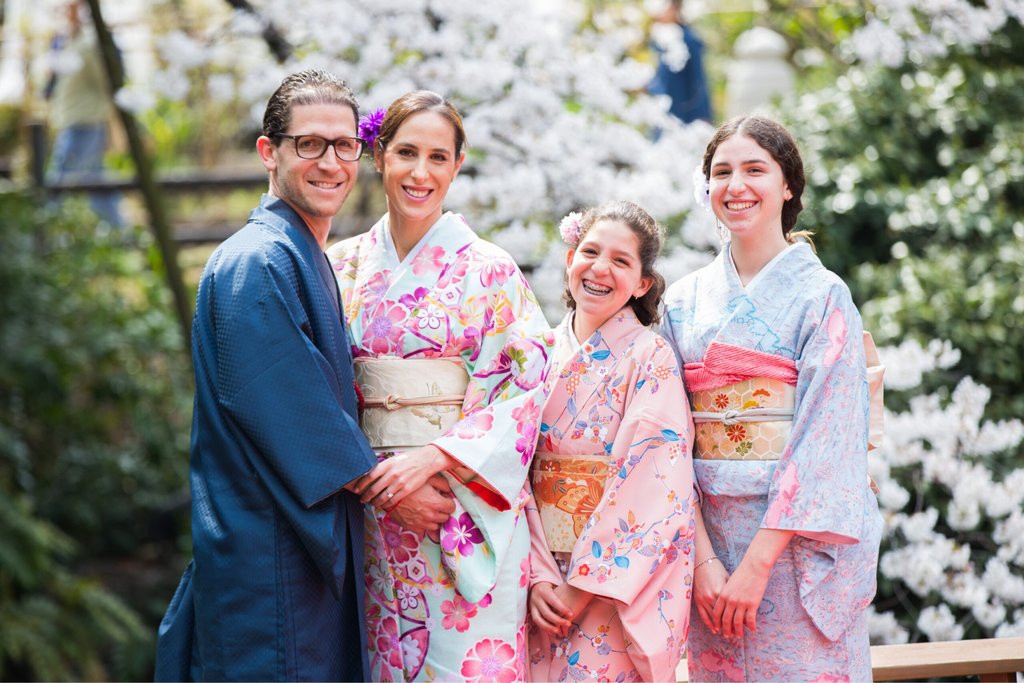
Founded in 1959, Sakaeya offers private workshops and premium, pure-silk kimonos. In a reserved space, you can dress, participate in the Japanese tea ceremony, and take photos at a leisurely pace and without worrying about the people around you. Unlike polyester designs, pure-silk kimonos have a smooth feel and drape around the body to showcase your frame. Besides looking great in photos, just wearing such a high-quality material feels like a treat in itself.
All rental plans at Sakaeya include a tea ceremony workshop and a photo shoot with a professional camera, allowing you to enjoy a genuine cultural experience at no additional charge.
Choose from the following two plans:
- Inside plan (indoors only): ¥10,000 per person
- Normal plan (includes an outing to Meiji Shrine): ¥15,000 per person
- Add-ons: Hair and makeup: +¥5,000 per service
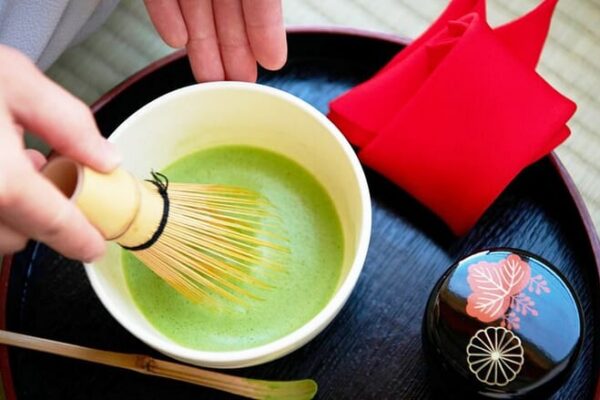
Tokyo: Tea Ceremony & Japanese Sweets Making
Experience the harmony, respect, and tranquility of tea
Details
| Name (Japanese) | 栄屋 |
| Name (English) | Sakaeya |
| Address | 1-20-4 Jingumae, Shibuya-ku, Tokyo |
| Hours | 11:00 AM–4:00 PM |
| Closed | Irregular closures |
| Official website | https://kimono-sakaeya.com/plan/ |
| Recommended for | Visitors who want to a unique cultural experience beyond what mass-market shops can offer |
The Kimono Rental Process from Booking to Return
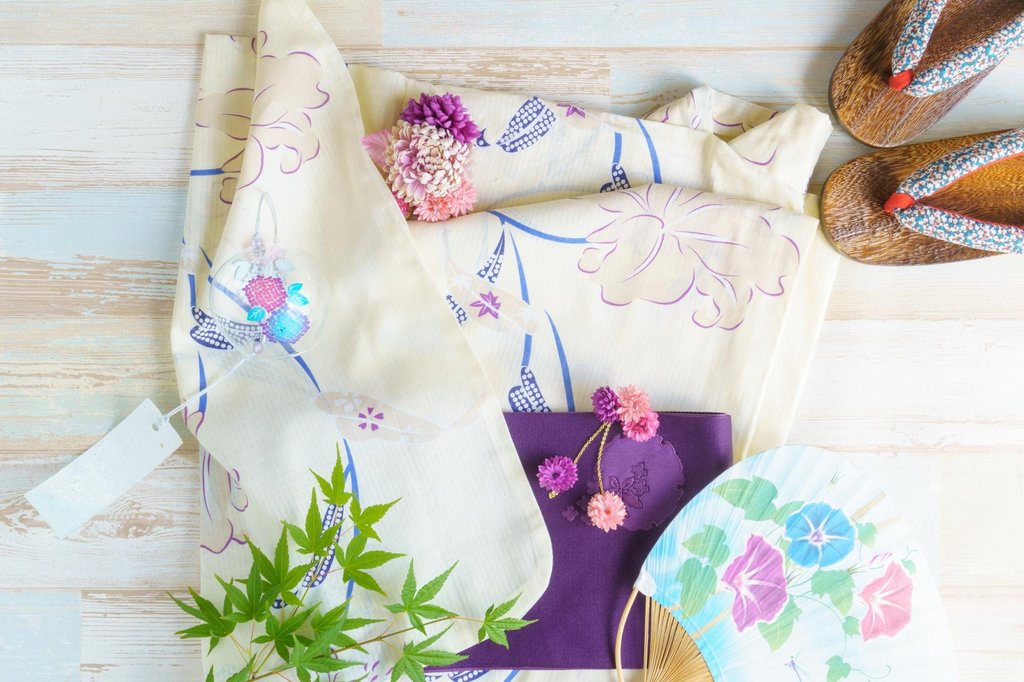
Many first-time users are uncertain about the booking procedure and what actually happens on the day of their kimono rental. Here we’ll explain all the steps—from online booking to arrival, dressing, and return—to help put you at ease. By understanding the overall flow in advance, you can avoid unexpected trouble and fully enjoy sightseeing in your kimono.
1. Secure Your Date and Time via English Online Booking
Using an English-language platform from your smartphone, you can confirm your reservation in just a few minutes. The two main options include booking directly through the shop’s official website, or through an online travel agency (OTA) such as Klook. Official websites make it easy to check real-time availability and shop-specific options, while OTAs offer benefits such as automatically applied discount coupons and smooth payments with international credit cards.
As you might expect, reservation slots tend to fill up during cherry blossom season (March–April), autumn (November), and on weekends, so we recommend booking at least two weeks in advance to secure your preferred time. Same-day reservations are also available, but keep in mind the risk of waiting times and reduced product selection.
Many shops accept cancellations up to two days in advance, and date changes can be accommodated online. These options give you the freedom to adjust your schedule to match the weather or a change in plans.
2. Complete the Necessary Preparations Before Your Visit
Since forgetting something on the day can spoil this precious experience, make sure to prepare your belongings and clothing no later than the day before your reservation. Be sure to bring your photo ID (passport), too, as some shops may refuse service without it. It’s also a good idea to have a few thousand yen in cash for luggage storage or for unforeseen additional fees.
For clothing, we recommend wearing a front-opening shirt or cardigan that won’t disturb your hairstyle when changing in and out of it. Choose a highly absorbent camisole or spats as your innerwear to wear under the kimono, to help prevent sweat from building up and give you extra reassurance in the event that your hem lifts and exposes your legs.
Winter haori (a traditional jacket worn over a kimono) and shawl rentals, as well as accommodations for pregnant customers, vary by shop, so be sure to confirm these details when you make your reservation.
3. It Takes Up to Sixty Minutes to Finish Dressing
You’ll need to factor in about forty-five to sixty minutes for one person to be dressed in kimono, and up to two hours or more for groups.
Use this rough outline to grasp the time required for each step of your kimono rental experience, and to help you plan your sightseeing:
- Reception and consultation: 5–10 minutes
- Kimono selection: 10–20 minutes
- Dressing: 20–30 minutes
- Hair styling: 15–20 minutes
- Final check and departure
Normally the whole process takes about an hour, but during busy seasons (March–May and October–November) the wait at the reception desk alone can take more than thirty minutes. To avoid crowds and to give you the widest possible selection of kimono, arriving just after opening at 9 or 10 am is ideal. Also note that for group visits, dressing takes place one person at a time, so expect a longer wait. That being said, you can always use the wait time to plan your walking route around the area and make the most of your time.
4. Return the Kimono to the Shop by 5 pm–6 pm
Most shops set their final return times somewhere between 5 and 5:30 pm. Since you only need to change back into your own clothes and hand over the outfit, this typically takes only ten minutes. If you want to enjoy your kimono into the evening or even until the next day, a next-day return option is a great feature. There’s usually an additional fee of around ¥1,000–¥2,200 for this service, and some shops accept in-store return by noon the next day, or even offer hotel delivery return.
In the event of stains or damage to the kimono, we recommend paying for an insurance option at the time of rental for around ¥500 to ¥1,000 extra. Without insurance, irreparable stains can result in you being charged for compensation, so anyone who plans to wear their kimono outdoors should consider getting insurance.
Both late-return service and kimono insurance often require signing up in advance, so make sure to confirm these details at the time of booking.
Three Recommended Cultural Experiences to Enjoy In Your Kimono
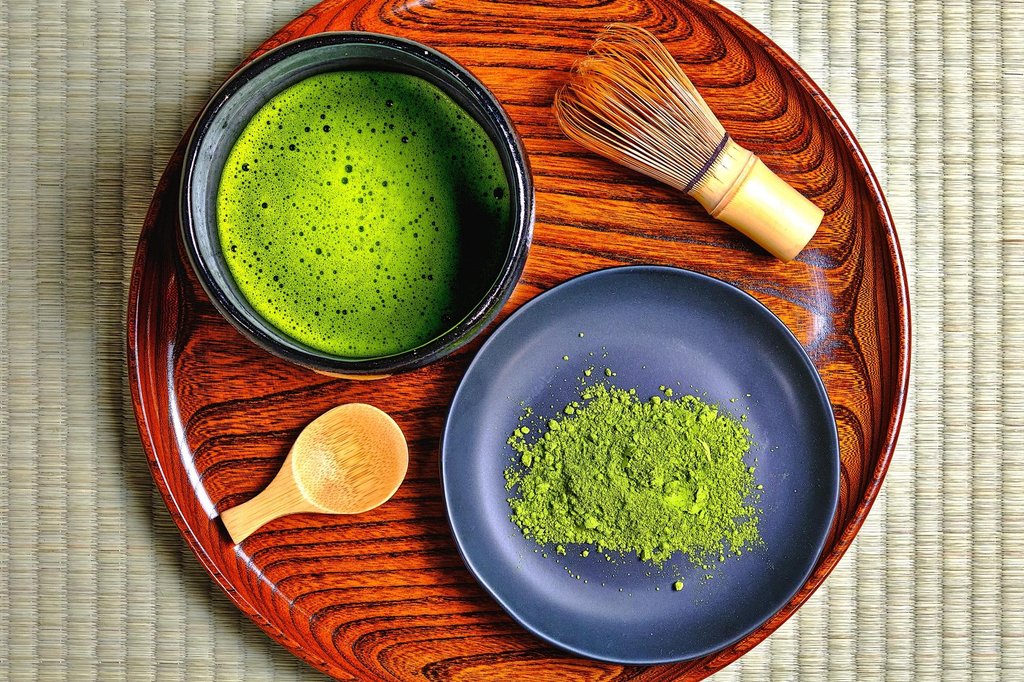
If you want to make your outing in kimono even more fulfilling, we recommend taking part in some Japanese cultural experiences. Below, we’ve summarized three activities—a tea ceremony workshop, a calligraphy workshop, and a chopstick making workshop—including information on features and particular points to note when participating in a kimono. Use this section as a reference to make the most of your rental time and make lots of colorful memories during your Tokyo trip.
Traditional Tea Ceremony & Wagashi
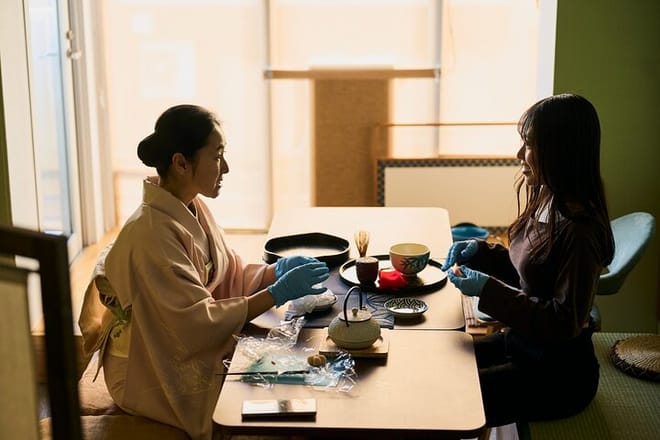
Japan Guide Star’ “Tokyo: Tea Ceremony & Japanese Sweets Making” is an approximately one-hour experience where you learn how to make matcha from a tea master and also try making seasonal Japanese sweets, or “wagashi.” Attending the tea ceremony in a kimono is sure to make the experience even more special.
An English-speaking guide is provided, and participants must be at least seven years old to participate. Be aware that tea room etiquette doesn’t allow accessories and perfume, so make sure to remove fragrances and jewellery before you join in.
Details
| Meeting point | Phil Park Hakusan Hills 2F, 1-26-17 Hakusan, Bunkyo-ku, Tokyo (start times: 2:00 PM or 4:00 PM) |
| Duration | About 1 hour |
| Included in the price | Tea, workshop, wagashi, English guidance |
| Booking site | https://japanguidestar.com/tour/tokyo-tea-ceremony-japanese-sweets-making/ |
| Recommended for | Couples, families (ages 7 and up), and solo travelers |
Tokyo: Tea Ceremony & Japanese Sweets Making
Experience the harmony, respect, and tranquility of tea
Calligraphy Workshop: Write Your Name in Japanese
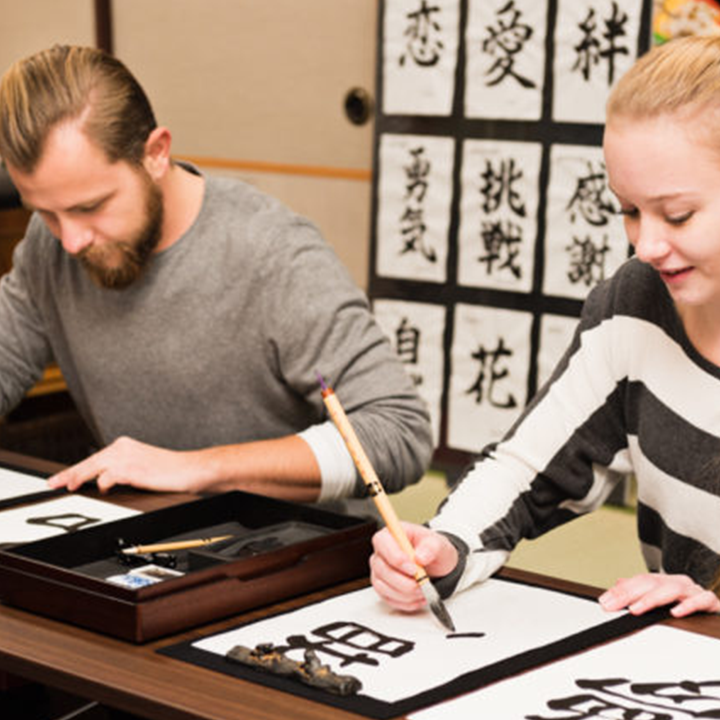
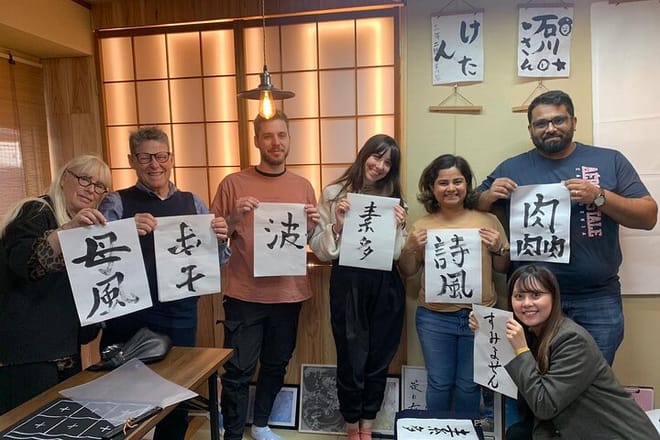
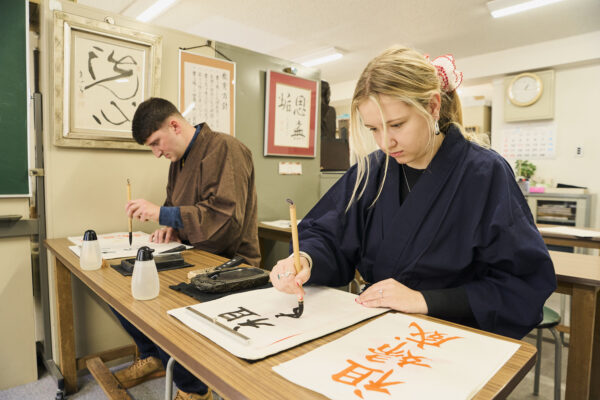
In the “Tokyo: Calligraphy Workshop & Original T-Shirt Creation” session by Japan Guide Star, you’ll receive instruction from a calligraphy professional and try writing your name in Japanese. The experience takes about an hour and thirty minutes and is offered in both English and Japanese. You can take your finished work home with you, and if you especially like your design you can even have it printed on a t-shirt for an additional fee.
Since calligraphy uses ink, take care not to stain the sleeves or hem of your kimono. If you’re concerned about stains, consider joining before or after your kimono rental, or check with the rental shop about kimono insurance.
Details
| Meeting point | Dai-22 Higashi Building 8F, 1-5 Kabukicho, Shinjuku-ku, Tokyo |
| Duration | About 2 hours |
| Included in the price | Calligraphy tools, materials, and instruction |
| Booking site | https://japanguidestar.com/tour/tokyo-calligraphy-workshop-original-t-shirt-creation/ |
| Recommended for | Beginners, couples, and families who want to experience Japanese culture hands-on |
Tokyo: Calligraphy Workshop & Original T-Shirt Creation
You’ll begin by exploring the fascinating history of kanji and its evolution
Chopstick-Making Workshop
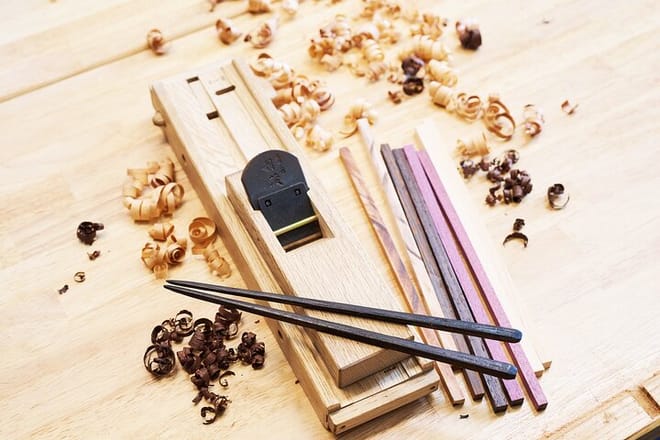
Japan Guide Star also offers a “Tokyo: Chopstick Making Workshop with Artisan” experience, which entails participants making their own wooden chopsticks under the guidance of an artisan. You can choose from more than ten types of wood, and since the necessary tools and materials are provided, you can join in empty-handed.
If you choose to participate while dressed in your kimono, take care that wood shavings don’t stick to your sleeves or hem. If you’re worried about staining, we recommend participating either before you are dressed or after returning the kimono.
Details
| Meeting point | 1-7-1 Misuji, Taito-ku, Tokyo |
| Duration | About 1 hour |
| Included in the price | Wood (three free options, plus premium options), tools, English guidance |
| Booking site | https://japanguidestar.com/products/tokyo-chopstick-making-workshop-with-artisan |
| Recommended for | Craft lovers, visitors looking for a practical souvenir, and families with children |
Common Questions About Renting a Kimono in Tokyo

We’ve compiled some frequently asked questions in this section to address any smaller concerns you might have about kimono rentals. Check here for tips on everything from photography and weather precautions to dining etiquette so that you can enjoy smooth sightseeing in Tokyo.
Are there any tips for taking great photos in a kimono?
To capture beautiful photos in a kimono, the following three points are pivotal: the photo spot, the pose, and the time of day. Simply stand at a 45-degree angle to the camera, lift your sleeves slightly, and align the tips of your shoes. These small adjustments are sure to create a beautiful silhouette.
To avoid crowds while taking pictures, we recommend shooting at around 9 am when the crowds are thin. If you’re not confident in your own photography, consider renting a rickshaw: the drivers act as guides and take photos at hidden spots along the way.
Are plus-size or men’s kimonos available?
Many shops carry men’s and plus-size options, and Yae in particular offers an especially broad selection of sizes. At other shops, specific size guidelines may not be clear, so direct inquiry in advance is the surest option. If there are no shoes in your size, switching to a mixed Japanese-Western style with boots or sneakers is always an option.
Keep the following points in mind when booking:
- Height and waist: If you are 185 cm or taller, or have a waist of 100 cm or more, please note your size in the remarks section of the booking form
- Shoe size: Extra-large shoes are often limited in stock. If your foot size is 28 cm or larger, we recommend inquiring well in advance
- Design variety: Plus-size selections aren’t as diverse as regular size selections, so your preferred color or pattern might not be available
Can I rent a kimono without a reservation?
Many shops accept same-day walk-ins, but since customers with reservations take priority, you risk long waits or being turned away. During busy seasons (such as cherry blossom or autumn) or on weekends, same-day slots are often fully booked. Some shops accept online reservations up to thirty minutes before arrival, however, so try to secure a slot on your smartphone before heading over.
Can I enjoy a kimono on a rainy day?
Most shops are open even in the rain, and you can still enjoy strolling by using rain shoes and rain coats that the rental shops lend out. To prepare for stains from mud splashes, we strongly recommend paying for kimono insurance. When walking around, choose covered spots such as Nakamise-dori or the Asakusa Underground Shopping Street so that you can enjoy your outing without worrying about the rain. If outdoor photography is difficult, consider switching to an indoor cultural workshop instead.
Can I eat or shop while wearing a kimono?
You can eat and shop while wearing a kimono, but during meals your sleeves can easily get stained, so use a napkin and avoid dishes with dark-colored sauces. Because the obi (the silk belt) restricts your midsection, pay attention to how much you eat.
Also be aware that eating while walking is prohibited along Asakusa’s Nakamise-dori and you will be asked to eat and drink in designated areas. When shopping, carrying too many bags can make walking difficult, so we recommend utilizing delivery services.
Can I go to the restroom while wearing a kimono?
Choosing a Western-style toilet makes using the restroom easy. To prevent your outfit from coming loose, make it a habit to visit the restroom before you are dressed.
Here are some tips for using the bathroom in a kimono:
- Secure sleeves: Gather the sleeves on both sides and tuck them into the side of your belt to keep them from hanging down
- Lift layers: Lift each layer of fabric one at a time, raising the material above waist height
- Sit carefully: Sit shallowly on the toilet seat so that your obi is not crushed
- Check alignment: When finished, put each layer back and check the obi and ohashori (the folded tuck of fabric at the waist) in a mirror for any misalignment
Knowing in advance where Western-style facilities are available—such as the public restrooms on the Sensoji Temple grounds or at the Asakusa Culture Tourist Information Center—can help put your mind at ease.
Summary
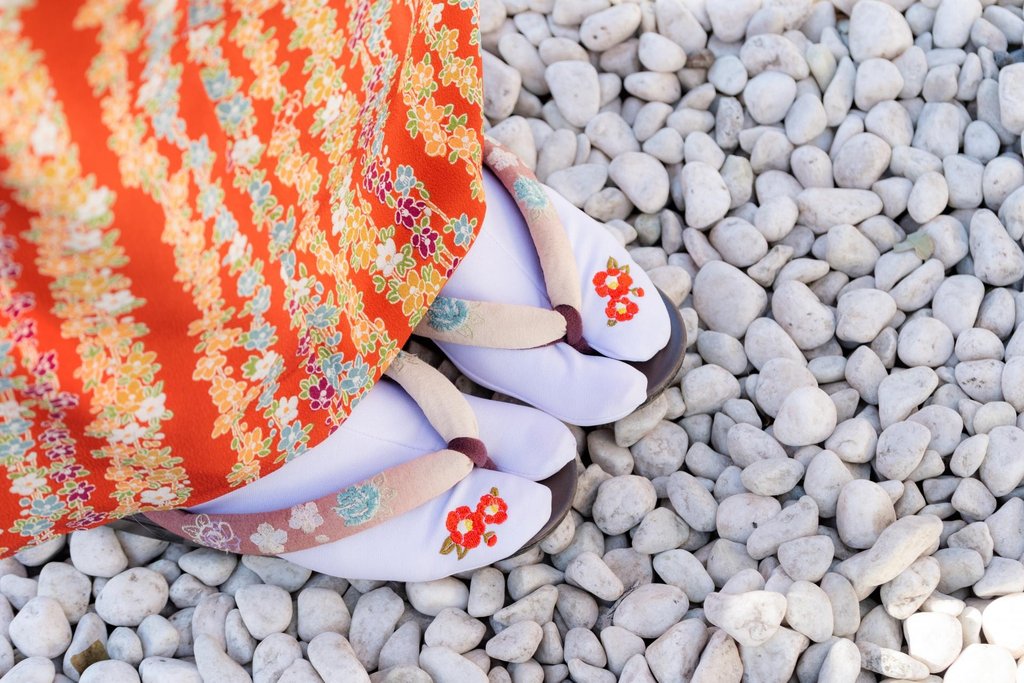
Kimono rental in Tokyo can be a smooth experience if you take advantage of online booking at English-friendly shops. Choose a plan that includes hair styling, and confirm the return time and luggage storage policy in advance. Take a stroll through the streets of Tokyo, wearing the kimono of your choice: the experience is sure to become an unforgettable memory that stays with you long after your trip.