Plenty of people hesitate over whether the wooden chopsticks that come with takeout can be washed and used again. Some wooden chopsticks are built to last, while others are made for a single meal. Once you know how to tell them apart, the answer becomes straightforward.
A few simple signs distinguish the two, and repeatedly using single-use chopsticks can create hygiene problems, including mold and splinters. Choosing chopsticks that will last for years comes down to material, care, and length, and four workshops in Tokyo and Kyoto let you carve your own pair.
How to Tell Reusable Wooden Chopsticks From Single-Use Ones
When you are unsure whether the pair in your hand is disposable or designed for repeated use, three clues can help: thickness, coating, and how you received them. Once you know the difference, it becomes clear which pair can be washed and kept and which should be discarded after a single meal.
Single-Use Waribashi Are Thin and Unfinished
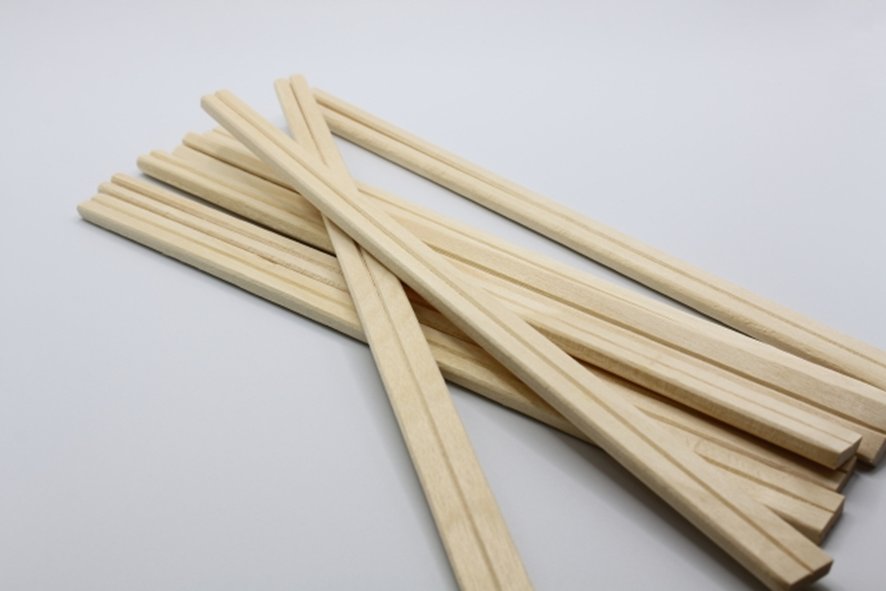
Wooden chopsticks designed for a single meal are usually unfinished, so they readily absorb moisture. Unless they dry thoroughly after washing, dark stains and mold can appear within a short time.
- Thin and light: only about 4-5 mm (roughly 0.2 in) thick, and they flex when you bend them gently between your fingers
- Rough surface: no coating over the bare grain, and you can feel the wood fibers as you run a finger along them
- Pale cross-section: often made from pale, bleached wood or bamboo with fine speckled markings
Waribashi (split-apart disposable chopsticks) are not designed for repeated use. Even after washing, they absorb water and dry slowly, increasing the risk of mold and other hygiene problems, so it is better not to reuse them.
Reusable Chopsticks Are Protected by a Coating
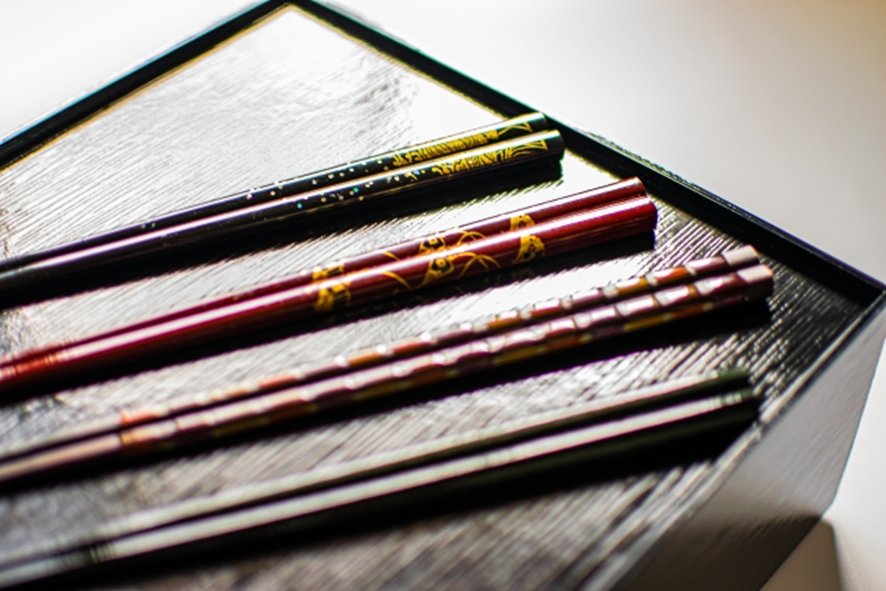
Most chopsticks designed for repeated use have a surface coating of lacquer or urethane. This protective layer helps prevent water from penetrating the wood fibers.
- Glossy: the surface has a noticeable sheen and reflects light
- Smooth to the touch: your finger encounters little or no texture from the wood grain
- Thick and weighty: the shaft feels solid and does not flex easily
Chopsticks that come boxed and individually wrapped as a pair are generally intended for repeated use. Dense hardwoods such as ebony also resist moisture well, allowing them to withstand repeated use even without a coating.
Free Chopsticks Are Best Left Out of the Rotation
Waribashi handed out for free are made on the assumption of a single use. The person eating with them has no way to check which agents went into the bleaching or mold-proofing, or how strictly the manufacturer managed hygiene.
When washed and reused, the unfinished wood readily absorbs water and oil. The surface can become rougher, small scratches accumulate, and dirt and microorganisms can lodge in the wood. For that reason, inexpensive disposable chopsticks are a poor choice for long-term use as tableware.
For uses that do not involve contact with the mouth, however, such as craft projects or cleaning tools, repurposing them keeps the hygiene risk low.
- Plant support stakes: prop up small potted plants or herb stems
- Handles for homemade sweets: use them as sticks for ice pops or other homemade treats
- Craft and DIY material: build miniatures, school projects, or other small creations
Giving disposable chopsticks a second life away from the dining table is a safer approach than repeatedly reusing them as tableware.
3 Risks of Washing and Reusing Disposable Wooden Chopsticks
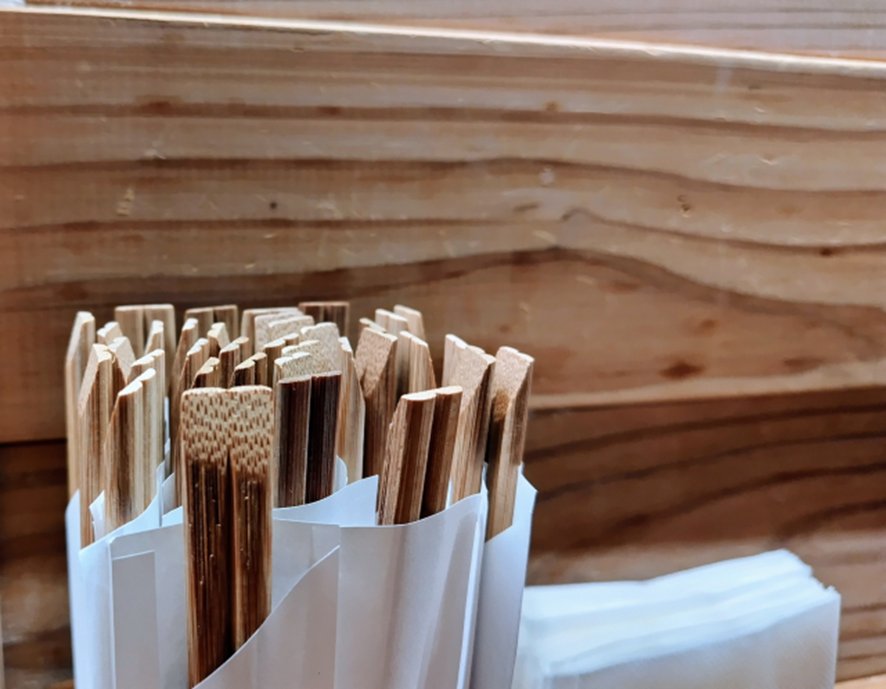
Reusing disposable waribashi brings three main problems: mold can develop when grime becomes trapped in the wood, the tips can splinter and injure your mouth, and repeated contact with residual bleaching or mold-prevention agents may pose additional concerns.
1. Grime Trapped Inside Leads to Mold and Dark Stains
Wooden and bamboo chopsticks such as waribashi are porous. They absorb broth and water, and grime that penetrates the fibers can dry slowly, meaning ordinary washing may not remove everything.
Three conditions make this especially problematic:
- Nutrients: fats and proteins can remain inside the wood fibers
- Moisture: water absorbed into the porous material may remain trapped in the core
- Temperature: a room-temperature kitchen or drawer can provide conditions favorable to microbial growth
When chopsticks retain both moisture and food residue, mold can develop inside the wood and appear as black spots or dark patches on the surface, including around the tips. A pair may look clean while contamination is developing within the material, so disposable chopsticks are best not reused as tableware.
2. Splintered Tips Can Injure Your Mouth
Repeated soaking and drying can leave waribashi more brittle than when they were new. Eating with degraded chopsticks can cause small splinters to lodge in the soft tissue of the lips or tongue and, in some cases, cause bleeding.
The risk is higher when you put significant pressure on the tips, such as when:
- Serving cooked meat and vegetables out of a hot pot
- Holding a thick piece of steak or tempura
- Bearing down on the tips to pick up a dense portion of noodles
The moment you grip hard, the chopsticks are far more likely to snap or split into a sharp shard at the tip. Run a finger lightly over the tips, and stop using them the moment you feel roughness.
3. Repeated Contact With Residual Bleach and Anti-Mold Agents
Manufacturers may use bleaching agents to whiten waribashi and mold-prevention treatments to protect them during storage and transport. The residues they leave behind raise three concerns:
- Safety limits for bleach and anti-mold agents assume a single use
- Repeated contact with water makes residues more likely to leach out
- Long-term accumulation has not been studied enough to confirm its safety
Waribashi are designed as single-use tableware. Reusing them increases concerns about physical deterioration and hygiene, including splinters and the accumulation of food residue that can support microbial growth.
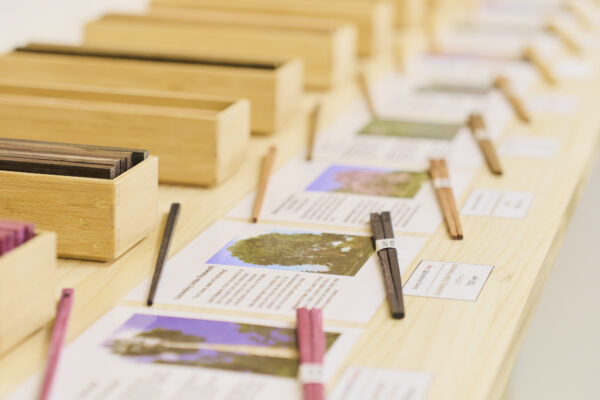
Asakusa Premium Japanese Chopstick Making Workshop
Care Tips That Make Reusable Wooden Chopsticks Last Longer
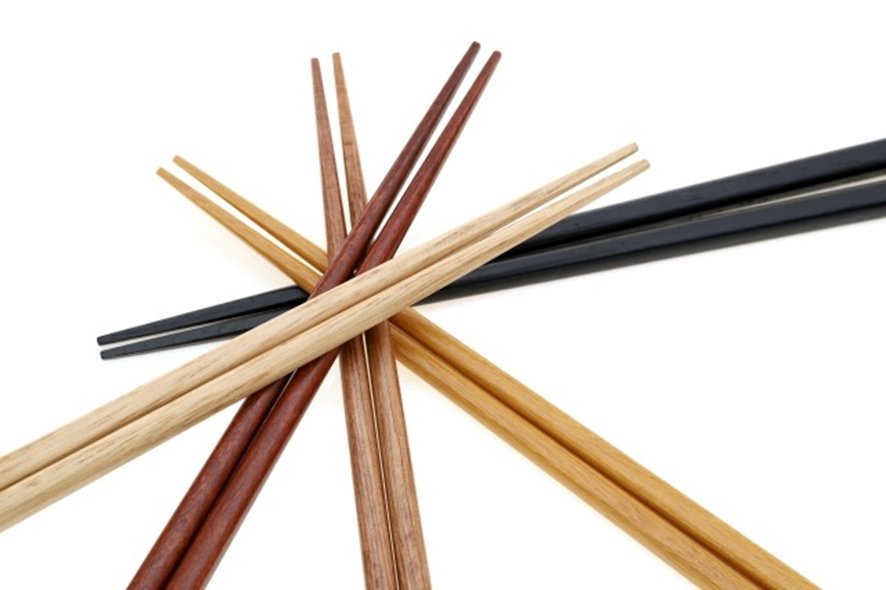
Getting years out of reusable wooden chopsticks comes down to how you wash and dry them. With the right routine, a favorite pair stays free of warping and mold.
Hand-Wash in Lukewarm Water Right After Eating
Once the meal is over, hand-wash the chopsticks in lukewarm water before the fats from your food harden. A soft sponge with a neutral dish soap removes grime effectively without damaging the finish.
- Safe to use: soft sponges, cotton or microfiber cloths
- Best avoided: scouring pads, melamine sponges, abrasive cleansers
Wood absorbs water, so never leave chopsticks soaking in the sink. A gap opens up beneath the surface coating, letting moisture into the wood and lifting the finish.
Wipe the Water Off Before Drying
Do not leave washed wooden chopsticks sitting wet. Wipe away droplets immediately with a clean cloth, moving it in one direction from the thicker handle end toward the slender tips to reduce the risk of splintering.
Before putting them away, check that:
- The whole length feels neither cold nor damp when you close your hand around it
- A tissue pressed into the grooves and corners of the tips comes away without a trace of moisture
- The wood has returned to the same color it was before the wash
After wiping, place the chopsticks tip-down in a well-ventilated spot and allow them to dry completely. Depending on the material and conditions, this may take one to two hours. Putting them into a holder or case while they are still damp can trap humidity and encourage microbial growth.
Dishwashers and Boiling Water Cause Warping and Peeling
Dishwashers can expose chopsticks to temperatures of around 60-80°C (about 140-176°F), and the combination of heat and rapid drying can warp or crack the wood or damage its finish. Boiling water can cause similar problems because the wood fibers swell rapidly.
Alkaline dishwasher detergents strip the natural oils out of the wood and leave the surface fuzzy. Unless your chopsticks are resin or carry a dishwasher-safe label, it is best to keep them away from high heat and strong detergents.
Rub In a Drying Oil When the Surface Turns Dry
When the surface starts to look pale and dry, applying a thin coat of perilla oil or linseed oil can help restore its smoothness. Both oils harden when exposed to air and can form a thin protective film over the wood.
- Put a few drops of oil on a paper towel and spread it gently along the whole length
- Wipe away the excess with a separate dry cloth
- Let them dry in a well-ventilated spot for half a day to a full day, until no stickiness remains on the surface
Oil-soaked cloths can pose a fire risk because drying oils generate heat as they oxidize. Soak used cloths in water before disposing of them, and follow local disposal rules. If the finish has begun peeling away in large patches or mold has penetrated deeply into the wood, it is time to replace the chopsticks.
How to Choose Wooden Chopsticks for Daily Use
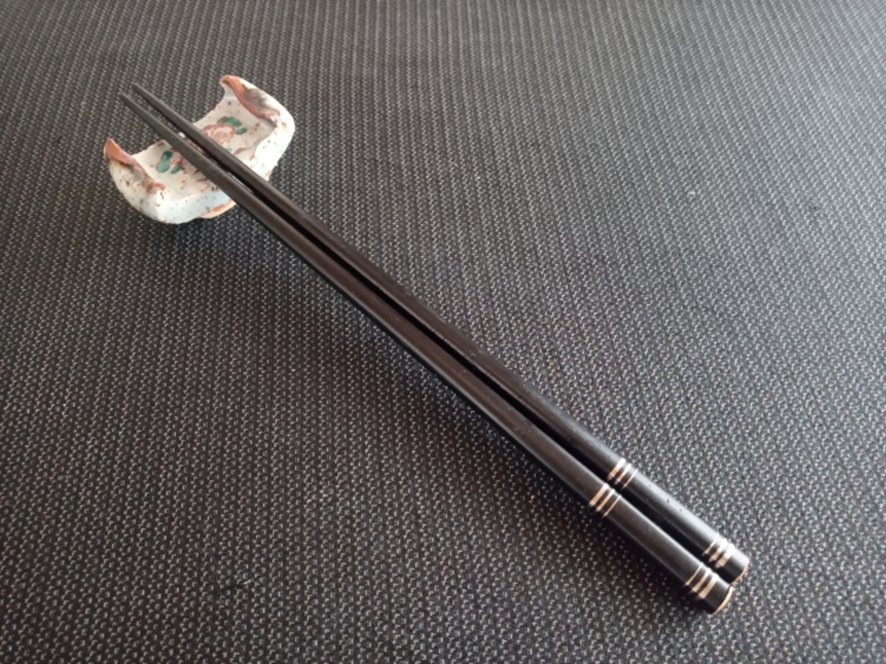
Wooden chopsticks come in a wide range of materials and shapes, and deciding on your priorities before buying makes every meal more comfortable. Ease of care, durability, and a comfortable length all help you choose the ichizen (a single pair of chopsticks, counted in Japanese as ichizen, nizen, and so on) that suits you.
For Easy Care, Lacquered Chopsticks Are the Way to Go
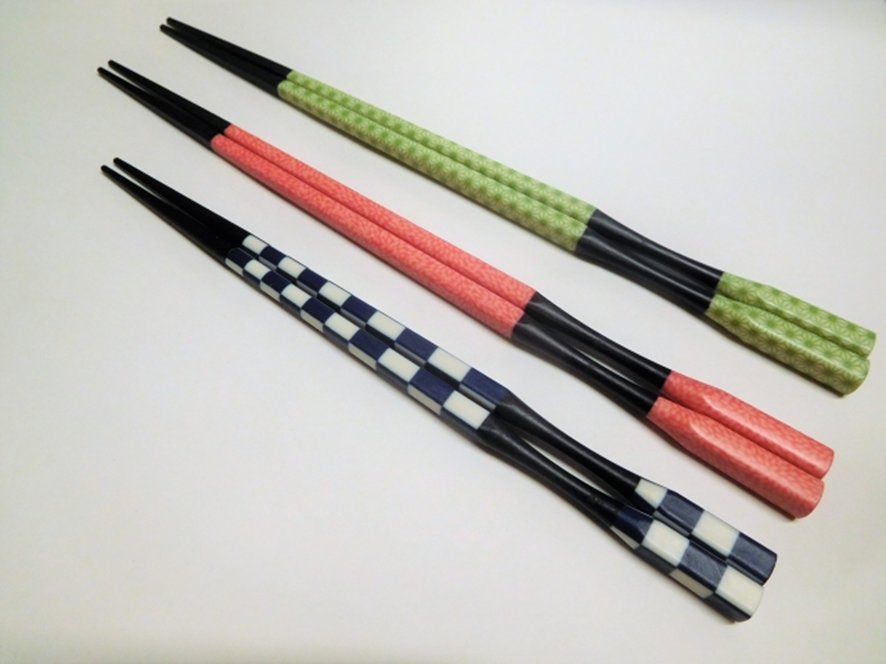
Urushi (traditional Japanese tree-sap lacquer) provides a natural waterproof coating that helps prevent moisture from reaching the bare wood. After eating, wash lacquered chopsticks in lukewarm water and wipe them with a cloth; under normal conditions, no special drying routine is necessary.
Three things can damage the protective coating:
- Dishwashers: High heat and pressurized water can damage the finish and warp the wood
- Long soaks in boiling water: Sudden temperature changes can cause the lacquer to bubble or deteriorate
- Abrasive sponges and cleansers: These can leave fine scratches in the finish
Avoiding these three hazards can help a lacquered pair last for years. In the long run, a durable pair can also be more economical than repeatedly replacing inexpensive, unfinished chopsticks.
Asakusa Premium Japanese Chopstick Making Workshop
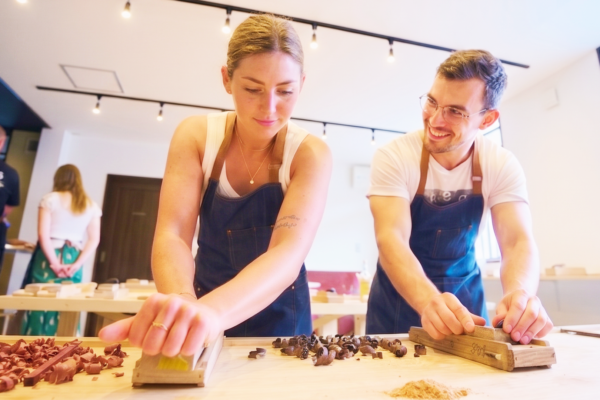
Kyoto Arashiyama Chopstick Making Workshop
For Durability, Choose Ebony or Ironwood
Dense hardwoods such as ebony and ironwood resist warping and splintering even with long-term use. Their tips wear down slowly, and they tend to hold their shape even when gripping firm ingredients. The solid weight also gives them a steady feel in the hand and a sense of quality.
Because a single pair can last for years, the higher upfront cost can work out to be more economical over time.
| Comparison | Ebony and ironwood | Standard wooden chopsticks |
|---|---|---|
| Tip wear | Very slow | Noticeable in 1-2 years |
| Splintering and warping | Rare | Common when drying is skipped |
| Expected lifespan | 10 years or more | 1-3 years |
For Light Weight and a Low Price, Bamboo Works Well
Bamboo is less dense and lighter than most hardwoods, making it easy to handle for students, people living alone, and anyone buying their first personal pair. Its natural flexibility also gives it a supple feel that makes food comfortable to pick up.
- Rinse bamboo chopsticks in lukewarm water soon after use so oily residue does not remain on the surface
- Wipe the water off thoroughly with a cloth once washed
- Let them dry completely in a well-ventilated spot before putting them away
Bamboo fibers can absorb moisture deeply, so these three steps are important after each use. As soon as the tips become fuzzy or rough, replace the pair to avoid the risk of splinters.
For a Secure Grip, Match the Length to Your Hand
Chopsticks that do not match your hand make food hard to hold and put extra strain on your wrist and fingers. The distance between your fingertips when you spread your thumb and index finger at a right angle is called hitoata, and about 1.5 times that measurement is the ideal chopstick length.
| Age guide | Chopstick length |
|---|---|
| 2-3 years | 13-14 cm (about 5-5.5 in) |
| 4-5 years | 15-16 cm (about 6-6.3 in) |
| 6-8 years | 17-18 cm (about 6.7-7 in) |
| 9 and up | 19-21 cm (about 7.5-8.3 in) |
Most adult chopsticks sold in stores run 21-23 cm (about 8.3-9 in), but hand size varies from person to person. With the right length, your grip lands in a stable spot on the food, and long meals tire you out less.
For Grip on Slippery Food, Square Tips Help
Tips with a square cross-section meet food along a flat plane, which adds friction and steadies the grip. Slippery items such as beans and mushrooms stay put.
| Tip shape | Handles well | Struggles with |
|---|---|---|
| Square | Beans, tofu, mushrooms | Nothing in particular |
| Round | Rice, larger pieces of food | Beans and thin noodles such as somen |
Some chopsticks have a non-slip texture worked into the tips, though grime settles easily into those grooves. Scrub the tips carefully with a sponge when you wash them, and dry them thoroughly.
Carve Your Own Wooden Chopsticks in Japan
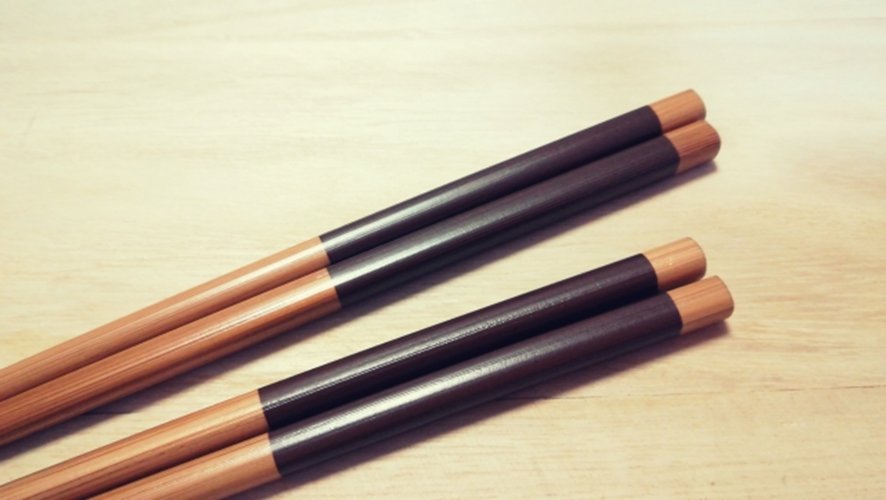
A pair of chopsticks that belongs to you alone is more hygienic and can stay with you far longer. Shaping chopsticks with your own hands also gives you a better feel for how wood behaves and why proper daily care matters.
Four workshops in Tokyo and Kyoto welcome visitors who want to experience the craft and make their own pair.
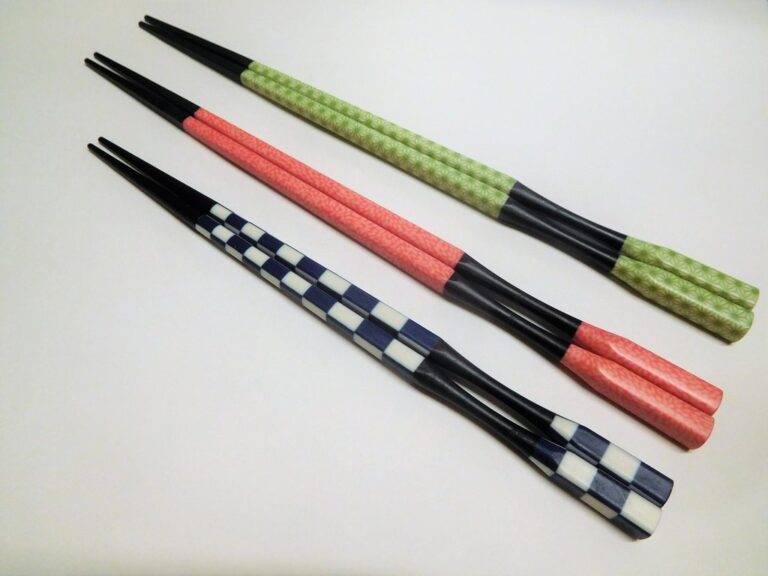
Tokyo: Ginza Chopstick-Making Workshop & Cultural Insights
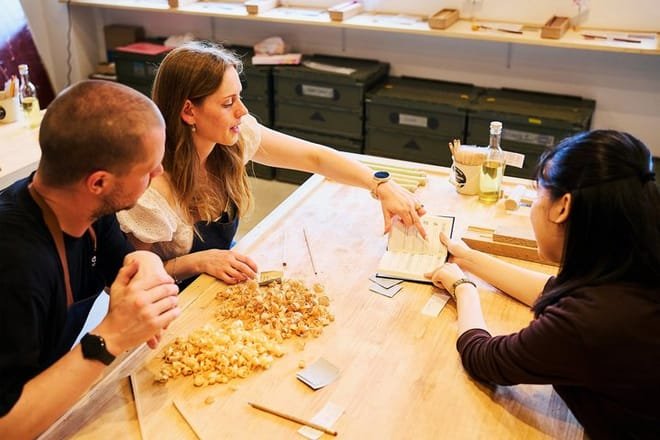
Tokyo: Ginza Chopstick-Making Workshop & Cultural Insights – Japan Guide Star
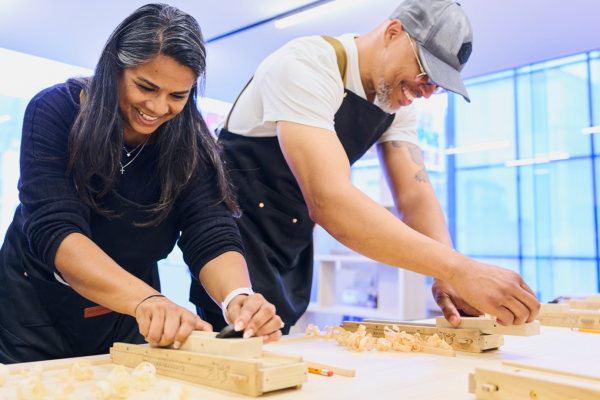
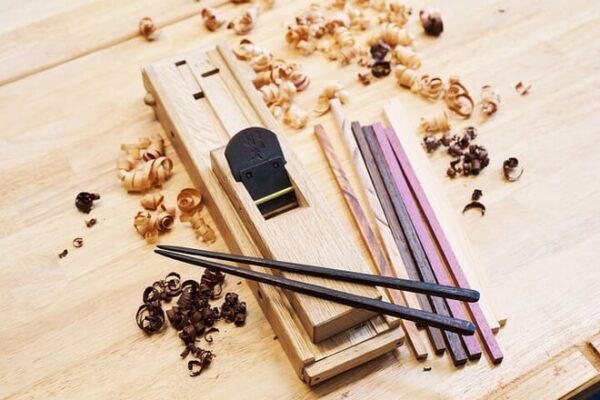
At Chopsticks Studio Ginza, a one-minute walk from Ginza-itchome Station, you can make your own pair of chopsticks in about an hour. Choose from more than 10 types of wood, then handle each stage yourself, from shaping and shaving the wood to applying the final finish.
English-speaking staff also explain the cultural background of chopsticks and how to care for them, so you leave with both a finished pair and practical knowledge you can use at home.
Details
| Address | 1-14-12 Ginza, Chuo-ku, Tokyo |
| Duration | About 1 hour |
| Included | 3 types of wood (at no extra charge), full tool set |
| Booking | https://japanguidestar.com/tour/tokyo-ginza-chopstick-making-workshop/ |
| Good for | Travelers who want to learn traditional woodworking and care techniques between rounds of shopping in Ginza |
Tokyo Chopstick Making Workshop in Ginza

Tokyo: Chopstick Making Workshop with Artisan
Tokyo: Chopstick Making Workshop with Artisan – Japan Guide Star
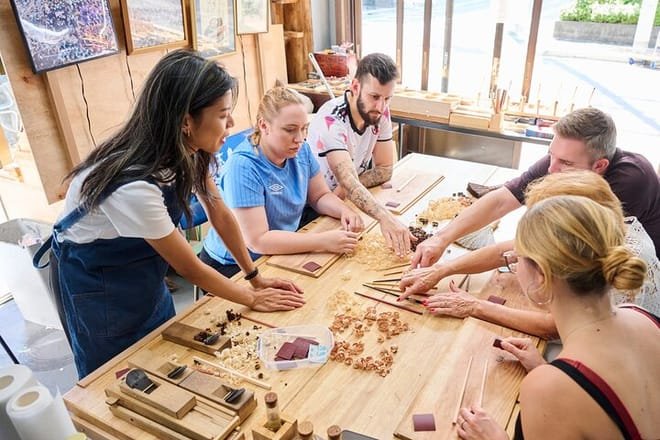
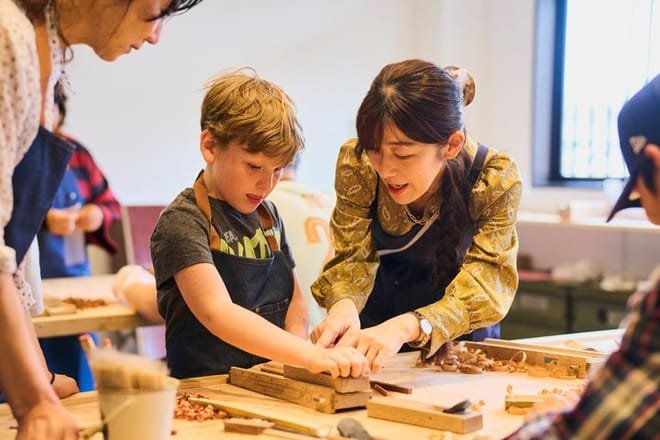
Hashiyuki Chopsticks Shop & Workshop is a small studio in Taito Ward, a historic artisan district set apart from the bustle of the main tourist areas. Classes are kept small, allowing the artisan to watch each participant’s hands and provide step-by-step guidance.
Working with a plane fixed to the bench, the artisan places their hands over yours to show how to angle the wood against the blade and how much pressure to apply. Even first-timers finish with clean, well-shaped tips. Creating a pair tailored to each family member’s hands also makes the workshop a memorable keepsake.
Details
| Address | Hashiyuki Chopsticks Shop & Workshop, 1-7-1 Misuji, Taito-ku, Tokyo |
| Duration | About 1 hour |
| Included | Wood, plus the finished chopsticks to take home |
| Booking | https://japanguidestar.com/tour/asakusa-premium-japanese-chopstick-making-workshop/ |
| Good for | Visitors touring Asakusa and the old downtown who want genuine artisan technique and a handmade gift |
Asakusa Premium Japanese Chopstick Making Workshop
Tokyo Shinjuku Chopstick Making Workshop
Tokyo Shinjuku Chopstick Making Workshop – Japan Guide Star
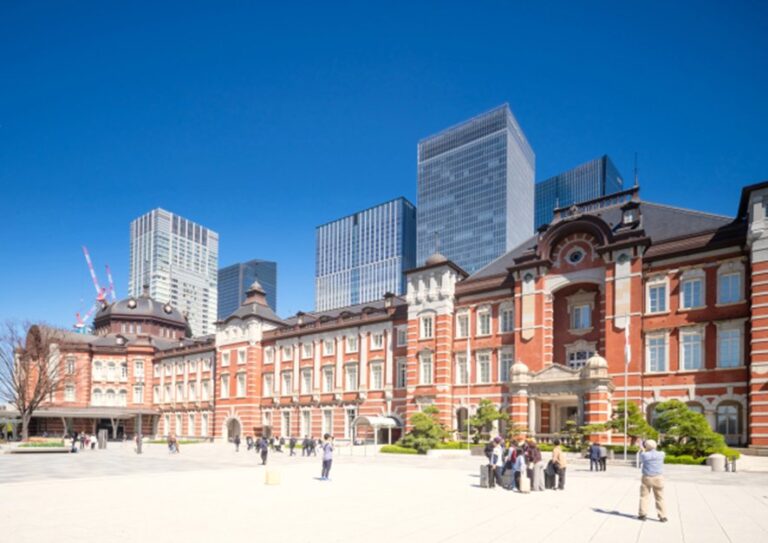
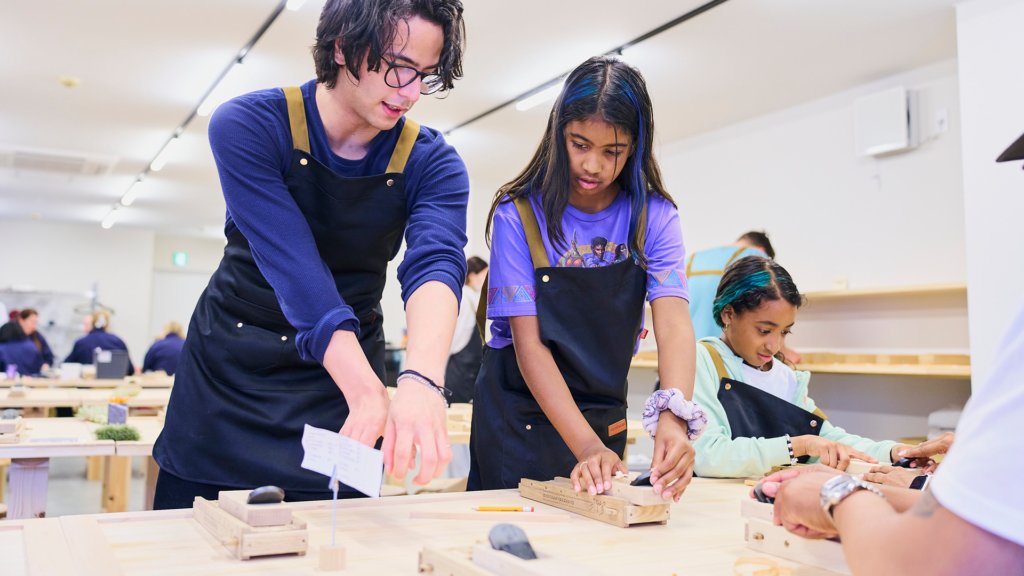
Chopsticks Studio Shinjuku sits within walking distance of Shinjuku Station and offers several start times, making it easy to fit into a day of sightseeing. More than 11 types of wood are available, allowing you to compare their scent and hardness before choosing your pair.
The staff adjust the chopsticks’ length to fit your hand, and you can have your name engraved in kanji (the Chinese-origin characters used in Japanese writing). Children aged 6 and up can participate, and the finished engraved pair makes a practical souvenir that you can use every day.
Details
| Address | 1-5-4 Kabukicho, Shinjuku-ku, Tokyo |
| Duration | About 1 hour |
| Included | Wood (3 types at no extra charge), full tool set |
| Booking | https://japanguidestar.com/tour/tokyo-shinjuku-chopstick-making-workshop/ |
| Good for | Families who want to craft a carefully chosen pair from a wide selection of woods between sightseeing and shopping in Shinjuku |
Tokyo Chopstick Making Workshop in Shinjuku
Kyoto Arashiyama Chopstick Making Workshop
Kyoto Arashiyama Chopstick Making Workshop – Japan Guide Star
Chopsticks Studio Kyoto is a short walk from Randen Arashiyama Station, easy to fold into a stroll that takes in Tenryu-ji Temple and the surrounding area. Choose any three of 12 types of wood at no extra charge and compare their colors and scents as you work.
An English-speaking guide explains the shaving process and the history of chopstick culture in Japan. Because the workshop takes place indoors, it is also a convenient option on a rainy day.
You can take your finished chopsticks home, ready to become part of your everyday tableware.
Details
| Address | 2F, 3-25 Saga Tenryuji Susukinobabacho, Ukyo-ku, Kyoto |
| Duration | About 1 hour |
| Included | 3 types of wood, full tool set, English-speaking guide |
| Booking | https://japanguidestar.com/tour/kyoto-arashiyama-chopstick-making-workshop/ |
| Good for | Anyone adding a cultural stop to a route through the Arashiyama bamboo grove and temples |
Kyoto Arashiyama Chopstick Making Workshop

Common Questions About Reusing Wooden Chopsticks
The questions below come up most often about reusing wooden chopsticks, chopstick culture in Japan, and when to replace a worn pair.
Does Everyone in a Japanese Household Have Their Own Pair?
In Japanese homes, each family member typically has a personal pair of chopsticks. Unlike in many Western households, where knives and forks are shared, each person washes and reuses their own chopsticks for years.
Restaurants often serve waribashi in individual unopened wrappers, reflecting the same emphasis on hygiene. Carrying your own reusable pair can also be a practical alternative to relying on disposable chopsticks, especially when you want to use the same pair throughout the day.
How Often Should You Replace Wooden Chopsticks?
Most people replace chopsticks used every day after about a year. Once the finish wears through at the tips and the wood fibers become exposed, water and oil can penetrate the material more easily, creating conditions that allow microorganisms to accumulate.
Replace the pair sooner if you notice any of the following:
- The coating is visibly damaged or the color has become uneven
- The tips no longer feel smooth
- Dark marks or unpleasant smells remain even after washing
If even one of these signs appears, replace the chopsticks rather than waiting until the one-year mark.
Are There Materials Other Than Wood That Handle Reuse Well?
Metal chopsticks made from stainless steel or titanium absorb neither water nor oil, so a simple wash can remove grime effectively. This makes them well suited to repeated use, and many are dishwasher-safe, with no risk of mold developing in the material or wooden splinters forming.
They do conduct heat readily, so the tips warm up fast in hot soups, and their smooth surface can make certain foods hard to grip. Trying a pair at a Korean restaurant first is one way to see how they feel before you buy.
How Can You Cut Down on Disposable Chopsticks?
Carrying your own chopsticks in a portable case is one of the simplest ways to reduce disposable chopstick waste. Simply declining waribashi with takeout can add up to a noticeable reduction in waste over the course of a trip.
In Japan, stores that travelers are likely to pass anyway, such as Hands (a lifestyle and hobby chain, formerly Tokyu Hands) and 100-yen stores, stock a wide variety of personal chopsticks. A portable case also lets you store a used pair separately in your bag until you can wash them, keeping them clean and convenient to carry.

Can You Take Handmade Wooden Chopsticks Home on a Plane?

Wooden chopsticks are generally not treated as bladed items, so they can usually be packed in either carry-on or checked baggage. Countries with strict biosecurity rules for wooden goods, including Australia and New Zealand, may require you to declare them on arrival.
These rules often focus on untreated or unprocessed wood, so finished and coated chopsticks are less likely to be an issue. However, requirements vary by destination, so check the relevant quarantine or biosecurity authority’s website before you fly.
Pick the Right Pair and Keep It for Years
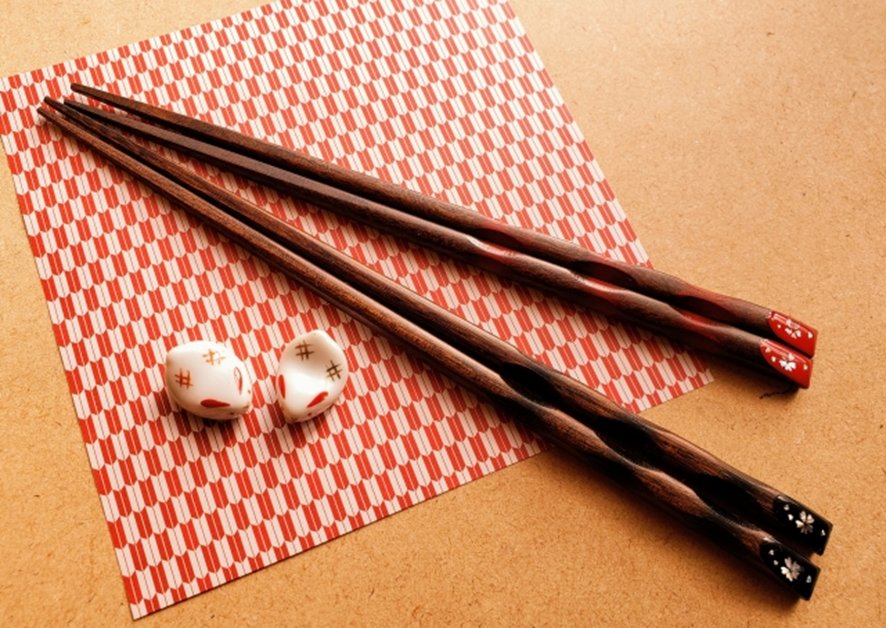
Wooden chopsticks fall into two broad categories: unfinished disposables and coated pairs designed for repeated use. Reusing disposable waribashi can increase the risk of mold, splinters, and hygiene problems, so they are best used only once. Reusable chopsticks, by contrast, can last for years with proper care.
Joining a chopstick-making workshop during your stay in Japan sends you home with a pair of your own and a working knowledge of how wood behaves.