Wondering where to go and what to do after dark in Kyoto? Unlike the daytime, Kyoto’s nightlife varies dramatically from one district to the next. Many places close early, and without local knowledge you could easily waste precious evening hours.
In this article, you’ll find descriptions of Kyoto’s four main districts—Pontocho, Gion, Kiyamachi, and Kawaramachi—plus five recommended bars and information on after-dark activities. From choosing a district to getting home late at night, everything you need to know is covered here.
Kyoto at Night: Four Points to Know Before You Go
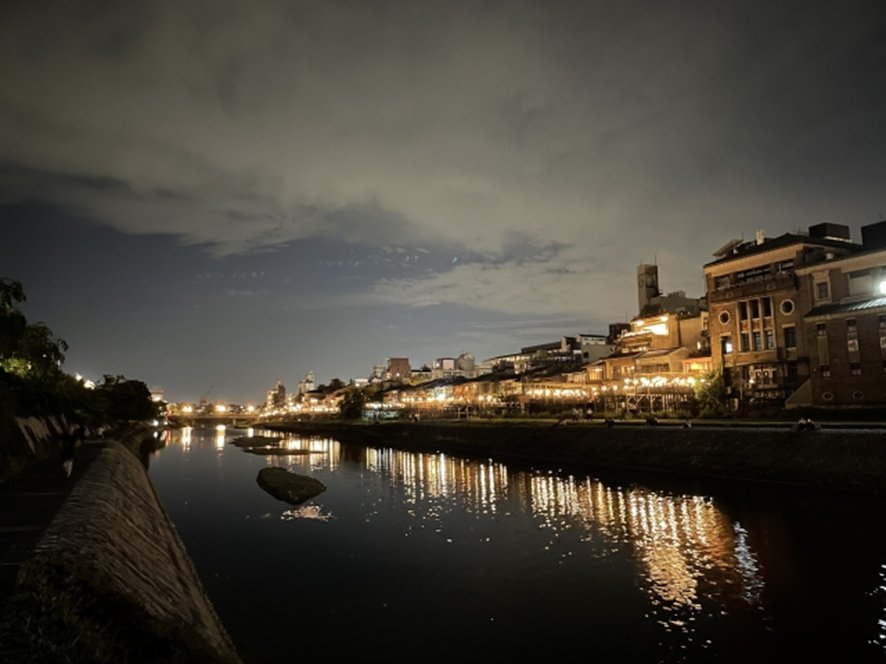
Many visitors worry that Kyoto shuts down early, or that foreign travelers might not feel welcome. In this section, we cover night spots, typical closing times, and more, giving you the full picture so you can plan a realistic evening even during a short stay.
1. Night Spots are Abundant in Pontocho, Kiyamachi, and Gion
Kyoto’s night spots are concentrated in a compact area along the Kamo River, and the main districts of Pontocho, Kiyamachi, Kawaramachi, and Gion sit within roughly 500 meters (550 yards) between Shijo and Sanjo streets, north to south.
Here’s a rough idea of how long it takes to walk from the central Shijo-Kawaramachi intersection to the different areas:
| District | Approximate Walking Distance |
|---|---|
| Kiyamachi Street | About 2-3 minutes |
| Pontocho | About 3-4 minutes |
| Gion (Hanamikoji) | About 7-10 minutes |
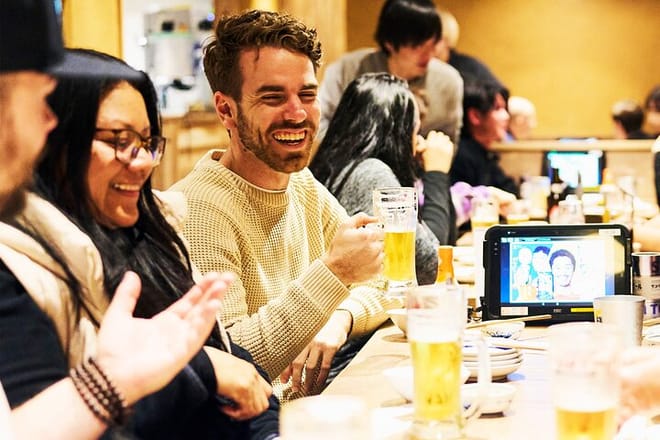
Every district is within a ten-minute walk, so there’s no need to ride a train or a bus. You can easily bar-hop on foot, starting in Pontocho and moving on to Kiyamachi. Use the Kamo River as your landmark: Pontocho and Kiyamachi are on the west bank, Gion on the east.
2. Last Orders Are Usually Between 10 pm and 11 pm
Compared with major cities like Tokyo, fewer restaurants in Kyoto stay open late. Most take their last orders between 9 pm and 10 pm and close soon after. Many districts border on residential neighborhoods, too, so many establishments keep shorter hours out of consideration for their neighbors. If you start your evening late without knowing this, you may miss your chance to get in or order.
Here’s a model bar-hopping plan:
- 7:00 pm: Eat dinner (eat in Pontocho or Gion)
- 9:00 pm: Move to your first bar (within a 5-minute walk inside the same district)
- 10:00 pm: Go to a second bar (arrive before last orders)
- 11:00 pm: Head to a third bar or a late-night meal
Starting dinner at 7 pm gives you plenty of time to visit two or three bars before the closing rush. Some venues, including certain clubs in Kiyamachi, stay open past 2 am. If you plan to stay out late, check out your options in advance.
3. Bars in Historic Buildings Dot the City
Many of Kyoto’s bars occupy traditional wooden houses, some over one hundred years old. Knowing a little about the architectural features of these old houses can make the experience all the more rewarding:
- A distinctive layout called an “eel’s bed:” a narrow frontage with a long, deep interior
- Exposed wooden pillars and beams, earthen walls, and latticed windows that create a warm atmosphere
- A quiet space that extends back to a tsuboniwa, a small courtyard garden built inside the house
Enjoying a drink in one of these spaces is the greatest added value of Kyoto’s nightlife. Since the city established programs to preserve and repurpose historic buildings, bars and restaurants in renovated houses have been increasing and gaining popularity on social media. Dining in a building with real history is a pleasure unique to Kyoto, and the space is a treat in itself.
4. Introduction-Only Establishments Are the Exception, Not the Rule
There’s no need to worry that you can’t get in without an introduction. Kyoto’s famous “no first-time customers” policy applies mainly to Gion’s teahouses and long-established ryotei (high-end traditional Japanese restaurants), along with some bars and clubs. The vast majority of restaurants, bars, and clubs welcome first-time visitors.
Being turned away simply for being a foreign traveler is rare. Many places have multilingual menus and are well prepared to welcome international guests. Since most establishments accept walk-ins without reservations or introductions, feel free to step into any place that catches your eye.
The Four Districts Known for Nightlife
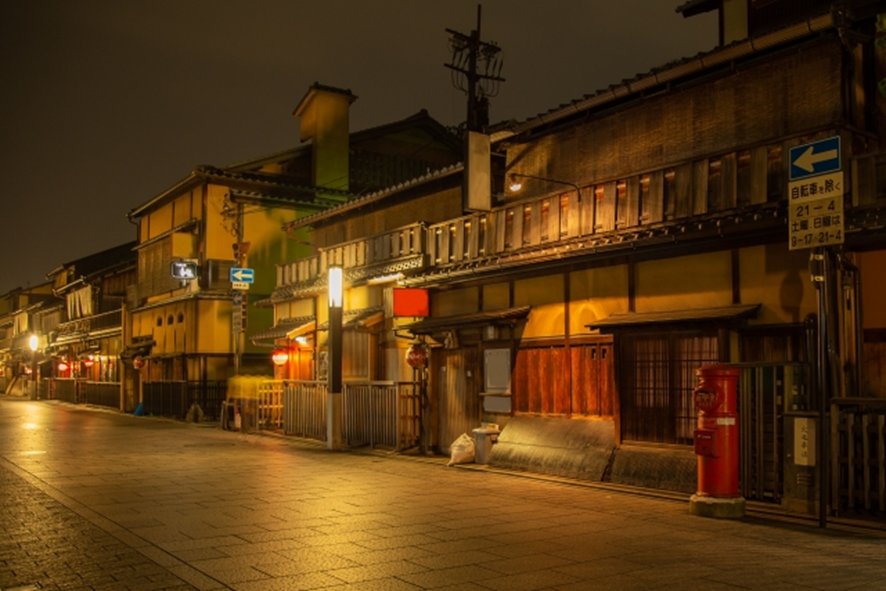
If you want to enjoy Kyoto after dark but aren’t sure where to go, start with these four districts where the city’s nightlife is concentrated. From back-alley areas to a traditional geisha district, each neighborhood has its own personality, and choosing the one that matches your style is sure to make your evening all the more rewarding.
Pontocho: A Stone-Paved Alley Lined with Lanterns
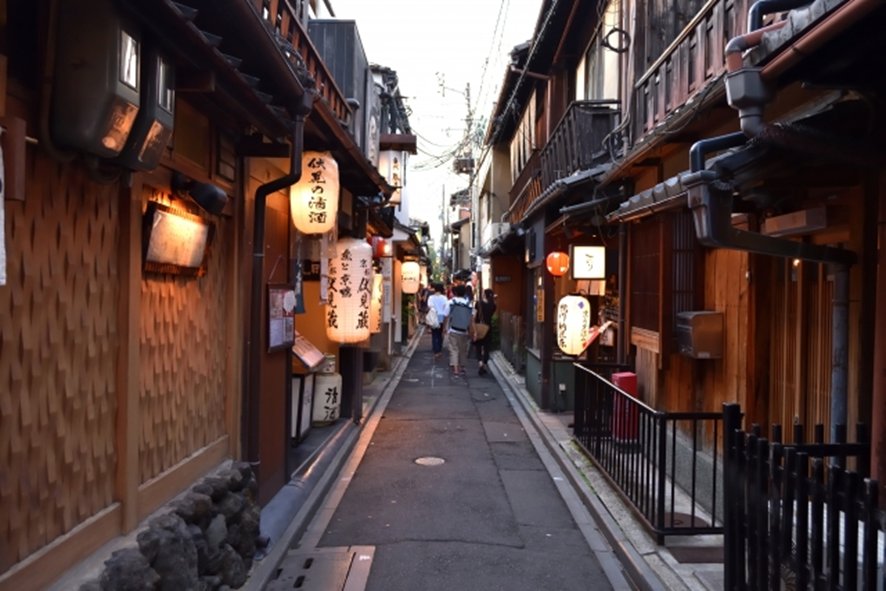
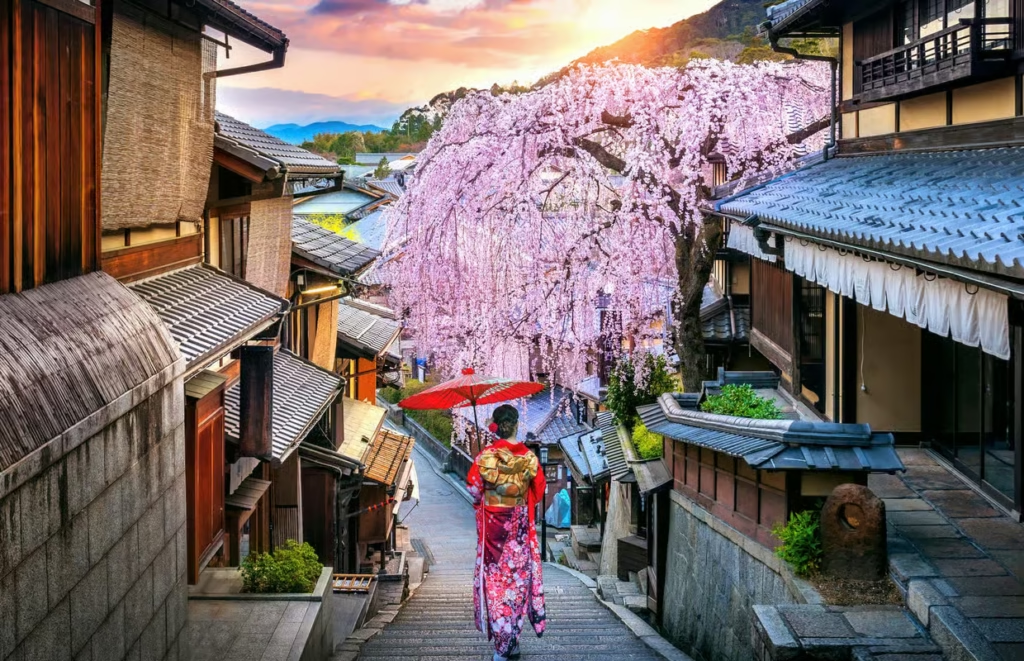
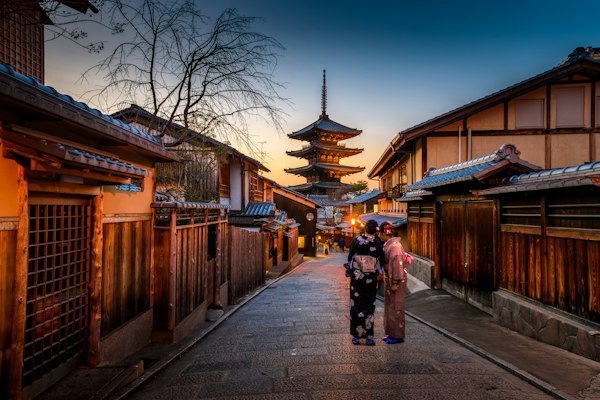
Running about 500 meters (550 yards) north to south, Pontocho is an alley street only 2 meters (6.5 feet) wide and packed with roughly one hundred restaurants and bars. After sunset, lanterns bathe the stone pavement in orange light, making Pontocho a popular photo spot as well. Traditional kappo (counter-style Japanese restaurants) and bars sit side by side, so you can hop between whichever places catch your interest.
Riverside Dining in Summer
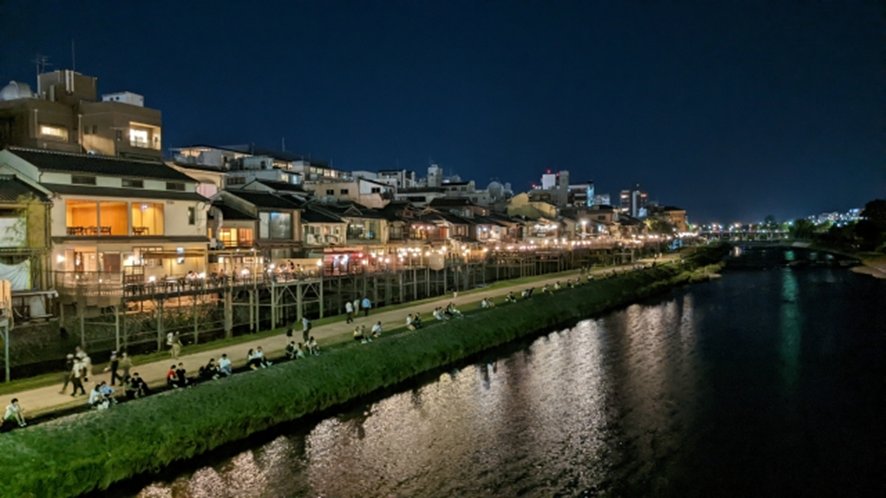
From May 1 to September 30, restaurants facing the Kamo River offer noryo-yuka: open-air riverside dining. Dining while enjoying the river breeze is a special experience found only during the summer in Kyoto.
Keep these booking tips in mind:
- Reserve two to four weeks ahead: weekend dinner slots can fill up more than a month in advance
- Plan to spend ¥3,000 to ¥5,000 per person at casual spots, or ¥15,000 and up for Kyoto-style, multi-course cuisine. Smart-casual attire is a safe choice when visiting these venues.
- In May and September, most venues serve only dinner; from June to August many also open for lunch
Kiyamachi Street: The Entertainment Strip Along the Takase River
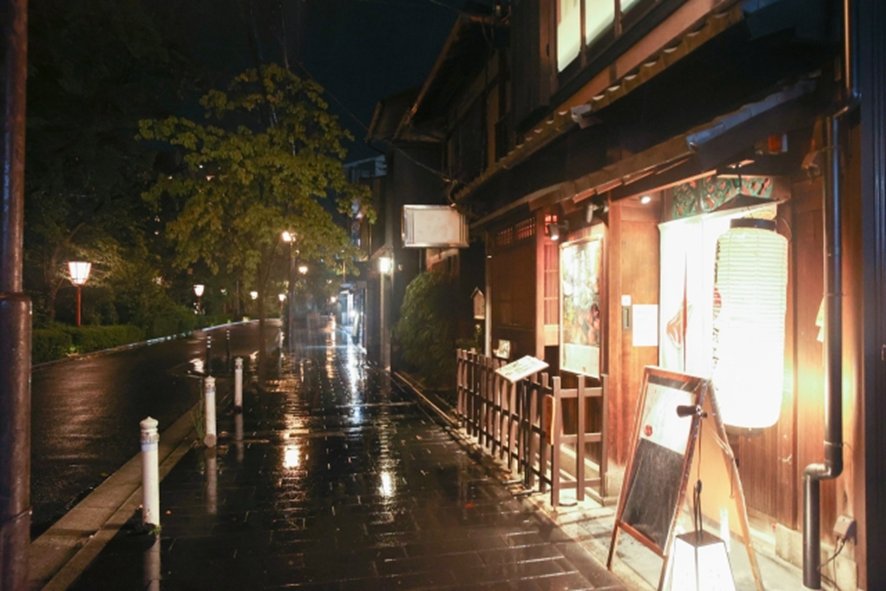
Kiyamachi Street, which runs alongside the Takase River, is the heart of Kyoto’s late-night scene and stays lively longer than anywhere else in the city. This open entertainment district, with buildings lining both sides of the street, is dense with bars and clubs. Many stay open until 2 or 3 am in the morning, so you’ll have plenty of options even if you miss the last train back to your lodgings.
Keep an eye out for distinctive bars tucked away in back alleys and multi-tenant buildings. Some internationally acclaimed bars are located here, and hunting for an unmarked entrance is part of the fun. If you find an intriguing door, go ahead and step inside.
Gion: Kyoto’s Largest Geisha District
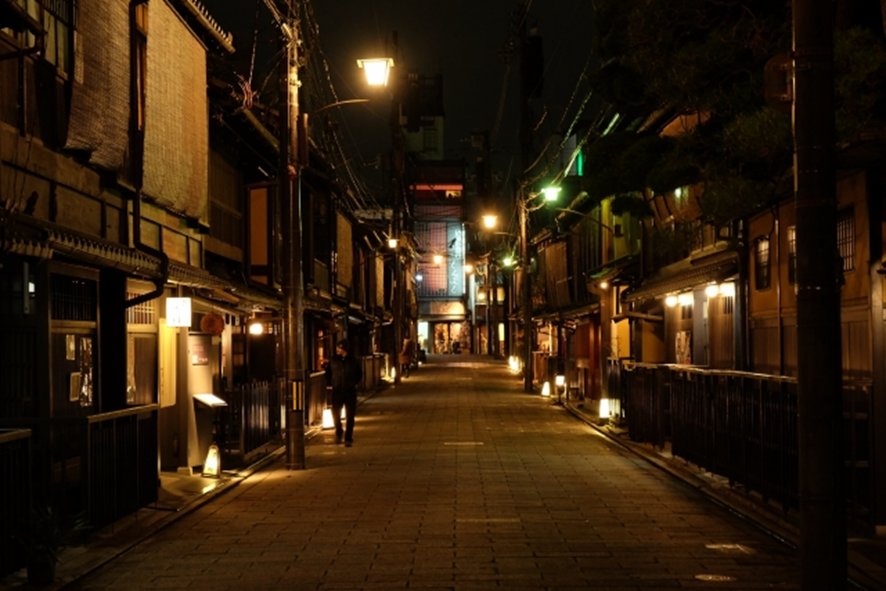
Spread along the east bank of the Kamo River, Gion is Kyoto’s largest geisha district, with a history spanning several centuries. Before you visit, be aware that photography is prohibited on the private streets in South Gion, and violators may face a fine of ¥10,000. If you spot a maiko (apprentice geisha) or geiko (Kyoto geisha), remember they are professionals on their way to work and watch respectfully. Do not approach them for photos.
Your best chance of seeing maiko is between 5:30 pm and 7 pm, when they head to their evening engagements. After 9 pm the streets quiet down, and the district takes on a serene atmosphere. The teahouses are often closed to people without an invitation, but the bars nearby are easy to walk into.
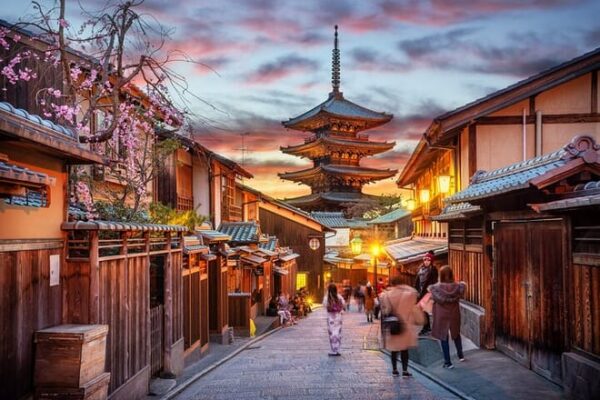
Kyoto: Gion Hidden Gems & Geisha Culture Tour
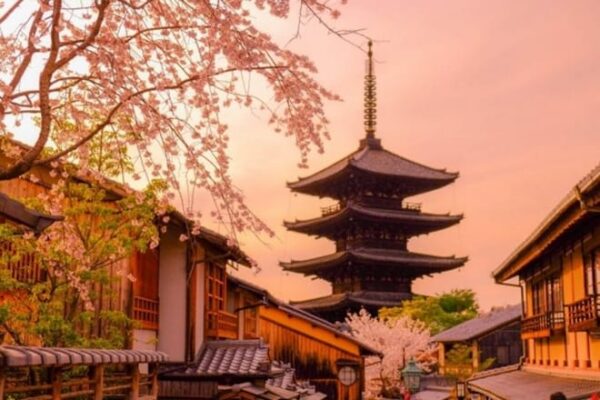
Kyoto: Gion Geisha District Sunset Tour in Spanish and en Español
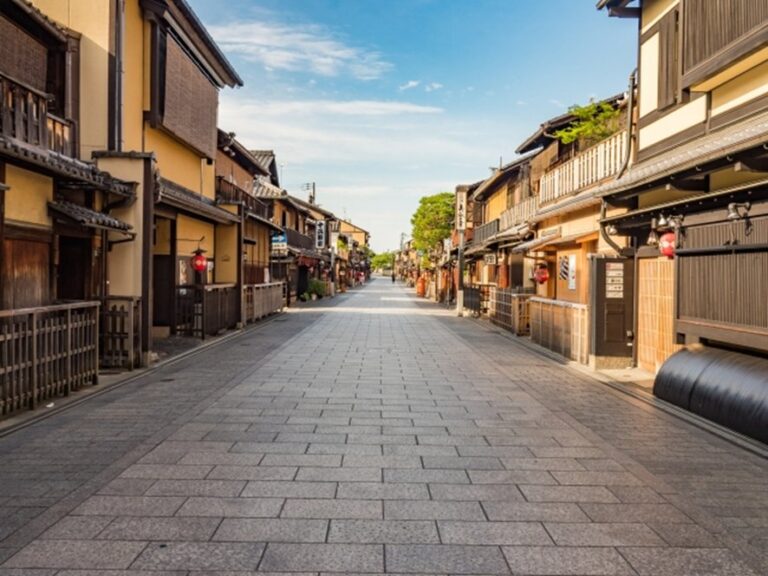
Kawaramachi: The Downtown District Packed with Restaurants
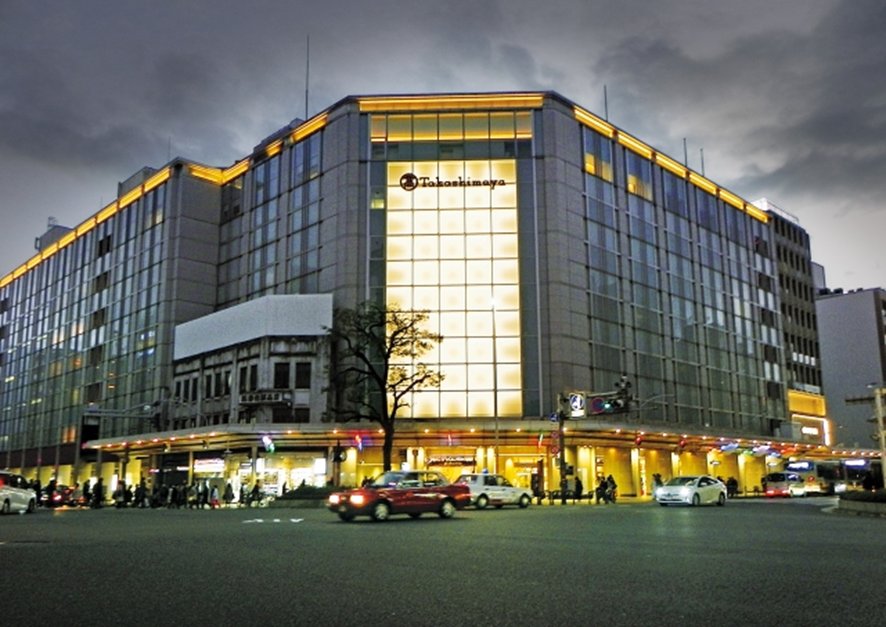
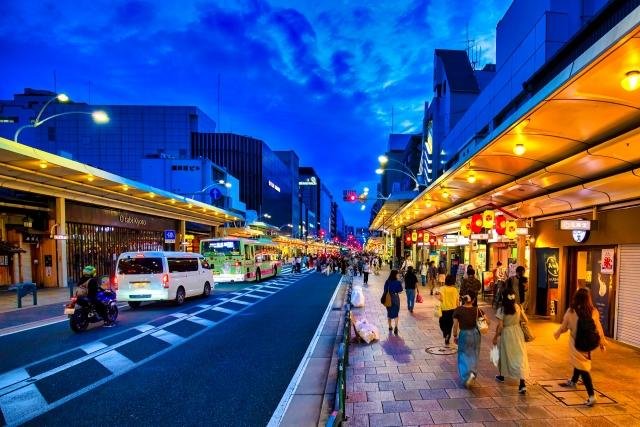
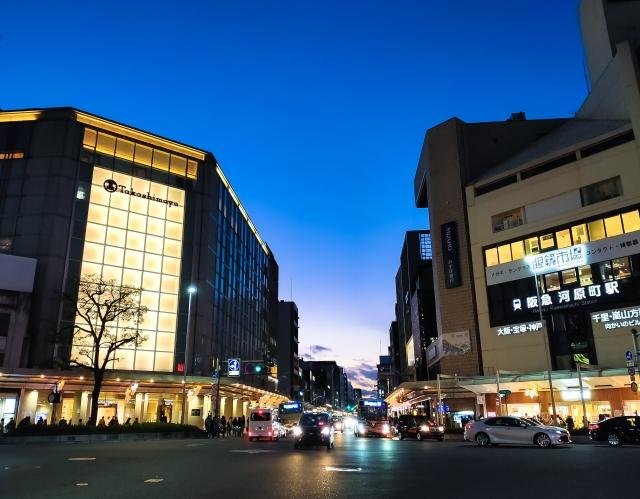
Kawaramachi is Kyoto’s largest downtown district, and it’s also more welcoming as a spot for a casual night out. With Japanese pub-style restaurants and independent restaurants covering a wide range of budgets, you can pick a place without worrying about formality. Most shops in the adjacent shopping arcades close around 8 pm, so finish up your shopping early and move on to the dining streets after.
Getting home afterward is easy, too:
- Hankyu Kyoto-kawaramachi Station: the last train toward Osaka-umeda departs at around 11:30 pm
- Keihan Gion-shijo Station: about a five-minute walk from Kawaramachi. The trains inside Kyoto (toward Sanjo and Demachiyanagi) run until around 12:40 am, while a final local train toward Osaka departs at 11:15 pm.
Both stations are within a few minutes’ walk of the main intersection. If Pontocho or Gion feels out of your budget, make Kawaramachi your base instead.
Five Night Spots Worth Visiting
Not sure which bar to pick for your night in Kyoto? The five venues introduced in this section cover various tastes and styles—from a magic-show cocktail bar to a dance club. We’ve included information on hours and price ranges, too, so you can match a spot to your schedule.
L’Escamoteur: Cocktails Served with a Magic Show
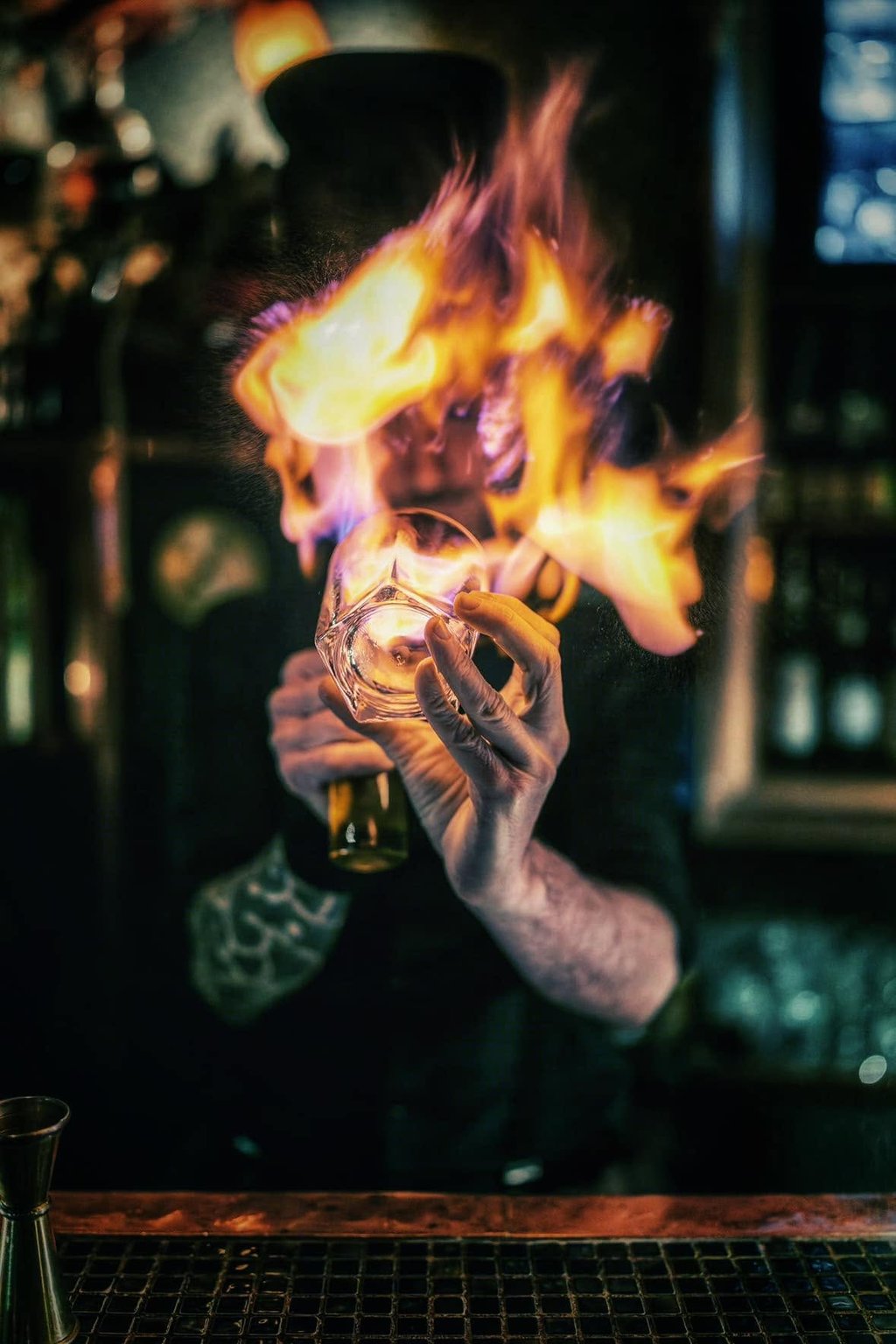
At L’Escamoteur (in the Kiyamachi area), the bartenders finish your cocktail while performing magic tricks right in front of you. The bar doesn’t take reservations, and seating is on a first come, first served basis. With only about twelve seats, arriving before the 8 pm opening is a safe bet. Since magic is a visual performance, you don’t need to understand Japanese to enjoy it. The bartenders are also comfortable with English, so language shouldn’t be a barrier.
Details
| Address | 2F, 138-9 Saito-cho, Nishikiyamachi-dori Shijo-sagaru, Shimogyo-ku, Kyoto |
| Hours | 8 pm-2 am (check before visiting) |
| Closed | Thursdays (check before visiting) |
| Website | https://www.facebook.com/p/LEscamoteur-100054534966381/ |
| Best for | Couples and small groups looking for a one-of-a-kind bar experience |
Bee’s Knees: Drinks in a Speakeasy
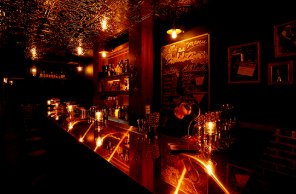
The first part of the Bee’s Knees experience is finding the door marked “The Book Store” in a building along Kiyamachi Street. Behind it lies an intimate, jazz-filled space of about fourteen seats that feels worlds away from the streets outside. Its greatest draw is a lineup of original cocktails made with Kyoto ingredients, and it’s earned a devoted following well beyond Japan. Tell the English-fluent bartenders your preferences, and they’ll craft the perfect drink for you.
Reservations aren’t accepted, so arriving right at opening time is the surest way in.
Details
| Address | 1F Matsuya Building, 364 Kamiya-cho, Nakagyo-ku, Kyoto |
| Hours | Mon.-Thu. 6 pm-1 am (last order at 12:30 am) / Fri.-Sat. 6 pm-2 am (last order at 1:30 am) |
| Closed | Sundays |
| Website | https://bees-knees-kyoto.jp/ |
| Best for | Couples and small groups seeking an out-of-the-ordinary bar experience |
Sake Bar Yoramu: Compare Aged Sakes
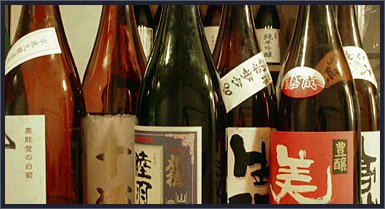
Sake Bar Yoramu is a specialty sake bar serving everything from fresh new brews to long-aged vintage sake. Because sake transforms dramatically over time, tasting that change firsthand is the real pleasure here. Pours come in 60 ml (2 oz) servings, so you can compare several vintages side by side and appreciate the depth that aging brings. The owner, Yoram Ofer, is originally from Israel and explains the background of each sake carefully in English, so even beginners can feel at ease.
Reservations aren’t accepted, but you can call about fifteen minutes before arriving to check seat availability.
Details
| Address | Nijo-dori Higashinotoin Higashi-iru, Nakagyo-ku, Kyoto |
| Hours | Wed.-Sat. 6 pm-12 am |
| Closed | Sundays, Mondays, and Tuesdays |
| Website | http://www.sakebar-yoramu.com/ |
| Best for | Sake beginners to sake enthusiasts who want to learn in English |
Bar Rocking Chair: Savor Whisky
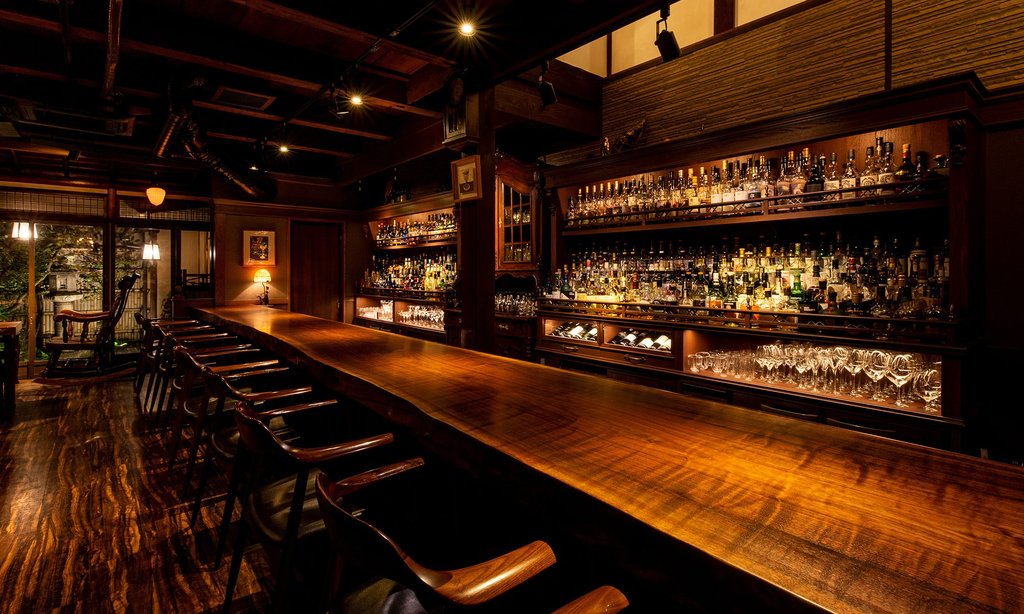
Tucked into a back alley, the owner-bartender of Bar Rocking Chair—a cocktail competition champion—crafts drinks tailored to your taste. A major draw is indulging in Japanese whisky that’s hard to find overseas, and served at local prices. Premium labels can cost up to several thousand yen per glass, so it’s wise to mention your budget when ordering. With actual rocking chairs among the seating, the space suits a special night out for couples or a quiet solo drink.
Details
| Address | 434-2 Tachibana-cho, Gokomachi-dori Bukkoji-sagaru, Shimogyo-ku, Kyoto |
| Hours | 5 pm-1 am (last order at 12 am) |
| Closed | Tuesdays, plus occasional irregular closures |
| Website | http://bar-rockingchair.jp/ |
| Best for | Japanese whisky fans, couples, and solo drinkers |
Club Metro: Dance to Live Music and DJ Events
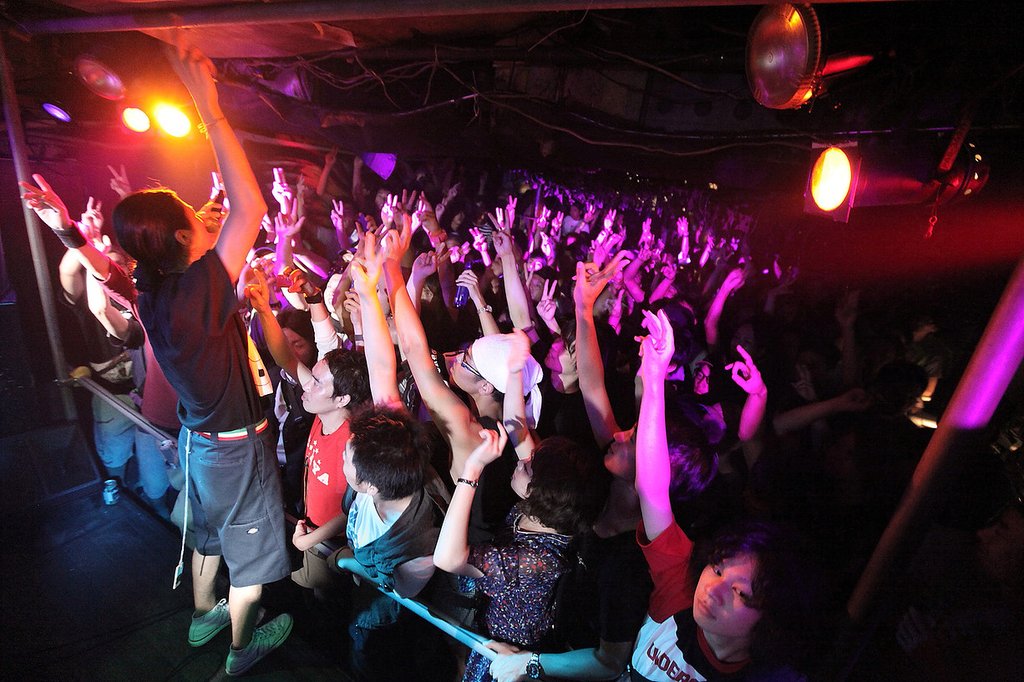
Club Metro in Sakyo-ku is one of Kyoto’s longest-running nightclubs. The floor changes character every night, thanks to DJ events, live performances, and other events. With an alternative vibe that draws international students and artists, it’s an easy place for foreign visitors to fit in, even solo.
Here’s what you’ll want to know before going:
- DJ events usually open between 10 and 11 pm and build toward the late-night hours
- Tickets run for about ¥2,000-¥5,000 (prices vary by event)
- The legal drinking age in Japan is twenty, and you’ll most likely be asked to show your passport at the door
Details
| Address | B1F Ebisu Building, 82 Shimotsutsumi-cho, Sakyo-ku, Kyoto |
| Hours | Vary by event (check the official website) |
| Closed | Irregular closures |
| Website | https://www.metro.ne.jp/ |
| Best for | Club culture fans and anyone who wants to dance in an international crowd |
Three Nighttime Activities to Try
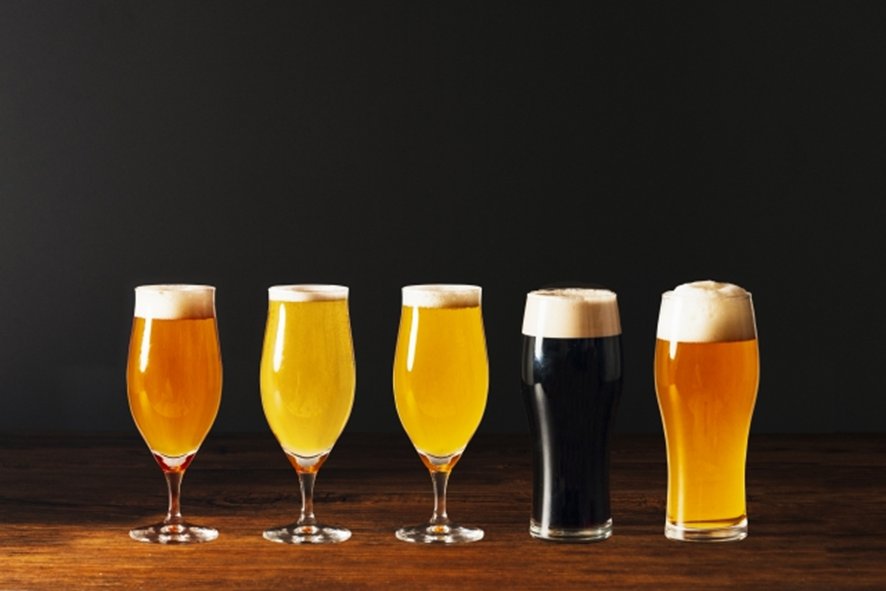
Besides pubs and bars, Kyoto offers evening activities, too: riverside dining, magical light shows, and karaoke. Since reservation requirements differ by venue, choose from the places listed below based on when you plan to visit, and pick the option that fits your travel style.
Kamo River Kawadoko: Dining On the River
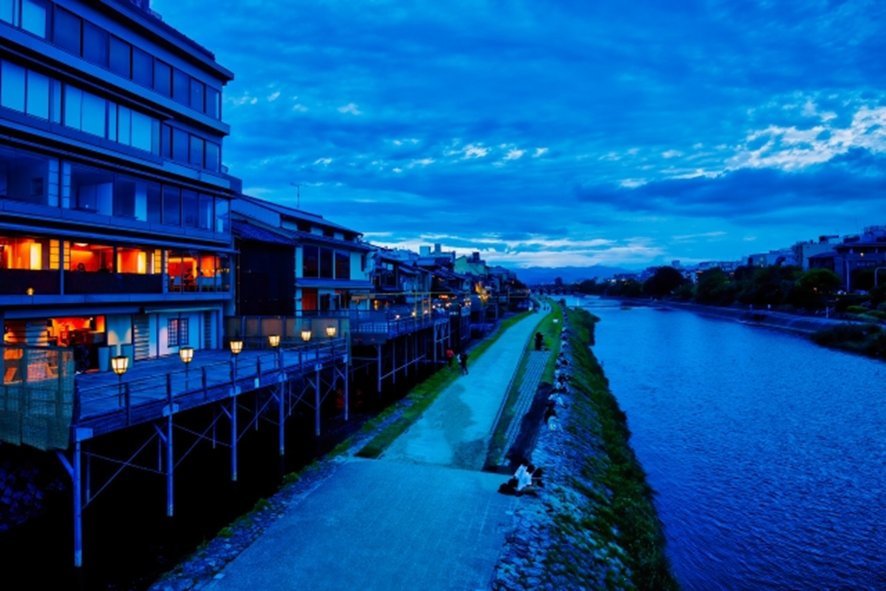
Kawadoko (riverside dining platforms) along the Kamo River are a summer tradition in Kyoto, with terrace seating built out over the water. The season typically runs from May 1 to September 30, and is sometimes extended into mid-October. The lights go out around 11 pm, though, so book an earlier dinner slot. Peak dates fill up fast, too, so reserving at least two weeks ahead is recommended.
For international travelers, Robin (in the Pontocho area) is a great option. It offers table-and-chair seating, so there’s no need to worry about sitting on the floor Japanese-style. Dinner starts from around ¥8,000 and varies depending on your course and applicable service charges.
Details
| Address | 137-4 Wakamatsu-cho, Pontocho-dori, Nakagyo-ku, Kyoto |
| Hours | From 5 pm (from 4:30 pm in peak season) |
| Closed | Irregular closures |
| Website | https://www.robin-kyoto.com/ |
| Best for | Couples and small groups looking for a traditional atmosphere in an old house |
Kyoto: Gion Geisha District Sunset Tour in Spanish and en Español
Temple Light-Ups: Stroll the Grounds After Dark
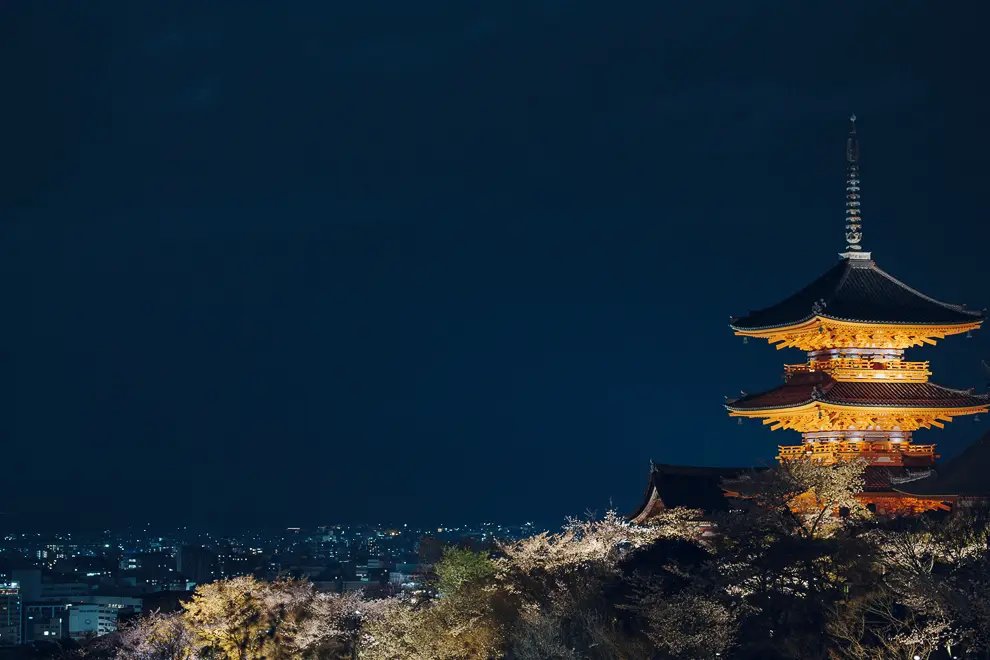
For limited periods in spring and autumn, temples such as Kiyomizu-dera and Kodai-ji open for special nighttime viewing. These events coincide with the cherry blossom and autumn foliage seasons, with admission until around 9 pm.
From the stage at Kiyomizu-dera you can take in the city lights and autumn leaves all at once, and Kodai-ji hosts exhibits that blend contemporary art with the temple grounds. Yasaka Pagoda is illuminated from the outside only, but the silhouette of the five-story pagoda is striking and a popular target for photos.
Tickets are sold at the gate on the day, with no reservations needed. Signboards often mark the route, so you can walk the grounds comfortably even without Japanese language skills. Dates change from year to year though, so check the official website for up-to-date information.
Details
| Address | 1-294 Kiyomizu, Higashiyama-ku, Kyoto |
| Hours | 6 am-9:30 pm (6 am-6 pm outside special viewing periods) |
| Closed | Open year-round |
| Website | https://www.kiyomizudera.or.jp/ |
| Best for | Anyone who wants city views together with autumn leaves or cherry blossoms |
Karaoke: Experience Japanese Pop Culture
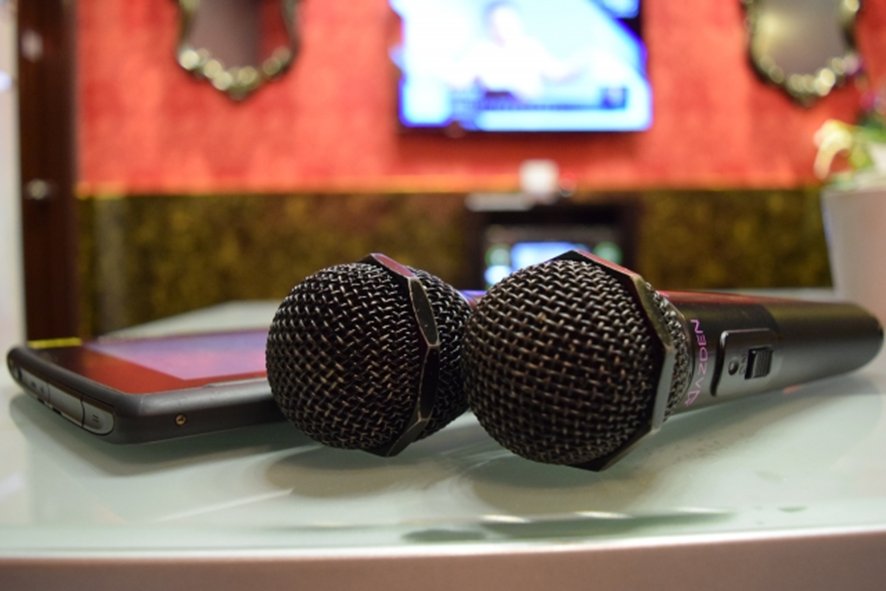
If it still feels too early to call it a night, head to a karaoke place. While most restaurants close around 11 pm, many karaoke venues stay open until 5 am, which makes them convenient for a late night out. Every group gets a fully private room, so you can relax and sing without an audience of strangers.
It helps to understand the pricing system in advance:
- Time-based plans charge in thirty-minute blocks, from around ¥300 to ¥1,000 per thirty minutes
- Free-time (“all-you-can-sing”) plans cover several hours at a discount, making them a good deal for groups
- Plans with an all-you-can-drink soft drink bar help you pace yourself, too
In the Kawaramachi area, Jankara Shijo-Kawaramachi near the station is extremely convenient. With free Wi-Fi and other amenities, it’s got a traveler-friendly setup, too.
Details
| Address | 8F-9F Shijo-Kawaramachi Building, 305 Junpu-cho, Kawaramachi-dori Shijo-sagaru, Shimogyo-ku, Kyoto |
| Hours | 11 am-5 am |
| Closed | Open year-round |
| Website | https://jankara.ne.jp/shop/053/ |
| Best for | Groups who want to stay out late and anyone curious about Japanese pop culture |
Common Questions About Kyoto Nightlife

Here are some answers to questions travelers often ask about Kyoto after dark. In this section, we’ll cover safety tips, late-night food ideas, and how to get around after the last train, so you can enjoy your evening with ease.
Is Kyoto Safe at Night?
Kyoto is generally safe at night. Even in the entertainment districts, you’re unlikely to encounter any serious danger. The one thing to watch out for is touts around Kiyamachi. Street solicitation is banned by local laws, but some people still approach travelers to advertise their venues.
The response is simple:
- If approached by a solicitor, ignore them and keep walking; they almost never follow
- Only choose bars you’ve researched yourself and don’t enter any place a tout leads you to
- If you run into trouble, ask for help at the nearest police box (koban) or tourist information center
Bars reached through touts and solicitors carry the risk of being scammed, so stick to places you’ve chosen yourself.
Are There Places to Eat Late at Night?
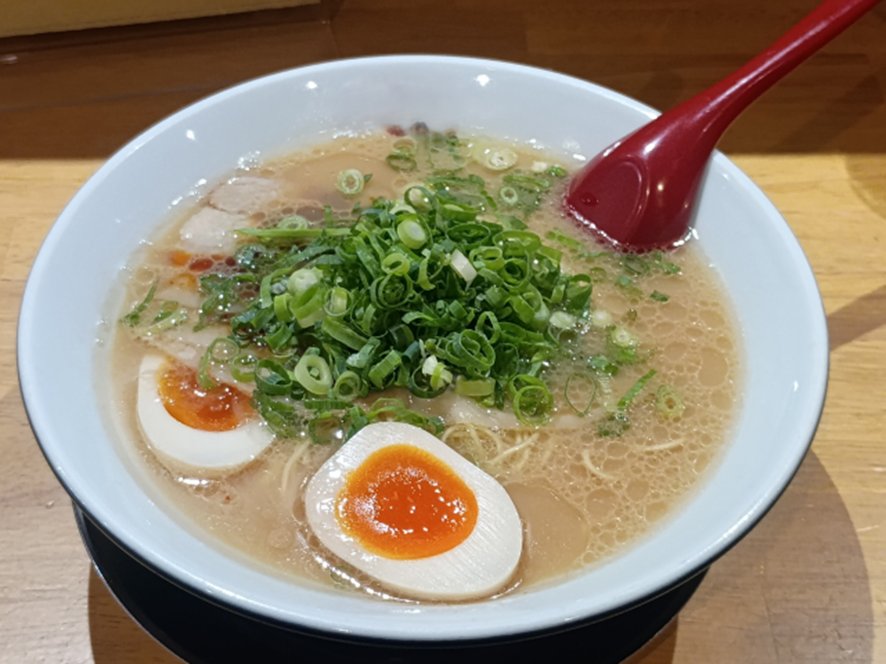
Yes, Kyoto has late-night dining options. They’re concentrated in the Kawaramachi and Kiyamachi areas, where several ramen shops serve food from 1 am until 5 am.
Here are some of the best-known ramen spots:
- Daiho Ramen Kiyamachi: 6 pm-6 am, from 5 pm on Fri.-Sat.; irregular closures
- Mensho Ichiryu Manbai: until 3 am Sun.-Thu., until 5 am Fri.-Sat.
- Menya Yuko Kawaramachi: 11 am-10 pm
Besides ramen, 24-hour beef bowl chains and convenience stores are scattered throughout the area, but for a late-night meal, the Kawaramachi and Kiyamachi districts are your safest bet.
A quick note on hours: Daiho Ramen Kiyamachi closes around 6 am with occasional irregular closures, and Menya Yuko Kawaramachi currently runs from 11 am to 10 pm rather than offering late-night service, so check ahead if you’re planning a late night out.
How Do I Get Around Kyoto at Night?
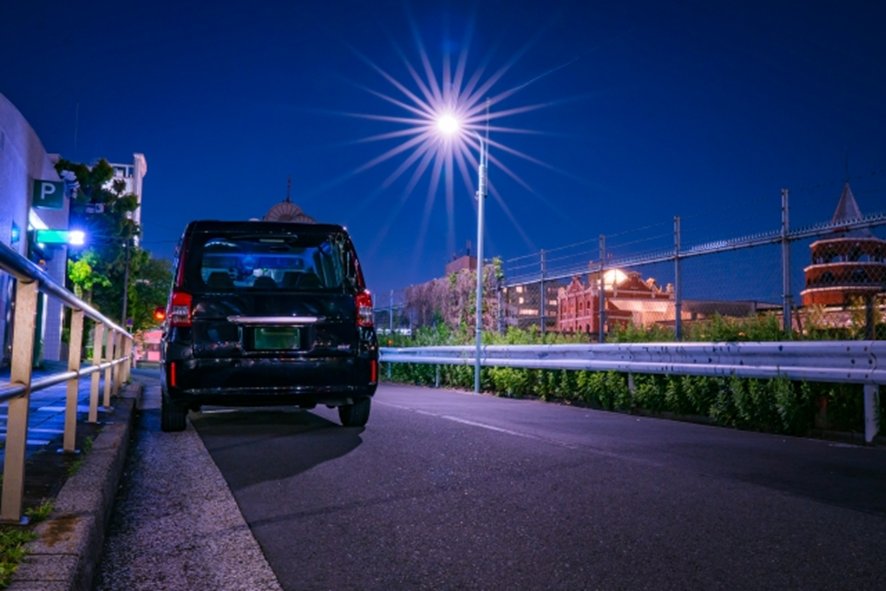
City buses stop running at around 10 pm, and the last trains depart around midnight. After midnight, taxis are the most reliable way to get around late at night, with taxi stands dotted along Shijo Street and elsewhere. Ride-hailing apps like GO and Uber are also handy, though wait times are long during busy periods; boarding directly at a taxi stand without using an app might be faster during these times.
If you’re heading back toward Osaka, the last JR trains depart at around midnight, and the Hankyu and Keihan trains at around 11 pm. That being said, timetables change periodically, so check departure times when you’re there.
How Does Kyoto’s Nightlife Differ from Osaka’s?
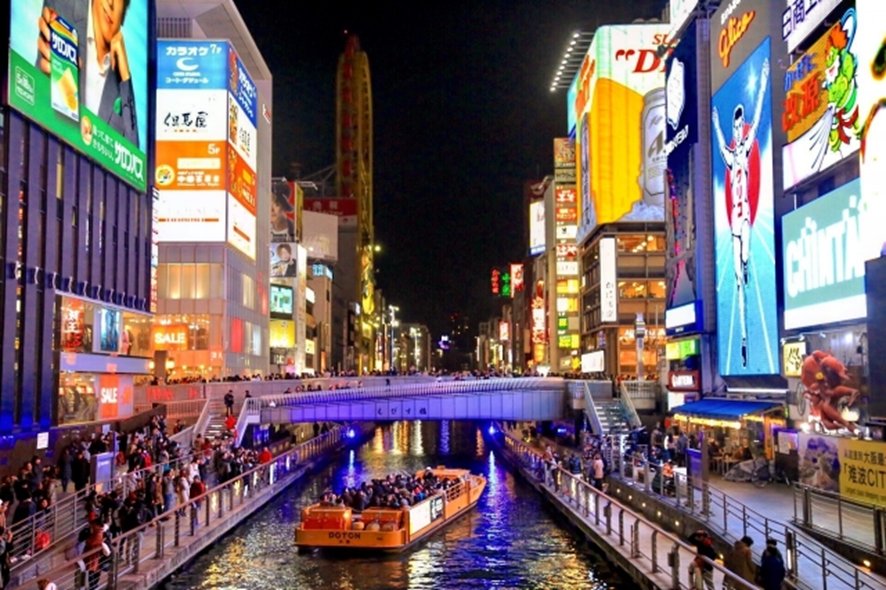
The two cities have very different personalities after dark. Osaka is a city for lively bar-hopping, while Kyoto is a city for slow, moody drinks. Osaka has far more restaurants open into the small hours and a bustling street scene to match.
Kyoto suits an evening of strolling stone-paved lanes and settling into a quiet bar. Last orders typically fall between 10 and 11 pm, earlier than in Osaka.
| Osaka | Kyoto | |
|---|---|---|
| Atmosphere | Lively and chaotic | Quiet and atmospheric |
| Late-night options | Plenty open until 2 am-3 am | Many places close at around 11 pm |
| Best for | Bar-hoppers and pub crawlers | Atmosphere seekers who prefer a mellow night |
Kyoto and Osaka are only about fifty minutes apart by train, so a trip that samples both cities’ nights is also worth considering.
Are There Tours of Kyoto at Night?
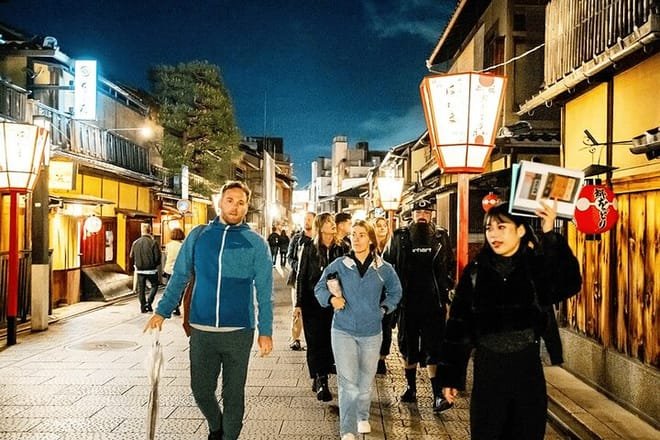
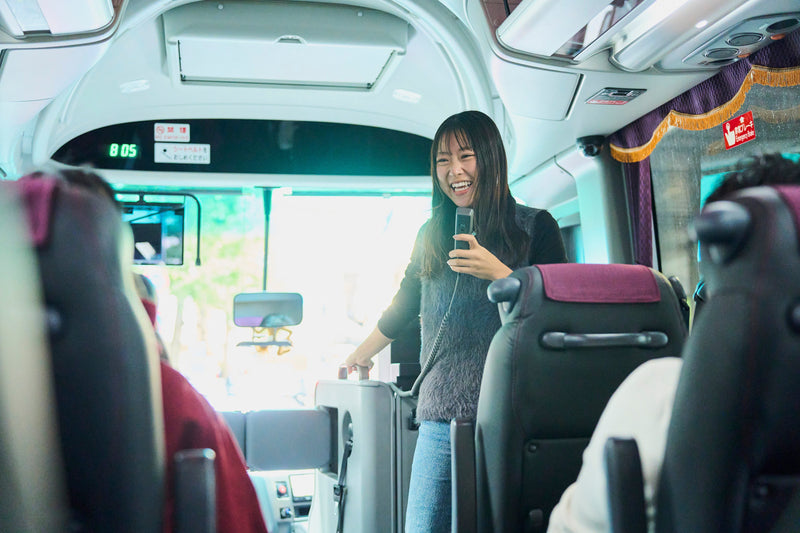
If walking an unfamiliar city at night makes you feel uneasy, a guided walking tour is a great option. During the “Kyoto: Gion Hidden Gems & Geisha Culture Tour” run by Japan Guide Star, an English-speaking guide leads you through the lesser-known corners of Gion for about two hours starting in the early evening. As you walk Hanamikoji and the Shirakawa canal area, you’ll hear the stories behind geisha culture.
Early evening is also when maiko head to their engagements, so you might even get the chance to see one. After the tour, your guide can recommend nearby bars, too, so you can continue your night in Gion at your own pace.
Details
| Meeting point | 105-1 Hashimoto-cho, Shijo-kobashi Higashi-iru, Shimogyo-ku, Kyoto |
| Duration | About 2 hours (early evening start) |
| Cancellation | Free up to 24 hours in advance |
| Booking | https://japanguidestar.com/tour/kyoto-gion-hidden-gems-geisha-culture-tour/ |
| Best for | First-time visitors nervous about walking Kyoto at night and anyone interested in geisha culture |
Kyoto: Gion Hidden Gems & Geisha Culture Tour
Make the Most of Kyoto After Dark
Kyoto nights are full of activities other cities can’t match, from atmospheric street lanes to seasonal experiences. Because many places close their doors early, checking opening hours and your transport options in advance is always recommended. With a little preparation, your night in Kyoto is sure to become a wonderful memory, so plan ahead and enjoy the nightlife that only the old capital can offer.