Where can you take photos on Hanamikoji Street, and how can you explore the area respectfully? Some of the alleys branching off the street are private roads where entry and photography are prohibited. If you enter one by mistake, you may be charged a fee.
In this article, you will learn about Hanamikoji Street, discover five highlights, and find out three key etiquette rules to follow. You will also get tips for exploring the area during the day, in the early evening, and at night. Finally, we introduce walking tours led by English-speaking guides to help you plan your visit.
What Is Hanamikoji Street? Basics to Know Before You Go
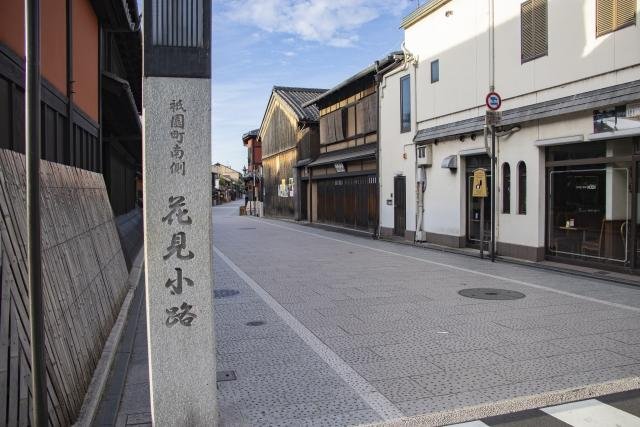
Hanamikoji Street is longer than many visitors expect, and its appearance changes as you walk along it. In addition to the stone-paved streetscape often seen in photos and videos, some sections are lined with modern buildings. This section covers the essentials to know before your visit, including the street’s length and changing scenery, how to get there from the nearest train station, when you are most likely to see geiko (Kyoto’s geisha) and maiko (apprentice geiko), and the rules governing private roads.
Location: A Street of About 1 km Through Central Gion
Hanamikoji Street runs north to south through Gion for about 1 km (0.6 miles), from near Sanjo-dori to Kennin-ji Temple. It intersects Shijo-dori, a major east–west avenue through Gion, and the streetscape changes noticeably between the north and south sides of this intersection.
From the intersection, head east along Shijo-dori to reach Yasaka Shrine, or continue south along Hanamikoji Street to Kennin-ji Temple. This makes the intersection a convenient starting point for exploring Gion. If you want to see the stone-paved streetscape often featured in photos, set the Hanamikoji Street and Shijo-dori intersection as your destination in your map app.
Townscape: The Stone-Paved Street Lined with Teahouses Is South of Shijo-dori
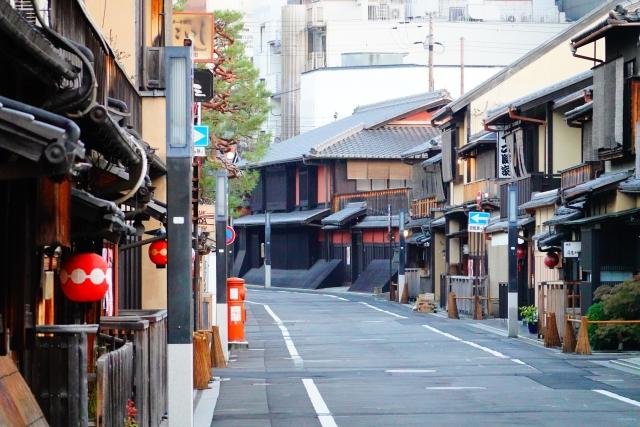
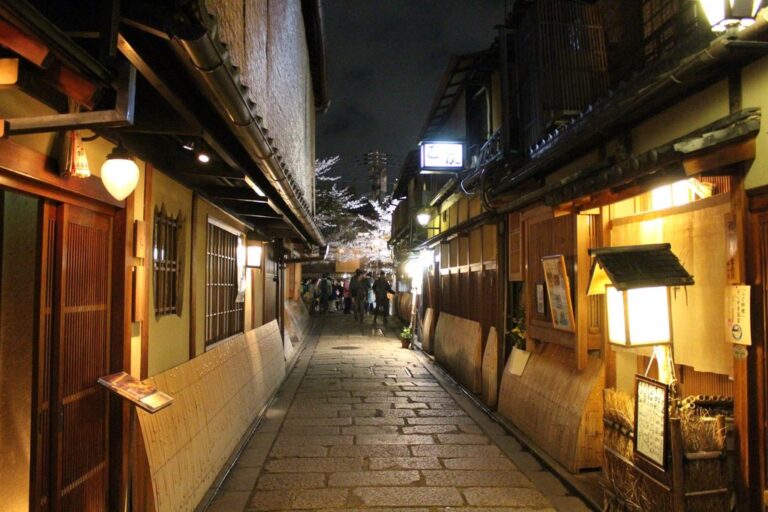
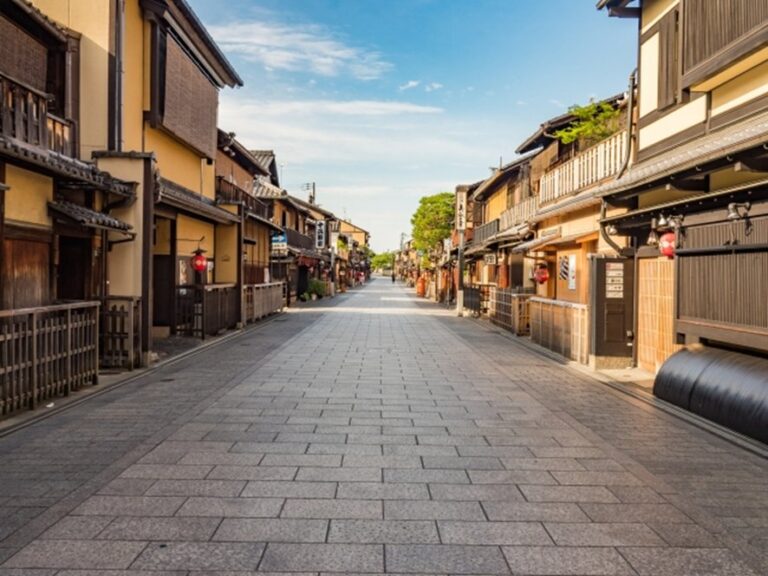
The area south of Shijo-dori is the heart of Gion Kobu, the largest of Kyoto’s five geiko districts. It is home to many ochaya, traditional teahouses with banquet rooms where guests can invite geiko and maiko to provide entertainment. The stone-paved street is free of utility poles, with traditional wooden townhouses featuring latticed doors housing teahouses and traditional Japanese restaurants on both sides. This streetscape took shape during the Meiji and Taisho periods, when teahouses that had previously been located north of Shijo-dori and elsewhere moved to the south side.
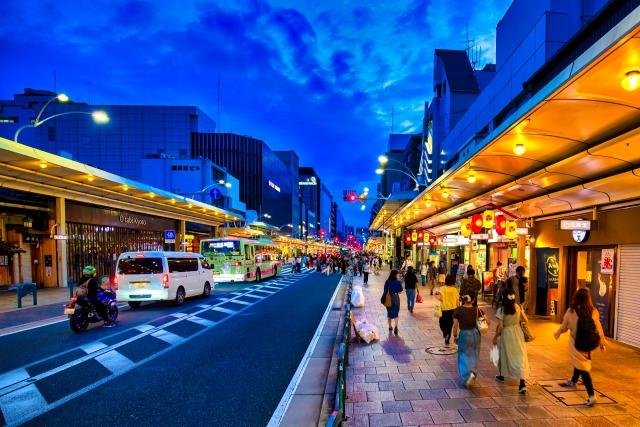
North of Shijo-dori, the street is lined mainly with buildings, restaurants, and bars. However, head west to reach the Shirakawa River and Tatsumi Bridge area, where willow trees and traditional wooden townhouses housing teahouses line the river. If you want to walk through the streetscape often seen in photos and videos, head south from the intersection with Shijo-dori.
Access: About a Three-Minute Walk from Keihan Gion-Shijo Station
The nearest station is Gion-Shijo Station on the Keihan Main Line. Take Exit 6 and walk east along Shijo-dori for about three minutes to reach the intersection with Hanamikoji Street. From Kyoto-Kawaramachi Station on the Hankyu Kyoto Line, take Exit 1A, cross Shijo Ohashi Bridge, and continue east along Shijo-dori for about seven minutes.
Shijo Station on the Kyoto Municipal Subway is located along Karasuma-dori, farther from Hanamikoji Street. The station names are similar, so take care not to confuse Shijo Station with Gion-Shijo Station when planning your route.
| Station | Keihan Gion-Shijo Station | Hankyu Kyoto-Kawaramachi Station |
|---|---|---|
| Exit | Exit 6 | Exit 1A |
| Walking time | About 3 minutes | About 7 minutes |
| Route | Walk straight east along Shijo-dori | Cross Shijo Ohashi Bridge, then walk straight east along Shijo-dori |
Geiko and Maiko: You May See Them Heading to Work in the Evening
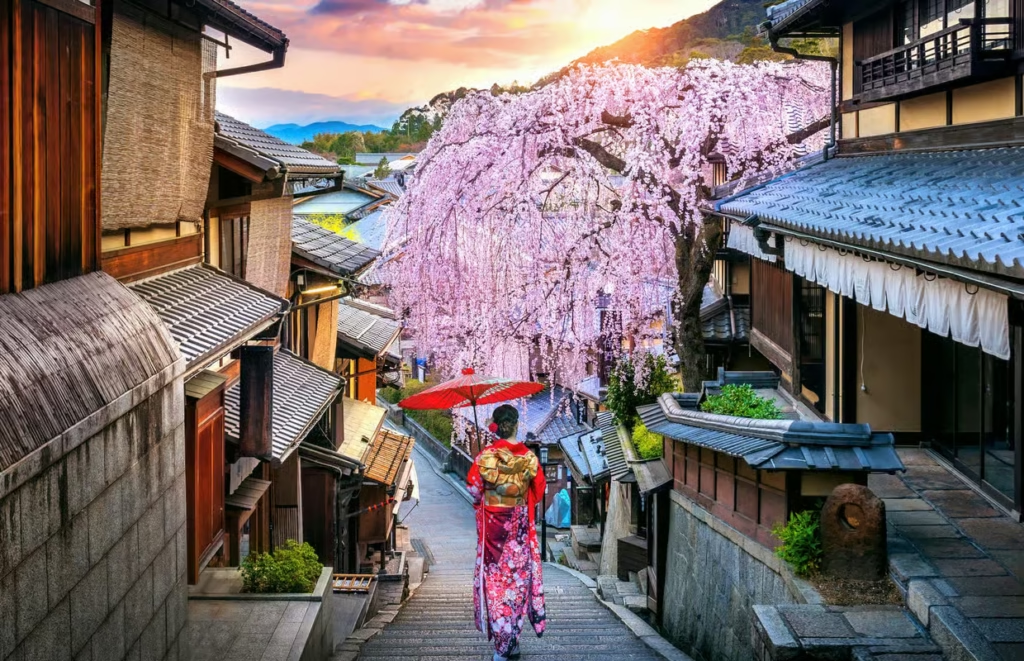
In Gion Kobu, geiko and maiko continue to perform traditional dances and other arts at banquets held for guests in teahouses. From early evening into the night, as these gatherings get underway, they may be seen walking along Hanamikoji Street on their way to appointments. Maiko wear long, trailing obi sashes and hair ornaments decorated with seasonal flowers, while geiko typically wear more understated attire and neatly styled hairstyles. However, their schedules vary from day to day, so there is no guarantee you will see them at any particular time.
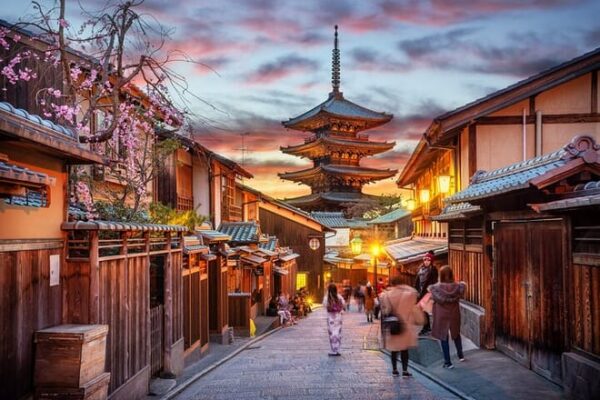
Kyoto: Gion Hidden Gems & Geisha Culture Tour
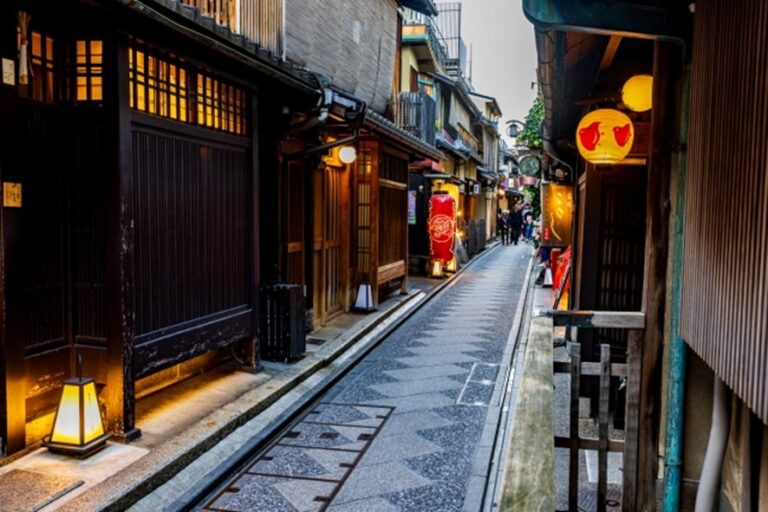
Private Roads: Many Alleys Off Hanamikoji Street Are Private Property
Hanamikoji Street is a public road, so anyone can walk along it freely. However, many of the narrow alleys branching off to the east and west are private roads belonging to residents and landowners. These alleys are paved with the same stones as Hanamikoji Street, making it difficult to distinguish them from public roads by their appearance alone. Some private alleys have signs at their entrances with warnings in Japanese, English, and Chinese.
Keep in mind that the absence of a sign does not necessarily mean an alley is open to the public. If you are unsure, stay on the main street. For more details on photography and entry restrictions, see the “Hanamikoji Street Etiquette” section later in this article.
Hanamikoji Street Highlights: Five Places to Discover the History and Culture of the Geisha District
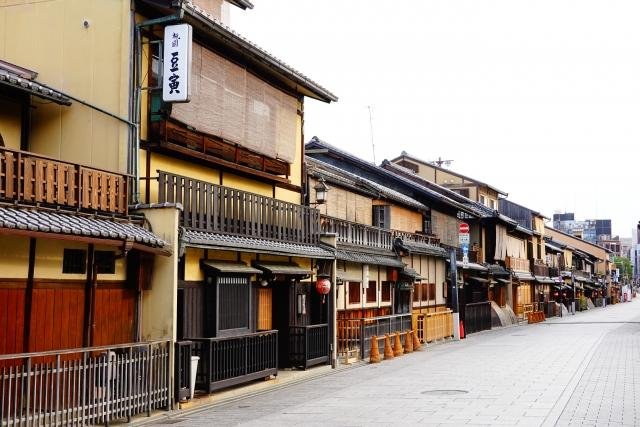
Along Hanamikoji Street, you can admire historic buildings from the outside or visit venues where you can watch Kyoto-style dance and other traditional performing arts. This section introduces five highlights, listed from north to south.
Ichiriki-tei: The Red-Walled Teahouse Featured in a Kabuki Masterpiece
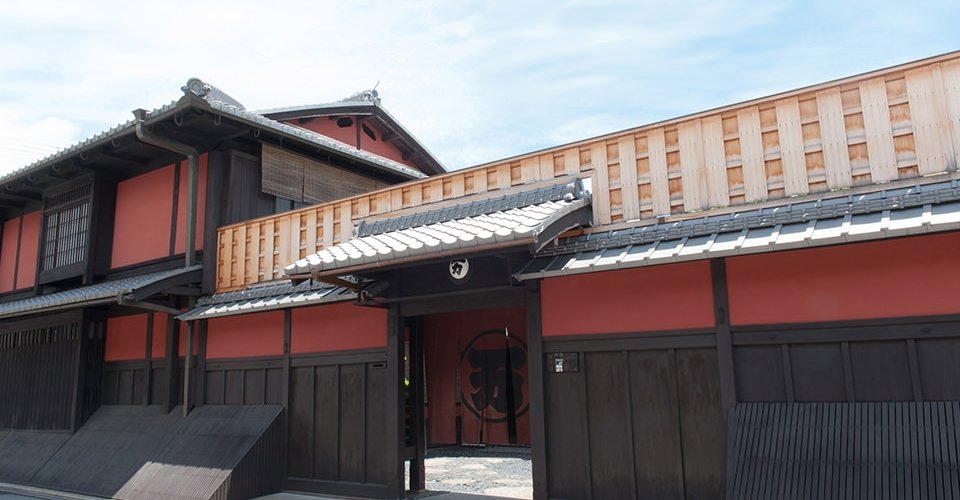
Ichiriki-tei stands at the corner where Hanamikoji Street meets Shijo-dori. It is the teahouse depicted in Act Seven of Kanadehon Chushingura, a classic play performed in both kabuki and bunraku (traditional Japanese puppet theater). The act is commonly known as “The Ichiriki Teahouse in Gion.” At the time the story is set, the teahouse was called Mantei. In the play, its name is changed to Ichiriki by splitting the character 万 (man) into 一 (ichi) and 力 (riki).
During the Meiji period, the head of Mantei and the head of the Inoue school of Kyoto-style dance collaborated to develop a new form of group dance featuring many geiko and maiko performing together. This style of dance is showcased at Miyako Odori, a spring performance held in Kyoto. Ichiriki-tei’s distinctive walls, painted bengara red using a reddish earth pigment, make it a landmark at the entrance to Hanamikoji Street. Visitors can admire the exterior from the public street.
Here are the key details:
| Address | 569 Gionmachi Minamigawa, Higashiyama-ku, Kyoto |
| Hours | Interior not open to the public (exterior viewing only) |
| Closed | Irregular closures |
| Official website | https://www.gion.or.jp/gion_shop_detail/一力亭 |
| Recommended for | Travelers who want to photograph Hanamikoji Street’s most iconic building |
Former Yasaka Kaikan: Imperial Hotel Kyoto Preserves a Geisha District Theater’s Exterior
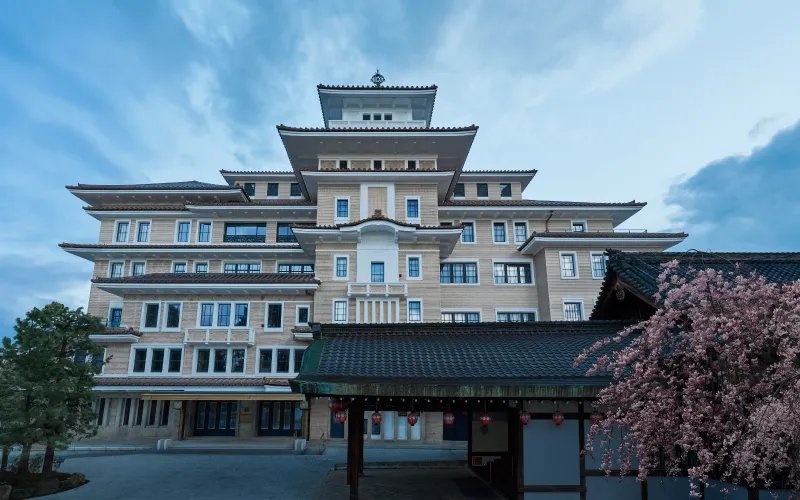
As you walk south along Hanamikoji Street, you’ll see a building with a roof reminiscent of a castle keep. This theater building was constructed in 1936 on the grounds of the Gion Kobu Kaburenjo Theater through the joint efforts of the Gion Kobu teahouse association and geiko association. The building is a Registered Tangible Cultural Property of Japan. It was once used for plays, films, a dance hall, and more.
In March 2026, the building opened as the Imperial Hotel Kyoto, with the southwest facade visible from Hanamikoji Street and other exterior walls preserved. You can view the tiled exterior walls and copper-clad roof from the street at any time. Official information on public access to the rooftop terrace and the hotel interior is limited, so check with the hotel before your visit.
Here are the key details:
| Address | 570-289 Gionmachi Minamigawa, Higashiyama-ku, Kyoto |
| Hours | Varies by hotel facility |
| Closed | Irregular closures |
| Official website | https://www.imperialhotel.co.jp/kyoto/ |
| Recommended for | Travelers interested in modern architecture or the history of the geisha district, or considering a stay in Gion |
Gion Corner: See Maiko Dance and Other Traditional Arts in One Hour
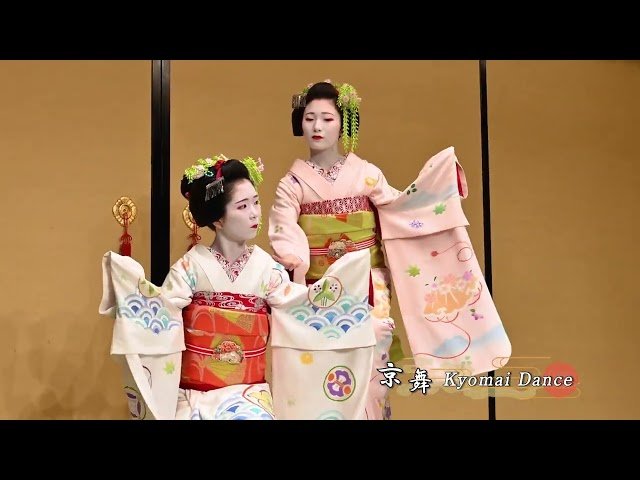
At the small theater of the Gion Kobu Kaburenjo Theater, Gion Corner offers shows that last about an hour every day at 6 pm and 7 pm. Besides Kyoto-style dance by maiko, you can see a range of traditional Japanese performing arts in one show, including tea ceremony, flower arranging, music on the koto (a traditional Japanese stringed instrument), and traditional comic theater. The Kyoto-style dance performed by maiko originated in Kyoto and has been passed down for about 200 years.
After the show, you can take photos with a maiko. In winter (December 1 to March 11), shows are offered only from Tuesday to Friday, with no shows on national holidays or during the New Year holidays (December 26 to January 4). The winter program also leaves out bunraku and Noh from the regular lineup. Admission for adults (23 and older) is ¥5,500 as of October 2026, so check the official website for the latest information. Reservations are accepted through the official website.
Here are the key details:
| Address | 570-2 Gionmachi Minamigawa, Higashiyama-ku, Kyoto (small theater, Gion Kobu Kaburenjo Theater) |
| Hours | Shows at 6:00 pm and 7:00 pm (about 1 hour each) |
| Closed | 7/16, 8/16, New Year holidays (late 12 to early 1). In winter (12 to early 3), closed Mondays and holidays, with shows Tuesday–Friday only |
| Official website | https://www.kyoto-gioncorner.com/global/en.html |
| Recommended for | Travelers who want to see a range of traditional Japanese performing arts in a short time or take photos with a maiko |
Gion Kagai Art Museum: See Geiko and Maiko Costumes and Watch Kyoto-Style Dance
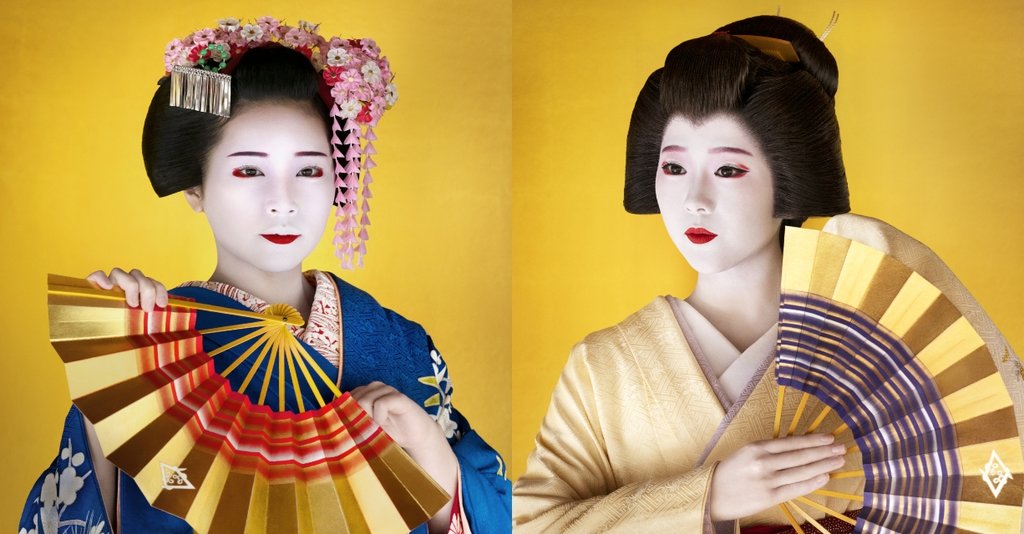
The Gion Kagai Art Museum, on the grounds of the Gion Kobu Kaburenjo Theater, displays materials related to geiko and maiko. These include hand-painted yuzen kimono dyed with designs drawn by brush, Nishijin-woven obi sashes, and hair ornaments that change with the seasons. Because the floral motifs on maiko hair ornaments change with the seasons, comparing the displays gives you a good sense of the geisha district custom of expressing the changing seasons through attire.
Five times a day between 1:30 pm and 4:30 pm, a geiko or maiko performs two pieces (about 15 minutes) of Inoue-school Kyoto-style dance, which among Kyoto’s geisha districts has been passed down only in Gion Kobu. A viewing ticket (¥1,600) is required in addition to museum admission. You can book the ticket online through the official website up to about a month in advance.
Photo sessions with a geiko or maiko are held separately from the dance performance twice a day, at 1:50 pm and 3:20 pm. To join, you’ll need a photo ticket (¥2,000 per group), sold at the museum from 11 am on the day. Photo tickets can’t be reserved. Admission for adults is ¥1,500 as of October 2026, so check the official website for the latest information. Large luggage isn’t allowed inside the museum.
The museum is closed from mid-March to early May. However, the Miyako Odori is performed every April at the Kaburenjo Theater on the same grounds, and you can also see maiko perform Kyoto-style dance at Gion Corner during this period.
Here are the key details:
| Address | 570-2 Gionmachi Minamigawa, Higashiyama-ku, Kyoto |
| Hours | 11:00 am–6:30 pm (last entry 5:30 pm, or 5:15 pm from November 2026 to early March 2027) |
| Closed | Mid-March to early May, New Year holidays, irregular closures |
| Official website | https://gion-museum.com/ |
| Recommended for | Travelers interested in crafts such as kimono and hair ornaments, or who want to watch Kyoto-style dance up close in a calm setting |
Kennin-ji: Kyoto’s Oldest Zen Temple at the Southern End of Hanamikoji Street
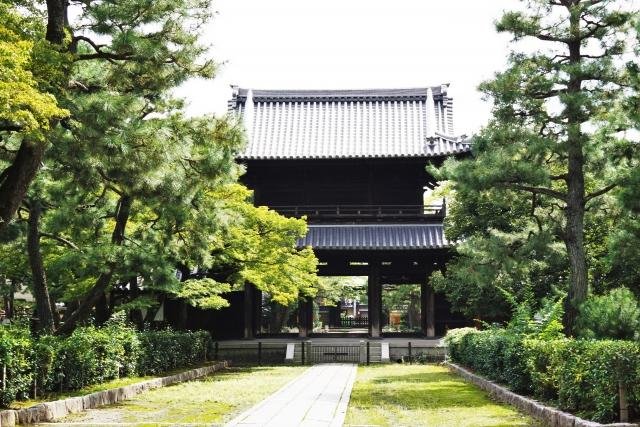
Kennin-ji, adjacent to the southern end of Hanamikoji Street, is considered Kyoto’s oldest Zen temple. The temple was founded in the second year of the Kennin era (1202), during the Kamakura period, under the patronage of Minamoto no Yoriie. Its founding priest was Eisai, the monk who brought the Rinzai school of Zen to Japan.
Inside the temple, you can see a replica of the Wind God and Thunder God screens, a National Treasure by Tawaraya Sotatsu. On the ceiling of the Dharma Hall, the building used for sermons, is a twin dragon painting by Koizumi Junsaku, created in 2002 to commemorate the temple’s 800th anniversary. The two dragons, one with its mouth open and the other with its mouth closed, fill the entire ceiling. If you stand directly beneath them and look up, the painting is especially striking. In front of the abbot’s quarters, once the monks’ living quarters, is a dry landscape garden that represents mountains and water with white sand and stones, and you can view it from the veranda. Admission for adults is ¥800 and will increase to ¥1,000 on January 1, 2027. These prices are as of October 2026, so check the official website for the latest information.
Here are the key details:
| Address | 584 Komatsu-cho, Yamatooji-dori Shijo-sagaru, Higashiyama-ku, Kyoto |
| Hours | 10:00 am, last entry 4:30 pm (gates close at 5:00 pm) |
| Closed | 4/19–20, 6/4–5, and some days due to Buddhist services and other events |
| Official website | https://www.kenninji.jp/ |
| Recommended for | Travelers interested in Zen temple architecture and cultural properties, or who want to end their walk along Hanamikoji Street here |
Hanamikoji Street Etiquette: Three Rules to Know Before You Go
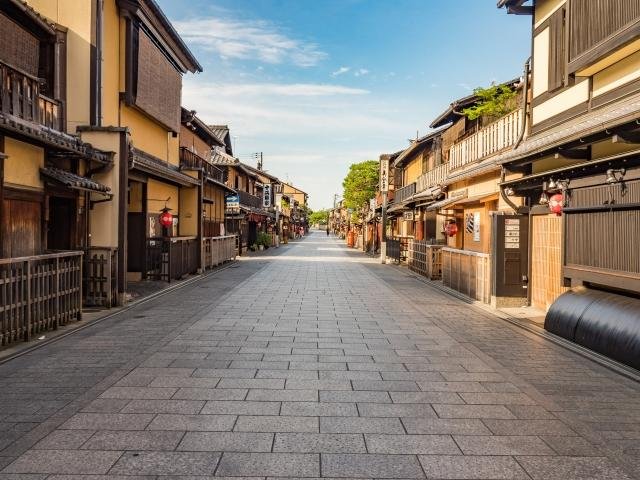
The area around Hanamikoji Street is a tourist destination, but it’s also where residents live and where geiko and maiko work. This section covers three rules that, if you break them without knowing, can lead to fines or legal violations.
Don’t Take Photos on Private Roads Off Hanamikoji Street Without Permission
Since 2019, the Gionmachi Minamigawa District Council has, in principle, banned photography on private roads around Hanamikoji Street. Signs on the private roads state that a fee of ¥10,000 will be charged for unauthorized photography. Because it can be hard to tell whether a road is private, avoid taking photos in narrow alleys off Hanamikoji Street.
You can photograph the townscape on Hanamikoji Street itself. However, the City of Kyoto and the local community ask visitors not to block the road by spreading out across it or stopping to take photos. Cars also use this residential street, so move to the side of the road and keep your photo-taking brief.
Don’t Enter Private Roads with “No Through Traffic” Signs
In 2024, a sign stating that unauthorized entry would result in a ¥10,000 fine was put up at the entrances to Kosode Koji, a private road that had seen particularly heavy tourist through traffic. Entering the property or doorways of teahouses or homes beyond a private road without permission can be charged as trespassing under Japan’s Penal Code, punishable by imprisonment of up to three years or a fine of up to ¥100,000. Police officers may also respond to calls from residents. These restrictions don’t affect simply walking along Hanamikoji Street, so as long as you stay out of alleys with “No Through Traffic” signs, you won’t have any problems.
Don’t Stop or Follow Geiko and Maiko
Blocking the way of geiko or maiko or following them violates the Minor Offenses Act, punishable by detention of less than 30 days or a fine of less than ¥10,000. Pulling on their arms or kimono violates Kyoto Prefecture’s Nuisance Prevention Ordinance, punishable by imprisonment of up to six months or a fine of up to ¥500,000. Geiko and maiko are on their way to work at banquets, so if you pass them, step aside. Don’t stop them to ask for photos or follow them as they walk.
Recommended Ways to Explore Hanamikoji Street by Time of Day
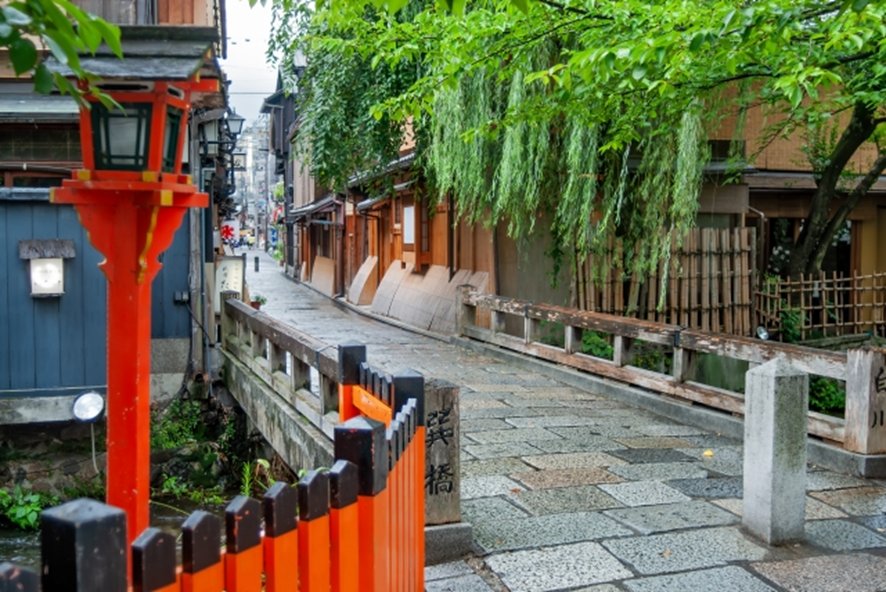
The look of Hanamikoji Street and the places you can enjoy vary depending on when you visit. This section introduces ways to explore the street in the daytime, early evening, and at night, combined with nearby attractions.
Daytime: Visit Kennin-ji, Then Watch Kyoto-Style Dance at the Museum
Kennin-ji opens in the morning, while Kyoto-style dance performances at the Gion Kagai Art Museum take place in the afternoon. By visiting Kennin-ji in the morning and the museum in the afternoon, you can enjoy both in a single day. To get from the temple to the museum, simply head north along Hanamikoji Street. Along the way, you can admire the latticed doors and stone pavement in the daylight.
Tickets for the dance performances can be booked through the museum’s official website up to about a month in advance. Once your travel dates are confirmed, consider reserving an afternoon performance. After visiting the museum, you can extend your walk to the north side of Shijo-dori. Stroll along the willow-lined Shirakawa River and cross Tatsumi Bridge to discover another picturesque corner of Gion’s historic geiko district.
Early Evening: Walk Hanamikoji Street as the Red Lanterns Light Up
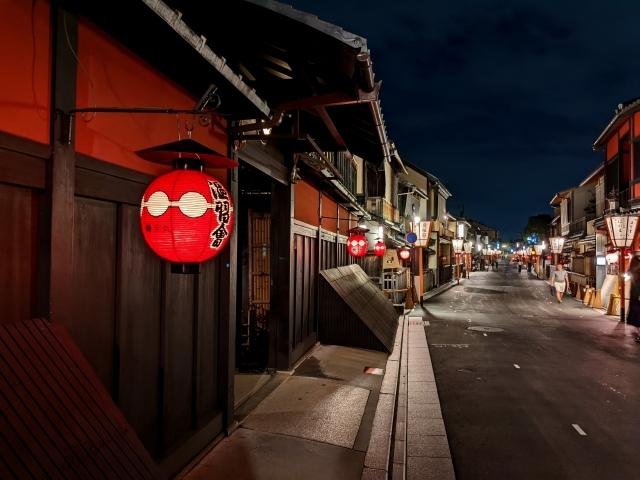
At dusk, the red lanterns bearing the Gion Kobu crest, known as tsunagi dango (a circle of linked white dumplings), are lit. Their glow on the stone pavement gives Hanamikoji Street a different atmosphere from its daytime appearance. The time the lanterns are lit varies by season, but it is generally around sunset.
This is also when geiko and maiko may pass along the street on their way to banquets. However, the alleys lined with teahouses are not open to casual visitors. Simply viewing them from Hanamikoji Street may leave you with questions about the world of the teahouses tucked away in these alleys and the traditions of Gion’s geiko district.
Night: Walk the Evening Streets Before and After a Gion Corner Show
Gion Corner is located inside Gion Kobu Kaburenjo Theater, south of the intersection of Hanamikoji Street and Shijo-dori. One option is to stroll along the lantern-lit street in the early evening, watch a show at Gion Corner, and then walk back to the station after dark. If you choose the 6:00 pm performance, you can experience Hanamikoji Street in two different kinds of light: at dusk before the show and after dark on your way back.
To return to the station, head north along Hanamikoji Street to Shijo-dori. From there, Gion-Shijo Station is about a three-minute walk.
Discover the Gion You Can’t See from Hanamikoji Street Alone: Two Recommended English-Guided Tours

Exploring Hanamikoji Street on your own may leave you curious about how the teahouses operate and the traditions of Gion’s geiko district. In this section, we introduce two walking tours offered by Japan Guide Star that let you explore Gion while learning from an English-speaking guide. You can find the full list of Japan Guide Star’s walking tours here.
Explore Gion’s Alleys with an English-Speaking Guide: 10 Tours a Day from Morning to Night
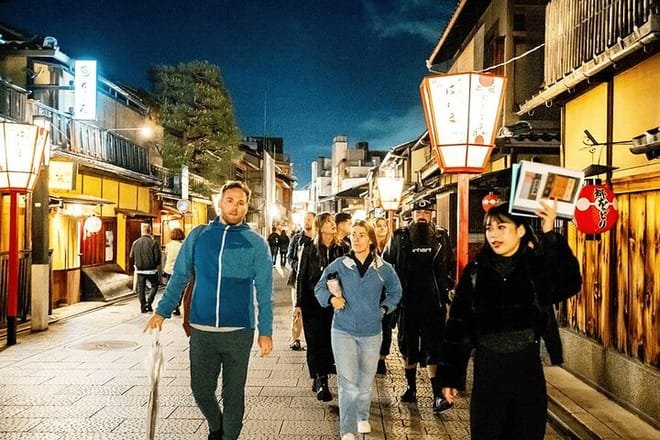
Japan Guide Star’s “Kyoto: Gion Hidden Gems & Geisha Culture Tour” is a two-hour walking tour led by a local English-speaking guide. Along the way, you will learn about geiko and maiko culture while visiting streets lined with Edo-period townhouses, quiet alleys away from the crowds, and a shrine with a history spanning 1,000 years. You can also ask the guide questions as you walk, including about the inner workings of Gion’s geiko district—something that can be difficult to understand from the outside.
Tours depart 10 times a day, between 8:00 am and 9:00 pm. If you choose a departure at 4:00 p.m. or later, you can explore Gion from the early evening into the night. The meeting point is McDonald’s Shijo Ohashi, about a one-minute walk from Hankyu Kyoto-Kawaramachi Station and a two-minute walk from Keihan Gion-Shijo Station. Free cancellation is available up to 24 hours before the tour starts, offering some flexibility if your plans change. Tours operate even in rainy weather.
According to participant reviews, guides provide detailed explanations of both geiko and maiko culture and Kyoto’s history. Reviewers also mention that the pace is comfortable for families with children. Some participants report seeing geiko or maiko during the tour, although sightings are not guaranteed.
Here are the key details:
| Meeting point | Side street by McDonald’s Shijo Ohashi, 105-1 Hashimoto-cho, Shijo Kobashi Higashi-iru, Shimogyo-ku, Kyoto |
| Duration | About 2 hours |
| What’s included | Guiding in English by a local guide |
| Booking site | https://japanguidestar.com/tour/kyoto-gion-hidden-gems-geisha-culture-tour/ |
| Recommended for | First-time visitors to Gion, travelers who want to learn about the history and workings of the geisha district, families with children |
Kyoto: Gion Hidden Gems & Geisha Culture Tour
Explore with Just Your Family or Friends: A Private Group Tour
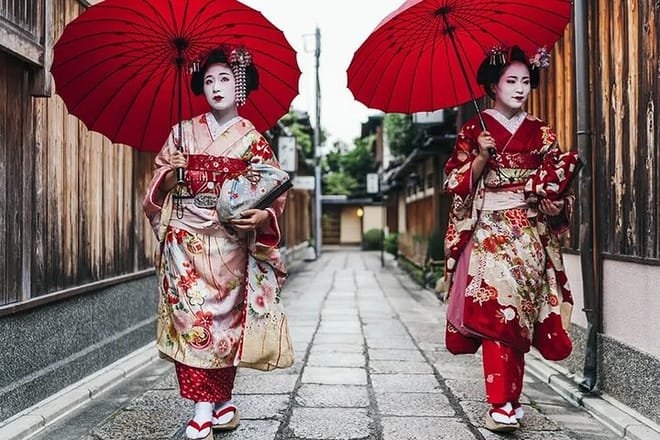
Japan Guide Star’s “Kyoto Gion Private Tour: Geisha Culture and Hidden Streets” is an approximately two-hour walking tour with a dedicated guide for your group. Each booking accommodates up to 10 people, and tours are available in English or Spanish. Along the way, you will follow a willow-lined, stone-paved riverside path, visit hidden shrines and Edo-period townhouses, and finish in the heart of Gion’s geiko district.
With no other participants, you can adjust the walking pace and allow more time for questions to suit your group. You can also take breaks as needed, making this option convenient for families with young children or older relatives. Tours depart seven times a day between 10:00 am and 8:00 pm, and the meeting point is McDonald’s Shijo Ohashi. Free cancellation is available up to 24 hours before the tour starts.
Here are the key details:
| Meeting point | Side street by McDonald’s Shijo Ohashi, 105-1 Hashimoto-cho, Shijo Kobashi Higashi-iru, Shimogyo-ku, Kyoto |
| Duration | About 2 hours |
| What’s included | Guiding by a private guide for your group, in English or Spanish |
| Booking site | https://japanguidestar.com/tour/kyoto-gion-private-tour-geisha-culture-and-hidden-streets/ |
| Recommended for | Travelers who want to walk with only their family or friends, or explore at their own pace while asking questions |
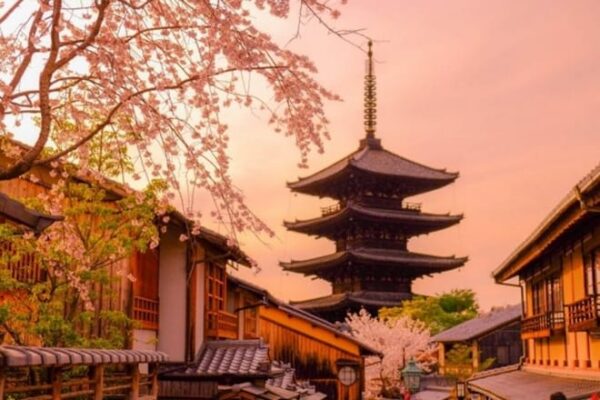
Kyoto: Gion Geisha District Sunset Tour in Spanish and en Español
Frequently Asked Questions About Hanamikoji Street

This section briefly answers common questions travelers have before visiting Hanamikoji Street.
Can Travelers Book a Visit to a Teahouse on Hanamikoji Street?
For most travelers, visiting a teahouse in Gion directly can be difficult. Many teahouses follow the custom known as ichigen-san okotowari, meaning they do not accept guests who have not been introduced by a regular customer.
If you would like to watch geiko or maiko perform traditional dances, you can book tickets in advance through the official websites of Gion Corner and the Gion Kagai Art Museum.
Is There a Fee to Walk Along Hanamikoji Street?
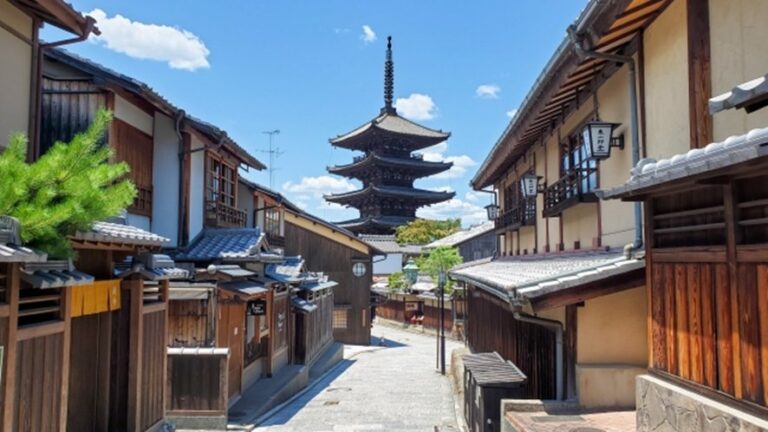
No. Hanamikoji Street is open to the public, and you can walk along it free of charge at any time. However, admission fees apply to attractions along the street, such as temples and museums, as well as traditional performing arts shows.
How Do You Get to Hanamikoji Street from Kyoto Station?
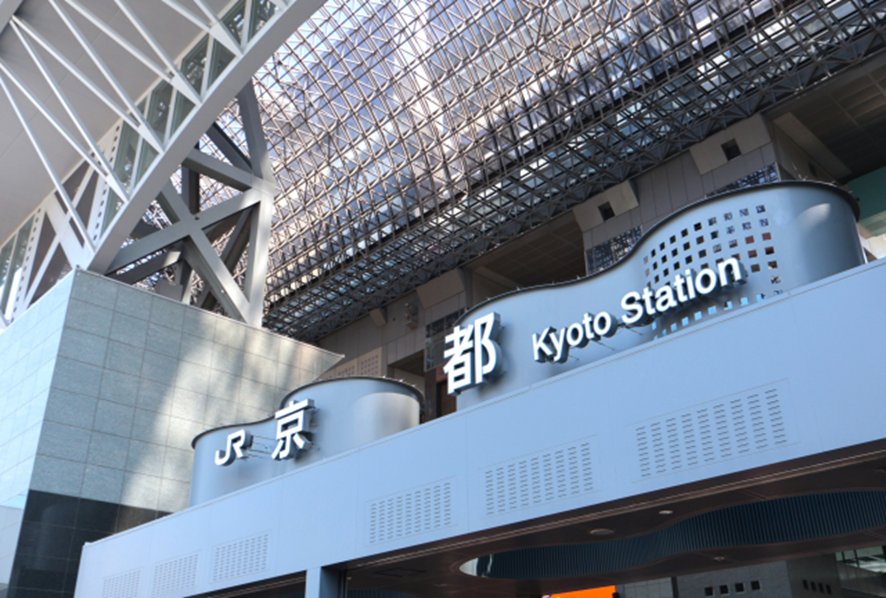
By train, take the JR Nara Line to Tofukuji Station, transfer to the Keihan Main Line, and get off at Gion-Shijo Station. If you prefer to avoid changing trains, take City Bus No. 206 or the EX100 Sightseeing Express Bus, which operates on weekends and public holidays, to the Gion bus stop near Yasaka Shrine. From there, walk west along Shijo-dori.
As city buses can be delayed by traffic, traveling by train is recommended if you need to arrive at a specific time.
Are There Any Sights Within Walking Distance of Hanamikoji Street?
Yes. Yasaka Shrine stands at the eastern end of Shijo-dori, just east of the intersection with Hanamikoji Street. It is about a five-minute walk from Keihan Gion-Shijo Station, and its grounds are open 24 hours a day.
You can also walk to Kiyomizu-dera, which is about a 20-minute walk from Keihan Gion-Shijo Station via the shortest route. Alternatively, head south along Hanamikoji Street and continue via Kennin-ji, Yasaka Pagoda, and Sannenzaka, a sloping street with stone steps that leads to Kiyomizu-dera.
Follow the Etiquette and Enjoy Hanamikoji Street and Its Geisha District Culture
To enjoy your walk along Hanamikoji Street, keep three rules in mind: do not take photos on private roads without permission, do not enter alleys marked “No Through Traffic,” and do not stop or follow geiko and maiko. By following these guidelines, you can admire the lantern-lit stone pavement and latticed townhouses at a relaxed pace while respecting the daily lives of local residents.
If you would like to learn more about how Gion’s geiko district operates and the history of its alleys, an English-guided tour can reveal aspects of the area that are difficult to discover on your own. For more ideas, explore Japan Guide Star’s list of Kyoto tours. Plan your visit and experience Gion’s distinctive atmosphere for yourself.