If you’re planning to visit Gion, deciding where to walk and what to experience can feel overwhelming.
The main sights are spread out across a relatively wide area, so organizing your information in advance helps you move around efficiently.
This guide covers 10 things to do in Gion, grouped into three districts. Each entry includes highlights, estimated time, and photography etiquette.
Read on to help you design an itinerary that fits your interests and pace.
Features of Kyoto’s Gion Area
Getting a sense of the area as a whole is the first step in exploring Gion.
Here we cover the three districts where hanamachi culture still lives on—the geisha quarters where geiko and maiko entertain guests with parlor games and traditional performing arts at tea houses and traditional restaurants. You’ll also find access details from Kyoto Station and how the area changes through the four seasons.
Knowing these basics in advance makes it easier to plan when to visit and which route to take.
Three Districts Where Hanamachi Culture Lives On
Three districts in and around Gion still preserve traditional hanamachi culture.
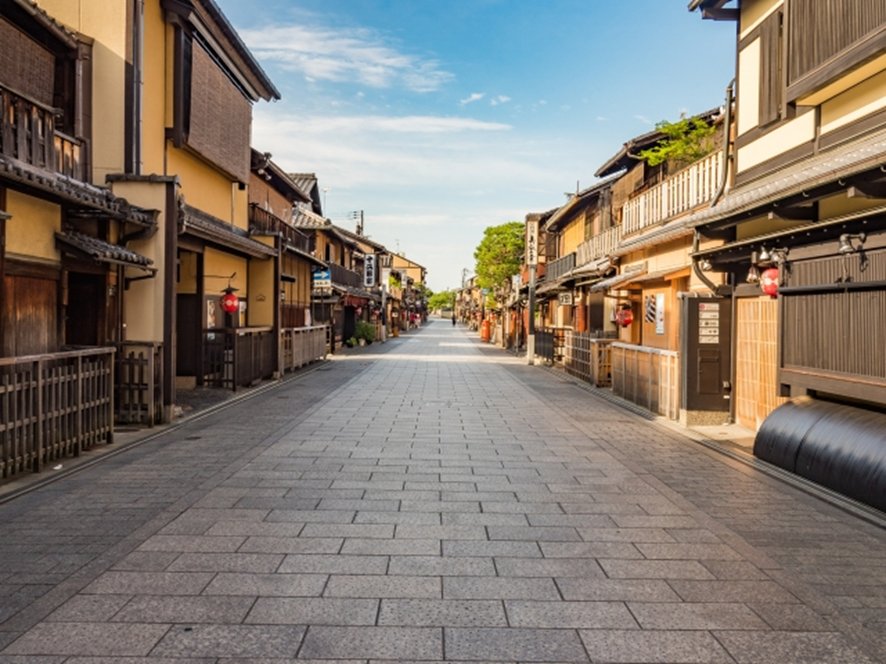
Gion Kobu developed as the temple town of Yasaka Shrine and is the largest hanamachi in Kyoto. At its heart, Hanamikoji Street is lined with traditional tea houses and high-end Japanese restaurants.
In spring, the Miyako Odori dance performance is held, featuring geiko and maiko from the district, and is open to the general public. In 2024, the Gion Hanamachi Geijutsu Shiryokan (Gion Hanamachi Art Museum) opened inside Gion Kobu Kaburenjo, the rehearsal hall and theater used by geiko and maiko.
Gion Higashi is a hanamachi that split off from Gion Kobu. While smaller in scale, it carries on traditional performing arts through events like the autumn Gion Odori.
The third district is Pontocho, located on the west bank of the Kamo River. While it belongs to Nakagyo Ward, crossing the Shijo Ohashi Bridge places it just a few minutes’ walk from Gion.
A natural walking route is to explore Gion in the late afternoon and then continue into Pontocho’s narrow alleys.
When visiting these areas, be mindful that photographing private lanes or tea houses without permission is considered a breach of local etiquette.
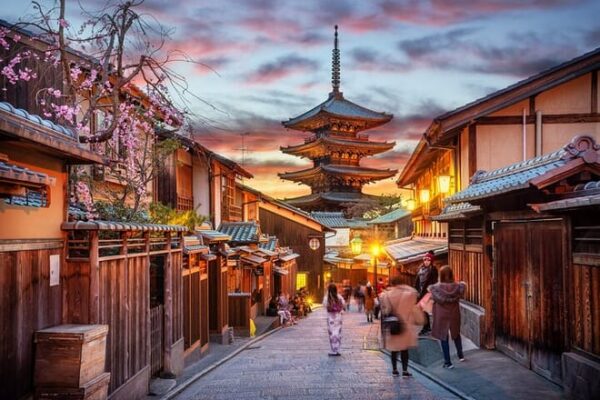
Kyoto: Gion Hidden Gems & Geisha Culture Tour
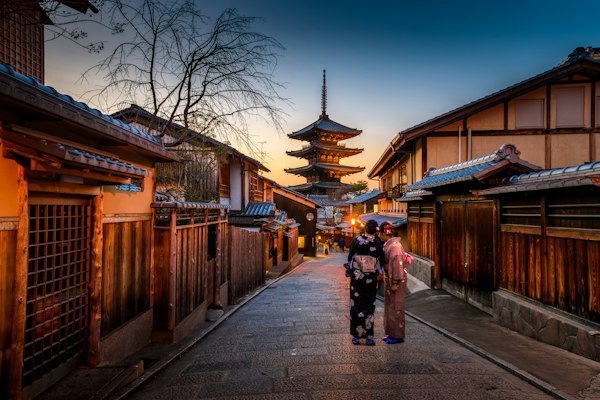
15-20 Minutes by Train from Kyoto Station
It takes about 15-20 minutes by train from Kyoto Station to Gion-Shijo Station.
You have two main routes to choose from, and both accept IC cards.
| Route | Travel Time | Approximate Fare |
|---|---|---|
| JR Nara Line, transfer to Keihan at Tofukuji | About 15-20 minutes | ¥330 |
| Karasuma Subway Line, transfer to Hankyu at Shijo | About 15-20 minutes | ¥390 |
| City Bus #206 (direct) | About 20-30 minutes | ¥230 |
The train routes require one transfer, but their schedules are stable and rarely delayed even during busy hours.
The city bus is convenient because it has no transfer, but traffic congestion during tourist seasons can make travel times unpredictable.
During the Gion Festival in July 2026 and the autumn foliage season in November, buses are expected to be crowded between 10 am and 2 pm even on weekdays.
To avoid crowds, leave before 9 am or take a train route.
When transferring, you’ll need to exit the ticket gate once, so check your IC card balance beforehand.
The Streets Change Face with Each Season
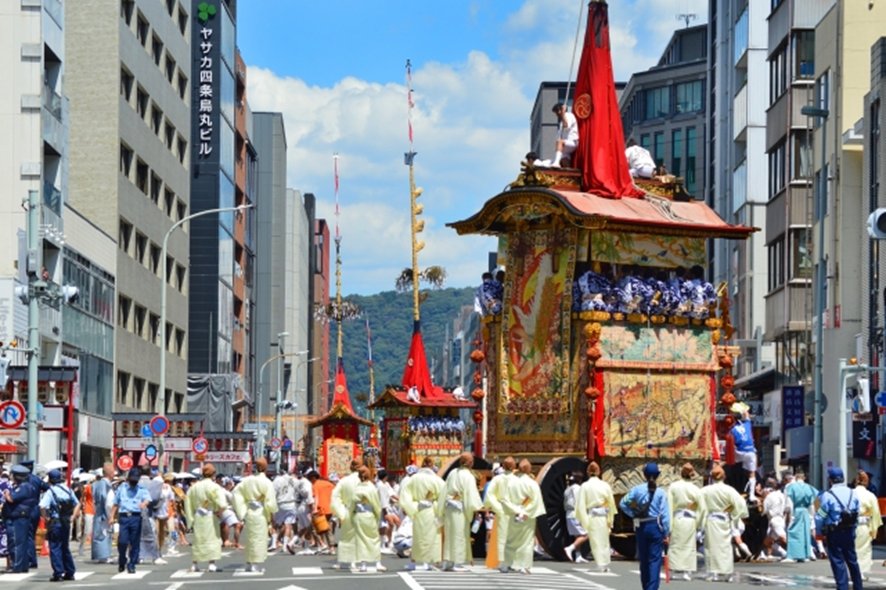
Gion reveals a different atmosphere in every season.
Knowing the seasonal conditions in advance makes it much easier to plan what to wear, what to bring, and when to visit.
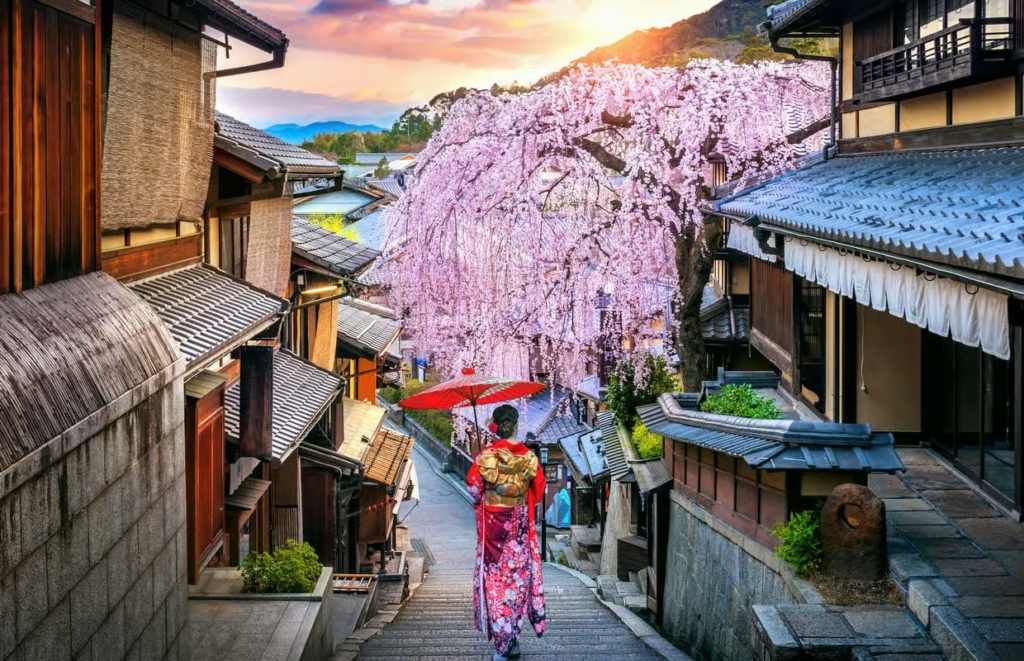
In spring, the biggest highlight is April’s Miyako Odori performance. Around the Shirakawa Canal, cherry blossoms also line the cobblestone streets, especially beautiful in the evening light. Mornings and evenings can still feel chilly, so bringing a light jacket is recommended.
Summer in Gion is defined by the Gion Matsuri in July. The Yamaboko Junko procession—a parade of decorated floats topped with mountain-shaped ornaments on wheels—fills the streets with heat and excitement. It’s held on July 17 for the Saki Matsuri (first festival) and on July 24 for the Ato Matsuri (latter festival). Temperatures often climb to around 33°C (about 91°F), making a hat and frequent hydration essential.
Autumn brings peak foliage from mid- to late November, along with evening illuminations at nearby temples and shrines. Cooler mornings and nights make layered clothing the most comfortable choice.
Winter, from December through February, sees fewer tourists, allowing visitors to experience Gion’s quiet traditional atmosphere at its most serene. Temperatures can fall to around 3°C (about 37°F), so warm clothing is necessary.
The best way to avoid crowds is to explore Gion early in the morning, ideally between 8 am and 10 am.
Main Gion Area 1: Things to Do in Hanamikoji and Kenninji
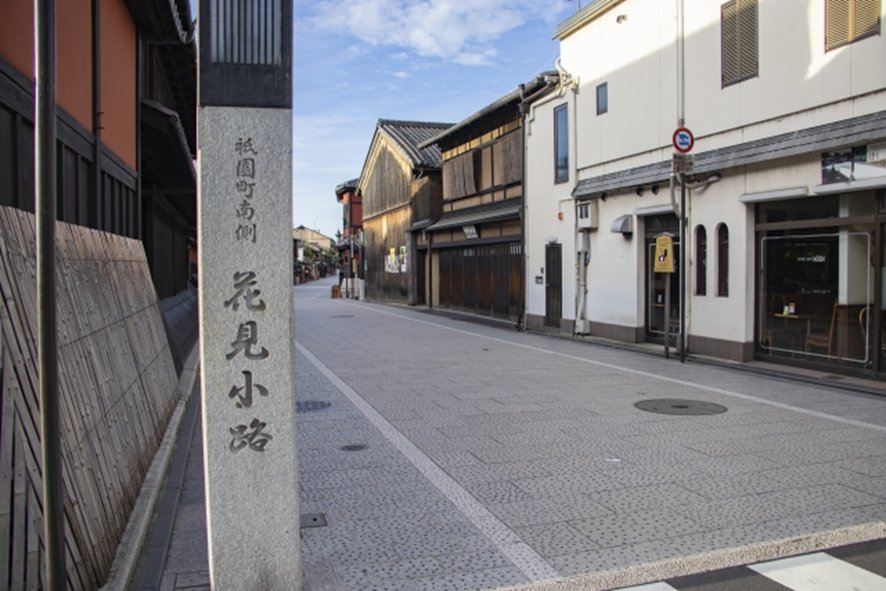
The area connecting Hanamikoji Street and Kenninji Temple is the central area for Gion sightseeing.
From cobblestone machiya (traditional Kyoto townhouse) streetscapes to a Zen temple’s famous artworks, traditional performing arts venues, and gourmet spots, classic Gion experiences are concentrated within walking distance.
Below are five activities, presented in order of how you might combine them with street strolls and temple visits. Use this plan to make the most of your time from a daytime stroll to an evening immersion in hanamachi culture.
Stroll Hanamikoji Street
Hanamikoji Street runs about 1 km (about 0.6 miles) from Sanjo Street in the north to the front of Kennin-ji in the south.
The Gion hanamachi flourished during the early Edo period as a tea-house district serving visitors to Yasaka Shrine, eventually growing into one of Kyoto’s leading geisha quarters. Hanamikoji Street, the district’s central thoroughfare, was formally laid out in 1874 (Meiji 7) and has remained the heart of Gion ever since.
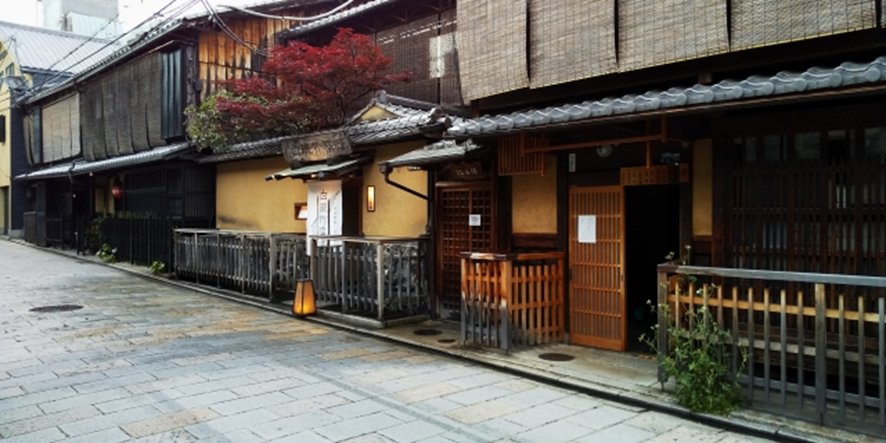
Today, underground utility lines and carefully maintained cobblestone streets preserve the area’s traditional scenery. Machiya townhouses and tea houses line both sides of the street, with the quieter southern stretch beyond Shijo Street especially well suited for strolling.
Ichiriki Chaya, founded more than 300 years ago, is particularly famous as a setting in kabuki plays. Its distinctive vermilion exterior alone attracts many visitors.
If you hope to catch a glimpse of a maiko, the best time is around 5 pm, when they begin heading out to evening engagements. Encounters are more likely at this hour than later at night, though sightings are never guaranteed.
Please keep the following etiquette in mind while walking through Gion:
- Do not photograph maiko or geiko without permission. Always ask first
- Avoid using tripods or sitting in the street, as this obstructs pedestrians and nearby businesses
- Do not enter private property or narrow back alleys without authorization
Details
| Address | Gion-machi Minamigawa, Higashiyama Ward, Kyoto |
| Available Hours | 24 hours (individual shops vary) |
| Closed | None (the street itself is always open) |
| Official Site | https://www.gion.or.jp/ (Gion Shopping Street Promotion Association) |
| Recommended For | Travelers who want to experience Kyoto’s hanamachi culture firsthand; photographers of machiya architecture and cobblestone streets |
View the Wind and Thunder Gods Screen at Kenninji
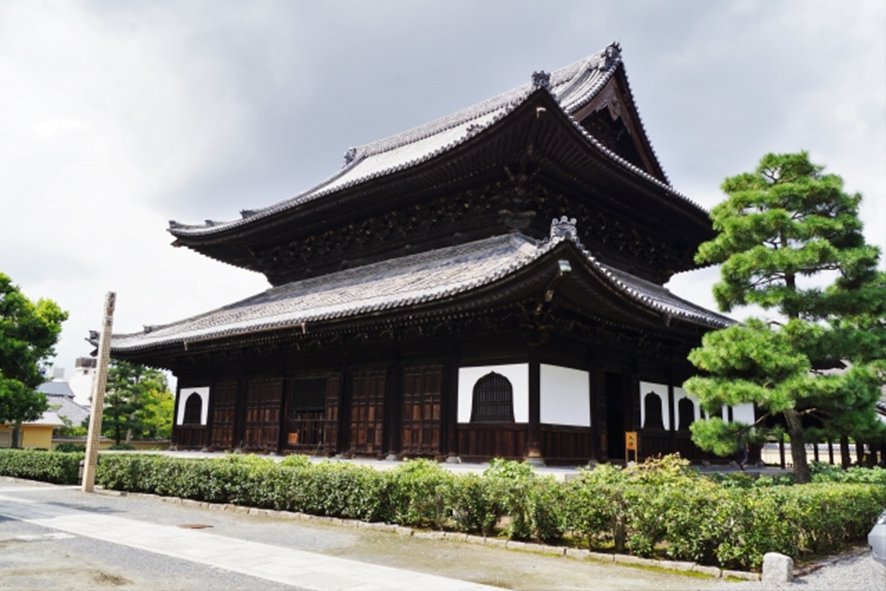
About a 3-minute walk south of Hanamikoji Street stands Kennin-ji, the oldest Zen temple in Kyoto.
The temple was founded in 1202 by the Zen master Eisai and serves as the head temple of the Kenninji branch of the Rinzai sect.
The temple’s main hall houses a high-resolution reproduction of Tawaraya Sotatsu’s Wind God and Thunder God Screens, where the two gods still appear to leap dynamically across a gold-leaf background.
The temple’s Hatto (Dharma Hall) is famous for Twin Dragons by Junsaku Koizumi, a massive ink painting measuring roughly 11.4 meters (about 37 feet) in diameter across the ceiling.
Visitors should also make time for the karesansui (dry landscape) garden known as Choontei. You can sit quietly on the veranda and view the garden from multiple angles.
Kennin-ji also offers activities such as zazen (seated Zen meditation) and sutra-copying experiences for visitors interested in deeper engagement with Zen culture.
Details
| Address | Komatsu-cho, Yamato-oji Shijo Sagaru, Higashiyama Ward, Kyoto 605-0811 |
| Admission | Adults ¥800 / Elementary, junior high, and high school students ¥500 / Free for preschoolers |
| Hours | 10 am-5 pm (last entry 4:30 pm) |
| Closures | Occasional closures for religious services |
| Official Site | https://www.kenninji.jp/ |
| Recommended For | Those interested in Japanese art and Zen culture; visitors seeking quiet contemplation |
Experience Seven Traditional Performing Arts at Gion Corner
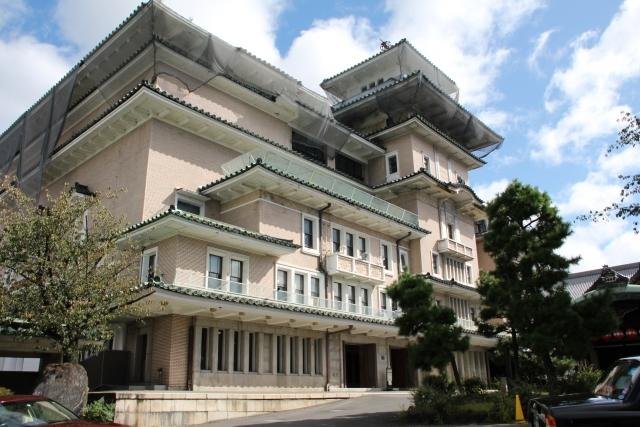
At the southern end of Hanamikoji Street stands the small theater inside Gion Kobu Kaburenjo.
This is home to Gion Corner, where visitors can experience seven forms of traditional Japanese performing arts in about one hour.
The program features demonstrations of seven traditional arts, including Kyo-mai dance, tea ceremony, flower arrangement (ikebana), koto music, gagaku court music, kyogen comedy, and bunraku puppet theater.
The performances are designed specifically for newcomers with no prior background knowledge, and explanatory materials are available in 12 languages.
Shows are generally held daily at 6 pm and 7 pm, with all seats reserved. Booking online in advance through the official website is recommended.
The winter season (December 1, 2026 to March 11, 2027) holds performances only on Tuesdays, Wednesdays, Thursdays, and Fridays, with some changes to the program.
One special feature of the winter season is a commemorative photo session with a maiko.
In May, performances run every day, making scheduling especially convenient for travelers.
Details
| Address | Inside Gion Kobu Kaburenjo, 570-2 Gion-machi Minamigawa, Higashiyama Ward, Kyoto 605-0074 |
| Hours | Two daily performances at 6 pm and 7 pm (about 1 hour each) |
| Closed | July 16, August 16, New Year holidays (December 26 – January 4); during the winter season (December 1 – March 11), only Tuesdays through Fridays, and closed on national holidays |
| Official Site | https://www.ookinizaidan.com/gion_coner/ |
| Recommended For | First-time visitors who want to sample a broad range of Japanese traditional arts in a short time |
Savor Gion’s Cuisine at Imperial Hotel Kyoto
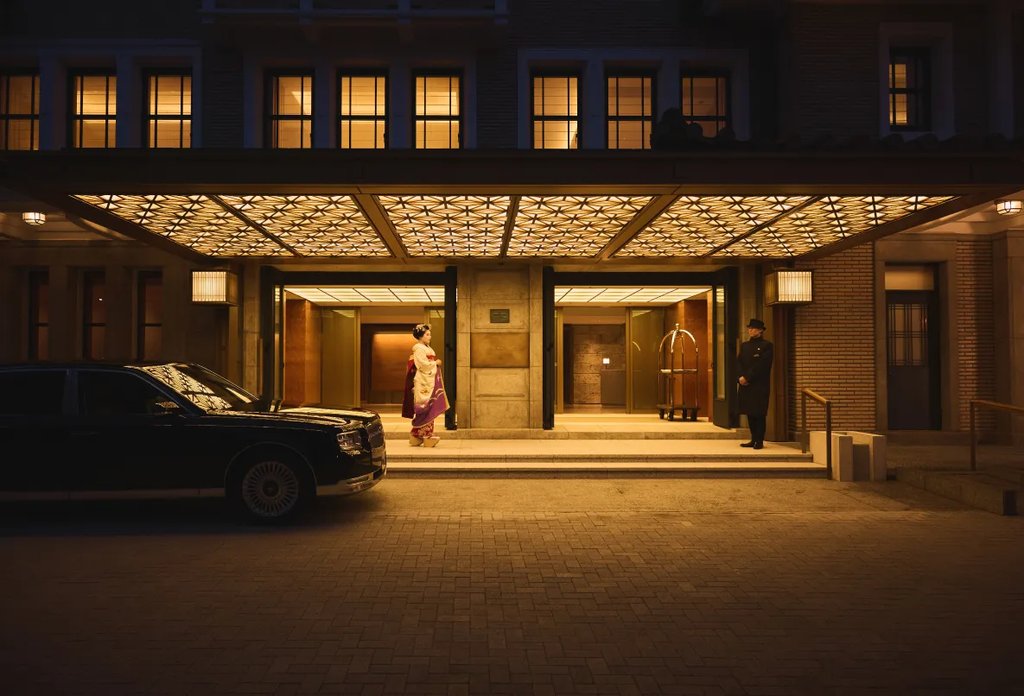
Imperial Hotel Kyoto opened in March 2026, directly beside Gion Corner.
This small luxury hotel is located within the grounds of Gion Kobu Kaburenjo.
Its design draws inspiration from the historic Yasaka Kaikan, a registered tangible cultural property, and the hotel features 55 guest rooms along with several dining facilities.
The property combines world-class hospitality with the atmosphere and cultural heritage of Kyoto’s traditional hanamachi district.
Non-guests may also use certain facilities.
The all-day dining restaurant “Yasaka” serves cuisine centered on Kyoto ingredients, while the Old Imperial Bar is an excellent option for an evening drink in Gion.
Details
| Address | 570-289 Gion-machi Minamigawa, Higashiyama Ward, Kyoto 605-0074 |
| Dining Hours | Lunch, tea time, and dinner (breakfast for hotel guests only) |
| Access Conditions | Non-guests may use the all-day dining “Yasaka” and the Old Imperial Bar (The Rooftop is for hotel guests only) |
| Official Site | https://www.imperialhotel.co.jp/kyoto |
| Recommended For | Travelers who want to enjoy a fine meal or quiet break after experiencing traditional performing arts |
Pass Through the Stone Tablet for Severing and Forming Bonds at Yasui Konpiragu
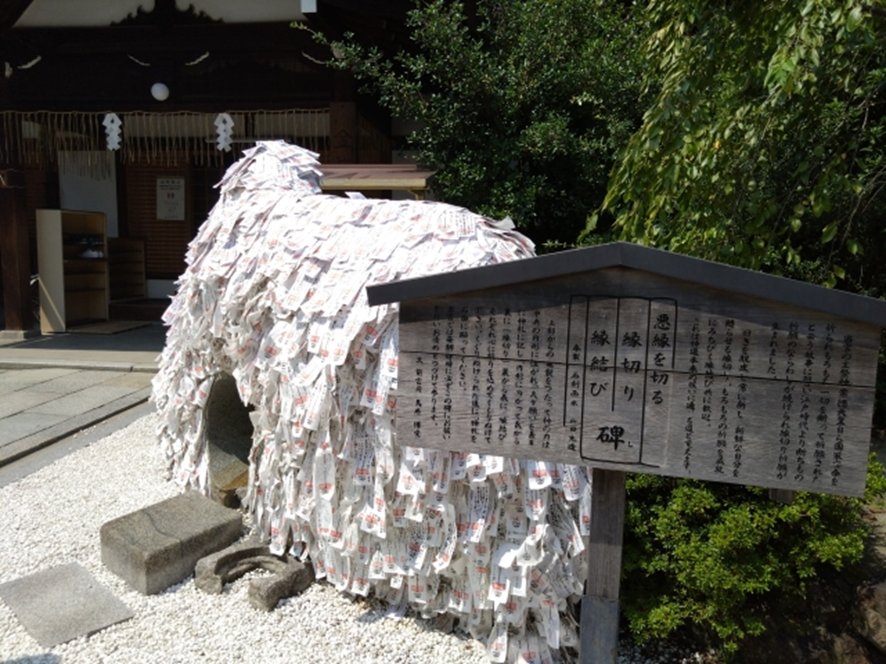
A few minutes’ walk from Kennin-ji stands Yasui Konpiragu Shrine, home to the famous En-kiri En-musubi Ishi.
Covered in countless katashiro — paper slips on which visitors write their wishes — the stone’s unusual appearance has become especially popular on social media.
The ritual follows a specific sequence:
- After praying at the main hall, pick up a katashiro on the left side of the stone (customarily with a donation of ¥100 or more)
- Write down the bond you wish to sever and the bond you wish to form on the katashiro
- Holding the katashiro, crawl through the hole from the front to the back of the stone to sever bad ties
- Crawl back through from the back to the front to form good ties, then paste the katashiro onto the stone
If crawling through the hole is difficult, you can still take part by simply pasting a katashiro onto the stone.
On weekends, waits around midday often exceed one hour. Visiting early in the morning, especially between 8 am and 9 am, usually allows for a much smoother experience with little or no line.
Details
| Address | 70 Shimobenten-cho, Higashioji Matsubara Agaru, Higashiyama Ward, Kyoto 605-0823 |
| Hours | Open all day (the prayer office is open 9 am-5:30 pm) |
| Closed | Open year-round |
| Official Site | http://www.yasui-konpiragu.or.jp/ |
| Recommended For | Power spot enthusiasts and anyone looking for a fresh start |
Main Gion Area 2: Things to Do in Shirakawa and Around Yasaka Shrine
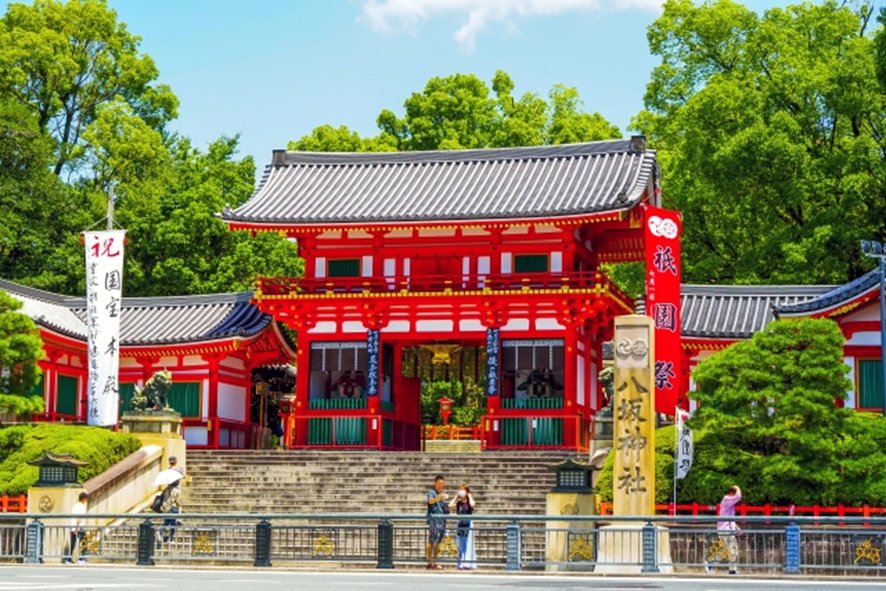
After exploring the Hanamikoji Street area, continue on foot toward the Shirakawa Canal and Yasaka Shrine.
This area offers some of Gion’s most photogenic riverside scenery, along with opportunities to pray for beauty, good relationships, and good fortune.
Use these spots to build a more immersive itinerary centered on Gion’s history, atmosphere, and living traditions.
Photograph the Hanamachi Scenery Along the Shirakawa
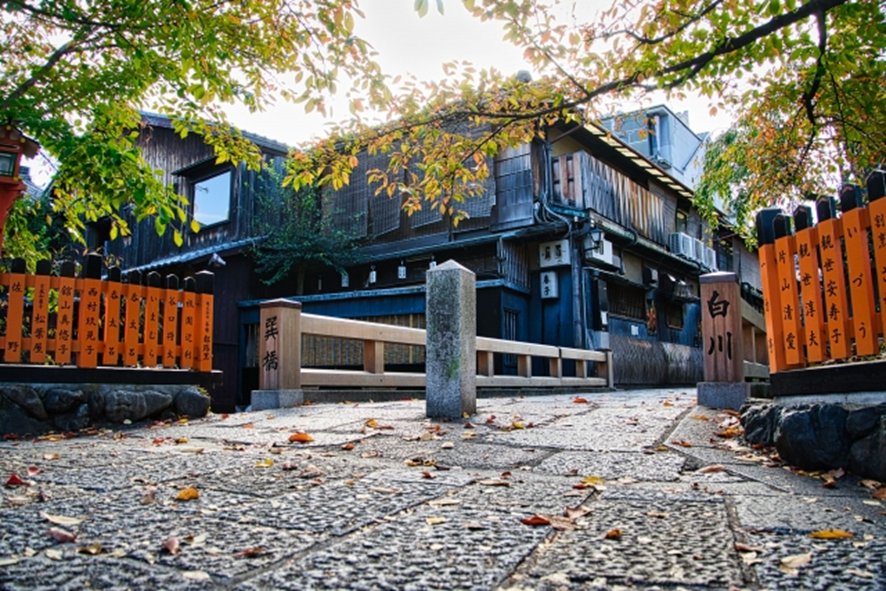
Tatsumi Bridge and Tatsumi Daimyojin Shrine together create one of the most iconic scenes along the Shirakawa Canal.
The combination of vermilion railings, green willow trees, and the gentle flow of the canal makes this area one of Kyoto’s premier photography spots.
The best time for photography is between 6 am and 8 am. At that hour, tourist crowds are still minimal, and the soft morning sunlight beautifully illuminates the cobblestones and the water’s surface.
During cherry blossom season and the fresh greenery season, daytime crowds become extremely heavy, so visiting shortly after sunrise is strongly recommended.
After sunset, lantern light deepens the shadows and gives the area an entirely different atmosphere.
When taking photographs, please observe the following etiquette:
- Do not take unauthorized close-up photos or chase people for pictures
- Avoid using tripods in places that obstruct pedestrian traffic
- Do not enter private property or tea house grounds
The proper way to pray at Tatsumi Daimyojin is to drop a coin in the offering box, then bow twice, clap twice, and bow once more.
Details
| Address | Motoyoshi-cho, Shinbashi Hanamikoji Nishi-iru, Higashiyama Ward, Kyoto 605-0087 |
| Hours | Open all day (the prayer office is open 9 am-5:30 pm) |
| Closed | Open year-round |
| Official Site | https://www.gion.or.jp/ (Gion Shopping Street Promotion Association) |
| Recommended For | Those who want to take photos of classic Kyoto cobblestone scenery |
Pray for Beauty and Good Relationships at Yasaka Shrine
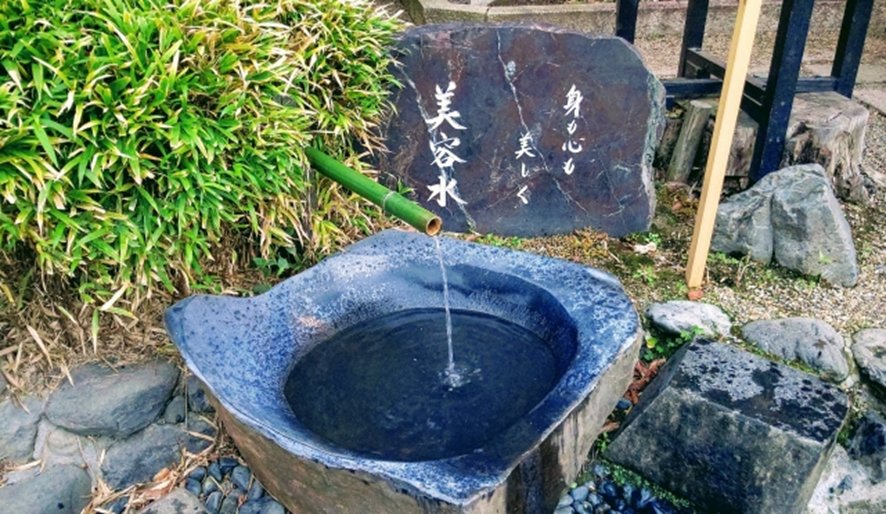
The grounds of Yasaka Shrine are open 24 hours a day, making it possible to visit freely in the early morning or late at night.
For beauty-related prayers, visit Utsukushi Gozensha, located northeast of the main hall.
The “beauty water” flowing in front of the shrine is goshinsui — sacred water believed to hold divine power — and has long been cherished by Gion’s geiko and maiko. Apply only a few drops gently to your skin; the water is not meant for drinking.
For prayers related to relationships and matchmaking, visit Okuninushisha, located within the same shrine grounds.
We recommend the route “Main Hall → Utsukushi Gozensha → Okuninushisha,” which takes about 15-20 minutes.
Adjacent to the shrine is Maruyama Park, which becomes beautifully illuminated at night during cherry blossom season.
The most comfortable visiting times are weekday mornings or later evenings after sunset, when crowds are lighter and the atmosphere becomes especially calm.
Details
| Address | 625 Gion-machi Kitagawa, Higashiyama Ward, Kyoto 605-0073 |
| Hours | 24 hours (the shrine office is open 9 am-5 pm) |
| Closed | Open year-round |
| Official Site | https://www.yasaka-jinja.or.jp/ |
| Recommended For | Visitors praying for beauty or good relationships; those who want to enjoy nighttime worship |
Watch Kabuki at Minamiza
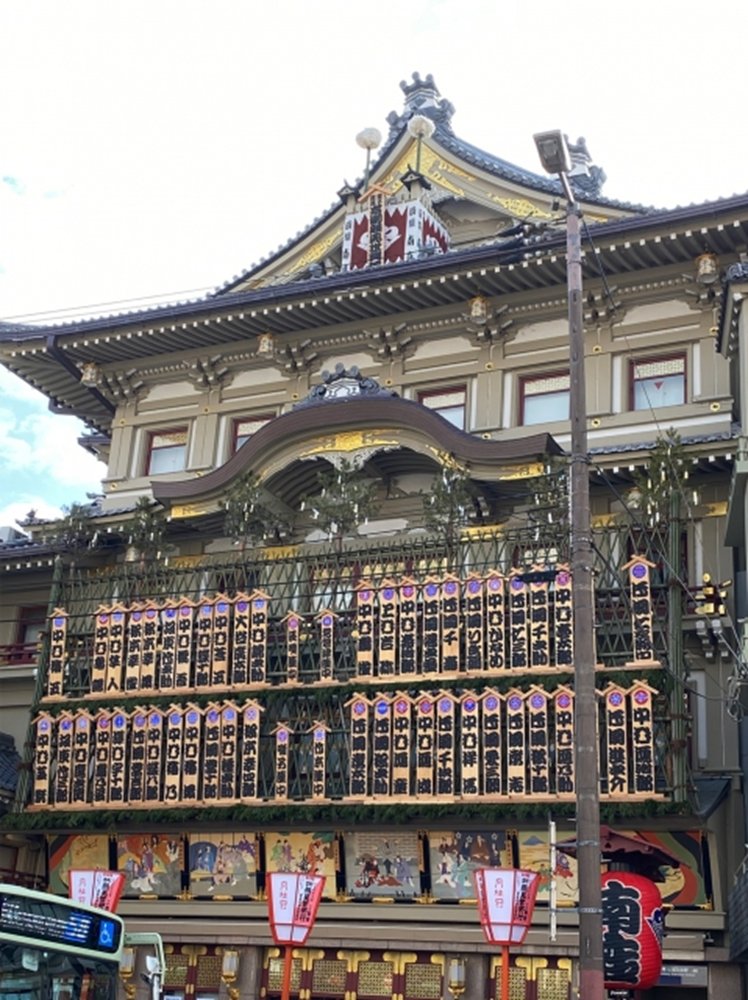
Minamiza Theatre, located at the foot of Shijo Ohashi Bridge, is one of Kyoto’s best-known landmarks.
The theater is famous for its 1929 Momoyama-style architecture, with layered gables and richly detailed exterior ornamentation that make the building itself a popular photography subject.
Minamiza is designated as a Registered Tangible Cultural Property and reopened in 2018 following a major renovation.
For first-time kabuki viewers, the May Kabuki Appreciation Class is especially approachable. Performances include narration and explanations, making the storyline easier to follow even for beginners.
The elaborate costumes, stylized movements, and dramatic stage presentation are visually engaging.
If you would like English audio guidance, check availability on the official website in advance.
Tickets can be purchased either online or directly at the theater box office.
Details
| Address | Shijo Ohashi Higashi-zume, Higashiyama Ward, Kyoto 605-0075 |
| Performance Times | Varies by program (often a two-part schedule with matinee and evening shows) |
| Closed | Depends on the performance schedule (closed on non-performance days) |
| Official Site | https://www.shochiku.co.jp/play/theater/minamiza/ |
| Recommended For | Travelers who want to experience traditional Japanese performing arts; kabuki newcomers |
Main Gion Area 3: Things to Do in Pontocho and Along the Kamogawa
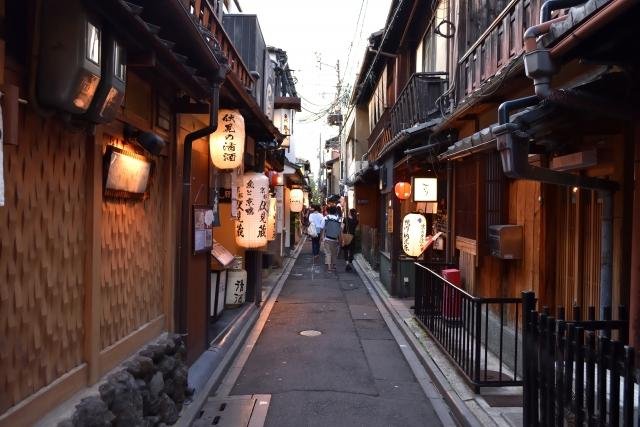
After visiting Yasaka Shrine and the surrounding sights, continue along the Kamogawa River toward Pontocho.
This narrow atmospheric alley is lined with restaurants, bars, and traditional dining establishments.
This section covers riverside dining on the summer kawayuka terraces and sweet treats at a long-established Japanese confectionery.
Since the area changes dramatically between day and night, it helps to know how to enjoy each time of day.
Dine on a Riverside Terrace in Pontocho
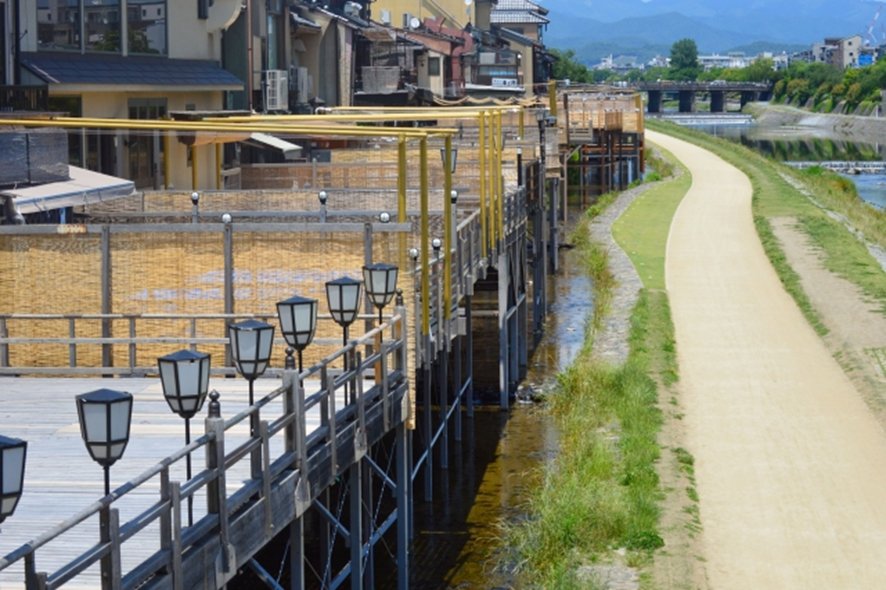
Kawayuka riverside terrace dining along the Kamogawa River generally operates from May through September, sometimes extending into mid-October depending on the year.
Crossing Shijo Ohashi Bridge from Gion to the entrance of Pontocho takes only about 3 minutes on foot, and the view from the bridge is especially beautiful in the evening.
Pontocho is home to a wide range of restaurants, and pricing for riverside terrace dining varies by establishment.
Key points for planning:
- Evening course menus typically run ¥6,500 to ¥7,500, with an additional terrace seat fee (around ¥500-¥1,000)
- Some restaurants offer kawayuka lunches only in May and September, so check ahead
- Weekends in summer get crowded, so we recommend booking at least a week in advance
When visiting Pontocho and Gion, please remember that photographing maiko or geiko without permission, or blocking their path, is considered poor etiquette.
An English-language guided tour can be an excellent way to enjoy restaurants efficiently while respecting local etiquette.
Details
| Address | Pontocho-dori, Nakagyo Ward, Kyoto (west bank of the Kamogawa, between Sanjo and Shijo) |
| Kawayuka Season | Typically May 1 to October 15 (some restaurants end at the end of September) |
| Official Site | https://www.kyoto-yuka.com/ (Kyoto Kamogawa Noryo-yuka Cooperative) |
| Recommended For | Couples or groups who want to enjoy Kyoto cuisine while taking in the Kamogawa night view |
Try Kuzukiri at Kagizen Yoshifusa
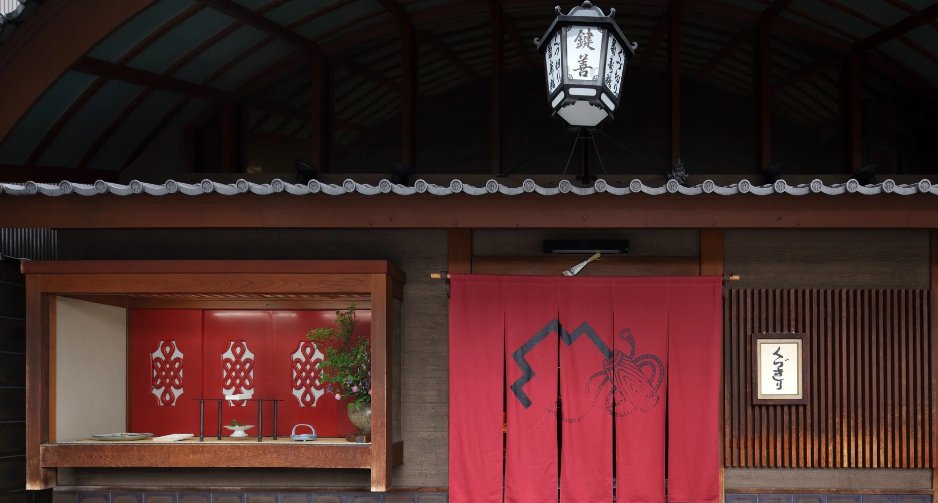
Kagizen Yoshifusa is a traditional Japanese sweets shop founded in the Kyoho era (early 18th century Japan), with over 300 years of history.
The shop stands just a short walk from the Gion-Shijo intersection toward Yasaka Shrine.
Its signature sweet is kuzukiri — delicate noodle-like strips made by dissolving kudzu starch in water, setting it into thin sheets, and cutting it into long strands. Kagizen Yoshifusa prepares each serving fresh after ordering using only premium Yoshino kudzu from Nara and pure water.
Guests can choose between black sugar syrup and white sugar syrup. First-time visitors are generally recommended to try the richer black sugar syrup.
A visit typically takes about 15–20 minutes, making it an ideal stop during a walk through Gion.
To avoid the lunchtime rush, it is best to visit shortly after opening, between 10:00 am and 10:30 am. (Confectionery sales begin at 9:30 am, while the café itself opens at 10:00 am.)
Details
| Address | 264 Gion-machi Kitagawa, Higashiyama Ward, Kyoto 605-0073 |
| Hours | Confectionery sales 9:30 am-6 pm / Café 10 am-6 pm (last order at 5:30 pm) |
| Closed | Mondays (the next weekday if Monday is a holiday) |
| Official Site | https://www.kagizen.co.jp/ |
| Recommended For | Travelers who want to experience Gion’s traditional culture through their senses; those looking for a midday break during sightseeing |
Four Sample Itineraries for Gion by Time Available
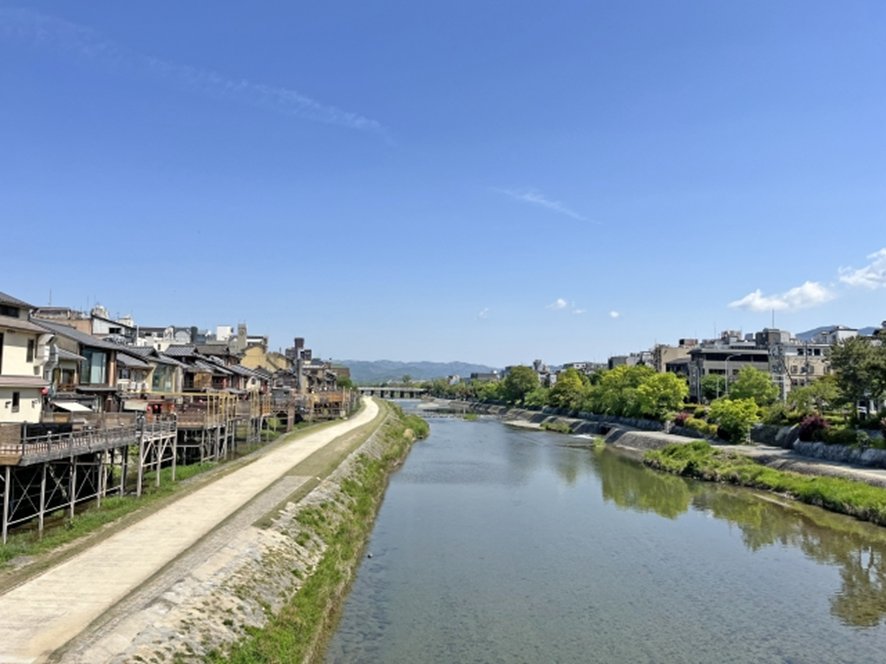
How you spend time in Gion depends greatly on how long you stay and the weather.
Here are four sample itineraries: half day, full day, evening only, and rainy day.
Each itinerary includes the order of spots and travel times in a timetable.
Choose the plan that fits your trip best.
Half Day (4 Hours): From Shijo Station to Yasui Konpiragu
Starting your walk around 8 am allows you to reach each destination while crowds are still relatively light.
From Keihan Main Line’s Gion-Shijo Station, it takes roughly 10 minutes on foot to reach Yasui Konpiragu Shrine.
This recommended route covers six major spots over approximately four hours.
| Step | Spot | Travel | Estimated Stay |
|---|---|---|---|
| 1 | Minamiza (exterior view) | 2-min walk from the station | 10 min |
| 2 | Tatsumi Bridge and Shirakawa | 5-min walk | 15 min |
| 3 | Yasaka Shrine | 5-min walk | 30 min |
| 4 | Hanamikoji Street | 5-min walk | 20 min |
| 5 | Kenninji Temple | 3-min walk | 40 min |
| 6 | Yasui Konpiragu | 5-min walk | 20 min |
Early mornings at Yasaka Shrine are especially peaceful, making it possible to explore the grounds at a relaxed pace before larger crowds arrive.
Since admission to Kennin-ji begins at 10 am, it works well to spend extra time strolling through Hanamikoji Street beforehand.
If your schedule is tight, consider skipping Tatsumi Bridge and heading directly to Yasaka Shrine instead.
Doing so leaves extra time for a stop at a traditional sweets shop along Hanamikoji.
Full Day (8 Hours): From Morning Temples to Evening in Pontocho
This plan packs Gion’s main attractions into a single day from 8 am to 9 pm.
| Time | Spot / Activity | Estimated Stay |
|---|---|---|
| 8:00 am | Visit Yasui Konpiragu | 30 min |
| 8:40 am | Morning photos at Tatsumi Bridge and Tatsumi Daimyojin | 20 min |
| 9:00 am | Stroll along the Shirakawa | 50 min |
| 10:00 am | View the Wind and Thunder Gods Screen at Kenninji | 60 min |
| 11:30 am | Early lunch around Hanamikoji | 60 min |
| 1:00 pm | Visit Yasaka Shrine and Utsukushi Gozensha | 40 min |
| 2:00 pm | Kuzukiri break at Kagizen Yoshifusa | 40 min |
| 3:00 pm | Free time around Hanamikoji and Minamiza | 120 min |
| 6:00 pm | Traditional performing arts at Gion Corner | 60 min |
| 7:15 pm | Move to Pontocho and dine on a riverside terrace | 90 min |
| 8:45 pm | Walk along the Kamogawa to end the day | — |
Around 8 am, the area around Tatsumi Bridge is still quiet, with relatively few tourists, allowing you to enjoy the scenery almost entirely to yourself.
Since Kennin-ji opens at 10 am, a relaxed stroll along the Shirakawa Canal is an efficient and atmospheric way to fill the time.
The atmosphere changes completely in the late afternoon and evening.
After attending the 6 pm performance at Gion Corner, continue on toward Pontocho.
Many kawayuka riverside terrace restaurants require reservations, so checking availability in advance is strongly recommended.
After dinner, take a walk along the Kamogawa River.
At night, lantern reflections shimmer across the water, creating one of Kyoto’s most memorable evening scenes.
Evening Course: From Hanamikoji to Pontocho
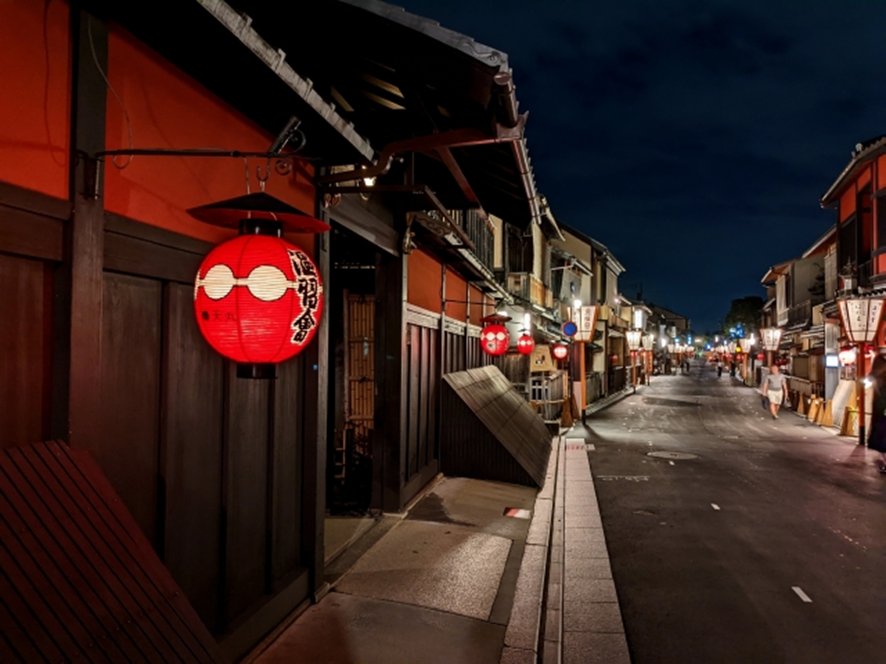
By around 5 pm, Hanamikoji Street begins to change dramatically as lanterns light up and the district takes on a completely different atmosphere from daytime.
The cobblestone streets at dusk are especially photogenic and make one of the highlights of an evening walk through Gion.
By around 5 pm, Hanamikoji Street begins to change dramatically as lanterns light up and the district takes on a completely different atmosphere from daytime.
The cobblestone streets at dusk are especially photogenic and make one of the highlights of an evening walk through Gion.
The 6 pm and 7 pm performances allow visitors to experience seven traditional Japanese performing arts in about an hour. Same-day tickets are not always available, so advance booking through the official website is recommended.
After the performance, walk toward Shijo Ohashi Bridge.
The nighttime view from the bridge is one of the defining sights of any Gion visit.
For dinner, the kawayuka riverside terraces in Pontocho are an excellent option.
In 2026, terrace dining operates from May 1 through October 15. Reservations are typically made through each restaurant’s official website.
From the terrace seating, you can also enjoy illuminated views of Shijo Ohashi Bridge and Minamiza Theatre at night.
Rainy Day Course: Focus on Indoor Spots
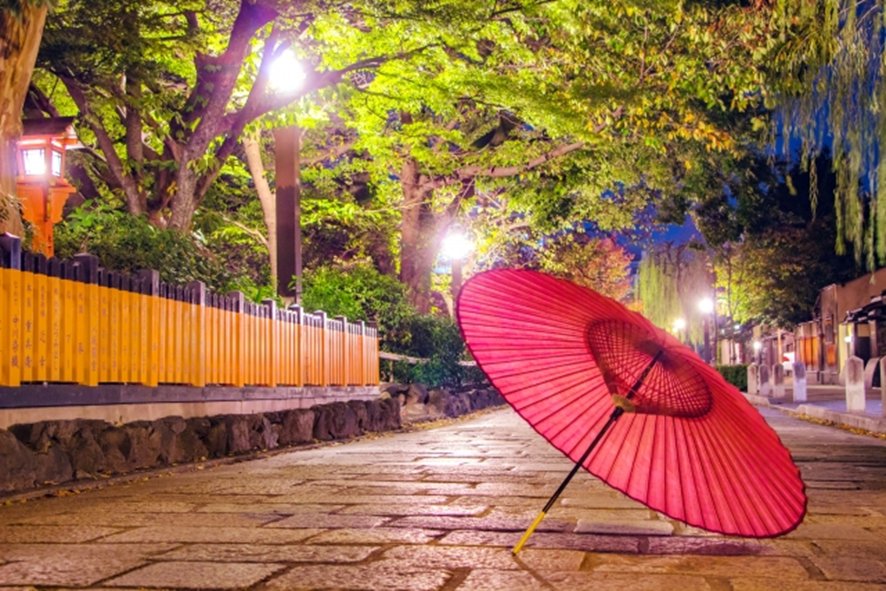
A rainy day is an excellent opportunity to slow down and experience Gion’s indoor cultural side at a relaxed pace.
This route keeps all destinations within roughly a 10-minute walk of one another:
Kenninji → Kagizen Yoshifusa → Gion Corner.
- Kenninji (about 1 hour) – Rainy weather usually means fewer visitors, allowing you to quietly appreciate works such as Wind God and Thunder God Screens in a much calmer atmosphere.
- Kagizen Yoshifusa – Located about an 8–10 minute walk from Kennin-ji, this long-established sweets shop is the perfect place to enjoy freshly made kuzukiri while listening to the sound of rain outside.
- Gion Corner (admission ¥5,500) – About a 5-minute walk farther on, Gion Corner offers an indoor introduction to seven traditional Japanese performing arts.
Another strong rainy-day option is a kabuki performance at Minamiza Theatre.
Before visiting, check the official website for performance schedules and ticket availability, since popular productions can sell out early.
Rainy days in Gion generally bring smaller crowds, leaving the streets quieter and more atmospheric than usual.
FAQ: Common Questions About Sightseeing in Gion

Here are concise answers to some of the questions visitors most often have about exploring Gion.
Topics include photography etiquette, chances of encountering maiko, and nighttime safety.
Reviewing these in advance helps you enjoy your stroll with greater peace of mind and confidence.
Are There Photography Rules?
Photography rules in Gion differ significantly between public streets and private lanes.
Public roads such as Shijo Street may generally be photographed freely. However, many narrow alleys within Gion are private roads, where photography without permission is prohibited.
Since April 2024, tourists have also been broadly prohibited from entering or walking through certain private lanes for sightseeing purposes, and violations may result in fines of up to ¥10,000.
Approaching or following geiko or maiko, or using selfie sticks, also breaches etiquette.
Remember two rules: “Do not enter private lanes” and “Do not follow people.”
How Long Should I Allow for a Walk?
Just walking the length of Hanamikoji Street to soak in the atmosphere takes about 20-30 minutes. However, if you also want to take photos, sample street food, or stop at popular shops, give yourself at least 1 to 1.5 hours.
If you extend your walk to Yasaka Shrine and Kenninji, plan for about 2-3 hours.
| Time Available | What You Can Enjoy |
|---|---|
| About 30 minutes | Walking Hanamikoji only |
| 2-3 hours | Hanamikoji plus Yasaka Shrine and Kenninji |
| Half day (4 hours) | Main spots plus cafés and sweet shops |
| Full day (8 hours) | Temples and shrines, cultural experiences, and dinner in Pontocho |
If you also want to visit temples and try cultural experiences, allow half a day to a full day.
Can I Meet a Maiko?
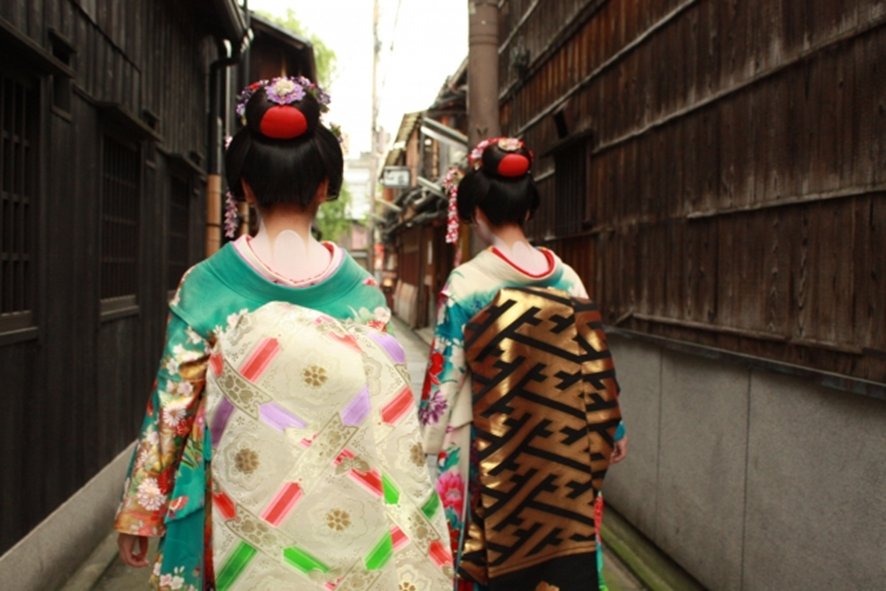
You may occasionally catch sight of a maiko heading to an evening engagement between about 5 pm and 6 pm around Hanamikoji Street.
However, sightings are never guaranteed.
For travelers who want a more reliable way to experience Kyoto’s traditional hanamachi culture, the following venues are highly recommended:
- Gion Corner: Experience seven traditional Japanese performing arts in roughly one hour
- Gion Hanamachi Geijutsu Shiryokan: View costumes and training scenes while learning about hanamachi culture
Including a performance or museum visit in your itinerary is a reliable approach.
Kyoto: Gion Hidden Gems & Geisha Culture Tour
Can I Get into Restaurants Without a Reservation?
The answer varies considerably by type of restaurant.
Many of Gion’s tea houses still follow the ichigen-san okotowari (no first-time visitors) custom, meaning guests must be introduced by or accompanied by a regular. At the same time, Gion has many upscale traditional restaurants and kaiseki (traditional multi-course Japanese meal) establishments that welcome the general public with reservations. You’ll also find “tea house bars,” converted from former tea houses, that welcome first-time visitors.
By contrast, casual izakaya (Japanese pub-style restaurants) and sweet shops don’t require reservations.
| Type of Restaurant | Need a Reservation? |
|---|---|
| Tea house | Introduction required; general public not admitted |
| Upscale restaurants and popular Kyoto cuisine spots | Reservations recommended |
| Izakaya, sweet shops, cafés | No reservation required |
If you feel uncertain, joining a local guide’s food tour is also a good option.
Is It Safe to Walk at Night?
The Gion area is generally considered very safe at night, and visitors can usually walk comfortably after dark.
Police patrols are regularly present throughout the district.
The best time for an evening stroll is typically between 6 pm and 10 pm, when lanterns are lit and the streets are lively without being too quiet.
However, extra consideration is important later at night.
Avoid speaking loudly or loitering on the street.
After 10 pm, move quietly and avoid wandering into residential alleys.
Are There Things to Know About the Gion Festival Season?
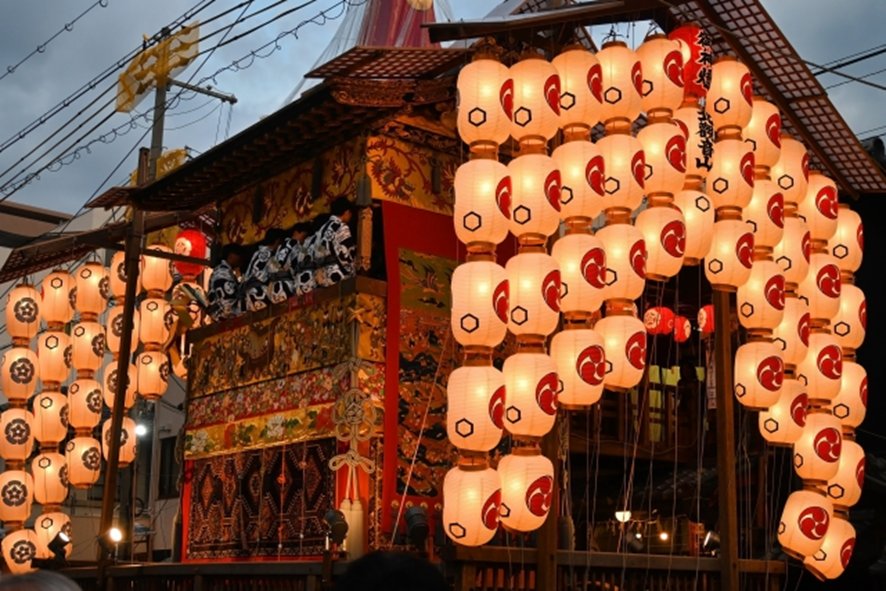
The most crowded days are the Yoiyama (festival eve nights) eves of the Saki Matsuri (July 15 and 16) and the Yamaboko Junko procession (July 17).
During Yoiyama, central streets become pedestrian-only zones packed with large crowds and festival activity.
By comparison, the Ato Matsuri — with its procession on July 24 and Yoiyama from July 21 to 23 — has a calmer atmosphere and does not feature food stalls, making it a more relaxed viewing experience.
Key tips for planning your visit:
- Book accommodations early – Many central hotels fill up months ahead.
- Arrive early for the procession – Popular viewing spots fill up quickly.
- Prepare for the summer heat – Kyoto in July is extremely hot and humid, and parasols are not permitted in official spectator seating areas
Make Gion Memorable with Your Own Plan
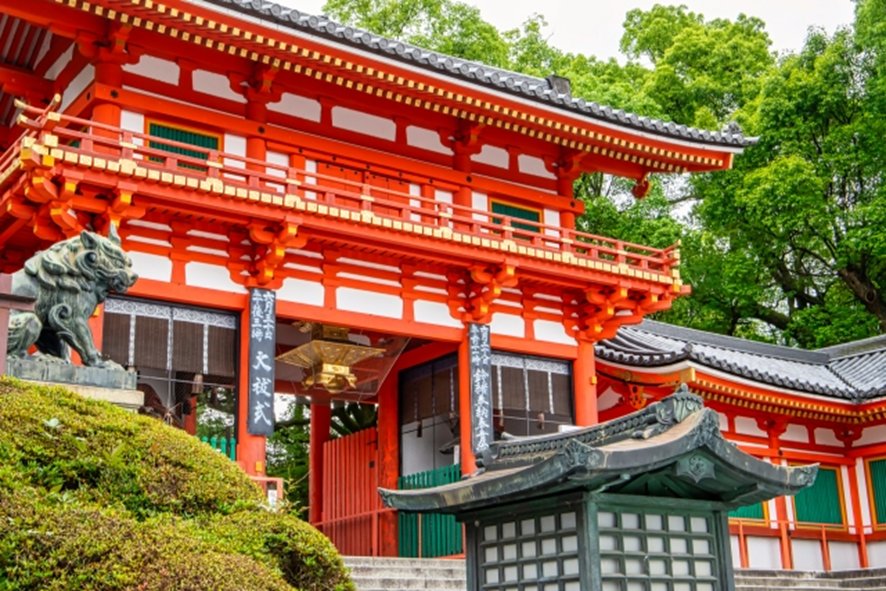
Gion is a unique area where temples, hanamachi culture, and traditional cuisine all come together within easy walking distance. It also reveals completely different atmospheres depending on the time of day.
By day, the district feels calm and historic, with temples, shrines, and traditional streetscapes standing out clearly.
By night, lanterns illuminate the alleys, reflections shimmer along the Kamogawa River, and the area takes on a quieter, more atmospheric character unique to Kyoto.
Use the 10 experiences and sample itineraries above as a foundation for building a plan that matches your own interests and pace.