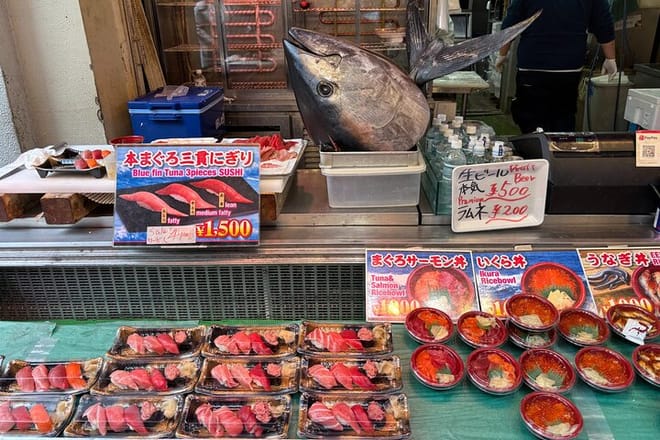
Tokyo’s fish passes through Toyosu Market, and the stalls of Tsukiji Outer Market still open daily at 5 am. Knowing the difference between Tsukiji and Toyosu, securing reservations at popular restaurants, and finding options for family members who dislike raw fish can all make choosing a seafood meal in Tokyo somewhat difficult.
The eleven restaurants we’ll introduce in this article cover everything from easy breakfast in the fish markets to high-end sushi in Ginza, with prices ranging from ¥1,000 to over ¥30,000. We’ll also introduce some restaurants specializing in cooked seafood and tips on how to book reservations in English.
If you’re looking forward to eating seafood in Tokyo, make sure to read on to the end to discover all the points you’ll want to know before you try your first sushi roll.
What to Know About Tokyo’s Seafood Before You Travel
We’ll start by explaining the route that seafood takes to reach Tokyo, budget benchmarks, and what’s in season (and when) to help you decide which restaurant will fit your travel dates.
Tokyo’s Seafood Arrives via Toyosu Market
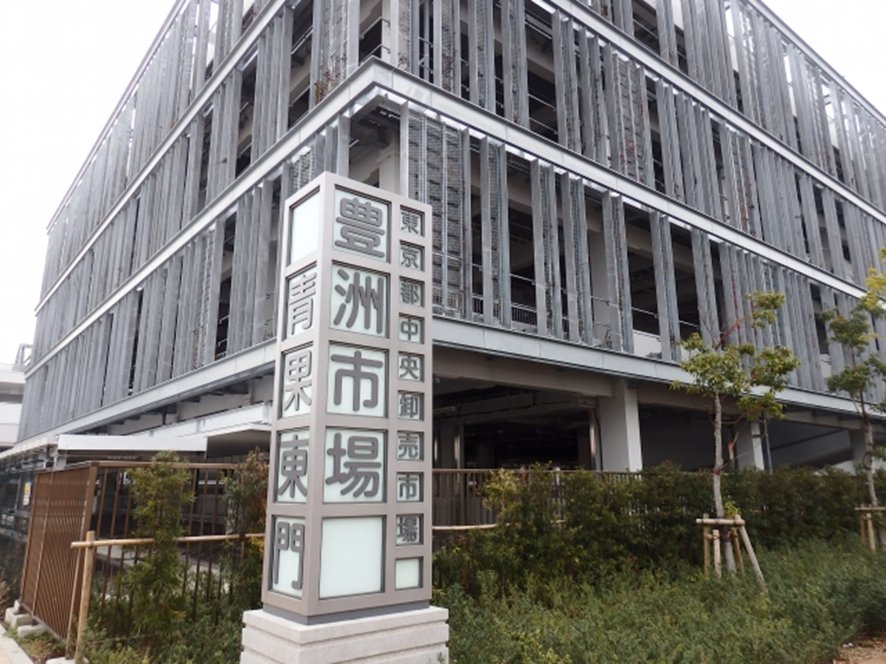
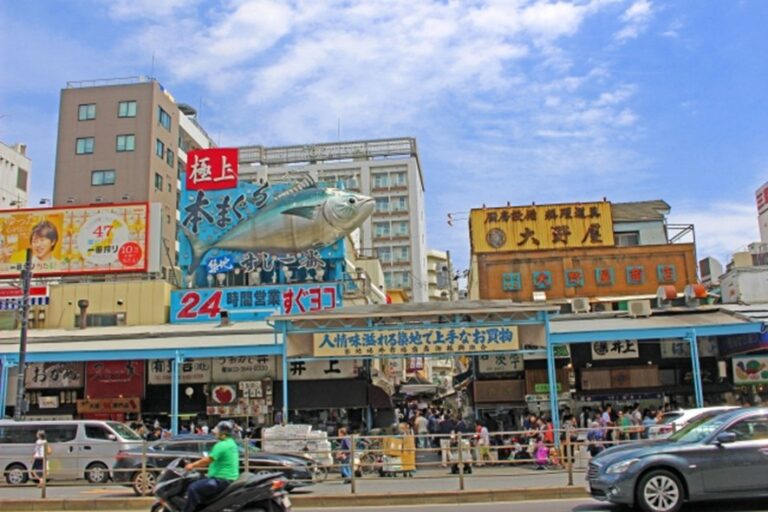
Seafood in Tokyo passes through Toyosu Market in Koto Ward, the facility that took over the wholesale functions of the former Tsukiji Market. Tsukiji Outer Market remains open today, however, with the auctions taking place in Toyosu’s wholesale building, and specialist buyers making their purchases at the intermediate wholesalers’ building. Toyosu opens its viewing corridors from 5 am to 5 pm.
- Auction viewing runs on a lottery system (spots must be secured in advance), with several slots available from around 5:45 am to 6:25 am.
- Visit the restaurant area between 7 am and 8 am.
- Check the calendar for market closures before your visit.
Choose Tsukiji for Snacking, Toyosu for Watching the Trade
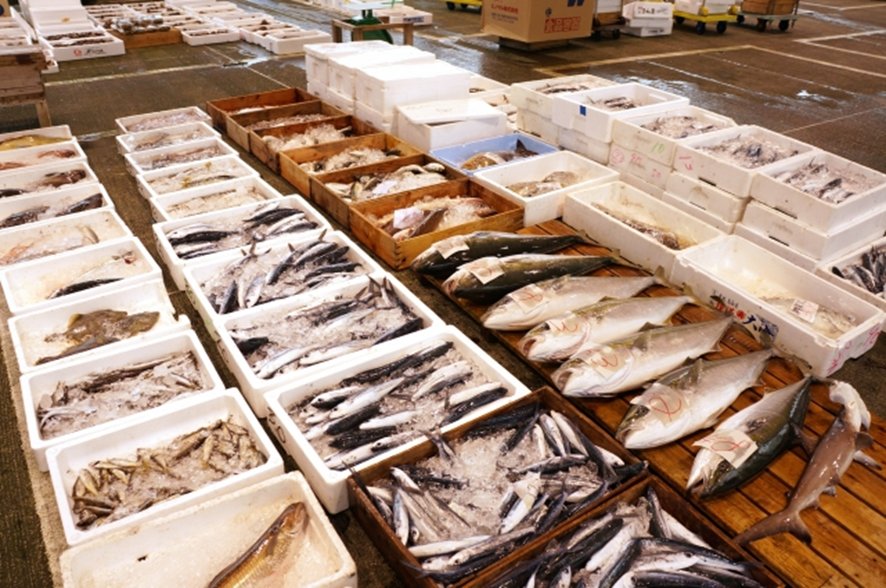
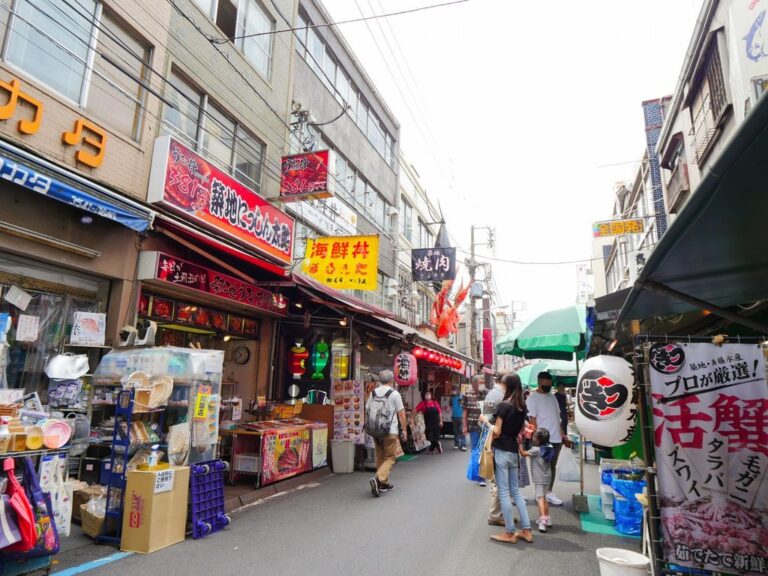
If you can’t decide between Tsukiji and Toyosu, the rule of thumb is to visit Tsukiji if you want to eat your way through the stalls and Toyosu for viewing the trade and visiting a new commercial complex. Tsukiji has plenty of grilled skewers and seafood rice bowls, but Toyosu is where the professionals buy, and the adjacent Toyosu Senkyaku Banrai offers hot springs and dining.
| Tsukiji Outer Market | Toyosu Market | |
|---|---|---|
| How to enjoy it | Snacking and shopping | Viewing corridors plus on-site restaurants |
| Hours | 5:00 am to around 3:00 pm | Viewing corridors 5:00 am–5:00 pm |
| Closed | Sundays, public holidays, some Wednesdays | Sundays, public holidays, some Wednesdays |
| Best time to avoid crowds | Weekdays 9:00 am–10:00 am | Weekday early mornings |
| Nearest station | Tsukiji Station (Hibiya Line) | Shijo-mae Station (Yurikamome Line) |
Tsukiji Fish Market: Street Food & Culture Walking Tour
Budget Anywhere from ¥1,000 to Over ¥30,000 per Meal
| Cuisine Type | Approximate Cost Per Meal |
|---|---|
| Seafood bowls and set meals | ¥1,500–¥3,000 |
| Conveyor-belt sushi and izakaya | ¥3,000–¥5,000 |
| High-end omakase sushi (lunch) | Around ¥10,000 |
| High-end omakase sushi (dinner) | ¥16,500 to over ¥30,000 |
Prices are subject to change. Please check official websites for the latest information.
Even at Ginza’s top restaurants, a lunch of omakase sushi is a comparatively affordable way in: dinner prices climb once drinks enter the picture, while lunch puts the same craftsmanship within reach at close to half the price.
Different Seafood for Different Seasons
| Time of Year | What’s In Season |
|---|---|
| December-February | Snow crab, Pacific oysters, yellowtail, fugu (pufferfish) |
| March-May | Spring bonito, cherry-blossom sea bream |
| June-August | Hokkaido sea urchin, conger eel, rock oysters |
| September-November | Autumn bonito, Pacific saury |
Summer is the peak for Hokkaido sea urchin and conger eel, when the rich sweetness of these fish stands out most. Because the catch differs day to day, the contents of an omakase sushi meal change with what’s available. This is why we recommend visiting the market when your favorite fish is in season.
Four Recommended Seafood Spots in Tsukiji and Toyosu
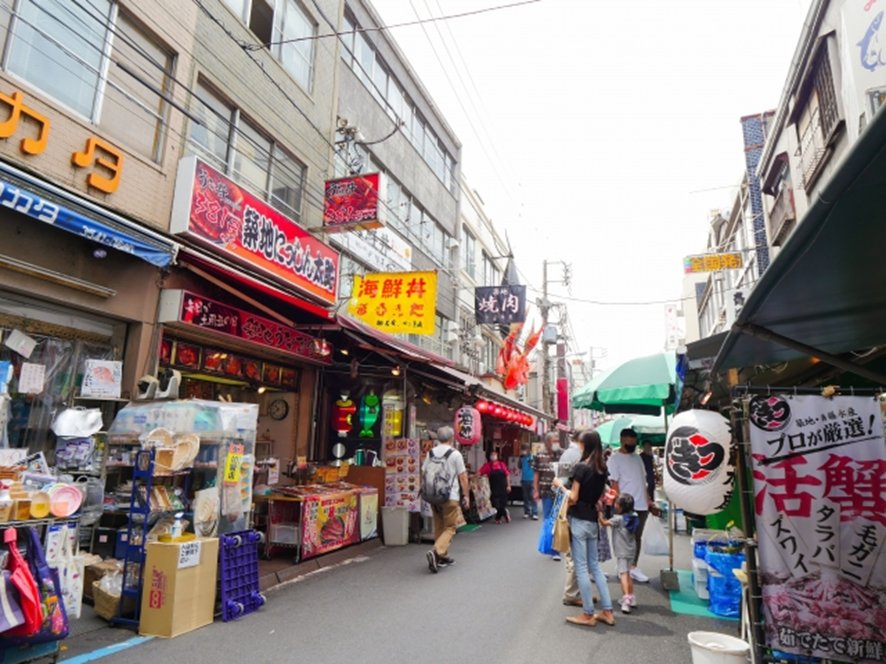
Four sushi restaurants inside or near the markets make good starting points for a meal. In this section we’ll introduce a local favorite that fills up early, a restaurant that accepts online reservations, a chain restaurant open twenty-four hours, and a restaurant serving Edomae sushi since 1889, so you’re bound to find something that suits your tastes and schedule.
Tsukiji Fish Market: Street Food & Culture Walking Tour
Sushi Dai: The Queue Is Worth an Early Start
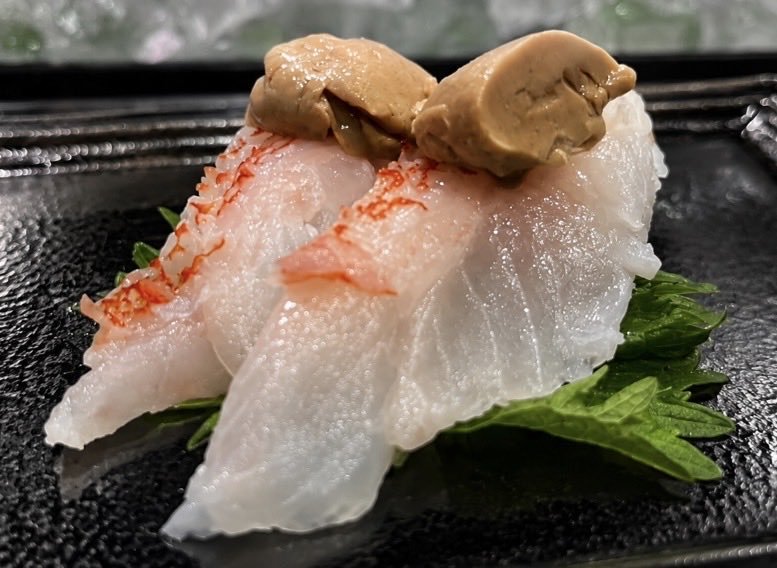
Sushi Dai has some of the most sought-after sushi in Toyosu Market. You’ll need to line up for the 5 am start, and on weekends and holidays the place often closes by around 10 am. The chefs serve omakase sushi courses piece by piece right in front of you, close enough that you can chat with the head chef. If raw fish is an issue for someone in your group, ask about accommodations in advance.
Details
| Address | 3F Intermediate Wholesale Market Building, 6-5-1 Toyosu, Koto-ku, Tokyo |
| Hours | 6:00 am–2:00 pm on market days (last entry at 1:30 pm) |
| Closed | Sundays, public holidays, and market closure days (usually Wednesdays) |
| Website | |
| Best for | Seafood lovers who don’t mind early starts; anyone who wants to experience the atmosphere of a working fish market |
Daiwa Sushi: Online Reservations Available for Selected Time Slots
Daiwa Sushi is a well-known restaurant with a roomy counter on the first floor of Toyosu Market’s produce building. If you’d like to plan ahead, consider booking selected time slots in advance through TableCheck. Outside those slots, a line forms here from early in the morning. Don’t forget to check market closure days before you go.
Details
| Address | 1F Produce Building, Block 5, Toyosu Market, 6-3-2 Toyosu, Koto-ku, Tokyo |
| Hours | 5:30 am–1:00 pm |
| Closed | Sundays, public holidays, and market closure days |
| Website | https://www.instagram.com/daiwazushi/ |
| Best for | Efficiency-minded travelers who want a seat locked in ahead of time |
Sushizanmai Honten: A Sushi Chain Open Twenty-Four Hours
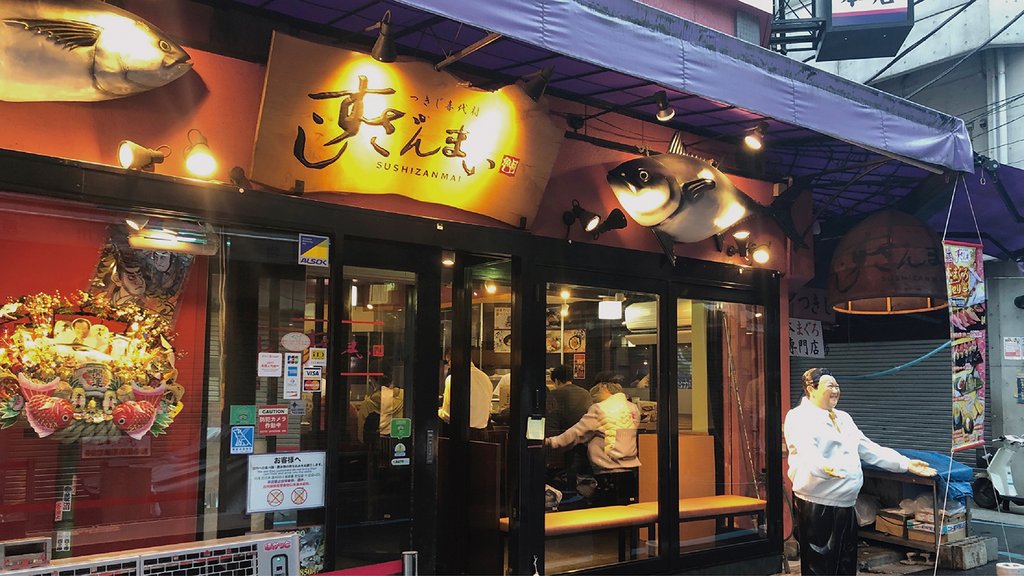
Sushizanmai Honten in Tsukiji Outer Market is open 24/7 every day of the year. The company has repeatedly placed the top bid at each year’s first tuna auction, and tuna remains its selling point. You don’t need a reservation, which is a plus for business travelers on shifting schedules and families with children. Sushi with cooked toppings is also on the menu.
Details
| Address | 4-11-9 Tsukiji, Chuo-ku, Tokyo |
| Hours | 24 hours a day |
| Closed | Irregular closures |
| Website | https://www.kiyomura.co.jp/store/detail/1 |
| Best for | Business travelers on tight schedules, families with children, and anyone eating late at night or very early |
Tsukiji Sushi Sei Honten: A Sushi Restaurant Founded in 1889
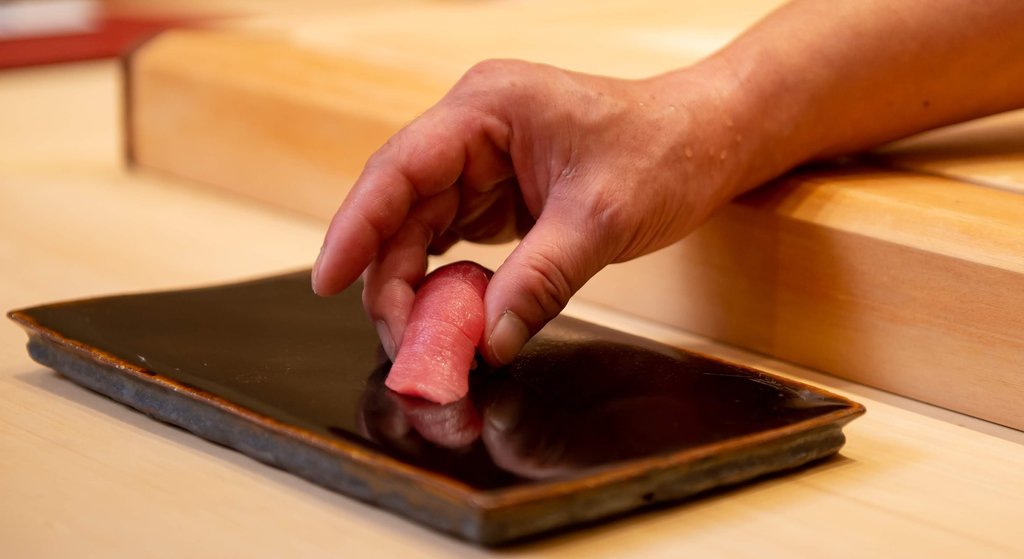
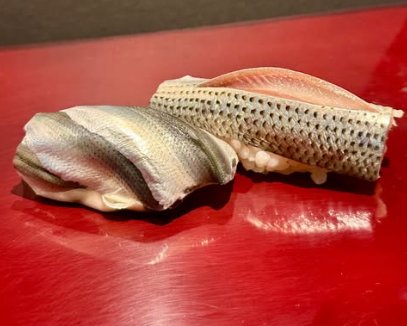
Tsukiji Sushi Sei Honten has been serving Edomae sushi (fish from Tokyo Bay that’s prepared using traditional techniques) since 1889, moving to Tsukiji after the Great Kanto Earthquake and operating there ever since. Classic toppings such as gizzard shad and conger eel are available year-round, and the calm dining room lets the chefs’ work take center stage. Tsukiji Sushi Sei fits neatly as a lunch destination after a morning spent in Toyosu.
Details
| Address | 4-13-9 Tsukiji, Chuo-ku, Tokyo |
| Hours | Weekdays: 10:00 am–2:30 pm / 5:00 pm–8:30 pm; Saturdays, Sundays, and holidays: 10:00 am–8:30 pm |
| Closed | Wednesdays |
| Website | http://www.tsukijisushisay.co.jp/ |
| Best for | Anyone who wants Edomae sushi in a quiet setting, or a quiet place to eat in Tsukiji after visiting Toyosu |
Tsukiji Fish Market Food & Walking Tour with 7 Gourmet Bites
Three High-End Sushi Restaurants in and Around Ginza
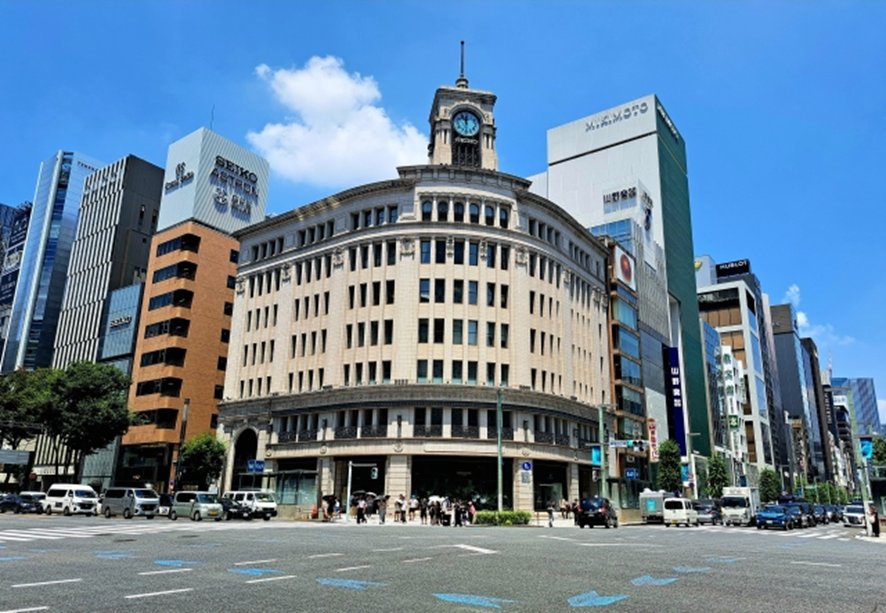
Three restaurants in the Ginza area serve high-end sushi, and we’ll introduce them to you below. One is a well-known venue that opens for lunch, and another one can accommodate English with ease. The details in the following section should point you to the right place for an anniversary dinner or a business meal.
Ginza Kyubey Honten: Sushi Courses from Midday in a Historic House
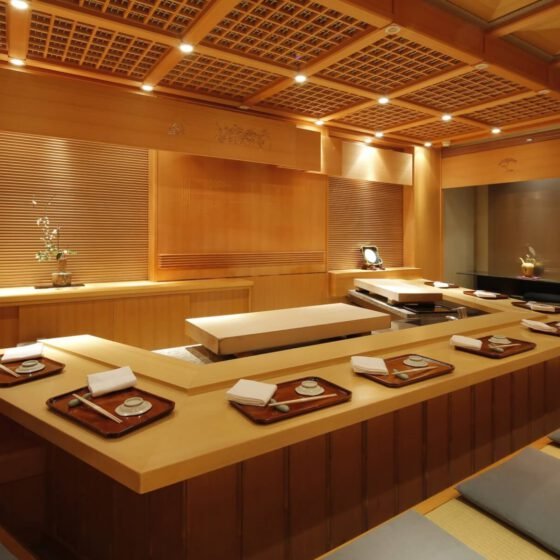
Ginza Kyubey Honten opened in 1935 and is credited with inventing gunkan-maki (sushi wrapped in a band of seaweed). We recommend an 11:30 am reservation slot as this lets you fit the course into midday and leave the evening free for other plans. Lunch nigiri (hand-pressed sushi) starts at around ¥12,000, with a 10% service charge added. The restaurant takes reservations by phone only.
Details
| Address | 8-7-6 Ginza, Chuo-ku, Tokyo |
| Hours | Lunch: 11:30 am–2:00 pm / Dinner: 5:00 pm–10:00 pm |
| Closed | Sundays, Mondays, and the New Year’s holiday |
| Website | https://www.kyubey.jp/ |
| Best for | Travelers who want sushi at midday and their evening free |
Sushi Ginza Onodera Sohonten: Edomae Sushi
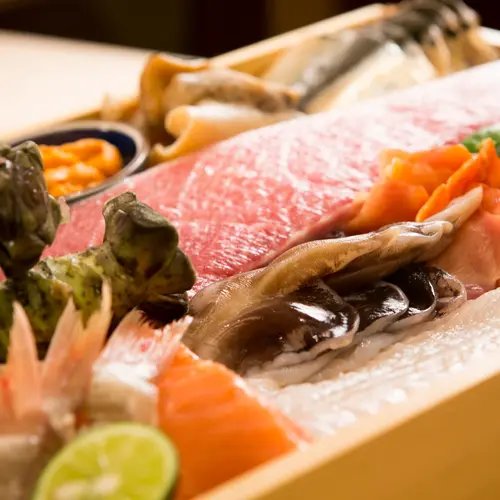
Sushi Ginza Onodera Sohonten heads a group with several sister restaurants operating overseas. That international experience shows in the way their staff handle English with confidence, and visitors from abroad can settle in at the counter with ease. Lunch starts at around ¥10,000 (with an additional service charge) and runs for ninety minutes, while the dinner option runs for two hours. The restaurant sits just one minute from Higashi-ginza Station.
Details
| Address | B1F & 2F Sunlit Ginza Building III, 5-14-14 Ginza, Chuo-ku, Tokyo |
| Hours | Lunch: 11:00 am–3:00 pm / Dinner: 5:00 pm–10:00 pm (last entry at 8:00 pm) |
| Closed | New Year’s holiday |
| Website | https://sushiginzaonodera.foodre.jp/ |
| Best for | First-time visitors from Europe and North America looking for high-end sushi with English service; returning food-focused travelers |
Sukiyabashi Jiro Honten: The Sushi Restaurant Known Worldwide
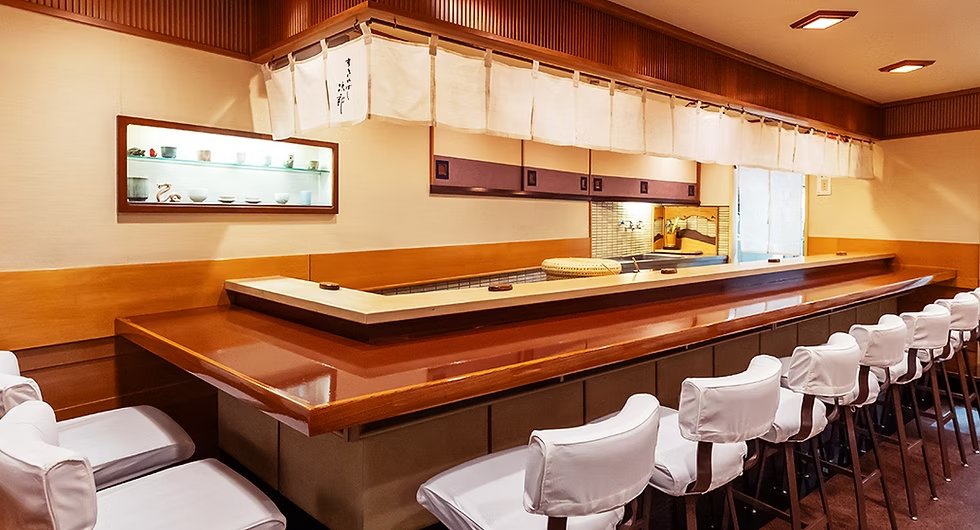
Sukiyabashi Jiro Honten became known around the world through the film, Jiro Dreams of Sushi. Overseas visitors can book only through their hotel’s concierge; bookings through third parties are not accepted, and you may be asked to show photo ID. Note that the restaurant doesn’t allow photography inside the premises. The chefs serve the meal in one continuous rhythm over a half an hour—sushi at its most exacting.
Details
| Address | B1F Tsukamoto Sogyo Building, 4-2-15 Ginza, Chuo-ku, Tokyo |
| Hours | 11:30 am–2:00 pm / 5:30 pm–8:30 pm |
| Closed | Sundays, public holidays, Saturday evenings, mid-August, and the New Year’s holiday |
| Website | https://www.sushi-jiro.jp/ |
| Best for | Anyone after the pinnacle of sushi; guests staying at luxury hotels |
Four Restaurants That Serve Cooked Seafood
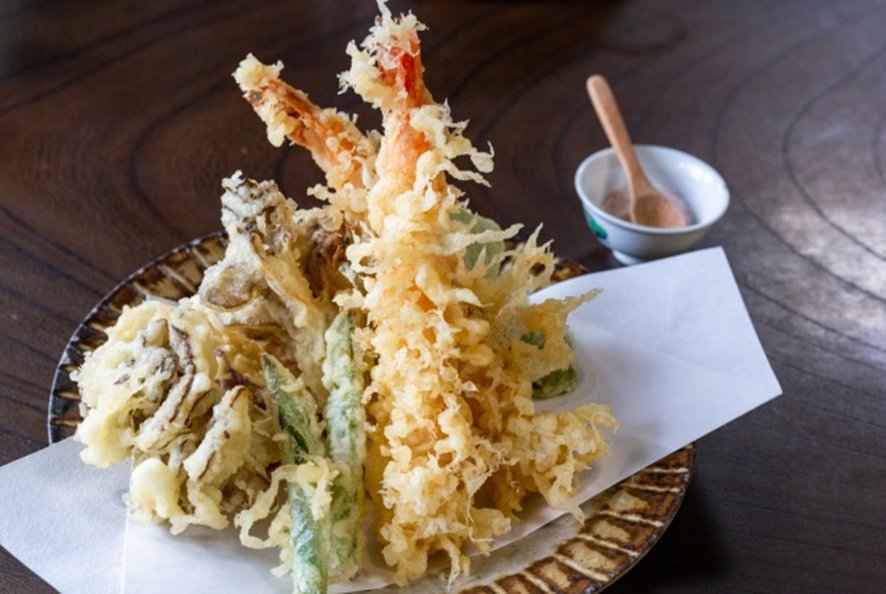
Four specialists serve cooked seafood such as tempura, crab, fugu, and a grill-your-own seafood izakaya, and we’ll introduce each one along with their price points and advice about which occasions they suit best.
Tsukiji Fish Market: Street Food & Culture Walking Tour
Ginza Tenkuni: A Tempura Restaurant Founded in 1885
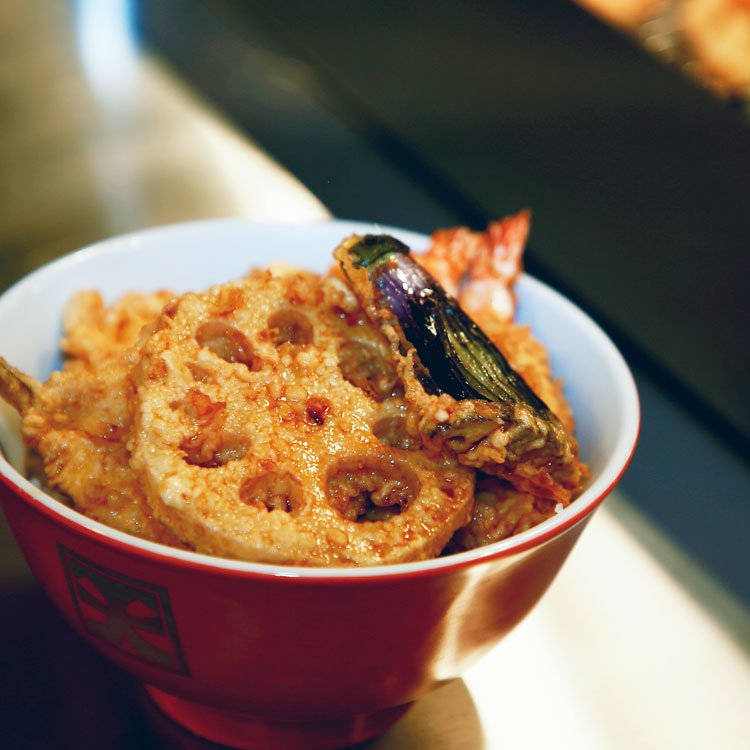
Ginza Tenkuni began in 1885 as a street stall and now specializes in tempura that spans three floors of a building, including counter seating, table seating, and private rooms. Couples and families alike can find the right space here, and the lunchtime tempura set costs ¥2,000 (including tax). The restaurant accepts a range of cashless payment methods.
Details
| Address | 8-11-3 Ginza, Chuo-ku, Tokyo |
| Hours | 11:30 am–10:00 pm (lunch until 3:00 pm) |
| Closed | Sundays and the New Year’s holiday |
| Website | https://www.tenkuni.com/ |
| Best for | Couples, families, and small groups |
Kani Doraku Ginza Hatchome: Full-Course Crab Cuisine
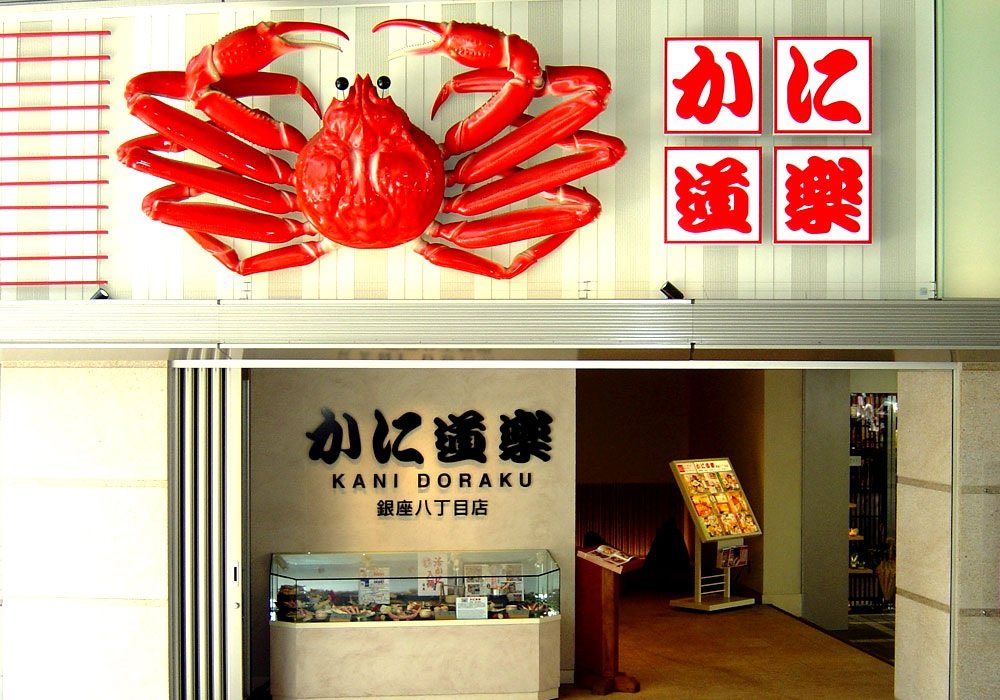
Kani Doraku Ginza Hatchome serves full courses that draw out the flavor of crab through cooking. Since kanisuki (crab hot pot) and crab tempura are both cooked meals, diners who would rather avoid raw fish can still enjoy the crab here. The spacious interior includes private rooms, which are good for families with children and larger groups. Note that the crab season is from November to January, so book early in those months (the restaurant closes on January 1st).
Details
| Address | 2F Ginza Nine Building 2, 8-7 Ginza, Chuo-ku, Tokyo |
| Hours | 11:30 am–10:00 pm (last order at 9:30 pm) |
| Closed | January 1st |
| Website | https://douraku.co.jp/kanto/ginza/ |
| Best for | Families, groups, and special-occasion meals |
Torafugutei Shibuya: Fugu Served as a Course
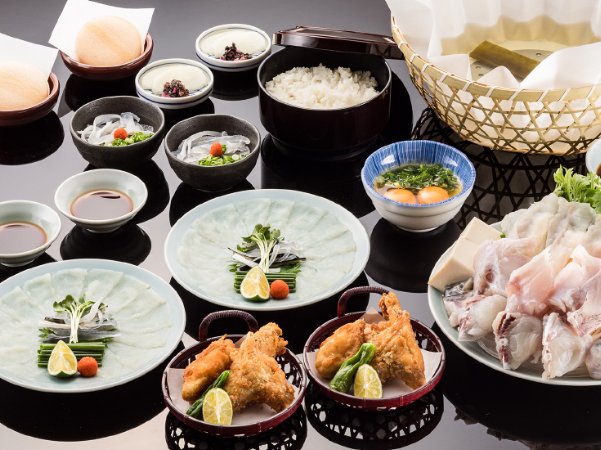
Torafugutei Shibuya specializes in fugu courses prepared by licensed chefs. Tecchiri (fugu hot pot), karaage (deep-fried fugu), and other preparations each bring out a different side of the fish. The restaurant is within walking distance of both Shibuya and Shinsen stations, easy to reach after a day of sightseeing.
Details
| Address | 1F King Building, 5-6 Maruyamacho, Shibuya-ku, Tokyo |
| Hours | Mondays: 5:00 pm–11:30 pm; Tuesdays-Sundays and holidays: 11:30 am–2:00 pm / 5:00 pm–11:30 pm |
| Closed | Open year-round |
| Website | https://www.torafugu.co.jp/shibuya/ |
| Best for | Special-occasion dinners, group meals, and anyone interested in Japanese food culture |
Isomaru Suisan Shinjuku Sanchome: A Seafood Izakaya Where You Grill Your Own Food
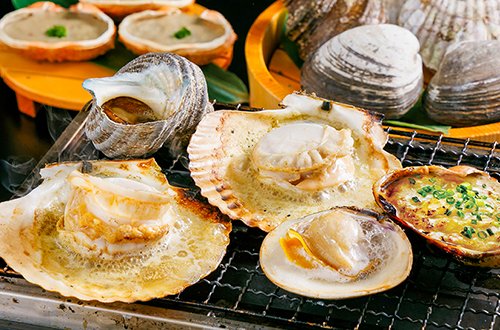
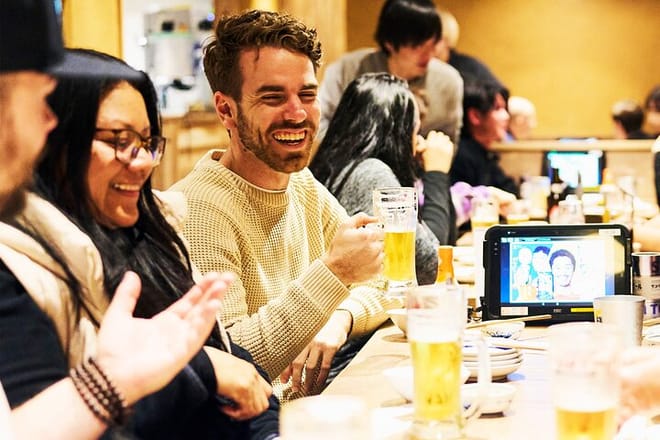
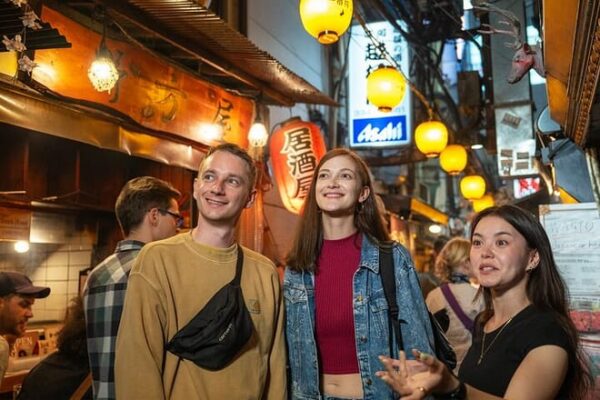
Isomaru Suisan Shinjuku Sanchome lets you grill your own seafood over a tabletop burner, a style known as “hamayaki.” The casual atmosphere means you can walk in without a reservation, making this spot easy for families and first-time visitors to drop into. Budget around ¥3,000 per person per meal, a reasonable price for anyone staying near Shinjuku.
Details
| Address | 1F-4F Suzume no Ojisan Building, 3-17-13 Shinjuku, Shinjuku-ku, Tokyo |
| Hours | 24 hours a day |
| Closed | Open year-round |
| Website | https://isomaru.jp/1401/ |
| Best for | Casual diners, walk-ins without reservations, and travelers staying in Shinjuku |
Shinjuku: Food Tour – 15 Dishes at 4 Eateries
What to Check Before Booking a Seafood Restaurant in Tokyo
Information on booking timing, English-language reservation sites, market closure days, and how much cash to carry are worth checking before you set out.
Top Sushi Restaurants May Require Booking One to Three Months in Advance
Once your travel dates are set, book spots at Ginza’s popular sushi restaurants as early as you can. Many fill up one to three months in advance, and a few of the very top restaurants accept reservations only through a hotel concierge. Weekday lunches and cancellation waitlists are both worth considering. If the restaurant you want is full, the fish markets offer excellent food with no reservation required.
Tsukiji Fish Market Food & Walking Tour with 7 Gourmet Bites
Match the English-Language Booking Sites to the Type of Restaurant
English-language reservation sites each cover a different type of restaurant:
| Site Name | Features | Types of Restaurants |
|---|---|---|
| TableCheck | 18 languages; no booking fee | Popular restaurants and high-end dining alike |
| Omakase | English and Japanese; course prepayment | High-end omakase sushi in Ginza and similar areas |
| OpenTable | English interface; free to book | Mainly international restaurants |
For restaurants not listed on any booking site, asking your hotel concierge to call is the surest route. Be sure to mention any allergies when you book.
Tsukiji Fish Market: Street Food & Culture Walking Tour
Check the Market Closure Calendar in Advance
Toyosu Market closes on Sundays and public holidays as a rule, plus several Wednesdays each month, and most Tsukiji Outer Market shops follow the same schedule, so check dates before you go. The Tokyo Metropolitan Central Wholesale Market site publishes the Toyosu closure calendar, and the Tsukiji Outer Market official site lists opening days for each of its shops. Note that some restaurants around Tsukiji stay open even on market closure days.
Bring Cash to the Markets
Many restaurants in Toyosu Market and Tsukiji Outer Market only take cash, and popular places such as Sushi Dai rarely accept credit cards. We recommend you withdraw ¥5,000 to ¥10,000 the day before if you plan to have breakfast or a snack at the market. Convenience store ATMs sometimes go offline for maintenance between midnight and early morning.
Know the Rules for Walking Through Tsukiji Outer Market
The lanes of Tsukiji Outer Market are narrow and crowded, so leave suitcases in a coin locker and strollers with Platto Tsukiji information center. Hold children’s hands as you walk.
- Until 9 am, trade buyers have priority, so keep the lanes clear.
- Eat inside a shop or in a designated space rather than while walking.
- Always ask before taking photographs.
Tsukiji Fish Market: Street Food & Culture Walking Tour
An English-Guided Tour Is a Good First Approach to Tokyo Seafood

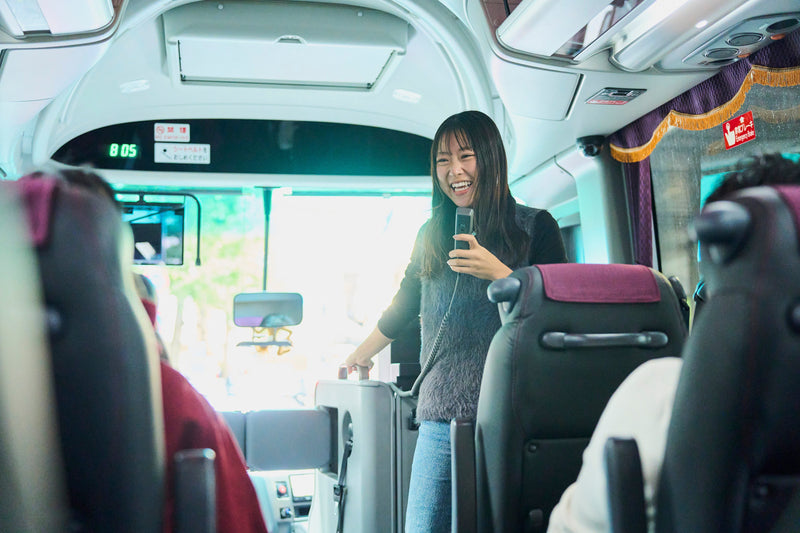
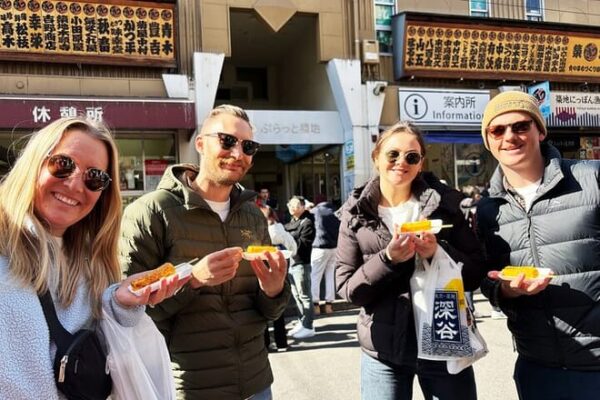
For anyone concerned about the language barrier or unsure which shop to pick, an English-guided walking tour of Tsukiji solves both these problems. We’ll introduce two tours below: one tour focused on the history of Tsukiji, the other focused on tasting food.
Tsukiji Fish Market Street Food & Culture Walking Tour: Learn the Food Culture of Tsukiji
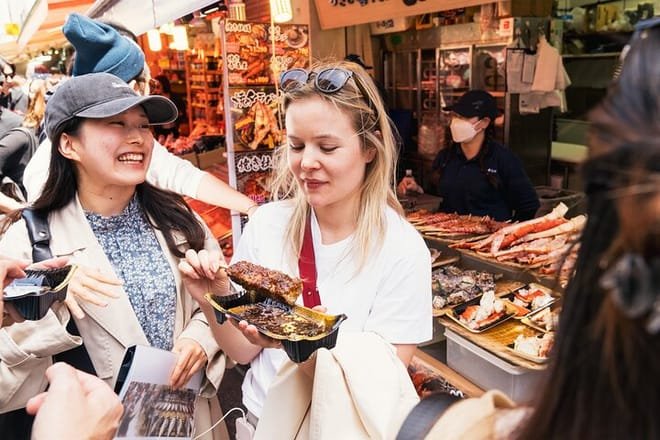
This Japan Guide Star tour combines eating and learning for travelers who want to understand Tsukiji’s food culture in depth. The tour starts at Tsukiji Hongwanji temple and goes for about ninety minutes on foot. The guide will explain the history of Tsukiji and how to judge the quality of the food at each shop from a professional’s perspective. The tour price includes a tasting set.
Details
| Meeting point | In front of Tsukiji Hongwanji, 3-15-1 Tsukiji, Chuo-ku, Tokyo |
| Duration | About 1 hour 30 minutes |
| Included | English-speaking guide and a tasting set |
| Booking site | https://japanguidestar.com/tour/tsukiji-fish-market-street-food-culture-walking-tour/ |
| Best for | Repeat visitors and families who want to know about the market’s food culture |
Tsukiji Fish Market: Street Food & Culture Walking Tour
Tsukiji Fish Market Food & Walking Tour with 7 Gourmet Bites: A Tasting-Focused Tour
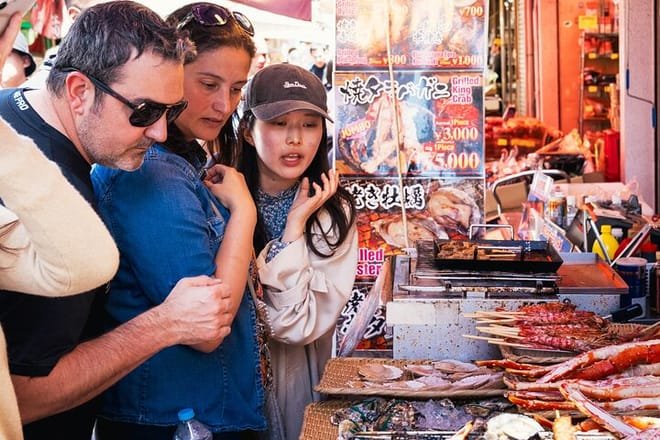
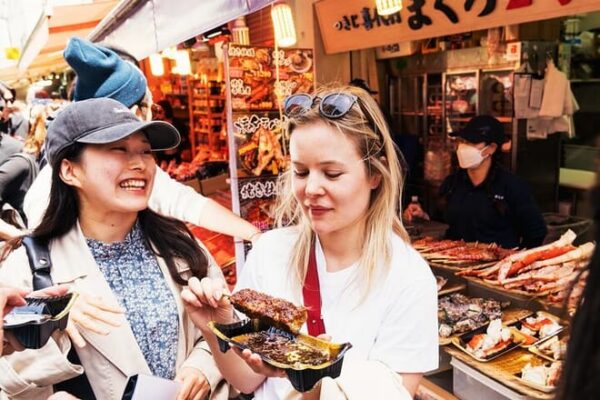
Japan Guide Star’ Tsukiji Fish Market Food & Walking Tour with 7 Gourmet Bites puts eating first. Over the course of a ninety-minute walk, you’ll taste seven items (including wagyu Japanese beef skewers and sushi) and enjoy commentary from the guide as you go. Joining the tour in the morning leaves the afternoon free for you to visit another part of the city.
Details
| Meeting point | In front of Tsukiji Hongwanji, 3-15-1 Tsukiji, Chuo-ku, Tokyo |
| Duration | About 1 hour 30 minutes |
| Included | English-speaking guide and 7 food tastings |
| Booking site | https://japanguidestar.com/tour/tsukiji-fish-market-street-food-tour-with-tasting/ |
| Best for | Food-focused couples, first-time visitors to Japan, and anyone wanting the tour to double as lunch |
Tsukiji Fish Market Food & Walking Tour with 7 Gourmet Bites
Common Questions About Eating Seafood in Tokyo

A few practical questions come up again and again when planning seafood meals in Tokyo. Below, we’ve compiled the answers to the most common concerns.
Can I Visit Both Tsukiji and Toyosu in One Day?
Visiting both in one day is possible but tight, so splitting the plan between market viewing at one site and a meal at the other works better. Waiting times at Toyosu restaurants can be long, and traveling on to Tsukiji afterward risks arriving after the shops have already closed. Visiting Toyosu early and then eating in Tsukiji between 8 am and 10 am is a workable schedule, however.
Can I Sit at a Sushi Counter Alone?
Solo diners are an everyday sight at Japanese sushi restaurants. Mention that you’re dining alone when you book, and the restaurant can hold a counter seat for you.
- Keep conversation with the chef brief and polite.
- Eat each piece of sushi soon after the chef serves it.
- Japan has no tipping custom, so only pay the total on the bill.
- Ask first if you want to take photos.
Are There Seafood Restaurants That Welcome Children?
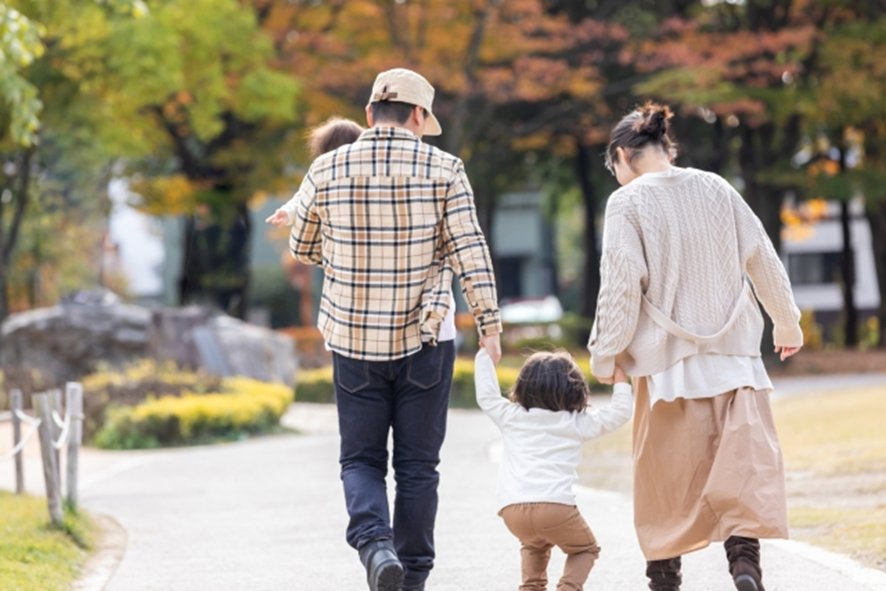
Plenty of restaurants welcome children. For example, Kani Doraku Ginza Hatchome and Isomaru Suisan Shinjuku Sanchome both have private rooms or table seating that suit families. That being said, counter seats in the markets are hard to manage with preschoolers, and Tsukiji’s narrow lanes make it safer to leave the stroller at the information center. Toyosu’s viewing corridors, by contrast, are easy to navigate with a stroller in tow.
Can Someone Who Doesn’t Eat Seafood Join the Meal?
Choosing a restaurant that cooks its seafood makes it easy to dine together with someone who avoids raw fish. For allergies or religious requirements, ask when booking whether or not the kitchen can prepare dishes without seafood, dashi (stock) included.
Choosing Tokyo Seafood by Price, Area, and Style
Price, area, and style of cooking are what to weigh when choosing where to eat seafood in Tokyo. Head to Tsukiji or Toyosu for the energy of the markets, or to a sushi restaurant in Ginza for a special evening. And don’t forget to book the popular restaurants early.