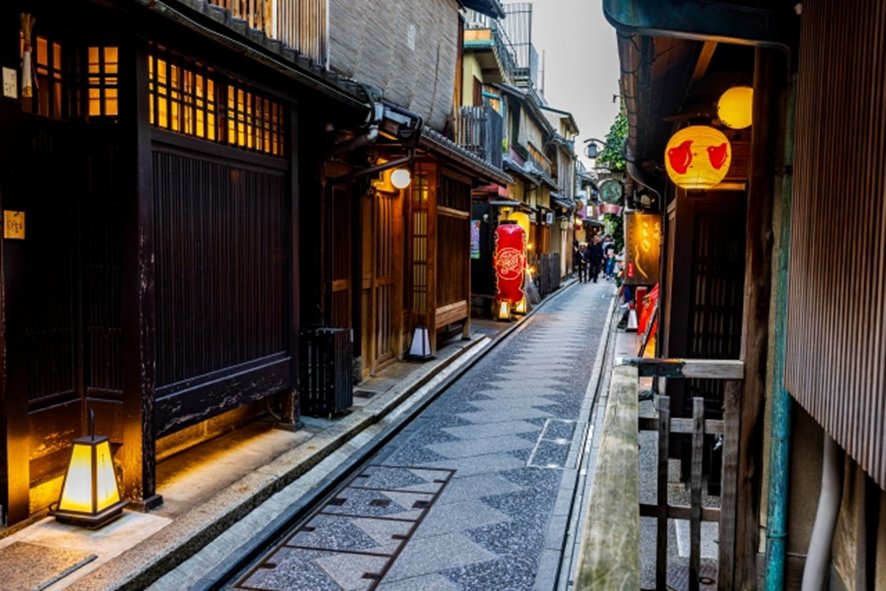
Your chances of meeting a geisha or a maiko (apprentice geisha) in Gion shift a great deal depending on the tour format and the departure time you choose. Booking a tour without knowing the difference is the surest way to end up disappointed.
The four tours we’ll introduce in this article are categorized into guided walks and teahouse experiences, and each sets its own departure times. Information on performances you can pair with your tour, photography etiquette, and the practical points that matter will be covered as well, so read on to learn more.
What Is a Gion Geisha Tour? Basics to Know Before Booking
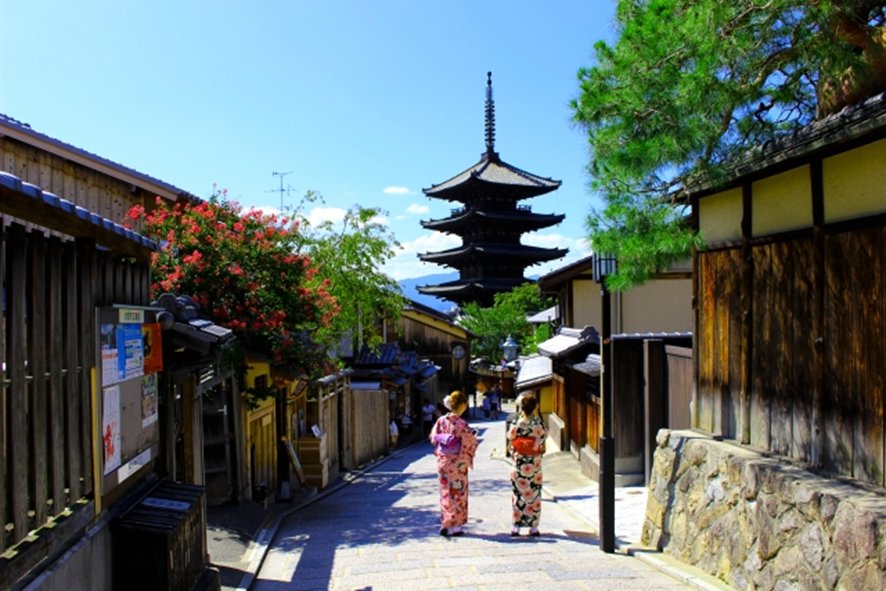
Gion offers many kinds of geisha tours, and this variety can make it difficult to choose one. There are four major points to keep in mind to narrow down your choices to a tour that matches your goals and budget: the tour format, the hours when geisha sightings are most likely, meeting points, and tour duration.
Tours Are Divided into Guided Walks and Teahouse Experiences
Gion geisha tours come in two main formats: guided walks and teahouse experiences. The two differ sharply in cost and in how certain you are to meet a geisha or maiko.
On a guided walk, an English-speaking guide leads you through the hanamachi (geisha districts) where geisha and maiko live and work, explaining the history of the area along the way. Prices for this kind of tour are moderate, but whether or not you pass a geisha or maiko on the street comes down to chance.
A teahouse experience takes place at an ochaya (a traditional teahouse) or similar venue, where you’ll watch maiko dance and talk with them. In other words, meeting a maiko is built into the plan and you’re certain to see them up close. Fees for this kind of experience are higher, though the cost is usually lower than arranging for the same thing privately.
These two formats suit different goals:
- “I absolutely want to meet a maiko” → a teahouse experience is the reliable option
- “I want to understand the cultural background” → a guided walk will suit you better
- “I want both” → some guides combine a walk with a maiko meeting
The Tour Start Time Impacts Your Chances of a Street Sighting
Your odds of spotting a geisha or maiko on the street depend heavily on when a tour begins. They appear outdoors only while traveling from the okiya (a geisha lodging house) to an engagement. They spend mornings in practice and afternoons preparing, then they typically head out for work at around sunset.
Sunset times shift with the season, which changes the picture:
- Summer (July-August): sunset comes later and the best chance for catching a glimpse of a maiko is around 6:30 pm, so later tour departures work better
- Winter (December-January): sunset comes early, so tours starting around 5 pm offer a good chance of a sighting
When booking a tour, look for a slot that falls just before or just after sunset. In summer many travelers pick an earlier departure, yet a later slot actually raises the odds.
Meeting Points For Tours Are Often Around Gion-Shijo Station
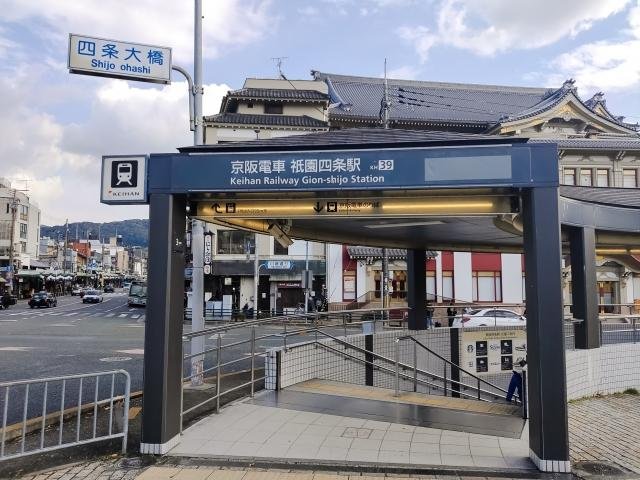
Most Gion geisha tours set their meeting points near Gion-Shijo Station on the Keihan Main Line. Several landmarks are concentrated there, and the streets of hanamachi are only a short walk away.
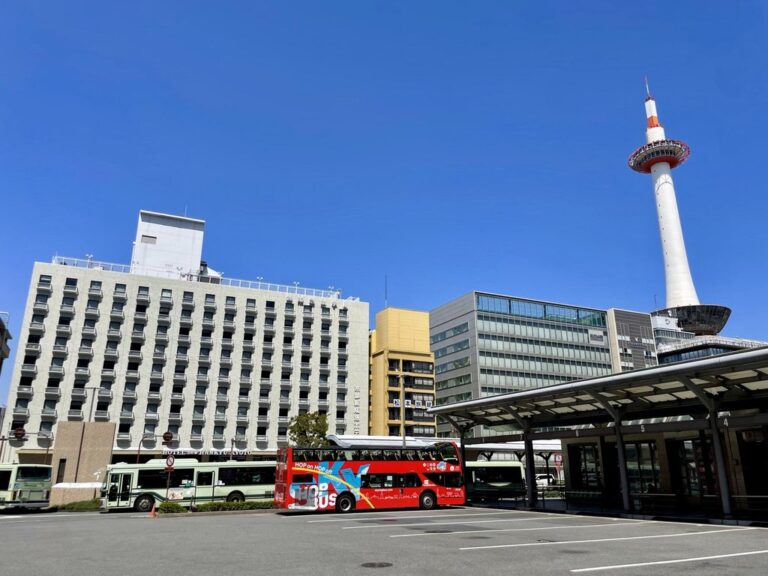
There are two main ways to get from Kyoto Station to Gion:
- JR train plus Keihan train: via Tofukuji Station, about 15-20 minutes
- City bus, direct: get off at the Gion stop, about 20-30 minutes
Buses are often late, so the train route is the safer choice when getting there on time matters.
Meeting points vary by tour, and the area sometimes has more than one store of the same name. Always check three things in your confirmation email: the station exit number, the building name, and the map pin. Arriving fifteen minutes early can help to clear up any confusion.
Most Tours Last About Two Hours
Guided walking tours typically last one and a half to two and a half hours. Routes cover about two to three kilometers (roughly 1.2 to 1.9 miles) at an unhurried pace, so they’re easy on the legs.
Teahouse experiences center on indoor viewing, and the session itself runs for about an hour, so allowing one and a half to two hours in total—including travel and preparation—will give you a comfortable buffer. An evening start also frees up the daytime for visiting temples and shrines.
Work Backward from the End Time on Night Tours
Getting transportation back to your accommodations after a night tour takes some planning. A tour starting at 8:30 pm will keep you in Gion until around 10:30 pm, and city buses thin out sharply after 10 pm. What’s more, the last Keihan trains leave shortly after 11 pm. We recommend securing your route home in advance, and plan your schedule carefully by working backward from the estimated end time of your tour. If your tour ends particularly late, consider taking a taxi back to your hotel.

Kyoto: Gion Hidden Gems & Geisha Culture Tour
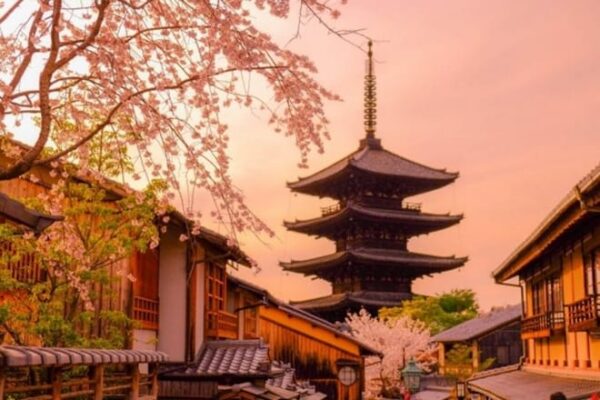
Kyoto: Gion Geisha District Sunset Tour in Spanish and en Español
Four Recommended Gion Geisha Tours for Meeting Geiko and Maiko
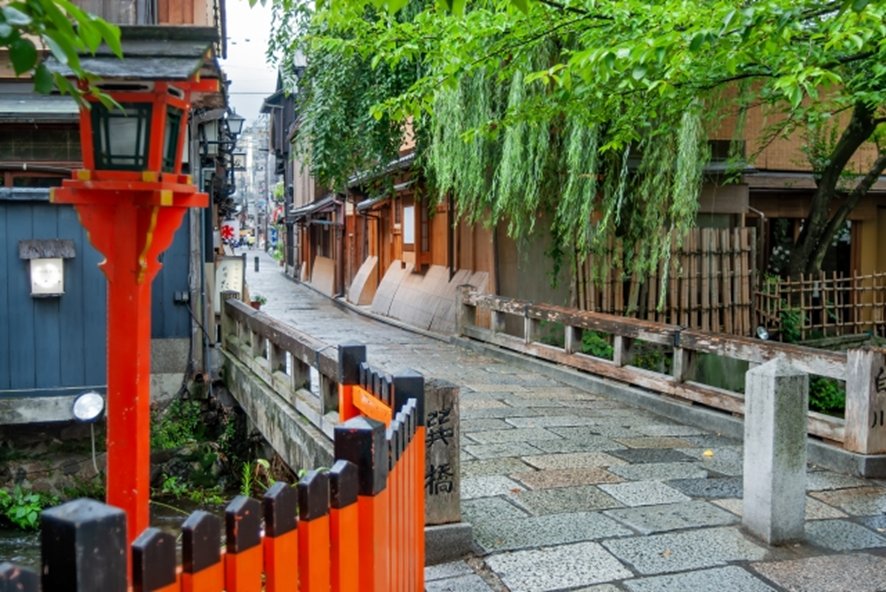
The four tours we introduce below differ in price, duration, and how certain a maiko meeting is. These differences will help you decide which plan fits your budget and travel style.
Kyoto: Gion Hidden Gems & Geisha Culture Tour
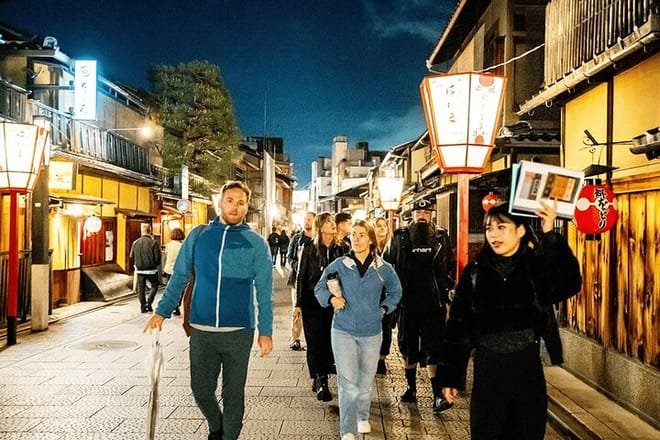
Operated by Japan Guide Star, this English-guided walking tour covers Gion in about two hours. Departures run every hour from 8 am to 9 pm, so you can choose the quiet of morning or the atmosphere of dusk to suit your itinerary. Groups are capped at fifteen people, which leaves you plenty of room to ask the guide questions.
Parts of Gion include private lanes where entering without permission carries a penalty. On this tour, the guide points out the no-photography zones, so you can walk without worrying about breaking the rules. The commentary also covers information on the craftspeople behind the kimono and hairstyles of geisha and maiko, which gives you a deeper understanding of hanamachi culture.
Details
| Meeting point | In front of McDonald’s Shijo Ohashi, 105-1 Hashimotocho, Shijo Kobashi Higashi-iru, Shimogyo-ku, Kyoto |
| Duration | About 2 hours; departures every hour from 8:00 am to 9:00 pm |
| What’s included | English guide, cultural commentary, etiquette briefing |
| Booking site | https://japanguidestar.com/tour/kyoto-gion-hidden-gems-geisha-culture-tour/ |
| Best for | First-time visitors unsure about Gion’s etiquette and routes |
Kyoto: Gion Hidden Gems & Geisha Culture Tour
Kyoto: Guided Walk in Gion and Enchanted Time with Maiko
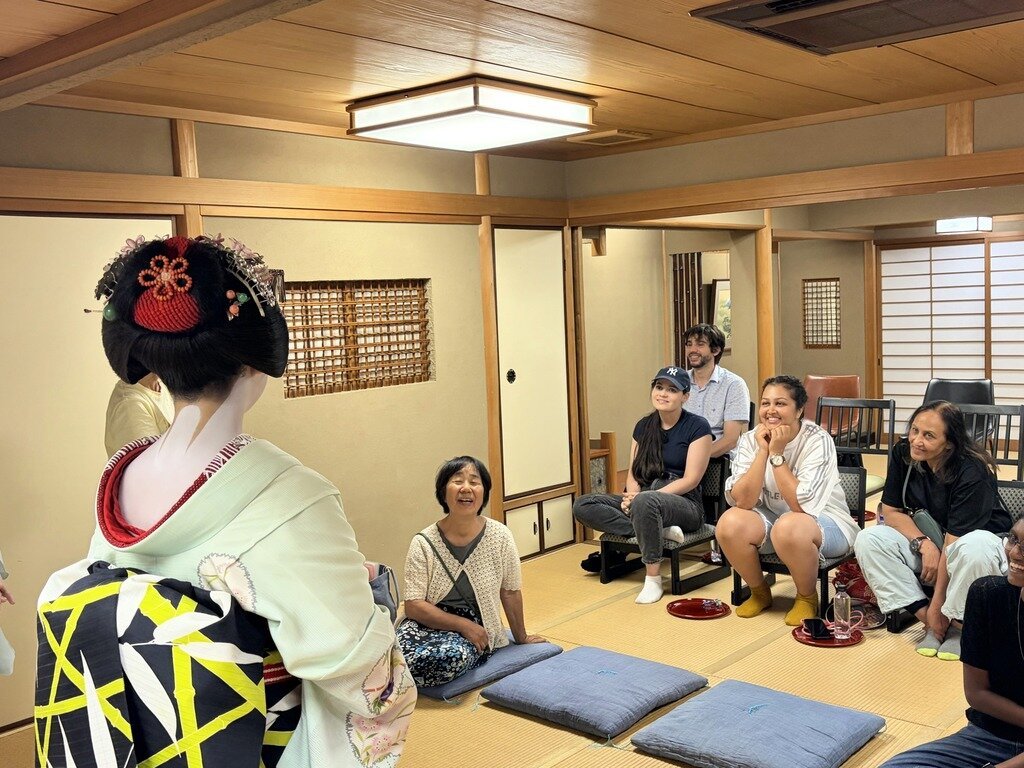
The appeal of Japan Wonder Travel’s tour is that it combines a walk in Gion with meeting a maiko in a teahouse.
The first half of the tour explores the area around Tatsumi Bridge on foot while covering the history of hanamachi. The second half moves to a venue for live shamisen (a three-stringed Japanese lute) music, a dance performance, a question-and-answer session through an interpreter, and photographs with the maiko.
Because the teahouse portion is built into the tour, you’re guaranteed to meet a maiko. The set format also spares you the work of arranging everything yourself, which suits travelers making the most of limited time.
At around ¥12,000 ($80 USD) per person, the price is on the expensive side, but this matches the depth of the experience and suits a special trip.
Details
| Meeting point | In front of the Izumo-no-Okuni statue, Kawabatacho, Higashiyama-ku, Kyoto |
| Duration | About 3 hours (70-80 minute walk plus teahouse experience) |
| Price | From about ¥12,000 per adult |
| What’s included | English-guided walk, maiko dance performance, Q&A, photo session, interpretation |
| Booking site | https://www.japanwondertravel.com/posts/kyoto-maiko-experience |
| Best for | Travelers who want to meet a maiko; family trips; special occasions |
Prices are subject to change. Please check the official website for the latest information.
Night Walk in Gion
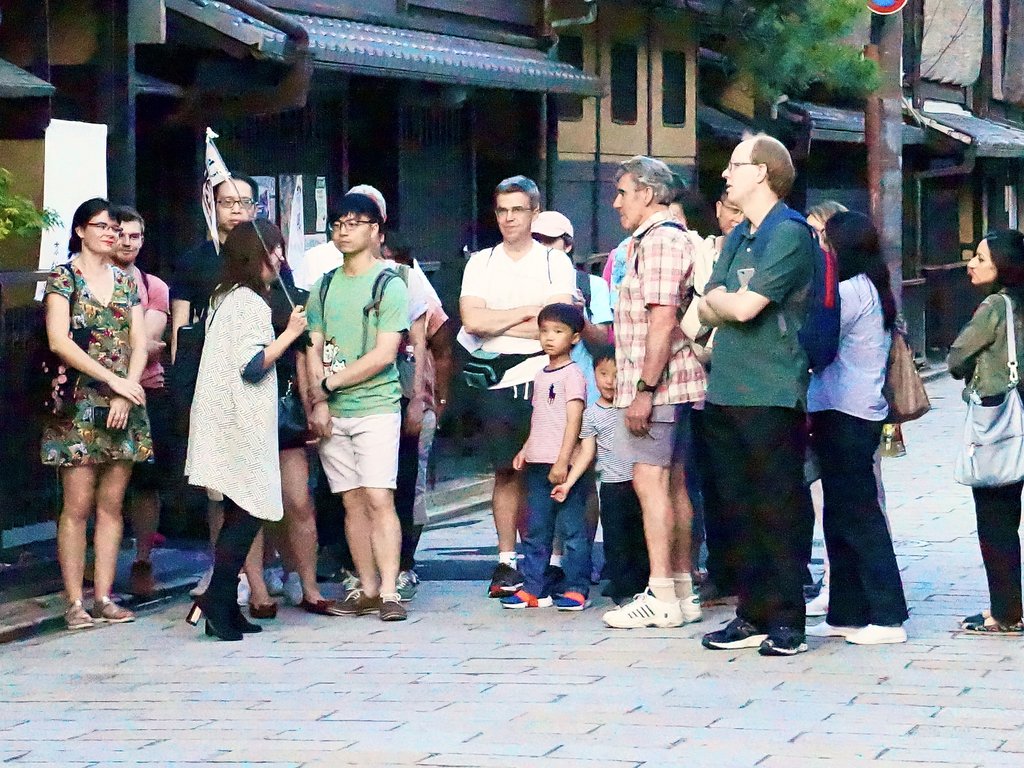
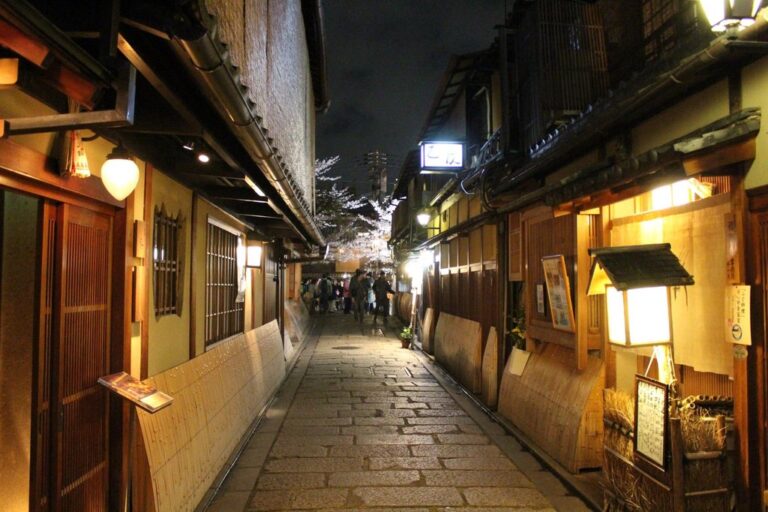
WaRaiDo’s tour leads visitors through Gion after dark while an English-speaking guide explains the history of hanamachi. The roughly two-hour route takes in Hanamikoji-dori and the banks of the Shirakawa, with careful explanation of how the teahouse system works.
Geisha appear on the streets at night. Any sighting is still a matter of luck, though, so treat the walk as a chance to take in the atmosphere of the district at night.
At about ¥3,000 ($20 USD) per person, the fee leaves room in your total spending for other activities during your trip.
Details
| Meeting point | In front of Izutsu Yatsuhashi Honpo (a Kyoto sweets shop), Kawabata-dori Shijo-agaru, Higashiyama-ku, Kyoto |
| Duration | About 2 hours; Mondays, Wednesdays and Fridays from 5:30 pm |
| Price | About ¥3,000 per person (minimum 2 participants); free for children under 12 |
| What’s included | English guide, commentary on hanamachi history |
| Best for | Budget-conscious travelers, backpackers, history enthusiasts |
Prices are subject to change. Please check the official website for the latest information.
Geisha (Maiko) Tea Ceremony & Show in Kyoto Gion Kiyomizu
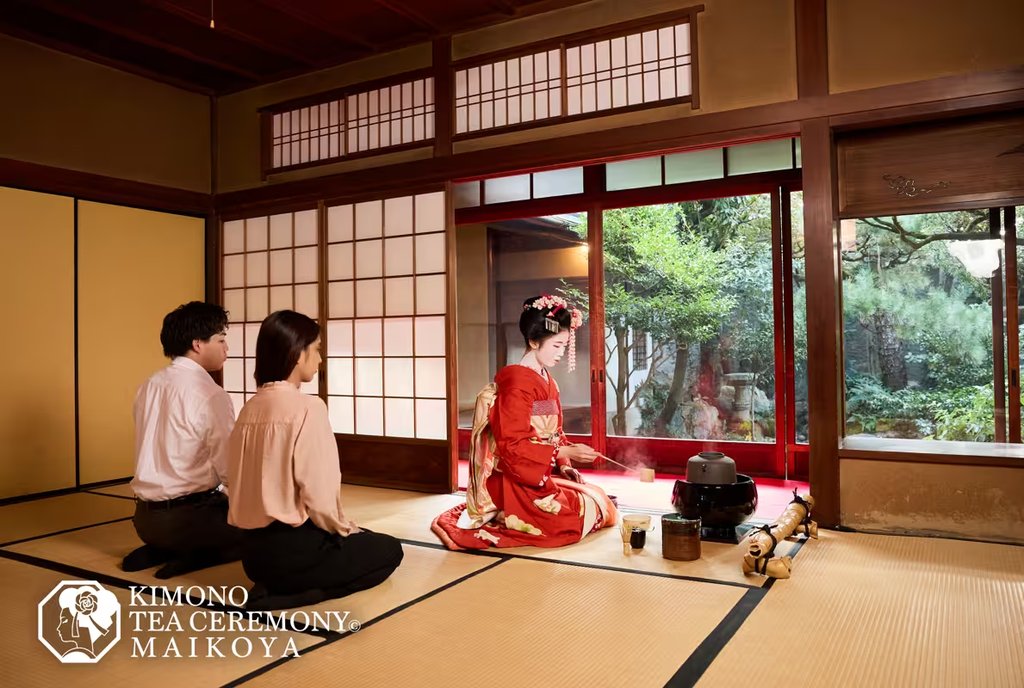
MAIKOYA runs this program in the tatami (woven straw mat) room of a registered traditional Kyoto townhouse, where you watch the maiko dance from close by. An interpreter explains the meaning of the costume and the movements in English, so the language barrier doesn’t stand between you and hanamachi culture.
The program runs daily, which makes it a dependable option for travelers on a short stay who still want to meet a maiko. Note that children under seven can’t participate.
The venue sits in the Rokuhara area of Higashiyama-ku, near Kiyomizu-dera Temple and about fourteen minutes on foot from Gion-Shijo Station. Don’t forget to factor in the walk from Hanamikoji-dori when planning your route.
Details
| Meeting point | 100 Rokurocho, Matsubara-dori Yamato-oji Higashi-iru, Higashiyama-ku, Kyoto |
| Duration | About 90 minutes |
| What’s included | Tatami-room experience, dance performance, interpreted commentary, Q&A, photographs |
| Age restriction | Children ages 7 and older |
| Booking site | https://mai-ko.com/tour/tea-ceremony-led-by-a-geisha-2/ |
| Best for | Short-stay visitors with tight schedules, senior couples, families with older children |
Kyoto: Gion Geisha District Sunset Tour in Spanish and en Español
Kyoto: Gion Hidden Gems & Geisha Culture Tour
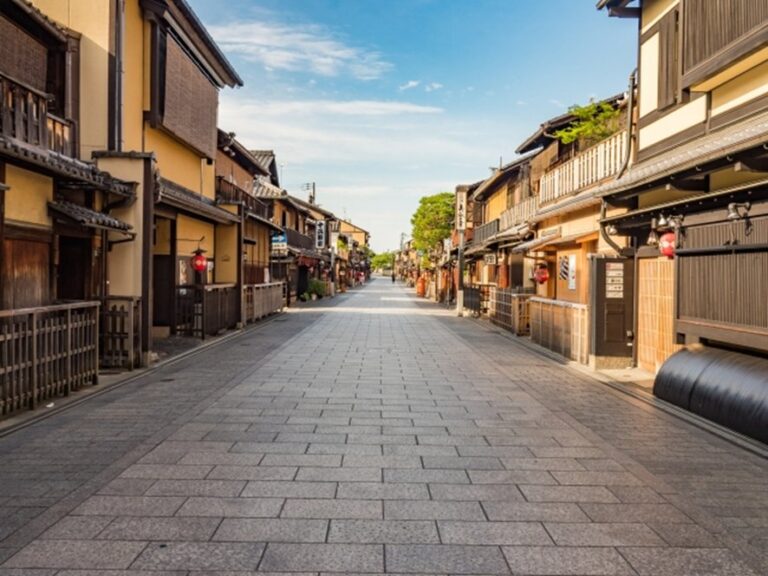
Three Performance Venues That Pair Well with a Geisha Tour
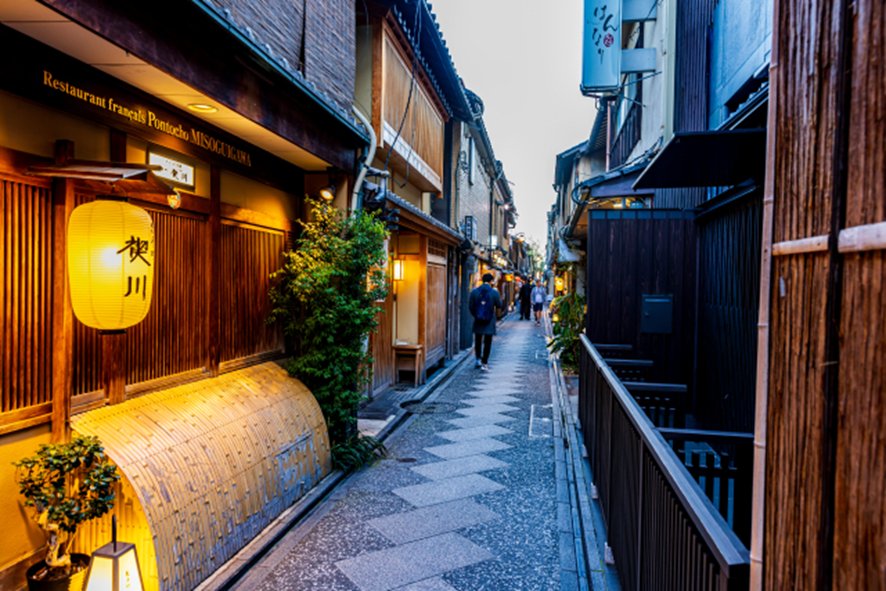
A walking tour on its own rarely brings you close to a maiko dancing. The three venues introduced in the following sections are recommended for anyone who wants to see hanamachi performing arts properly.
One opens year-round, another allows photographs with a maiko, and a third stages a production only during springtime. Line up your tour’s time slot with each venue’s performance schedule to build an efficient itinerary.
Gion Hanamachi Art Museum | Watch a Maiko Dance for a Small Extra Fee
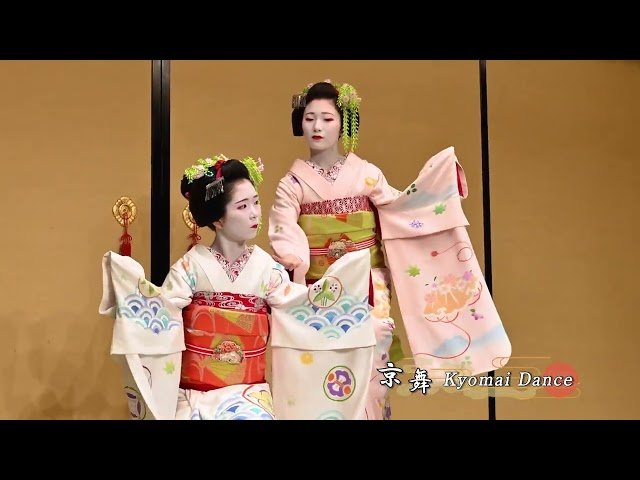
The Gion Hanamachi Art Museum is one of the few places where you can reliably see kyomai (Kyoto-style dance) performed by a maiko without joining a tour. The museum sells a viewing ticket (¥1,600) separately from admission, covering two dances for a duration of about fifteen minutes. Performances run five times a day, which makes the museum easy to slot in before or after a tour.
You can buy tickets in advance, so there’s no scramble at the counter on arrival, and the opening hours also allow for dropping in after a daytime tour.
The Gion Hanamachi Art Museum closes from mid-March to early May and over the New Year’s period, so check the calendar on the official site before visiting.
Details
| Address | 570-2 Gionmachi Minamigawa, Higashiyama-ku, Kyoto |
| Hours | 11:00 am-6:30 pm (last entry at 5:30 pm) |
| Admission | General: ¥1,500; university students and younger: ¥700; children under 6 free; students ages 6-15 on school trips ¥400 |
| Kyomai viewing ticket | ¥1,600 (separate from admission fee) |
| Closed | Mid-March to early May; New Year’s holidays; other irregular closures |
| Official site | https://gion-museum.com/ |
| Best for | Travelers who want to see maiko dance without a guide, or a short introduction to hanamachi culture |
Prices are subject to change. Please check the official website for the latest information.
Gion Corner | Photographs with a Maiko After the Show
Gion Corner presents seven of Kyoto’s traditional performing arts in about an hour. The program includes kyomai, tea ceremony and kyogen (classical comic theater), and its visual focus has made it popular with international visitors.
Performances run twice daily at 6 pm and 7 pm, times that also work after participating in an evening tour.
The winter season adds a photo opportunity, available on weekends and public holidays only, that lets you pose for a commemorative photograph with a maiko once the show ends.
From December to early March, performances run from Tuesday through Friday only, with closings on Mondays and public holidays.
Details
| Address | Gion Kobu Kaburenjo Small Theater, 570-2 Gionmachi Minamigawa, Higashiyama-ku, Kyoto |
| Hours | Two performances daily at 6:00 pm and 7:00 pm (about 1 hour each) |
| Closed | July 16; August 16; New Year’s period (late December to early January). In winter (December to early March), closed Mondays and public holidays, with performances Tuesday-Friday only |
| Official site | https://www.ookinizaidan.com/gion_coner/ |
| Best for | Travelers who want to see classical Kyoto performing arts after an evening tour, or photographs with a maiko in winter |
Hours change by season. Please check the official website before visiting.
Gion Kobu Kaburenjo | Geiko and Maiko Dance Performances Each April
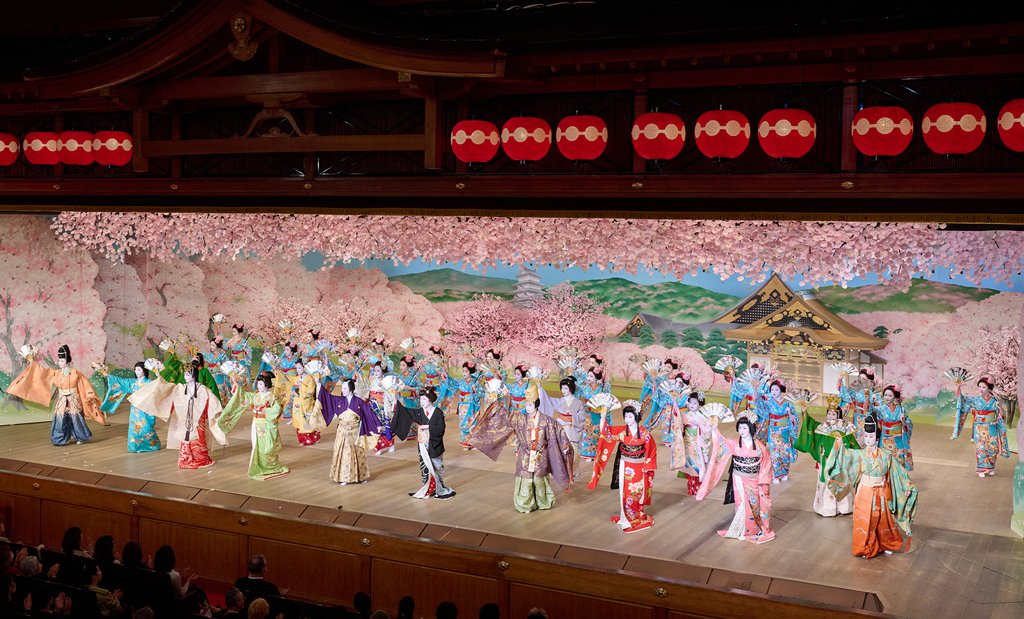
If your Kyoto trip is in April, the Miyako Odori is worth seeing. This is the largest of the spring hanamachi productions, with the full roster of geisha and maiko on stage, and it runs from April 1st to April 30th every year.
Group dances performed by dozens of women are planned for roughly an hour. Three performances run each day, but the best seats during cherry blossom season tend to sell out soon after tickets go on sale, so secure yours as soon as your itinerary is fixed.
Details
| Address | 570-2 Gionmachi Minamigawa, Higashiyama-ku, Kyoto |
| Season | April 1st-30th (annually) |
| Show times | 12:30 pm / 2:30 pm / 4:30 pm (three performances daily) |
| Official site | https://miyako-odori.jp/ |
| Best for | Spring visitors to Kyoto, anyone wanting full-scale dance, group travel |
Show times change by year. Please check the official website before visiting.
Kyoto: Gion Hidden Gems & Geisha Culture Tour
Four Points to Know Before Joining a Gion Geisha Tour
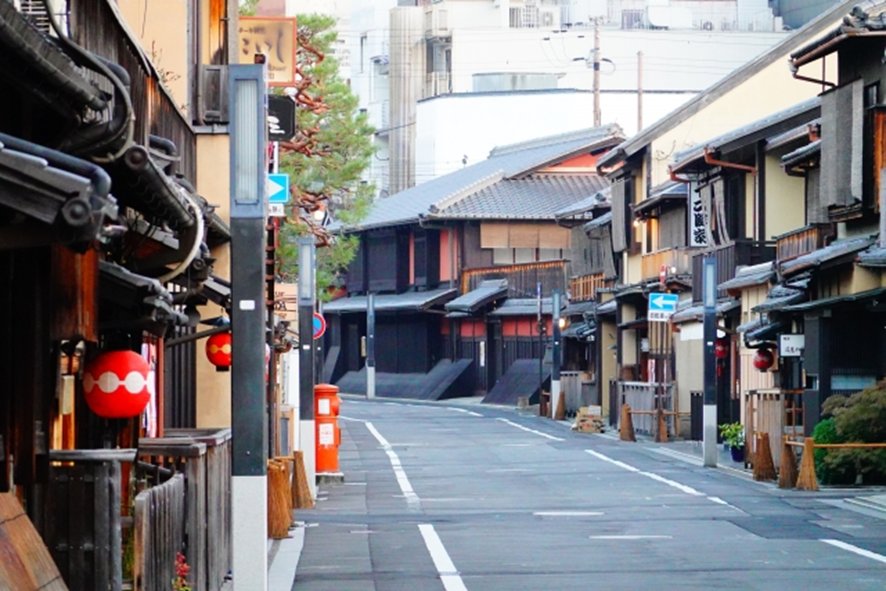
Preparation beforehand and good manners on the ground both matter if you want to get the most from a tour. The four points below cover booking timing, footwear, tatami room etiquette, and the rules for photography.
1. Book Popular Evening Departures Early
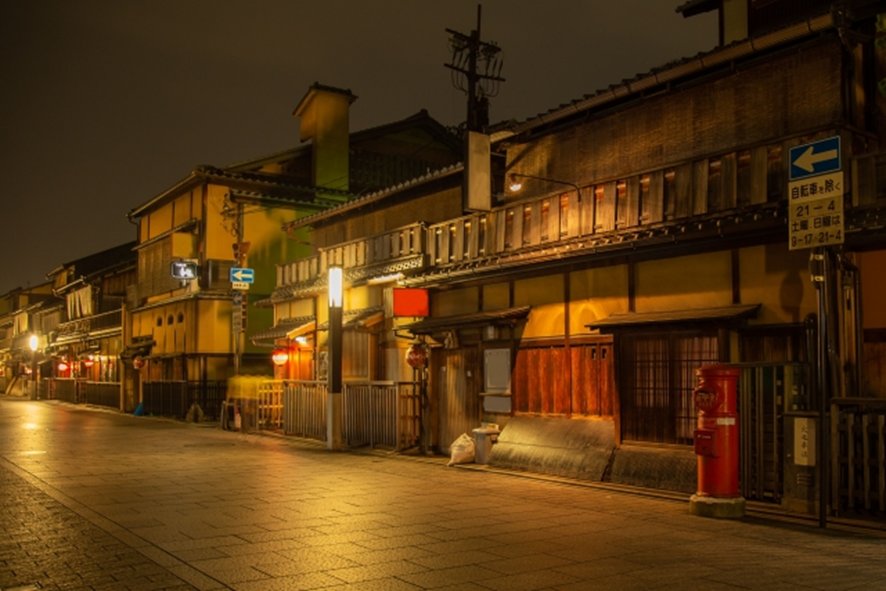
Tours starting between about 5:30 pm and 7 pm, when maiko head to the teahouses, offer comparatively better odds of a street sighting.
Dusk is also when the lanterns come on and Gion looks most like itself. Evening slots fill quickly, and on small-group tours they can be hard to secure at all.
Keep the following in mind when booking:
- During cherry blossom and autumn foliage season, reserve your spot up to a month ahead
- Weekend evening slots get crowded, so consider a weekday instead
- If your itinerary isn’t settled, favor tours with a long free-cancellation window
With free cancellation, you can hold a slot and cancel it once your plans are decided, so check availability when you come across a tour that catches your interest.
Kyoto: Gion Geisha District Sunset Tour in Spanish and en Español
Kyoto: Gion Hidden Gems & Geisha Culture Tour
2. Wear Comfortable Walking Shoes
Guided walks cover about two to three km (roughly 1.2 to 1.9 miles). The lanes are largely stone-paved or gravel and feel different underfoot, so broken-in sneakers are the best choice. Heels and sandals often catch on the stone paving and raise the risk of a fall, and sore feet make it hard to concentrate on what the guide is saying.
If you are renting a kimono, note that walking in zori (traditional sandals) puts considerable strain on your feet. Some tour operators even require clothing you can move in, so check the terms before you book yours.
- Non-slip sneakers or walking shoes are best
- Avoid heels and sandals, which catch on stones easily
- Confirm the operator’s terms in advance if you plan to wear zori
3. Bring Spare Socks for Teahouse Tours

Teahouse experiences require clean socks. Stepping onto tatami in bare feet counts as a breach of etiquette, and many operators explicitly state the requirement for socks.
Take particular care not to forget socks on a day when you are sightseeing in sandals. Socks worn after hours of walking are also best avoided, since they compromise the cleanliness of the teahouse. A fresh pair, changed into just before you enter, is best.
At the teahouse, you’ll sit in seiza (a formal kneeling posture) or with your legs to one side, so loose trousers or a long skirt help ease the strain on your legs throughout the session.
4. Take Pictures Only Where Permitted
Geisha and maiko on the move are on their way to work, and blocking their path or following them has become a serious problem recently. Don’t photograph them without permission, and don’t ask to shake hands.
The private lanes on the south side of Hanamikoji-dori prohibit both entry and photography, and violations carry a monetary fine. Public sections remain open to pedestrians, but nearby alleys fall under entry and photography restrictions, so read the signs posted on site to be safe.
If you want a commemorative photo with a maiko, choose a tour or teahouse experience that includes a photo session.
Kyoto: Gion Hidden Gems & Geisha Culture Tour
Common Questions About Gion Geisha Tours

In this section, we’ve compiled answers to the questions that come up most often before booking a tour: how likely a sighting is, how to tell geisha and maiko apart, whether children can participate, and whether you can join a tour without a reservation.
Will I Definitely Meet a Geiko or Maiko on a Tour?
The probability depends on the type of tour. Teahouse experiences build the meeting into the program, so you’re guaranteed to meet one. Guided walks rely on chance encounters in the street, and no operator can guarantee an encounter. If a meeting matters to you, choose a teahouse experience.
Kyoto: Gion Hidden Gems & Geisha Culture Tour
What Is the Difference Between a Geiko and a Maiko?
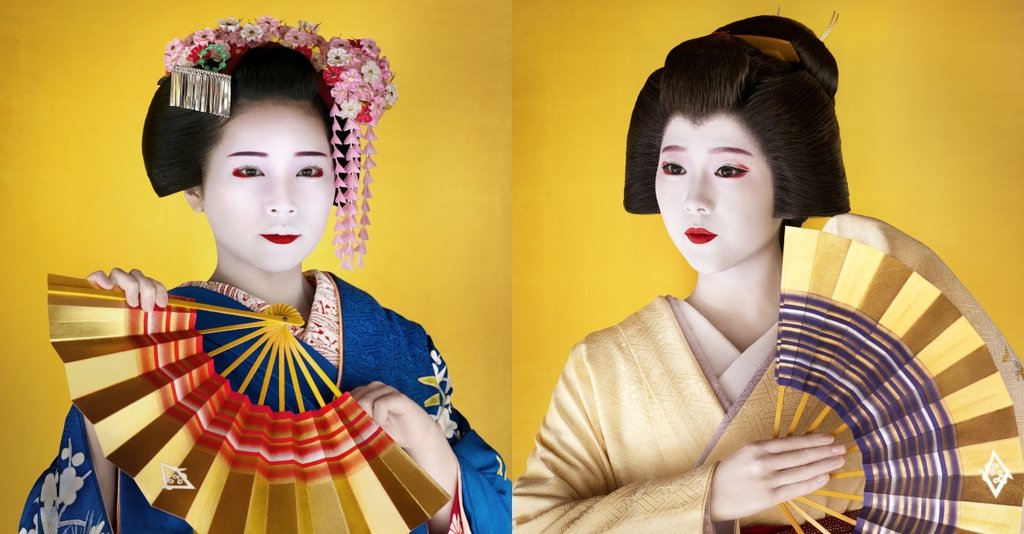
A maiko is an apprentice on the way to becoming a geiko, the Kyoto term for a fully qualified geisha. After roughly five years of training, she goes through erikae (the turning of the collar) and takes her place as a geiko.
| Feature | Maiko | Geiko |
|---|---|---|
| Hairstyle | Styled from her own hair, with flower hairpins | Wears a wig (katsura) |
| Kimono | Bright, long-sleeved furisode | Kimono in subdued colors |
| Obi (sash) | Long, trailing darari obi | Tied short, in styles such as the taiko knot |
If the obi hangs long down the back, you are looking at a maiko; if it is tied compactly, a geiko.
Are the White-Painted Figures I See in the Daytime Maiko?
White-painted figures in daylight often turn out to be tourists in maiko makeup.
A few details give them away:
- Walk: a real maiko takes small, pigeon-toed steps to keep the hem of her kimono in order, while visitors tend to take longer strides
- Handling of the hem: a genuine maiko lifts the hem gracefully with one hand
- Obi and hair: her obi is long and crested, and her hair is her own, styled in the traditional manner
Maiko work mainly at night, and daytime outings are limited to special occasions. To see the real thing, visit Gion after 6 pm.
Can I Participate with Children?
Guided walks often have no age limit and suit family participation, though Gion at night has many steps and uneven surfaces that make strollers awkward, so weigh the walking distance carefully. Teahouse experiences frequently set a minimum age requirement of seven, since the setting calls for sitting quietly.
For families with preschool children, Gion Corner is a great alternative, as the venue allows children to watch from their parents’ lap. Always confirm the age requirements and tour duration when booking.
Can I Join a Tour on the Day Without a Reservation?
Joining a guided tour on the day is close to impossible. Most run in small groups, and evening departures tend to sell out several days ahead.
Performance venues leave more room for same-day plans:
- Gion Corner: tickets available on the day if seats remain
- Gion Hanamachi Art Museum: no reservation needed for admission alone
Booking sites let you lock in a place ahead of time, and many listings come with free cancellation. Reserve early to secure the date you want.
Kyoto: Gion Hidden Gems & Geisha Culture Tour
Are There Tours in Languages Other Than English?
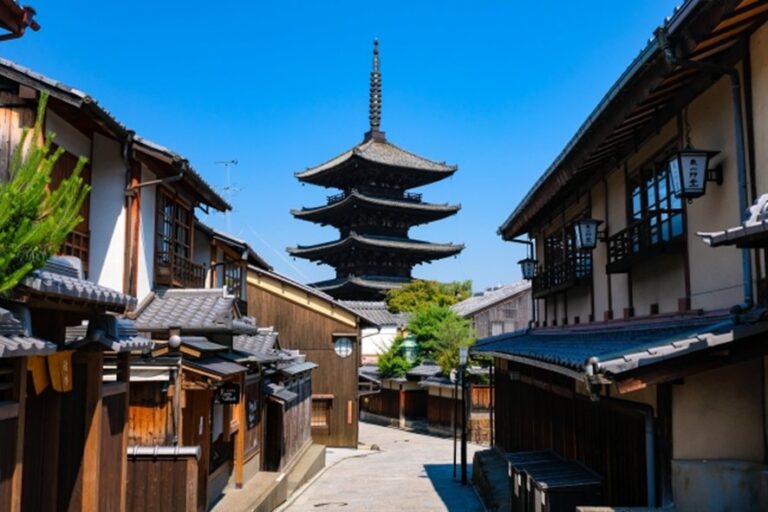
Yes. One example is the Spanish-guided sunset tour offered by Japan Guide Star. On this tour, a native Spanish-speaking guide leads you from Gion Shirakawa to Hanamikoji-dori for a duration of about two hours. The route also takes in the Pontocho district, Yasaka Shrine and Yasui Konpiragu Shrine, so you can experience Gion at dusk with Spanish-language commentary. The tour is a reassuring option if someone in your party is not comfortable in English. It also suits travelers from a Spanish-speaking country who want the commentary on geisha culture in their native language.
For languages other than Spanish, check the languages field on each product page when searching a booking site. Some sites don’t offer a language filter, so contacting the operator directly is the surest way to confirm.
Kyoto: Gion Geisha District Sunset Tour in Spanish and en Español
Choosing the Right Gion Tour Type and Time Slot

Gion geisha tours include guided walks or teahouse experiences, and an evening departure improves your odds of encountering a geisha or maiko in the streets. Knowing Gion’s photography etiquette and entry restrictions beforehand matters just as much. Popular slots fill quickly, too, so book your tour early—up to a month ahead during cherry blossom season and autumn.