Finding a real geiko (the Kyoto term for a geisha, a traditional performer who entertains guests with song and dance) is harder than you might think. Visitors often walk the traditional entertainment districts where geiko work for hours without passing a single one, or mistake a tourist in a costume for the real thing.
Five streets in Kyoto, however, offer the best chances of a sighting, and certain hours of the day will raise your odds considerably. Besides chance encounters, theaters and seasonal dance performances allow you to experience the geiko’s art with a reserved ticket. Knowing how to tell a geiko from a costumed visitor—and the rules the different districts in Kyoto expect visitors to follow—are important details you’ll need to know before you visit the city and are the focus of this article.
Three Ways to Meet Geiko in Kyoto
Seeing a real geiko while in Kyoto comes down to three approaches: walking the streets at dusk and hoping for a chance encounter, watching a geiko dance at a theater or museum where a ticket guarantees a view, or joining a guided tour. Each approach differs in cost, in how certain a sighting is, and in how much background information you’ll come away with.
1. Walk the City at Dusk
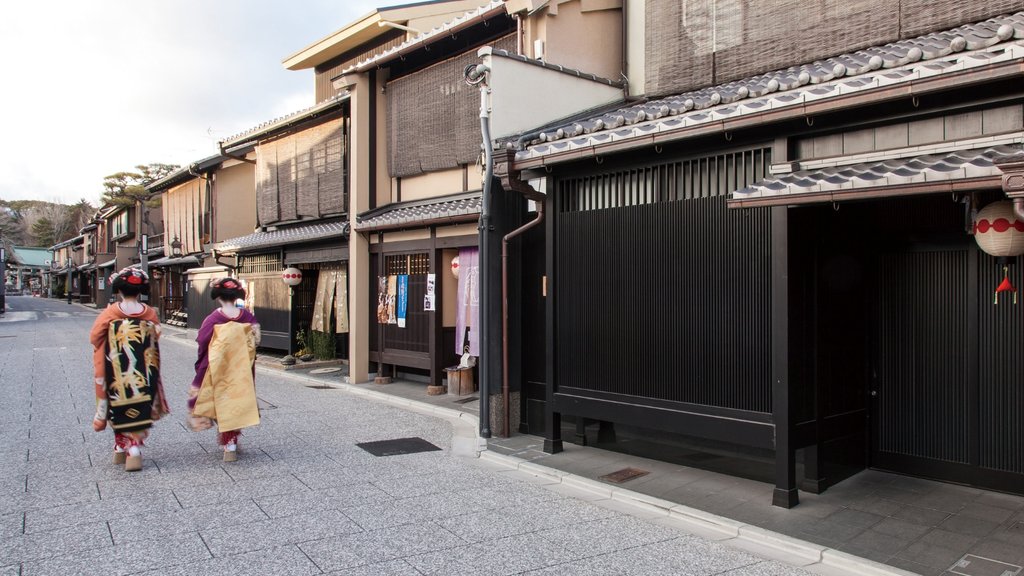
Whether you see a geiko comes down to chance. The best chance for a sighting is 5:30 pm to 7 pm, when geiko leave for their evening engagements, and those ninety minutes give you the best odds. Only about two hundred geiko and maiko (apprentice geiko) work in Kyoto, scattered across districts that stretch several kilometers apart. Walking for an hour or two without crossing paths with one is common, so treat a sighting as a bonus rather than a plan.
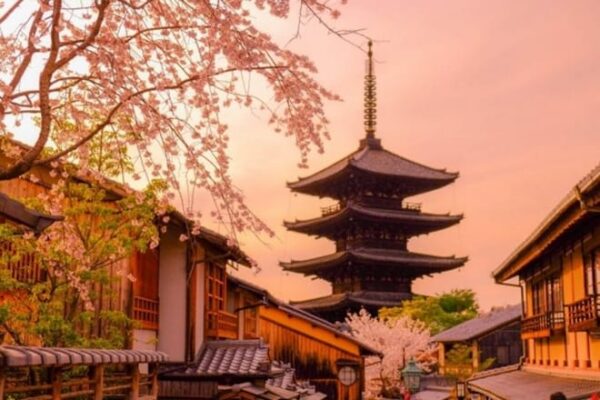
As evening falls, lanterns and shop lights come on and the streets take on a different glow. Walking the stone paving past the latticed windows of the ochaya (teahouses where geiko are invited to entertain at private banquets) is an experience unique to Kyoto.
A good rule of thumb is to stroll for thirty or forty minutes from around 5:30 pm, then move on to a theater performance or a guided tour.
2. Watch Geiko Dance at a Theater or Museum
For a guaranteed look at geiko dance, a theater or museum is the best option: Kyoto has permanent venues that stage performances year-round, so the art is available whatever month you happen to be traveling in. Each district also stages its own dance performances in spring and autumn, which increases your options in April and November.
While a random street encounter is completely up to chance, a ticket guarantees you a seat. Prices are often in the few-thousand-yen range (roughly $20–40 US), and the dance and shamisen (three-stringed Japanese lute) music communicate without the need for a shared language.
Three points to keep in mind when planning:
- Once your dates are set, check the official sites for performances scheduled during your stay
- Book your tickets at least a month before you fly, since spring and autumn dance tickets sell out early
- If your trip falls outside the seasonal performance periods, plan to visit a venue that offers performances year-round
3. Walk the City on an English-Guided Tour
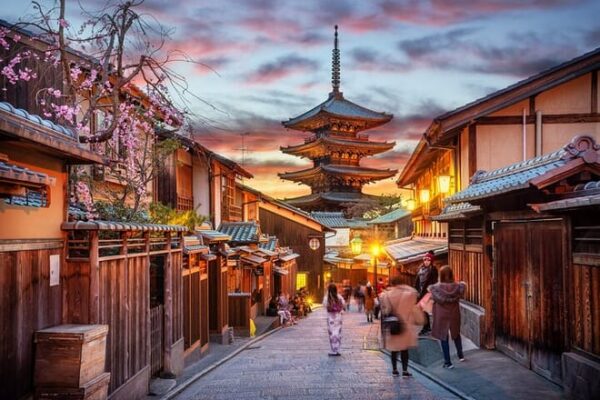
An English-guided tour can bring out layers of culture that the streetscape alone doesn’t reveal. For example, Japan Guide Star runs its Kyoto: Gion Hidden Gems & Geisha Culture Tour, a roughly two-hour walking tour from Gion Shirakawa to Hanamikoji Street. The English-speaking guide explains how the geiko districts came to be and how geiko train, so the meaning behind the traditional clothing and movements becomes clear.
The tour runs ten times a day from 8 am to 9 pm, which makes it easy to slot into a day of sightseeing. The 5 pm and later departures overlap with the hour when geiko head to work, so they offer the best chance of an encounter. The guide will also point out which lanes in the city are private and which are public—something solo walkers often miss—so you can take in the sights without accidentally trespassing.
Kyoto: Gion Hidden Gems & Geisha Culture Tour
Five Streets in Kyoto Where You Can Spot Geiko
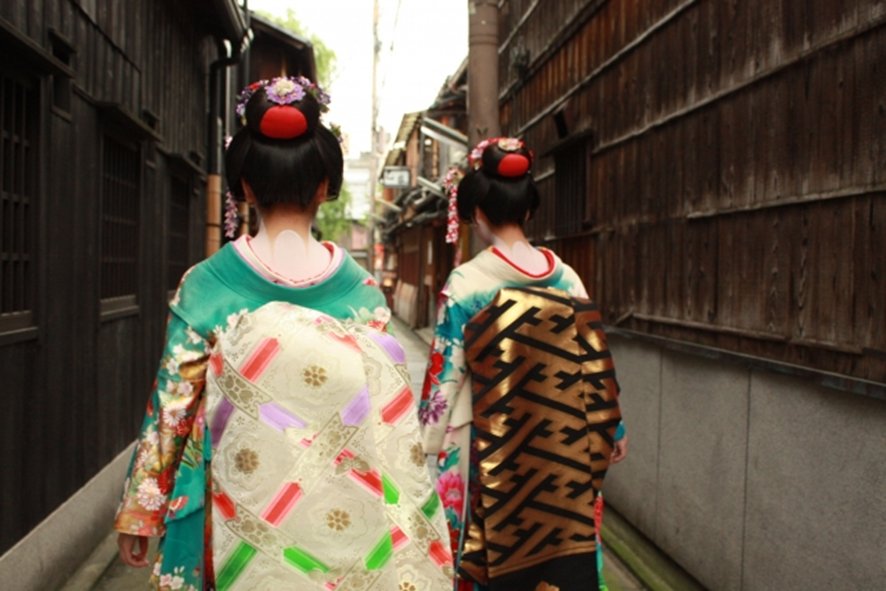
Five particular streets in Kyoto often see geiko and maiko coming and going. Each has its own atmosphere, crowd level, and best hours for a sighting, so even a short stay in Kyoto leaves room to pick a street to explore and work it into a day.
Hanamikoji Street: Gion’s Main Street With the Densest Row of Teahouses
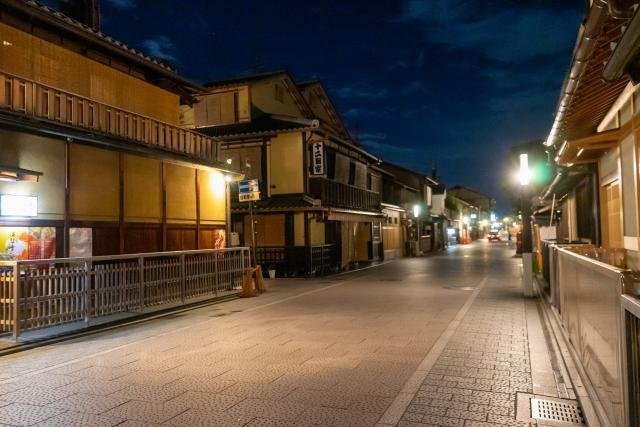
Walking east along Shijo Street from Keihan Gion-Shijo Station for about five minutes will bring you to the entrance of Hanamikoji Street. Wooden teahouses line both sides of the stone-paved road on Gion’s main thoroughfare. Gion Kobu has more geiko and maiko on its rolls than any of Kyoto’s districts, which makes the odds of spotting one here noticeably higher.
Aim to visit between 5:30 pm and 7 pm, when geiko and maiko walk down Hanamikoji Street on their way to evening engagements. Tourists gather in numbers at that hour, so watching quietly from a distance is important.
The main street is public and open to all, but take care with the narrow side lanes: alleys marked with signs reading “Private road, no entry” or “No photography” are private property. When you see one of those signs, stay out and keep to the main street.
Kyoto: Gion Geisha District Sunset Tour in Spanish and en Español
Gion Shirakawa: A Riverside Path of Willows and Stone Paving
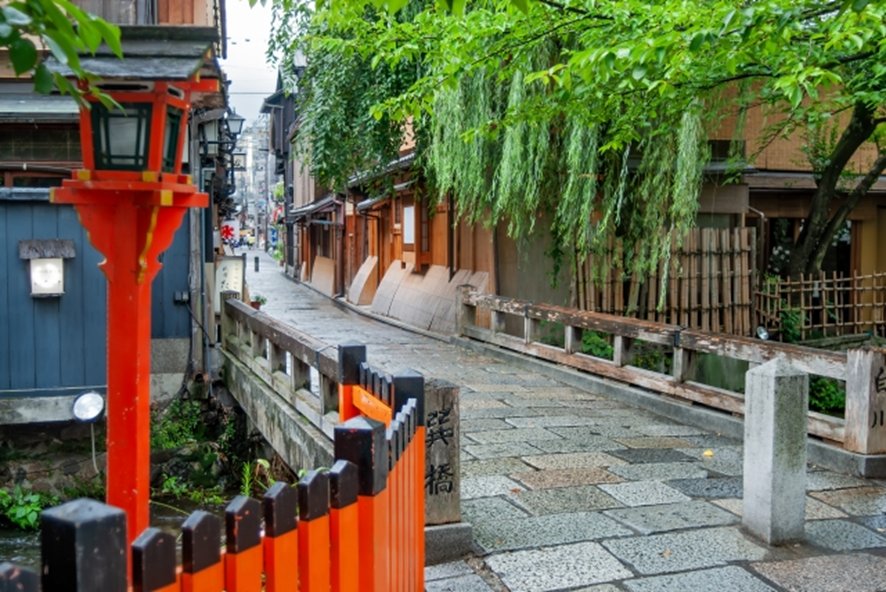
If Hanamikoji Street feels too crowded, the path along the Shirakawa canal is a calmer alternative. A quiet waterside lane of willows and stone paving opens up just three minutes on foot from Keihan Gion-Shijo Station. Traditional Kyoto wooden houses and teahouses with bengara goshi (traditional reddish-brown wooden lattice) stand along this lane, and with fewer people passing by you can take your time looking at the architecture.
Tatsumi Bridge, a signature photo spot on the Shirakawa canal, draws visitors for the view of the little bridge with the stone fence of Tatsumi Daimyojin Shrine behind it. The bridge is narrow, so take your shot and move on rather than lingering, letting those behind you pass.
The scenery here shifts throughout the year and even the day:
- Spring: cherry branches reach out over the water and are layered against the fresh green of the willows
- Summer: the willows grow thick and green, and the sound of the water feels cool in the hot air
- Night: light from the latticed windows falls on the canal, creating a moody atmosphere
It takes about thirty minutes to walk both Hanamikoji Street and Gion Shirakawa, so the two spots are easy to compare in one outing.
Miyagawacho Street: A Quiet Street With Few Tourists
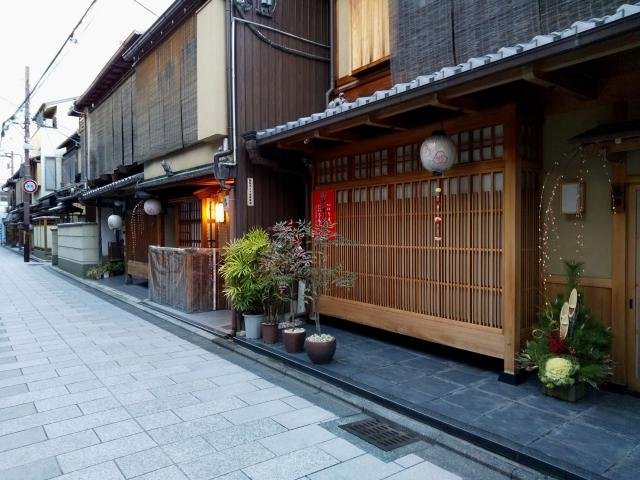
Head south from Hanamikoji Street and you’ll reach Miyagawacho Street, which runs along the east bank of the Kamo River. Latticed teahouses stand shoulder to shoulder on this narrow street between Shijo Street and Gojo Street, giving it a similar character to Gion. It sits off the group-tour routes too, so you can study the townscape at length in a calm atmosphere.
Note that Miyagawacho is a residential area, with cars and bicycles passing through as part of daily life here. The road is narrow, so keep out of the way of traffic when taking photos.
Spring 2025 brought something new to the street: the newly renovated theater, Miyagawacho Kaburenjo Mitsuwaza, which in 2026 staged the spring dance Kyo Odori from April 4th to the 19th. During the performance period, lanterns decorate the street and geiko and maiko pass in and out more often. Keihan Gion-Shijo Station is about a five-minute walk away, which makes Miyagawacho Street easy to combine with a walk down Hanamikoji Street.
Pontocho Street: A Narrow Lantern-Lined Alley Packed With Restaurants
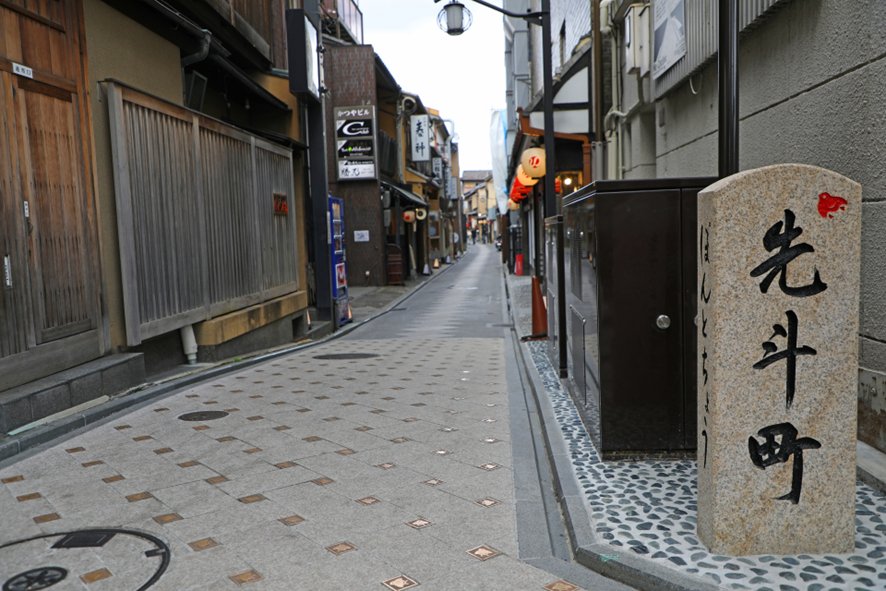
Pontocho Street runs north to south for about 500 meters (a third of a mile) between Sanjo Street and Shijo Street and measures barely 2 meters (about 6.5 feet) across. Restaurants crowd both sides of the lane, and the lanterns under the eaves light up at dusk for an atmosphere unlike any other in the area. The moment when a geiko passes by might last no longer than a breath: the white collar of a geiko hurrying to her engagement slips by right in front of you and disappears into the darkness.
May through early October is the best time to visit the area, when restaurants along the Kamo River open their kawayuka (outdoor riverside dining platforms) and the whole street grows livelier. Kamogawa Odori runs at Pontocho Kaburenjo in May, and maiko sightings on the street increase during that period. Keihan Sanjo Station and Gion-Shijo Station are both about five minutes away on foot, so Pontocho Street is easy enough to wander through before dinner.
Kyoto: Gion Hidden Gems & Geisha Culture Tour
Kamishichiken: Kyoto’s Oldest Geiko District in the Northwest
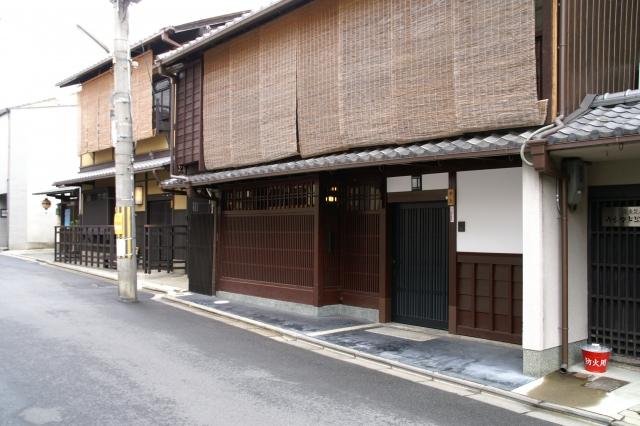
Kamishichiken sits about a thirty-minute bus ride away from Kyoto Station, and that distance from the tourist center is exactly why it holds the quiet air of an old district so well. Building began in the Muromachi period, when builders used leftover materials from the rebuilding of Kitano Tenmangu Shrine to put up seven teahouses in front of the east gate. Toyotomi Hideyoshi reportedly took a liking to them at the Kitano Grand Tea Ceremony, and trade spread from there. Kamishichiken is therefore regarded as Kyoto’s oldest geiko district.
Step onto the street and you’ll find teahouses with lanterns strung up outside their doors. With none of the crowding of Gion, the alley leaves room to walk slowly and stop where you like. If you’d like to be efficient in your sightseeing, stop at nearby Kitano Tenmangu Shrine and take a walk through the Nishijin area. Kamishichiken Kaburenjo, the district’s theater, is about three minutes on foot from the shrine’s east approach, so you can cover the whole neighborhood in just half a day. The spring dance, Kitano Odori, takes place here, and a beer garden opens in the summer.
Kyoto: Gion Geisha District Sunset Tour in Spanish and en Español
Theaters and Museums for Watching Geiko and Maiko Dance
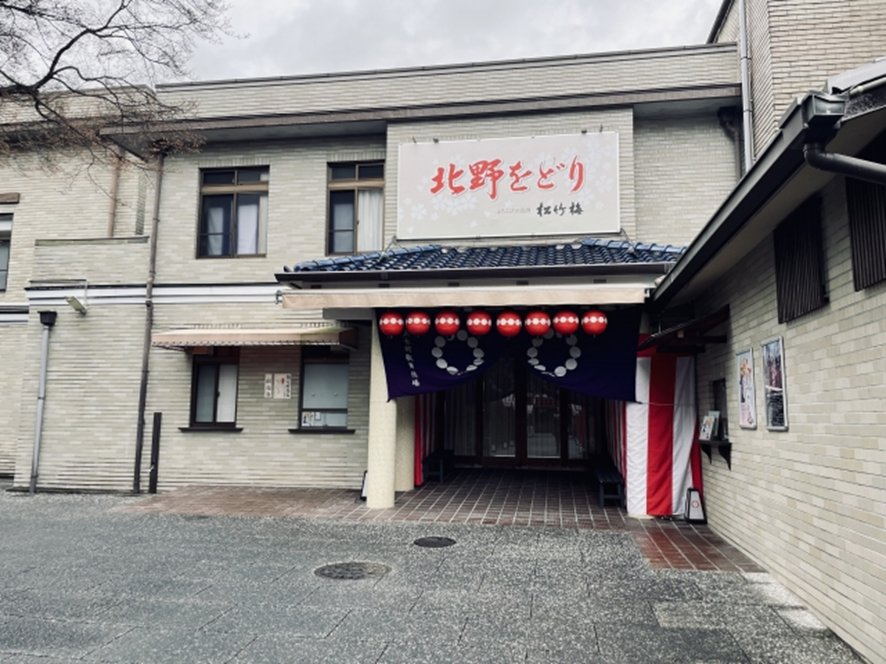
Spotting a geiko on the street is a matter of luck, but a reservation at a theater or museum puts a real geiko in front of you for certain. In the coming section, we’ll introduce seven venues. Some run introductory programs year-round, while others hold a seasonal dance performance for a few weeks in spring or autumn. Dates, prices, and access information differ enough that you can match a performance at one theater or another to almost any schedule and budget.
Gion Corner: Traditional Performing Arts at 6 pm Daily
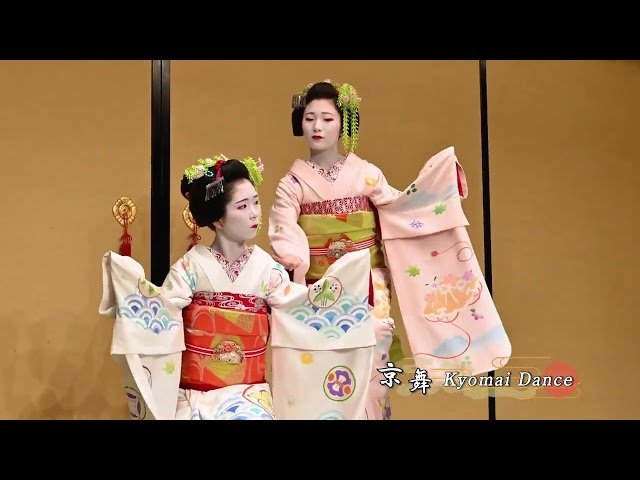
Gion Corner sits at the southern end of Hanamikoji Street and you don’t need a reservation. It stands on the grounds of Gion Kobu Kaburenjo, which makes it a natural last stop for a walk through the district. The program condenses seven traditional arts into about an hour, including Kyomai dance (the Kyoto style of classical dance) by a maiko, kyogen comic theater, tea ceremony, and flower arranging. Each piece is short and makes its point quickly, so first-time viewers of traditional arts will stay engaged throughout.
Two shows run daily at 6 pm and 7 pm, and a ticket guarantees that you’ll see a genuine maiko without relying on a chance meeting in the street. Winter programs sometimes include a commemorative photo with a maiko after the final curtain. Gion Corner closes on July 16th, August 16th, and over the New Year’s holidays (December 26th to January 4th). In winter (December 1st to around March 11th) performances are held Tuesday through Friday only, so check the official site before you visit.
Details
| Address | Gion Kobu Kaburenjo Small Theater, 570-2 Gioncho Minamigawa, Higashiyama-ku, Kyoto |
| Show Times | 6:00 pm, 7:00 pm |
| Closed | July 16, August 16, New Year’s holiday (December 26–January 4); in winter (December 1–around March 11), shows Tuesday–Friday only |
| Website | https://www.ookinizaidan.com/gion_coner/ |
| Best for | First-time visitors to Japan, travelers on a tight schedule, families |
Gion Hanamachi Art Museum: A Fifteen Minute Dance With an Optional Addition
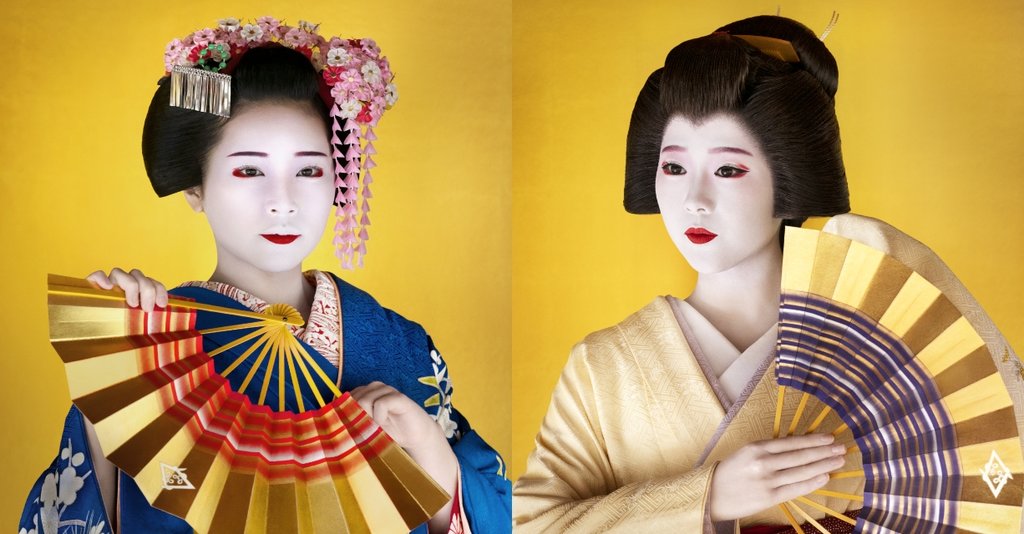
The Gion Hanamachi Art Museum opened in May 2024 and lets you see the kimono, hana kanzashi (seasonal hair ornaments), and other items worn by geiko and maiko up close. QR-code commentary accompanies the displays, so English speakers can learn about the background of geiko culture at their own pace. The museum layout puts the exhibition rooms first with the stage upstairs.
An optional add-on ticket buys you fifteen minutes of Inoue-school Kyomai dance on the second-floor stage, with five performance slots a day to choose from. Keep in mind that each slot has a seat limit, and weekends and holidays can fill up (often starting with the earliest slots). Commemorative photos are also available for about ¥2,000 per group.
Note that the museum closes from mid-March to early May, so anyone planning a spring trip to Kyoto might miss out if they don’t plan their schedule around the museum’s operating days.
Details
| Address | 570-2 Gioncho Minamigawa, Higashiyama-ku, Kyoto |
| Hours | 11:00 am–6:30 pm (last entry at 5:30 pm) |
| Admission | Adults: ¥1,500 / university students and younger: ¥700 / school groups ages 6–15: ¥400 / children under 6: free |
| Kyomai Ticket | ¥1,600 (separate from admission fee) |
| Closed | Mid-March to early May, New Year’s holidays, irregular closures |
| Website | https://gion-museum.com/ |
| Best for | Travelers who want to know the background of hanamachi culture, anyone hoping for a commemorative photo, fans of Japanese culture |
Prices are subject to change. Please check the official website for the latest information.
Gion Kobu Kaburenjo: A Spring Dance Running All Through April
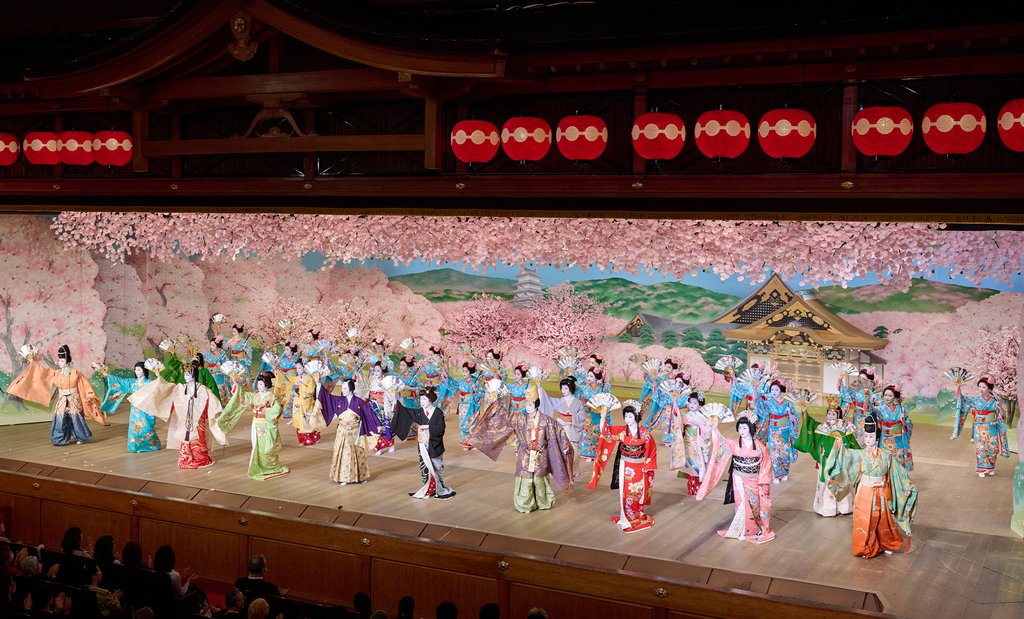
Miyako Odori is the one performance each year that Gion Kobu opens to the general public. It began in 1872 and celebrated its 152nd edition in 2026. Performances run from April 1st to 30th, three times a day at 12:30 pm, 2:30 pm, and 4:30 pm, with each show lasting about sixty minutes.
The curtain never falls between scenes as the four seasons unfold on stage, and the roughly fifty geiko and maiko who appear make Miyako Odori the most spectacular of the dance programs. Gion Kobu doesn’t require a teahouse introduction to watch this performance, and anyone can buy a ticket.
Prices are as follows:
- First class with tea ceremony: ¥7,000 (includes a tea ceremony session before the show)
- First class: ¥6,000
- Second class: ¥4,000 (¥2,000 for students)
The official site sells tickets online and all seats are reserved. Weekend dates and tea-ceremony-inclusive tickets sell out early, so book your spot in January after you’ve confirmed your plans in Kyoto.
Details
| Address | 570-2 Gioncho Minamigawa, Higashiyama-ku, Kyoto |
| Performance Period | April 1–30 annually |
| Show Times | 12:30 pm, 2:30 pm, 4:30 pm |
| Website | https://miyako-odori.jp/ |
| Best for | Spring travelers to Kyoto, anyone who wants to see full-scale traditional dance, groups |
Kyoto: Gion Hidden Gems & Geisha Culture Tour
Miyagawacho Kaburenjo Mitsuwaza: A New Theater Rebuilt in 2025
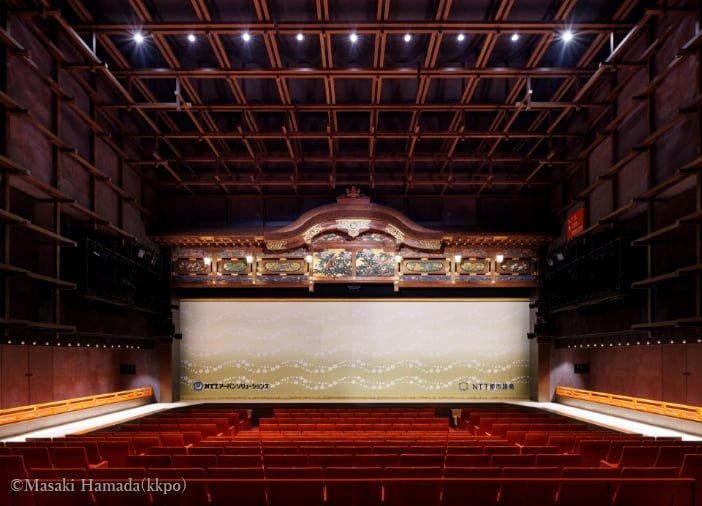
This theater opened in May 2025 under the design supervision of architect Kengo Kuma. The new building faithfully reproduces the great roof and karahafu (curved gable ornamentation) of the old theater while rebuilding the structure with three floors above ground and two below ground.
In April 2026, the first Kyo Odori at the new theater ran from April 4th to the 19th, with the geiko and maiko of Miyagawacho on stage. The standard schedule is two performances a day, at 1 pm and 4 pm.
Every seat requires a reservation and tickets are sold online, so check availability on the official site. Keihan Gion-Shijo Station is about seven minutes away on foot too, so pairing Miyagawacho Kaburenjo Mitsuwaza with a walk through Gion or another performance in the area takes little planning.
Details
| Address | 4-chome Miyagawasuji, Higashiyama-ku, Kyoto |
| Show Times | 1:00 pm, 4:00 pm (Kyo Odori, performance periods only) |
| Closed | Not open outside of performance periods |
| Website | https://www.miyagawacho.jp/kaburenjo/ |
| Best for | Travelers who want modern comfort, anyone who can’t sit on the floor, visitors drawn to a popular new venue |
Pontocho Kaburenjo: The Spring Dance With the Longest History
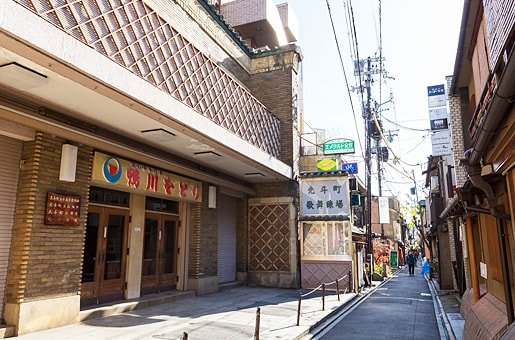
Pontocho’s Kamogawa Odori was created for the Kyoto Exposition of 1872 and has been staged more times than any other dance of the five geiko districts. Kamogawa Odori runs every May, which gives anyone visiting Kyoto that month a reliable chance to see traditional dance.
The program is divided in two: a dance drama and pure dance, and the drama follows a story, so newcomers to Japanese classical dance can track what’s happening on stage. Pontocho Kaburenjo itself is a handsome building completed in 1927, and looks beautiful next to the Kamo River.
Keihan Sanjo Station is about five minutes away on foot. A walk through the lanes of Pontocho Street before or after the show adds to the experience as you view the lanterns at dusk.
Details
| Address | Pontocho-dori Sanjo-sagaru, Nakagyo-ku, Kyoto |
| Performance Period | Every May (dates and show times vary by year) |
| Closed | Not open outside of performance periods |
| Website | https://www.kamogawa-odori.com/ |
| Best for | May travelers to Kyoto, first-time viewers of Japanese classical dance, anyone pairing a visit with a walk through Pontocho |
Kamishichiken Kaburenjo: A March Dance in Kyoto’s Oldest Geiko District
Kitano Odori, the spring dance that Kamishichiken has held every year since 1952, belongs to Kyoto’s oldest geiko district. In 2026 it ran from March 20th to April 2nd, with two shows a day at 2 pm and 4:30 pm and all seats reserved.
The roughly ninety-minute program pairs a dance drama with pure dance, and the climax brings the entire ensemble of Kamishichiken geiko and maiko on stage: geiko in kuromontsuki (the formal black kimono worn on official occasions) alongside maiko in brilliantly colored costume is a composed and dignified sight. Tickets cost ¥6,000, or ¥7,000 with a tea ceremony session included. The theater doesn’t admit children under six, so keep that age limit in mind if you’re traveling with young children.
To get to the venue from Kyoto Station, take a city bus for about thirty minutes, get off at Kitano Tenmangu-mae, and walk about three minutes. Combined with a visit to Kitano Tenmangu Shrine, Kamishichiken Kaburenjo fills out half a day in the Kitano area.
Details
| Address | 742 Shinseicho, Imadegawa-dori Shichihonmatsu Nishi-iru, Kamigyo-ku, Kyoto |
| Performance Period | Late March to early April |
| Show Times | 2:00 pm, 4:30 pm |
| Closed | Open during the performance period |
| Website | https://www.maiko3.com/ |
| Best for | March travelers, anyone who wants to visit Kyoto’s oldest geiko district, travelers also visiting Kitano Tenmangu Shrine |
Gion Kaikan: An Autumn Dance Held in November
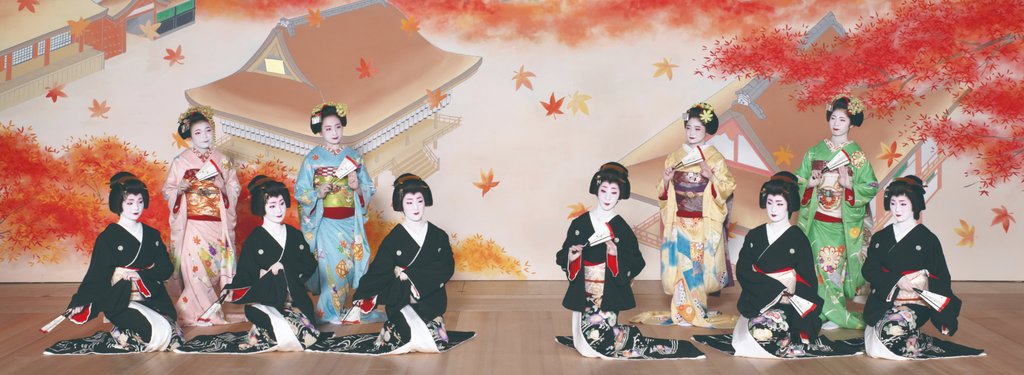
For travelers whose dates miss the spring and summer programs, Gion Odori in November is a rare chance to see geiko perform: it’s the only autumn dance held in Kyoto’s five geiko districts, and the geiko and maiko of Gion Higashi all take part.
The performances last ten days, from November 1st to 10th, with two performances a day at 1:30 pm and 4 pm, each about an hour long. Tickets go on sale roughly three months ahead of time, so start checking for seats once August arrives.
The performance dates are just before Kyoto’s autumn foliage season, so you can follow up the show with a walk through the Higashiyama area as the colors begin to turn. Nearby accommodation fills up quickly in autumn, so reserve your hotel as soon as your itinerary is set.
Details
| Address | 323 Gioncho Kitagawa, Higashiyama-ku, Kyoto |
| Performance Period | November 1–10 annually |
| Show Times | 1:30 pm, 4:00 pm |
| Tickets | About ¥6,000 / special ticket with tea ceremony about ¥7,000 |
| Website | https://www.gionhigashi.com/gion.html |
| Best for | Autumn travelers to Kyoto, anyone whose dates miss spring and summer dances, visitors combining autumn colors with geiko dance |
Prices are subject to change. Please check the official website for the latest information.
Kyoto: Gion Hidden Gems & Geisha Culture Tour
How to Tell a Maiko From a Costumed Visitor
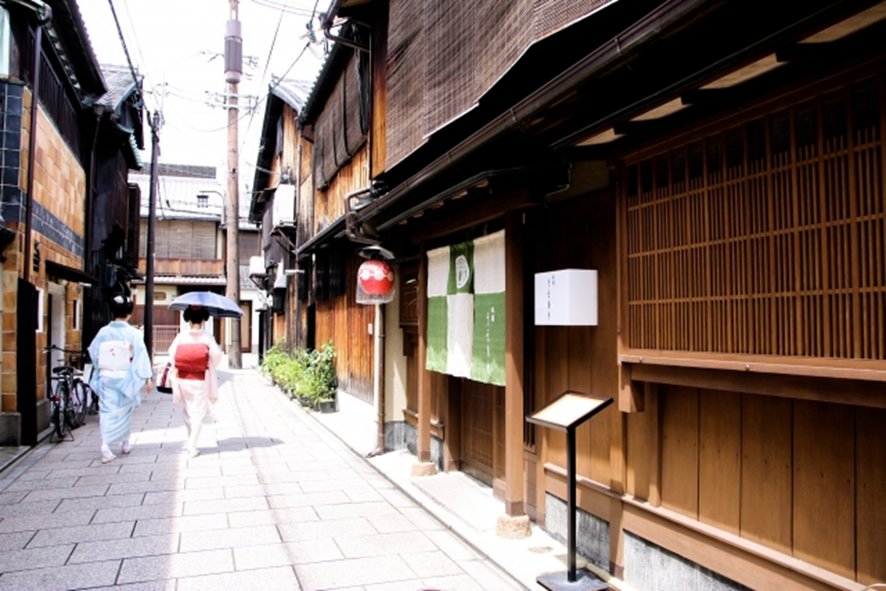
People in white makeup turn up regularly on the streets of Kyoto, and plenty of visitors can’t tell whether they are looking at a genuine maiko or a tourist in a costume. Look for these three things to spot the difference between a genuine geiko and a costumed visitor: how the hair is styled, the length and hang of the obi (the wide sash tied over a kimono), and the combination of time and location.
Maiko Style Their Own Hair Into Traditional Coiffures
The biggest clue is the hairline. A maiko builds her traditional coiffure from her own hair, so a little scalp shows through at the forehead and the nape of the neck. She keeps the style for about a week once it’s set, which also gives the roots a soft, rounded volume.
Costumes generally use wigs. The white makeup is usually applied evenly right up to the hairline and, without a clear boundary against the scalp, the finish tends to look almost too neat, which is a tell. Geiko wear wigs as well, but a professional hairdresser makes each one to fit the individual head, and the texture and the way they sit are nothing like a rental wig.
Judging all this in the instant someone passes you on the street is not easy, so focus on the hairline and the texture at the roots, where a hint of visible scalp is the quickest tell.
A Maiko’s Obi Is Long and Hangs Down Her Back
Obi length is the clearest marker of a maiko, visible from a distance. The darari obi worn by maiko is about five or six meters (roughly 16-20 feet), far longer than that of a standard fukuro obi. The ends fall from the knot at the back and hang almost to her feet, swaying naturally with every step.
The obi is heavy, too, and during dressing an otokoshi (the male dresser who supports a maiko’s appearance and daily needs) holds it taut while tying it—there’s real effort behind that elegant appearance.
Makeover packages reproduce the darari obi, but most use a simplified pre-tied version. Three differences become clear:
- A real obi sways with its own weight, and the ends reach nearly to the ground
- A pre-tied obi holds a fixed shape and barely moves when the wearer walks
- The thickness and dimension of the knot also tend to differ
White Makeup in Daytime Usually Indicates a Costumed Visitor
If you see white makeup on a person during the day, you are most likely looking at a tourist enjoying a makeover. Maiko spend the daylight hours in dance practice and lessons, and they head out in full makeup mainly in the evening.
The way people walk differs as well. People wearing costumes tend to want photographs of the outfit, so they stop often and stroll slowly. Genuine maiko and geiko move briskly to reach their engagements on time. Put those two signals together and you can usually judge correctly without inspecting the obi or the hair.
| What to Check | Individual in a Costume | Genuine Maiko or Geiko |
|---|---|---|
| Usual hours | Daytime (10 am–4 pm) | Evening (5:30 pm–7 pm) |
| Walking pace | Slow, with frequent stops | Brisk and headed straight for a destination |
| Company | With friends or a photographer | Alone or with an attendant |
Photographing tourists in costume is fine as long as they agree, so ask before you take a photo.
Three Points of Etiquette
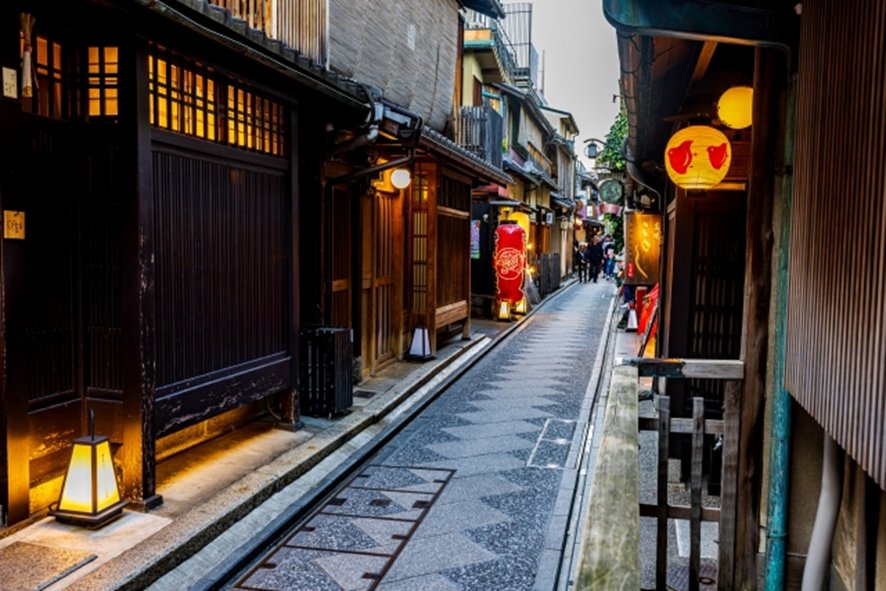
Walking through Kyoto, many visitors worry about breaking a rule without realizing it. There are three points to keep in mind: restrictions on private lanes, how to behave around geiko on their way to work, and the rules for commemorative photos. Some of these restrictions tightened in 2024.
1. Stay Out of Lanes With Signs
In 2024, local residents formally closed the Kosode-koji lane on the south side of Gioncho to through traffic. They made that decision reluctantly, after repeated trespassing and poor behavior by visitors, and lanes that were once open as a courtesy are closing one after another.
The main stretch of Hanamikoji Street is a public street, but many of the narrow lanes branching off it are private property. The stone paving and the atmosphere look the same as the main street, though, so appearance alone can’t tell you which is which. If a sign or poster at the entrance says the lane is private and closed to passage, you can’t go in. Check the entrance before stepping into any lane.
Residents have called the police when visitors ignore the signs. To avoid trouble, watch geiko from the public street only.
2. Don’t Stop a Geiko on Her Way to Work
Geiko and maiko heading to an engagement move on a minute-by-minute schedule. Stopping a geiko to talk can make her late, and the consequences reach the teahouse and its guests.
Physical contact carries real risk. Kimono and kanzashi are expensive, and if you grab an arm or block the way and soil or damage a garment, you could face a legal claim for repairs and lost business. Photographing someone from close range without permission and posting it on social media is also a violation of a person’s right to control their own image. Persistent following and physical contact have led to police reports being filed against tourists.
A slight bow and a step to the side are all that is needed when you pass a geiko, and that reads as respect from a visitor to the district. Hanging back to watch, rather than following, is what earns a welcome here.
3. Ask for Photos Where They Are Permitted
For a photo with a geiko or maiko, visit a venue that allows it rather than shooting without permission in the street. The Gion Hanamachi Art Museum offers a photo service priced separately from the Kyomai viewing. Along with smartphone shots, you’ll also receive an instant film print carrying her senjafuda (a sticker printed with her name), handed over in a small decorative envelope to take home. Note that the museum doesn’t permit commercial photography or streaming.
Rules can vary at teahouse events and theater performances, so ask the venue whether it allows photography when you make your reservation.
If you’re photographing the streetscape on Hanamikoji or another public street, follow these rules:
- Leave tripods and selfie sticks at home, since they block the way
- Avoid stopping to shoot between 5 pm and 7 pm, the rush hour for geiko heading to work
- Point the camera at the streetscape as a whole rather than at individual geiko
If you’re unsure about the rules, an English-guided walking tour will cover them in detail: the guide tells you where and when photography is permitted.
Kyoto: Gion Hidden Gems & Geisha Culture Tour
Kyoto: Gion Geisha District Sunset Tour in Spanish and en Español
Common Questions About Seeing Geiko in Kyoto

Certain questions come up again and again when travelers plan to see geiko in Kyoto: the difference between geiko and maiko, the best season, what to do in the rain, how to manage with children, and whether teahouse bookings are possible. We’ll cover all these topics in the section below.
What’s the Difference Between a Geiko and a Maiko?
A maiko is a young woman in training to become a geiko, and most start between the ages of fifteen and twenty and spend several years learning dance and deportment. Once their training is complete and they begin working independently, she is called a geiko, a full professional who entertains guests through her art and conversation.
Geiko divide into tachikata, who perform the dance, and jikata, who support it with shamisen and song. The differences show in appearance as well:
| Fashion | Maiko | Geiko |
|---|---|---|
| Kimono sleeves | Long furisode (long-sleeved kimono) sleeves | Short sleeves, more subdued kimono |
| Obi | Darari obi, hanging long down the back | Standard obi |
| Hair ornaments | Elaborate seasonal kanzashi | Understated ornaments |
Bright, eye-catching dress points to a maiko; a polished, restrained presence points to a geiko.
Is There a Season When Geiko Are Easier to Spot?
The odds of seeing geiko and maiko peak during the dance seasons in spring (March to May) and autumn (November). The whole district is busy during these periods, and geiko and maiko appear more often on their way to rehearsals and performances.
| District (Hanamachi) Name | Performance Name | Timing |
|---|---|---|
| Gion Kobu | Miyako Odori | April |
| Kamishichiken | Kitano Odori | Late March to early April |
| Miyagawacho | Kyo Odori | April |
| Pontocho | Kamogawa Odori | May |
| Gion Higashi | Gion Odori | Early November |
Midsummer and midwinter are hard on anyone moving about in kimono, and no easier for the visitors waiting outside. Spring and autumn bring mild weather along with the performances, which makes it easier to combine walking and seeing a show in the area.
Are There Places to See Geiko With Children?
Indoor venues work well for children. The Gion Hanamachi Art Museum admits children under six for free and offers a fifteen-minute Kyomai performance, short enough to hold the attention of young ones. The Gion Corner program runs for about an hour and visitors watch it from their seats, so it asks little in the way of stamina.
Kyoto’s streets get crowded after dusk, and a stroller is often difficult to push through the crowds. You can’t schedule a chance street encounter either, so a long wait isn’t realistic with children. A practical plan is visiting the museum in the morning and taking an early evening walk through the city, ahead of the crowds.
Kyoto: Gion Hidden Gems & Geisha Culture Tour
Can You Still Spot Geiko on a Rainy Day?
In wet weather most geiko take a taxi straight to their engagement, so street sightings drop sharply. Stone paving turns slippery in the rain, and walking with an umbrella is awkward. Switching to an indoor plan is a far better use of your time than hoping for a street encounter. Gion Corner, the Gion Hanamachi Art Museum, and the spring and autumn dance performances all run regardless of the weather, so keep them in mind as options when rain is in the forecast.
Can Individuals Book a Teahouse Banquet?
Booking directly as a traveler is not impossible, but it is extremely difficult. Kyoto’s teahouses follow the custom of ichigen-san okotowari: they accept new guests only through an introduction from an existing customer.
A few teahouses do take guests without an introduction, however, though the fee for a geiko or a maiko, plus food and drink, often puts the cost of a single banquet anywhere from tens of thousands to hundreds of thousands of yen. For a simpler way in, consider the Gion Corner program, the Gion Hanamachi Art Museum, or an English-guided hanamachi tour.
Choosing How to See Kyoto’s Geiko
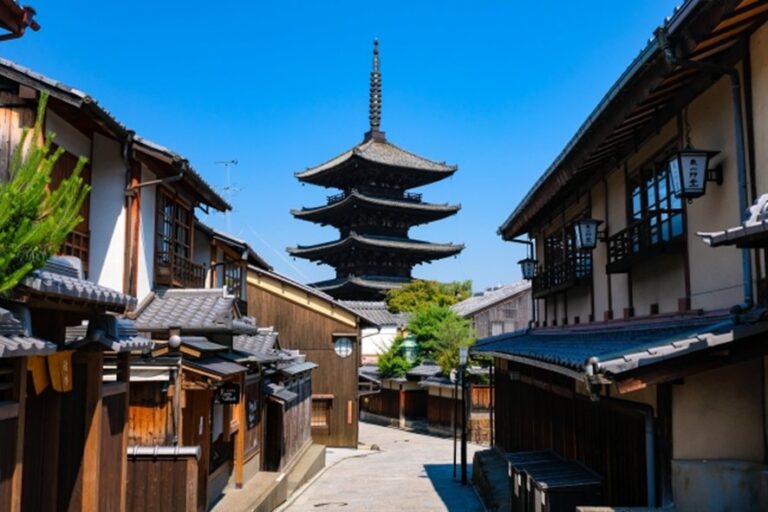
Three routes lead to seeing a geiko in Kyoto: an evening walk through the city, a dance performance at a theater, and a guided tour. Whichever you choose, stay off private lanes and don’t take photos without permission—that’s part of respecting the way of life in these districts. Remember that the chance of seeing a geiko increases between the hours of 5:30 pm and 7 pm, while a theater ticket guarantees you a sighting whatever the weather and whatever the month.