Origami workshops taught in English are harder to track down in Tokyo than most travelers might expect. Official websites are often Japanese-only, and some studios hold sessions on an irregular schedule, so gathering reliable information takes time.
Several Tokyo studios do teach origami in English, though. Their prices, session lengths, and booking methods differ from one class to the next, but knowing a few points about these studios and their classes beforehand will make it easier to pick the class that suits you and discover other cultural activities you can participate in as well.
What Origami Workshops in Tokyo Are Like
Origami workshops in Tokyo are run in several formats—from short drop-in sessions to private classes—and the fee changes with the format. You can compare studios more easily once you know about class styles, price ranges, and session lengths, and that’s exactly the kind of information we’re going to cover in the following sections.
Formats Include Drop-In Sessions and Private Classes
Origami workshops in Tokyo come in several formats depending on the venue: reservation-based individual instruction, group lessons, same-day walk-in sessions, and online classes. You can choose what works for you according to your travel dates and budget, so it helps to know how the formats differ:
- Drop-in: No reservation needed, so you can stop by whenever it suits you. Good for anyone who wants to get their feet wet.
- Self-guided: Fold the paper at your own pace while following a video. Some studios even let you pick the model you want.
- Instructor-led: A group lesson with an English-speaking teacher. Reassuring for beginners and families with children.
- Private instruction: A small-group lesson with the teacher’s full attention. Best for advanced origami enthusiasts or anyone looking for a special experience.
Drop-in and group lessons generally run from ¥1,100 to ¥5,000, while private classes cost around ¥45,000. Most studios include the materials in the fee, which makes budgeting easy for travelers. The level of English support varies by studio, however, so confirm details before you book.
Sessions Last Twenty to Sixty Minutes and You Keep What You Make
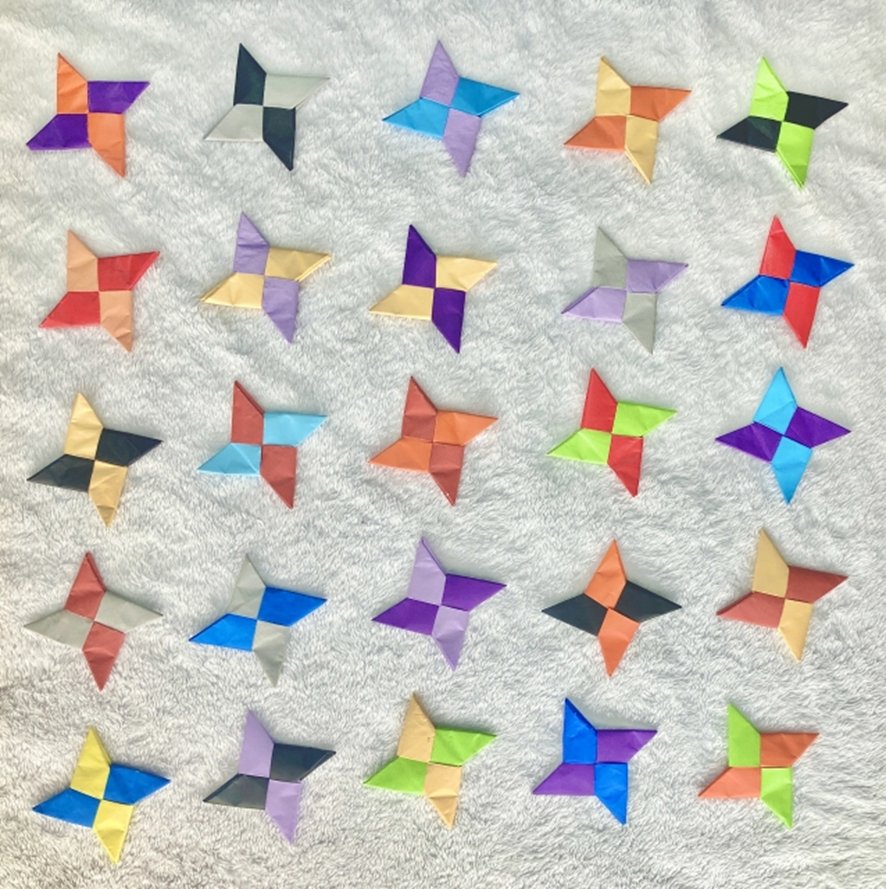
Most studios offer sessions of twenty to sixty minutes. A short course teaches you how to make a crane or flower in about thirty minutes, while a sixty-minute workshop might cover difficult three-dimensional pieces or several simple shapes.
Beginners and small children often run past the estimated time. They may get stuck on a step or spend a while choosing colors. Allowing an extra thirty minutes of leeway will keep the rest of your day from becoming hurried.
Once finished, you’ll take your finished piece home with you. Paper is light, and the pieces fit easily into a suitcase or carry-on bag. Three-dimensional pieces can get crushed easily in transit, though, so protect them as follows:
- Place the piece in a small box or hard case to shield it from the pressure of packed luggage
- Sandwich the piece between sheets of thick paper so the surfaces support it
- On flights, secure it inside a rigid container in your carry-on baggage
A small plastic case from a one hundred-yen shop works well for protecting your origami. Pick one up before you head to the studio.
Beginners and Children Can Easily Join In
Origami doesn’t use blades and you simply fold paper, so even young children can take part safely. Many studios accept participants older than five, and classic pieces such as the crane or the kabuto (samurai helmet) can often be assembled in only a few steps. That sense of accomplishment comes quickly, so first-timers can approach origami stress-free.
People around the world recognize the word origami. Since you’ll watch the teacher’s hands and repeat the same movements, your Japanese level makes little difference in how much you’ll enjoy it. If you have concerns about age requirements or experience level, mention your child’s age when you book. Studios often adjust the difficulty and the level of support for each participant, so the whole family can take part comfortably.
Four Recommended English Origami Workshops
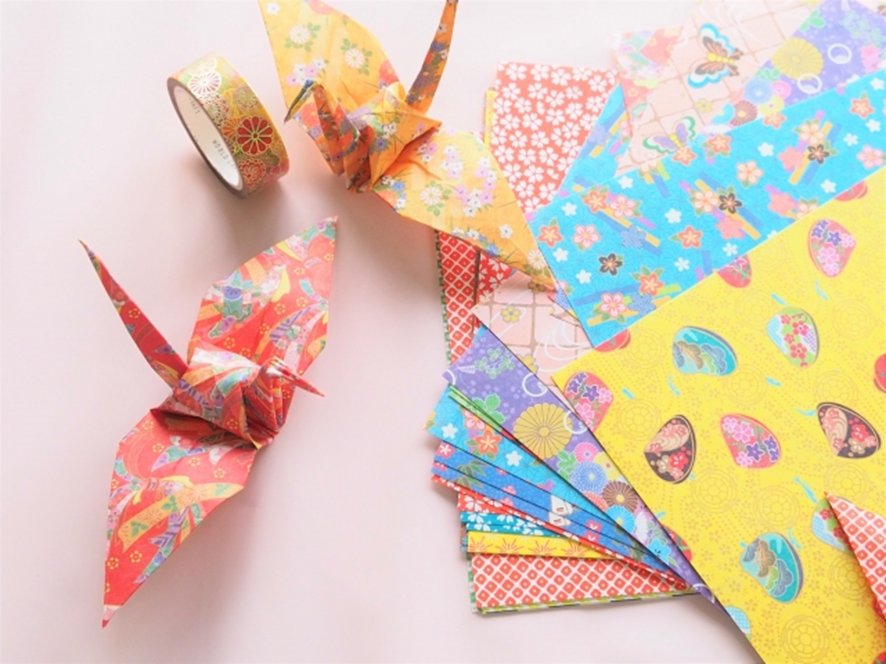
English origami classes are available across the city, though studio fees, session times, and booking procedures vary considerably at each venue. The four studios we’ll introduce below all welcome travelers in English. Compare them by what you’re looking for, whether that is a first class for a beginner, a family-friendly session, or a challenge for an experienced veteran.
Origami Jewelry Workshop | Make Earrings and Necklaces From Paper

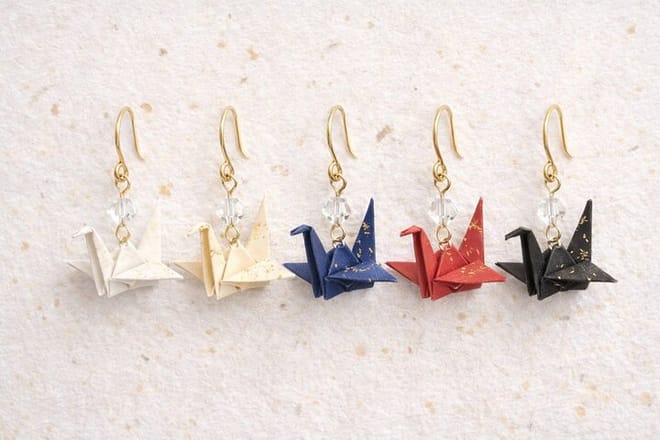
At this workshop, you’ll choose a paper pattern you like, fold cranes or geometric shapes, and then finish them into earrings or a necklace. The instructor guides each step, so the class works even if you’ve never tried origami before. And you get to keep the finished accessory, which makes for a great souvenir you can actually wear.
The venue is Chopsticks Studio Shinjuku in the Kabukicho district of Shinjuku. They welcome a maximum of ten participants at a time, and materials and tools are all included in the fee so you can come empty-handed. In the event that you need to change your plans, you can also cancel free of charge up to twenty-four hours before the start time, which suits travelers whose plans shift. Check workshop availability and book on the booking site provided below.
Details
| Meeting point | 8F Azuma Building, 1-5-4 Kabukicho, Shinjuku-ku, Tokyo |
| Duration | About 1 hour (sessions start every 2 hours between 10:00 am and 6:00 pm) |
| Included in the fee | Paper, jewelry pieces, and a full set of tools |
| Booking site | https://japanguidestar.com/tour/tokyo-create-your-own-handmade-origami-jewelry/ |
| Recommended for | Anyone who wants a unique, handmade souvenir; couples and small groups |

Tokyo: Create Your Own Handmade Origami Jewelry
Discover the beauty of traditional Japanese craftsmanship in this hands-on origami workshop.
Tokyo Chopstick Making Workshop in Shinjuku

Tokyo: Japanese Gold Repair Kintsugi Workshop in Shinjuku

Origami Kaikan | Walk Ins Welcome
Origami Kaikan, run by a Japanese paper company that was founded in 1858, offers free admission to its origami gallery and paper-dyeing studio. The facility holds a Mini Origami Lesson in English on an irregular basis, with the class lasting up to thirty minutes for a fee of a few thousand yen. You don’t need a reservation, so a session here can fit neatly into a day when you find yourself with free time on your hands.
Session dates are irregular, though, so check the class calendar on the official website for the latest schedule. Staff sometimes announce a session for the day of, so keep your eyes peeled. Origami Kaikan also accepts reservations for private group lessons, and if the English-language sessions do not line up with your dates, you can bring an interpreter along as a practical alternative.
Details
| Address | 1-7-14 Yushima, Bunkyo-ku, Tokyo |
| Hours | 9:30 am-4:30 pm |
| Closed | Sundays, national holidays, summer break, and the New Year’s holidays |
| Official site | https://origamikaikan.co.jp/ |
| Recommended for | Anyone who wants to try origami without booking, or to see washi culture for free |
Hours differ by season. Please check the official website before visiting.
Taro’s Origami Studio | Over One Hundred Models to Make at Your Own Pace
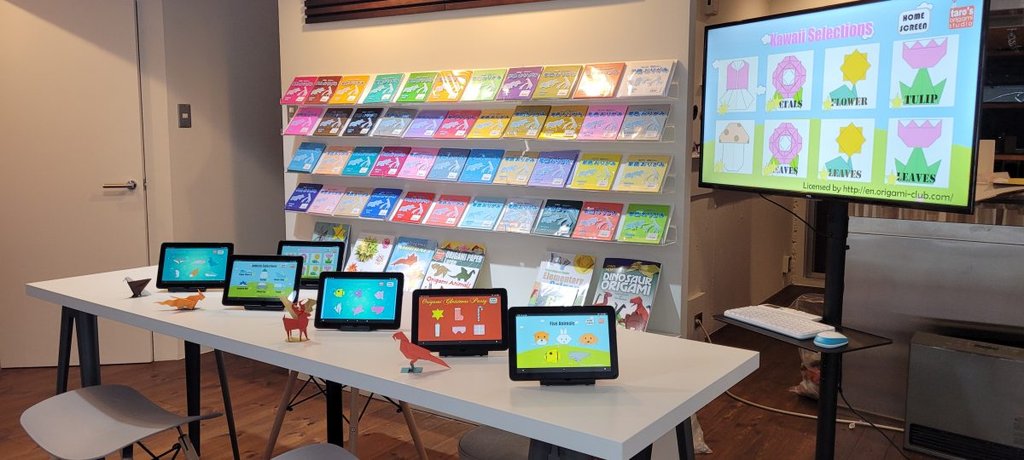
Taro’s Origami Studio started in New York and opened its Asakusa location in 2022. Its format is self-guided: you follow English instructions on a tablet screen and work at your own pace. You don’t need to catch a teacher’s spoken explanation, so even a limited command of English shouldn’t be an obstacle.
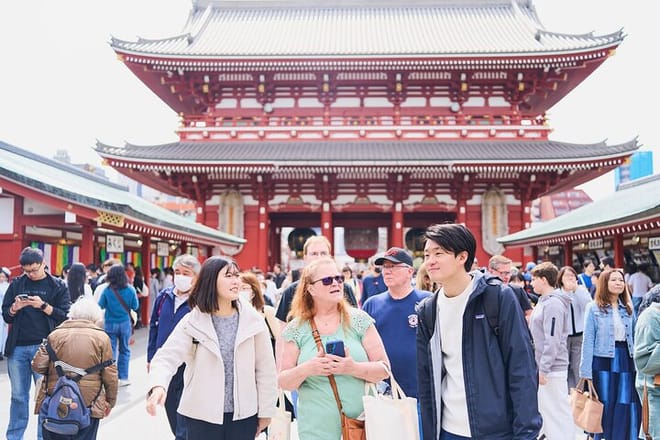
The sample list is long, covering simple cranes as well as complex three-dimensional pieces. A session takes about forty-five minutes and costs around ¥4,000, and children aged five and up can also participate. Taro’s Origami Studio sits within walking distance of Sensoji Temple, which makes it easy to fit in between sightseeing stops. Space is limited, however, so book ahead through the official site.
Details
| Address | 7-1-12 Asakusa, Taito-ku, Tokyo |
| Hours | Tuesdays 2:00 pm-6:00 pm; Wednesdays-Sundays 12:00 pm-6:00 pm |
| Closed | Mondays |
| Official site | https://www.tarosorigami.com/asakusa-tokyo/ |
| Recommended for | Anyone who prefers to work at their own pace, wants to attempt advanced models, or plans to combine the class with sightseeing in Asakusa |
Hours differ by season. Please check the official website before visiting.

Asakusa: Guided Food Tour with 12 Dishes at 4 Local Eateries

Nihonbashi Information Center | English-Speaking Staff Teach the Folds
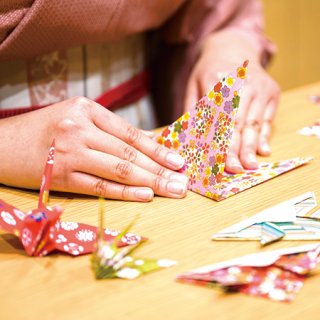
The Nihonbashi Information Center sits on the first basement floor of COREDO Muromachi 1 (a shopping complex). It offers a reservation-only origami session using chiyogami (paper printed in vivid colors with traditional Japanese motifs), led by English-speaking staff. The information center is directly connected to Mitsukoshimae Station on the Tokyo Metro, so you can reach it without stepping outside on a rainy day.
Besides origami, the list of offered workshops includes several Japanese crafts such as mizuhiki (decorative cords twisted from paper, used on gift wrapping) and stamp carving. You can even combine them, taking the origami class in the morning and the mizuhiki workshop in the afternoon, for example. It’s an efficient plan for travelers on a tight schedule who want to thoroughly cover Japanese crafts. Staff take reservations and answer schedule questions by phone in English at 03-3242-2334.
Details
| Address | B1F COREDO Muromachi 1, 2-2-1 Nihonbashi-Muromachi, Chuo-ku, Tokyo |
| Hours | Weekdays 11:00 am-8:00 pm; weekends and holidays 10:00 am-8:00 pm (English phone line 11:00 am-7:00 pm) |
| Closed | Irregular closures |
| Official site | https://www.nihonbashi-tokyo.jp/information_center/ |
| Recommended for | Travelers who want several Japanese cultural experiences on the same day |
Hours differ by season. Please check the official website before visiting.
Tokyo: Create Your Own Handmade Origami Jewelry
Discover the beauty of traditional Japanese craftsmanship in this hands-on origami workshop.

Four Points to Check Before Joining an Origami Workshop
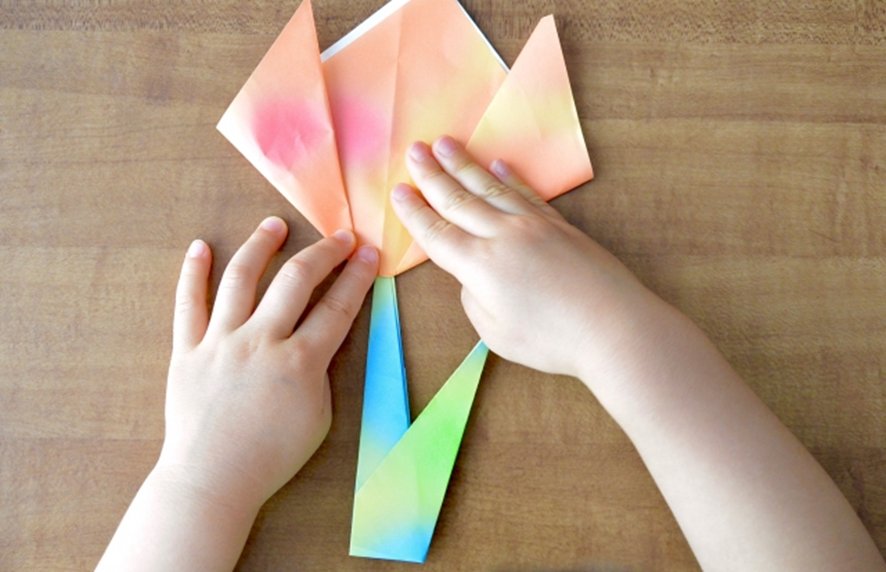
Once you’ve settled on a studio, there are four points worth sorting out in advance: clothing, payment methods, session schedules, and timing. We’ll cover these details in this section.
1. Bring Socks In Case the Studio Asks You to Remove Your Shoes

Some origami studios in Tokyo hold classes in rooms floored with tatami (woven straw mats) or in tearoom-style spaces. In Japan, people take off their shoes at the entrance so that dirt from outside stays outside. Plenty of travelers wear their shoes without socks, but stepping into a class barefoot can lead to you being turned away or simply to cold feet. A pair of socks in your bag solves both of these potential issues.
Whether you’ll need to remove your shoes depends on the studio, however, so ask about this when you book. If the official website mentions a “tatami room,” it’s safe to assume that they’ll ask you to take your shoes off.
2. Lower-Priced Studios Sometimes Only Take Cash
Cashless payment is spreading in Tokyo, yet studios in the ¥1,100 to ¥2,500 range sometimes handle cash only. If you travel with credit cards alone, you may find yourself unable to pay when you get there be and forced to give up your spot. Classes booked through reservation sites and private lessons settle payment online in advance, so you won’t need any cash on your person.
| Studio Type | Typical payment method |
|---|---|
| Small studios (¥1,100-¥2,500 fee range) | Often cash only |
| Booked via OTA or activity sites | Online payment in advance |
| Higher-priced private lessons | Cards and advance payment accepted |
If you need cash, Seven Bank ATMs accept cards issued overseas, so withdraw a few thousand yen before you head to the studio, just in case.
3. Check the Schedule
Class schedules differ widely by studio. Some accept participants every day, while others open their doors only a few times a month. Confirm in advance that a session actually runs on the day you plan to visit. Studios like Origami Kaikan—which operates on an irregular schedule of two or three sessions a month—call for extra care. Official sites announce the dates for each month in advance, so check as soon as your itinerary takes shape.
If your travel dates aren’t fixed yet, compare the session dates at the studios on your shortlist:
- Book a spot at a studio that operates daily as your reliable option
- Check the studio’s calendar on their website at the start of the month, especially for studios with irregular sessions
- Make your reservation as soon as dates are confirmed, especially during high season when spots fill quickly
4. Book Reservation-Only Studios Early
Small-group origami studios have only a few seats, and popular time slots go fast. Even outside peak tourist seasons, some places fill up one or two weeks ahead, and during tourist season you might not find an available day even more than a month out.
Even if your itinerary isn’t settled, snatch a provisional spot once you’ve narrowed down your candidate dates. Sites that allow free cancellation up to twenty-four hours beforehand let you reserve with little risk, so you can book two or three studios you’re interested in and cancel the ones you don’t need once your plans are decided.
The booking process typically looks like this:
| Time left before your trip | What to do |
|---|---|
| More than a month | Book a spot at two or three studios |
| Two weeks | Narrow down your choice to one studio once your itinerary is set |
| More than 24 hours | Cancel the bookings you no longer need, free of charge |
Cancellation policies differ by studio, so make sure to check details in advance.
Tokyo: Create Your Own Handmade Origami Jewelry
Discover the beauty of traditional Japanese craftsmanship in this hands-on origami workshop.
Cultural Experiences That Go Well With Origami

Take on a second craft after your origami session and you’ll make fuller use of your time in Tokyo. The two workshops we’ll introduce below are held at the same venue as the handmade origami jewelry workshop we introduced earlier. If you stagger the start times, you should be able to fit two sessions into one day, and whether you choose chopsticks or kintsugi pottery, either one is great to give as a gift.
Chopstick-Making Workshop | Choose Your Wood and Shape Your Own Chopsticks

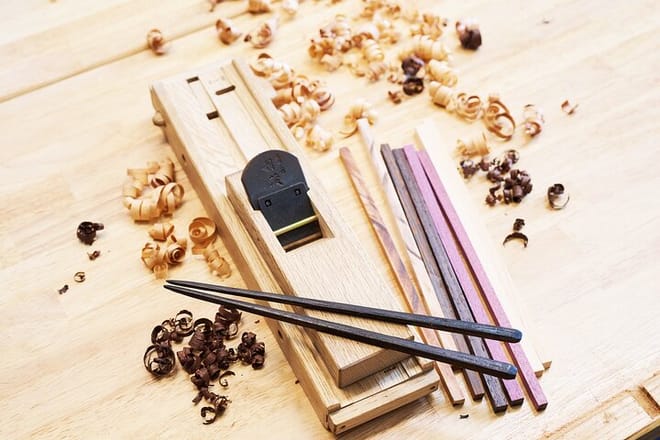
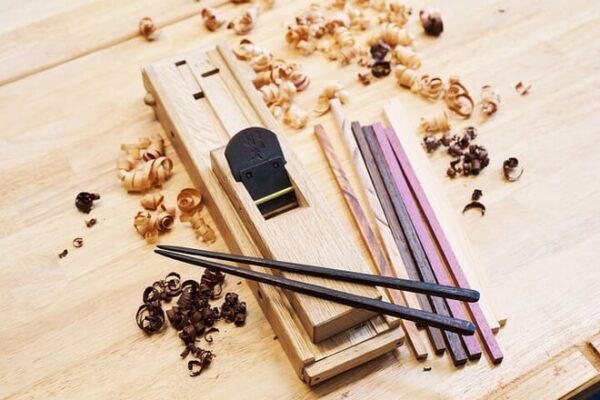
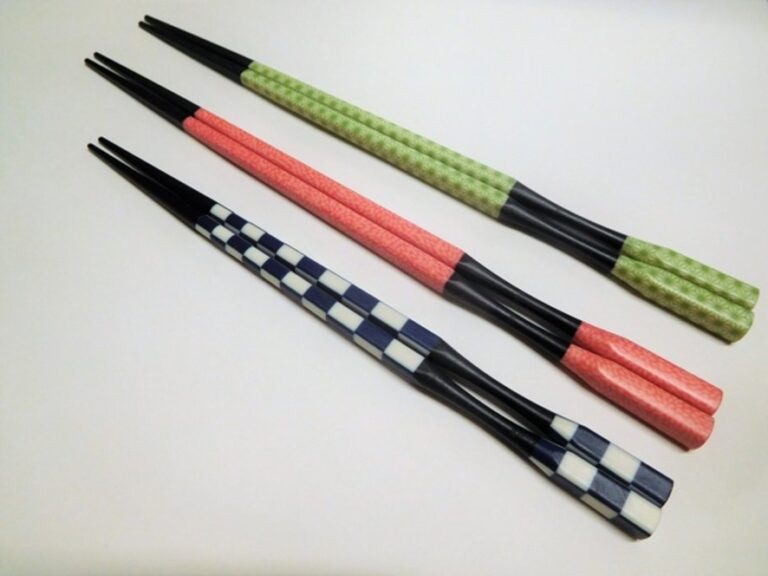
Shaping wood into chopsticks offers a tactile pleasure that’s distinctly different from folding paper. In this session—operated by Japan Guide Star in Kabukicho, Shinjuku—you’ll pick your material from more than twelve kinds of wood then shave it down bit by bit with a plane until the pair sits comfortably in your hand.
Working with the scent of wood wafting around you makes for a relaxing stretch of time. You’ll take your pair home, of course, so you can even use them at dinner that same evening. Chopsticks take up very little space and travel well, too. The session lasts about an hour, accepts participants ages six and up, and runs in English, so scheduling it on the same day as an origami workshop is pretty straightforward.
Details
| Meeting point | 1-5-4 Kabukicho, Shinjuku-ku, Tokyo |
| Hours | Sessions start hourly from 9:00 am to 6:00 pm (10 sessions a day) |
| Duration and capacity | About 1 hour / up to 15 people |
| Age requirement | Ages 6 and up |
| Included in the fee | Wood, a full set of tools, and name engraving |
| Booking site | https://japanguidestar.com/chopstick-making-tokyo-2/ |
| Recommended for | Families and couples who want a practical, handmade souvenir |
Hours differ by season. Please check the official website before visiting.
Tokyo Chopstick Making Workshop in Shinjuku
Kintsugi Workshop | Repair a Broken Vessel With Gold Powder
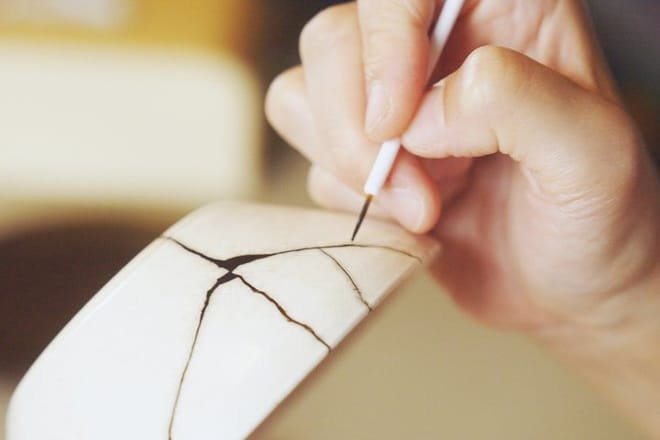
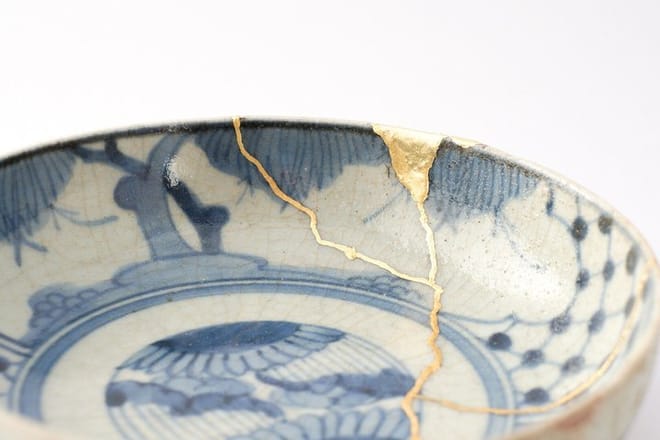
Kintsugi is a distinctly Japanese repair craft that finds worth in mending what has broken. The technique traces cracks and chips in lines of gold and treats the damage as part of the finished piece rather than a flaw to be hidden. The approach puts it on the same plane as the spirit of wabi-sabi, the Japanese philosophy that emphasizes finding richness in the modest and the imperfect.
The kintsugi workshop by Japan Guide Star in Shinjuku uses a fast-drying synthetic lacquer for a simplified version of the technique. In just an hour and a half, you’ll carefully repair a prepared broken piece of pottery with a special bonding material and gold powder. The material dries quickly, allowing you to take the piece home the same day. Booking a kintsugi workshop right after an origami session gives you the opportunity to enjoy two Japanese crafts in half a day.
Details
| Meeting point | 1-5-4 Kabukicho, Shinjuku-ku, Tokyo |
| Duration | About 1.5 hours |
| Age requirement and capacity | Ages 6 and up; up to 15 people |
| Booking site | https://japanguidestar.com/tour/tokyo-japanese-gold-repair-kintsugi-workshop-in-shinjuku/ |
| Recommended for | Culture enthusiasts who want to try a traditional craft that’s more advanced than origami |
Tokyo: Japanese Gold Repair Kintsugi Workshop in Shinjuku
Common Questions About Origami Workshops in Tokyo

Age limits for children and questions about same-day availability are often unclear while you’re comparing workshops. Below we’ve provided answers to the questions travelers ask most.
Where Can I Learn About Origami History and See Finished Pieces?

There are two facilities in Tokyo that showcase the history and craftsmanship of origami. One such venue, Origami Kaikan, is a longstanding shop in the Ochanomizu district where you can view gallery exhibits and watch paper being dyed by hand in the studio. Combine your tour with a workshop and you can fold, view, and learn all in one place.
The second venue, the Tokyo Origami Museum, is a permanent exhibition space with free admission, so stopping by requires little planning. The museum is open from 9:30 am to 5:30 pm and closes on national holidays that fall on weekdays, as well as New Year’s holidays. The building sits about an eight-minute walk from Kuramae Station, which makes it convenient to work into a day of sightseeing in Asakusa.
What Is the Minimum Age for Children?
Age requirements vary by studio. For example, Origami Kaikan welcomes all ages but Taro’s Origami Studio requires participants to be at least five years old. Young children tend to lose focus quickly, so simple shapes that come together fast are often popular with little ones. Tell the studio your child’s age when you book and the teacher can adjust the difficulty of the lesson, too.
Are Walk-Ins Welcome?
Only a few studios accept same-day participants without a reservation. The Mini Origami Lesson at Origami Kaikan doesn’t require booking, but the downside is that its dates and times are irregular. If a session is running that day, you can buy a ticket at the shop and join in, though calling before you visit is better.
Taro’s Origami Studio and Chopsticks Studio Shinjuku both require reservations. If you want wiggle room to change plans on the day, look for venues like the Nihonbashi Information Center, which takes phone bookings in English when spots remain open.
Tokyo: Create Your Own Handmade Origami Jewelry
Discover the beauty of traditional Japanese craftsmanship in this hands-on origami workshop.
Where Can I Buy Paper for Origami?
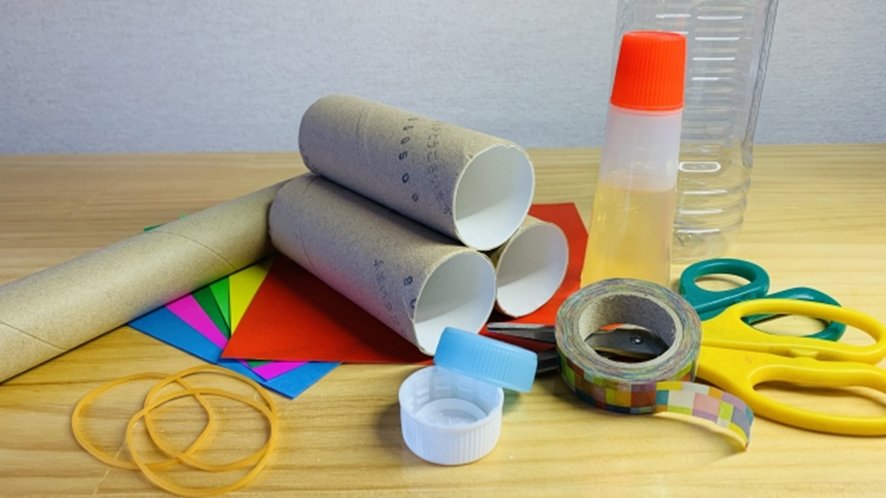
Chiyogami and yuzen paper (sheets carrying designs from a traditional Japanese dyeing technique) are hard to find at craft shops overseas, so buy them while you’re in Tokyo.
Origami Kaikan sells hand-dyed paper and chiyogami in its third-floor shop. If you’re in the Nihonbashi area, Ozu Washi, founded in 1653, and Haibara are both good choices. For overseas shipping, contact each shop directly. Japanese hand-dyed paper is light and travels well. It also makes for a great gift, so buying a batch while you’re at a workshop just makes sense.
Are There Classes for Complex Shapes?
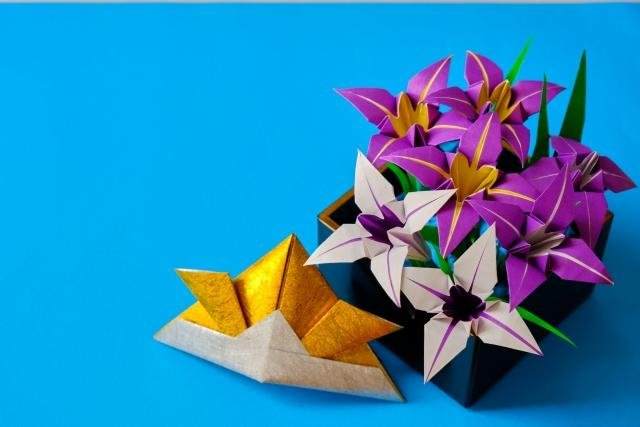
Taro’s Origami Studio lets you work up to complex shapes step by step on a tablet. If you choose an instructor-led session, request the difficulty level or the pattern when you book. Origami Kaikan also has advanced courses, but these are taught mainly in Japanese. For more in-depth study in an English-speaking setting, ask about a private lesson with an individual teacher. Teachers can shape the content around the type of origami you want to make.
Tokyo: Create Your Own Handmade Origami Jewelry
Discover the beauty of traditional Japanese craftsmanship in this hands-on origami workshop.
Choosing Your Origami Workshop in Tokyo

English-language origami classes in Tokyo welcome everyone from first-timers to experienced folders. Fees and booking methods differ by studio, though, so check official websites for the latest information. Also check the class calendar for the month you are traveling, and book early if your dates are already fixed. And don’t forget to pack a pair of socks.