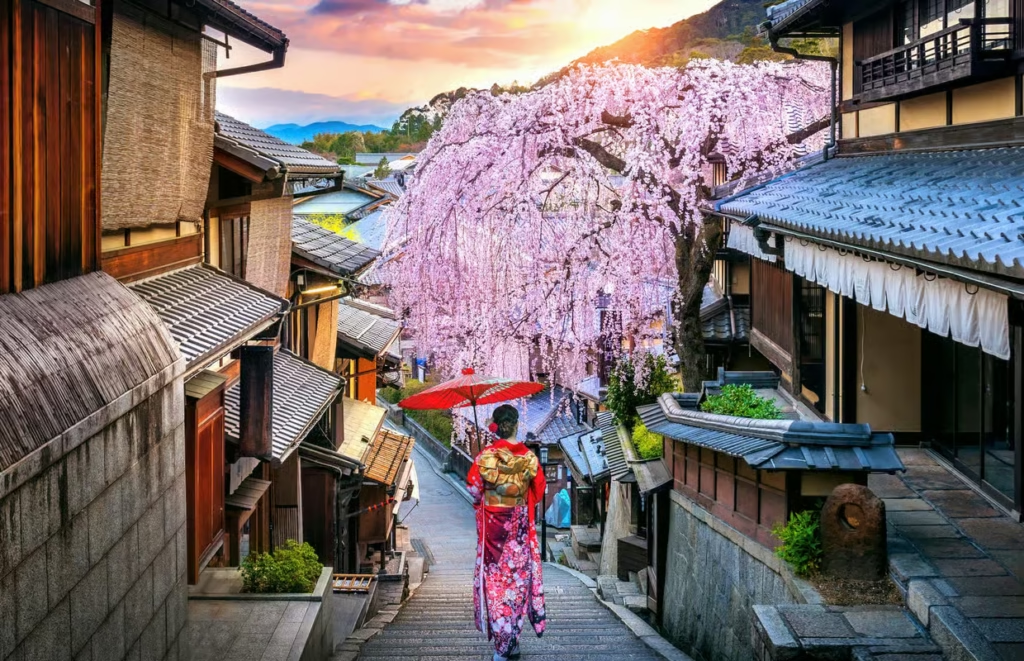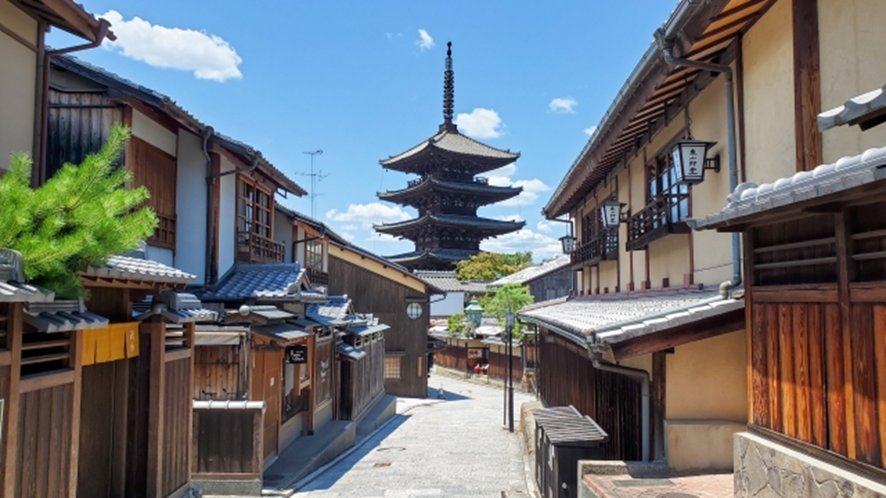
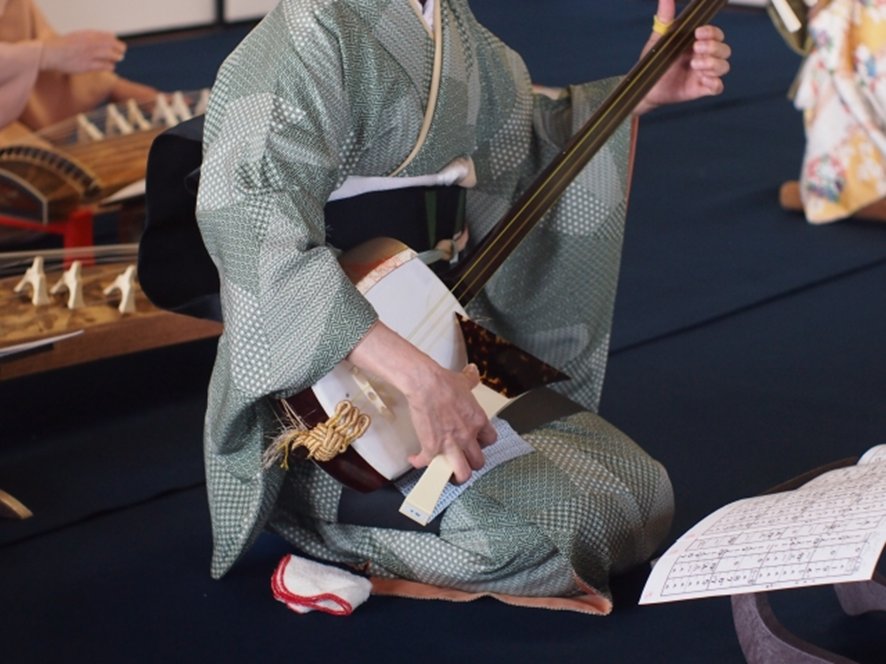
Geisha are performers who entertain guests at banquets with shamisen (a three-stringed Japanese lute) music, dance, and other traditional arts. Films have often blurred the line between geisha and courtesans, but geisha are professionals who refine their art through years of training.
The terms geiko, maiko, and oiran refer to different figures: a Kyoto geisha, an apprentice geisha, and a courtesan of Japan’s historic pleasure quarters. Each has its own history and traditions. The white makeup and hana-kanzashi (hair ornaments featuring the flower associated with each month) worn by geiko and maiko follow conventions established by their hanamachi (districts where geisha live and work).
Real geiko still work today in a small number of districts, and visitors can meet them through public dance performances and other arranged programs. Kyoto alone is home to five hanamachi, with approximately 155 geiko and 56 maiko registered as of 2024.
What Is a Geisha? Performers Who Entertain with Dance and Shamisen
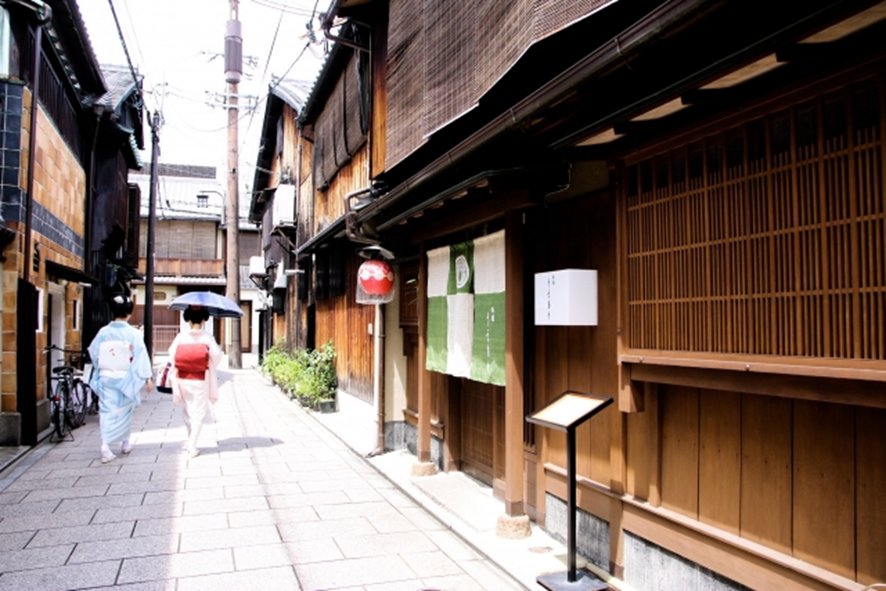
Many people have heard the word geisha without having a clear picture of the profession itself. The arts performed at banquets, along with the division of roles between dance and music, define the work.
The employment structure is equally distinctive: performers are dispatched from an okiya, the management house responsible for their training, costumes, and professional arrangements.
Entertaining Guests with Dance, Shamisen, Song, and Conversation
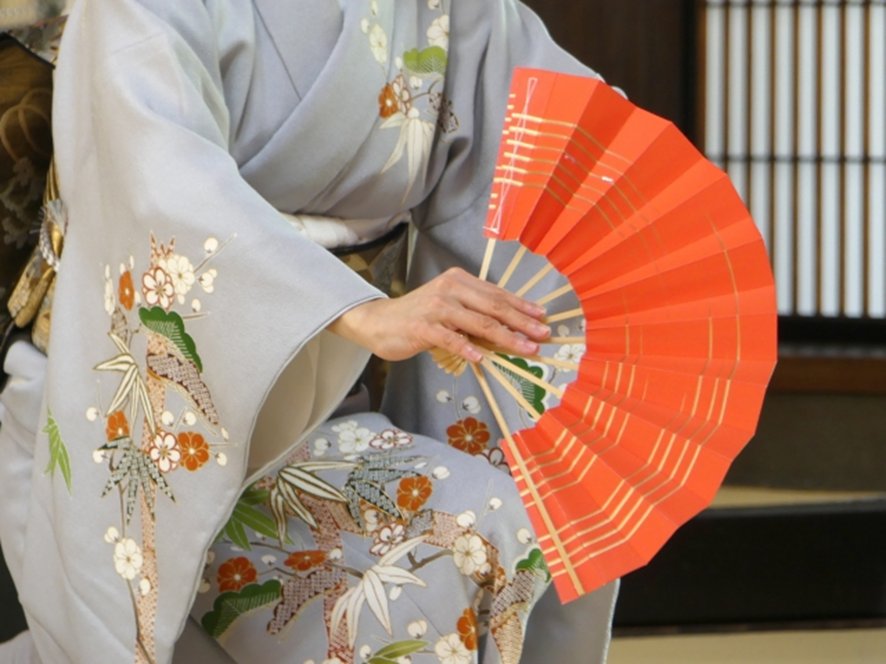
The main work of a geisha is performing traditional arts at banquets: nihon buyo (classical Japanese dance), shamisen, song, and narimono (percussion instruments such as small hand drums and taiko). Many geisha specialize in shamisen playing or in singing. Each of these arts requires several years to more than a decade of training under a master, and performers continue taking lessons throughout their careers, even after becoming independent.
Zamochi — the skill of conversation and reading the room — is valued just as highly as performance. It involves guiding conversations between guests and shaping the flow of the entire gathering. When guests are meeting for the first time, for example, a geisha may quietly introduce a shared topic that connects them and keeps the atmosphere relaxed.
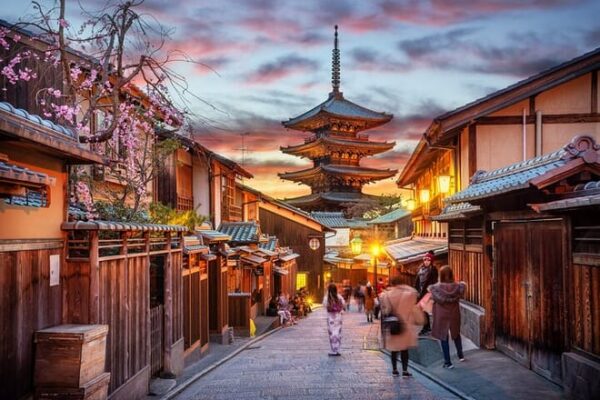
Kyoto: Gion Hidden Gems & Geisha Culture Tour
Dancers and Musicians Take Separate Roles
Not every geisha at a banquet performs the same role. The work divides broadly into tachikata (those who dance) and jikata (those who play shamisen, sing, or handle percussion), and the art of the ozashiki (banquet room) comes together when each side brings its own specialty. Which role a performer takes depends largely on her stage of training and individual aptitude.
- Maiko, apprentices still in training, most often serve as tachikata, performing the more elaborate dances
- Experienced geiko frequently shift toward jikata as they refine their instrumental technique
- Some geiko perform both roles, switching between them according to the needs of the banquet
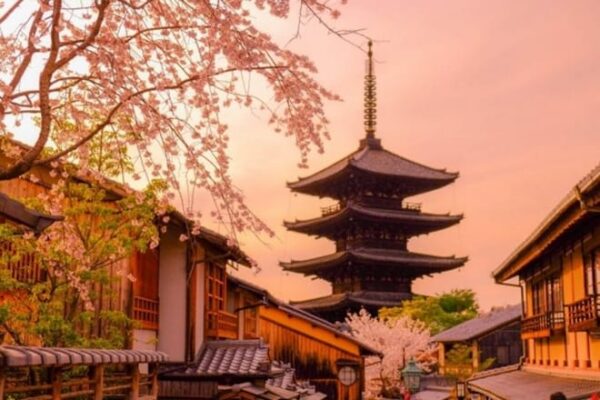
Kyoto: Gion Geisha District Sunset Tour in Spanish and en Español
Dispatched from Their House to Ryotei and Ochaya
Geisha generally do not take bookings as individuals. The okiya they belong to sends them to ryotei (high-end traditional Japanese restaurants) and ochaya (teahouses). A hanamachi operates through three main types of organization:
- Okiya: the management house responsible for training, housing, costumes, and professional arrangements
- Ochaya: the venue that provides the banquet room where geiko and maiko entertain guests, and that coordinates the performers, food, and drink
- Kenban: the association office that handles scheduling and the settlement of hanadai (performance fees)
Most ochaya operate on ichigen-san okotowari, a policy of declining new customers who arrive without an introduction. This system supports the trust required by the deferred payment system for hanadai and helps uphold the standards of conduct expected in the banquet room.
Because an ochaya accepts a booking only through a regular customer or an introduction from a ryokan (a traditional Japanese inn), it rarely handles direct inquiries from first-time guests. In recent years, however, travel agencies have increasingly offered dinner plans that include geiko performances.
Geisha, Geiko, Maiko, and Oiran: The Differences
Geisha, geiko, maiko, and oiran: the terms are similar enough that many people find them confusing. Regional differences in naming, along with the distinction between apprentices and fully trained professionals, help clarify the differences.
Once you understand who the people you encounter in a hanamachi actually are, walking through those streets can feel quite different. The historical association between geisha and courtesans also has roots in the social structure of the Edo period.
Geiko: The Kyoto Word for Geisha
In Kyoto, geisha are called geiko. The profession is essentially the same, and the difference is mainly regional vocabulary.
In the Edo-period Kamigata region around Kyoto and Osaka, the word “geisha” referred to male hokan entertainers who enlivened banquets. The term geiko took hold as a way of distinguishing female performers, and Kyoto has retained the term ever since, while in the Kanto region “geisha” came to be applied to female performers as well.
- Geiko: the formal term for female performers working in Kyoto and elsewhere in Kansai
- Geisha: the term used mainly in Tokyo and the wider Kanto region
- Geiko (written 芸子): a variant spelling that appears in everyday Kyoto speech
In English, “geisha” has spread as the general term worldwide for all of these performers.
Kyoto: Gion Hidden Gems & Geisha Culture Tour
Maiko: Apprentices Still in Training
A maiko is an apprentice in the training stage on the way to becoming a geiko. Young women from their mid-teens to around twenty live in an okiya, studying dance, shamisen, and etiquette while appearing at banquets.
Kyoto uses the term maiko, while Tokyo uses hangyoku. In Tokyo, an apprentice is called a hangyoku, a name traditionally associated with receiving half the hanadai paid to a full geisha. The Furumachi district in Niigata calls its apprentices furisode-san, and other districts keep their own local terms alive.
- Hana-kanzashi: large seasonal hair ornaments that change with the month
- Darari no obi: a sash roughly 5 meters (16 feet) long, trailing down the back
- Collar color: a red collar marks an apprentice, and it changes to white on reaching full status
The most elaborate and eye-catching dress in a hanamachi is often worn by apprentices at this stage.
Oiran: The Highest-Ranking Courtesans of the Pleasure Quarters
Oiran were the highest-ranking courtesans of the Yoshiwara pleasure quarter, the government-licensed entertainment district of the Edo period. Their work involved a form of simulated romance with clients, making it fundamentally different from the work of geisha, who perform dance, shamisen, and other traditional arts at banquets.
The sash makes the difference plain: oiran traditionally tied theirs at the front of the body, while geisha wore theirs at the back. Oiran also wore numerous ornate hairpins at once and walked in a distinctive figure-eight gait on tall three-toothed clogs.
Oiran no longer exist as a profession. The Anti-Prostitution Law, enacted in 1956 and came fully into force in 1957, bringing an end to the licensed quarters and the profession associated with them. The elaborately dressed oiran figures seen in tourist areas of Kyoto and Asakusa are visitors taking part in the costume photography experiences that photo studios offer.
Why Geisha and Courtesans Are Often Confused
The confusion between geisha and courtesans has historical roots. In the Yoshiwara quarter during the Edo period, rules explicitly prohibited geisha from having sexual relations with clients. Those who earned their living through performing arts and those who sold sexual services worked in separate professions.
In the okabasho, the unlicensed pleasure districts outside the shogunate’s licensed system, some women provided both forms of service. This less clearly defined boundary contributed to later confusion. In today’s hanamachi, the work of geiko is entirely separate from sexual services.
Postwar Western media also helped cement the misunderstanding. In the years immediately after World War II, some women who served Occupation troops referred to themselves as “geisha,” contributing to the overseas association between the word and sexual services. Western novels and films that portrayed geisha as romantic or sensual figures reinforced that inaccurate image.
The History of Japanese Geisha Culture, from Edo to Today
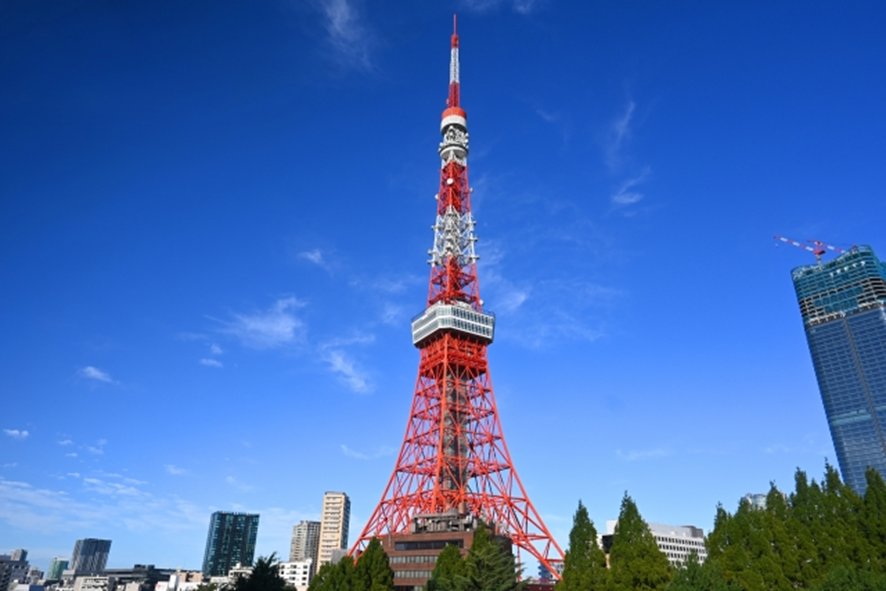
The story of how the profession emerged and evolved spans roughly 350 years, from its late-17th-century origins to the present day.
Laws and social changes in each era shaped the role of geisha, and five stages trace that history. Together, they also explain the structural reasons why the number of geiko and geisha has declined to around 1,000 nationwide.
Late 17th Century: Dancers Invited to Banquets Form the Original Model
Geisha began in the performing arts rather than the sex trade. In the late 17th century, at samurai residences and daimyo banquets in Edo, odoriko dancers performed dance and song to enliven the gathering. These dancers are considered direct ancestors of today’s geisha.
Banquet entertainment at the time was a profession for both men and women. Male entertainers known as hokan used comic storytelling and drumming to amuse guests and were skilled at reading and steering the mood of a room.
- Odoriko: performers who danced at samurai residences, the direct forerunners of geisha
- Hokan: male banquet entertainers who amused guests with storytelling and drumming
- The word “geisha” in the 17th century: a general term applied to performers of either sex.
The conversational skill and sense of hospitality that geisha continue to value today also have roots in the hokan tradition.
Mid-18th Century: Female Geisha Specializing in the Arts Emerge in Yoshiwara
By the mid-18th century, a decisive division of labor took hold inside the Yoshiwara quarter. Groups of female geisha appeared who sold their artistic skills without engaging in prostitution. Okiya opened to house them, and rules clearly distinguished these performers from courtesans.
This division gave rise to machi-geisha, or town geisha. Unlike kuruwa-geisha, who worked within Yoshiwara, machi-geisha were called to unlicensed entertainment districts, restaurants, and boating parties, where they brought shamisen music and song to gatherings.
In licensed quarters such as Yoshiwara, geisha commonly appeared in pairs, with one playing shamisen and the other providing song and dance. This pairing is one of the roots of the system that sends geiko to ryotei and ochaya today.
Around the same time in Kyoto, women serving tea at the mizu-jaya, the simple stalls lined up before the gate of Yasaka Shrine for pilgrims, began performing dance and shamisen, and the Gion hanamachi developed from that practice. Because Edo’s Yoshiwara and Kyoto’s Gion each formed independently in response to local demand, differences in artistic style and terminology took root by region.
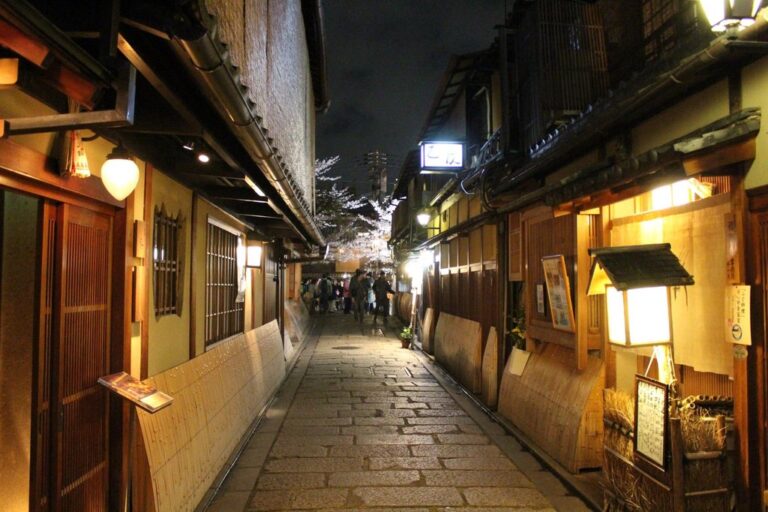
Late 19th Century: Meiji Law Bans Human Trafficking
In 1872, the Meiji government issued the Emancipation Edict for Geisha and Prostitutes, legally prohibiting the trafficking and indentured service of geisha and courtesans. Geisha who had entered an okiya after being “sold” into service gradually moved toward employment based on contracts entered into of their own free will.
That same year in Kyoto, the Miyako Odori began, a public performance in which geiko and maiko gather to dance, staged in part to entertain foreign dignitaries. It also marked a turning point: artistic traditions that had previously been performed mainly inside private banquet rooms became a form of traditional performing art that the general public could watch.
The hanamachi also reached their peak as venues for political and commercial negotiation. At ryotei in Tokyo’s Shimbashi and Akasaka districts, politicians and industrialists discussed national affairs and business during banquets attended by geisha. The performers handled the entertainment while also guiding the flow of conversation and keeping the gatherings lively.
Mid-20th Century: The Anti-Prostitution Law Abolishes the Pleasure Quarters
The wartime controlled economy and air raids devastated hanamachi across Japan. Many ryotei burned down, while the government mobilized geisha to work in munitions factories, taking them away from the districts where they trained and performed. After the war, the Westernization of daily life shrank the whole culture of banquets in tatami (woven straw mat) rooms, and rebuilding the districts proved extremely difficult.
The decisive blow came from the Anti-Prostitution Law enacted in 1956, which ended licensed prostitution nationwide and brought the licensed pleasure quarters to an end. Geisha, whose livelihood was based on performing arts, were thereby separated from the sex trade in institutional terms as well.
- Ryotei and teahouses attached to the quarters closed, leaving geisha with fewer venues to work in
- Western-style entertaining became the norm, and demand for banquets in tatami rooms fell sharply
- Okiya could no longer sustain their finances, and the training of younger performers came to a halt
The decline in geisha numbers resulted from the combined effects of war, legal changes, and a fundamental shift in Japanese lifestyles.
21st Century: The Geiko Population Falls to Around 1,000 Nationwide
Roughly 1,000 geiko and geisha work across Japan today. Corporate entertaining has changed, and opportunities to experience these traditional arts in a banquet room have become less common.
Reading that change as simple decline tells only part of the story. With fewer performers, those who remain can devote themselves more deeply to their specialties, and the artistic level of the profession has in some cases risen through selection and specialization. Four regions remain the main centers of activity:
- The five hanamachi of Kyoto: home to the largest concentration of geiko and maiko in Japan
- The six hanamachi of Tokyo: geisha culture continues, particularly in areas such as Asakusa and Shimbashi
- The three teahouse districts of Kanazawa: geiko continue to work amid historic Edo-period streetscapes
- Furumachi in Niigata: a distinctive system in which a corporation trains and manages performers
In 2014, the City of Kyoto designated the Culture of Kyoto’s Hanamachi as intangible cultural heritage, putting a public framework of protection in place. The traditions of the hanamachi pass to the next generation through the depth of the art rather than the number of practitioners.
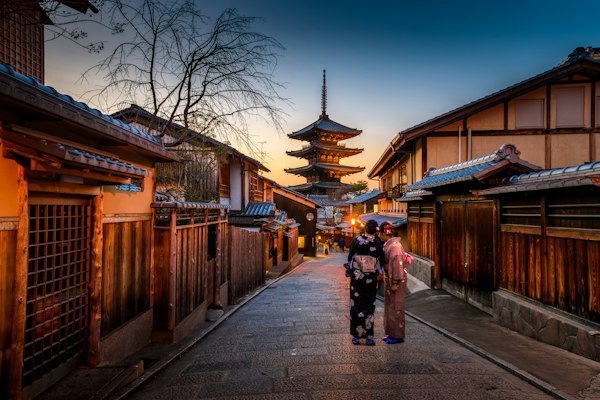
The Training Path from Maiko to Geiko
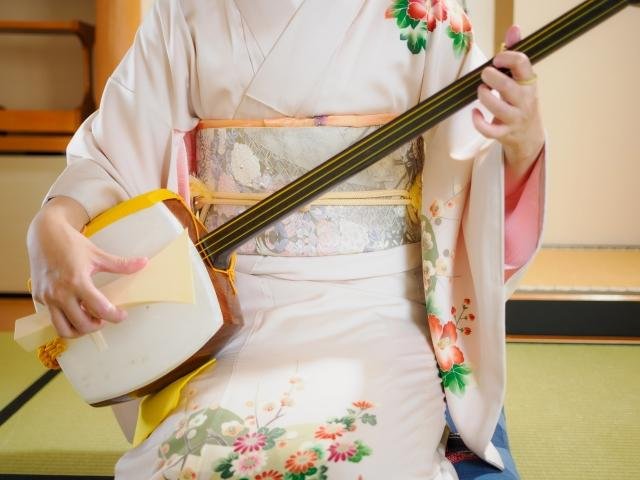
Training to become a maiko or geiko begins with moving into an okiya.
Four stages follow in sequence: shikomi, minarai, misedashi, and erikae. Each stage has its own duration, ceremonies, and changes in dress. Together, they form a rigorous training process that passes both the traditional arts and the customs of the hanamachi to the next generation.
Kyoto: Gion Hidden Gems & Geisha Culture Tour
Shikomi: Living in the Okiya and Learning the Arts of the Hanamachi
From the day she moves into an okiya, an aspiring maiko is called a shikomi-san. In Kyoto, this stage lasts about ten months. She spends her mornings at an arts school and her evenings helping the senior performers at the house.
- Dance: repeatedly practicing the forms of a school such as Kyomai (Kyoto-style dance) under a master
- Shamisen and percussion: learning instrumental technique as well as how to keep time with the singing
- Tea ceremony and etiquette: developing graceful movement and a sense of timing through the procedures of tea
- Hanamachi speech: learning Kyoto’s distinctive phrasing and honorifics through daily conversation
The okami who runs the okiya watches over the trainee’s daily life in a role similar to that of a mother, giving detailed guidance on everything from holding chopsticks to walking. Living alongside senior members also provides firsthand training in the manners, hierarchy, and customs of the hanamachi.
Minarai: About a Month Attending Banquets with an Older Sister
Once her master and the okami of the okiya give their permission, a shikomi-san advances to minarai-san. This stage lasts roughly one month, and the training shifts from the classroom to real banquet rooms.
Each evening, a minarai-san accompanies a senior geiko, her “older sister,” on rounds of teahouses and ryotei. Those hours are spent watching from beside her: the timing of greetings to guests, where to sit, how to pour sake. In the shimai sakazuki ceremony, the two exchange cups of sake three times three, forming the relationship of older and younger sister within the hanamachi. The senior performer guides and supports the junior, while the junior serves her with sincerity. The bond traditionally lasts for as long as both remain in the district.
A minarai-san can also be distinguished by several features of her dress:
- Han-dara obi: about half the length of the darari no obi worn by maiko
- Short tamoto sleeves: a kimono with modest sleeve length rather than a furisode (a long-sleeved kimono)
- Lower-lip-only lipstick: the upper lip remains unpainted, signaling her inexperienced status through her appearance
These visual distinctions communicate her position while preserving the formality and hierarchy of the hanamachi.
Misedashi: Debuting as a Maiko in Formal Black Crested Kimono
At the end of the minarai period comes misedashi, the formal debut as a maiko. The vividly dressed maiko visitors see on Kyoto’s streets have all passed through this ceremony.
On the day of her debut, she wears kuro-montsuki, the most formal attire: a black kimono bearing five crests. Accompanied by an otokoshi, the male staff member who helps with dressing and carries her belongings, she visits each ochaya that supports her and pays her respects. These rounds of greetings formally introduce her as a new maiko.
A hairdresser styles her hair into the wareshinobu, a traditional Japanese coiffure, and by rule she paints only her lower lip. Permission to paint the upper lip as well typically comes about a year later, signaling to those around her that she has progressed in her training. As her experience grows, her lessons expand to include musical subjects, while her dance training advances to more demanding pieces.
Erikae: Changing the Red Collar for a White One to Become a Geiko
When she has built up enough training and her art is judged sufficient, the day of erikae arrives. In this ceremony, she replaces the red collar that symbolizes a maiko with a white one, and the hanamachi formally recognizes her transition to geiko.
About two weeks before erikae, she wears a special hairstyle called sakko and applies ohaguro, the traditional practice of blackening the teeth. These marks signal a farewell to girlhood and a commitment to the adult path of the traditional arts.
- The elaborate coiffure made from her own hair gives way to a wig, ending the demands of maintaining the traditional hairstyle
- Kimono colors and patterns become more subdued, emphasizing refinement over youthful display
- She may leave the okiya and work independently, a transition the hanamachi calls “becoming ippon“
“Becoming ippon” means earning a living through her own name and artistic skills. Geiko have no fixed retirement age, and as long as they continue honing their abilities, they can perform at banquets throughout their lives.
The Meanings Carried by a Geisha’s Dress
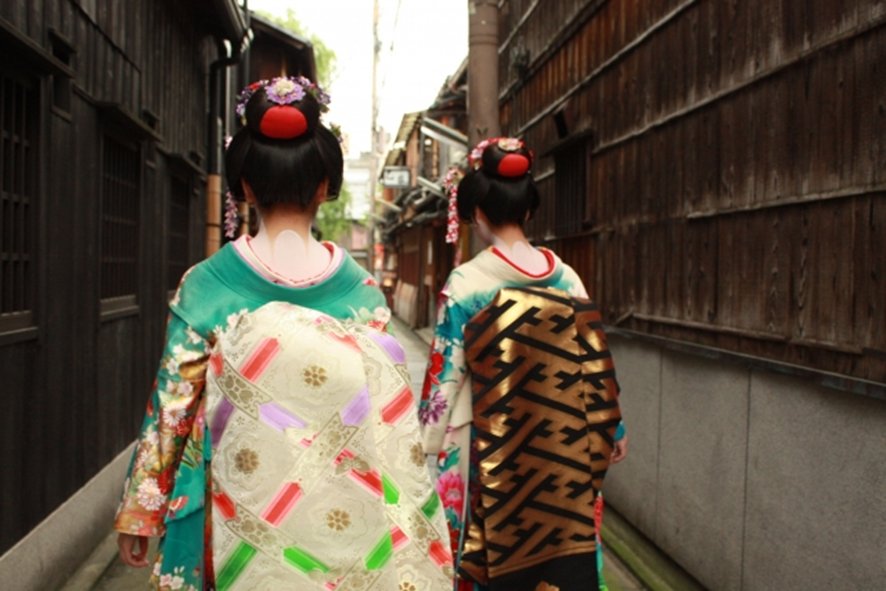
Every element of a geisha’s appearance carries meaning, indicating her stage of training, the season, or a piece of history. The way the sash is tied, the origins of white makeup, and differences in hairstyle are among five elements that reveal that story.
Knowing how to read these details gives you a way to tell whether the woman you pass in a hanamachi is a working geiko or maiko. The five elements below are the key features to look for.
Darari no Obi: A 5-Meter Sash Hanging from the Back
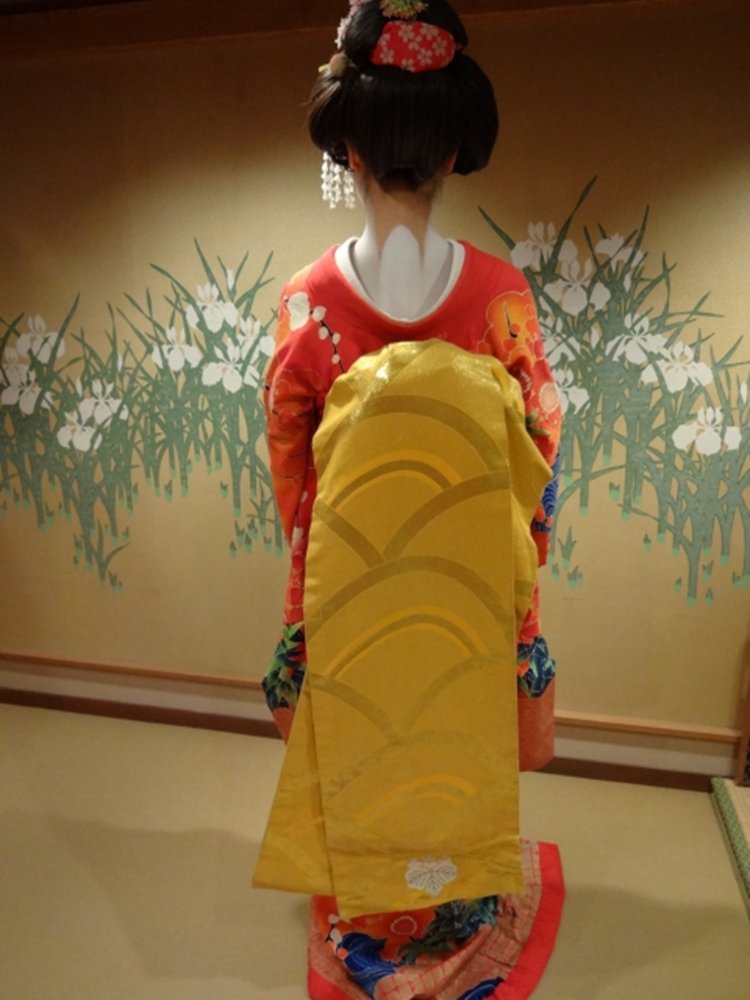
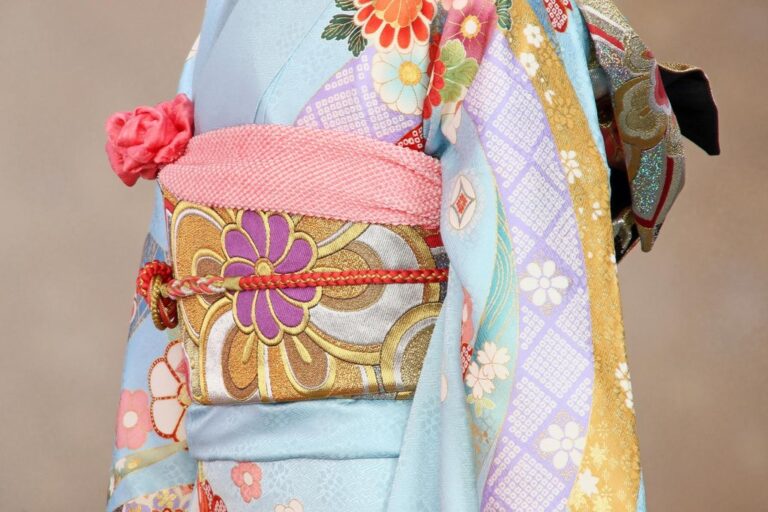
The darari no obi that adorns a maiko’s back is a lavish woven sash about 5 meters (16 feet) long and several kilograms (roughly 5 to 10 pounds) in weight. It hangs from the back toward the ankles and sways with each step, a style traditionally reserved for maiko. An otokoshi ties it each time, so the maiko’s elaborate appearance depends on the support of the wider hanamachi.
At the center of the sash gleams a large ornamental clasp called a pocchiri. After erikae, when she becomes a geiko, the sash shortens into the otaiko form tied in a square at the back, and the pocchiri is set aside.
Another distinctive feature is the deliberate tucking at the shoulders and sleeves of the furisode, which traditionally signals that the wearer is still growing. When she becomes a geiko, the tucks are removed and the kimono changes to a tomesode with shorter sleeves.
White Makeup: Making the Face Emerge in Candlelight
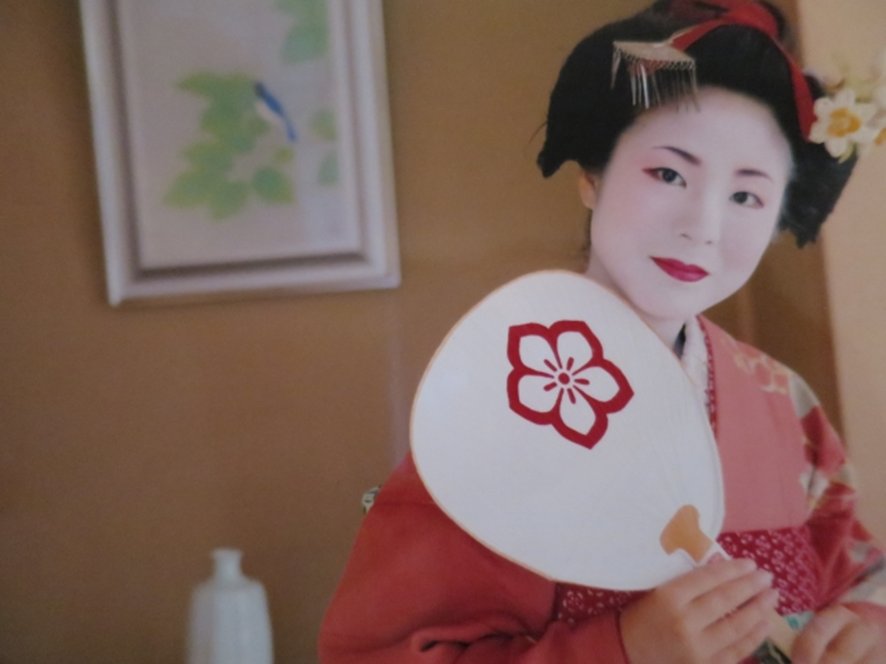
The white paint works as functional stage makeup, designed to make a performer’s features stand out in a dark room. Edo-period banquet rooms relied largely on candlelight, and an unpainted face could be difficult to see clearly. The technique developed so that a whitened face would stand out softly against the darkness.
- She spreads bintsuke abura, a plant-based oil, thinly over the face, neck, and nape as a base
- She layers on neri oshiroi, a paste white powder mixed with water, with a brush
- At the nape, she leaves a W-shaped area bare, a pattern known as two legs or three legs, so that the contrast sets off the nape
- She also leaves a few millimeters (about an eighth of an inch) along the hairline unpainted, so the face reads naturally
Banquet rooms now use electric lighting, but the white makeup remains an important symbol of hanamachi aesthetics.
Hairstyles: Maiko Style Their Own Hair
A defining feature of a maiko is that she wears traditional coiffures styled from her own hair. Kyoto geiko, by contrast, wear wigs, so the hairstyle alone can often tell you at a glance whether you are looking at a maiko in training or a fully trained geiko.
Because her hair is her own, a maiko sleeps on a tall wooden pillow to keep the style from collapsing. She visits the hairdresser about once a week and maintains the shape in between, a routine that captures the strictness of the training.
Hairstyles That Change with Years of Training
- Wareshinobu: worn for roughly two years from misedashi, expressing youth
- Ofuku: adopted from the second or third year, showing composure and growth
- Katsuyama: a special form worn only during the Gion Matsuri festival season
- Yakko-shimada: a festive style for the New Year
Different Customs in Kyoto and Tokyo
| Item | Kyoto | Tokyo |
|---|---|---|
| Maiko and apprentices | Own hair, traditional coiffure | Own hair or wig |
| Geiko and geisha | Wig | Wig |
| Hairstyle types | Several, by training stage | Varies by district |
A wig lifts slightly where it meets the forehead, while natural hair blends into the skin, so the hairline is the place to look.
Hana-kanzashi: A Seasonal Flower Assigned to Each Month
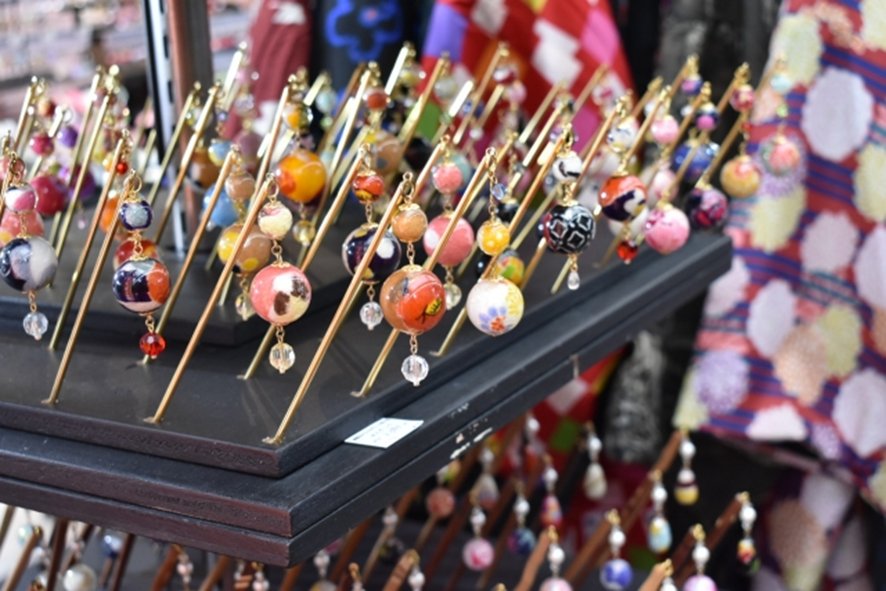
Hana-kanzashi follow a rule unique to the hanamachi: a maiko wears an ornament shaped after the flower of that month. The result works like a moving almanac of Japan’s four seasons, worn in the hair.
| Month | Hana-kanzashi Design |
|---|---|
| January | Pine, bamboo, and plum |
| February | Plum |
| March | Rape blossoms and narcissus |
| April | Cherry blossoms |
| May | Wisteria and iris |
| June | Hydrangea and willow |
| July | Round fans of the Gion Matsuri |
| August | Pampas grass and morning glory |
| September | Bush clover and Chinese bellflower |
| October | Chrysanthemum |
| November | Autumn maple leaves |
| December | Maneki name plaques and mochibana rice-cake blossoms |
A newly debuted maiko wears hana-kanzashi with long clusters of blossoms that sway as she moves. As she gains experience, the ornaments become more restrained, gradually shifting toward quieter designs as she approaches geiko status.
Checking the hana-kanzashi design associated with the month of your visit provides another useful clue for recognizing a working maiko.
Lip Color: Only the Lower Lip in the First Year
For the first year after her debut, a maiko paints only her lower lip, as the hanamachi requires. Leaving the upper lip bare emphasizes her youthful appearance and signals that she is at the beginning of her professional training. After about a year, she may paint both lips. By the time erikae approaches, her overall appearance has changed considerably.
The sash, white makeup, hairstyle, hana-kanzashi, and lip color work together as a single system:
- Darari no obi: Indicates a maiko; an otaiko knot indicates a geiko
- Own-hair coiffure: Indicates a maiko; a wig indicates a geiko
- Lower-lip-only makeup: Indicates a maiko in her first year after debut
People of the hanamachi read these details instantly, so a performer’s dress announces her standing and years of experience before she says a word.
Four Japanese Hanamachi Where Geisha Still Work
Four regions stand out among the districts where geiko and geisha remain active in Japan today. Each differs in scale, cultural character, and the opportunities available for visitors to experience traditional performances.
Beyond Kyoto and Tokyo, Kanazawa and Niigata preserve hanamachi cultures of their own, each with distinctive traditions and ways of introducing the art to the public.
The Five Hanamachi of Kyoto: The Largest Number of Geiko and Maiko
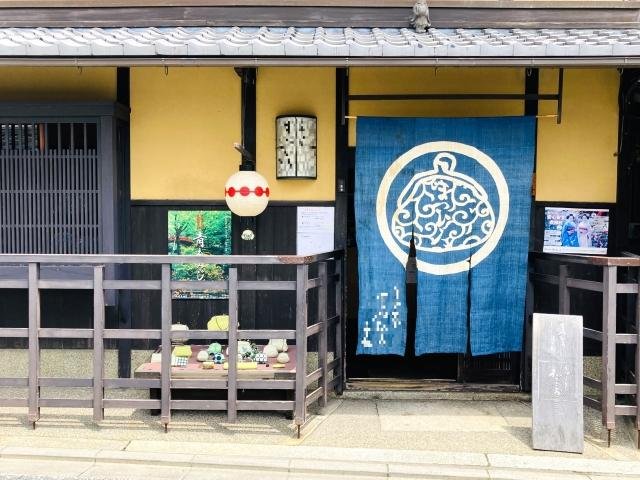
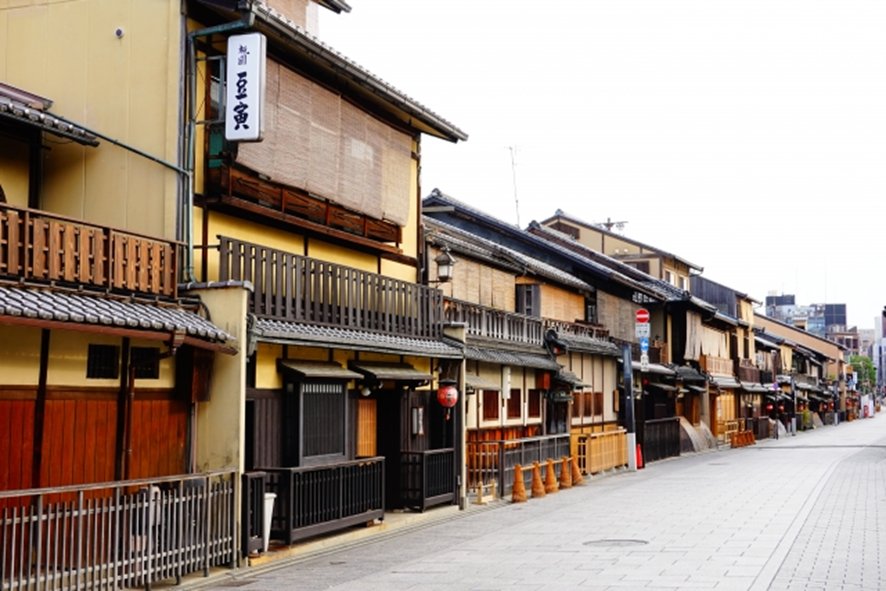
Kyoto has five hanamachi: Gion Kobu, Gion Higashi, Miyagawacho, Pontocho, and Kamishichiken, with roughly 155 geiko and 56 maiko registered as of 2024.
Each district has its own character. Gion Kobu is the largest and is often treated as synonymous with the term hanamachi, while Kamishichiken traces its history back to the Muromachi period. For visitors, one of the easiest ways to experience the traditional arts is to attend a dance performance at a kaburenjo, the district’s own theater.
- Miyako Odori (Gion Kobu): held every April, with tickets typically around ¥4,000 to ¥6,000 (about $27 to $40 USD)
- Kamogawa Odori (Pontocho): held in May, with some programs including a tea ceremony
- Kitano Odori (Kamishichiken): held from late March to early April, with tickets often comparatively easy to obtain obtain
Advance booking is available through the official websites, so you can watch these performances at close range without an introduction from an ochaya.
Kyoto: Gion Hidden Gems & Geisha Culture Tour
Kyoto: Gion Geisha District Sunset Tour in Spanish and en Español
The Six Hanamachi of Tokyo: Where the Terms Geisha and Hangyoku Remain
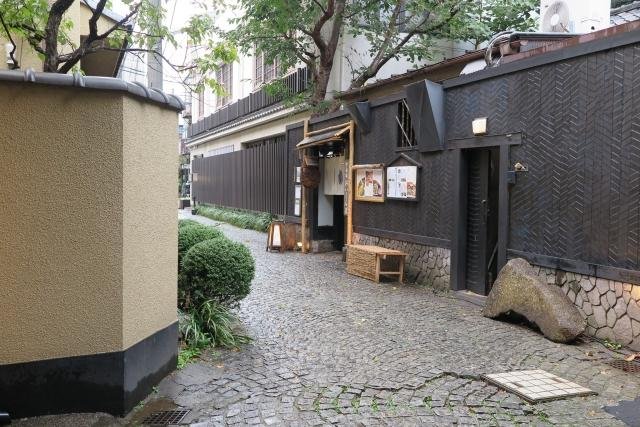
Tokyo’s hanamachi developed along a different path from Kyoto’s. Shimbashi, Akasaka, Yoshicho, Kagurazaka, Asakusa, and Mukojima make up Tokyo’s six hanamachi, which historically thrived as gathering places for political and business circles.
Where Kyoto uses geiko and maiko, Tokyo generally calls a fully trained performer a geisha and an apprentice a hangyoku. The term is traditionally linked to gyokudai, the banquet fee, which was said to be half that of a full geisha.
- Shimbashi: home to long-established ryotei that host entertaining in politics and business
- Akasaka: known for its showier performing style and once particularly active for banquets involving Diet members
- Mukojima: home to one of Tokyo’s largest concentrations of geisha, in a district that retains much of its old downtown atmosphere
In Tokyo, the traditional route for arranging a geisha is generally through a ryotei.
The Three Teahouse Districts of Kanazawa: Edo-Period Streets Still Standing
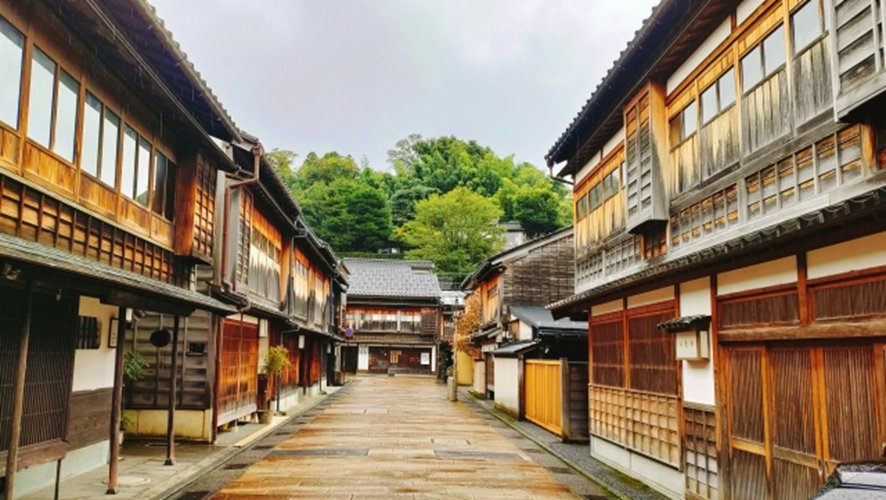
In the three teahouse districts of Kanazawa in Ishikawa Prefecture, Higashi, Nishi, and Kazuemachi, about 40 geiko remain active. The Kaga domain promoted the arts under its patronage, and the greatest appeal today is that much of the Edo-period teahouse architecture has survived.
The Higashi Chaya District and other historic areas are designated Important Preservation Districts for Groups of Traditional Buildings. Their streets are lined with kimusuko, fine wooden latticework that covers the fronts of the traditional buildings and conveys the atmosphere of the historic entertainment quarters.
Kanazawa has also preserved a distinctive performing art known as ozashiki daiko, in which geiko sing and dance while playing drums.
Furumachi in Niigata: A Hanamachi Where a Company Trains the Geiko
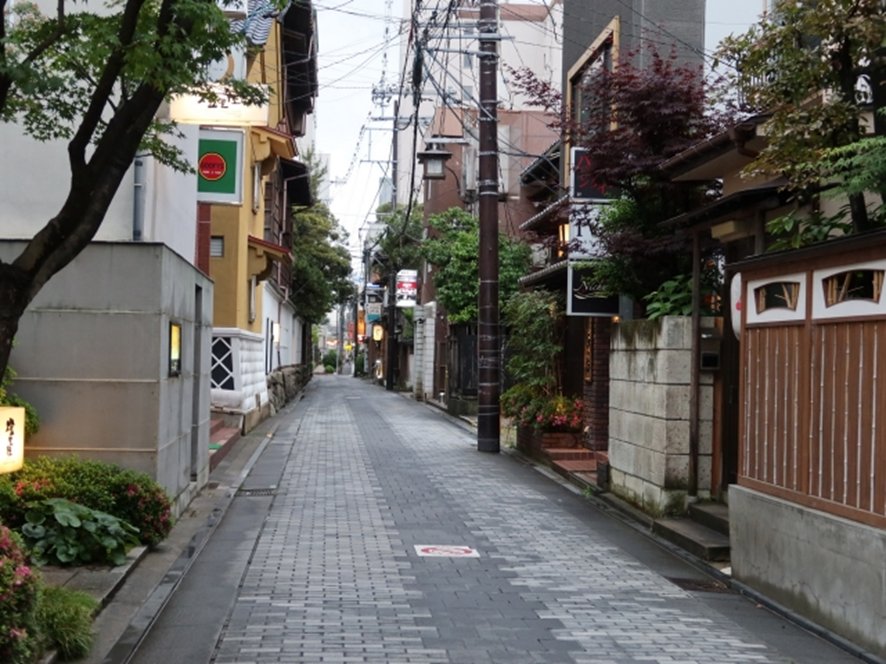
Furumachi in Niigata prospered during the Edo period as a port of call for kitamaebune merchant ships that sailed the Sea of Japan, and it became known as one of Japan’s three great hanamachi. Today, fully trained geiko are called tomesode-san, while younger performers are known as furisode-san, with about 20 performers in total.
In response to the decline in numbers, Niigata established Ryuto Shinko Co., Ltd. in 1987. Instead of the traditional okiya system, the company employs trainees, provides training in the traditional arts, and dispatches the performers to ryotei in the district.
Learning Japanese Geisha Culture on an English-Guided Tour

Even with a grasp of the history and structure of the hanamachi, many visitors still feel uncertain about local manners and what to look for when exploring the districts. An English-guided tour offers a structured way to learn about geisha culture while providing context that can be difficult to pick up on your own.
One such tour explores Kyoto’s Gion district, introducing the world of geiko while also explaining what the experience includes and how to book.
Kyoto: Gion Hidden Gems & Geisha Culture Tour
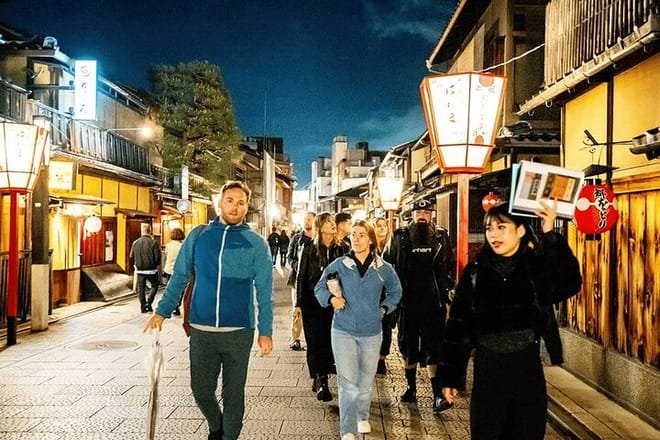
Kyoto: Gion Hidden Gems & Geisha Culture Tour – Japan Guide Star
The Kyoto: Gion Hidden Gems & Geisha Culture Tour, operated by Japan Guide Star, is a walking tour of about two hours that runs from Gion Shirakawa to Hanamikoji Street. An experienced English-speaking guide accompanies the group and explains the geiko training system and the rules specific to the hanamachi.
Complex points of etiquette, such as photography restrictions and rules about entering private lanes, are explained naturally along the way, which is particularly useful for international visitors. The tour departs in the evening, when geiko and maiko are heading to their engagements. You take in the atmosphere of the district through the sound of okobo wooden clogs on the stone pavement and the faint scent of white makeup.
Details
| Meeting point | In front of McDonald’s Shijo Ohashi, 105-1 Hashimotocho, Shijo Kobashi Higashi-iru, Shimogyo-ku, Kyoto |
| Duration | About 2 hours |
| Included in the price | English-speaking guide; commentary on hanamachi history and etiquette |
| Booking site | https://japanguidestar.com/tour/kyoto-gion-hidden-gems-geisha-culture-tour/ |
| Recommended for | First-time and repeat visitors who want a deeper understanding of hanamachi culture |
Kyoto: Gion Hidden Gems & Geisha Culture Tour
Common Questions About Geisha Culture

A few questions come up repeatedly when visitors explore geisha culture: how to meet a working geiko, how long a woman can work as a maiko, and how to distinguish working performers from visitors wearing maiko-style makeup in tourist areas.
Understanding the basic manners for these encounters helps complete the picture and makes it easier to appreciate the hanamachi respectfully.
Can Visitors Meet a Geisha, Geiko, or Maiko?
Several routes are open to visitors, depending on budget and travel style.
- Dance performances: events such as Kyoto’s Miyako Odori are open to anyone with a ticket, typically costing around ¥4,000 to ¥6,000 (about $27 to $40 USD)
- Banquet experiences: dinners arranged by hotels or travel agencies generally cost around ¥20,000 to ¥40,000 (about $135 to $270 USD), let you enjoy the arts at close range
- Walking the hanamachi: in Gion, particularly in the early evening, you may see working performers on their way to an engagement
When walking through the district, always observe local rules: do not call out to performers, do not photograph them without permission, and respect restrictions on entering private lanes.
Kyoto: Gion Geisha District Sunset Tour in Spanish and en Español
From What Age to What Age Can a Woman Work as a Maiko?
The maiko years generally run from about age 15 to 20, lasting roughly five years. Young women enter an okiya after finishing junior high or high school and make their debut after completing the shikomi training period. Around age 20, they typically undergo the erikae ceremony and transition to geiko.
Geiko have no fixed retirement age. As long as they continue their artistic training, they can perform at any age, and hanamachi include geiko ranging from their twenties to their seventies and beyond.
Are the Women in White Makeup Seen in Tourist Areas by Day Real Geisha or Maiko?
Many of the women in white makeup whom visitors see in Kyoto’s tourist areas during the day are travelers enjoying a maiko dress-up experience. Three details can help distinguish them from working performers:
- Hair: a working maiko styles her own hair, so the hairline looks natural, while dress-up participants generally wear wigs
- Walk: a working maiko wears okobo wooden clogs and moves in small, sliding steps
- Company: a working maiko is often alone or walking quietly with her “older-sister” geiko
Working geiko and maiko are on their way to professional engagements. Refrain from stopping them for photographs or calling out on public streets; if you encounter them, the respectful approach is to watch quietly and let them continue on their way.
Bringing the Right Knowledge to Japan’s Geisha Culture
Geisha culture is a professional world built around mastery of traditional arts such as shamisen and dance. Understanding its history, the differences between the terms, and the meanings behind the performers’ clothing makes the world of the hanamachi much easier to read.
Before visiting, check which areas prohibit photography and which private lanes are off limits. This information is available on the official websites of each hanamachi. Dance performances such as the Miyako Odori can also be booked in advance through official websites, with no introduction from an ochaya required.