Wondering how to explore Gion after dark in Kyoto?
The cobblestone alleys lit by paper lanterns create a uniquely atmospheric experience, but visitors should be aware of a few local rules, especially regarding photography etiquette, before setting out.
This guide covers the best time to begin your evening walk, five key spots worth visiting, recommended restaurants, and options for English-guided night tours. Even first-time visitors can comfortably experience the main highlights in about two to three hours.
What Makes Kyoto’s Gion District Special at Night
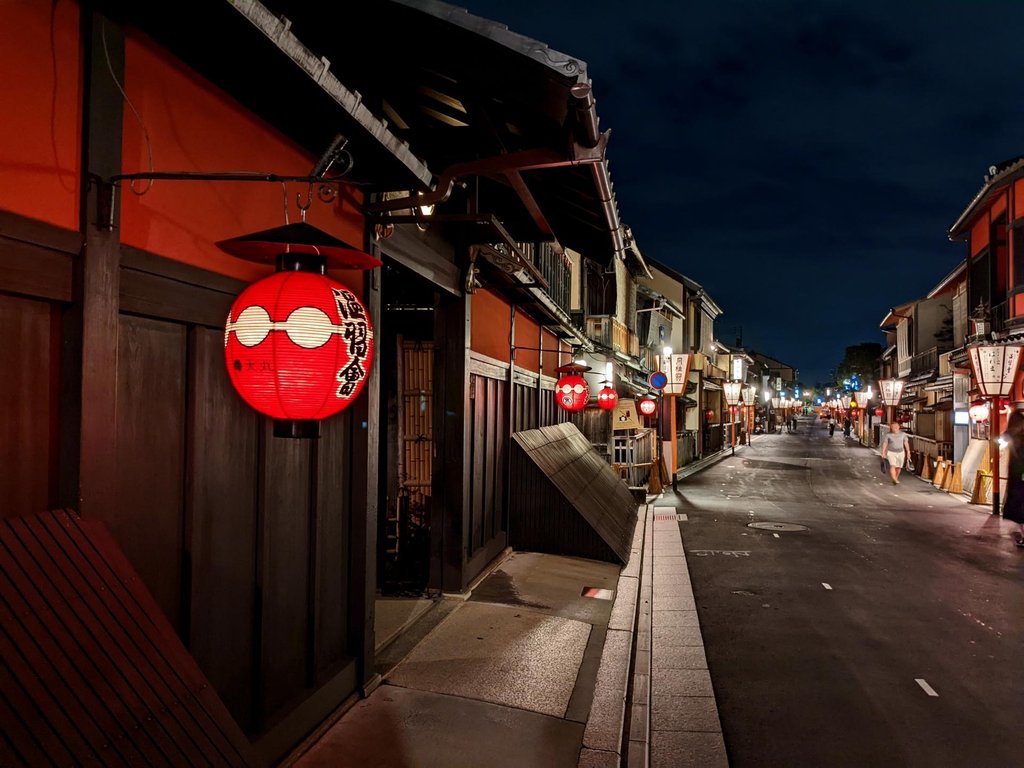
Gion transforms into a completely different world after dark, and figuring out how to make the most of it can feel overwhelming. Three factors largely shape a successful evening: the best time to begin your walk, how restaurant reservations work, and how long it takes to cover the area.
Understanding these basics in advance helps ensure a smooth, stress-free experience while enjoying Gion at night.
Start Your Stroll After 5 pm
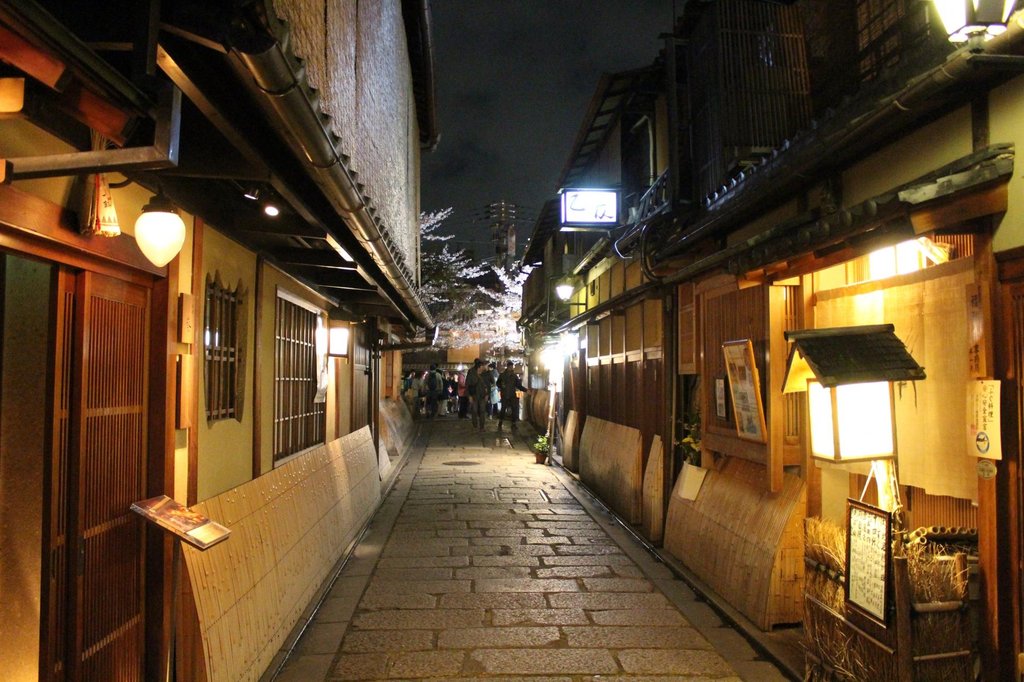
The ideal time to begin exploring Gion is around 5 pm. That is when the ochaya (traditional teahouses where geiko and maiko — Kyoto’s geisha and their apprentices — entertain guests) begin lighting their lanterns, and the neighborhood takes on a completely different atmosphere.
The warm glow of lanterns reflecting on cobblestones and latticed wooden façades creates ideal conditions for strolling and evening photography.
The window between 5 pm and 6 pm also overlaps with the time geiko and maiko walk to their evening engagements, increasing the chances of spotting them. However, sightings are always a matter of luck, as schedules vary by day and engagement.
To experience the full transition from dusk into nightfall, it is recommended to arrive in Gion around 5 pm.
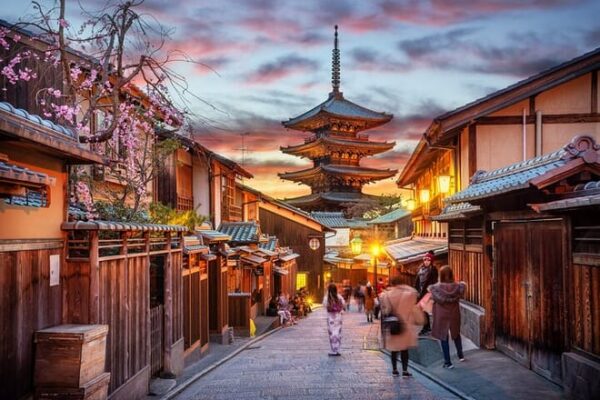
Kyoto: Gion Hidden Gems & Geisha Culture Tour
Many Hanamikoji Restaurants Require an Introduction
The elegant wooden buildings along the inner reaches of Hanamikoji-dori mostly operate under the ichigen-san okotowari (invitation-only) tradition. At ochaya and high-end ryotei (traditional fine-dining restaurants), you can’t reserve a table without an introduction from an existing patron.
Along the main street itself, however, renovated former ochaya now operate as casual Japanese restaurants and cafés that welcome walk-in guests. These establishments typically accept both reservations and walk-ins.
When planning dinner, it helps to keep these areas in mind:
- Hanamikoji main street: Ideal for soaking in the classic Gion atmosphere
- Pontocho and Kiyamachi area: A wider range of cuisines, styles, and price points
- Around Shijo-dori: Easy access and more late-night options
If you want to combine dining with your evening stroll, the recommended restaurants listed below are a good starting point.
Two to Three Hours Is Enough to See the Main Attractions
Gion’s main attractions sit within a roughly 1 km (about 0.6 miles) radius. Hanamikoji, Tatsumi Bridge, Yasaka Shrine, and the surrounding dining areas are all within walking distance, making two to three hours sufficient for a well-paced visit.
The key to building an efficient route is working backward from sunset. Sunset times in Kyoto vary significantly by season, with roughly a two-and-a-half-hour difference between the summer and winter solstices.
Use this seasonal breakdown to plan your route.
| Season | Suggested Order |
|---|---|
| Summer (late sunset) | Stroll and dine first → Head to photography spots once it gets dark |
| Winter (early sunset) | Photography spots first → Stroll and dine at a leisurely pace |
| Spring and autumn | Easy to alternate between photography and strolling |
Planning your route around the changing light significantly improves both the photos you take and the overall experience.
Kyoto: Gion Hidden Gems & Geisha Culture Tour
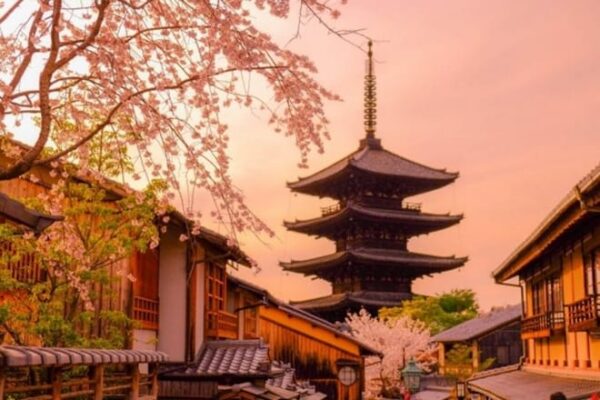
Kyoto: Gion Geisha District Sunset Tour in Spanish and en Español
Five Spots to Visit in Gion at Night
These five spots capture the very best of nighttime Gion.
The selection covers atmospheric cobblestone streets, riverside photography locations, a shrine that can be visited at night, and venues showcasing traditional performing arts.
Understanding how these locations are positioned in relation to one another on the map makes it easy to prioritize your route based on the time you have available.
Hanamikoji Street | Stroll Along Cobblestone Lanes Lit by Lanterns
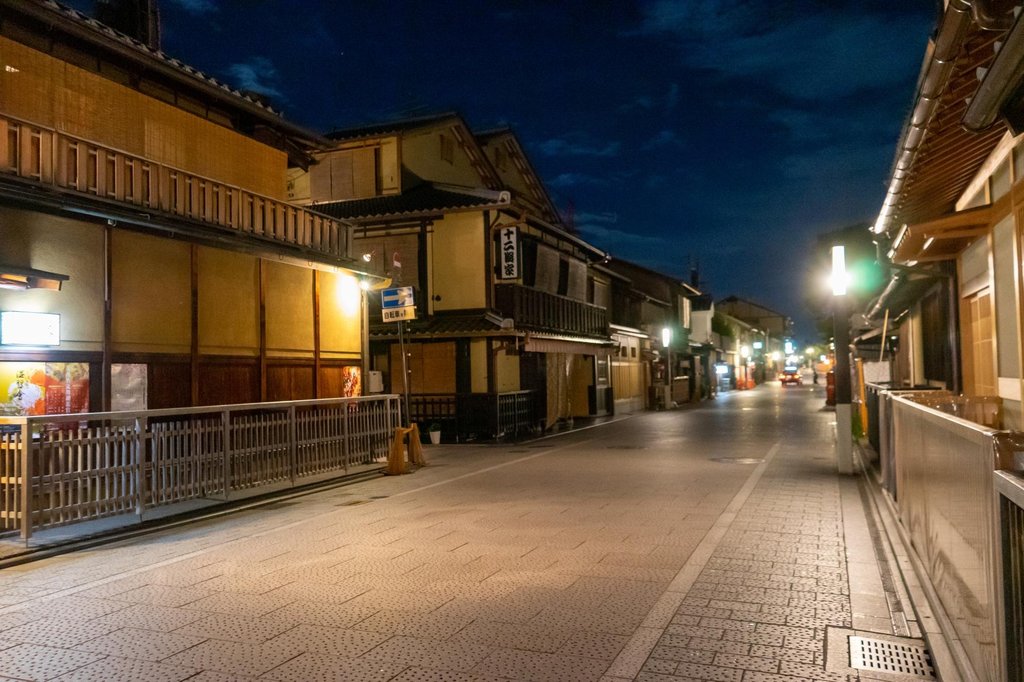
Walk south from the intersection of Shijo-dori and Hanamikoji-dori, and you enter Gion’s main street, a stretch of cobblestones lined with machiya (traditional Kyoto townhouses). Hanamikoji truly comes alive after 5 pm, once the lanterns are lit.
Warm light reflecting off the wooden lattice windows and the soft glow on the cobblestones create a scene that transforms the street into something entirely unlike its daytime self.
The best time for photography is blue hour, roughly 20 minutes after sunset, when the orange glow of the lanterns contrasts beautifully with the deep blue sky.
One important rule: since April 2024, tourists are prohibited from entering or photographing the private alleys branching off Hanamikoji-dori. Violations may result in fines of up to ¥10,000 (about $70 USD).
Only the public road is open for walking and photography, and visitors should avoid entering any lanes marked as private property.
Details
| Address | Gion-machi Minamigawa, Higashiyama-ku, Kyoto |
| Hours | Freely accessible (lanterns lit from around 5 pm) |
| Closed | Open year-round |
| Official Website | https://www.gion.or.jp/ |
| Best For | Visitors wanting classic nighttime Kyoto photos or the full Gion atmosphere |
Kyoto: Gion Geisha District Sunset Tour in Spanish and en Español
Shirakawa Minami-dori and Tatsumi Bridge | Capture Reflections of Willows on the Water
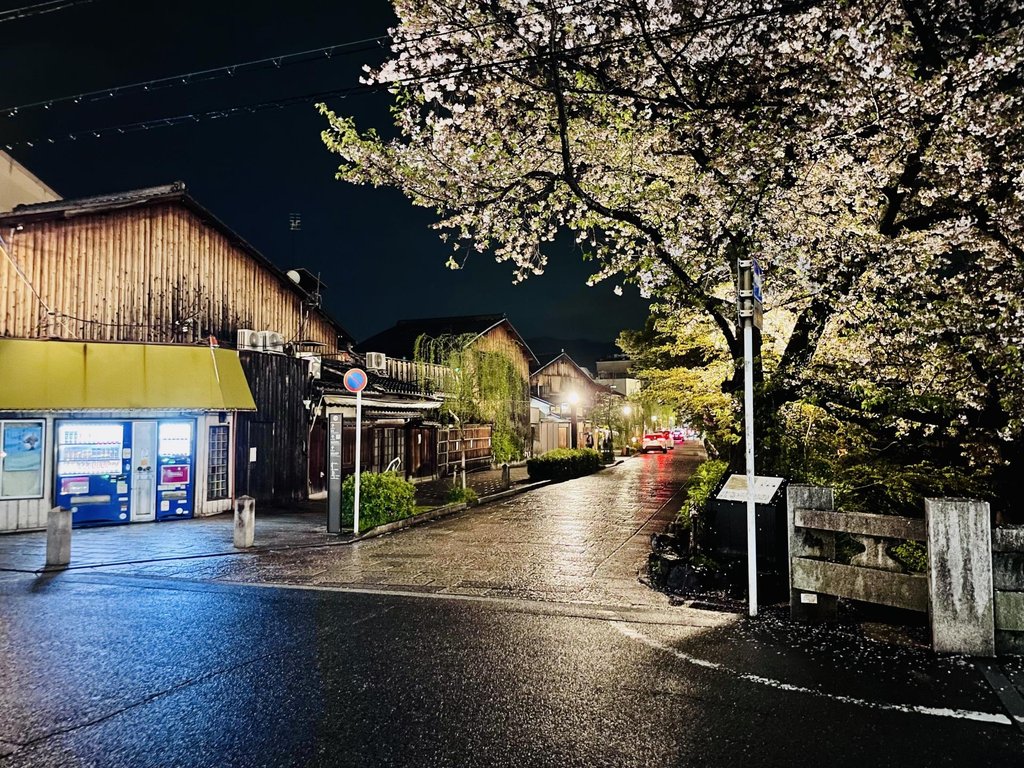
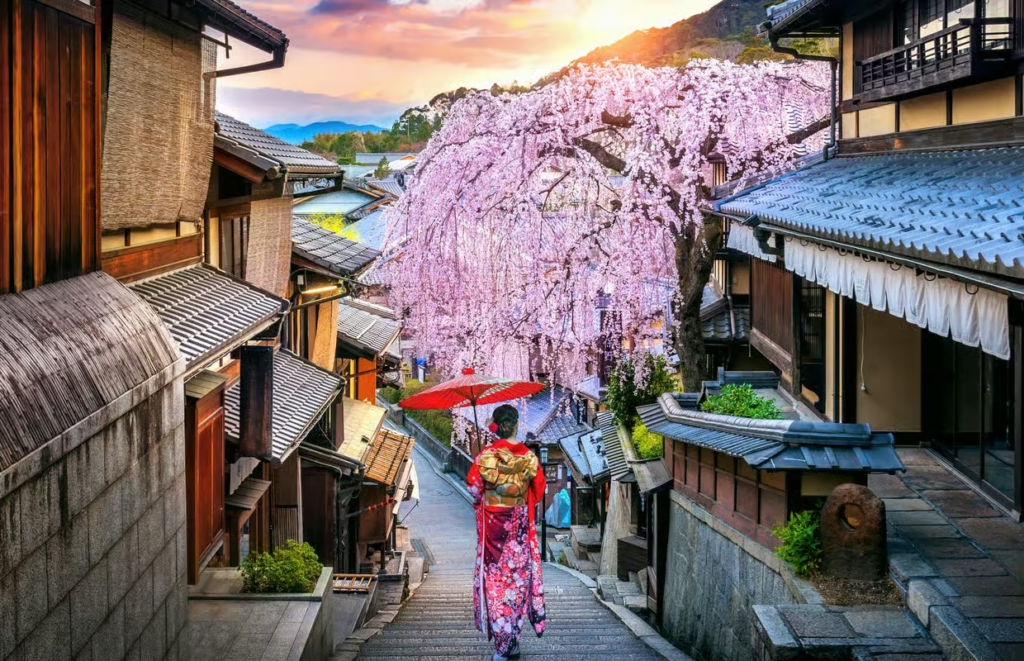
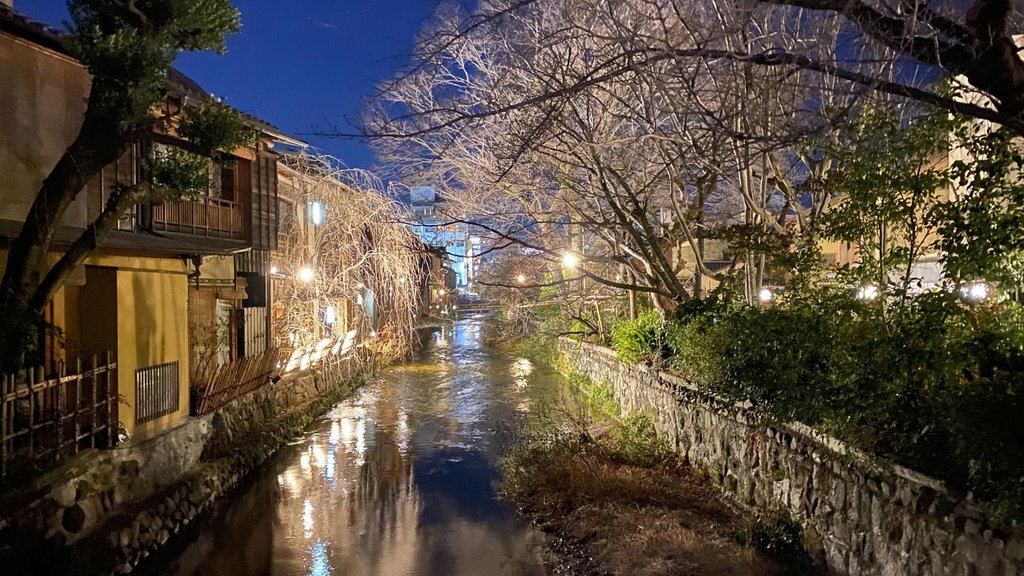
A five-minute walk east from the southern end of Hanamikoji-dori brings you to Shirakawa Minami-dori, where willow trees sway along the canal. The spot beside Tatsumi Bridge is a go-to photography location, where the glow from machiya, willow branches, and the surface of Shirakawa Canal come together in a single frame.
Standing on the bridge and pointing your camera upstream reveals a striking composition, with streetlights and willow silhouettes reflected on the water.
One important local rule: tripods and monopods are prohibited throughout this area. This restriction is in place to protect the daily life of nearby residents, so photography should always be done handheld.
After 9 pm, the area becomes very quiet. Visitors are asked to keep their voices low and be mindful of footsteps.
The seasonal changes around Tatsumi Bridge are a key part of its appeal:
- Spring (late March to early April): Cherry blossoms and willows reflected in Shirakawa Canal create a colorful nightscape
- Summer: Fresh green willows glow under the lights, and the water adds a refreshing atmosphere
- Autumn: Fall foliage and cobblestones produce warm, inviting tones
- Winter: On snowy nights, lanterns and canal reflections create a scene of quiet stillness
Details
| Address | Motoyoshi-cho, Higashiyama-ku, Kyoto (Tatsumi Bridge) |
| Hours | Freely accessible (24 hours) |
| Closed | Open year-round |
| Official Website | Not listed |
| Best For | Night photography enthusiasts and anyone seeking the quiet side of Gion |
Yasaka Shrine | Visit the Illuminated Grounds After Dark
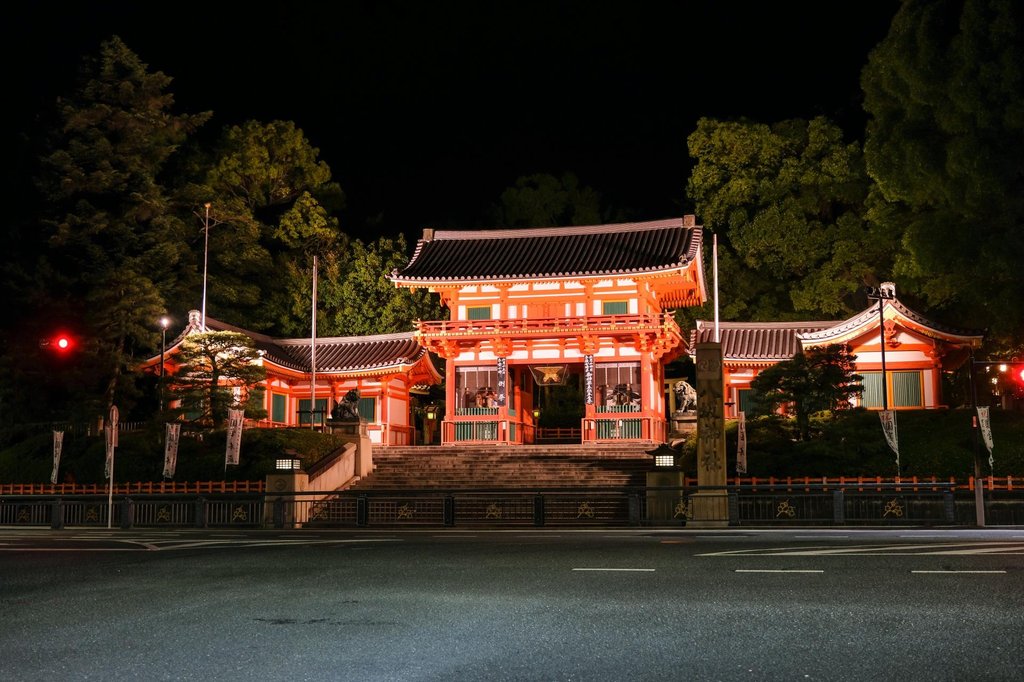
Yasaka Shrine is open 24 hours with no admission fee, making it an easy starting point for an evening walk.
After sunset, the Nishi-romon (west gate), the butai (open-air stage), and the main hall are illuminated, and the vermilion structures appear to float against the night sky.
A popular angle is to frame the Nishi-romon head-on from the eastern end of Shijo-dori. Note that vehicles continue to pass along Shijo-dori in front of the gate at night, so visitors should never stop on the crosswalk to take photos.
If you plan to purchase an omamori (charm), keep in mind that the amulet counter closes around 4:30 pm. It is best to pick one up during the daytime, as the counter is closed after dark.
Details
| Address | 625 Gion-machi Kitagawa, Higashiyama-ku, Kyoto |
| Hours | Grounds open 24 hours; amulet counter approximately 9 am–4:30 pm (varies by season) |
| Closed | Open year-round |
| Official Website | https://www.yasaka-jinja.or.jp |
| Best For | Visitors who want to experience a shrine at night and photograph illuminated architecture |
Gion Corner | Seven Traditional Performing Arts in One Hour
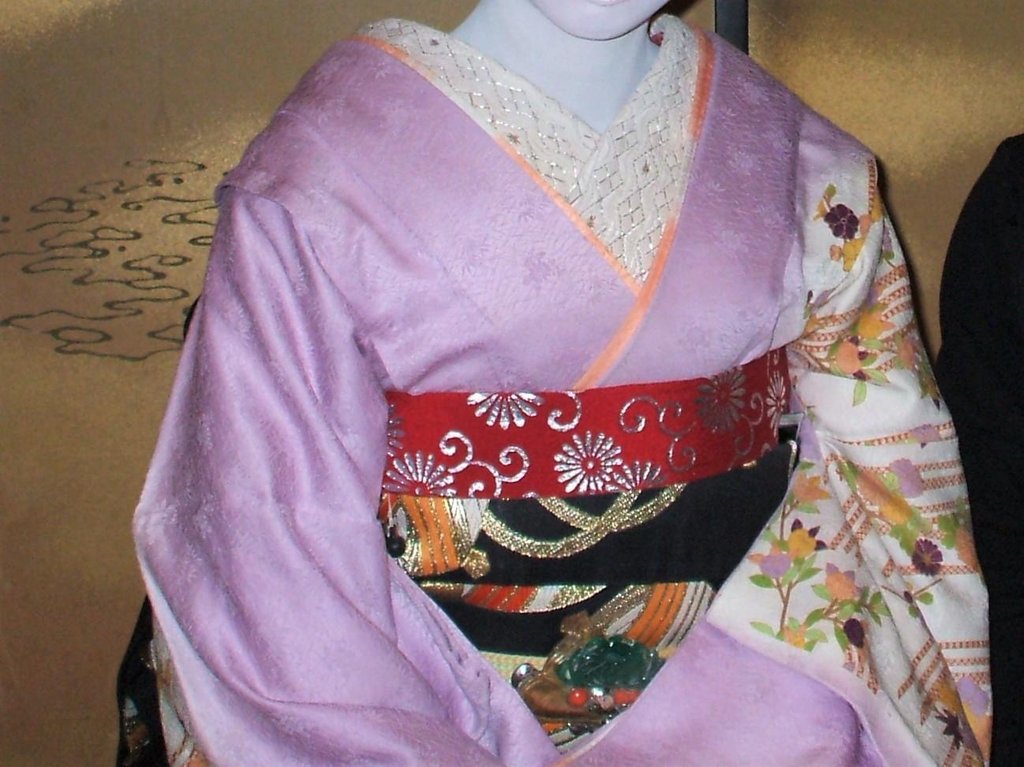
Spotting geiko or maiko on the street is entirely down to luck, and photographing or following them without permission is a serious breach of etiquette. For a guaranteed chance to see Kyo-mai (Kyoto-style dance performed by maiko), Gion Corner is the most reliable option.
Located inside the Gion Kobu Kaburenjo theater on Hanamikoji-dori, Gion Corner presents seven to eight traditional art forms — Kyo-mai, sado (tea ceremony), kado (flower arrangement), sokyoku (koto music), bugaku (court dance), kyogen (comic theater), and bunraku (puppet theater) or noh (classical masked drama) — in a one-hour digest format.
Still photography from your seat is allowed, but flash, video, and audio recording are all prohibited.
During the winter season from December 1 through March 11, performances are limited to Tuesdays, Wednesdays, Thursdays, and Fridays only. Check the official website calendar before visiting Gion Corner.
Details
| Address | 570-2 Gion-machi Minamigawa, Higashiyama-ku, Kyoto |
| Hours | Two shows daily at 6 pm and 7 pm (about 1 hour each) |
| Closed | December 1–March 11: Saturdays, Sundays, and Mondays |
| Official Website | https://www.ookinizaidan.com/gion_coner/ |
| Best For | Visitors interested in Japanese traditional arts such as tea ceremony, flower arrangement, and kyogen |
Minamiza Theater | Catch an Evening Kabuki Performance
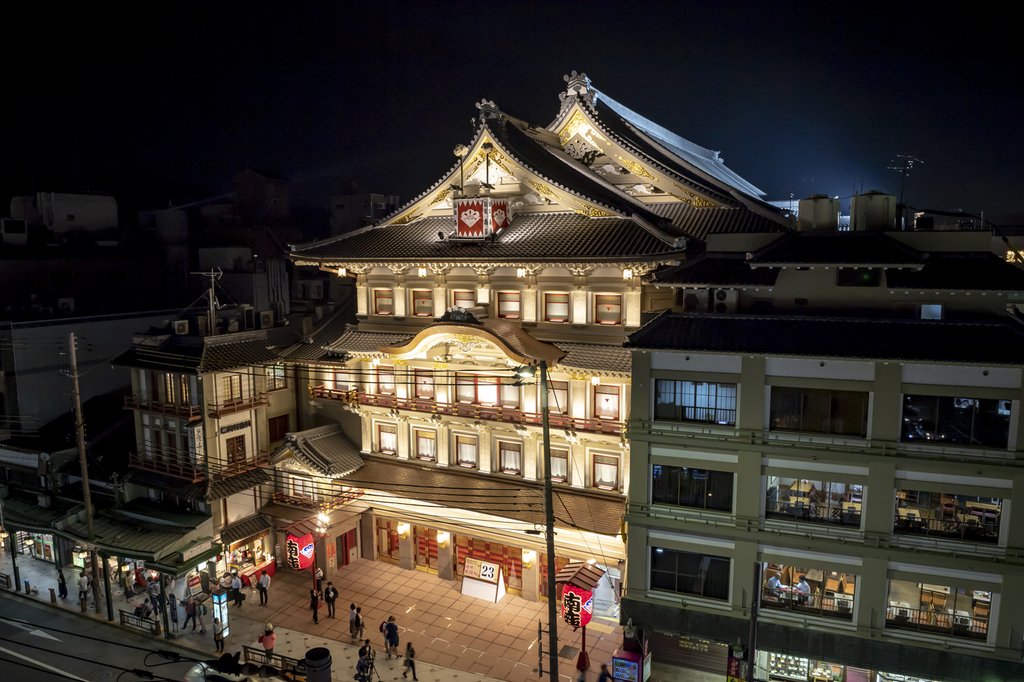
Just steps from Exit 6 of Gion-Shijo Station, Minamiza is the oldest kabuki (traditional Japanese theater) venue in Japan.
Programs change monthly, and start times vary by production. Most performances begin between 4 pm and 4:30 pm, making Minamiza easy to incorporate into an early-evening Gion itinerary.
English-language audio commentary is available through a smartphone app or dedicated device, allowing even first-time viewers to follow the storyline as it unfolds.
Even without tickets, a visit during December’s Kaomise (the annual year-end kabuki showcase) is a spectacle in its own right. The rows of maneki (large wooden name plaques) displayed across the theater façade create a striking seasonal tradition in winter Gion.
Details
| Address | Shijo Ohashi Higashizume, Higashiyama-ku, Kyoto |
| Hours | Varies by performance (phone inquiries: 10 am–5:30 pm) |
| Closed | Varies by performance schedule |
| Official Website | https://www.shochiku.co.jp/play/theater/minamiza/ |
| Best For | Visitors who want to experience traditional performing arts; kabuki beginners looking for English-supported viewing |
Four Restaurants Worth Visiting Near Gion at Night
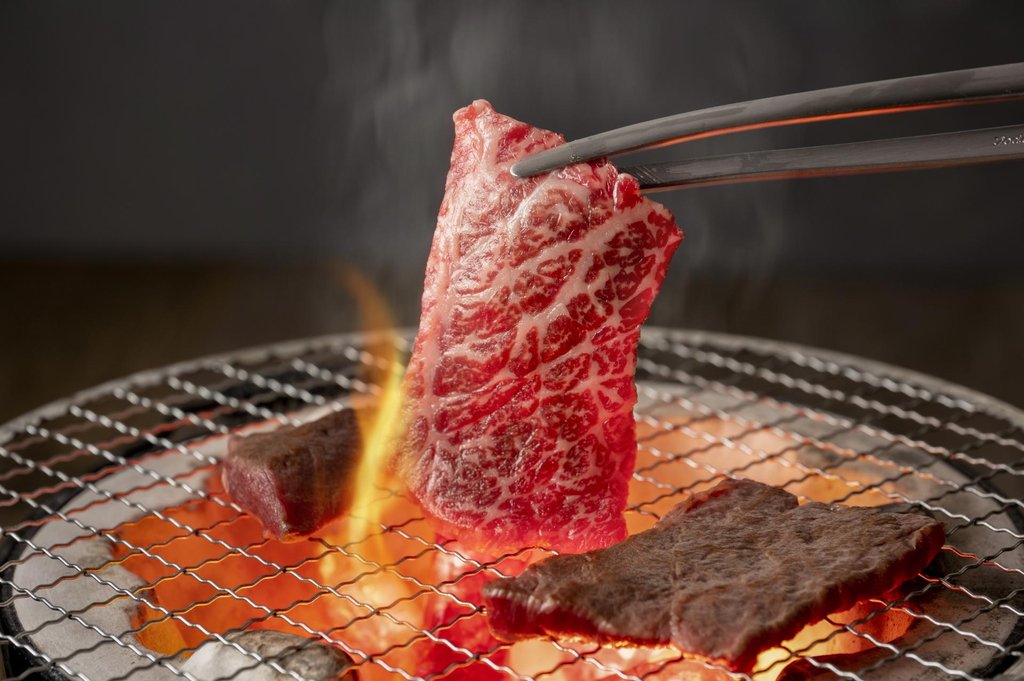
After a full evening exploring Gion, a great meal nearby is the perfect way to round things off.
Options include cocktails at a sophisticated hotel bar, wagyu (premium Japanese beef) yakiniku (Japanese-style grilled meat) in a machiya, Kyo-ryori (traditional Kyoto cuisine) with a Kamo River view, and casual okonomiyaki (savory Japanese pancakes). These options cater to different budgets, moods, and levels of formality.
Each restaurant listing indicates whether advance reservations are required or if walk-ins are welcome, helping you choose the most convenient option for your evening.
Imperial Hotel Kyoto Old Imperial Bar | Enjoy a Drink Overlooking Hanamikoji
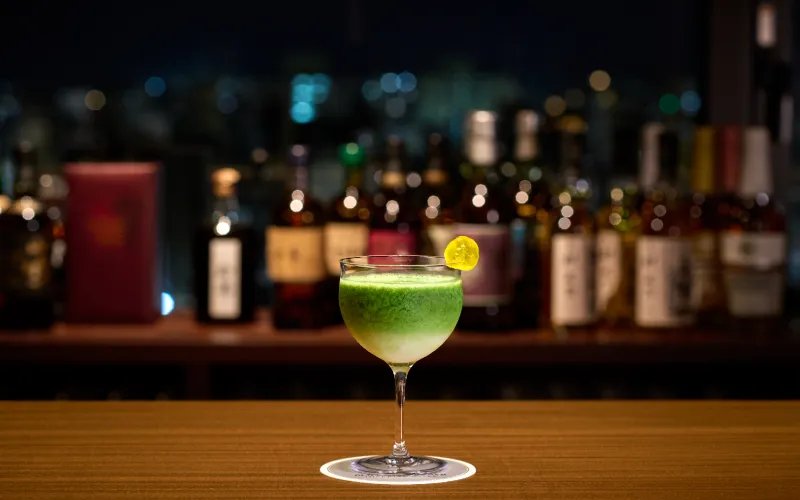
Imperial Hotel Kyoto, which opened in March 2026, is a luxury hotel that preserves and repurposes the former Yasaka Kaikan building.
The Old Imperial Bar on the seventh floor offers sweeping views of the Hanamikoji streetscape. Sipping a cocktail while gazing down at the cobblestones and lanterns below is an indulgent way to end the evening.
Sharing its name with the storied bar at Imperial Hotel Tokyo, the space has a classic, refined atmosphere. For visitors seeking a memorable final drink of the night, the Old Imperial Bar is a fitting choice.
Details
| Address | 570-289 Gion-machi Minamigawa, Higashiyama-ku, Kyoto |
| Hours | 5 pm–midnight (last order 11:30 pm) |
| Closed | Open year-round |
| Official Website | https://www.imperialhotel.co.jp/kyoto/ |
| Best For | Couples and those celebrating a special occasion who want an elevated evening |
Hiro Pontocho Bettei | Savor Wagyu Yakiniku in a Machiya Townhouse
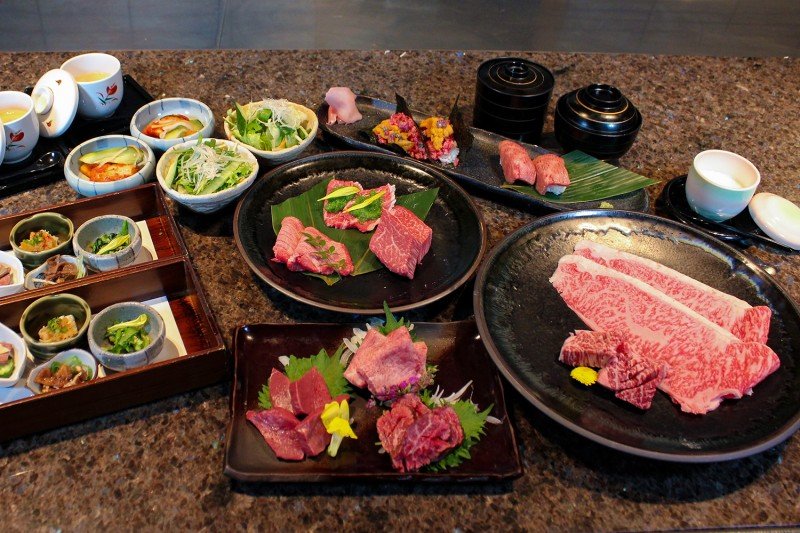
Hiro Pontocho Bettei occupies a renovated former okiya (geisha lodging house) that is more than a century old, located just in front of the Kaburenjo Theater in Pontocho.
The restaurant sources whole heads of premium Kuroge Wagyu, allowing rare cuts to appear regularly on the menu. The first floor has counter seating.
For a quieter setting, the second floor offers private rooms.
From May through September (extended to October 15 in 2026), Hiro’s Sanjo Kiyamachi branch also serves meals on a noryo-yuka (riverside dining terrace over the Kamo River), where guests can enjoy yakiniku with a cool evening breeze. Open daily from 5 pm, Pontocho Bettei is an easy and convenient stop after an evening walk through Gion.
Details
| Address | 176-1 Zaimoku-cho, Nakagyo-ku, Kyoto |
| Hours | 5 pm–11 pm |
| Closed | Open year-round |
| Official Website | https://yakiniku-hiro.com/shop/pontocho.php |
| Best For | Meat lovers after rare wagyu cuts; couples and groups seeking a special meal in a machiya setting |
Kyo-ryori Kyomachi | Seasonal Kyoto Cuisine on a Kamo River Terrace
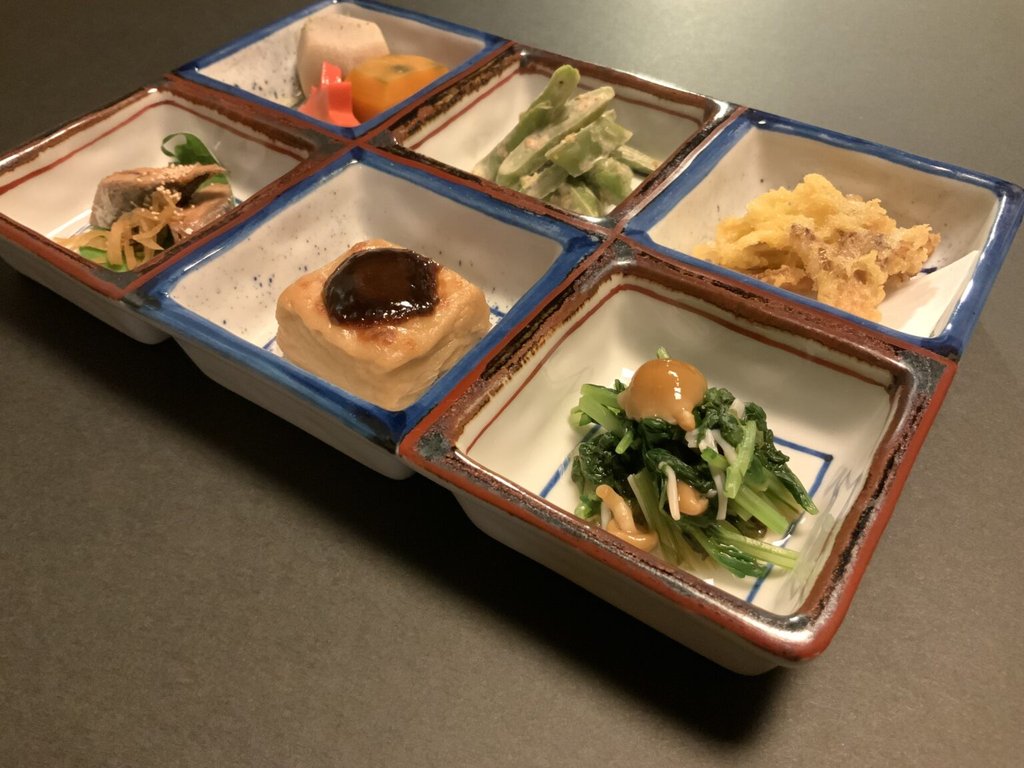
Kyomachi, located on Pontocho, serves seasonal Kyo-ryori with a view of the Kamo River flowing below.
The noryo-yuka terrace is available from May 1 through October 15 only, making it a dining experience unique to Kyoto’s summer season.
Courses typically include 10 to 11 dishes, progressing from obanzai (traditional Kyoto home-style cooking) and hamo (pike conger) clear soup to sashimi and Arima-style grilled beef tenderloin. Even a single taste of the soup highlights why dashi (stock made from kelp and bonito) is central to Kyoto cuisine.
Evening courses range from ¥6,500 (about $45 USD, limited availability) to ¥13,000 (about $90 USD), plus a ¥600 terrace seating charge. Kyomachi is a member of the Kamo River Noryo-yuka Association, allowing guests to dine with confidence. Advance reservations are recommended to secure a table.
From November through April, the same Kyo-ryori is available at indoor seating.
Details
| Address | 156 Umenoki-cho, Pontocho-dori Shijo-agaru, Nakagyo-ku, Kyoto |
| Hours | 5:30 pm–10:30 pm (last order 10 pm) |
| Closed | Sundays (schedule changes during terrace season) |
| Official Website | https://www.kyoto-yuka.com/shop/shop-41.php |
| Best For | Anyone seeking a seasonal riverside Kyo-ryori experience |
Pontocho Yasubee | Dig into Fresh Okonomiyaki at the Counter
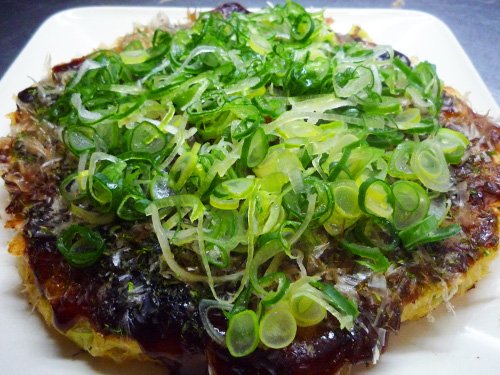
In Pontocho, where upscale restaurants line the alley, Yasubee stands out for serving delicious okonomiyaki at a budget-friendly price of ¥2,000–¥3,000 (about $14–$21 USD).
During peak tourist seasons, international visitors often account for up to half of the seating, reflecting Yasubee’s strong reputation among overseas guests. The staff are experienced in serving non-Japanese customers, making the walk-in experience straightforward and welcoming.
The signature Yasubee-yaki is loaded with pork, shrimp, octopus, and squid, all wrapped in fluffy batter that brings out the best of each ingredient. The Negi-Cheese-yaki, packed with kujo negi (a prized Kyoto variety of green onion), pairs perfectly with a cold beer.
Yasubee does not accept reservations and operates on a cash-only basis. Arriving early and bringing cash helps reduce waiting time.
Details
| Address | 142 Umenoki-cho, Pontocho Sanjo-sagaru, Nakagyo-ku, Kyoto |
| Hours | Weekdays 4 pm–9 pm (last order) |
| Closed | Tuesdays (if Tuesday is a holiday, closed the following Wednesday) |
| Official Website | https://www.ponto-chou.com/shops/index.php?cat=2&tag=11 |
| Best For | Visitors looking for a casual, affordable meal after exploring Gion |
Two Recommended Night Tours for Exploring Gion Efficiently
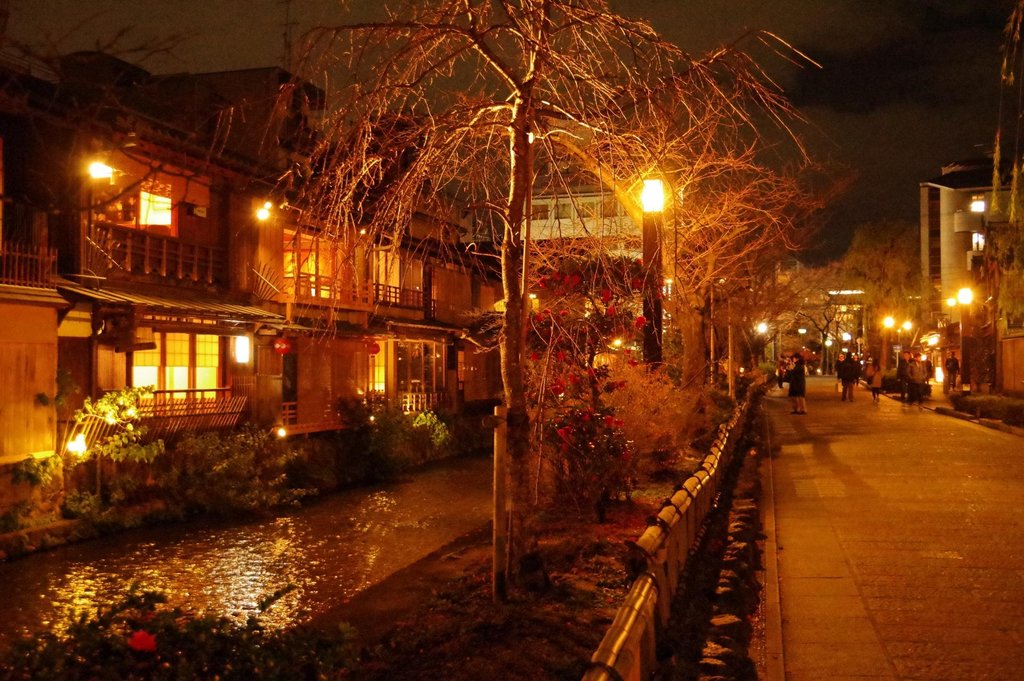
Walking through Gion on your own is rewarding, but joining a guided tour can reveal lesser-known alleyways and provide deeper insight into the etiquette and traditions behind the district’s culture.
Two options suit different travel styles: a walking tour focused on geiko and maiko culture, and a sunset tour available in Spanish. Tour details are presented in a consistent format to make comparison easier.
Kyoto: Gion Hidden Gems & Geisha Culture Tour
Want to explore Gion at night but unsure which lanes are private and where photography is allowed? This tour addresses both concerns directly.
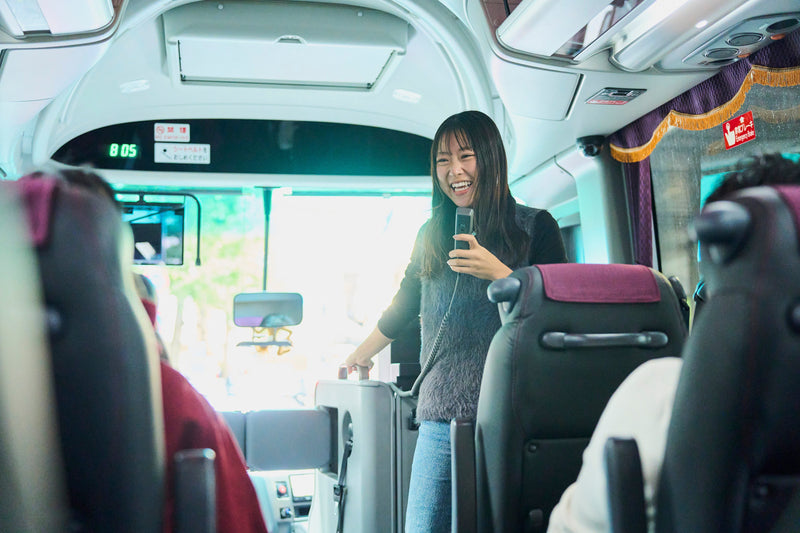
Operated by Japan Guide Star with an English-speaking guide, the roughly two-hour walking tour covers the willow-lined Shirakawa area, the inner alleys off Hanamikoji, and hidden shrines.
In the Gion-machi Minamigawa district, photographing on private roads is prohibited, and distinguishing between public and private roads can be difficult. The guide identifies permitted photo spots along the way, allowing visitors to focus on the experience without worrying about etiquette violations.
An evening departure also increases the chance of seeing geiko or maiko heading to ochaya. Since following or photographing them without permission is considered intrusive, the tour helps visitors understand appropriate distance and behavior, allowing them to appreciate these moments respectfully.
Details
| Duration | About 2 hours |
| Highlights | Gion Shirakawa, inner alleys of Hanamikoji, tucked-away shrines |
| Included | English-speaking guide and on-site commentary |
| Booking | https://japanguidestar.com/tour/kyoto-gion-hidden-gems-geisha-culture-tour/ |
| Best For | First-time Gion visitors, culture enthusiasts, and couples |
Kyoto: Gion Hidden Gems & Geisha Culture Tour
Kyoto: Gion Geisha District Sunset Tour in Spanish and en Español
For Spanish speakers seeking a deeper understanding of Gion’s geisha culture, this sunset tour by Japan Guide Star is an excellent option.
Cultural nuances and local context come through more fully when explained in your native language.
The route begins at Gion Shirakawa and winds through quiet shrines and machiya before heading toward Hanamikoji. Along the way, the guide explains the training process of geiko and maiko, the seasonal meanings embedded in kimono patterns, and other cultural details that are easy to miss when exploring alone.
Toward the end of the tour on Hanamikoji, visitors may spot geiko or maiko heading to their evening engagements. With a guide present, it is easier to understand proper etiquette and enjoy these rare moments without uncertainty.
Details
| Duration | About 2 hours |
| Highlights | Willow-lined Gion Shirakawa, wooden machiya, Hanamikoji |
| Included | Spanish-speaking guide and on-site commentary |
| Booking | Japan Guide Star official website |
| Best For | Spanish speakers, culture-focused travelers, and couples |
Kyoto: Gion Geisha District Sunset Tour in Spanish and en Español
Common Questions About Gion at Night
These are the questions visitors ask most often before heading to Gion after dark.
Reviewing these ahead of time helps avoid trouble on the ground and makes for a more relaxing evening.
What Is the Best Season to Visit?
Each season brings a different character to nighttime Gion.
In spring, cherry blossoms and lantern light line Shirakawa Canal, and in autumn, illuminated fall foliage is striking — though both seasons draw heavy crowds.
Summer opens up the noryo-yuka riverside dining experience, but the area around Shijo-dori becomes extremely congested during Gion Matsuri (Gion Festival) in July.
Winter, when tourist numbers are lower, provides a quieter cobblestone ambiance of Gion at its most serene — a great choice for those who prefer a leisurely stroll.
What Are the Photography Rules in Gion at Night?
The private alleys south of Hanamikoji are off-limits for both entry and photography, with fines imposed for violations. Along Shirakawa Canal, tripods and monopods are also prohibited in order to keep walkways clear and ensure a safe, respectful environment.
Photographing geiko or maiko without permission, or following them, is strictly forbidden.
If you happen to encounter them, it is best not to request a photo. A slight bow of acknowledgment is considered a more appropriate and respectful gesture.
Is It Safe to Walk Around Gion at Night?
Gion sits in central Kyoto and is relatively safe. Hanamikoji and the Shirakawa area are well lit by streetlamps, and the streets stay lively until around 9 pm.
However, restricted private-road areas are dark and quiet, so visitors should never enter them.
It is also advisable to avoid walking alone through back alleys late at night and to check the last-train times at Keihan Gion-Shijo Station before heading out.
Do I Need Cash at Gion Restaurants?
Bringing cash to Gion is a wise move.
While more restaurants now accept cashless payments, many smaller establishments tucked away in the back alleys still operate on a cash-only basis.
Carrying around ¥5,000–¥10,000 (about $35–$70 USD) per restaurant visit provides peace of mind. It is best to exchange currency or withdraw cash in advance so you are not left searching for an ATM or worrying about payment during your meal.
Can I Explore Gion Without a Guide?
The major public-road spots in Gion are freely accessible without a guide. However, the mix of public and private roads, restricted areas, and the subtleties of behaving respectfully around geiko and maiko can be difficult to navigate on your own.
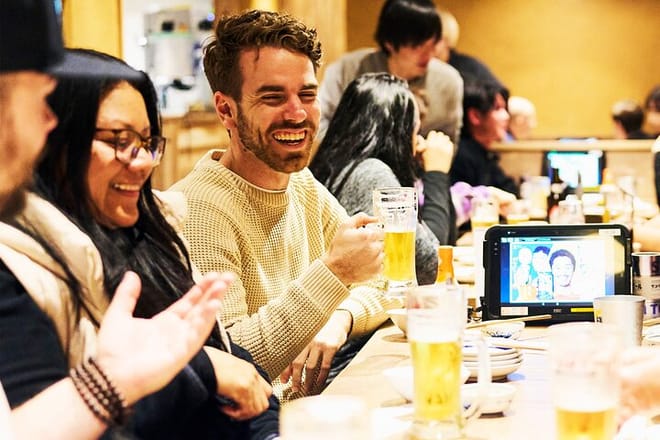
Ordering at an izakaya (Japanese pub-style restaurant) and other dining spots can also be significantly smoother with the assistance of a guide.
For travelers who want to fully experience both the cultural context and the food scene, a guided tour with Japan Guide Star is a strong option.
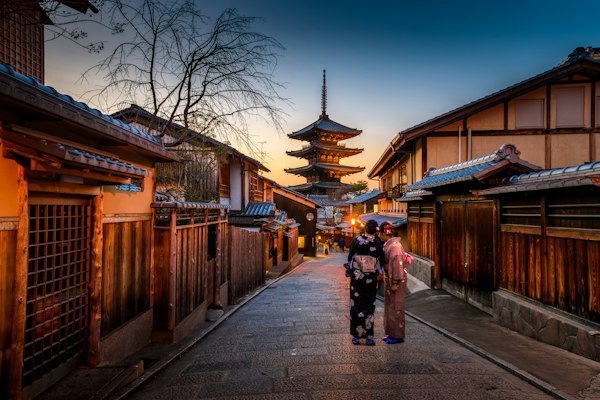
Step into Gion After Dark
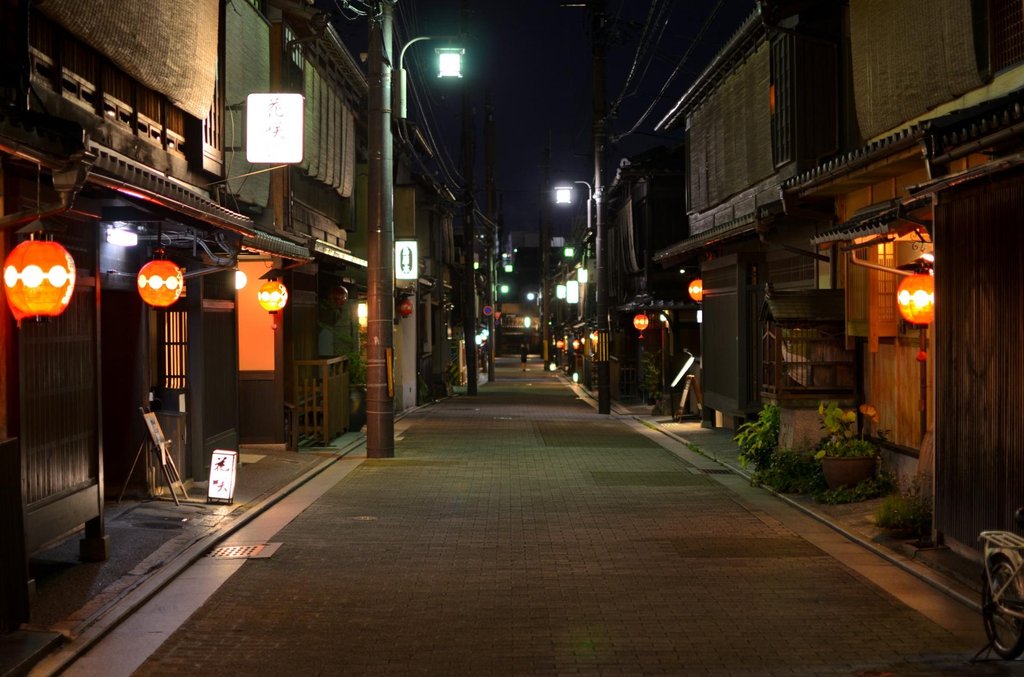
With a basic understanding of routes and local etiquette, even a limited schedule is enough to fully enjoy Gion at night.
Respecting the rules — no entering private roads, no unauthorized photography of geiko and maiko — is essential.
The lantern-lit cobblestones and the serene beauty of Shirakawa Canal can be enjoyed at a relaxed pace. Be sure to make time for an evening in Gion on your next trip to Kyoto.