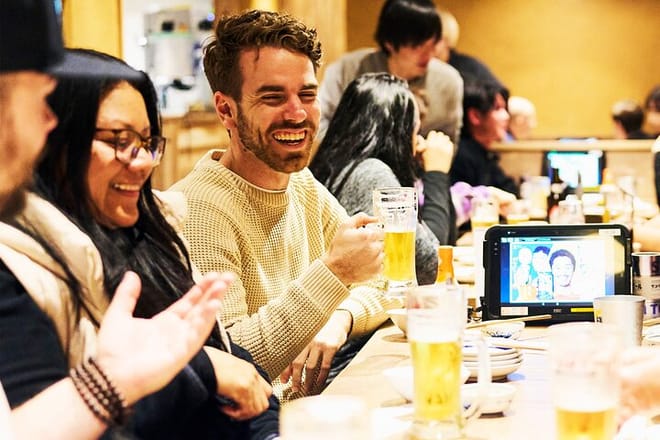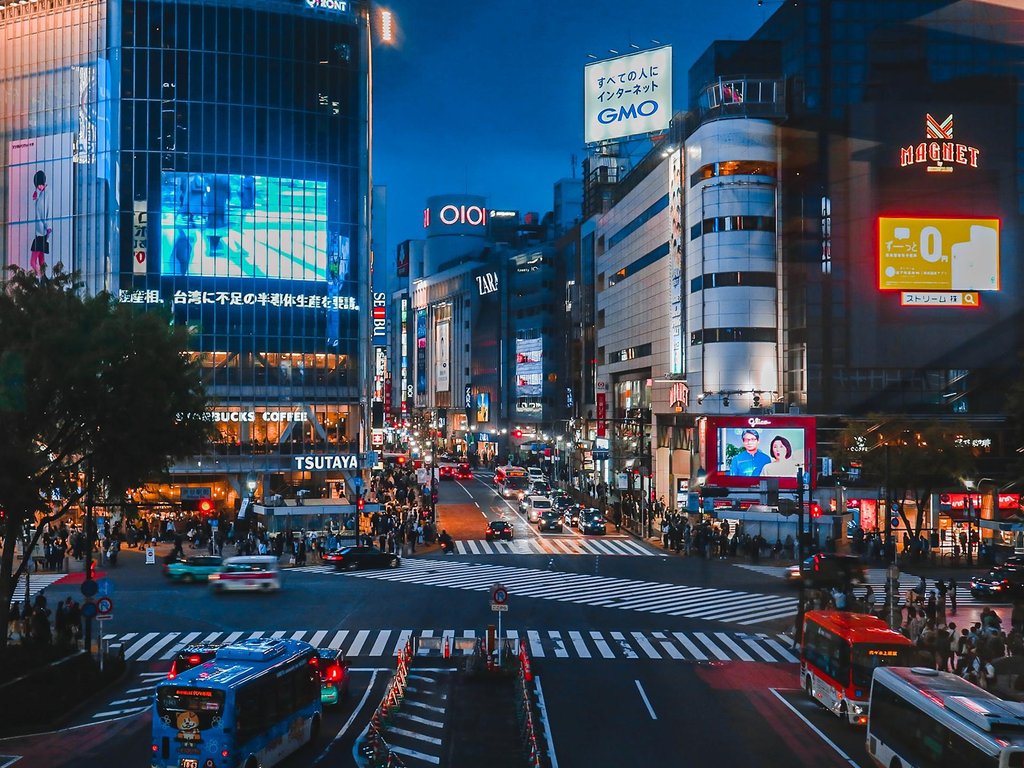
The streets around Shibuya Station are packed with izakaya—Japanese pub-style restaurants—and that’s exactly what makes picking one hard: you may want to avoid tourist-priced spots, choose a shop with an English menu, or find out where walk-ins are welcome.
In this article we’ll introduce twelve izakaya within walking distance of Shibuya Station that fall into three areas: Nonbei Yokocho, Shibuya Yokocho, and Dogenzaka. The restaurant entries included here will give you valuable information about prices, the availability of English language support, and tips for avoiding the busiest hours. Read on to find out all you need to know about izakaya in Shibuya.
Four Points to Check Before Choosing an Izakaya in Shibuya
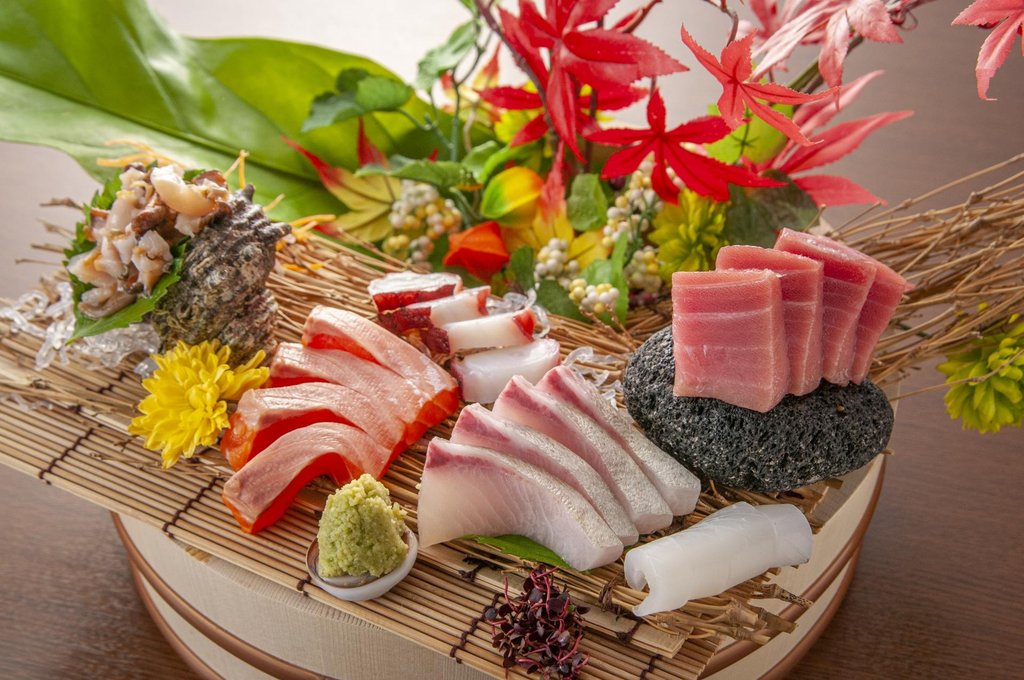
Shibuya has a huge number of izakaya, and the atmosphere, price range, and ease of entry differ from venue to venue, so a first visit can be confusing. Checking out the following four points in advance narrows the field.
1. Atmosphere and Price Differ by Area
Shibuya’s izakaya districts fall into three main areas, each with its own atmosphere and price range. Nonbei Yokocho is an alleyway that grew out of Japan’s post-war black market around 1950. About forty tiny shops stand side by side, each with roughly five to thirteen seats, so you sit close to the owner and to the customers next to you. This arrangement suits solo drinkers and couples who want to converse while eating their food, and the prices run from about ¥2,000 to ¥4,000 per person.
Shibuya Yokocho is a food hall inside MIYASHITA PARK (a shopping complex beside Shibuya Station) with nineteen separate stalls. The venue offers regional dishes from Hokkaido to Okinawa in one place, which works well for groups who want to sample a little bit of everything. And because everything’s indoors, the weather makes no difference.
The Dogenzaka area offers the most varied range of venue choices, from the busy blocks in front of the station to the quieter side streets toward Shinsen. Many mid- and large-size restaurants have table seating, and groups of four or more can find seats more easily than they can in smaller venues.
Deciding which area you want to visit, based on your group size and how you want to spend the evening, narrows down your choices quickly:
| Area | Nonbei Yokocho | Shibuya Yokocho | Dogenzaka Area |
|---|---|---|---|
| Distance from the station | 2-min walk | 3-min walk | 5-min walk |
| Seating scale | Tiny pubs with 5–13 seats | Varies by food stall | Medium to large pubs with 40–80 seats |
| Price Range | ¥2,000–¥4,000 | ¥2,500–¥4,500 | ¥3,000–¥5,000 |
| Typical customers | Solo drinkers and couples | Groups and visitors | Office workers and groups |
| Best for | Those who want to experience the local vibe | Those who want to try many different dishes at once | Those who need plenty of seats |
2. Budget About ¥3,000–¥5,000 per Person
Food and drinks at an izakaya in Shibuya will cost about ¥3,000 to ¥5,000 per person. A small izakaya in Nonbei Yokocho might cost ¥2,000 or ¥3,500, while a dedicated yakitori (grilled chicken skewers) restaurant and a full round of drinks will cost closer to ¥5,000.
Otoshi (a small dish served automatically when you sit down) affects your total bill. Japanese izakaya charge around ¥300 to ¥500 per person for this small appetizer, and it appears on the bill even though you never ordered it. Knowing about it in advance will save you confusion at payment time. Note that some izakaya allow you the option to decline it but many others do not, so add roughly ¥500 to your food and drink budget just in case.
Chain izakaya also offer courses with all-you-can-drink plans, while specialty venues center on ordering food dish by dish. Choose your preferred style according to whether you want to keep spending down or settle in for a full meal with drinks.
3. English Language Support Varies by Venue
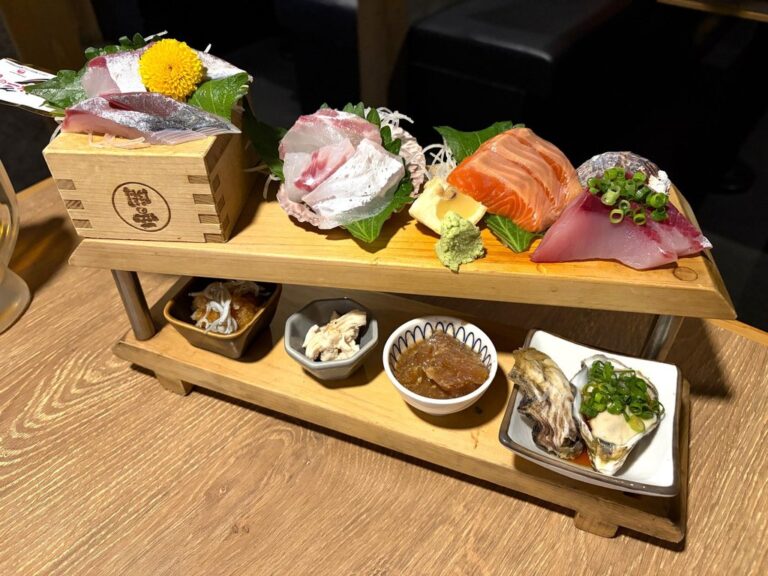
The level of English support depends on the size and style of the izakaya. Chain restaurants and food halls often have menus with photos or use tablets for ordering, so you can often choose dishes without knowing Japanese. Owner-run restaurants in Nonbei Yokocho, on the other hand, often have handwritten menus posted on the wall, and translation apps often struggle with vertical writing and handwriting.
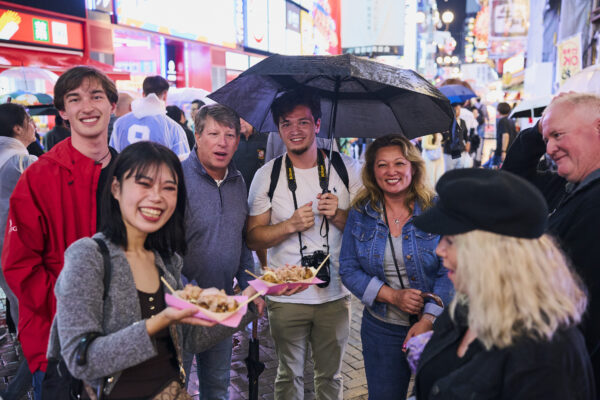
That being said, some places do keep an English menu or photo menu, so checking reviews on Google Maps for mentions of “English menu” before you visit can give you an idea of what to expect. If you’d rather remove the language barrier altogether, an English-guided food tour can handle venue selection and ordering food for you.
Tokyo: Shibuya Food Tour with 15 Dishes at 4 Eateries
4. The Rush is Between 6 pm and 9 pm
Shibuya’s izakaya fill up between 6 pm and 9 pm, and many are fully booked on Fridays and Saturdays. If you plan to walk in, time your visit carefully to improve your odds of getting a seat:
- Go early (between 4 and 5 pm): most izakaya still have empty seats right after opening, which keeps the time you have to wait to a minimum
- Go late (after 9 pm): customers finishing their first round start to leave and empty seats open up
If you want to keep drinking into the night, look for izakaya that stay open until morning. Some places in Shibuya Yokocho serve customers until 5 am and can offer you a meal if you’ve missed the last train or need a final stop on a bar crawl.
Four Recommended Izakaya in Shibuya’s Nonbei Yokocho Neighborhood
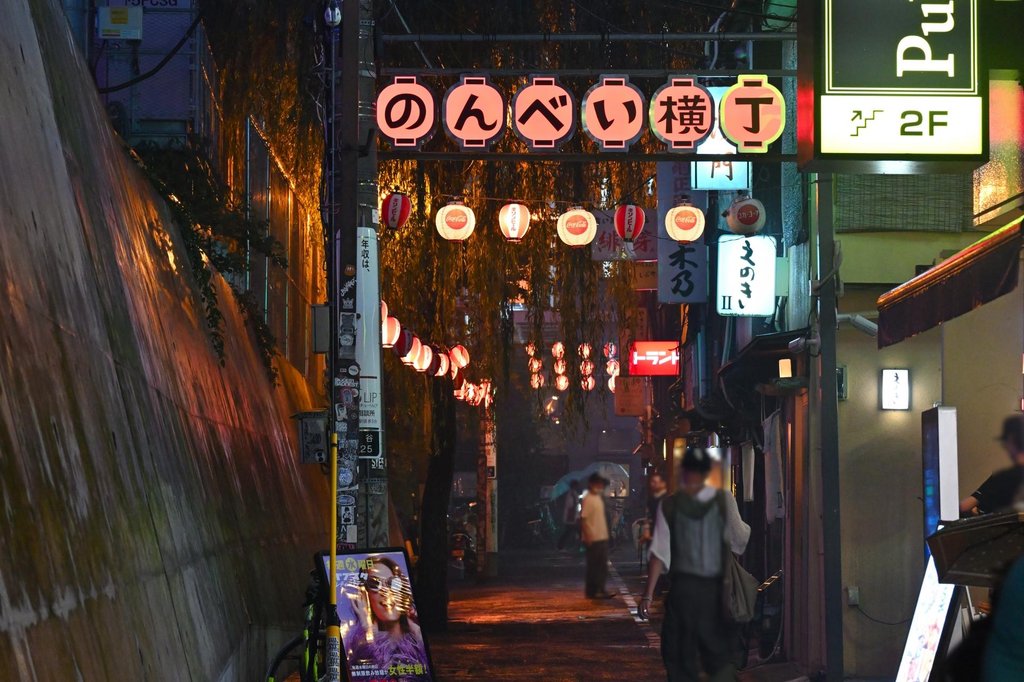
Nonbei Yokocho—the cluster of tiny, mid-20th century Japanese drinking spots beside Shibuya Station—has izakaya devoted to distinct specialties like sake, yakitori, oden, and vegetable dishes. Four of the venues in this area stand out for their English support, price ranges, and reservation policies, and we’ll introduce each venue in the following section. Consider the food you want to eat and the time you plan to arrive and this information should point you to the right place to go.
Appre: A Sake Bar Where the Staff Speak English
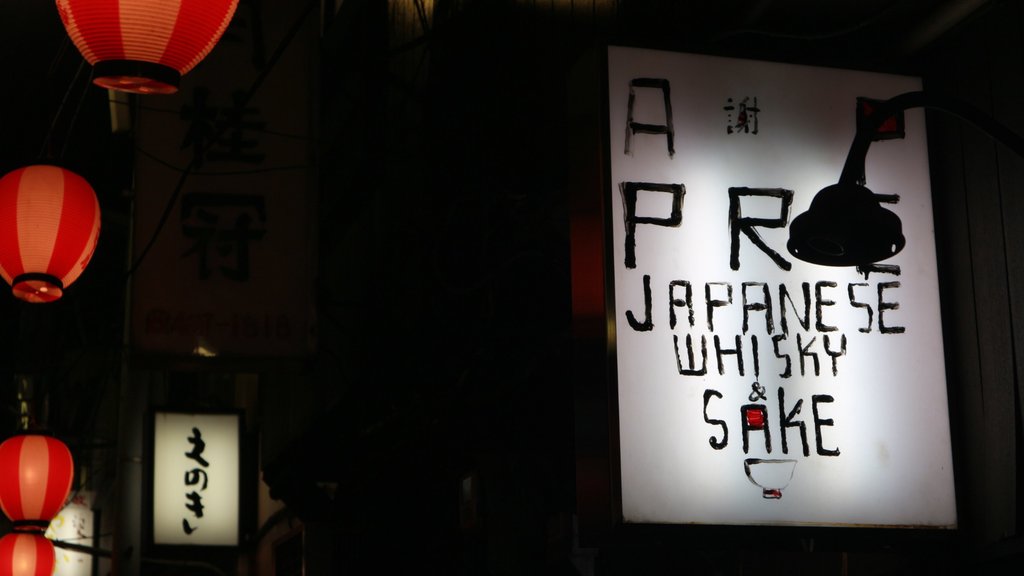
For anyone who wants to try sake in Nonbei Yokocho, Appre is an easy place to start. The bar is small, focused on sake, and every staff member can take your order in English, so you can describe what you like even if you don’t know much about sake. The sake here is served in wine glasses. Tell the staff whether you prefer sweet or dry, aromatic or clean, and they’ll suggest a glass that matches.
Appre has just seven counter seats and two standing spots. The bar stays open until 12:30 am on weekdays and until 2 am on weekends, which makes it a practical second stop after finishing dinner elsewhere. Appre is a good place for newcomers who don’t know a lot about sake or sake brands.
Details
| Address | 1-25-10 Shibuya, Shibuya-ku, Tokyo (inside Nonbei Yokocho) |
| Hours | Weekdays: 6:30 pm–12:30 am; Sat & Sun: 6:30 pm–2:00 am |
| Closed | Open year-round |
| Website | http://nonbei.tokyo/shop/appre/ |
| Best for | Sake beginners, anyone who wants to order in English, and travelers arriving late at night |
Torifuku: Yakitori Bar with More Than Ninety Years of History
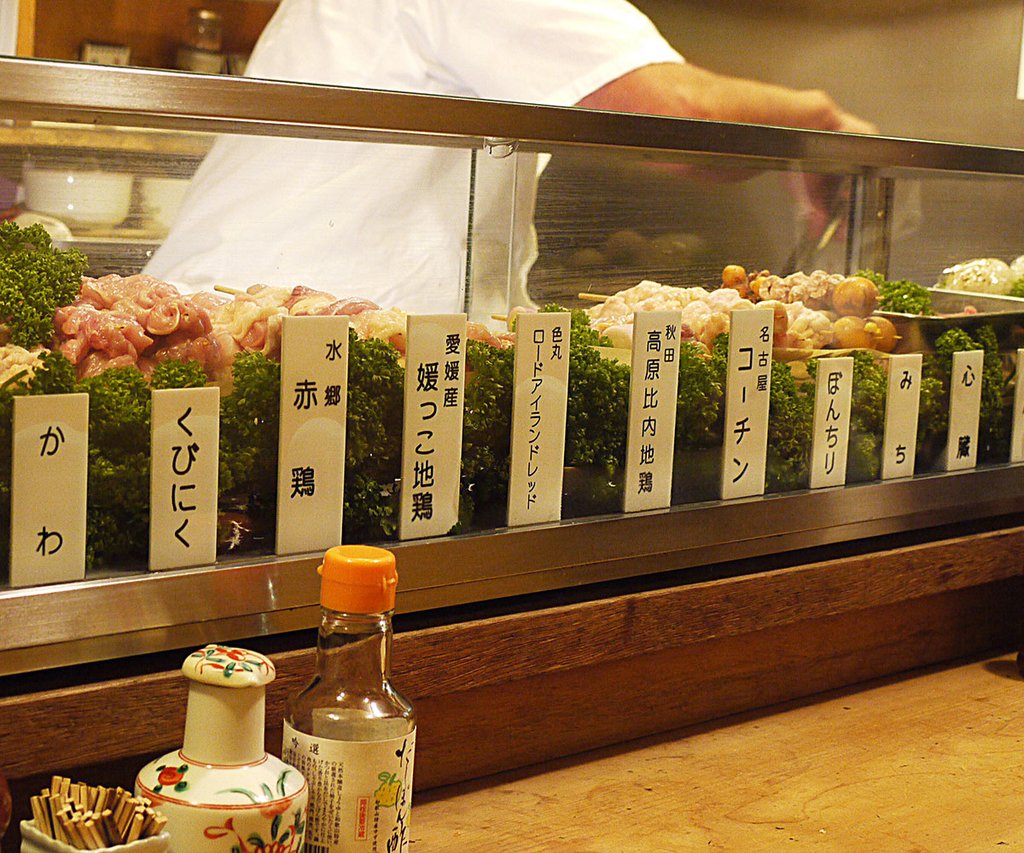
Torifuku opened as a street stall in 1932 and moved to its current spot in 1950, making it one of the longest-running yakitori restaurants in Nonbei Yokocho. The chef grills the chicken carefully over charcoal, and with only fifteen seats this izakaya closes once the day’s ingredients run out—so it’s worth booking ahead.
Torifuku takes reservations by phone, and visitors from overseas can ask their hotel front desk to call for them. Even though the menu is only available in Japanese, saying “omakase” tells the owner that you want them to choose the skewers for you, which removes the guesswork on your part. Expect to spend around ¥5,000 per person here. Torifuku suits anyone who wants old-school charcoal-grilled yakitori and a close view of the work that goes on behind the counter.
Details
| Address | 1-25-10 Shibuya, Shibuya-ku, Tokyo (inside Nonbei Yokocho) |
| Hours | Weekdays 4:30 pm–9:00 pm |
| Closed | Sundays, the third Saturday of every month, and public holidays |
| Website | http://www.nonbei.tokyo/shop/torifuku/ |
| Best for | Visitors who want traditional charcoal yakitori in a quiet setting and those able to book ahead |
Nadaichi: A Third-Generation Oden Specialist
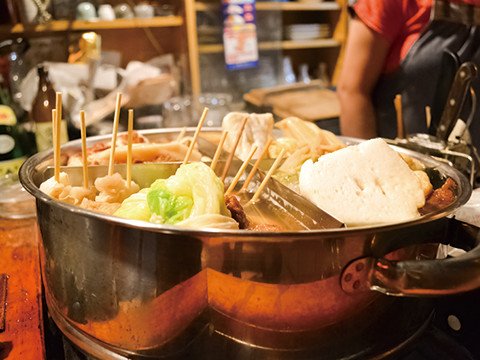
Oden, a familiar dish in Japanese homes, is the specialty at Nadaichi, an izakaya passed down through three generations. The ingredients sit in a large pot right in front of you, so you can simply point at what you want without being able to read a word of Japanese.
There are thirteen seats here, and the average meal costs about ¥2,000 to ¥4,000 per person. It’s relatively easy to get a seat right after the 6 pm opening, so oden and a beer here make a good starting point before moving on to other pubs and bars.
Details
| Address | 1-25-10 Shibuya, Shibuya-ku (inside Nonbei Yokocho) |
| Hours | 6:00 pm–12:00 am |
| Closed | Sundays and public holidays |
| Website | http://www.katusyo.jp/nadaichi/ |
| Best for | Travelers worried about the language barrier, those looking for a first stop on a bar crawl, and visitors who want to taste Japanese home cooking |
Yasaiya: Small Vegetable Dishes in the Leading Role
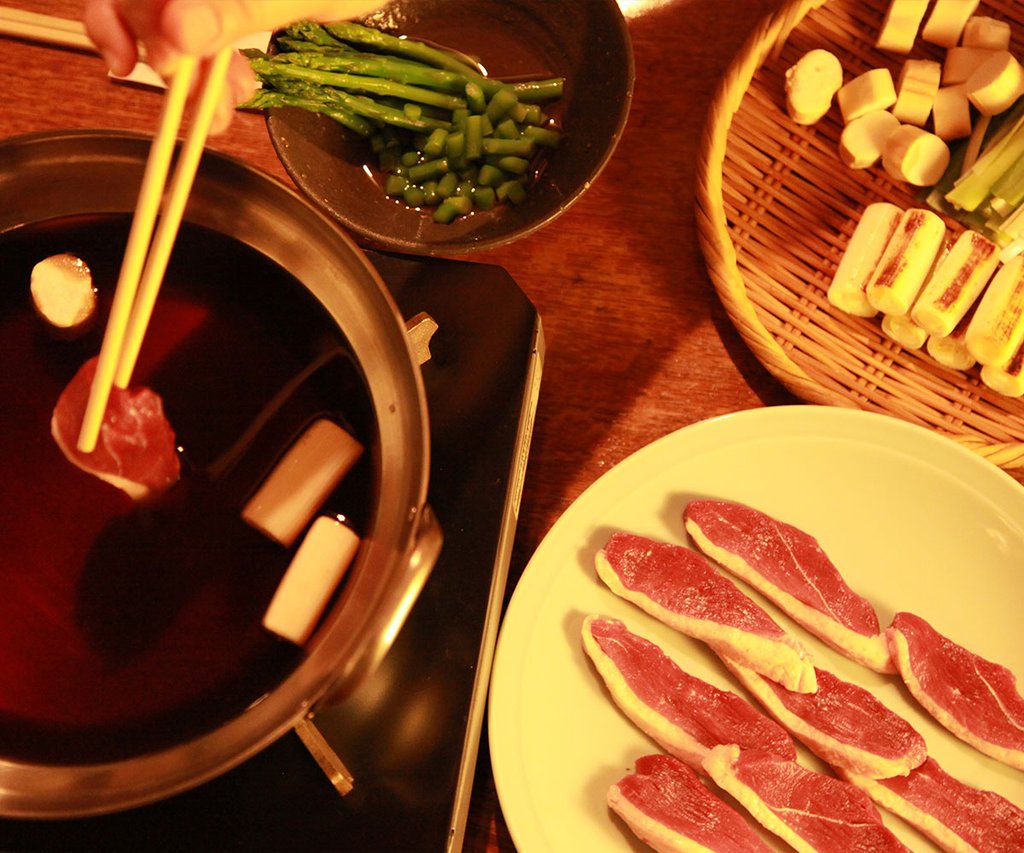
Yasaiya is an izakaya in Nonbei Yokocho with a vegetable-focused menu. Its courses combine obanzai (home-style Kyoto side dishes) with duck hot pot, and serve seasonal vegetables in dashi-rich Japanese preparations. The first floor of the venue has six counter seats, and the second floor has a tatami room that seats up to twelve people, so there’s enough space for small parties as well as groups.
Because of the preparation involved, Yasaiya requires a reservation. Vegetarians and vegans should note that Japanese dashi often contains animal-based ingredients such as dried bonito flakes. The official site doesn’t state whether English is available, so confirm the exact ingredients when you book. If you can’t speak Japanese, we recommend asking the front desk staff at your hotel to call and confirm for you.
Details
| Address | 1-25-10 Shibuya, Shibuya-ku (inside Nonbei Yokocho) |
| Hours | 6:00 pm–11:00 pm |
| Closed | Irregular closures |
| Website | http://www.nonbei.tokyo/shop/yasaiya/ |
| Best for | Visitors who prefer vegetable-centered meals, groups who would like to use the tatami room |
Four Recommended Izakaya in Shibuya Yokocho
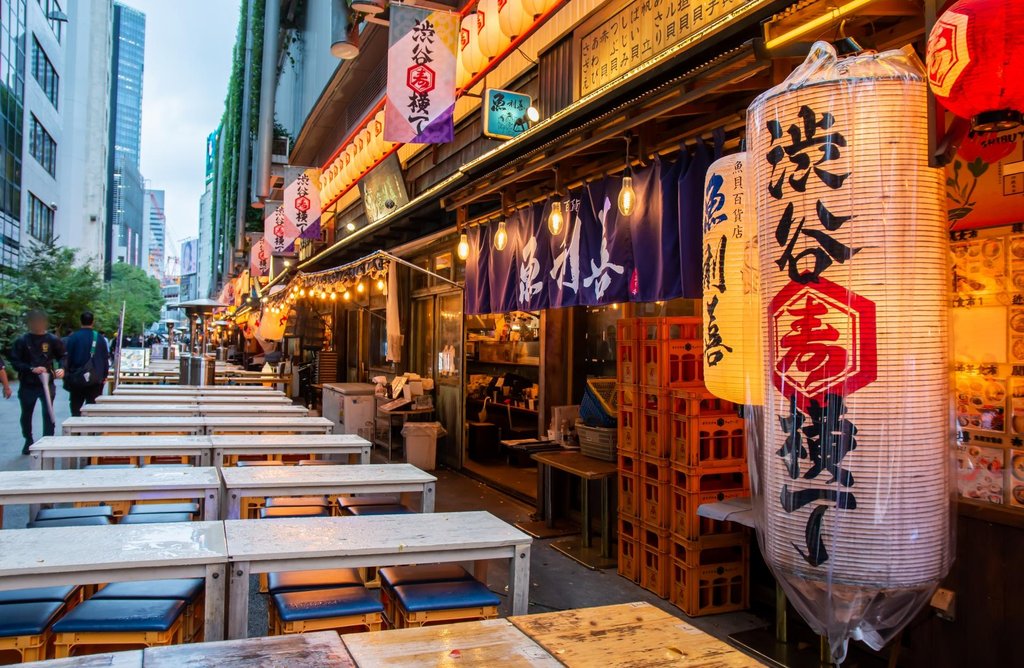
Shibuya Yokocho is a food hall roughly 100 meters (330 feet) long inside MIYASHITA PARK, directly connected to Shibuya Station. You can sample dishes from Hokkaido and Okinawa in one place, which makes Shibuya Yokocho different from Nonbei Yokocho. Specialty stalls often use ingredients shipped directly from their home regions, and many stay open into the small hours of the morning, so a late meal is easy to arrange.
Rikishi-meshi Yorozu: Hot Pot Made by a Former Sumo Wrestler
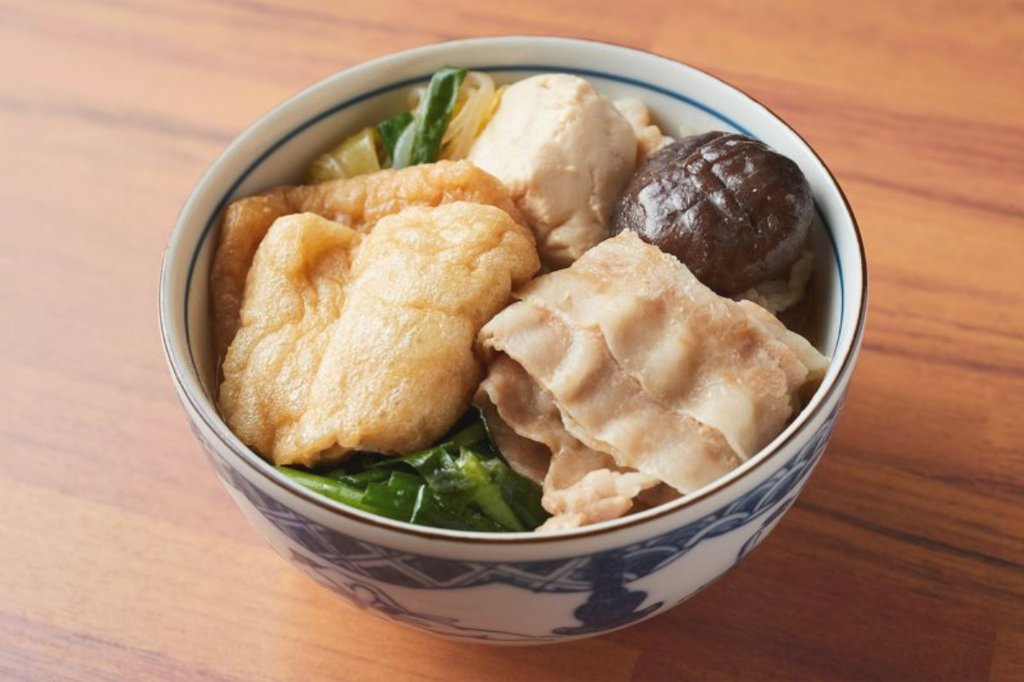
Chanko is the general term for the meals served at a sumo stable, the training quarters where sumo wrestlers live and train together. At Rikishi-meshi Yorozu, a former sumo wrestler turned chef prepares authentic chanko-nabe, a hearty hot pot meal that’s shared at the table. The broth is made from chicken bones or miso, with generous amounts of vegetables and meat.
The house specialty, “donburi de beer nomi,” serves beer in a large rice bowl, a playful twist on the usual way of serving beer. The restaurant serves customers from 11 am and doesn’t close for an afternoon break, so it’s easy to drop in here during a day of sightseeing with unpredictable meal times.
Details
| Address | RAYARD MIYASHITA PARK South 1F, 6-20-10 Jingumae, Shibuya-ku, Tokyo (inside Shibuya Yokocho) |
| Hours | Mon–Sat & public holidays: 11:00 am–5:00 am; Sun: 11:00 am–11:00 pm (confirm before visiting) |
| Closed | Same schedule as RAYARD MIYASHITA PARK |
| Website | https://www.hamakura-style.com/works/yorozu/ |
| Best for | Solo travelers, couples, small groups |
Hokkaido Shokuichi: Seafood and Grilled Lamb Until 5 am
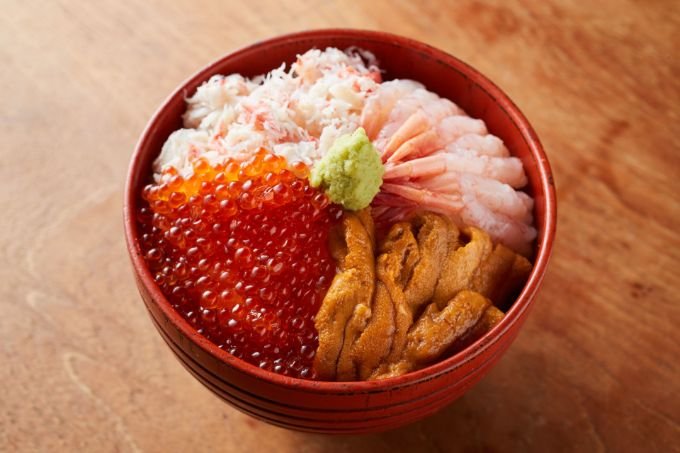
Hokkaido Shokuichi serves seafood rice bowls and sea urchin alongside jingisukan (thinly sliced lamb grilled on a domed skillet) and zangi (Hokkaido-style fried chicken), covering a wide range of Hokkaido’s signature dishes. You can sample several local specialties in one sitting, which suits travelers in Tokyo on a short trip.
This izakaya serves customers until 5 am (except on Sundays), which often suits those in search of a late supper or somewhere to stop on the way home from clubbing. Note that late-night hours can carry an additional charge, so check this detail in advance. The kitchen closes at 11 pm on Sundays.
Details
| Address | RAYARD MIYASHITA PARK South 1F, 6-20-10 Jingumae, Shibuya-ku, Tokyo (inside Shibuya Yokocho) |
| Hours | Mon-Sat: 11:00 am–5:00 am; Sun: 11:00 am–11:00 pm |
| Closed | Same schedule as RAYARD MIYASHITA PARK |
| Website | https://shibuya-yokocho.com/shop/ |
| Best for | Group drinking, a final stop on a night out, solo drinkers |
Kyushu Shokuichi: Basashi and Shochu
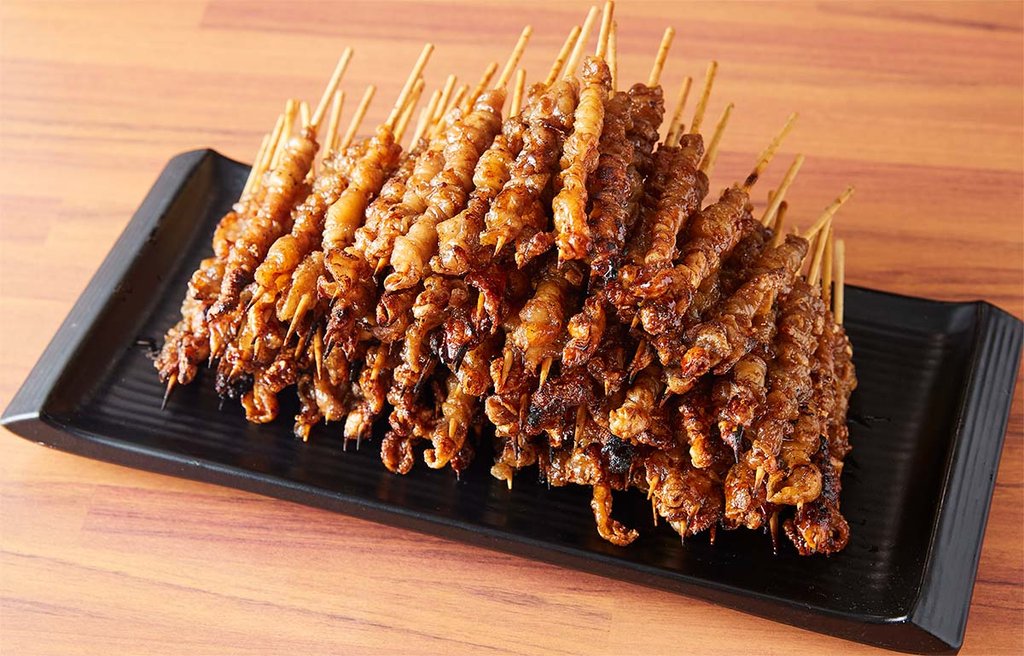
Kyushu Shokuichi serves Nagahama ramen and iron-pan gyoza along with dishes found mainly in Kyushu, including basashi (thinly sliced raw horse meat). Basashi has a texture and flavor unlike beef or raw fish, and the dish appeals to anyone curious about a less familiar side of Japanese food. If raw meat isn’t for you, cooked options such as Hakata torikawa (grilled chicken skin skewers) and iron-pan gyoza are on the menu as well.
This izakaya also stocks a wide range of shochu, a distilled spirit made from ingredients such as sweet potato or barley and meant to be drunk alongside Kyushu cuisine. Shochu differs from sake or beer, and the stall lets you match a Kyushu drink to the Kyushu dishes on the table.
Details
| Address | RAYARD MIYASHITA PARK South 1F, 6-20-10 Jingumae, Shibuya-ku, Tokyo (inside Shibuya Yokocho) |
| Hours | 11:00 am–11:00 pm |
| Closed | Same schedule as RAYARD MIYASHITA PARK |
| Website | https://shibuya-yokocho.com/shop/ |
| Best for | Shochu fans, travelers curious about unfamiliar dishes, groups that include someone who avoids raw meat |
Uoriki: Fresh Fish from Across Japan
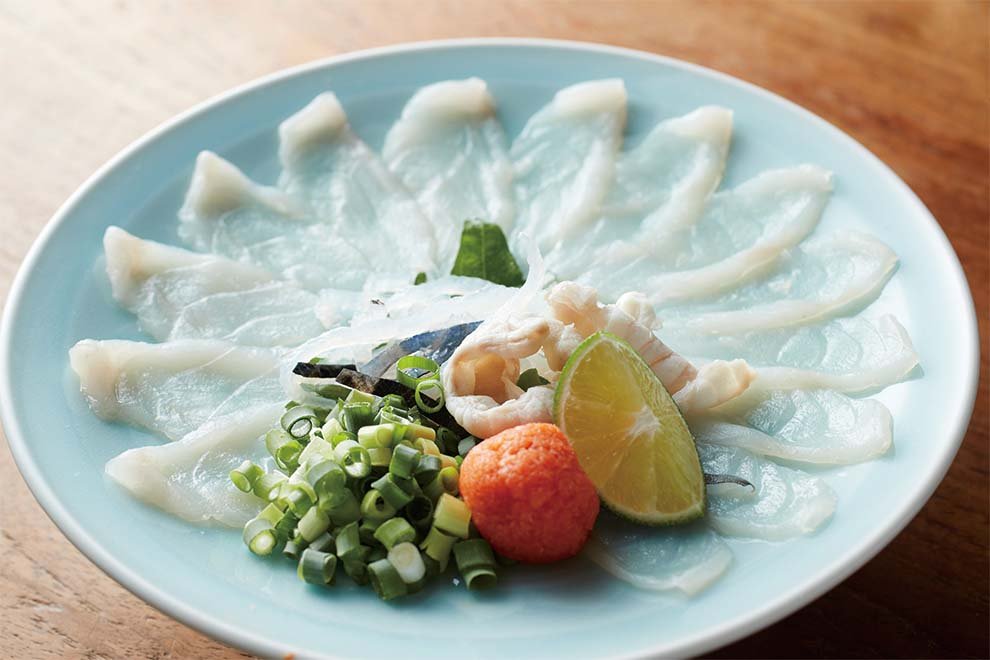
Uoriki lines up fish delivered from fishing ports around the country at one counter. You can compare fresh tuna, crab from Hokkaido, and oysters from Hiroshima side by side, which is appealing to travelers who want to taste how Japan’s seafood differs from region to region.
For anyone who doesn’t eat raw fish, cooked options include nitsuke (fish simmered in a sweet-savory soy broth) and grilled skewers, so even a group with different preferences can still eat together.
Details
| Address | RAYARD MIYASHITA PARK South 1F, 6-20-10 Jingumae, Shibuya-ku, Tokyo (inside Shibuya Yokocho) |
| Hours | Mon–Sat: 11:00 am–5:00 am; Sun & public holidays: 11:00 am–11:00 pm |
| Closed | Same schedule as RAYARD MIYASHITA PARK |
| Website | https://shibuya-yokocho.com/shop/ |
| Best for | Seafood lovers, travelers curious about regional differences, groups that include people with various tastes |
Four Recommended Izakaya in Shibuya’s Dogenzaka Neighborhood
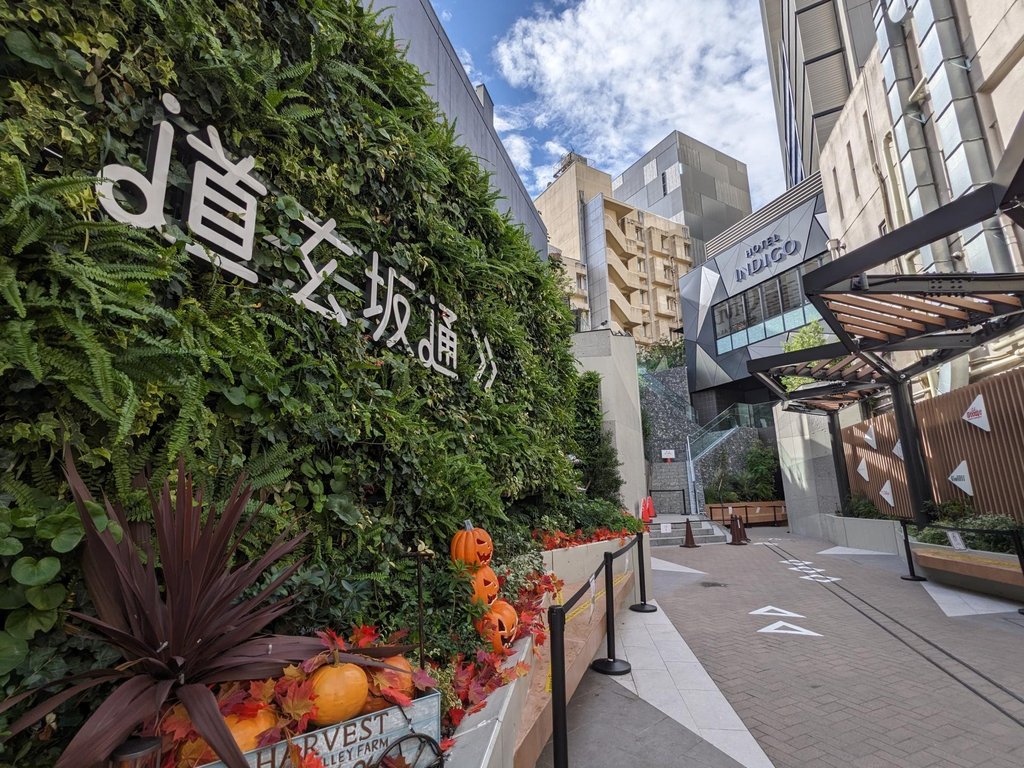
Dogenzaka is the slope on the west side of Shibuya Station—lined with well-known izakaya—and its atmosphere differs from both Nonbei Yokocho and Shibuya Yokocho. Many restaurants in this area have been operating for decades, and most still allow smoking indoors. If cigarette smoke bothers you, check for non-smoking venues before you go. Also note that some places add a table charge or set a time limit on Friday and Saturday nights, so ask staff for details before you sit down.
Toritake Sohonten: A Yakitori Specialist Open from Midday
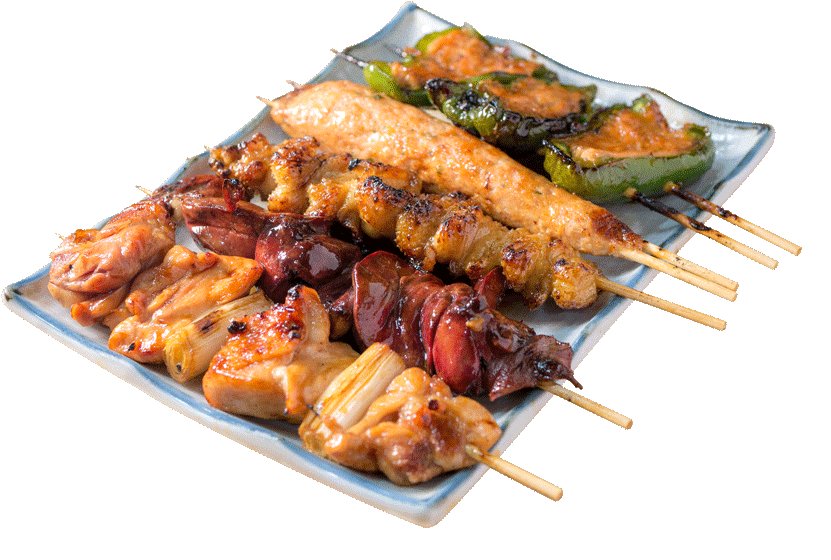
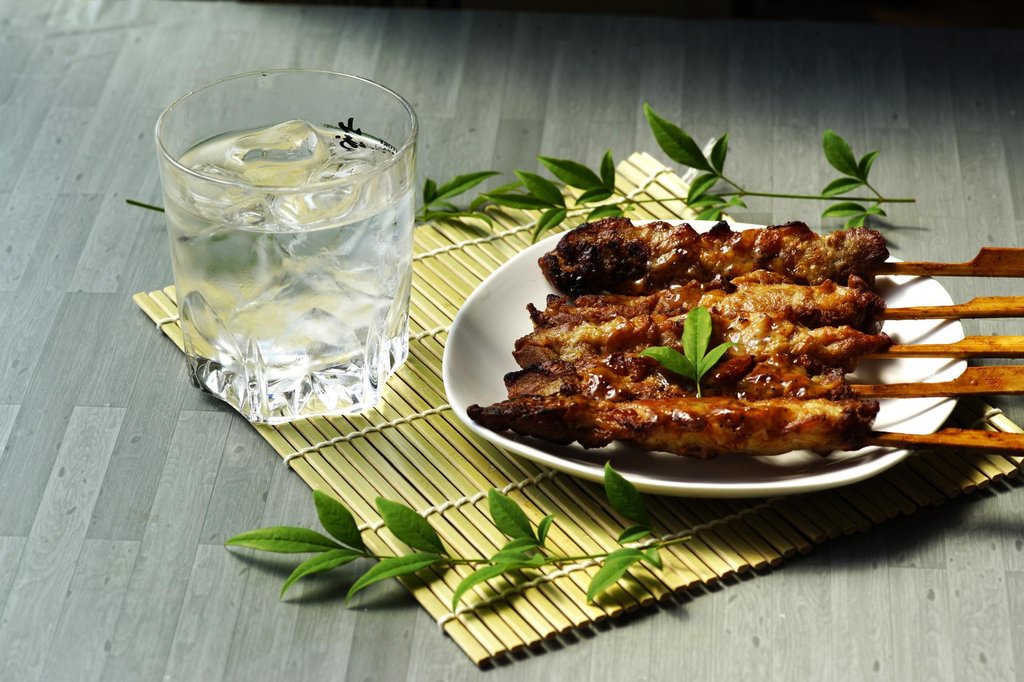
Founded in 1963, Toritake Sohonten is a well-known yakitori specialist at the entrance to Dogenzaka. The restaurant has used its secret sauce for more than sixty years and grills its large skewers over charcoal, which suits travelers looking to eat yakitori the traditional way.
The izakaya welcomes customers from noon to 11 pm, so you can drop in here easily during a day of sightseeing. Lines form around 7 pm on Fridays and Saturdays, though, so aim to visit between 4 pm and 5 pm if you want to skip the wait. Charcoal smoke clings to clothing, and Toritake Sohonten allows smoking indoors. Expect to spend roughly ¥3,000 to ¥4,000 here for five or six skewers and two beers.
Details
| Address | 1-6-1 Dogenzaka, Shibuya-ku, Tokyo |
| Hours | 12:00 pm–11:00 pm |
| Closed | Open year-round |
| Website | https://toritake.jp/ |
| Best for | Those who want charcoal yakitori during the day, visitors from overseas looking to experience the local vibe |
Takogiku: Kushiage and Simmered Beef Tendon
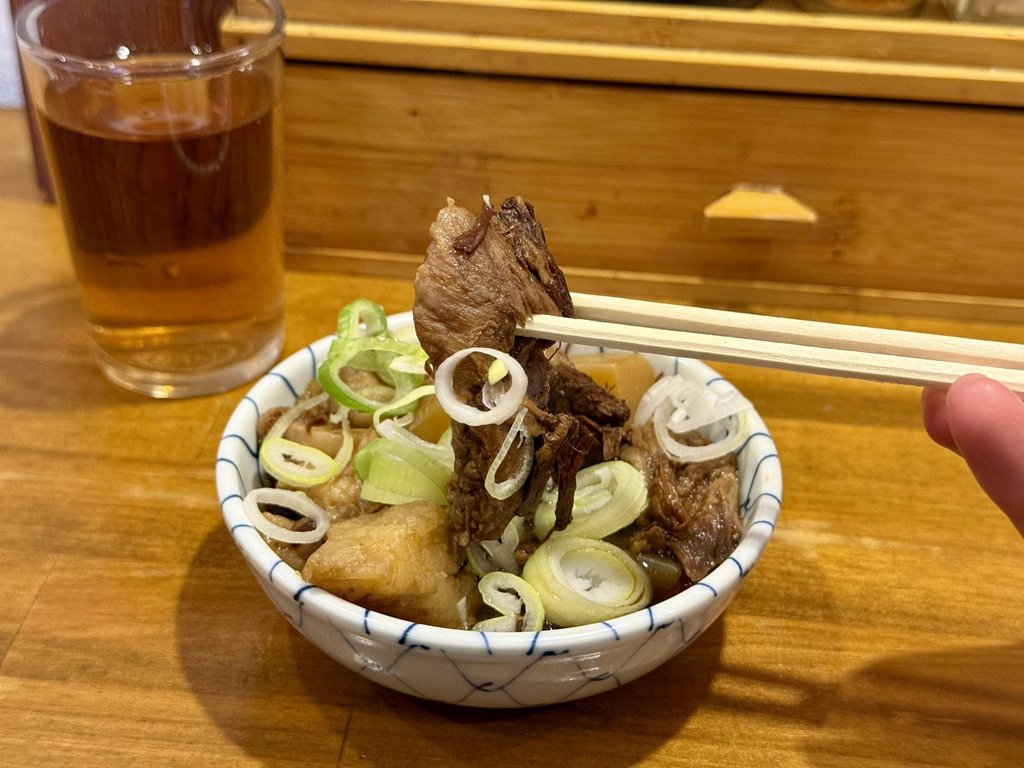
Takogiku is a family-run, unpretentious drinking spot that has been operating since the 1970s, with the second-generation owner now running the kitchen. The interior has capacity for about eighty seats and features the U-shaped counter typical of Japanese drinking halls. The layout keeps the owner and the regulars within easy reach and gives the room a local rather than tourist-facing feel.
The signature dishes are freshly fried kushiage (skewered ingredients coated in batter and deep-fried) and beef tendon simmered until tender. Happy hour is available until 7 pm, which keeps drinks such as chuhai (shochu mixed with soda and a fruit flavoring) affordable from an early hour. Takogiku can seat groups of four or more, though it allows smoking indoors and anyone under twenty years of age can’t enter.
Details
| Address | Shibuya Five Building 1F, 1-6-2 Dogenzaka, Shibuya-ku, Tokyo |
| Hours | 4:00 pm–11:30 pm (please confirm before visiting) |
| Closed | Open year-round |
| Website | Not listed |
| Best for | Groups who want to drink in a Japanese drinking hall, anyone who wants to drink affordably during happy hour |
Senryo: Grilled Pork Offal Delivered from the Meat Market
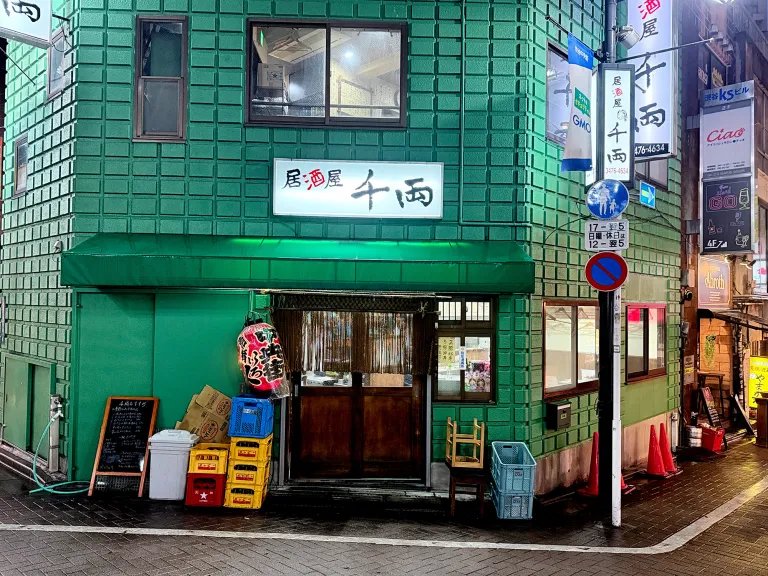
Founded in 1968, Senryo grills fresh pork offal delivered each morning from the meat market. Motsuyaki (pork offal grilled on skewers) is a staple of Japanese izakaya, and the range here covers liver, heart, trotters, and shiro (large intestine), cuts you rarely encounter elsewhere.
More than half a century of expertise helps keep the offal from developing the strong odor it is known for. The three-story building has ample room for seating, and at roughly ¥2,000 to ¥3,000 per person, Senryo is an approachable venue at which to try motsuyaki for the first time.
Details
| Address | 1-6-6 Dogenzaka, Shibuya-ku, Tokyo |
| Hours | 11:30 am–2:00 pm 5:00 pm–12:00 am (last order at 11:15 pm) |
| Closed | Sundays |
| Website | https://shibuyachuogai.com/shop/?p=308 |
| Best for | Groups who want to try offal, motsuyaki first-timers |
Shumai Sakaba Dogenzaka: A Non-Smoking Bar Serving Freshly Steamed Shumai
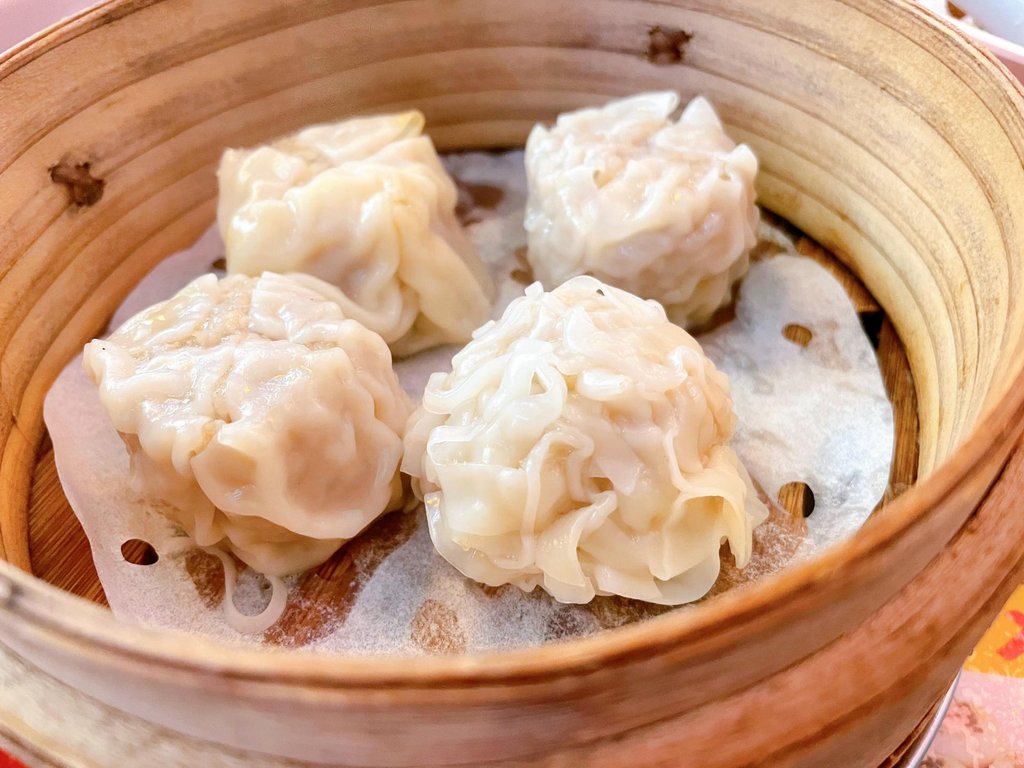
Shumai Sakaba Dogenzaka has a menu focused on freshly steamed shumai (Chinese dumplings of meat or seafood). The kitchen steams each order after you place it, so the dumplings are delightfully springy and the fillings deliciously juicy. Non-smoking venues are few and far between in the Dogenzaka area, which makes this bar a great choice if you want to eat away from cigarette smoke. Terrace seats are also available in good weather.
Details
| Address | 2-29-7 Dogenzaka, Shibuya-ku, Tokyo 150-0043 |
| Hours | Mon–Sat: 5:00 pm–5:00 am Sun: 2:00 pm–5:00 am (contact for exact hours) |
| Closed | Open year-round |
| Website | Not listed |
| Best for | Those who want a non-smoking setting; those who want terrace seating |
English-Guided Izakaya Tours in Shibuya for First-Time Visitors
If choosing an izakaya or ordering in Japanese worries you, an English-guided food tour solves both these problems. The tour guide will handle reservations and ordering, as well as explain the background of each dish, leaving you free to concentrate on the meal. Guides can also take you into small local joints that are hard to get into on your own. With a food tour, you can visit several places in one evening and taste a small portion of each venue’s signature dish, covering a lot of Shibuya’s food scene in a single night.
Tokyo: Shibuya Food Tour with 15 Dishes at 4 Eateries
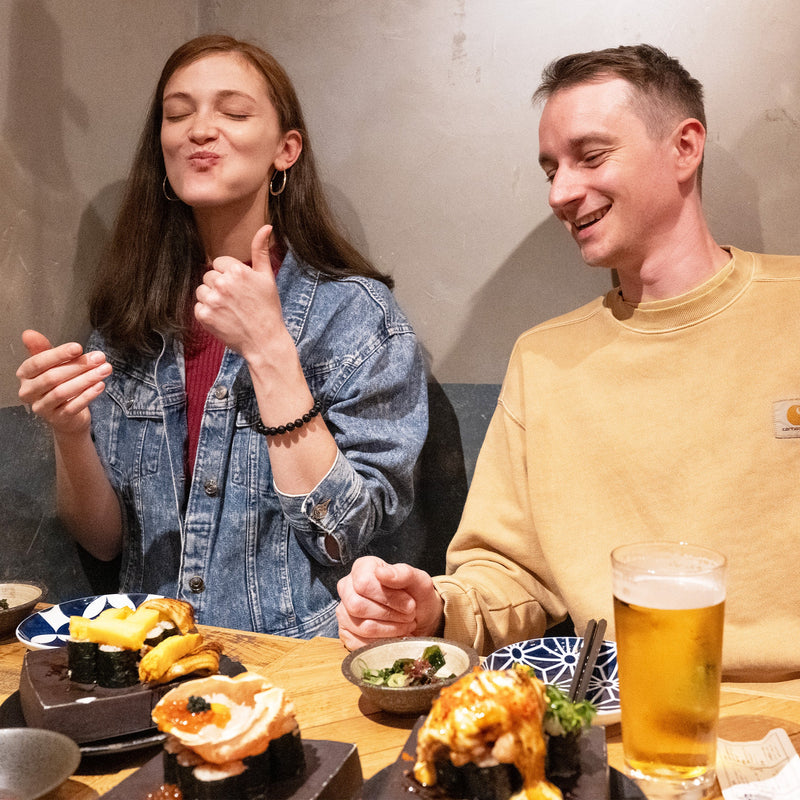
On this tour run by Japan Guide Star, an English-speaking guide takes you to four venues in Shibuya’s back streets over a period of about three hours. The tour includes a street stall, an izakaya, a specialty restaurant, and a gastro bar. Fifteen dishes—including sushi, kushikatsu, and gyoza—and three drinks are included, and the guide takes care of ordering for you.
Tour groups have a capacity of fifteen people, making it easy to step into small bars you might otherwise pass by. The guide also explains where each dish comes from and how to eat it, information that would be hard to pick up on your own. Tour start times are at 5 pm, 6 pm, and 7 pm, so the tour can fit around your other plans.
Details
| Meeting point | SHIBU HACHI BOX, 2-1 Dogenzaka, Shibuya-ku |
| Duration | About 3 hours (5:00 pm, 6:00 pm, or 7:00 pm start) |
| Included | 15 dishes, 3 drinks, and an English-speaking guide |
| Booking | https://japanguidestar.com/tour/tokyo-shibuya-food-tour-with-15-dishes-at-4-eateries/ |
| Best for | First-time visitors to Japan unsure how to pick a place to eat, those who want to cover Shibuya’s food scene in an evening |
Tokyo: Shibuya Food Tour with 15 Dishes at 4 Eateries
Common Questions About Izakaya in Shibuya

Questions about reservations, payment methods, and other practical details are bound to come up when you’re planning a night out in Shibuya. Below are answers to five questions travelers often ask about izakaya.
Can I Get In Without a Reservation?
Plenty of places take walk-ins if you’re in the right area at the right time of day. Larger izakaya in Shibuya Yokocho and around Dogenzaka are the easiest to get into, while the tiny izakaya in Nonbei Yokocho are often full through Friday and Saturday evenings, making it much harder to get a seat.
| Time/Number of People | Chance of Getting a Seat |
|---|---|
| 4:00–5:00 pm | Likely at any izakaya |
| 7:00–9:00 pm | Unlikely at small izakaya but likely at larger ones |
| 1 or 2 people | Better chances of getting into smaller izakaya |
| 4 or more people | Larger izakaya in Shibuya Yokocho or Dogenzaka are the safer bet |
If a specific venue is a must for you, we recommend that you ask the front desk staff at your accommodations to phone in a reservation for you.
Are There Places That Only Accept Cash?
Owner-run venues in Nonbei Yokocho and Dogenzaka are often cash only, because installing a credit card terminal can be a burden for small businesses. Restaurants inside facilities such as Shibuya Yokocho almost all accept cards and QR payments.
If you’re planning a bar crawl, carry around ¥10,000 per person in cash. If you don’t see a Visa or similar sticker at the entrance, assume the venue takes only cash, and note that these small izakaya are also where local regulars gather.
Are There Izakaya That Are Comfortable for Solo Diners?
Shibuya has many small bars built around counter seating, an arrangement that suits solo customers. In Nonbei Yokocho, for example, seats put you shoulder to shoulder with the owner and most regulars come alone. If you’re traveling solo, skip the large tatami-room places centered on set courses, and choose an izakaya with counter seats where you can order your meal dish by dish.
If you don’t speak Japanese, check Google Maps reviews for a mention of “English menu.” In the event that there’s no English menu available, try using your translation app’s camera function or point at a photo of the food you want.
Should I Choose Nonbei Yokocho or Shibuya Yokocho?
The two are about a three-minute walk apart, so we recommend visiting both and enjoying the contrast:
| Feature | Nonbei Yokocho | Shibuya Yokocho |
|---|---|---|
| Atmosphere | Showa-era wooden houses, lantern-lit alleys | Food hall inside a shopping complex |
| Seating | About 5-10 seats per venue | Ample space at each venue |
| Food style | A few dishes the owner does best | A wide range of regional cuisines |
| Late-night service | Many close at around 11:00 pm | Some venues are open until 5:00 am |
| Best for | One or two people who want a quiet drink | Groups, late nights, and food-focused visits |
Having one or two drinks in Nonbei Yokocho first and then moving to Shibuya Yokocho gives you the best of both worlds: the lantern-lit alley and the food hall in a single evening.
Can Non-Drinkers Enjoy an Izakaya?
Japanese izakaya carry a wide selection of soft drinks, so you can enjoy an evening even without alcohol. You’ll order small plates such as yakitori and oden one at a time, and everyone at the table shares the same food whether they drink or not.
Keep in mind that the legal drinking age in Japan is twenty, and visitors from abroad are no exception. Staff may ask for identification, so carry your passport with you to be safe.
Finding the Right Izakaya for Your Night Out in Shibuya
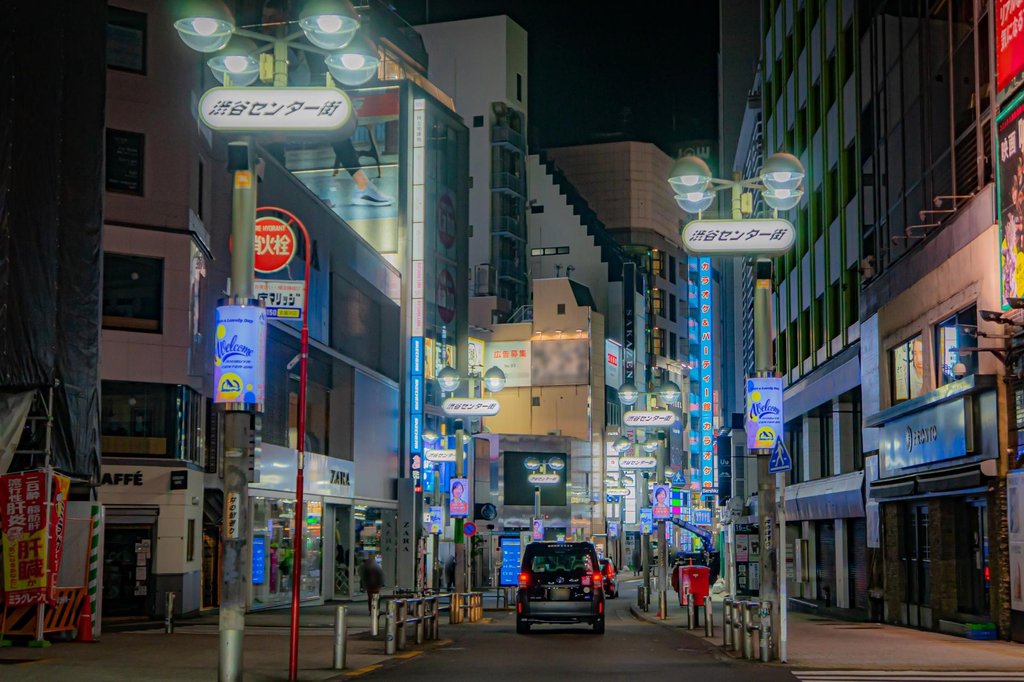
Shibuya’s izakaya offer different experiences by area: the old-fashioned alleys of Nonbei Yokocho, the various regional specialties of Shibuya Yokocho, and the specialist restaurants in Dogenzaka. When you’re having trouble deciding where to go, start planning by thinking about your group size and when you plan to arrive, then narrow down your options by budget, preferred atmosphere, and English support needs.
Fridays and Saturdays between 6 pm and 9 pm are the busiest hours at an izakaya, so book ahead or arrive earlier or later to avoid the rush. If it’s your first visit, an izakaya with counter seats and an English menu or a menu with photos is often the most comfortable setup.