If you’re planning a trip to Tokyo, you may be wondering what unique experiences await beyond the city’s famous landmarks.
With so much information available online, discovering experiences that are genuinely memorable and off the beaten path can be surprisingly challenging.
This guide brings together 14 carefully selected experiences, ranging from hands-on workshops with master artisans to cultural activities and lesser-known local attractions.
Information on English-guided tours is also included, ensuring that language is not a barrier. The experiences are organized into four categories, making it easy to find options that match your interests—so be sure to read through to the end.
What Can You Do in Tokyo? Three Types of Unique Experiences Worth Trying
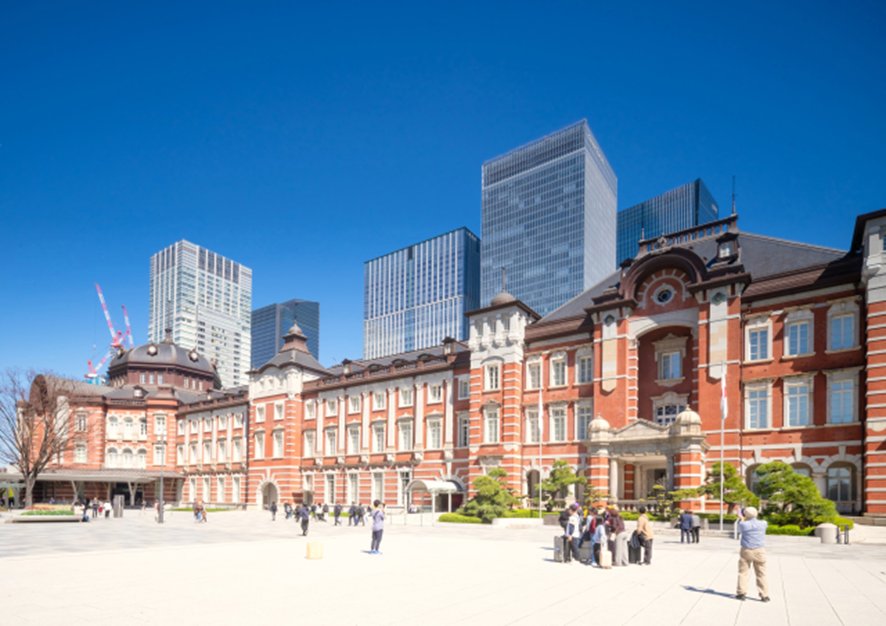
Tokyo offers such a wide variety of unique experiences that deciding where to begin can be overwhelming.
This guide organizes some of the city’s most distinctive activities into three categories: hands-on workshops led by master artisans, cultural experiences that immerse you in living traditions, and visits to lesser-known destinations beyond the usual tourist trail.
Each recommendation includes key details such as its highlights, the time required, and whether advance reservations are recommended, making it easier to choose experiences that best suit your interests and travel style.
1. Hands-On Workshops to Learn Traditional Craftsmanship
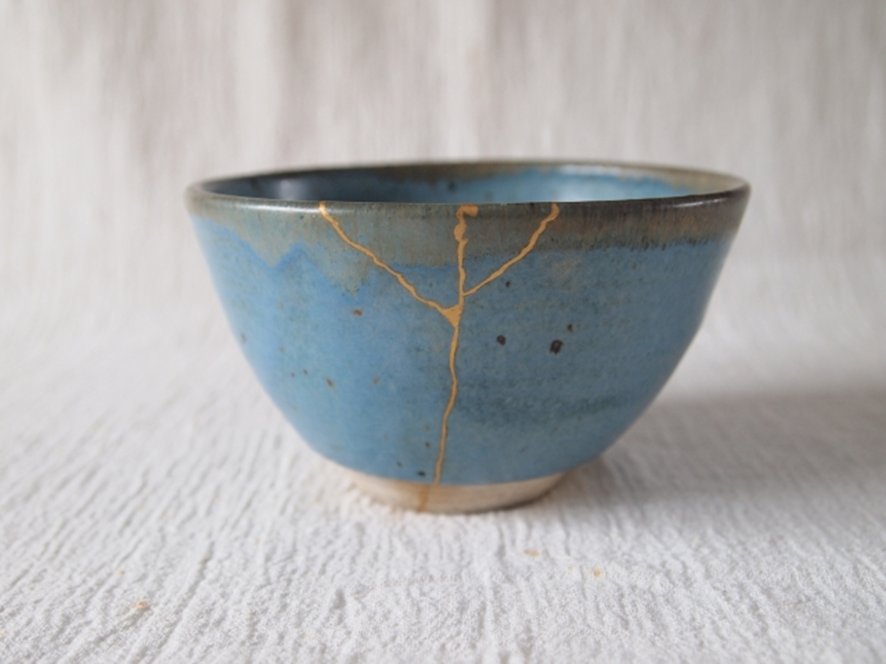
One of the most rewarding aspects of Tokyo’s workshops is that you get to take your finished creation home.
Unlike mass-produced goods, something made with your own hands carries the experience with you long after the trip.
Many workshops across Tokyo offer the opportunity to learn directly from skilled artisans, covering traditional crafts such as kintsugi (golden pottery repair), ame-zaiku (candy sculpting), and realistic food sample making.
Working through each step of the process gives you a genuine appreciation for the precision and craftsmanship behind these Japanese art forms.
By choosing a workshop with English-language support, you can participate without worrying about communication. Because the experience is primarily hands-on, even complete beginners can join with confidence.

Tokyo: Japanese Gold Repair Kintsugi Workshop in Shinjuku
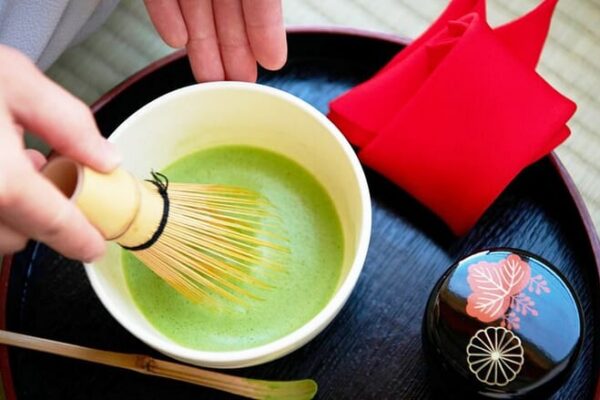
Tokyo: Tea Ceremony & Japanese Sweets Making
Experience the harmony, respect, and tranquility of tea
2. Cultural Experiences That Take You Inside Living Traditions
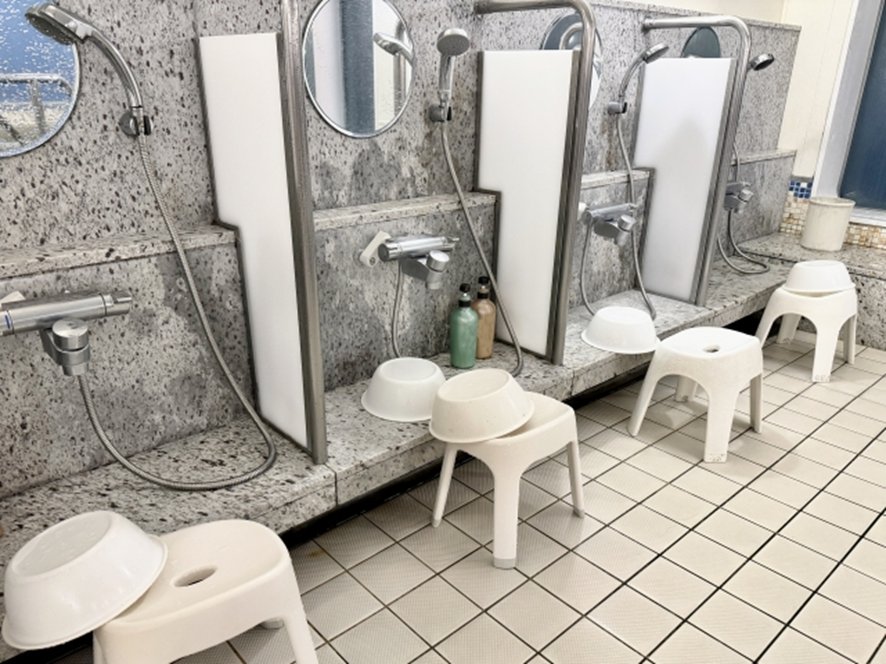
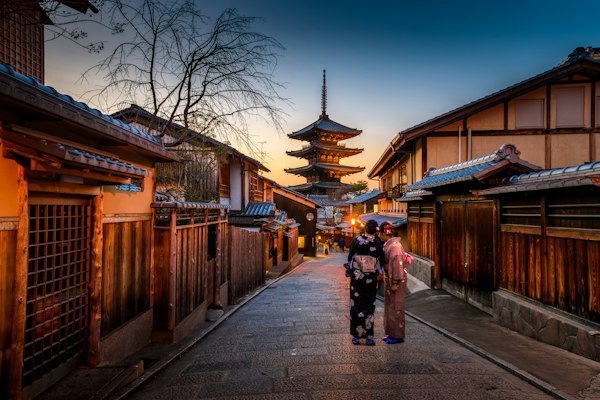
Cultural experiences in Tokyo invite you to step into the everyday settings where local traditions continue to thrive.
Watching a performance at the Kabukiza Theatre, relaxing in a sento (public bathhouse), or strolling through an open-air museum are all excellent examples.
Unlike visits to temples and shrines, which primarily connect visitors with Japan’s past, these experiences immerse you in traditions that remain part of daily life today.
The moment you share a bath with local residents or watch a performance from the same seats as a Japanese audience, you move beyond sightseeing and become an active participant in the culture.
Kabukiza and similar venues offer a rare opportunity to experience contemporary Tokyo in a way that conventional sightseeing simply cannot.
3. Visits to Lesser-Known Spots Outside the Usual Tourist Areas
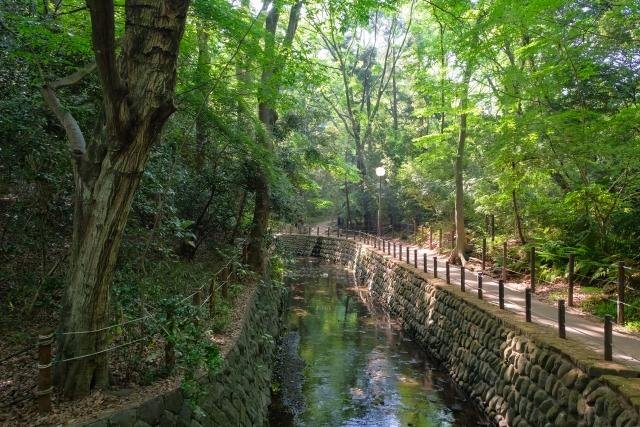
Walk just a few steps away from the main streets, and you’ll discover neighborhoods where everyday local life continues with few tourists in sight.
Indoor food alleys lined with small stalls, lush green ravines, and streets filled with stationery workshops can all be explored without reservations or advance tickets.
Simply wandering through these areas and stopping at whichever shops catch your eye is enough to enjoy the experience.
Rather than trying to pack too much into a single day, limiting yourself to two or three destinations and spending more time at each often leads to unexpected discoveries and memorable conversations with locals.
Three Workshops to Experience Tokyo’s Traditional Craftsmanship
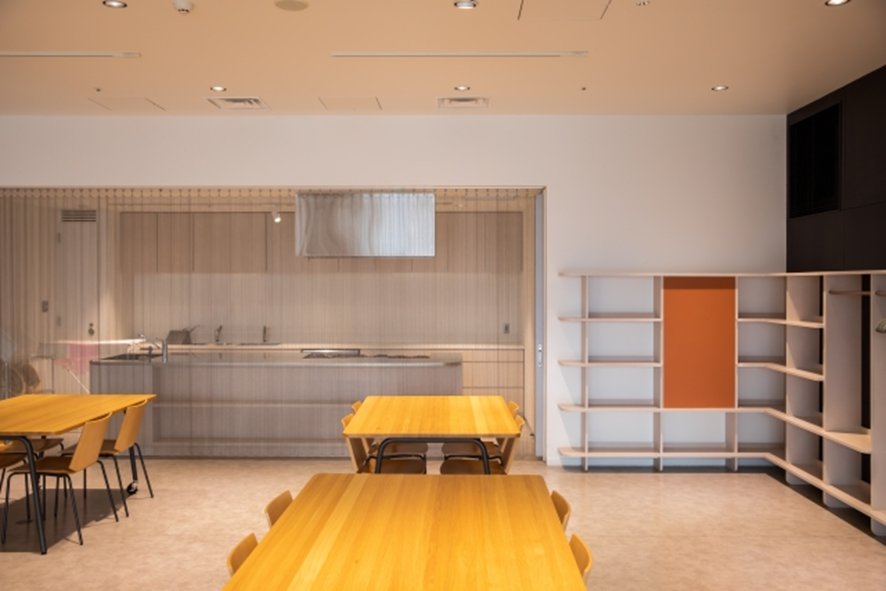
Tokyo is home to a variety of workshops where you can experience traditional craftsmanship firsthand, something that ordinary sightseeing simply cannot offer.
The three experiences featured here focus on repairing broken pottery, creating realistic food samples, and shaping candy by hand from a molten sugar mixture heated to approximately 90°C (194°F).
Each workshop differs in terms of difficulty, duration, and cost, making it easy to choose one that fits your schedule and budget.
Best of all, you can take home everything you create, giving you a truly one-of-a-kind souvenir and a lasting reminder of your time in Tokyo.
Tsugutsugu | Repair Broken Pottery With Gold
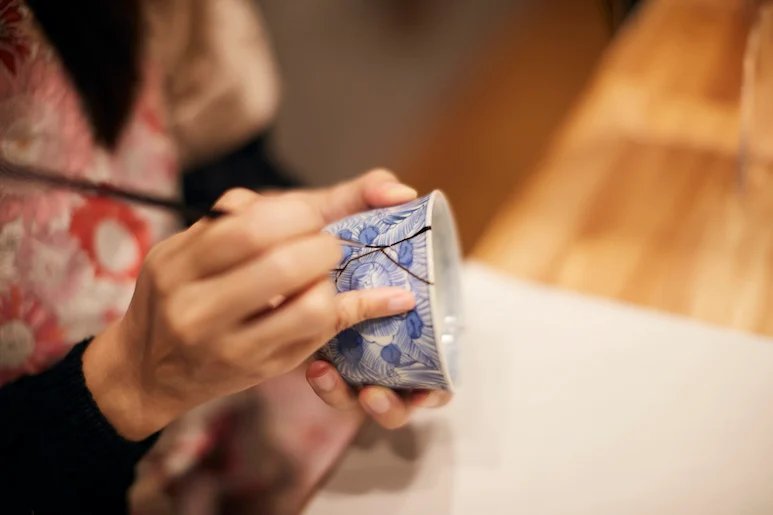
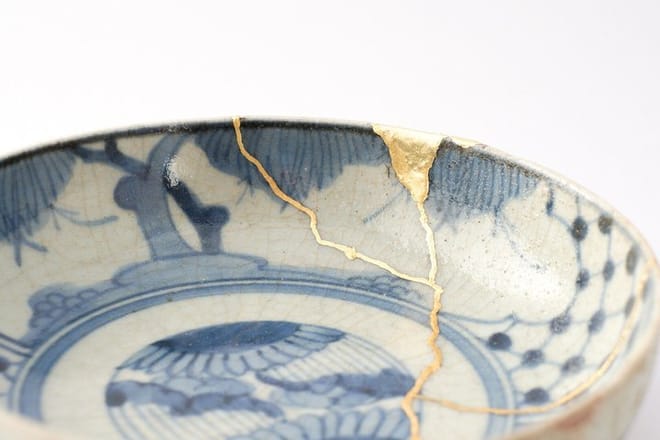
Kintsugi is a traditional Japanese technique for restoring broken pottery using lacquer and gold.
Dating back to the Muromachi period, kintsugi embodies the philosophy of embracing imperfection by highlighting cracks with delicate lines of gold rather than concealing them.
At Tsugutsugu, the pottery is professionally repaired with lacquer in advance, allowing participants to complete the final stage by sprinkling 23-karat gold powder onto the repaired surface. Watching the gold settle into the cracks is one of the most memorable moments of the workshop.
In addition to traditional kintsugi, the studio also offers a kintsugi-inspired accessory-making course.
The traditional kintsugi workshop takes approximately 90 minutes, while the accessory-making experience lasts about one hour.
Your finished piece becomes a practical keepsake that you can use in everyday life. Later pickup and international shipping are available for pottery, while accessories can be taken home immediately after the workshop.
English-language support is available as an optional add-on, so be sure to request it when making your reservation.
Details
| Item | Ebisu Main Store | Asakusa Store |
| Address | 1F akikito apt., 2-21-2 Ebisu, Shibuya-ku | 1F, 1-1-2 Kaminarimon, Taito-ku |
| Hours | 10 am-6 pm | 10 am-6 pm |
| Closed | Wednesdays | Wednesdays |
| Website | https://kintsugi-girl.com/workshop/ | Same as left |
| Recommended for | Those who want to bring home a piece of Japanese aesthetics | Those combining the visit with Asakusa sightseeing |
[Ebisu Main Store]
[Asakusa Store]
Ganso Shokuhin Sample-ya | Make a Tempura Food Sample
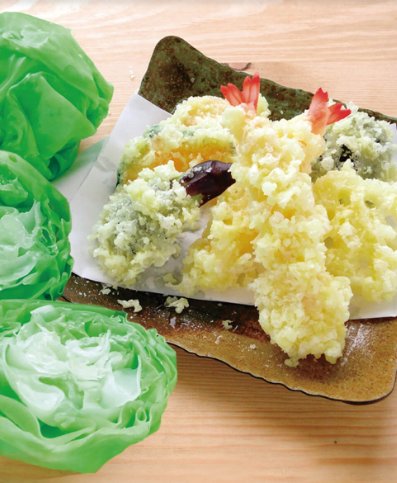
The lifelike food samples displayed outside Japanese restaurants are part of a craft tradition that is uniquely Japanese.
Because this custom is virtually unknown in many other countries, it often comes as a surprise to international visitors.
At Ganso Shokuhin Sample-ya, you can experience the traditional wax-based technique for yourself. Over the course of about 40 minutes, you drip melted wax into lukewarm water and shape it into items such as tempura and lettuce.
Since the final shape depends on the height and amount of wax you pour, no two creations are ever exactly alike.
Finished pieces can be turned into keychains and other keepsakes, giving you a memorable souvenir from your trip.
Before joining the workshop, keep the following in mind:
- Instruction is provided in Japanese only. If possible, bring an interpreter (one interpreter may accompany up to four participants).
- Because the workshop involves hot wax, pay close attention to the safety briefing before you begin.
- Advance reservations are required. Groups of seven or more must reserve multiple time slots.
- Private bookings accommodate up to 20 participants per group, or up to 16 participants from July through September.
Details
| Item | Content |
| Address | 3-7-6 Nishi-Asakusa, Taito-ku, Tokyo |
| Hours | 10 am-5:30 pm. Experiences run every 30 minutes from 11 am to 4:30 pm |
| Closed | Irregular (closed during New Year’s holidays) |
| Website | https://www.ganso-sample.com/ |
| Recommended for | Those interested in Japanese food culture and hands-on making |
Ameshin | Shape a Rabbit From 90°C Candy
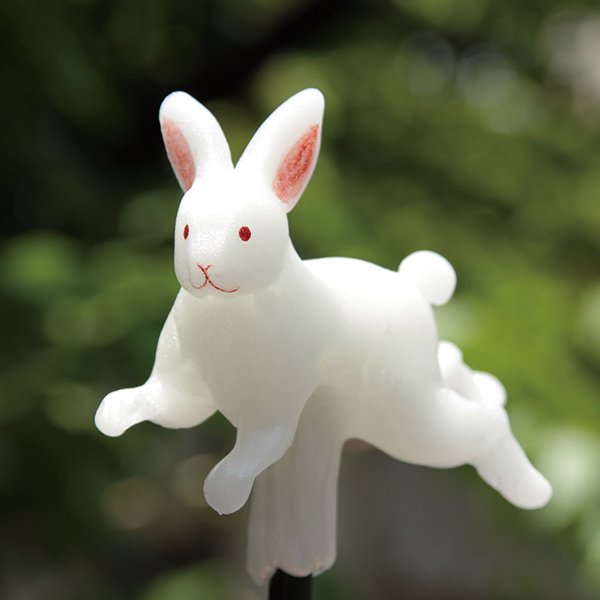
Japanese ame-zaiku is a time-sensitive confectionery art in which craftspeople shape candy heated to approximately 90°C (194°F) using only their bare hands and a pair of scissors.
In this workshop, you’ll experience transforming a single lump of candy into a finished piece in a race against the clock before it hardens.
At Ameshin in Asakusa, participants begin with a practice session before making a rabbit in a single live attempt. The sensation of stretching and shaping the warm candy before it cools is something that can only be appreciated through firsthand experience.
Once the form is complete, you finish your creation by painting on the rabbit’s face with edible food coloring.
The workshop lasts approximately 1.5 to 2 hours, and you can take your finished piece home as a unique souvenir.
The introductory video demonstrating the rabbit-making process includes English subtitles, making the workshop accessible even if you do not speak Japanese. Advance reservations can be made through the official website. If you wish to join within three days of the session, reservations must be made by phone.
Details
| Item | Content |
| Address | 1F Hori Building, 2-9-1 Hanakawado, Taito-ku, Tokyo |
| Hours | 10:30 am-6 pm |
| Closed | Thursdays (occasional additional closures) |
| Website | http://www.ame-shin.com/ |
| Recommended for | Those who want to experience traditional Japanese craft with their hands and take home a photogenic piece |
Three Cultural Experiences You Can Only Have in Tokyo
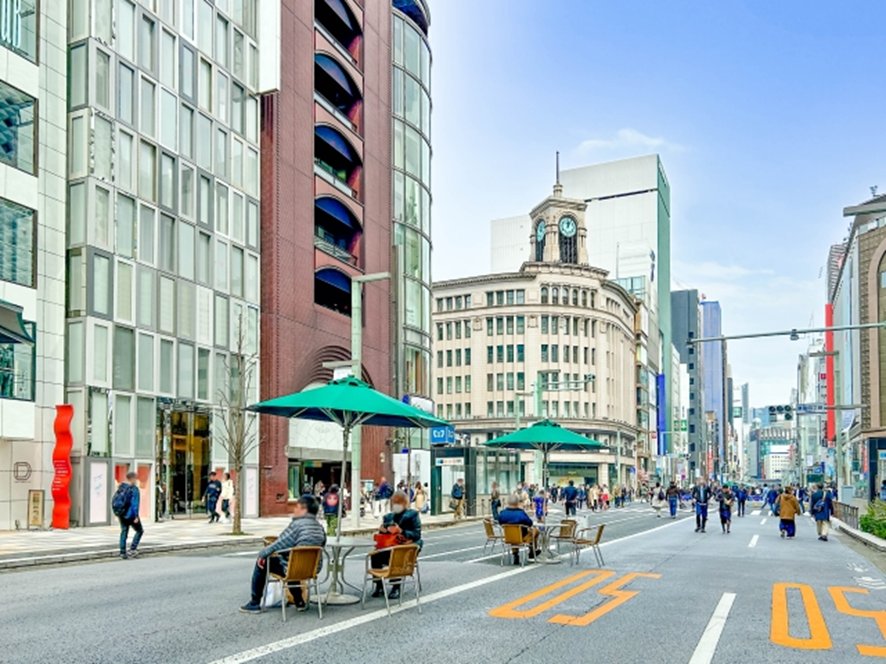
Many visitors hesitate to try traditional cultural experiences because they are unsure about the language barrier or how the booking process works.
The three experiences featured here are all beginner-friendly and easy to enjoy, even for first-time visitors.
They are organized into three themes: traditional performing arts, historic public bathhouse culture, and architecturally significant historic buildings.
Each listing includes the estimated budget and time required, making it easy to compare the options and choose the experience that best fits your interests and itinerary.
Kabukiza | Watch a Single Act of Kabuki
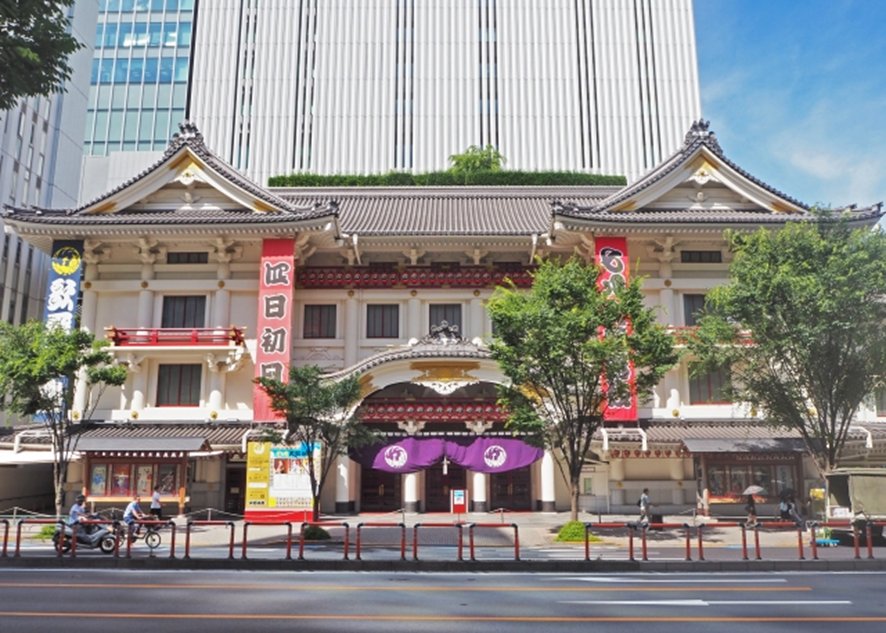
Kabukiza offers 4th-floor, single-act seating from about ¥1,000 to ¥2,000, allowing visitors to enjoy just one act rather than committing to a full performance.
You can choose the act that interests you most, with performances ranging from about 30 minutes to 1.5 hours, making this an excellent introduction to kabuki for first-time visitors.
There are two ways to purchase tickets:
- Reserved seats (advance booking): Available from noon on the day before the performance through the dedicated ticketing website. A ¥110 handling fee applies.
- Same-day tickets: Traditionally sold at the theater’s ticket counter from 10:00 am on the day of the performance (cash only). However, sales are now increasingly handled online, so check the official Kabukiza website for the latest ticketing procedures.
Popular performances often sell out, so booking online in advance is recommended whenever possible.
English subtitle tablets can be rented on the day of the performance for ¥1,000.
Regular Kabukiza performances have no age restrictions, and preschool children may attend when accompanied by a guardian. However, preschool-age children are not permitted in the fourth-floor single-act seating area, which also includes standing-room tickets.
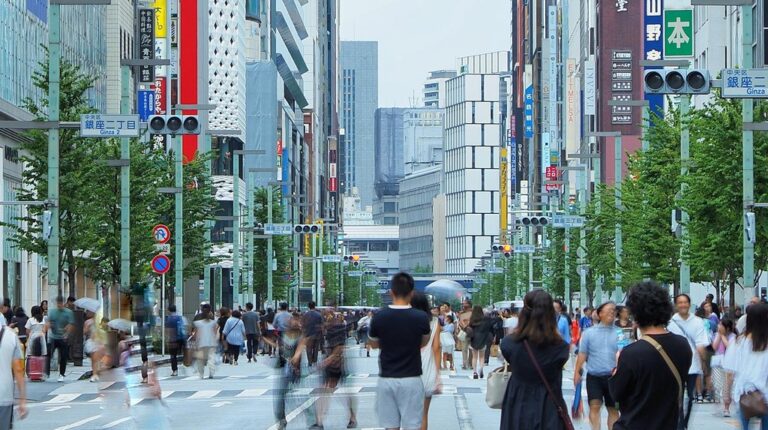
Kabukiza is located just a one-minute walk from Exit 3 of Higashi-Ginza Station, making it exceptionally easy to access.
Details
| Item | Content |
| Address | 4-12-15 Ginza, Chuo-ku, Tokyo |
| Hours | Varies by performance (matinee from around 11 am / evening from around 4:30 pm) |
| Closed | Depends on the performance schedule (usually 1-2 dark days per month) |
| Website | https://www.kabukiweb.net/ |
| Recommended for | Beginners who want to experience traditional Japanese performing arts on a budget |
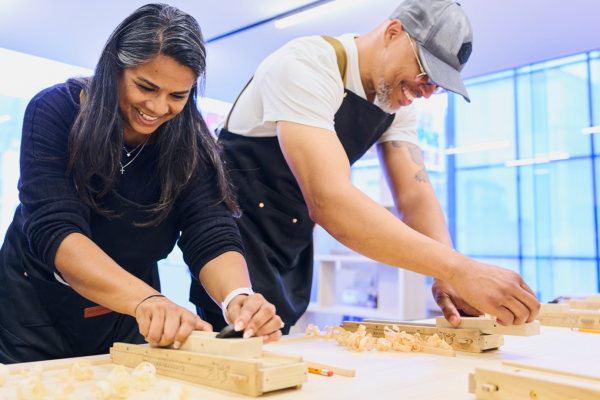
Tokyo Chopstick Making Workshop in Ginza
Kosugiyu | Soak in a Milk Bath at a Classic Sento
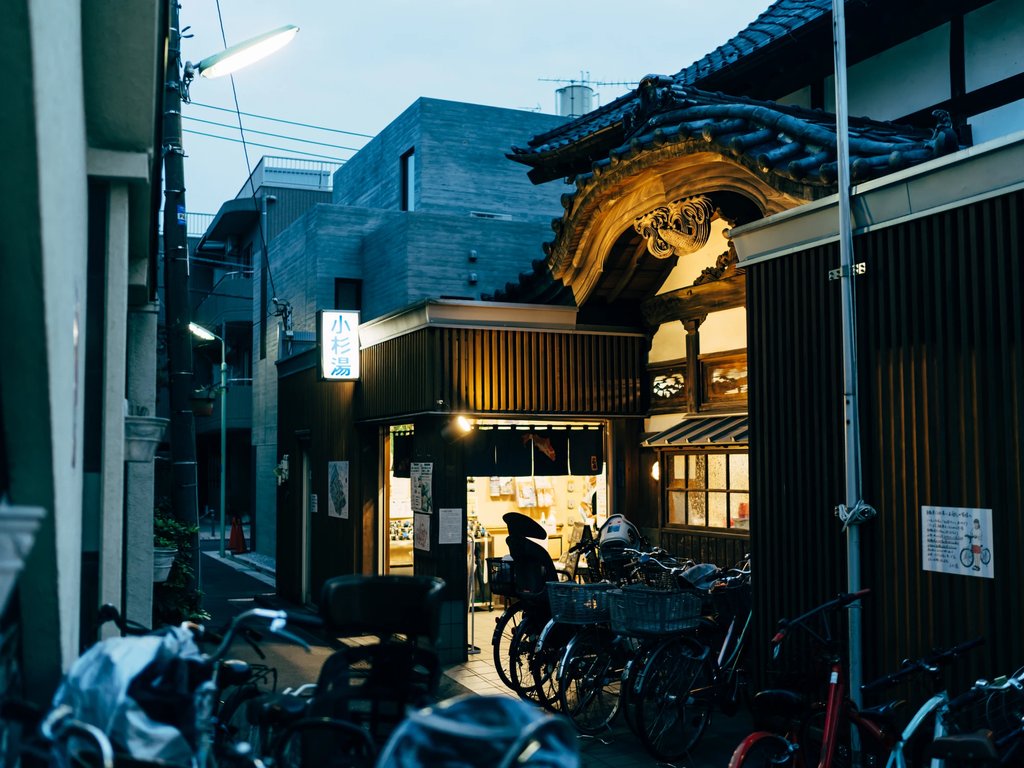
Founded in 1933, Kosugiyu is a long-established sento (public bathhouse) distinguished by its elegant karahafu (curved gable) roof and is designated as a Registered Tangible Cultural Property.
Located just a five-minute walk from JR Koenji Station, Kosugiyu offers visitors the chance to experience a traditional neighborhood bathhouse that remains an active part of everyday life in Tokyo.
One of its signature features is the milk bath, which is known for leaving the skin feeling soft and refreshed. Alternating between the warm milk bath and the cold bath is especially popular for promoting relaxation and helping the body recover after a long day of sightseeing.
The bathing procedure is simple: wash and rinse your body thoroughly before entering the bath. Kosugiyu also welcomes walk-in visitors, even if you do not bring your own bathing supplies.
Guests with tattoos are welcome, allowing visitors to enjoy the experience without concern.
Details
| Item | Content |
| Address | 3-32-17 Koenji-Kita, Suginami-ku, Tokyo |
| Hours | Weekdays 2 pm-1:30 am / Weekends & holidays 8 am-1:30 am (last entry 1 am) |
| Closed | Thursdays |
| Website | https://kosugiyu.co.jp/ |
| Recommended for | Those wanting to experience everyday Japanese culture for a small fee, or refresh with a hot-cold bath cycle |
Edo-Tokyo Open Air Architectural Museum | Walk Through Historic Buildings
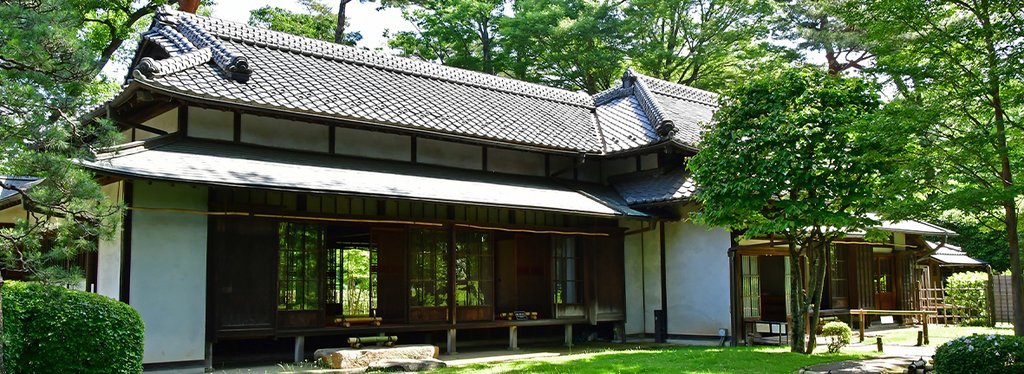
The Edo-Tokyo Open Air Architectural Museum is an open-air museum featuring approximately 30 historic buildings that have been carefully relocated and reconstructed from across Tokyo.
Visitors can step inside a variety of preserved structures, including Taisho-era residences and a Showa-era sento (public bathhouse), offering a rare opportunity to experience the living environments of past generations.
The museum is also widely recognized as one of the places that inspired Studio Ghibli’s Spirited Away. Fans often point to the wall of drawers inside the Takei Sanshodo stationery shop as the inspiration for the medicine drawers in Kamaji’s boiler room, and director Hayao Miyazaki even designed the museum’s mascot, an indication of his close connection to the museum.
Admission is ¥400 for adults, while junior high school students and younger are admitted free of charge, making it an excellent destination for families.
Although the museum is located about 40–50 minutes from Shinjuku Station, the extra travel time is rewarded with a peaceful atmosphere and far fewer crowds than Tokyo’s major tourist attractions.
Details
| Item | Content |
| Address | 3-7-1 Sakura-cho, Koganei-shi, Tokyo (inside Koganei Park) |
| Hours | April-September 9:30 am-5:30 pm / October-March 9:30 am-4:30 pm |
| Closed | Mondays (next weekday if a public holiday), New Year’s holidays |
| Website | https://www.tatemonoen.jp/ |
| Recommended for | Ghibli fans, architecture lovers, families with children |

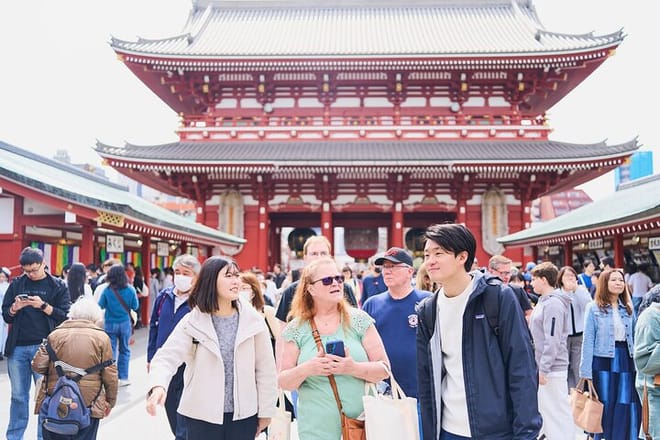
Tokyo: Asakusa & Sensoji ー Oldest Temple Walking Tour (2hrs)
Three Lesser-Known Spots Worth Visiting in Tokyo
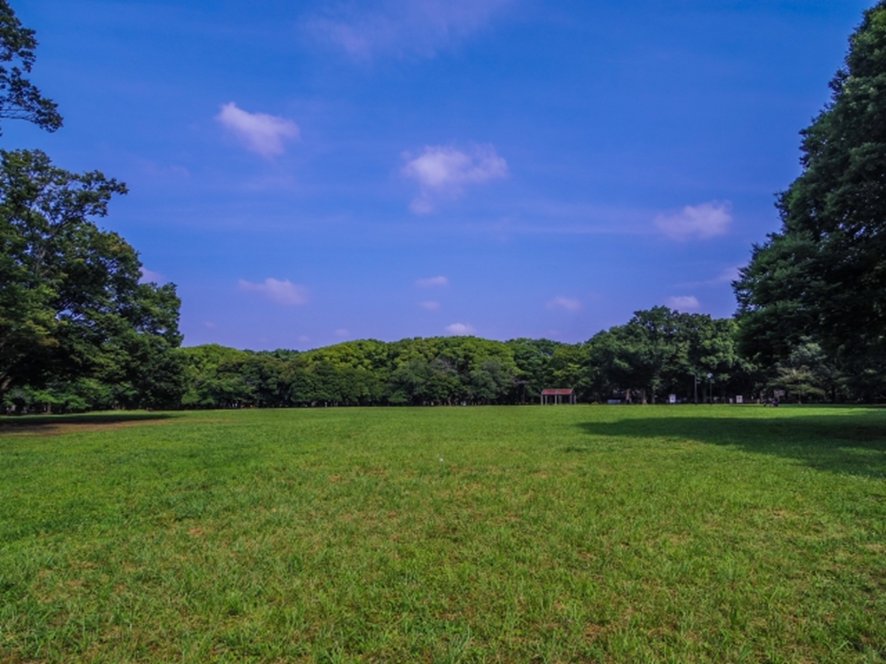
For travelers looking to go beyond Tokyo’s standard tourist attractions, these lesser-known spots offer experiences that are popular with local residents but often overlooked in guidebooks.
The recommendations span three themes: nightlife, nature, and traditional craftsmanship, providing a different perspective on the city from the usual sightseeing route.
All are easily accessible from Tokyo’s major districts and can be visited without advance reservations, making them simple additions to your itinerary.
If you’re looking to include one more memorable experience during your stay, these hidden gems are an excellent place to start.
Ebisu Yokocho | Hop Between Food Stalls
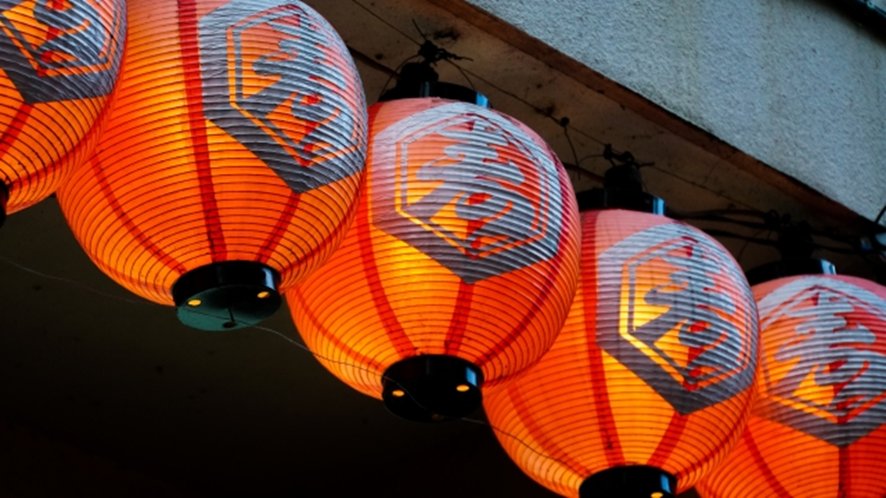
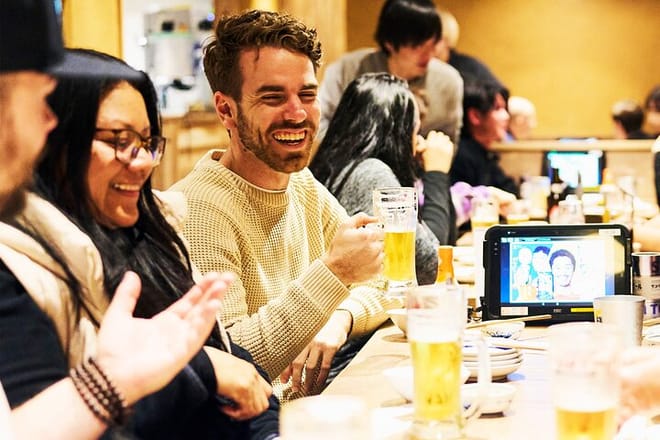
Ebisu Yokocho is a lively nightlife destination featuring around 20 food stalls, all of which welcome walk-in visitors without reservations.
The selection is diverse, ranging from yakitori (grilled chicken skewers) and gyoza (pan-fried dumplings) to a variety of other Japanese favorites. A typical visit involves hopping between two or three stalls, with most people spending approximately ¥1,500–¥3,000 at each stop. (Prices vary by restaurant, so treat this as a general guideline.)
The seating is intentionally compact, creating a lively atmosphere where guests often find themselves sitting shoulder to shoulder. It is an excellent place to experience Tokyo’s vibrant after-work dining culture up close.
English menus are uncommon, but many stalls provide photo menus, and simply pointing to the dishes you want is usually enough to place an order.
The busiest period is from 8:00 pm to 10:00 pm on weekends, when the alleys become extremely crowded. If you visit during this time, be prepared to embrace the energetic atmosphere.
Ebisu Yokocho is a favorite gathering place for young Tokyoites looking to unwind after work, and international visitors are warmly welcomed.

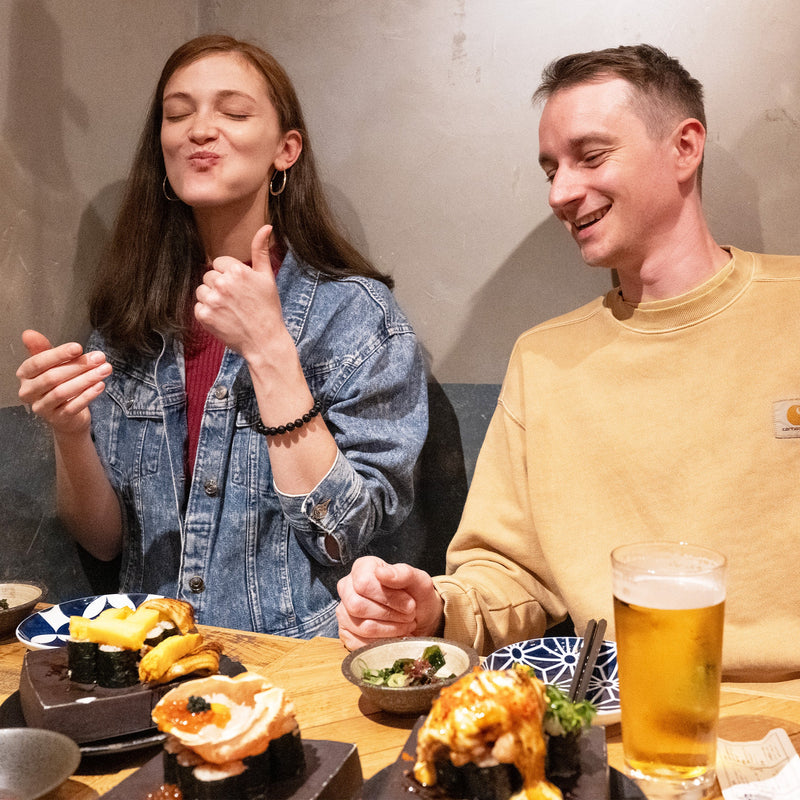
Shinjuku: Food Tour – 15 Dishes at 4 Eateries
Details
| Item | Content |
| Address | 1-7-4 Ebisu, Shibuya-ku, Tokyo |
| Hours | Evening to late night (varies by shop) |
| Closed | Irregular (closed during New Year’s holidays) |
| Website | https://ebisu-yokocho.com/ |
| Recommended for | Those wanting to experience Tokyo nightlife without reservations |
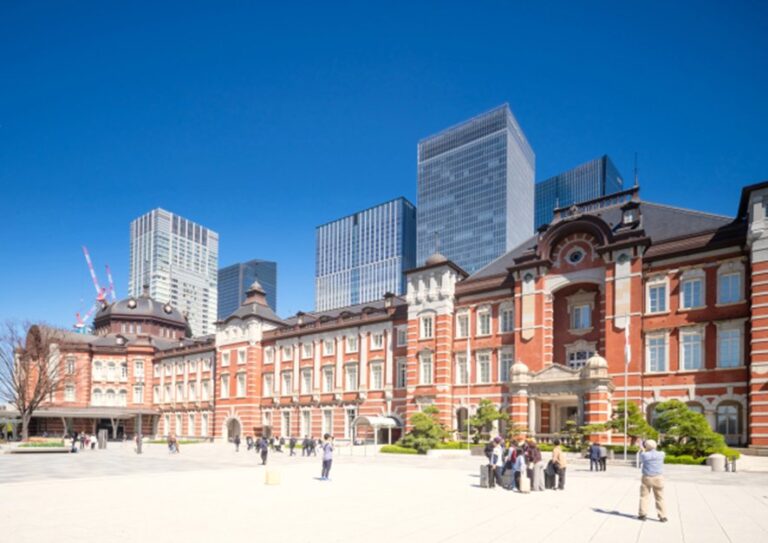
Todoroki Valley | Walk the Only Ravine in Tokyo’s 23 Wards
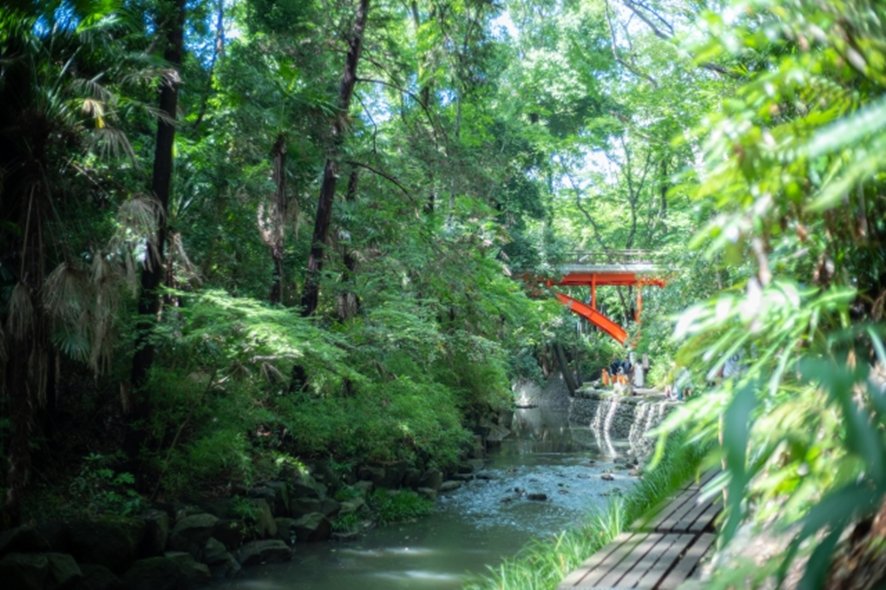
Just a three-minute walk from Todoroki Station lies Todoroki Valley, the only natural ravine within Tokyo’s 23 special wards.
The valley was temporarily closed following a large-scale tree fall but reopened for public access on March 24, 2026.
The approximately 700-meter (about 2,300-foot) trail follows the Yazawa River beneath a dense canopy of trees, creating a cool and tranquil atmosphere even during the summer months.
Further along the path, visitors will find Todoroki Fudoson Temple and a traditional Japanese garden, both of which can be explored free of charge.
Allow approximately 40–45 minutes to complete the round-trip walk.
Before visiting, keep the following points in mind:
- Much of the trail consists of unpaved natural ground, so comfortable walking shoes, such as sneakers, are recommended.
- Some sections do not have safety railings, so visitors with young children should take extra care.
- Applications for photography permits are currently suspended. Please check the official website for the latest updates before your visit.
Details
| Item | Content |
| Address | 1-22-26 Todoroki, Setagaya-ku, Tokyo |
| Hours | Open at all times (Japanese garden: March-October 9 am-5 pm / November-February 9 am-4:30 pm) |
| Closed | New Year’s holidays (Japanese garden) |
| Website | https://www.city.setagaya.lg.jp/02075/9082.html |
| Recommended for | Those seeking a break from the urban bustle to enjoy nature, and travelers who love walking |
Tokyo: Asakusa & Sensoji ー Oldest Temple Walking Tour (2hrs)
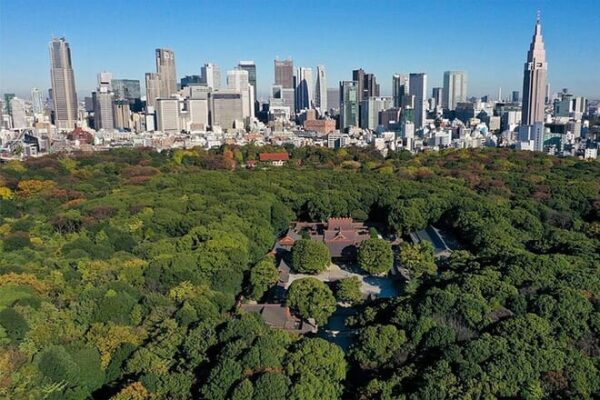
Tokyo: Meiji Shrine Walking Tour — Shintoism & Imperial System
Kakimori | Design a Custom Notebook
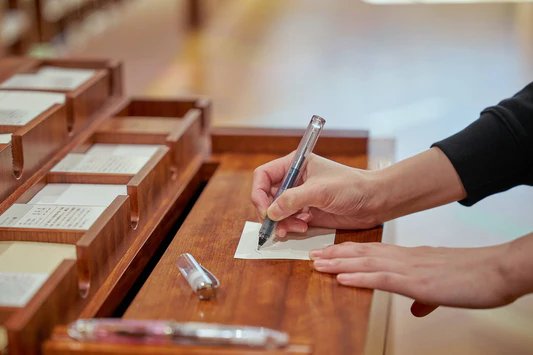
Kakimori in Kuramae is a stationery shop where you can design a custom notebook and have it assembled on the spot.
Choose from more than 60 cover materials and over 30 types of paper for the inside pages, then customize details such as the binding fasteners and ring color to create a notebook that is uniquely yours.
One of the highlights of the experience is watching the artisans assemble each notebook by hand in the workshop.
Depending on the materials you select, prices generally range from ¥800 to ¥2,000. Long after your trip, every time you flip through its pages, your notebook serves as a lasting reminder of your time in Tokyo.
Kakimori is about a 15–20 minute walk from Senso-ji Temple, making it an excellent addition to an Asakusa sightseeing itinerary.
Reservations are not required on weekdays. However, weekends and public holidays require advance booking, so it is recommended to reserve through the official website as soon as your travel dates are confirmed.
Details
| Item | Content |
| Address | 1F, 1-6-2 Misuji, Taito-ku, Tokyo |
| Hours | 11 am-6 pm (last order for custom notebooks: 5:30 pm) |
| Closed | Mondays |
| Website | https://kakimori.com/ |
| Recommended for | Stationery lovers and those looking for a practical souvenir to use back home |
Five Unique Tokyo Experience Tours With English Guides

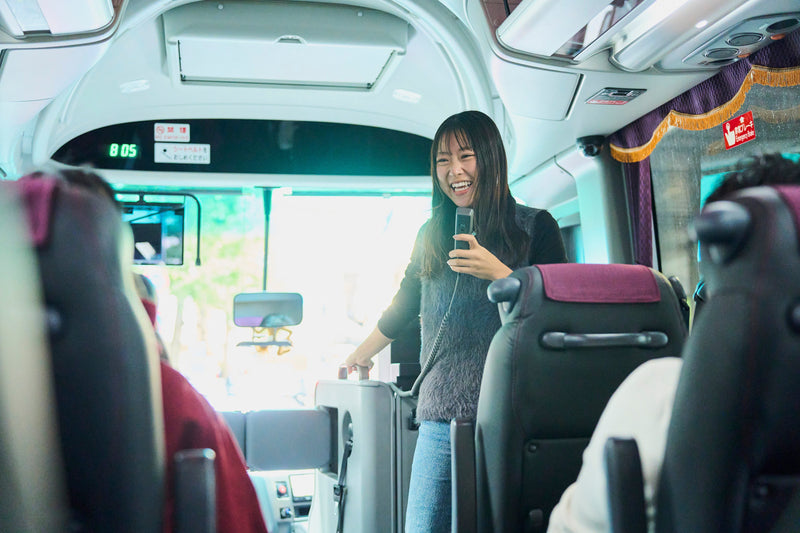
Many travelers worry that not speaking Japanese will prevent them from enjoying some of Tokyo’s most unique experiences.
Fortunately, a variety of English-guided tours make it easy to explore the city with confidence.
The five tours featured here have been carefully selected to cover a range of interests, including food walks, backstreet explorations, chopstick-making workshops, and even morning sumo training sessions.
Each listing includes the price, duration, and booking information, making it easy to choose an experience that fits your schedule.
Tsukiji Outer Market Street Food Walking Tour
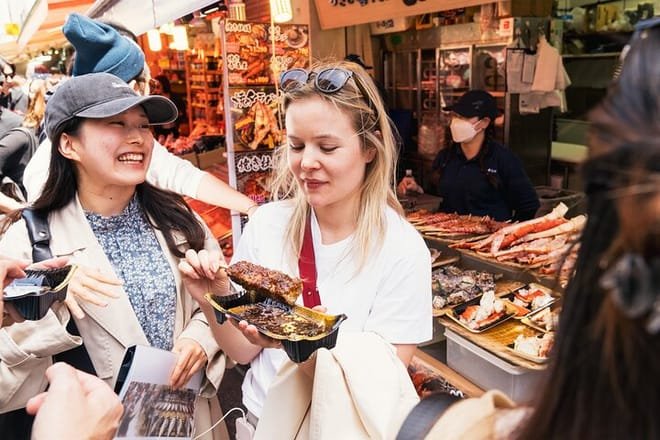
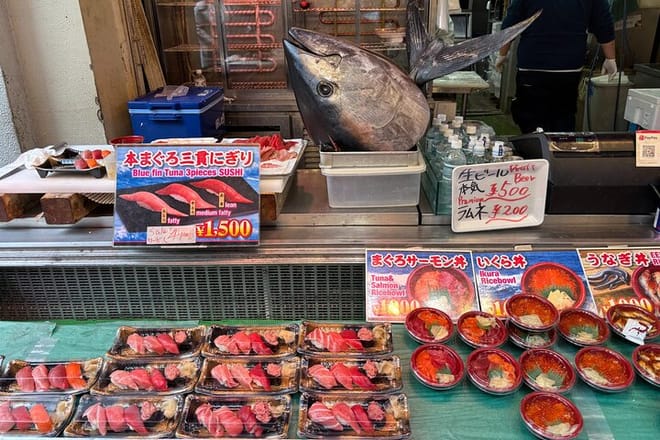
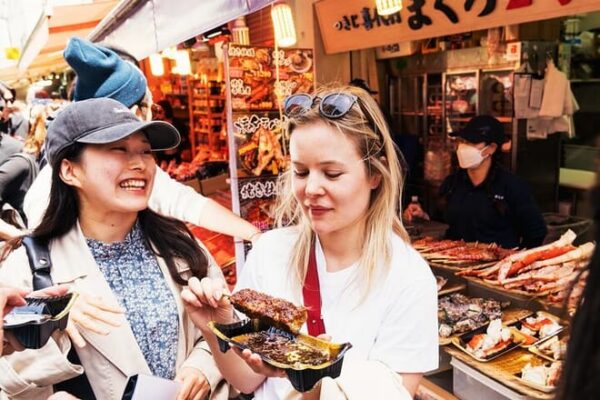
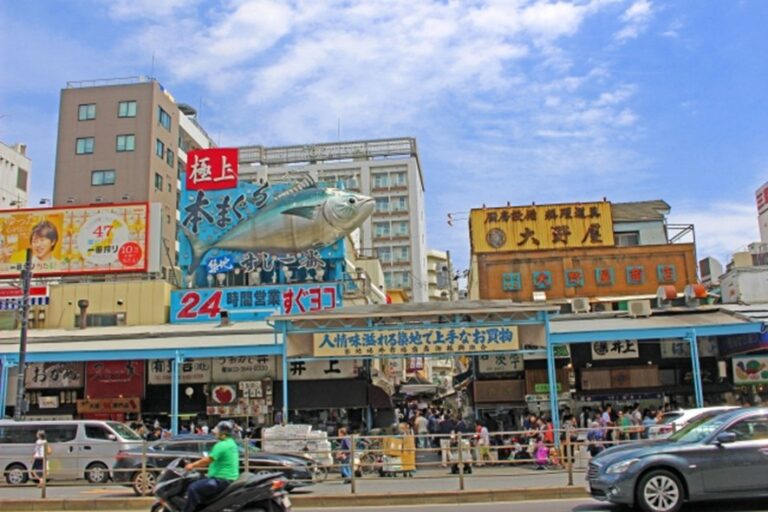
Tsukiji Outer Market is still home to around 400 shops, making it difficult for first-time visitors to distinguish between businesses aimed primarily at tourists and those frequented by professional chefs.
Japan Guide Star’ Tsukiji Fish Market: Street Food & Culture Walking Tour takes the guesswork out of the experience. Over the course of approximately 1.5 hours, an English-speaking guide leads participants to a carefully selected collection of standout shops.
Along the way, you’ll sample market favorites such as tuna sushi and tamagoyaki (Japanese rolled omelette) while learning about the cultural significance and culinary role of the ingredients used in Japanese cuisine.
The tour takes place in the morning, when the market is at its busiest and most vibrant, making it easy to continue on to nearby attractions for an afternoon of sightseeing.
Details
| Item | Content |
| Meeting point | Next to the stairs on the right side of the main hall of Tsukiji Hongwanji Temple, 3-15-1 Tsukiji, Chuo-ku, Tokyo |
| Duration | About 1.5 hours. Three sessions per day: 8 am, 10 am, and noon |
| Included in price | English-speaking guide |
| Booking site | https://japanguidestar.com/tour/tsukiji-fish-market-street-food-culture-walking-tour/ |
| Recommended for | Those who want a quick, in-depth look at Tsukiji’s food culture |
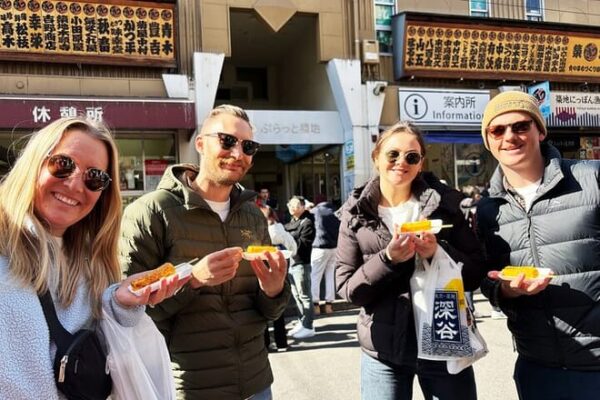
Tsukiji Fish Market: Street Food & Culture Walking Tour
Tsukiji Fish Market Food & Walking Tour with 7 Gourmet Bites
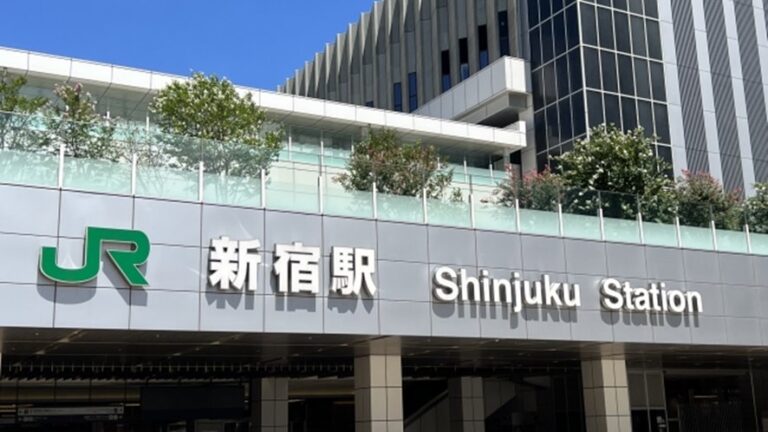
Shinjuku History and Backstreets Walking Tour
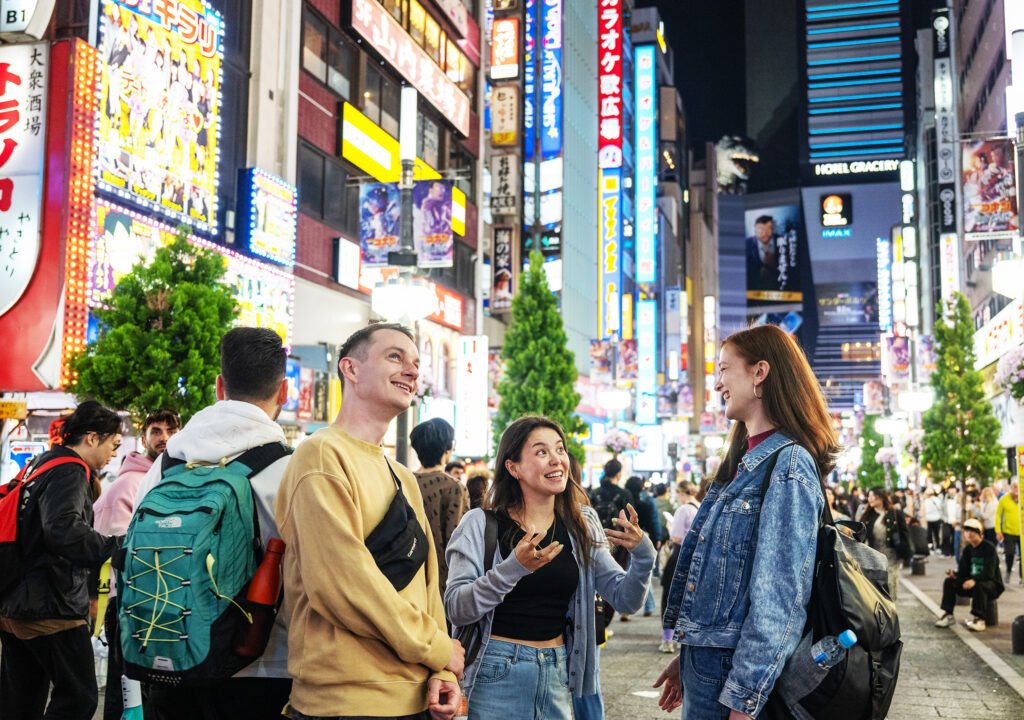
For travelers who want to discover the lesser-known side of Shinjuku, this tour is an excellent choice.
Japan Guide Star’ Tokyo: Shinjuku Historical Walking Tour & Secret Backstreets explores the area around Shinjuku Station with the guidance of a knowledgeable local expert.
The route winds through nightlife districts filled with nearly 300 tiny bars and hidden alleyways that still preserve the atmosphere of the Showa era (1926–1989).
On your own, deciding where to eat or stop for a drink can be overwhelming. With a guide providing historical context and local insights, however, you’ll gain a much deeper appreciation of how the neighborhood developed into one of Tokyo’s most distinctive entertainment districts.
Because Shinjuku takes on a very different character throughout the day, you can simply choose the tour time that best fits your itinerary.
Details
| Item | Content |
| Meeting point | In front of the police box at Shinjuku Station East Exit, 3-38-1 Shinjuku, Shinjuku-ku, Tokyo |
| Duration | About 1.5 hours |
| Included in price | English-speaking guide, historical commentary, backstreet walking tour |
| Booking site | https://japanguidestar.com/tour/tokyo-shinjuku-historical-walking-tour-secret-backstreets/ |
| Recommended for | Repeat visitors to Japan who want to move beyond the usual main attractions |
Shinjuku: Food Tour – 15 Dishes at 4 Eateries
Tokyo: Shinjuku Historical Walking Tour & Secret Backstreets
Ginza Chopstick-Making Workshop
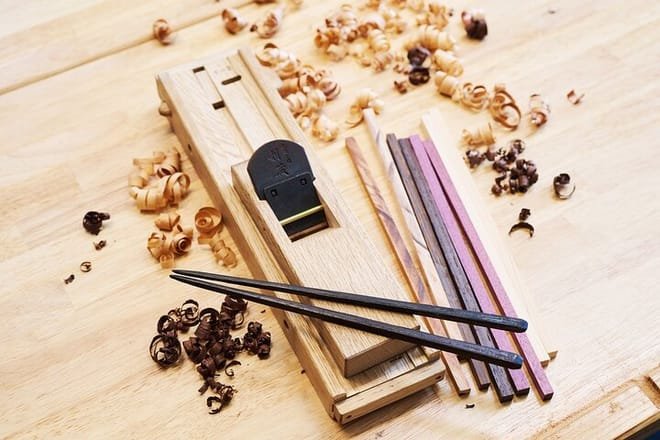
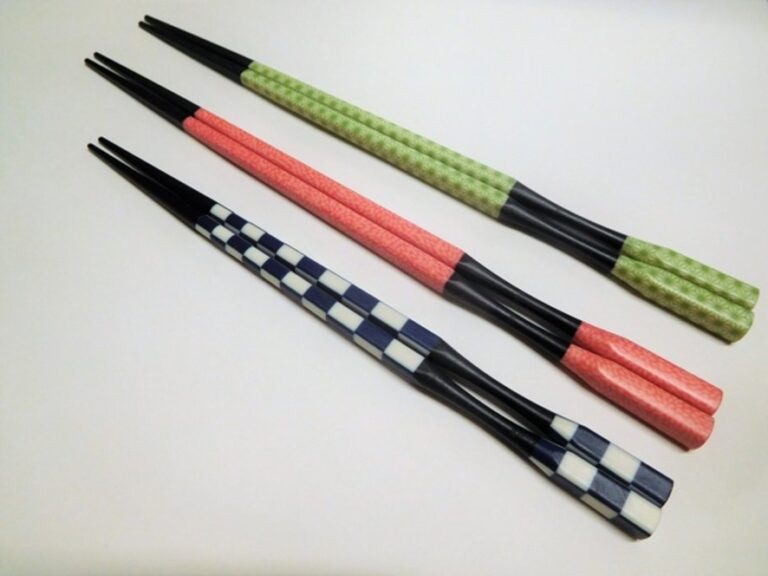
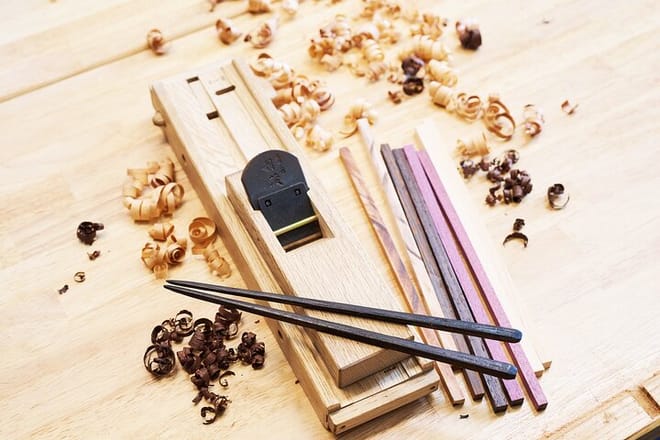
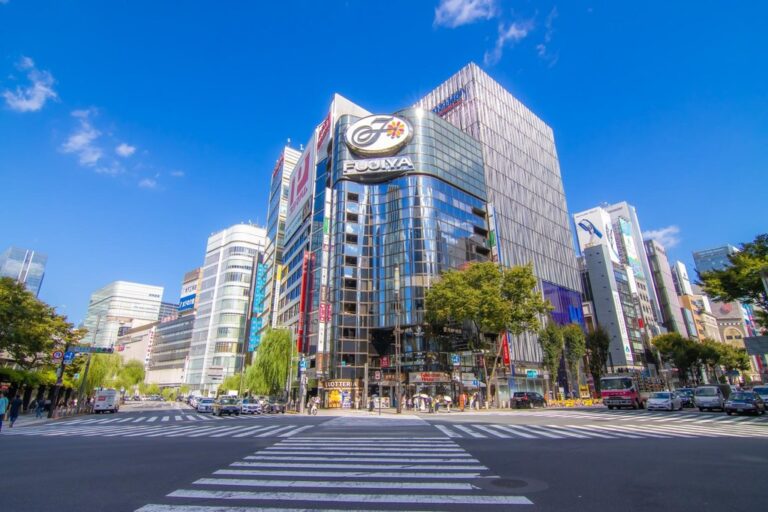
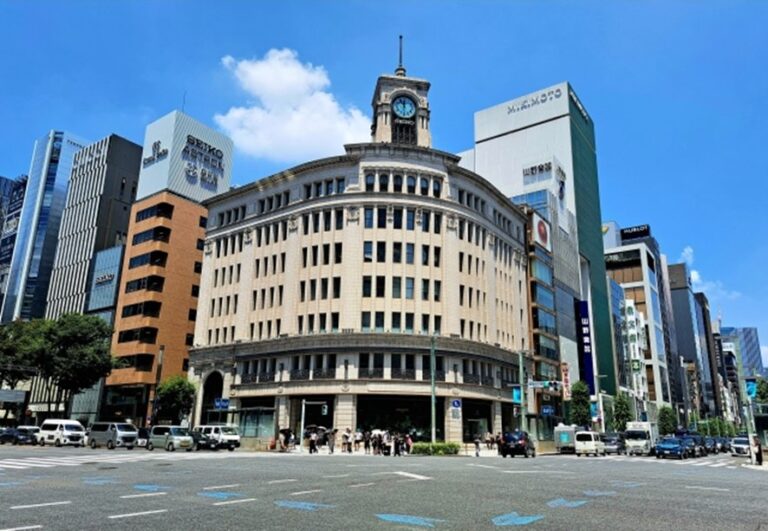
Japan Guide Star’ Tokyo: Ginza Chopstick-Making Workshop & Cultural Insights is a hands-on experience lasting approximately 60 minutes in the heart of Ginza.
Participants begin by selecting their preferred type of wood before shaping their own pair of chopsticks using traditional Japanese tools such as a kanna (hand plane) and sandpaper.
All tools and materials are provided, so you can join the workshop empty-handed.
Between each stage of the process, an English-speaking guide introduces the cultural significance of chopsticks, demonstrates proper chopstick etiquette, and explains their role in Japanese dining customs.
Your finished chopsticks can be taken home the same day, and an optional name engraving makes them an even more personal and meaningful souvenir.
By the end of the workshop, you’ll leave not only with a handcrafted pair of chopsticks but also with a deeper appreciation of Japanese food culture.
Details
| Item | Content |
| Meeting point | 2F Kusumoto Building No. 17, 1-14-12 Ginza, Chuo-ku, Tokyo |
| Duration | About 60 minutes |
| Hours | Held every 30 minutes from 8 am to 6 pm |
| Included in price | Materials, tool rental, English-speaking guide, take-home chopsticks |
| Booking site | https://japanguidestar.com/tour/tokyo-ginza-chopstick-making-workshop/ |
| Recommended for | Those who want to learn Japanese culture hands-on and make a keepsake worth showing off |
Tokyo Chopstick Making Workshop in Ginza
Handmade Origami Jewelry Experience

Washi (traditional Japanese paper) has been an integral part of Japanese culture for more than a thousand years, prized for both its beauty and remarkable durability.
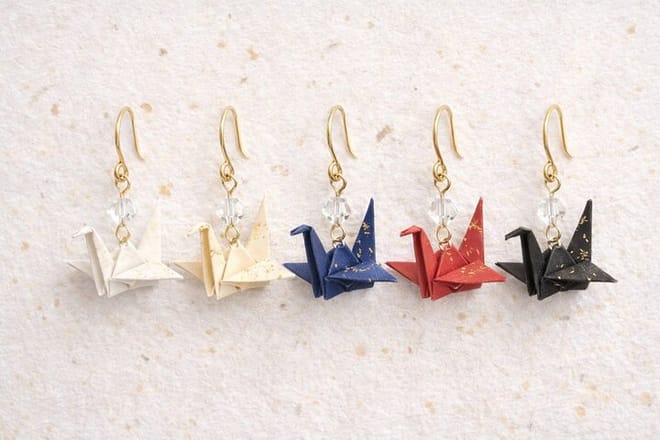
Japan Guide Star’ Tokyo: Create Your Own Handmade Origami Jewelry workshop gives participants the opportunity to transform this traditional material into a unique handmade accessory.
You can choose from a variety of folding designs, including cranes and geometric patterns, while learning from an English-speaking guide about the cultural significance of each motif. The crane, for example, symbolizes longevity and good fortune in Japanese tradition.
The workshop is designed with beginners in mind, and the guide provides step-by-step support throughout the process, making it easy to follow even with no prior origami experience.
Once your design is complete, you can finish it as a pair of earrings or a keychain, creating a beautiful keepsake that you can wear or use long after your trip to Japan.
Details
| Item | Content |
| Meeting point | 8F Higashi Building, 1-5-4 Kabukicho, Shinjuku-ku, Tokyo |
| Duration | About 1 hour |
| Hours | Five sessions per day: 10 am, noon, 2 pm, 4 pm, and 6 pm |
| Included in price | Rental of required tools, washi paper, metal fittings, English-speaking guide |
| Booking site | https://japanguidestar.com/tour/tokyo-create-your-own-handmade-origami-jewelry/ |
| Recommended for | Those interested in Japanese culture, craft lovers, and travelers who want to make their own souvenir |
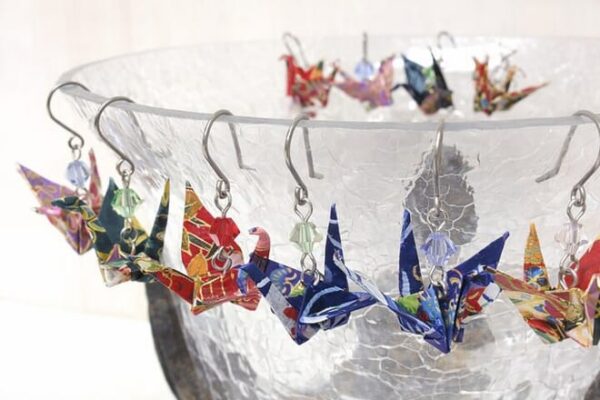
Tokyo: Create Your Own Handmade Origami Jewelry
Discover the beauty of traditional Japanese craftsmanship in this hands-on origami workshop.
Morning Practice Viewing Tour at a Real Sumo Stable
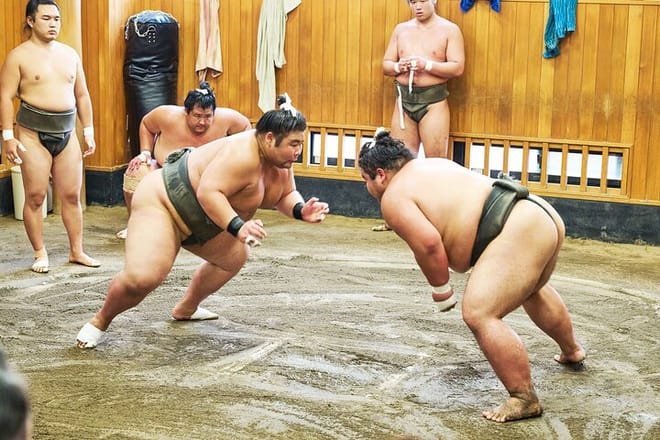
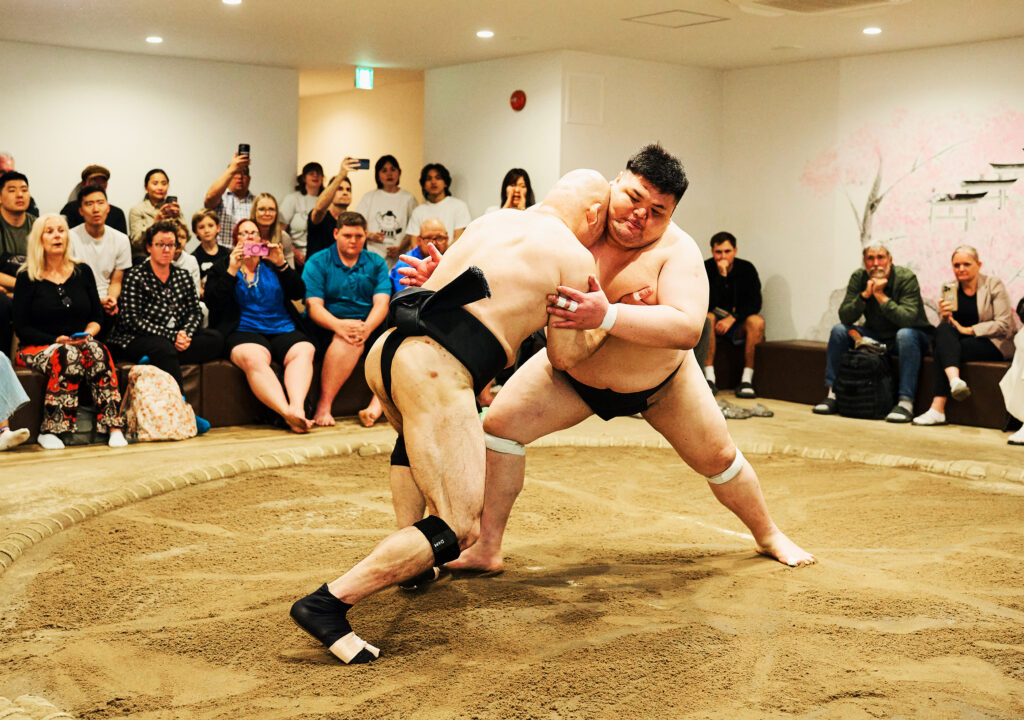
Japan Guide Star’ Tokyo: Sumo Morning Practice Viewing Tour at a Real Stable offers a rare opportunity to visit an active sumo stable that is normally closed to the public.
From just a few meters away, you’ll watch the morning training session unfold, beginning with shiko (the ceremonial leg-stomping exercise performed to purify the ring and strengthen the body) and teppo (thrusting practice), before culminating in the intense butsukari-geiko (full-contact collision training).
The thunderous impact of wrestlers weighing more than 160 kg (about 353 lb) crashing into one another, and the vibrations that ripple through the floor, is something no television broadcast can truly convey.
Throughout the experience, an English-speaking guide explains the significance of the dohyo (the sacred clay ring), the purpose of the salt-throwing purification ritual, and the discipline and traditions that define the world of professional sumo.
At the end of the session, participants have the opportunity to take a commemorative photo with the wrestlers, creating a truly memorable souvenir from the experience.
Please note that practice viewings may not be available during, or in the periods immediately surrounding, the three annual honbasho (Grand Tournaments) held in January, May, and September. It is therefore recommended to check availability and book as early as possible.
Details
| Item | Content |
| Meeting point | In front of Kiyosumi-Shirakawa Station Exit A1, 1-6-13 Shirakawa, Koto-ku, Tokyo (guide will be waiting) |
| Duration | About 120 minutes (starting from 8:30 am) |
| Included in price | English-speaking guide commentary, indoor viewing, commemorative photo |
| Booking site | https://japanguidestar.com/products/tokyo-sumo-morning-practice-viewing-tour-at-a-real-stable |
| Recommended for | Those who want to feel traditional Japanese culture firsthand, or sumo beginners |
[FAQ] Common Questions About Unique Experiences in Tokyo

Here are answers to some of the questions travelers most commonly ask when planning and booking these experiences.
The topics covered include English-language support, how many activities can comfortably fit into a single day, whether children can participate, and what happens in the event of bad weather.
Reviewing these practical details before your trip will help you plan with confidence and enjoy Tokyo’s unique experiences without unnecessary surprises.
Can I Join Experiences in English Only?

Most of the experiences featured in this guide are available with English-language support.
Many of the workshops are highly visual and hands-on, allowing participants to follow along with demonstrations even if they do not speak Japanese.
| Experience | English Support |
| Food sample making | Japanese only (proceeds through video and demonstration) |
| Kintsugi (Tsugutsugu) | English-guided classes available |
| Ame-zaiku (Ameshin) | Demonstration-based, minimal language dependency |
| Kabukiza | English subtitle tablet rentals available |
| Origami jewelry | Offered as an English-guided tour |
| Sumo morning practice tour | English-speaking guide accompanies |
The food sample-making workshop is conducted in Japanese only. However, because the process is highly visual, you can easily follow the instructor’s demonstrations and the instructional video to complete your creation.
When booking an experience, look for an “Available in English” or similar indication on the reservation page.
Many booking platforms also offer language filters, making it easy to narrow your search to experiences that provide English-language support.
If you have any questions about language availability or other details, contacting the venue through its official website before your visit is the most reliable approach.
How Many Unique Experiences Can I Combine in a Day?
A realistic pace is two to three experiences per day.
Since most activities last between 40 and 90 minutes, trying to fit in four or more often leaves the day feeling rushed.
A sample itinerary might look like this:
- 10 am: Ame-zaiku experience at Ameshin (Asakusa) — about 40 minutes
- 11:30 am: Custom notebook-making at Kakimori (Kuramae) — about 60 minutes
- 2:30 pm: Kintsugi workshop (Ebisu area) — about 90 minutes
- 5:30 pm: Food stall hopping at Ebisu Yokocho — free time
When planning your day, remember to factor in travel time between neighborhoods. Grouping experiences in nearby districts is generally the most efficient approach.
A good strategy is to visit attractions within walking distance of one another during the morning, then travel to a different area in the afternoon.
Combining three daytime experiences with an evening of food and drinks in a nearby neighborhood creates a well-balanced itinerary, especially when tailored to the area where you are staying.
Can Children Join Too?

Age requirements differ by experience, so check in advance.
| Experience | Suggested Age | Notes |
| Food sample making | Ages 3 and up (with guardian) | No blades used, relatively safe |
| Kakimori (notebook making) | Confirm with the store when booking | Indoor experience, unaffected by weather |
| Kintsugi (Tsugutsugu) | Ages 12 and up | Uses lacquer and adhesive; caution for those with sensitive skin |
| Ame-zaiku (Ameshin) | Confirm in advance | Uses candy at 90°C (about 194°F); not suited to very young children |
| Kabukiza (single-act seats) | No age restriction (with guardian) | Assumes quiet viewing |
| Edo-Tokyo Open Air Architectural Museum | All ages | Involves outdoor walking; comfortable shoes needed |
| Todoroki Valley | All ages | Includes stairs and unpaved paths; strollers are difficult |
If you’re traveling with young children, the food sample-making workshop and Kakimori are among the easiest experiences to enjoy, as both take place entirely indoors and are well suited to families.
For an outdoor option, the Edo-Tokyo Open Air Architectural Museum offers spacious grounds and open lawns, providing a relaxed environment where children can explore at their own pace.
When making a reservation, it is helpful to let the organizer know your child’s age in advance. This allows the staff to tailor the safety briefing and provide any necessary guidance on the day of your visit.
Are There Unique Experiences to Enjoy on a Rainy Day?

Most of the experiences featured in this guide take place indoors, so rainy weather is unlikely to disrupt your plans.
Good rainy-day options include:
- Kintsugi, food sample making, and ame-zaiku workshops, all of which are held entirely indoors.
- The origami jewelry workshop and Kakimori notebook-making experience, both completed inside the workshop.
- Kabukiza Theatre, Kosugiyu, and Ebisu Yokocho, where the main activities take place indoors or under cover.
Todoroki Valley is the main exception. Its outdoor trails can become slippery after rain, so extra caution is recommended.
The Edo-Tokyo Open Air Architectural Museum is also an enjoyable option on rainy days, although you will need an umbrella when walking between buildings. The interiors of the historic structures remain fully accessible and rewarding to explore.
Checking the weather forecast in advance and preparing separate plans for sunny and rainy conditions will help you make the most of your time in Tokyo.
Tokyo: Create Your Own Handmade Origami Jewelry
Discover the beauty of traditional Japanese craftsmanship in this hands-on origami workshop.
Plan Your Own One-of-a-Kind Tokyo Trip
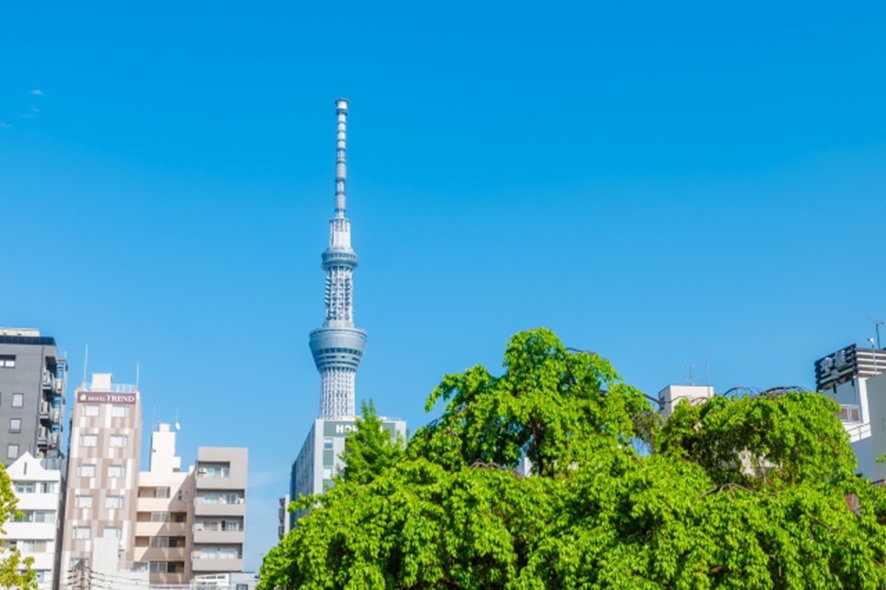
Tokyo offers an extraordinary range of experiences, from hands-on workshops and immersive cultural activities to hidden gems beyond the usual tourist trail.
Many of the most popular experiences reach capacity well in advance, so it is worth making reservations as soon as your travel itinerary is finalized.
Use this guide as a starting point to discover the experiences that interest you most and create a Tokyo itinerary that is uniquely your own.