If you’re planning a tea ceremony experience in Tokyo, the wide variety of venues, prices, and formats can make it difficult to know where to start.
This guide covers ten handpicked spots across Asakusa, Shibuya, and Ginza, with pricing, session length, and kimono package availability laid out for easy comparison. There is an option to suit every itinerary and budget.
What to Expect from Tea Ceremony Experiences in Tokyo
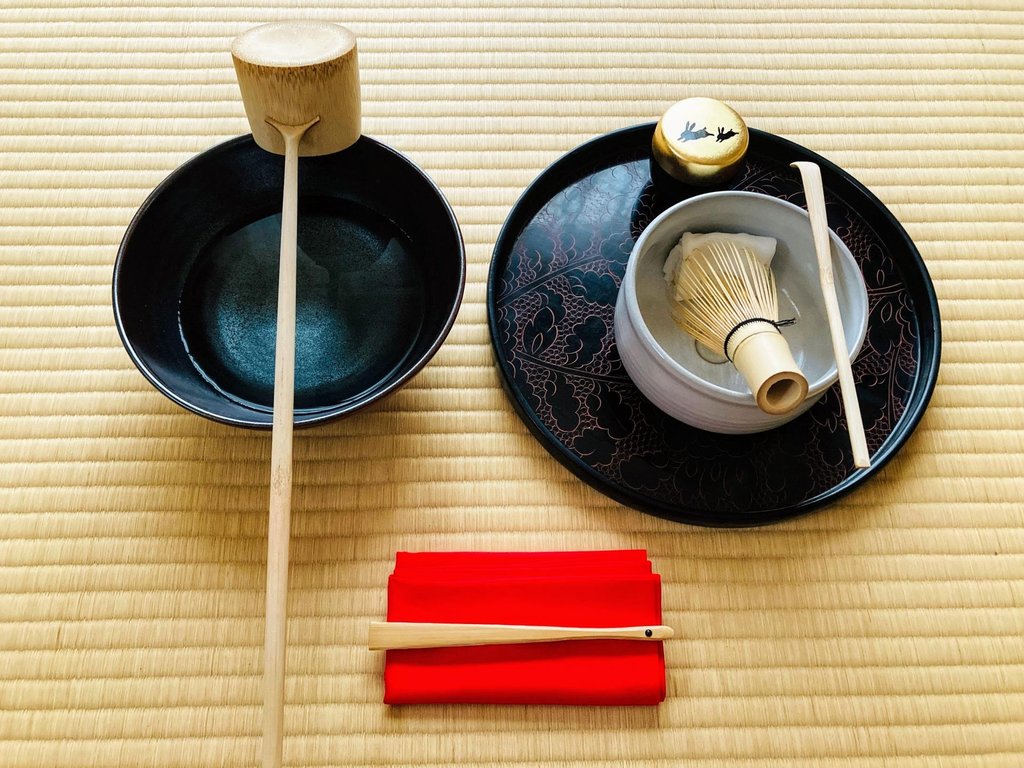
Tea ceremony experiences in Tokyo vary widely in what they offer and how much they cost. Understanding the key differences between the three main areas, the types of experiences on offer, pricing tiers, and beginner support can help you make the right choice.
Having a clear picture of your options will make it easier to select the experience that best fits your itinerary and budget.
Venues Are Concentrated in Three Areas: Asakusa, Shibuya, and Ginza
Tokyo’s tea ceremony venues are concentrated primarily in three neighborhoods: Asakusa, Ginza, and Shibuya. Choosing a venue in the same neighborhood as your planned sightseeing keeps travel time to a minimum.
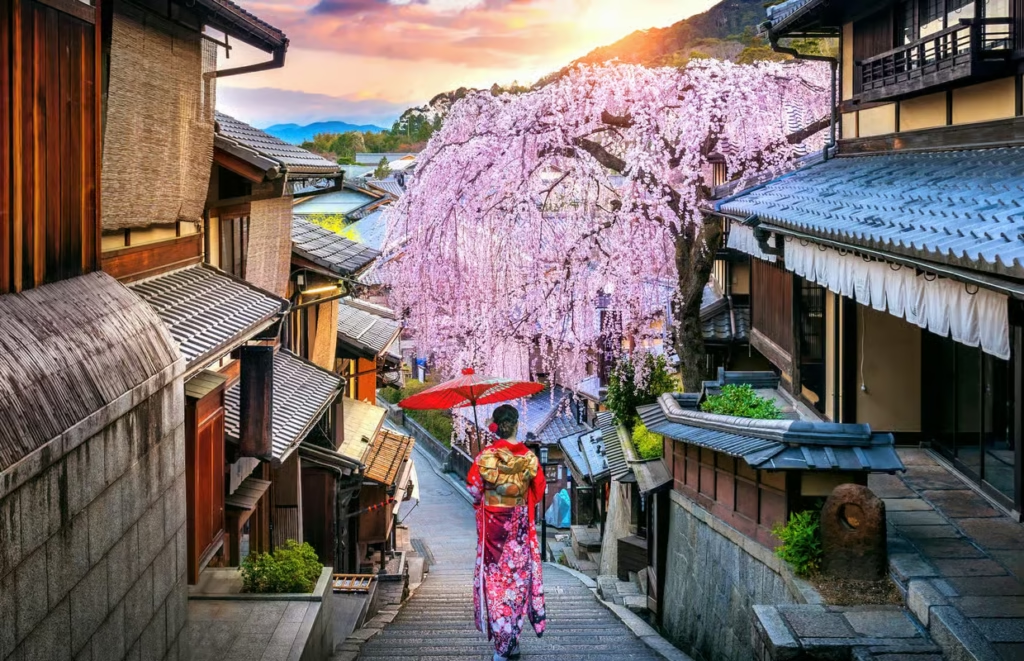
Asakusa has the highest concentration of tea ceremony venues and pairs naturally with sightseeing around Senso-ji Temple. Venues such as MAIKOYA and Jidaiya offer tea ceremony experiences combined with kimono rental packages, making it easy to spend a half-day enjoying both traditional culture and the historic streets of the area.
In Ginza, Chazen and Jugetsudo are both situated near Kabukiza Theater. These options are well suited to visitors who want to combine cultural activities with shopping, dining, or a theater visit.
The Shibuya and Shinjuku area is home mainly to compact tea rooms within easy reach of major train stations. With hotels concentrated nearby, these venues fit easily into a busy itinerary. Choosing a venue near your accommodation or planned sightseeing spots is the most efficient approach.
Two Types of Experience: Standard and Kimono-Inclusive
Tea ceremony experiences in Tokyo generally fall into two categories: standard sessions and kimono-inclusive packages. Because session length and pricing vary, it’s best to choose based on your itinerary and what kind of experience you’re looking for.
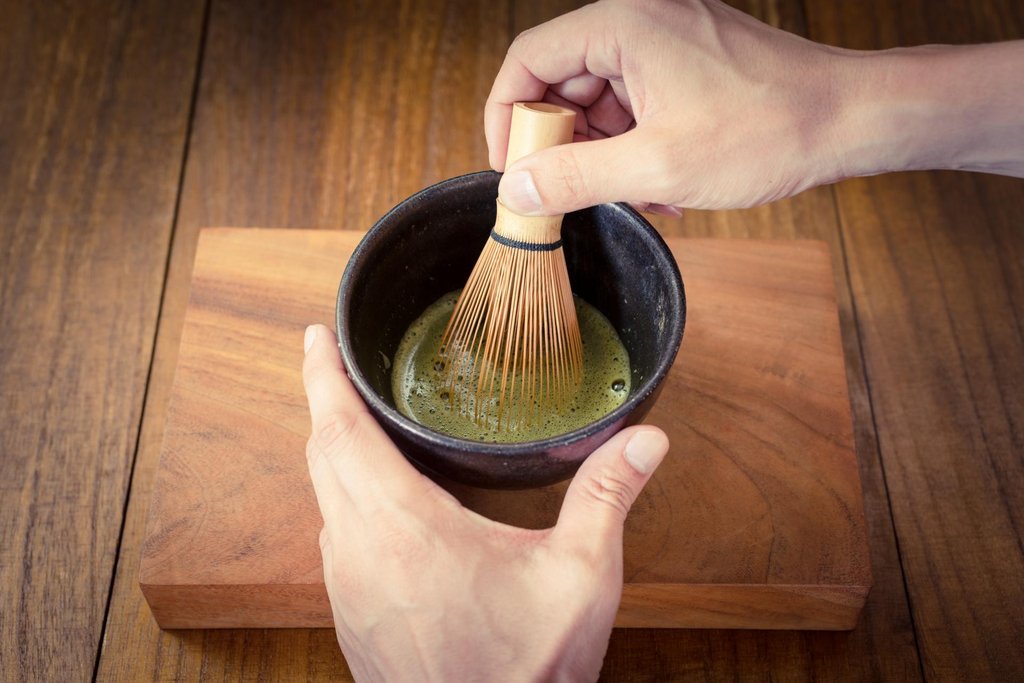
Standard sessions run 45 to 60 minutes and typically cost ¥3,500 to ¥6,000. You’ll prepare and drink your own matcha, and the compact format makes them easy to fit into a sightseeing day.
Kimono-inclusive packages include a kimono dressing session and run 90 minutes or more, with prices starting from ¥6,300. They are especially popular with visitors who want memorable photos in traditional attire.
Optional add-ons, such as wagashi (traditional Japanese sweets) making experiences, range from ¥4,000 to ¥12,000 depending on how hands-on the activity is.
In general, you can choose based on your priorities:
- Ease and efficiency: A standard session (45–60 min) won’t disrupt your sightseeing schedule
- Great photos: A kimono-inclusive package gives you a memorable shot inside a traditional tea room
- Deeper immersion: A wagashi-making add-on lets you explore Japanese culture at a more intimate level
Most Experiences Fall in the ¥3,500–¥10,000 Range
Pricing varies significantly depending on the type of plan. Three common options are outlined below.
| Plan Type | Approximate Price | Duration |
|---|---|---|
| Shared (group) plan | ¥3,500–¥6,000 | 45–60 min |
| Kimono-inclusive plan | ¥6,300–¥10,000 | 60–90 min |
| Private (exclusive) plan | ¥7,800+ | Approx. 60 min |
Shared plans are the most affordable, with Chazen starting at ¥3,500 and Tokyo Chaan at ¥3,900 for adults. Sessions typically wrap up in around an hour, making them easy to slot into a packed day.
Kimono-inclusive plans cost more due to the rental fee, but they’re the top choice for visitors who want memorable photos.
Private plans at Chazen start from ¥7,800, giving families or couples a relaxed, exclusive setting.
Prices may change, so check each venue’s official website before booking.
English-Guided Sessions: No Prior Knowledge Required
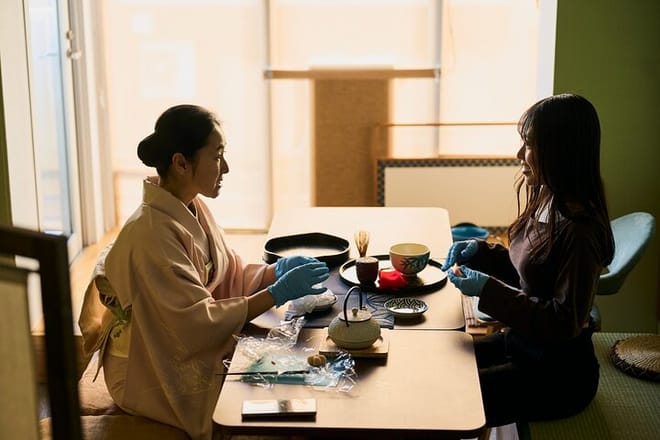
All the venues covered here offer English-language sessions, and no prior knowledge of tea ceremony etiquette is required. The host typically demonstrates the tea-making process first, then guides each guest individually through the experience.
Venues handle seating differently for guests who find seiza (kneeling on the floor) uncomfortable. MAIKOYA provides chair seating, which is ideal for anyone with knee or back concerns. Some venues, such as Chazen, use a traditional floor-seated format in a tatami (woven straw floor mat) room, so it is advisable to confirm the seating style in advance when booking.
While many venues can provide English-language support, an English-speaking staff member may not always be available. To avoid any issues, it is recommended to indicate your preference for English instruction in the booking comments field when making a reservation.
Top 3 Tea Ceremony Experiences in Asakusa, Tokyo
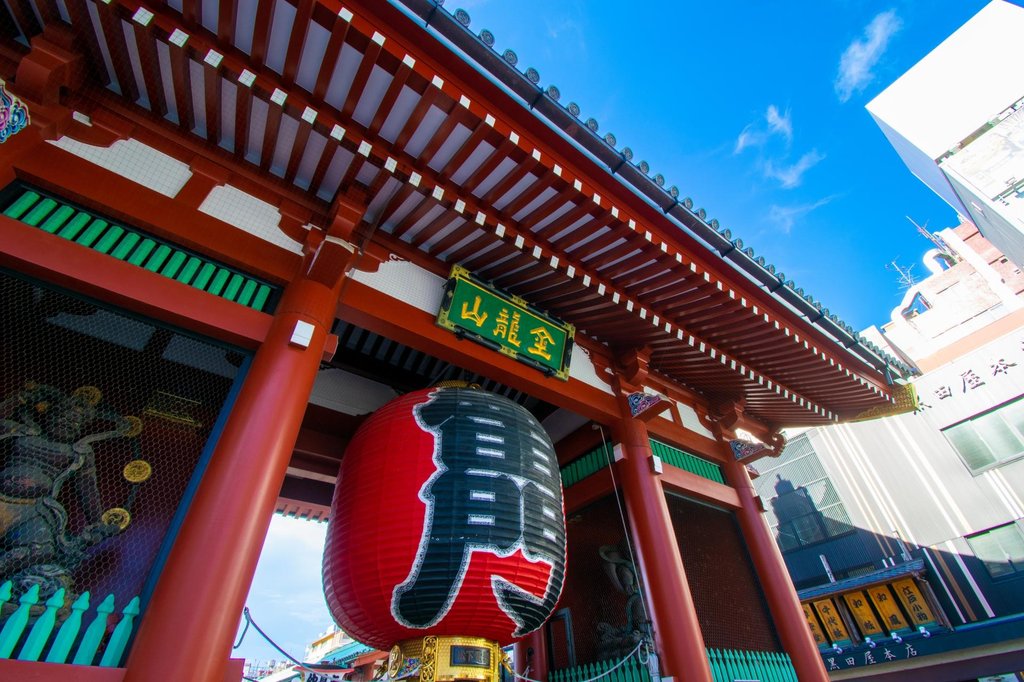
Asakusa is a natural base for sightseeing and has a strong lineup of tea ceremony venues. Each venue offers something different in terms of content and pricing, so compare the options before deciding.
Three venues in particular stand out in Asakusa: one that combines a kimono experience with a walking tour of the streets, one that offers a 90-minute program where participants experience both the host and guest roles, and another that pairs the tea ceremony with additional cultural activities.
Choosing among them depends on whether you prioritize photography, hands-on participation, or a broader cultural experience.
MAIKOYA Asakusa | A Tea Ceremony Combined with a Kimono Stroll Through Asakusa
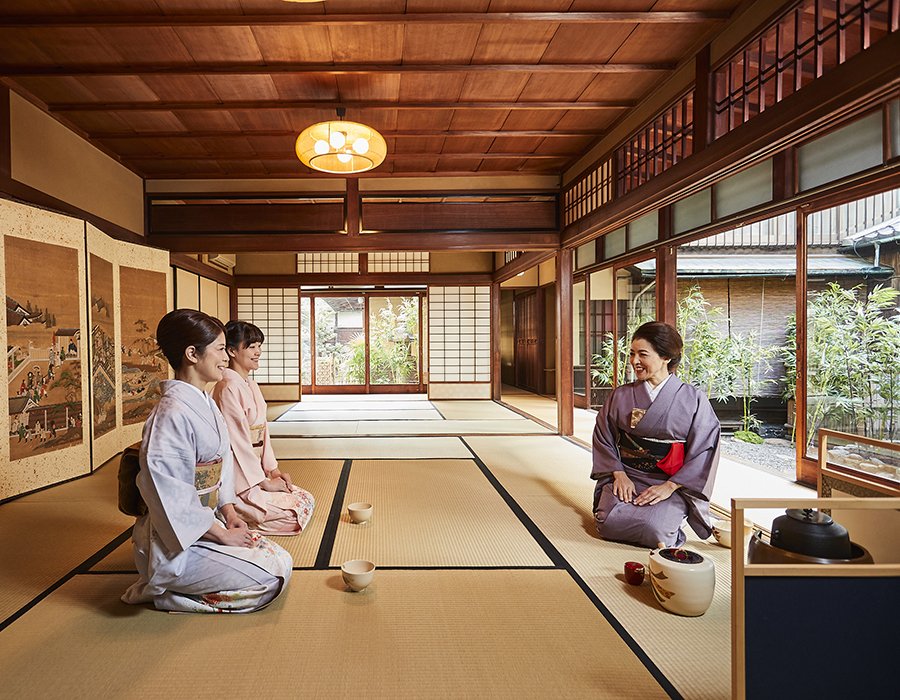
MAIKOYA Asakusa offers a combined experience that includes kimono dressing, a tea ceremony session, and free time to explore Asakusa in traditional attire.
After changing into a kimono, guests participate in a 45-minute tea ceremony led by a fluent English-speaking host, making the experience accessible even for complete beginners. Following the session, visitors are free to walk around the Asakusa area in kimono until 5 pm.
A few things to keep in mind when booking:
- The minimum age is 7.
- Notify the venue in advance if you have any dietary restrictions.
- Locations are available in both Asakusa and Shinjuku, so pick the one closest to your accommodation.
- Reading guest reviews before booking is recommended.
Overall, MAIKOYA Asakusa is a strong option for travelers who want to combine a tea ceremony with a kimono experience and take memorable photos in a traditional setting.
Details
| Address | 1-12-2 Asakusa, Taito-ku, Tokyo |
| Hours | 9 am–5 pm |
| Closed | Irregular |
| Official Website | https://mai-ko.com/ |
| Best For | Visitors who want to enjoy kimono and tea ceremony together |
Shizu Kokoro | A 90-Minute Session Covering Both Host and Guest Roles
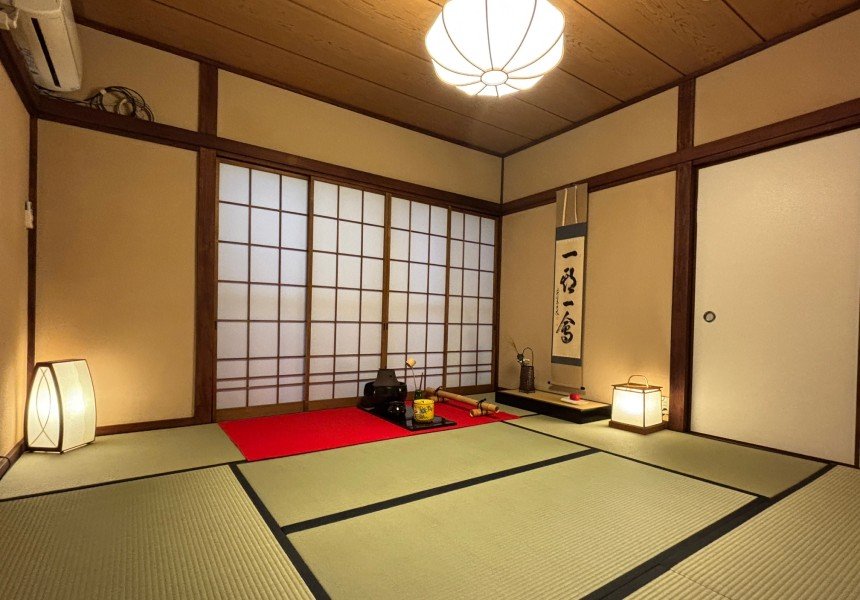
Shizu Kokoro is run by a tea ceremony school certified by the Urasenke school of tea ceremony, and its key feature is the opportunity to experience both the guest and host roles during the session.
The 90-minute workshop covers the basics of chado (the Way of Tea) in English. Guests sample sakura-cha (cherry blossom tea), koicha (thick, concentrated matcha), and usucha (thin, frothy matcha), all served alongside wagashi. The themes change monthly, ensuring variety for returning guests, and the depth of content suits anyone who wants more than a surface-level introduction.
Admission is ¥5,500 (tax included), with four sessions per day running Tuesday through Saturday. Arrive at least 10 minutes before your session starts.
Details
| Address | 2-3-12 Kotobuki, Taito-ku, Tokyo |
| Hours | 10 am–5:30 pm (last session starts at 4 pm) |
| Closed | Sundays and Mondays |
| Official Website | https://shizukokoro.com/ |
| Best For | Those who want to understand the essence of tea ceremony, including the host’s role |
Asakusa Jidaiya | Tea Ceremony Combinable with Rickshaw Rides and Kimono
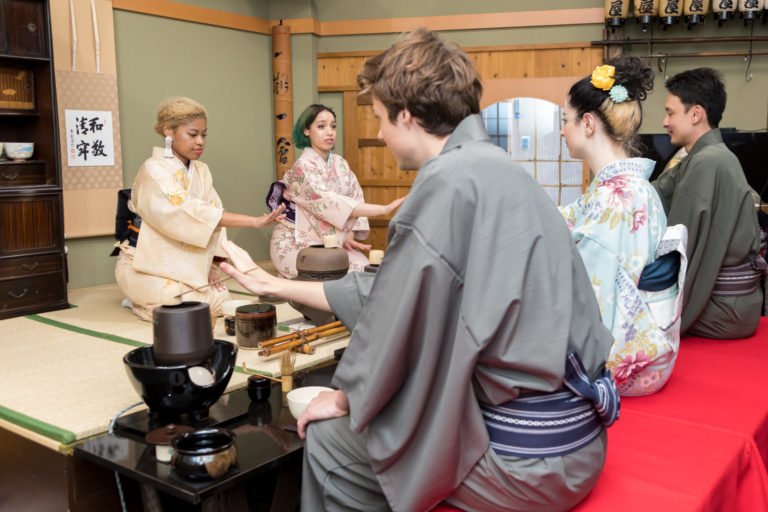
Asakusa Jidaiya allows visitors to bundle multiple cultural experiences into a single visit, including tea ceremony, rickshaw rides, kimono dressing, samurai armor, and more.
A key appeal is the flexibility to combine different activities within the same group. For example, children can wear kacchu (samurai armor) while adults participate in a tea ceremony. The tea ceremony includes matcha and wagashi, and costs ¥5,500 per person (tax included) for groups of two or more. Sessions last approximately 30 to 50 minutes.
The location, just steps from Kaminarimon Gate, is especially convenient. It is ideal to plan a stroll through the surrounding Asakusa streets before or after your session to make the most of your visit.
Details
| Address | 2-3-5 Kaminarimon, Taito-ku, Tokyo |
| Hours | 9:30 am–5:30 pm |
| Closed | Open year-round |
| Official Website | https://jidaiya.biz/ |
| Best For | Families and groups wanting to combine tea ceremony with other cultural activities |
Top 3 Tea Ceremony Experiences in Shibuya and Shinjuku, Tokyo
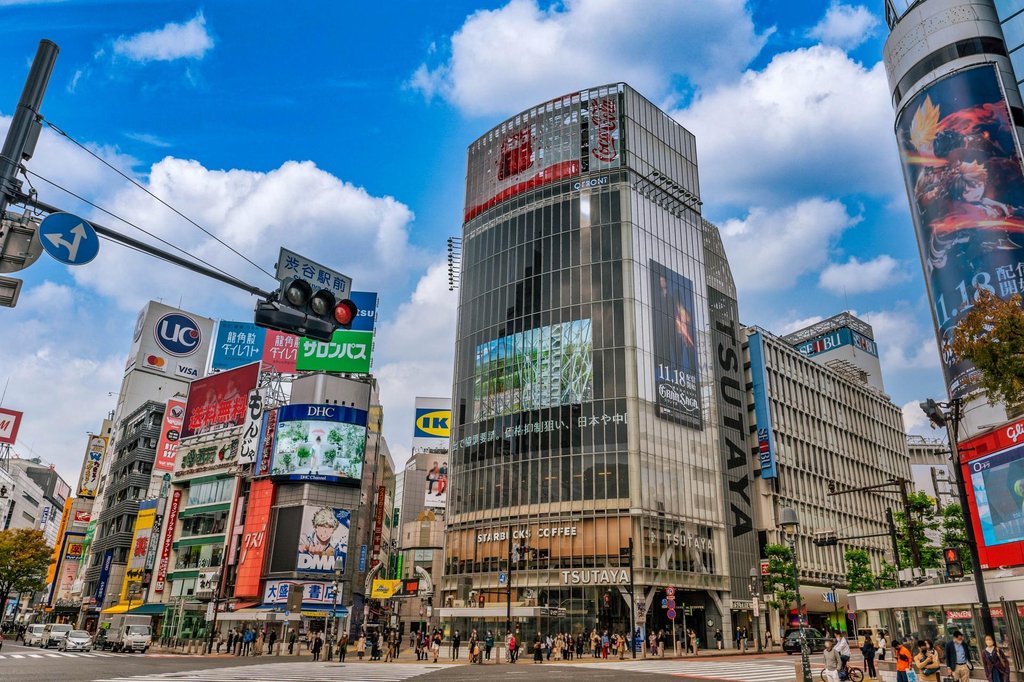
Shibuya and Shinjuku are home to several excellent tea ceremony venues that are both easily accessible and rooted in traditional practice. Three in particular stand out: a small-group tea room offering an intimate setting, a long-established tea room located inside a hotel, and a venue where guests can taste and compare multiple types of Japanese tea.
Sessions vary in terms of formality, structure, and duration, so it is best to choose the option that aligns with your schedule and personal preferences.
Uguisu An | An Intimate Tea Room Experience in Shibuya
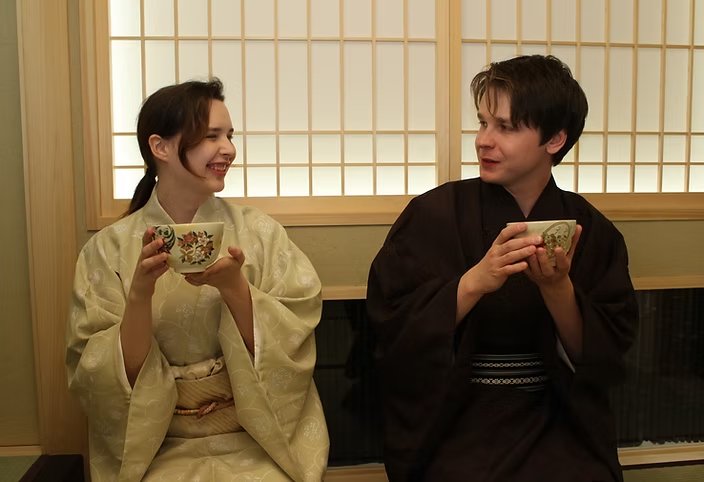
Uguisu An is a small tea room on the ground floor of a building in Uguisudani-cho, Shibuya-ku. Once inside, the bustle of the city feels far away, creating a calm and intimate atmosphere.
Each session is led in English by a licensed tea ceremony instructor, so no prior knowledge is required. Shared sessions are limited to a maximum of eight guests, fostering a relaxed environment where questions are welcome. Guests are served a bowl of matcha prepared by the instructor, accompanied by traditional Japanese sweets. A private plan is priced at ¥15,000 for a solo guest or ¥16,000 for two guests (¥8,000 per person).
Prices are subject to change, so it is advisable to confirm the latest details on the official website before booking.
Details
| Address | Uguisu Building 1F, 12-12 Uguisudani-cho, Shibuya-ku, Tokyo |
| Hours | Contact the venue for availability |
| Closed | Irregular |
| Official Website | https://www.shibuya-travel.tokyo/ |
| Best For | Those looking for a calm, authentic tea room setting |
Keio Plaza Hotel Shofuan | A Renowned Tea Room Inside a Shinjuku Hotel
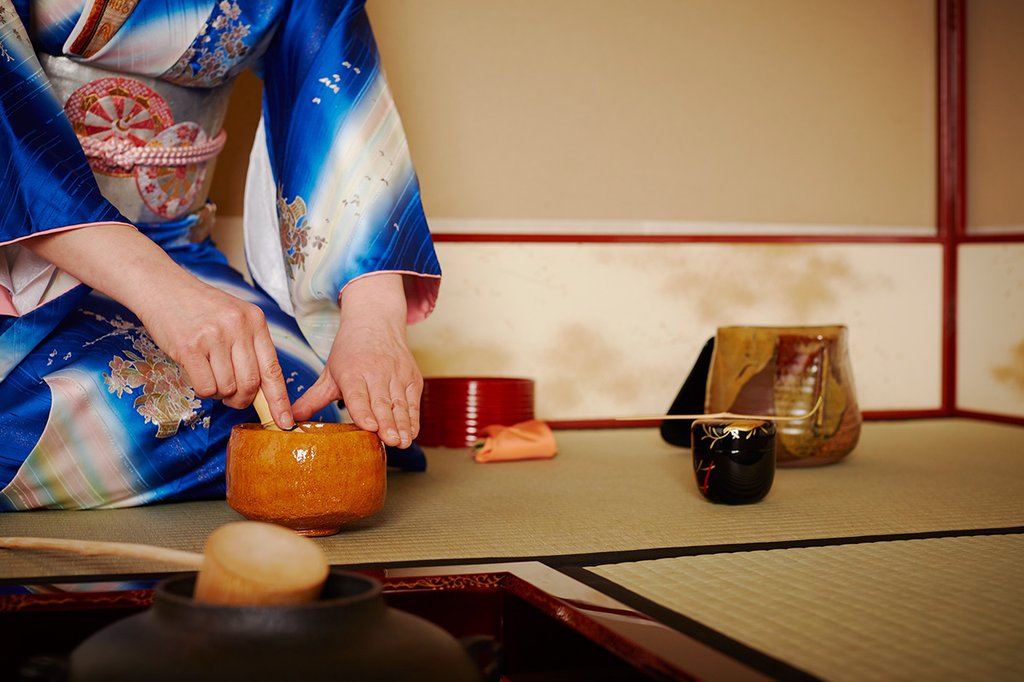
Shofuan, located on the 10th floor of the Keio Plaza Hotel main building, has been welcoming guests since 1971. Within walking distance of Shinjuku Station, it’s one of the most convenient spots in the city for an authentic tea ceremony experience.
Sessions run 60 minutes and include usucha and a seasonal wagashi, priced at ¥5,000. Four sessions are held daily, making it easy to fit the experience into a busy schedule. With a maximum of four guests per session, participants receive personalized attention and continuous English commentary from a certified instructor.
Non-hotel guests are welcome to book, and guests staying in Premier Grand rooms can participate free of charge. Overall, Shofuan offers a calm, distinctly Japanese cultural experience in the heart of Shinjuku.
Details
| Address | Keio Plaza Hotel Main Building 10F, 2-2-1 Nishishinjuku, Shinjuku-ku, Tokyo |
| Hours | 11 am / 2 pm / 3 pm / 4 pm |
| Closed | Apr–Jun: closed Tue–Sat (open Sun and Mon only) Jul–Aug: closed Mon–Tue and Thu–Sat (open Sun and Wed only) |
| Official Website | https://www.keioplaza.co.jp/guide/shofuan/ |
| Best For | Travelers in Shinjuku who want a tea ceremony that fits into a short window |
Tokyo Chaan | A 50-Minute Session Featuring a Japanese Tea Tasting
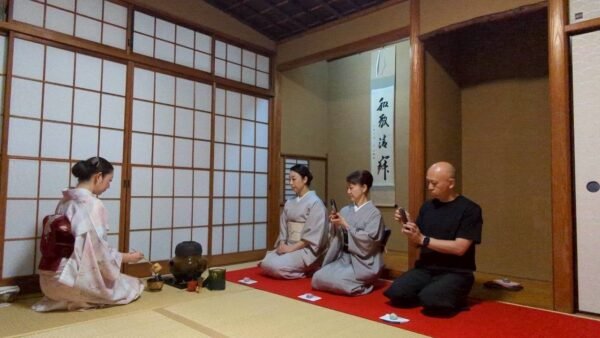
Tokyo Chaan stands out for offering a comparison tasting of several Japanese teas alongside the matcha ceremony.
After sampling wagashi and drinking a bowl of matcha prepared by the instructor, guests whisk their own matcha using a chasen (bamboo whisk). The session is led in English by an instructor in kimono, who explains the meaning behind each movement, allowing guests to appreciate both the cultural practice and the photographic experience.
Sessions run approximately 45 to 60 minutes. The shared plan is priced at ¥3,900 for adults and ¥3,000 for children. Located close to Shibuya Station, Tokyo Chaan is easy to visit before or after a shopping trip.
Tokyo Chaan is an excellent choice for visitors who want to explore Japanese tea culture beyond matcha alone.
Details
| Address | 2F Manji Building, 1-15-9 Dogenzaka, Shibuya-ku, Tokyo |
| Hours | 10 am–4 pm |
| Closed | Irregular |
| Official Website | https://tokyo-chaan.com/ |
| Best For | Visitors interested in a Japanese tea tasting or a shorter experience |
Top 4 Tea Ceremony Experiences in and Around Ginza, Tokyo
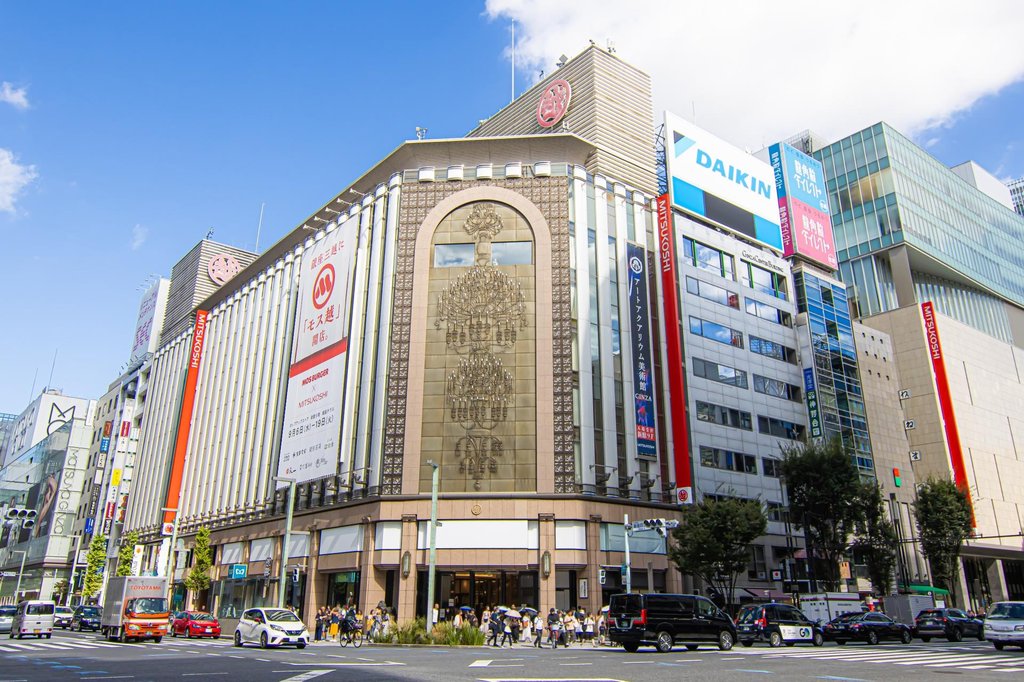
Ginza’s polished streets make it a natural setting for visitors seeking a more refined tea ceremony experience. Four venues in and around the area each offer something distinct.
Options range from tea ceremony sessions paired with cultural performances such as kabuki theater or batto (drawing a sword to cut a target), to more hands-on packages that include wagashi making. Compare locations and prices to find the one that suits you best.
Chazen | Tea Ceremony and Kabuki Side by Side in Ginza
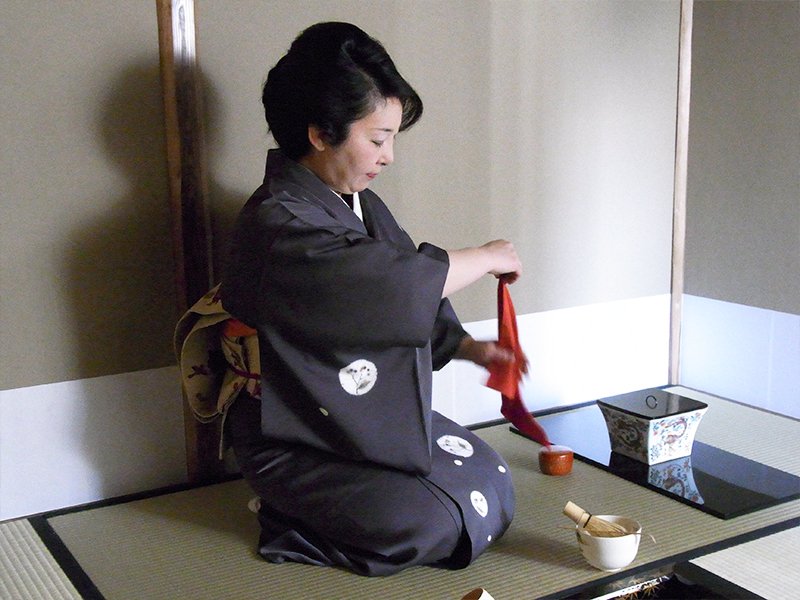
Chazen Ginza is about a one-minute walk from Higashi-Ginza Station, right next to Kabukiza Theater. Its convenient location makes it effortless to fit in a tea ceremony before or after a performance, or during intermission. The founder has more than 35 years of tea ceremony experience, and the setting is a formal four-and-a-half tatami mat room.
Sessions last approximately 45 minutes. The shared seating plan starts at ¥3,500, and guidance is available in both English and Chinese, making it accessible for international visitors.
Children aged 12 and under must be accompanied by an adult. Wheelchair access is available but requires prior confirmation with the venue. A second location in Asakusa is also available, about a three-minute walk from Asakusa Station.
Details
| Address | 5F Ginza Apollo Building, 4-12-17 Ginza, Chuo-ku, Tokyo |
| Hours | 10 am–5 pm (last session) |
| Closed | Open year-round (except New Year’s holidays) |
| Official Website | https://teaceremony-tokyo.jp/ |
| Best For | Visitors who want to combine kabuki with a tea ceremony |
Jugetsudo | Matcha Experience Surrounded by Bamboo at Kabukiza Tower
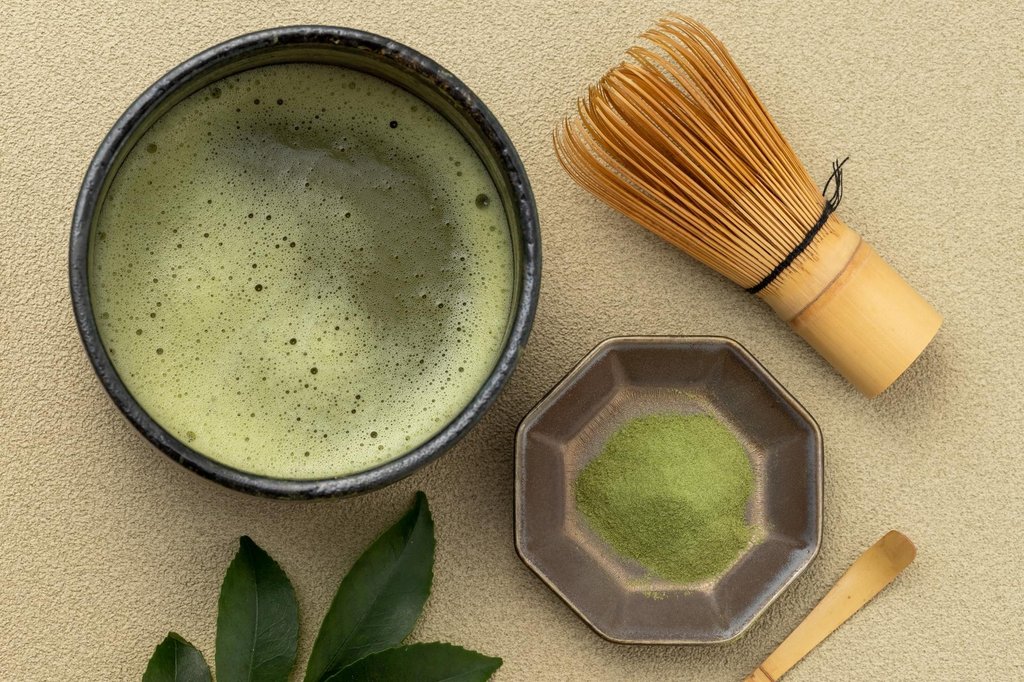
Jugetsudo is a specialty Japanese tea shop on the 5th floor of Kabukiza Tower. The interior, designed by architect Kengo Kuma, is lined with bamboo throughout and offers a quiet, composed atmosphere in central Ginza.
The workshop program includes “How to Brew Delicious Japanese Tea”, where guests learn about Japanese tea and practice brewing with traditional teaware. “Introduction to Matcha” covers the basics of matcha and tea ceremony etiquette. “A Japanese Tea Pairing Course”, featuring different teas matched with savory bites and sweets, is also popular.
All sessions are small-group format with a maximum of six participants. “How to Brew Delicious Japanese Tea” and “Introduction to Matcha” are priced at ¥3,600, while the “Japanese Tea Pairing Course” is ¥4,980. “An Introduction to Matcha with Take-Home Kit” option, which includes a matcha set to bring home, is available at ¥7,850.
Details
| Address | Kabukiza Tower 5F, 4-12-15 Ginza, Chuo-ku, Tokyo |
| Hours | 10 am–6 pm |
| Closed | Irregular |
| Official Website | https://www.maruyamanori.com/index.html |
| Best For | Visitors interested in architecture and design, or those who want great photos |
HiSUi TOKYO | Tea Ceremony and Batto at One Location
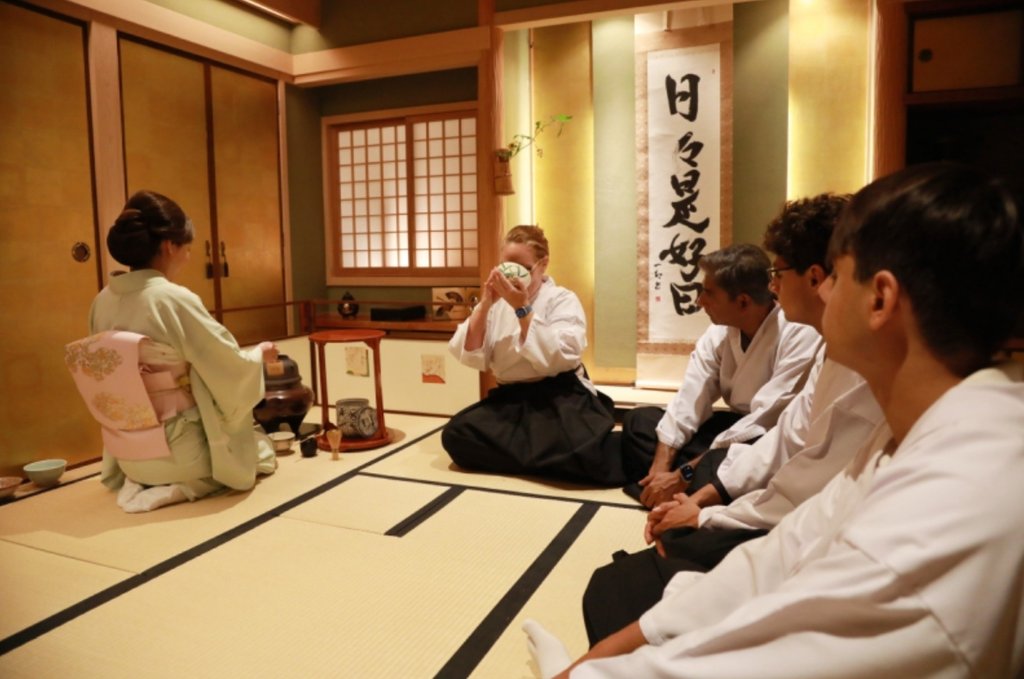
HiSUi TOKYO in Ginza 4-chome is a Japanese culture school where tea ceremony, batto (the martial art of drawing a sword and cutting a fixed target), calligraphy, and kimono dressing can all be experienced under one roof. Tea ceremony sessions are held in the school’s own tea room, and each discipline runs about 45 minutes. Tea ceremony on its own is ¥13,200, tea ceremony paired with batto is ¥30,800, and the full four-discipline plan is ¥55,000 (tax included). Groups can reserve the school privately for an additional ¥33,000; the official website carries the current price list.
English-language workshops are available, making HiSUi TOKYO accessible to international visitors. Moving from a kimono fitting and a tea ceremony to a drawn sword in the same visit is a combination few venues can offer.
Details
| Address | Koizumi Building 5F, 4-3-13 Ginza, Chuo-ku, Tokyo |
| Hours | 11 am–8:30 pm |
| Closed | Irregular |
| Official Website | https://hisui-tokyo.com/en/ |
| Best For | Visitors who want to cover multiple cultural experiences efficiently in half a day |
VaLerioLuana | Tea Ceremony and Wagashi Making Together
VaLerioLuana is a tea ceremony school in Hakusan, Bunkyo-ku. It’s located in a residential neighborhood about 15 minutes by train from Hibiya Station and a 5-minute walk from Hakusan Station.
What sets VaLerioLuana apart is its combination of wagashi making and tea ceremony within a single session. In this 60-minute course, guests first finish shaping their own wagashi before whisking matcha. Enjoying handmade sweets alongside freshly prepared matcha offers a hands-on way to experience the close connection between wagashi and tea in Japanese culture. Admission is ¥5,000 per person.
Opening hours are subject to change, so it is recommended to confirm the latest information before visiting.
Details
| Address | 2F Fill Park Hakusan Hills, 1-26-17 Hakusan, Bunkyo-ku, Tokyo |
| Hours | Tue & Wed 12 pm–6 pm, 7 pm–10 pm Fri 12 pm–6 pm, 7 pm–10 pm Sat 11 am–8 pm Sun 11 am–5 pm |
| Closed | Mondays and Thursdays |
| Official Website | https://www.valerioluana.com/top |
| Best For | Those who want to enjoy both tea ceremony and wagashi making |
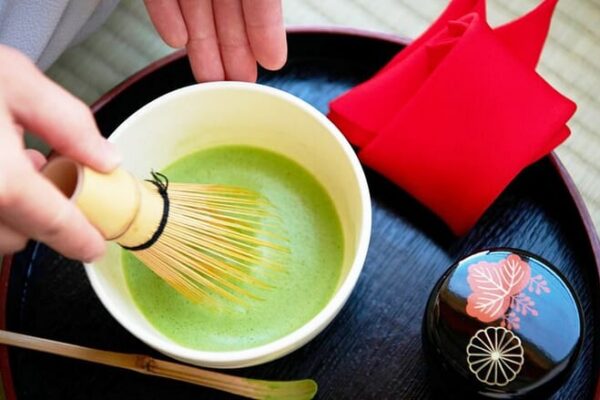
Tokyo: Tea Ceremony & Japanese Sweets Making
Experience the harmony, respect, and tranquility of tea
What to Know Before Booking a Tea Ceremony in Tokyo
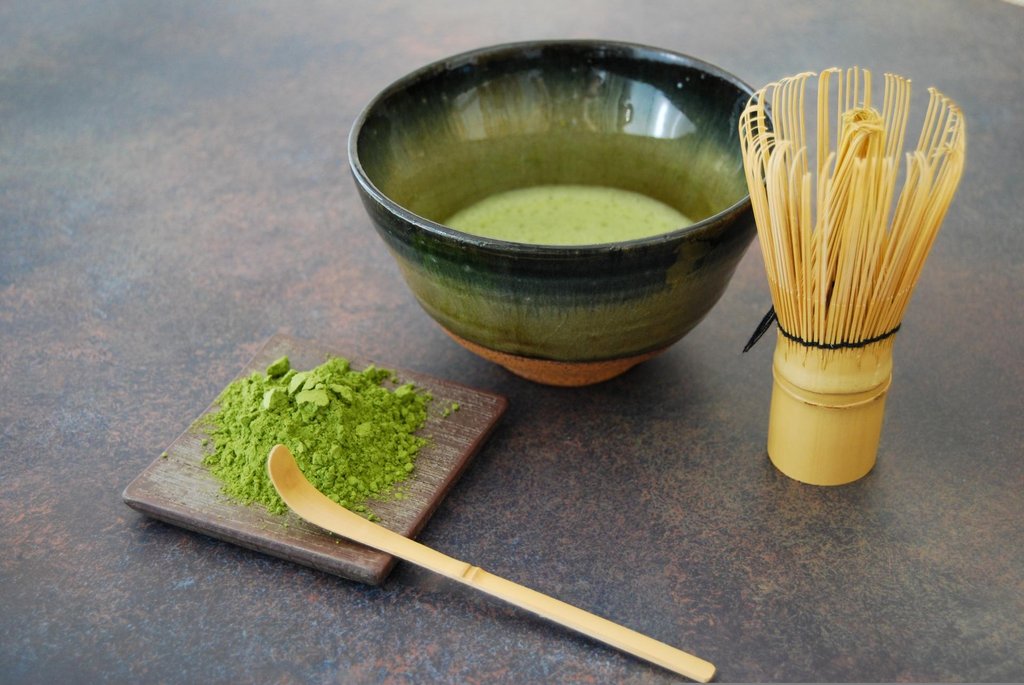
Once you’ve chosen a venue, the timing of your reservation and the plan you select can affect both the cost and your day’s schedule.
The sections below cover when to book, how pricing and cancellation terms differ by platform, and how to budget your time for a kimono plan.
Book Several Weeks Ahead for Weekends During Peak Seasons
The cherry blossom season (March–April) and the autumn foliage season (November) are the busiest times of year. Weekend slots at popular venues can fill up weeks in advance, so once you have identified a venue you want to visit, it is best to book as early as possible.
Venues like Jugetsudo, which operate on irregular schedules, require early reservations regardless of the season.
If weekends are fully booked, weekday morning slots are often easier to secure.
Booking timeline at a glance:
| Period | Recommended Lead Time (Weekends) |
|---|---|
| Cherry blossom season (March–April) | 2–3 weeks ahead |
| Autumn foliage season (November) | 2–3 weeks ahead |
| Outside peak seasons | A few days to a week ahead |
Pricing and Cancellation Policies Vary by Booking Platform
Pricing and cancellation policies vary depending on where you make your booking.
Booking directly through a venue’s official website often provides the best price, as there are no intermediary service fees. In contrast, platforms such as Viator may include additional service charges, which can increase the total cost by approximately ¥500 to ¥1,000.
However, booking through third-party platforms often offers greater flexibility. Many plans allow free cancellation up to 24 hours before the experience. By comparison, cancellation policies on official websites vary significantly from one venue to another. If your travel plans are not fixed, booking through a platform with flexible cancellation offers more peace of mind.
It is especially important to note that kimono rental plans often have stricter cancellation deadlines, so be sure to check the policy carefully before confirming your reservation.
Allow 2 Hours in Total for Kimono-Inclusive Plans
Budget around 90 minutes to 2 hours in total for a kimono-inclusive plan.
Dressing in kimono, including any hair styling, typically takes around 30 minutes, while the tea ceremony session itself lasts approximately 45 to 60 minutes. As a result, the full experience often takes longer than first expected.
If you would like time to stroll around afterward, a morning or early afternoon start (ideally before around 2 pm) is the most comfortable option.
Kimono return deadlines vary by venue but are generally set around 5–5:30 pm. Late returns may incur additional charges, so it is important to build a sufficient buffer into your sightseeing schedule.
| Plan Type | Estimated Total Duration |
|---|---|
| Kimono-inclusive plan | Approx. 90–120 min |
| Standard (no kimono) | Approx. 20–45 min |
For visitors with limited time, a standard plan can be completed in 20 to 30 minutes.
Common Questions About Tea Ceremony Experiences in Tokyo

Here are answers to the most common questions visitors ask before booking a tea ceremony in Tokyo, covering same-day availability, children, dietary restrictions, and photography rules.
Can I Book on the Same Day?
Same-day booking is sometimes possible, but not guaranteed. MAIKOYA, for example, does accept same-day reservations in some cases, while Chazen requires advance booking.
Weekend slots and peak-season dates fill up quickly, so we strongly recommend booking in advance.
- Weekday slots are more likely to have availability with a few days’ notice
- For weekends, book 2–4 weeks ahead to be safe
If your plans may change, using a booking platform with free cancellation can be a helpful backup option.
Can Children Take Part?
Children are welcome at most venues, but age requirements vary. MAIKOYA accepts guests aged 7 and above, Chazen from age 3, and Tokyo Chaan from age 5.
If you are concerned about how long a child can stay engaged, shorter, family-friendly options such as MAIKOYA’s plans are often a better fit.
Before booking, it is important to confirm:
- Age restrictions and child pricing
- Whether a guardian must be present throughout the session
- The total duration of the experience
Always check the latest information on each venue’s official website.
Can I Participate with Dietary Restrictions or Allergies?
Because matcha and wagashi are served, it is essential to declare any allergies or dietary restrictions at the time of booking. Wagashi often contain soy, wheat, and egg, and each venue handles substitutions differently.
When booking, be sure to confirm the following:
- Allergens: List any ingredients you cannot eat
- Substitutions: Ask whether suitable alternatives can be provided
- Certifications: Inquire whether the venue holds official halal or kosher certification
Many venues have English-speaking staff, so do not hesitate to contact them with any concerns before your visit.
Is Photography Allowed?
Photography is permitted at most venues, but keeping shutter sounds to a minimum during the tea-making process is considered a matter of courtesy.
MAIKOYA actively welcomes photography. In contrast, Chazen and Jidaiya prohibit video and audio recording.
Before your visit, be sure to confirm:
- Any restrictions on equipment you may bring
- Whether photos in kimono are allowed
- At which points during the session photography is permitted
The FAQ section on each venue’s official website often clearly outlines photography rules, so it is best to check in advance.
Are There Plans That Include Wagashi Making?
Wagashi-making add-ons are available, but only at a limited number of venues.
A tea ceremony school in Hakusan, Bunkyo-ku (also bookable through Japan Guide Star) focuses exclusively on tea ceremony and wagashi making, with prices starting around ¥5,000. MAIKOYA offers a combined experience that includes kimono dressing, with prices starting at around ¥12,000.
| Comparison | Japan Guide Star | MAIKOYA |
|---|---|---|
| Approximate Price | Around ¥4,000 | Around ¥12,000 |
| Duration | Approx. 45–60 min | Approx. 2 hours |
| Kimono Dressing | Not included | Included |
| Wagashi Making | Included | Included |
Choose based on your priorities. Both options are also bookable through reservation platforms.
Tokyo: Tea Ceremony & Japanese Sweets Making
Experience the harmony, respect, and tranquility of tea
Making the Most of Tea Ceremony in Tokyo
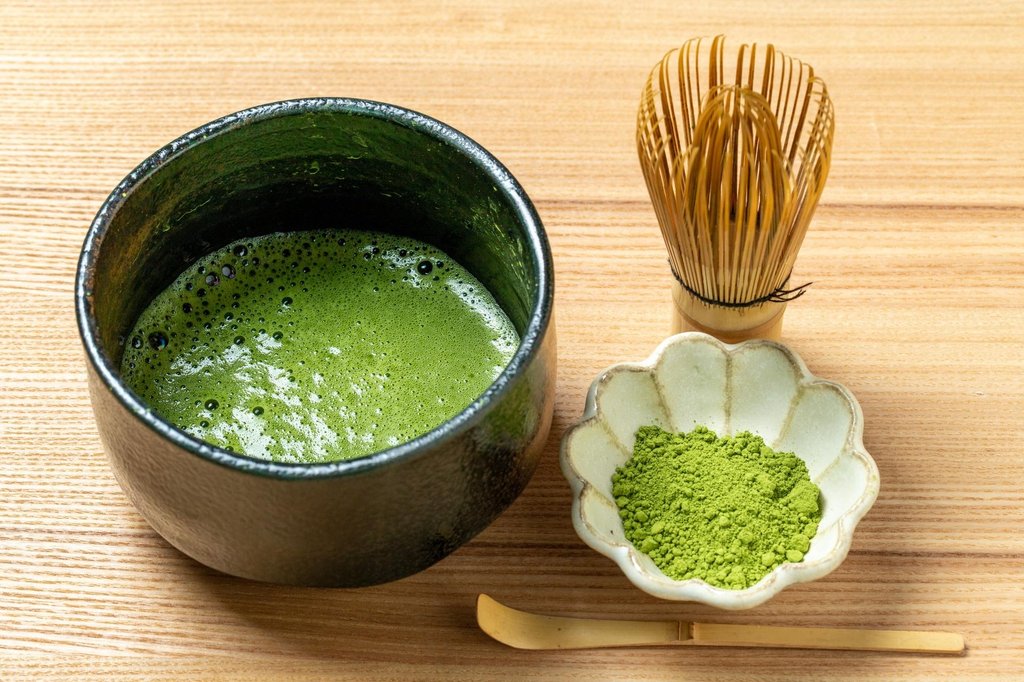
Tea ceremony venues in Tokyo are concentrated in Asakusa, Shibuya, and Ginza, and are well equipped to welcome international visitors. English-language sessions are widely available, and no prior knowledge of etiquette is required.
When choosing a venue, consider your location, budget, and whether you would like a kimono package. It is also advisable to book early to secure your preferred date.
Once there, settle into the quiet ritual and allow a bowl of matcha to become one of the highlights of your time in Tokyo.