Ginza is known as Tokyo’s elegant, upscale district, and the neighborhood hosts kabuki, kintsugi workshops, well-known restaurants, and a wide variety of other attractions.
In this article you’ll find fourteen carefully selected activities with three things in common: culture, food, and walking. We’ll also provide you with some model itineraries so that even first-time visitors can plan a smooth trip with this guide.
What Makes Ginza One of Tokyo’s Most Refined Districts
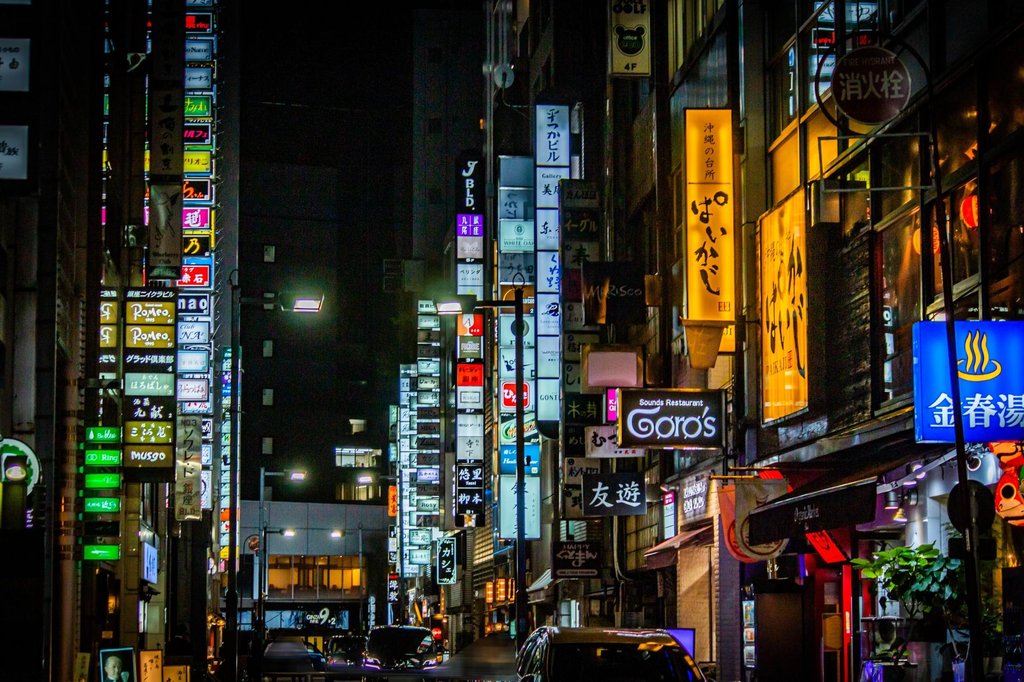
Ginza often feels intimidating to first-time visitors, but it’s actually a welcoming area with plenty of cultural experiences, dining options, and free attractions.
The four topics below will help you find a way to enjoy Ginza that fits your style.
A Shopping District Home to Global Brands
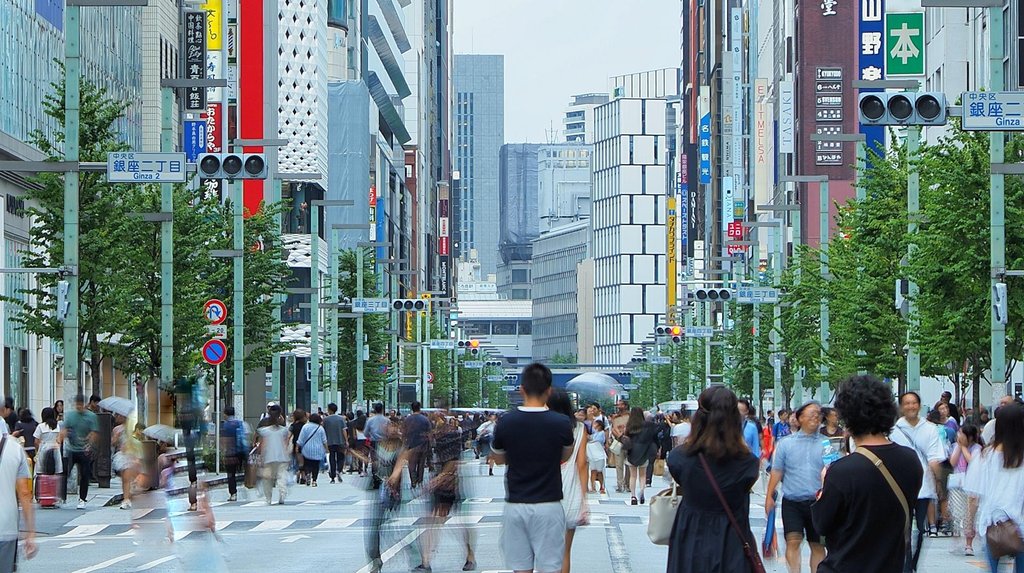
Flagship stores from well-known global companies line Ginza’s Chuo-dori, and many of the buildings themselves stand out as works of architectural art. You’ll also find department stores such as GINZA SIX, Ginza Mitsukoshi, and Matsuya Ginza, which carry a wide range of Japanese and international brands.
Here are a few practical tips for international travelers:
- Tax-free shopping: Most stores have tax-free counters and can process refunds if you show your passport.
- Multilingual support: Many stores employ staff who speak English or Chinese.
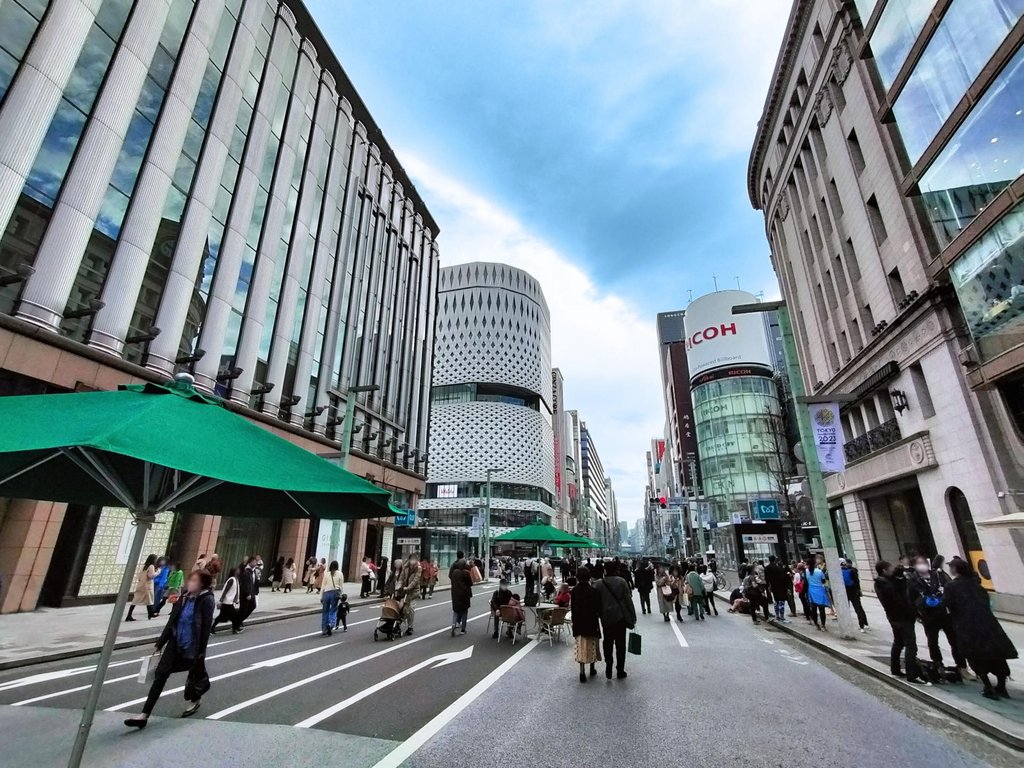
- Best times to visit: Weekday mornings are quiet, and on weekends and holidays from noon to 5 pm Chuo-dori transforms into a pedestrian paradise for easy strolling.
Credit cards are accepted at nearly every shop, so you’ll need only a small amount of cash on your person.
Cultural Experiences and Dining Within Walking Distance
You’ll find culture and cuisine packed into a compact area within a 10-minute walk of central Ginza. The Kabukiza Theatre is about a 5-minute walk from Ginza Station, and free art exhibitions and hands-on workshops are scattered about nearby.
Dining options are just as varied:
- Indulge in sushi and tempura at well-known restaurants
- Soak up the atmosphere at a Japanese pub-style restaurant (izakaya) under the Yurakucho railway arches
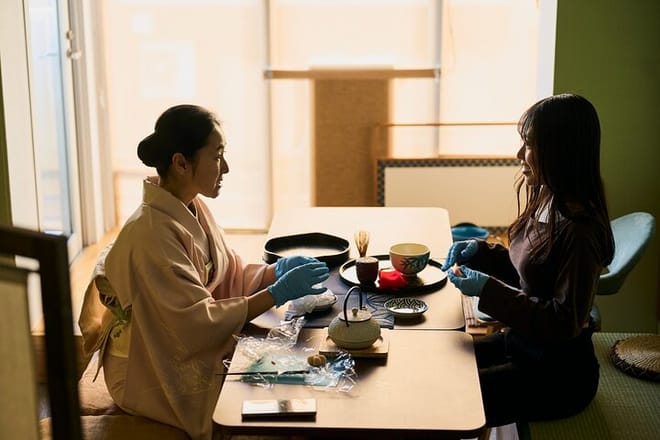
- Enjoy Japanese tea and sweets (wagashi) at a traditional Japanese tearoom
Tsukiji Market and the Imperial Palace Gardens are also within walking distance, so you can comfortably visit several areas near Ginza in just half a day. For travelers with limited time, this is a real advantage.
Easy Access From Major Stations
Ginza Station is served by three Tokyo Metro lines (the Ginza Line, Marunouchi Line, and Hibiya Line), making it easy to reach from anywhere in central Tokyo. From Tokyo Station, the Marunouchi Line takes about 2 minutes, while walking takes around 15 minutes. Yurakucho Station and Shimbashi Station are also within walking distance.
With an IC card (Suica or PASMO), you can simply tap in and out at the ticket gates. Ticket machines have English language support, too, so buying and topping up cards is straightforward. You can even use the cards for shopping as well.
For access to Chuo-dori, use Exits A9 or A13 from Ginza Station. For the Kabukiza Theatre area, use Exit A7.
A District That Changes With the Seasons
Ginza shows a different face in each season. In spring, the cherry trees at the GINZA SIX rooftop garden burst into bloom. In summer, the weekend pedestrian paradise is extended until 6 pm. Autumn brings frequent fairs featuring regional goods at the department stores, and winter sees the streets lit up with Christmas lights.
Here’s some tips to keep in mind for each season:
| Season | Clothing & Essentials | Recommended Times |
|---|---|---|
| Spring (Mar–May) | Light clothing + a thin layer | Weekends noon to 5 pm to enjoy the pedestrian paradise |
| Summer (Jun–Aug) | Hat, sunscreen, drinks | Due to summer heat, mornings or after 4 pm are more comfortable |
| Autumn (Sep–Nov) | Light clothing + cardigan | All day |
| Winter (Dec–Feb) | Warm coat, gloves | Evenings for the Christmas lights |
The pedestrian paradise runs from noon to 6 pm from April to September, and from noon to 5 pm from October to March. Check each venue’s official website for event and Christmas illumination schedules.
Five Cultural Experiences to Enjoy in Ginza
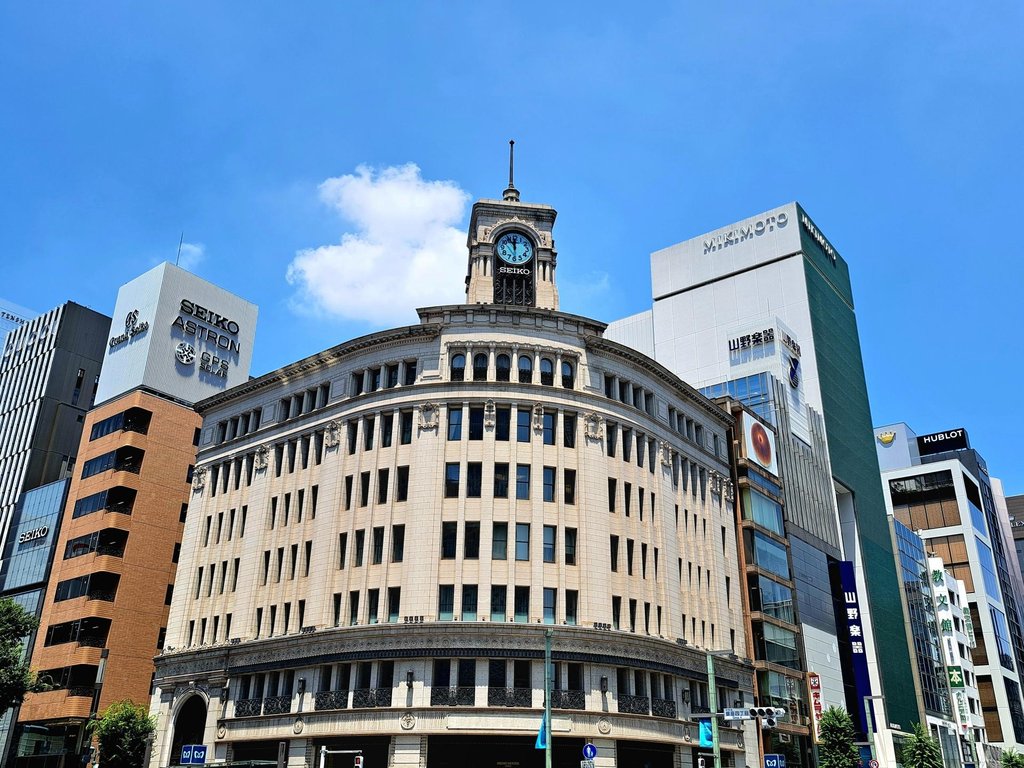
Ginza is full of places where you can experience Japanese culture firsthand, including theater, art, and traditional crafts. Below are five cultural experiences unique to Ginza. Choose one that fits your schedule and budget, then refer to the listed times and prices to help you decide when to visit.
Watch Kabuki at the Kabukiza Theatre
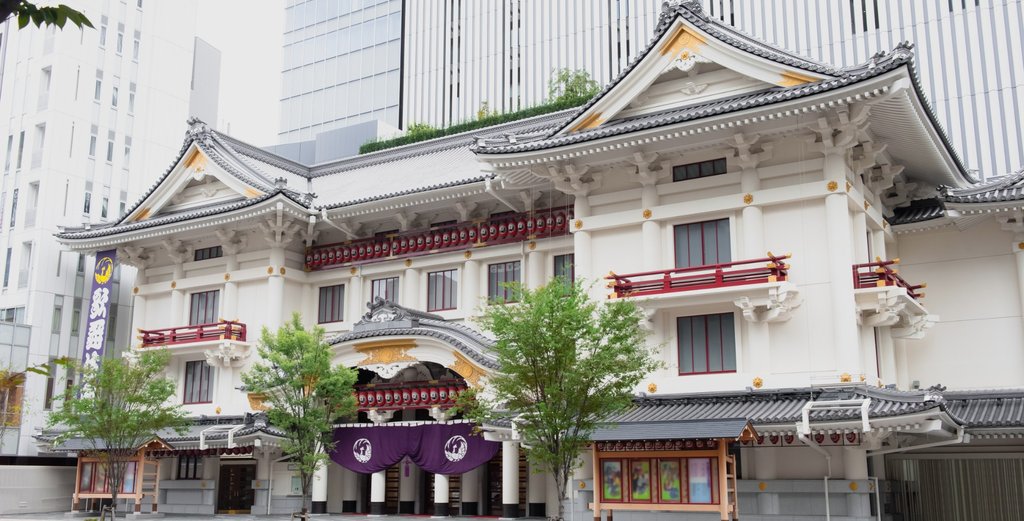
The Kabukiza Theatre, directly connected to Higashi-Ginza Station, is easy to drop into while exploring the area. With seats available for single-acts, you can enjoy a kabuki performance in just 30 minutes to an hour.
- Single-act seats: Same-day tickets for a single act, generally ¥1,000–¥2,000
- Full-program seats: Watch the entire performance over several hours. First-class seats are priced at around ¥18,000 and second-class seats cost about ¥14,000
General seats cost ¥1,500 and 4th-floor single-act seats cost ¥500 (cash only). English subtitles are also available on tablets. You can also immerse yourself in the world of kabuki at the basement-level Kobikicho Hiroba shopping area or the 5th-floor gallery before or after the performance.
Details
| Address | 4-12-15 Ginza, Chuo-ku, Tokyo |
| Hours | Vary by performance |
| Closed | Varies based on performance schedule |
| Official site | https://www.kabuki-za.co.jp/ |
| Recommended for | Visitors who want to experience traditional Japanese theater in a short time |
See Contemporary Art at Shiseido Gallery for Free
Opened in 1919, Shiseido Gallery is one of the oldest art galleries in Japan. In a wide-open space with 5-meter (16-foot) ceilings, you can enjoy contemporary art exhibitions free of charge. Exhibitions are rotated regularly, so check the official website for the latest information before visiting.
Shiseido Gallery also makes a great starting point for a 2–3 hour art walk that includes other nearby galleries:
- Shiseido Gallery → POLA Museum Annex → Gucci Ginza Gallery, and more
- Check each venue’s hours and regular closings in advance
Details
| Address | B1F, Tokyo Ginza Shiseido Building, 8-8-3 Ginza, Chuo-ku, Tokyo |
| Hours | 11 am–7 pm (Sundays and holidays until 6 pm) |
| Closed | Mondays |
| Official site | https://gallery.shiseido.com/ |
| Recommended for | Visitors who want to see some serious art on a modest budget |
Try Kintsugi at Maison Kintsugi
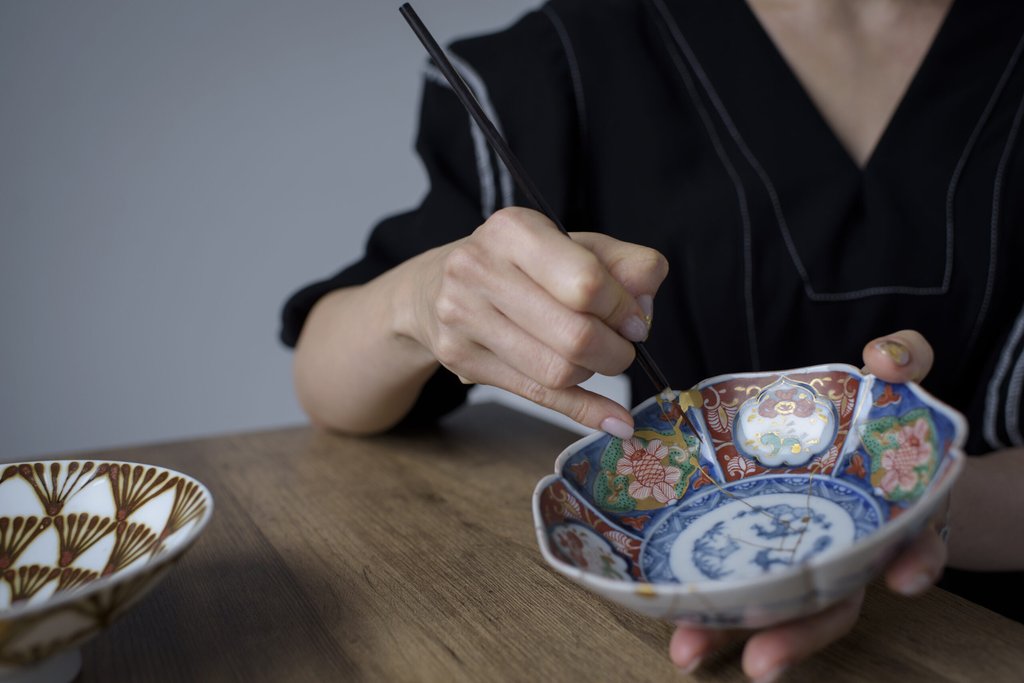
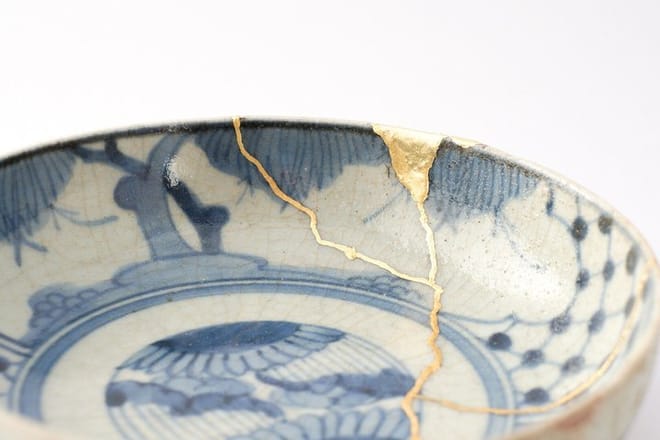
Kintsugi is a traditional technique that involves repairing broken pottery with lacquer and gold, treating the scars as marks of beauty rather than hiding them. The philosophy behind kintsugi is tied to the Japanese aesthetic of wabi-sabi: finding beauty in imperfection.
At Maison Kintsugi, you can try kintsugi yourself using real lacquer and gold powder. In a workshop of about 90 minutes, you’ll learn the full process and take your finished piece home with you. All tools are provided, and Maison Kintsugi is only about a 1-minute walk from Ginza-itchome Station. Reservations are available through the official website.
Details
| Address | 4F, Ginza 2112 Building, 2-11-2 Ginza, Chuo-ku, Tokyo |
| Hours | Mon–Fri 12 pm–9 pm/Sat, Sun, and holidays 10 am–7 pm |
| Closed | Varies |
| Official site | https://maison-kintsugi-ginza.com/ |
| Recommended for | Visitors who want get hands-on with Japanese culture |
Make Your Own Chopsticks at Chopsticks Studio Ginza
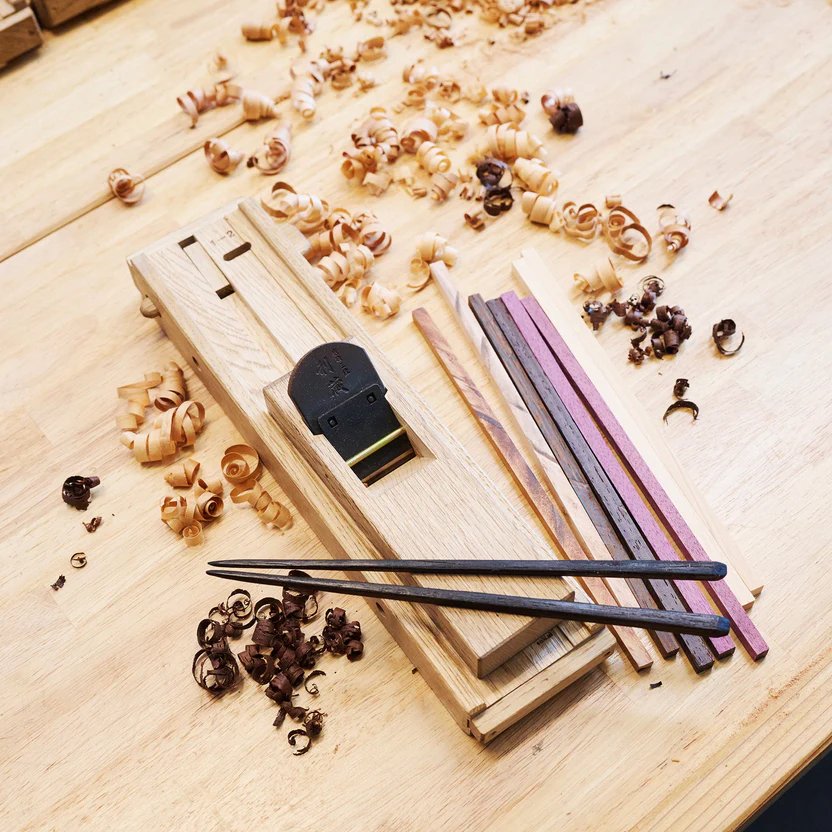
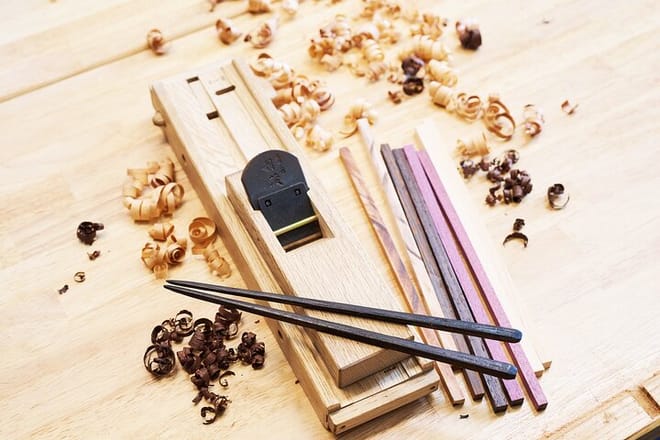
At Chopsticks Studio Ginza, you can choose a piece of wood and shape it with a kanna (Japanese hand plane) to make your own chopsticks.
The workshop takes about 60 minutes to complete. During this time, you’ll shave, polish, and add your name to your one-of-a-kind chopsticks, and they’ll be ready to use the same day. Knowledgeable English-speaking staff are on hand, so you can also learn about Japanese food culture and chopstick etiquette as you work.
Children can join in too, making Chopsticks Studio Ginza a great option for families.
Details
| Address | 2F, Kusumoto Dai-17 Building, 1-14-12 Ginza, Chuo-ku, Tokyo |
| Hours | 9 am–6 pm (check the official site for the latest reception times) |
| Closed | Open year-round |
| Official site | https://japanguidestar.com/tour/tokyo-ginza-chopstick-making-workshop/ |
| Recommended for | Families and international visitors who want a hands-on cultural experience |

Tokyo Chopstick Making Workshop in Ginza
Rent a Kimono at wargo Ginza
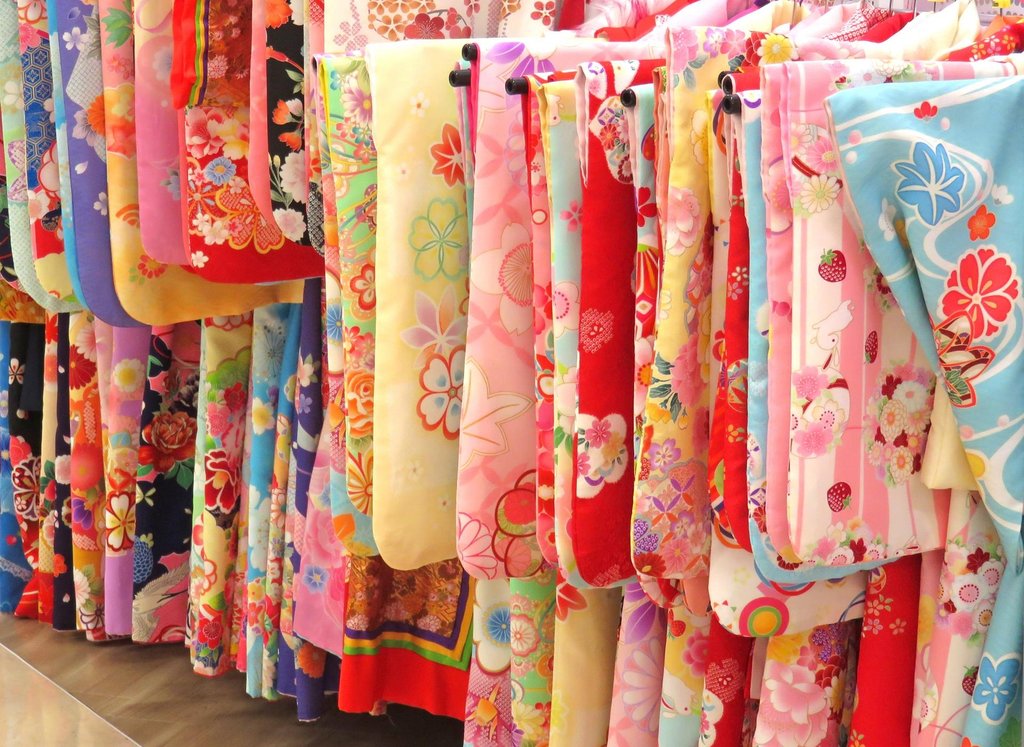
At wargo Ginza, you can rent a full kimono set starting at just ¥3,300, with dressing assistance included. They also accept same-day reservations.
Once you’re dressed up, take a stroll through Ginza. With the SEIKO HOUSE GINZA clock tower or one of the many modern buildings as your backdrop, you can capture refined and polished photos.
Details
| Address | 3F, Asahi Building, 6-12-10 Ginza, Chuo-ku, Tokyo |
| Hours | 10 am–6 pm (last reception for dressing is at 4:30 pm) |
| Closed | Varies |
| Official site | https://kyotokimonorental.com/shop/22 |
| Recommended for | Couples and visitors who love photogenic experiences |
Five Foods to Try in Ginza
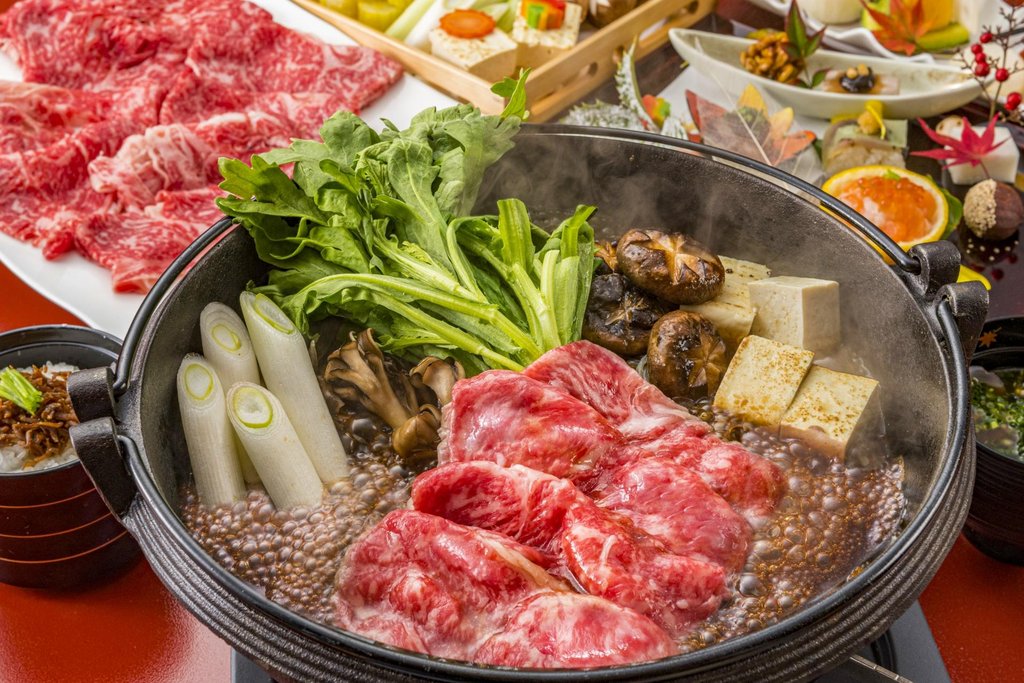
Ginza is one of Japan’s premier dining destinations. The five categories below cover a range of budgets and time commitments, including authentic sushi, a historic beer hall, popular sweet bean buns, department store gifts, and special wagyu beef dinners. Reservation requirements and price ranges are also listed for each venue.
Savor Sushi at Sushi Ginza Onodera
At Sushi Ginza Onodera, you can savor Edo-style sushi prepared right in front of you by skilled hands at the counter. The chefs explain the origin and characteristics of each fish used, and the relaxed counter atmosphere makes it easy to ask about dining etiquette. If you’d prefer service in English, be sure to mention that when making your reservation.
For a shorter visit, the standing-style restaurant Tachigui-zushi Onodera Toryumon does not require reservations.
Details
| Sushi Ginza Onodera | Tachigui-zushi Onodera Toryumon | |
|---|---|---|
| Style | Seated counter/meal courses | Eat while standing/order sushi by the piece |
| Budget | From ¥15,000 | About ¥5,000–¥8,000 |
| Reservations | Required | Not required |
| Address | B1F & 2F, Sunlight Ginza Building III, 5-14-14 Ginza, Chuo-ku, Tokyo | 1F, Ginza USB, 5-14-17 Ginza, Chuo-ku, Tokyo |
| Recommended for | Visitors seeking a special dining experience | Visitors who want a relaxed taste of expertly prepared sushi |
Enjoy Beer at Beer Hall Lion Ginza Nanachome

Opened in 1934, this is Japan’s oldest beer hall and is itself a registered tangible cultural property. Mosaic murals and stained-glass decorations create a stately atmosphere at Lion Ginza. Their signature drink is Sapporo draft beer poured using the traditional one-pour technique, which produces a clean, smooth finish.
The first-floor beer hall doesn’t take reservations—so you can drop in as you like—and lunch dishes start at the reasonable price of ¥1,300.
Details
| Address | 1F, Ginza Lion Building, 7-9-20 Ginza, Chuo-ku, Tokyo |
| Hours | 11:30 am–10 pm (until 10:30 pm on Fridays, Saturdays, and the day before a public holiday) |
| Closed | Open year-round |
| Official site | https://www.ginzalion.jp/ |
| Recommended for | Visitors who want a reasonably priced meal in a historic setting |
Taste the Original Anpan at Kimuraya Sohonten
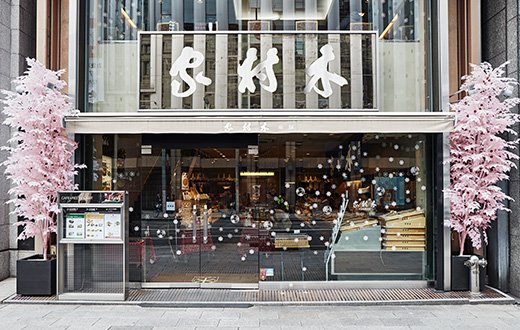
For just a few hundred yen, you can taste a piece of Japan’s bread history in Ginza. Founded in 1869, Kimuraya Sohonten is the birthplace of anpan, a sweet bean bread beloved by many Japanese people. In 1874, the shop invented anpan made with a sake yeast starter, and the following year it was presented to Emperor Meiji.
Buying and biting into a bun whose recipe has been passed down for more than 150 years turns a casual walk into a journey through Japan’s food culture.
Details
| Address | 1F, Kimuraya Sohonten Ginza Main Store, 4-5-7 Ginza, Chuo-ku, Tokyo |
| Hours | 10 am–8 pm |
| Closed | Open year-round (except December 31 and January 1) |
| Official site | https://www.ginzakimuraya.jp/ |
| Recommended for | Visitors who want to enjoy food culture on a modest budget |
Choose Souvenirs at Ginza Mitsukoshi
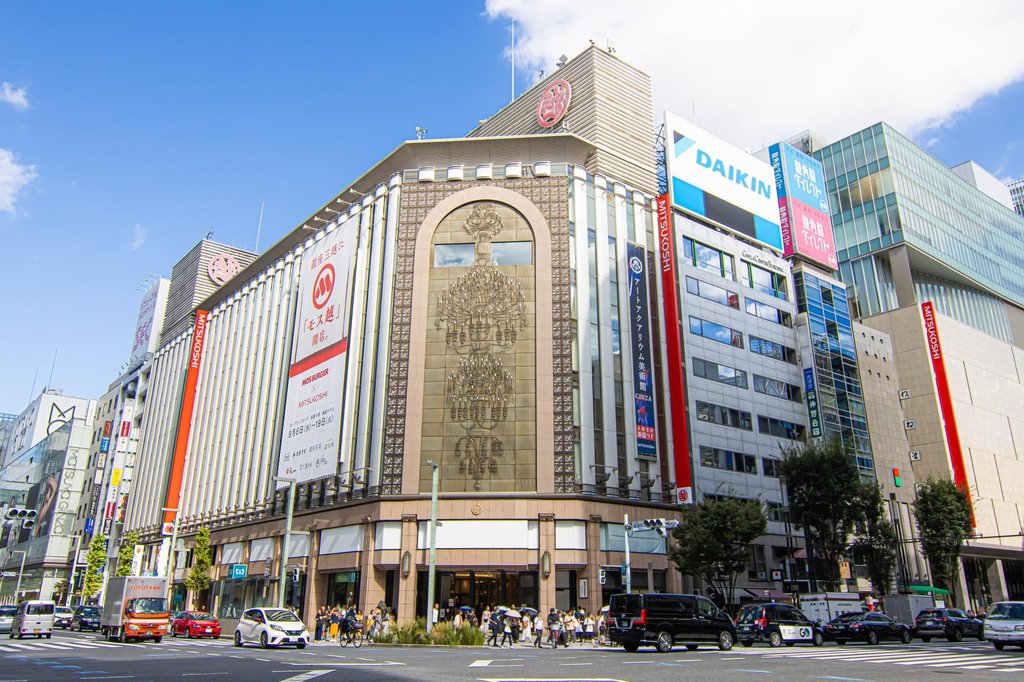
In the basement of Ginza Mitsukoshi is the Ginza Food Garden (located on B2F). It’s the ideal place to pick up edible souvenirs, and Japanese sweets shaped like seasonal flowers and fruits are beautiful enough to enjoy just by looking at them.
Visitors typically spend between ¥1,000 to ¥5,000 here, and the floor carries many exclusive brands:
- Ginza Kanoko: A famous brand with its only physical shop located here
- Mariette: Offers a limited-edition Dutch apple tart
- Frédéric Cassel: Known for an assortment of canned baked sweets
You can also build your own assortment of baked goods and have them boxed and gift-wrapped.
Details
| Address | B2F, Main Building, Ginza Mitsukoshi, 4-6-16 Ginza, Chuo-ku, Tokyo |
| Hours | 10 am–8 pm |
| Closed | Varies (same schedule as Ginza Mitsukoshi) |
| Official site | https://www.mistore.jp/store/ginza.html |
| Recommended for | Visitors who want to buy Japanese souvenirs in one stop |
End the Day With a Wagyu Beef Dinner in Ginza
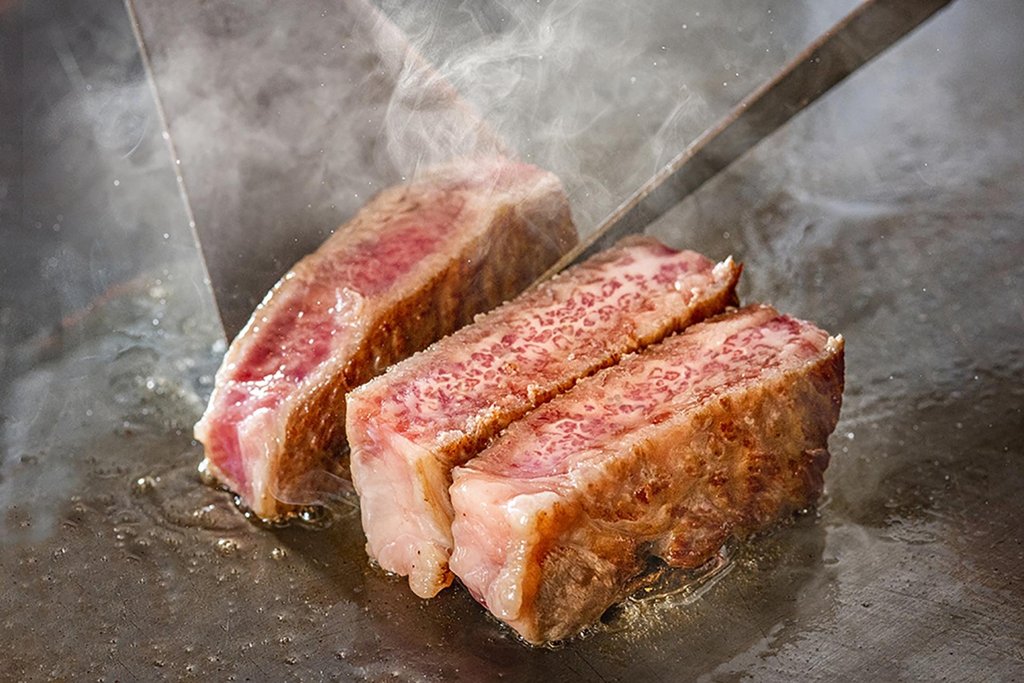
A wagyu beef dinner makes a fitting end to a day in Ginza. At Ginza Ukai-tei, a chef grills Japanese black beef steak on an iron griddle right in front of you, with artisan techniques on full display. If you’d rather set your own pace, sukiyaki or yakiniku (Japanese barbeque) are also great choices. Ginza Rangetsu serves A5-grade Japanese black beef in a calm, traditional setting.
| Style | Price | Key Features |
|---|---|---|
| Teppanyaki | ¥15,000–¥20,000 | A chef cooks in front of you; a special-occasion feel |
| Sukiyaki | ¥8,000–¥15,000 | Traditional Japanese style dish with a savory-sweet broth |
| Yakiniku | ¥10,000–¥18,000 | Grill it yourself; fun for tasting different cuts of meat |
We strongly recommend making a reservation for any of these venues. Be sure to confirm whether an English menu is available, as well.
Four Places to Visit in Ginza and How to Enjoy Them
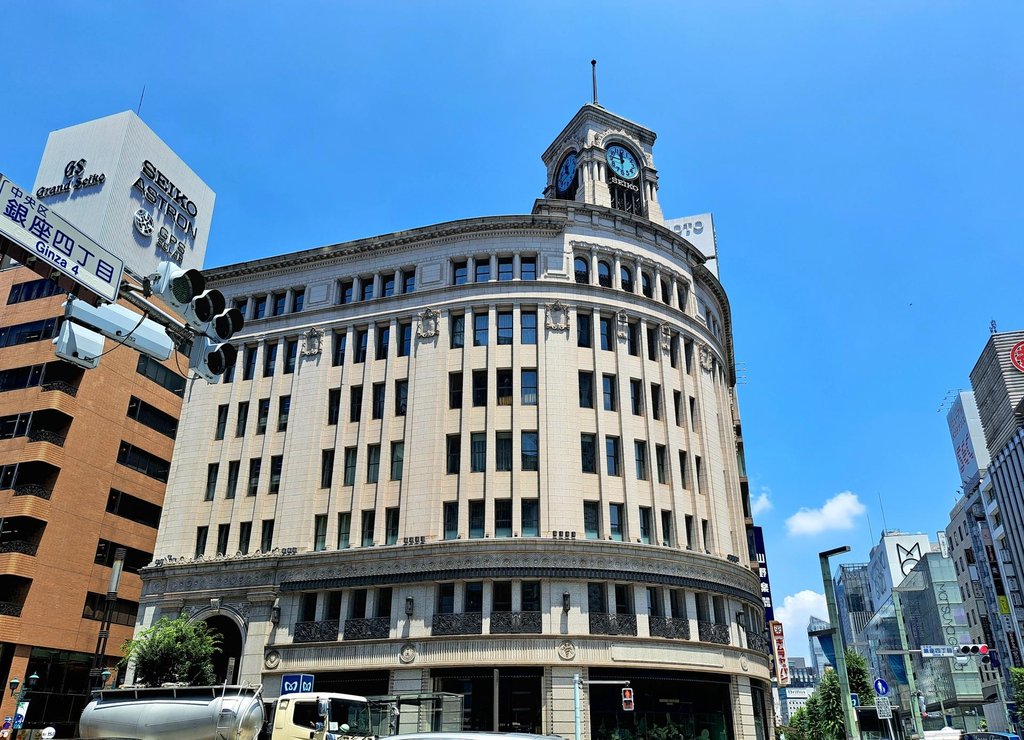
Once you’ve enjoyed Ginza’s food, it’s time to take in the neighborhood itself. The four spots below include a historic clock tower, a weekend pedestrian paradise, a rooftop garden with sweeping views, and more.
All are within walking distance, making them easy to combine into an efficient sightseeing plan. Use them as a reference during your stroll.
Admire the SEIKO HOUSE GINZA Clock Tower
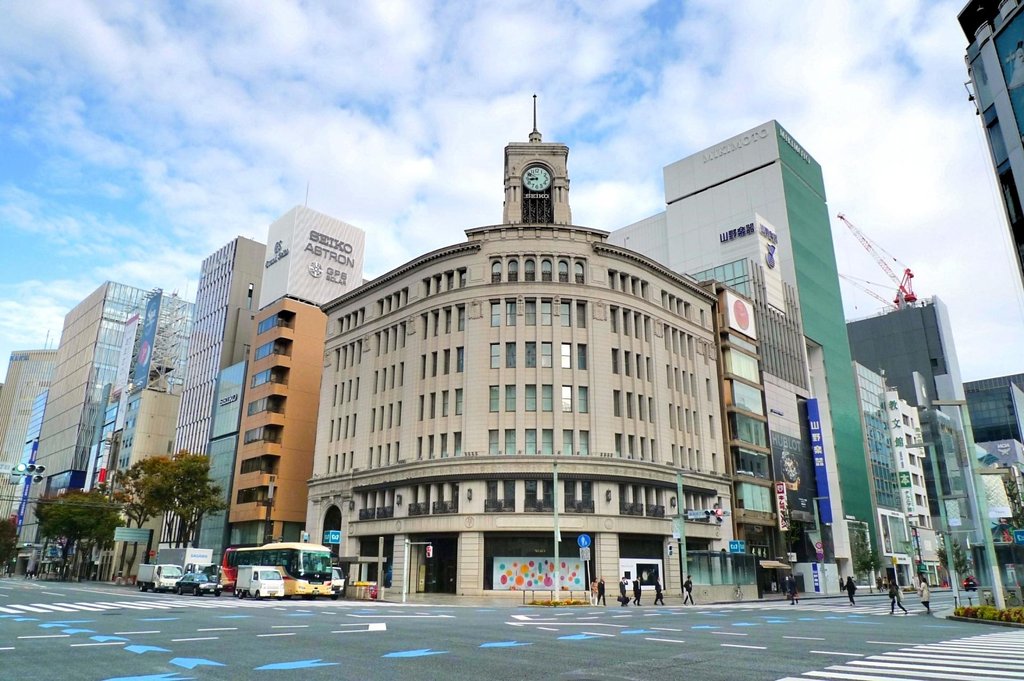
Standing at the Ginza Yonchome crossing, SEIKO HOUSE GINZA is a Neo-Renaissance-style building that was completed in 1932. Every hour on the hour, the Westminster chimes ring out across the intersection. Arrive at the crossing about 5 minutes before the hour, and you can take in the chimes along with the rhythm of Ginza.
Floors 1 to 4 house the Wako main store, so step inside to extend the moment even after the chimes fade.
Details
| Address | 4-5-11 Ginza, Chuo-ku, Tokyo |
| Hours | 10:30 am–7 pm (Wako main store) |
| Closed | Open year-round (except New Year’s holidays) |
| Official site | https://www.seiko.co.jp/en/seiko_house_ginza/ |
| Recommended for | Visitors who want to experience Ginza’s history with all their senses |
Walk Ginza Chuo-dori During the Weekend Pedestrian Paradise
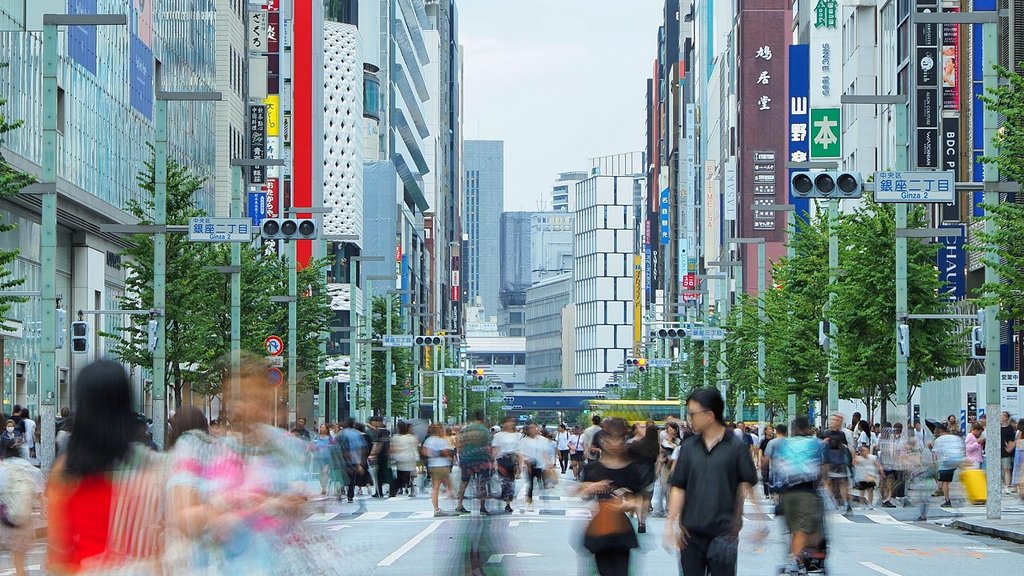
On Saturdays, Sundays, and holidays, about 1.1 km (0.7 miles) of Ginza Chuo-dori halts all car traffic and becomes a pedestrian paradise.
| Season | Hours |
|---|---|
| April–September (summer) | 12 pm–6 pm |
| October–March (winter) | 12 pm–5 pm |
The start is announced by the Wako clock tower chimes. The pedestrian paradise is sometimes canceled due to bad weather, so if the forecast is uncertain on the day you visit, you can call the Tsukiji Police Station to confirm.
For photos, just after noon is best, when crowds are thinner. After dusk the street is lit up, offering a very different mood from daytime.
Take In the View From the GINZA SIX Rooftop Garden
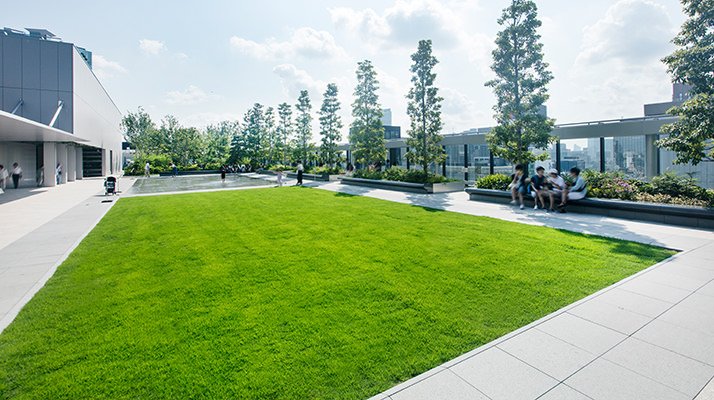
The rooftop garden on the 13th floor of GINZA SIX is free to enter and easy to drop into. The view takes in Ginza’s skyline and Tokyo Tower. With lawns and water features in the layout, the garden offers a calm pause that feels far removed from the city center. In the main atrium below, GINZA SIX rotates large-scale art installations regularly.
A stay of 15 to 30 minutes is plenty to enjoy the GINZA SIX rooftop garden.
Details
| Address | Rooftop, GINZA SIX, 6-10-1 Ginza, Chuo-ku, Tokyo |
| Hours | Shops 10:30 am–8:30 pm Restaurants 11 am–11 pm |
| Closed | Varies |
| Official site | https://ginza6.tokyo/ |
| Recommended for | Visitors who want to enjoy the view for free |
Explore the Stationery Building at Itoya
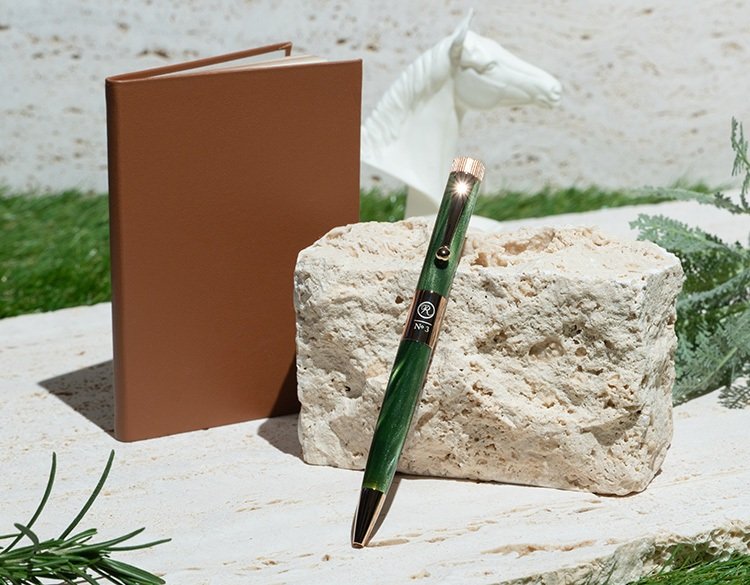
Founded in 1904, Itoya is a specialty store that fills an entire building with stationery. Across twelve floors, you’ll find themed sections for fountain pens, cards, notebooks, and more. You can try out writing instruments and use the on-site engraving service. At the original notebook corner, you can even combine covers and refills to build a one-of-a-kind notebook.
High-quality Japanese stationery makes for a practical and memorable souvenir.
Details
| Address | 2-7-15 Ginza, Chuo-ku, Tokyo |
| Hours | Weekdays 10 am–8 pm/Sundays and holidays 10 am–7 pm |
| Closed | Varies (check the official site) |
| Official site | https://www.ito-ya.co.jp/ |
| Recommended for | Visitors looking for distinctively Japanese souvenirs |
Suggested Itineraries for Ginza Sorted by Duration and Theme
The five suggested itineraries below cover different time frames and interests, helping you make the most of Ginza’s main attractions.
Half-day food and culture courses, a full-day plan, an Imperial Palace walking route, and a rainy-day option are all included. Pick the one that fits your style and avoid any unnecessary back-and-forth.
Half-Day Food Course: From Tsukiji Market to Lunch in Ginza
This roughly 2.5-hour course starts at Tsukiji Market at 8 am and wraps up with souvenir shopping in Ginza.
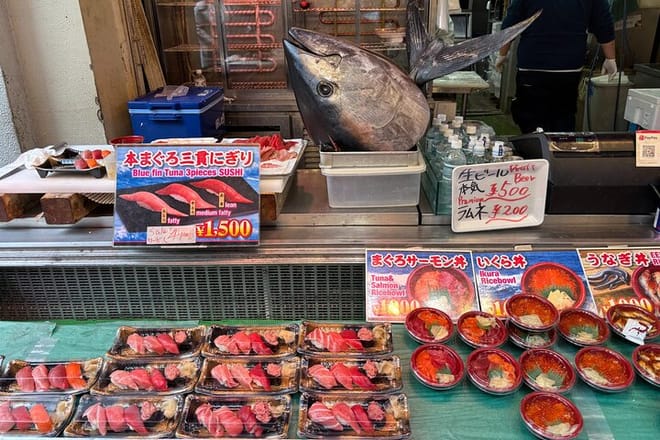
At Tsukiji, try the tamagoyaki (Japanese rolled omelet) at Yamacho. Comparing it with Marutake’s version—or stopping for the offal stew at Kitsuneya—is another great way to round out the morning. The shops here are clustered together, so you can comfortably explore the area in about 2 hours. From there, walk along Harumi-dori toward Ginza. Pick up a sweet bean bun at Kimuraya Sohonten and a final souvenir at Ginza Mitsukoshi, and the course is complete.
English-guided tours are also available.
- Total time: about 2 hours and 30 minutes, centered on food
- Booking: through the Tsukiji Outer Market official website
- Suitable for first-time visitors
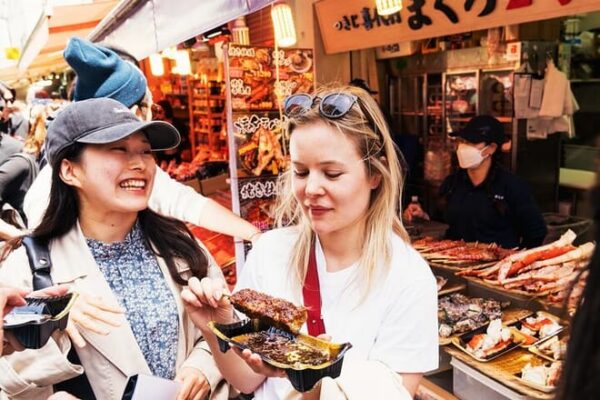
Tsukiji Fish Market Food & Walking Tour with 7 Gourmet Bites
Half-Day Culture Course: From Kabukiza Theatre to Chopstick Making
This roughly 4-hour course combines the Kabukiza Theatre with gallery hopping and a chopstick-making workshop.
The tour starts at 10 am at Kobikicho Hiroba in the basement of the Kabukiza Theatre. The area is lined with souvenir and snack stands, and the 5th-floor gallery lets you see kabuki costumes up close. After 11 am, head to free art galleries like Shiseido Gallery and POLA Museum Annex. In the afternoon, craft your own pair of chopsticks at a chopstick-making workshop (check booking details on the official site in advance).
Tokyo Chopstick Making Workshop in Ginza
Full-Day Course: From Tsukiji to the Yurakucho Railway Arches
This itinerary involves a full day on foot in Ginza, from morning at Tsukiji Market to evening at the Yurakucho railway arches.
8 am: Have tamagoyaki and other street snacks for breakfast at Tsukiji Market.
10 am: Move to Ginza Chuo-dori and head toward the SEIKO HOUSE GINZA clock tower. Pick up some treats at Kimuraya Sohonten along the way.
12 pm–3 pm: On weekends, enjoy the pedestrian paradise. On weekdays, gallery hopping is a great alternative.
3 pm–4:30 pm: Join a chopstick-making or kintsugi workshop (advance reservations are required).
5 pm: Head to the izakaya under the Yurakucho railway arches to soak in the local mood. After dinner, take a final stroll through Ginza and enjoy the strings of lights.
Ginza + Imperial Palace Course: From Historic Buildings to the Outer Gardens
A thoughtful loop from Ginza’s historic buildings to the Imperial Palace Outer Gardens.
10 am: Start at SEIKO HOUSE GINZA at the Ginza Yonchome crossing. From there, walk to the Ginza Lion Building, Japan’s oldest beer hall, and admire its stately architecture. Also look for the monument marking the birthplace of Ginza.
11:30 am: Walk toward Yurakucho and arrive at the Imperial Palace Outer Gardens. Take in views of Nijubashi Bridge and the statue of Kusunoki Masashige as you stroll.
To explore further, a free public tour of the Imperial Palace run by the Imperial Household Agency is a great choice. Just remember to book in advance through the official website.
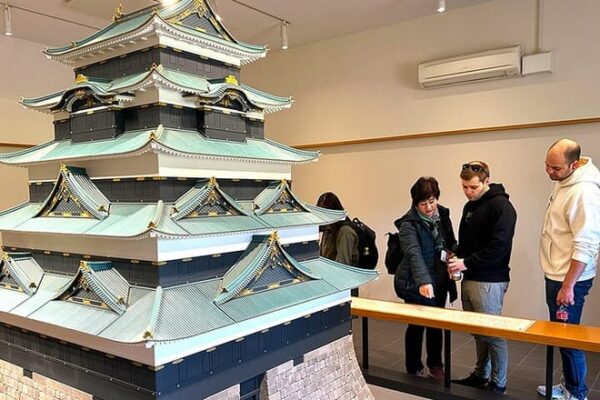
Tokyo Castle & Imperial PalaceーShogun Walking Tour
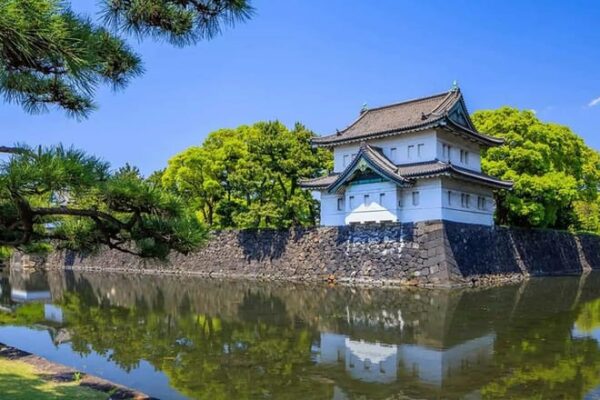
Tokyo Station and Imperial Palace 1 Hour Guided Tour
Rainy-Day Course: Mostly Indoor Spots
Make use of underground passageways to enjoy Ginza without getting wet on a rainy day.
| Time | Spot | Notes |
|---|---|---|
| 10 am | Kabukiza Gallery | Direct access from Higashi-Ginza Station |
| 11 am | Shiseido Gallery, etc. | Some aboveground walking (about 5 minutes) |
| 12 pm | Kimuraya Sohonten | Takeout in about 10 minutes |
| 1 pm | Workshop | Advance booking required; about 90 minutes long |
| 3 pm | Ginza Mitsukoshi | Direct access from Ginza Station |
If rain is in the forecast, book your workshop and other cultural activities early. Ginza Mitsukoshi connects directly to the station underground, making the trip smooth. Crowds aren’t as big on rainy days, so you can take your time.
Turn the weather to your advantage and enjoy a side of Ginza you can only see indoors.
Common Questions About Visiting Ginza
Here are common questions about how long to spend in Ginza, admission-free venues, English-language availability, and more. Scroll through this section to clear up any lingering questions before you go.
How Much Time Do I Need to Explore Ginza?
What you can enjoy depends on how long you stay:
| Time in Ginza | What You Can Enjoy | Number of Spots |
|---|---|---|
| About 1 hour | A walk along Chuo-dori looking at the buildings | 2–3 |
| 3–4 hours | Kabukiza Theatre + art galleries + department store | 4–5 |
| Full day | Tsukiji Market + cultural experiences + shopping + dinner | 7 or more |
Even 1 hour is enough to soak in the atmosphere of Ginza, and a full day allows you time to go for a food walk in Tsukiji Market and dinner in the evening. The Chuo-dori pedestrian paradise runs from 12 pm to 5 pm on Saturdays, Sundays, and holidays (until 6 pm in summer). Note that many shops in Tsukiji Market are closed on Wednesdays.
Are There Places I Can Enjoy for Free?
Ginza has plenty of spots you can enjoy at no cost:
- Shiseido Gallery: Contemporary art exhibitions
- POLA MUSEUM ANNEX: Special art exhibitions
- Gucci Ginza Gallery: Public art exhibitions
- GINZA SIX rooftop garden: A spacious area to rest and relax
Weekends are also a great time to enjoy the pedestrian paradise free of charge. A plan that combines gallery hopping with a rest at the rooftop garden lets you enjoy Ginza without spending too much money.
Are There Many English-Friendly Shops?
English-language support is widely available in Ginza. Many restaurants offer English menus, and department stores have multilingual staff on hand. English subtitles are also available at the Kabukiza Theatre, and many galleries provide English descriptions of the art on display.
If you’d like extra support, we recommend the G Info Tourist Information Center, translation apps, and English-guided tours.
Is Ginza Family-Friendly?
Ginza has plenty of options that work well for families with children.
For young children, Kobikicho Hiroba (on the basement floor of the Kabukiza Theatre) and the GINZA SIX rooftop garden are good fits. Chopstick-making workshops generally suit elementary-school-aged children and older who can handle the tools.
Large shopping complexes usually have nursing rooms, and the weekend pedestrian paradise is easy to navigate with a stroller. We recommend visiting in the morning to avoid crowds.
Are Guided Tours Available?
For a richer understanding of Ginza’s history and culture, an English-guided tour is a great option. Small-group tours of the Ginza and Tsukiji areas let you learn about the neighborhood’s origins as you walk. Food tours of Tsukiji Market are also popular.
You can book online through official websites. Walking tours offered by the Chuo City Tourist Association are also worth considering.
Tsukiji Fish Market Food & Walking Tour with 7 Gourmet Bites
Plan Your Ginza Experience
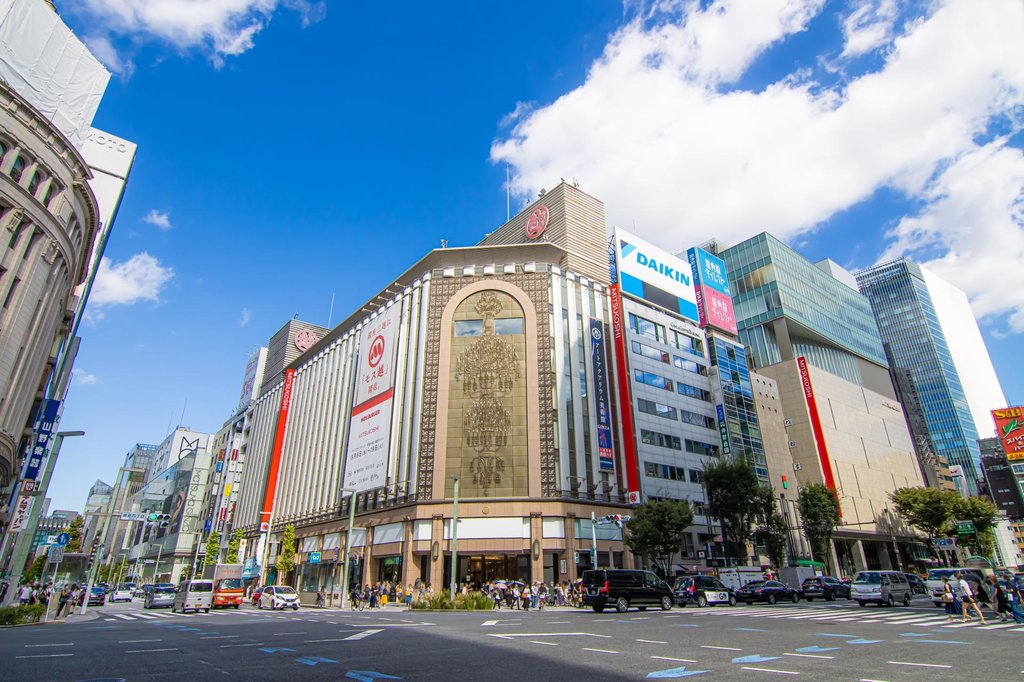
Ginza packs cultural experiences, dining, and discovery into a single walkable area. The district offers many activities, including traditional performing arts, workshops, and famous foods. Use the main attractions and itineraries introduced in this article to build a sightseeing plan that suits you.