Many travelers feel that Kyoto’s famous landmarks alone aren’t quite enough. Finding truly unique experiences in the city, however, can be surprisingly difficult.
In this article, we’ve included traditional craft workshops, special dining experiences, and unique photo spots, with fourteen carefully selected experiences mapped out across the city. English-language support information is also included, so you can put these ideas straight into your travel plans.
Choose your unique activity from three categories—crafts, food, and scenic spots—then build a Kyoto experience that’s entirely your own.
Unique Experiences You Can Enjoy in Kyoto
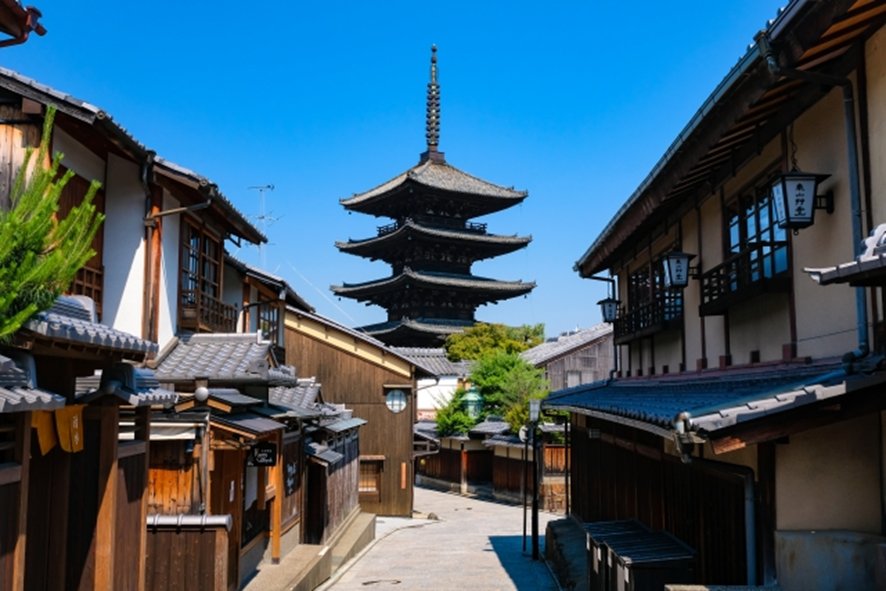
After checking off the most famous sights, many visitors find themselves wanting something distinctly “Kyoto.” The unique experiences introduced in the following sections fall into three categories: traditional crafts, special dining, and lesser-known photo spots. Once you know which type suits your interests, you can plan a satisfying trip even with limited time in the city.
Make and Take Home Traditional Crafts
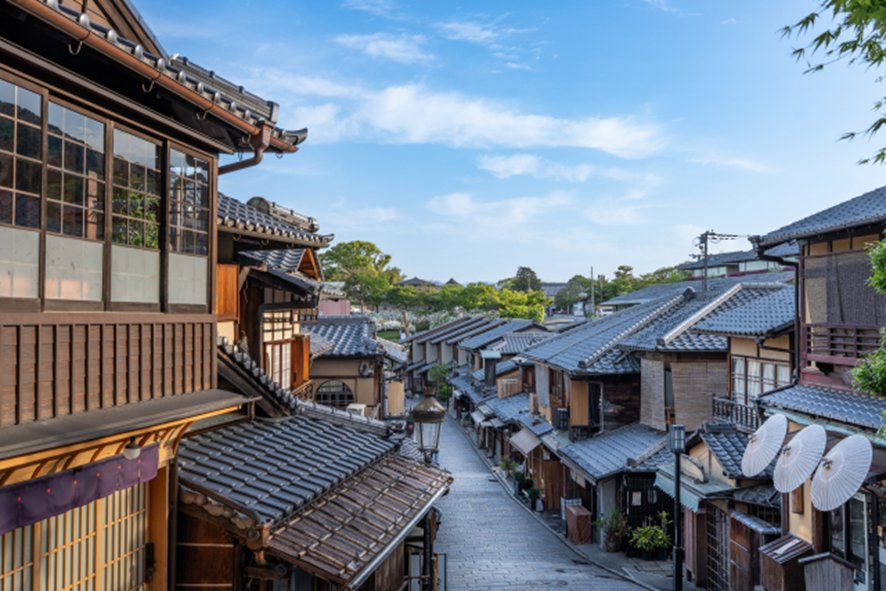
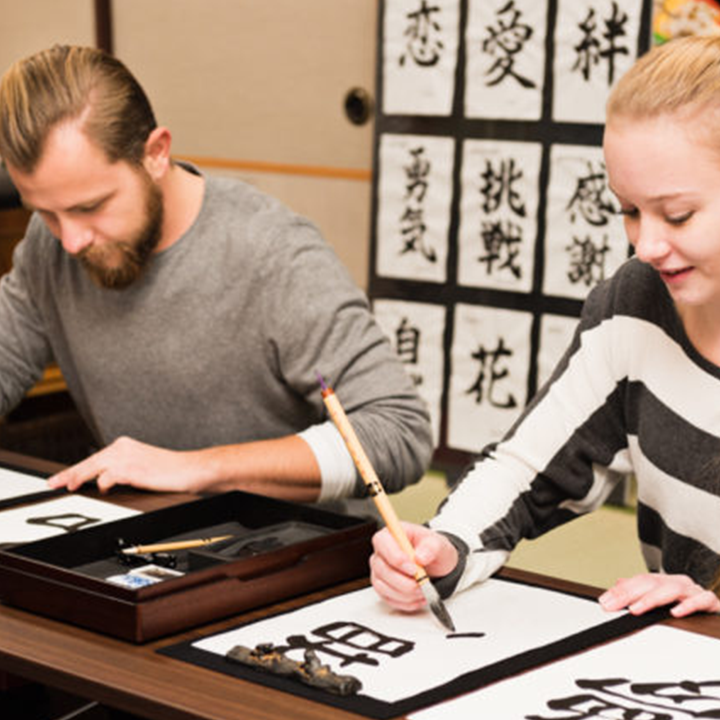
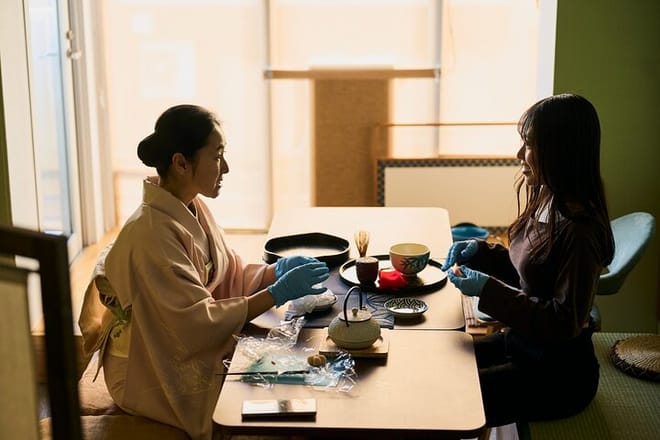
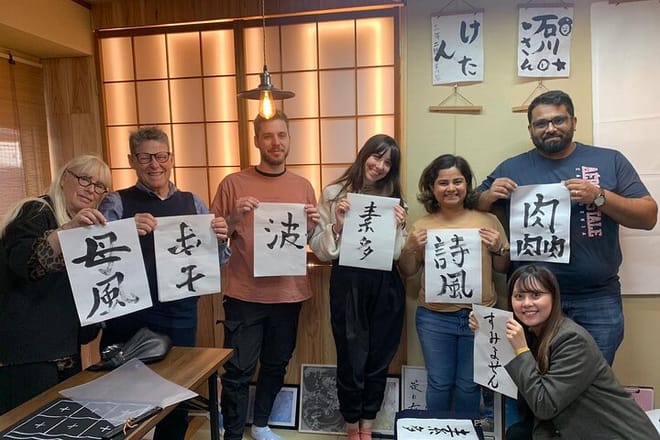
Participating in a tea ceremony and renting a kimono are classic cultural experiences in Kyoto. A lesser-known option is joining a workshop where you can make traditional crafts with more than 1,000 years of history behind them.
Among experiences open to travelers, the choices are plentiful:
- Shibori tie-dyeing: dye a silk scarf using thread-binding techniques passed down from the Muromachi period (1336-1573)
- Kiyomizu-yaki pottery painting: paint your own designs on ceramics in a tradition dating back to the 16th century
- Nishijin weaving: weave a coaster using textile techniques that flourished after the Onin War
- Natural incense sachets: blend fragrant woods into a portable scent sachet you can carry with you
A major appeal of each of these workshops is that you can usually take your finished piece home in about one and a half hours. Your creation—in colors and patterns hand-picked by you—is one of a kind, and you can proudly say you made it yourself when sharing on social media. That’s what makes craft workshops so satisfying: the experience doesn’t end when you leave the studio.
Dine in Breweries and Riverside Restaurants Found Only in Kyoto
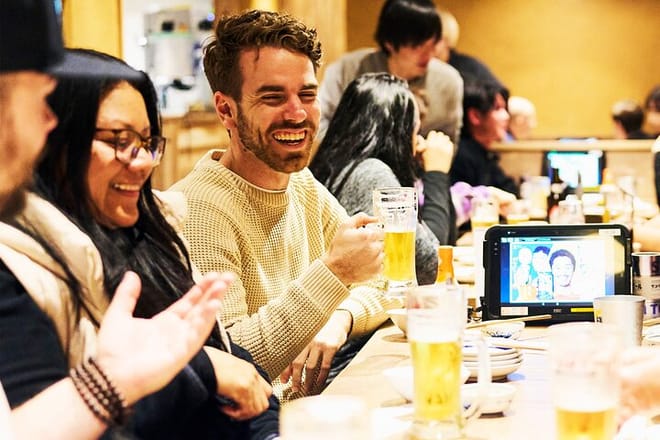
Besides simply snacking your way through Nishiki Market or sampling sweets, Kyoto offers special dining experiences you won’t find in a typical restaurant. In Kyoto, the setting itself often becomes a pivotal part of the dining experience.
At sake breweries in Fushimi, for example, you can sample freshly pressed undiluted sake inside buildings that have stood for centuries. The cool air of the brewery and the scent of wooden vats give even a single cup of sake a special meaning. And along a mountain stream in Kibune, dining platforms are set up directly above the water in summer, allowing guests to enjoy a meal in the cool river air. The sound of the water and the refreshing breeze engage all five senses, decisively different from an ordinary restaurant experience.
Here’s why these experiences attract food-loving travelers:
- You come into direct contact with a culture passed down over generations
- Each visit is a once-in-a-lifetime experience possible only in that place and that season
- You leave with memories etched into all five senses, beyond what photos or words can capture
Photo Spots Worth Visiting
If the crowds at famous sights are wearing you down, head to lesser-known photo spots a short distance from the main routes.
A Meiji-era (1868-1912) brick bridge standing inside the grounds of a temple, for example, lets you capture a spot where Japanese and Western styles blend together. And deep in Arashiyama, a temple filled with 1,200 stone Buddhist statues awaits your visit. Each statue has a different expression, and every angle offers a curious, share-worthy scene. Don’t miss the small temple where colorful charms decorate the grounds either: the multicolored background provides visitors wearing kimono the perfect backdrop for anyone after a distinctly Kyoto photo.
What these spots share is affordability: most are free to enter or cost just a few hundred yen, and with fewer visitors, you can take your time taking photos. Each venue fits easily into a first trip to Kyoto or a return visit.
Four Workshops Featuring Traditional Kyoto Crafts
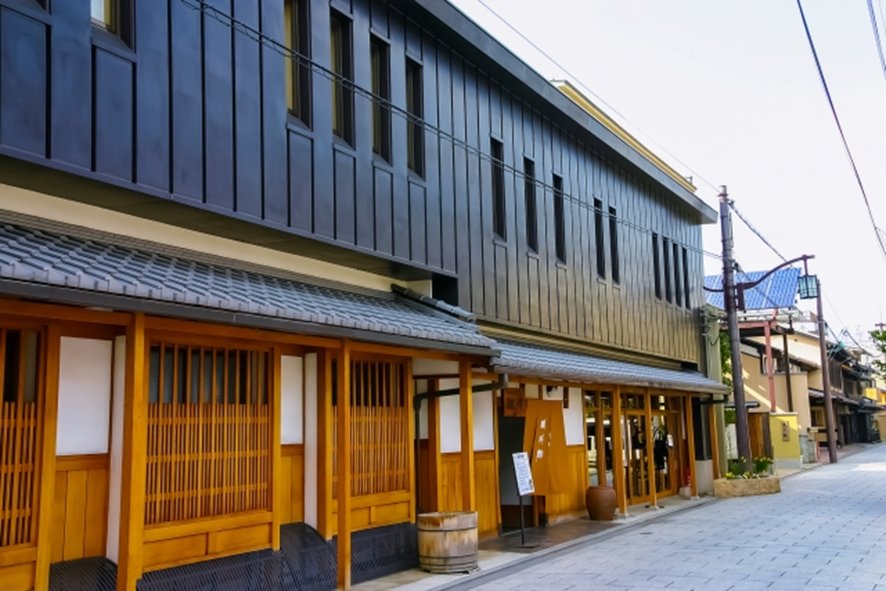
You also can try Kyoto’s time-honored crafts under the guidance of skilled artisans. Below we’ve compiled information on workshops from four genres: shibori dyeing, incense making, pottery painting, and Nishijin weaving. Read on to learn about duration, fees, and other details, then choose the activity that suits your schedule.
Kyoto Shibori Museum: Design Your Own Silk Scarf

Adult Shibori Dyeing Experience | Kyoto Shibori Museum
Located about a three-minute walk from Nijo Castle, the Kyoto Shibori Museum is dedicated entirely to shibori (Japanese tie-dyeing). Choose your preferred technique from sekka (snowflake) shibori, itajime (board-clamp) shibori, or Kyo-arashi shibori, and create a silk scarf. The resulting pattern changes depending on how you fold the fabric and the angle at which you dip it, so no two pieces are ever alike. Not knowing how it will turn out until you unfold the fabric is a thrill unique to shibori dyeing.
This activity takes about sixty to ninety minutes, and while your piece dries, you can admire large-scale shibori masterpieces by Kyoto artisans in the adjoining museum. You can even take your finished scarf home the same day, making it a practical souvenir that easily fits into a suitcase. You can get instruction in English, too, so even if you don’t speak Japanese there’s no need to worry.
Details
| Address | 127 Shikiami-cho, Nakagyo-ku, Kyoto |
| Hours | 9 am-5 pm |
| Closed | Sundays, Obon, New Year’s holidays, occasional irregular closures |
| Official Website | https://www.shibori.jp/ |
| Recommended For | Those who want a quick, distinctly Kyoto craft experience and a one-of-a-kind souvenir |
Yamadamatsu Incense Shop: Make a Fragrance Sachet with Natural Wood

Japanese tea ceremony and flower arranging are well known around the world, but few travelers get to encounter kodo (the art of appreciating incense). At Yamadamatsu—a shop that’s been in business since the Edo period—you can participate in a workshop and blend natural fragrant woods into your own scent sachet. The activity takes about thirty minutes, and the reasonable price makes it easy to join in on a whim.
For those who want to savor the experience more deeply, a monko (“incense-listening”) workshop with delicate fragrant woods is also available. You can take your finished sachet home the same day, carrying the scent of Kyoto all the way back home with you. If you’re interested in attending, we recommend booking at least one business day ahead of your visit.
Details
| Address | 164 Kageyukoji-cho, Kamigyo-ku, Kyoto |
| Hours | 10:30 am-5 pm |
| Closed | Third Sunday of each month, Obon, New Year’s holidays |
| Official Website | https://yamadamatsu.co.jp/ |
| Recommended For | Those who want to explore a cultural activity besides tea ceremony, and take home a handmade Kyoto souvenir |
Akaneya: Paint Your Own Ceramics

In Akaneya’s overglaze painting experience, you can freely paint pictures or letters on a teacup or mug using five special paints. The workshop takes about forty minutes to one hour, and the paint wipes off with a tissue, so you can redo your design as many times as you like without worrying about mistakes. After the activity, your piece is fired in a kiln and shipped to your home about a month later. The colors of the paint change through firing, and there’s a special joy in receiving the finished piece just when you’d almost forgotten about it.
Overseas shipping availability and fees depend on the season and order details. If you’d like your piece shipped internationally, be sure to confirm the latest shipping options and costs directly with the shop when booking or on the day of your visit. Every time you use your special mug, memories of Kyoto are sure to come flooding back.
Details
| Fushimi Inari Main Store | Kyoto Tower Sando Store | |
|---|---|---|
| Address | 12-4 Fukakusa Fukenouchi-cho, Fushimi-ku, Kyoto | Kyoto Tower Bldg. 2F, 721-1 Higashi-Shiokoji-cho, Karasuma-dori Shichijo-sagaru, Shimogyo-ku, Kyoto |
| Hours | 9 am-5:30 pm (last entry at 4 pm) | 10 am-7 pm (last entry at 6 pm) |
| Closed | Irregular closures | Irregular closures |
| Official Website | https://akaneya-kyoto.jp/ | Same as left |
| Recommended For | Those combining the activity with a visit to Fushimi Inari Taisha | Those wanting a convenient activity near Kyoto Station |
[Fushimi Inari Main Store]
[Kyoto Tower Sando Store]
Soushi Tsuzureen: Weave a Nishijin Textile Coaster
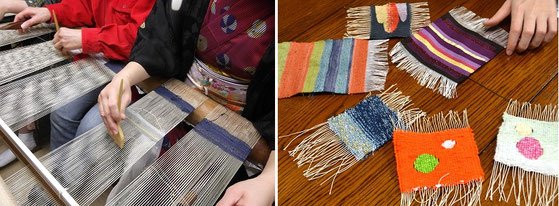
Not usually open to the public, at Soushi Tsuzureen you can operate a real Nishijin hand loom at a workshop near Kitano Tenmangu Shrine. Your instructor will be a master of the tsuzure weaving technique, with over sixty years of experience and an honored recipient of Japan’s Order of the Sacred Treasure. Choose your favorite colors from about three hundred silk threads, then pass the weft through while switching the warp threads with your feet. The sensation of creating patterns through coordinated foot and hand movements is something you won’t find at a typical tourist attraction. Depending on your color combinations, you’ll complete a coaster unlike any other over the course of three hours.
The session includes a workshop tour and an explanatory DVD, providing you with a deep understanding of the craft’s background. You can take your finished coaster home the same day, or choose a framing option so you can display it as interior decor.
Details
| Address | 590-8 Nishiyanagi-cho, Kamigyo-ku, Kyoto |
| Hours | One session per day starting at 1 pm; maximum 4 participants |
| Closed | Irregular closures (advance reservations required) |
| Official Website | https://www.soushitsuzureen.com/ |
| Recommended For | Those who want to learn artisan techniques in depth |
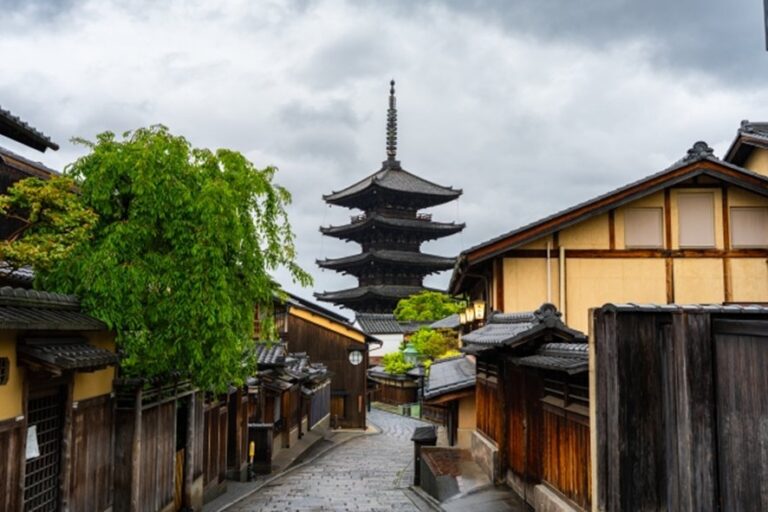
Three Unique Dining Experiences Found Only in Kyoto
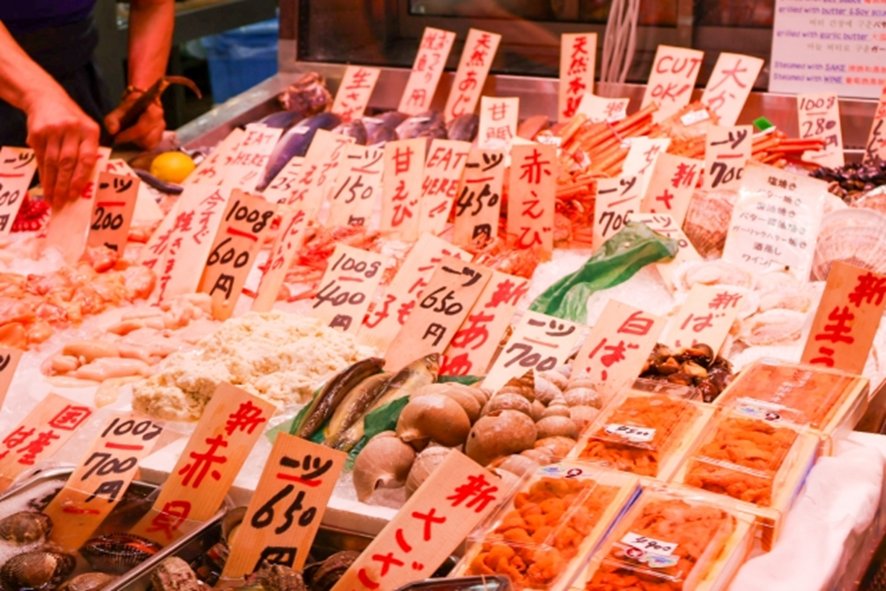
Matcha sweets may be Kyoto’s signature treat, but the city is full of one-of-a-kind meals you can’t have anywhere else. Taste and compare sake paired with yakitori (grilled chicken skewers) inside a working brewery at the in-house restaurant. Or try a summer-exclusive dining experience eating somen (thin wheat noodles) on a platform built directly over a mountain stream. Business hours, access, and reservation details to these venues and more are included below to help you plan an exciting itinerary.
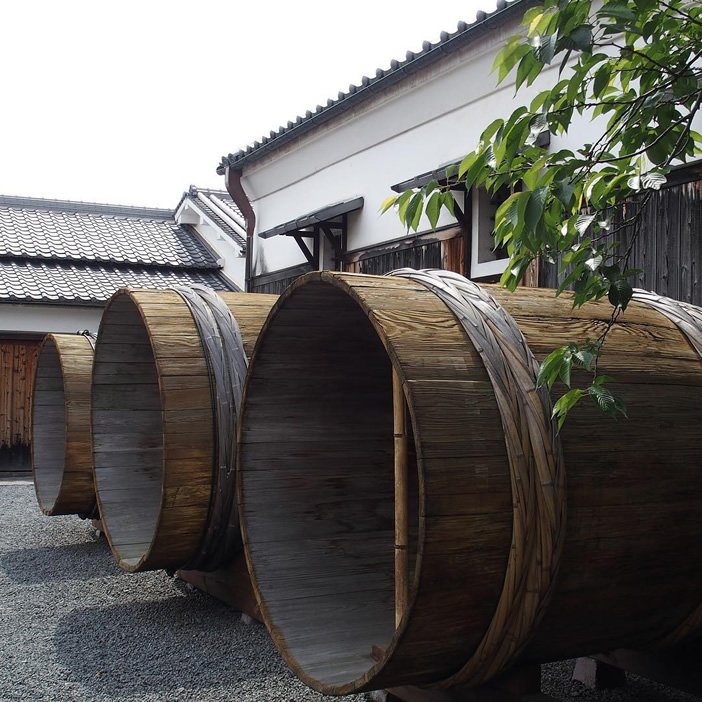
Gekkeikan Okura Sake Museum: Taste and Compare Sake at a Sake Brewery
Gekkeikan Tour Reservation Site
At Gekkeikan, you get to learn about the history and process of sake brewing before enjoying a tasting of the product itself, and understanding why Kyoto’s water is so well suited to brewing will make your sake taste even better. Admission includes a tasting of three types of sake and a souvenir sake cup. Tasting sake right after viewing the brewery’s exhibits will allow you to naturally notice differences in flavor and aroma. The museum-brewery is about fifteen minutes from Fushimi Inari Taisha via the Keihan train line and on foot, so visiting both on the same day is an efficient plan.
If you have extra time, take a ride on the Jukkokubune sightseeing boat departing near the museum. The roughly fifty-minute cruise along the Horikawa canal, lined with sake breweries, costs about ¥2,000 for adults and ¥1,000 for elementary school-aged children and younger. Boats may not run on Mondays, though, so check the tourism association’s website in advance.
Details
| Address | 247 Minamihama-cho, Fushimi-ku, Kyoto |
| Hours | 9:30 am-4:30 pm (last entry at 4 pm) |
| Closed | Obon (Aug 13-16), New Year’s holidays (Dec 28-Jan 4), occasional temporary closures |
| Official Website | https://www.gekkeikan.co.jp/enjoy/museum/ |
| Recommended For | Sake beginners or those visiting Fushimi Inari Taisha |
Torisei Main Store: Savor Freshly Pressed Sake and Yakitori

At this restaurant run by a sake brewery and founded in 1677, you can enjoy the rare experience of dining inside the brewery itself. At Torisei, their signature offering is kuradashi nama-genshu: unpasteurized, undiluted sake delivered straight from the adjacent brewing facility. Because it doesn’t undergo the heat treatment used for ordinary sake, this sake has a distinctly fruity aroma and rich flavor. The yakitori—made with premium Japanese chicken grilled and smothered in a secret sauce—pairs remarkably well with the sake’s full-bodied taste.
Known as a pioneer among brewery-run restaurants, Torisei will soon celebrate its 50th anniversary. Walk-ins are welcome, but weekends get crowded, so it’s best to contact the restaurant in advance to confirm seating availability.
Details
| Address | 186 Kamiaburakake-cho, Fushimi-ku, Kyoto |
| Hours | 11 am-10 pm (last order at 9:30 pm) |
| Closed | Mondays (except on national holidays) |
| Official Website | https://toriseihonten.com/ |
| Recommended For | Those who want to enjoy fresh-pressed sake and a meal inside a brewery |
Hirobun: Eat Noodles on a Platform Over a Mountain Stream
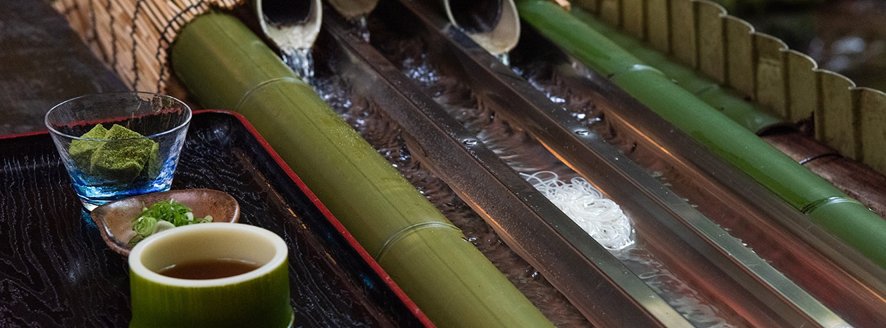
Hirobun offers an exceptionally rare dining setting upon a kawadoko (riverside dining platform) built directly above a mountain stream. Here you’ll catch somen noodles with chopsticks as they flow down a bamboo flume; it’s an experience worth the trip on its own. There’s a playful touch, too: when pink plum-flavored noodles come flowing down, that’s the signal your meal is over.
Here are a few things to know before you visit:
- Reservations aren’t accepted, and seating is on a first-come, first-served basis.
- Hirobun closes on rainy days, so check the forecast beforehand.
- Cash only: Payment is made in cash at the time of your registration
Expect an average wait of three to four hours. We recommend passing the time by visiting nearby Kifune Shrine.
Details
| Address | 87 Kurama Kibune-cho, Sakyo-ku, Kyoto |
| Hours | May, June, and September: 10:30 am-3 pm July and August: 10:30 am-12 pm |
| Closed | Open throughout the season, though may be closed due to rain or high water |
| Official Website | https://hirobun.co.jp/ |
| Recommended For | Those seeking an unforgettable outdoor dining experience in Kyoto |
Four Photogenic Spots to Visit in Kyoto
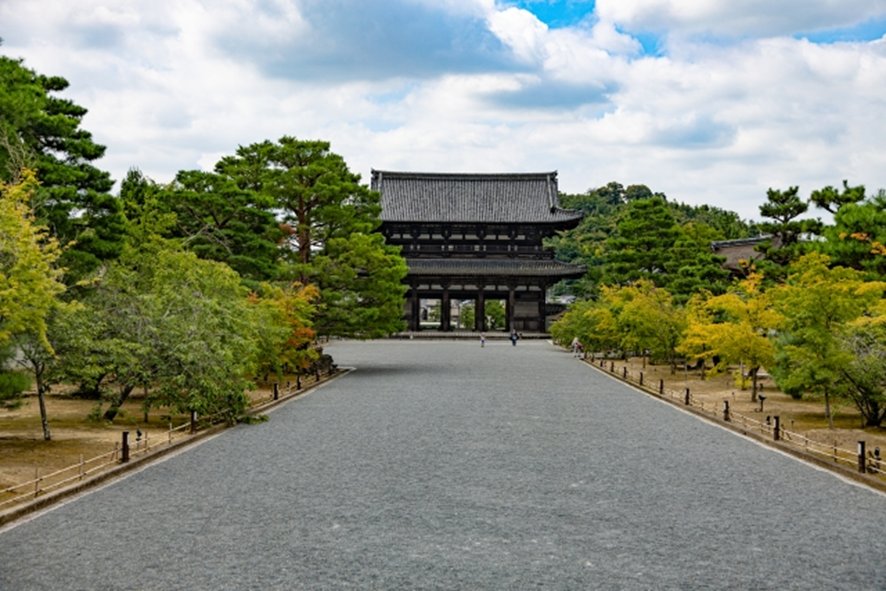
For travelers who want eye-catching photos beyond the usual sights, we’ve provided details of four photogenic spots worth seeking out. Each spot offers something different: a dramatic painting, a field of statues, a brick bridge, and colorful charms. Photography tips and the best times to avoid crowds are included in the descriptions below, so you can work these spots into your itinerary and come home with distinctive, memorable photos of Kyoto.
Kenninji Temple: A Massive Ceiling Painting
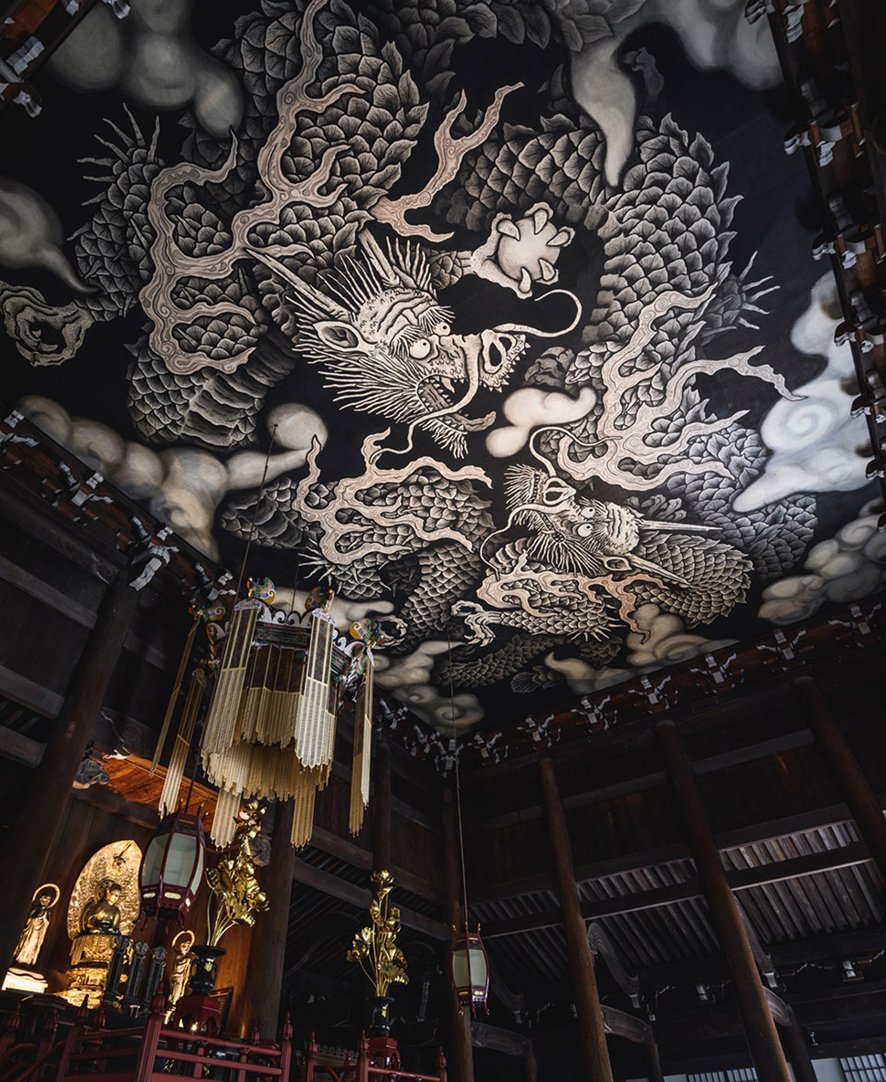
Cultural Properties of Kenninji | Kenninji, The Oldest Zen Temple
Step into the Hatto (Dharma Hall) at Kenninji Temple and a ceiling painting of two dragons, spanning the equivalent of 108 tatami mats, fills your view. The Twin Dragons painting was dedicated in 2002 to commemorate the 800th anniversary of Kenninji’s founding. Thanks to a technique called happo-nirami (“glaring in all directions”), the dragons’ gaze seems to follow you wherever you stand in the hall. You can take photos here, but capturing the whole painting in one shot is tricky, so bring a wide-angle lens if you can. Natural light keeps the illumination steady for cleaner shots, so we recommend visiting in the morning for the best photos.
Besides the Dharma Hall, there’s plenty more to see here, including a reproduction of the famous Wind God and Thunder God folding screens and the beautiful Choontei garden. Kenninji is about a three-minute walk from Gion’s Hanamikoji Street, making it easy to stop by while strolling through the area.
Details
| Address | Komatsu-cho, Yamatooji-dori Shijo-sagaru, Higashiyama-ku, Kyoto |
| Hours | 10 am-4:30 pm (gates close at 5 pm) |
| Admission | Adults ¥800/students ¥500 |
| Official Website | https://www.kenninji.jp/ |
| Recommended For | Photography lovers and those interested in Zen |
Otagi Nenbutsuji Temple: Expressive Stone Statues
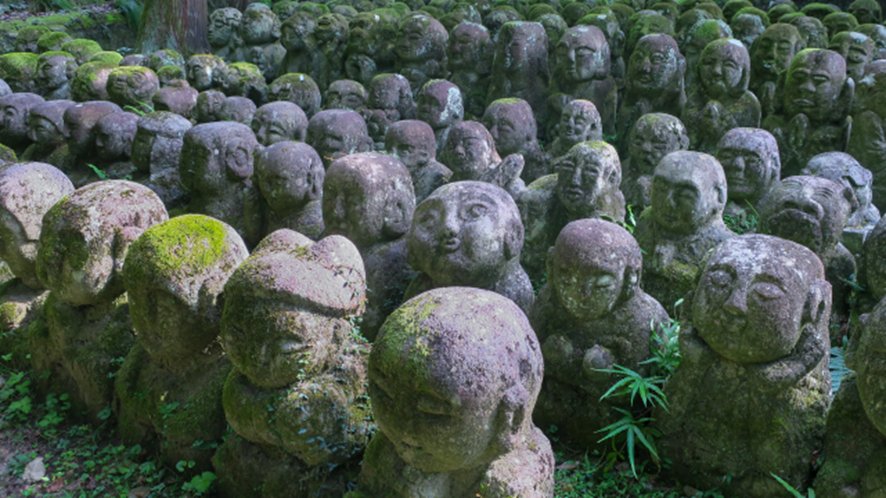
A short trip beyond Arashiyama’s bamboo grove brings you to Otagi Nenbutsuji Temple. The 1,200 rakan (statues of Buddha’s disciples) filling the grounds are hand-carved and dedicated by visitors to the temple. The carving project was launched to support the temple’s restoration and took a total of ten years to complete. Because each statue was carved by hand, every face is different; some hold cats, and others humorously clutch tennis rackets. Wandering among the warm, characterful stone figures and searching for your favorite is a fun way to pass the time here.
The temple is a little far from the Arashiyama bamboo grove area, but Kyoto Bus routes 62 and 72 make the trip convenient. Even during the busy season, crowds tend to be thin at Otagi Nenbutsuji Temple, allowing you to savor Kyoto’s quiet atmosphere at your own pace.
Details
| Address | 2-5 Saga Toriimoto Fukatani-cho, Ukyo-ku, Kyoto |
| Hours | 9 am-4 pm |
| Closed | Wednesdays and Saturdays |
| Admission | ¥1,000 (free for ages 10 and under) |
| Official Website | https://www.otagiji.com/ |
| Recommended For | Off-the-beaten-path travelers and those interested in local culture |
Nanzenji Suirokaku Aqueduct: Historic Brick Arches
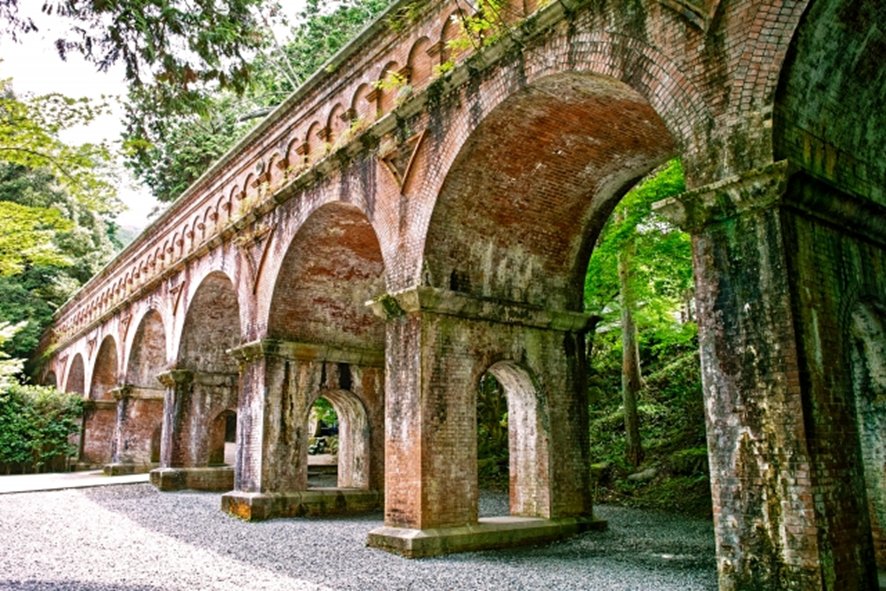
The greatest charm of this place is its unexpectedness: a brick arch bridge rising within the grounds of a temple. Completed in 1888 to carry water from Lake Biwa, the aqueduct’s European-inspired design has earned it designation as a national historic site. For photos, try a depth composition shooting the row of arches head-on. On rainy days, the wet bricks turn a deep reddish brown, giving your photos a moody, atmospheric quality. The ground can be slippery, though, so wear decent walking shoes.
Suirokaku is in a free area open twenty-four hours a day, so you can visit whenever you like.
Details
| Address | Nanzenji Fukuchi-cho, Sakyo-ku, Kyoto |
| Hours | Open 24 hours (free) |
| Closed | Open year-round |
| Official Website | https://nanzenji.or.jp/ |
| Recommended For | Those interested in architecture and engineering history, or those seeking photos of unusual Kyoto scenery |
Yasaka Koshindo Temple: Multitudes of Multi-Colored Charms
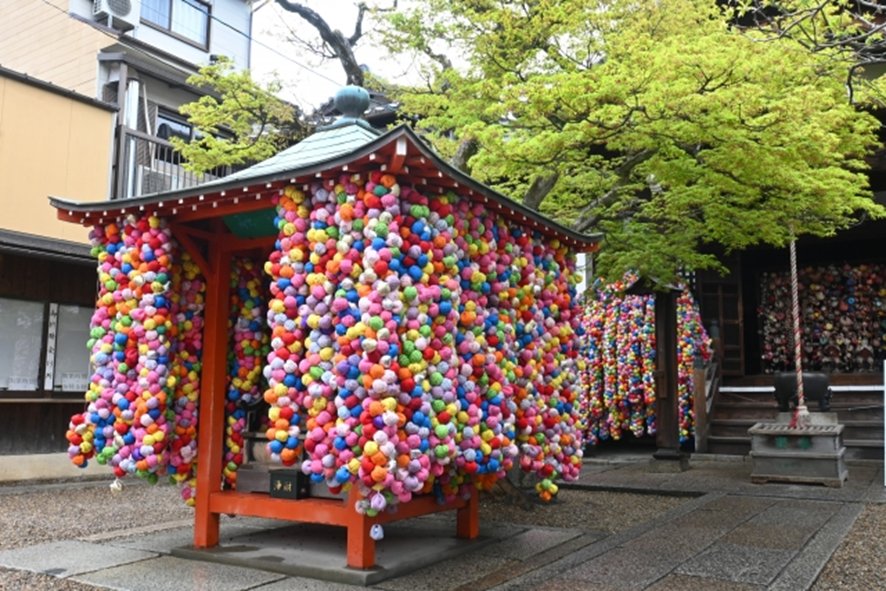
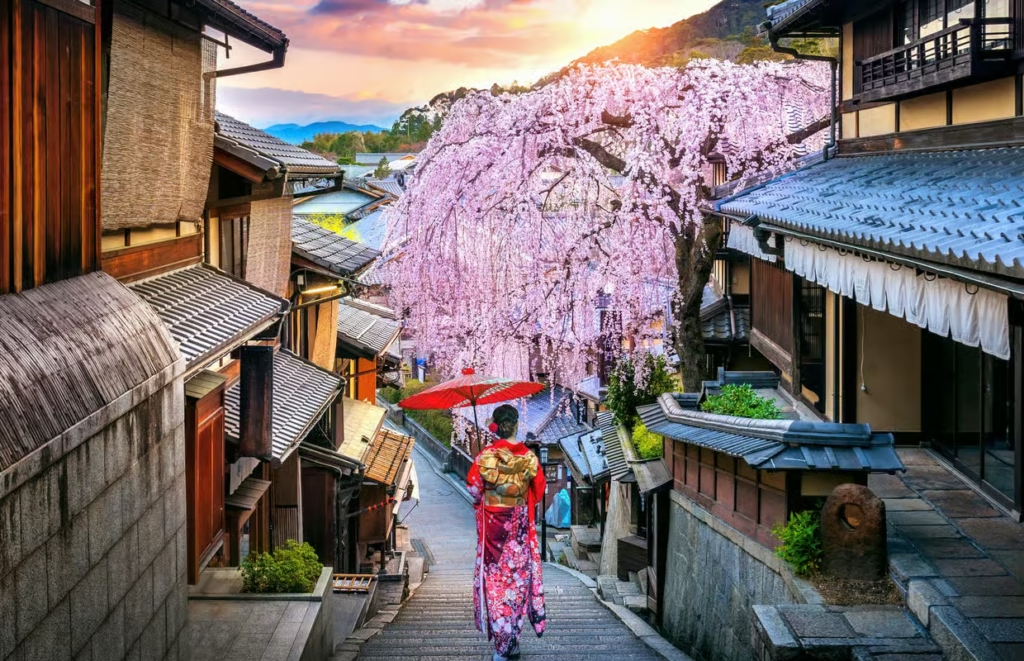
On the way to Kiyomizu-dera Temple, you’ll find Yasaka Koshindo, a temple bursting with vivid color. The colorful charms adorning the grounds are called kukurizaru, and they’re shaped like monkeys with their hands and feet bound; they carry the meaning of giving up a desire in exchange for having a wish granted. The sight of countless multicolored kukurizaru hanging throughout the grounds is striking, and it makes the perfect backdrop for photos in kimono. Since the temple sits along the approach to Kiyomizu-dera, it’s easy to stop by briefly during a stroll.
To avoid crowds, aim for just after the gates open at 9 am. At this time of day the morning light is soft, and your photos are sure to turn out noticeably better. Take note that the surrounding streets are filled with ordinary homes, so take care not to block the road while taking pictures.
Details
| Address | 390 Kinen-cho, Higashiyama-ku, Kyoto |
| Hours | 9 am-5 pm |
| Closed | Open year-round |
| Official Website | http://www.yasakakousinndou.sakura.ne.jp/ |
| Recommended For | Social media enthusiasts and early risers |
Three Tours Recommended for Unique Experiences in Kyoto

Some of Kyoto’s most rewarding experiences become even richer with an English-speaking guide. Below we will compare three options: a chopstick-making workshop in Arashiyama, a cultural tour of Gion, and a walking tour of a World Heritage site. Exploring with expert commentary reveals depths that standard routes alone can’t show you, so find the tour that matches your interests and then book your spot.
Arashiyama Chopstick-Making Workshop
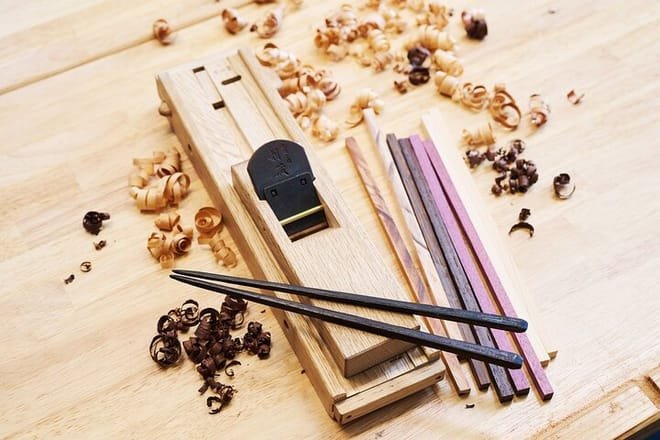
Kyoto Arashiyama Chopstick Making Workshop – Japan Guide Star
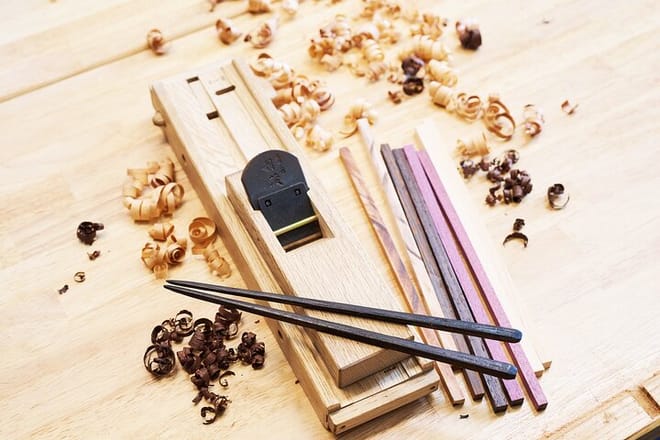
Pair a stroll through Arashiyama’s bamboo grove with a workshop where you craft your own chopsticks. At the studio, choose from more than ten types of wood and enjoy the differences in texture and fragrance. Shape your chopsticks little by little with a hand plane, then finish them with plant-based oil. English-speaking staff clearly explain the cultural background—from Japan’s chopstick traditions and history to the differences between materials—so you’ll gain real insight along with hands-on craft time. Opt for the option of having your name engraved in kanji, and you’ll have a truly special souvenir to take home with you.
Booking is quick and easy through the Japan Guide Star webpage.
Details
| Meeting Point | 3-25 Saga Tenryuji Susukinobaba-cho, Ukyo-ku, Kyoto |
| Duration | About 60 minutes (sessions every hour, 9 am-6 pm) |
| Included in Fee | Three types of wood (more options available for an additional fee), tool rental, oil finish |
| Booking Site | https://japanguidestar.com/tour/kyoto-arashiyama-chopstick-making-workshop/ |
| Recommended For | Travelers interested in Japanese culture, couples, and families with children ages 6 and older |
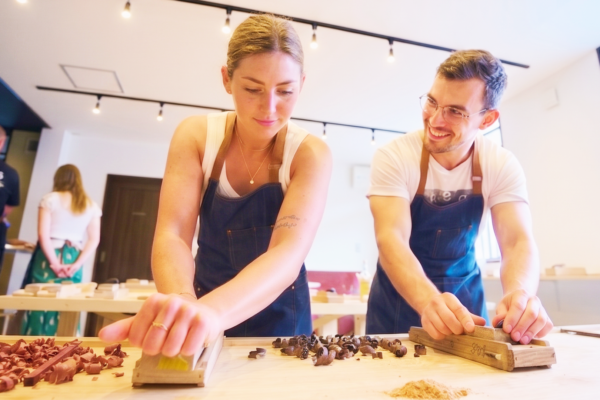
Kyoto Arashiyama Chopstick Making Workshop
Gion Hidden Gems and Geisha Culture Tour
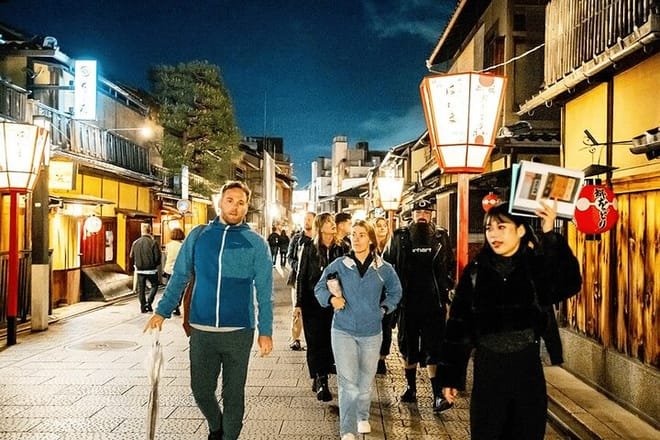
Kyoto: Gion Hidden Gems & Geisha Culture Tour – Japan Guide Star
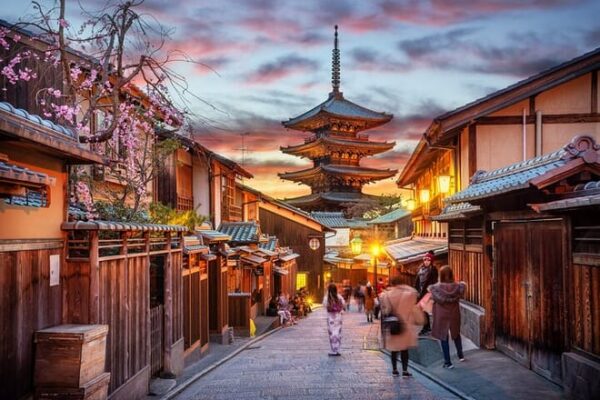
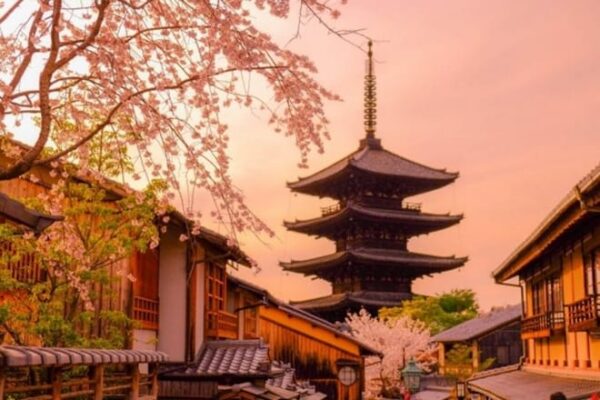
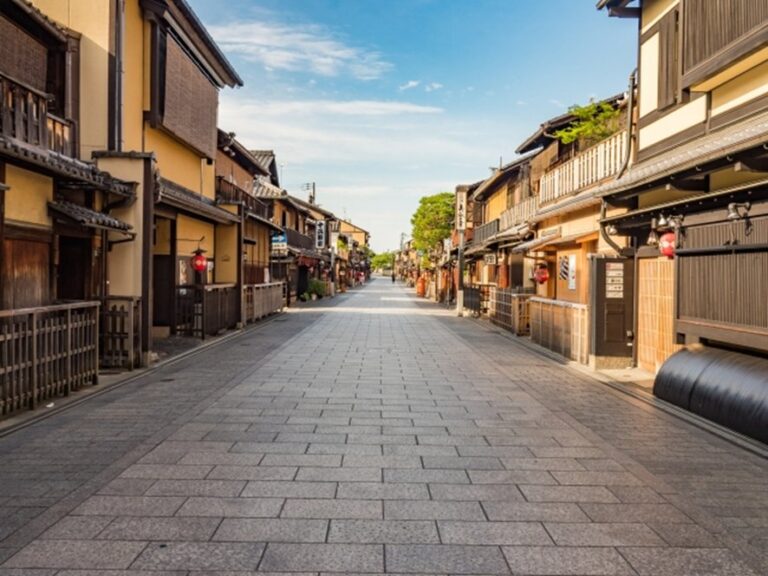
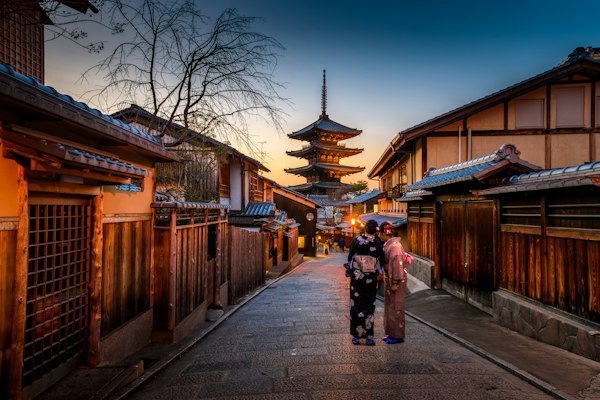
Beyond its glamorous main streets, Gion’s true charm lies in the design details and living culture of its back alleys. Japan Guide Star’ Kyoto: Gion Hidden Gems & Geisha Culture Tour is a rich walking experience led by an English-speaking guide. You’ll gain a rich understanding of cultural details like the purpose of the curved bamboo barriers (inuyarai) on traditional Kyoto houses and the difference between geiko (Kyoto geisha) and maiko (apprentice geisha). And since the tour runs in the evening, there’s a good chance of spotting maiko on their way to teahouse engagements, too.
The guide also explains about local rules in advance, such as fines for unauthorized photography on private streets and the ban on asking geiko and maiko for photos. With unwritten rules and etiquette clearly explained, you can explore Kyoto without worry, and by understanding the culture of the area, you’ll see Gion in a whole new light.
Details
| Meeting Point | 105-1 Hashimoto-cho, Shijo Kobashi Higashi-iru, Shimogyo-ku, Kyoto |
| Duration | About 2 hours |
| Included in Fee | English-speaking guide and route guidance (food, drinks, and admission fees not included) |
| Booking Site | https://japanguidestar.com/tour/kyoto-gion-hidden-gems-geisha-culture-tour/ |
| Recommended For | Those who want a deep understanding of Kyoto’s cultural background |
Kyoto: Gion Hidden Gems & Geisha Culture Tour
Kyoto: Gion Geisha District Sunset Tour in Spanish and en Español
Arashiyama UNESCO World Heritage Walking Tour
Kyoto: Arashiyama UNESCO Walking Tour with Admission – Japan Guide Star
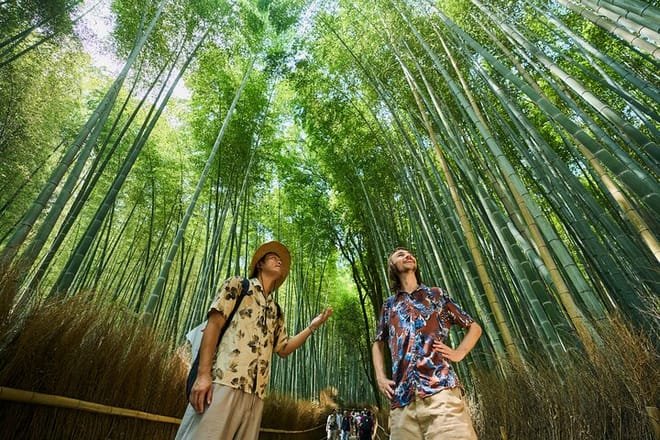
This tour takes you through two main attractions—Tenryuji Temple and the Bamboo Grove Path—with commentary from an English-speaking guide. Exploring on your own means time lost buying tickets and navigating, but with a guided tour that includes admission, everything runs smoothly. The appeal of this tour is learning about why the area earned World Heritage status and the historical context that made the bamboo grove an icon. With the added perspective of why this place is special, your impression of Arashiyama is sure to change dramatically.
Japan Guide Star’ Kyoto: Arashiyama UNESCO Walking Tour with Admission is a perfect option for travelers with limited time in Kyoto. Book in advance through the reservation site and make the most of your time.
Details
| Meeting Point | Chopsticks Studio Kyoto, 3-25 Saga Tenryuji Susukinobaba-cho, Ukyo-ku, Kyoto |
| Duration | About 1.5 hours |
| Included in Fee | English-speaking guide and admission to Tenryuji garden |
| Booking Site | https://japanguidestar.com/tour/kyoto-arashiyama-unesco-walking-tour-with-admission/ |
| Recommended For | First-time visitors to Arashiyama and short-stay travelers who want an efficient rundown of the area |

Kyoto: Arashiyama UNESCO Walking Tour with Admission
Common Questions About Unique Activities in Kyoto

Here are some answers to questions travelers often ask when considering these unique experiences. Topics include information about language support, how many activities to plan per day, conditions for children, and rainy-day options. Clearing up your questions in advance should make planning your trip much smoother.
Can I Participate Without Japanese Ability?

Many venues welcome English-speaking participants. Direct instruction in English or multilingual video guides are sometimes available, so you can enjoy yourself without the language barrier. For activities like pottery painting and weaving, watching the artisan’s demonstration is usually enough to understand, so language is rarely a concern.
Here are points to check before booking:
- Contact the venue directly to confirm the availability of English
- Check the booking site for an “English OK” notation
- Ask whether videos or written materials are available
If you’re unsure, we recommend using an English-guided tour or an English booking platform.
How Many Unique Experiences Can I Do in One Day?
A comfortable pace is about two workshops plus one guided tour. Factor in travel time, breaks, and meals, and plan your experiences in nearby areas so you can enjoy Kyoto without rushing. If each experience is short, you might be able to fit in three, with travel.
When planning, it helps to have a sense of travel times between areas. For example, to get from Arashiyama to Nijo Castle, take the JR Sagano Line: Saga-Arashiyama Station to Nijo Station takes about ten minutes, plus a fifteen-minute walk (for a total of around thirty minutes). Choosing activities within walking distance of each other—like the sake brewery district in Fushimi—is another good approach. Grouping low-travel areas into morning and afternoon blocks lets you enjoy Kyoto at an easy pace.
Can Children Join in Activities Too?

Most experiences are family-friendly, but age requirements vary, so check details in advance.
| Experience | Age Guidelines |
|---|---|
| Pottery painting (Akaneya) | No age limit; easy even for young children |
| Fragrance sachet workshop (Yamadamatsu) | No blades or hot water; safe for kids |
| Chopsticks workshop (Arashiyama) | Adult accompaniment required for elementary age children |
| Shibori dyeing (Kyoto Shibori Museum) | Recommended for ages 7 and up |
| Nishijin weaving (Soushi Tsuzureen) | Recommended for ages 12 and up |
Nishijin weaving involves foot-operated controls, so children older than twelve should be able to manage without trouble. Making scent sachets involves simply measuring fragrant woods, so even small children can enjoy it. Dining experiences like catching somen require chopstick skills. If chopsticks are difficult, ask in advance whether you can bring a fork.
Kyoto Arashiyama Chopstick Making Workshop
Are There Unique Experiences I Can Enjoy on Rainy Days?

Most of the experiences described above take place entirely indoors, so rain shouldn’t force a schedule change. Dining at Hirobun, however, takes place on an outdoor platform, so it won’t be open in bad weather. If the forecast looks uncertain, it’s wise to lock in indoor experiences for the morning. If the weather clears, you can add outdoor spots in the afternoon.
Build Your Own Unforgettable Kyoto Experience
Kyoto is packed with appeals, from traditional craft workshops and special dining to lesser-known photo spots. If you’d rather avoid crowds, aiming for early morning or evening hours makes sightseeing much more comfortable. Pick a few experiences from this article that catch your interest and put together a special Kyoto trip that is entirely your own.