Wondering which castles to visit during your trip to Japan? The country has more than 100 castles, but only 12 original castles still retain their keeps from the time they were built. With limited time, understanding each castle’s historical significance, highlights, and accessibility can make planning your itinerary much easier.
Here you’ll find 12 carefully selected castles, including the five castles with National Treasure keeps, famous castles that are easy to reach from major cities, and regional castles known for their spectacular scenery. You will also find information on English-guided tours and answers to common questions about visiting multiple castles, helping you plan a memorable castle-hopping journey across Japan.
What to Know About Japanese Castles Before You Go
Japanese castles were built in different eras and for different purposes, so their histories and characteristics vary widely. Understanding which castles are open to visitors and the difference between original and reconstructed keeps will help you prioritize.
With these basics in mind, you can choose destinations that best match your interests, even when traveling on a limited schedule.
More Than 100 Castles Are Open to Visitors Across Japan
More than 100 castles in Japan are open to visitors. Around 90 of them have keeps, which may be restored, reconstructed, or modern replicas. Many are concentrated in the Kinki, Chugoku, and Shikoku regions, areas where castle construction and warfare were especially prominent, so the experience can vary greatly depending on where you travel.
The appeal of Japanese castles lies in their distinctive design, where wooden keeps, stone walls, and moats come together as both defensive structures and works of architecture. Visiting all 100-plus castles is unrealistic for most travelers; on a one- to two-week trip, seeing around five or six castles is a more practical goal. Choose your destinations based on your route and the aspects of castle history or scenery that interest you most.
Only 12 Castles Retain Their Original Keeps
Only 12 castles in Japan still retain keeps that survive from before the end of the Edo period. The Castle Abolition Law of 1873 led to the destruction of many castle keeps, reducing the number of surviving keeps from roughly 150 to around 60. Further losses during World War II air raids left only the 12 that remain today.
All 12 are protected as important cultural assets: five are designated National Treasures and seven are Important Cultural Properties. If you want to see an authentic original keep, prioritize these 12 castles in your planning.
| Castle (Location) | Cultural Property Status |
|---|---|
| Himeji Castle (Himeji, Hyogo) | National Treasure, World Heritage Site |
| Matsumoto Castle (Matsumoto, Nagano) | National Treasure |
| Inuyama Castle (Inuyama, Aichi) | National Treasure |
| Hikone Castle (Hikone, Shiga) | National Treasure |
| Matsue Castle (Matsue, Shimane) | National Treasure |
| Hirosaki Castle (Hirosaki, Aomori) | Important Cultural Property |
| Maruoka Castle (Sakai, Fukui) | Important Cultural Property |
| Bitchu Matsuyama Castle (Takahashi, Okayama) | Important Cultural Property |
| Marugame Castle (Marugame, Kagawa) | Important Cultural Property |
| Matsuyama Castle (Matsuyama, Ehime) | Important Cultural Property |
| Uwajima Castle (Uwajima, Ehime) | Important Cultural Property |
| Kochi Castle (Kochi, Kochi) | Important Cultural Property |
The Five National Treasure Castles Hold the Highest Cultural Ranking
Among the 12 surviving original castle keeps, the five National Treasure castles hold the highest rank in terms of historical value. Himeji, Matsumoto, Inuyama, Hikone, and Matsue castles stand out for their original structures and exceptional state of preservation. Himeji Castle, also designated as a World Heritage Site, has received the highest level of international recognition.
Before entering an original keep, keep these practical points in mind:
- You will climb steep wooden stairs: The stairways inside are narrow and steep, so a backpack that keeps both hands free is essential.
- Shoes must be removed: You will need to carry your shoes inside, so thick socks are helpful, especially in winter.
- Allow enough time: The keep itself takes about 30 minutes to 1 hour to explore, with 1.5 to 2 hours recommended for the entire castle visit.
The five National Treasure castles are spread across Japan. In the Kansai region, combining Himeji Castle with Hikone Castle makes for an efficient route. In Chubu, Matsumoto Castle and Inuyama Castle pair well together. If your journey takes you to the San’in region, be sure to set aside time for Matsue Castle.
Most Keeps Are Modern Reconstructions
Osaka, Nagoya, and Kumamoto castles lost their original keeps due to war damage and other historical events, and their current keeps were rebuilt in the modern era. These reconstructed keeps can generally be divided into two main types.
| Type | Characteristics | Examples |
|---|---|---|
| Externally restored keep | Exterior faithfully recreated based on old drawings and photographs | Nagoya Castle, Osaka Castle |
| Reconstructed keep | The keep’s existence is certain, but a lack of historical records means the design includes some conjecture | Kumamoto Castle |
Many reconstructed keeps are built with reinforced concrete and contain history museums inside. Because they often have elevators and other modern facilities, they are easier to visit for travelers who find steep castle stairs challenging. Combining the architectural beauty of original keeps with the exhibits and accessibility of reconstructed keeps allows you to enjoy two different sides of Japan’s castle heritage.
One important note for Nagoya Castle: the main keep is currently closed for reconstruction in wood. Instead, visit the Honmaru Palace, where you can admire its lavish painted screens and restored Edo-period architecture.
Five National Treasure Castles History Lovers Should Not Miss
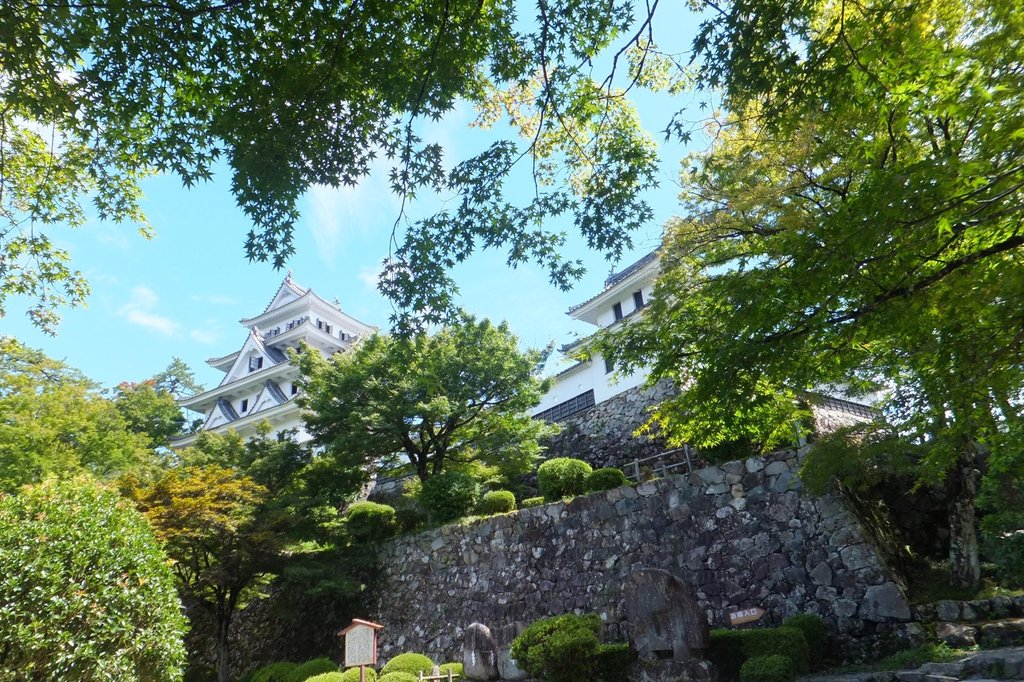
The five National Treasure castle keeps represent the pinnacle of historical value and architectural beauty among Japan’s castles. Each offers a unique experience, with its own architectural features, surrounding scenery, and access options from major cities.
Seasonal highlights and recommended photo spots are also covered, helping you decide which castles to prioritize for your journey.
Himeji Castle | A White Complex of Keeps
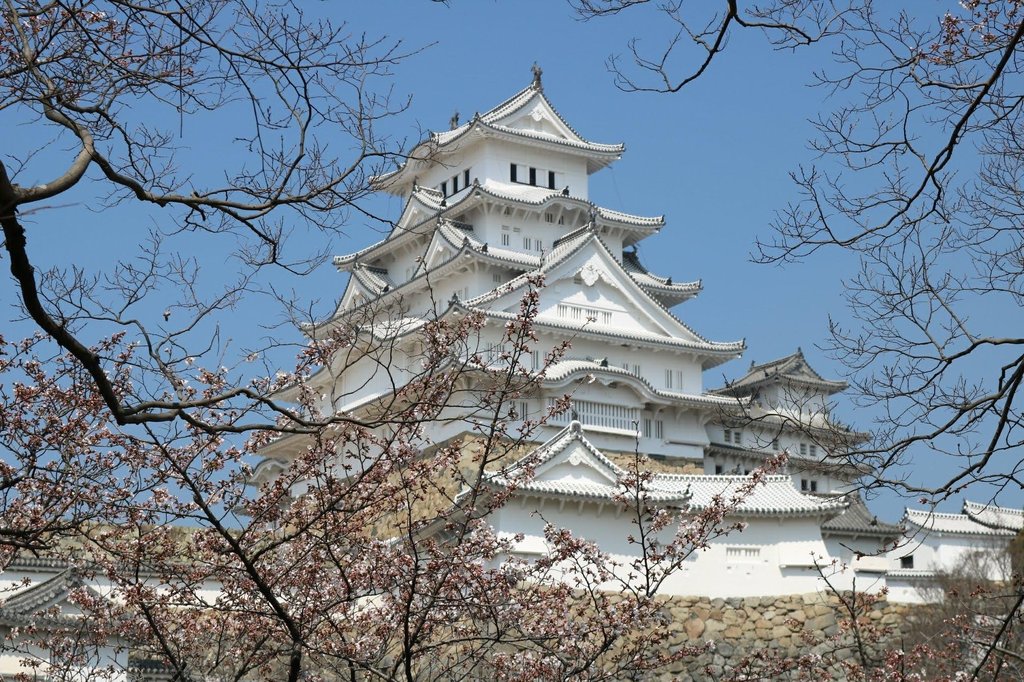
Himeji Castle, a World Heritage Site, is widely regarded as the finest example of Japanese castle architecture. Its defining feature is a connected complex of keeps, with the main keep and three smaller keeps linked by roofed corridors. The grounds preserve 82 buildings in total, including 8 National Treasures and 74 Important Cultural Properties, allowing early 17th-century castle architecture to survive into the present day.
Its graceful white-plastered exterior has earned it the nickname White Heron Castle, and the white walls are striking against a blue sky. At the same time, you can spot formidable defensive designs throughout, including maze-like passages, arrow slits, and openings for dropping stones on attackers. Touring the castle with an eye on both its beauty and its function as a military fortress reveals how the castle’s aesthetic beauty and military function were deliberately combined.
From March 2026, admission for visitors aged 18 and over who are not Himeji residents is ¥2,500. Himeji residents pay ¥1,000, while admission is free for anyone under 18, regardless of residence. Purchasing a date- and time-specific digital ticket in advance can make entry smoother on the day of your visit.
Himeji is about 30 minutes from Osaka by Shinkansen (bullet train), and the castle is approximately a 15-minute walk from Himeji Station.
Details
| Address | 68 Honmachi, Himeji, Hyogo |
| Hours | 9:00 am-5:00 pm (last entry 4:00 pm) |
| Closed | December 29-30 |
| Admission | Adults (18 and over) ¥2,500; under 18 free |
| Official Website | https://www.city.himeji.lg.jp/castle/ |
| Recommended For | History and architecture lovers who want to see an authentic World Heritage keep up close |
Matsumoto Castle | A Jet-Black Keep Against the Northern Alps
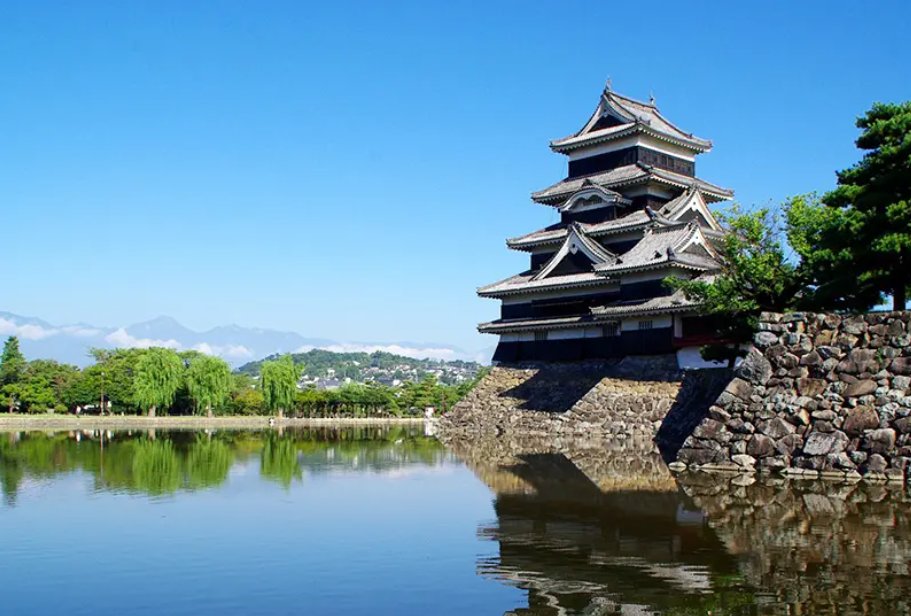
Matsumoto Castle has one of Japan’s oldest National Treasure keeps. Its black-lacquered walls have earned it the nickname Crow Castle, giving it an imposing presence in contrast to the white-plastered Himeji Castle. The Northern Alps rising behind it make a striking backdrop, and the scenery changes with the seasons, from lingering snow glinting in spring to autumn colors from the lingering snow of spring to the vivid autumn foliage.
For the best view of the keep’s reflection in the moat, visit early in the morning, when winds are calmer and the water is more likely to be still. Including the red Tsukimi Yagura (moon-viewing turret) in your composition creates a striking contrast between the jet-black keep and the vivid red structure.
Matsumoto Castle is easily accessible from both Tokyo and Nagoya, making it a convenient addition to an itinerary that includes nearby sightseeing destinations.
Details
| Address | 4-1 Marunouchi, Matsumoto, Nagano |
| Hours | 8:30 am-5:00 pm (extended in some seasons) |
| Closed | December 29-31 |
| Admission | Matsumoto Castle keep: adults ¥1,200 (paper ticket ¥1,300); elementary and junior high students ¥400; preschoolers free |
| Official Website | https://www.matsumoto-castle.jp/ |
| Recommended For | Photographers after the jet-black keep against the Northern Alps, and anyone who wants to experience an original keep’s historic architecture up close |
Inuyama Castle | One of Japan’s Oldest Keeps, Overlooking the Kiso River
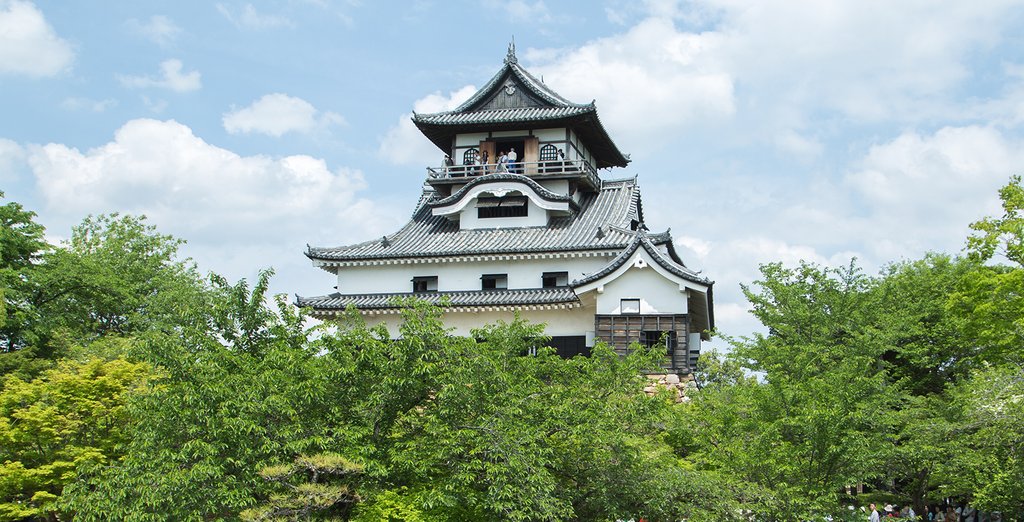
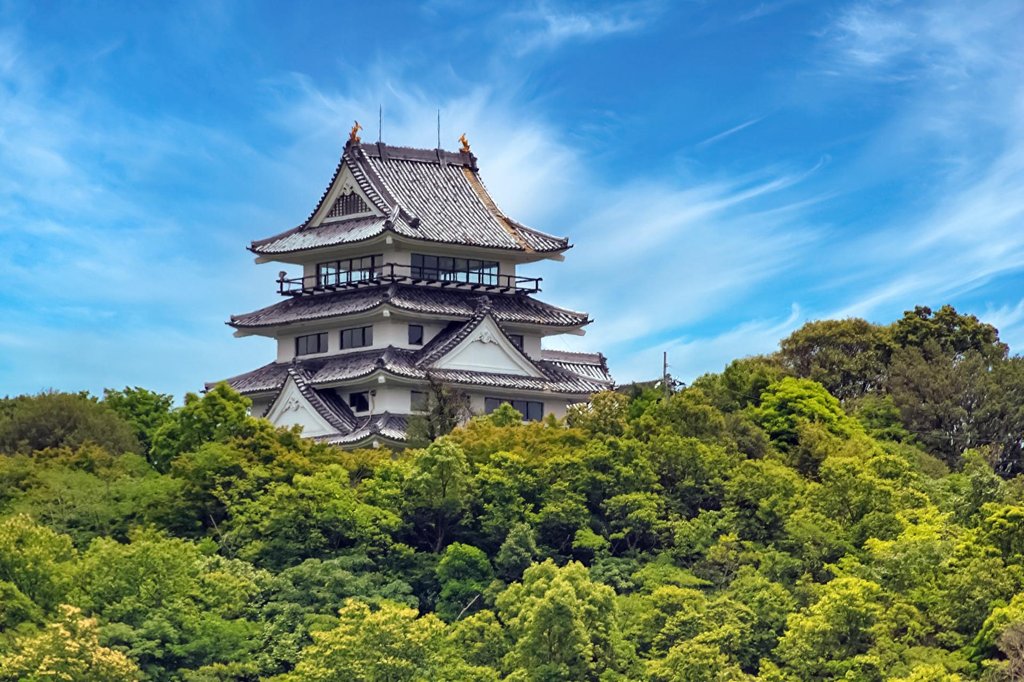
Standing on a hill above the Kiso River, Inuyama Castle has a National Treasure keep considered one of the oldest surviving original castle keeps in Japan. Recent research revealed that the timber used in the keep was felled around 1585–1588, confirming its status as one of Japan’s oldest surviving castle structures.
The top-floor gallery offers sweeping views of the Kiso River and the Nobi Plain. With little obstructing the scenery, you can enjoy the expansive landscape while feeling the wind around you. Note, however, that the gallery railing is low and the interior stairs are steep, so visitors who are uncomfortable with heights or steep climbs should take extra care. Shoes are not allowed inside the keep, so wear footwear that is easy to remove and put back on.
Inuyama is about 25 minutes from Nagoya on the Meitetsu Line, followed by a roughly 15-minute walk from Inuyama-Yuen Station. The surrounding castle town is ideal for enjoying local snacks while strolling, so plan time to explore the historic streets along with the castle itself.
Details
| Address | 65-2 Kitakoken, Inuyama, Inuyama, Aichi |
| Hours | 9:00 am-5:00 pm (last entry 4:30 pm) |
| Closed | December 29-31 |
| Admission | Adults ¥1,000; elementary and junior high students ¥200 |
| Official Website | https://inuyama-castle.jp/ |
| Recommended For | Visitors who want a half-day National Treasure keep trip from Nagoya, and anyone who enjoys panoramic views from up high |
Hikone Castle | Ornate Gables and a Garden Overlooking Lake Biwa
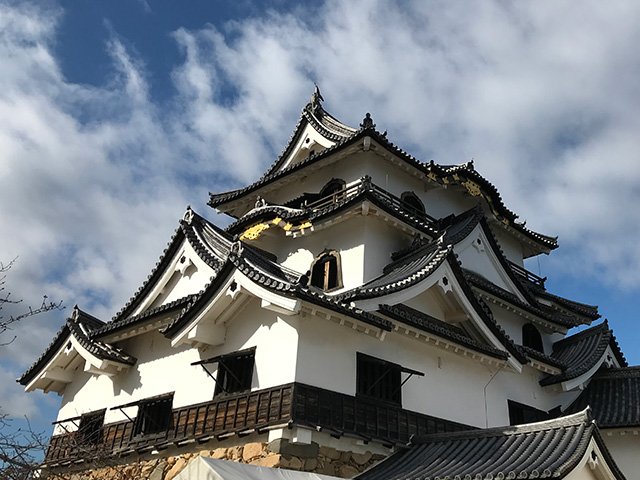
Hikone Castle features four types of gables (kirizuma, irimoya, kara, and chidori, various traditional roof-gable styles), giving it the most ornate exterior among the five National Treasure castles. Unlike Matsumoto Castle, which creates a powerful impression through its dark lacquered walls, Hikone Castle uses layered roof designs and decorative details to express the dignity and prestige of its feudal lords.
For the best photos, visit Genkyuen, the adjacent daimyo (feudal lord) garden. From the garden, you can view the keep across the pond and capture its reflection on the water. Mornings are especially recommended, as the atmosphere is quieter and calmer water makes photography easier.
The popular mascot Hikonyan usually appears daily, but the schedule may change depending on weather conditions, so check the latest information on the day of your visit.
Hikone Castle is about 50 minutes from Kyoto by JR train, making it an easy day trip option during a stay in Kyoto.
Details
| Address | 1-1 Konkicho, Hikone, Shiga |
| Hours | 8:30 am-5:00 pm (last entry 4:30 pm; same hours for Genkyuen) |
| Closed | Open year-round |
| Admission | Hikone Castle: adults ¥1,000; elementary and junior high students ¥300 |
| Official Website | https://hikonecastle.com/ |
| Recommended For | Visitors who enjoy architectural beauty and garden photography, and families |
Matsue Castle | A Water Castle You Can Circle by Sightseeing Boat
National Treasure Matsue Castle Website
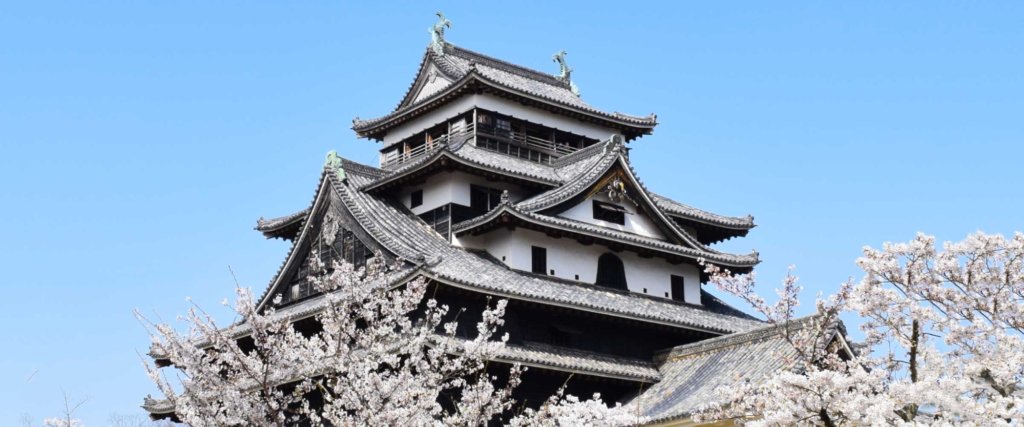
Matsue Castle was designated a National Treasure in 2015 after the rediscovery of prayer tablets discovered in the keep confirmed its construction date, leading to its designation as a National Treasure in 2015. Its stately keep clad in dark wooden boards is its signature feature, and the top floor commands views of Lake Shinji and the city of Matsue.
Another highlight is the Horikawa sightseeing boat, which circles the castle moat in about 50 minutes. The cruise provides perspectives unique to Matsue Castle, including views looking up at the stone walls from near the waterline and the experience of ducking beneath the moat’s low bridges.
Matsue is about 2 hours 30 minutes from Okayama by limited express train, followed by approximately 10 minutes by bus from Matsue Station. Matsue Castle is an excellent choice for travelers who want to experience not only an original castle keep but also the atmosphere of a historic castle town from the water.
Details
| Address | 1-5 Tonomachi, Matsue, Shimane |
| Hours | April-September 8:30 am-6:00 pm (last entry 5:30 pm); October-March 8:30 am-5:00 pm (last entry 4:30 pm) |
| Closed | Open year-round |
| Admission | Keep: adults ¥1,200; children (elementary and junior high students) free |
| Official Website | https://www.matsue-castle.jp/ |
| Recommended For | Travelers seeking the distinctive experience of viewing a castle from the water |
3 Recommended Castles in Japan’s Major Tourist Cities
If you are staying in major tourist cities such as Tokyo or Osaka, castles that can be reached with a short trip across the city are easy to fit into your itinerary.
The three castles introduced below are iconic landmarks of their respective cities. Each section covers the castle’s historical significance, main highlights, and practical visitor information. If you want to experience Japanese castles efficiently without traveling far from your accommodation, these are excellent places to begin.
Osaka Castle | A Reconstructed Keep Overlooking the City of Osaka
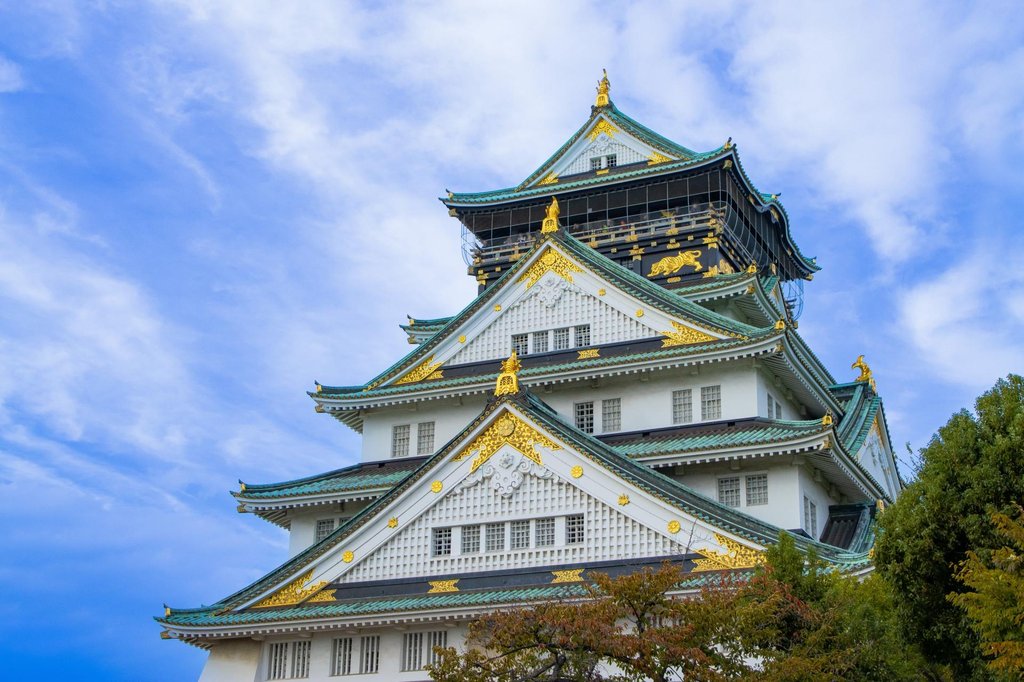
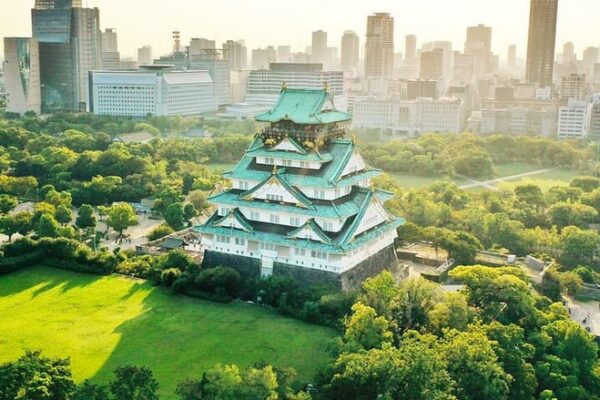
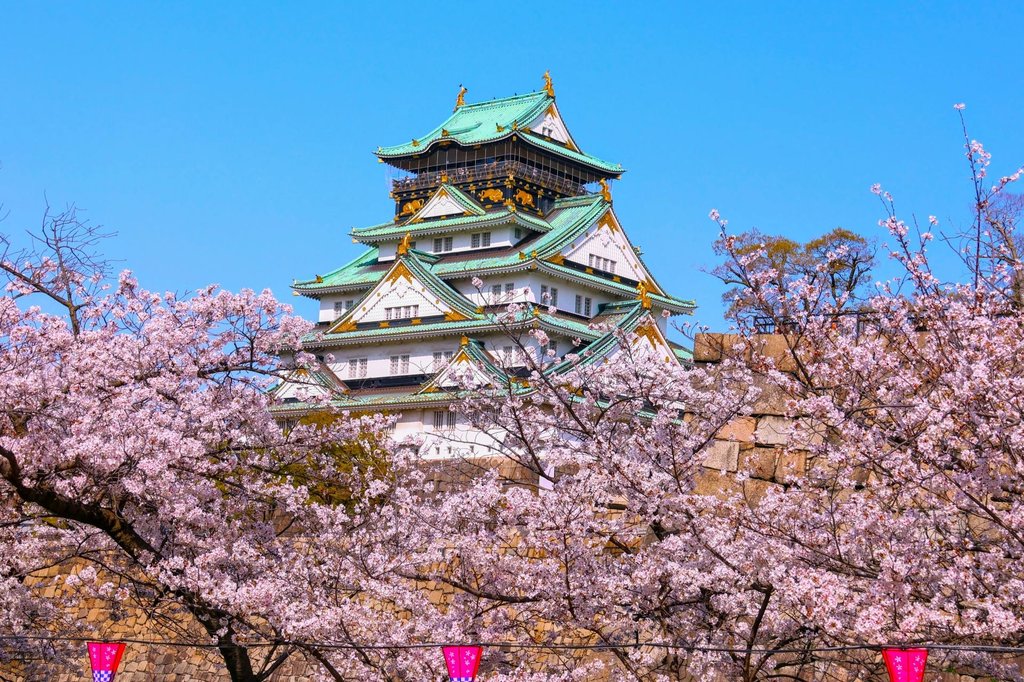
After the keeps of the Toyotomi and Tokugawa eras burned down, the Osaka Castle Main Tower was rebuilt in 1931 through donations from citizens, becoming Japan’s first reconstructed keep built of steel-framed reinforced concrete. Today, the eight-story interior houses a history museum featuring artifacts and dioramas that trace the life of Toyotomi Hideyoshi, while the observation deck on the top floor offers panoramic views of the Osaka skyline.
The castle is about a 20-minute walk from either JR Osakajokoen Station or Morinomiya Station. During busy periods, lines for the elevator inside the main tower can be long, so it is worth allowing extra time for your visit.
The Toyotomi Stone Wall Museum, which opened in April 2025, provides a rare opportunity to view sections of the original Toyotomi-era stone walls that were discovered beneath the present-day castle grounds. A combined admission ticket includes both the museum and the main tower, and visiting both offers a much deeper understanding of Osaka Castle’s history.
Details
| Address | 1-1 Osakajo, Chuo-ku, Osaka |
| Hours | 9:00 am-6:00 pm (last entry 5:30 pm) |
| Closed | December 28-January 1 |
| Admission | Adults ¥1,200; university and high school students ¥600; junior high students and younger free (ID required) |
| Official Website | https://www.osakacastle.net/ |
| Recommended For | Visitors staying in Osaka who want both Sengoku-era (Japan’s warring states period) history and city views |
Osaka Castle Walking Tour and Castle Tower Admission
Nijo Castle | Nightingale Floors and 3,000 Painted Screens
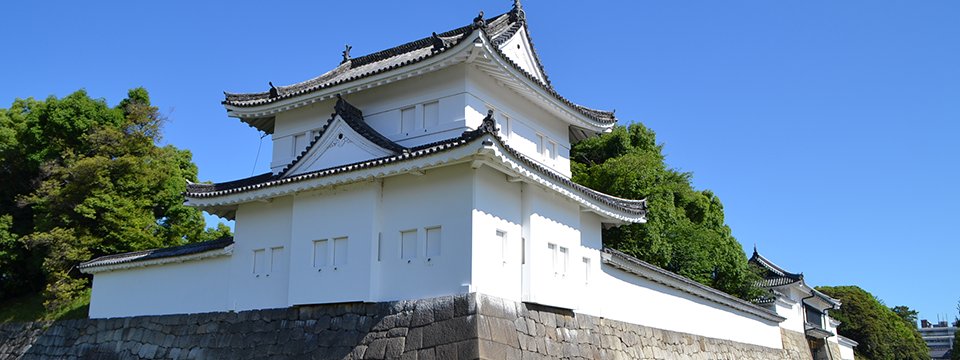
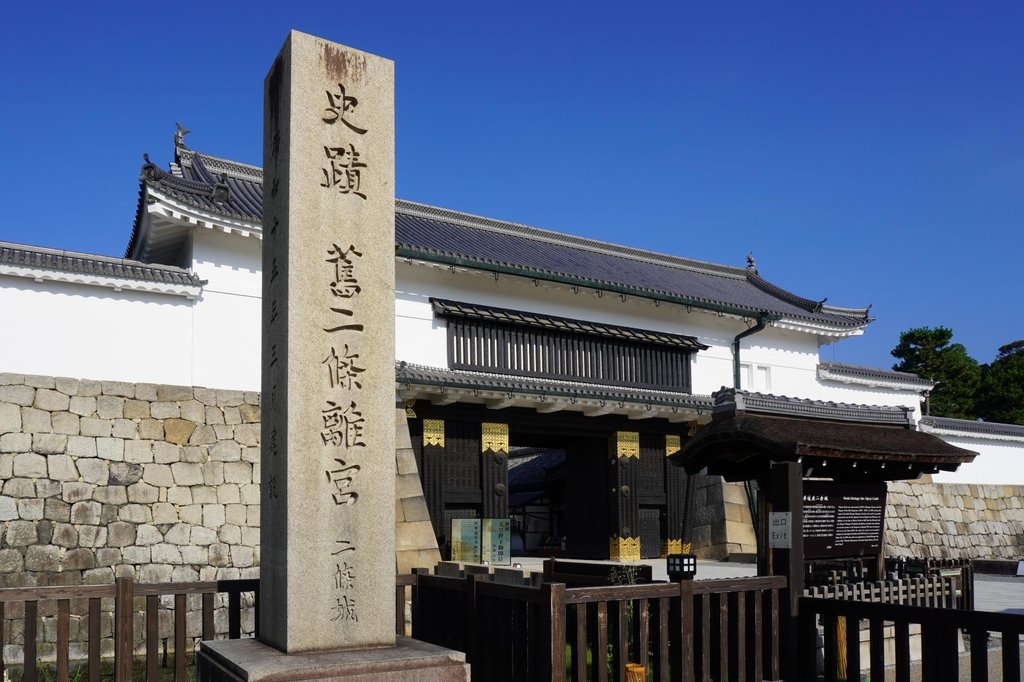
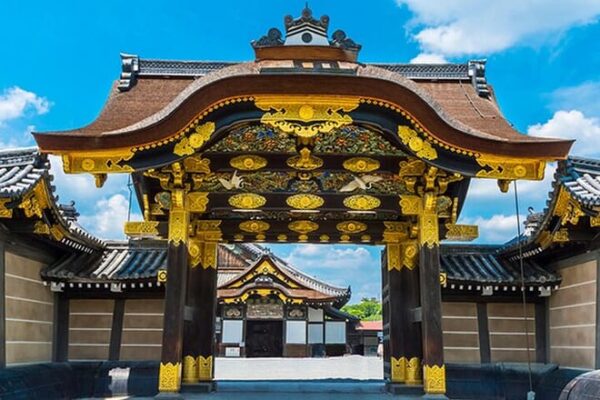
Nijo Castle was the Kyoto stronghold of the Edo shogunate, built on the orders of Tokugawa Ieyasu. Its structures, including the National Treasure Ninomaru Palace, survive in their original form. The great hall where the shogun announced the return of power to the emperor (Taisei Hokan) also remains, so you can walk through the very rooms where Japanese history took a decisive turn and feel that history up close.
Inside Ninomaru Palace, you can experience the famous nightingale floors, which chirp underfoot, and admire nearly 3,000 painted sliding-door panels created by artists of the Kano school. The lavish decorations and intricate craftsmanship reward a slow, unhurried visit.
Plan to spend 60 to 90 minutes exploring the palace and gardens at a comfortable pace.
A World Heritage Site, Nijo Castle is located immediately beside Nijojo-mae Station on the Kyoto Municipal Subway Tozai Line, making it one of the most convenient and rewarding castle visits during a stay in Kyoto.
Details
| Address | 541 Nijojocho, Nijo-dori Horikawa Nishi-iru, Nakagyo-ku, Kyoto |
| Hours | 8:45 am-4:00 pm (last entry; gates close 5:00 pm) |
| Closed | December 29-31 (Ninomaru Palace closed Tuesdays in January, July, August, and December, plus December 26-28 and January 1-3) |
| Admission | Adults ¥1,300 (entry plus Ninomaru Palace set ticket); junior high students ¥400; elementary students ¥300 |
| Official Website | https://nijo-jocastle.city.kyoto.lg.jp/ |
| Recommended For | Travelers interested in Japanese political history and Kano school painted screens |
Kyoto: Nijo Castle World Heritage Guided Tour with Admission
Edo Castle Ruins (Imperial Palace) | Remains of Japan’s Largest Castle
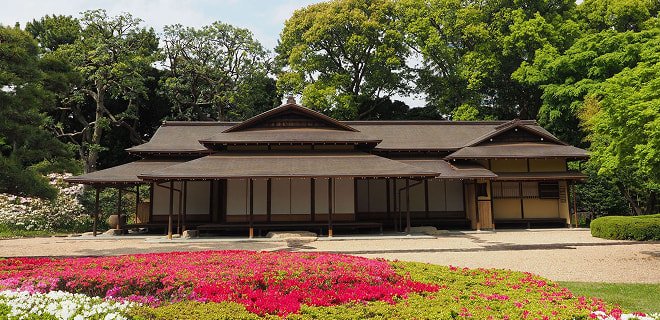
Edo Castle, once among the largest castles in Japan, lost its keep in the great fire of 1657. The grounds are now open to the public as the Imperial Palace East Gardens, where the massive keep foundation, stone walls, and guardhouses reveal the scale of the original castle.
Admission is free, and visitors can enter through one of three gates, including Otemon Gate. From Tokyo Station, Otemon is about a 10-minute walk, making the gardens an easy addition to a day of sightseeing in central Tokyo.
Visitors pass through a security check at the entrance, and the grounds include several slopes and stairways. Allow a little extra time for your visit, and wear comfortable walking shoes.
Details
| Address | 1 Chiyoda, Chiyoda-ku, Tokyo |
| Hours | Opens 9:00 am; closing time varies by season (5:00 pm March-mid April and September; 6:00 pm mid April-end of August; 4:30 pm October; 4:00 pm November-February) |
| Closed | Mondays and Fridays (if Monday is a public holiday, the gardens stay open and close the following Tuesday instead), December 28-January 3 |
| Admission | Free |
| Official Website | https://www.kunaicho.go.jp/visit/higashigyoen/index.html |
| Recommended For | Visitors staying near Tokyo Station who want to experience the remains of Japan’s largest castle for free |
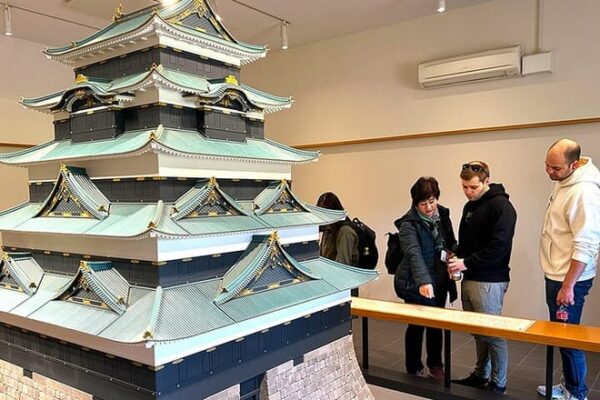
Tokyo Castle & Imperial PalaceーShogun Walking Tour
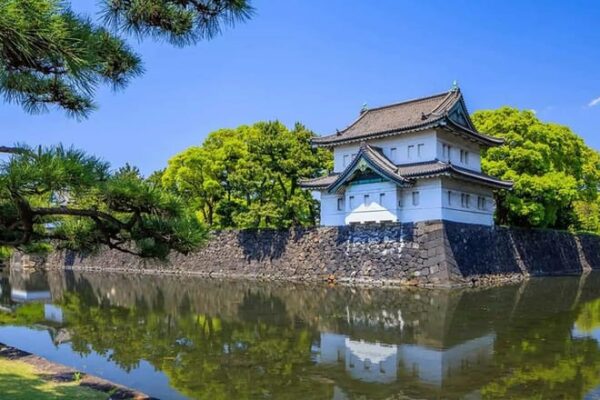
Tokyo Station and Imperial Palace 1 Hour Guided Tour
4 Famous Japanese Castles Worth the Extra Journey
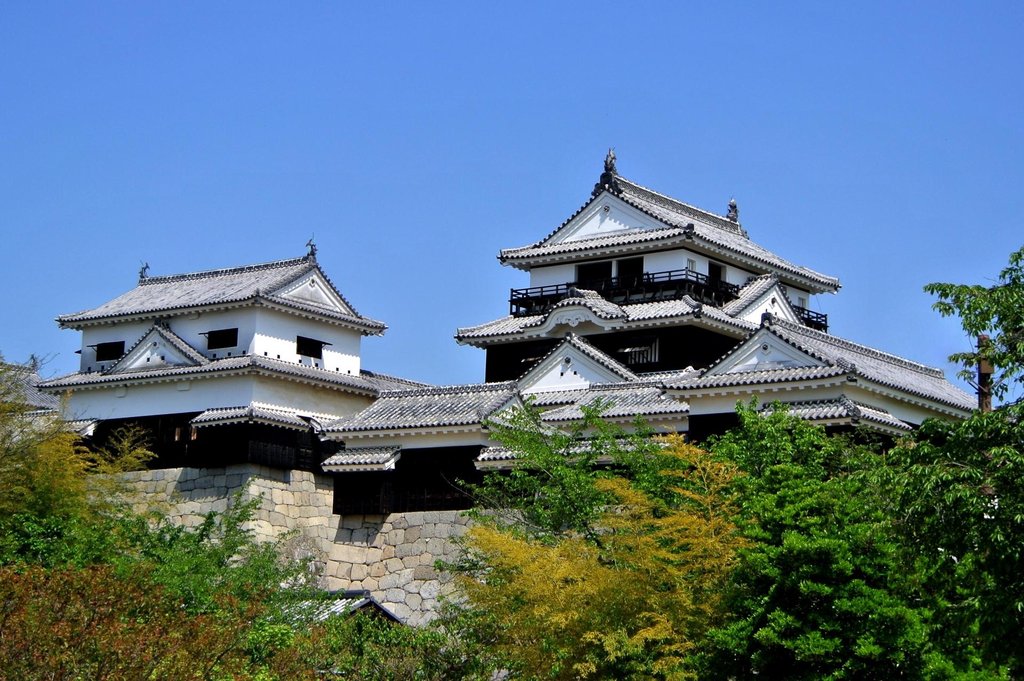
Venture a little beyond the major cities and you will find famous castles with seasonal scenery and distinctive charms of their own. Here are four castles with surviving original keeps, chosen for landscapes in harmony with nature, including cherry blossoms and seas of clouds.
You’ll also find practical information on how to get there, the best times to visit, and nearby sightseeing suggestions, making it easy to choose the castles that best fit your itinerary.
Kochi Castle | The Only Castle Where Both Keep and Palace Survive
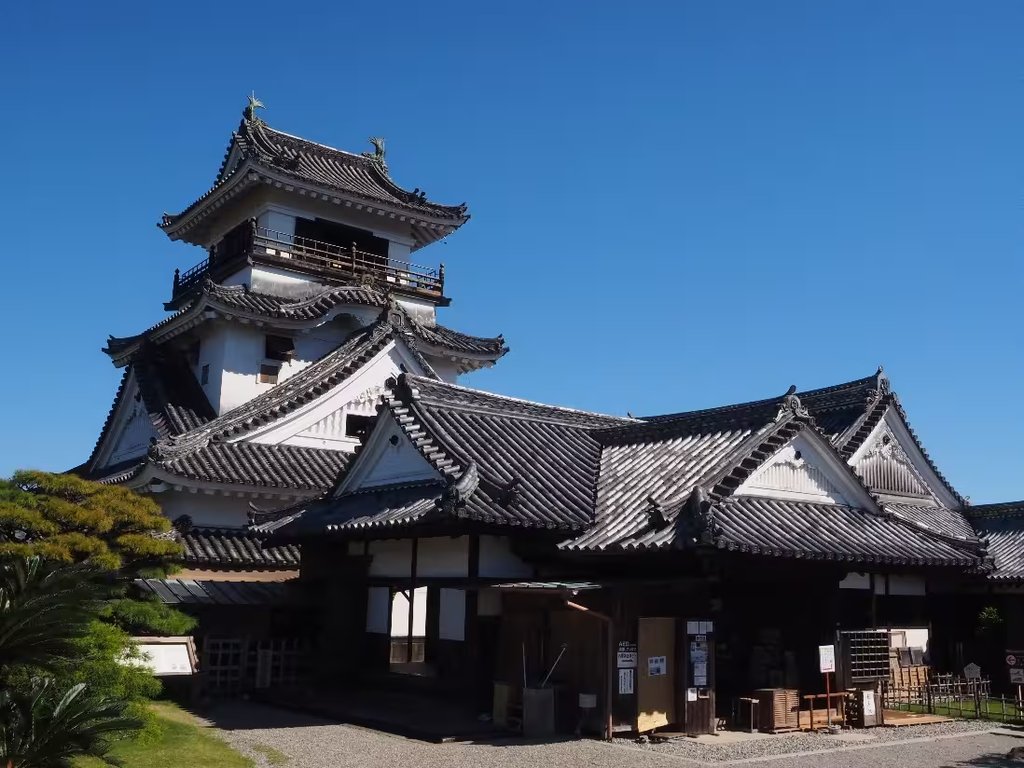
Kochi Castle is the only castle in Japan where both the keep and the main palace survive together. Having escaped wartime destruction, it preserves 15 historic buildings, including the keep and the Honmaru Palace, which are designated Important Cultural Properties.
Walking the route from the palace up into the keep, you can experience both samurai daily life and the castle’s defensive ingenuity. From the top floor, you are rewarded with panoramic views of Kochi City and the mountains of Shikoku.
On Sundays, the popular Sunday Market takes place outside Otemon Gate, offering an excellent opportunity to experience Kochi’s local food culture alongside your castle visit.
Kochi Castle is easily reached in about 20 minutes from JR Kochi Station by a combination of tram and a short walk.
Details
| Address | 1-2-1 Marunouchi, Kochi, Kochi |
| Hours | 9:00 am-5:00 pm (last entry 4:30 pm) |
| Closed | December 26-January 1 |
| Admission | ¥500 for ages 18 and over; under 18 free |
| Official Website | https://kochipark.jp/kochijyo/ |
| Recommended For | History lovers who want to experience the living spaces of a castle, and travelers who want to combine the Sunday Market with local culture |
Hirosaki Castle | A Keep Surrounded by 2,600 Cherry Trees
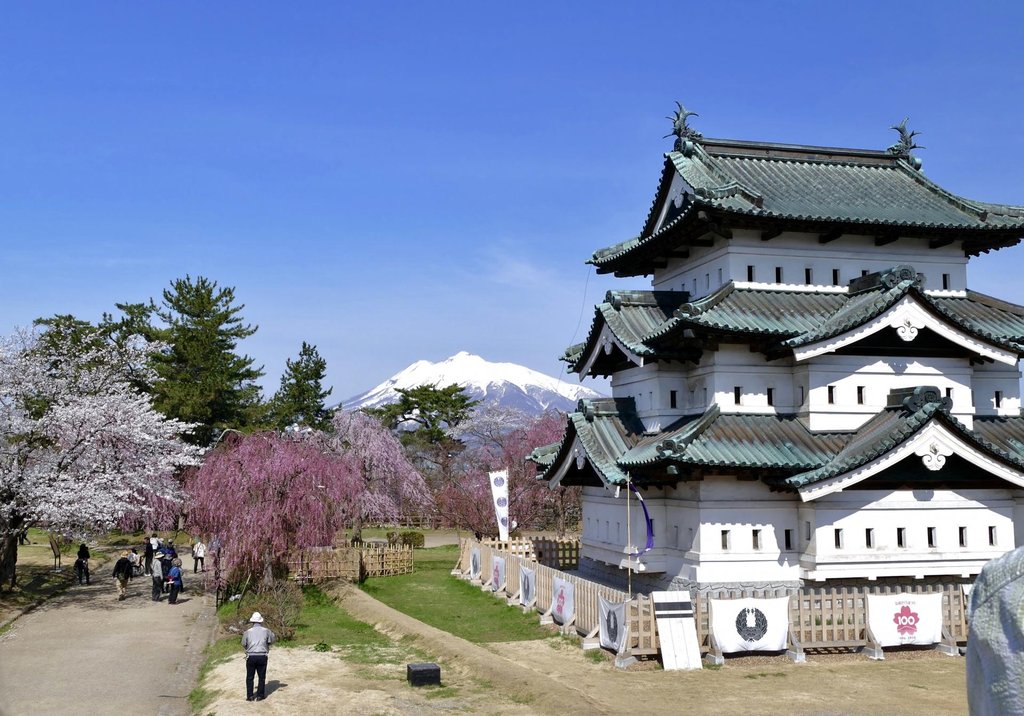
Hirosaki Park has about 2,600 cherry trees. At full bloom, a tunnel of blossoms stretches along the outer moat, and as the petals fall, they blanket the water in a phenomenon called hanaikada (a “flower raft” of petals covering the surface). Cherry blossoms typically reach their peak in late April, and during the Hirosaki Cherry Blossom Festival, the castle keep is illuminated after dark.
For a limited time, the Hirosaki Castle keep has been relocated within the inner bailey to allow for stone wall restoration. This temporary position offers a rare opportunity to photograph the keep with Mount Iwaki rising in the background.
The park is about 15 minutes by bus from JR Hirosaki Station. While famous for its cherry blossoms, Hirosaki Castle is equally rewarding in autumn, when the foliage turns brilliant shades of red and gold, and in winter, when the snow-covered grounds create a strikingly different atmosphere.
Details
| Address | 1 Shimoshirogane-cho, Hirosaki, Aomori |
| Hours | 9:00 am-5:00 pm (extended to 9:00 am-9:00 pm on some days during the Cherry Blossom Festival) |
| Closed | From November 24 to March 31, the inner bailey and Kita-no-kuruwa are open free of charge (the keep is closed; the park itself remains open) |
| Admission | Adults ¥320; children ¥100 |
| Official Website | https://www.hirosakipark.jp/ |
| Recommended For | Photographers after cherry blossoms and flower rafts, and travelers able to venture to the Tohoku region |
Matsuyama Castle | A Hilltop Keep Reached by Ropeway
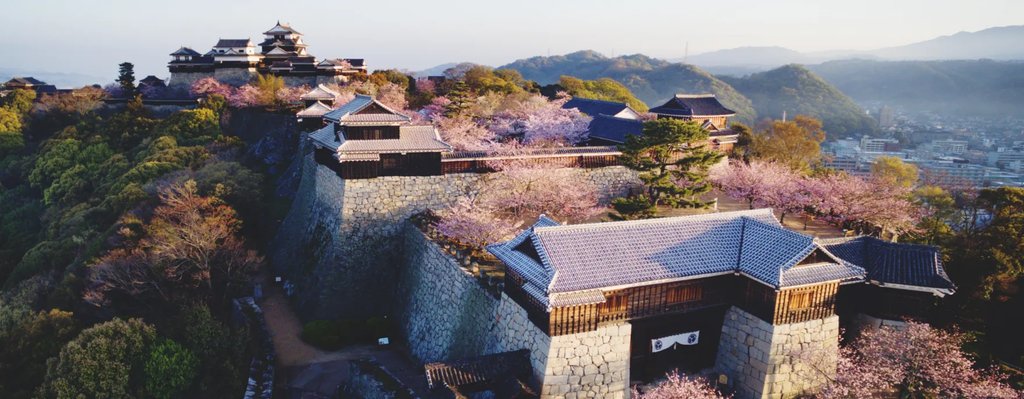
Matsuyama Castle is one of Japan’s 12 original castle keeps, standing atop a 132-meter (about 433-foot) hill. Visitors can reach the summit by ropeway or chairlift, then climb a short flight of stone steps to the keep, where sweeping views of Matsuyama City and the Seto Inland Sea await.
The castle is especially beautiful during cherry blossom season in spring and autumn foliage season, while the illuminated keep against the city lights creates a memorable evening scene. On rainy days, the chairlift is suspended, but the ropeway continues operating, making it the recommended option in wet weather.
The lower ropeway station is easily reached by a short tram ride and walk from JR Matsuyama Station. After exploring the castle, consider continuing to Dogo Onsen, which is about 15 minutes away by tram.
Details
| Address | 1 Marunouchi, Matsuyama, Ehime |
| Hours | Keep 9:00 am-5:00 pm (varies by season); ropeway 8:30 am-5:30 pm (varies by season) |
| Closed | Third Wednesday of December (for cleaning) |
| Admission | Keep: adults ¥520; children ¥160 (round-trip ropeway fare separate) |
| Official Website | https://www.matsuyamajo.jp/ |
| Recommended For | Visitors who want hilltop castle views and a hot spring in one day, and anyone visiting in cherry blossom or autumn foliage season |
Bitchu Matsuyama Castle | A Keep Floating Above a Sea of Clouds
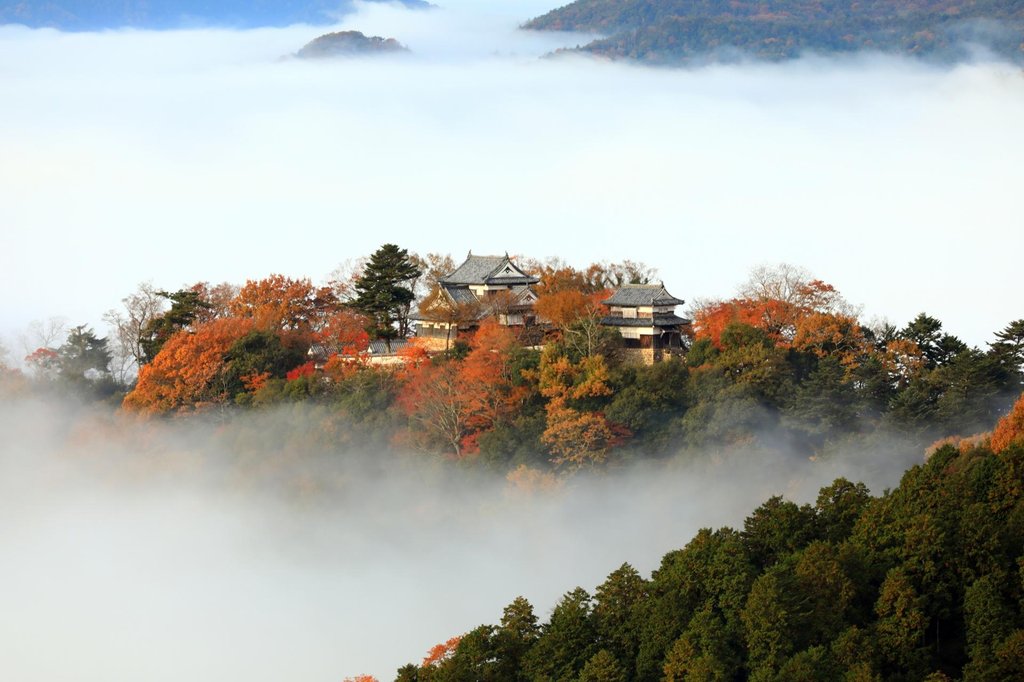
Bitchu Matsuyama Castle stands at an elevation of approximately 430 meters (about 1,410 feet), making it the highest original mountain castle keep in Japan. Built to take full advantage of the surrounding rugged terrain, it vividly demonstrates the defensive strategies of the Sengoku period.
On calm early mornings between late October and early December, a sea of clouds often forms below the castle. From an observation point across the valley, you can witness the breathtaking scene that has earned it the nickname “the castle in the sky.” Cold, windless mornings offer the best chance of seeing this phenomenon.
Reaching the keep requires about a 20-minute walk along a mountain trail. On weekends and other busy periods, when private vehicle access is restricted, use the shuttle bus to reach the trailhead. A reservation-based sightseeing taxi from JR Bitchu-Takahashi Station is another convenient way to access the castle.
Details
| Address | 1 Uchisange, Takahashi, Okayama |
| Hours | April-September 9:00 am-5:30 pm / October-March 9:00 am-4:30 pm |
| Closed | December 29-January 3 |
| Admission | Adults ¥500; elementary and junior high students ¥200 |
| Official Website | https://www.bitchumatsuyamacastle.jp/ |
| Recommended For | Photographers after the sea of clouds around the keep, and anyone who wants the atmosphere of a mountain castle |
3 Recommended Castle Tours with English-Speaking Guides
Signboards alone rarely capture the full story behind a castle’s military design and historical significance. These guided tours let you discover the unique appeal of each castle through the insights of an English-speaking guide.
Compare the tour durations and highlights to find one that best fits your itinerary. With expert commentary, you’ll gain a deeper appreciation of the architecture, defensive features, and historical events that are often easy to overlook on a self-guided visit.
Edo Castle and Imperial Palace Shogun Walking Tour
On this tour, operated by Japan Guide Star, an English-speaking guide leads you through the Imperial Palace East Gardens over the course of approximately two hours. It offers an engaging introduction to the role Edo Castle played as the political and military center of the Tokugawa shogunate.
Along the way, the guide highlights architectural and defensive features that are easy to miss on a self-guided visit, including stone wall construction techniques, the strategic angles of the slopes, and the design of the masugata (square defensive gate enclosures). Experiencing these details with expert commentary is the tour’s greatest strength.
The meeting point is about a 10-minute walk from Tokyo Station, and with free cancellation up to 24 hours before the tour, it is easy to fit into a flexible travel itinerary.
Details
| Meeting Point | 3-1 Kokyogaien, Chiyoda-ku, Tokyo |
| Duration | About 2 hours |
| Included | English-speaking guide; commentary on the Imperial Palace East Gardens |
| Booking | Japan Guide Star official website |
| Recommended For | Visitors in Tokyo who want to learn Edo shogunate history and castle architecture in depth |
Tokyo Castle & Imperial PalaceーShogun Walking Tour
Nijo Castle World Heritage Guided Tour
The Ninomaru Palace at Nijo Castle is the historic setting where the last Tokugawa shogun formally announced the return of political power to the emperor. On this tour, an English-speaking guide explains the political significance of this event, as well as the artistry of the palace’s painted sliding-door panels, providing insights that go far beyond the information on display boards.
Operated by Japan Guide Star, the tour is conducted in a small-group format and explores the palace over approximately 1.5 hours. Admission is included, so there is no need to purchase tickets separately at the entrance.
This tour is an excellent choice for travelers who want to gain a deeper understanding of Tokugawa-era politics, architecture, and art while standing in the original setting where these historic events unfolded.
Details
| Meeting Point | Exit 1, Nijojo-mae Station, Tozai subway line |
| Duration | About 1.5 hours |
| Included | English-speaking guide; admission |
| Booking | https://japanguidestar.com/tour/kyoto-nijo-castle-world-heritage-guided-tour-with-admission/ |
| Recommended For | Visitors interested in Tokugawa-era political history and architectural aesthetics who want to learn in depth in English |
Kyoto: Nijo Castle World Heritage Guided Tour with Admission
Osaka Castle Walking Tour
The outer moat and stone walls of Osaka Castle incorporate numerous defensive features, from carefully planned flanking-fire angles to the strategic placement of enormous stone blocks. A guided tour helps uncover the military thinking behind these designs—details that are easy to overlook when exploring on your own.
On this tour, operated by Japan Guide Star, an English-speaking guide explains the castle’s defensive layout and leads you through the main tower over approximately 1.5 hours. Admission to the main tower is included, allowing you to bypass the ticket line and make the most of your visit.
By the end of the tour, you’ll have a much deeper understanding of Japanese castle architecture, including the defensive role of the stone walls and the commanding views from the top of the keep. If you’re interested in military engineering and castle design, the Osaka Castle Walking Tour is an excellent choice.
Details
| Meeting Point | Bambacho bus stop, Osaka |
| Duration | About 1.5 hours |
| Included | English-speaking guide; main tower admission |
| Booking | https://japanguidestar.com/tour/osaka-castle-walking-tour-and-castle-tower-admission/ |
| Recommended For | Travelers interested in castle architecture and military design |
Osaka Castle Walking Tour and Castle Tower Admission
Common Questions About Visiting Castles in Japan

Here are answers to some practical questions that are worth knowing before your visit. Understanding the best times of year to visit, how much time to allow, the rules on removing shoes, and the availability of English-language support in advance will help make your castle visits smoother and more enjoyable.
When Do the Castles Look Most Beautiful?
Castle scenery is at its finest during cherry blossom season from late March to April and autumn foliage in November. The blossoms at Himeji and Matsumoto castles are especially popular, and the flower rafts at Hirosaki Castle are not to be missed. Cherry blossom season gets crowded, so an early-morning visit is best.
At Bitchu Matsuyama Castle, another seasonal highlight awaits. On calm early mornings from autumn through spring, you may be able to photograph the keep appearing to float above a sea of clouds, creating one of Japan’s most iconic castle views.
As cherry blossoms have been blooming progressively earlier in recent years, it is worth checking the latest bloom forecast before planning your visit.
How Much Time Should I Allow for a Castle Visit?
Plan on about one hour for a smaller castle and two to three hours for a larger one. During peak travel seasons, long lines can significantly increase your visit time, so keep these tips in mind:
- Arrive before opening time to be among the first visitors through the gates.
- Visit on a weekday, or aim for the quieter period after 3:00 pm.
- Avoid the busiest hours between 11:00 am and 2:00 pm whenever possible.
At popular sites such as Himeji Castle, entry lines can sometimes reach two hours during busy periods. If you also plan to explore the surrounding castle town, allow at least half a day. For the largest castles, dedicating a full day provides the most relaxed and rewarding experience.
Do I Need to Take Off My Shoes Inside the Castles?
At castles with original keeps, you will be asked to remove your shoes at the entrance and carry them with you as you explore. In contrast, most reconstructed keeps allow visitors to keep their shoes on.
The wooden floors inside original keeps can become quite cold during winter, and the interior staircases are often steep and narrow. To make your visit more comfortable and safer, consider the following:
- Wear thick, non-slip socks to keep your feet warm and improve your footing.
- Bring a small reusable bag for carrying your shoes.
- Use a backpack or another hands-free bag so you can hold the handrails securely while climbing the steep stairs.
Can I Visit Castles with a Wheelchair or Stroller?
The interiors of original castle keeps are generally not accessible for wheelchairs or strollers due to their steep, narrow staircases. However, the castle grounds and gardens are often accessible, allowing visitors to enjoy the exterior architecture and take photographs without entering the keep.
By contrast, many reconstructed keeps are equipped with elevators and other accessibility features. Be sure to check each castle’s official website before your visit for the latest accessibility information.
- Original keeps: Expect stairs only, so plan to focus on the castle grounds if mobility is a concern.
- Reconstructed keeps: Check the official website in advance to confirm whether elevators are available.
- Seniors and families with young children: Planning your visit around the gardens and exterior viewpoints can provide a more comfortable and enjoyable experience.
Is There English Signage or Guidance at the Castles?
The level of English-language support varies from castle to castle. Major attractions generally provide English signage, and some, such as Nagoya Castle, also offer English-guided tours.
At many original keeps in regional areas, however, English information is limited. Having a translation app on hand can make your visit more comfortable. If you want a deeper understanding of a castle’s history, architecture, and defensive design, joining an English-guided tour is highly recommended.
Find Your Favorite Castle in Japan
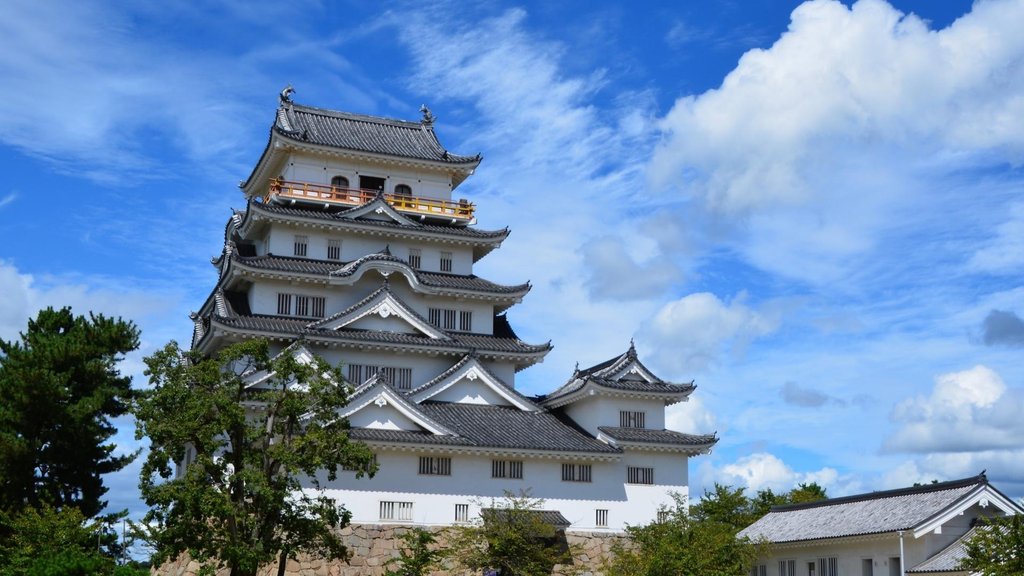
Japan’s castles offer a remarkable variety of experiences, from National Treasure original keeps to reconstructed castles in major cities. Rather than trying to see them all, choosing three to five castles that fit your itinerary, the season, and the cities where you are staying will almost always lead to a more rewarding trip.
Because English-language support and accessibility vary from castle to castle, it is worth checking each castle’s official website before your visit. Whether you are drawn to the architectural grandeur of Himeji Castle, the panoramic views from Matsumoto Castle, or the dramatic mountain setting of Bitchu Matsuyama Castle, selecting castles that match your interests and travel route will make the difference between simply checking off sights and creating lasting memories.