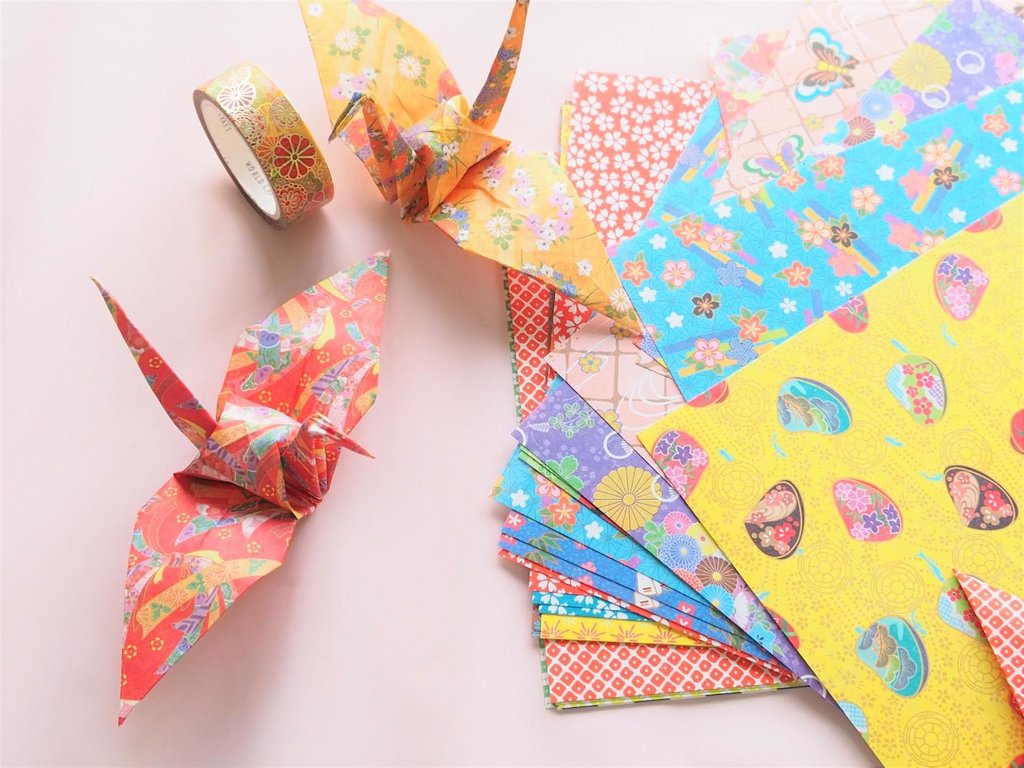
Known around the world as origami, this Japanese tradition transforms a single sheet of paper into animals, geometric forms, and functional objects through folding alone. Its history stretches from the arrival of paper in Japan to the present day, while models such as the folded crane carry cultural meaning beyond their physical form.
The principles of origami have also found applications in modern technology, including space engineering. Travelers visiting Japan can experience the tradition firsthand by trying origami for themselves.
What Is Origami? A Japanese Craft of Folding a Single Sheet of Paper
The word origami, its linguistic roots, and the way people practice it all point to the same craft: folding, not cutting. It goes by the same name everywhere in the world.
A Japanese Word Combining “to Fold” and “Paper”
Origami joins oru (to fold) with kami (paper). From the Edo period into the Meiji era, the activity carried different names depending on its purpose: decorative orisue, the samurai etiquette of orikata, and the pastime known as orimono.
As modern schools adopted paper folding as teaching material, the single word origami took hold. Origami refers to the finished model and also to the square sheets of colored paper used for folding.
Folding One Square Sheet Without Cutting
Standard origami transforms a single square sheet through folding alone, without cutting or gluing, making most models accessible to both children and adults.
- The basic rule: fold one square sheet without cutting or gluing
- Exception 1: some traditional models include cuts in the paper
- Exception 2: unit origami combines multiple sheets into a single model
Unlike cutting-based techniques, folding allows you to unfold the paper and try again, making it easy to check each step and repeat a fold as often as needed.
A Different Technique From Kirigami and Paper Craft
People often confuse kirigami (paper cutting) and paper craft with origami, though the making process differs in each case. The table below compares the three.
| Comparison | Origami | Kirigami (paper cutting) | Paper Craft |
|---|---|---|---|
| Main action | Folding | Cutting | Cutting and gluing |
| Tools needed | Paper only | Scissors, craft knife | Scissors, glue, templates |
| Typical works | Folded crane, samurai helmet | Snowflakes, cut-paper pictures | Three-dimensional models of buildings and animals |
| Reversible to a flat sheet | Yes | No | No |
Once kirigami paper is cut, there is no going back. Origami, by contrast, can be unfolded back into a flat sheet, and that reversibility has made it a valuable classroom material: students can experiment with different folds without worrying about permanently ruining the paper.
ORIGAMI: A Word Understood Around the World
The word origami travels without translation, and people around the world recognize it. Japanese artists brought their work to international audiences in the mid-20th century, where the precision and elegance of folded forms generated genuine interest.
- Origami societies across Europe and North America hold regular conventions
- Mathematics and engineering departments at universities study folded structures
- Hands-on programs for visitors to Japan offer origami alongside experiences such as kimono dressing and matcha preparation
Beyond the craft itself, the word origami has come to represent Japanese precision and ingenuity more broadly.
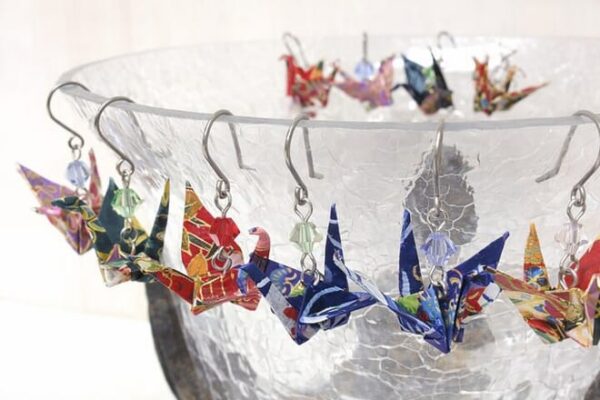
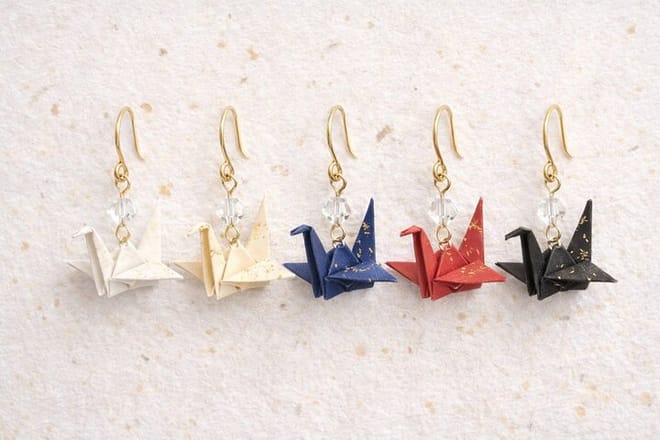
Tokyo: Create Your Own Handmade Origami Jewelry
Discover the beauty of traditional Japanese craftsmanship in this hands-on origami workshop.
The History of Origami in Japan, Traced From the Arrival of Paper
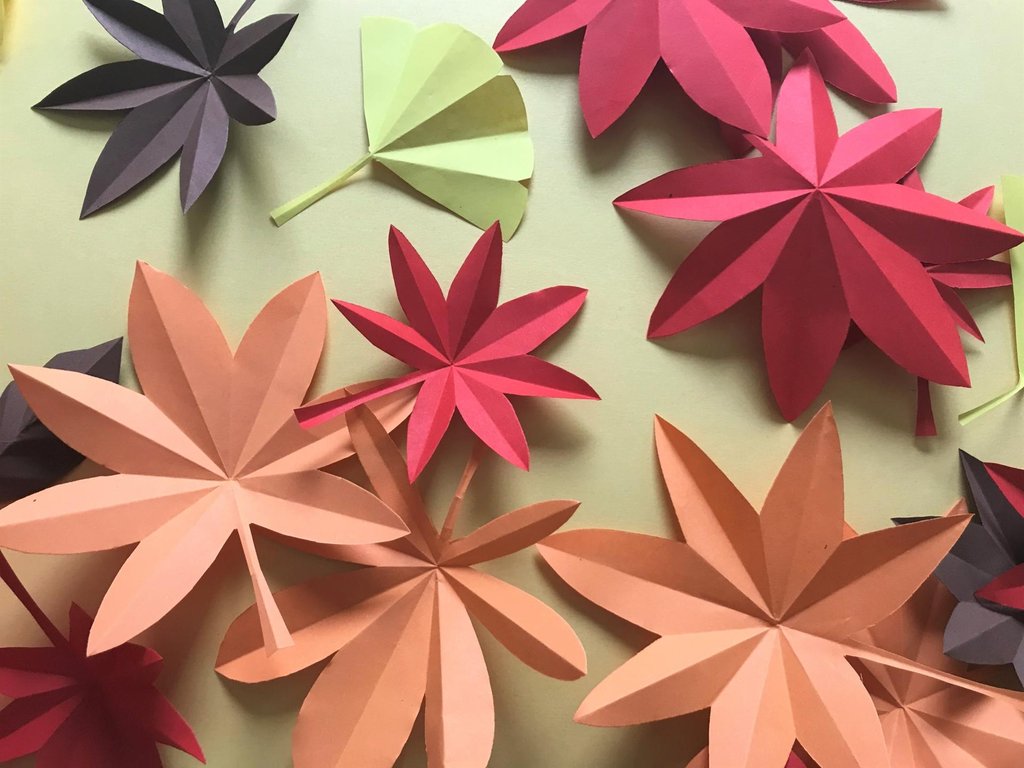
Paper reached Japan from the Asian mainland, and folding went on to serve samurai etiquette, common amusement, classroom education, and space engineering.
7th Century: Papermaking Arrives From the Mainland
China invented papermaking, and the technique reached Japan by way of the Korean Peninsula in the early 7th century. It later evolved into Japan’s own washi (traditional Japanese paper), which became an important foundation for the development of origami.
- Plant fibers interlock in complex patterns, giving thin sheets resistance to tearing
- Creases hold sharply so the shape stays put, and the paper still flexes enough for fine, detailed work
Paper was expensive at the time and was used mainly for religious objects, such as the shide streamers hung from shrine shimenawa (sacred straw ropes). That ritual use is among the earliest recorded instances of Japan’s paper-folding culture.
15th Century: Orikata Takes Shape as Samurai Etiquette
During the Muromachi period (14th to 16th centuries), paper folding became a codified part of samurai etiquette. The Ogasawara family and others established rules for wrapping gifts, giving rise to practices known as orikata.
- On a noshibukuro (envelope for celebratory gift money), the right side is folded first, followed by the left side over it
- On a koden envelope for funeral offerings, the order is reversed: the left side is folded first, followed by the right side over it
- The knot of the mizuhiki (decorative cord) also differs depending on whether the occasion is celebratory or solemn
Folding one way for celebrations and another for mourning conveyed respect and consideration without a word. Traces of that etiquette remain in how gift envelopes are wrapped for weddings and funerals today.
18th Century: The World’s Oldest Origami Book Appears
Washi production rose during the Edo period (17th to 19th centuries), and folding paper spread as a pastime among ordinary people. Hiden Senbazuru Orikata appeared in 1797. It is the oldest known origami book in the world.
The book records 49 varieties of renzuru, sets of cranes linked together from a single sheet with cuts. Beautifully woodblock-printed chiyogami paper spread in the same period, and folding grew from a refined form of etiquette into a colorful artistic pastime.
19th to Early 20th Century: Kindergartens Adopt Origami as Teaching Material
During the Meiji era (1868–1912), Japan built its modern education system and brought origami into kindergartens, prizing it as an activity that trains children’s hands.
More than a century of deliberate classroom teaching explains why so many people in Japan can fold a crane. By 1918 origami had a place in elementary school craft classes, and inexpensive pre-cut square paper circulated widely.
20th Century: Akira Yoshizawa Establishes Diagram Symbols
The dotted lines and arrows in folding diagrams came from the origami artist Akira Yoshizawa, who devised them in the 1940s and 1950s. Dashed lines mark valley folds, dash-dot lines mark mountain folds, and the system conveys each step visually.
Enthusiasts in the United States later refined the notation, and it settled in as an international standard that lets people anywhere fold the same model regardless of language.
Late 20th Century: The Miura Fold Reaches Space Engineering
Folding principles serve in orbit as well. The Miura fold, devised by the space engineer Koryo Miura, opens across its entire surface when you pull two opposite corners, and collapses compactly when the motion reverses.
- Stowage and deployment mechanisms for large solar array paddles on satellites
- Folding structures for antennas used in space
- Medical applications, including the expansion mechanism of vascular stents
A 1995 space mission successfully tested the deployment of a solar array paddle, and research continues to build on the same principle today.
How Origami Became Part of Daily Life in Japan
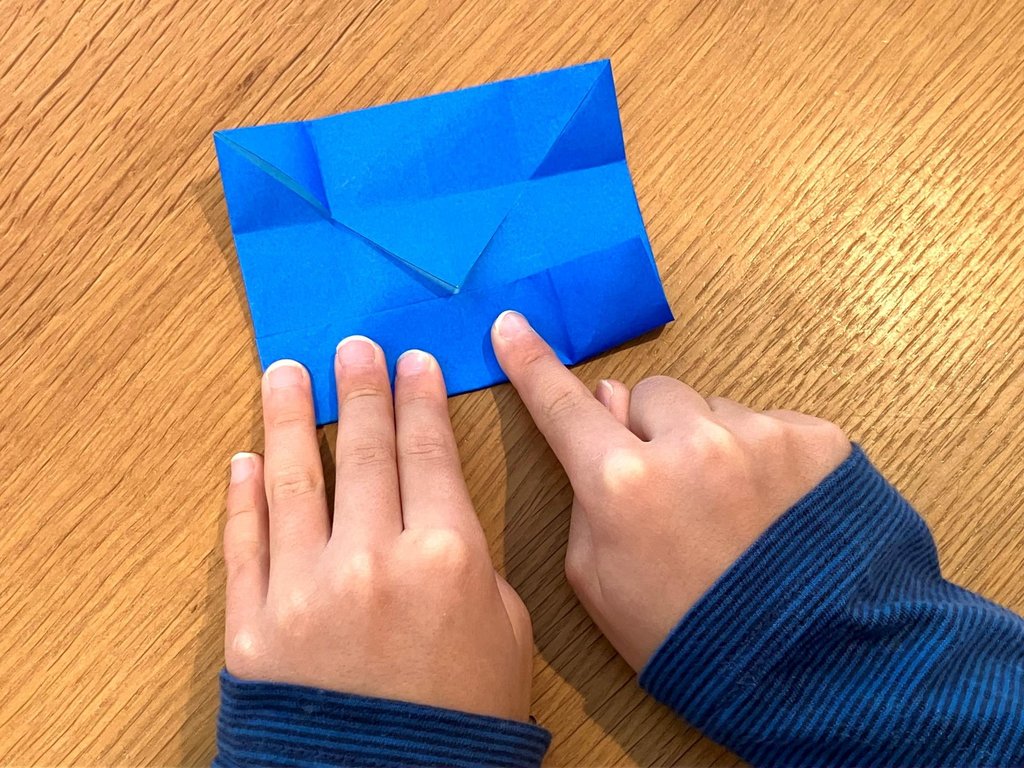
Origami is part of everyday play in Japan, and it also appears in schools, in recreation programs at care facilities, and at seasonal celebrations.
Teaching Material From Kindergarten Through Elementary School
Kindergartens and nursery schools in Japan use origami widely as a craft activity. Children move their fingers as they fold and think through shapes and sequences, which keeps the activity enjoyable for them.
- Folding alone completes most models, so even young children can manage them
- Material costs are low, allowing an entire group to participate at once
- No special equipment is required, so origami works equally well in a classroom or at home
Elementary schools sometimes incorporate origami into arithmetic lessons, using folded squares to explore the properties of geometric figures. Ordinary paper is enough to demonstrate how shapes change.
Recreation at Facilities for Older Adults
Care facilities for older adults use origami as a seated, low-effort activity suited to a range of mobility levels. Participants can work while seated, make models suited to the season, and talk with one another as they fold.
- Cherry blossoms in spring, morning glories in summer, and other seasonal models
- Group sessions where residents fold and socialize together, with finished pieces displayed in hallways and shared spaces
The activity requires no large physical movement, so residents with limited mobility can take part. Finished pieces double as seasonal decorations.
Decorations for Seasonal Celebrations
Folded paper decorations brighten streets in Japan through the calendar of seasonal celebrations.
| Time of Year | Event | Standard Origami Decorations |
|---|---|---|
| March | Hinamatsuri (a festival wishing for girls’ healthy growth) | Ohinasama dolls, peach blossoms |
| May | Tango no Sekku (a celebration of boys’ growth) | Samurai helmets, koinobori carp streamers |
| July | Tanabata (wishes written on paper strips and hung on bamboo) | Stars, paper streamers, wish-strip decorations |
| December | Christmas and New Year preparations | Santa Claus, kadomatsu pine decorations |
These decorations turn up in nursery schools, shopping streets, and libraries. They take little time to make and change with the season.
Folding Washi for Shinto Rites and Ceremonial Occasions
Shinto rites and ceremonial occasions in Japan still involve folding and wrapping washi. Some of these customs are connected to orikata, the etiquette that developed in samurai society during the Muromachi period.
- Celebratory money envelopes carry a noshi ornament folded from washi
- Weddings sometimes use place cards and decorations made with washi
- Shinto rites employ folded washi items such as shide streamers, which help mark sacred space
The way washi is folded and wrapped carries meaning suited to the purpose and occasion. Ceremonies held today continue to express respect and good wishes through these traditions of folded paper.
Classic Origami Models Worth Knowing
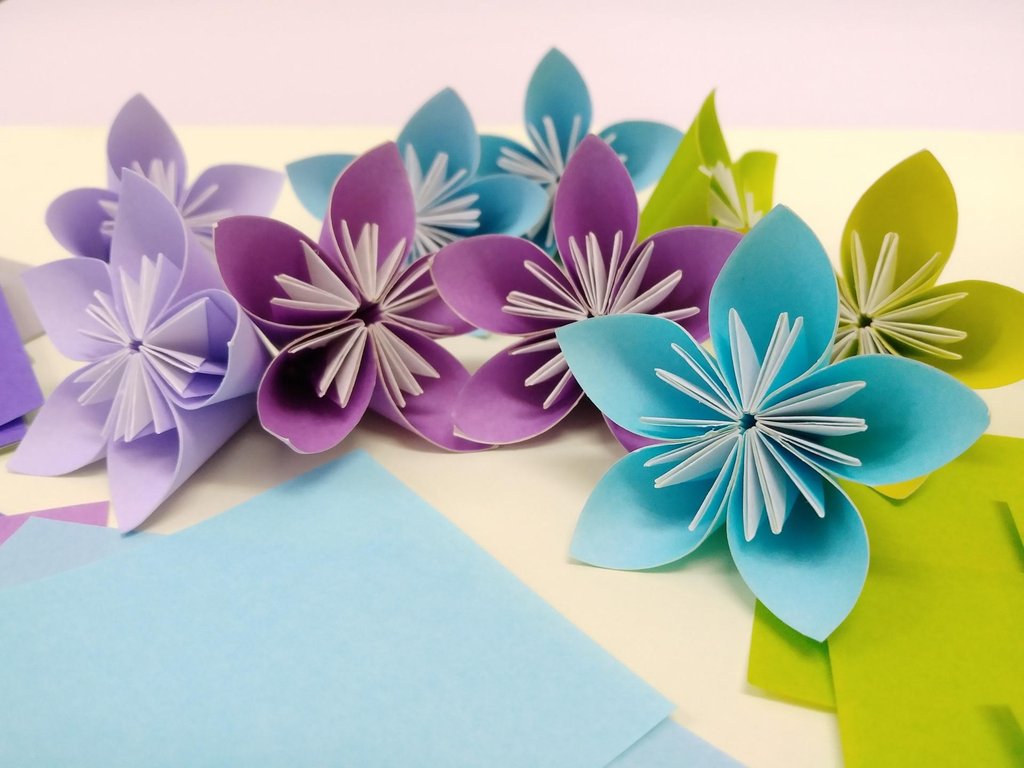
People in Japan have folded and enjoyed a handful of origami models for generations, and their features and cultural meanings run through daily life and annual events.
Orizuru: The Folded Crane, a Symbol of Long Life and Good Fortune
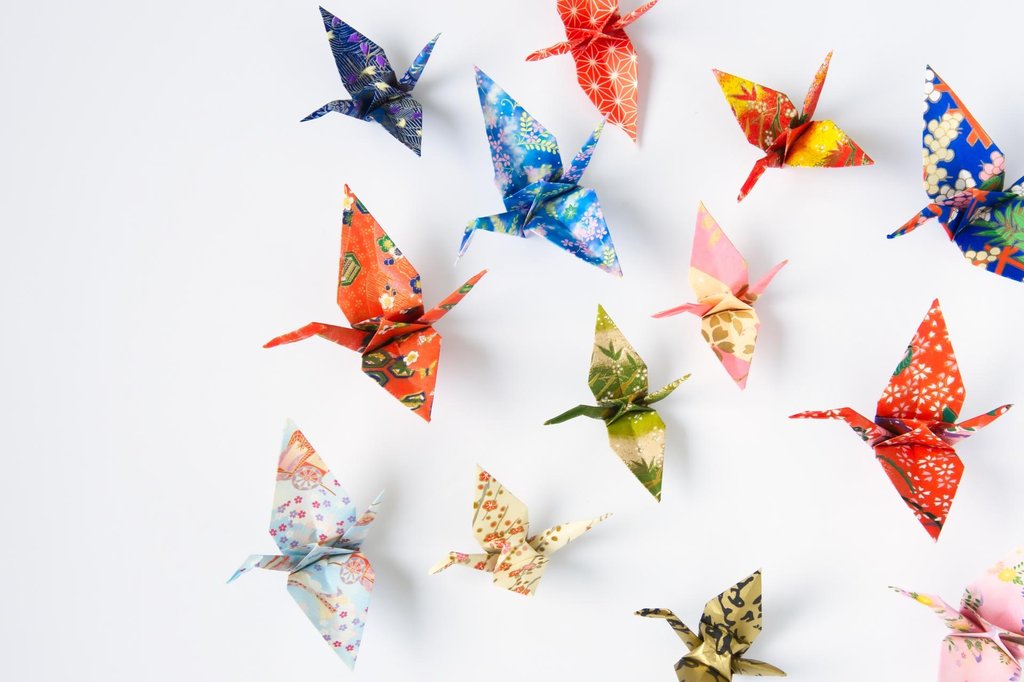
The orizuru, or folded crane, ranks among the best known of all origami models. Japan has long regarded the crane as an auspicious bird symbolizing long life, and the folded crane appears at celebrations and whenever people fold a wish into paper.
- It teaches several fundamental techniques, including valley folds, mountain folds, and inside reverse folds
- It uses the bird base, a foundation that carries over to many other origami models
- Shaping the neck, wings, and tail transforms the flat sheet into a three-dimensional form
Once finished, the neck, wings, and tail project from the sheet, giving the crane a distinct sense of volume and turning a simple piece of paper into a recognizable bird.
Tokyo: Create Your Own Handmade Origami Jewelry
Discover the beauty of traditional Japanese craftsmanship in this hands-on origami workshop.
Senbazuru: A Thousand Cranes Folded for Recovery and Peace
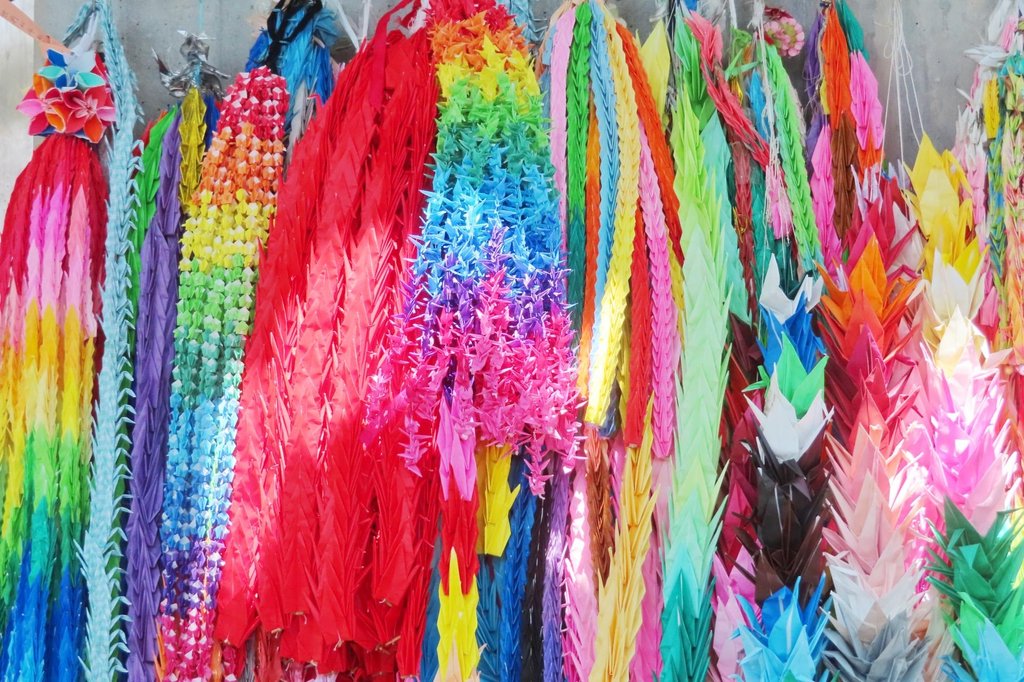
Senbazuru strings many folded cranes together with thread, traditionally carrying wishes for recovery from illness or for peace. The story of Sadako Sasaki, who was exposed to the atomic bombing of Hiroshima and later died of leukemia, helped make the practice known abroad as a symbol of the wish for peace.
- Hospitals sometimes limit what they can accept, often citing hygiene concerns
- Disaster-affected areas may sometimes decline them because of storage and disposal burdens
- Anyone planning to give senbazuru should check in advance whether the intended recipient or facility can accept them
Senbazuru brings together cranes folded by many hands into a single bundle. However, the finished string can create storage or disposal work for whoever receives it, so confirming in advance that the gift is welcome is a considerate gesture.
Kabuto: An Auspicious Helmet Displayed for Children’s Day
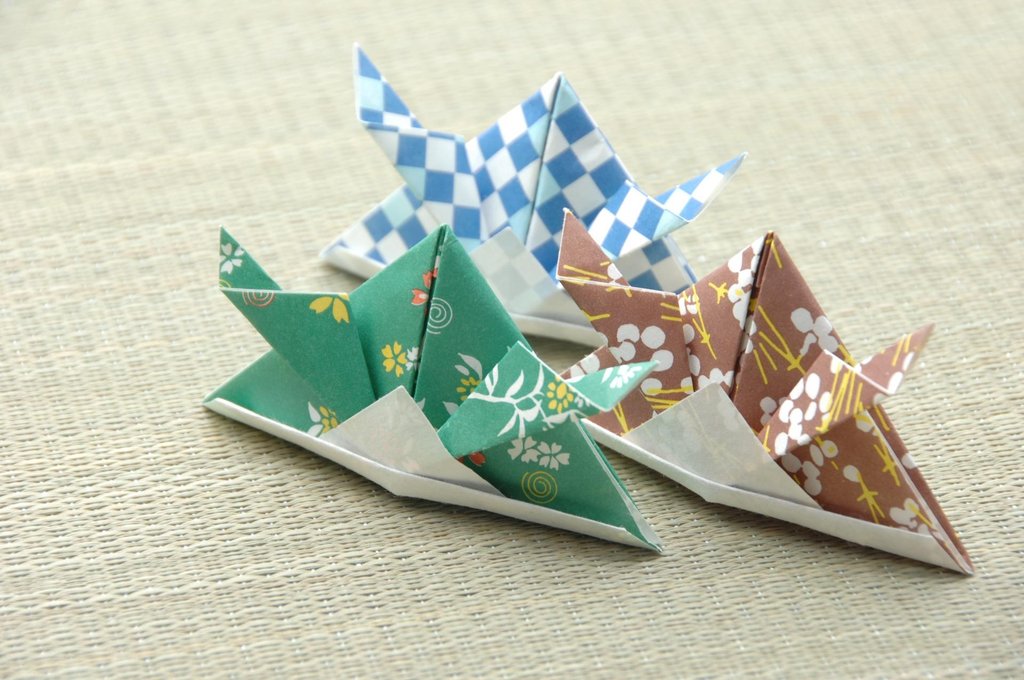
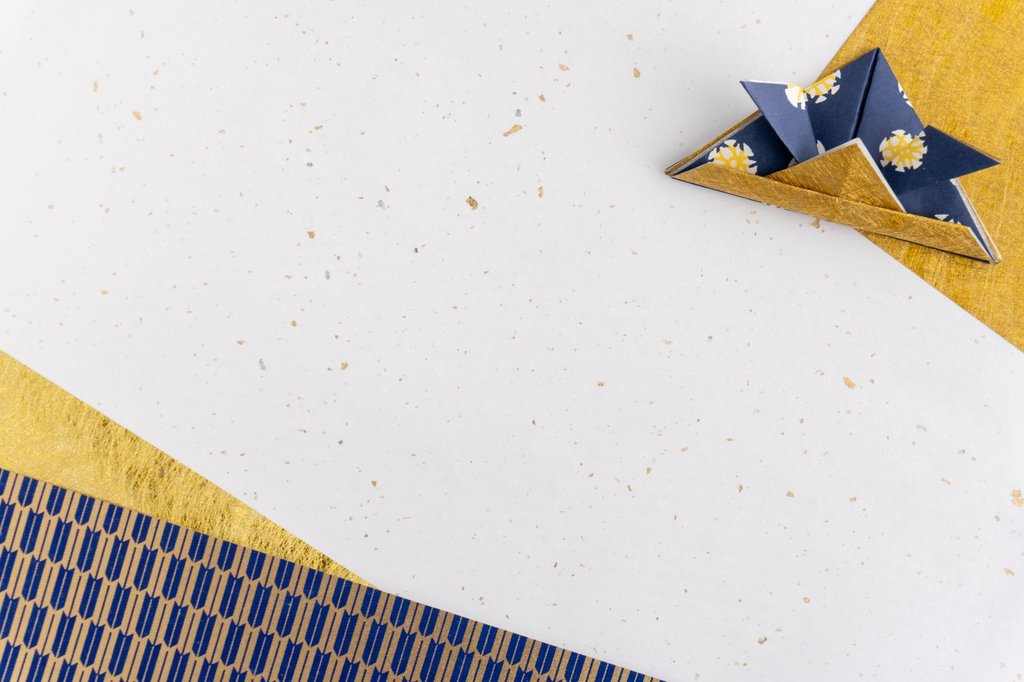
The kabuto, or samurai helmet, is one of the standard auspicious items displayed for Tango no Sekku on May 5. It takes relatively few steps to fold, and that simplicity keeps it popular with children.
Folded from a large sheet such as newspaper, the helmet comes out large enough to wear during play, and layered creases alone give it convincing volume.
Shuriken: Two Sheets Combined Into One Model
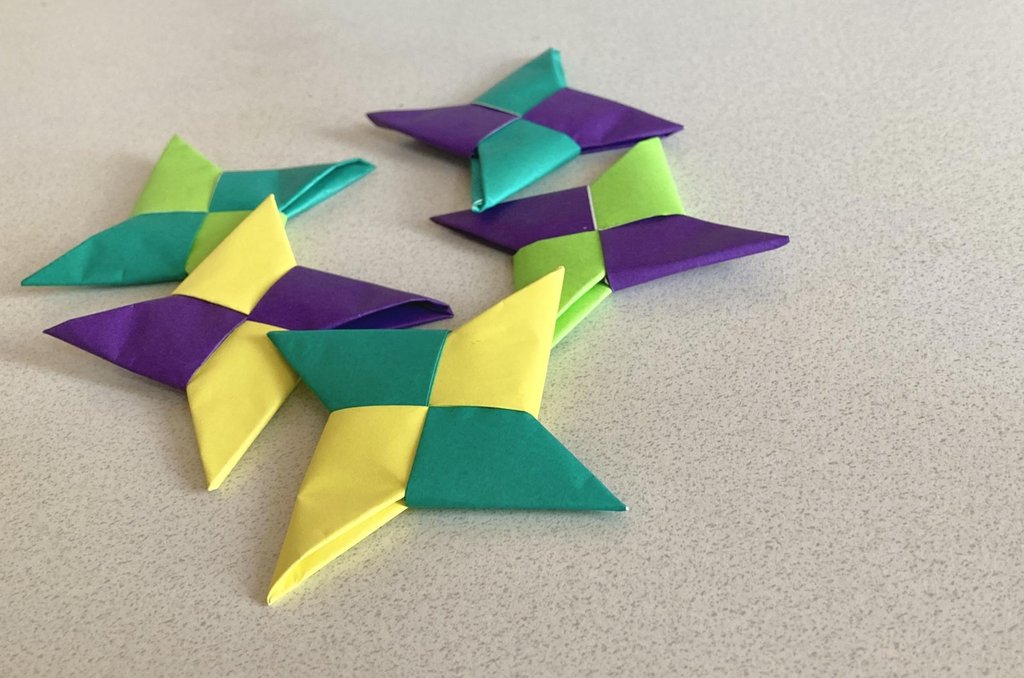
The shuriken, or ninja throwing star, consists of two separately folded sheets joined together. It introduces the logic of unit origami, in which multiple folded parts lock together to form a single model, making it a good choice for folders who are comfortable with basic techniques.
Using two different colors creates an alternating pattern across the finished star. Its association with ninjas has also made the shuriken a popular origami model with a strong connection to Japanese culture.
Paper Airplanes: A Classic Model Made for Flying

The paper airplane is a classic origami model designed to be thrown after folding. Changing the wing angle or folding pattern can alter how the plane flies, turning the activity into an exercise in experimentation and adjustment.
- Wing angle: changing the angle can affect flight distance and stability
- Nose and wing shape: reshaping these parts can alter the flight path, while comparing different folding patterns reveals how each design performs
No special origami paper is required. Ordinary sheets such as A4 copy paper work well. Because the flight changes with the folds and the wing shape, a paper airplane also introduces an accessible entry point into aerodynamics.
Three Ways to Experience Origami Culture in Japan
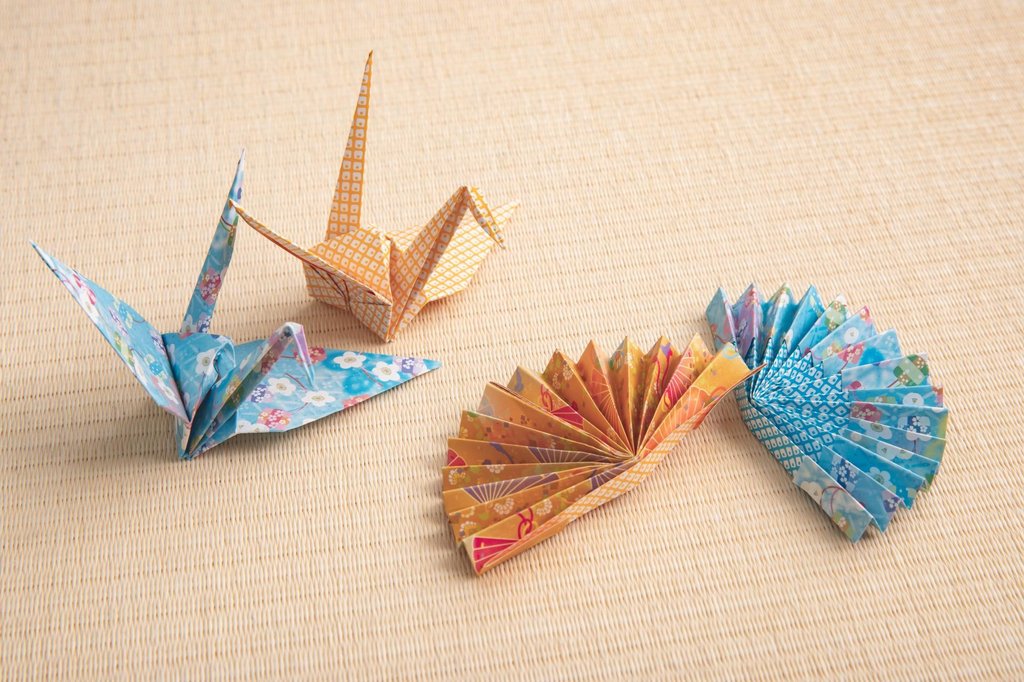
During a stay in Japan, you can experience origami by joining a workshop, visiting a specialized facility, or buying washi and origami paper to take home. The choice depends on the purpose of your trip and the time you have available.
1. Learn to Fold From an Instructor at a Workshop
At the workshop run by Japan Guide Star, participants fold washi into motifs and turn them into jewelry. Along the way, the session covers the history of washi and the meanings behind its patterns.
Classes stay small and run in English, so you can join comfortably without any Japanese. You fold a crane or a geometric pattern, then coat it in UV resin to make earrings or a necklace. The finished piece becomes a keepsake from the trip.
Details
| Address | Chopsticks Studio Shinjuku, 8F Higashi Building, 1-5-4 Kabukicho, Shinjuku-ku, Tokyo |
| Duration | About 1 hour |
| Included in the price | Washi, tools, and a full set of jewelry components |
| Booking site | https://japanguidestar.com/tour/tokyo-create-your-own-handmade-origami-jewelry/ |
| Best for | First-time origami folders; visitors who want to learn about Japanese culture in English; anyone who wants to take home jewelry they made themselves |
Tokyo: Create Your Own Handmade Origami Jewelry
Discover the beauty of traditional Japanese craftsmanship in this hands-on origami workshop.

2. View Finished Works at a Museum or Specialized Facility
Anyone who wants to spend time with finished origami works and see the papermaking process can visit a specialized facility in Tokyo. Exhibits differ from place to place.
Ochanomizu Origami Kaikan grew out of a washi shop founded in 1858, and alongside its displays of origami works, visitors can watch artisans hand-dye washi. The Tokyo Origami Museum, operated by the Nippon Origami Association, shows works including animals and geometric forms.
Details
| Item | Ochanomizu Origami Kaikan | Tokyo Origami Museum |
|---|---|---|
| Location | Yushima, Bunkyo Ward | Honjo, Sumida Ward |
| Admission | Free | Free |
| Main attractions | Special exhibitions; washi dyeing workshop viewing | Permanent display of three-dimensional works, including animals and geometric forms |
| Official site | https://origamikaikan.co.jp/ | https://www.origami-noa.jp/ |
| Best for | Anyone curious about how washi is made | Anyone who wants to take in the artistry of finished works |
Prices are subject to change. Please check the official website for the latest information.
3. Buy Washi and Origami Paper to Take Home
Origami paper is lightweight and takes up almost no space in a suitcase, making it a practical souvenir from Japan. Two main types are worth knowing.
- Origami paper (mass-produced, wood-pulp based): easy to find at 100-yen shops and stationery stores, with packs of several dozen sheets running about ¥100–300 (roughly $1–2 USD), making them ideal for sharing with friends or family.
- Chiyogami and yuzen paper (traditional washi): handcrafted sheets decorated using techniques such as woodblock or stencil dyeing. Some cost several hundred yen per sheet and are sold at washi specialty shops and museum shops
Mass-produced packs from a 100-yen shop work well as group gifts, while chiyogami from a washi specialty shop makes a more distinctive present. Even browsing the woodblock- and stencil-dyed patterns offers a glimpse into the range and sophistication of traditional Japanese dyeing techniques.
Common Questions About Origami

Questions about where origami came from, when children can start, how to read folding diagrams, and how to carry finished models home come up often. Brief answers follow.
Where Did Origami Originate?
Paper originated in China and reached Japan around the 7th century. Japan then developed its own washi, while samurai society codified paper folding as a form of etiquette.
- Japan developed washi, a material that is both thin and strong and well suited to folding techniques
- Samurai etiquette established rules for wrapping gifts in washi
- From the Edo period onward, paper folding spread into play, education, and art
China invented paper, but Japan is where origami developed into a culture of its own.
At What Age Can Children Start Origami?
Around ages 3 to 4. Kindergartens in Japan introduce it in the three-year-old class, starting with simple steps such as folding a sheet in half.
| Age | Approximate Number of Steps | Suggested Models |
|---|---|---|
| Ages 3–4 | 2–3 steps | Tulip, dog’s face |
| Lower elementary grades | 5–10 steps | Paper airplane, shuriken |
| Upper elementary grades and above | 15 steps or more | Crane, frog |
Folding involves no scissors, which keeps the activity safe, and it works well as a way for parents and children to spend time together.
Where Can I Learn the Symbols Used in Folding Diagrams?
Origami diagram symbols are nearly standardized internationally, and the basic rules are simple.
- Dashed line (- – -) = valley fold (fold toward you)
- Dash-dot line (–・–・–) = mountain fold (fold away from you)
- Arrow = the direction to move the paper, or an instruction to turn it over
Origami websites, video tutorials, and enthusiast blogs often explain these symbols with illustrations, allowing you to follow folding instructions even when you do not know the language.
Can I Bring Folded Models Home on a Plane?
Yes, in carry-on or checked baggage. They add almost nothing to the weight of your luggage.
- A plastic storage container from a 100-yen shop protects models from outside pressure. A hard case or an empty sweets box works too, with tissue packed into the gaps to absorb movement
- Flat models such as shuriken travel fine slipped into a clear plastic folder
Three-dimensional models keep their shape best in a plastic container or an empty box.
Are There Other Japanese Culture Workshops Worth Trying Besides Origami?
Chopsticks Studio Shinjuku runs hands-on Japanese culture workshops that pair well with an origami session.
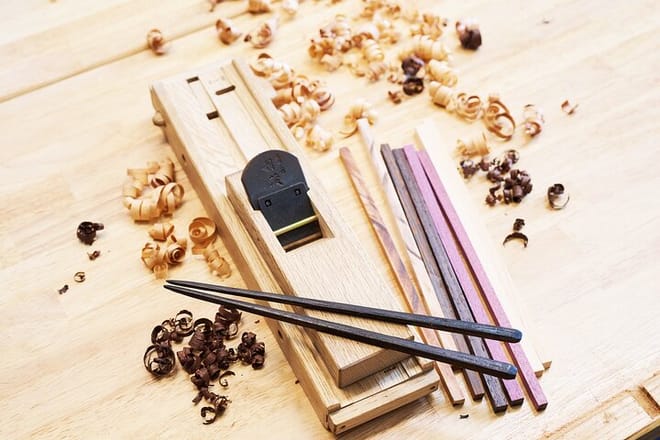
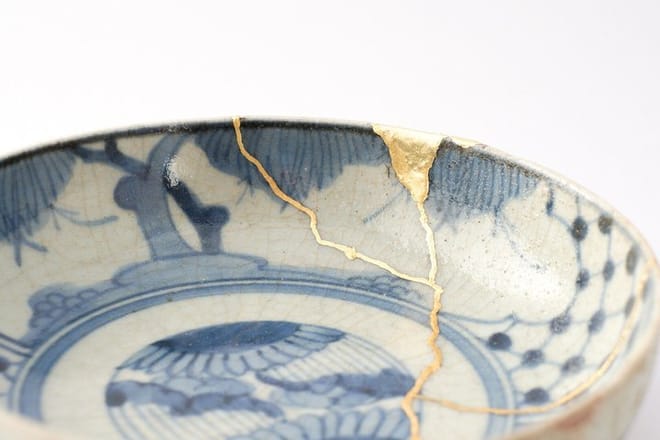
Chopstick making involves shaping wood into your own pair, while kintsugi teaches how to repair cracked or chipped vessels. Both run in English, so no Japanese is needed.
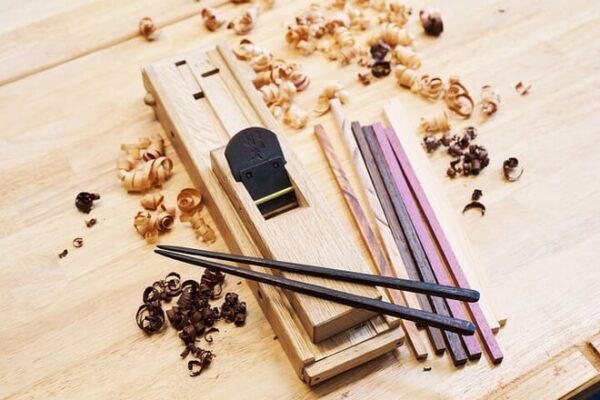
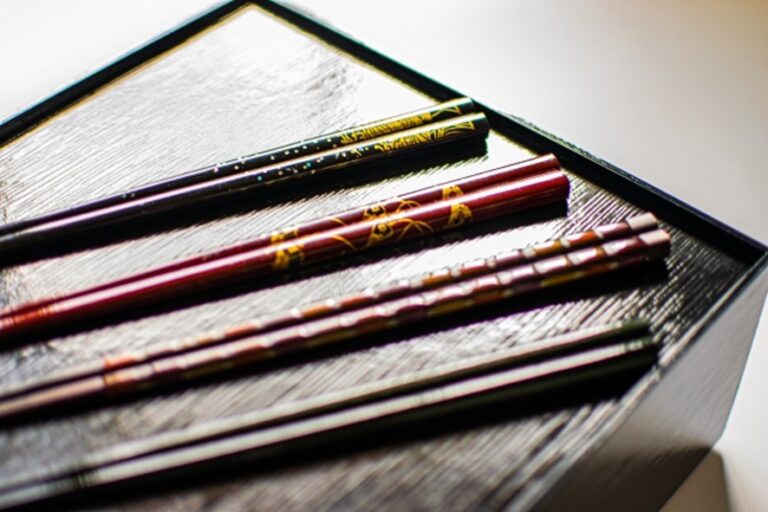
Tokyo Chopstick Making Workshop in Shinjuku
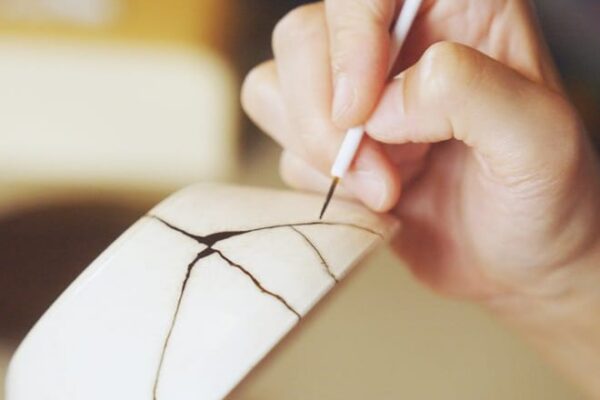
Tokyo: Japanese Gold Repair Kintsugi Workshop in Shinjuku
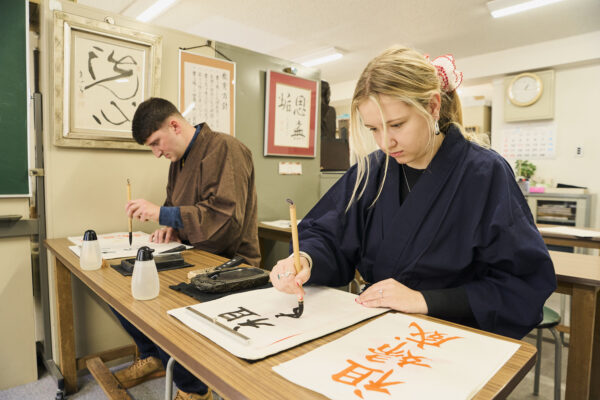
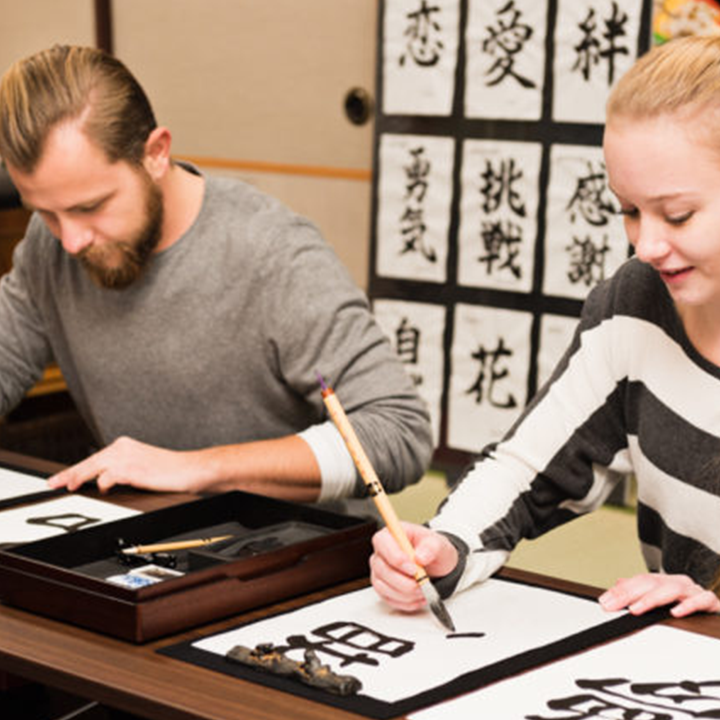
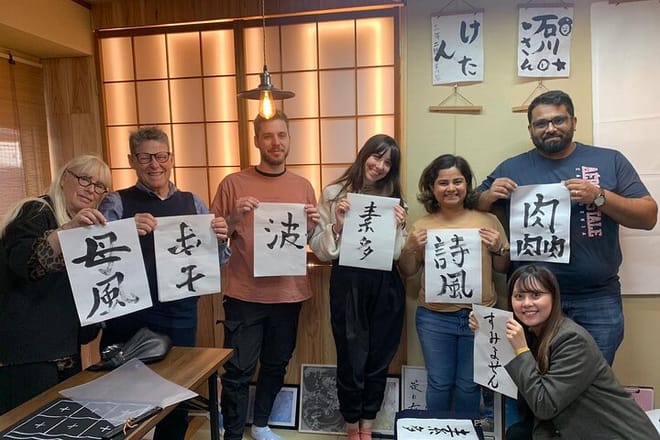
Tokyo: Calligraphy Workshop & Original T-Shirt Creation
You’ll begin by exploring the fascinating history of kanji and its evolution
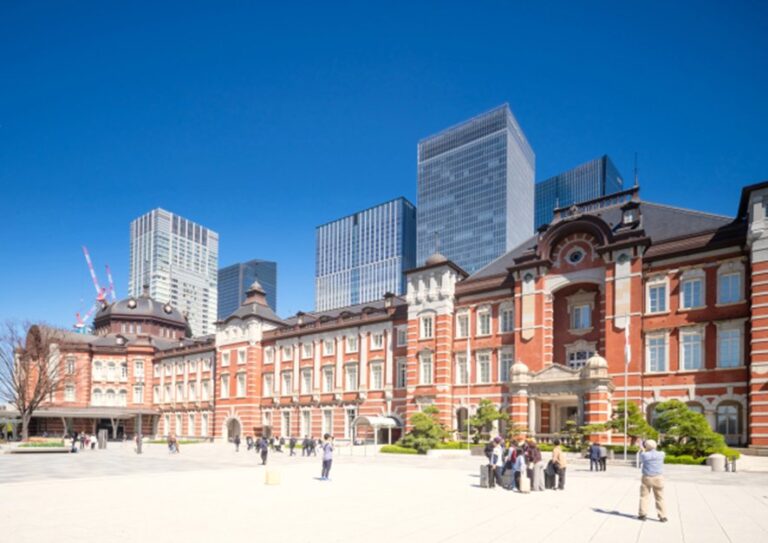
Origami as a Tradition to Fold and Experience in Japan
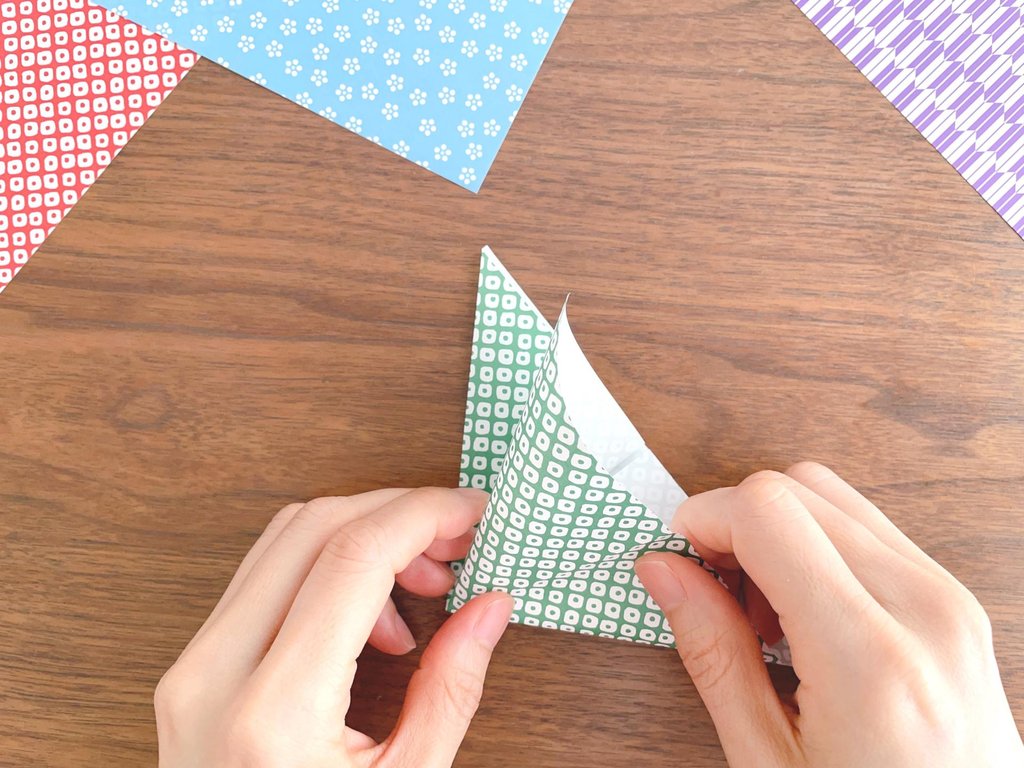
Origami creates a remarkable range of forms from a single folded sheet and ranks among Japan’s most iconic traditions. After paper arrived in Japan, paper folding developed through etiquette and play, while folded structures later found applications in classrooms and space engineering.
On a trip to Japan, folding a model at a workshop or exploring the variety of works at a specialized facility offers a direct way to experience both the technique and the cultural context of origami.