With so many food tours available in Kyoto, choosing the right one can feel overwhelming. Prices and areas vary widely, and booking without knowing the details can lead to disappointment.
This guide compares five popular tours, with clear breakdowns of prices and content. You’ll also pick up tips on how to evaluate factors such as guide quality and group size, helping you find a tour that fits your itinerary and budget.
Information on sightseeing spots worth visiting before or after the tour are included as well, so make sure to read on to the end.
Common Features of Food Tours in Kyoto
Kyoto offers a wide variety of food tours, and many travelers find it hard to choose which one to book. Here’s a look at the different categories of tours, typical price ranges, Kyoto’s distinctive ingredients and seasonal differences.
Tours generally come in three main formats—daytime tours, nighttime tours, and hands-on experiential tours—with prices ranging from around ¥3,000 to ¥30,000. The culinary scene also changes with the four seasons, so keep in mind that the menu featured on the tour will most likely depend on the time of year you choose to participate.
For example, short walking tours with food tastings in Nishiki Market can be found from around ¥3,000 to ¥5,000, while dinner-inclusive night tours in the Gion area or meal plans featuring kaiseki (traditional multi-course Japanese cuisine) generally cost between ¥10,000 and ¥30,000.
Three Types of Tours
Kyoto’s food tours fall into three main categories: daytime tours, nighttime tours, and hands-on experiential tours. Knowing which format suits your preferences makes choosing easier.
Daytime tours center on Nishiki Market and cover 5–15 food tastings over 2–3 hours. Because they run during daylight hours, they are ideal for first-time visitors to Kyoto.
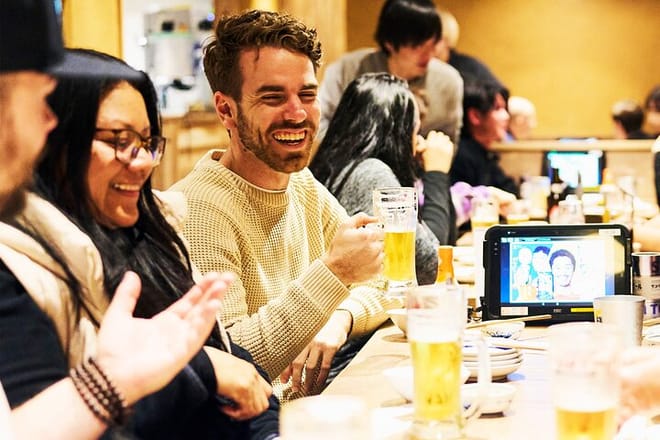
Nighttime tours explore Gion and Pontocho over 3–4 hours, hopping between 5–6 izakaya (Japanese pub-style restaurants) and bars. They feature spots where locals go, making them well suited to travelers who want to enjoy Kyoto after dark.
Hands-on experiential tours add a creative and educational element, such as participation in cooking classes or sake tasting at a brewery. Some combine these activities with food walks through Nishiki Market.
Group tours are sociable and affordable but less flexible. Private tours can be tailored to your needs and are often a good option for families.
Pricing Varies Widely, with Some Plans Starting From ¥3,000
Food tour prices vary significantly depending on the format and content of the tour, so understanding the differences in content will help you book with confidence.
| Price Range | Features | Best Suited For |
|---|---|---|
| ¥3,000–¥15,000 | Group tour, mostly walking, 3–7 food tastings | Travelers wanting a casual taste of food culture |
| ¥10,000–¥20,000 | Small group, includes a cooking class or visit to a sake brewery | Travelers seeking a deeper cultural experience |
| ¥30,000 and up | Private guided tour that may include a high-end Japanese restaurant and transportation | Travelers wanting a fully customized itinerary |
Food walks in the ¥3,000 range are short and easy to enjoy. Some private tours over ¥30,000 include a private car or multi-course cuisine, but content and transportation methods vary widely between plans, including (but not limited to) market strolls on foot and bar hopping.
Differences in pricing are due to a combination of factors: the guide’s expertise, the number and quality of dishes or tastings, whether the tour is private or conducted in a group, the inclusion of vehicle or hotel transfers, the length of the tour, and whether alcohol is included or not.
Rather than focusing only on price, choose a plan based on what matters most to you, such as the number of dishes or the depth of the guide’s commentary.
Many Ingredients Are Unique to Kyoto
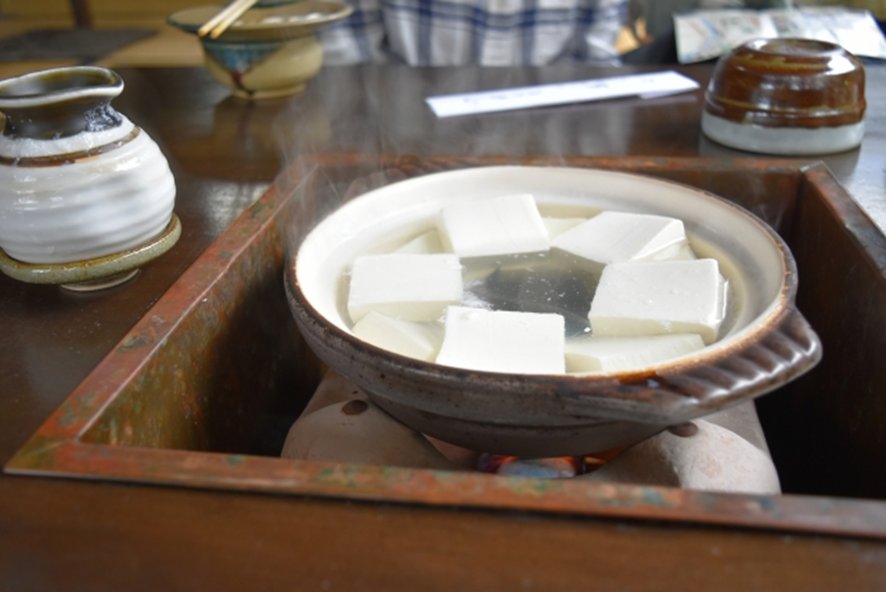
Kyoto cuisine is built on flavors found in kombu-based dashi (broth) and the natural taste of the ingredients. Kyoto’s soft water draws out the umami of the kombu slowly. As a landlocked city, Kyoto developed its own plant-based preserved foods such as tofu, yuba (tofu skin), and Kyoto pickles.
The signature dishes you’ll try on a tour have long histories behind them. For example:
- Tofu and yuba are served alongside shojin ryori, Buddhist vegetarian cuisine made using only grains, vegetables, seaweed, and beans. These dishes are popular around the Gion and Arashiyama areas.
- Kyoto pickles such as shibazuke (eggplant pickled with red shiso), senmaizuke (thinly sliced turnip pickles), and sugukizuke (pickled sugukina turnip) are well known, all made from Kyoto vegetables.
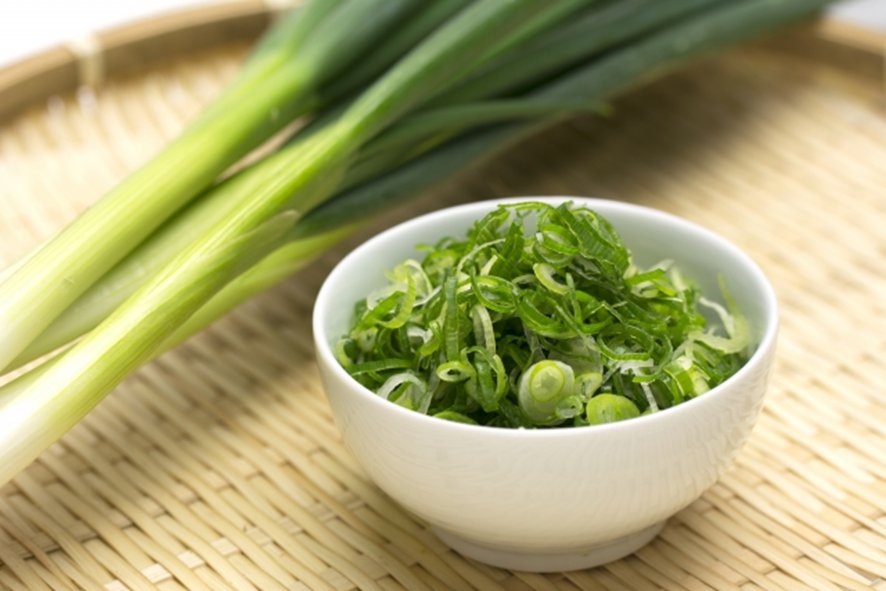
- Kyoto vegetables are seperate, distinctive varieties shaped by the local climate, such as kamo nasu (Kyoto eggplant) and kujo negi (Kujo green onion).
Modern Kyoto cuisine also uses animal-based broths in some dishes. If you have dietary restrictions, it’s a good idea to confirm with the tour company what’s included in the meals when booking.
Dishes Change With the Seasons
Kyoto’s food scene takes on a completely different character depending on the season. Because seasonal ingredients shape the menu, the same tour may offer different dishes at different times of year.
Here’s a quick rundown of typical seasonal ingredients and dishes:
| Season | Seasonal Ingredients | Seasonal Cuisine |
|---|---|---|
| Spring (Mar–May) | Bamboo shoots, kinome (young leaves of Japanese pepper) | Lightly-flavored, simmered dishes such as wakatake-ni (bamboo shoots and wakame) |
| Summer (Jun–Aug) | Hamo (pike conger eel), Kyoto eggplant | Refreshing dishes such as parboiled and fried hamo |
| Autumn (Sep–Nov) | Matsutake mushrooms, chestnuts, manganji togarashi peppers | Aromatic dishes such as dobin-mushi (teapot soup) and seasoned rice |
| Winter (Dec–Feb) | Shogoin kabura (large turnip), ebi-imo (a type of potato), Kujo green onion | Steamed dishes such as kabura-mushi (steamed grated turnip served over fish or other ingredients) and hot pot cuisine |
For example, Kujo negi, one of Kyoto’s representative vegetables, reaches its sweetest, most flavorful peak in winter, while Kyoto eggplant is in season from early to late summer.
Five Recommended Food Tours in Kyoto
Finding the right tour can be surprisingly tricky. Below we’ve gathered information on five food tours currently available in Kyoto. Our picks include bar hopping at night, a daytime stroll of the market, sake tasting at a brewery, and a hands-on tour that includes a cooking class.
Compare prices, durations, and participation requirements in order to find a tour that fits your itinerary and budget.
Gion and Pontocho Izakaya Night Tour
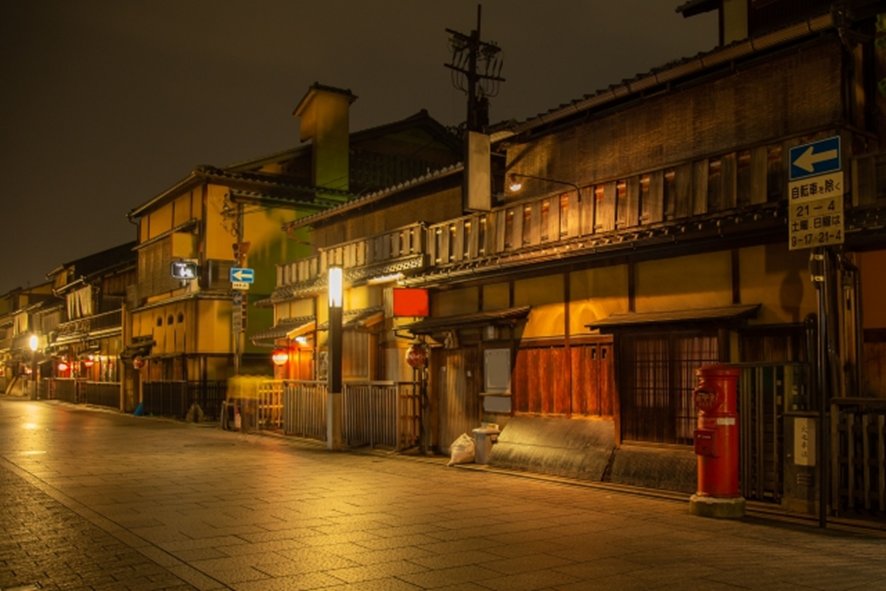
This nighttime tour hops between 5–6 izakaya and bars in Gion and Pontocho, depending on the plan. It runs for around 3 hours and typically costs ¥8,000–¥15,000 per person. A local guide explains how to order dishes in English, including karaage (bite-sized pieces of fried chicken), sashimi (thinly sliced fresh fish), and tempura.
Japan Guide Star’ “Kyoto: Izakaya & Pub Crawl Guided Walking Tour” is well reviewed for taking guests to tucked-away izakaya that are hard to find without local knowledge. The small group size also makes it easy to ask the guide questions.
Note that tours involving alcohol are restricted to participants aged 20 and over, in accordance with Japanese law.
| Duration | About 3 hours |
| Price Range | ¥8,000–¥15,000 for food and drinks; ¥3,600 for guide |
| Number of Venues on Tour | 5–6 |
| Participation Requirements | Ages 20 and over (alcohol included) |
| Booking Site | https://japanguidestar.com/tours/kyoto/ |
Nishiki Market Guided Tour
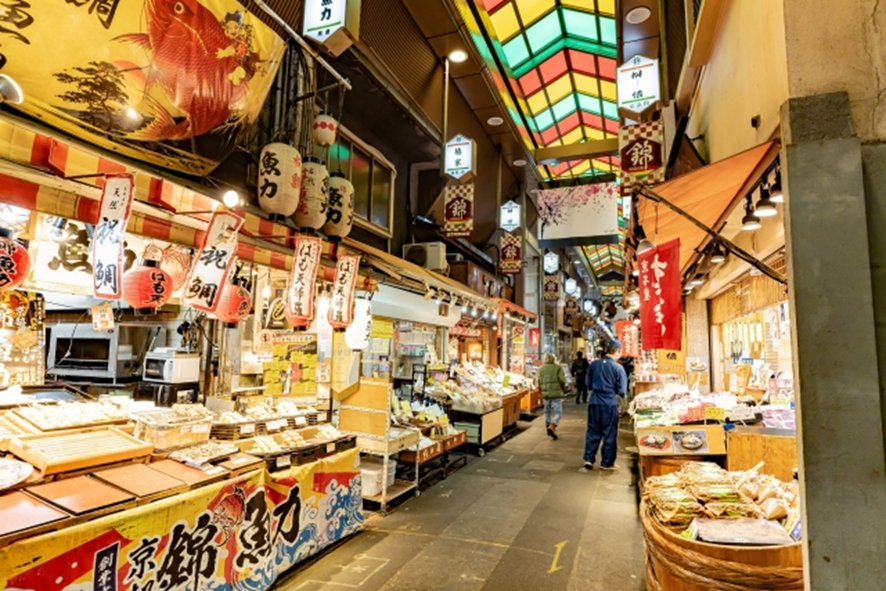
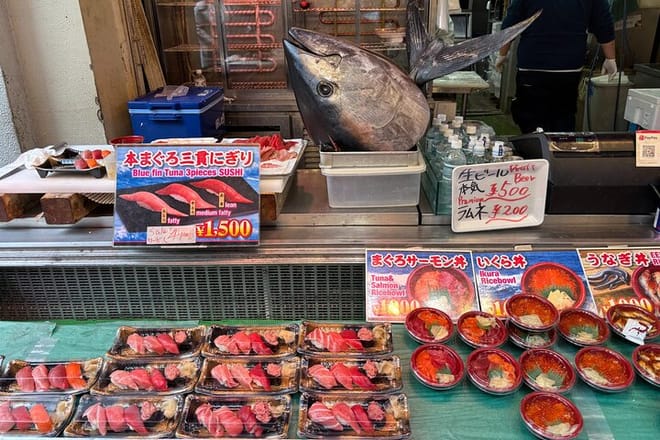
Known as “Kyoto’s Kitchen,” Nishiki Market is the focus of this daytime tour, which includes 5–8 food tastings while strolling around with a local guide. It runs for approximately 2–3 hours, typically costs ¥3,000–¥10,000, and is the most popular plan for first-time visitors to Kyoto.
Note that eating while walking is prohibited at Nishiki Market: the rule is to eat in front of or inside the shop where you bought the food. A guided tour walks you through these manners politely, so first-timers can enjoy their food without concern.
Ninja Food Tours’ “Nishiki Market Food Tour” offers more than 7 food tastings along with detailed explanations of seasonal ingredients from a knowledgeable guide. Because shops at Nishiki Market change frequently, the specific venues visited are decided by the guide on the day of the tour.
Nishiki Market Food Tour (Ninja Food Tours)
| Duration | 2–3 hours |
| Price Range | ¥10,000 (guide fee included) |
| Booking Site | https://www.ninjafoodtours.com/kyoto-food-tours/nishiki-market/ |
Gion Evening Walk and Dinner Tour
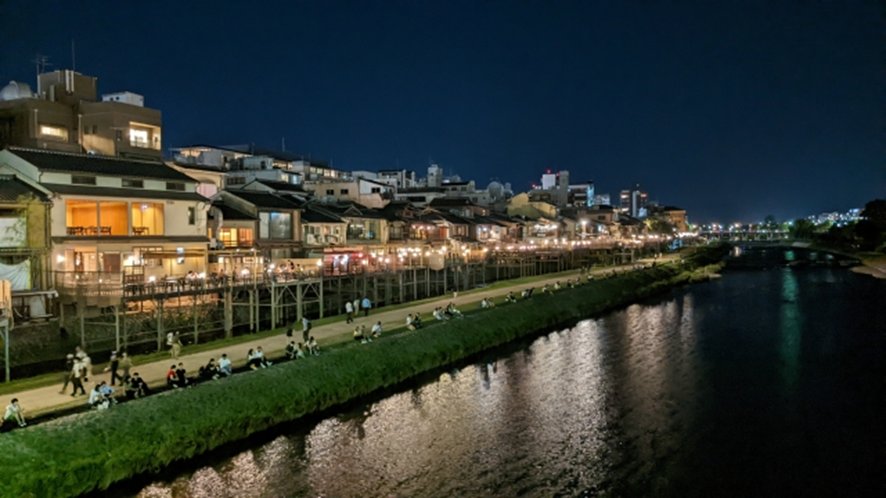
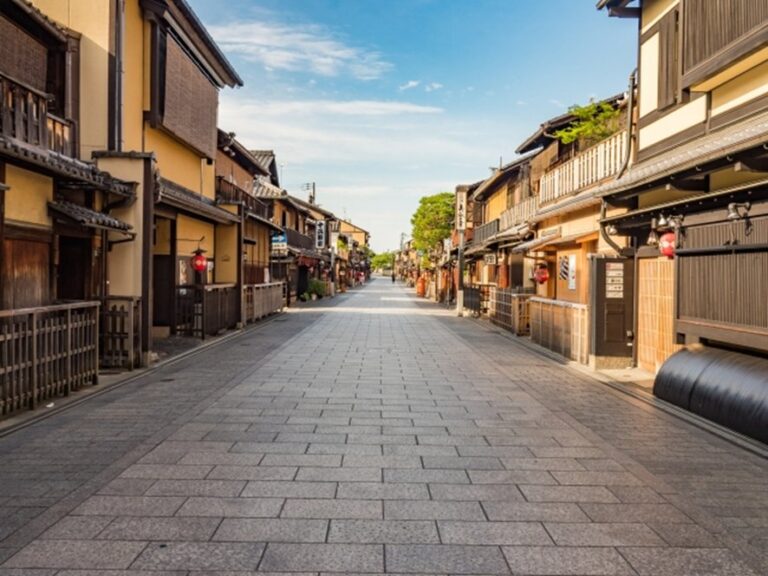
This three-hour tour combines a walk through historic Gion with an authentic dinner at a local restaurant. Besides the food, the guide shares insights into geiko and maiko (Kyoto’s traditional, female performing artists) culture and the appeal of machiya, the traditional Kyoto townhouses lining the stone-paved alleys.
The “Kyoto Night All-Inclusive Eats and Streets” tour, available with GetYourGuide, includes dinner and drink costs in the tour price, so you can enjoy the evening without worrying about extra charges.
One thing to keep in mind: entry to the private alleys around Hanamikoji (Gion’s main street) is prohibited—with a hefty ¥10,000 fine for violations—so tours now follow public-road routes only. You may glimpse a maiko from a distance, but chasing or photographing them without permission is strictly forbidden.
Kyoto Night All-Inclusive Eats and Streets (GetYourGuide)
| Duration | About 3 hours |
| Price Range | Around ¥16,000 (guide fee included) |
| Booking Site | https://www.getyourguide.com/ja-jp/kyoto-l96826/kyoto-night-all-inclusive-eats-and-streets-gion-and-beyond-t274192?date_from=2026-06-06 |
Fushimi Sake Brewery Tasting Tour
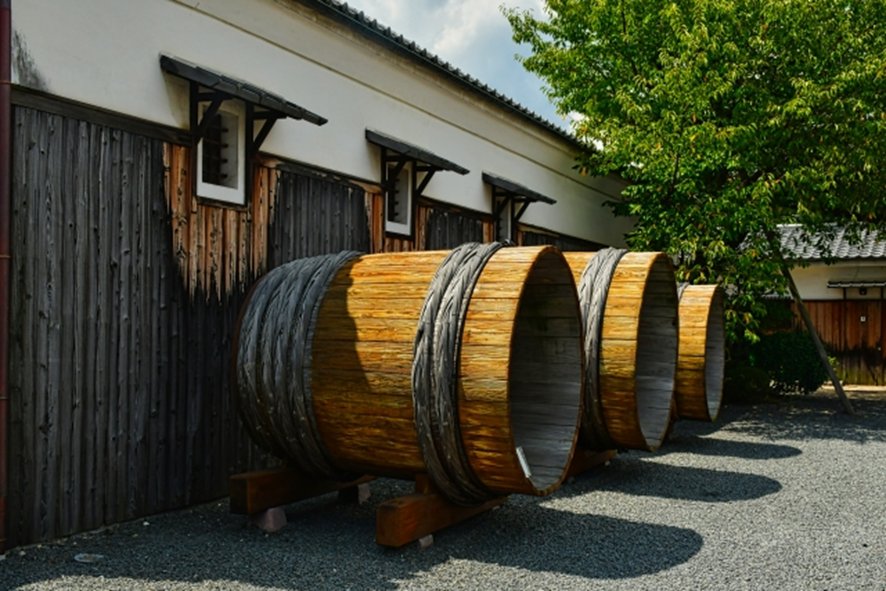
This hands-on tour visits sake breweries in the Fushimi area of southern Kyoto, where you can taste sake and learn about the brewing process. Fushimi is known as one of Japan’s two great sake-producing regions (alongside Nada in Kobe), and its sake is characterized by a smooth taste that’s drawn from the area’s clear groundwater.
The Fushimi Sake Brewery Private Tour available from byFood is an English-language tour that includes the Gekkeikan Okura Sake Museum (a museum dedicated to the history of Gekkeikan and Japanese sake culture), and the program is approachable even for sake beginners.
Note that the brewery’s guided tour at the Gekkeikan Okura Sake Museum generally requires advance reservations and may not accommodate walk-ins. Because alcohol is served, participation in this food tour is restricted to participants ages 20 and over.
Fushimi Sake Brewery Private Tour (byFood)
| Duration | 3–4 hours |
| Price Range | ¥20,000 |
| Booking Site | https://www.byfood.com/ja/experiences/fushimi-sake-tour-in-kyoto-with-sake-tasting-608 |
| Participation Requirements | Age 20 and over (alcohol is served) |
| Booking | Book online by the day before to be safe |
Hands-On Cooking Class Tour
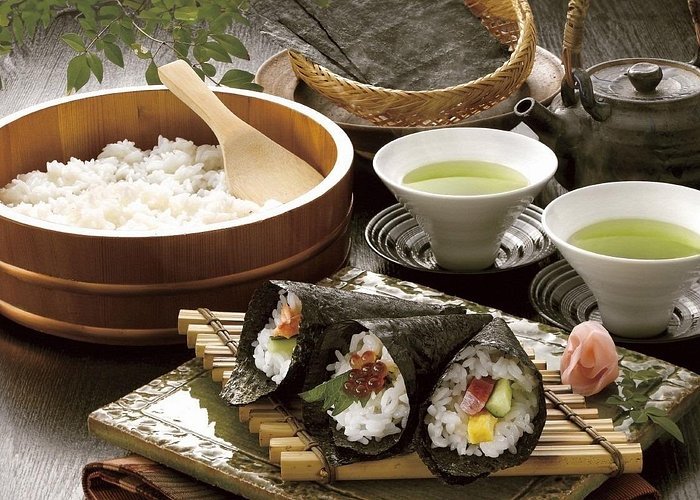
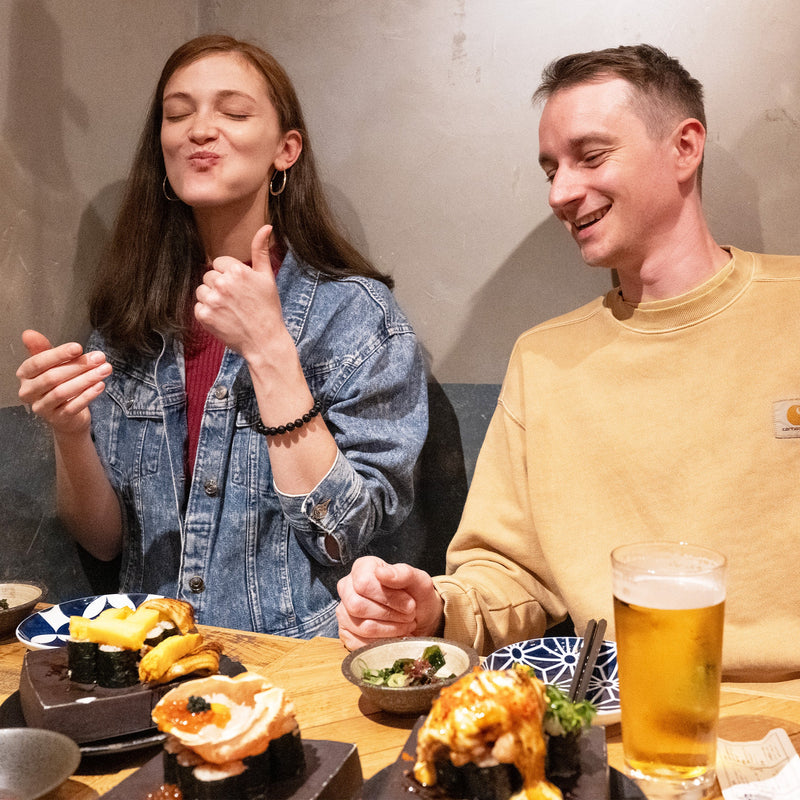
Sushi is one of Japan’s iconic dishes, and hand-rolled sushi (temaki, sushi rolled by hand into a seaweed-wrapped cone) is among the easiest types to make yourself. This tour lets you both eat the food and create it, making it a popular choice for families, couples, and cooking enthusiasts.
The “Making Hand Rolled Sushi with the Okami” experience on Viator—okami is the Japanese name for a female proprietor of a traditional Japanese inn or restaurant—involves making hand-rolled sushi, and takes place in a 120-year-old traditional Kyoto-style house.
Since the steps aren’t complicated, even those without cooking experience can join in and have fun.
Making Hand Rolled Sushi with the Okami (Viator)
| Duration | 2 hours |
| Price Range | Approximately ¥16,000 |
| Booking Site | https://www.viator.com/tours/Kyoto/Experience-making-hand-rolled-sushi-with-the-Okami/d332-474176P3?localeSwitch=1 |
| Meeting Point | 151 Inui-cho, Kamigyo-ku, Kyoto |
How to Choose the Right Food Tour
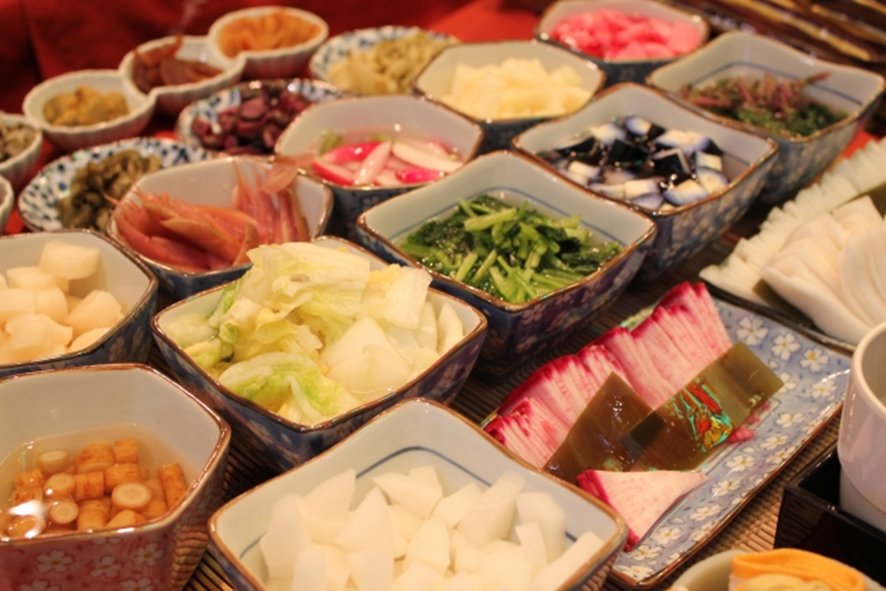
With so many tours available, many travelers struggle to decide which tour to go with. Below, we’ve described four key criteria that have a major impact on overall satisfaction with a food tour, to help you decide for yourself.
Guide Quality
The tour guide’s skills have the biggest impact on overall satisfaction. When reading reviews, pay attention to what past participants have written about the guide’s knowledge of food culture, English ability, and attentiveness.
Highly rated tours often feature comments like “The guide explained the history of the market thoroughly.” Tours noted as having “English that gets the basics across but explanations that feel too brief” tend to be little more than food walks.
Guide quality often comes down to whether the guide can explain why certain ingredients are valued, not just simply describe the food:
| Review Topic | Good Review Examples | Bad Review Examples |
|---|---|---|
| Knowledge of Food Culture | “The guide taught us about the history and background of each dish” | “The guide just introduced the food without deeper explanation” |
| English Ability | “Fluent and answered questions accurately” | “Could handle basic conversation, but seemed to struggle with detailed topics” |
| Interpersonal Skills | “On friendly terms with the shop owners, which felt special” | “Felt like a scripted tour and not very personal” |
Course Content
Even at similar prices, the number of dishes included in the tour can range dramatically, from around 7 to as many as 13. Dish count depends on the concept of the tour (for example, food tastings at market stalls with many small bites, versus a sit-down course meal at a restaurant), as well as the number of venues visited and the duration of the tour.
Check the following points before booking:
- When you want to know about the number of dishes included in the tour, look for the phrase “X tastings included,” and find out whether they’re tasting portions or full portions.
- Whether alcoholic drinks are included or paid separately makes a big difference in tour prices. If the description is unclear, ask in advance.
- Vegetarian and other dietary options vary by tour. Be sure to confirm available options at booking if this applies to you.
Make sure you know exactly what’s included in the price.
Group Size
Group size is a straightforward way to gauge the balance between price and the quality of the experience.
Many Kyoto food tours are small-group tours with a maximum of 8–12 participants. With smaller groups, it’s easier to ask the guide questions, and even tiny shops can be visited with little waiting.
Larger tours of 15 or more participants tend to be cheaper, but they can feel crowded in narrow alleys, and the guide’s voice might not carry to everyone.
- Solo travelers and couples should look for tours that welcome solo guests or groups of 8 or less, where conversation can flow easily.
- Friend groups of 3–5 people can enjoy tours of up to 12 people, where you can spend time together while meeting other travelers
- Budget-conscious travelers can keep costs down by joining larger group tours
Check the maximum participant number listed on the booking page in advance.
Cancellation Policy
Travel plans don’t always go as expected, so it helps to know the cancellation policy in advance.
Kyoto food tours have varied terms, with some requiring 24- or 48-hours notice when cancelling, while some bookings may be non-refundable. It’s risky to assume cancelling will not incur penalties if you let them know 24 hours before your reservation—always save and review the cancellation terms shown at booking and in the confirmation email sent to you.
Check the minimum number of participants needed for the tour to run. If enough people don’t sign up, you may be notified of a cancellation on the day before the tour. Make sure to check at booking when the tour will be officially confirmed.
- Bookings via a platform → Contact the platform’s customer support
- Bookings via the official site → Contact the company directly
- If the policy isn’t clear → Confirm by email before booking and keep a record
Make sure you understand all these conditions before booking.
Sightseeing Spots to Visit Before or After a Kyoto Food Tour
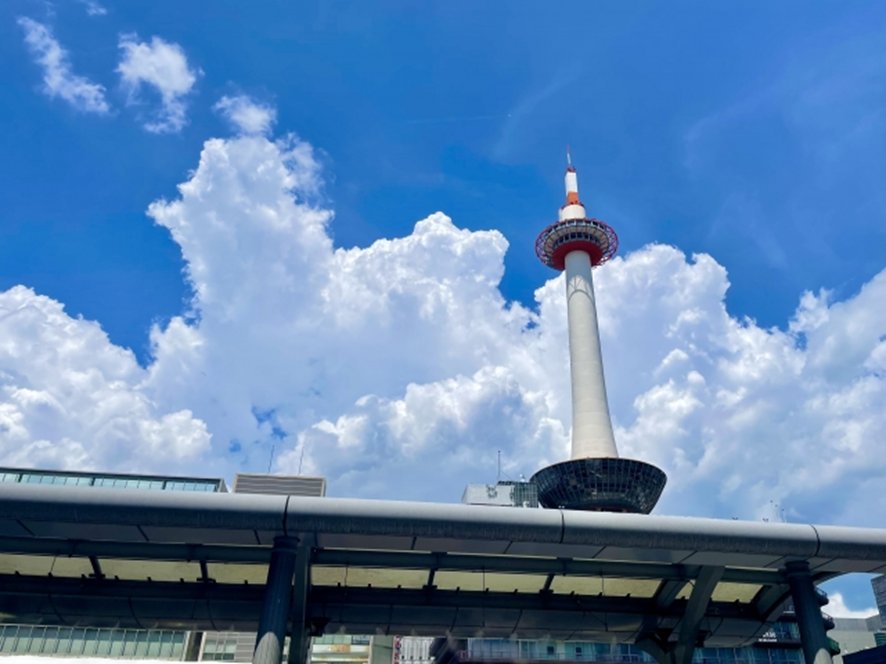
Many travelers want to combine their food tour with sightseeing in Kyoto, so we’ve included some spots here that you can easily fit into your day based on the tour’s area and timing. You’ll also find estimates of time needed at each spot and routes, so that even with limited time in Kyoto you can still build an itinerary that balances food and sightseeing.
Fushimi Inari Taisha
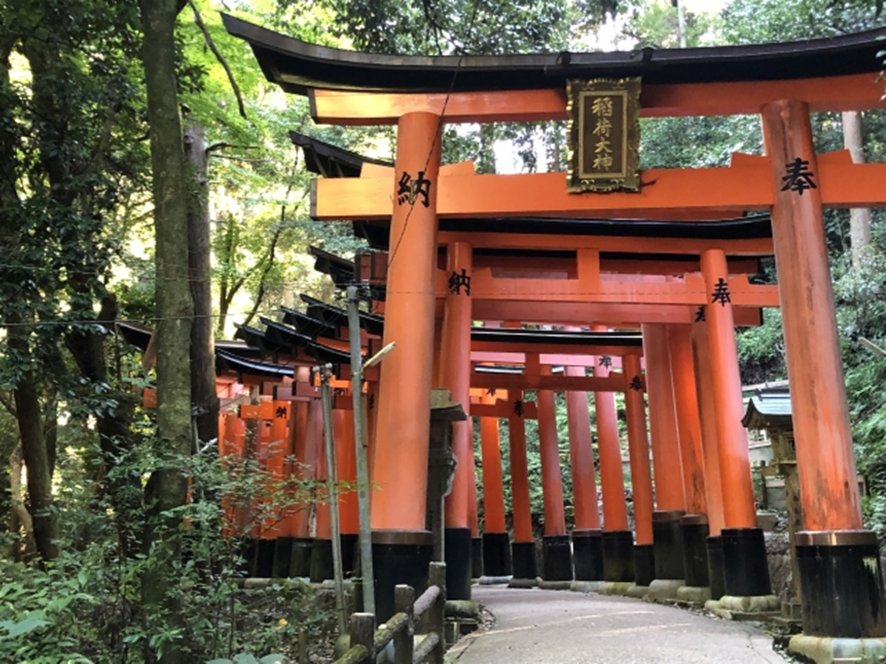
Fushimi Inari Taisha goes well with activities in the Nishiki Market area thanks to its convenient access: it takes only about 30 minutes to get from Nishiki Market to Inari Station.
The grounds are open 24 hours a day. Walking through the Senbon Torii (the thousand vermilion gates) to the Okusha Hohaisho takes about 30 minutes, and can easily be worked in before or after a tour. Reaching Yotsutsuji (roughly midway up Mount Inari) takes about 45 minutes one way, and a round-trip to and from the summit takes around 2 hours.
Early morning offers fewer crowds and excellent conditions for photography.
Details
| Address | 68 Fukakusa Yabunouchi-cho, Fushimi-ku, Kyoto |
| Hours | Open 24 hours (the offering hall is open 8:30 am–4:30 pm) |
| Closed | Open year-round |
| Official Site | https://inari.jp/ |
| Recommended For | Travelers who want to visit a famous shrine before or after their tour |
Arashiyama Area
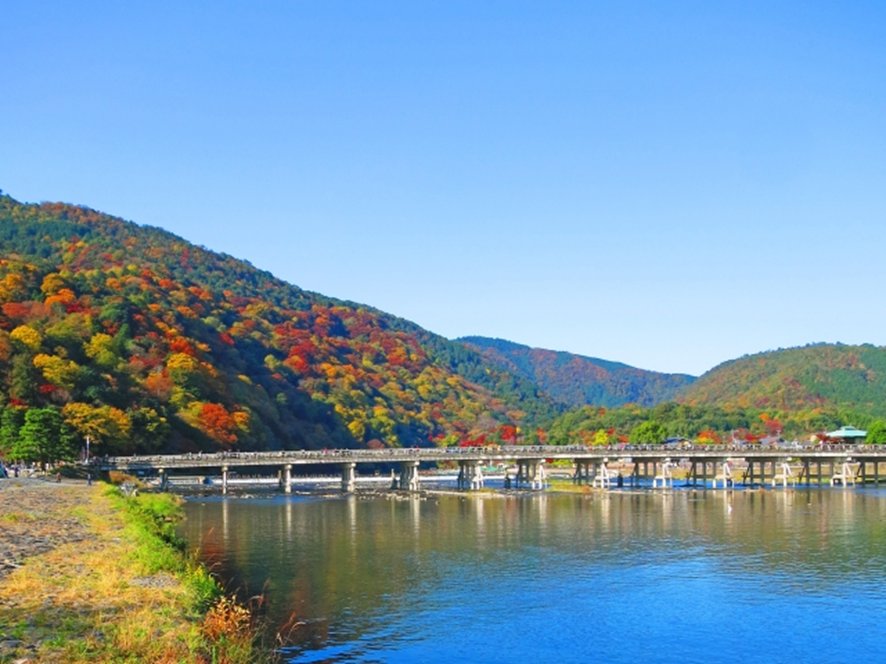
Arashiyama is a bit farther out, but the Bamboo Grove Path, Tenryu-ji Temple, and Togetsukyo Bridge are all within walking distance and can be enjoyed in 2–3 hours.
A good route around the area starts with walking the Bamboo Grove Path (15–20 minutes), continues on to Tenryu-ji Temple (30–60 minutes), and ends with crossing Togetsukyo Bridge (10–15 minutes). Allow 40–50 minutes to return to the Shijo area by train with transfers.
Exploring Arashiyama in the morning before joining a Gion tour in the evening makes for a comfortable plan. Fitting in a cultural experience during downtime is also a good option.
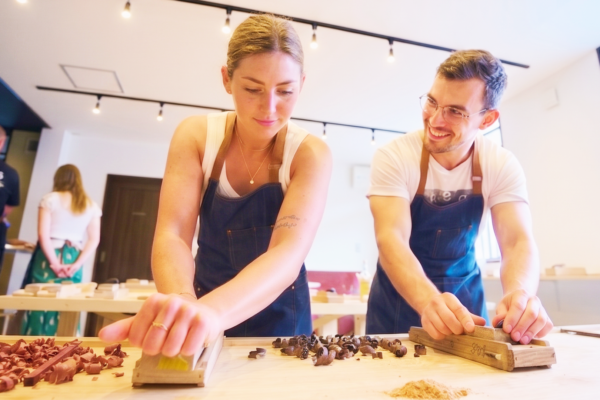
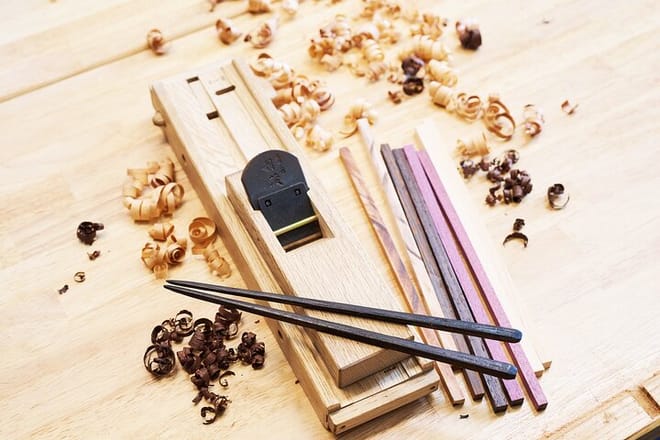
Kyoto Arashiyama Chopstick Making Workshop

Kyoto: Arashiyama UNESCO Walking Tour with Admission
Kiyomizu-dera and Higashiyama Area
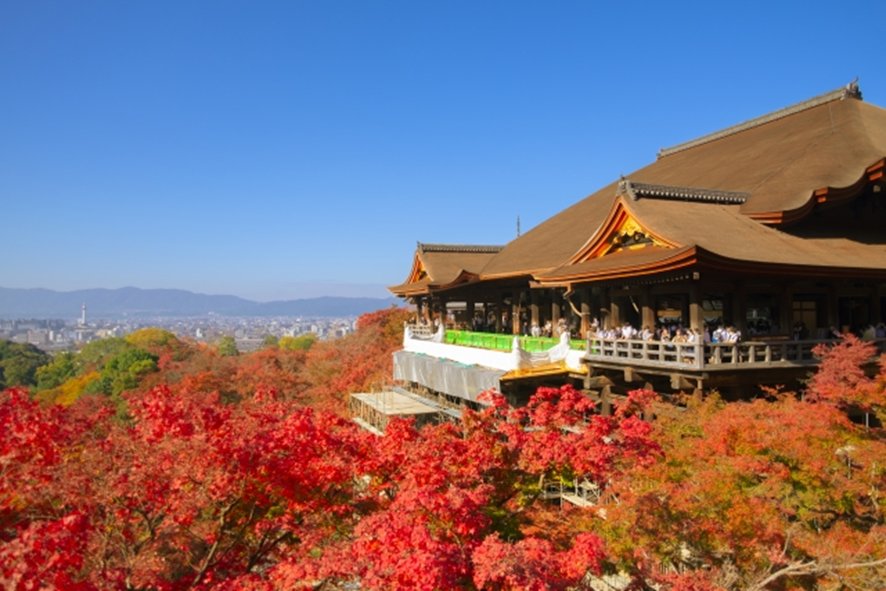
The Kiyomizu-dera and Higashiyama area pairs most efficiently with a Gion night tour.
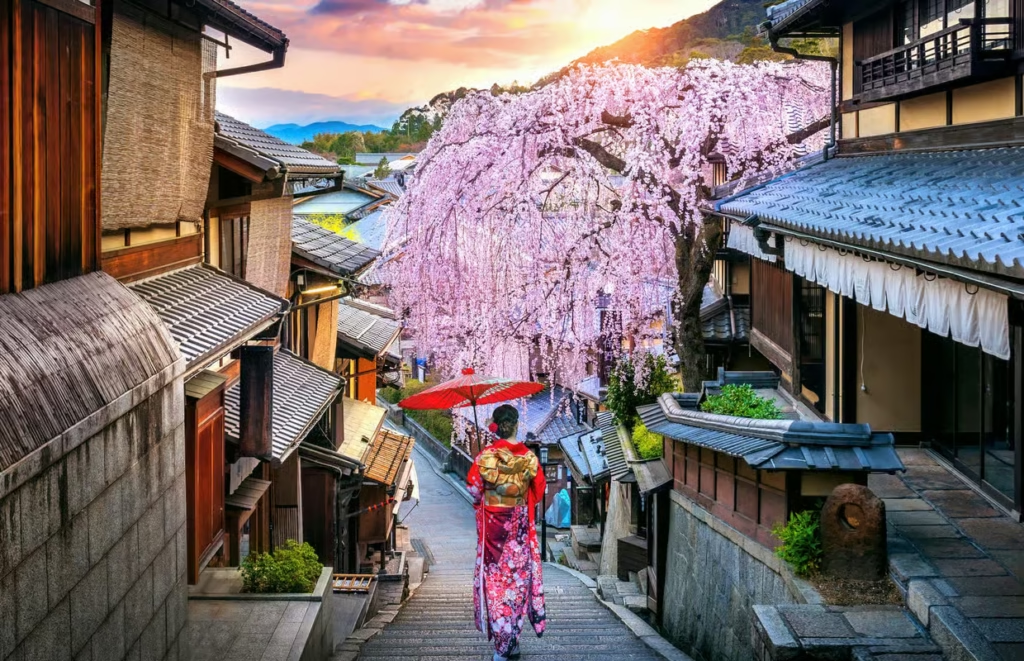
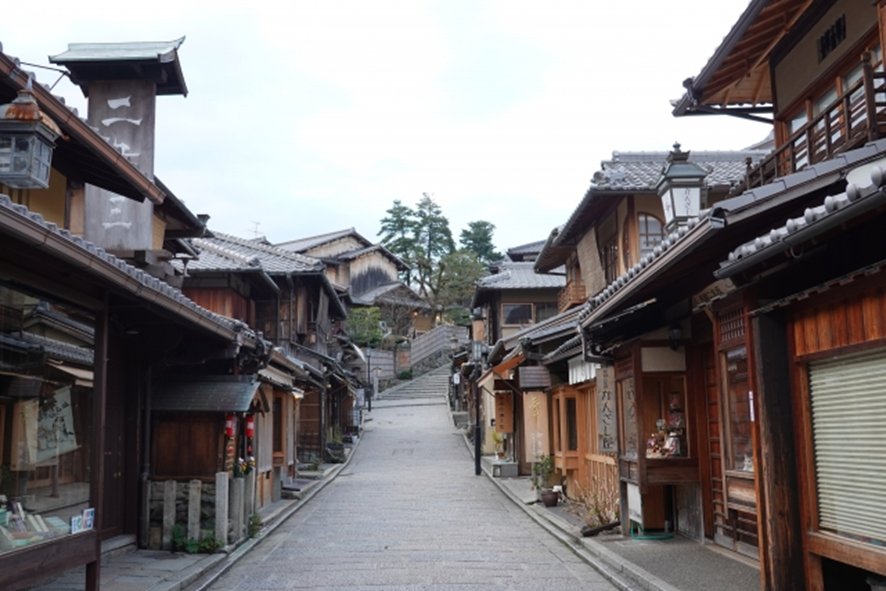
From the wooden balcony of Kiyomizu-dera (a World Heritage site), you can take in panoramic views of the Kyoto cityscape. After your visit, stroll down Ninen-zaka and Sannen-zaka: with Japanese craft shops and traditional sweet shops lining the road, it’s the perfect place to pick up some sweets to enjoy along the way. The area gets crowded during the day, but quiet returns to the stone-paved streets in the evening. This shift is part of what makes the Higashiyama area special.
Kiyomizu-dera is about a 20–25 minute walk from the Yasaka Shrine area. Stroll the district by day, then walk toward Gion as evening falls to join your tour without wasted time.
Common Questions About Food Tours in Kyoto
Below is a quick rundown of common questions travelers ask before booking a Kyoto food tour. We’ve covered topics on dietary restrictions, age limits, reservation timing, and more. Checking out this section in advance lets you head into the day feeling prepared.
Can I Join a Food Tour Even With Dietary Restrictions?
Yes, some tours accommodate vegetarian diets and certain food allergies. Just keep in mind that Kyoto cuisine often uses bonito flakes, a fish-based ingredient.
When booking, be sure to communicate the following:
- The type of restriction (vegetarian, halal, specific allergies, etc.)
- Details on what you are able to eat
- Whether you have any severe allergies
Private tours offer the most flexibility. For peace of mind, email the company in advance to ask about their experience with similar requests.
Are There Age Restrictions?
The legal drinking age in Japan is 20, so anyone under 20 years of age cannot drink alcohol during a tour.
Night tours that visit bars and pubs are not suitable for young children. Family-friendly options include daytime tours such as walks in Nishiki Market and cooking classes, which are enjoyable for all ages.
The minimum age restrictions for participation vary by tour, so check the age requirements on the official page before booking.
Can I Join In Without a Reservation on the Same Day?
Same-day participation is usually not possible. Because many tours have small group sizes and require coordination with restaurants for seating and food preparation, adding a spot on the same day is usually not possible. The “instant confirmation” feature on booking sites also applies to advance reservations. During the cherry blossom and autumn seasons, tours can sell out weeks in advance.
To make sure you can join the tour you want, book it as soon as your itinerary is set.
Do I Need Cash?
Many tours collect payment online in advance, but having some cash handy during free time during the tour or for shopping after it ends is a good idea. Many small independent shops accept cash only, so carry ¥3,000–¥5,000 for snacks or souvenirs. It’s also a good idea to withdraw cash from an ATM by the morning of the tour, just to be safe.
Are There Recommended Times or Seasons for Food Tours?
January, February, and June are relatively quiet, with more tour availability, making them a good time to enjoy at a relaxed pace.
| Month | Crowd Level | Food Features |
|---|---|---|
| Jan–Feb | Low (off-peak) | Kyoto dishes such as yudofu (simmered tofu in hot broth), nishin soba (buckwheat noodles topped with simmered herring), and oden (assorted ingredients simmered in dashi broth) |
| Mar–Apr (cherry blossoms) | Very high | Spring flavors such as spring vegetables, bamboo shoots, and sakura mochi (rice cakes wrapped in a pickled cherry leaf) |
| Jun | Low (off-peak) | Rainy season, but ideal for indoor market exploration |
| Jul–Aug | Somewhat high | Refreshing dishes such as hamo and shaved ice; also Gion Festival foods |
| Nov–Dec (autumn leaves) | Very high | Autumn ingredients such as chestnuts, matsutake, and Pacific saury |
The cherry blossom and autumn seasons get crowded, so we recommend booking food tours and other necessary reservations at least a month in advance during these times. In winter, smaller groups can lead to richer conversations with your guide.
Summary
Kyoto food tours vary in content depending on the area and the allotted budget. Confirming in advance about guide quality, group sizes, and whether accommodations for dietary restrictions can be made offers peace of mind. Popular tours fill up quickly, so book as soon as your itinerary is set.