Rain in the forecast on the day of your trip to Kyoto can send you back to the drawing board. When a plan built around outdoor activities like Kiyomizu-dera Temple or Fushimi Inari Taisha Shrine falls apart, it’s easy to feel like your limited days in the city are slipping away.
But never fear: Kyoto Station, the Kawaramachi district, and the Higashiyama area have twelve indoor spots you can get to without getting soaked. In this article, you’ll find information on these venues as well as tips for getting around on the subway and practical preparations for a rainy day, so you can rebuild your plan quickly when the rain starts falling.
What to Know About Getting Around Kyoto in the Rain
Bus delays and long stretches outdoors turn into real stressors on a rainy day in Kyoto. A one-day transit pass can make it easy to change destinations on the fly, and Kyoto Station’s underground routes will keep you dry, so you can judge where to go based on the weather in real time.
Subways Keep Travel Times Predictable in the Rain
Kyoto City trains take just two minutes to travel between stations, and that timing stays consistent no matter what the weather. Traffic jams and signal waits aren’t a factor underground, so arrival times barely shift even in heavy rain. City buses, on the other hand, regularly run ten to twenty minutes behind in wet weather, and they can fill up to the point where you can’t even get on. To protect your limited time in the city, we recommend building your rainy-day plans around destinations within walking distance of a subway station.
Keep these travel times between major stations in mind:
| Section | Train Line | Travel Duration |
|---|---|---|
| Kyoto → Karasuma Oike | Karasuma Line | About 4 min. |
| Karasuma Oike → Nijojo-mae | Tozai Line | About 2 min. |
| Karasuma Oike → Higashiyama | Tozai Line | About 4 min. |
Using Karasuma Oike as your base gives you quick access to both Kyoto Station and Higashiyama. On a rainy morning, work out how much ground you can cover without riding a bus, and the day’s schedule should go much smoother.
Some Temples That Are Entirely Indoors
Temple viewing in Kyoto falls into two categories: indoor viewing (where you walk through the building’s interior) and outdoor viewing (where you walk the grounds). On a rainy day, how comfortable your visit is comes down almost entirely to which viewing style you choose.
Sanjusangendo, for example, is great as an indoor-viewing temple. Statues are lined up inside one long main hall, and the entire visit takes place under a roof. At Shoren-in Monzeki Temple, you can take your time looking at a garden with colors that grow richer as the rain covers the petals and leaves. Kinkaku-ji Temple and Kiyomizu-dera Temple, by contrast, involve mostly outdoor walking and are poorly suited to visiting in wet weather. We recommend checking each temple’s official website to confirm whether indoor viewing is available, then prioritize those places on a rainy day.
A One-Day Subway Pass Makes It Easy to Change Destinations
Plans can be easily overturned due to rain, whether because of a closure or a change of mood, so a Subway 1-Day Pass is often worth purchasing. It removes the cost and hassle of buying a new ticket each time you switch destinations.
The two types of passes differ as follows:
| Pass Type | Adult | Coverage |
|---|---|---|
| Subway 1-Day Pass | ¥800 | All subway lines (Karasuma Line, Tozai Line) |
| Subway & Bus 1-Day Pass | ¥1,100 | All subway lines plus city buses and more |
Prices are subject to change. Please check the operator’s website for the latest information.
Both passes are sold at the ticket machines in Kyoto’s train stations, and each is valid only on the day you pass through the gate. Since subway travel is the dependable option when it rains, the ¥800 pass (about $5 US) is usually enough. Showing the pass also gets you discounted admission at Nijo-jo Castle and other venues, so the more places you visit, the more it pays off.
Travel Underground From Kyoto Station to Shopping Centers
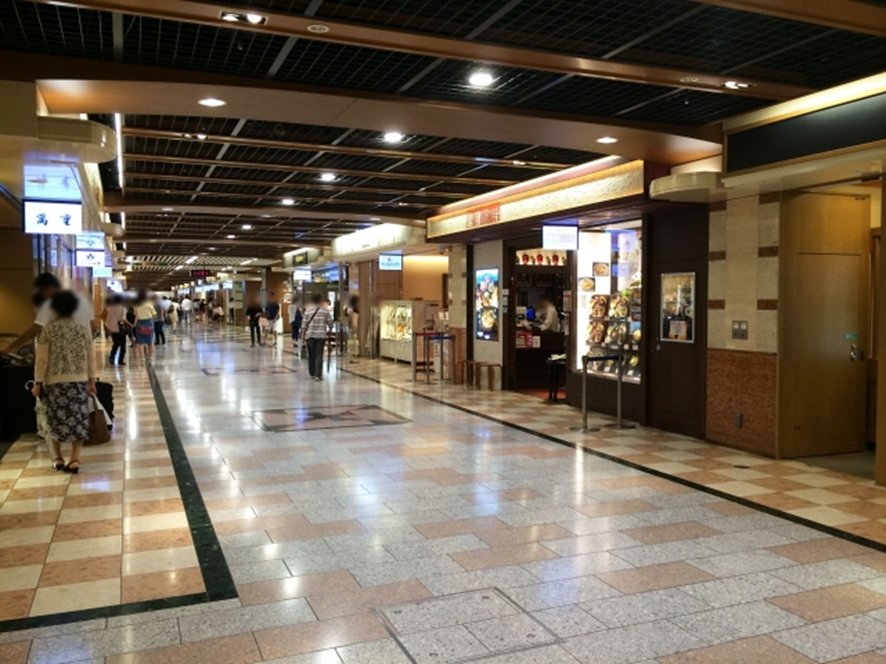
If it starts raining while you’re at Kyoto Station, head down the stairs from the ticket gates and you’ll arrive directly at Porta, the station’s underground shopping street. Clothing stores and restaurants fill the space, and you can eat, shop, and rework your plan without stepping above ground.
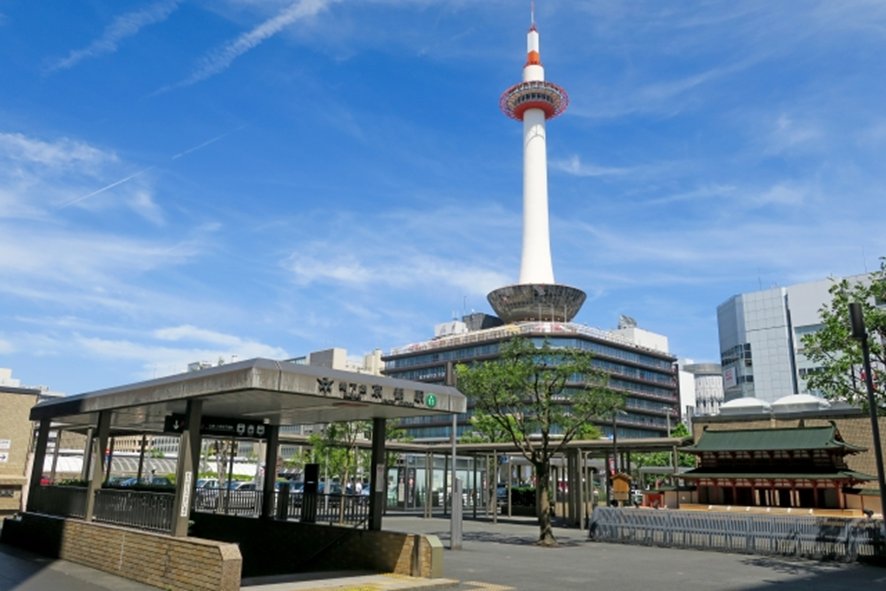
Continue through Porta’s eastern section and you reach the underground entrance of Nidec Kyoto Tower. You can reach the observation deck and souvenir floors without ever opening an umbrella, which makes the tower ideal for filling in the time right after you arrive.
- Kyoto Station’s underground passage runs about 600 meters (2,000 ft.) north to south, connecting the Karasuma and Hachijo exits
- Booking afternoon activities on your phone while eating at Porta means you won’t waste any time
- A folding umbrella is useful for covering the short stretch from underground to street level
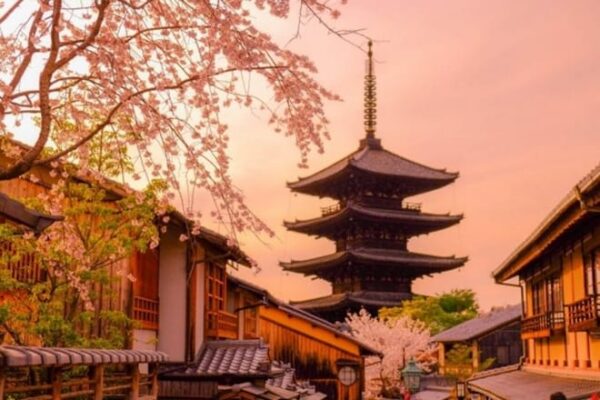
Kyoto: Gion Geisha District Sunset Tour in Spanish and en Español

Kyoto Arashiyama Chopstick Making Workshop
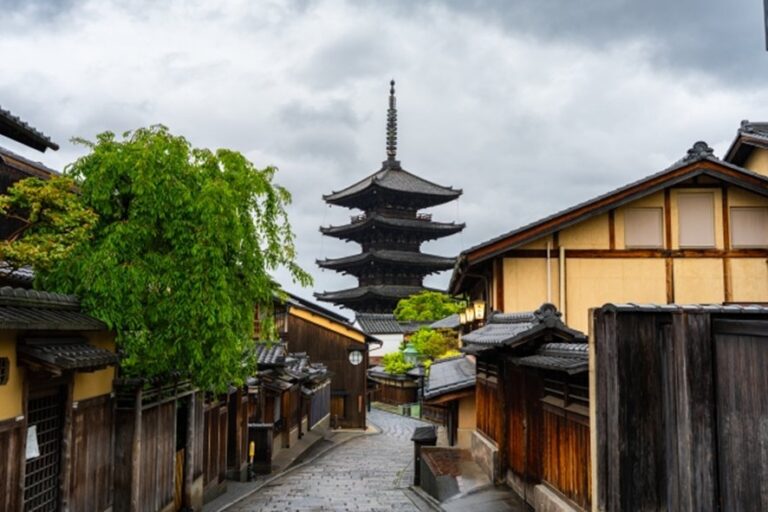
Four Indoor Spots Near Kyoto Station

The area around Kyoto Station has indoor destinations you can reach with barely any exposure to the rain. We’ll introduce four of these venues: a historic temple, a museum, an aquarium, and a workshop for making Japanese sweets. Each listing covers access routes, time required, and whether or not you’ll need to book ahead, so you can choose where to go based on how much time you have that day.
Kyoto Arashiyama Chopstick Making Workshop
Sanjusangendo: Walk the Hall Lined With a Thousand Statues
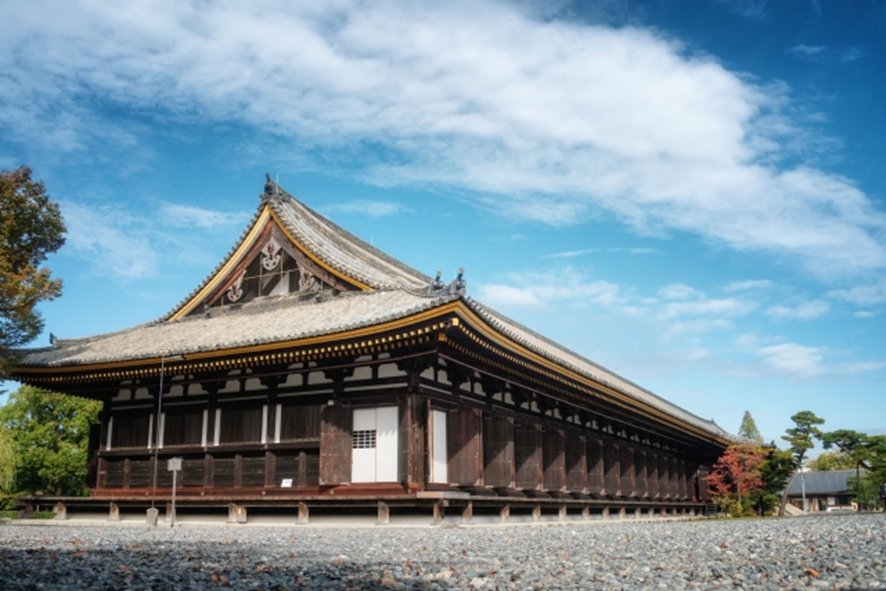
The main hall of Sanjusangendo is entirely indoors, and you’ll need to remove your shoes to enter. You won’t have to walk through the rain here, though, and you can warm up indoors if your feet get damp . What draws visitors to this place is the one thousand standing statues of the Thousand-Armed Kannon, arranged in precise ranks along one straight hall.
The hall also houses a National Treasure and statues of the wind and thunder gods sit in the same hall too, so a few main attractions are gathered within a few steps of each other. Sanjusangendo is about a five-minute walk from Keihan Shichijo Station, and you don’t need a reservation to visit.
Details
| Address | 657 Sanjusangendomawari-cho, Higashiyama-ku, Kyoto |
| Hours | April 1-November 15: 8:30 am-5:00 pm (last entry at 4:30 pm) / November 16-March 31: 9:00 am-4:00 pm (last entry at 3:30 pm) |
| Closed | Irregular closures |
| Website | https://www.sanjusangendo.jp/ |
| Best for | Travelers who want to see something incredible; visitors who prefer venues that don’t require reservations |
Hours vary by season. Please check the official website before visiting.
Kyoto Railway Museum: See Real Trains Indoors
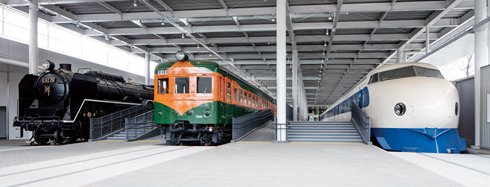
Real vehicles—from steam locomotives to Shinkansen (bullet train)—are displayed in rows here. Hands-on content such as driving simulators and a railway diorama help to keep children occupied, which makes the museum especially worthwhile in wet weather.
On a rainy day, take the JR Sagano Line to Umekoji-Kyotonishi Station. The Kyoto Railway Museum is about a two-minute walk from the station, so umbrella time stays minimal. Note that the transfer at Kyoto Station involves five to seven minutes of walking.
Details
| Address | Kankiji-cho, Shimogyo-ku, Kyoto |
| Hours | 10:00 am-5:00 pm (last entry at 4:30 pm) |
| Closed | Wednesdays and New Year holidays (open on public holidays and during spring and summer school breaks) |
| Website | https://www.kyotorailwaymuseum.jp/ |
| Best for | Families with kids who love trains; travelers interested in vehicles |
Hours vary by season. Please check the official website before visiting.
Kyoto Aquarium: See Giant Salamanders Up Close

The star at Kyoto Aquarium is the Japanese giant salamander, and you’ll be greeted by its tank right after you enter. The display covers the ecological problems facing Kyoto’s rivers. The chance to watch a creature rarely seen in aquariums outside of Japan, at length and under a roof, is a great reason to visit.
The salamanders surface for air once every twenty to forty minutes, and the wait turns into something like a treasure hunt for children. Everything here takes place indoors, and the aquarium sits in Umekoji Park alongside the Kyoto Railway Museum, so visiting both venues can easily make for a full-day indoor plan.
Details
| Address | 35-1 Kankiji-cho, Shimogyo-ku, Kyoto |
| Hours | 10:00 am-6:00 pm (varies by day) |
| Closed | Open year-round (temporary closures for maintenance or weather conditions) |
| Website | https://www.kyoto-aquarium.com/ |
| Best for | Families with children; travelers who love animals |
Hours vary by season. Please check the official website before visiting.
Shichijo Kanshundo Kyoto Tower Sando: Make Seasonal Sweets With an Artisan
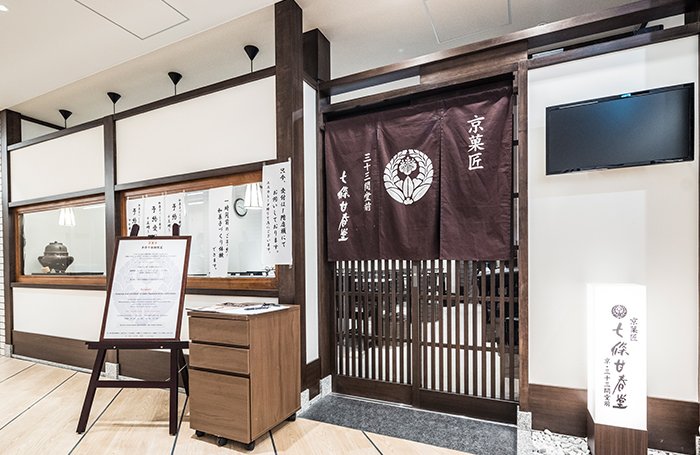
At this well-known confectionery shop (founded in 1865), an artisan guides you through the shaping of four pieces of jo-namagashi—or refined traditional Japanese sweets—in three varieties. You’ll get to enjoy one of them on the spot with matcha, and the motifs change monthly so you’ll get a souvenir of something only available during the month of your visit.
Access to Shichijo Kanshundo from Kyoto Station is almost entirely indoors, with only a brief stretch outside from underground exit 2. The workshop runs for about ninety minutes, making a visit here easy to slot in alongside other plans. We recommend booking your spot by noon the day before to be safe, and English-speaking staff are on hand to help with reservations.
Details
| Address | 2F Nidec Kyoto Tower, 721-1 Higashi-Shiokoji-cho, Karasuma-dori Shichijo-sagaru, Shimogyo-ku, Kyoto |
| Hours | 10:00 am-7:00 pm (sessions start at 10:00 am, 1:00 pm, 3:00 pm, and 5:00 pm) |
| Closed | Irregular closures (follows Kyoto Tower Sando schedule) |
| Price | About ¥3,300 (including tax) |
| Website | https://www.kyoto-tower-sando.jp/shop/index/151 |
| Best for | Travelers who want a short cultural workshop; visitors near the station on a rainy day |
Prices are subject to change. Please check the official website for the latest information.
Five Indoor Spots in the Kawaramachi Area
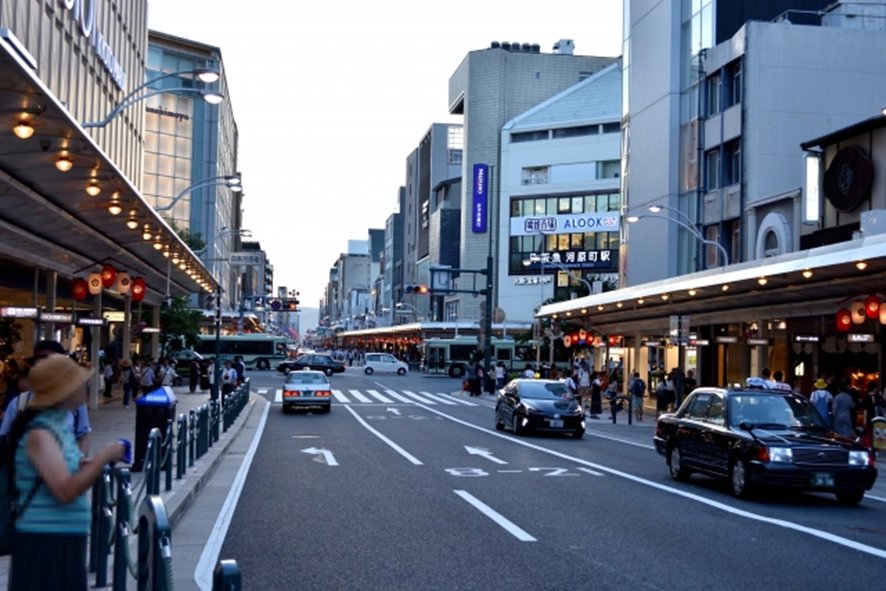
The Kawaramachi area is dense with indoor destinations linked by arcades and underground passages. Snacking, shopping, and enjoying cultural activities can be comfortable with hardly any need for an umbrella. The five spots we’ll introduce cover food culture, literature, shopping, and dining, linked by routes that keep you dry on a rainy day.
Nishiki Market: Experience Kyoto’s Food Culture In a Covered Arcade
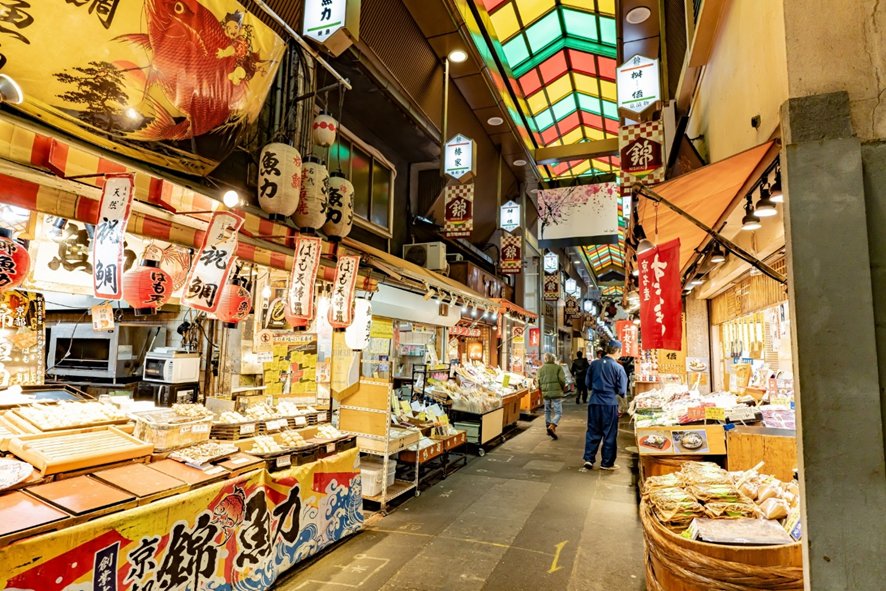
Nishiki Market is a covered shopping area running about 390 meters (1,280 ft.) and packed with around one hundred and thirty shops. You can walk from one end to the other without ever opening an umbrella, which makes this market ideal for exploring in the rain. Specialist shops selling Kyo-tsukemono (Kyoto-style pickles) and yuba (tofu skin) sit alongside stalls aimed at visitors looking for a light snack.
The lane is narrow and allows for only two or three adults to pass at a time, so adhering to these manners makes the walk easier for everyone:
- Avoid eating while walking, and eat at the standing space at the shop where you bought your food
- Strollers and large suitcases can easily block the passage, so leave these at your accommodation or in a locker
- Trash cans are scarce, so plan to carry wrappers and other garbage home with you
At around 10 am the crowds thin out and the market becomes easier to enjoy. The eastern end connects directly to Teramachi Kyogoku shopping street too, so your rainy-day shopping can continue under cover.
Details
| Address | Nishikikoji-dori (Teramachi-dori to Takakura-dori), Nakagyo-ku, Kyoto |
| Hours | Vary by shop |
| Closed | Varies by shop (many close on Wednesdays) |
| Website | https://www.kyoto-nishiki.or.jp/ |
| Best for | Travelers who want to see and taste Kyoto’s ingredients; anyone who wants to explore while sheltered from the rain |
Hours vary by season. Please check the official website before visiting.
Kyoto International Manga Museum: Choose From Tens of Thousands of Books
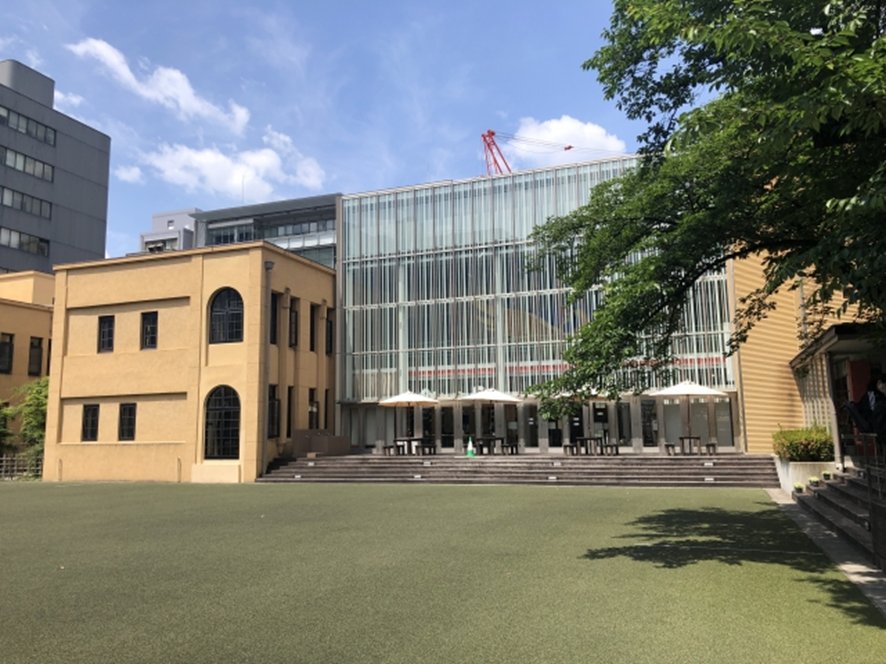
Housed in a former elementary school building that was repurposed in its entirety, this museum lets you choose from roughly fifty thousand volumes of manga and read them freely. Part of the pleasure is browsing the 200-meter (660-foot) Wall of Manga and looking for a title that catches your eye.
The range of genres is varied enough that every member of the family can find something to enjoy. The Kyoto International Manga Museum is about a two-minute walk from Karasuma Oike subway station, and a visit to the museum pairs easily with a stroll through Nishiki Market.
Details
| Address | Karasuma-dori Oike-agaru, Nakagyo-ku, Kyoto |
| Hours | 10:00 am-5:00 pm (last entry at 4:30 pm) |
| Closed | Wednesdays (or the following day if a public holiday) and the New Year’s holiday |
| Website | https://kyotomm.jp/ |
| Best for | Families with kids who love manga; visitors who want to stay inside on a rainy afternoon |
Hours vary by season. Please check the official website before visiting.
Teramachi Kyogoku and Shinkyogoku: Shop Under a Covered Street
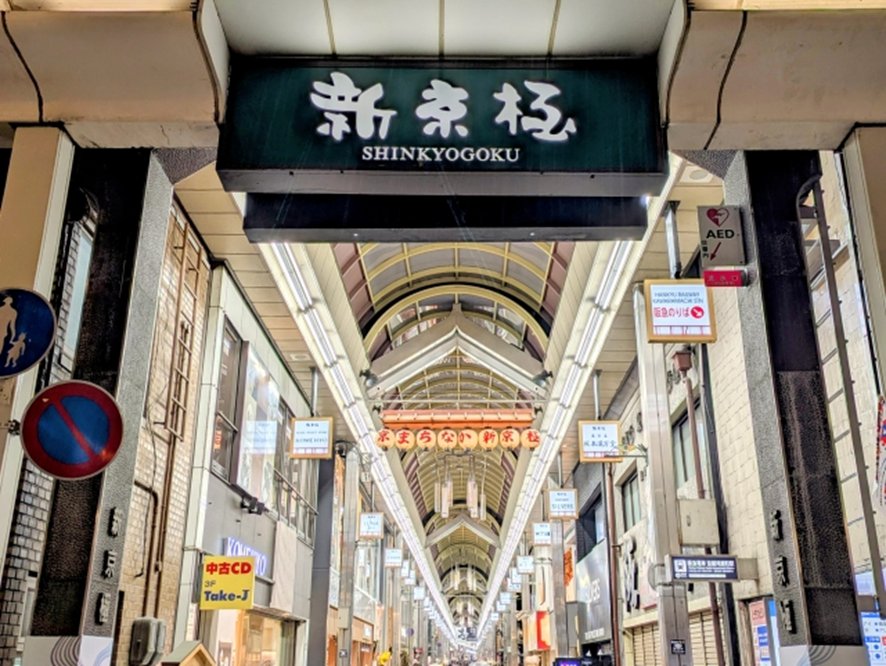
Walk out of the eastern end of Nishiki Market and you’ll step right into two more covered shopping streets that run north to south. You can move straight into souvenir hunting without opening an umbrella, so this stretch makes for a reliable rainy-day route. Teramachi Kyogoku, the western street, is lined with well-known specialty shops selling goods made from washi (traditional Japanese paper) and similar items, and shopping here doesn’t have to be hurried.
Shinkyogoku, the eastern street, offers stores aimed at younger shoppers, so children won’t get bored. Folding fans, tenugui (traditional Japanese hand towels), and other compact Kyoto items fill the shelves. The Shijo-dori entrances are a few minutes’ walk from Hankyu Kyoto-Kawaramachi Station and nearby stops. Note that the street tends to be quieter before 10 am or between 2 pm and 4 pm.
Details
| Teramachi Kyogoku Shopping Street | Shinkyogoku Shopping Street | |
|---|---|---|
| Address | Teramachi-dori, Sanjo to Shijo, Nakagyo-ku, Kyoto | Shinkyogoku-dori, Sanjo to Shijo, Nakagyo-ku, Kyoto |
| Hours | Vary by shop (check before visiting) | Vary by shop (check before visiting) |
| Closed | Varies by shop | Varies by shop |
| Website | https://www.kyoto-teramachi.or.jp/ | https://shinkyogoku.or.jp/ |
| Best for | Shoppers after traditional Kyoto souvenirs | Younger visitors and families wanting to browse |
Hours vary by season. Please check the official website before visiting.
Daimaru Kyoto: Dine in a Department Store Connected Underground
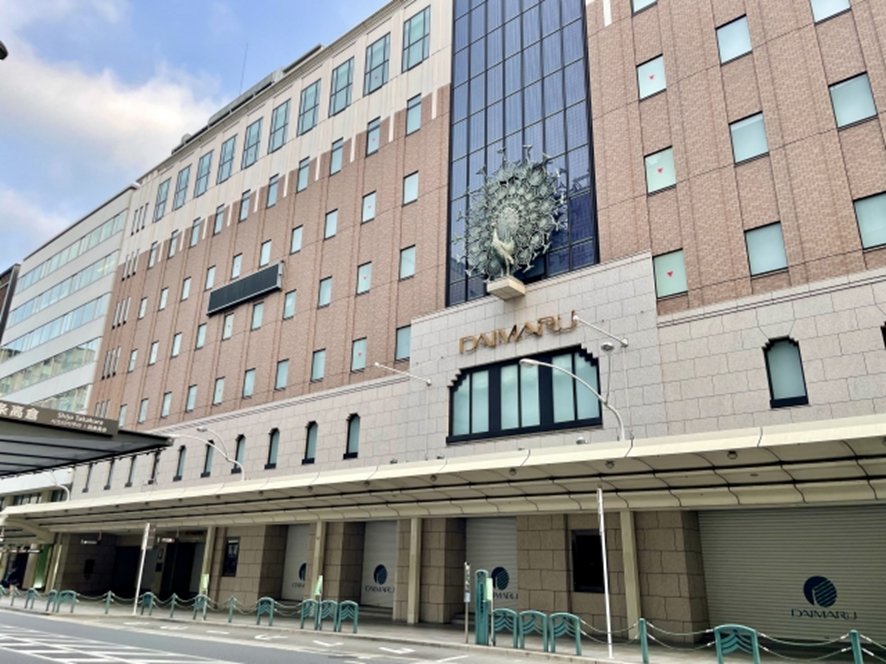
Underground passages from Shijo subway station and Hankyu Karasuma Station bring you all the way inside Daimaru Kyoto without opening an umbrella once. This entirely removes the stress of waiting for a bus in the rain, making this traditional Japanese department store a great addition to any wet-weather itinerary.
The basement food floor has prepared dishes and Japanese sweets from famous makers, and the climate-controlled space lets you comfortably browse souvenirs. If you want to sit down for a proper meal, you can head to the restaurant floors upstairs. Nishiki Market is within walking distance too, so Daimaru Kyoto is easy to drop into after a stroll in the market.
Details
| Address | 79 Tachiuri Nishi-machi, Shijo-dori Takakura Nishi-iru, Shimogyo-ku, Kyoto |
| Hours | B2F-2F 10:00 am-8:00 pm; 3F-7F 10:00 am-7:00 pm; 8F 11:00 am-10:00 pm (varies by floor) |
| Closed | January 1st and 2nd |
| Website | https://www.daimaru.co.jp/kyoto/ |
| Best for | Travelers who want to stay dry; visitors who want to sit down for a meal |
Hours vary by season. Please check the official website before visiting.
MAIKOYA Nishiki: Try Matcha in a Traditional Tea Room
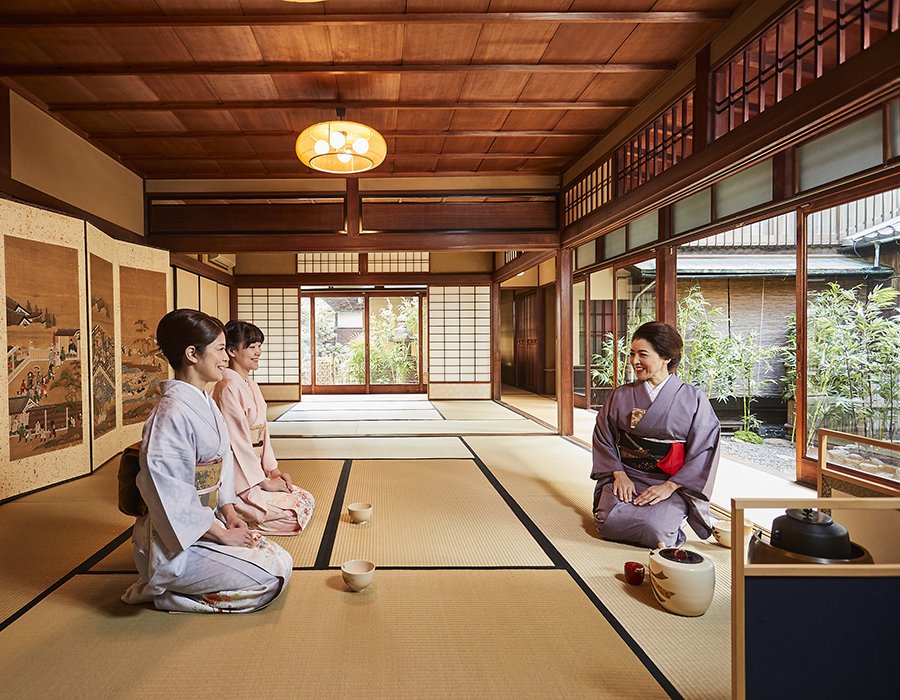
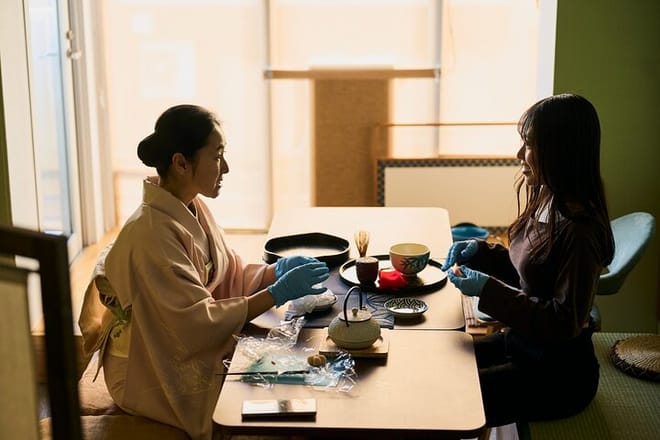
A short walk from Nishiki Market, MAIKOYA Nishiki hosts a full tea ceremony experience indoors. The instructor explains the meaning of each movement and the proper etiquette in English, so no prior knowledge is needed. After watching the instructor prepare the matcha, you’ll get to whisk some yourself. Chair seating is also available for visitors who aren’t keen on sitting on the ground.
If you choose an option that includes kimono rental, both changing your clothes and the tea ceremony take place inside the same building, so there’s no need to move through the rain. Book ahead when you can, though same-day participation is sometimes possible when slots remain.
Details
| Address | 329 Ebiya-cho, Gokomachi-dori Sanjo-sagaru, Nakagyo-ku, Kyoto |
| Hours | Session times vary by course |
| Closed | Irregular closures |
| Website | https://mai-ko.com/ |
| Best for | Visitors who want to learn about the tea ceremony in English; couples and friends who want to try wearing a kimono |
Hours differ by season. Please check the official website before visiting.
Kyoto Arashiyama Chopstick Making Workshop
Three Indoor Spots Within Walking Distance of Higashiyama Subway Station
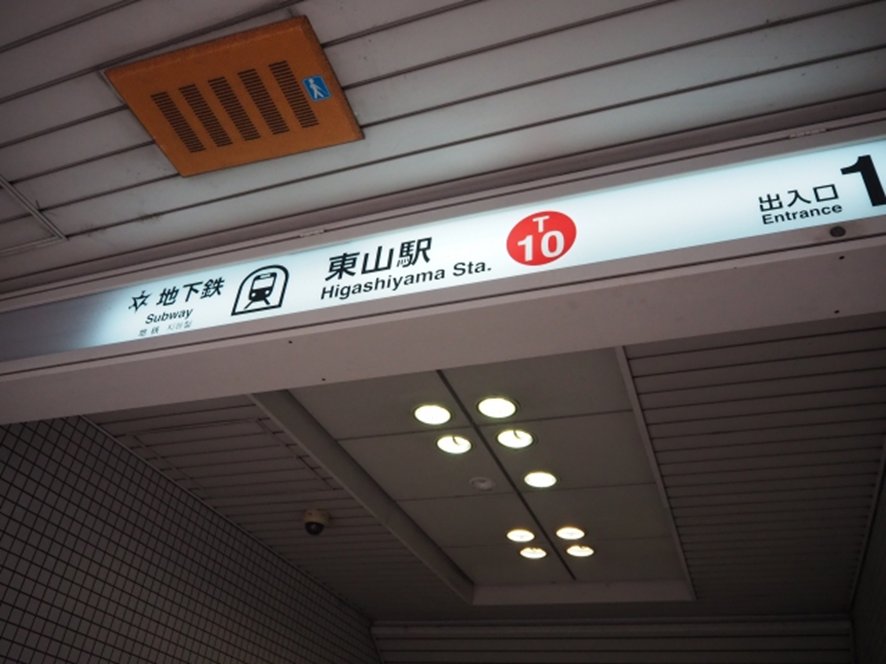
The Okazaki area around Higashiyama Station has temples, art museums, and a crafts museum all within walking distance of each other. Several facilities within short distances make it a practical base on a rainy day.
In this section, we’ll introduce you to a temple where you can view the garden from inside the building, a museum that has several traditional crafts in a single collection, and an art museum with modern Japanese paintings. Rain tends to keep the crowds away, and the welcome break from the hustle and bustle is worth building half a day around.
Shoren-in Monzeki: View the Garden From Inside the Hall
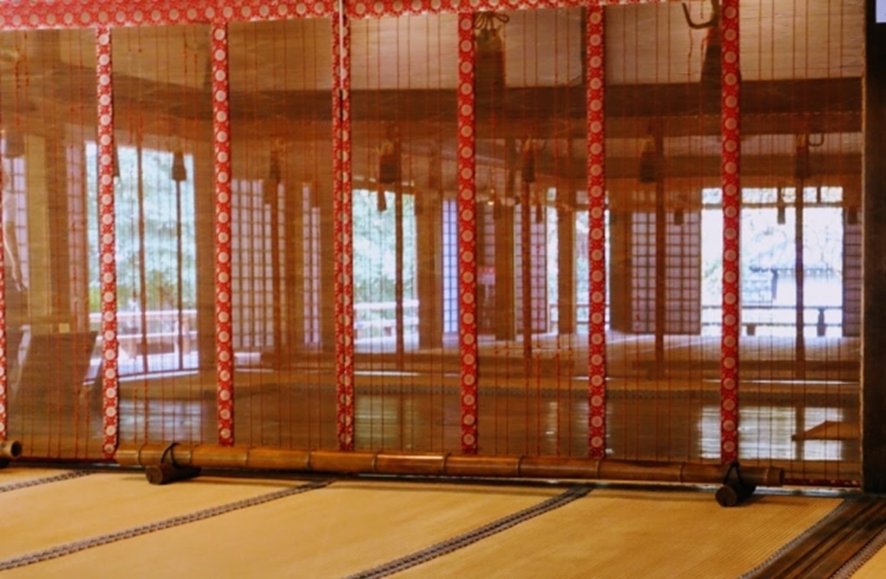
Shoren-in Monzeki is a temple with imperial connections, and you’ll need to remove your shoes to walk through the interior. Sitting on woven straw mats called tatami, you’ll take in a garden framed like a painting. Rain deepens the colors of the moss and stone, and the grounds look entirely different than they do on a sunny day.
The quiet, broken only by the sound of rain, suits couples and photographers. Shoren-in Monzeki is about a five-minute walk from Higashiyama Station, and reservations aren’t needed.
Details
| Address | 69-1 Awataguchi Sanjobo-cho, Higashiyama-ku, Kyoto |
| Hours | 9:00 am-5:00 pm (last entry at 4:30 pm) |
| Closed | Open year-round |
| Website | https://shorenin.com/ |
| Best for | Couples and photographers; anyone seeking quiet |
Hours vary by season. Please check the official website before visiting.
Kyoto Museum of Crafts and Design: See Over Seventy Kinds of Crafts
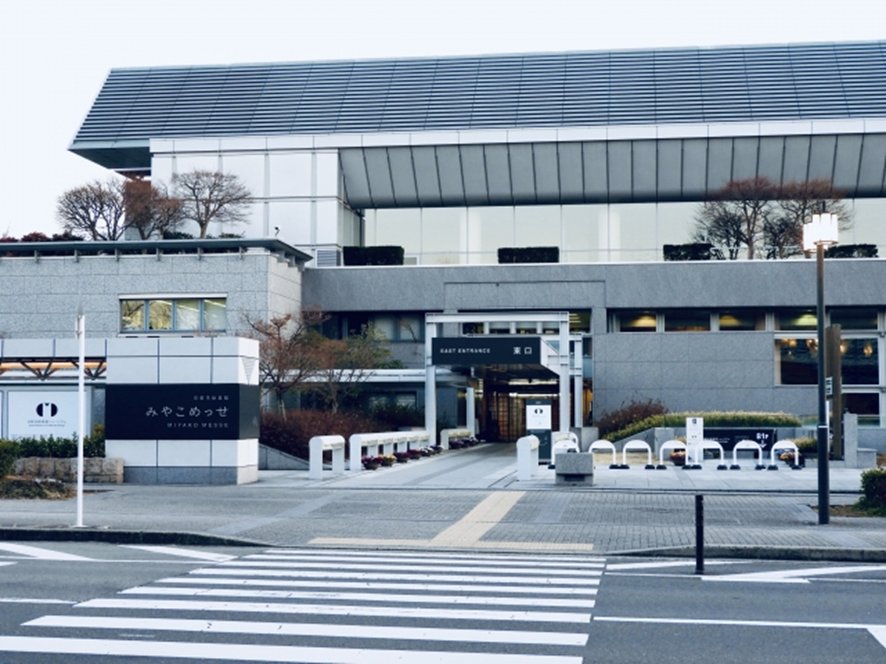
Located on the first basement floor of Miyako Messe, this fully indoor museum presents seventy-four of Kyoto’s traditional industries in one place. Finished pieces and the tools used to make them—including Nishijin silk textiles and Kyo-yaki (Kyoto ceramics)—allow you to examine the precision of the handwork up close.
The official website has English pages where you can check exhibits and visitor information in advance. Artisans also sometimes perform demonstrations here.
Details
| Address | B1F Miyako Messe, 9-1 Okazaki Seishoji-cho, Sakyo-ku, Kyoto |
| Hours | 10:00 am-6:00 pm (last entry at 5:30 pm) |
| Closed | Irregular closures |
| Website | https://kmtc.jp/ |
| Best for | Shoppers considering purchasing crafts; culture-minded travelers and families |
Hours vary by season. Please check the official website before visiting.
Kyoto Arashiyama Chopstick Making Workshop
Kyoto City KYOCERA Museum of Art: See Modern Japanese Paintings in One Place
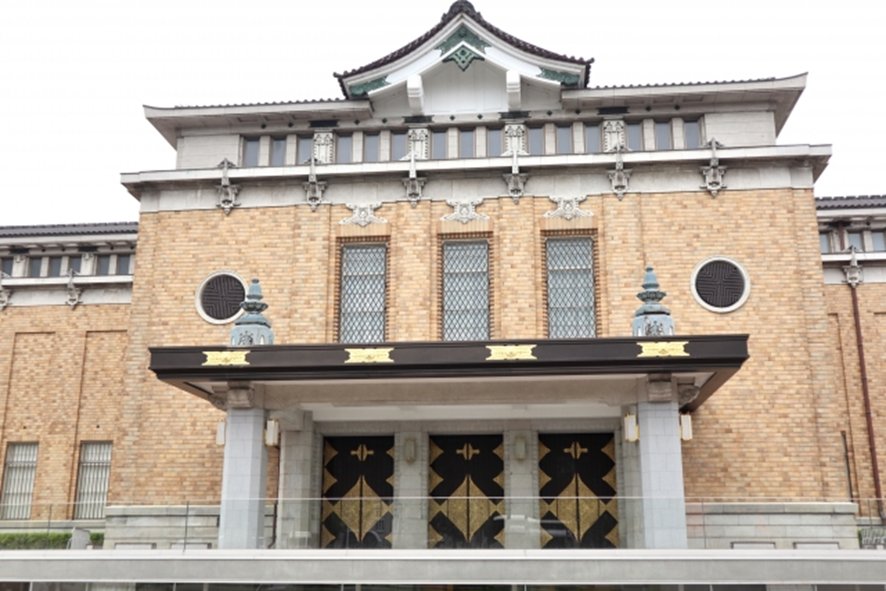
This public art museum opened in 1933 and holds almost four thousand different works spanning the Meiji and Showa eras (the late 19th century through the 20th century). The museum displays masterpieces from Kyoto’s painting circles in chronological order, so the development of each era comes through clearly for anyone who loves art.
The 2020 renovation added features such as the underground entrance, and the pairing of the historic exterior with contemporary architecture is worth seeing in itself. Note that admission fees differ according to the exhibition, so check the official website before you visit.
Details
| Address | 124 Okazaki Enshoji-cho, Sakyo-ku, Kyoto |
| Hours | 10:00 am-6:00 pm (last entry varies by exhibition) |
| Closed | Mondays (open on public holidays) and the New Year’s holiday |
| Website | https://kyotocity-kyocera.museum/ |
| Best for | Art lovers; couples with an eye for photography |
Hours vary by season. Please check the official website before visiting.
Practical Tips for a Rainy Day in Kyoto
Even with your destinations settled, preparation and timing will change how comfortable a rainy day is for you. We recommend that you use the weather forecast to decide when to switch between indoor and outdoor plans, and to prepare for temples where you take your shoes off. Where to leave your luggage and which hours to avoid are important matters too, so sort these things out before you set off and keep yourself moving smoothly throughout the day.
Use the Morning Forecast to Switch Between Indoors and Outdoors
Kyoto sits in a basin. Humidity builds up easily, and rain clouds often develop suddenly in the afternoon, so we recommend checking the hourly precipitation forecast before you leave your hotel room. If the forecast shows the rain will let up, feel free to pair a visit to an indoor facility with an outdoor spot for the best of both worlds. When a typhoon or heavy rain warning is in effect, prepare for the possibility of service suspensions.
When delays are possible due to severe weather conditions, make sure to check these sources for up-to-date information:
- JR West: the official JR West train service information site
- Hankyu Railway: the official service information page for Kyoto Line status
- Keihan Railway: the official service and delay information page
- Kyoto City Subway: the Kyoto City Transportation Bureau official site
Because it runs underground, the subway is relatively resistant to service suspensions, which is why it’s best to limit your destinations to places along subway lines in bad weather.
Prepare for Entering Temples With Wet Shoes
Many temples in Kyoto ask you to remove your shoes to protect their wood floors and tatami, and wet socks on these surfaces will leave your feet cold. Carry one spare pair of socks to change into when you take your shoes off, and you’ll avoid most of that discomfort.
Footwear choice matters as well:
- Sneakers with grooved soles grip better on wet stone paving
- Sandals and heels slip on wet stone and are a poor choice for a day of visiting temples and frequent shoe changes
- A coat of waterproofing spray (purchased from a drugstore) before you go out can help keep water from soaking through your shoes
You may need to carry your shoes with you when temples are busy, so bring a plastic bag as well. Apply the waterproofing spray thoroughly in the morning for the best results.
Leave Large Luggage in a Station Locker or at Your Accommodation
You don’t want to drag a suitcase around while holding an umbrella and have to hunt for somewhere to leave it every time you enter a venue. Kyoto Station has large coin lockers, but they fill up fast, so check availability early.
If there are no empty lockers left, use one of the luggage storage counters situated around the station. Leaving bags at the front desk of your accommodation works well too, and JR Kyoto Station offers same-day delivery of luggage to partner hotels.
Avoid the Midday Rush at Indoor Facilities
On rainy days, visitors who have canceled outdoor plans move indoors, and waiting times increase dramatically between noon and 2 pm. Most major museums and galleries open at 10 am, so make those your first stops and you’ll stay ahead of the crowd.
Save other visits until the peak rush has passed (after 3 pm) and you’ll use your day efficiently. Many indoor facilities are closed on Wednesdays, so make sure to confirm closing days and opening hours in advance to avoid a wasted trip.
Kyoto Arashiyama Chopstick Making Workshop
Common Questions About Visiting Kyoto in the Rain

Questions naturally come to mind when planning a trip around Japan’s rainy season, such as when the season occurs, which facilities are suitable for children, and where to buy an umbrella. A quick look at the answers to several of these queries should help you make good decisions in real time.
When Does Kyoto’s Rainy Season Start and End?
Tsuyu, the rainy season in the Kansai region, typically runs from around June 6 to around July 19. The dates vary considerably from year to year, though, so check the forecast in advance.
| Average Year | 2025 Actual | |
|---|---|---|
| Start of rainy season | Around June 6 | Around May 17 |
| End of rainy season | Around July 19 | Around June 27 |
| Length | About 43 days | About 41 days |
Visitors to Kyoto tend to decrease during the rainy season, so you can enjoy even popular sites at a relaxed pace during this time.
Are There Places to Go With Children on a Rainy Day?
Kyoto Aquarium and the Kyoto Railway Museum, both in Umekoji Park, are the best options, and each venue is equipped with nursing rooms and diaper-changing facilities with layouts designed for stroller access. The aquarium and the museum sit within walking distance of each other as well, so it’s easy to cover both in a single day. On the other hand, Nishiki Market tends to get crowded, and temples with a lot of stairs are better left for when you’re not toting a stroller around.
- For children under six years: check official sites for hands-on exhibits such as the aquarium’s touch pool or the railway museum’s driving simulator
- Children ages six and up: the Manga Museum and the Japanese sweets workshop offer programs children can enjoy
- For any age: look up stroller rental options and elevator locations on official sites before you go
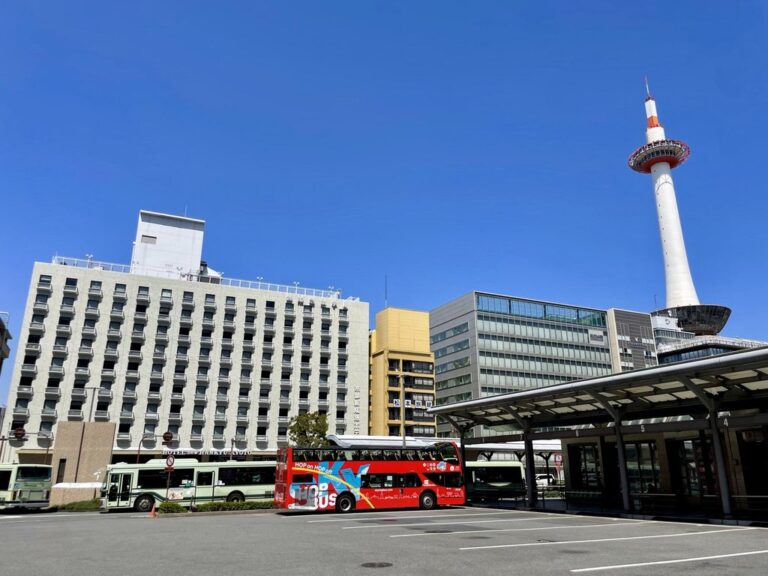
Where Can I Buy an Umbrella or Raincoat?
Clear plastic umbrellas are inexpensive and easy to find at convenience stores and one hundred-yen shops. When you enter an indoor facility, slip your wet umbrella into the thin plastic sleeve provided at the entrance—this is standard etiquette and keeps water from dripping on the floors inside. Where a facility provides an umbrella stand, leave your umbrella there instead, but don’t forget to pick it up again before you leave.
Can I Get By in English?
Subway signage and major attractions include English as a matter of course, and larger facilities often stock foreign-language pamphlets. Smaller independent shops may not have English menus, so you’ll need a different approach:
- Open Google Translate then place your camera over a menu and Japanese will be converted to English on the spot
- Display cases and photo menus make it possible to order by pointing to what you want
- Pick up multilingual maps and point-and-say conversation sheets at the Kyoto Tourist Information Center in Kyoto Station
Are There Cultural Activities Available Indoors?
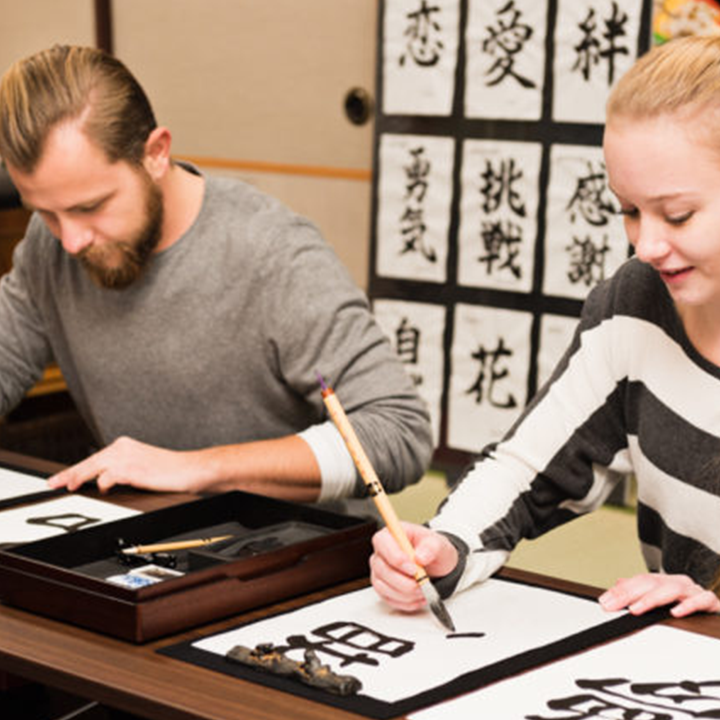
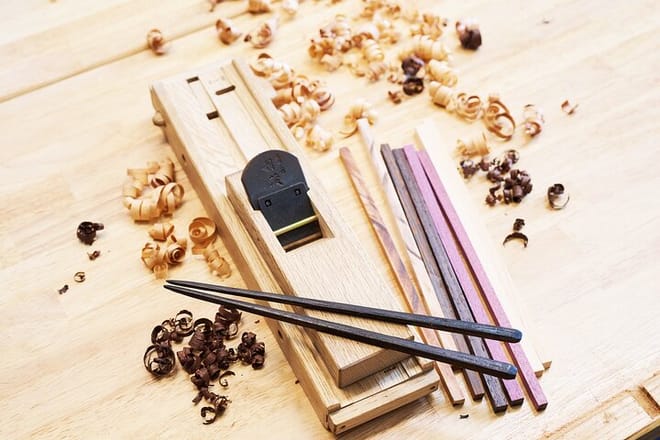
The chopstick-making workshop at Chopsticks Studio Kyoto is a good fit if you find yourself in the Arashiyama area. You’ll start by choosing your preferred wood then shape the chopsticks and finish them with oil in about an hour. The finished chopsticks will go home with you the same day, which makes them a great souvenir.
English-speaking staff are available to assist you at each stage of the process. Note that the studio is on the second floor and accessible only by stairs. Details and reservations for the workshop are available below.
Kyoto Arashiyama Chopstick Making Workshop
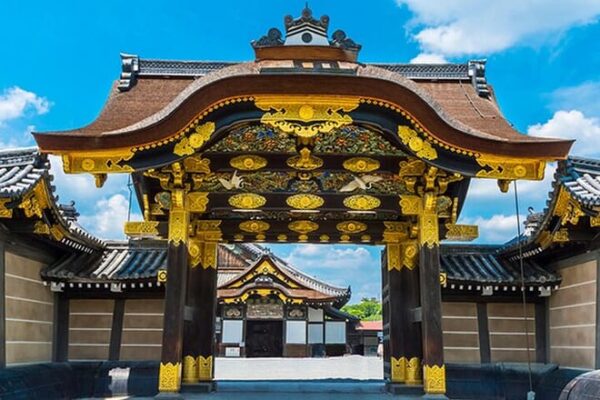
Kyoto: Nijo Castle World Heritage Guided Tour with Admission
Make the Most of a Rainy Day in Kyoto
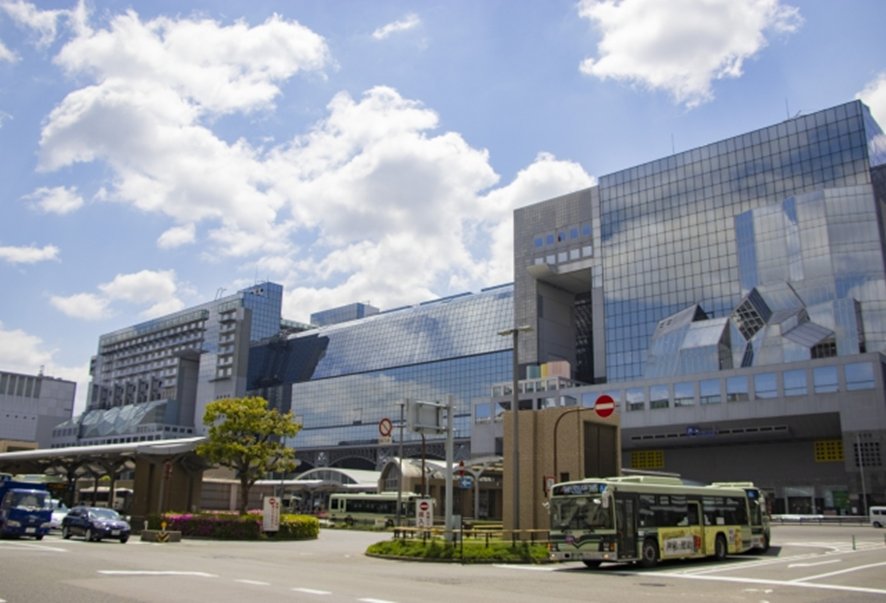
Combine indoor activities with subway travel and you can fill a rainy day in Kyoto without getting wet. Stick to one area, and you’ll cut travel time and fit more in too. Prepare for slippery stone paving and remember a spare pair of socks. While rain is often frowned upon, it’s thanks to the precipitation that you can visit quiet gardens unhindered by crowds or leisurely browse art at a museum. If it starts to rain while you’re in Kyoto, take it as a chance to see a side of the city that only appears in wet weather.