Wondering where to go for a night out in Tokyo? Language barriers, safety concerns, and how to spend the hours after the last train can make a first night out feel intimidating.
The following guide introduces the character of Tokyo’s main nightlife districts along with six recommended spots. It also covers practical knowledge for staying safe—from how to handle street touts to how to check for cover charges.
Read on for a complete guide that covers choosing an area and planning your night out.
Essential Knowledge for Enjoying Tokyo Nightlife Without Worry
For first-time visitors, nighttime in Tokyo can bring uncertainty about unfamiliar customs and pricing systems. The following sections cover how to handle street touts, ID rules at clubs, how cover charges and otoshi (a small appetizer, served automatically) work, and how payment is typically handled.
Knowing these things in advance can help you avoid unexpected charges and trouble, allowing you to relax and enjoy Tokyo after dark.
Don’t Engage With Street Touts
One of the first problems inbound visitors tend to encounter is being approached by solicitors or street touts. In Kabukicho, Roppongi, and Shibuya, it’s common to hear people calling out about cheap all-you-can-drink places. There have even been real cases where customers followed a tout into a bar and were billed hundreds of thousands of yen.
Many wards, including Shinjuku, Shibuya, and Minato, have enacted ordinances that prohibit soliciting in public places, including for restaurants and karaoke establishments. In these areas, the safest rule is to not engage with street touts: the very act of approaching someone on the street is often a violation of these ordinances, so ignoring the tout is the best response.
Researching a venue in advance is key to choosing a safe place:
- Search the venue on Google Maps and check the number and quality of reviews
- Check real feedback on reservation sites and social media
- Avoid shops that do not clearly display their prices
Simply ignoring street solicitation greatly reduces the risk of being taken advantage of.
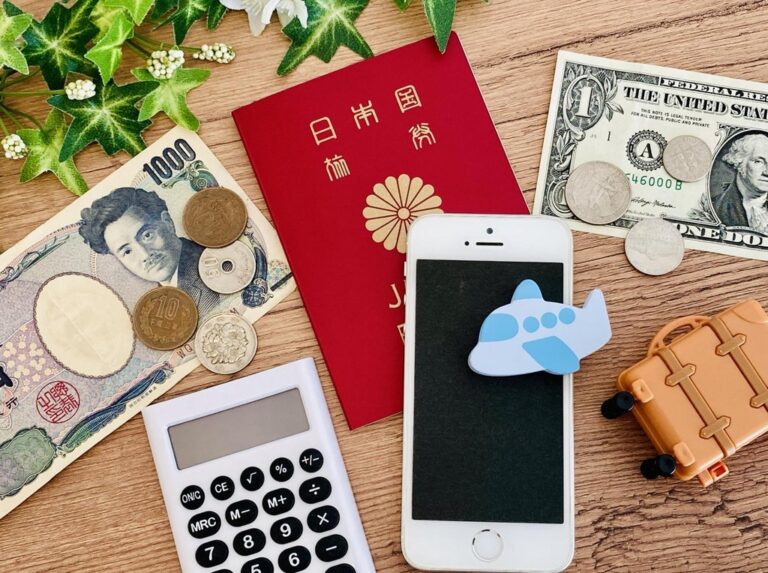
Bring Your Passport
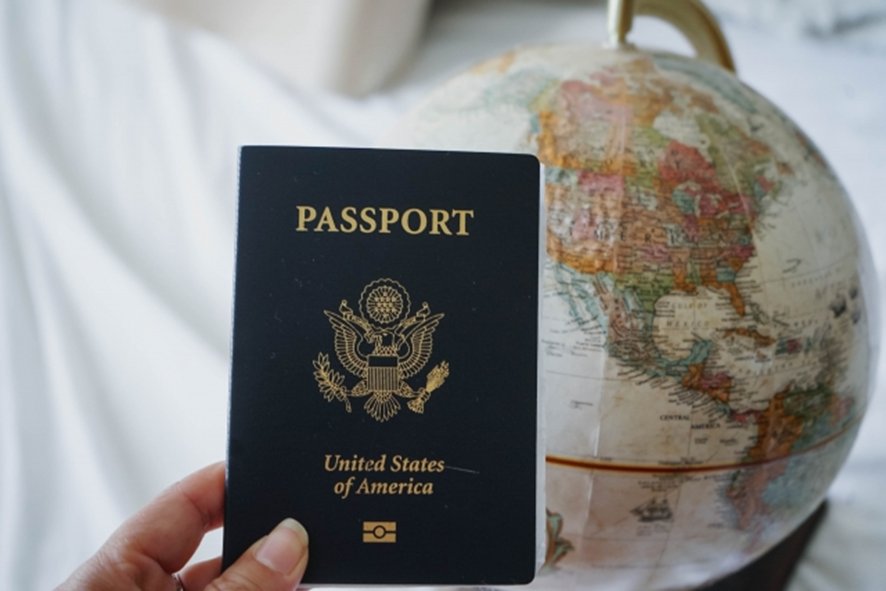
Foreign visitors are often required to show their passport when entering a club in Japan. Under the Adult Entertainment Business Act, venues classified as clubs must prohibit entry to anyone under eighteen and they must post that policy at the entrance. For younger-looking guests, staff commonly check ID to prevent underage entry and underage drinking.
Photocopies or images on a smartphone are usually not accepted; venues require the original document to verify identity. For short-term travelers, that means a passport is required to enter a club.
Also keep in mind that many clubs do not allow re-entry. Once you leave, you may need to pay again or may not be let back in at all. If you need drinks or food, it is safer to stop at a convenience store and buy what you need beforehand. In short: if you plan to visit a club, make sure your passport is in your bag before you leave.
Check for Cover Charges and Otoshi Before Entering
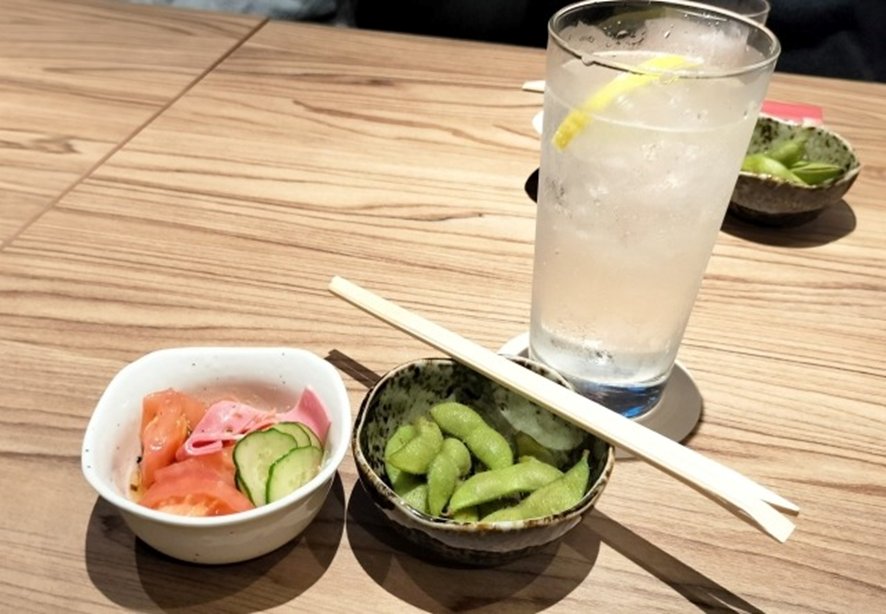
At Japanese bars and izakaya, you might notice two unfamiliar charges on your bill: a cover charge (seat fee) and otoshi. These charges are incurred automatically when you sit down, and typically cost between ¥300–¥600 at ordinary places and around ¥1,500 at higher-end venues.
Being billed for something you didn’t order can feel unsettling, but it’s a widely accepted business custom at most establishments in Japan. To avoid confusion when settling the bill, check the signage near the door before entering the venue to confirm any extra charges in advance.
If nothing is posted, try asking the staff. Confirming in advance and making the pricing transparent can help you enjoy your night without concern.
Payment Methods Vary by Venue Type
It helps to understand when and how to pay at different types of venues.
Bars generally fall into two styles: pay-as-you-go, where you settle after each drink, and pay-at-the-end, where you settle everything before leaving. If you order at the counter, you’ll usually be expected to pay for each round. Alternatively, table service is normally settled just before you leave the venue.
At clubs, standard practice is to purchase drink tickets on entry. Large venues in Roppongi, for example, sell tickets for around ¥2,000 and accept various cashless payment methods. On the other hand, Yokocho (alley) drinking spots and small independent bars often accept cash only.
According to a 2023 survey, Japan’s cashless payment ratio is still only about 39%, so carrying ¥5,000–¥10,000 in cash during a night out is a safe bet. That being said, large chains and hotel bars generally accept credit cards and QR-code payment methods without issue.
Four Main Areas to Enjoy at Night in Tokyo
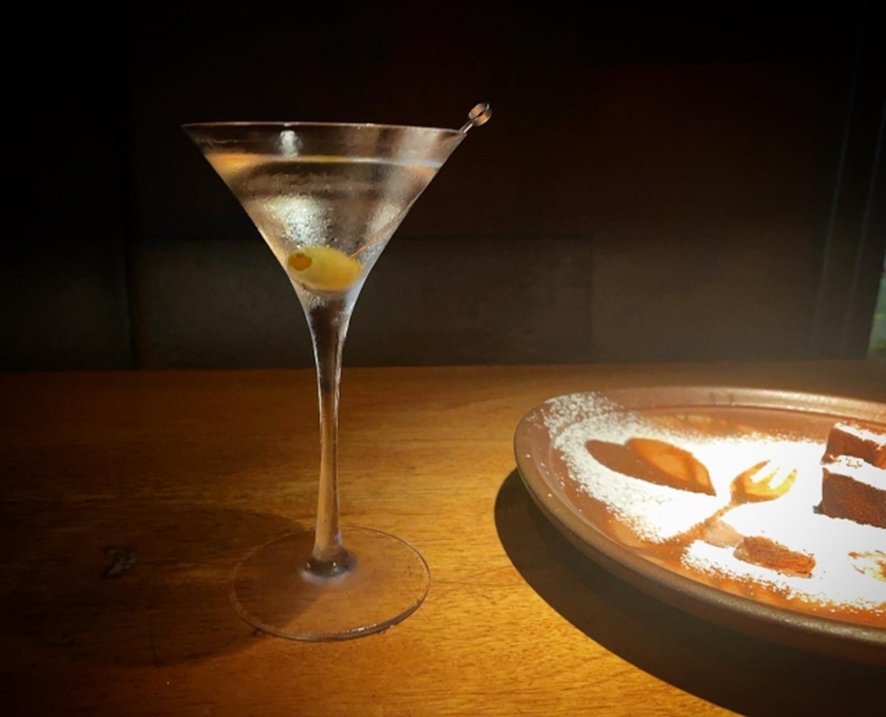
Tokyo has four main nightlife areas, each with its own atmosphere and price range. Whether you want to wander a street packed with bars, dance at a club, or take in the city skyline, there’s something for everyone. Use this guide to find the area that suits your taste, then make the most of the limited time you have in the city.
Shinjuku | Tokyo’s Largest Entertainment District
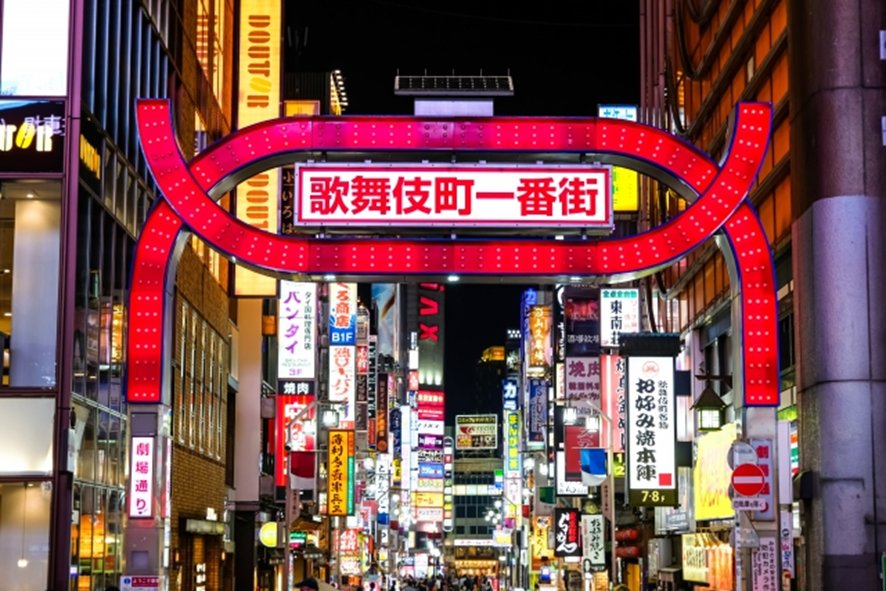
Shinjuku has the densest concentration of bars and drinking spots in Tokyo. The well-known “Golden Gai” is a network of narrow alleys lined with around 280 tiny bars in low-rise wooden buildings. With just a few counter seats per bar, it’s easy to strike up a conversation with the owner or other patrons.
Omoide Yokocho is a drinking alley where you can casually enjoy yakitori (grilled chicken skewers) and simmered offal from around ¥500 a plate. Most customers spend thirty minutes to an hour at each bar and hop between two or three in a single night. Make sure to bring a translation app for times when there’s no English menu available.
Pairing your visit with a stop at Tokyu Kabukicho Tower (opened in 2023) is also a great option. Moving through modern venues and into the retro atmosphere of Omoide Yokocho allows you to experience the contrast between old and new cultures in a single evening.
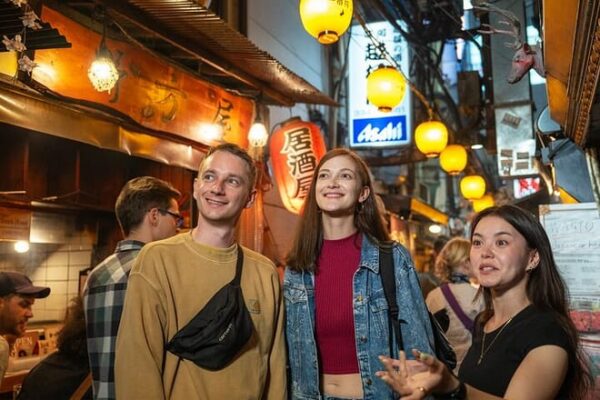
Shinjuku: Food Tour – 15 Dishes at 4 Eateries
Shibuya | The Center of Tokyo’s Club and DJ Scene
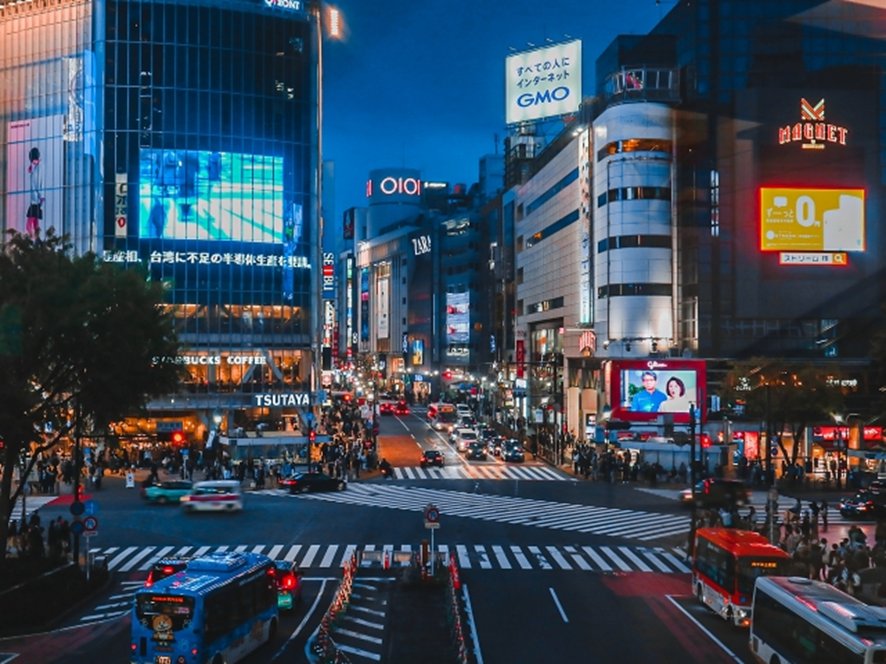
With clubs scattered from Dogenzaka to Maruyamacho, Shibuya sits at the center of Tokyo’s club scene. On weekend nights, crowds pack the area to see both Japanese and international DJs. The long-established club WOMB, for example, has a capacity of about 1,000 and operates from 11 pm to 4:30 am. Photo ID (passport) is required to enter, and guests must be at least 20 years old. Cover charges typically run from ¥1,500–¥3,500 for men and ¥0–¥2,500 for women, with drinks priced separately.
If you’re looking for something to do besides clubbing, SHIBUYA SKY is an observation deck that offers panoramic views from 229 meters (about 751 feet) above ground. The last entry to the deck is at 9:20 pm and online reservations are essential. Also keep in mind that the rooftop may close during bad weather.
Nonbei Yokocho is an alley with a retro, Japanese Showa-era feel, lined with small bars that cater largely to regulars. Look for shops that display a menu and prices near the entrance, as those tend to be the easiest to walk into.
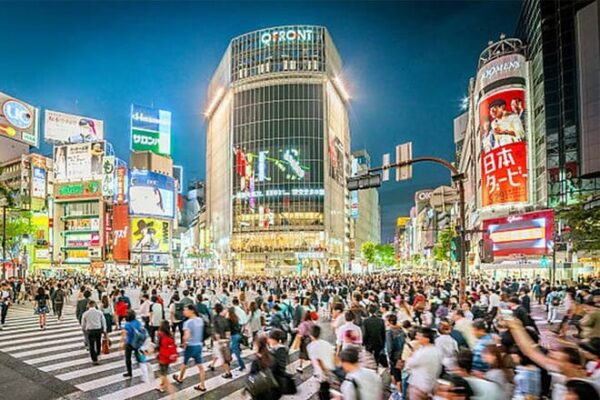
Tokyo: Shibuya Highlights Walking Tour & Secret View Spot
Roppongi | English-Friendly Bars and Clubs
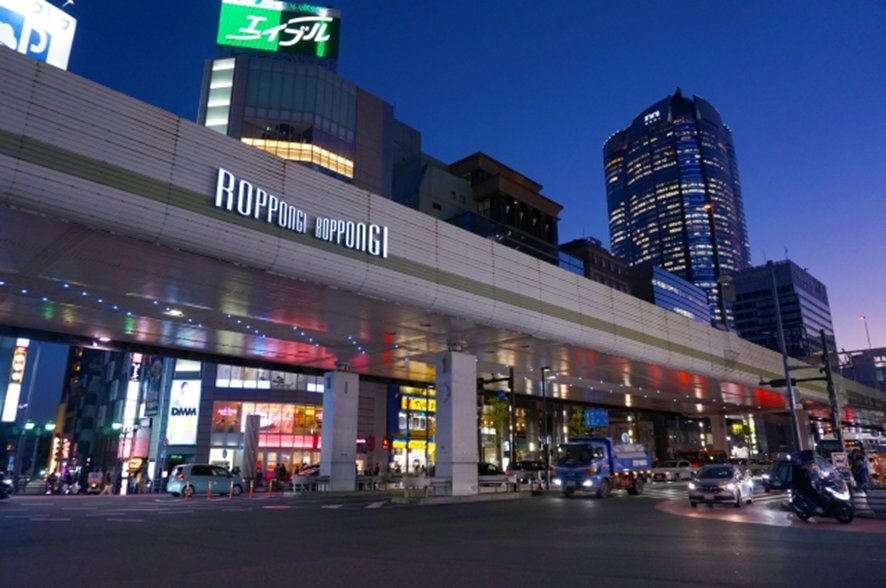
Roppongi is a foreigner-friendly area in Tokyo, and one of the most accommodating places for English speakers. The area is home to eighty-two embassies, along with several international companies. Many venues have English-speaking staff and English menus, so guests who feel uneasy about using Japanese can still visit with peace of mind. A lot of these places are clustered a short distance from Roppongi Crossing, making it easy to bar-hop without transportation. The average cocktail at a Roppongi bar typically costs between ¥1,200–¥2,000. Meals and drinks tend to be more pricey here, but the polished settings are part of the appeal.
Tokyo City View on the 52nd floor of Roppongi Hills is a good place to start the evening. Same-day general admission is ¥2,400, and the venue is open from 10 am to 10 pm (last entry 9:30 pm). Here, you can take in the panoramic view of the city before heading down to the clubs and bars to make the most of your night in Roppongi.
Asakusa & Odaiba | Night Views and Quiet Strolls
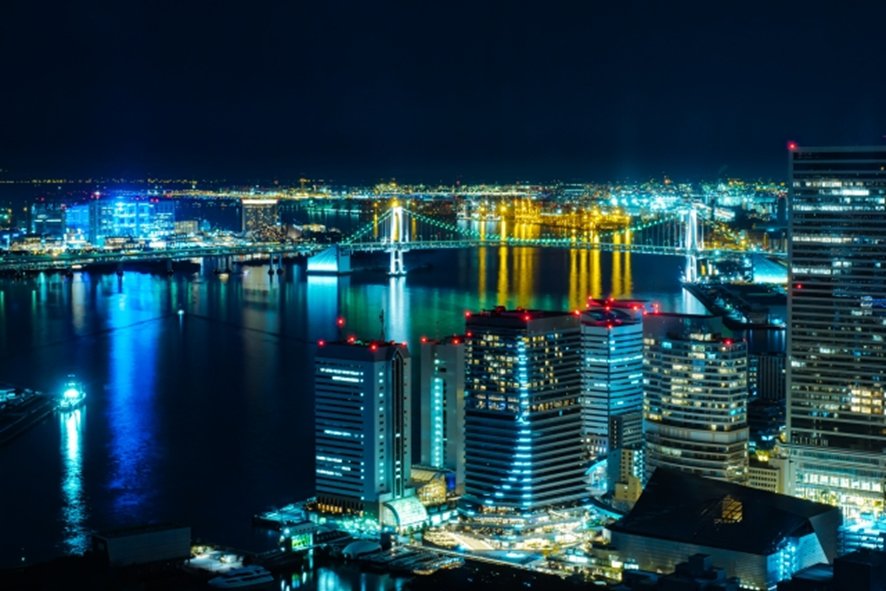
Asakusa and Odaiba are the best areas for anyone yearning for a scenic night view or a quiet walk.
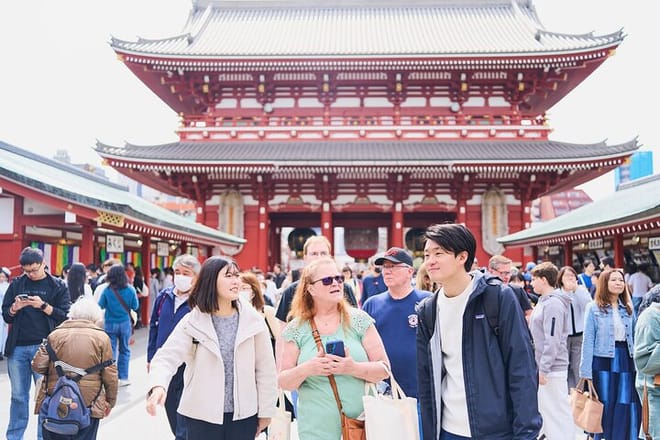
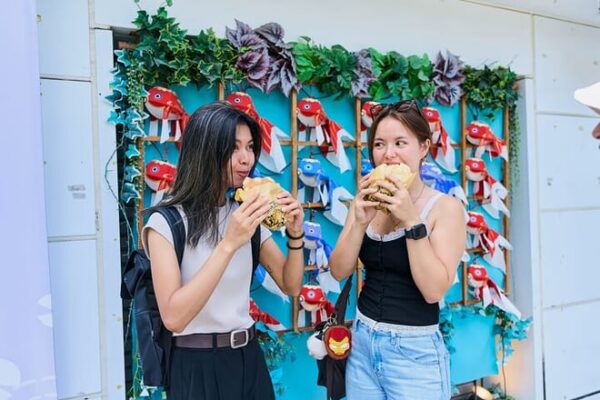
In Asakusa, Sensoji Temple is illuminated from sunset until around 11 pm. The main hall closes at 5 pm, but the grounds remain open at night for visitors to explore freely. In the background, Tokyo Skytree stands lit up against the night sky, making Asakusa an excellent spot for photos. If you’re feeling adventurous, you can also ride a traditional yakatabune (roofed pleasure boat) on the Sumida River. Cruises last for about two and a half hours, with the final departures typically taking off between 7 and 8 pm.
Odaiba offers great views across the bay, though commercial facilities often close between 9 and 11 pm. As such, it’s not ideal for late-night eating and drinking, so the area is better suited to visitors looking for a romantic evening without alcohol.
Tokyo: Asakusa & Sensoji ー Oldest Temple Walking Tour (2hrs)
Six Nightlife Spots Worth Visiting in Tokyo
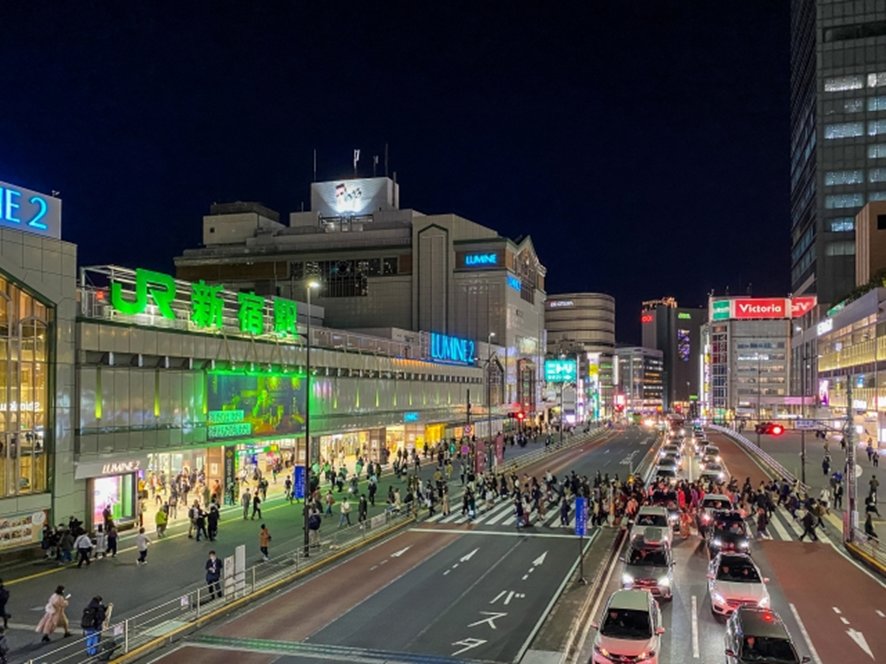
Now that you have a feel for each area, the next step is to pick specific spots to add to your itinerary. In this section, we’ve collected information on six venues in the Shinjuku, Shibuya, Roppongi, and Asakusa areas. Each entry covers information on hours, cover charges, and whether or not English support is available.
Whether you are traveling solo or as a group, the information compiled here should help you narrow down the best options.
Albatross G | Bar-Hopping in Shinjuku Golden Gai
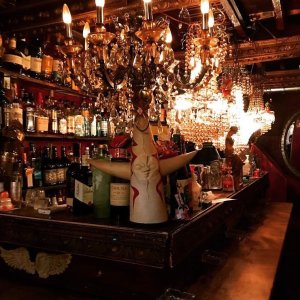
Golden Gai is a unique drinking area with around 280 small bars packed together. Most of the bars here have only four to eight seats, so Albatross G makes a great starting point for first-time visitors: the chandelier-lit interior has 28 seats, making it more spacious than most Golden Gai bars.
Some staff speak English, so it is an easy place to drop in even if you’re lacking confidence in your Japanese skills.
Here are a few points of etiquette to remember:
- Go in small groups of two or three, not a large party
- Give up your seat to new arrivals when the bar gets busy
- Cover charges typically run ¥500–¥1,000 (check before entering)
On weekends after 10 pm, popular bars often have lines. Have a drink at Albatross G, then hop to two or three other bars that catch your eye.
Details
| Address | Golden Gai 5-bangai 1, 2F, 1-1-7 Kabukicho, Shinjuku-ku, Tokyo |
| Hours | 7 pm–5 am (last order at 4:30 am) |
| Closed | Irregular closings |
| Website | https://www.alba-s.com/ |
| Recommended for | Visitors who want the Golden Gai atmosphere; first-time groups |
Shinjuku: Food Tour – 15 Dishes at 4 Eateries
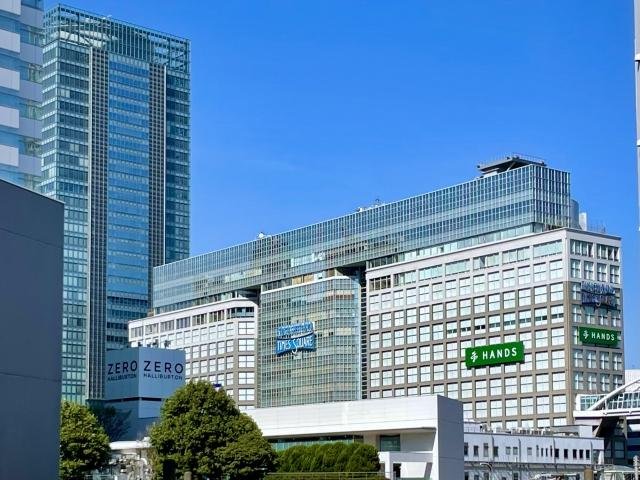
ZEROTOKYO | Clubbing in Shinjuku’s Kabukicho Tower
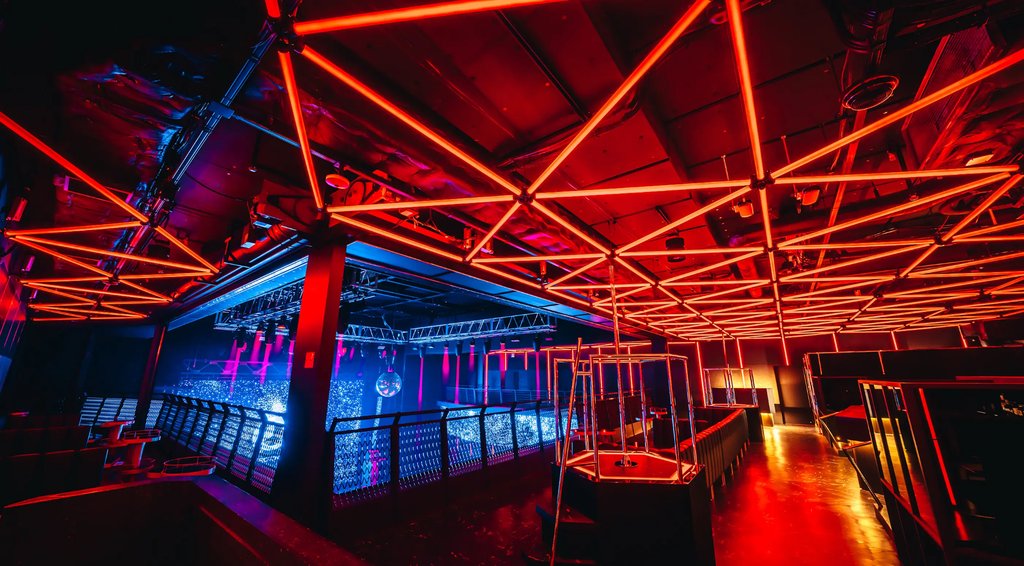
ZEROTOKYO is one of Japan’s largest nightclubs, located in the basement of Kabukicho Tower. With capacity for 1,500 guests, it spreads distinct spaces across floors B2 through B4. The tower also houses restaurant floors, so you can eat and dance in the same building.
Keep the following points in mind before dropping by:
- The venue is fully cashless: only credit cards and QR-code payments allowed
- Age check: entry is limited to guests twenty years and over (passport is required to enter)
- Dress code: avoid tank tops, sleeveless shirts, and sandals, as you may be turned away
- No equipment: cameras and recording gear must be stored in a locker
Details
| Address | Tokyu Kabukicho Tower B1–B4, 1-29-1 Kabukicho, Shinjuku-ku, Tokyo |
| Hours | Vary by event (check the official site) |
| Closed | Irregular (open only on event days) |
| Website | https://zerotokyo.jp/ |
| Recommended for | First-timers; fans of large clubs; visitors who want to hit multiple areas in one night |
SHIBUYA SKY | Panoramic Views From 229 Meters Above Shibuya
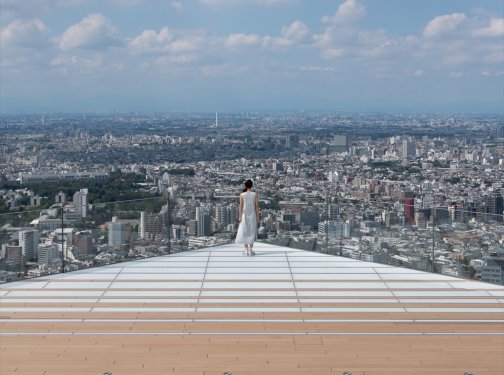
Perched atop Shibuya Scramble Square, SHIBUYA SKY offers 360-degree panoramic views from 229 meters (about 751 feet). From its peak, you can take in Tokyo Tower, Skytree, and the neon streets of Shibuya below all at once. Get an aerial view of the streets you are about to explore and use it to plan the rest of your evening. The best time to enter is about 30 minutes before sunset as the twilight period right after sunset is when the city view is most striking.
Entry is determined by time slots. Because slots can fill up, booking online in advance is recommended. Same-day tickets are available at the ticket window if slots remain. Keep in mind that the rooftop area may close without notice due to bad weather or strong winds. Because slots sometimes sell out entirely, we recommend securing a timed ticket as soon as they go on sale two weeks in advance. Admission from 3 pm onward is ¥3,400 for adults.
Details
| Address | Shibuya Scramble Square 14F, 2-24-12 Shibuya, Shibuya-ku, Tokyo |
| Hours | 10 am–10:30 pm (last entry at 9:20 pm) |
| Closed | Irregular closings |
| Website | https://www.shibuya-scramble-square.com/sky/ |
| Recommended for | First-time visitors; couples; night-view enthusiasts |
Tokyo: Shibuya Highlights Walking Tour & Secret View Spot
WOMB | Techno in Shibuya
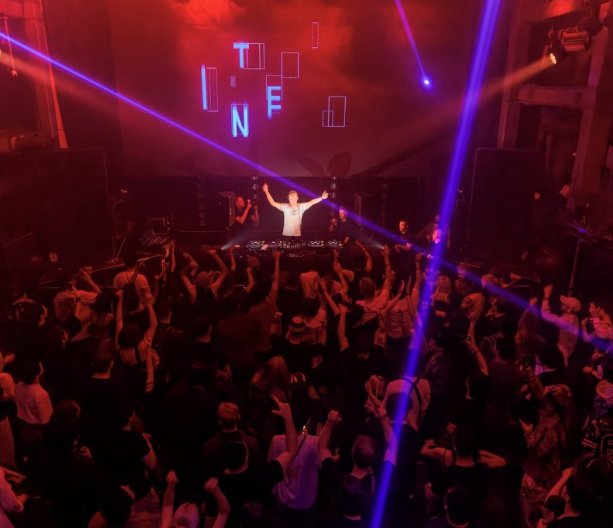
Opened in 2000, WOMB is a long-time venue that has shaped Tokyo’s club scene. It has been named among the top five clubs in the world by Mixmag multiple times and is highly regarded for its sound quality. The main floor—which can hold roughly 1,000 to 1,500 people—features a world-class sound system paired with a massive LED screen. Across several floors and sub-floors, you can enjoy techno on the main floor and, depending on the event, bass music, K-pop, and other club sounds; each floor has its own sound and atmosphere.
Every weekend brings talented DJs from Japan and abroad, promising high-quality music throughout the night. There is no specific dress code, but overly rough attire such as tank tops, jerseys, and sweats (or any other outfit staff consider unsuitable for a public setting) may result in being turned away at the door. In summer, beach sandals aren’t permitted for safety reasons. So if you plan to stop by on the way back from sightseeing, check your footwear and outfit in advance.
Details
| Address | 2-16 Maruyamacho, Shibuya-ku, Tokyo (about an 8 min. walk from Shibuya Station Hachiko exit) |
| Hours | 11 pm–4:30 am (varies by event) |
| Closed | Irregular closings |
| Website | https://www.womb.co.jp/ |
| Recommended for | Techno music fans; club first-timers; weekend event-goers |
SEL OCTAGON TOKYO | Dancing at a Luxury Club in Roppongi
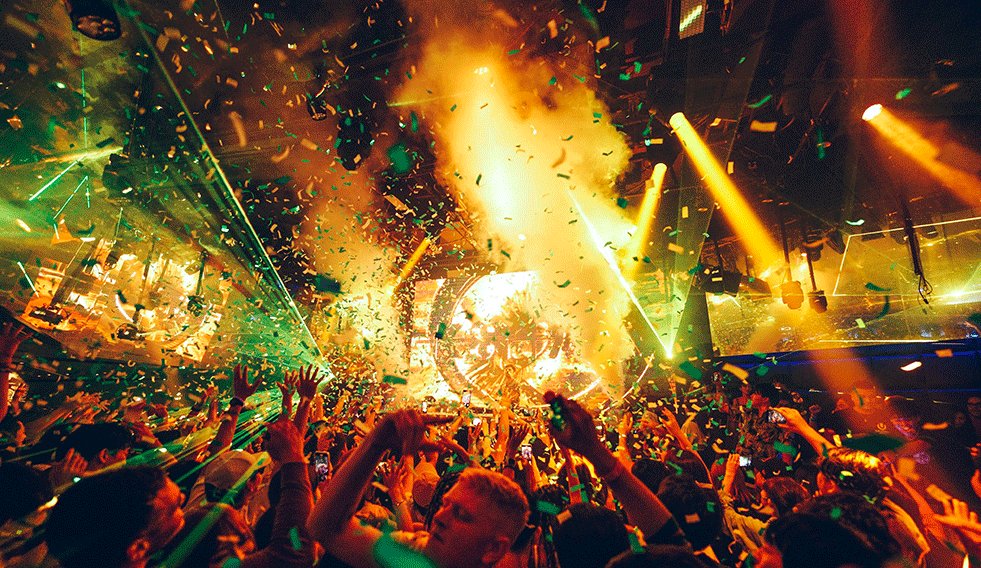
SEL OCTAGON TOKYO is a luxury club just a few minutes on foot from Roppongi Station. Since its opening in 2019, it’s hosted many internationally known DJs and helped drive Tokyo’s club scene. The main floor features an approximately 5.5-meter (about 18-foot) ceiling and one of the top-tier sound systems in Japan. Staff are trained to serve international guests, and many are from abroad, so English is regularly spoken and the setting feels genuinely international. The lineup features many international artists, too, which is a major draw.
Here are some things to know before visiting:
- Dress code: no jerseys, sandals, or visible tattoos
- Cover charges vary by time and day (roughly ¥3,500 on weekend late-nights)
- Passport is required for entry
Details
| Address | AXALL ROPPONGI B1F, 7-8-6 Roppongi, Minato-ku, Tokyo |
| Hours | 10 pm–around 4:30 am |
| Closed | Open year-round (themed events run most days of the week) |
| Website | https://sel-octagon-tokyo.jp/ |
| Recommended for | Visitors worried about the language barrier; music fans seeking international DJs |
Sensoji Temple | A Walk Around Asakusa’s Illuminated Grounds
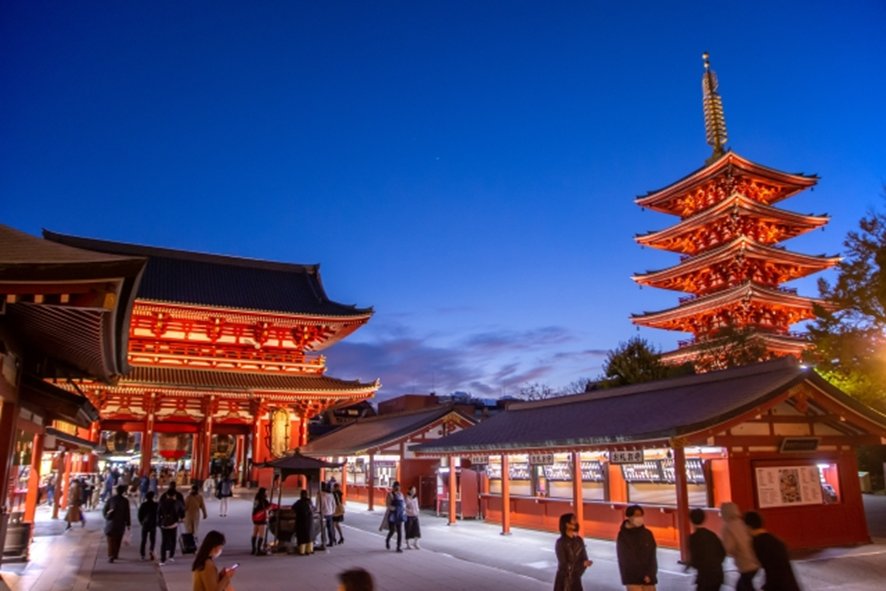
When you want to step away from the noise for a quieter night, Sensoji Temple is a great place to visit. From sunset until around 11 pm, the main hall and five-story pagoda are illuminated, creating a striking scene. Admission is free and the grounds are open 24 hours, making it an ideal spot for a late-night walk.
We recommend taking a walk through Nakamise-dori after the shops close as well: the shutters are painted with ukiyo-e-inspired art that stands out under the lights, making a great backdrop for photos.
Sensoji is only a five-minute walk from Asakusa Station, a convenient point that adds to its appeal.
Details
| Address | 2-3-1 Asakusa, Taito-ku, Tokyo |
| Hours | Grounds open 24 hours (illumination from sunset until around 11 pm) |
| Closed | Open year-round (main hall open 6 am–5 pm; 6:30 am–5 pm from October to March) |
| Website | https://www.senso-ji.jp/ |
| Recommended for | Photographers; cultural experience seekers; those tired of clubbing |
Tokyo: Asakusa & Sensoji ー Oldest Temple Walking Tour (2hrs)
How to Stay Safe in Tokyo at Night
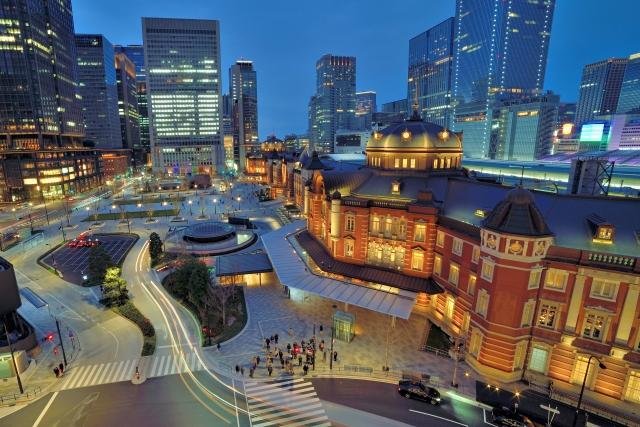
Missing the last train after a good night out is a common part of travel in Tokyo. Below, we’ll outline some ways to safely spend the hours until the first train. If you find yourself stranded, the three main options are: taking a taxi or using ride-hailing apps to get back to your hotel, staying overnight at a karaoke place, or hanging out at a late-night restaurant. Knowing your options in advance helps you stay calm when the situation arises.
Take a Taxi or Use a Ride-Hailing App
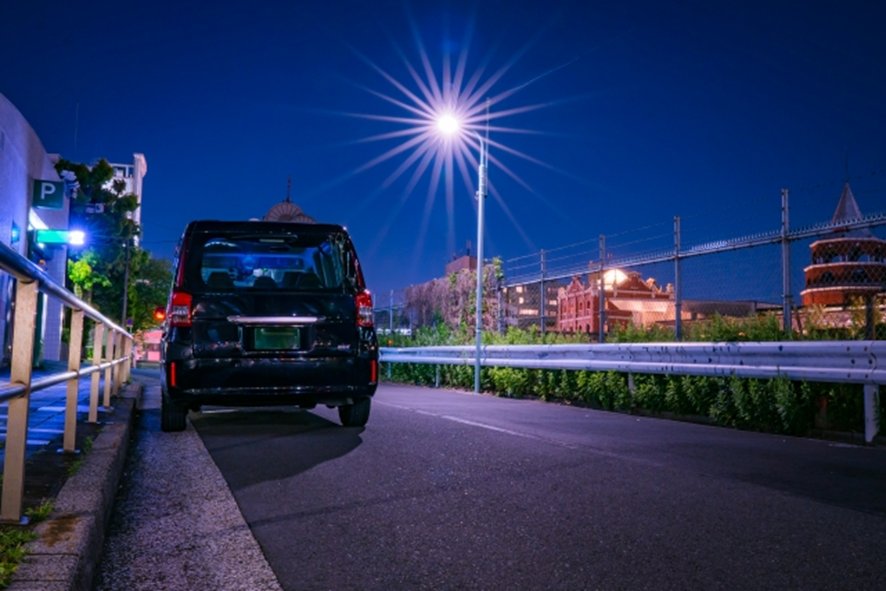
The most reliable transportation after the last train is a taxi. Taxis are the main option from 12:30 am to 5 am when Tokyo’s trains stop running. Note that a late-night surcharge of about 20% applies to rides between the hours of 10 pm and 5 am.
Ride-hailing apps like GO and Uber are both highly recommended. GO supports English and international phone numbers, and it even accepts foreign credit cards. With Uber, you can use your existing account.
A taxi ride between Shinjuku, Shibuya, and Roppongi takes about ten to twenty minutes and typically costs between ¥1,500–¥3,000. To hail a passing cab, look for a red “vacant” sign in the windshield. With a ride-hailing app, you simply enter the destination into your phone, so you can board smoothly without speaking any Japanese.
Wait for the First Train at a Karaoke Place
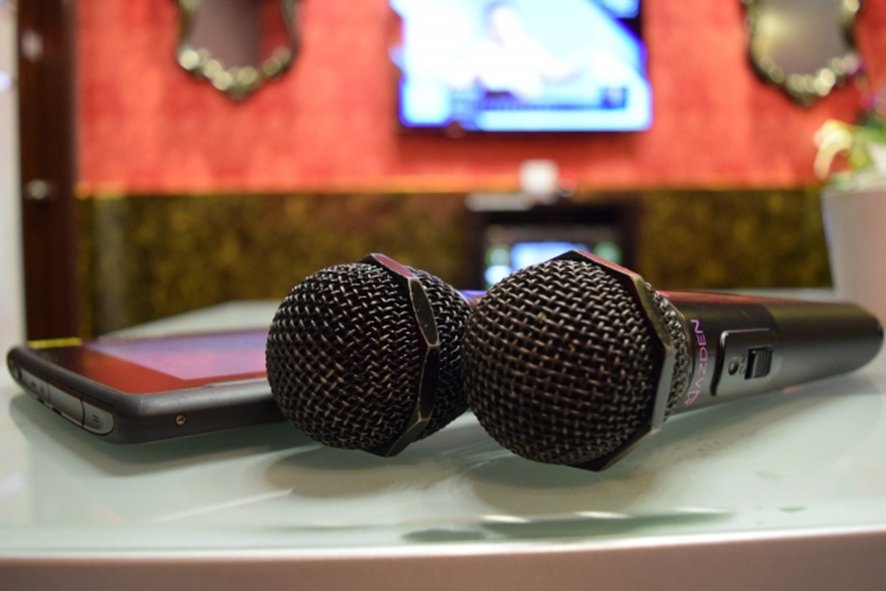
A karaoke venue is one of the most cost-effective ways to pass time after the last train. Late-night plans with all-you-can-drink menus typically run from ¥2,000 to ¥3,000, and since karaoke chains cluster around major stations, they’re easy to drop into after leaving a club.
Here’s why a room at a karaoke place works so well for travelers:
- The rooms are private, so you can relax without worrying about others
- There’s a wide selection of songs in multiple languages
- Drink bar plans help keep extra spending in check
- Many locations are open 24 hours, so you can stay inside until the first train
On busy weekends, book online or in advance to secure a room. Spending the night singing can make for a special part of your trip.
Grab a Meal at a Late-Night Restaurant
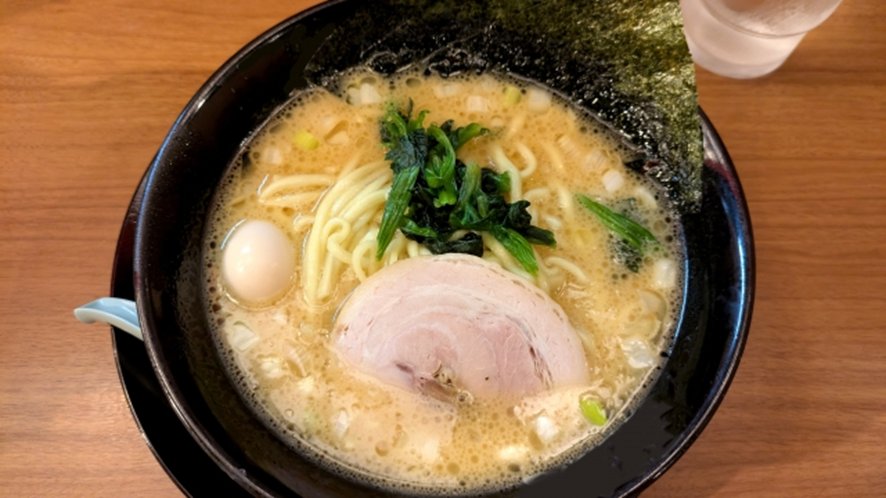
Tokyo has no shortage of places serving hot meals late into the night. Late-night ramen, for example, is a local tradition and a classic way to cap off a night out. Ippudo in Roppongi is open until 2 am on weekends and serves rich tonkotsu (pork bone) broth, and BUTAKIN Roppongi is open until 6 am, which makes it a good place to wait for the first train.
Yoshinoya, Matsuya, and other gyudon (beef bowl) chains operate late at night or have 24-hour locations, giving you lots of affordable options for food even in the early hours of the morning. At these places, ordering is completed at a ticket machine, so you don’t need to be fluent in Japanese. Another option for cheap food is one of the many 24-hour convenience stores. Here, a few hundred yen can get you a hot bento or similar meal.
Common Questions About Tokyo Nightlife

Below, we’ve compiled answers to some common questions about Tokyo nightlife, since we understand that clearing up concerns in advance can help you to enjoy your time in Tokyo even more.
When Does the Nightlife Scene Start to Pick Up?
Bars start to pick up around 10 pm, while clubs peak between 1 and 3 am. Omoide Yokocho and similar areas come alive earlier, from around 6 pm.
Here is what to expect on different days:
- Friday and Saturday: the most crowded days of the week, with most club events occurring on these nights
- Thursday: various DJ events; Thursdays are generally cheaper than Friday or Saturday
- Sunday–Wednesday: quieter weekdays; ideal for visiting bars
We recommend starting at a bar at around 8 pm and moving to a club to spend the late hours of the night.
Where Can I Find English Bars and Clubs?
If you’re looking for a place that can serve you in English, Roppongi is our top recommendation. Most venues have English menus, and staff who can speak English are more common here than in other places in Tokyo. In particular, large clubs like SEL OCTAGON TOKYO and WOMB are relatively foreigner-friendly, so there’s less chance of feeling the language barrier at these venues. In Shinjuku’s Golden Gai, look for bars displaying “English OK” signage.
Here is a rough guide to English language availability by area:
| Area | English Language Support |
|---|---|
| Roppongi | Several venues welcome English speakers |
| Shibuya (large clubs) | Some foreign staff and clientele |
| Shinjuku Golden Gai | Varies by shop (check the signage) |
Do I Need to Tip at Bars and Clubs?
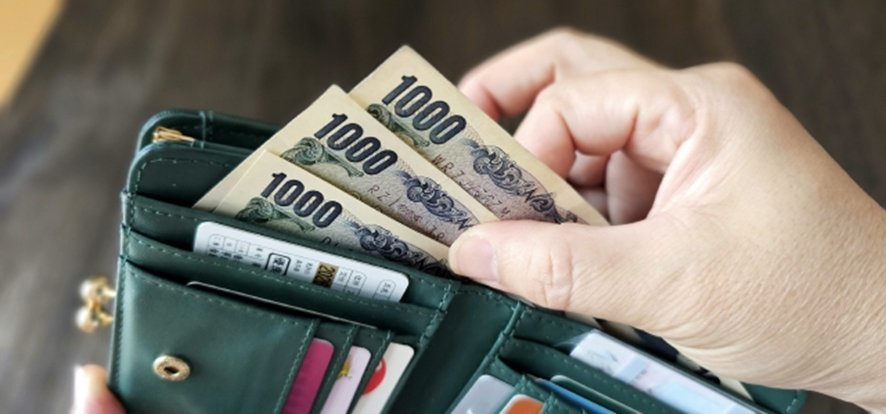
At Japanese bars and clubs, tipping is not expected. Service is part of what you are paying for, and cover charges or otoshi play a similar role to a tip. If you leave a tip, staff will usually decline it or might even take it as a mistake with your change. Simply pay the amount you are billed. For great service, a smile and a word of thanks are more than enough: expressing appreciation through attitude rather than money is the Japanese way.
Is It Safe for Women to Go Out Alone?
Tokyo is generally considered safe. If you’re concerned, small counter-style bars—such as those found in Golden Gai—are a safer option. The close quarters make conversation feel natural, too, so visiting solo isn’t strange at all.
That being said, keep these basic safety rules in mind:
- Ignore solicitors: engaging with them is often a violation of local laws
- Keep an eye on your drink and turn down drinks from strangers
- Walk along well-lit main streets and travel by taxi whenever possible
By exercising these basic precautions, even a solo night out in Tokyo can be worry-free.
Are There Guided Tours?

If you’re hesitant about going out in a city you’re unfamiliar with, we recommend a guided tour.
Tours offer benefits that are hard to get on your own:
- Guides steer you along safer routes and away from dangerous areas
- English-speaking guides help you order and have conversations with limited Japanese
- Chances to access local shops that you might not find on your own
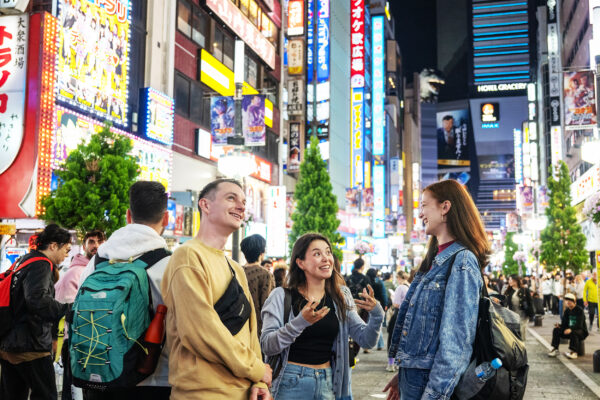
Japan Guide Star, for example, offers a walking tour through Shinjuku that can be booked in advance. The small-group tour is led by an English-speaking guide who paces things to suit the participants, and it’s a great option for getting a taste of Tokyo’s nightlife on a first visit.
Booking details can be found on the official site (https://japanguidestar.com/).
Shinjuku: Food Tour – 15 Dishes at 4 Eateries
Tokyo: Shinjuku Historical Walking Tour & Secret Backstreets
Enjoy Tokyo’s Nightlife to the Fullest
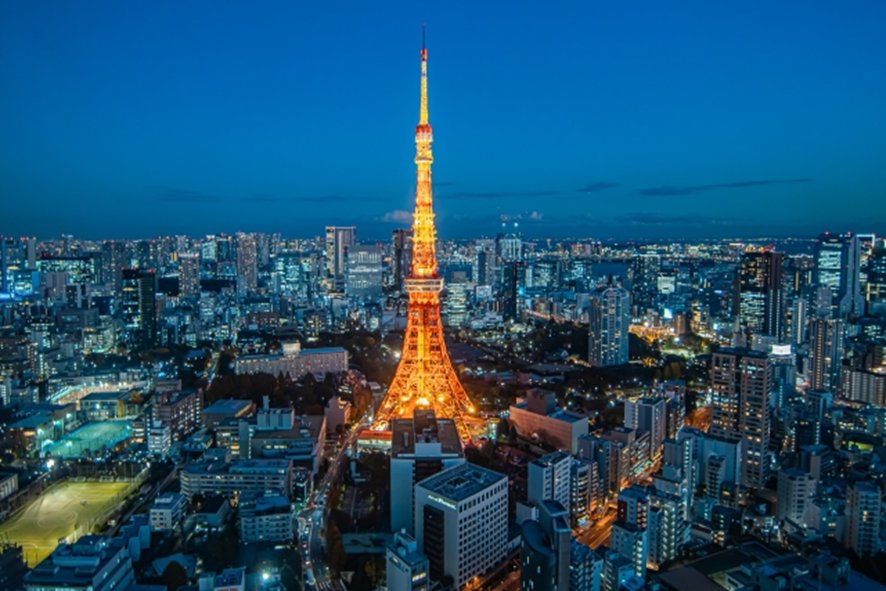
Tokyo nights become far more rewarding when you understand each area and pick the right spots for your interests. Ignore street touts, carry your passport, and plan your way home after the last train. Cover the basics of safety, and enjoy the nightlife that only Tokyo can offer to the fullest.