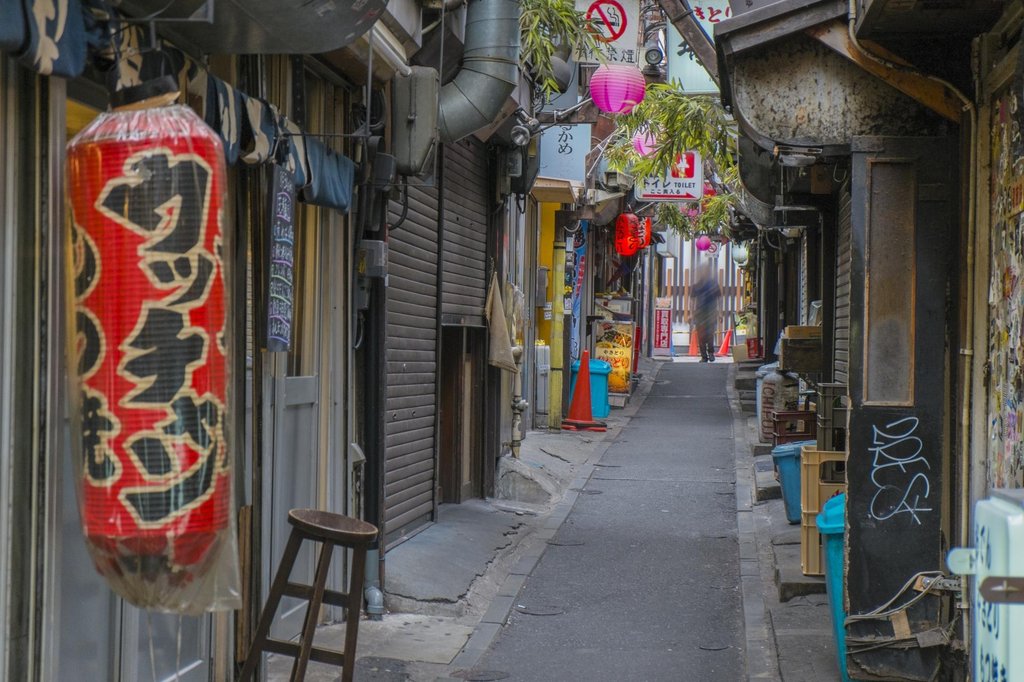
Omoide Yokocho in Shinjuku packs roughly 60 restaurants into one alley, and since many of them look alike, choosing where to sit down can be difficult. Seven shops — from a counter where the owner chooses your skewers to an izakaya large enough for a group of twenty — each work differently. Before you go, learn how to step inside, place your order, and pay — that’s all you need to feel at ease.
What Is Shinjuku’s Omoide Yokocho? Basics to Know Before Eating Yakitori
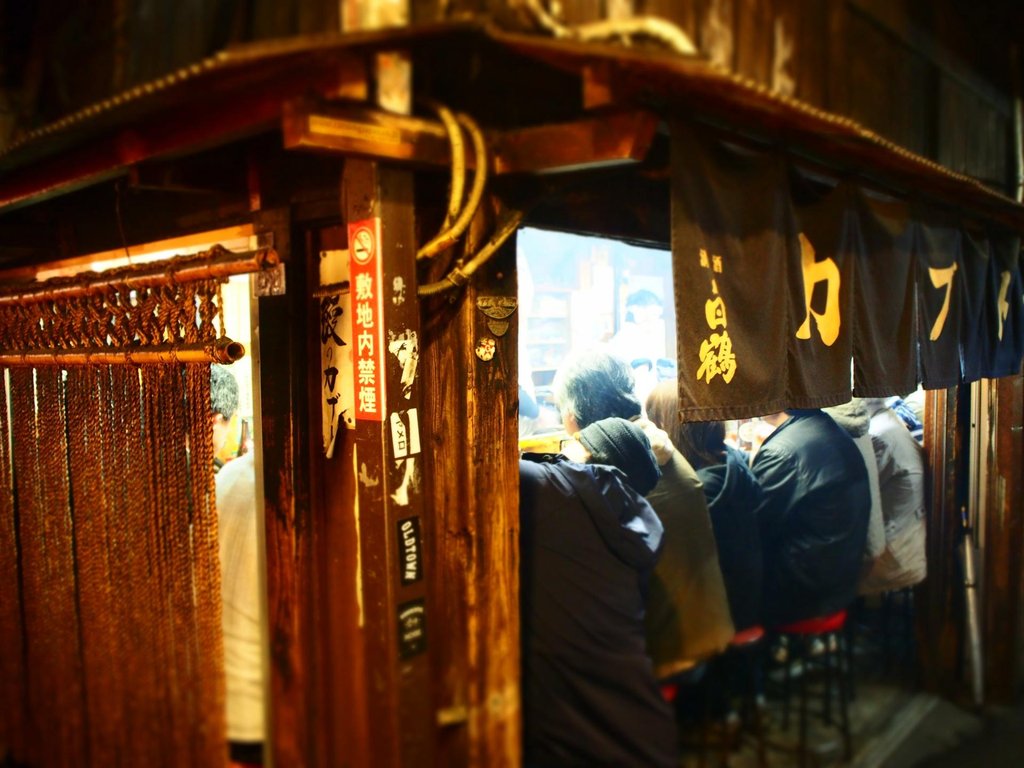
Get a feel for the alley’s atmosphere and layout, know roughly what you’ll spend per person, and figure out how to reach it from Shinjuku Station — do that, and choosing a place gets easier.
Roughly 60 Drinking Spots Serving Yakitori and Motsuyaki
Omoide Yokocho gathers about 60 small restaurants into an area of roughly 630 tsubo (a Japanese unit of area; about 2,080 square meters, or 22,400 square feet). Many are built around a counter, so you sit close enough to watch the owner grill your skewers and catch the aroma of the charcoal.
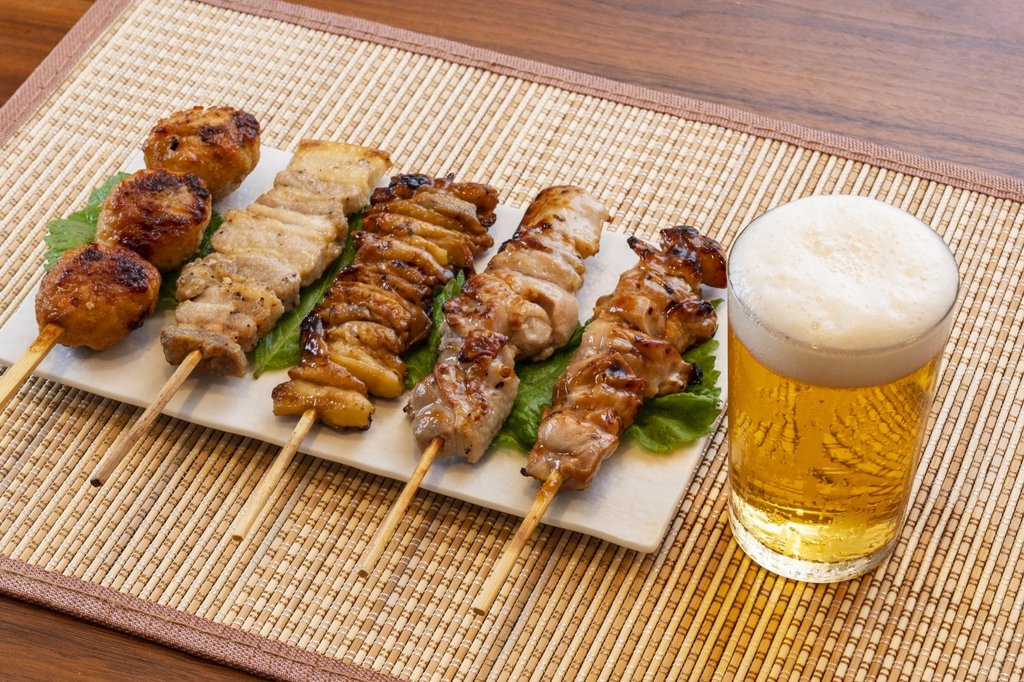
The alley lines up shops serving yakitori, made with chicken, and motsuyaki (skewers of grilled pork offal). Some shops serve both, so deciding what you want to eat in advance can make it easier to choose a restaurant and order smoothly.
| Type | Meat Used | Typical Skewers |
|---|---|---|
| Yakitori | Chicken | Negima (chicken and leek), tsukune (minced chicken meatball), chicken skin |
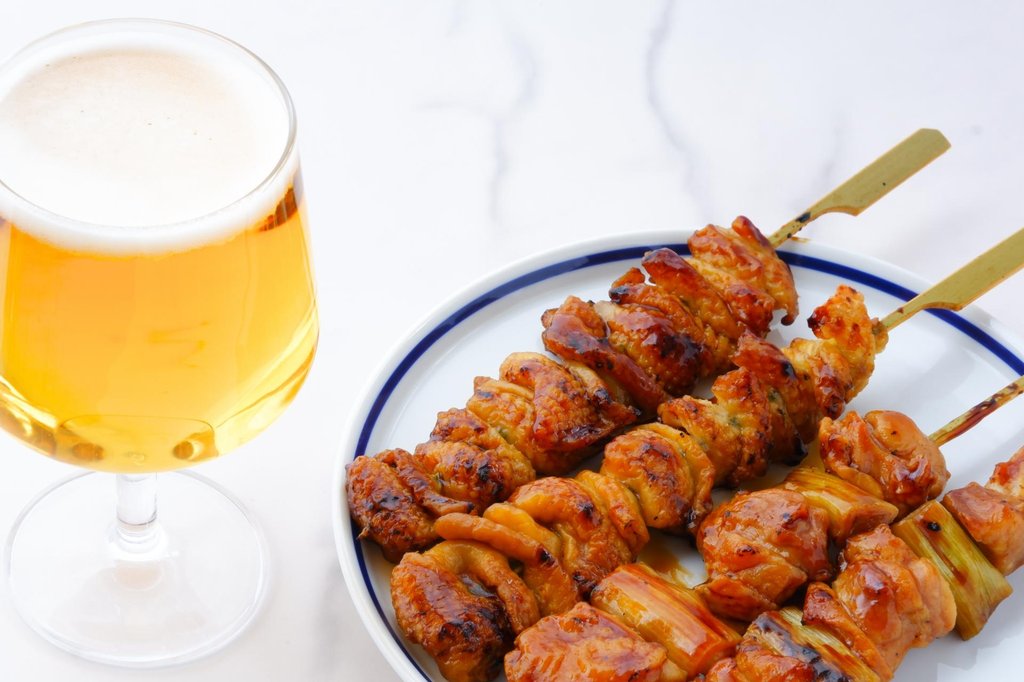
| Motsuyaki / yakiton | Pork offal | Liver, heart, cheek meat |
¥100-¥300 per Skewer, ¥2,000-¥3,000 per Person
Skewers run about ¥100 to ¥300 each (under $2 USD), the everyday price range familiar to local regulars. Figure ¥2,000 to ¥3,000 per person at one shop for five or six skewers and one or two drinks.
- 5 skewers (at ¥150-¥250) = ¥750-¥1,250
- 2 drinks (beer or sour, a shochu highball, at ¥400-¥600) = ¥800-¥1,200
- Otoshi (a small dish that doubles as a seat charge) = ¥200-¥400, depending on the shop
Not every shop serves an automatic otoshi. Checking the menu or the prices posted on the wall before you enter can help clarify whether one is included. If you’re planning a hashigo (hopping between two or three shops in one night), budget around ¥5,000 to ¥8,000 in total.
A 2-Minute Walk from Shinjuku Station West Exit
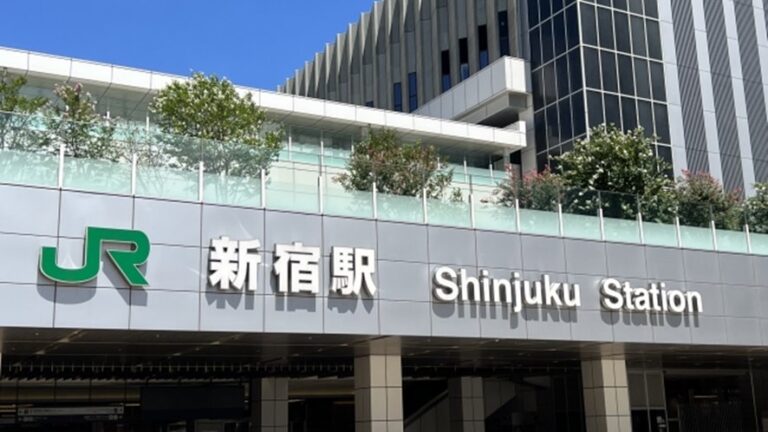
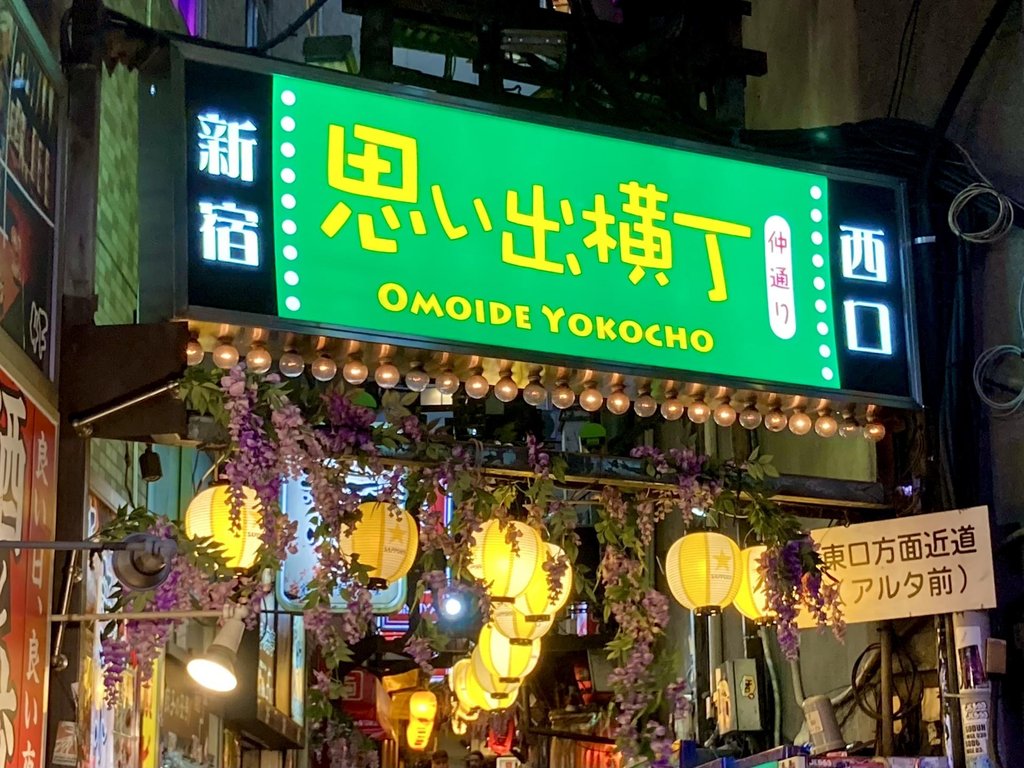
Leave the JR Shinjuku Station West Exit and walk about two minutes, and the red lanterns at the entrance to Omoide Yokocho come into view. Several lines other than JR also stop close by.
- Toei Oedo Line, Shinjuku-nishiguchi Station, Exit D3 → about a 1-minute walk
- Seibu Shinjuku Line, Seibu-Shinjuku Station, South Exit → about a 2-minute walk
- Tokyo Metro Marunouchi Line, Shinjuku Station, toward the West Exit → about a 3-minute walk
Redevelopment work around the Shinjuku Station West Exit occasionally shifts pedestrian passages and exit locations. Check a map app for the current route before you set out.
7 Yakitori and Skewer Shops to Try in Omoide Yokocho
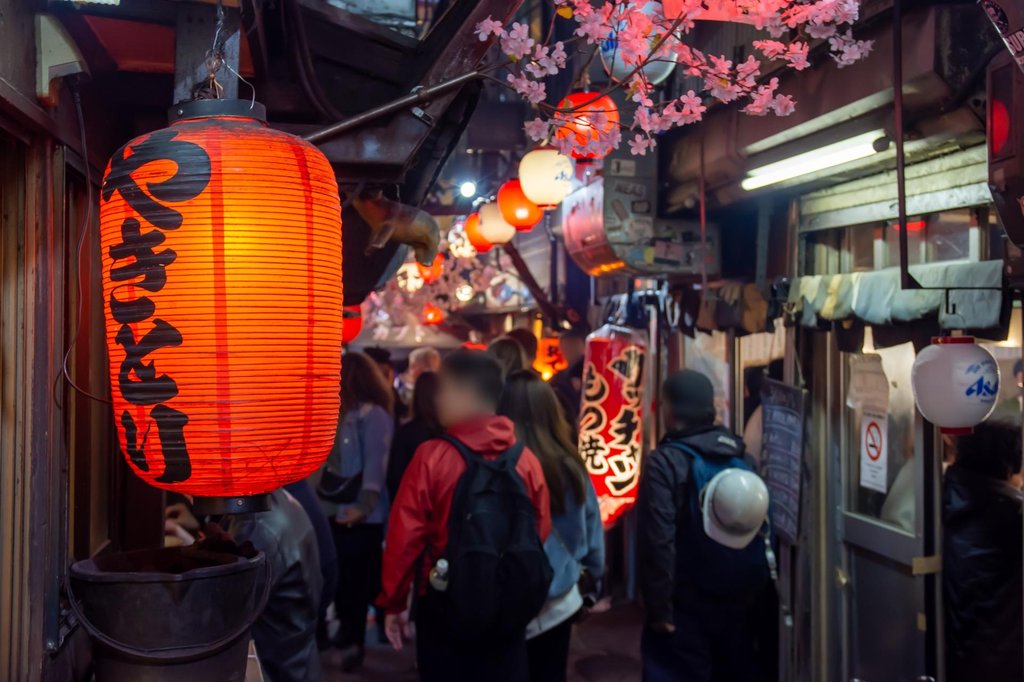
Seven shops specializing in yakitori and grilled skewers stand out among the roughly 60 establishments in Omoide Yokocho. They include a long-established motsuyaki counter and an izakaya (Japanese pub-style restaurant) large enough to accommodate a group. Each entry highlights the restaurant’s character and typical budget, making it easier to choose a spot that suits your plans and party size.
Motsuyaki Uttyan | The Alley’s Signature Shop with a 27-Seat Counter
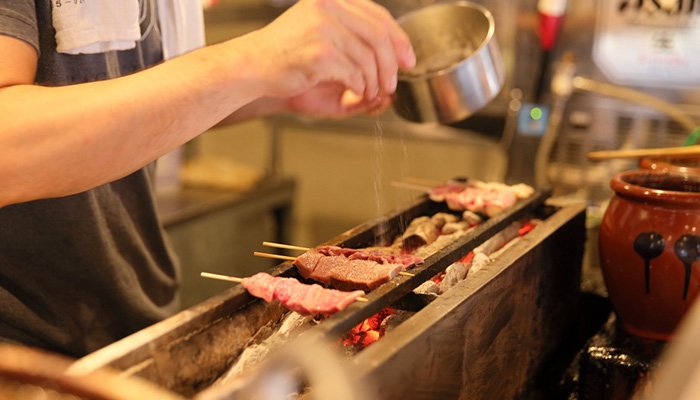
This motsuyaki shop has become a symbol of the alley. Its U-shaped counter of 27 seats stays busy with customers from Japan and abroad. The standard pairing is negi-reba (liver with leek) and motsu nikomi (pork offal stewed in miso or soy sauce). Rich liver and crisp leek pair well with the deeply flavored stew and a cold beer.
After 5 pm the counter fills almost completely, and the narrow passage leaves no room to queue. To be sure of a seat, aim for the 4 pm to 5 pm stretch right after opening.
Details
| Address | 1-2-7 Nishi-Shinjuku, Shinjuku-ku, Tokyo |
| Hours | 4:00 pm-11:00 pm |
| Closed | Irregular |
| Official site | https://kiwa-group.co.jp/uttyan_shinjuku/ |
| Recommended for | Anyone who wants motsuyaki and stewed offal, or the lively atmosphere Omoide Yokocho is known for |
Hours differ by season. Please check the official website before visiting.
Torien | The Alley’s Largest Izakaya, Seating 200
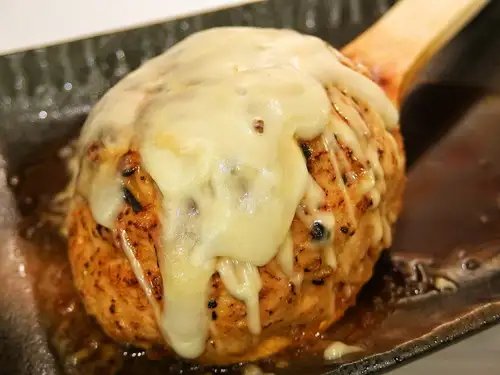
With capacity for about 200 people, Torien is large by Omoide Yokocho standards, making it easier to find a seat during peak hours or when visiting with a group of four or more. Its menu features roughly 120 items, covering grilled fish, fried dishes, and much more alongside yakitori and motsuyaki.
The standout dish, “Shamoji Tsukune,” is a generous chicken meatball served on a rice paddle—the portion is large enough that its distinctive shape is recognizable from across the room. Torien opens from midday and accepts credit cards.
Details
| Address | 1-2-4 Nishi-Shinjuku, Shinjuku-ku, Tokyo |
| Hours | 12:00 pm-11:00 pm (Last Order 10:30 pm) Mon-Thu, Sun, holidays, and days before holidays: 11:30 am-11:30 pm (food Last Order 11:00 pm; drinks Last Order 11:00 pm); Fri, Sat: 11:30 am-11:45 pm (food Last Order 11:00 pm; drinks Last Order 11:00 pm) |
| Closed | New Year’s Day |
| Official site | https://torien-shinjuku.owst.jp/ |
| Recommended for | Group travelers, first-time visitors, and anyone who wants to avoid the crush |
Hours differ by season. Please check the official website before visiting.
Sumibi Kushiyaki Kappetei | Tottori-Raised Chicken over Charcoal
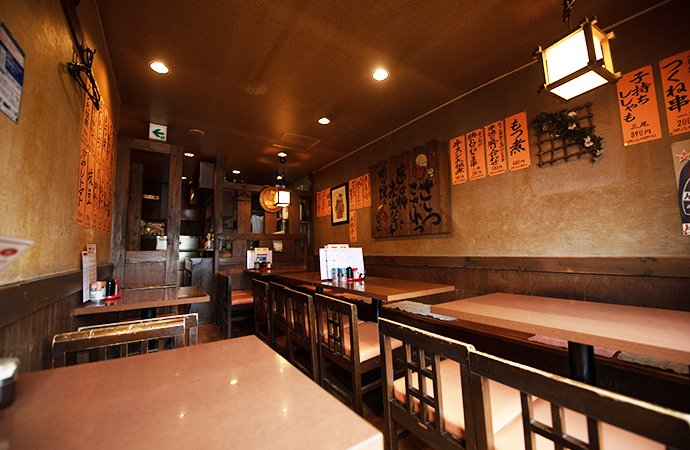
If you land on a late flight and need a meal at an unusual hour, Sumibi Kushiyaki Kappetei stays open until 4 am. Its specialty skewers use jidori (free-range chicken) raised in Tottori Prefecture, grilled over charcoal so the infrared heat leaves the skin crisp and the meat juicy.
The first sour of the evening is available at a discount from 4 pm to 7 pm on weekdays and from 3 pm to 7 pm on Sundays and holidays. Sumibi Kushiyaki Kappetei accepts cash only, so be sure to bring some yen.
Details
| Address | 1-2-1 Nishi-Shinjuku, Shinjuku-ku, Tokyo |
| Hours | 4:00 pm-4:00 am |
| Closed | Open year-round |
| Official site | https://shinjuku-omoide.com/shop/kappetei |
| Recommended for | Travelers arriving late at night, or anyone who needs a late meal before an early departure |
Hours differ by season. Please check the official website before visiting.
Motsuyaki Kikuya | Skewers in a House Sauce Dating to 1957
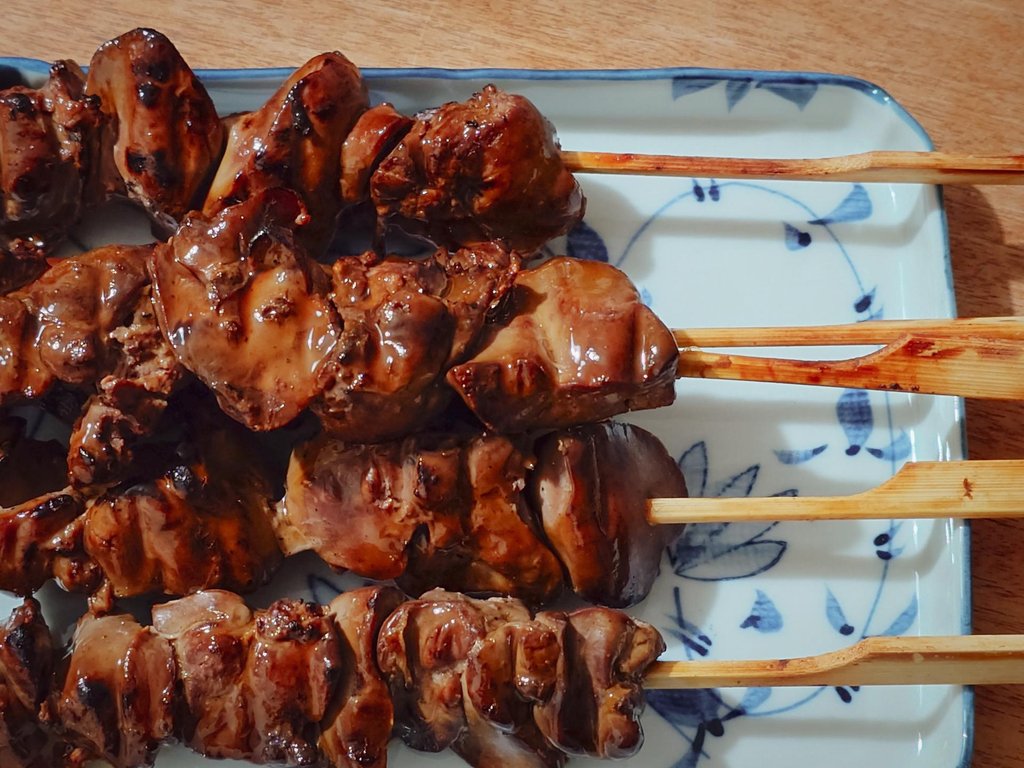
Motsuyaki Kikuya, founded in 1956, is known for a tare (sweet-savory soy-based sauce) that the shop has topped up and carried forward ever since. Skewers start at ¥132. You can pick your seasoning, either the sweet house tare or a special salt blend.
The official site provides menus in English, Chinese, and Korean, so you can check the dishes and prices before you arrive. The interior is relatively spacious, with seating for up to 60 people, making it suitable for larger parties. Motsuyaki Kikuya also offers takeout.
Details
| Address | 1-2-7 Nishi-Shinjuku, Shinjuku-ku, Tokyo |
| Hours | Mon-Fri 3:00 pm-11:30 pm; Sat, Sun, and holidays 3:00 pm-11:00 pm |
| Closed | Irregular |
| Official site | https://kikuya-shinjuku.com/ |
| Recommended for | Anyone who wants to drink where foreign languages are understood, or to taste the work of a long-established shop |
Hours differ by season. Please check the official website before visiting.
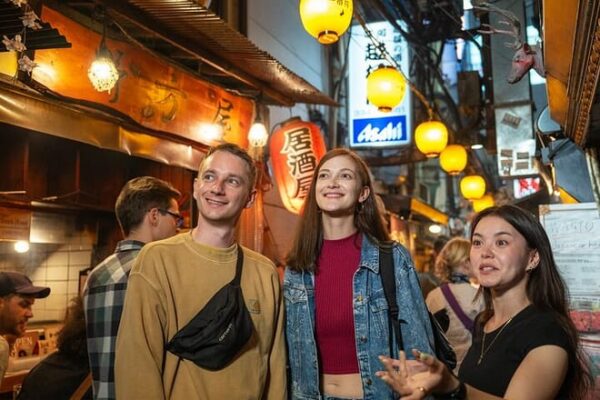
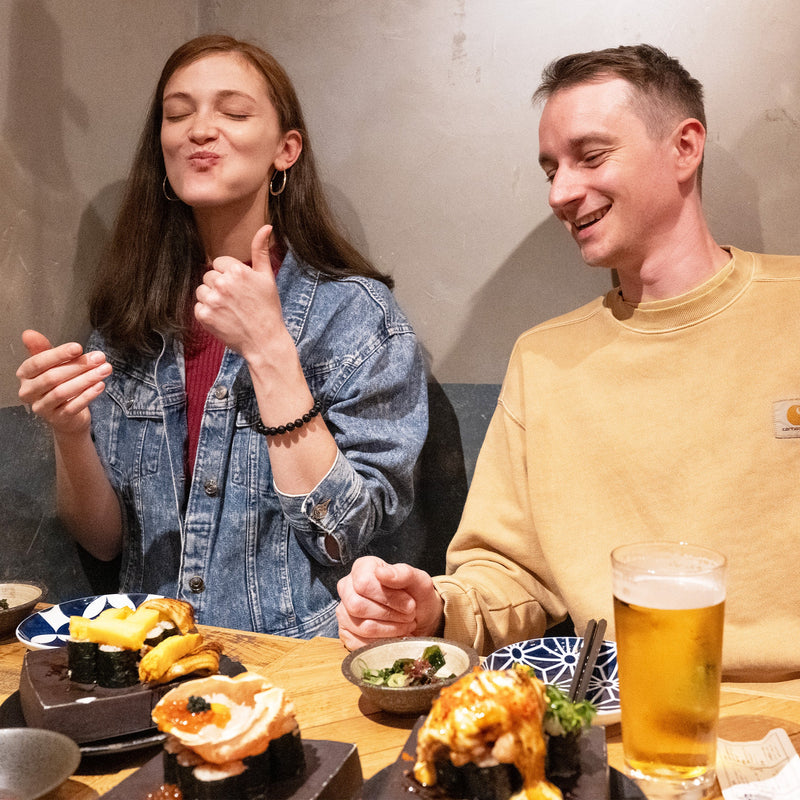
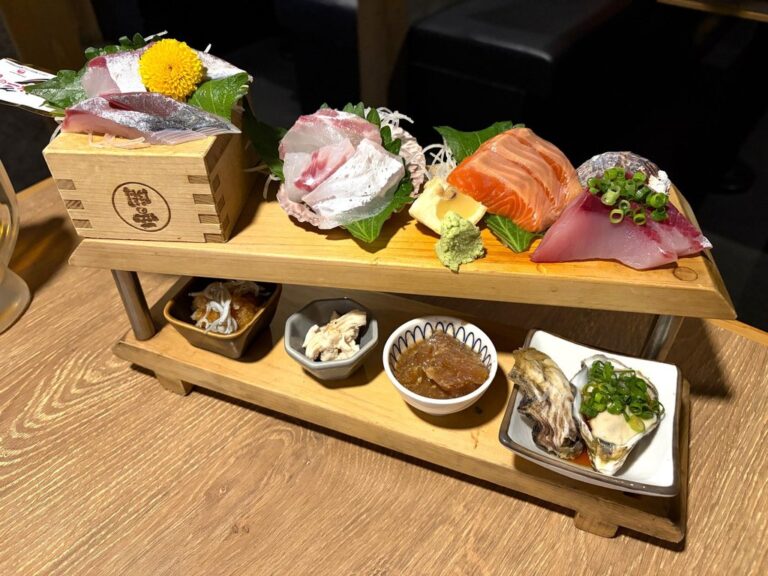
Shinjuku: Food Tour – 15 Dishes at 4 Eateries
Daini Horaiya | A 1947 Original Carrying On the Horaiya Line
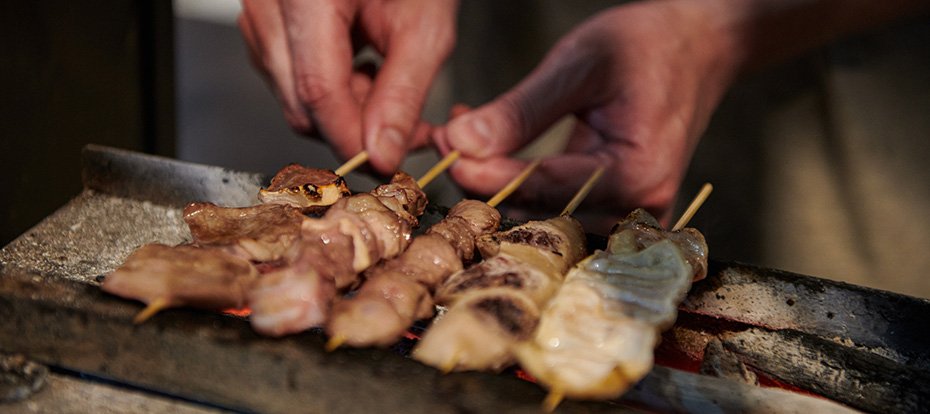
Daini Horaiya, founded in 1947, descends from Horaiya, an earlier shop that served motsuyaki in Omoide Yokocho. The shop grills fresh meat from Tokyo’s Shibaura meat market over binchotan (dense white Japanese charcoal) and serves it with a secret tare sauce that has been replenished for decades.
Alongside yakitori and motsuyaki, the menu includes sashimi-style dishes such as kobukuro-zashi (thinly sliced uterus, quickly boiled), hatsu-zashi (beef heart seared on the outside and left rare inside), and basashi (raw horse meat), giving you a wide range of meat dishes to work through. Seafood and other specialties round out the menu, so companions who would rather skip offal still have plenty to choose from.
Details
| Address | 1-2-5 Nishi-Shinjuku, Shinjuku-ku, Tokyo |
| Hours | Tue-Fri 3:30 pm-12:00 am; Sat 2:30 pm-11:00 pm; Sun and holidays 1:00 pm-10:00 pm |
| Closed | Irregular |
| Official site | http://horaiya.com/2/ |
| Recommended for | Groups, and parties whose members have different tastes |
Hours differ by season. Please check the official website before visiting.
Sasamoto | Leave It to the Owner and the Skewers Keep Coming
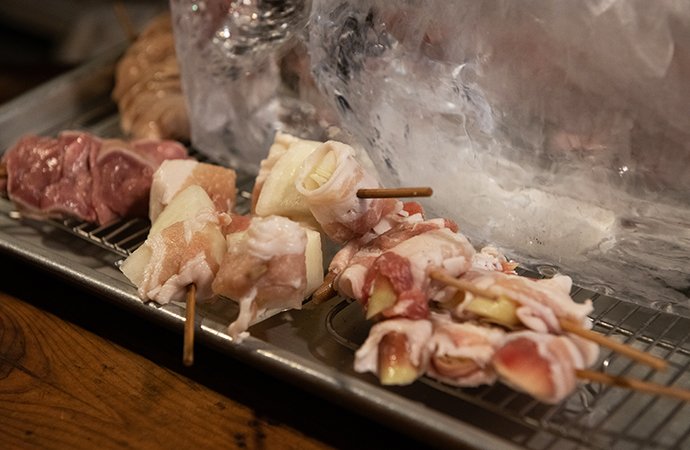
Take a seat, say “omakase de” (I’ll leave the choice to you), and the owner sends out skewers of his choosing one after another. Since you never have to pick items yourself, an unfamiliar menu is no obstacle to trying a range of cuts.
The skewers keep arriving until you stop them. Once you have had enough, say “mou daijobu desu” (that’s enough, thank you). Mention any foods you can’t eat when you first order.
Details
| Address | 1-2-7 Nishi-Shinjuku, Shinjuku-ku, Tokyo |
| Hours | 3:30 pm-11:00 pm |
| Closed | Open year-round |
| Official site | https://shinjuku-omoide.com/shop/sasamoto |
| Recommended for | Anyone who wants a variety of skewers chosen for them, without agonizing over a menu |
Hours differ by season. Please check the official website before visiting.
Shimonya Omoide Yokocho | Yakiton from Around ¥120, Served from Midday
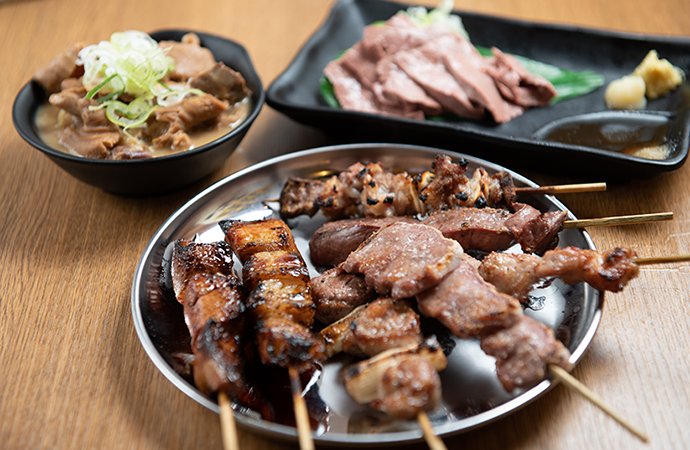
Shimonya Omoide Yokocho belongs to a yakiton (grilled pork skewer) chain with several branches around Tokyo, and it keeps skewers of pork offal at modest prices. You can order liver, heart, and other cuts a little at a time, which suits anyone who wants to compare them without spending much.
Shimonya Omoide Yokocho stays open continuously from noon without a midday break, so it also works well for lunch or an early afternoon stop before the evening rush.
Details
| Address | 1-2-5 Nishi-Shinjuku, Shinjuku-ku, Tokyo |
| Hours | 12:00 pm-11:00 pm (no midday break) |
| Closed | Open year-round |
| Official site | https://shinjuku-omoide.com/shop/shimonya |
| Recommended for | Anyone eating yakiton on a budget, or visiting Omoide Yokocho during the day |
Hours differ by season. Please check the official website before visiting.
How to Enter and Order at an Omoide Yokocho Yakitori Shop
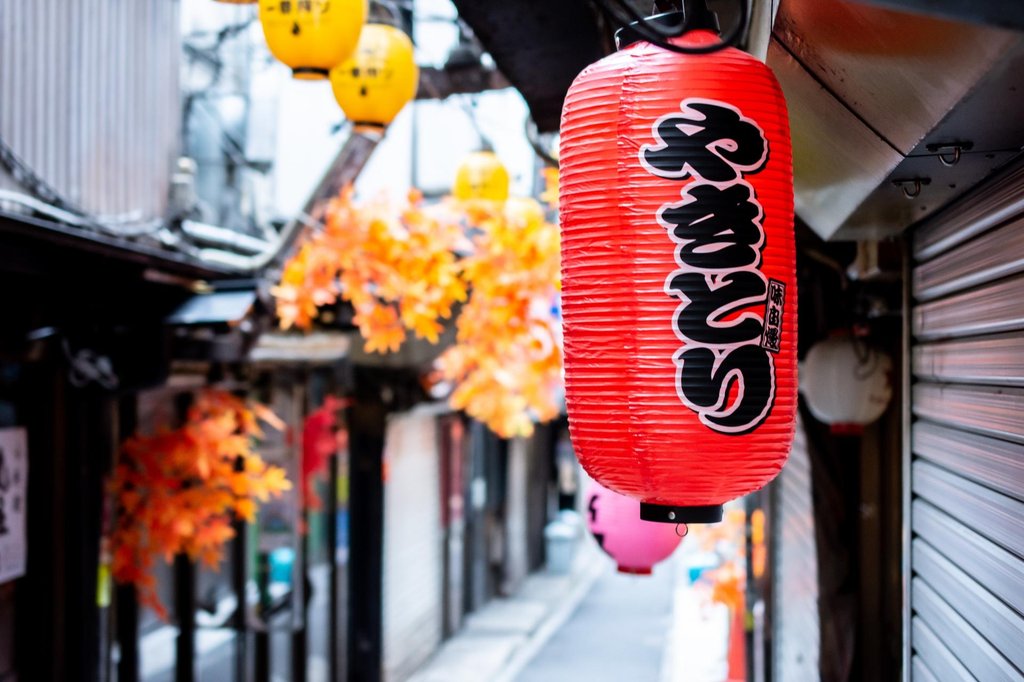
The small yakitori shops of Omoide Yokocho can leave first-time visitors unsure how to enter or place an order. Check for an open seat, step inside, confirm the meat and seasoning, and then place your order — five simple steps are all you need to get started. If ordering in Japanese worries you, pointing or using your smartphone screen works just as well.
1. Check for an Open Seat Before You Enter
Most shops in Omoide Yokocho are small and built around a counter. Look inside from the entrance to see whether a seat is free, and if you cannot tell, ask a staff member “Hairemasu ka?” (May we come in?).
A party of one or two is usually shown to whatever seat is available, while groups of three or more can be harder to seat together. For larger groups, choosing a shop with more seating is the easier option.
2. Check Whether the Skewers Are Chicken or Pork
Some shops in Omoide Yokocho serve chicken yakitori, while others specialize in motsuyaki. The meat on offer varies from shop to shop, so check the menu or ask the staff about any ingredients you cannot eat before ordering.
For strict dietary restrictions based on religion or allergies, the ingredients alone may not be enough; cooking utensils and the kitchen environment can also matter. If you cannot confirm that the necessary conditions are met, it is safer to choose another shop rather than order anyway.
3. Order a Drink and Your First Skewers
Some shops grill only after an order comes in, so putting in your first skewers along with your drink keeps things moving. If yakitori is new to you, negima and tsukune are natural places to begin.
Adding gizzard, heart, or any other cut that catches your eye lets you experience differences in texture and flavor. The number of skewers per order and the minimum order quantity vary by shop, so read the menu before ordering.
4. Choose Salt or Tare
At some shops, ordering a skewer prompts a question: shio (salt) or tare? Salt lets the flavor of the meat itself come through, while tare is generally a sweet-savory soy-based glaze.
If you cannot decide, ask “Osusume wa?” (What do you recommend?) and let the shop match the seasoning to the cut.
5. Point at the Menu and Show How Many
When ordering in Japanese is difficult, point to the dish name or photo on the menu and hold up your fingers to indicate the number of skewers. Showing the staff a translation app on your screen works just as well.
Saving the Japanese names of the skewers you want on your phone beforehand makes it easier to identify them at the shopfront and place your order.
What to Watch Out for When Eating Yakitori in Omoide Yokocho
Cash, luggage, the smoke that clings to clothing, and crowded hours—plan around these four things, and your night in Omoide Yokocho will go more smoothly.
Carry ¥5,000 to ¥10,000 in Cash
Most shops in the alley take cash only. A handful of the larger places accept credit cards, so plan on ¥5,000 to ¥10,000 (about $33-$66 USD) per person in cash for a night that covers two or three shops.
A bill at one shop often lands between ¥1,500 and ¥3,000, and carrying plenty of ¥1,000 notes speeds up payment. Withdraw cash at a convenience store ATM on the basement level of the Shinjuku Station West Exit before you head into the alley.
Leave Large Luggage Near Shinjuku Station
Many of the passages and interiors in Omoide Yokocho are narrow, and moving through them with a suitcase can get in the way of both walking and sitting down. With large luggage, using a coin locker or baggage storage counter near Shinjuku Station is the better choice.
Even with a backpack, take care not to block the aisle or inconvenience other customers. Inside a shop, follow the staff’s directions and ask where you can set your bag down.
Smoke from the Grill Leaves an Odor on Clothes
At shops grilling skewers over charcoal and rendering fat, smoke and cooking smells settle into clothing. Some shops still permit smoking, so dress accordingly if the smell bothers you.
If you have plans afterward, wearing clothes that are easy to wash can help. Back at the hotel, hanging them somewhere well ventilated can also reduce lingering odors.
Small Shops Fill Up First in the Evening and on Weekends
Many shops in Omoide Yokocho have only a few seats, and they fill up in the evening and on weekends. Securing seats together is especially difficult for a party of several people.
Arriving earlier in the day beats the crowds. Choosing a shop that opens from midday lets you eat before the evening rush begins.
A Guided Food Tour in English for a First Yakitori Night in Shinjuku
For anyone uneasy about ordering in Japanese or picking a shop, an English-guided food tour is an option. One tour walks the alleys of Shinjuku with a guide.
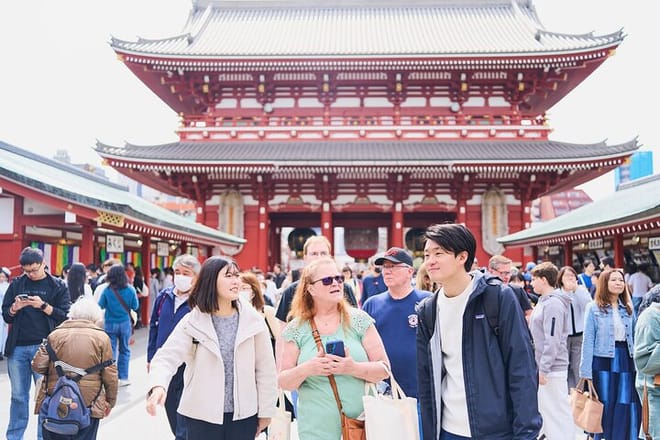
Tokyo: Shinjuku Food Tour with 15 Dishes at 4 Eateries
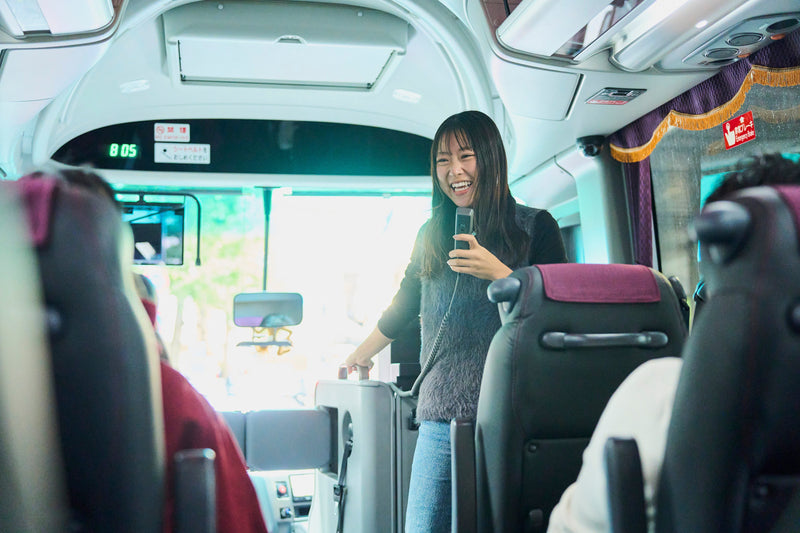
This tour, run by Japan Guide Star, sends an English-speaking guide to lead you through four restaurants in the Shinjuku area over about three hours. Along the way, you get 15 dishes and two drinks. The stops span different genres, yakitori and izakaya fare among them, in a single evening.
The guide handles ordering and payment and explains the dishes in English, so exchanges in Japanese are no barrier to joining. The tour suits anyone who wants to sample several sides of Shinjuku’s food culture without deliberating over shops and orders.
Details
| Meeting point | In front of the Shinjuku Station East Exit police box, 3-38-1 Shinjuku, Shinjuku-ku, Tokyo |
| Duration | About 3 hours |
| Included | 15 dishes and drinks across 4 shops, English-speaking guide |
| Booking site | https://japanguidestar.com/tour/shinjuku-food-tour-15-dishes-at-4-eateries/ |
| Recommended for | Travelers uneasy about ordering in Japanese, or anyone wanting to visit several restaurants in a short time |
Shinjuku: Food Tour – 15 Dishes at 4 Eateries
Common Questions About Yakitori Shops in Omoide Yokocho

Here are answers to the questions travelers ask most often: about prices, getting a seat, reservations, and photography rules.
Is Yakitori in Omoide Yokocho Overpriced for Tourists?
Skewer prices match the going rate in central Tokyo, with many shops charging around ¥120 to ¥150 per skewer — you won’t find a tourist markup here. The sense that a bill is “expensive” usually traces back to the otoshi, the small dish of ¥300 to ¥500 that arrives automatically when you sit down. This charge functions much like a seat charge in Japanese izakaya culture, and local customers pay it too. For five to eight skewers plus drinks, ¥2,500 to ¥3,500 is the usual total.
| Breakdown | Approximate Cost |
|---|---|
| 5-8 skewers | ¥600-¥1,200 |
| 1-2 drinks | ¥500-¥1,000 |
| Otoshi | ¥300-¥500 |
| Total | About ¥2,500-¥3,500 |
Prices are subject to change. Please check the official website for the latest information.
Is It Easy to Go Alone?
Solo customers are exactly who these shops welcome. Most are built small, with a few counter seats, and drinking shoulder to shoulder with the person next to you is an everyday sight. A single guest is often shown to an open seat more readily than a group of three or more. Across the counter you feel the heat of the grill and can eat at your own pace.
Can I Make a Reservation?
Most shops do not take reservations, so walking in and taking whatever seat is available is the norm. If you want to sit down without waiting, head over shortly after opening, around 5 to 6 pm, or visit on a weekday. When one counter is full, moving on to the next shop is often faster than waiting for a particular place.
Can I Take Photos or Video?
Personal photos are generally fine, but shops prohibit tripods and flash because they can block the passage and disturb other customers. Before photographing the interior, ask the staff, “Shashin o totte mo ii desu ka?” (May I take a photo?), and take care to keep other customers’ faces out of the frame. Commercial shoots require an application in advance.
Are There Japanese Cultural Experiences Near Omoide Yokocho?
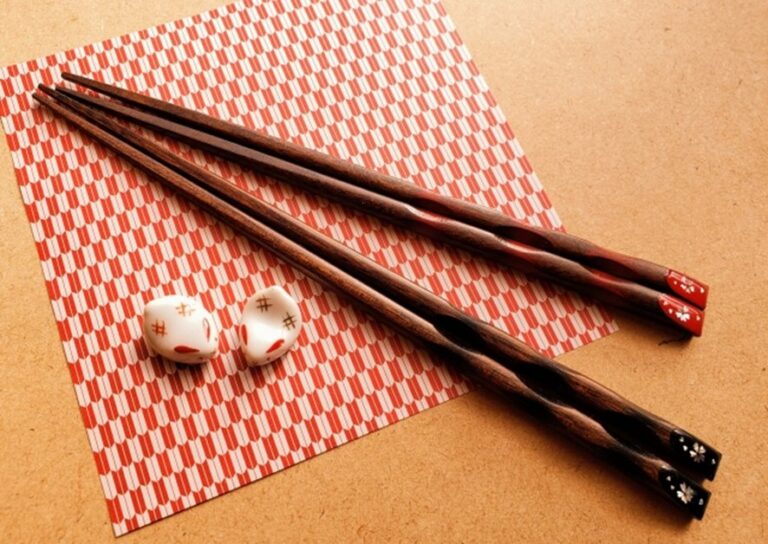
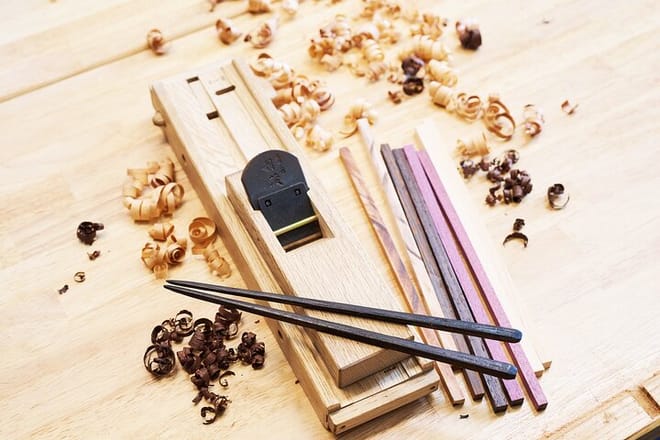
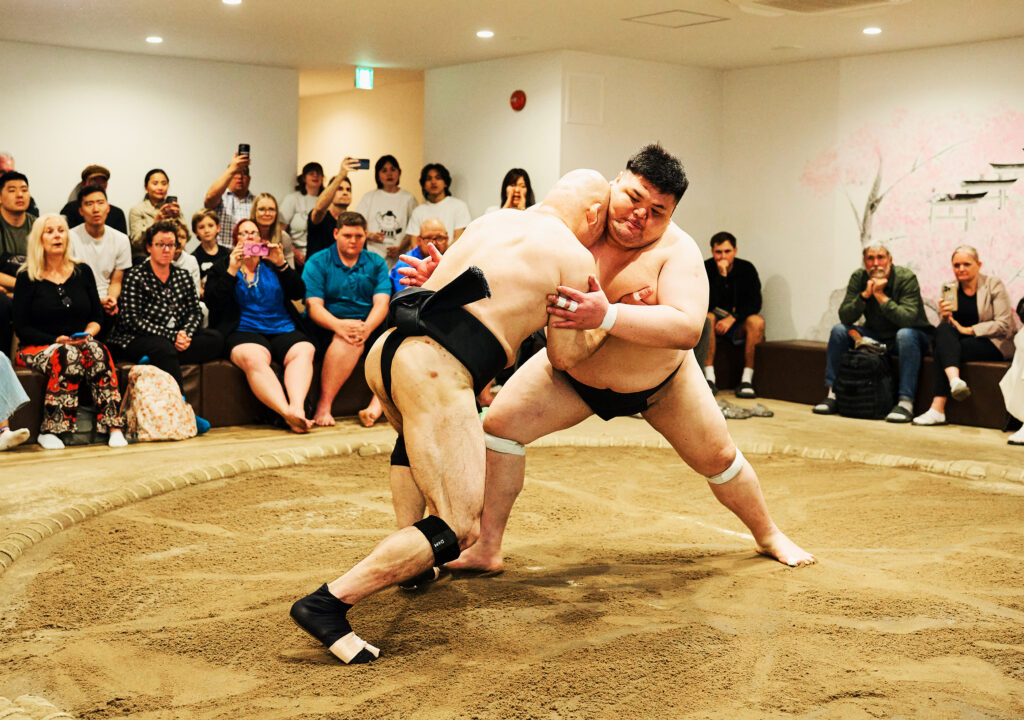
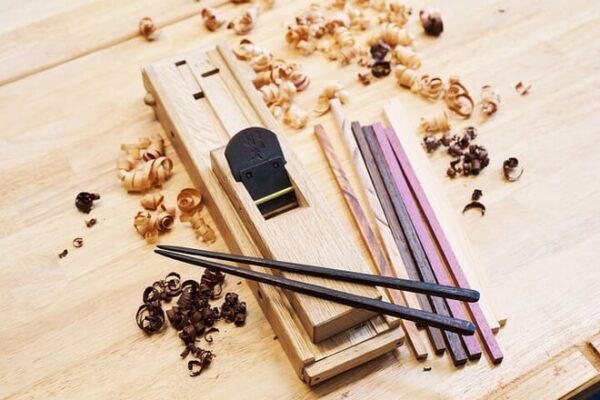
The Tokyo: Shinjuku Chopstick-Making Workshop from Japan Guide Star is one to consider. You choose from more than 12 kinds of wood. Making your own pair takes about an hour, with English support throughout. The finished chopsticks go home with you, and paired with a meal in Omoide Yokocho they fill out a half-day plan.
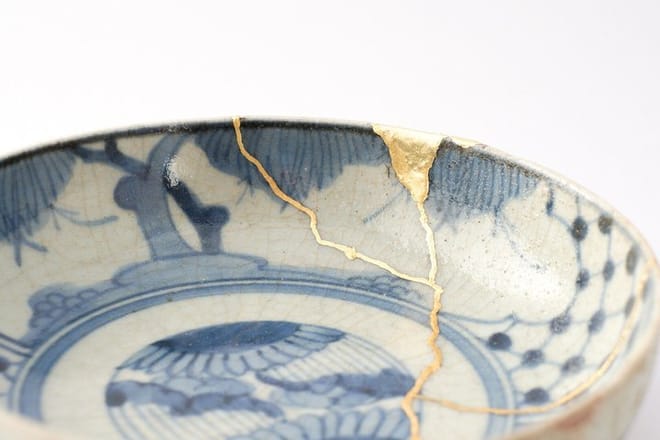
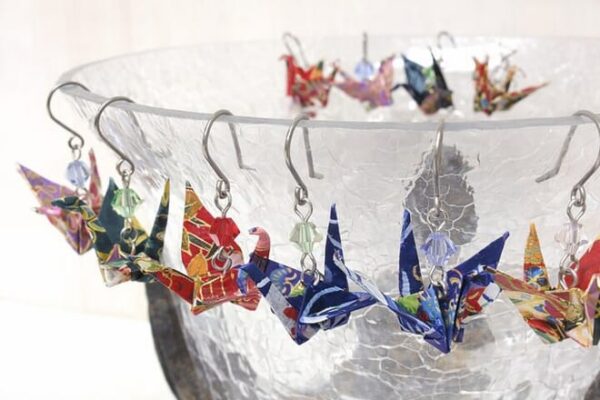
The same venue also runs other hands-on activities rooted in Japan, including its popular kintsugi (repairing broken pottery with gold-dusted lacquer) sessions and origami jewelry making.
Details
| Meeting point | 1-5-4 Kabukicho, Shinjuku-ku, Tokyo |
| Duration | About 1 hour |
| Included | Chopstick-making experience, choice of several woods, all tools and materials needed, the finished original chopsticks, support from English-speaking staff |
| Booking site | https://japanguidestar.com/tour/tokyo-shinjuku-chopstick-making-workshop/ |
| Recommended for | Anyone who wants to try Japanese craftsmanship, or to take home chopsticks they made as a souvenir |
Tokyo Chopstick Making Workshop in Shinjuku

Tokyo: Japanese Gold Repair Kintsugi Workshop in Shinjuku
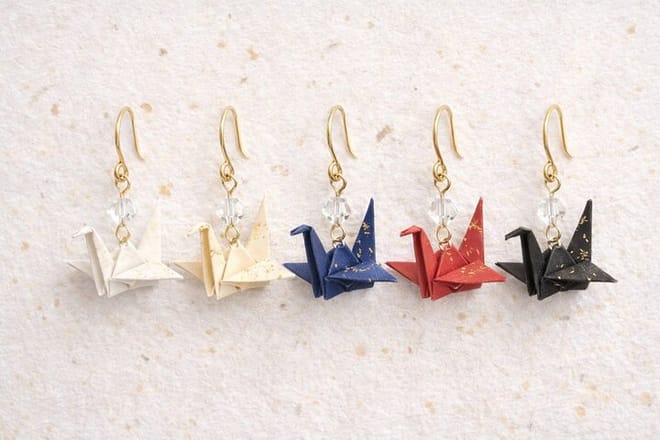
Tokyo: Create Your Own Handmade Origami Jewelry
Discover the beauty of traditional Japanese craftsmanship in this hands-on origami workshop.
Experiencing Shinjuku’s Old-Fashioned Drinking Alley
Omoide Yokocho is an easy walk from the Shinjuku Station West Exit, and its shops serve yakitori and grilled skewers well into the night. Payment methods and crowd levels vary from shop to shop, so carrying cash and arriving relatively early give you more options.
Small restaurants line the narrow lanes, which still retain traces of the Showa era (mid-20th-century Japan), while the scent of skewers grilling over charcoal and the glow of lanterns define the atmosphere of Omoide Yokocho. Take in the food and atmosphere one shop at a time, and experience Shinjuku’s old drinking alley for yourself.