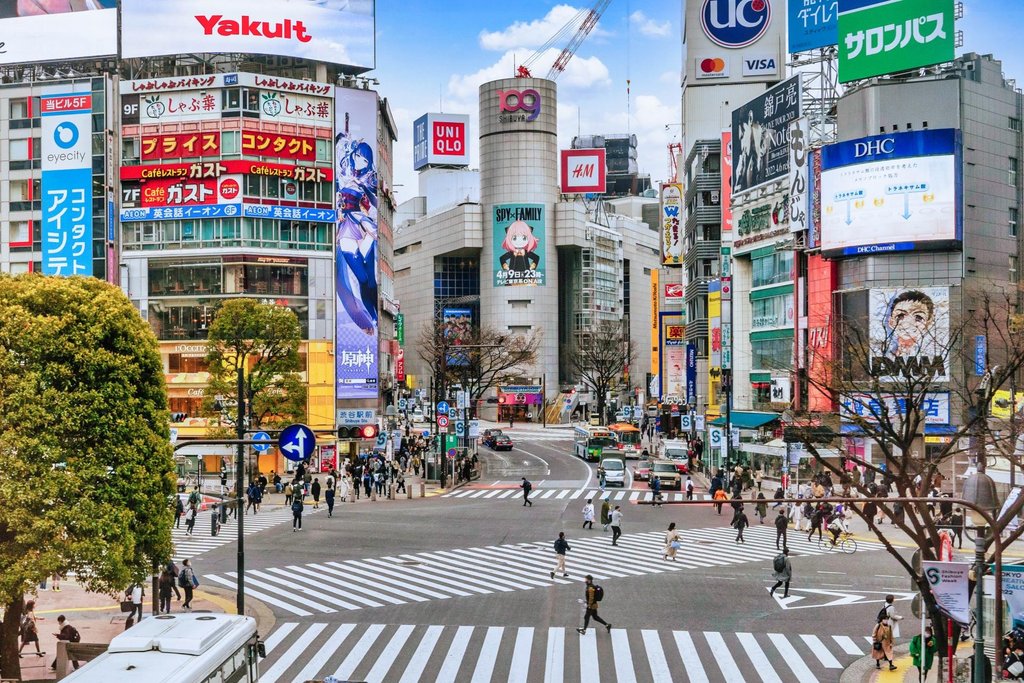
To make the most of shopping in Tokyo, it helps to understand what each neighborhood is known for. Whether you’re drawn to the luxury brands of Ginza or to the fashion scene of Harajuku, choosing the right area for your goals will help you shop efficiently even on a tight schedule.
This guide covers the characteristics of four major areas, fifteen recommended stores, and how to use the tax-free shopping system. It also shares tips for choosing souvenirs, so use it as an all-around reference for planning your travels.
Major Shopping Areas in Tokyo
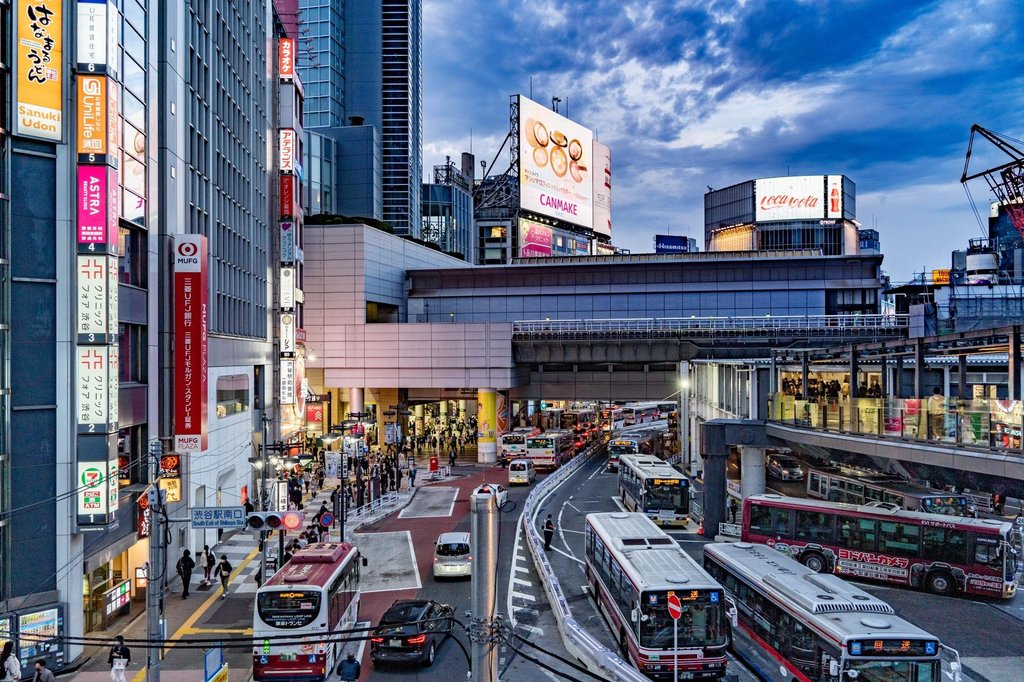
Tokyo has several shopping districts, and each one has its own atmosphere and appeal. Here we suggest three angles to consider when planning your shopping: what each area specializes in, how to pick the right area for your goals, and what makes for a good souvenir. Use these points as a guide for narrowing down where to shop.
Each Area Has Its Own Specialty
Tokyo’s main shopping districts have distinct strengths, and deciding what you want to buy in advance makes it easier to pick an area that fits your shopping goals.
The table below compares five popular shopping areas:
| Area | Specialty/Price Range | Nearest Station/Suggested Time |
|---|---|---|
| Ginza | Luxury brands and department stores/high-end | Ginza Station/2-3 hours |
| Harajuku | “Kawaii” culture and character goods/mid-range | Meiji-jingumae Station/2-3 hours |
| Shibuya | Trendy and limited edition goods/mid-range | Shibuya Station/2-3 hours |
| Akihabara | Anime, figurines, electronics/wide price range | Akihabara Station/2-4 hours |
| Kappabashi | Kitchen knives and cooking tools/mid- to high-end | Tawaramachi Station/1-2 hours |
If you plan to visit several shopping areas, grouping neighborhoods that sit close together will save on travel time:
- For first-time visitors, combine Ginza, Omotesando, and Harajuku to cover the classic shopping areas.
- For repeat visitors, explore Akihabara and Kappabashi to see a different side of Tokyo
- For high-class travelers, focus on Ginza and take your time visiting department stores and boutique shops
And if you want to see as many stores as possible in a limited time, combine multiple areas. If you prefer a relaxed pace, stick to one neighborhood.
Drugstores and Convenience Stores Also Sell Souvenirs
Department stores, drugstores, convenience stores, and 100-yen shops all offer quality souvenirs at reasonable prices. Drugstores carry a wide range of Japanese cosmetics and snacks, and many participate in the tax-free shopping program. Convenience stores are open twenty-four hours, so you can pick up limited-edition snacks even late at night. Most accept cashless payment, too, which adds to their convenience.
Here’s an overview of the different types of stores that sell souvenir-worthy stuff:
- Drugstores: Good selection of Japanese cosmetics and snacks; many offer tax-free shopping, too
- Convenience stores: Open 24 hours; a lesser-known source for limited snacks and sweets
- 100-yen shops: Great for small gifts like accessories and stationery
Mixing higher-end items with practical, affordable finds makes it easier to match gifts to the recipient and your budget.
Time Your Trip With Sale Seasons for the Best Deals
If your travel dates coincide with sale periods, you can often find items at 20-70% off. Tokyo’s major sales run twice a year in summer and winter. The summer sale typically starts in late June through mid-July. Isetan Mitsukoshi Group stores start slightly later, on July 11, while the winter sales begin with the January 2 New Year opening.
Consider timing your visit around your shopping priorities and what you want to buy:
- Opening sale days (day 1 to day 3): Discounts of around 20-30%, but sizes and colors are still well stocked
- Mid- to late-sale days (about a week in): Discounts grow to 50-70%, but popular items might already be sold out
If you already have your eye on something specific, arrive at the start of the sale. If price is your top priority, aim for the later days. Outside sale periods, suburban outlet malls carry discounted goods all year-round, and adding store apps to your phone often unlocks special point rewards and members-only info.
Ginza and Omotesando: Three Stores for Luxury Brand Shopping
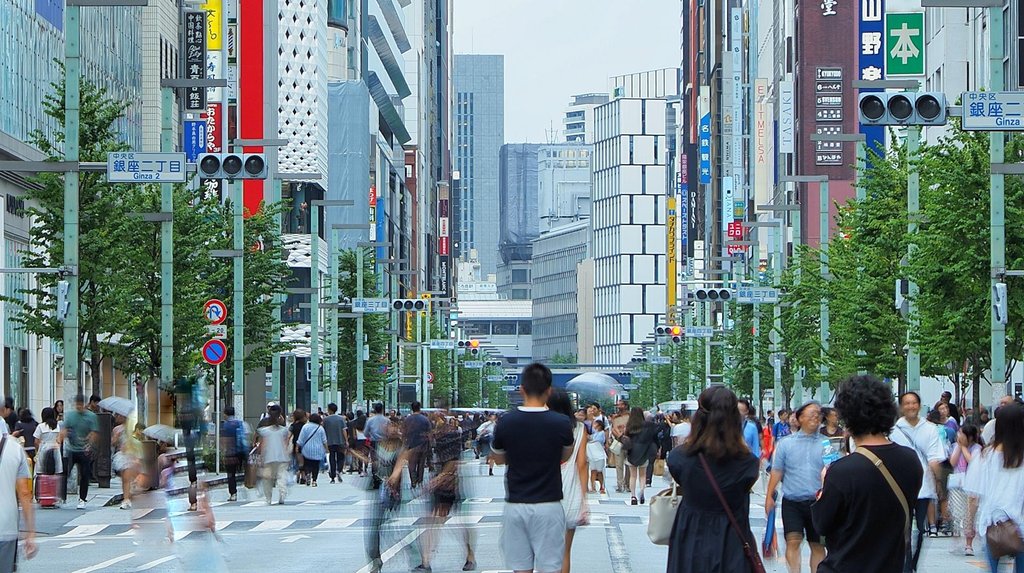
For luxury brands and refined Japanese crafts, we recommend the Ginza and Omotesando areas. Below we’ve included information about three landmark destinations, from large tax-free complexes to department stores rich in traditional crafts. Use this info to pick a venue that suits your budget and interests, then shop efficiently even with limited time.
GINZA SIX: Ginza’s Largest Shopping Complex
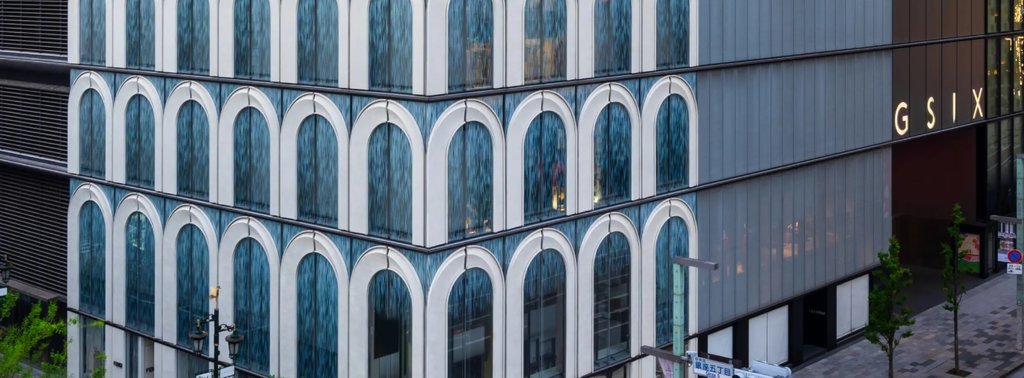
Home to about two hundred and forty stores. GINZA SIX is one of the largest shopping complexes in the Ginza area. With fashion, daily goods, and restaurants all under one roof, you can combine shopping and dining without ever leaving the building. The tax-free counter on the first floor is open from 10:30 am to 8:30 pm and processes purchases from multiple stores in a single transaction. The free rooftop garden—GINZA SIX Garden—is a pleasant place to pause between stores, and on clear days it offers beautiful views of the Ginza skyline.
GINZA SIX connects directly to Exit A3 of Ginza Station through an underground passage, so you won’t get wet traveling here on rainy days.
Details
| Address | 6-10-1 Ginza, Chuo-ku, Tokyo |
| Hours | Shops 10:30 am-8:30 pm Restaurants 11 am-11 pm |
| Closed | Irregular closures (check ahead) |
| Website | https://ginza6.tokyo/ |
| Recommended for | Travelers who want brands, lifestyle goods, and dining all in one place |
Ginza Mitsukoshi: Traditional Japanese Crafts
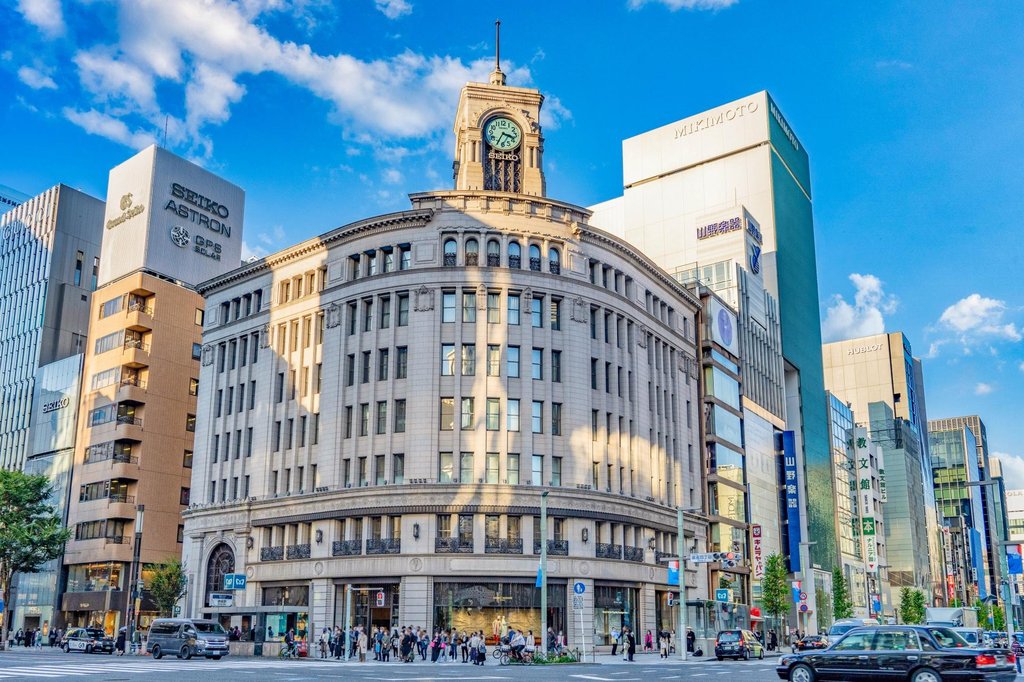
Founded in 1673, Ginza Mitsukoshi offers the refined selection and attentive service you would expect from a historic department store. The seventh floor features traditional crafts such as lacquerware and ceramics, making it a reliable place to shop for quality gifts. The basement floor carries an excellent range of famous Japanese and Western-style confectionery, ideal for small gifts.
Ginza Mitsukoshi connects directly to Exits A7 and A8 of Ginza Station, so it makes for an easy stop between sightseeing and shopping.
Details
| Address | 4-6-16 Ginza, Chuo-ku, Tokyo |
| Hours | 10 am-8 pm |
| Closed | Irregular closures (check ahead) |
| Website | https://www.mistore.jp/store/ginza.html |
| Recommended for | Shoppers looking for quality gifts or visitors interested in traditional crafts |
Omotesando Hills: High-End Brands
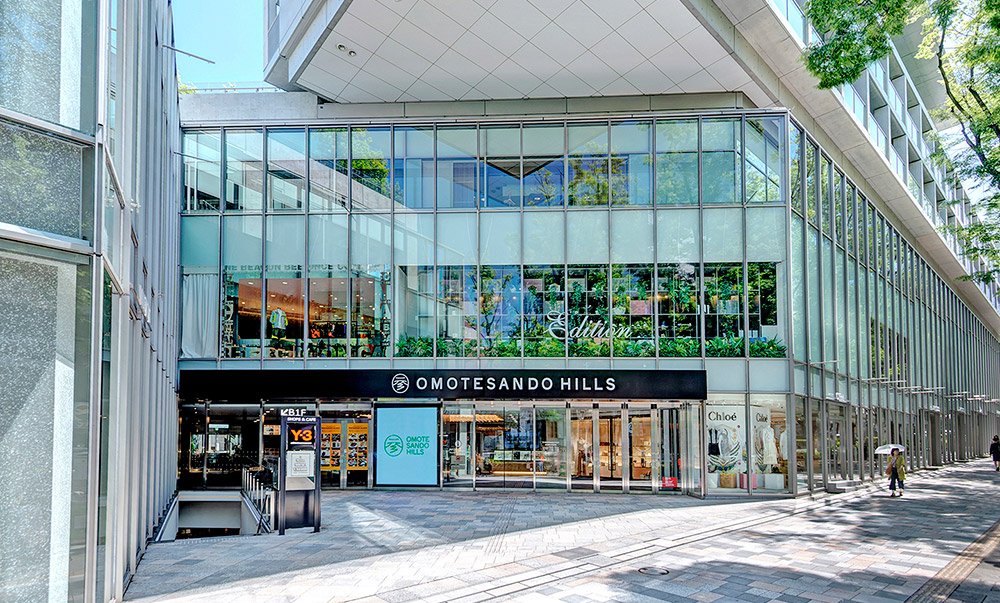
Designed by well-known architect Tadao Ando, Omotesando Hills allows you to enjoy shopping and architecture at the same time: a spiral ramp wraps around a soaring atrium, guiding you naturally through every floor. The building feels like a single continuous indoor street, giving you a calm, refined setting in which to browse.
The surrounding Minami-Aoyama area is dotted with boutiques designed by several renowned architects. Window shopping while admiring the area’s distinctive architecture can make for a memorable afternoon.
Details
| Address | 4-12-10 Jingumae, Shibuya-ku, Tokyo |
| Hours | Mon-Sat 11 am-9 pm/Sun 11 am-8 pm |
| Closed | Irregular closures (check ahead) |
| Website | https://www.omotesandohills.com/ |
| Recommended for | Shoppers seeking high-end brands and with striking architecture |
Harajuku: Three Stores Sporting “Kawaii” Fashion
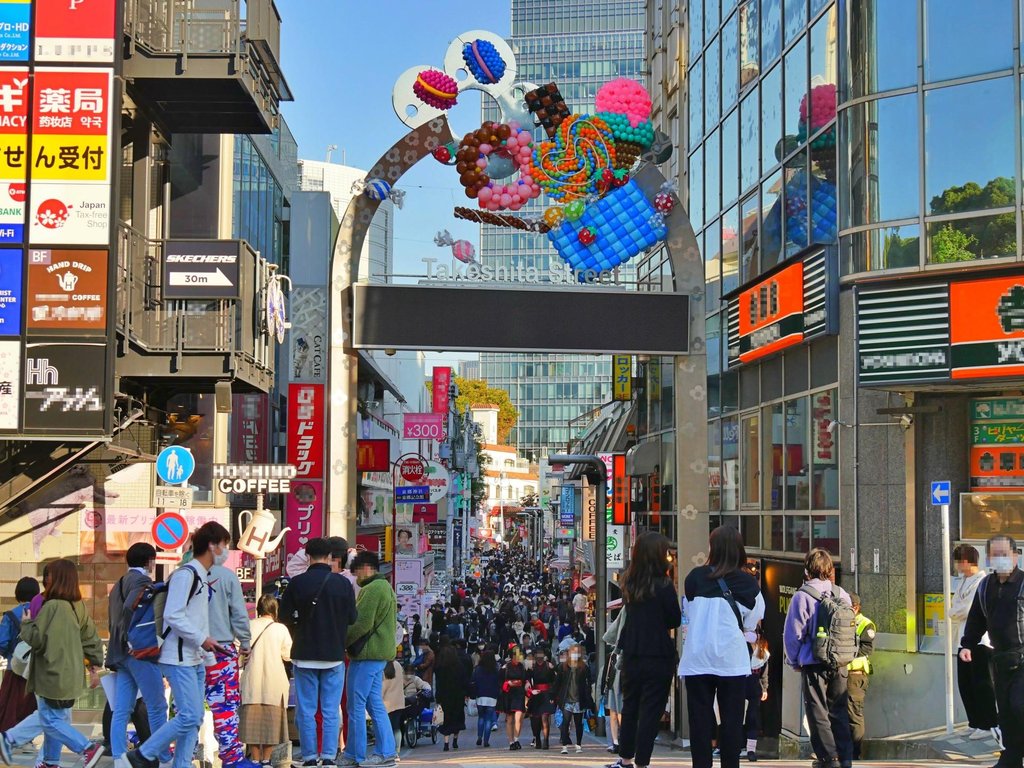
Harajuku is a hub for youth fashion and character goods. In the following section, we’ll introduce three signature Harajuku shopping spots categorized by what you’re looking for. Pick the spot that matches your interests, and then all that’s left to do is make the most of your time in Harajuku.
Laforet Harajuku: Fashion Brands From Harajuku
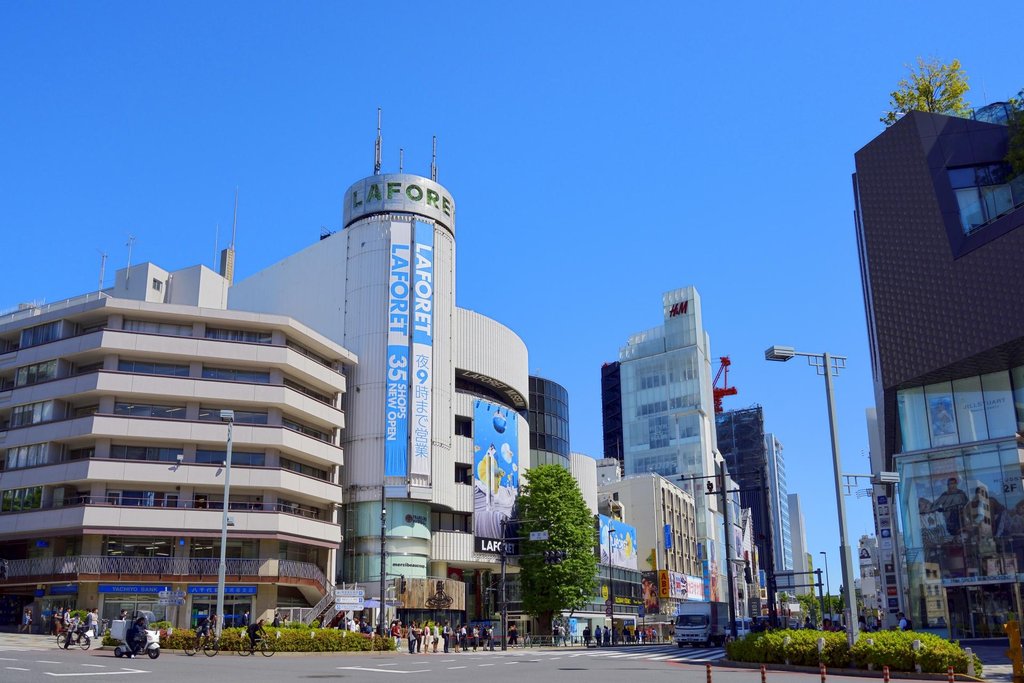
Opened in 1978, Laforet Harajuku is a symbol of Harajuku’s fashion culture. It brings together many shops specializing in distinctive subculture styles, including Gothic and Lolita. The building features a split-level “skip floor” layout, so checking the floor map at the entrance will make navigation much easier. If you want to browse without the crowds, visiting right after opening, at around 11 am, is your best bet.
Details
| Address | 1-11-6 Jingumae, Shibuya-ku, Tokyo |
| Hours | 11 am-8 pm |
| Closed | Open year-round (closed 2 days in February and August) |
| Website | https://www.laforet.ne.jp/ |
| Recommended for | Shoppers looking for subculture fashion styles like Gothic, Lolita, and other niche styles |
Tokyu Plaza Harakado: The Latest Fashion Complex
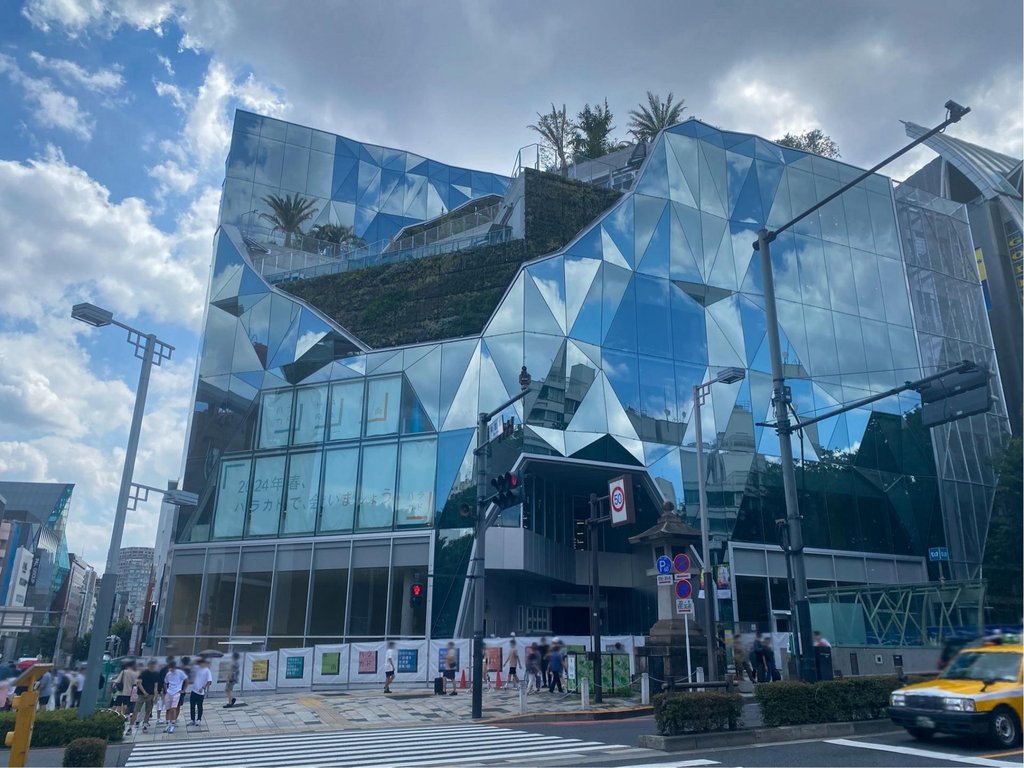
Opened in 2024, Tokyu Plaza Harakado is a complex where you can get a taste of the latest Harajuku trends. Harakado houses seventy-five shops—including clothing, art, and more—and hosts a steady rotation of temporary “pop-up” stores. Its glass-clad exterior and rooftop terrace are also great targets for photos. Since it sits just across the street from Laforet Harajuku, we recommend visiting both in a single outing.
Details
| Address | 6-31-21 Jingumae, Shibuya-ku, Tokyo |
| Hours | Shopping 11 am-9 pm/Dining 11 am-11 pm |
| Closed | January 1 and other occasional closures |
| Website | https://www.tokyu-plaza.com/harakado/ |
| Recommended for | Trend-conscious shoppers looking for the latest threads |
KIDDY LAND Harajuku: Japanese Character Goods
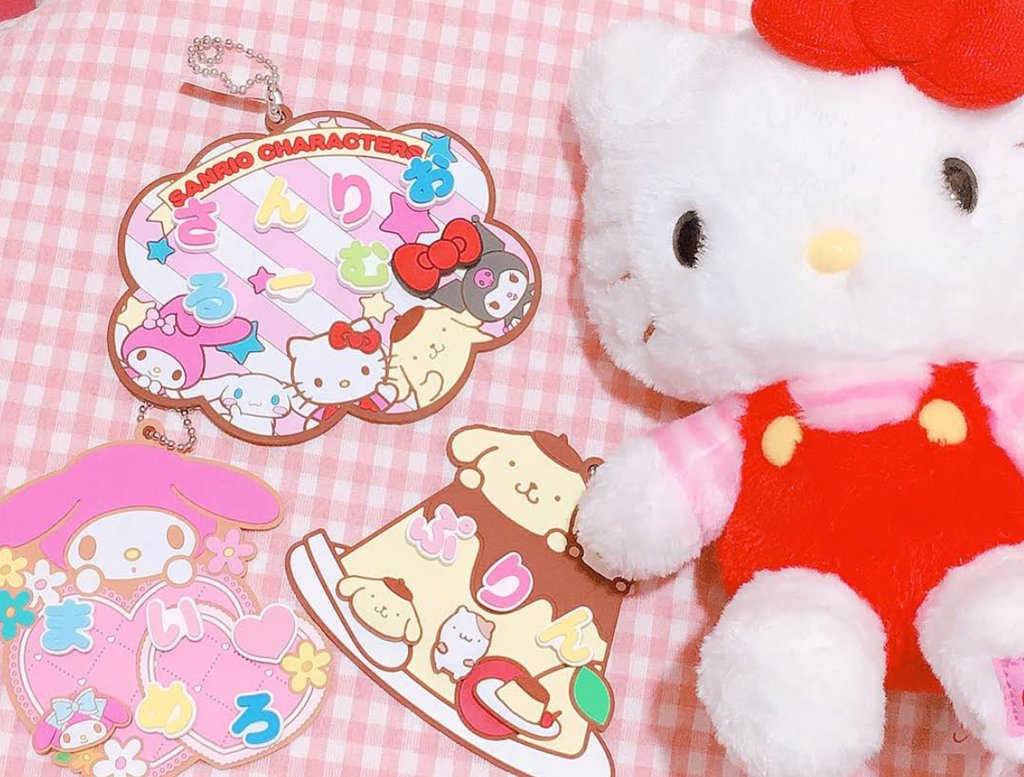
KIDDY LAND Harajuku is a specialty store where you can dive into Japanese anime. The building’s five floors feature dedicated sections for Sanrio, Pokemon, and other favorites, with a wide selection of official goods including Japan-exclusive items. Whether you’re shopping for yourself or for someone else, you can shop with ease knowing that everything sold here is licensed merchandise. The store is right on Omotesando’s main street, too, making it a convenient stop when shopping in the Harajuku area.
Details
| Address | 6-1-9 Jingumae, Shibuya-ku, Tokyo |
| Hours | 11 am-8 pm |
| Closed | Irregular closures (check ahead) |
| Website | https://www.kiddyland.co.jp/harajuku/ |
| Recommended for | Fans looking for Japanese character goods by Sanrio, Pokemon, and Ghibli |
Shibuya: Three Stores Showcasing the Latest Trends
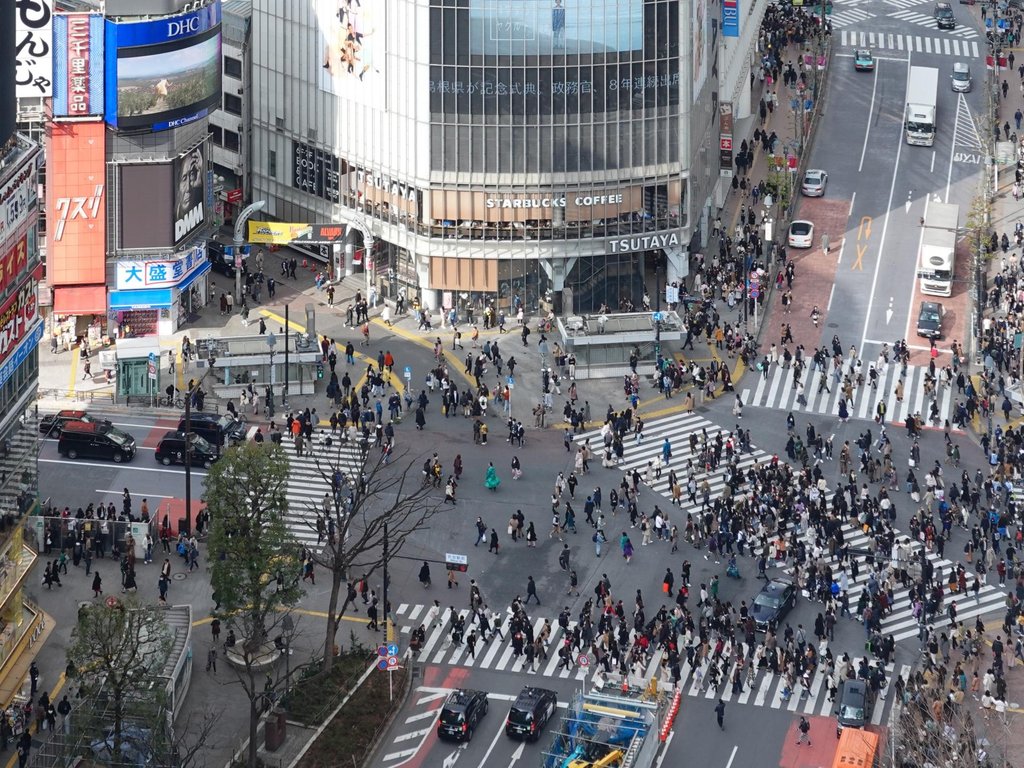
Shibuya sits at the crossroads of trend fashion and gaming culture, and here we’ll introduce three of Shibuya’s flagship shopping venues. Each has a different focus, including popular Gen Z brands and exclusive gaming goods, so choose where to shop based on what you’re after.
SHIBUYA109: Japanese Street Fashion
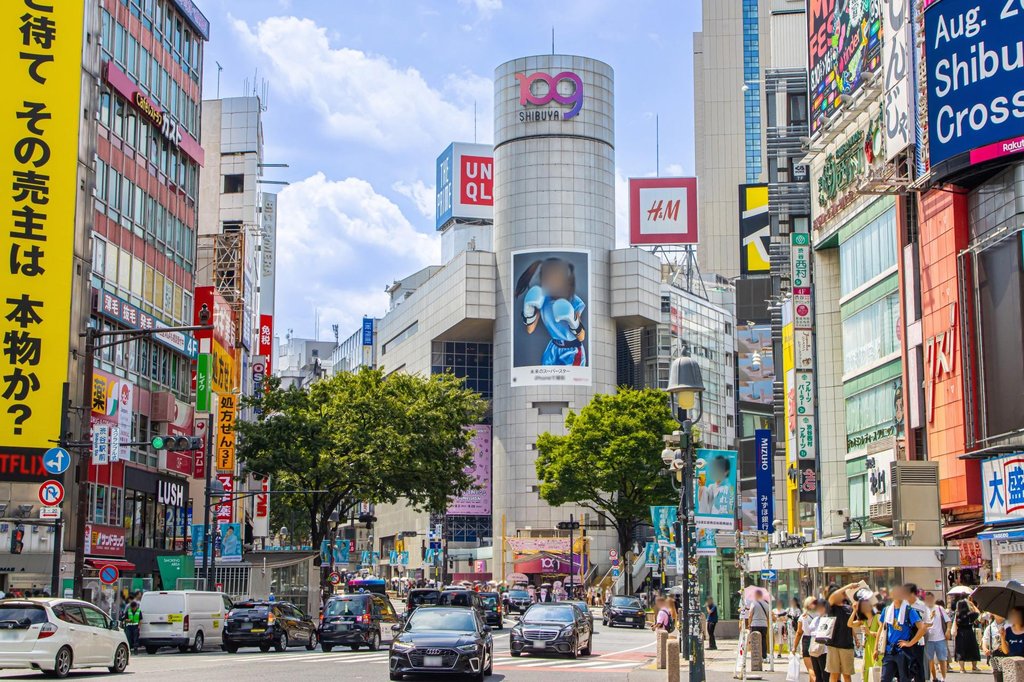
Opened in 1979, SHIBUYA109 is a Shibuya landmark that has long shaped the fashion scene for Japan’s younger generations. Inside the building, you’ll find a mix of brands—including gyaru-style (a flashy Japanese street-fashion style) labels—that reflect real-time trends among Japanese youth.
Tax-free shopping eligibility varies by shop, so it’s a good idea to ask store staff before you buy. Keep in mind that weekends get busy, so if you want a relaxed browse, try to arrive shortly after opening at 10 am.
Details
| Address | 2-29-1 Dogenzaka, Shibuya-ku, Tokyo |
| Hours | Shopping: 10 am-9 pm Restaurants: 11 am-11 pm |
| Closed | Open year-round (except New Year’s Day) |
| Website | https://shibuya109.jp/ |
| Recommended for | Shoppers interested in Japanese street fashion, or curious about Gen Z trends |
Shibuya PARCO: Exclusive Goods at Nintendo TOKYO
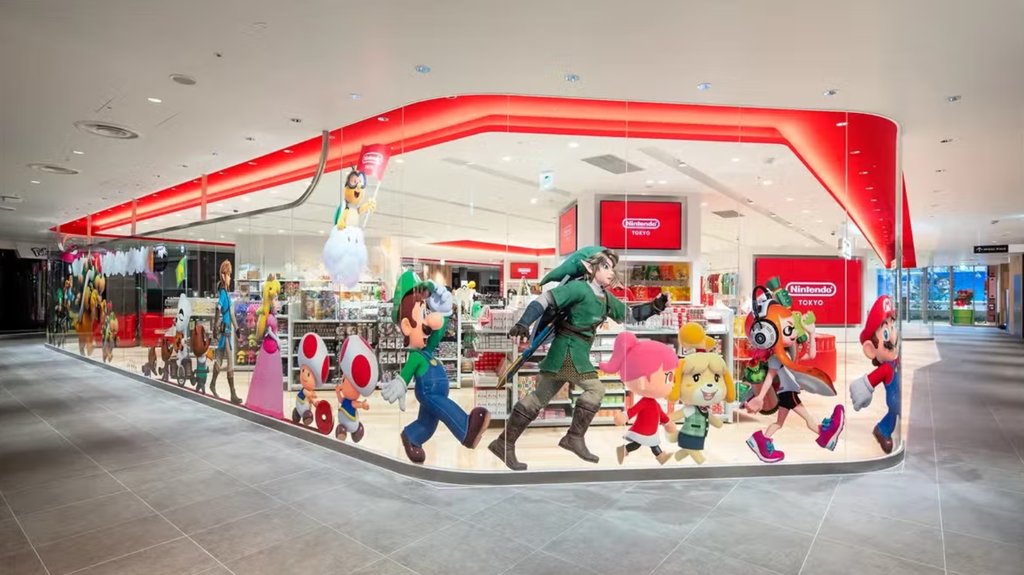
The sixth floor of Shibuya PARCO hosts official shops selling items related to Japan’s gaming culture. Nintendo TOKYO, the Pokemon Center, and other venues carry limited-edition items that can be hard to find outside of Japan. Weekends can be crowded, though, and numbered entry tickets are sometimes handed out before opening. For a more relaxed visit, we recommend visiting on weekday mornings.
Details
| Address | 15-1 Udagawacho, Shibuya-ku, Tokyo, Shibuya PARCO 6F |
| Hours | 10 am-9 pm |
| Closed | Irregular closures (check ahead) |
| Website | https://www.nintendo.com/jp/officialstore/index.html |
| Recommended for | Gaming fans looking for Japan-exclusive Nintendo, Pokemon, and Capcom goods |
MIYASHITA PARK: Shopping Mall and Rooftop Park
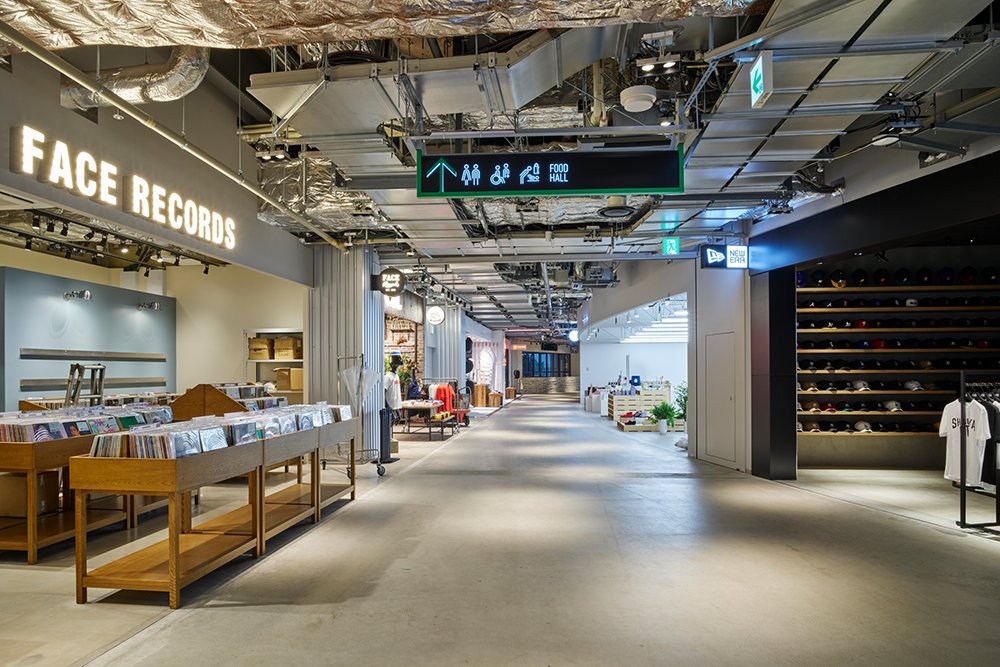
MIYASHITA PARK is a street-style complex stretching about 330 meters (1,080 feet) and home to around ninety different shops. The South building focuses on casual brands, while the North building leans toward luxury labels. On the fourth floor, Shibuya City’s Miyashita Park offers a breath of fresh air between stores.
Details
| Address | 6-20-10 Jingumae, Shibuya-ku, Tokyo |
| Hours | Shops: 11 am-9 pm Restaurants: 11 am-11 pm (varies by shop) |
| Closed | Irregular closures (check ahead) |
| Website | https://www.miyashita-park.tokyo/ |
| Recommended for | Shoppers who want to compare casual and luxury brands in one place, or take an outdoor break between stops |
Akihabara and Nakano: Three Stores for Anime, Games, and Electronics
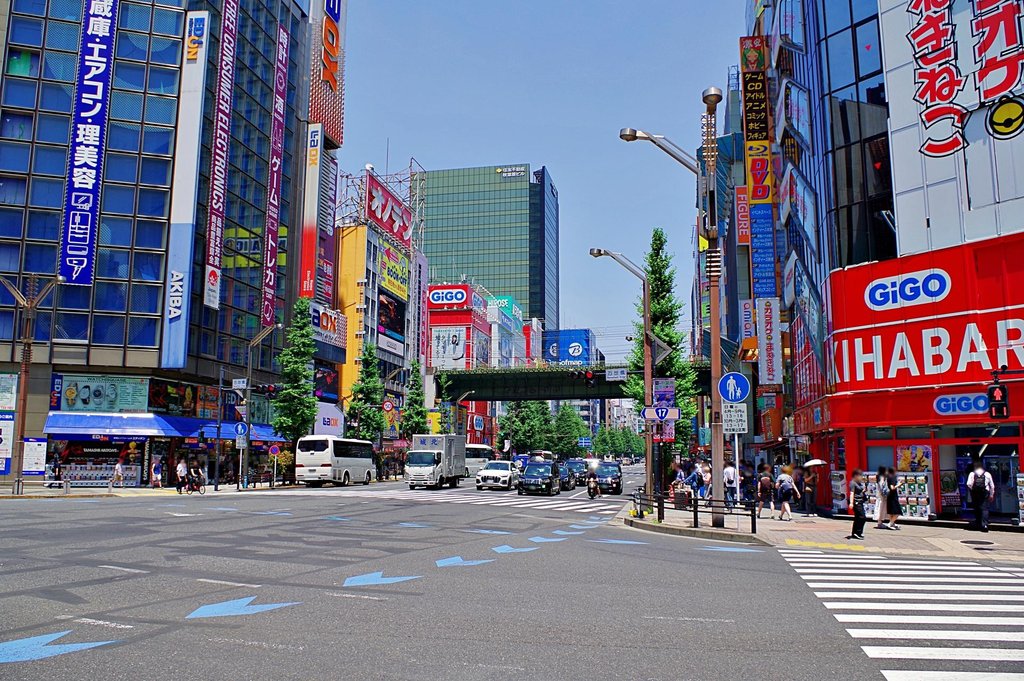
If your focus is anime, games, or electronics, Akihabara and Nakano are the go-to areas. Akihabara focuses on the latest electronics and toys, while Nakano is where rare secondhand treasures tend to be found. Keep the differences in shopping hours and products in mind as you map out your route.
Yodobashi Camera Multimedia Akiba: Tax-Free Electronics
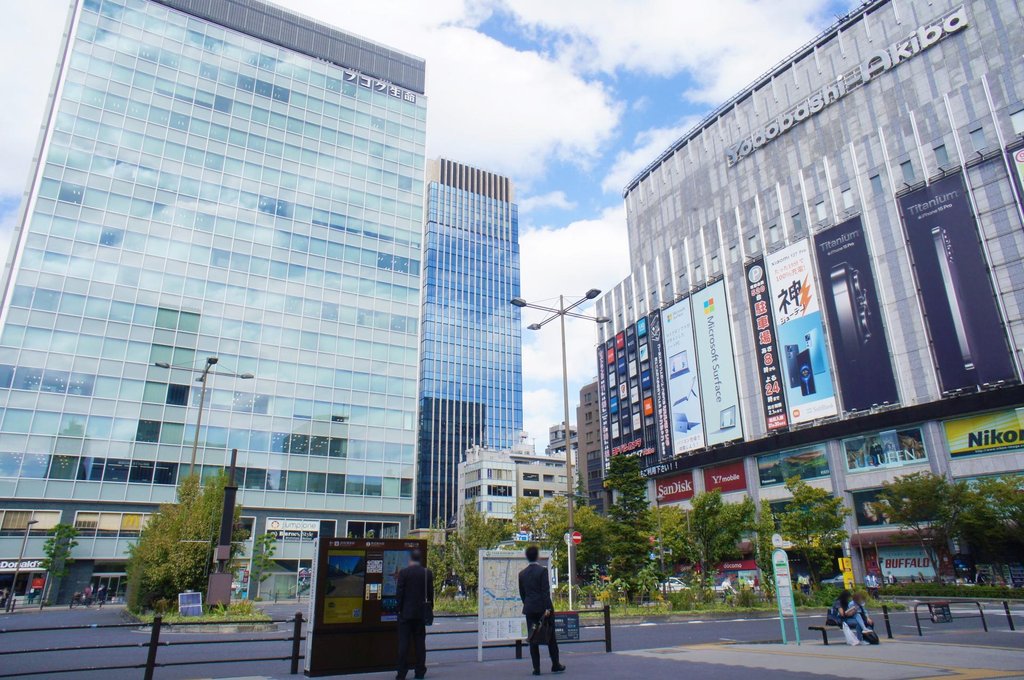
Directly connected to Akihabara Station, Yodobashi Camera Multimedia Akiba is a huge electronics store that stocks a wide range of the latest Japanese gadgets, and its permanent service counter is there to help you complete the paperwork for tax-free shopping with ease. When you buy electronics, we recommend that you check the voltage compatibility and confirm that the model will work in your country.
Thanks to their long operating hours (9:30 am-10 pm!), Multimedia Akiba is easy to fit into most itineraries.
Details
| Address | 1-1 Kanda Hanaokacho, Chiyoda-ku, Tokyo |
| Hours | 9:30 am-10 pm |
| Closed | Irregular closures (check ahead) |
| Website | https://www.yodobashi.com/ec/store/0018/ |
| Recommended for | Travelers looking to buy the latest electronics tax-free |
Akihabara Radio Kaikan: Figurines and Trading Cards
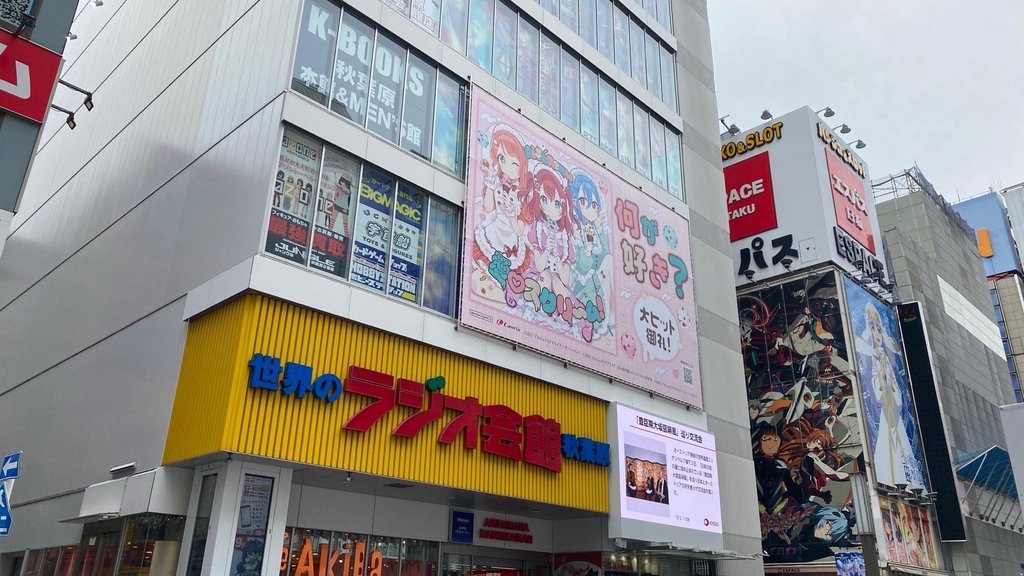
Akihabara Radio Kaikan is a well-known Akihabara building with about thirty-seven specialty shops packed inside. Figurines, trading cards, doll accessories, and other niche items fill the building’s floors from top to bottom. Since hours vary by shop, check the official website for the specific shop you plan to visit. It also helps to look up the location of each store before you visit, especially if you’re short on time.
Details
| Address | 1-15-16 Sotokanda, Chiyoda-ku, Tokyo |
| Hours | 10 am-8 pm (hours vary by shop) |
| Closed | Closures vary by shop |
| Website | https://akihabara-radiokaikan.co.jp/ |
| Recommended for | Figurine collectors, trading card buyers, and doll enthusiasts |
Mandarake Nakano Broadway: Rare Anime Goods
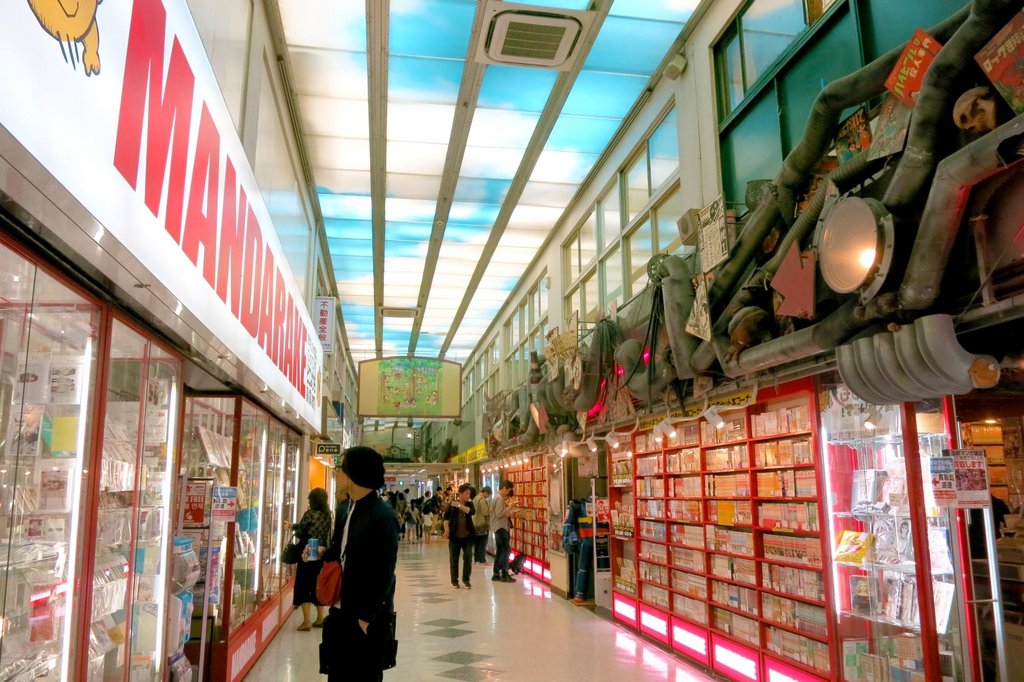
Mandarake in Nakano Broadway specializes in out-of-print and secondhand rare items. Inside, about twenty-five specialty shops carry vintage toys, figurines, comics, and other hard-to-find pieces. The condition of used items can vary considerably, so if something catches your eye, ask staff about it before you commit.
Details
| Address | 5-52-15 Nakano, Nakano-ku, Tokyo |
| Hours | 12 pm-8 pm |
| Closed | Open year-round |
| Website | https://mandarake.co.jp/dir/nkn/ |
| Recommended for | Shoppers hunting for out-of-print and rare goods, or those who enjoy secondhand shops |
Three Recommended Stores for Unique Tokyo Souvenirs
If distinctive souvenirs that reflect Japanese craftsmanship and culture are on your shopping list, specialty shops and unique retailers are hard to beat. Below we’ve gathered information on three destinations: a professional-grade cookware store, a flagship food-sample store, and a complex packed with Tokyo-exclusive sweets. Match your gifts to your budget and to the tastes of the recipient to find something truly memorable.
Kama-Asa: Personalized Knives at Kappabashi Kitchenware Street
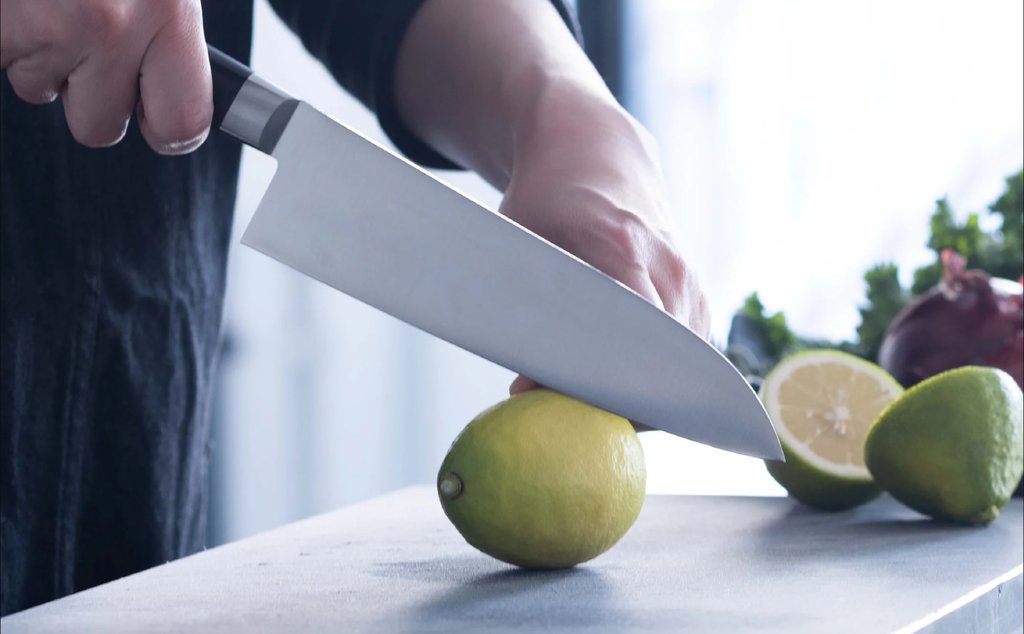
Founded in 1908, Kama-Asa is a leading cookware store on Kappabashi Kitchenware Street, offering everything from knives to pots, pans, cutting boards, and steamers. Japanese knives are prized for their sharpness and durability, making them a memorable gift for anyone who loves cooking. English-speaking staff can help you choose the right blade, and the shop even offers an option for name-engraving.
Knives can’t be carried in your carry-on, though, so be sure to pack them in your checked baggage. Many shops on Kappabashi Kitchenware Street close on Sundays and public holidays, so we recommend dropping by on weekdays or a Saturday if you plan to browse several shops.
Details
| Address | 2-24-1 Matsugaya, Taito-ku, Tokyo |
| Hours | 11 am-5:30 pm |
| Closed | Open year-round (except New Year’s holidays) |
| Website | https://www.kama-asa.co.jp/ |
| Recommended for | Shoppers looking for a special gift to give to family or friends who love to cook |
Ganso Shokuhin Sample-ya Kappabashi: Food Sample Souvenirs
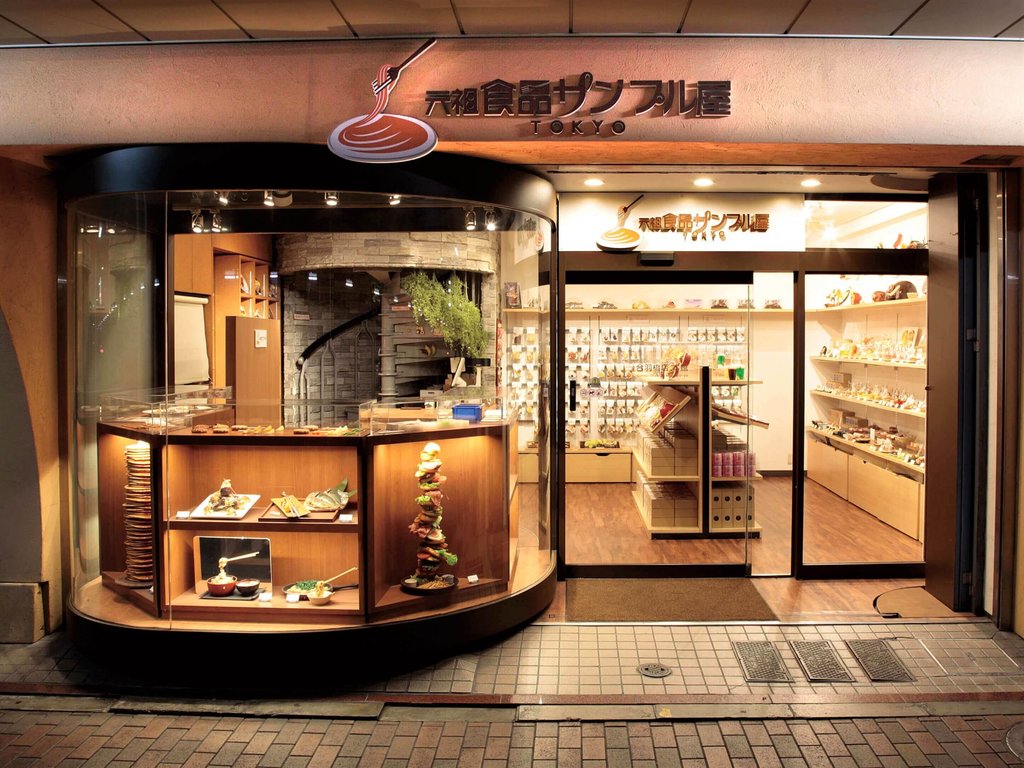
Ganso Shokuhin Sample-ya sells food samples so lifelike you might mistake them for the real thing. Magnets and keychains shaped like sushi and tempura come at affordable prices, making them ideal for buying gifts in bulk. Smaller items are light and easy to carry, so they won’t weigh down your luggage. Food sample workshops are also available, though they require booking in advance; check availability on the official website if you’d like to learn more.
Details
| Address | 3-7-6 Nishi-Asakusa, Taito-ku, Tokyo |
| Hours | 10 am-5:30 pm |
| Closed | New Year’s holidays (January 1-3) |
| Website | https://www.ganso-sample.com/ |
| Recommended for | Travelers seeking unique souvenirs, or those interested in craft workshops |
Tokyo Station Ichibangai: Tokyo-Exclusive Sweets in Bulk
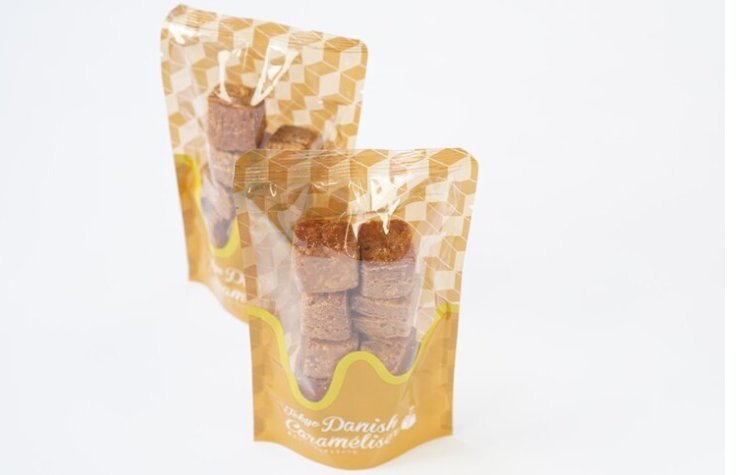
Tokyo Station Ichibangai is a large shopping complex just outside the Tokyo Station ticket gates. In its Tokyo Okashi Land, flagship shops from major Japanese confectionery makers line up side by side, letting you pick up limited-edition and Tokyo-themed packaged gifts in one stop. Many items are individually wrapped and boast long shelf lives, which is handy for gifts for coworkers or friends.
The adjacent Tokyo Character Street houses official shops for popular anime characters, offering a wide range of gift options. If you’re catching an airport limousine bus from here, make sure to allow enough time to reach the pickup point after your shopping.
Details
| Address | 1-9-1 Marunouchi, Chiyoda-ku, Tokyo, Tokyo Station Ichibangai B1F |
| Hours | Tokyo Okashi Land: 9 am-9 pm Tokyo Character Street: 10 am-8:30 pm (hours vary by shop) |
| Closed | Irregular closures (check ahead) |
| Website | https://www.tokyoeki-1bangai.co.jp/ |
| Recommended for | Shoppers who want to buy Tokyo-exclusive sweets and goods right before departure |
Common Questions About Shopping in Tokyo

Below, we’ve provided answers to frequently asked questions about shopping in Tokyo. Understanding the tax-free shopping system, popular souvenirs, and where to find vintage clothing should help you navigate Tokyo’s shops with ease.
How Does Tax-Free Shopping Work?
Japan’s tax-free shopping system will change to a “refund system” starting on November 1, 2026:
1. The Current System (Through to October 2026)
Under the current system, eligible travelers who spend above a set amount at tax-free shops receive an exemption from consumption tax at the point of sale. The minimum purchase is ¥5,000 (before tax) for both general goods and consumables. Consumables also have an upper limit of ¥500,000 per shop, per day.
Shops must package your items so you can’t open and use them while still in Japan. This usually means they place the items in a designated tax-free bag or box that they then seal with a tamper-evident sticker. General goods don’t require special packaging; however, if you want to combine them with consumables to reach the purchase threshold, the general goods must be packaged the same way as the consumables—and from that point on, they count as consumables too.
2. The New “Refund Method” System (From November 2026)
From November 1, 2026, Japan’s tax-free shopping system will change. Eligible foreign travelers will pay the full price (including consumption tax) at tax-free shops at the time of purchase.
Later, when customs confirms at departure that you’re taking the goods out of the country, the tax-free shop or a designated operator refunds the amount of the consumption tax. As you can imagine, this new system means that customs and departure procedures for international flights will take more time, so plan to arrive at the airport about two hours before your scheduled departure. And if you want to shop duty-free at the airport during busy travel periods, arriving three hours ahead is definitely the safer bet.
What Are the Best Souvenirs to Buy in Tokyo?
Choose your souvenirs based on your budget and who they’re for.
| Category | Price Range | Where to Buy |
|---|---|---|
| Tokyo-exclusive sweets | ¥300-¥1,500 | Tokyo Station Ichibangai |
| Japanese knives | ¥5,000+ | Kappabashi Kitchenware Street |
| Japanese cosmetics | ¥500-¥3,000 | Drugstores citywide |
| Food samples | ¥500+ | Kappabashi Kitchenware Street |
If you’re buying for large groups of people, Tokyo-exclusive sweets can be pretty convenient, while one-of-a-kind items like knives or food samples are best suited for gifting to family members. For efficient shopping, start early in the morning and make your way from Asakusa to Kappabashi.
Where Can I Find Vintage and Secondhand Clothing?
For vintage clothing, Shimokitazawa and Koenji are the top choices. Shimokitazawa has plenty of affordable secondhand pieces and is great for casual, trendy finds. Koenji, on the other hand, caters more to serious vintage clothing collectors. To reach Koenji, take the JR Chuo-Sobu Line local service.
| Shimokitazawa | Koenji | |
|---|---|---|
| Price range | ¥1,000-¥5,000 | ¥10,000+ |
| Selection | Trendy secondhand and reused clothing | Vintage specialty clothing |
| Access | About 5-7 min. from Shibuya Station via the Odakyu Line or Keio Inokashira Line | About 7 min. from Shinjuku Station via the JR Chuo-Sobu Line (local train) |
When are Tokyo Shopping Malls Typically Open?
Hours vary depending on the type of store:
| Store Type | Opening Hours | Closing Hours |
|---|---|---|
| Department stores (Mitsukoshi, Isetan, etc.) | 10 am | 8 pm-9 pm |
| Electronics stores (Yodobashi Camera, etc.) | 9:30 am | 10 pm |
| Don Quijote (select locations) | Open 24 hours | — |
| Kappabashi Kitchenware Street | 9 am | 5 pm |
Kappabashi Kitchenware Street in particular tends to close at around 5 pm, and many shops are closed on Sundays and public holidays. Tax-free service counters also get crowded in the evening, so aim to finish shopping one to two hours before the store closes to keep your schedule comfortable.
Are There English-Guided Tours That Combine Sightseeing and Shopping?
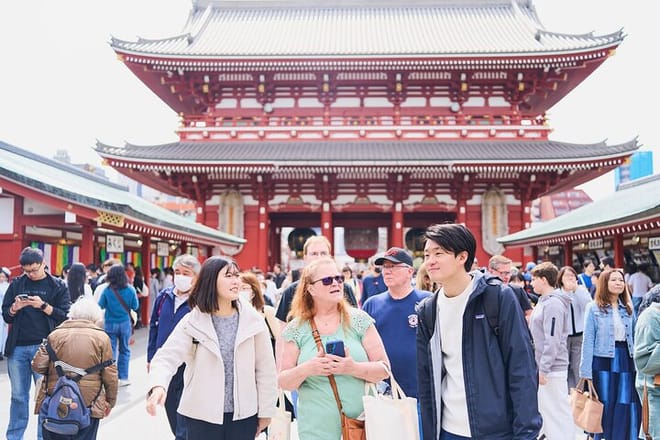
Joining an English-guided tour allows you to cover both sightseeing and shopping efficiently. Japan Guide Star’ Asakusa walking tour includes a visit to an artisan shop where you can find special, one-of-a-kind souvenirs. For details, click here.
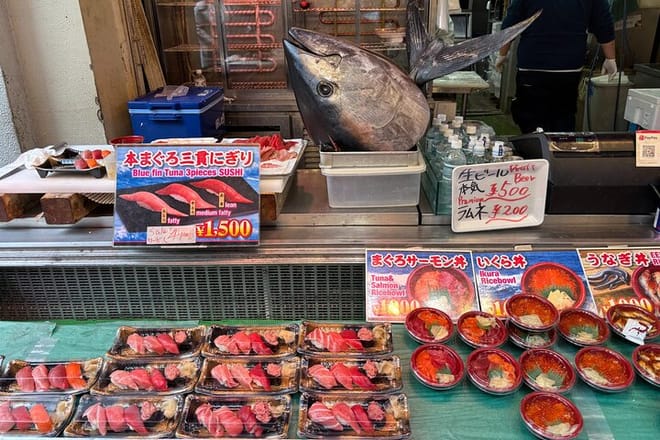
If you’re in the mood for food, the Tsukiji Outer Market food tour lets you sample seafood while exploring Tokyo’s famous fish market. Note that the market is closed on Wednesdays and Sundays; for details, click here.
Bilingual guides also help to make in-store communication smoother. If you’re interested, be sure to check out the full list of Tokyo tours to find a plan that suits you.
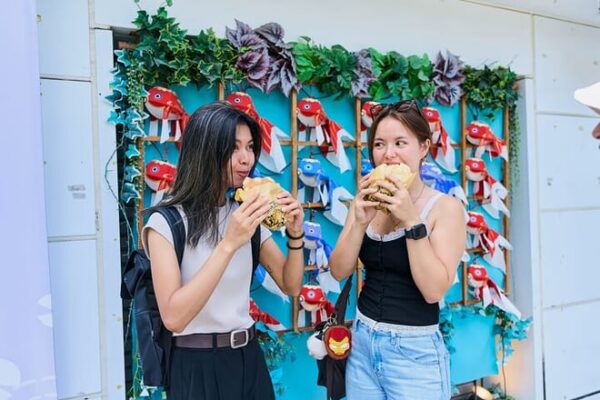
Tokyo: Asakusa & Sensoji ー Oldest Temple Walking Tour (2hrs)
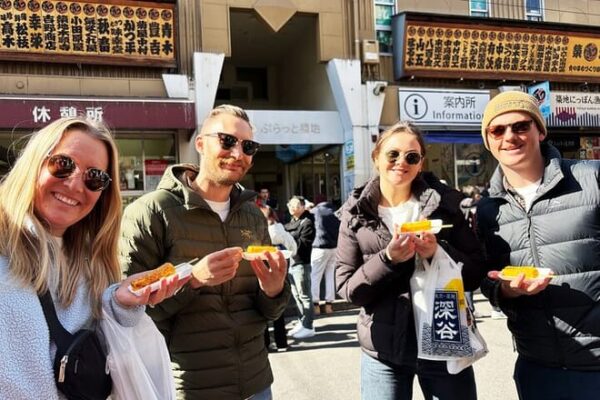
Tsukiji Fish Market: Street Food & Culture Walking Tour
Enjoy Your Tokyo Shopping Trip
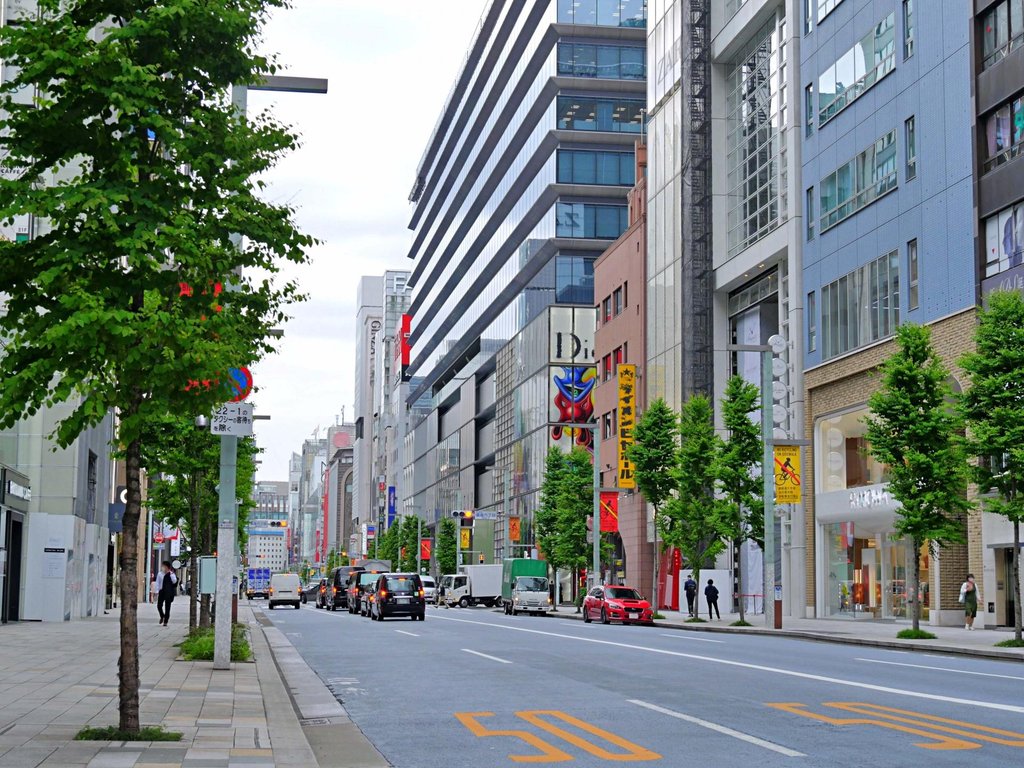
To get the most out of your shopping experience in Tokyo, pick venues based on each area’s character then decide which neighborhoods to prioritize, like Ginza’s luxury brands or Akihabara’s electronics and subculture. If you plan to use the tax-free shopping system, we recommend checking purchase conditions and required paperwork in advance for peace of mind. Use this guide as a starting point to build a Tokyo shopping plan that fits you.