The Historic Monuments of Ancient Kyoto comprise a single UNESCO World Heritage Site made up of 17 temples, shrines, and a castle spread across the cities of Kyoto, Uji, and Otsu. In practice, you can comfortably visit three to four sites in a single day, so making the most of a limited itinerary means planning an efficient route by area.
The 17 component sites can be divided into two broad groups: nine iconic landmarks that are ideal for first-time visitors and eight lesser-known sites that reward a longer stay, each offering its own unique character and appeal. To help you make the most of your visit, you’ll also find area-based model itineraries designed specifically for first-time travelers.
What Are Kyoto’s World Heritage Sites? An Overview Before You Start Sightseeing
With 17 UNESCO World Heritage Sites spread across Kyoto and its surrounding areas, deciding where to begin can feel overwhelming. Fortunately, understanding a few fundamentals makes planning your visit much easier: how the sites came to be inscribed as a single World Heritage Site, how many you can realistically visit in one day, and how to organize an efficient route.
Once you have these basics in mind, creating an itinerary that matches your interests, schedule, and travel style becomes much more manageable.
All 17 Sites Are Registered as a Single World Heritage Site
Kyoto’s UNESCO World Heritage Site was inscribed in 1994 under the official title Historic Monuments of Ancient Kyoto (Kyoto, Uji and Otsu Cities). Rather than recognizing a single landmark, UNESCO designated a group of 17 historic sites comprising 13 temples, 3 shrines, and 1 castle, spread across two prefectures and three cities.
The sites are distributed as follows:
- Kyoto City: 14 sites, including Kiyomizu-dera and Kinkaku-ji
- Uji City: 2 sites, Byodo-in and Ujigami Shrine
- Otsu City (Shiga Prefecture): 1 site, Enryaku-ji
Knowing that Uji and Mount Hiei are also part of the World Heritage Site gives you far more flexibility when planning your itinerary, especially if you have more than a day or two in the Kyoto area.
UNESCO recognized these monuments for their outstanding role in the development of Japanese architecture and garden design, as well as for preserving exceptional examples of traditional wooden architecture and landscape gardening that have influenced cultural traditions for centuries.
Three to Four Sites per Day Is a Realistic Pace
The 17 component sites are spread across Kyoto, Uji, and Otsu, making it unrealistic to visit them all in a single day. During the cherry blossom and autumn foliage seasons in particular, heavy traffic and crowded city buses can significantly increase travel times.
The most efficient strategy is to travel as close to each destination as possible by train or subway, using buses only when necessary for the final leg of the journey.
Most temples and shrines stop admitting visitors between 4:00 pm and 5:00 pm, so a realistic pace is to visit three to four World Heritage Sites per day.
Cover the Nine Classic Sites First, Then Combine Spots in the Same Area
If this is your first visit to Kyoto, start with the nine classic World Heritage Sites, which combine iconic status, convenient access, and straightforward admission. Famous landmarks such as Kiyomizu-dera and Kinkaku-ji generally do not require advance reservations, although some may introduce timed-entry systems during peak travel periods. To make the most of your time, group together sites in the same part of the city, minimizing travel time and reducing the impact of traffic and crowded public transportation.
The remaining eight World Heritage Sites each offer a different kind of experience:
- Saiho-ji: Advance reservation required no later than the day before your visit.
- Shimogamo Shrine: Easily accessible from central Kyoto.
- Enryaku-ji and Kosan-ji: Located outside the city center, so allow about half a day for each visit.
Because Saiho-ji admits visitors by advance reservation only, it is best to book as soon as your travel itinerary is finalized.
If you have two days in Kyoto, concentrating on the nine classic sites is the most practical approach. With three days or more, consider expanding your itinerary to include destinations such as Saiho-ji, Enryaku-ji, or Kosan-ji, each of which offers a rewarding experience beyond the city’s most famous landmarks.
Nine Classic World Heritage Sites to Visit First in Kyoto
For first-time visitors, deciding which World Heritage Sites to prioritize can be one of the hardest parts of planning a Kyoto itinerary. These nine classic sites have been selected for their combination of historical significance, popularity, and convenient access, making them the ideal starting point for most travelers.
Get a feel for what makes each one special, then build an itinerary you can be happy with.
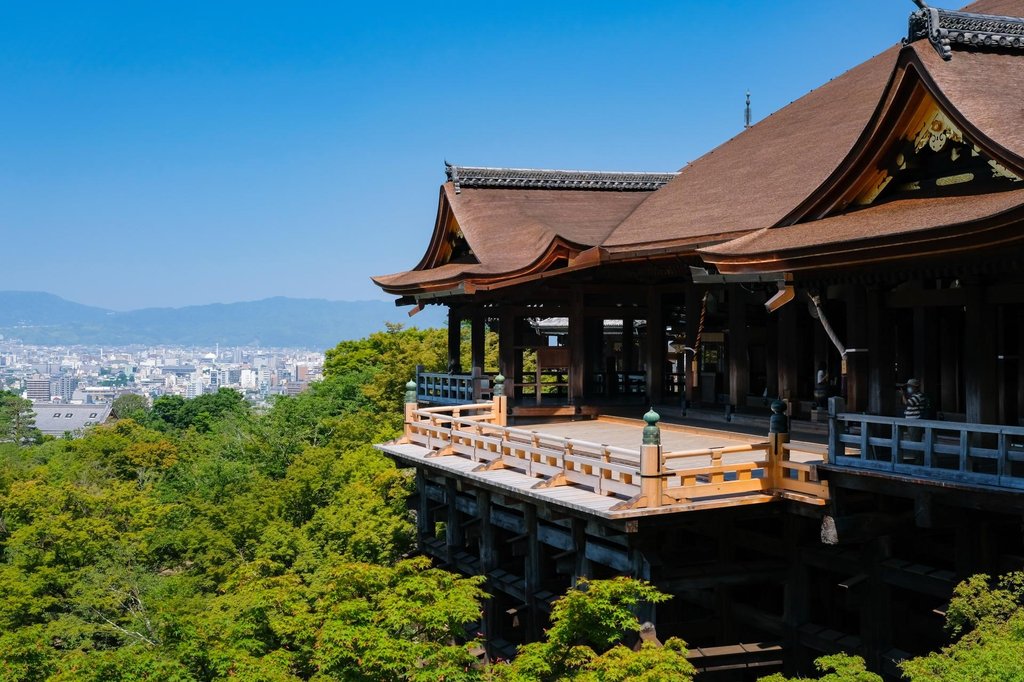
1. Kiyomizu-dera | A Stage Cantilevered Out over the Cliffside
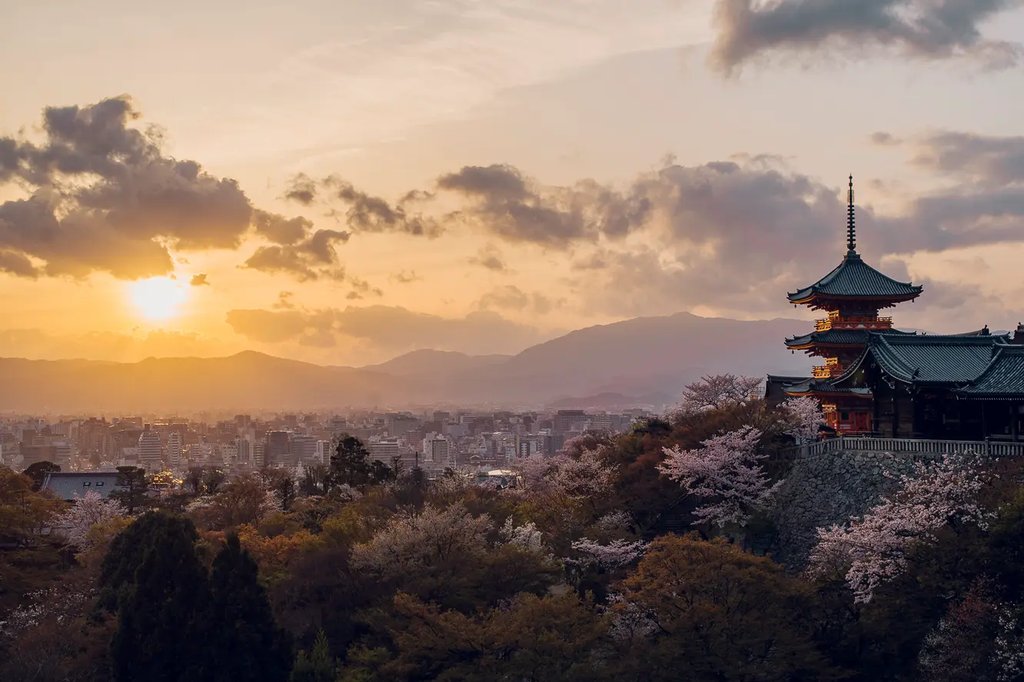
Founded in 778, Kiyomizu-dera is one of Kyoto’s most iconic temples, best known for its famous Kiyomizu Stage. The current stage dates to a 1633 reconstruction commissioned during the early Edo period.
Projecting about 13 meters (43 feet) out from the steep slope of Mount Otowa, the stage rests on 18 pillars of zelkova wood (Japanese elm) joined by crossbeams in the kakezukuri style. This traditional technique assembles the timbers without nails, so the lattice-like structure allows the structure to flex and absorb impact rather than resisting it rigidly.
During selected periods in spring, summer, and autumn, the temple hosts special evening illuminations, allowing visitors to experience the historic buildings and surrounding landscape in a dramatically different atmosphere.
The temple grounds open daily from 6:00 am, making an early-morning visit one of the best ways to avoid the crowds. To reach the temple by public transportation, take a Kyoto City Bus to Kiyomizu-michi or Gojo-zaka, then walk for about 10 minutes uphill.
Details
| Address | 1-294 Kiyomizu, Higashiyama Ward, Kyoto |
| Hours | 6 am-6 pm (varies by season) |
| Closed | Open year-round |
| Admission | Adults ¥500; elementary and junior high school students ¥200 |
| Official Website | https://www.kiyomizudera.or.jp/ |
| Recommended For | Photography lovers, architecture fans, and early-morning sightseers |
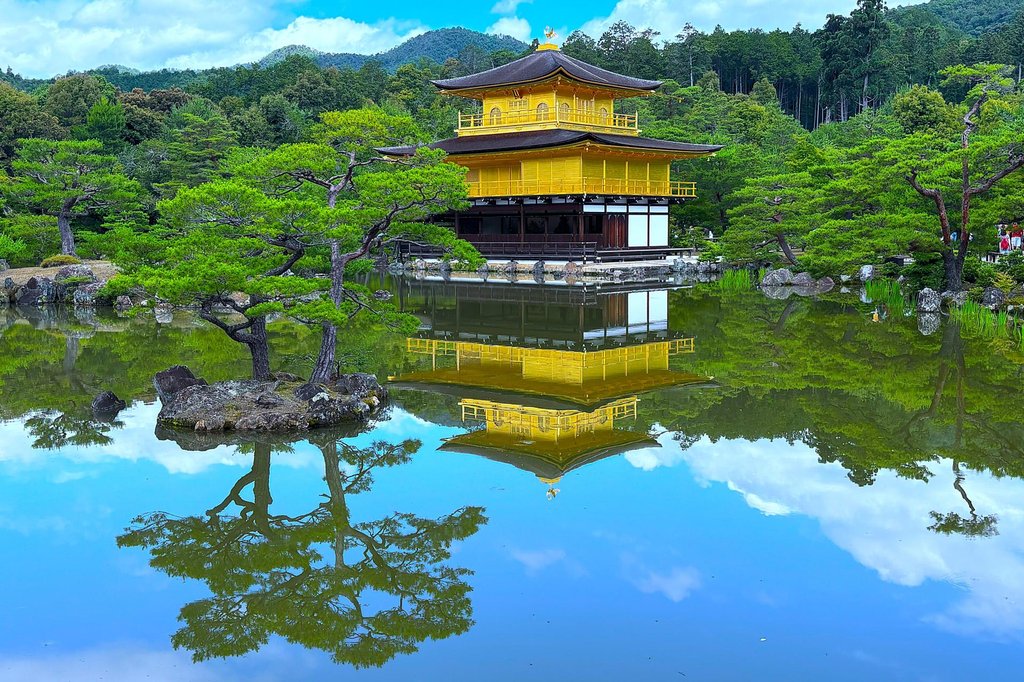
2. Kinkaku-ji | A Three-Story Gold-Leaf Pavilion Reflected in Kyoko-chi Pond
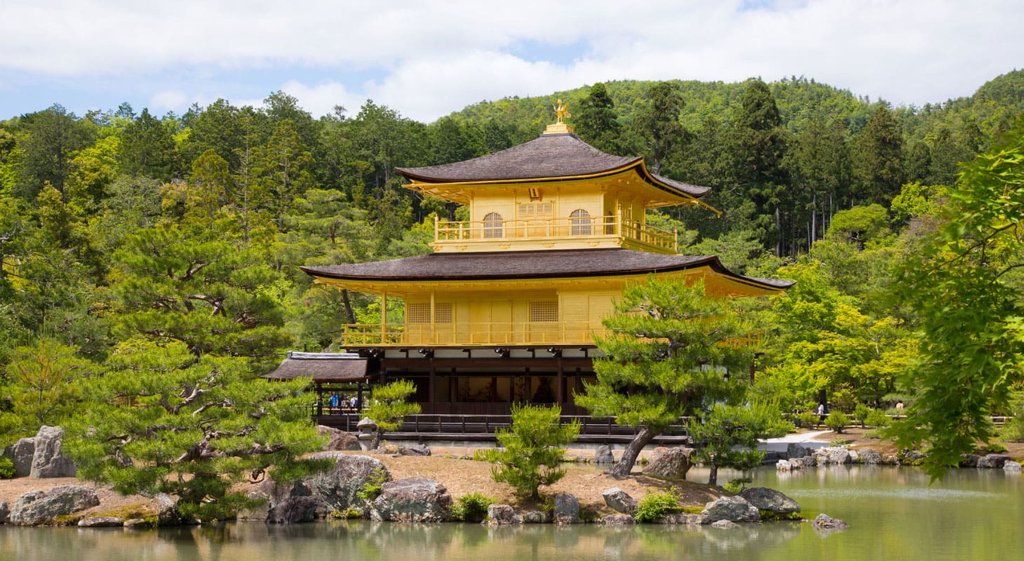
Kinkaku-ji, formally known as Rokuon-ji, was originally built in 1397 as the retirement villa of Ashikaga Yoshimitsu, the third shogun of the Muromachi shogunate. Following his death, the estate was converted into a Zen temple in accordance with his wishes.
The Golden Pavilion, a reliquary hall, has its second and third stories covered in gold leaf, and each floor follows a different architectural style. The result is a building that stands as a symbol of Yoshimitsu’s political power and refined aesthetic vision.
One of the temple’s most memorable sights is the pavilion’s near-perfect reflection in Kyoko-chi Pond. On calm mornings, when the water is undisturbed, the mirrored image is especially spectacular and offers the best photographic opportunities.
Most visitors spend 30 to 40 minutes exploring the temple grounds. If you would like to enjoy the scenery and take photographs before the crowds arrive, aim to visit around 9:00 am, shortly after the temple opens.
Details
| Address | 1 Kinkakuji-cho, Kita Ward, Kyoto |
| Hours | 9 am-5 pm |
| Closed | Open year-round |
| Admission | Adults ¥500; elementary and junior high school students ¥300 |
| Official Website | https://www.shokoku-ji.jp/kinkakuji/ |
| Recommended For | Anyone who wants to photograph Kyoto’s classic scenery or has an interest in Japanese architecture |
3. Nijo Castle | The Shogun’s Palace Where Power Was Returned to the Emperor
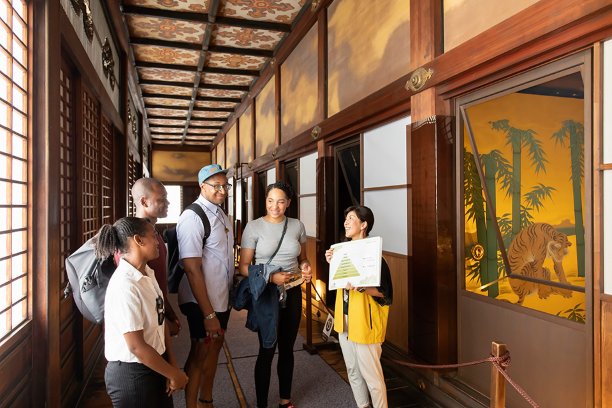
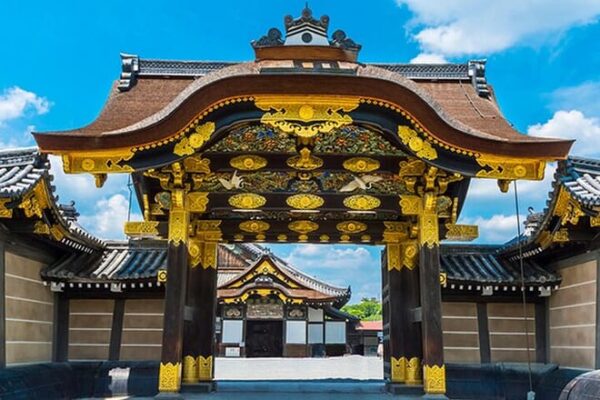
Nijo Castle was built in 1603 by Tokugawa Ieyasu, the founder of the Edo shogunate. More than 260 years later, in 1867, the fifteenth shogun, Tokugawa Yoshinobu, announced the return of political power to the emperor (Taisei Hokan) in the grand audience hall of Ninomaru Palace. As the site that witnessed both the establishment and the end of the Edo shogunate, Nijo Castle holds a unique place in Japanese history.
The castle’s highlight is Ninomaru Palace, a National Treasure renowned for its magnificent Kano school wall paintings, elaborate wood carvings, and the famous nightingale floors, corridors designed to chirp underfoot, originally serving as a security measure against intruders.
Admission to Nijo Castle and Ninomaru Palace does not require a reservation. However, entry to Honmaru Palace is available through a separate ticketing system, and access procedures may vary depending on the season. Check the official website for the latest admission requirements before your visit.
Another advantage is the castle’s convenient location, just outside Nijojo-mae Station on the Kyoto Municipal Subway Tozai Line.
Details
| Address | 541 Nijojo-cho, Nijo-dori Horikawa Nishi-iru, Nakagyo Ward, Kyoto |
| Hours | Opens 8:45 am; last entry 4 pm; closes 5 pm |
| Closed | December 29-31 |
| Admission | Adults ¥800; junior high school students ¥400; elementary school students ¥300 |
| Official Website | https://nijo-jocastle.city.kyoto.lg.jp/ |
| Recommended For | Anyone who wants to stand at a turning point in Japanese history or study traditional architectural craftsmanship |
Kyoto: Nijo Castle World Heritage Guided Tour with Admission
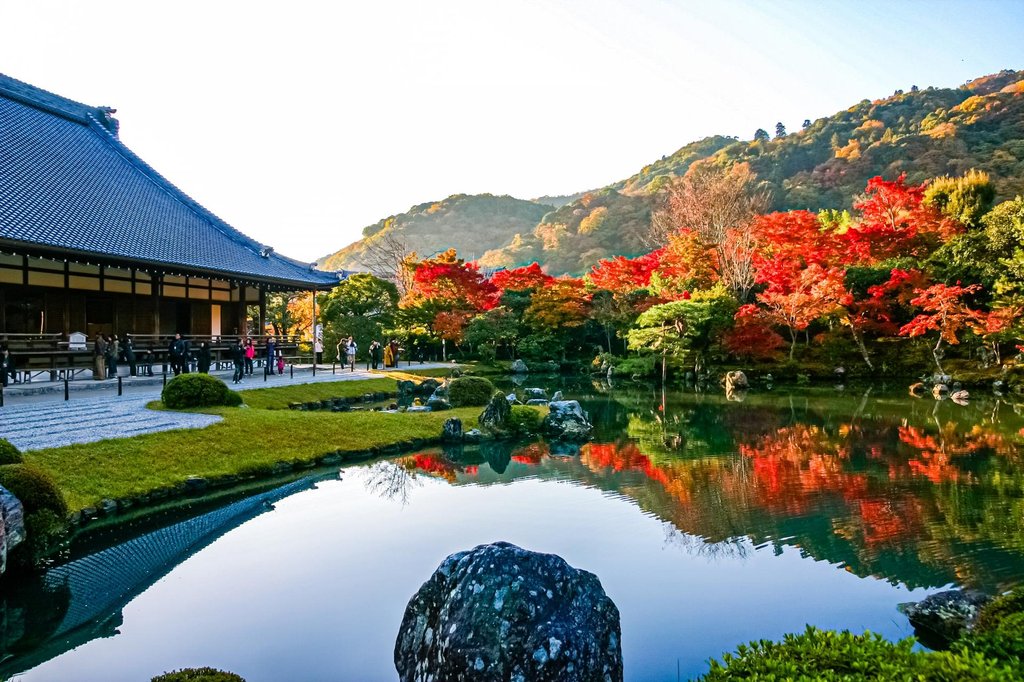
4. Tenryu-ji | A Zen Garden That Borrows Arashiyama as Its Backdrop
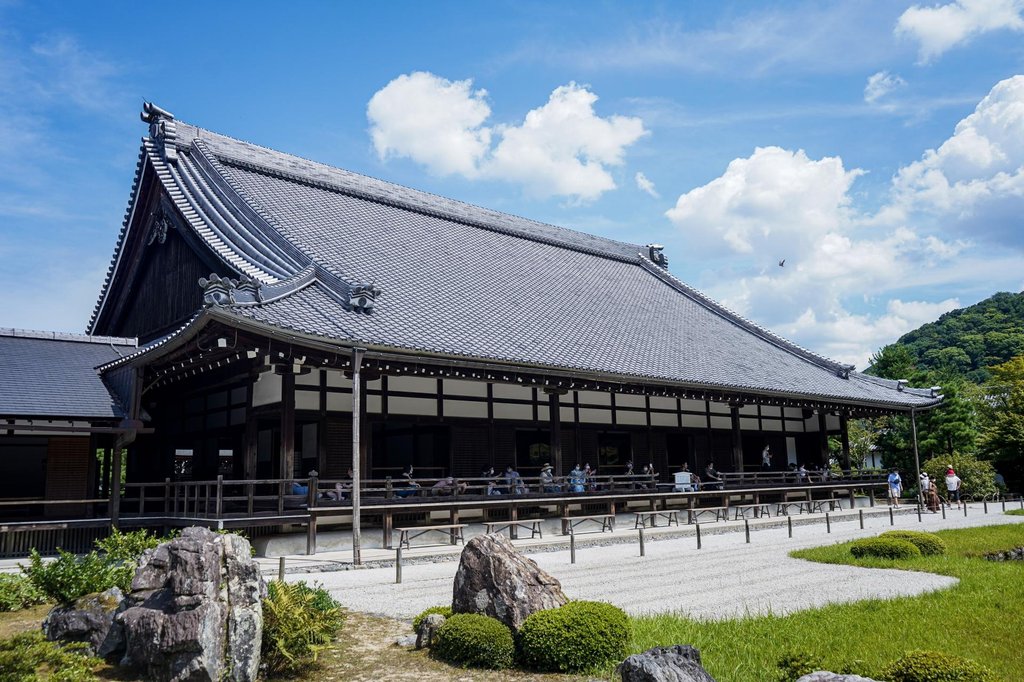
Founded by Ashikaga Takauji in 1339, Tenryu-ji is the head temple of the Tenryu-ji branch of Rinzai Zen. Its greatest attraction, the Sogenchi Garden, employs shakkei (borrowed scenery), a landscape design technique that incorporates the surrounding landscape into the garden’s composition. The ridgelines of Arashiyama and Mount Kame, rising beyond the pond, form the garden’s natural backdrop. The composition reveals the Zen principle of finding harmony between human artistry and the natural world.
After exploring the garden, you can continue your walk through Arashiyama with ease. Tenryu-ji’s North Gate opens directly onto the famous Bamboo Grove, making it one of the most efficient starting points for sightseeing in the area.
Details
| Address | 68 Saga-Tenryuji Susukinobaba-cho, Ukyo Ward, Kyoto |
| Hours | 8:30 am-5 pm (last entry 4:50 pm) |
| Closed | Open year-round |
| Admission | High school students and older ¥500; elementary and junior high school students ¥300 (garden) |
| Official Website | http://www.tenryuji.com/ |
| Recommended For | Anyone drawn to the aesthetics of Japanese gardens or pairing the visit with an Arashiyama stroll |
5. Byodo-in | The Phoenix Hall Pictured on the 10-Yen Coin
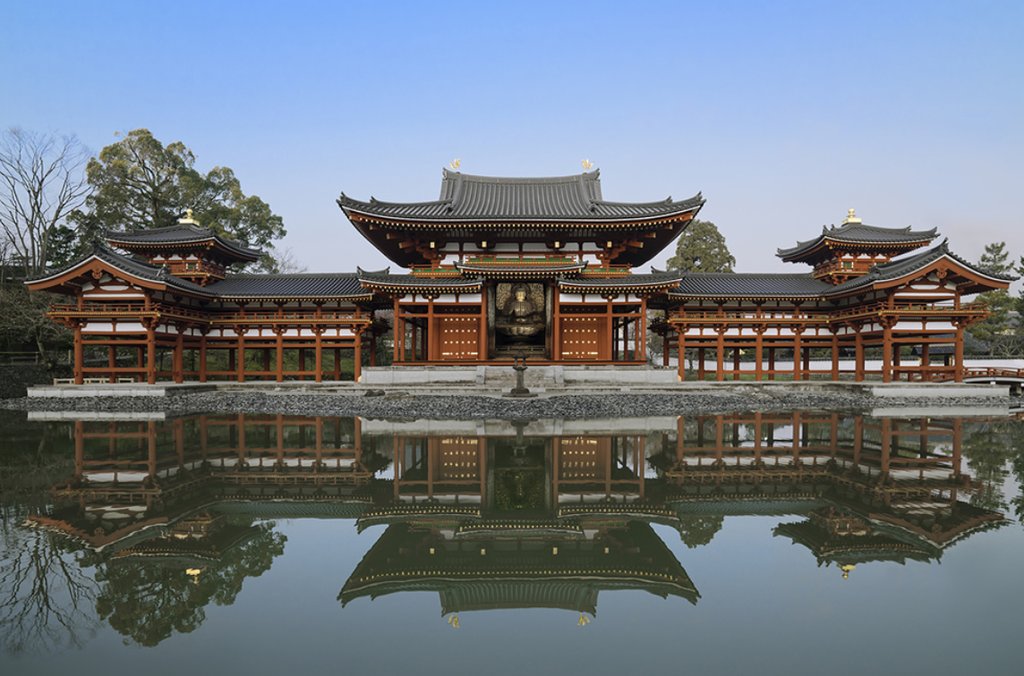
In 1052, Fujiwara no Yorimichi converted his villa into a temple, creating Byodo-in. The Phoenix Hall, completed the following year in 1053, works together with its garden and Aji-ike Pond to recreate the Buddhist Pure Land paradise in this world. Comparing the real hall with its image on the 10-yen coin is a small but genuinely satisfying observation.
Visits to the interior of the Phoenix Hall are offered on a first-come, first-served basis on the day of your visit. Groups of up to 50 people are admitted approximately every 20 minutes, although reception may close early once capacity has been reached during busy periods.
From Kyoto Station, the JR Nara Line Miyakoji Rapid Service reaches Uji Station in about 17 minutes. From there, the temple is approximately a 10-minute walk, making it an easy addition to an itinerary that continues on to Nara.
Details
| Address | 116 Uji Renge, Uji City, Kyoto Prefecture |
| Hours | 8:45 am-5:30 pm (last entry 5:15 pm) / Phoenix Hall interior reception 9:10 am-4:10 pm |
| Closed | Open year-round |
| Admission | Adults (high school and older) ¥700; junior high school students ¥400; elementary school students ¥300 |
| Official Website | https://www.byodoin.or.jp/ |
| Recommended For | Anyone interested in classical Japanese architecture or coin design |
6. Ginkaku-ji | A Restrained Pavilion with No Silver at All
Despite carrying “silver” in its name, this pavilion has never been covered in silver leaf. It began as a mountain villa built by Ashikaga Yoshimasa in 1482. Various theories attempt to explain the absence of silver, including financial constraints and a deliberate design choice, but its restrained, understated appearance has come to embody wabi-sabi, the Japanese aesthetic that finds beauty in simplicity, imperfection, and quiet elegance.
Another highlight is the carefully composed landscape featuring the Kogetsudai, a cone-shaped mound of white sand, and the Ginshadan, a field of meticulously raked sand that resembles rippling waves. Visiting Ginkaku-ji alongside Kinkaku-ji offers a fascinating contrast between two very different aesthetic ideals: dazzling splendor and serene simplicity.
Details
| Address | 2 Ginkakuji-cho, Sakyo Ward, Kyoto |
| Hours | 8:30 am-5 pm (9 am-4:30 pm from December to February) |
| Closed | Open year-round |
| Admission | High school students and older ¥1,000; elementary and junior high school students ¥500 |
| Official Website | https://www.shokoku-ji.jp/ginkakuji/ |
| Recommended For | Anyone drawn to wabi-sabi or curious to compare it with Kinkaku-ji |
7. Ryoan-ji | Fifteen Stones Whose Arrangement Remains a Mystery
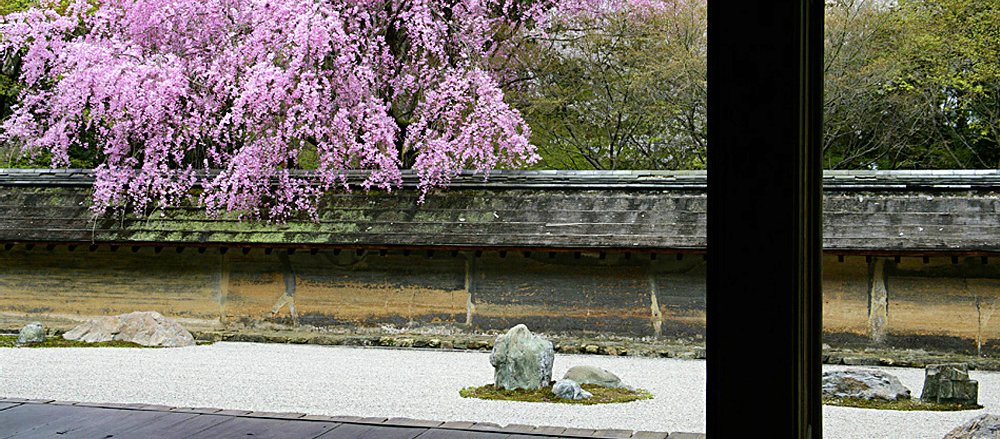
The intent behind the placement of the 15 stones on this bed of white sand has never been explained. Founded in 1450, this Rinzai Zen temple features a karesansui (dry landscape) garden in front of the abbot’s quarters that ranks among Japan’s most celebrated rock gardens.
According to tradition, the stones are arranged so that, no matter where you sit on the veranda, you can never see all 15 at once. Countless interpretations have been proposed over the centuries. Some see the auspicious numbers seven, five, and three, while others believe the arrangement resembles the kanji character for “heart” (kokoro).
One widely discussed interpretation suggests that the deliberately hidden stone symbolizes the beauty of imperfection, inviting each visitor to find their own meaning. This openness to personal interpretation reflects a central principle of Zen Buddhism: insight is discovered through individual contemplation rather than prescribed explanation.
Ryoan-ji is only about 15 minutes by Kyoto City Bus from Kinkaku-ji, making the two temples an easy and rewarding combination for a single sightseeing route.
Details
| Address | 13 Ryoanji Goryonoshita-cho, Ukyo Ward, Kyoto |
| Hours | 8 am-5 pm (8:30 am-4:30 pm from December to February) |
| Closed | Open year-round |
| Admission | Adults ¥600; junior high school students ¥500; elementary school students ¥300 |
| Official Website | http://www.ryoanji.jp |
| Recommended For | Anyone interested in Zen philosophy or the study of garden aesthetics |
8. To-ji | Japan’s Tallest Wooden Pagoda at 55 Meters
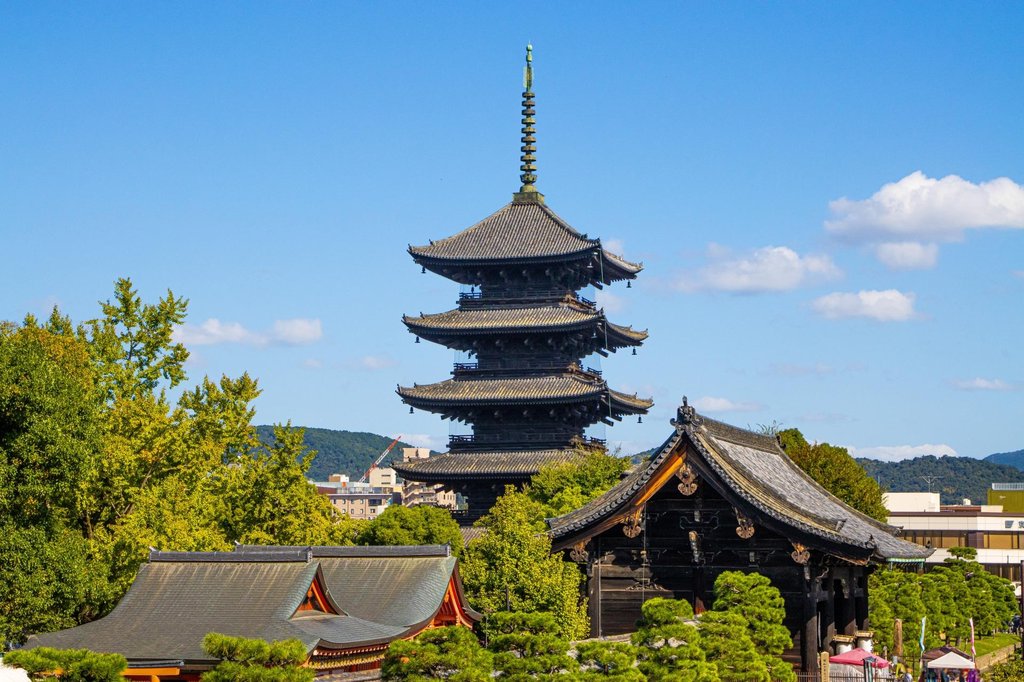
About a 15-minute walk from Kyoto Station, To-ji is one of the most accessible of Kyoto’s World Heritage Sites, and for many travelers, the five-story pagoda glimpsed from the Shinkansen window is their first taste of Kyoto. Founded in 796, the temple has a long history as the head temple of Shingon Buddhism.
The five-story pagoda, a National Treasure, stands approximately 55 meters (180 feet) tall, making it the tallest surviving wooden pagoda in Japan. Although it was destroyed by fire several times, most often after lightning strikes, it was rebuilt on each occasion. Remarkably, there is no historical record of the pagoda ever collapsing due to an earthquake, a testament to the resilience of traditional Japanese timber construction.
The temple grounds are free to enter, making To-ji an excellent place for a leisurely stroll if you have some spare time before or after arriving at Kyoto Station.
Details
| Address | 1 Kujo-cho, Minami Ward, Kyoto |
| Hours | Kondo and Kodo halls: 8 am-5 pm (last entry 4:30 pm) |
| Closed | Open year-round |
| Admission | Adults ¥800; junior high school students ¥400; elementary school students ¥300 (Kondo and Kodo halls) |
| Official Website | https://toji.or.jp/ |
| Recommended For | Kyoto Station travelers, anyone with spare time to fill, and architecture fans |
9. Nishi Hongan-ji | One of the World’s Largest Wooden Buildings, Laid with 1,200 Tatami Mats
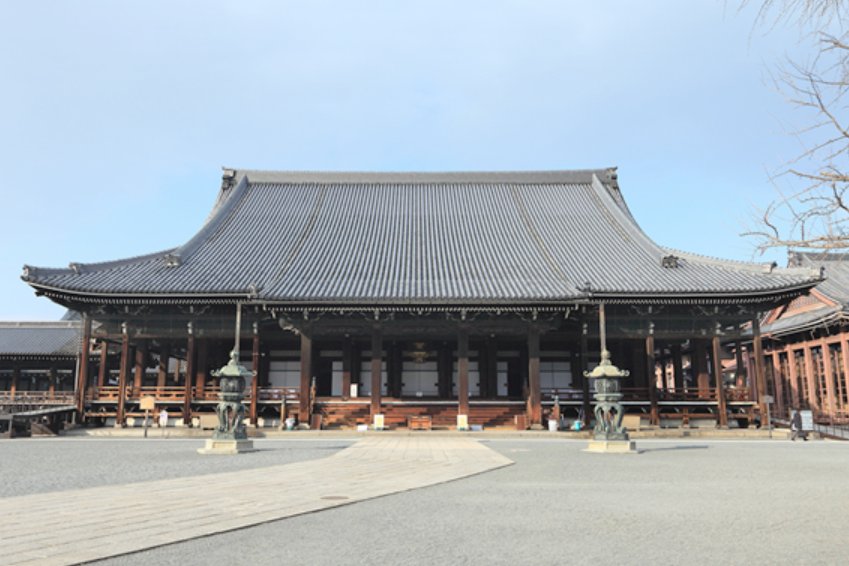
Nishi Hongan-ji, the head temple of the Jodo Shinshu Hongwanji-ha school, is one of Kyoto’s few UNESCO World Heritage Sites that can be visited free of charge, making it one of the easiest to include in any itinerary.
Its greatest highlight is the Goeido Hall, a National Treasure of extraordinary scale. The outer worship hall alone covers the equivalent of 441 tatami mats, while the immense tiled roof is supported by 227 wooden pillars. Despite its size, the building has survived three major earthquakes.
Located about a 15-minute walk from Kyoto Station, Nishi Hongan-ji pairs naturally with To-ji for an efficient half-day sightseeing route. The temple gates open as early as 5:30 am, making it an excellent place to begin the day in a peaceful atmosphere before the city becomes busy.
Details
| Address | Hongwanji Monzen-cho, Horikawa-dori Hanayacho-sagaru, Shimogyo Ward, Kyoto |
| Hours | 5:30 am-5 pm (varies by season) |
| Closed | Open year-round |
| Admission | Free |
| Official Website | https://www.hongwanji.kyoto/ |
| Recommended For | Budget-conscious travelers and anyone touring efficiently around Kyoto Station |
Eight More Kyoto World Heritage Sites Worth the Extra Trip
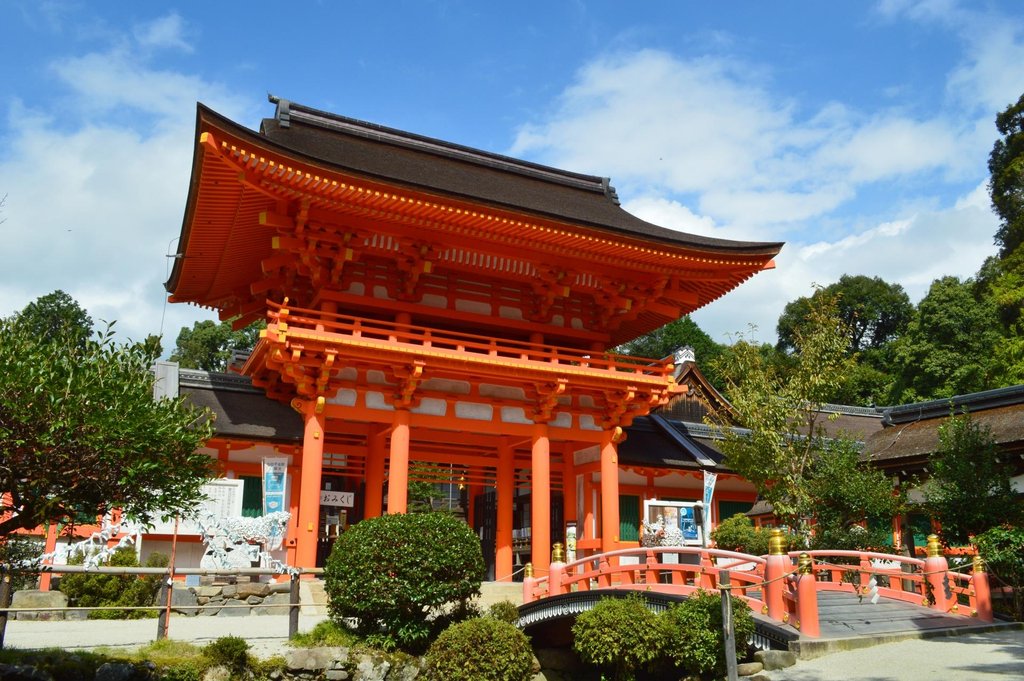
Once you’ve visited the classic highlights, venture a little farther to discover Kyoto’s quieter, more contemplative side. These eight additional World Heritage Sites offer a different experience, with fewer crowds, more peaceful surroundings, and a deeper sense of history and spirituality.
Some require advance reservations, while others, particularly the mountain temples, take extra time and planning to reach. Checking the admission requirements and transportation options beforehand will help you make the most of your visit.
10. Ninna-ji | A Prestigious Temple Once Headed by Imperial Princes
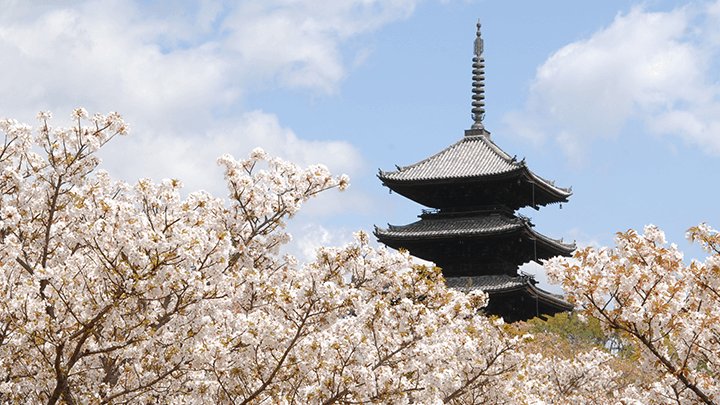
Founded in 888, Ninna-ji is a prestigious temple whose head priests were drawn from the imperial family for generations, reflecting its long-standing ties to the Japanese court.
A spring visit is especially rewarding, when the famous Omuro cherry trees come into bloom. Unlike most cherry trees, these are relatively short, allowing visitors to admire the blossoms at eye level. Peak flowering typically occurs from early to mid-April. Outside the cherry blossom season, the temple’s spacious grounds remain equally impressive, with highlights including the elegant five-story pagoda and the Kondo Hall, both set against a tranquil landscape.
The temple grounds are free to enter, while the beautifully landscaped Goten (Former Imperial Palace) Garden is well worth the additional admission fee.
Located at the western end of the Kinukake-no-michi (Silk-Hanging Road), Ninna-ji pairs naturally with Ryoan-ji and Kinkaku-ji, making the three temples an excellent route for a single day of sightseeing.
Details
| Address | 33 Omuro Ouchi, Ukyo Ward, Kyoto |
| Hours | 9 am-5 pm (last entry 4:30 pm, March-November) |
| Closed | Open year-round |
| Admission | Adults ¥800; high school students and younger free (Ninna-ji Gosho Garden) |
| Official Website | https://ninnaji.jp/ |
| Recommended For | Anyone interested in imperial history or cherry blossom viewing |
11. Shimogamo Shrine | A Primeval Forest Approach of 120,000 Square Meters in the City Center
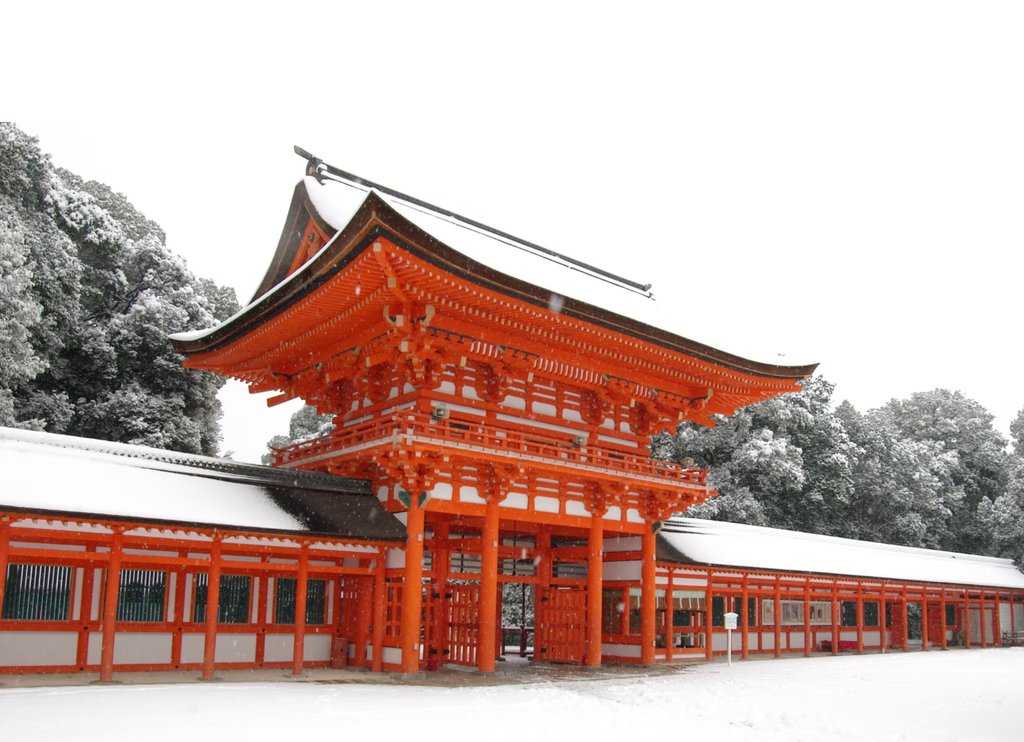
Shimogamo Shrine is unusual in that its grounds contain Tadasu no Mori, a forest of about 124,000 square meters (roughly 31 acres) where rich nature survives in the middle of the city. Walking along its tree-lined approach offers a peaceful, almost forest-bathing experience far removed from the bustle of modern Kyoto.
The shrine’s East and West Main Halls are both designated National Treasures, and the shrine grounds are free to enter.
From Shimogamo Shrine, Kamigamo Shrine can be reached in about 20–25 minutes by Kyoto City Bus Route 4, making it easy to combine the two into a half-day itinerary. Visiting both World Heritage shrines in a single trip offers an excellent introduction to Kyoto’s ancient Shinto traditions.
Details
| Address | 59 Shimogamo Izumigawa-cho, Sakyo Ward, Kyoto |
| Hours | 6:30 am-5 pm (varies by season) |
| Closed | Open year-round |
| Admission | Free |
| Official Website | https://www.shimogamo-jinja.or.jp/ |
| Recommended For | Anyone who wants to walk in nature or combine a visit with Kamigamo Shrine |
12. Kamigamo Shrine | Conical Sand Mounds That Welcome the Gods
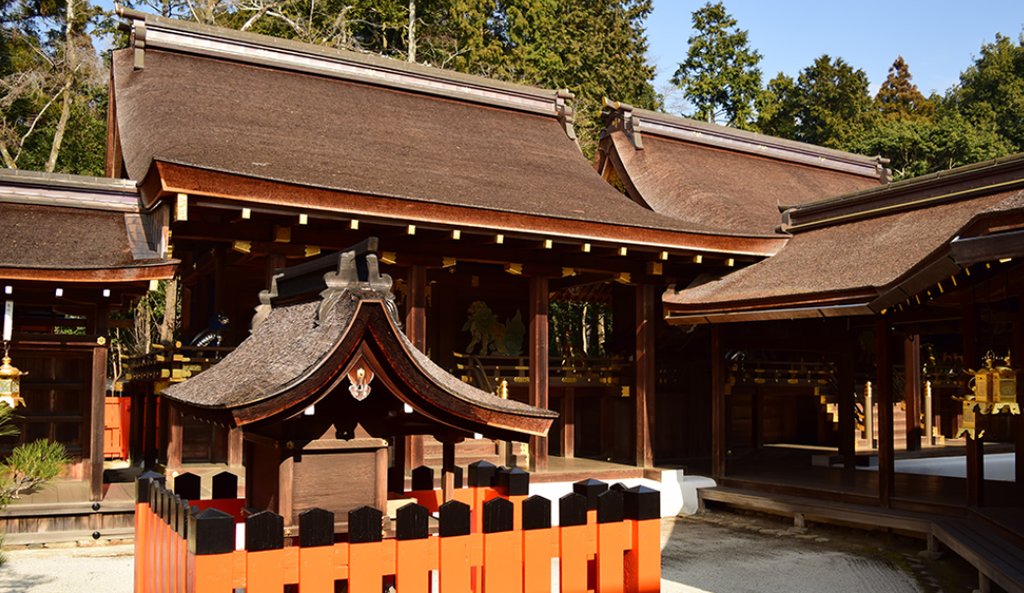
Believed to have been founded in 678, Kamigamo Shrine is one of Kyoto’s oldest and most important Shinto shrines. In front of the Hosodono Hall stand two conical sand mounds known as tatezuna, which symbolize the sacred Mount Koyama and serve as places where the gods are welcomed during rituals. The pine needles placed at their peaks represent the principles of yin and yang, and these distinctive sand mounds are widely considered to have inspired the salt piles traditionally displayed at the entrances of Japanese restaurants.
The shrine’s Honden (Main Sanctuary) and Gonden (Secondary Sanctuary), both designated National Treasures, are ordinarily closed to the public. However, visitors can occasionally view their interiors during special worship periods or guided visits.
Kamigamo Shrine is approximately 20–25 minutes by Kyoto City Bus from Shimogamo Shrine, making the two World Heritage shrines an excellent combination for a half-day itinerary.
Details
| Address | 339 Kamigamo Motoyama, Kita Ward, Kyoto |
| Hours | 5:30 am-5 pm |
| Closed | Open year-round |
| Admission | Adults ¥800; junior high school students ¥400; elementary school students ¥300 |
| Official Website | https://www.kamigamojinja.jp/ |
| Recommended For | Anyone interested in Shinto ritual or pairing a visit with Shimogamo Shrine |
13. Daigo-ji | A Temple Spanning an Entire Mountain, Where Hideyoshi Held His Cherry Blossom Party
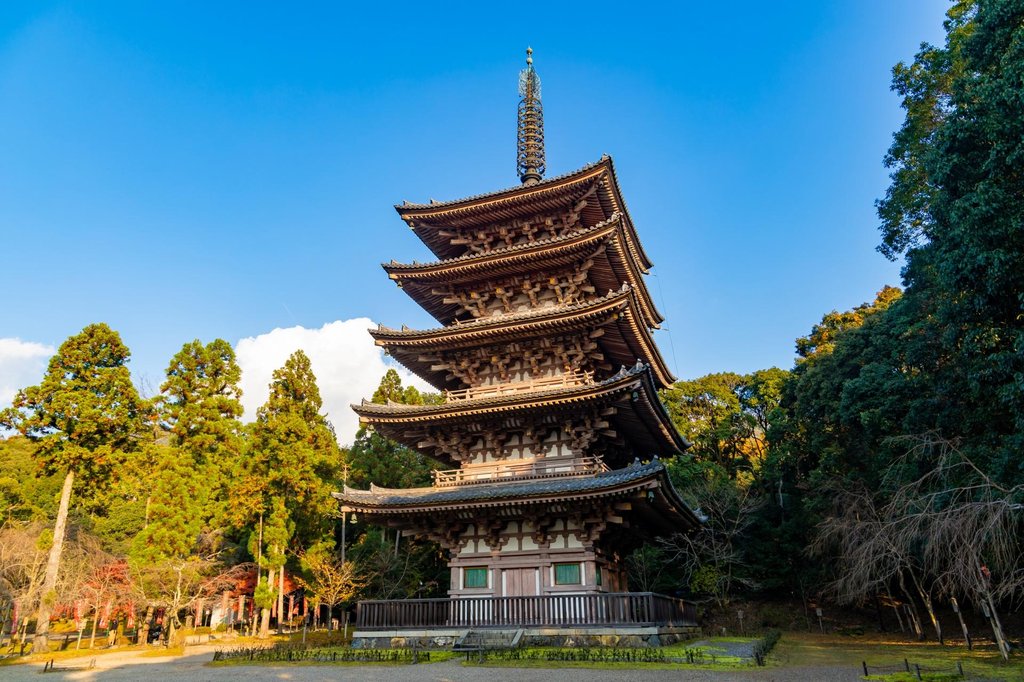
Founded in 874, Daigo-ji is the head temple of the Shingon Daigo school, with vast grounds covering the whole of Mount Daigo. Its five-story pagoda, built in 951, is designated a National Treasure as the oldest surviving wooden structure in Kyoto Prefecture. The temple is also widely known for the Daigo no Hanami, the grand cherry blossom party Toyotomi Hideyoshi held here in 1598.
Although Daigo-ji is especially famous for its spectacular cherry blossoms in spring, it is equally rewarding to visit in autumn or winter, when the crowds are lighter and the temple’s architecture, gardens, and tranquil atmosphere can be appreciated at a more relaxed pace.
A combined admission ticket covering Sanbo-in, the Garan temple complex, and the Reihokan Museum costs ¥1,500 during the regular season and ¥1,800 during the spring cherry blossom season.
Details
| Address | 22 Daigo Higashioji-cho, Fushimi Ward, Kyoto |
| Hours | 9 am-5 pm (until 4:30 pm from December to February) |
| Closed | Open year-round |
| Admission | Adults ¥1,500; junior high and high school students ¥1,000 |
| Official Website | https://daigoji.or.jp/ |
| Recommended For | Cherry blossom seekers and anyone interested in historic architecture |
14. Ujigami Shrine | The Oldest Surviving Shrine Architecture in Japan
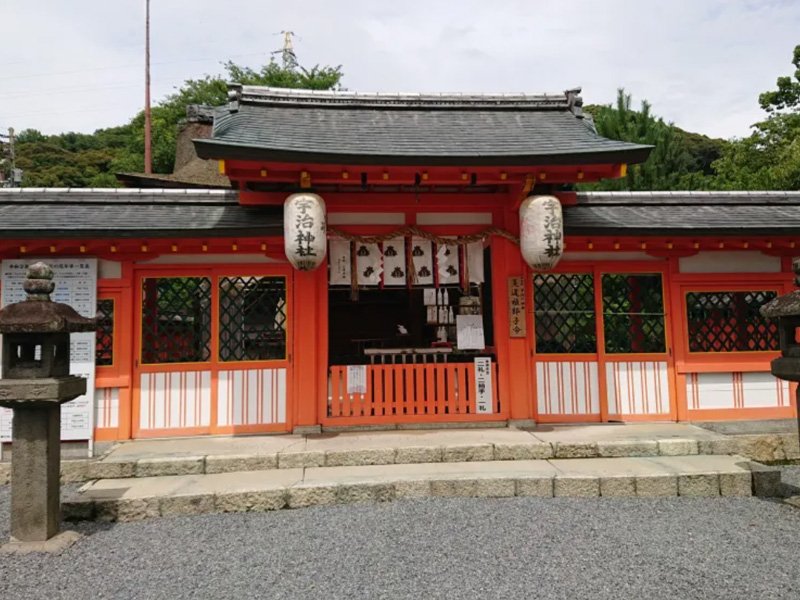
The main sanctuary of Ujigami Shrine, built around 1060, is widely regarded as the oldest surviving shrine building in Japan. Its distinctive design features three inner sanctuaries housed beneath a single roof, an architectural arrangement rarely seen elsewhere. The Worship Hall (Haiden), dating from the Kamakura period, is also designated a National Treasure, making Ujigami Shrine one of the few places in Japan where two National Treasure buildings stand within the same shrine precinct.
The shrine grounds are free to enter, and their peaceful atmosphere allows visitors to appreciate the historic architecture without the crowds often found at more famous sites.
Located about a 10- to 15-minute walk from Byodo-in, Ujigami Shrine pairs perfectly with its neighboring temple, allowing you to visit Uji’s two UNESCO World Heritage Sites comfortably within half a day.
Details
| Address | 59 Uji Yamada, Uji City, Kyoto Prefecture |
| Hours | 5 am-4 pm |
| Closed | Open year-round |
| Admission | Free |
| Official Website | https://www.ujikamijinja.jp/ |
| Recommended For | Anyone interested in architectural history or quiet worship |
15. Kosan-ji | The Mountain Temple That Holds the Choju-giga Scrolls
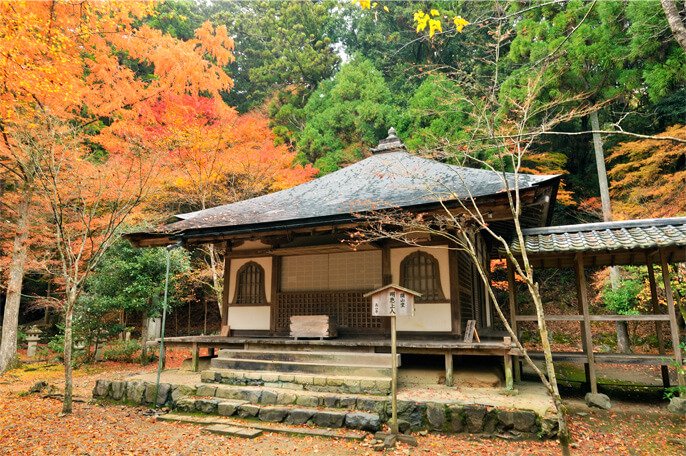
Known as the home of the Choju-jinbutsu-giga—the National Treasure picture scrolls of frolicking animals, often described as Japan’s oldest manga—Kosan-ji lies quietly in the mountains northwest of central Kyoto. The original scrolls are preserved in museums, so the Sekisui-in Hall displays a high-quality reproduction. Even so, the hall itself, a National Treasure, is the temple’s true highlight. Its veranda overlooks a tranquil valley of maple trees, creating an atmosphere of remarkable peace and seclusion.
During the autumn foliage season, admission is ¥1,500, including the mountain entry fee. For many visitors, the serene setting and historic architecture more than justify the cost.
Because relatively few tourists make the journey, Kosan-ji offers a rare opportunity to experience a World Heritage Site without the crowds. The temple is approximately 55 minutes from Kyoto Station by JR Bus, so be sure to check the return timetable in advance, as services are less frequent than those within the city.
Details
| Address | 8 Umegahata Toganoo-cho, Ukyo Ward, Kyoto |
| Hours | 8:30 am-5 pm |
| Closed | Open year-round |
| Admission | Adults ¥800; junior high school students ¥400; elementary school students ¥300 |
| Official Website | https://kosanji.com/ |
| Recommended For | Anyone who wants unhurried time with Japanese culture at a quiet mountain temple |
16. Saiho-ji | A Reservation-Only Garden Carpeted in 120 Kinds of Moss
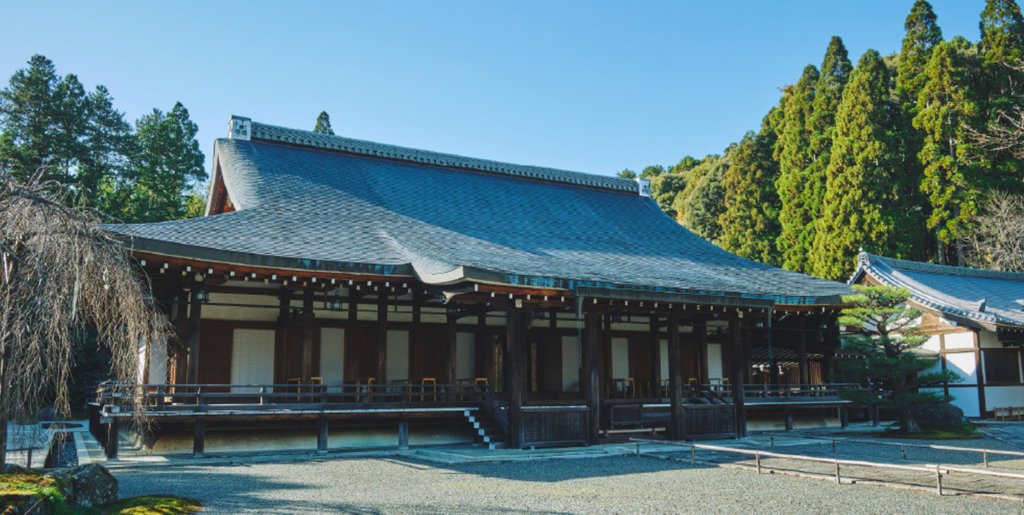
Of Kyoto’s 17 UNESCO World Heritage Sites, Saiho-ji is the only one that requires an advance reservation. You cannot simply arrive and purchase a ticket at the entrance, so be sure to book before your visit.
The temple is famous for its moss garden, where approximately 120 species of moss carpet the grounds. From mid-June to mid-July, during Japan’s rainy season, the garden is especially beautiful as the moss takes on a vivid, dew-covered green.
Reservation methods are as follows:
- Online reservations: Accepted from 2 months to 1 day before your visit.
- Reply postcard reservations: Must be postmarked between 2 months and 1 month before your visit.
The visitor donation, offered as an expression of gratitude, is ¥4,000 or more. After participating in shakyo (hand-copying a Buddhist sutra), visitors are free to stroll through the moss garden.
Allow 60 to 90 minutes for the experience. Please note that children aged 12 and under are not permitted to join regular visits.
Details
| Address | 56 Matsuo Jingatani-cho, Nishikyo Ward, Kyoto |
| Hours | 10 am-noon |
| Closed | Irregular closures |
| Admission | ¥4,000 or more |
| Official Website | https://saihoji-kokedera.com/ |
| Recommended For | Anyone who wants to savor a moss garden in silence or try sutra copying |
17. Enryaku-ji | The Head Temple of Tendai Buddhism Spread Across Mount Hiei
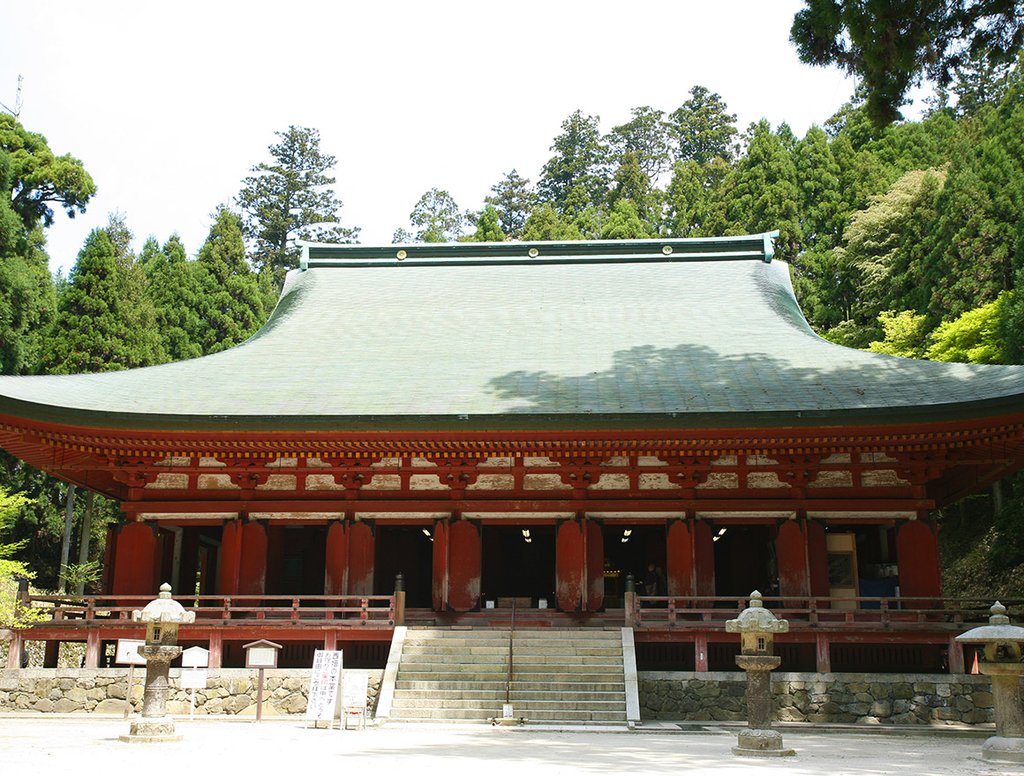
Founded in 788 by the monk Saicho, Enryaku-ji is the head temple of Tendai Buddhism. The vast temple complex is divided into three main precincts—Todo, Saito, and Yokawa—and exploring all three typically requires half a day to a full day.
Its most important building, the Konpon Chudo Hall, is a National Treasure that has been undergoing a major restoration project, with completion expected around 2026. During the restoration, visitors can access a special viewing platform that offers a rare opportunity to observe traditional craftsmen at work.
Before planning your visit, keep the following seasonal transportation considerations in mind:
- Regular season: Approximately 1 hour from central Kyoto via the Kyoto-side route.
- Winter: The cable car and other transportation on the Kyoto side are suspended, so access is available only via the Shiga-side route.
- New Year period: Transportation services on the Kyoto side operate on reduced schedules.
Because access changes considerably throughout the year, be sure to check the latest transportation timetables before your visit.
Details
| Address | 4220 Sakamoto Honmachi, Otsu City, Shiga Prefecture |
| Hours | Todo area 9 am-4 pm (last entry 3:45 pm) |
| Closed | Open year-round |
| Admission | Adults ¥1,000; junior high school students ¥600; elementary school students ¥300 (combined ticket for Todo, Saito, and Yokawa) |
| Official Website | https://www.hieizan.or.jp/ |
| Recommended For | Anyone who wants to experience the grand scale of a mountain monastery |
Five Model Itineraries for First-Time Visitors to Kyoto’s World Heritage Sites
With 17 UNESCO World Heritage Sites to choose from, deciding on the most efficient route can be one of the biggest planning challenges. These five model itineraries, organized by area, vary in duration and mode of transportation, making it easy to choose one that matches your travel style and schedule.
1. Three Sites from Kinkaku-ji: The Kinukake-no-michi Course
Kinkaku-ji, Ryoan-ji, and Ninna-ji are conveniently connected by the Kinukake-no-michi (Silk-Hanging Road), making them one of Kyoto’s most efficient World Heritage sightseeing routes.
Start your day at Kinkaku-ji when the gates open at 9:00 am, and you can comfortably visit all three temples before 1:00 pm. Arriving early also gives you the best chance to photograph the Golden Pavilion in the soft morning light before the crowds build.
| Step | Spot / Transfer | Time |
|---|---|---|
| 1 | Visit Kinkaku-ji | About 40 min |
| 2 | Move to Ryoan-ji | 15 min on foot / 5 min by bus |
| 3 | Visit Ryoan-ji | About 40 min |
| 4 | Move to Ninna-ji | 10 min on foot / 3 min by bus |
| 5 | Visit Ninna-ji | About 40 min |
Combined admission fees total approximately ¥1,600. While it is possible to walk between the three temples, using a taxi is often the more practical choice during the busy cherry blossom and autumn foliage seasons.
If you still have time in the afternoon, continuing on to Nijo Castle makes an excellent addition to the day’s itinerary.
2. Three Sites from Kiyomizu-dera: The Higashiyama Course
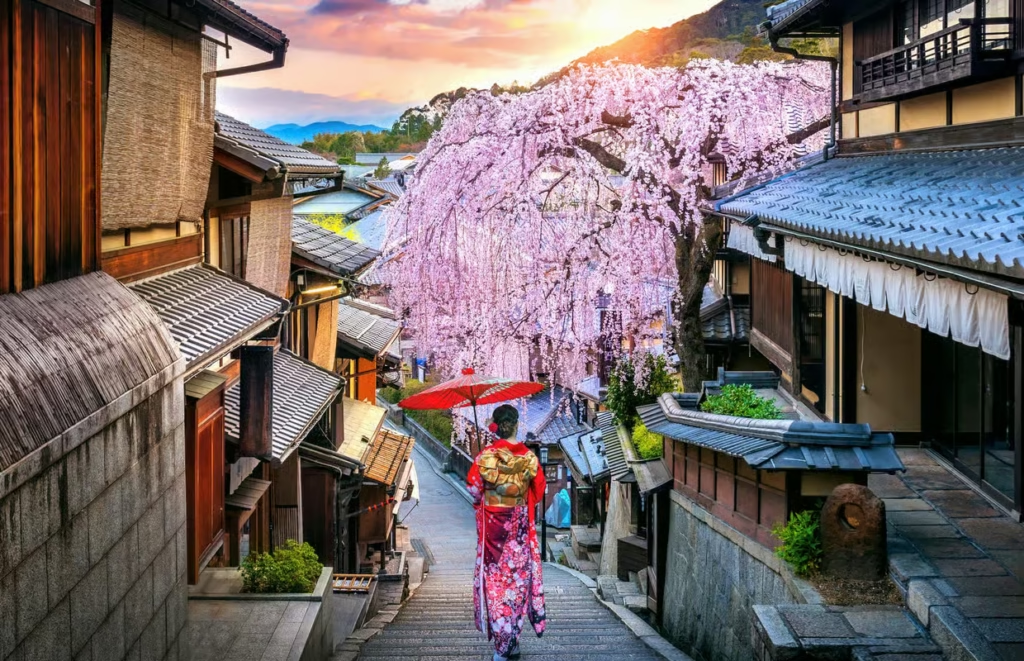
Kiyomizu-dera opens its gates at 6:00 am, making an early start especially rewarding. Before 8:00 am, you can stroll through the historic Ninenzaka and Sannenzaka streets while they are still relatively quiet. Continue to Ginkaku-ji in the morning, then spend the afternoon exploring Tadasu no Mori at Shimogamo Shrine for a well-balanced day of sightseeing.
| Time | Spot / Activity | Duration |
|---|---|---|
| 6:00-7:30 am | Kiyomizu-dera (admission ¥500) | About 90 min |
| 7:30-8:30 am | Stroll Ninenzaka and Sannenzaka | About 60 min |
| 9:30-11:00 am | Ginkaku-ji | About 90 min |
| 12:00-1:30 pm | Lunch and rest | About 90 min |
| 2:00-3:30 pm | Shimogamo Shrine | About 90 min |
From Ginkaku-ji, Kyoto City Bus Route 203 provides convenient access to Shimogamo Shrine. The itinerary also leaves plenty of time to enjoy the lively districts of Gion or Kawaramachi in the evening.
3. From Nijo Castle to To-ji: The Central Kyoto Course
This itinerary is ideal for travelers staying near Kyoto Station. Using the subway, JR, and short walks between attractions, you can visit all three sites while avoiding Kyoto’s often crowded city buses. Nijo Castle is just a one-minute walk from Nijojo-mae Station on the Kyoto Municipal Subway Tozai Line, and most visitors spend 60 to 90 minutes exploring the grounds and Ninomaru Palace. Afterward, return to Kyoto Station and walk about 15 minutes to To-ji.
| Step | Spot / Transfer | Time |
|---|---|---|
| 1 | Kyoto Station → Nijojo-mae Station (subway) | About 5 min |
| 2 | Nijo Castle (admission ¥1,300) | 60-90 min |
| 3 | Nijojo-mae Station → Kyoto Station (subway) | About 5 min |
| 4 | Kyoto Station → To-ji (on foot) | About 15 min |
| 5 | To-ji (admission ¥500) | About 40 min |
| 6 | To-ji → Nishi Hongan-ji (on foot) | About 15 min |
| 7 | Nishi Hongan-ji (free) | About 30 min |
Because Nishi Hongan-ji is free to enter, it is well worth adding to the route. This course is especially well suited to the afternoon of your arrival, allowing you to make productive use of your time without venturing far from Kyoto Station.
4. Starting from Tenryu-ji: The Arashiyama Half-Day Course
Tenryu-ji opens at 8:30 am, making an early visit the ideal way to begin this itinerary. After exploring the temple, leave through the North Gate, which leads directly onto the Bamboo Grove path. Although the grove is open 24 hours a day, visitor numbers increase sharply after 11:00 am, when the path can become so crowded that walking slows to a shuffle. Arriving early lets you experience the bamboo forest in a much quieter, more peaceful atmosphere.
| Step | Spot | Time |
|---|---|---|
| 1 | JR Saga-Arashiyama Station → Tenryu-ji | About 5-7 min |
| 2 | Tenryu-ji (garden admission ¥500) | About 40-50 min |
| 3 | North gate → Bamboo Grove path | About 20-30 min |
| 4 | Togetsukyo Bridge and Arashiyama shopping street | About 60-90 min |
Most of the shops along the nearby shopping street open at around 10:00 am, making it the perfect time to finish your morning with a stroll, sample some local street food, and browse the area’s souvenir shops.
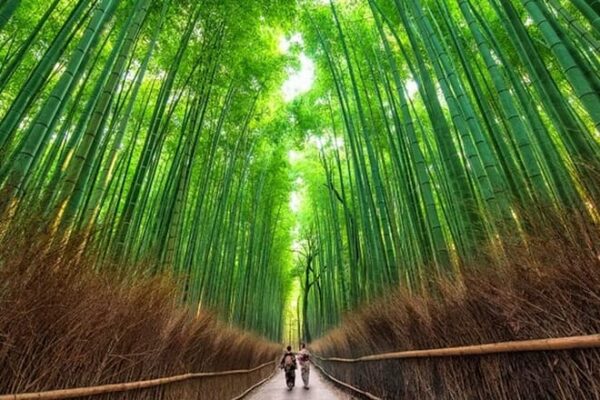
Kyoto: Arashiyama UNESCO Walking Tour with Admission
5. Two Sites from Byodo-in: The Uji Half-Day Course
Uji is only about 17 minutes from Kyoto Station on the JR Nara Line Miyakoji Rapid Service, making it an easy half-day excursion. Visit Byodo-in and Ujigami Shrine in the morning, leaving the afternoon free to continue sightseeing back in central Kyoto.
Interior visits to the Phoenix Hall start at 9:30 am, first come, first served in groups of 50, with a voluntary donation of ¥300. On busy days, registration may close early once capacity has been reached, so arriving as early as possible is recommended.
| Step | Spot / Transfer | Time |
|---|---|---|
| 1 | Kyoto Station → JR Uji Station (rapid) | About 18 min |
| 2 | JR Uji Station → Byodo-in (on foot) | About 10 min |
| 3 | Byodo-in reception → Ujigami Shrine | About 15 min on foot |
| 4 | Visit Ujigami Shrine | About 20-30 min |
| 5 | Return to Byodo-in for the interior visit | About 40-60 min |
| 6 | JR Uji Station → back to Kyoto Station | About 18 min |
A practical strategy is to register for a Phoenix Hall tour first, then use the waiting time to walk to Ujigami Shrine before returning for your scheduled entry. If you arrive in Uji shortly after 8:00 am, you can comfortably complete both World Heritage Sites and be back at Kyoto Station a little after 11:00 am.
Guided Tours: An Efficient Way to Explore Kyoto’s World Heritage Sites
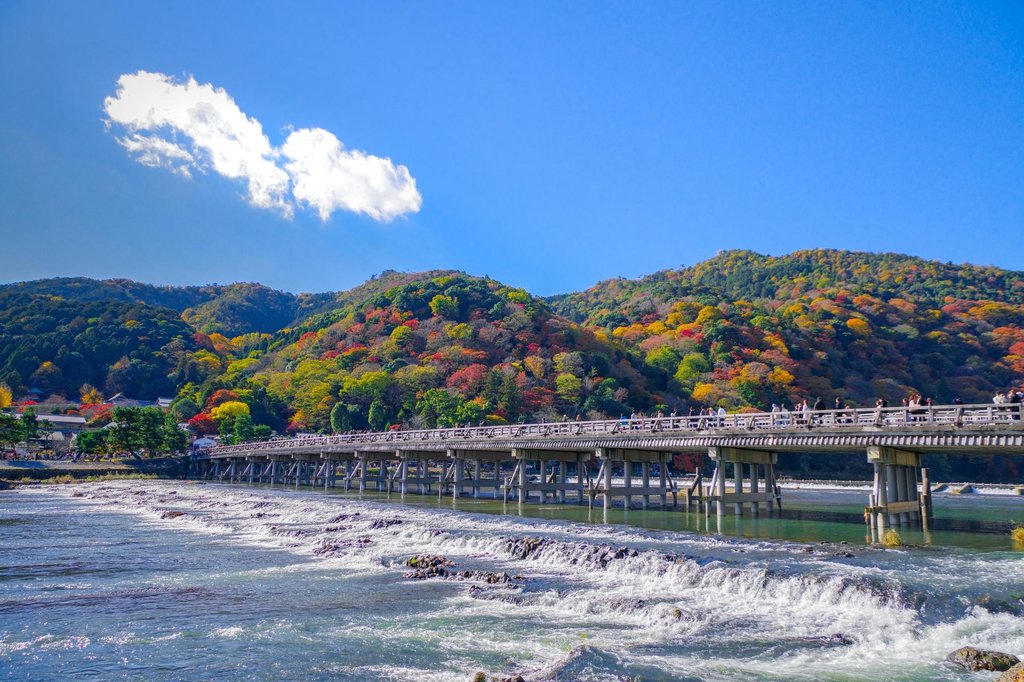
Exploring Kyoto’s World Heritage Sites with a professional guide adds valuable context to the history, architecture, and cultural significance of each location.
One focuses on the Arashiyama area, while the other centers on Nijo Castle. Choose the tour that best matches your interests and travel itinerary to make the most of your visit.
1. Arashiyama UNESCO World Heritage Walking Tour
This tour explores Tenryu-ji and the Bamboo Grove while delving into the history and culture that make Arashiyama one of Kyoto’s most memorable areas. An English-speaking guide explains the design principles behind Tenryu-ji’s garden and the cultural significance of the bamboo forest in an accessible way, revealing details that are easy to miss on a self-guided visit.
Limited to 10 participants, the tour includes Tenryu-ji admission and lasts approximately 1.5 hours, leaving plenty of time to continue exploring in the afternoon. It is an ideal choice for first-time Kyoto visitors who want to experience Arashiyama’s essential highlights efficiently while gaining a deeper understanding of the area.
Details
| Meeting Point | 2F, 3-25 Saga-Tenryuji Susukinobaba-cho, Ukyo Ward, Kyoto, Kyoto Prefecture |
| Duration | About 1.5 hours |
| Included | English-speaking guide; Tenryu-ji admission |
| Booking Site | https://japanguidestar.com/tour/kyoto-arashiyama-unesco-walking-tour-with-admission/ |
| Recommended For | Time-conscious travelers and anyone who wants to enjoy nature and history together, including both gardens and bamboo groves |
Kyoto: Arashiyama UNESCO Walking Tour with Admission
2. Nijo Castle Guided Tour
Built by Tokugawa Ieyasu, Nijo Castle tells the story of both the beginning and the end of the Edo shogunate’s roughly 260-year rule. On this tour, an English-speaking guide leads you through the UNESCO World Heritage-listed castle grounds while explaining the relationship between the Tokugawa shoguns and the imperial court, as well as the key events that brought the shogunate era to a close.
Limited to a maximum of 10 participants, the small-group format makes it easy to follow the explanations and ask questions along the way. In addition to learning about the castle’s history and architecture, you can enjoy details often overlooked on a self-guided visit, including the colorful koi carp swimming in the moat and the carefully designed gardens.
Details
| Meeting Point | Exit 1, Nijojo-mae subway station |
| Duration | About 1.5 hours |
| Included | English-speaking guide; Nijo Castle admission |
| Group Size | Small groups of up to 10 |
| Booking Site | https://japanguidestar.com/tour/kyoto-nijo-castle-world-heritage-guided-tour-with-admission/ |
| Recommended For | Anyone interested in Japanese political history or viewing castle architecture and gardens with expert commentary |
Kyoto: Nijo Castle World Heritage Guided Tour with Admission
Common Questions About Visiting Kyoto’s World Heritage Sites

Questions about timing and access come up often when planning a World Heritage tour. Check the answers below before you go so you can sightsee with confidence.
When Is the Best Season to Visit Kyoto’s World Heritage Sites?
The fresh-greenery season from May to early June is the top recommendation: the weather is pleasant and crowds are lighter, so touring is comfortable. Spring and autumn are beautiful but extremely crowded, which costs you time in transit. Summer requires precautions for heat and rain. Winter calls for warm clothing but rewards you with the luxury of quiet viewing.
Choose the season that best matches your priorities, whether you value comfortable weather, seasonal beauty, or the luxury of exploring without crowds.
How Do I Get from Kyoto Station to Each World Heritage Site?
The main access options from Kyoto Station are as follows:
| Destination | Method | Approx. Time and Fare |
|---|---|---|
| To-ji | On foot | About 15 min; free |
| Nijo Castle | Karasuma subway line → Tozai line | About 15 min; ¥260 |
| Kiyomizu-dera | City bus routes 100 or 206 | About 20 min; ¥230 |
| Kinkaku-ji | City bus route 205 | About 40-50 min; ¥230 |
| Tenryu-ji | JR Sagano Line | About 15 min; ¥240 |
| Byodo-in | JR Nara Line | About 25 min; ¥240 |
Be prepared for crowded city buses during the cherry blossom and autumn foliage seasons, when Kyoto’s transportation network becomes especially busy.
For the Kinkaku-ji area, combining the subway with a short bus ride is often a smoother option than relying on buses alone. If you plan to use public transportation frequently throughout the day, a one-day subway and bus pass may also offer good value.
Will I Need to Take Off My Shoes?
Yes. At Nijo Castle, Ginkaku-ji, and some other sites, you remove your shoes indoors, while gardens and outdoor grounds can be explored with shoes on. Always bring socks, choose shoes that slip on and off easily, and pack a plastic bag for carrying them; you will be glad you did.
Are There Areas Where Photography Is Prohibited?
Many temples prohibit photography inside main halls and of Buddhist statues, though gardens and building exteriors can often be photographed. Always check the no-photography signs on site, and avoid tripods that block walkways.
Commercial photography typically requires advance permission from the temple, so be sure to follow each site’s specific rules and etiquette. Respecting these guidelines allows everyone to enjoy Kyoto’s historic temples and cultural treasures.
Can I Visit with a Wheelchair or Stroller?
Accessibility varies considerably between Kyoto’s World Heritage Sites. Kiyomizu-dera and Nijo Castle offer wheelchair-accessible routes and elevators, while Kinkaku-ji can also be visited by wheelchair users.
Other temples may have gravel paths, stone steps, or uneven terrain that can make access more challenging. Before your visit, check each site’s official website for the latest information on accessibility, including step-free routes and available facilities.
Are There Experiences in Arashiyama to Combine with the World Heritage Sites?
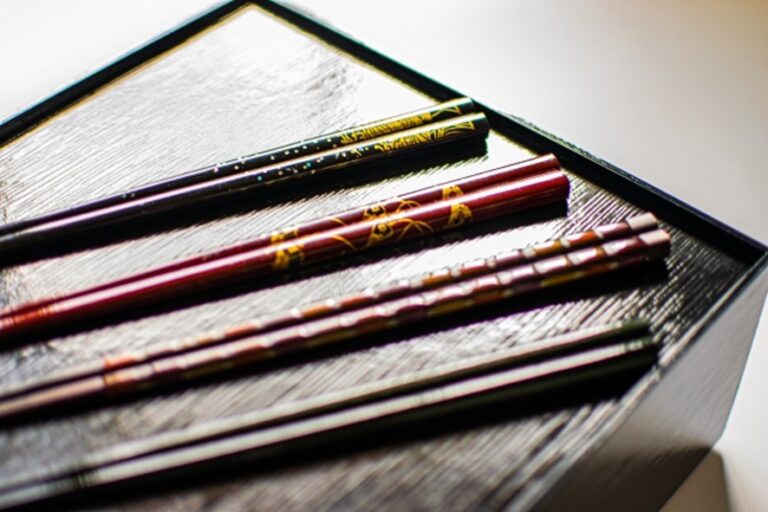
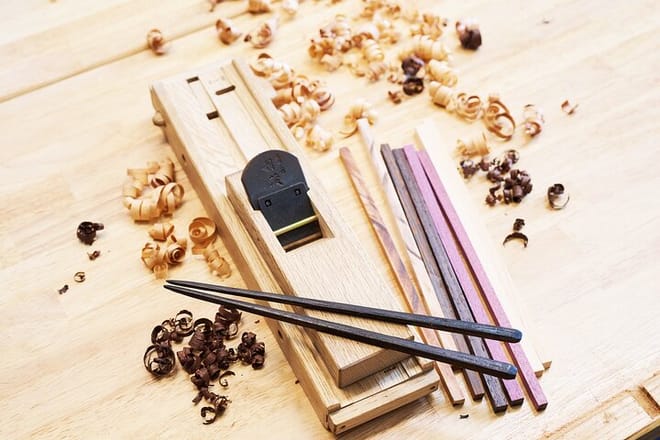
After visiting Tenryu-ji, a chopstick-making workshop by Japan Guide Star makes a memorable addition to your Arashiyama itinerary. Choose your favorite material from more than 12 types of wood, each with its own characteristics in terms of fragrance, color, and hardness, then craft a one-of-a-kind pair of chopsticks to take home.
All tools and materials are provided, and with English instruction, you can learn about Japanese chopstick culture while creating your own souvenir. The workshop takes approximately one hour, making it easy to fit into a sightseeing schedule.
Children aged 6 and older can participate, making this workshop an excellent choice for families looking for a hands-on cultural experience.
Details
| Meeting Point | 2F, 3-25 Saga-Tenryuji Susukinobaba-cho, Ukyo Ward, Kyoto, Kyoto Prefecture |
| Duration | About 1 hour |
| Included | Chopstick-making experience; tools; materials; English-speaking staff |
| Group Size | Up to 15 |
| Booking Site | https://japanguidestar.com/tour/kyoto-arashiyama-chopstick-making-workshop/ |
| Recommended For | Anyone who wants to pair Tenryu-ji with a hands-on cultural experience they can take home |

Kyoto Arashiyama Chopstick Making Workshop
Plan by Area to Make the Most of Kyoto’s World Heritage Sites
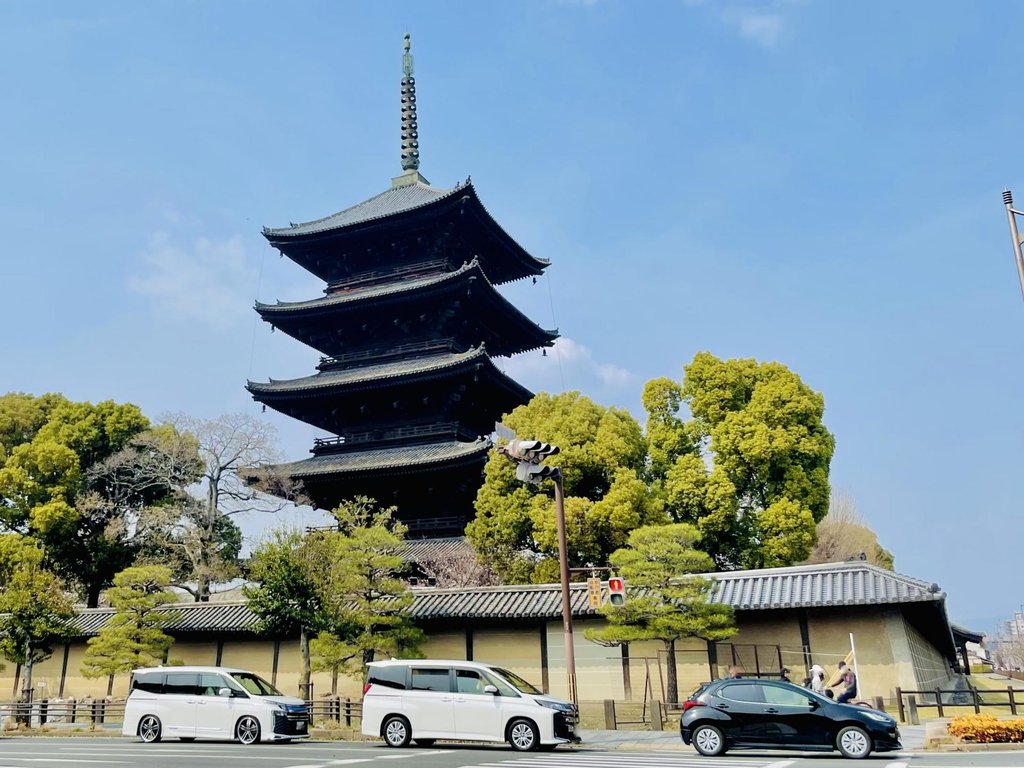
Kyoto’s World Heritage Sites are spread across a wide area, but organizing your visits by neighborhood is the key to keeping travel time manageable and your itinerary efficient.
Rather than attempting to see everything in a limited schedule, choose three or four temples and shrines that genuinely interest you and take the time to appreciate each one. A more relaxed pace often leads to a more rewarding experience.
Keep in mind that some sites, such as Saiho-ji, require advance reservations. Before your visit, check the latest information on opening hours, admission procedures, and booking requirements to avoid unexpected issues.