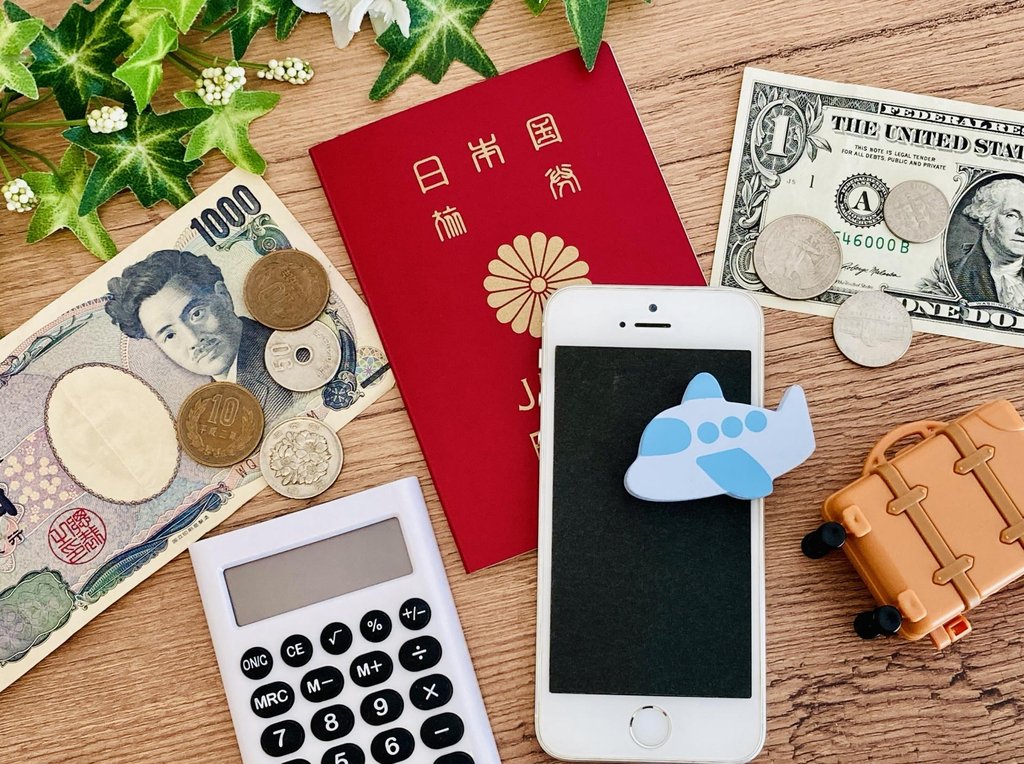
If you’re preparing for a trip to Japan, you may be wondering whether you need to leave a tip after enjoying a meal out. For visitors from countries where tipping is the norm, Japan’s no-tipping custom can be confusing. Even a tip offered with the best intentions can put the recipient in an awkward position.
This guide walks you through why tipping isn’t customary in Japan, the exceptional cases where a monetary token of thanks is appropriate, and non-monetary ways to express your gratitude for exceptional service. Armed with the knowledge covered in this article, you’ll be able to handle every bill with confidence and enjoy your trip without worry.
The Three Reasons Why There’s No Tipping in Japan
Many travelers worry that not tipping might come across as rude. In Japan, however, tipping simply isn’t customary, and skipping it is actually the natural, polite thing to do.
The reasons for this come down to three points: service philosophy rooted in the spirit of hospitality, price structuring, and social norms. Once you understand these, you can enjoy any service in Japan without a second thought.
1. Good Service Doesn’t Depend on Tips
One reason tipping never took root in Japan is the idea that the price you pay already covers the service you receive. Staff are expected to provide attentive service that matches the price, regardless of whether a tip is involved.
Japan also places great importance on omotenashi (the spirit of wholehearted hospitality), which means anticipating a guest’s needs before being asked. The hot towels offered at restaurants and the taxi doors that open and close automatically are both examples of this thoughtfulness. These little touches are designed to make your experience more comfortable.
Service industry employees receive their wages from their employers, so they do not rely on tips from customers. At restaurants, in taxis, and elsewhere, paying the listed price is all that’s expected; there’s no need to add anything extra.
2. Listed Prices Already Include the Cost of Service
In Japan, you generally never need to add a tip when paying the bill and you’ll never see a 15-20% calculation added after a meal.
However, some service-related costs do appear on the bill depending on the type of establishment:
- High-end restaurants and hotels: A service charge of around 10% may be added separately from the food or room charge
- Izakaya (Japanese pub-style restaurant): A small appetizer served when you sit down (otoshi) often appears on the bill as a seating charge
Service charges and otoshi fees are payments made to the establishment, not tips handed to a particular staff member. There is no need to give any additional cash to the staff.
3. Your Tip Might be Returned to You
If you try to hand over a tip, staff will usually decline politely, or chase after you with a smile saying, “Excuse me, you forgot something.” At major hotels and chain stores, company rules often prohibit staff from accepting tips at all. Even if you leave money on the table and walk away, it may be treated as lost property and returned to you later.
A distinctly Japanese way of thinking lies behind this reluctance: handing someone a tip can imply that their wages are insufficient, which risks wounding their pride. At establishments where a service charge is included in the bill, the payment system simply has no way to process a personal reward. If you do hand over a tip by mistake, it won’t cause any serious trouble. When the staff member returns it, simply accept it back, smile, and say thank you.
In Japan, expressing appreciation with words and a small bow feels far more natural than offering money: a sincere “thank you” is more than enough to get your sentiment across.
When Might a Tip Be Welcome? Four Exceptional Cases
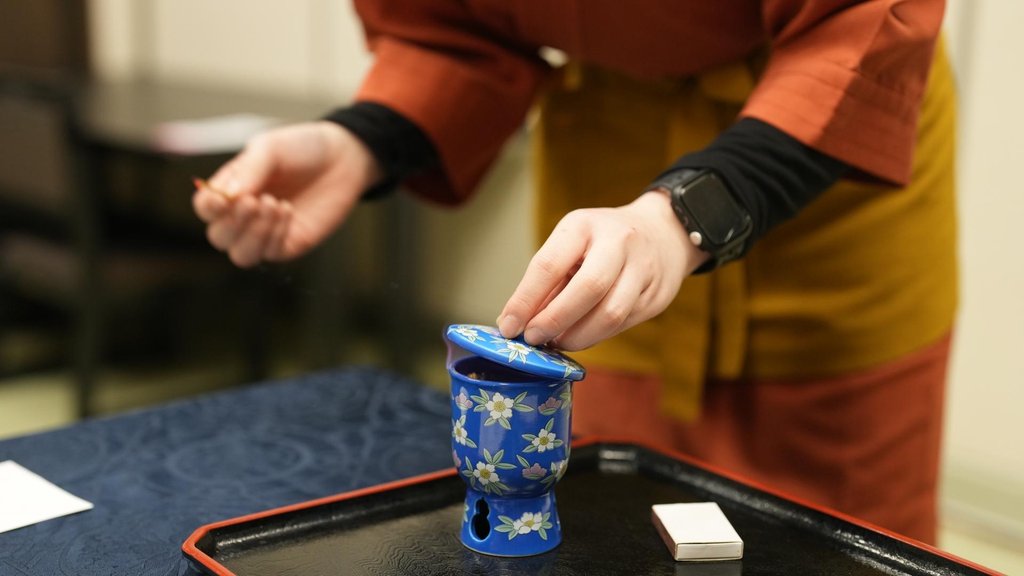
While no tipping is the norm in Japan, there are a few situations where offering money as a token of gratitude is perfectly natural. Below, we’ve listed four cases where a tip can be appropriate.
1. When a Dedicated Attendant Looks After You at a Ryokan
When you stay at a ryokan (traditional Japanese inn), a room attendant may take care of everything for you, including carrying your luggage, serving tea, and bringing each course of your meal. The customary way to thank this dedicated attendant is with kokorozuke, a small monetary gift. If you decide to offer one, keep these guidelines in mind:
- Amount: ¥1,000-3,000 (about $7-20 US) per party is standard
- Presentation: Place the money in a plain white envelope or a pochi-bukuro (small decorative gift envelope). Avoid envelopes with black-and-white cords, which are reserved for giving money at funerals
- Timing: Hand it over right after being shown to your room, with a word of thanks, such as “Osewa ni narimasu”
At modern ryokan, a service charge is usually included in the room rate, and a growing number of inns politely decline kokorozuke. Not offering one will never lower the quality of your service. Think of kokorozuke as something to prepare only when you’ve received special consideration or been genuinely moved by heartfelt hospitality.
2. When You Hire a Private Guide
Private guides work with international travelers regularly, and many are accustomed to receiving tips. If you’d like to express your thanks in this form, use these amounts and methods as a guide:
- Amount: Around ¥1,000-3,000 (about $7-20 US) for a half-day tour, or ¥3,000-5,000 (about $20-35 US) for a full-day tour
- Timing: At the end of the tour, as you say goodbye
- Presentation: Place the money in an envelope or pochi-bukuro and offer it with both hands, along with a word of thanks
Tipping a guide is entirely optional. Unless the tour information says otherwise, there isn’t a problem with not tipping at all. Offer one only when you want to thank a guide for an outstanding experience, and only within your means.
3. When You Enjoy a Street Performance
As you walk through Japanese cities, you may come across street performers in parks or along riversides. Showing appreciation with money is called nagesen (literally “thrown coins”). A related word, ohineri, refers to the older custom of wrapping money in paper and presenting it to stage performers.
Here’s the etiquette to follow with nagesen:
- Typical amount: Coins of ¥100-500 (under $4 USD) are common
- How to give: Gently place your coins (don’t throw them) in the hat or case set out in front of the performer
- It’s optional: This is voluntary support, and walking away after enjoying the show isn’t considered rude
In Tokyo, Ueno Park is a well-known spot where you can watch officially licensed performers, while in Kyoto the banks of the Kamo River are a classic venue. If a performance made your day, try dropping in a few coins as a thank-you. There’s no set amount, and even a small contribution is a real encouragement for the performer.
4. When You Spot a Tip Jar
At cafes in tourist areas, you may notice a small jar next to the register. This is a tip jar. It’s not a traditional Japanese custom, but rather a recent trend that began spreading over the past few years, inspired by the culture of cafes from overseas. With the spread of cashless payment, some restaurants have introduced systems that let customers send small tips via QR code. An estimated two thousand establishments nationwide have adopted such systems, so you’re likely to see them more often in the future.
The key thing to remember is that even when a tip jar sits on the counter, contributing is entirely optional. Many Japanese customers don’t put anything in, so there’s no need to feel pressured. If you’d like to show your appreciation, dropping in a few coins from your change is fine.
Four Ways to Show Gratitude in Japan
If you can’t tip, how do you show your appreciation? The four alternatives listed in this section are rooted in Japanese culture and work beautifully in the absence of a tip. They include direct expressions, posting an online review, leaving a handwritten note, or offering a small gift. All of them are easy to do on the spot, and each one genuinely reaches the recipient’s heart.
1. Say “Gochisosama Deshita” and Bow
In Japan, the most natural way to show gratitude in place of a tip is to say “gochisosama deshita” (“thank you for the meal”) with a bow.
Written in kanji as “御馳走様”, the word contains the characters chi and so, which originally meant “running around to prepare a meal”; the phrase carries respect for the people who gathered the ingredients and prepared the food for you. A single “gochisosama deshita” as you leave a restaurant conveys your appreciation perfectly.
The Proper Way to Bow
After your words of thanks, add a light bow. The basic Japanese form is called “eshaku”: keeping your back straight, tilt your upper body about fifteen degrees from the waist and direct your gaze at the floor about 3 meters (or 10 feet) in front of you.
Here’s how to use this bow in different situations:
| Situation | Recommended Phrase |
|---|---|
| Leaving a restaurant | “Gochisosama deshita” (“thank you for the meal”) + bow |
| Checking out of a hotel | “Osewa ni narimashita” (“thank you for taking care of me/us”) + bow |
| Getting out of a taxi | “Arigato gozaimashita” (“thank you very much”) + bow |
Don’t worry if you’re unsure of your pronunciation: a smile and a light bow are bound to deliver your feelings of gratitude. Showing respect with your words and posture rather than money is the Japanese way, and it’s well worth trying on your trip.
2. Post a Review on Google Maps or Social Media
If you want to leave a lasting mark of appreciation and support a business, posting an online review is highly effective. Many people rely on Google Maps reviews when choosing where to eat, and for small family-run restaurants in particular, reviews are valuable information that brings in new customers. A specific comment about the food or the service can be a real boost for the business.
A few small techniques make a review more effective:
- Include specifics, such as dish names and how the staff treated you
- Write in English to give future international travelers valuable information to reference
- Tag the restaurant accurately on Google Maps or Instagram
- Add photos of the food or interior to make your review more convincing
When taking photos, it’s polite to ask the staff first. And if you show them your posted review along with a word of thanks before you leave, your support comes across all the more directly, making for a truly happy moment for the staff.
3. Leave a Handwritten Thank-You Card
In the current digital age, handwritten words carry a warmth that money can’t buy. Japanese hospitality is a culture of giving that expects nothing in return, and a simple message card with no material value delivers that sentiment all the more directly. Don’t worry about the language barrier: a simple “thank you” with a smiley face drawn next to it is more than enough. What matters is not writing beautifully but the fact that you took the time to write at all.
If you’re unsure where to leave your card, use these pointers:
- Ryokan: Leave it on the table in your room before checking out
- Restaurant: Place it quietly on the table or next to the register after your meal
For service staff, words of thanks from guests are a huge source of encouragement. In real workplaces, thank-you cards are often shared among the team or pinned up on staff bulletin boards. When you want to express gratitude in a form money can’t match, a handwritten card can leave a lasting impression.
4. Offer a Small Treat from Your Home Country
Japan has a long-standing gift culture known as omiyage (souvenir gifts), in which small presents express thanks to people you meet during your travels. Sweets or snacks brought from your home country make an ideal gift for someone who has taken care of you personally, such as a hotel attendant or a private guide.
Keep this core Japanese value in mind: the depth of your gratitude is conveyed by the care you take, not the amount you spend. You don’t need to give something expensive. When handing over your gift, present it in a bag with both hands. A modest phrase like, “this is a small token of my thanks” leaves the best impression.
One caution applies to restaurants: staff often can’t accept outside food due to hygiene regulations. If your gift is declined, it’s simply a workplace rule, so don’t take it personally. At restaurants, verbal thanks or an online review is likely to be appreciated more.
| Situation | Gift Suitability | Recommended Way to Say “Thanks” |
|---|---|---|
| Room attendant | Usually welcomed | A gift offered with both hands and a word of thanks |
| Tour guide | Easily accepted | A gift handed over casually at the end of the tour |
| Restaurant staff | May be declined | Words, a review, or a thank-you card |
Japanese Billing Customs Travelers Should Know
Even once you know tipping isn’t needed, Japanese restaurant bills can include unfamiliar charges. In this section, we cover the uniquely Japanese billing practices that most often catch travelers off guard. They include the seating charge automatically applied at izakaya, service charges at high-end restaurants, and Japan’s tax-inclusive pricing system. Being aware of these practices in advance means no surprises at the register, and a more relaxed dining experience.
Izakaya: Otoshi Is a Seating Charge, Not a Mistake
At an izakaya, a small dish you didn’t order may arrive as soon as you sit down. This is otoshi, a custom unique to Japanese izakaya that doubles as a seating charge. The contents of the dish vary by restaurant—such as edamame or simmered dishes—and typically add around ¥300-500 (about $2-$3.50 US) per person to the bill.
Whether or not you can decline the otoshi depends on the restaurant, but it’s generally served automatically and appears on the bill as “otoshi” or “おとし.” So if you spot an item on your receipt that you don’t remember ordering, it’s probably the seating charge, but you can always ask the staff about it if you want to be certain. Some establishments—including certain chain izakaya—don’t serve otoshi at all. If it concerns you, check the menu or the signage out front before entering.
Service Charges at High-End Establishments Cost Between 10 and 15%
At restaurants and bars in luxury hotels, a service charge of 10 to 15% of your bill is added to your total automatically. This isn’t a tip; it’s actually a fixed fee set by the establishment.
Here’s how the two differ.
| Service Charge | Tip | |
|---|---|---|
| Amount | Fixed rate set by the establishment (usually 10-15%) | Decided freely by the guest |
| Where it goes | Recorded as the establishment’s revenue | Personal income for staff |
| Is it taxable? | Yes | No |
For example, on a ¥10,000 meal the service charge alone adds ¥1,000-1,500 to your total. It appears clearly on the receipt as a service charge, too, and there is no need to tip on top of it.
Service charges are rare at ordinary restaurants and izakaya, but make sure to check the rate in advance when dining somewhere upscale.
Menu Prices Include Tax
In Japan, the price on the menu is exactly the amount you pay. Since April 2021, all businesses have been required to display tax-inclusive prices, so there’s no worry about taxes inflating the bill at checkout. If the menu says ¥1,000, you pay ¥1,000. This “what-you-see-is-what-you-pay” system makes budgeting during your trip remarkably simple.
The one wrinkle worth knowing concerns the reduced tax rate:
- Dine-in: Prices displayed include 10% tax
- Takeout: Prices displayed include 8% tax
- Shops with eat-in areas: Both tax-inclusive prices are shown side by side
At a convenience store, a bento will cost slightly more if you eat it in the store’s dining area than if you take it back to your accommodations. This is because eating in-store counts as dining in, and therefore the bento is subject to 10% tax instead of 8%. Make sure to tell the store staff if you plan to eat your food inside so that they can add the appropriate tax. Regardless of whether you decide to dine-in or take your food out, displayed prices already include tax, and nothing extra is applied at the register. With no mental arithmetic required at checkout, Japan’s price displays are refreshingly easy for travelers to navigate.
Common Questions About Tipping and Extra Charges
Here are some answers to questions travelers ask most often about tipping in Japan. They cover how service charges differ from tips, what to do if you accidentally tip someone, and more. Use this section as a final check before your departure.
What Is the Difference Between a Service Charge and a Tip?
The key difference comes down to who decides the amount. A service charge is a fixed rate set by the establishment and added automatically; guests can’t raise or lower it. A tip is a voluntary reward from the guest, with both the decision and the amount left entirely up to them.
| Service Charge | Tip | |
|---|---|---|
| Who decides the amount? | The establishment | The guest |
| Where does it go? | The establishment’s revenue | The staff |
| Is it required? | Yes | No |
| Is it taxable? | Yes | No |
Even at high-end establishments in Japan where a service charge applies, you’ll never need to decide on an extra payment yourself. Everything is billed as a fixed, predetermined amount, so tipping never needs to enter your mind.
What Should I Do if I’ve Already Handed Over a Tip?
Accidentally handing over a tip won’t cause any trouble. If the staff member tries to return it, accept it graciously, smile, and say thank you. Insisting they take it will only make the situation more awkward for them, so once declined, let it go. International travelers hand over tips by mistake all the time, and staff almost always take it in stride as a cultural difference. There’s no need to dwell on it; just respond calmly.
Do I Need to Tip at Convenience Stores or Hair Salons?
No. Tipping is unnecessary in every service industry in Japan, including convenience stores, hair salons, spas, and food delivery. A salon’s prices already cover both the stylist’s skill and the service, and offering extra money will only leave staff unsure how to respond.
- Convenience stores: No need to leave extra change at the register
- Hair salons and barbershops: The listed price is all-inclusive
- Spas and massage parlors: The treatment fee includes the cost of service
- Food delivery: No tip needed for delivery drivers
Across every type of business in Japan, the consistent rule is simply not to tip. When you want to express appreciation, a smile and an “arigato gozaimashita” will be warmly received.
Should I Tip After a Free Walking Tour?
Free walking tours are the exception: in this case, tipping is expected. These tours usually run on a business model where the guide’s compensation comes from tips from participants. In short: only the participation fee is free, the service itself is not.
A reasonable guideline when tipping after a walking tour is between ¥1,500 and ¥2,000 ($10-$14 US) per person, adjusted according to how much you enjoyed the tour.
- If the tour description mentions “tips-based” or similar wording, it’s most likely a tip-based tour
- If payment is required at booking, this is a paid tour and no tip is needed
Paid tours generally include the guide’s compensation in the price, so there’s no need to tip separately. If you’re curious, check the fee structure when you make your reservation and you’ll know exactly what to do on the day.
I’m Nervous About Payment Etiquette… What Should I Do?
If payment etiquette makes you nervous, joining a guided food tour is an easy solution. An English-speaking guide handles everything—including entering the restaurant, ordering, and paying—so you’ll never have to handle billing customs yourself.
With a guide who knows the local food culture, both the language barrier and any payment anxiety disappear at once. On the Shinjuku Food Tour offered by Japan Guide Star, for example, you’ll sample fifteen dishes while hopping between four beloved local restaurants. The meeting point is easy to find, too: it’s right in front of the police box at the east exit of Shinjuku Station, so there’s no chance of getting lost.
Details
| Meeting point | 3-38-1 Shinjuku, Shinjuku City, Tokyo |
| Food | 15 dishes at 4 restaurants (food and drinks included) |
| Guide language | English |
| Booking site | https://japanguidestar.com/tour/shinjuku-food-tour-15-dishes-at-4-eateries/ |
| Recommended for | First-time visitors nervous about ordering and paying |

Shinjuku: Food Tour – 15 Dishes at 4 Eateries
Enjoy Japan with Confidence
In Japan, tipping is unnecessary and the price you pay already covers the full cost of service. Apart from a few exceptions such as kokorozuke and otoshi, your gratitude comes across perfectly through words and a bow. With the above points in mind, you’ll almost never find yourself second-guessing whether or not to tip, allowing you to travel Japan with confidence and enjoy every moment of your trip.