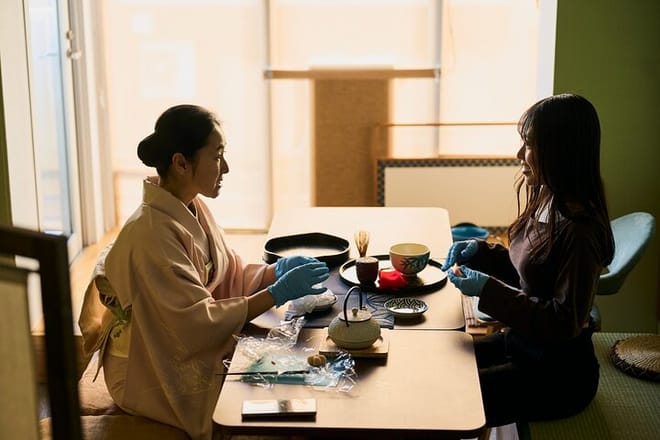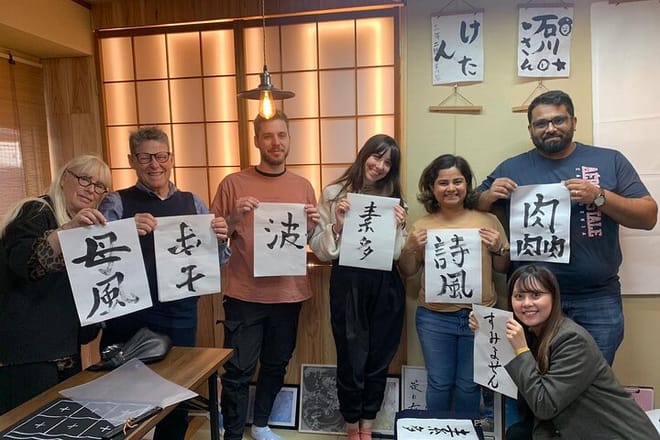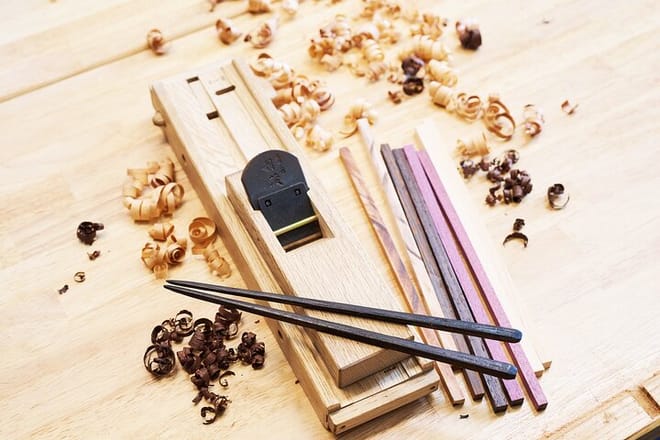
Make time during your Tokyo trip to try a traditional Japanese chopstick-making workshop.
Finding English-friendly studios, understanding the booking process, and comparing prices can be frustrating when information is scattered across many sources. In this article, we’ll look at five English-friendly studios in Ginza, Asakusa, and Shinjuku.
Comparing prices, session lengths, and workshop styles will help you find the right studio for your schedule.
What to Expect from Chopstick-Making Workshops in Tokyo
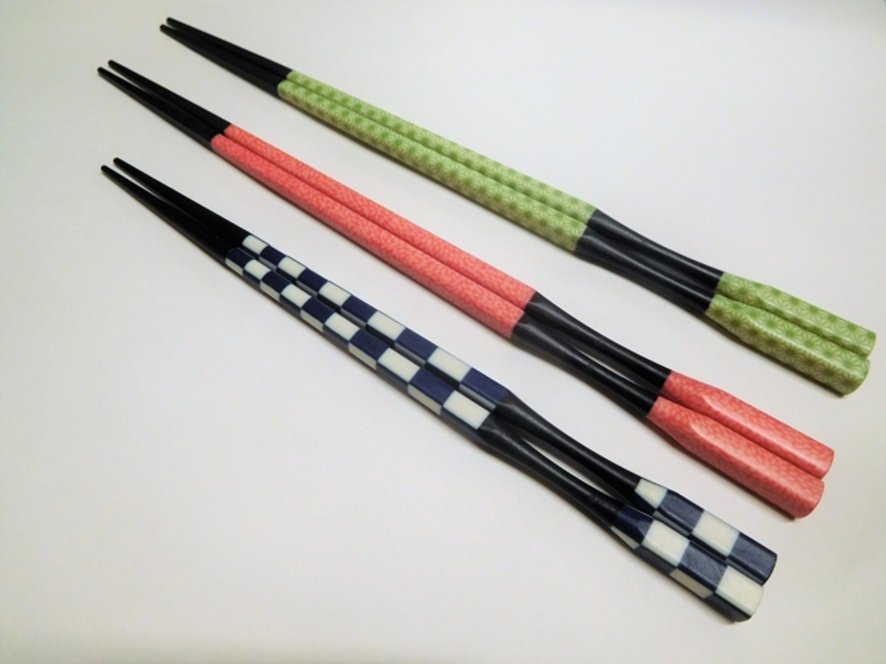
If this is your first chopstick-making workshop, you likely have questions about which areas offer them, what the costs look like, and how long a session takes.
Tokyo’s chopstick-making workshops share a few key features worth knowing before you book, especially points about location, price range, and session length. Knowing these details in advance makes it far easier to match a workshop to your itinerary and budget.
English-Friendly Studios Are Concentrated in Ginza, Asakusa, and Shinjuku
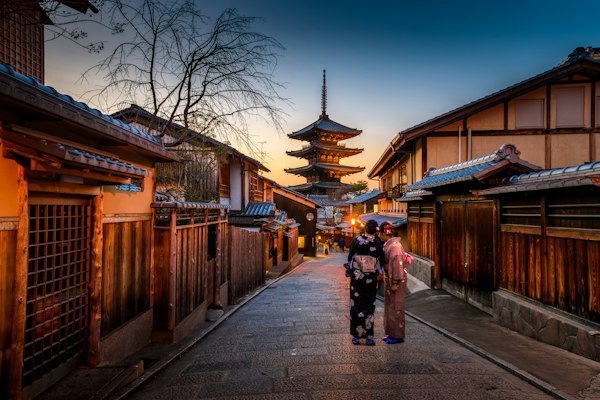
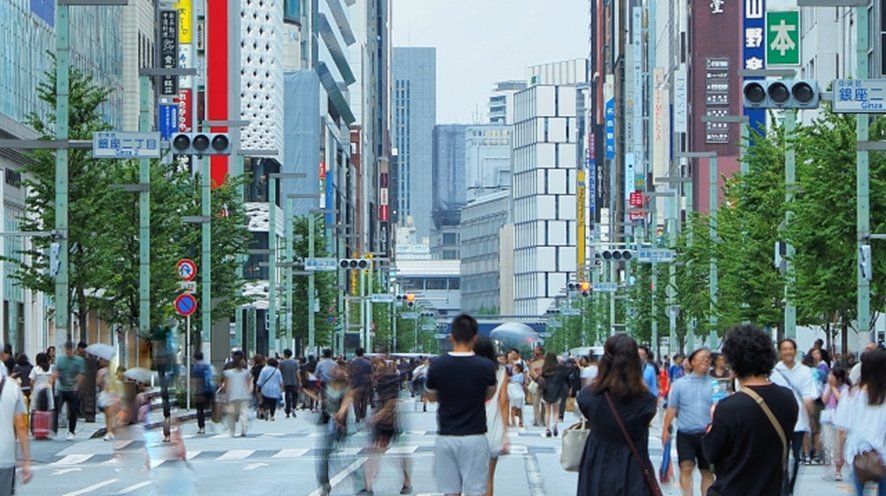
English-speaking studios are concentrated in three of Tokyo’s main tourist districts: Ginza, Asakusa, and Shinjuku. All are within a short walk of a train station, making a workshop easy to fit in between sightseeing stops.
Each area has its own character, so choosing a venue based on your accommodation or sightseeing route can help keep your day running smoothly.
- Ginza: A city-center district known for department stores and shopping. One studio is just a 1-minute walk from Ginza-itchome Station, easy to slot in before or after a shopping trip.
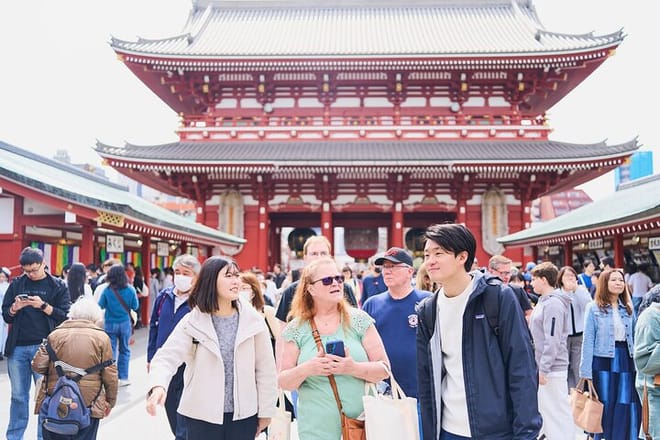
- Asakusa: A historic downtown area centered on Senso-ji, one of Tokyo’s most famous Buddhist temples. Pair a workshop here with temple visits and food from nearby street stalls for a full day of culture.
- Shinjuku: A major transport hub with plentiful accommodation. A convenient option for those who prefer to keep their workshop close to where they’re staying.
Travel between all three areas takes roughly thirty minutes by train, manageable even on a packed schedule. A route from Ginza to Asakusa and then on to Shinjuku works well if you plan to cover multiple areas in a single day.
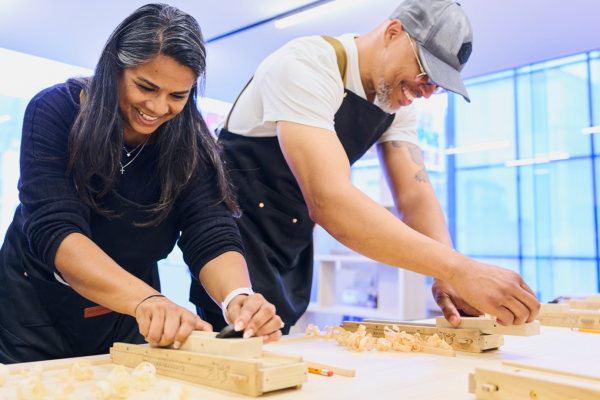
Tokyo Chopstick Making Workshop in Ginza
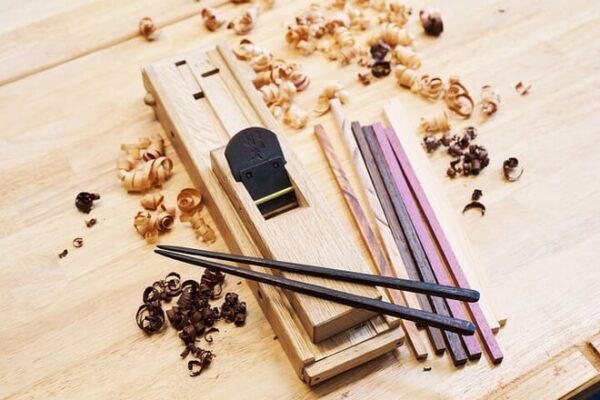
Tokyo Chopstick Making Workshop in Shinjuku
Prices Range from ¥2,000 to ¥4,000
The typical price range for chopstick-making workshops in Tokyo is ¥2,000 to ¥4,000. Most plans include the use of all tools and let participants choose from several types of wood, so there are no hidden equipment costs. Some studios set prices around ¥3,980, and tend to include a broader selection of wood or a longer session.
A few factors influence the final price of a workshop:
- Studio and plan: Prices vary between studios, even within the same area.
- Booking platform: The listed price for the same workshop can differ depending on which site you use to make your reservation.
- Add-ons: Premium wood and name engraving are often priced separately.
Add-on costs are not always listed on official sites, so confirm directly with the studio before booking.
With pottery workshops in Tokyo averaging at around ¥4,000 ($26 USD) and sushi-making classes often exceeding ¥10,000 ($65 USD), chopstick-making stands out as a budget-friendly way to engage with Japanese craft culture.
Specific prices and plan details for each studio are covered in the next section.
Tokyo Chopstick Making Workshop in Ginza
Finished in About Sixty Minutes, Yours to Take Home the Same Day
The standard session from check-in to completion runs for about sixty minutes. Some studios even finish in about forty-five minutes, making it easy to work them into a tight itinerary. The finished chopsticks are coated with a plant-based drying oil such as linseed or perilla oil then wiped clean—ready to use that same day.
Unlike pottery, where you typically wait days for firing and shipping, chopstick-making lets you leave with your finished work in hand.
A few practical notes on taking them home:
- The finished chopsticks are compact and fit easily in a bag or suitcase without adding noticeable weight.
- Wooden chopsticks are not subject to carry-on or checked baggage restrictions, so airport security isn’t a concern.
- Some studios will wrap or package your chopsticks, making them ready to give as a gift.
Participating in a morning workshop leaves the entire afternoon free for sightseeing or shopping in the surrounding area. For anyone trying to make the most of limited time in Tokyo, that kind of flexibility is valuable.
Five Top Chopstick-Making Studios in Tokyo
Tokyo has several studios offering chopstick-making workshops, and deciding between them is not always straightforward.
Five studios in the Ginza, Shinjuku, Kuramae, and Asakusa areas are reviewed below. Each listing covers location, access, price, wood selection, and English-language availability, so you can browse the options and find the studio that best fits your area of stay, budget, and group size.
Chopsticks Studio Ginza | Choose from More Than Ten Types of Wood
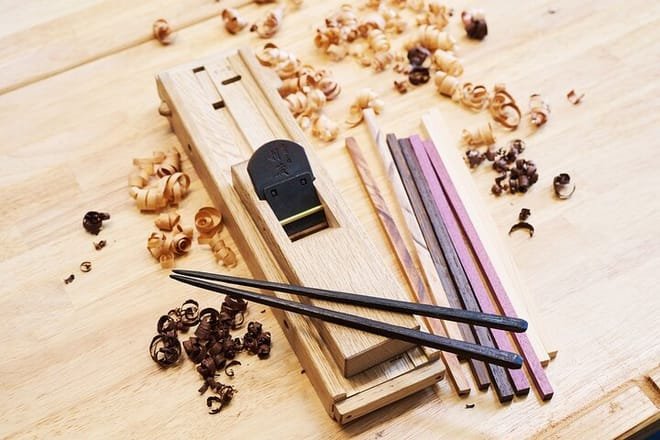
Chopsticks Studio Ginza opened in January 2026 and sits just a 1-minute walk from Exit 10 of Ginza-itchome Station, an ideal location to incorporate into a day of shopping or sightseeing in Ginza.
Participants can choose from more than ten types of wood, then spend about sixty minutes shaving, sanding, and finishing the chopsticks with oil. Three wood types are included in the base price for the workshop, while premium materials carry an additional charge.
Being able to check the color and texture of each of the available wood types in person makes the final pair genuinely personal. English-speaking staff are also on hand, so there’s no need to worry about the language barrier. Groups are welcome, too, making Chopsticks Studio Ginza a great option for couples or friends traveling together.
Details
| Address | 2F Kusumoto Dai-17 Building, 1-14-12 Ginza, Chuo-ku, Tokyo |
| Hours | 9 am–6 pm (confirm last entry time on the official site) |
| Closed | Irregular closings |
| Booking | https://japanguidestar.com/tour/tokyo-ginza-chopstick-making-workshop/ |
| Best for | Couples and groups looking to add a workshop to a Ginza sightseeing day |
Tokyo Chopstick Making Workshop in Ginza
Chopsticks Studio Shinjuku | Located in Shinjuku’s Kabukicho District
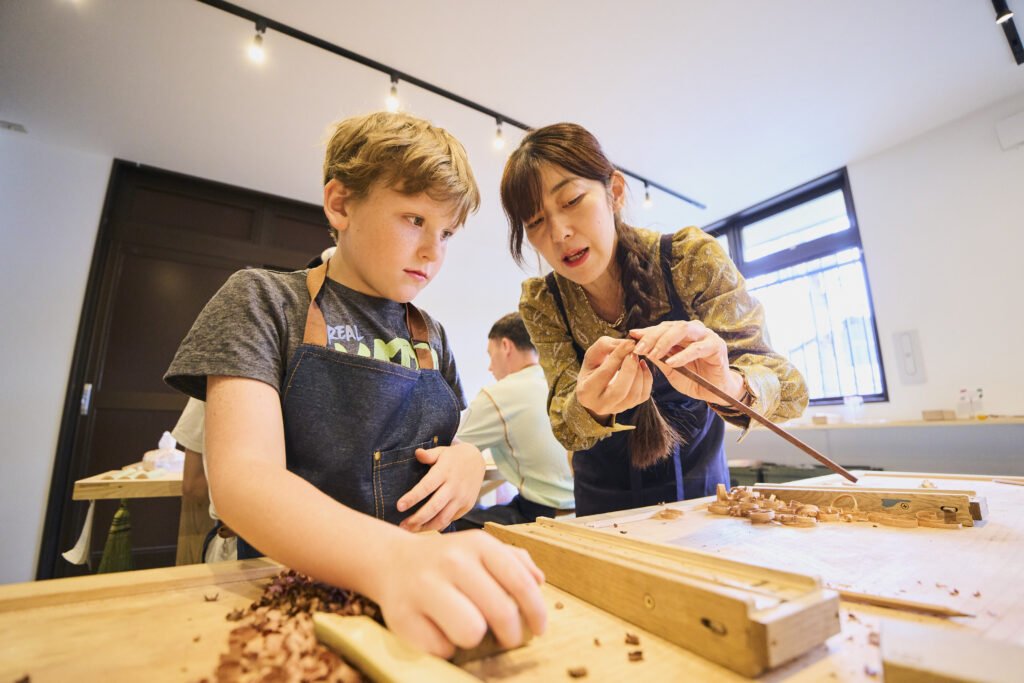
Chopsticks Studio also operates in the Shinjuku area. Within walking distance of Shinjuku Station, Chopsticks Studio Shinjuku is easy to fit into a day of sightseeing or shopping nearby.
The sessions here mirror the Ginza format: participants select their wood, then shape the chopsticks using a kanna (a traditional Japanese hand plane) and sandpaper, then apply finishing oil and complete the process in about sixty minutes. More than twelve wood types are available, with three included in the base price. English-speaking staff are on-site, and children aged six and up are welcome to join in. With the capacity for groups of up to fifteen participants, Chopsticks Studio Shinjuku is well suited for families and large groups.
Details
| Address | 1-5-4 Kabukicho, Shinjuku, Tokyo |
| Hours | 9 am–6 pm, sessions starting every hour |
| Closed | Irregular closings (check availability on the booking site) |
| Booking | https://japanguidestar.com/tour/tokyo-shinjuku-chopstick-making-workshop-2/ |
| Best for | Families and groups sightseeing in Shinjuku; visitors looking for a unique souvenir |
Tokyo Chopstick Making Workshop in Shinjuku

Tokyo: Shinjuku Historical Walking Tour & Secret Backstreets
Hashiyuki Chopsticks Shop | Chopstick-Making in a Traditional Neighborhood
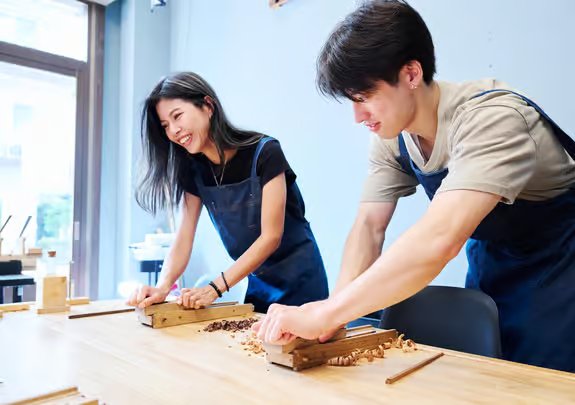
Situated in the Misuji area of Taito Ward, Hashiyuki Chopsticks Shop offers chopstick-making in the calm, old-town atmosphere of the Kuramae district. Within walking distance of both Kuramae and Shin-Okachimachi stations, the walk through the area’s narrow backstreets—which still carry the feel of traditional Tokyo—is a pleasant lead-up to the workshop itself.
Participants shape wood into a tapered form using traditional tools, then sand the surface smooth. The full process takes around sixty minutes, and you can take the finished chopsticks home with you the same day. Sessions are capped at ten participants, and staff guide you through each step from start to finish. You don’t need any prior experience with cutting tools. The session runs entirely in English, so communication is never an issue.
Hashiyuki Chopsticks Shop is the ideal setting for anyone who wants to learn traditional craftsmanship at a quieter pace, away from the bustle of major tourist spots.
Details
| Address | Yukiiri Paper Co., 1-7-1 Okachimachi, Taito-ku, Tokyo |
| Hours | 9 am–4 pm, sessions starting every hour |
| Closed | Irregular closings |
| Booking | https://japanguidestar.com/tour/tokyo-chopstick-making-workshop-with-artisan/ |
| Best for | Those combining the workshop with a stroll around Kuramae; visitors who prefer a relaxed setting |
Ki no Kurashi Ginza Bashi | Choose from More Than Twenty Types of Wood
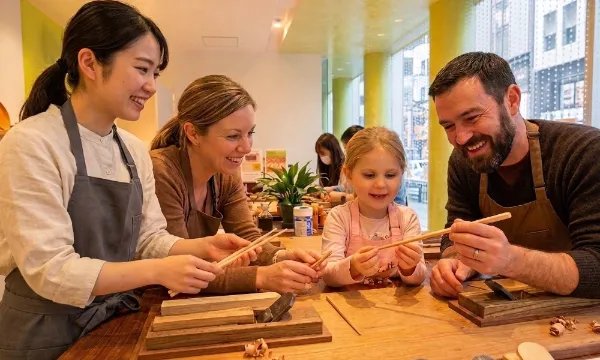
For those looking for a dedicated chopstick-making studio in the Ginza area, Ki no Kurashi Ginza Bashi is a great choice. The studio’s standout feature is its lineup of more than twenty types of wood, a broader selection than most other studios in Tokyo.
Participants use a plane to shape the chopsticks, then sand and finish the surface with oil. Artisans are on hand throughout the work, so beginners can take their time with full confidence. The finished chopsticks are yours to take home the same day, and name or message engraving is available as an optional add-on for ¥1,100.
English-speaking staff are available, so the experience remains fully accessible regardless of your Japanese ability.
Details
| Address | 1F GINZA-2, 2-9-13 Ginza, Chuo-ku, Tokyo |
| Hours | 9 am–7 pm (last entry at 6 pm) |
| Closed | Irregular closings |
| Official Site | https://ginzabashi.com/ |
| Best for | Those with specific wood preferences; visitors seeking a hands-on experience |
Tokyo Chopstick Making Workshop in Ginza
ZEN Craft Studio Asakusa | Choose from Multiple Craft Experiences
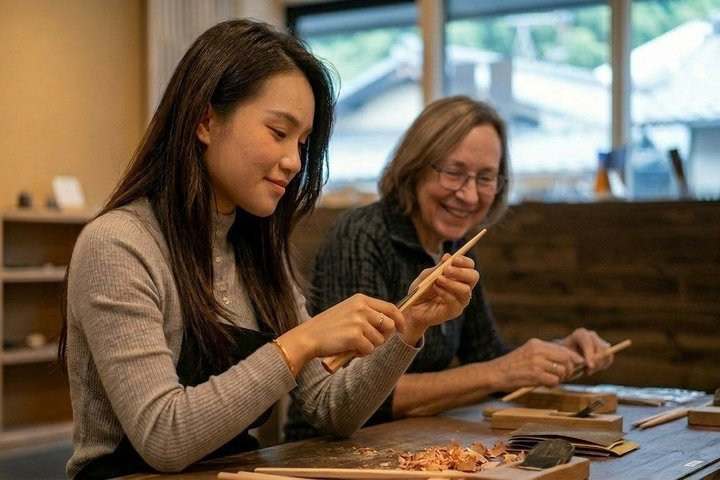
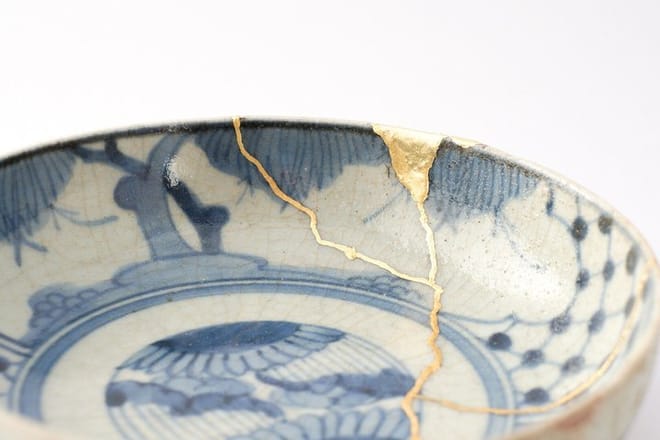
When traveling with a group where not everyone agrees on the same activity, ZEN Craft Studio Asakusa offers a practical solution. Within the same studio, participants can each choose their own craft, including chopstick-making and kintsugi (the traditional Japanese art of repairing broken ceramics with lacquer and gold), with several other options available.
The chopstick-making experience uses eight or more types of wood and takes about sixty minutes to complete using traditional tools. English support is available throughout the session.
ZEN Craft Studio Asakusa is just a short walk from Asakusa Station. Combining the workshop with a visit to Senso-ji Temple and a stroll along Nakamise-dori makes for a well-rounded day in the area.
Details
| Address | 10F Tosei Building, 1-27-2 Asakusa, Taito-ku, Tokyo |
| Hours | 9 am–6 pm, sessions starting every hour |
| Closed | Irregular closings |
| Official Site | https://www.traveling-tokyo.com/zen/chopsticks/asakusa/ |
| Best for | Groups or families who want different craft activities at the same location |
Tokyo: Asakusa & Sensoji ー Oldest Temple Walking Tour (2hrs)
Tokyo: Asakusa Guided Food Tour with 12 Dishes & 3 Drinks
What to Know Before Booking a Chopstick-Making Workshop in Tokyo
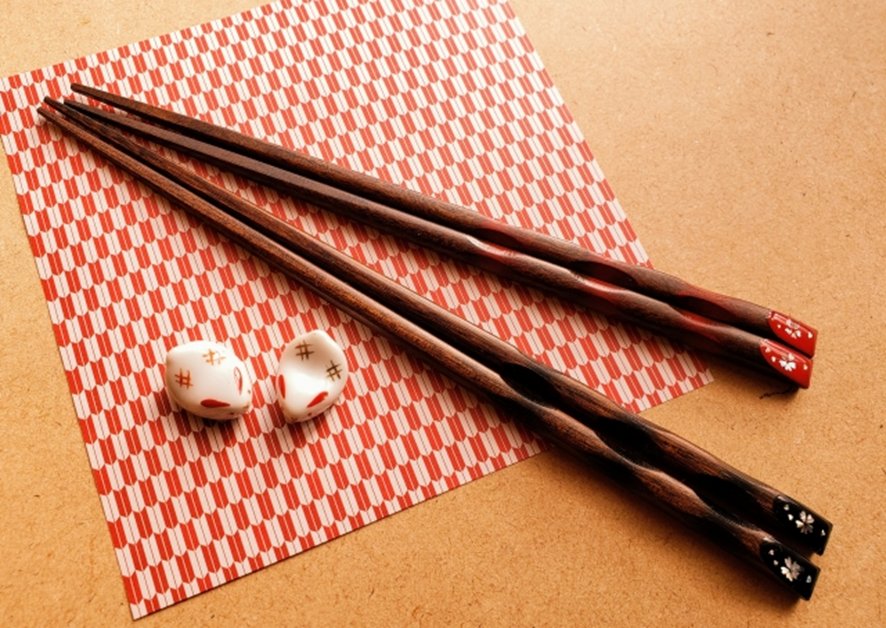
Once you’ve narrowed down your studio options, a few questions tend to come up: what’s the difference between workshop methods, when do you need to book by, and what are some potential extra costs?
Understanding the differences between the plane and sandpaper workshop styles, knowing when demand peaks, and being clear on what to bring and what costs extra will help you choose and book with confidence.
The Kanna Method vs. the Sandpaper Method: Two Different Approaches
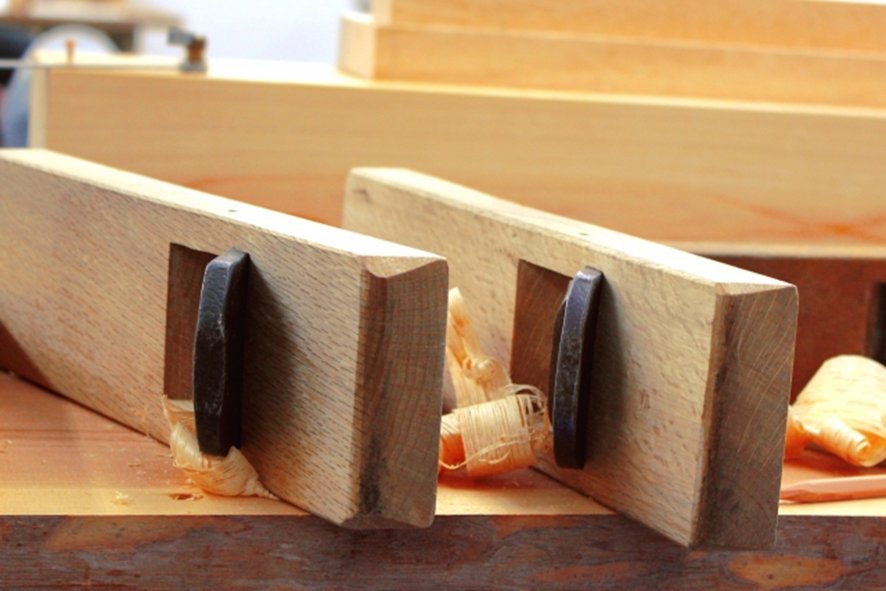
Tokyo’s chopstick-making workshops can be categorized into two broad manufacturing styles: kanna (plane) and sandpaper. The choice significantly affects the feel of the finished product and difficulty of the experience.
In the kanna style, participants pull a traditional hand plane along the wood grain to gradually shape the chopsticks. This technique requires grip strength and focus, but carefully forming the shape and polishing with sandpaper and oil produces a remarkably smooth, well-fitted result. The satisfaction of creating something entirely by hand is hard to replicate. Studio artisans guide participants through blade adjustment and safe planing techniques, so first-timers have nothing to worry about.
The sandpaper method starts with pre-formed wood that has already been roughly cut into the basic shape. Participants then work through progressively finer sandpaper grades to smooth and refine the surface. The motions are gentler and the steps more straightforward, making it accessible for young children and those who prefer lighter physical activity.
Here’s a quick comparison to help you decide:
| Kanna (Plane) Style | Sandpaper Style | |
|---|---|---|
| Session Length | About 60–90 min | About 45–60 min |
| Difficulty | Moderate (with guidance) | Easy |
| Best for | Adults seeking an authentic craft experience | Families with young children, older participants, first-timers |
Booking pages typically indicate whether a session uses the kanna or sandpaper method, so check before making your reservation.
Weekends and Peak Tourist Seasons Fill Up Weeks in Advance

Popular studios often cap sessions at just 1 to 4 participants, so weekend and holiday slots fill up quickly.
During cherry blossom season (late March to April) and autumn (mid-November to December), visitor numbers spike. Both weekends and popular time slots tend to disappear fast. Aiming to reserve at least one to two weeks in advance during these periods is the safe approach, particularly for weekend slots. Check availability as soon as your travel dates are confirmed.
Important things to confirm when booking:
- Where to check availability: You can check real-time availability on platforms such as GetYourGuide, Viator, and Activity Japan.
- Cancellation policy: Bookings through Viator typically allow free cancellation up to 24 hours before the session (policies for direct bookings vary by studio).
- Weekday slots: Even when weekends are fully booked, morning slots on weekdays often still have availability.
Cancellation terms vary by platform, so compare a few options before committing.
No Equipment Needed: Come Empty-Handed
The studio provides all tools and materials, so you don’t need to bring anything. Hand planes, sandpaper, files, and wood are all included in the price, with no extra equipment costs to worry about during your session.
A few things to be mindful of:
- Tie back long hair to keep wood shavings away and stay focused on the work.
- Remove dangling jewelry such as necklaces or watches for safety.
- Wear clothes you don’t mind getting wood dust on.
Some studios don’t clearly state whether aprons or protective gear are available for use, so if that matters to you, make sure to ask when booking. Your finished chopsticks are ready to take with you when you leave; light and compact, they fit easily into a bag or suitcase. A handmade pair of chopsticks is one of the most personal souvenirs you can bring back from Japan.
Premium Wood and Engraving Are Available for a Fee
The number of wood types included in the base price varies by studio, ranging from two or three to six or more. Choosing a premium wood (such as ebony or rosewood) typically carries an additional charge at most studios. Available wood species and pricing differ from studio to studio, so confirm the surcharge for your preferred wood before booking.
Name engraving is another appealing option for making a truly one-of-a-kind souvenir. Some studios offer laser engraving for text, logos or personal messages. Fee structures vary: some charge a flat rate, others add a fee per character.
To get a clearer picture of the total costs, confirm the following before booking:
- Whether your preferred wood is included in the base price, and if not, the additional charge.
- Engraving availability, character limits, and any extra fees.
- Whether a carrying case or packaging is included or priced separately.
Confirming the full cost on the booking form or by contacting the studio directly is the best way to avoid unexpected charges. Don’t hesitate to ask the studio about any options you’re interested in.
Common Questions About Chopstick-Making Workshops in Tokyo

Many visitors are interested in chopstick-making but hesitate over practical details like booking and transporting the finished piece. Frequently asked questions are answered below, covering walk-in availability, flying home with your finished chopsticks, age requirements for children, and recommendations for other cultural experiences to pair with your visit.
Can I Join Without a Reservation?
As a general rule, walk-in participation is not possible. Most studios operate on a reservation basis, and while same-day spots occasionally open up, they are not guaranteed. Weekends and peak tourist seasons fill up fast, making on-the-spot participation especially unreliable at those times.
There are some good reasons to book in advance:
- You can choose your preferred time slot and build it into your itinerary.
- Many studios can confirm English-speaking staff availability at the time of booking.
- Booking through a platform gives you clear, transparent terms for rescheduling or cancellation.
If your travel dates are not yet confirmed, booking through a platform with a flexible cancellation policy is a good way to hold a spot. Platforms such as Activity Japan and each studio’s official site offer sessions with selectable start times. Viator also handles reservations smoothly with a clear confirmation process. Locking in your session once your dates are set means you can arrive at the studio with everything already sorted.
Can I Bring My Finished Chopsticks on the Plane?

Wooden chopsticks are not classified as dangerous goods under aviation regulations and can be carried in hand luggage or checked baggage without issue. They are not categorized as weapons or sharp objects, and neither Narita Airport nor Kansai International Airport lists wooden chopsticks among restricted items. That being said, final judgment rests with security screeners on the day of your flight. If the tips are unusually sharp, you may be asked about them, so placing them in your checked luggage is a surefire option if you’re concerned.
A few tips for getting your chopsticks home in good condition:
- Ask studio staff about wrapping or packaging options at the end of your session.
- When carrying multiple pairs, wrap them in a towel or clothing to prevent scratches.
- If packing in a suitcase, wrap them in socks or a handkerchief and position them away from hard items.
A little care with packing means your handmade chopsticks will arrive home looking just as good as when you made them—and ready to use at the table.
What Is the Minimum Age for Children?
Most studios set a minimum age guideline of six years of age. Workshops that use a kanna involve working with a blade, so age restrictions are standard for safety.
The two workshop styles have different accessibility levels for children:
- Kanna style: Involves shaping wood from scratch, requiring hand strength and steady concentration to use the plane safely. Better suited to older children (middle-school ages and above).
- Sandpaper style: Focused on sanding rather than cutting, with no sharp tools involved. More accessible for younger children, especially when a parent is present.
Since the session involves about an hour of continuous hands-on activity, younger children may benefit from the extra support of an accompanying adult.
Age requirements differ between studios and are not always clearly stated on official sites. Check the age information on the tour page before booking, and contact the studio directly if the details are not listed. Pick a plan that matches your child’s age and ability, and the session is likely to be a highlight of your Tokyo trip.
What Other Cultural Experiences Pair Well with Chopstick-Making in Tokyo?
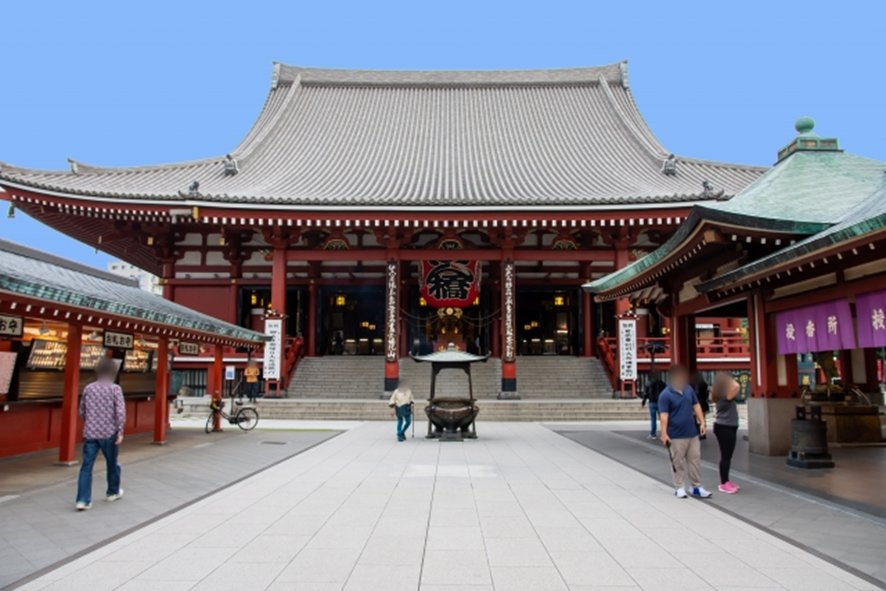
After a chopstick-making workshop, adding one more cultural activity to your itinerary rounds out the day beautifully. Since sessions typically run for about sixty minutes, there is usually time before or after the workshop for another activity.
Japan Guide Star, in particular, offers exciting options in the neighborhood, such as walking tours and other events that complement your chopstick-making experience. For example, a workshop in Asakusa pairs well with a short walk to Senso-ji Temple.
Here are some activities that pair well with chopstick-making:
| Area | Complementary Experience | Estimated Time |
|---|---|---|
| Asakusa | Visit Senso-ji Temple and walk along Nakamise-dori | About 60–90 min |
| Ginza | Guided tour through the Imperial Palace East Garden | About 60 min |
| Shinjuku | Enjoy the gardens at Shinjuku Gyoen | About 45–60 min |
Chopstick-making is a direct, hands-on entry point into Japanese craft culture. Carrying that experience into the surrounding streets—walking past the wooden structures of a shrine or through a nearby garden—adds rich context to what you’ve just made.
If your schedule allows, consider pairing several cultural experiences. Japan Guide Star tours offer a useful starting point for planning a full day.
Tokyo: Asakusa & Sensoji ー Oldest Temple Walking Tour (2hrs)
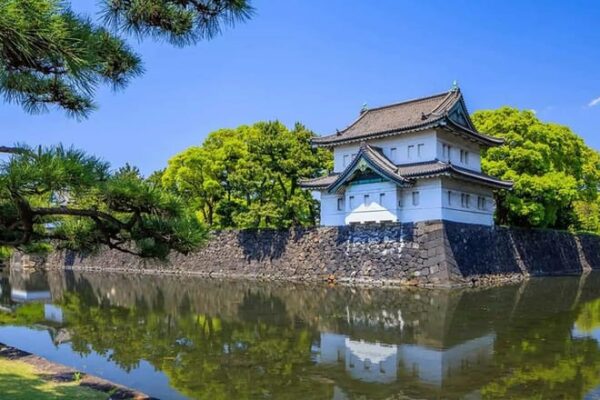
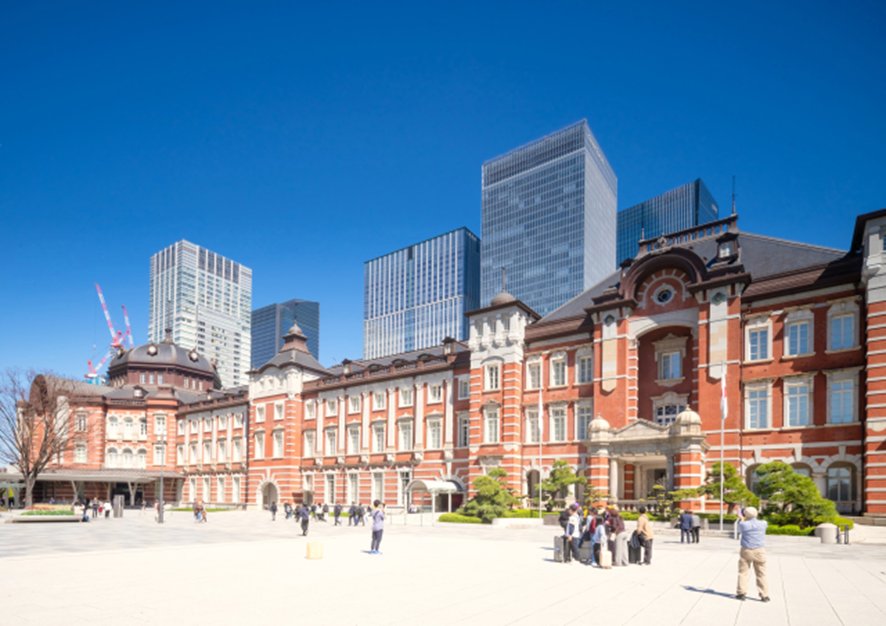
Tokyo Station and Imperial Palace 1 Hour Guided Tour
Tokyo: Shinjuku Historical Walking Tour & Secret Backstreets
Make Chopstick-Making the Highlight of Your Tokyo Trip

Tokyo’s chopstick-making workshops offer English-friendly, hands-on experiences in Ginza, Asakusa, and Shinjuku. Most run for about sixty minutes, cost between ¥2,000 and ¥4,000, and leave you with a one-of-a-kind, handmade souvenir to take home.
Weekends and tourist seasons fill up fast, so check availability at your preferred venues as soon as your travel dates are confirmed. Adding chopstick-making to your Tokyo itinerary is an excellent way to have a direct and personal encounter with Japan’s woodworking culture.