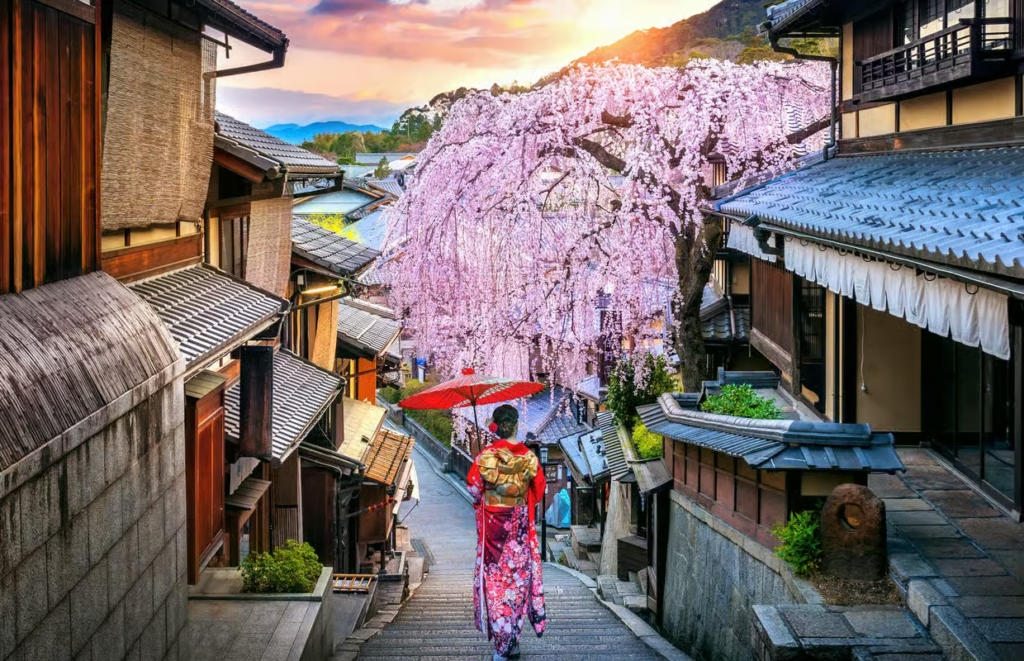
Has a rainy forecast left you scrambling to rework your Tokyo travel plans? During Japan’s rainy season and typhoon season, wet weather can sometimes last for several days, making it easy to worry that outdoor sightseeing will be disrupted.
Fortunately, Tokyo is filled with indoor attractions that are often even more enjoyable in the rain. From art museums directly connected to train stations to natural hot springs and hands-on cultural experiences, there are plenty of ways to make the most of a rainy day.
This guide introduces a carefully selected collection of indoor attractions and cultural activities, along with practical tips and essential information to help you plan your visit with confidence.
Bad Weather Is No Problem: 3 Reasons Tokyo Shines Even in the Rain

If rain is in the forecast for your long-awaited Tokyo trip, it’s natural to worry that your plans will be disrupted. In reality, Tokyo is one of the easiest cities to enjoy in wet weather.
The city is designed with rainy days in mind, offering everything from indoor attractions connected directly to train stations to cultural experiences that take place entirely indoors. There are plenty of ways to make the most of your time, regardless of the weather.
Here are three reasons you can feel confident planning a rainy-day itinerary. We’ll also explain how to secure admission through advance online reservations, helping you enjoy your day without unnecessary stress.
1. Many Indoor Facilities Connect Directly to Major Stations
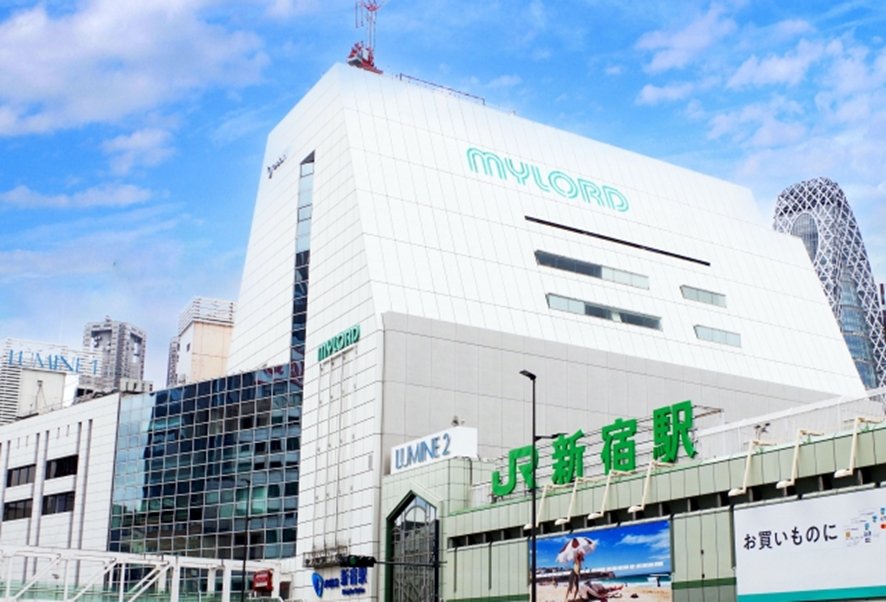
Around Tokyo’s major railway terminals, you’ll find museums, shopping complexes, and even hot spring facilities connected by underground passageways and covered walkways. The ability to move between the station and nearby attractions without getting wet is one of the biggest reasons sightseeing in Tokyo remains comfortable even on rainy days.
From Shinjuku Station, for example, you can reach numerous shopping centers and dining areas through underground arcades without ever opening an umbrella. Around Shibuya Station, recent redevelopment has added even more station-connected complexes where you can combine art, shopping, and dining in a single visit.
Because many of these destinations are located along the Yamanote Line, traveling between them often requires only a few minutes outdoors. This makes it easy to visit several neighborhoods in one day while minimizing your exposure to the rain.
Keeping Tokyo’s extensive network of station-connected facilities in mind when planning your itinerary can make rainy-day sightseeing far more enjoyable.
2. Cultural Workshops Take Place Entirely Indoors
Tokyo offers a wide variety of indoor cultural workshops with English support, including chopstick making, calligraphy, tea ceremony, and origami. Since these experiences take place entirely indoors, they can be enjoyed regardless of the weather.
Most workshops last 60–120 minutes, although some casual programs can be completed in as little as 15–30 minutes. Many also accept same-day or next-day reservations, making them easy to fit into your schedule if the forecast changes unexpectedly.
Weekday afternoons often have the greatest availability, allowing you to check the morning weather forecast and adjust your plans without difficulty.
A rainy day, when outdoor sightseeing is less appealing, can become the perfect opportunity to immerse yourself in a traditional Japanese cultural experience. Whether you’re carefully guiding a brush across paper during a calligraphy lesson or crafting your own pair of chopsticks by hand, these quiet, hands-on activities offer a memorable change of pace.
Rather than seeing rainy weather as a setback, consider it an opportunity to enjoy an experience that may become one of the highlights of your trip.
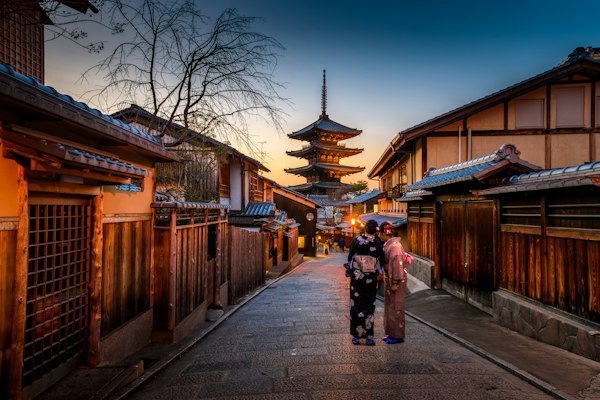
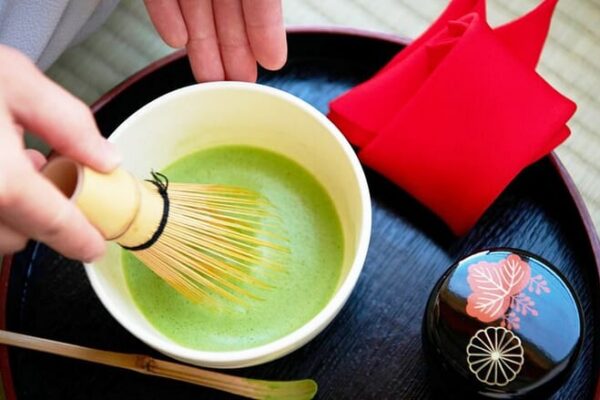
Tokyo: Tea Ceremony & Japanese Sweets Making
Experience the harmony, respect, and tranquility of tea
3. Online Reservations Guarantee Your Entry
For popular attractions with timed-entry systems, such as teamLab Planets, booking online in advance is the safest approach. Admission to teamLab Planets is available exclusively through advance online reservations, with visitors selecting both their visit date and entry time. Reserving ahead helps ensure you won’t be turned away if you decide to visit on a rainy day.
Other attractions, such as the Tokyo National Museum, generally allow same-day admission without reservations, making them excellent backup options if your plans change because of the weather.
One important point to keep in mind is that indoor attractions tend to be busier than usual on rainy days. Visitors who had planned outdoor sightseeing often shift to indoor destinations, resulting in longer queues, particularly on weekends and public holidays.
Making reservations in advance not only guarantees your admission but can also help you avoid the busiest entry times. Before your visit, check each attraction’s reservation policy and plan your itinerary accordingly.
5 Indoor Spots in Tokyo Worth Visiting on a Rainy Day

Don’t let a rainy forecast stop you from exploring Tokyo. Here are five carefully selected indoor attractions where you can easily spend a full day, regardless of the weather. Covering everything from digital art museums and traditional museums to arcade entertainment, these recommendations offer something for every type of traveler. Each entry includes practical information such as the recommended visit duration, access details, and reservation requirements, making it easy to find the destination that best matches your interests and travel style.
teamLab Borderless | Immerse Yourself in Digital Art

teamLab Borderless at Azabudai Hills is an immersive digital art museum where more than 75 artworks blend seamlessly into one another, creating a borderless world of constantly evolving installations. There is no fixed route—simply wander wherever your curiosity takes you. The artworks respond to visitors’ movements and continuously transform, ensuring that no two visits are ever the same.
Because the experience is almost entirely visual and requires little to no Japanese, teamLab Borderless is especially well suited to international visitors. There is no time limit on your visit, and allowing two to three hours or more is recommended if you want to explore the museum thoroughly.
Before you visit, keep the following points in mind:
- You’ll need timed-entry tickets. Tickets are sold through the official website for specific dates and time slots. Popular times often sell out well in advance, so it’s best to book as soon as your travel plans are confirmed.
- Some exhibition spaces feature mirrored floors. Visitors wearing skirts may wish to take advantage of the complimentary wrap skirts available at the reception desk.
- Strollers are not permitted inside the exhibition areas. Some installations are dark and include intense flashing lights, so families with young children should consider whether the environment will be comfortable for everyone.
Details
| Item | Information |
| Address | Azabudai Hills Garden Plaza B B1, 1-2-4 Azabudai, Minato-ku, Tokyo |
| Hours | 8:30 am-9 pm (last entry 8 pm); varies by season |
| Closed | Irregular holidays |
| Official Website | https://www.teamlab.art/e/borderless-azabudai/ |
| Recommended For | Couples, social media fans, art lovers, and anyone seeking indoor sightseeing on a rainy day |
Edo-Tokyo Museum | Walk Through Life-Size Streets of Old Edo
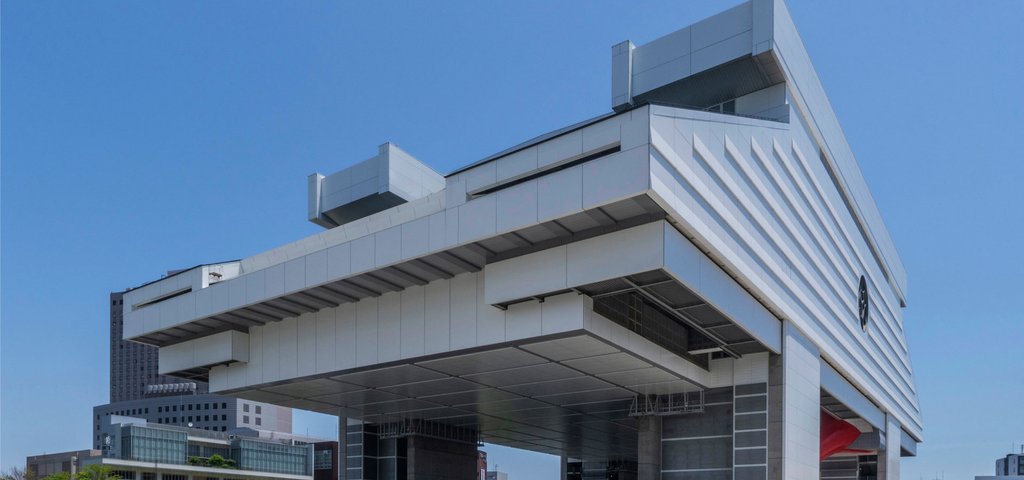
Following a major renovation, the Edo-Tokyo Museum has reopened as a place where visitors can explore roughly 400 years of history, from the Edo period to modern Tokyo.
The permanent exhibition begins with a full-scale replica of Nihonbashi Bridge, while other highlights include the chance to step onto the stage and hanamichi (runway) of the historic Nakamura-za theater, offering a glimpse of what it felt like to attend a performance during the Edo period. In the recreated townhouse district, you can enter the homes of ordinary townspeople and gain an immersive understanding of everyday life in Edo.
Many of the exhibits are hands-on, allowing visitors to touch, and in some cases climb aboard, life-size reproductions of historical vehicles, tools, and other artifacts. This interactive approach makes the museum especially popular with families.
By scanning the QR codes displayed throughout the museum, visitors can access a free multilingual audio guide on their smartphones, available in up to 13 languages, making it easy to understand the historical context behind each exhibit.
Admission is free for junior high school students and younger, making the museum an excellent choice for families traveling with children.
Details
| Item | Information |
| Address | 1-4-1 Yokoami, Sumida-ku, Tokyo |
| Hours | 9:30 am-5:30 pm (until 7:30 pm on Saturdays) |
| Closed | Mondays (or the following day if Monday is a holiday); New Year’s holidays |
| Official Website | https://www.edo-tokyo-museum.or.jp/ |
| Recommended For | Families with children, history lovers, and newcomers to Japanese culture |
Tokyo National Museum | View National Treasures of Japanese Art
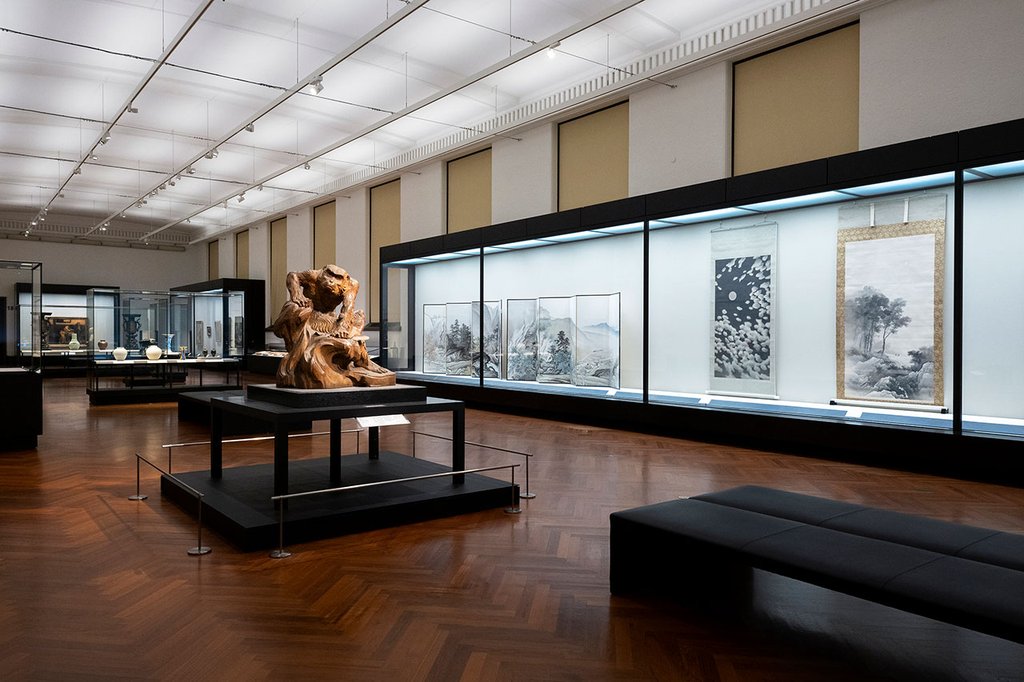
The Tokyo National Museum, the oldest and largest museum in Japan, houses a collection of approximately 120,000 works of Japanese art and cultural treasures.
In the main building, swords, armor, kimono, and ukiyo-e (woodblock prints) are displayed in chronological order, providing an excellent overview of the development of Japanese culture and craftsmanship. Because the exhibits are rotated regularly, each visit offers something new to discover.
In the separate Gallery of Horyuji Treasures, you can admire masterpieces of Buddhist art from the Asuka and Nara periods at close range. The building’s elegant architecture, featuring expansive glass walls and reflecting pools, creates a peaceful atmosphere that encourages slow, thoughtful appreciation of the collection.
English exhibit descriptions and audio guides are available, making the museum easy to enjoy even if you do not read Japanese. Located within walking distance of Ueno Station, the Tokyo National Museum is also an ideal destination for a rainy day.
Details
| Item | Information |
| Address | 13-9 Ueno Park, Taito-ku, Tokyo |
| Hours | 9:30 am-5 pm (until 8 pm on Fridays, Saturdays, and Sundays before a Monday national holiday) |
| Closed | Mondays (or the following weekday if Monday is a holiday); New Year’s holidays |
| Official Website | https://www.tnm.jp/ |
| Recommended For | Japanese art lovers, those interested in samurai culture, and architecture fans |
GiGO Akihabara Building 3 | Play Japanese Arcade Games
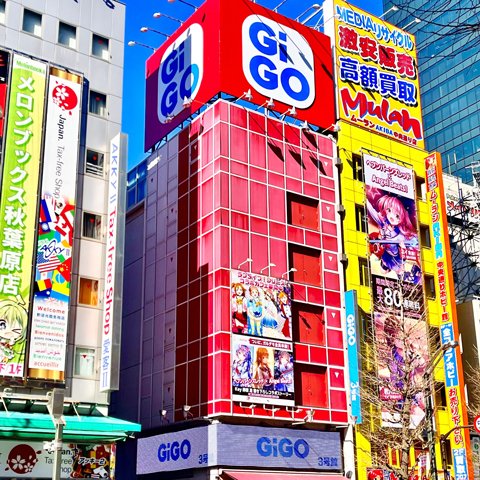
Located in Akihabara Electric Town, GiGO Akihabara Building 3 is one of the best places to experience Japan’s unique arcade culture. Rhythm games and racing games are easy to pick up, requiring little or no Japanese to enjoy. Crane games also use simple controls, making them accessible even to first-time visitors.
For a memorable souvenir, try a purikura (photo sticker booth), where you can take pictures and decorate them with fun effects before printing them. No reservations are required, so the arcade is an ideal place to visit if unexpected rain forces you to change your plans. Allow one to three hours to fully enjoy the experience.
If you’re visiting with children, keep in mind that Tokyo’s youth protection ordinances impose restrictions on late-night arcade admission. In general, visitors under 18 are not permitted to enter after 10:00 pm. Children under 16 may remain until 10:00 pm if accompanied by a parent or guardian; otherwise, the general cutoff is 6:00 pm. As regulations may change, it’s best to confirm the latest rules on the official website before your visit.
For families, visiting between morning and early evening is the most convenient option.
Details
| Item | Information |
| Address | 1-11-11 Sotokanda, Chiyoda-ku, Tokyo |
| Hours | 10 am-11:30 pm |
| Closed | Open year-round |
| Official Website | https://www.gigo.co.jp/shops/akihabara3 |
| Recommended For | Solo travelers, couples, and Japanese pop culture fans |
Spa LaQua | Soak in a Natural Hot Spring
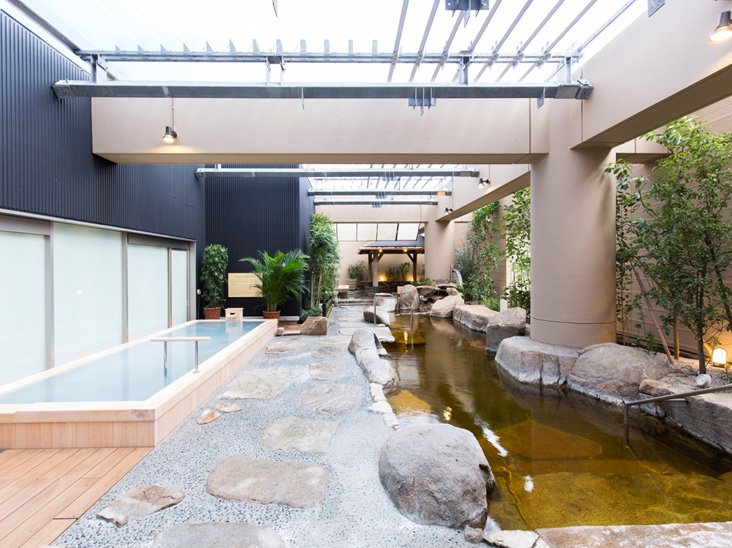
Spa LaQua offers the rare opportunity to relax in a natural hot spring in the heart of central Tokyo. Located within Tokyo Dome City, the spa draws its mineral-rich water from deep underground. In addition to open-air baths, indoor baths, and saunas, it features a hot stone bathing area, allowing visitors to experience several aspects of traditional Japanese bathing culture in one place.
Loungewear and towel sets are provided, so you can visit empty-handed. With multiple restaurants and cafés on site, Spa LaQua is an excellent choice for spending a leisurely half day, or even longer.
Before your visit, keep the following points in mind:
- Children under 6 years old are not permitted to enter. Guests aged 6–17 may stay until 6:00 pm when accompanied by a parent or guardian (last admission: 3:00 pm).
- Guests with tattoos, body paint, or tattoo stickers are not permitted to enter.
- Admission after 7:00 pm is ¥1,000 cheaper than the regular daytime rate.
- Entry lines can become quite long on weekends and rainy days, so arriving at opening time is the best way to avoid waiting.
Details
| Item | Information |
| Address | 1-1-1 Kasuga, Bunkyo-ku, Tokyo |
| Hours | 11 am-9 am the following morning |
| Closed | Irregular holidays |
| Official Website | https://www.laqua.jp/spa/ |
| Recommended For | Couples, relaxation seekers, and first-timers to Japanese bathing culture |
5 Recommended Cultural Experiences in Tokyo for a Rainy Day
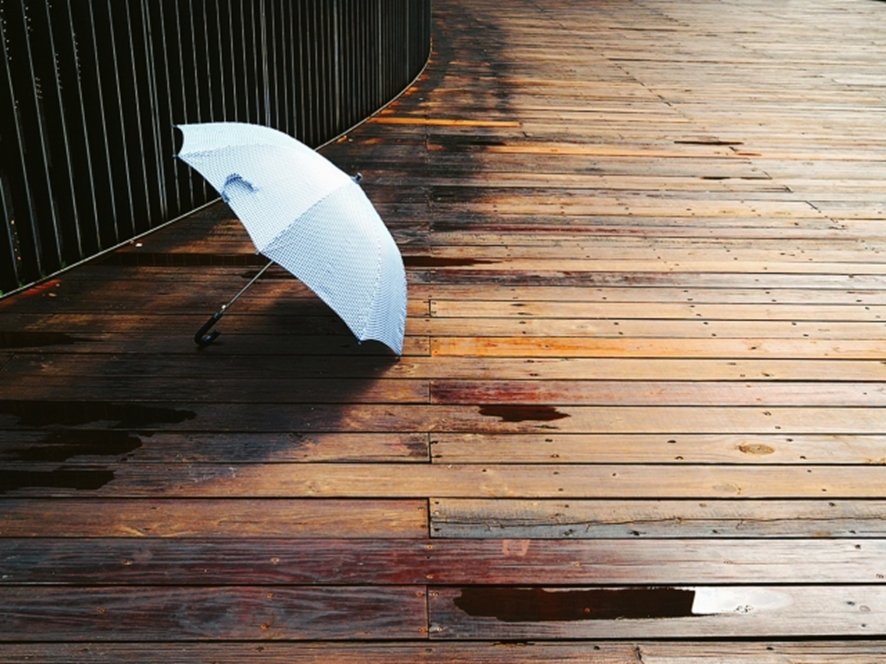
A rainy day is the perfect opportunity to immerse yourself in Japanese culture through a hands-on experience. Here are five carefully selected indoor cultural workshops that you can enjoy regardless of the weather, ranging from traditional crafts to close-up martial arts demonstrations.
Whether you’re a first-time visitor or traveling with children, you’ll find options to suit a variety of interests and experience levels. Compare the activities, durations, and prices to find the workshop that best matches your travel style, then book the one that catches your eye.
Chopstick-Making Workshop in Ginza
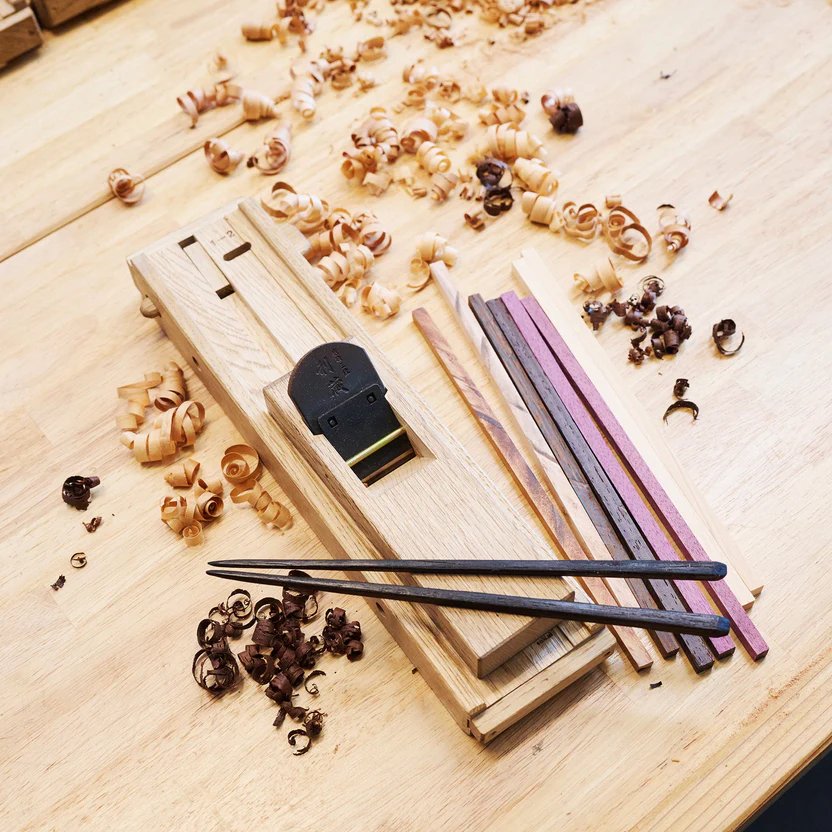
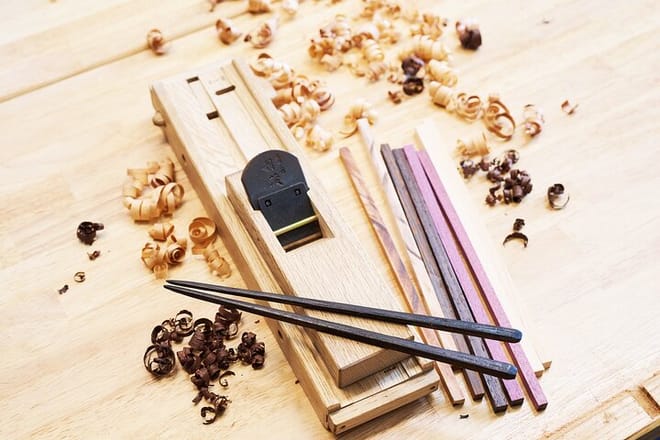
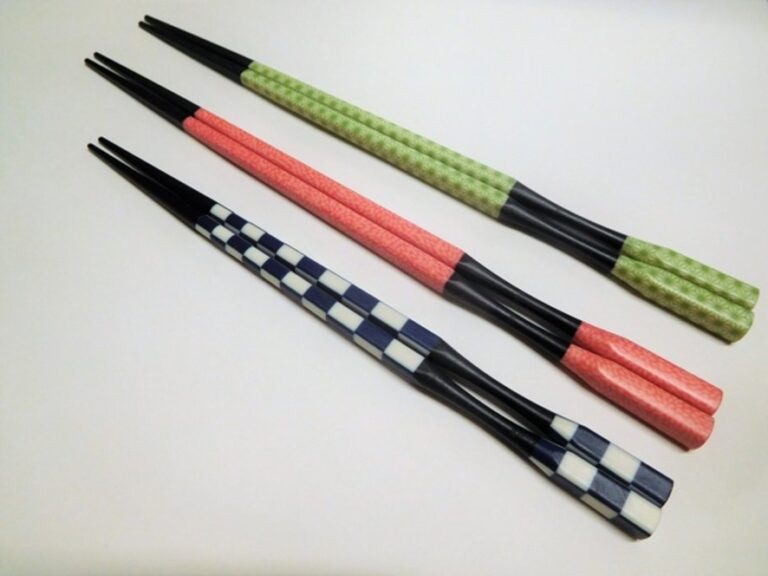
Chopsticks are an essential part of Japanese food culture, and crafting your own pair makes for a memorable and meaningful travel souvenir. At Chopsticks Studio Ginza, you’ll choose your preferred type of wood and shape it by hand using a traditional hand plane, creating a unique pair of chopsticks in approximately 60 minutes.
English-speaking instructors guide you through both the carving process and basic chopstick etiquette, so no prior experience is required. Once finished, you can take your handmade chopsticks home immediately, and even use them for dinner that same evening. An optional name-engraving service is also available, making your chopsticks a truly one-of-a-kind keepsake.
The studio is located about a 1-minute walk from Ginza-itchome Station, allowing you to reach it with minimal exposure to the rain. A similar workshop is also available in Shinjuku, so you can simply choose the location that is most convenient for your itinerary.

Tokyo Chopstick Making Workshop in Ginza
Tokyo Chopstick Making Workshop in Shinjuku
Details
| Item | Information |
| Meeting Point | Chopsticks Studio Ginza, 2F Kusumoto Bldg. No. 17, 1-14-12 Ginza, Chuo-ku, Tokyo |
| Duration | About 60 minutes |
| Hours | Sessions every 30 minutes, 8 am-6 pm |
| Included in Price | Wood, full tool set, carving instruction, and your finished chopsticks to take home |
| Booking Site | https://japanguidestar.com/tour/tokyo-ginza-chopstick-making-workshop/ |
| Recommended For | Couples, solo travelers, and anyone looking for a practical souvenir |
Calligraphy Workshop and Original T-Shirt Creation
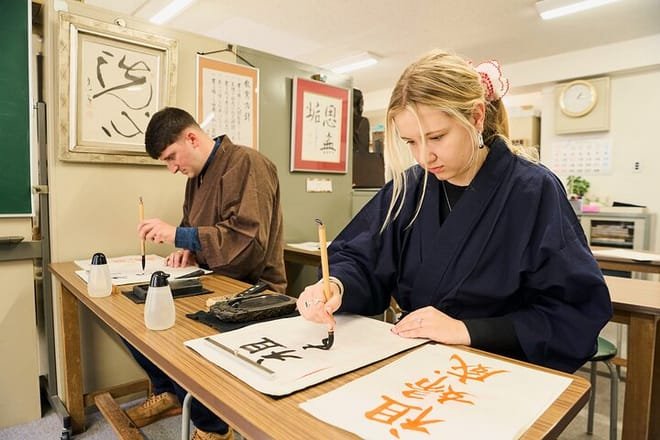
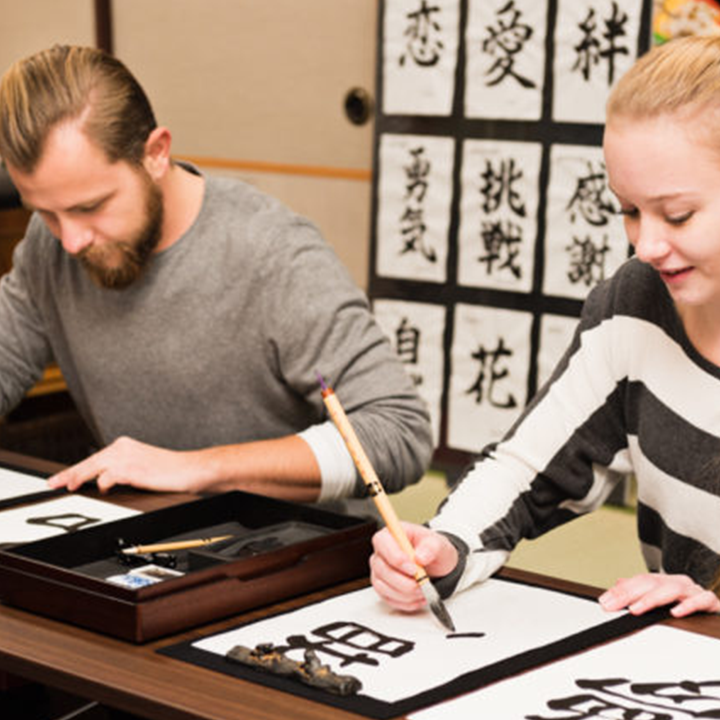
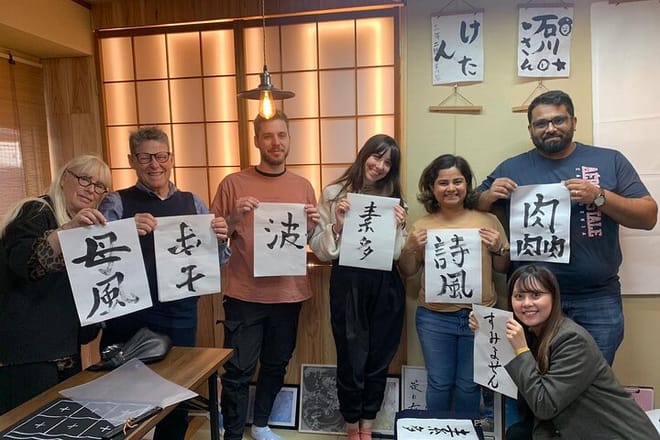
At the Japan Guide Star calligraphy workshop, you’ll create your own kanji artwork while surrounded by the calming scent of traditional ink. The experience begins by grinding a solid ink stick on an inkstone, introducing you to one of the fundamental rituals of Japanese calligraphy.
After practicing basic brushstrokes, a professional calligrapher writes your name in kanji, and you then create your own piece by following the model. An English-speaking guide provides interpretation throughout the session, ensuring you understand everything from brush technique to the amount of pressure needed for each stroke.
Before the lesson begins, you’ll change into samue (traditional Japanese work clothing), making the experience even more immersive—and perfect for memorable photos. At the end of the workshop, you can take your finished calligraphy home as a unique souvenir. As an optional extra, your handwritten kanji can also be printed on a T-shirt.
If you’re traveling with family or friends, having everyone’s names written in kanji adds an extra layer of fun and creates a memorable keepsake from your time in Japan.
Details
| Item | Information |
| Meeting Point | 8F Azuma Bldg., 1-5-4 Kabukicho, Shinjuku-ku, Tokyo |
| Duration | About 1 hour 30 minutes |
| Hours | Four sessions daily at 10 am, 12 pm, 2 pm, and 4 pm |
| Included in Price | Full calligraphy set, samue rental, English guide, and your finished work to take home |
| Booking Site | https://japanguidestar.com/tour/tokyo-calligraphy-workshop-original-t-shirt-creation/ |
| Recommended For | Beginners, families with children, and social media enthusiasts |
Tokyo: Calligraphy Workshop & Original T-Shirt Creation
You’ll begin by exploring the fascinating history of kanji and its evolution
Tea Ceremony and Japanese Sweets Making
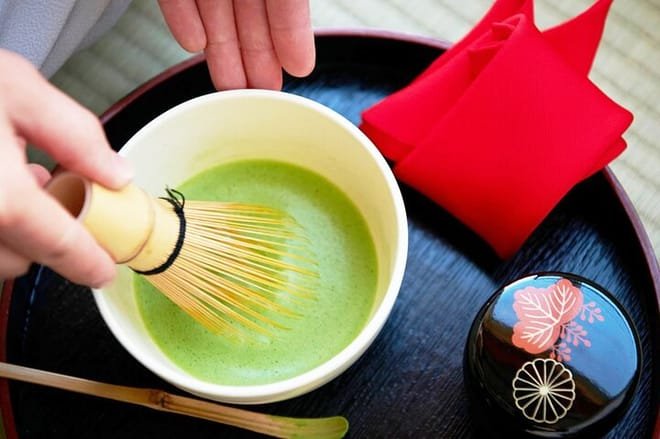
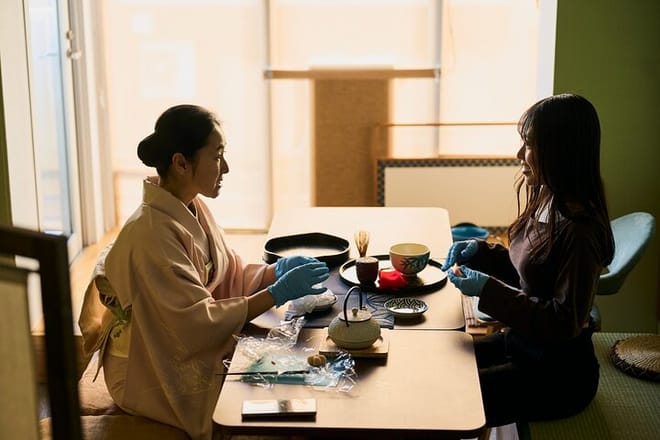
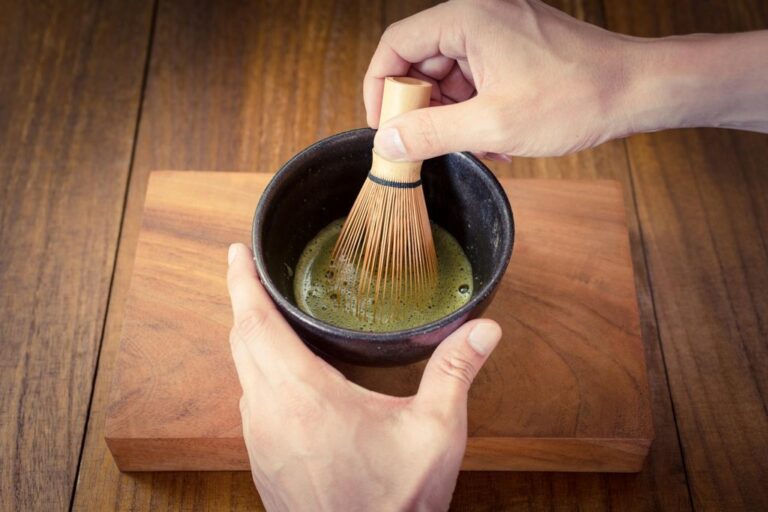
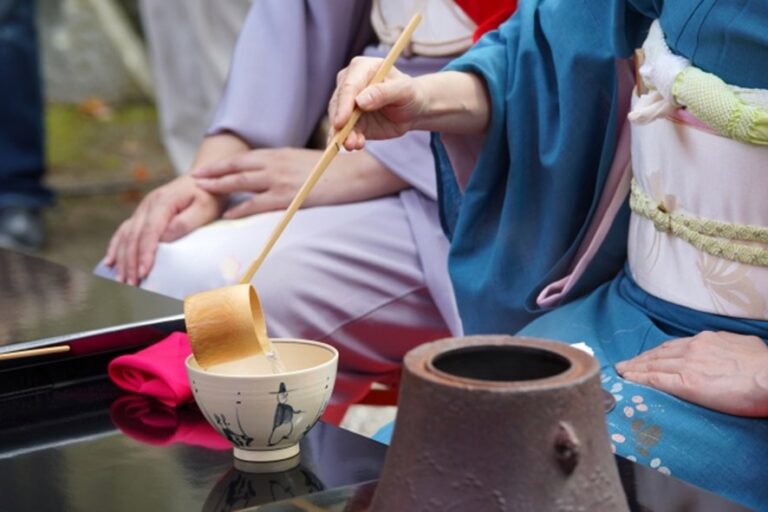
The Japan Guide Star tea ceremony and sweets-making workshop gives you the opportunity to whisk your own matcha and handcraft seasonal wagashi (traditional Japanese sweets) in a single experience.
An experienced tea ceremony instructor guides you through each step in English, explaining the history, philosophy, and etiquette of the Japanese tea ceremony, so no prior knowledge is required. During the wagashi-making session, you’ll shape elegant seasonal designs by hand using traditional techniques.
The highlight comes at the end of the workshop, when you enjoy your handmade wagashi together with a bowl of freshly whisked matcha, a simple but memorable experience that offers a deeper appreciation of Japanese culture.
The entire session lasts approximately one hour, making it easy to combine with another indoor attraction or cultural activity later in the day.
Tokyo: Tea Ceremony & Japanese Sweets Making
Experience the harmony, respect, and tranquility of tea
Details
| Item | Information |
| Meeting Point | Phil Park Hakusan Hills, 1-26-17 Hakusan, Bunkyo-ku, Tokyo |
| Duration | About 1 hour |
| Hours | Two sessions daily at 2 pm and 4 pm |
| Included in Price | Matcha, wagashi ingredients, tea ceremony experience, and English guide |
| Booking Site | https://japanguidestar.com/tour/tokyo-tea-ceremony-japanese-sweets-making/ |
| Recommended For | Newcomers to Japanese culture, couples, wheelchair users, and those who want a multisensory experience |
Sumo Morning Practice Viewing Tour
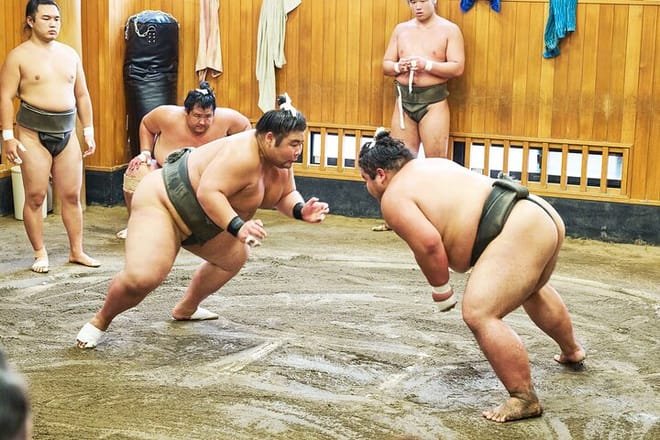
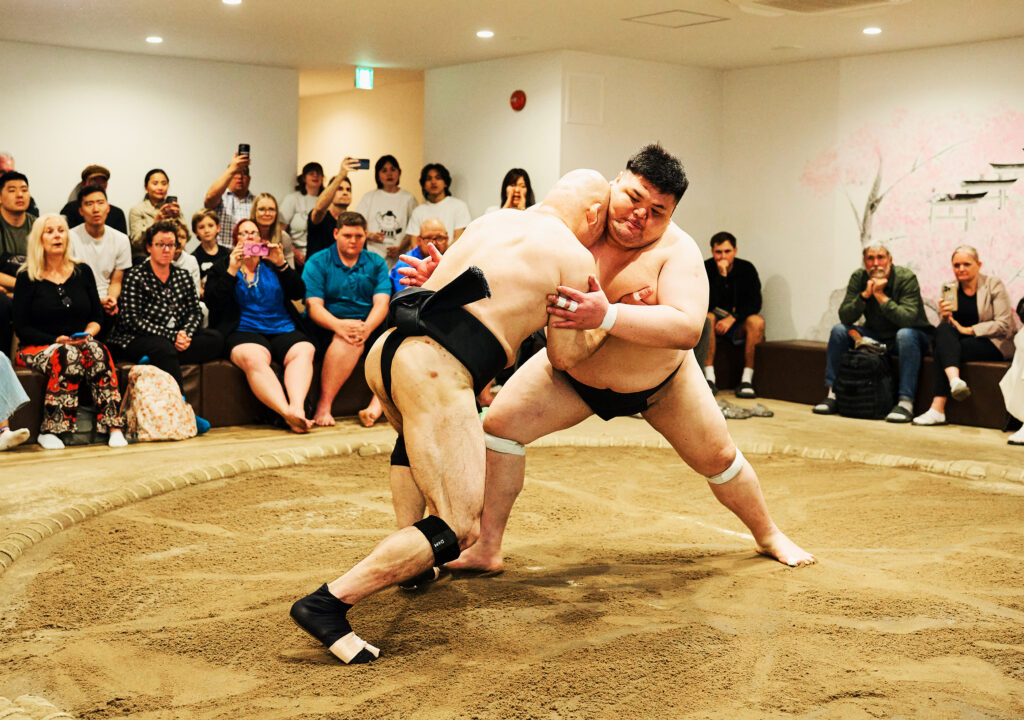
Experience the intensity of rikishi (sumo wrestlers) training up close as they collide on the dohyo (the sacred clay ring). On the Japan Guide Star morning practice tour, you’ll visit an active sumo stable and observe a genuine training session.
An English-speaking guide provides real-time explanations of sumo’s rules, traditions, and rituals, making the experience accessible even if you have no prior knowledge of the sport. After the practice session, you’ll have the opportunity to take commemorative photos with the rikishi, a memorable highlight for many visitors.
Because sumo stables are entirely indoors, the tour is an excellent choice for a rainy day. The program also finishes early in the morning, leaving plenty of time to combine it with another cultural experience or indoor attraction in the afternoon.
To learn more about Tokyo’s sumo culture, see this article.
Details
| Item | Information |
| Meeting Point | Kiyosumi-shirakawa Station, 1-6-13 Shirakawa, Koto-ku, Tokyo |
| Duration | About 120 minutes (starts around 8:30 am) |
| Included in Price | English guide, sumo stable visit, and commemorative photos with rikishi |
| Booking Site | https://japanguidestar.com/tour/tokyo-sumo-morning-practice-viewing-tour-at-a-real-stable/ |
| Recommended For | Those interested in sumo as a traditional Japanese sport and Shinto ritual, and anyone seeking a unique experience |
Handmade Origami Jewelry Experience
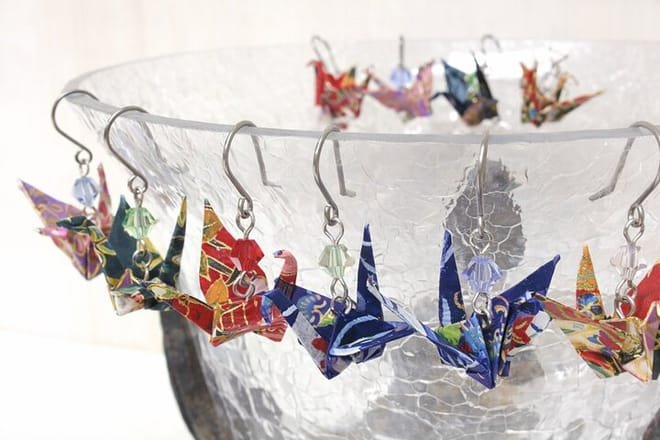
In this hands-on workshop, you’ll transform traditional origami into your own wearable accessories. During the Japan Guide Star experience, an instructor explains the cultural significance of origami and washi (traditional Japanese paper) in English before guiding you through the creative process.
After selecting your favorite washi pattern, you’ll fold miniature origami designs such as cranes and kusudama (decorative paper balls). These handcrafted pieces are then assembled into earrings, a necklace, or other accessories, creating a one-of-a-kind keepsake to take home.
The instructor provides step-by-step guidance throughout the workshop, making it suitable even for complete beginners with no origami experience. The finished accessories are lightweight and compact, so they fit easily into your luggage.
If rain changes your sightseeing plans, this workshop offers a relaxing way to spend an hour or two while creating a meaningful souvenir inspired by Japan’s long tradition of paper craftsmanship.
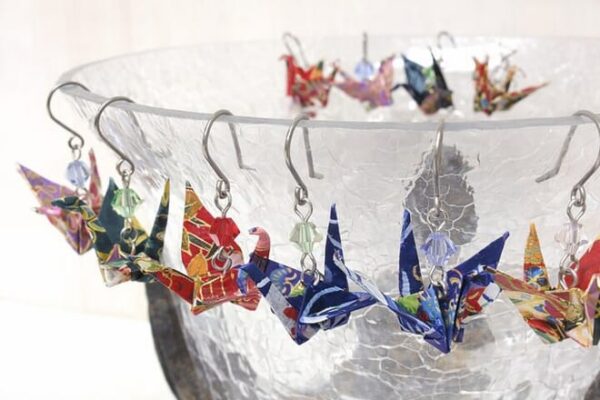
Tokyo: Create Your Own Handmade Origami Jewelry
Discover the beauty of traditional Japanese craftsmanship in this hands-on origami workshop.
Details
| Item | Information |
| Meeting Point | Chopsticks Studio Shinjuku, 8F Azuma Bldg., 1-5-4 Kabukicho, Shinjuku-ku, Tokyo |
| Duration | About 1 hour |
| Hours | Sessions every 2 hours, 10 am-6 pm (5 sessions daily) |
| Included in Price | Washi paper, accessory parts, and English instruction |
| Booking Site | https://japanguidestar.com/tour/tokyo-create-your-own-handmade-origami-jewelry/ |
| Recommended For | Travelers packing light, origami beginners, and those wanting a short cultural experience |
3 Practical Tips for Enjoying Tokyo Sightseeing in the Rain
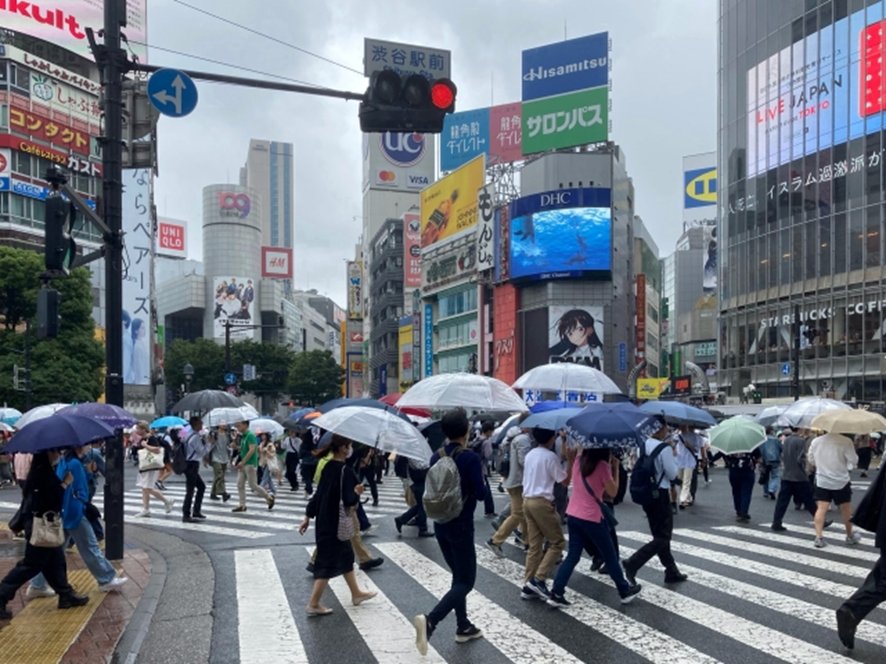
When rain catches you by surprise during your trip, getting around an unfamiliar city and adjusting your plans can feel stressful. Fortunately, with a little preparation, it’s easy to stay flexible and make the most of your day in Tokyo.
The practical tips below cover everything from Tokyo’s rainy and typhoon seasons to where to buy an umbrella at a moment’s notice and how to get around the city efficiently in wet weather. Knowing these basics in advance will help you adapt your plans with confidence and enjoy your trip, whatever the forecast.
1. Tokyo’s Rainy Season Runs from Early June to Mid-July
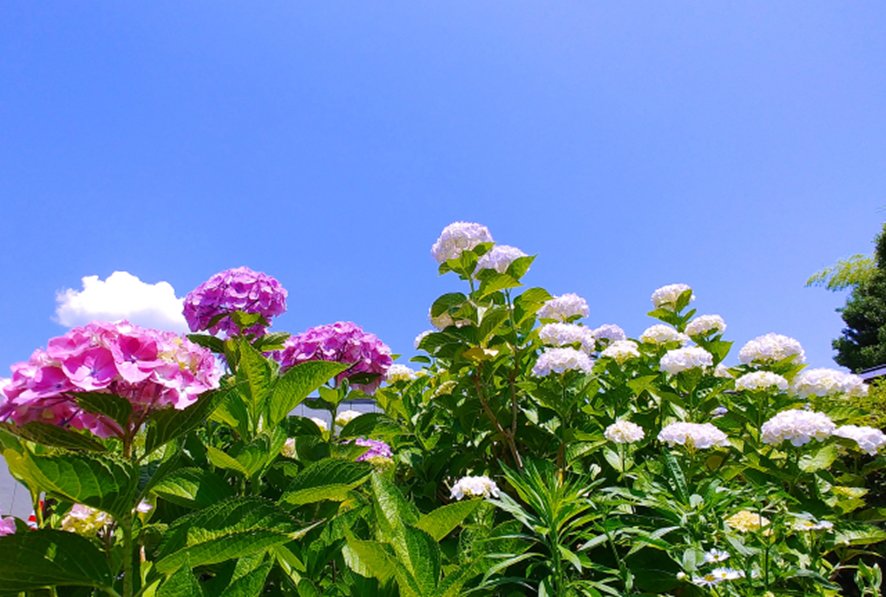
The Kanto region’s rainy season typically begins in early June and ends in mid-July. During this period, steady rain can last all day, often disrupting outdoor sightseeing plans. There are a few other times of year when weather is also worth keeping in mind:
- Typhoon season (September–October): Heavy rain can fall in a short period, and train services may be suspended. Although thresholds vary by railway company and route, service disruptions often become more likely when hourly rainfall exceeds 40–50 mm (1.6–2.0 inches) and cumulative rainfall surpasses 300 mm (12 inches).
- Sudden summer downpours (July–August): Even on sunny days, localized thunderstorms can develop quickly, bringing intense rain and occasionally disrupting transportation.
- Dry season (November–February): These are generally Tokyo’s driest months, with clear skies and stable weather making outdoor sightseeing especially pleasant.
If you’re visiting between June and October, it’s a good idea to prepare a shortlist of indoor attractions before your trip. Having a few backup options in mind is far less stressful than trying to find somewhere to go after checking a rainy-day forecast.
2. Convenience Stores Sell Umbrellas 24 Hours a Day

Most convenience stores in Tokyo are open 24 hours a day, making it easy to buy an umbrella as soon as it starts raining. Stores are plentiful around major railway stations and along main streets, so you’ll usually find one within a few minutes’ walk. The types and price ranges are shown below.
| Type | Price Range |
| Clear plastic umbrella | About ¥500-800 |
| Folding umbrella (rain or shine) | About ¥1,680-2,200 |
If you expect to use an umbrella several times during your trip, a folding umbrella is the most practical choice. Purchasing one is straightforward—simply take it to the register, so there’s no need to worry about the language barrier.
In Japan, carrying an umbrella even in light rain is considered perfectly normal. This reflects a shared sense of courtesy, as boarding trains or entering shops while dripping wet is generally seen as inconvenient for others. While walking without an umbrella in light rain isn’t considered rude, it’s uncommon enough to attract a few curious glances. Keeping a compact umbrella with you is a simple way to stay comfortable and blend in with local customs.
3. Taxi Apps Make Getting Around More Efficient
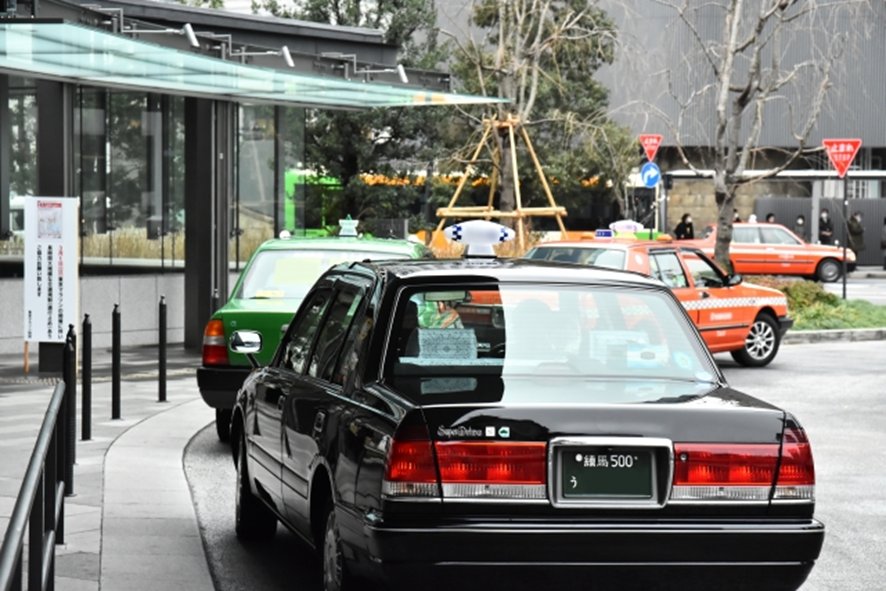
Finding a taxi in Tokyo during rainy weather can be difficult, even for locals. That’s where the GO taxi-hailing app comes in. It supports registration with an overseas phone number, making it a convenient option for international visitors.
Because you enter your destination directly in the app, there’s no need to explain where you’re going in Japanese. You can also pay by credit card through the app, eliminating the need to handle cash.
In Tokyo’s 23 wards, the base fare is ¥500 for the first 1.0 km (0.6 miles), and a typical short journey costs around ¥1,000–¥1,500.
One thing to keep in mind is that taxis become much harder to secure when it rains. Demand rises sharply, so even the app may show limited availability. If possible, request your ride about 30 minutes in advance to improve your chances of getting a taxi.
Common Questions About Spending a Rainy Day in Tokyo

Rainy-day sightseeing in Tokyo naturally brings up questions such as where to go with children, how to handle sudden weather changes, and what to do during a typhoon.
Below are practical answers to the questions travelers ask most often, helping you make decisions calmly and keep enjoying your trip no matter what the weather brings.
Are There Places to Enjoy with Children on a Rainy Day?
Two excellent options for families are the National Museum of Nature and Science in Ueno and teamLab Planets in Toyosu.
The National Museum of Nature and Science offers a wide range of exhibits designed to spark children’s curiosity, from dinosaurs to the natural world. Admission to the permanent exhibitions is free for high school students and younger, and no reservations are required, making it a convenient choice when rain changes your plans unexpectedly.
teamLab Planets, known for its immersive digital art installations where visitors walk through water and interact with the artwork, is another popular family-friendly destination. Children aged 3 and under enter free, but strollers are not permitted inside the exhibition area, so families should leave them at the storage area near the entrance.
Before visiting, check the following key points to ensure a smooth experience.
| Item | National Museum of Nature and Science | teamLab Planets |
| Strollers | Allowed inside | Not allowed inside (storage available) |
| Nursing Room | Available | No nursing room (nursing available in the first-aid room) |
| Age Restrictions | None | None (free for ages 3 and under) |
Check each facility’s official website for the latest information before your visit.

Are There Facilities I Can Enter Without a Reservation?
Many indoor attractions, including arcades and Spa LaQua, can be visited without advance reservations. However, entry lines can still form easily on weekends and rainy days, when many travelers shift their plans indoors.
Some facilities do require advance booking. teamLab Borderless, for example, uses timed-entry tickets, while the Tokyo National Museum may introduce timed-entry reservations during particularly busy periods and special exhibitions.
Same-day tickets can sell out early during special exhibitions and peak travel seasons. Before visiting, check the official website for the latest information on reservation requirements, entry procedures, and expected crowd levels to avoid unnecessary delays.
Where Can I Enjoy a Meal Indoors on a Rainy Day?
Station-connected facilities allow you to reach a meal without ever opening an umbrella, and most restaurants in these areas do not require reservations.
At Tokyo Station Ichibangai, the underground level connects directly to the Yaesu Exit, offering convenient dining options such as Ramen Street. The terminal stations of Shinjuku and Shibuya also feature directly connected restaurant floors with a wide variety of choices.
Another excellent option is a depachika (department store basement food hall). At places such as Isetan Shinjuku and Ginza Mitsukoshi, you can easily explore Japanese food culture through bento boxes, sweets, and beautifully presented seasonal specialties.
Keep in mind that department stores usually close around 8:00 pm, which is earlier than many station buildings. Plan your visit accordingly, and take advantage of Tokyo’s underground passages to stay completely dry while moving between destinations.
What Should I Do When a Typhoon Hits?
When a typhoon approaches, staying inside your hotel is the safest option. Railway companies may implement planned service suspensions, while department stores and other businesses may temporarily close. Preparing early can help you handle the situation comfortably.
Before the typhoon arrives, consider the following steps:
- Buy drinks, snacks, and a mobile battery from a convenience store by the day before.
- Download Safety tips, a disaster preparedness app supervised by the Japan Tourism Agency.
- If you encounter problems, the front desk can provide guidance and local information.
Multilingual disaster apps and the JNTO call center are also reliable resources for international visitors. Most typhoons pass through within half a day to a full day, and conditions typically improve within 24 hours. If your schedule allows, moving outdoor activities to the day after the typhoon is often the best approach.
Are There Recommended Guided Experiences for a Rainy Day?
The indoor cultural workshops offered by Japan Guide Star are an excellent choice for a rainy day. Each experience includes an English-speaking guide, allowing you to participate with confidence even if you do not speak Japanese.
| Experience | Duration | Approximate Price |
| Chopstick making | About 1 hour | ¥2,000-3,000 |
| Calligraphy | About 1-1.5 hours | Around ¥5,000 |
| Tea ceremony and sweets making | About 1 hour | ¥5,000-8,000 |
| Origami jewelry | About 1 hour | ¥3,000-5,000 |
Because all activities take place entirely indoors, you can enjoy them regardless of how heavy the rain becomes. You can also take your finished creations home, making them unique and meaningful travel souvenirs.
Keep in mind that advance reservations are required, and same-day changes or cancellations are not accepted. Booking early gives you the best chance of securing your preferred time slot, especially when rain is in the forecast and demand increases.
Tokyo: Calligraphy Workshop & Original T-Shirt Creation
You’ll begin by exploring the fascinating history of kanji and its evolution
Make the Most of a Rainy Day in Tokyo
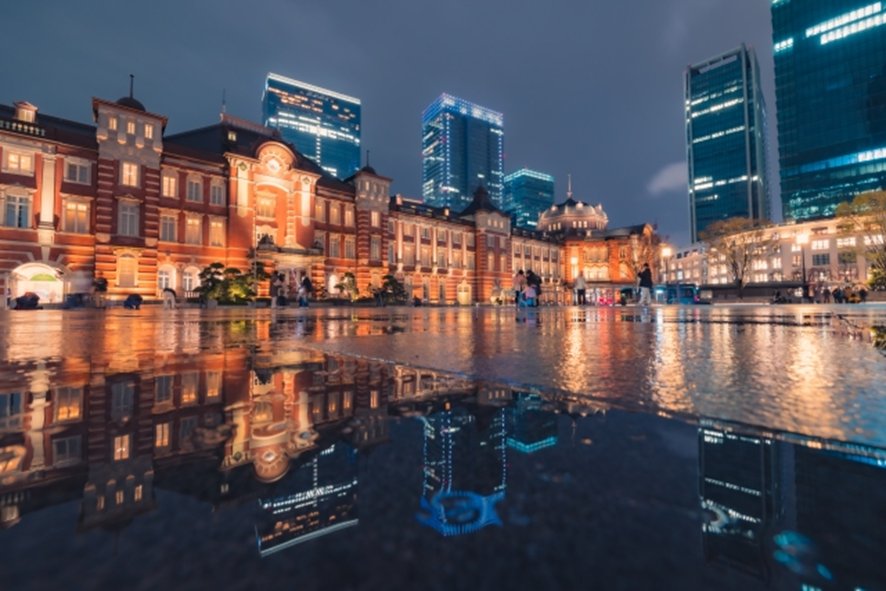
With indoor attractions and cultural workshops, a rainy day in Tokyo can become a surprisingly fulfilling part of your trip. Booking popular experiences online in advance gives you peace of mind, while checking the latest weather and transportation conditions through services such as tenki.jp helps you adapt quickly to any changes.
The spots and workshops covered here are genuinely worth visiting regardless of the weather — rain just makes the timing right.