Many visitors to Japan are curious about what the tea ceremony truly is and how they can experience it for themselves.
At the same time, uncertainty about etiquette and the cultural background can make the experience feel intimidating at first.
This guide explains the meaning and philosophy behind the Japanese tea ceremony, including ideas such as ichigo ichie — the belief that every encounter is unique and will never occur in exactly the same way again.
You’ll also learn about the roughly 1,200-year history of tea in Japan since its introduction from China, along with the basic etiquette expected during a tea gathering and recommended places where visitors can comfortably experience the ceremony firsthand.
What Is the Tea Ceremony?
Let’s begin with what the Japanese tea ceremony actually is, the tools used within it, and the philosophy that lies at its heart.
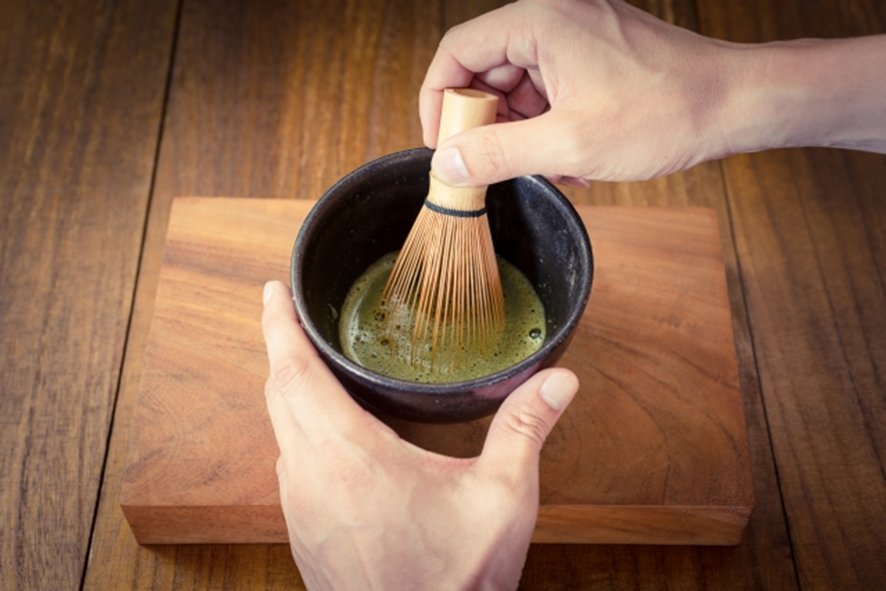
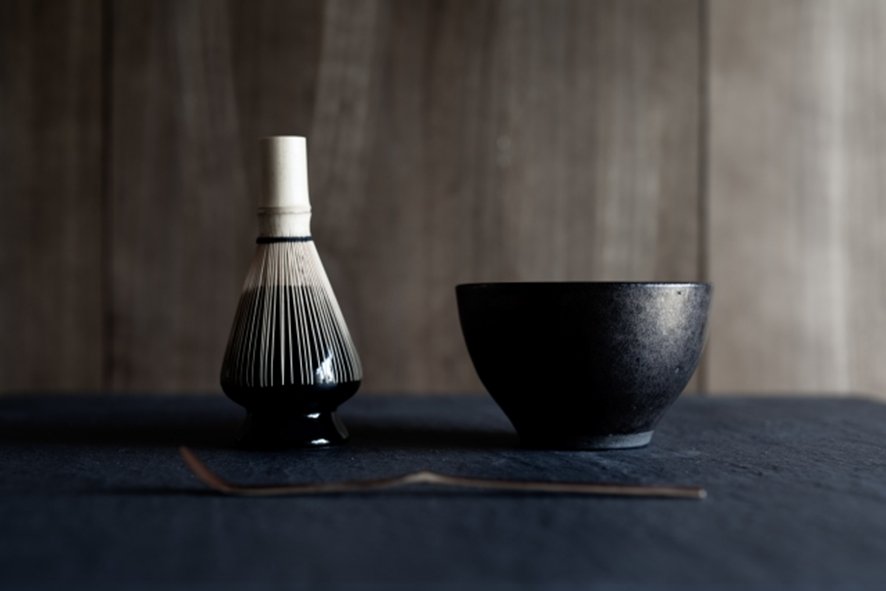
Here, we explain the essence of welcoming guests with matcha and the essential tools of the ceremony, such as the chawan (tea bowl) and the chasen (a bamboo whisk used to prepare matcha), along with the roles they play during the experience.
In addition, you’ll become familiar with three of the tea ceremony’s most important guiding concepts: Ichigo ichie, wa kei sei jaku, and wabi-sabi.
A Japanese Tradition of Welcoming Guests With Matcha
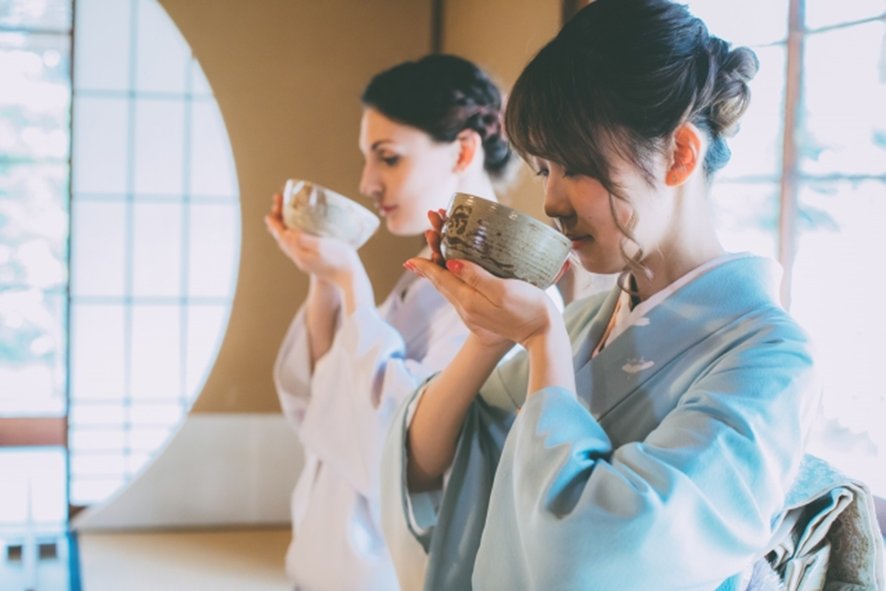
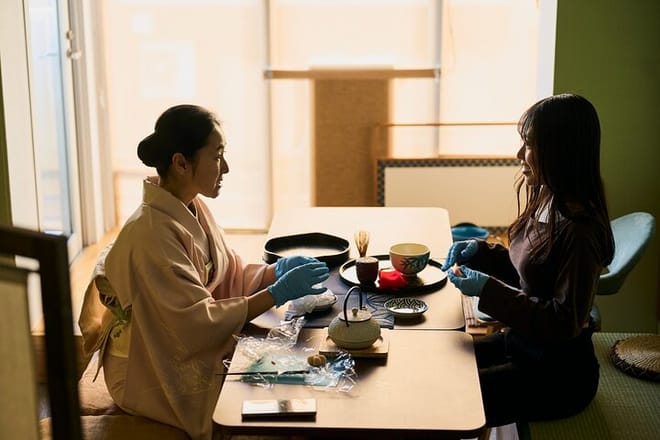
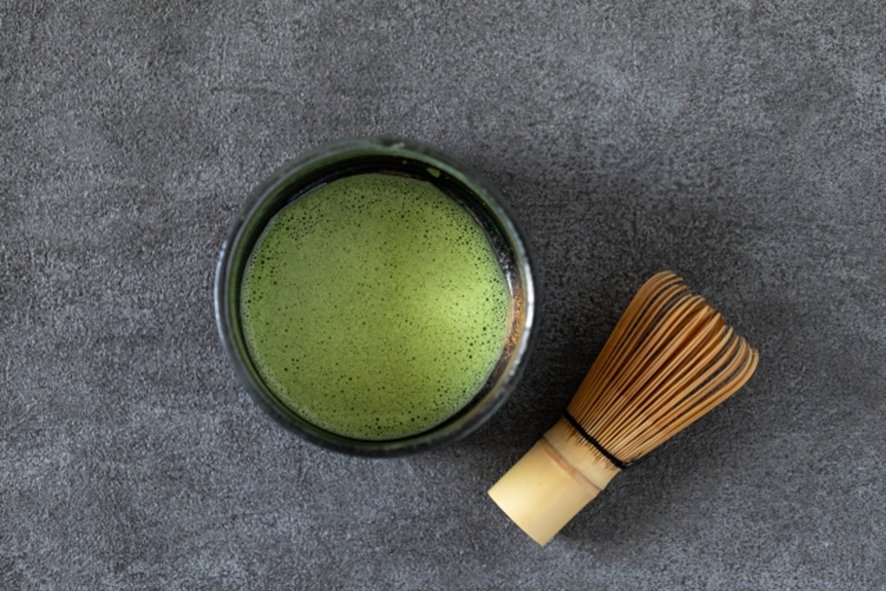
The tea ceremony is a traditional Japanese cultural practice in which a host welcomes guests by preparing and serving freshly made matcha (powdered green tea).
Although it is often translated simply as “tea ceremony” in English, that phrase does not fully capture its deeper meaning.
In the word sado (the Way of Tea), the character do means “path” or “way” — referring to a lifelong process of self-cultivation through repeated practice.
Through the act of preparing tea, the host gives full attention to each guest while also reflecting inwardly on the self.
The tea ceremony is often regarded as one of the clearest symbols of Japanese culture because it brings together three central elements:
- Zen Buddhist thought: an awareness of “this very moment,” which shapes the quiet atmosphere of the tea room
- The wabi-sabi aesthetic: an appreciation for simplicity, imperfection, and understated beauty
- The spirit of hospitality (omotenashi): sincere care for guests expressed through even the smallest details
Preparing a Bowl of Matcha With a Chawan, Chasen, and Tea Powder
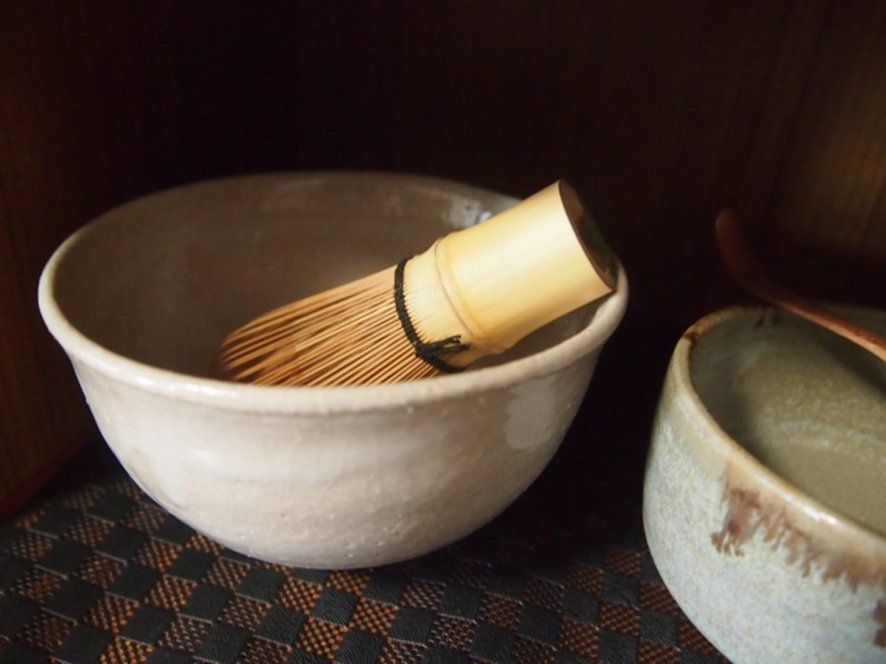
On the surface, the act of preparing a bowl of matcha in the tea ceremony appears very simple.
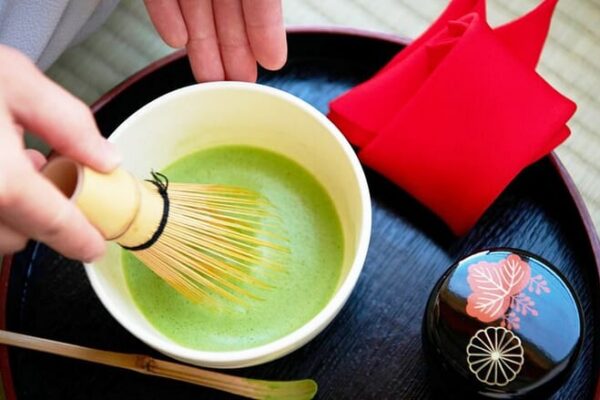
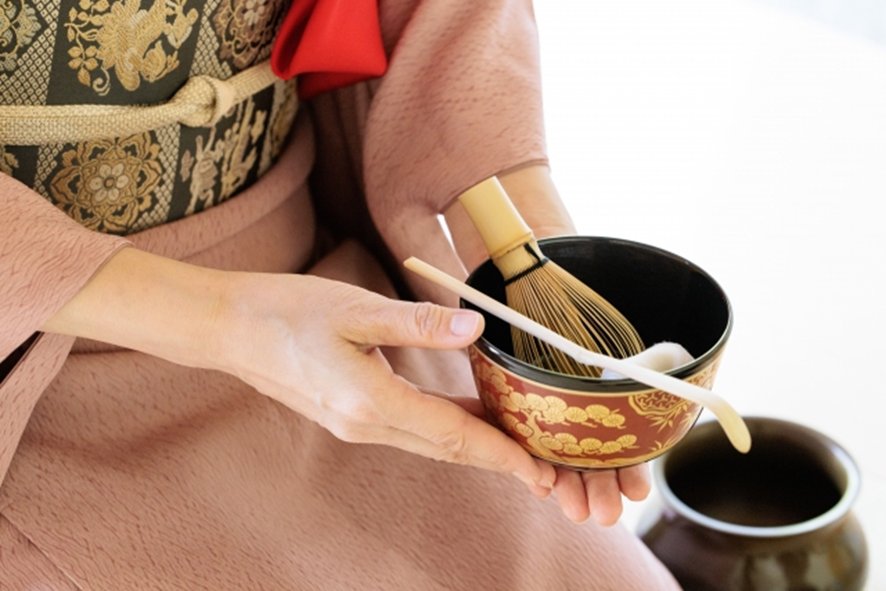
The host scoops matcha powder from the natsume (tea caddy) using a chashaku (tea scoop) and places it into a chawan. Hot water at around 80°C (about 176°F) is then added, and the tea is whisked with a chasen until it forms a light froth, creating an ippuku — a single serving of matcha.
The chawan is carefully selected to match the season, the atmosphere of the gathering, and the guest who will hold it.
Even the shape of the chasen’s bristles and the material of the chashaku can reflect the host’s thoughtfulness and aesthetic sensibility.
Through these quiet choices, the host gives tangible form to the spirit of ichigo ichie.
Hospitality Rooted in the Spirit of “Ichigo Ichie”
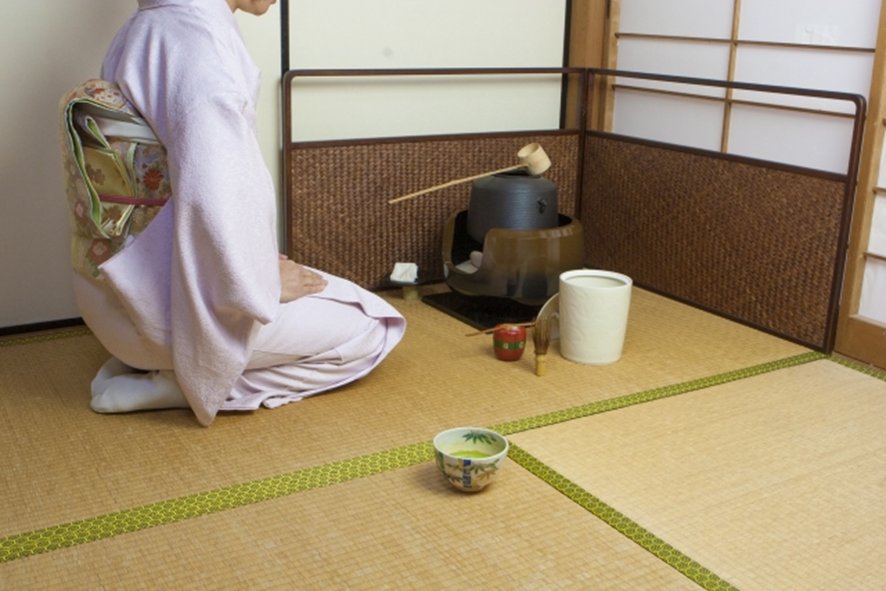
The philosophy at the heart of the tea ceremony is ichigo ichie.
This phrase is commonly associated with Sen no Rikyu, the tea master who laid the foundations of the modern tea ceremony, and it expresses the idea that the present encounter will never happen again in exactly the same way.
Later, Ii Naosuke (an important political figure in the mid-19th century) also wrote in Chanoyu Ichie Shu that every tea gathering should be regarded as a once-in-a-lifetime occasion.
This philosophy shapes every aspect of a tea gathering.
The hanging scroll, flower arrangement, sweets, and utensils are all selected specifically with the guests and the season in mind. During the rainy season, for example, cooling vessels may be chosen to create a refreshing atmosphere, while a particularly treasured chawan may be prepared for an honored guest.
Guests, in turn, respond to the host’s care by paying close attention to the host’s intentions and replying through thoughtful, respectful movements of their own.
The tea room is only truly complete once the guests themselves arrive.
A true ichigo ichie moment emerges only when the sincerity and gratitude of both host and guest meet within that shared moment in time.
The Four Principles of Wa Kei Sei Jaku Underpin the Gathering
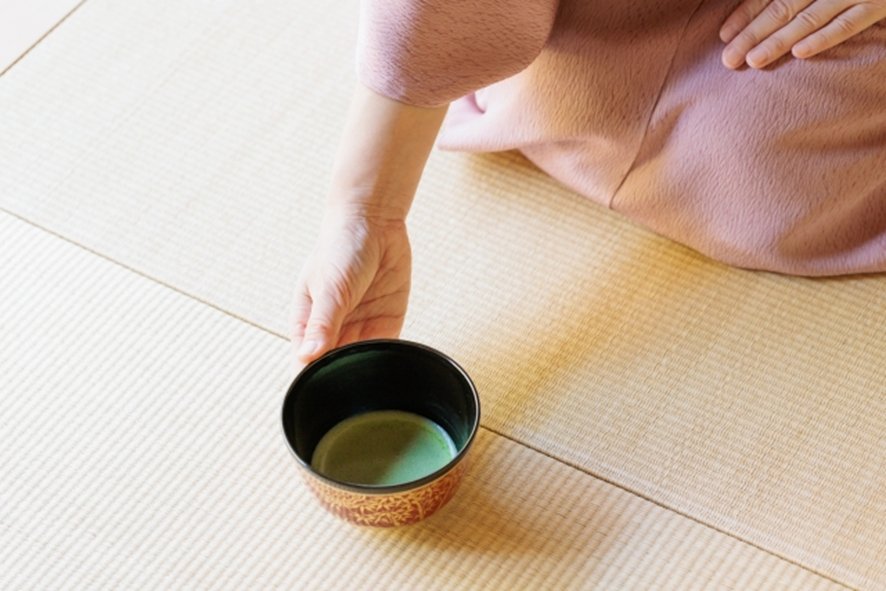
Wa kei sei jaku is a set of four core principles established to pass down the spirit of tea associated with Sen no Rikyu to future generations.
These ideas are regarded as the fundamental philosophy of the tea ceremony and are often referred to collectively as the shiki — the four guiding principles of tea.
Wa (harmony) refers to the host and guests opening their hearts to one another and creating a sense of accord.
This harmony can be felt in shared rhythms and movements, such as walking together through the roji (tea garden path) or quietly following the flow of the temae (the host’s preparation of tea).
Kei (respect) is the attitude of treating both people and objects with sincere regard.
It appears in gestures such as holding a chawan (tea bowl) carefully with both hands or bowing respectfully toward the hanging scroll displayed in the tea room.
Sei (purity) is the practice of keeping the space, body, and mind clean and clear.
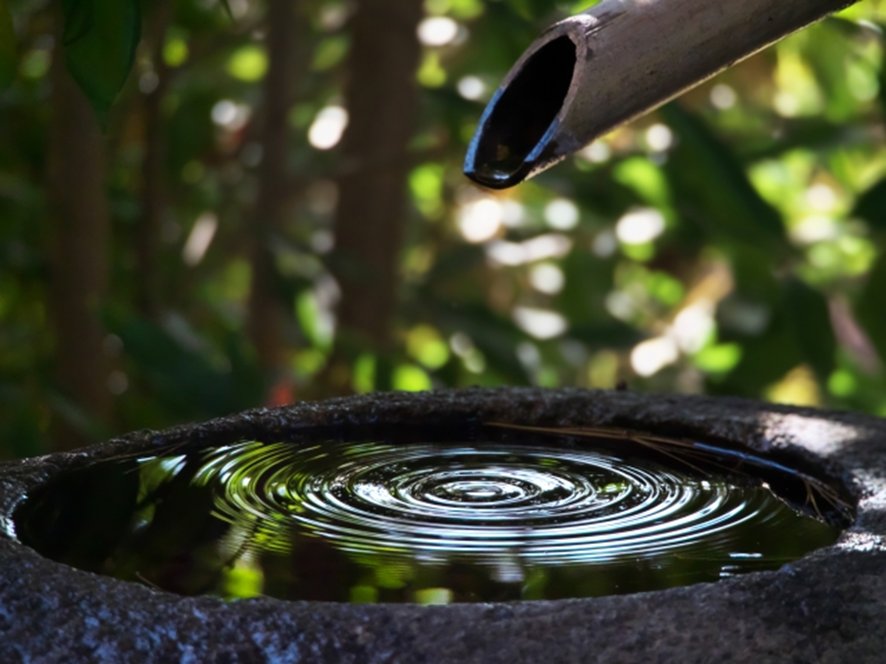
Guests rinse their hands and mouths at the tsukubai (a low stone water basin used to purify oneself before entering the tea room), letting go of distractions and settling the mind.
Jaku (tranquility) is the state of stillness that arises when the other three are fulfilled.
In the stillness of the tea room, a sense of understanding can arise beyond words themselves.
The Wabi-Sabi Aesthetic Lives in the Tools and the Space
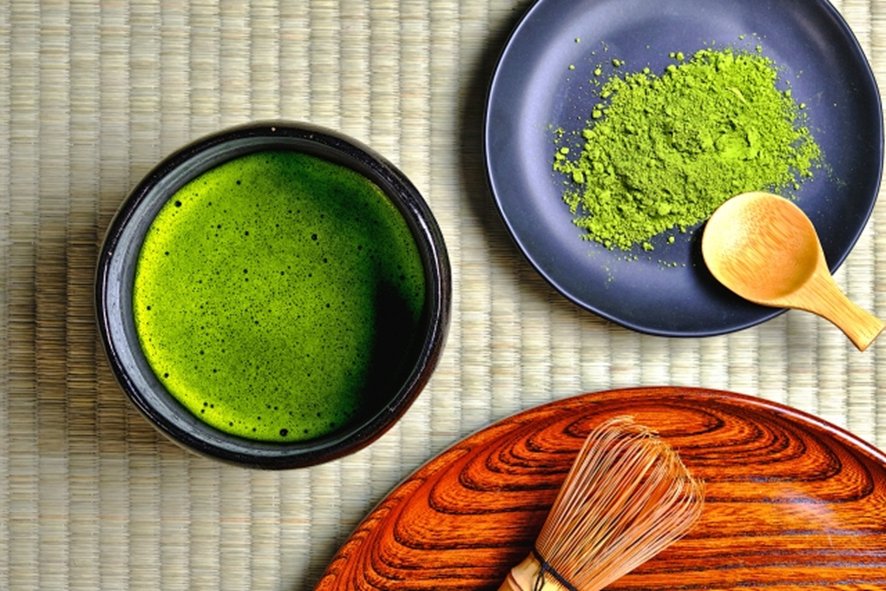
The sense of wabi-sabi is central to the aesthetics of the tea ceremony.
Wabi-sabi is a value system that finds beauty not in extravagance or perfection, but in simplicity, imperfection, and quiet restraint.
Rather than pursuing luxury or outward display, the tea ceremony deliberately developed an aesthetic that treasures what appears incomplete, weathered, or understated.
This philosophy is deeply reflected in the tea utensils themselves.
Bizen-yaki (Bizen ware) is fired without glaze, and the marks left by the flames are appreciated as a kind of natural pattern on the surface.
A raku chawan (a tea bowl used specifically for drinking matcha), shaped by tebineri (a hand-building pottery technique that does not use an electric wheel), has soft, gentle distortions that feel comfortable in the hand.
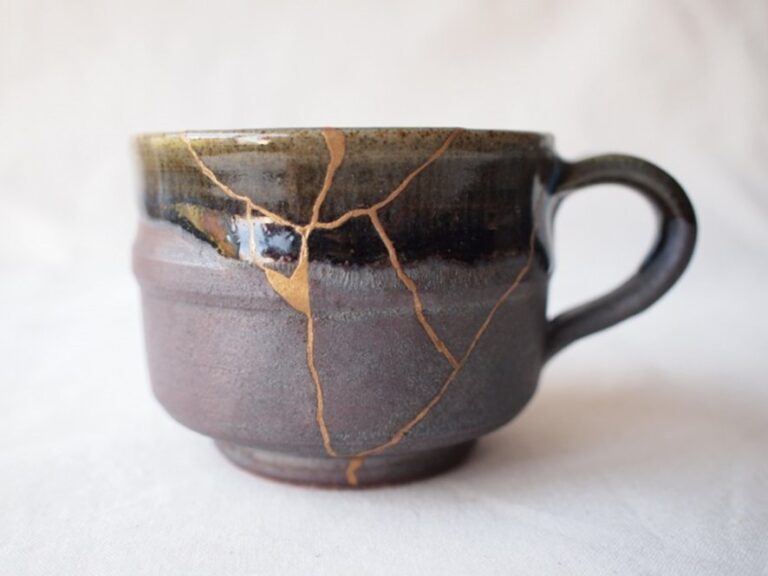
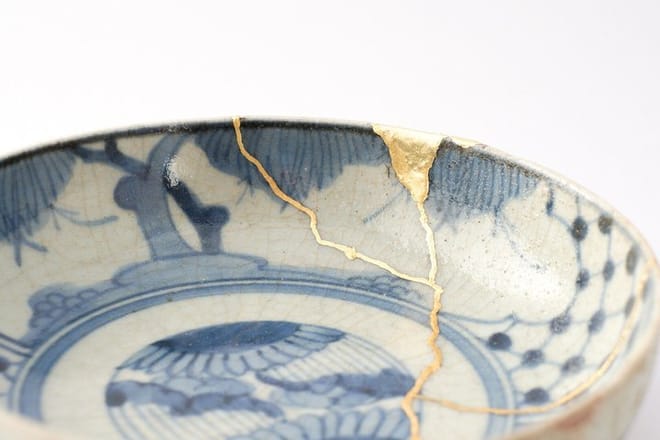
The sensibility that finds flavor even in a chipped bowl is rooted in the Zen view of impermanence.
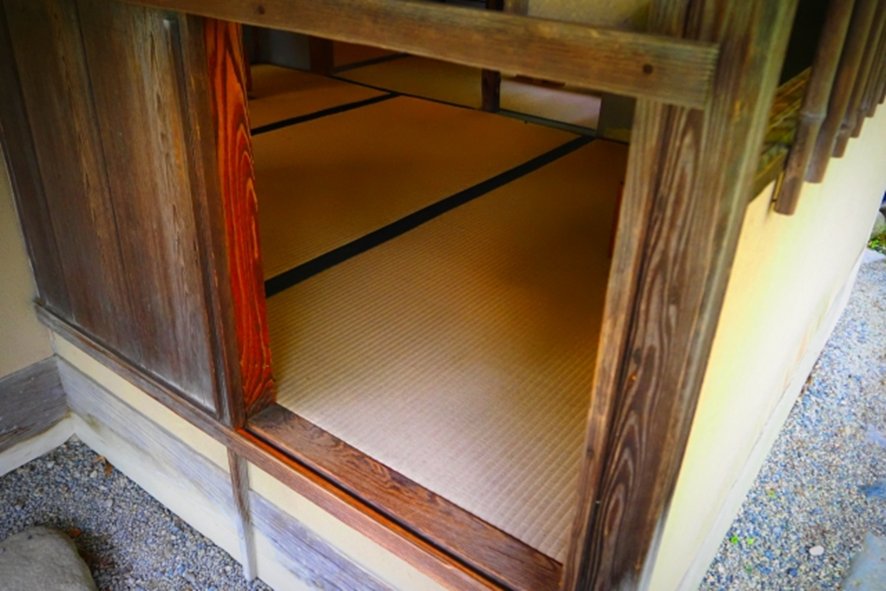
The tea room itself is designed to strip away ornament so that stillness and lingering atmosphere stand out.
The History of the Tea Ceremony in Japan
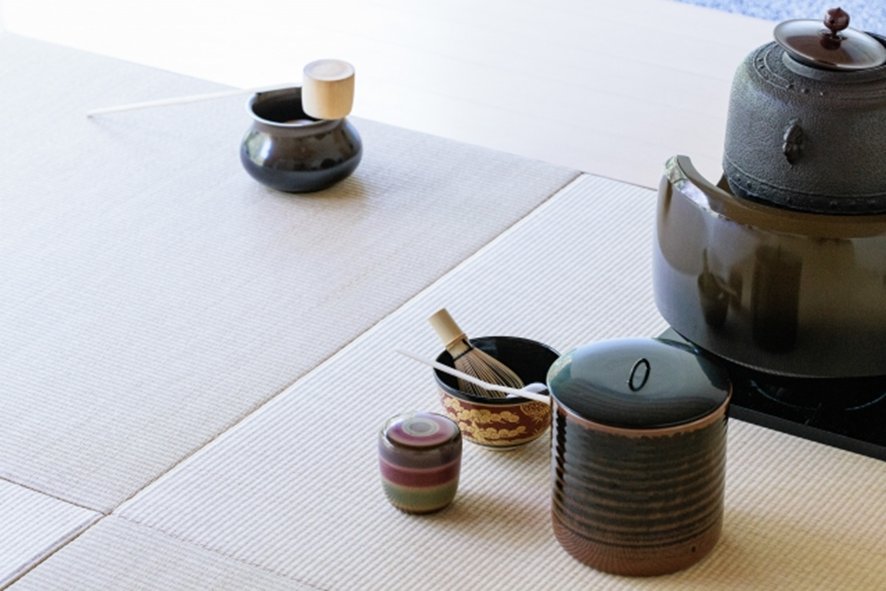
Here is a chronological look at how the tea ceremony evolved into its current form.
The story spans five major stages: the transmission of tea from China, its fusion with Zen, the perfection of wabi-cha, the founding of the San-Senke schools, and its modern popularization.
9th Century: Tea Was Introduced to Japan From China
Tea first reached Japan during the 8th and 9th centuries, introduced alongside other elements of Tang-dynasty Chinese culture by the kentoshi — official envoys sent from Japan to Tang China.
According to one tradition, two student monks (Saicho in 805 and Kukai in 806) carried tea seeds back to Japan.
The earliest written record of tea drinking in Japan appears in the Nihon Koki from 815. It describes the monk Eichu serving tea to Emperor Saga.
This event is often regarded as the starting point of Japanese tea culture.
At the time, tea entered Japan closely connected with Buddhism and monastic practice.
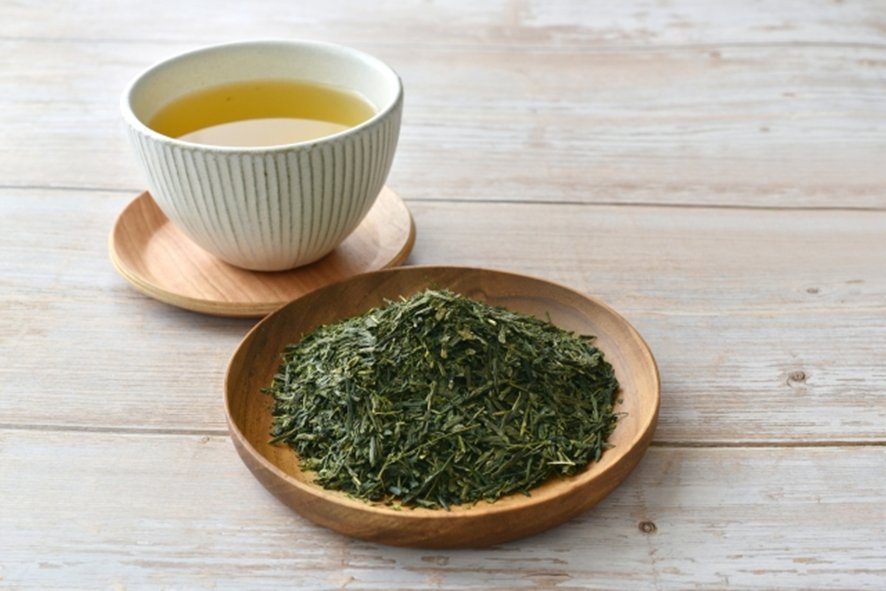
The common method in Tang-era China was dancha (steamed tea leaves compressed into a brick), where the cake was crushed and boiled in water. This was quite different from today’s sencha, brewed in a kyusu (a teapot used to steep leaves and extract the flavor and aroma of tea), and also different from matcha whisked with a chasen.
For many centuries, tea in Japan remained associated primarily with monks’ spiritual discipline and with medicinal use.
Its later development into a refined path of spiritual and aesthetic cultivation would emerge gradually over time.
12th Century: Eisai Linked Tea With Zen
The 12th century brought a major change to the history of tea.
The monk Eisai returned from Song China in 1191, bringing with him the method for preparing matcha.
Within the Zen temples of Song China, tea was consumed to help monks stay awake and maintain concentration during meditation practice. Eisai introduced this tea culture to Japan, where it was passed down at Kennin-ji as part of Zen monastic ritual.
In 1211, Eisai wrote Kissa Yojoki, the first specialized book on tea produced in Japan.
In it, tea was praised as a “marvelous medicine for prolonging life,” and the text explained both the health benefits of tea and methods for cultivating it. At the same time, Eisai also emphasized tea’s spiritual importance within Zen practice. As a result, tea gradually evolved beyond simple refreshment or medicine and became a tool for mental discipline and self-cultivation.
The calm, deliberate movements practiced in Zen temples later formed the spiritual foundation of wabi-cha and concepts such as ichigo ichie.
The fusion of tea and Zen gave the tea ceremony its spiritual depth.
15th–16th Centuries: Juko, Joo, and Rikyu Perfected Wabi-cha
Wabi-cha was perfected over roughly 100 years across three generations.
The starting point was Murata Juko in the latter half of the 15th century.
Murata Juko overturned the value system that prized expensive Chinese utensils and instead taught the beauty of simple, unadorned vessels.
Through his influence, the center of tea practice shifted away from grandeur and toward stillness, restraint, and spiritual depth.
This philosophy was later inherited and further developed by Takeno Joo, a wealthy merchant from Sakai (a city in present-day Osaka Prefecture).
Takeno Joo incorporated the sensibility of waka poetry into tea culture and deepened the philosophical meaning of wabi. Sen no Rikyu himself later spoke frequently about how strongly Takeno Joo had influenced him.
In the late 16th century, Sen no Rikyu brought this philosophy to its fullest expression.
The raku chawan, shaped by tebineri, takes on a gentle form with a slight distortion and the warm texture of the clay itself. Sen no Rikyu commissioned potters to create raku chawan as bowls made exclusively for the tea ceremony and as utensils that perfectly matched the spirit of wabi-cha.
His tea rooms were tiny two-tatami soan (rustic huts) entered through a small nijiriguchi (a very low, narrow entrance used only by guests), which removed all distinctions of social rank.
The spirit and style that Sen no Rikyu created at this time form the foundation of today’s tea ceremony.
17th Century: Rikyu’s Descendants Founded the Three Senke Schools
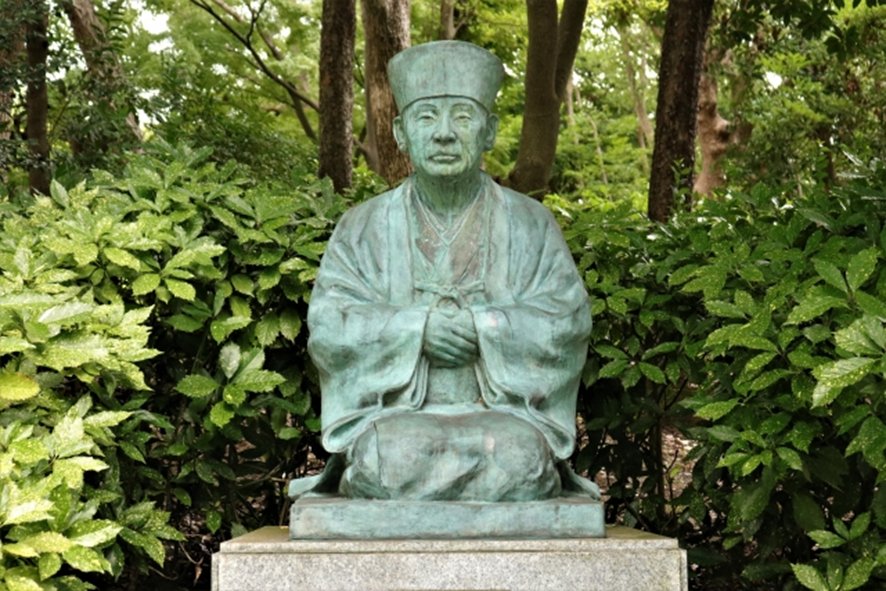
The forced suicide of Sen no Rikyu in 1591 brought the Senke family to the brink of extinction.
After Rikyu’s death, his two sons, Sen no Doan and Sen Shoan, were separated, and the central lineage of Rikyu’s tea tradition nearly disappeared altogether.
However, through the support and intervention of influential figures such as Tokugawa Ieyasu and Maeda Toshiie, Shoan was eventually permitted to return to Kyoto.
There, he rebuilt the Senke family tradition, and his son Sen Sotan inherited and preserved the spirit of the school.
Later, Sotan’s three sons each established independent branches of the family, creating the three major Senke schools that continue to represent the mainstream of Japanese tea ceremony today.
| School | Founder | Main Tea Room |
|---|---|---|
| Omote-Senke | Third son, Soza | Fushin-an |
| Ura-Senke | Fourth son, Soshitsu | Konnichi-an |
| Mushakoji-Senke | Second son, Soshu | Kankyu-an |
The heads of the three Senke schools served as official tea masters to feudal lords across various domains and spread their teachings widely.
Through the iemoto system (a pyramid-shaped organizational structure in which a single family, the iemoto, inherits, transmits, and oversees the school’s teachings across generations), the tea ceremony became a cultural tradition passed down across many generations.
19th Century Onward: The Tea Ceremony Spread to the Public and the World
With the abolition of the feudal domains during the Meiji Restoration, the tea ceremony lost its largest patrons.
The crisis was averted thanks to the support of leading business figures.
They collected fine works of tea and kept the flame of tea practice alive.
Later, the tea ceremony began to spread more widely through education. It was introduced into girls’ schools as part of cultural training, which brought large numbers of ordinary women into the practice and rapidly expanded its presence among the general public.
The 11th-generation head of Ura-Senke, Gengensai, devised the ryurei-shiki, a style that uses chairs.
This opened the practice to international visitors who find sitting in seiza (formal kneeling posture) difficult.
In 1906, Okakura Tenshin published The Book of Tea in English.
Following World War II, the international spread of tea ceremony accelerated even further.
Today, hands-on tea ceremony experiences are widely available in cities throughout Japan, making this once highly exclusive cultural practice accessible to visitors from around the globe.
Etiquette and Manners of the Tea Ceremony
Many visitors feel anxious about taking part in a tea ceremony without knowing the proper manners.
Here’s how to purify yourself before entering the tea room, the order of eating and drinking, and what to wear.
You’ll also pick up how to prepare yourself in the roji and how to view the tokonoma (alcove).
Purify Your Hands and Mouth at the Roji Before Entering the Tea Room
Stepping stones lead through the roji and guide guests into a world of stillness.
At the end of the path is a water basin called a tsukubai.
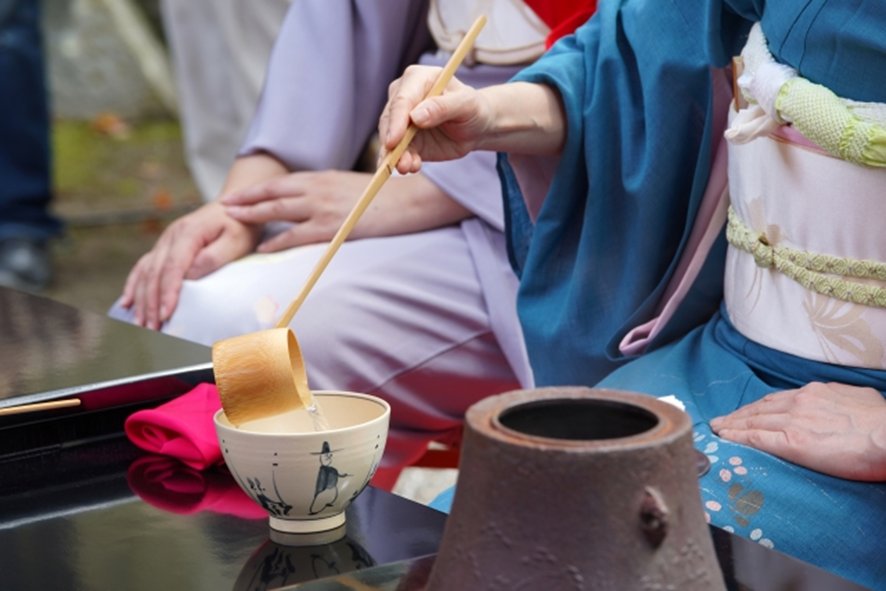
Take a moment to learn how to use the hishaku (bamboo ladle) to purify your hands and mouth.
- Scoop a full ladle of water and pour it over your left hand to cleanse it
- Switch the ladle to your other hand and pour water over your right hand
- Switch hands again, catch a little water in your left hand, and rinse your mouth
- Cleanse your left hand once more, then return the ladle to its place
This sequence is a simplified form of misogi (a traditional water purification practice for washing away spiritual impurities), performed to rinse away distractions.
The nijiriguchi, the entrance to the tea room, is roughly 60–70 cm (about 2’0″–2’4″) high.
The low entrance forces everyone to bow as they enter, expressing the idea that all guests are equal.
View the Hanging Scroll and Flowers in the Tokonoma Before Sitting Down
After entering the tea room, pause in front of the tokonoma.
The hanging scroll and flower arrangement displayed there have been carefully selected by the host for that particular gathering. A Zen phrase written on the scroll, or even a single flower picked from the garden, may quietly express the host’s thoughts and intentions for the occasion.
Guests should not touch the flowers or the displayed items. Instead, appreciate them quietly from about one tatami mat’s distance away.
Only a few calm moments of observation are needed.
After viewing the tokonoma, you may prepare to take your seat.
The shokyaku (main guest) seat closest to the tokonoma and the makkyaku (last guest) seat closest to the entrance both carry important roles, so first-timers may feel more comfortable choosing a seat in between.
If you are unsure where to sit, it is perfectly acceptable to ask the host or another guest for guidance.
Eat the Sweet Before Drinking the Matcha
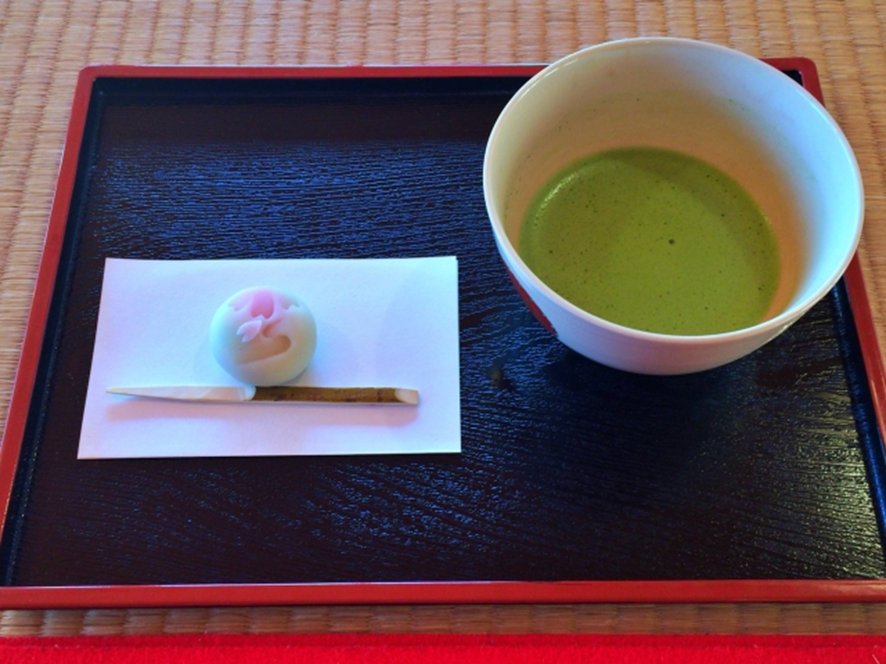
It is customary to enjoy a Japanese sweet before drinking matcha.
Tasting sweetness first brings out the slight bitterness of the matcha.
This order itself is a form of the aesthetic of harmony at a tea gathering.
The sweet is placed on a kaishi (a folded paper held in the kimono) and cut into bite-size pieces with a kuromoji (sweet pick).
If the sweet is a dry confection (higashi), you can simply pick it up with your fingers.
When you have finished, tidy your utensils and wait for the matcha to be served.
You can tell the host, “Okashi, oishuu gozaimashita” (“The sweet was delicious”).
When the matcha arrives, give a small bow before picking up the bowl.
Matcha Is Whisked With 80°C Water; Rotate the Bowl Twice Before Drinking
The matcha is enjoyed while the sweetness of the confection gently lingers in your mouth.
Hot water at around 80°C (about 176°F) is poured into the bowl, and the chasen (bamboo whisk) is moved in an M-shaped motion to create a soft, even froth.
It is helpful to understand what to do from the moment the tea bowl is placed in front of you:
- Pick up the chawan with your right hand and rest it on your left palm
- Rotate the bowl clockwise about twice so that its decorative front does not face your mouth
- Drink the tea in three or four sips
- Finish with a small sipping sound on the last mouthful
The rotation of the bowl is a gesture of respect toward the host, ensuring that the most carefully presented side of the chawan is not used directly.
After finishing, lightly wipe the rim where your lips touched with your fingertips, and then clean it gently with kaishi.
Finally, rotate the bowl back counterclockwise so that its front faces the host again before returning it.
Wear Clothing That Covers the Knees and Plain White Socks
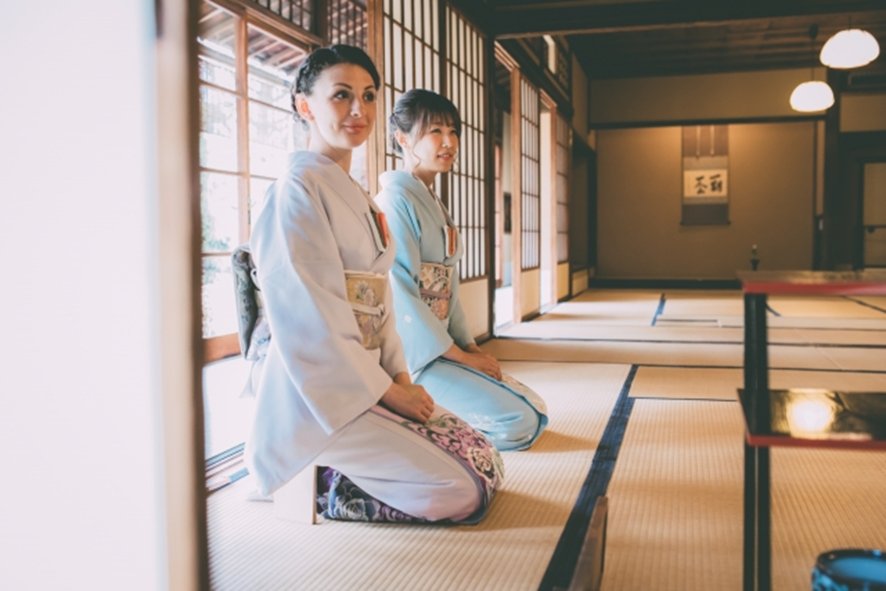
Because guests often sit in seiza, clothing that covers the knees and plain white socks are the basics.
For women, we recommend a skirt that reaches below the knee; men should wear a collared shirt.
For footwear, prepare plain white socks; avoid bare feet and sandals.
A few examples to avoid:
- Overly casual clothing such as jeans
- Loud patterns or sheer tops
- Strong perfume that competes with the aroma of the tea
- Mobile phone ringtones (turn the phone off before entering)
If you wear a kimono, the formal choice is a plain-colored kimono paired with shiro tabi (tabi are split-toe socks worn with traditional Japanese dress) in white.
A yukata is considered informal and is not suitable for a formal tea gathering.
For a tourist-oriented experience, clean Western-style clothing is perfectly fine.
Some venues offer kimono rentals, so check the dress code on the official website before you go.
Main Regions and Recommended Spots to Try the Tea Ceremony in Japan
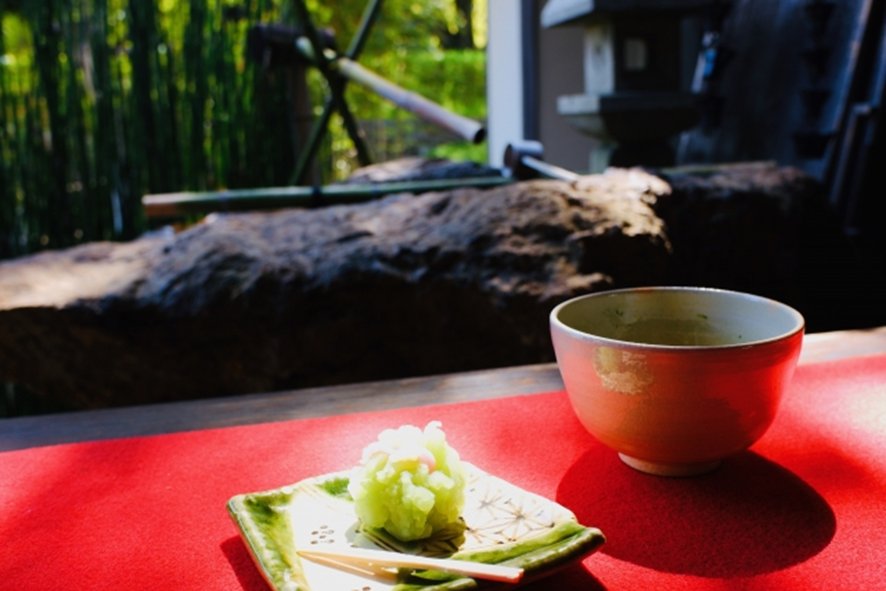
Here are tea ceremony venues across four main regions: Kyoto, Tokyo, Kanazawa, and Osaka.
They range from highly traditional temple settings to more casual, beginner-friendly programs, allowing you to choose an experience that best fits your interests and comfort level. Below is a comparison of what each region typically offers and the type of experience you can expect.
Kyoto: The Most Authentic Experience in Temple Tea Rooms
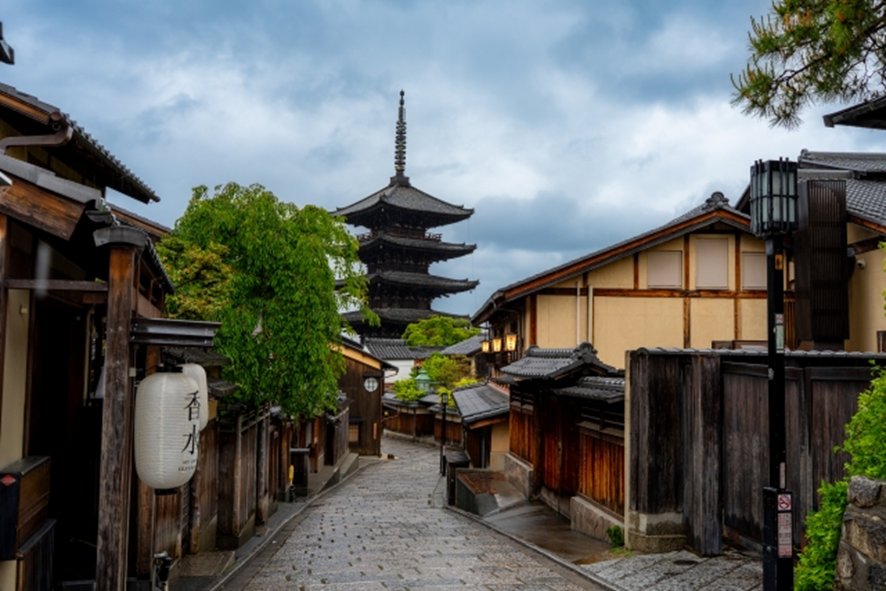
Kyoto is often regarded as the very origin of the Japanese tea ceremony.
In a temple tea room, the deep stillness of the setting allows guests to fully concentrate on the otemae — the host’s formal sequence of movements for preparing and serving matcha.
Here are two popular venues:
Tea Ceremony Ju-An is a temple-based program that introduces both the etiquette and the otemae in English.
MAIKOYA Kyoto (with three locations: Karasuma Shijo, Gion Kiyomizu, and Nishiki) offers a rich combination of kimono rental and tea ceremony experiences.
Each venue has its own appeal:
- For authenticity: Tea Ceremony Ju-An is ideal for savoring the quiet of a temple tea room
- For sightseeing: MAIKOYA Kyoto is a good fit for enjoying photos in kimono
- Both venues offer English-language guidance and require advance reservations
Once your itinerary is set, book early through the official websites.
Details
| Address | 556 Honshiogama-cho, Tominokoji-dori Gojo Sagaru, Shimogyo-ku, Kyoto 600-8119 |
| Hours | 11:00 am / 12:30 pm / 2:00 pm / 3:30 pm (about 70 minutes per session) |
| Closed | Saturdays and Sundays |
| Official Site | https://teaceremonykyoto.com/ |
| Best For | Visitors who want an authentic matcha experience inside a temple |
Details
| Address | 220 Itoya-cho, Shimogyo-ku, Kyoto 600-8432 |
| Hours | Sessions start every 30 minutes from 9:00 am to 5:00 pm |
| Closed | Open year-round |
| Official Site | https://mai-ko.com/jp/culture/tea-ceremony/ |
| Best For | Visitors who want a relaxed matcha experience in Kyoto |
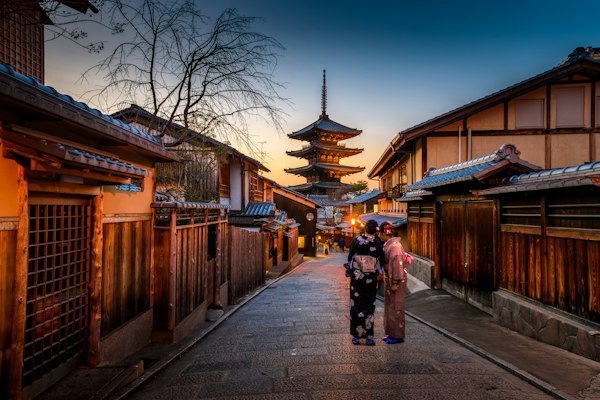
Tokyo: Easy Same-Day Bookings in Asakusa and Shinjuku
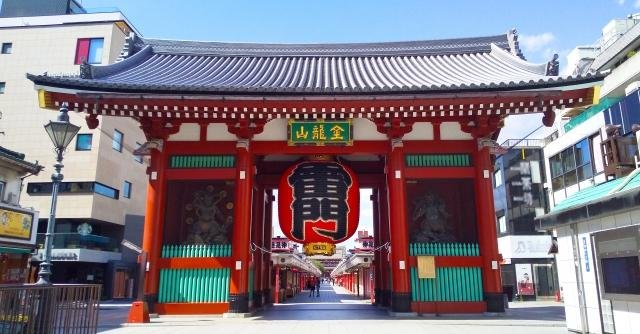
Tokyo’s appeal is the ease with which you can join a session during your trip.
Many venues are within easy walking distance of major stations, making it simple to step into the world of the tea ceremony.
Chazen in Asakusa is conveniently located, about a 3-minute walk from Asakusa Station.
In a session of about 45 minutes, guests learn how to whisk matcha and the basic etiquette in English.
Prices start at ¥3,500, and the fee includes matcha and a Japanese sweet.
At MAIKOYA Tokyo, the combination of kimono dressing and tea ceremony is especially popular.
Careful English guidance means that first-time visitors can take part with confidence.
Check the official websites for details.
Details
| Address | 1-4-7 Asakusa, Taito-ku, Tokyo 111-0032 |
| Hours | Sessions hourly from 10:00 am (last session at 5:00 pm) |
| Closed | Open year-round (except for the New Year’s holiday) |
| Official Site | https://www.chazen-co.jp/asakusa/ |
| Best For | Visitors who want a relaxed matcha experience in Tokyo |
Tokyo: Tea Ceremony & Japanese Sweets Making
Experience the harmony, respect, and tranquility of tea
Kanazawa: A Calmer Tea-House District Than Kyoto
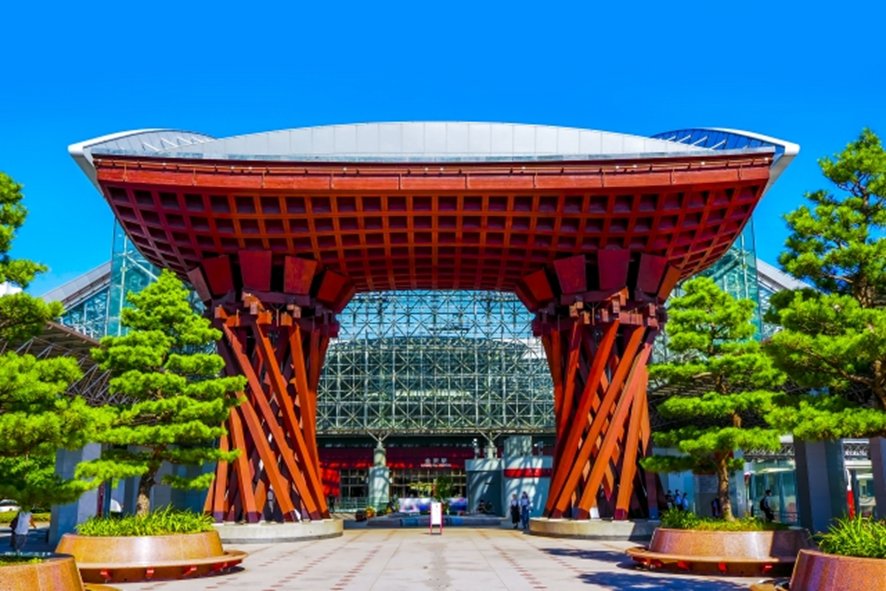
Kanazawa is an excellent choice for visitors who want to engage with the tea ceremony in a quiet setting.
Kanazawa’s tea ceremony culture dates back to the early Edo period (the era in Japanese history that lasted from 1603 to 1868), when successive lords of the Maeda family learned the tea ceremony from Sen no Rikyu and his disciples. As part of their cultural promotion policies, the Kaga domain spread the practice from samurai to townspeople.
As the castle town and tea-house districts developed, tea rooms and Japanese confectionery traditions grew with them, and that history is now carried on in tea ceremony experiences in Kanazawa’s quiet tea-house quarters.
The Higashi Chaya district is designated as an Important Preservation District for Groups of Traditional Buildings.
At Sado Soyu, located in the tea-house district, guests can experience both koicha (thick tea) and usucha (thin tea).
Sado Soyu offers an authentic tea ceremony experience for groups of up to 15 guests. You can watch the host’s otemae up close, then whisk your own matcha with personal instruction, making it well suited to visitors who want to study the movements carefully.
For those who find seiza difficult, chair seating is also available.
Details
| Address | 1-13-4 Higashiyama, Kanazawa, Ishikawa 920-0831 |
| Hours | 11:00 am / 12:30 pm / 2:00 pm / 3:30 pm / 5:00 pm (sessions outside these times incur an additional fee) |
| Closed | Open year-round |
| Official Site | https://soyu-chado.com/ |
| Best For | Visitors who want to savor koicha and usucha in a quiet setting |
Osaka: Sakai, Sen no Rikyu’s Birthplace, Within Easy Reach
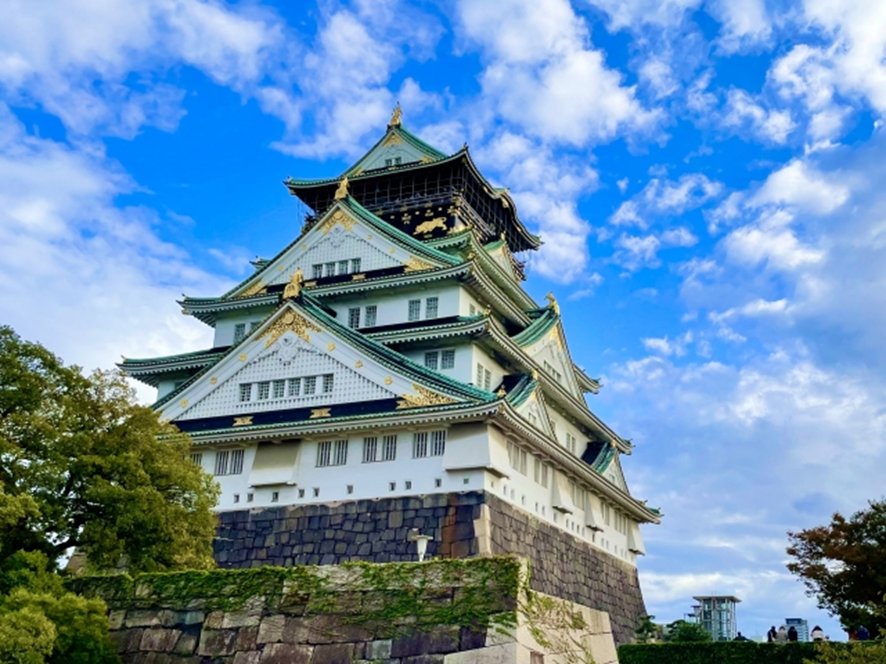
If you are staying in central Osaka, the Shinsaibashi and Dotonbori areas are convenient.
MAIKOYA Osaka Shinsaibashi offers kimono dressing and Japanese sweet making with English-language guidance.
In Dotonbori, Tea Ceremony The Osaka runs a tea ceremony program conducted entirely in English, with otemae demonstrations by the instructor and a hands-on matcha-whisking experience explained in English.
If you have time to spare, take a trip out to Sakai, the birthplace of Sen no Rikyu.
Sakai Plaza of Rikyu and Akiko is an exhibition facility where you can learn about Rikyu’s life.
It also has a full-fledged tea room where you can take part in a matcha otemae experience.
Details
| Address | 2-1-1 Shukuin-cho Nishi, Sakai-ku, Sakai, Osaka 590-0958 |
| Hours | 10:00 am–5:00 pm (the facility itself is open from 9:00 am to 6:00 pm) |
| Closed | Tea ceremony experience: open year-round (except for the New Year’s holiday); Sen no Rikyu Chanoyu-kan (the Rikyu exhibition): third Tuesday of each month (next day if a public holiday) and the New Year’s holiday |
| Official Site | https://www.sakai-rishonomori.com/ |
| Best For | Visitors who want to learn about Rikyu’s history along with a hands-on experience |
How to Enjoy a Tea Ceremony in Japan Without Stress

Quite a few visitors feel uneasy about the booking process and the flow of the day itself.
With a guided tour, you can enjoy the experience without worrying about etiquette or language barriers.
Tour guides explain the history of the tea ceremony and the meaning of the tools before the session begins, which helps ease any initial nervousness. You can also learn on the spot how to enter the tea room and how to handle a chawan.
For English-language tours, Japan Guide Star is one option to consider. Specialist guides explain the spirit of the tea ceremony in English, allowing for a deeper and more contextual understanding of the practice.
Their lineup typically includes both casual half-day experiences and more in-depth, authentic programs.
A few important points to keep in mind when choosing a tour:
- Duration: casual sightseeing-oriented sessions usually take around 1 hour; sessions combined with kimono dressing or calligraphy tend to run 2–3 hours
- Cost: tea ceremony only sessions are commonly in the ¥3,000–¥5,000 range per person, though private or more elaborate options can be ¥8,000 or more
- Booking: reserve at least the day before through an experience-booking site
Tokyo: Tea Ceremony & Japanese Sweets Making
Experience the harmony, respect, and tranquility of tea
Common Questions About the Japanese Tea Ceremony
Here are the questions travelers ask most often about taking part in a tea ceremony.
This section covers six key topics, including the difference between a chaji and a chakai, as well as typical price ranges, helping you understand what to expect before joining an experience.
What Is the Difference Between a Chaji and a Chakai?
A chaji and a chakai differ primarily in structure and length.
A chaji is a formal gathering that includes a kaiseki meal and koicha, and runs for about 4 hours.
A chakai can range from a relatively casual seating with a sweet and usucha to a fully formal seating that also includes a kaiseki meal and koicha. A typical chakai often runs about 1–2 hours, although the duration and format vary widely depending on the program, the school, and the host’s intentions.
| Item | Chaji | Chakai |
|---|---|---|
| Structure | Includes kaiseki and koicha | Varies |
| Length | About 4 hours | About 1–2 hours |
Most tourist-oriented experiences take the form of a chakai.
What Are the San-Senke?
The San-Senke are the three schools founded by the sons of Sotan, Sen no Rikyu’s grandson.
They are Omote-Senke, Ura-Senke, and Mushakoji-Senke.
| School | Characteristics |
|---|---|
| Omote-Senke | Less frothy matcha; more conservative etiquette |
| Ura-Senke | Emphasis on whisking up a fine froth; the largest school, with many opportunities for hands-on sessions |
| Mushakoji-Senke | The smallest school; precise, pared-down movements |
For a tourist experience, there is no need to worry too much about which school you choose.
Choose a venue that suits your itinerary based on factors such as location and language support.
Can Children Take Part?
Tourist-oriented venues welcome children.
Some shorter programs allow even preschool-age children to participate when accompanied by a parent or guardian.
A full chaji, however, involves extended periods of seiza, so it is typically more suitable for upper-elementary school age and older. That said, some formats offer chair seating or floor-chair alternatives, so it is advisable to confirm the seating style in advance.
Tourist-oriented programs are short, and many venues offer chair seating.
- A short parent-and-child tea ceremony session lets families enjoy the fun of whisking matcha
- It can also be combined with other cultural experiences, such as wearing a kimono or making Japanese sweets
When booking, mention the children’s ages and confirm the available facilities.
Are There Tea Ceremony Experiences in English?
English-language sessions are well established in major cities.
A few representative venues include:
- Chazen (Tokyo): a 45-minute English-language program in an authentic tea room
- Mikoen (Kyoto): a samurai-style otemae experience available in English and Chinese
- The Osaka (Osaka): historical explanations and hands-on practice, all in English
- tokyo-chaan (Tokyo): an English-led 45–60 minute session, with private sessions also available
There are also companies that offer multilingual outcall tea ceremony programs at your accommodation.
Because these experiences are often provided in limited time slots and require advance preparation, popular reservations tend to fill up quickly. It is recommended to book early to secure your preferred schedule.
What Is the Typical Price Range for an Experience?
Prices vary significantly depending on the content and length of the experience.
| Type of Experience | Price Range | Duration |
|---|---|---|
| Short tourist-oriented session | ¥1,500–¥5,000 | 20–50 minutes |
| In-depth, authentic program | ¥5,000–¥10,000 | 60–90 minutes |
Many visitors choose 30-minute to 1-hour sessions priced at around ¥3,000–¥4,000.
Some venues offer private sessions for around ¥5,000.
When budgeting, also keep in mind any add-ons such as kimono rental.
Do I Need to Book in Advance for a Tea Ceremony?
Practices vary by venue, so it is wise to check in advance.
Authentic tea rooms generally operate on a reservation-only basis. During peak tourist seasons, it is recommended to book one to two weeks ahead of time.
For shorter experience programs, some venues do accept same-day participation, depending on availability.
If you are concerned about the booking process, a guided tour is a convenient option.
Visitors who want to ensure they secure a session should consider making a reservation in advance.
Tokyo: Tea Ceremony & Japanese Sweets Making
Experience the harmony, respect, and tranquility of tea
Bring Home a Lasting Memory of a Bowl of Matcha
The Japanese tea ceremony brings together history, spirit, etiquette, and space into a single, deeply integrated cultural practice.
When you visit Japan, taking the time to enjoy a bowl of matcha in a traditional tea room offers a quiet opportunity to experience that harmony firsthand.