Have you started planning a trip to Kyoto, only to feel overwhelmed by the sheer number of things to see? With hundreds of temples and shrines, plus food and cultural activities, narrowing things down for a short stay can be a real challenge.
The highlights and activities covered in this article are categorized into four areas of the city: Higashiyama, Arashiyama, Kinkaku-ji and Kitayama, and the neighborhood around Nijo Castle and Nishiki Market. Exploring one area at a time cuts down on travel time and helps you build a satisfying itinerary.
From itinerary tips to recommended tours, read on to learn everything you need to know to get started on planning your trip to Kyoto.
Three Things to Decide First When Planning Your Trip
Kyoto has so much to see that planning makes a big difference in how much you’ll be able to enjoy your trip. Before building your itinerary, settle these three things: where you’ll stay, how you’ll get around, and when you’ll visit. Deciding these points first makes it much easier to plan an efficient route around the city, even if you’ve only got a couple of days.
1. Choose an Area to Stay
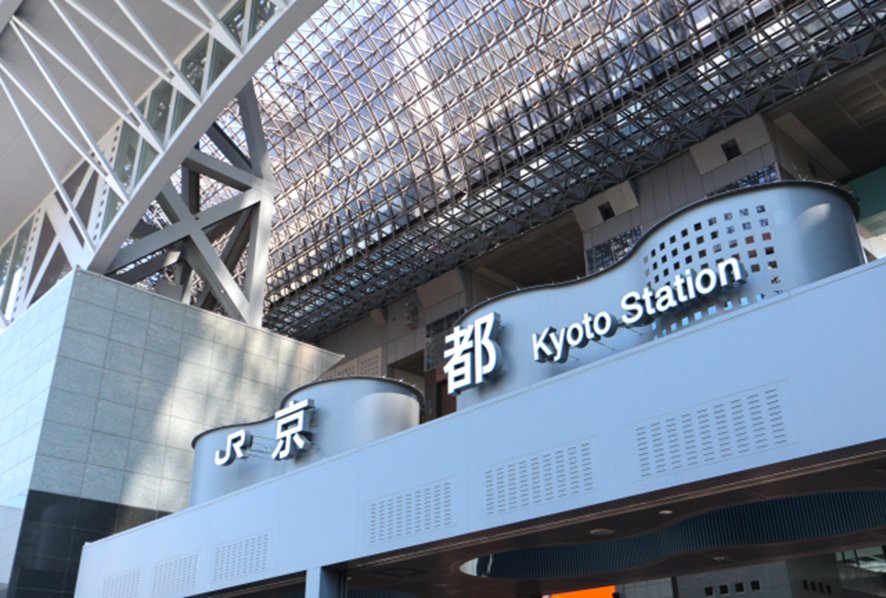
Choosing where to book your hotel becomes much easier if you can figure out the answer to the question, “What do I want to do first thing in the mornings?” For example, if you want to cover several areas efficiently in a single day, the neighborhood around Kyoto Station is ideal. Fushimi Inari Taisha is about five minutes away and Arashiyama only fifteen, so you can take full advantage of being at the hub of the rail network. The Kyoto Station area also offers plenty of accommodation options, from business hotels and guesthouses to luxury hotels, making it easy to find lodging that fits your budget.
If eating and shopping are your priorities, Shijo Kawaramachi is a good place to set up your base of operations. Nishiki Market, Pontocho, and Gion are all within walking distance, and the streets stay lively late into the night. It takes just ten to twenty minutes to get here from Kyoto Station, too, so transportation is convenient. If you plan to walk to Kiyomizu-dera Temple or Yasaka Shrine early in the morning, choose to stay in the Gion area. In Gion you can enjoy pleasant streetscapes lined with traditional townhouses, though accommodation tends to cost a bit more in this area.
Neighborhoods like Kiyomizu-dera and Gion are about twenty minutes from Kyoto Station, but more distant areas like Arashiyama and Kinkaku-ji can take over thirty minutes when combining trains and buses, so it pays to plan transportation routes carefully to these destinations.
If you’re still unsure which area to book your hotel in, use the table below to find a spot that fits your travel style:
| Travel Style | Recommended Area | Highlights |
|---|---|---|
| Family trips | Around Kyoto Station | JR and subway line hub minimizes travel time, convenient for travel with children |
| Food and shopping | Shijo Kawaramachi | Nishiki Market and Pontocho are within walking distance |
| Cultural activities and temples | Gion | Many temples and shrines are within walking distance |
2. Pick Your Method of Transportation
Choosing the right mode of transportation for each destination dramatically improves how efficiently you can move around Kyoto. For example, city buses charge a flat fare of ¥230 and are affordable, but delays and long lines are common in busy seasons. Also, large luggage and rolling suitcases can inconvenience other passengers.
Conversely, building your plan around trains (which are unaffected by traffic) can significantly reduce the time you spend on traveling.
| Destination | Fastest Route from Kyoto Station | Peak-Season Alternatives and Notes |
|---|---|---|
| Fushimi Inari Taisha | JR Nara Line, 5 min., ¥150 | Quiet and comfortable in the early morning (6-7 am) |
| Arashiyama | JR Sagano Line, 17 min., ¥240 | Hankyu Arashiyama Line is another option (from the Shijo Kawaramachi direction) |
| Nijo Castle | Tozai Subway Line (direct to Nijojo-mae Station), ¥260 | Unaffected by traffic, reliable all day |
| Gion and Kiyomizu-dera | Keihan Railway to Gion-Shijo Station, 15 min., ¥270 | Transferring to the Keihan Line at JR Tofukuji Station is fastest |
| Kinkaku-ji | JR Emmachi Station and city bus, 10 min. | Take the train as far as possible to keep the bus ride short |
For places that trains can’t reach directly—like Kinkaku-ji—ride the train to the nearest station so that you can keep the time spent riding the bus to a minimum.
Here are three guidelines to help you save time during busy seasons:
- Avoid riding the bus between 10 am and 4 pm and prioritize trains
- Aim to arrive at Kiyomizu-dera or Fushimi Inari before 8 am
- Use the “Arukumachi Kyoto” app to check real-time city bus locations and arrival predictions when searching for routes
Simply matching your transportation method to your destination can save you a great deal of travel time.
3. Beat the Crowds
When you visit greatly affects how much crowding you’ll experience in Kyoto, accommodation prices, and the quality of your experience.
For example, spring and autumn are when Kyoto is at its most beautiful, but major spots get crowded and hotel rates soar. During these seasons, aiming to arrive at your destination before 8 am is the single best way to beat the crowds. Plus taking photos and visiting temples in the quiet of the morning changes the whole experience for the better.
The fresh greenery of May and June, and the winter months of December, January, and February see fewer tourists and that means you can take things at a more relaxed pace. Summer brings intense heat, though, so a parasol and water bottles are essential. On the other hand, temperatures drop to around 0°C (32°F) in winter, so you’ll need to pack cold-weather gear.
The characteristics of each season in Kyoto are summarized in the table below:
| Season | Crowds/Hotel Rates | Recommended Strategy |
|---|---|---|
| Spring (March-April) | Very crowded/Rates spike | Go out early in the morning; aim for weekdays |
| Early summer (May-June) | Low/Normal | Visit temples and gardens |
| Summer (July-September) | Somewhat low/Normal | Bring a parasol; sightsee in the morning |
| Autumn (October-early December) | Very crowded/Rates spike | Go early; choose lesser-known places |
| Winter (December-February) | Low/Affordable | Cold-weather clothes; snowscape photography |
Even if your travel dates are already set, knowing the right strategy for the season is sure to improve your experience.
Four Main Areas Packed with Things to Do
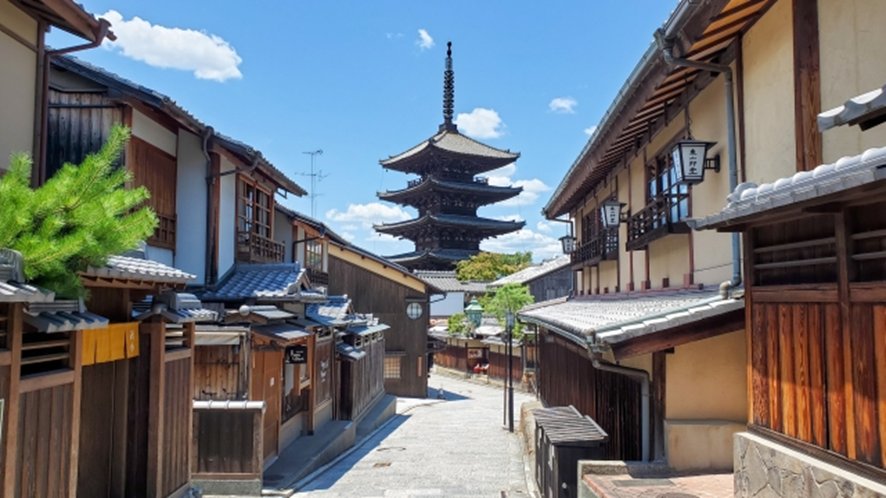
Kyoto’s attractions are spread across a wide area, and understanding each district’s character can help you sightsee efficiently. The four areas covered in this section are Higashiyama, Arashiyama, Kinkaku-ji and Kitayama, and the neighborhood around Nijo Castle and Nishiki Market. Learn about each area’s highlights and how best to explore, then combine your options to suit your plans.
Higashiyama | Kiyomizu-dera and Gion
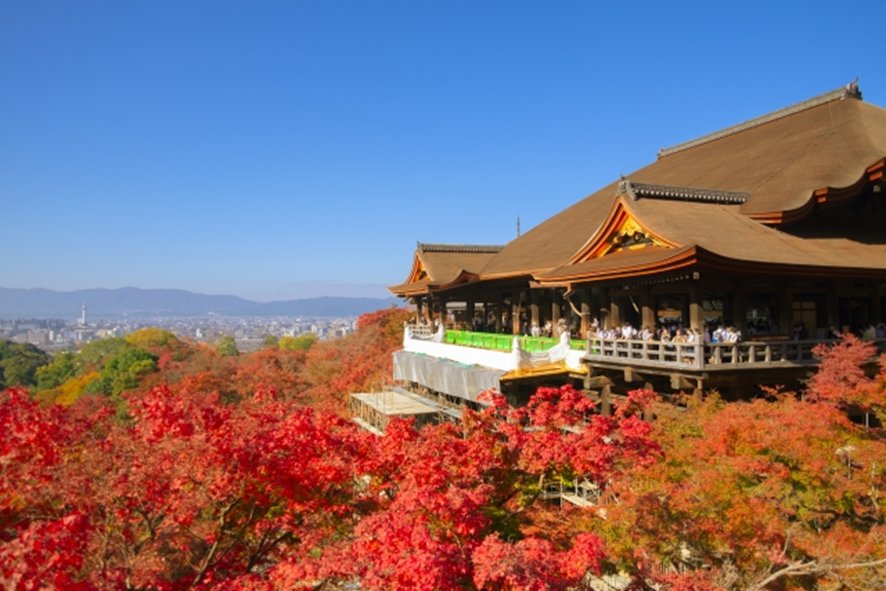
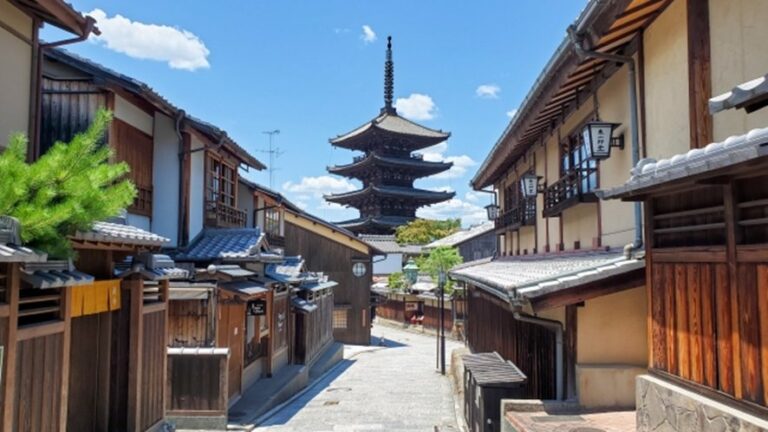
Higashiyama allows you to enjoy temples, stone-paved streets, and the atmosphere of the geisha district all in just half a day. Your starting point—Kiyomizu-dera Temple—opens its gates at 6 am, so you can walk the grounds before the crowds arrive. Standing on the famous Kiyomizu Stage, you can take in a sweeping view of the city below. Admission to the temple is ¥500, and special events are held in certain seasons.
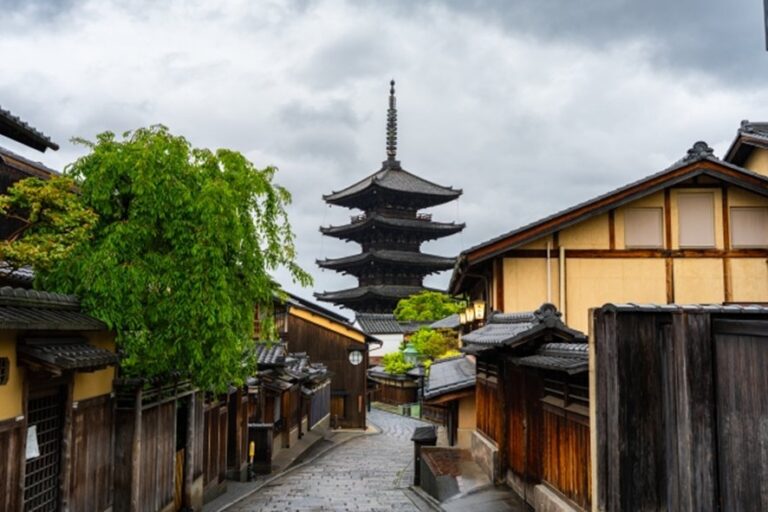
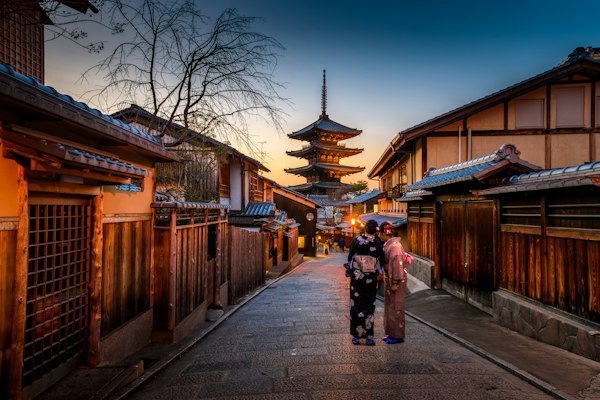
After Kiyomizu-dera, walk down the stone-paved slopes of Ninenzaka and Sannenzaka, stopping at cafes on your way toward Gion. Keep in mind that some private streets around Hanamikoji Street prohibit photography—violators can even be fined for entering without permission—so be sure to check the signs at street entrances. The walk from Kiyomizu-dera to Yasaka Shrine via Sannenzaka, Ninenzaka, and Nene-no-Michi takes about twenty to thirty minutes, but if you plan to browse shops and enjoy the scenery along the way, allow yourself two or three hours to explore the Higashiyama area fully.
Afterward, if you have the energy, take the Keihan train from Gion-Shijo Station to Fushimi-Inari Station and visit Fushimi Inari Taisha, famous for its thousands of red torii gates. Allow an hour to an hour and a half for the round trip through the park here.
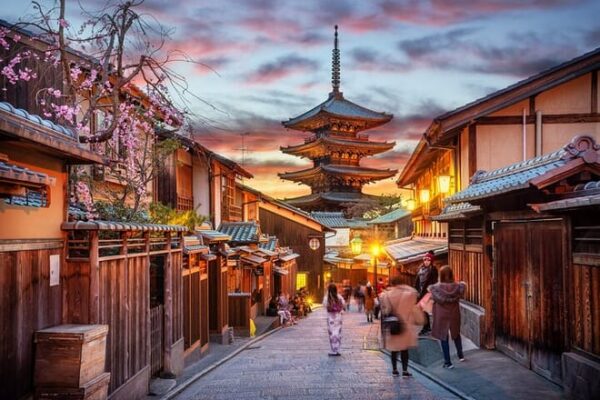
Kyoto: Gion Hidden Gems & Geisha Culture Tour
Arashiyama | Bamboo Grove and Togetsukyo Bridge
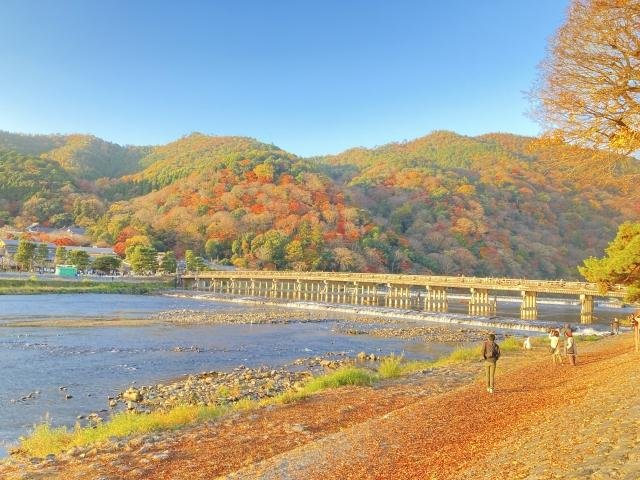
Approximately twenty minutes from Kyoto Station, Arashiyama is a special area where nature and heritage blend together. The Bamboo Grove Path, where towering bamboo rises high overhead to create a green tunnel, is the natural starting point for a stroll of this area. Entry to the grove is free, but it gets crowded during the day so try to arrive before 8 am; the morning stillness also makes it much easier to capture photos without other people in the frame.
Walk about five minutes from the bamboo grove and you’ll find yourself at Tenryu-ji, a UNESCO World Heritage site. Admission to the garden is ¥500, but the temple’s scenery is magnificent; an hour is a good estimate for a visit here.
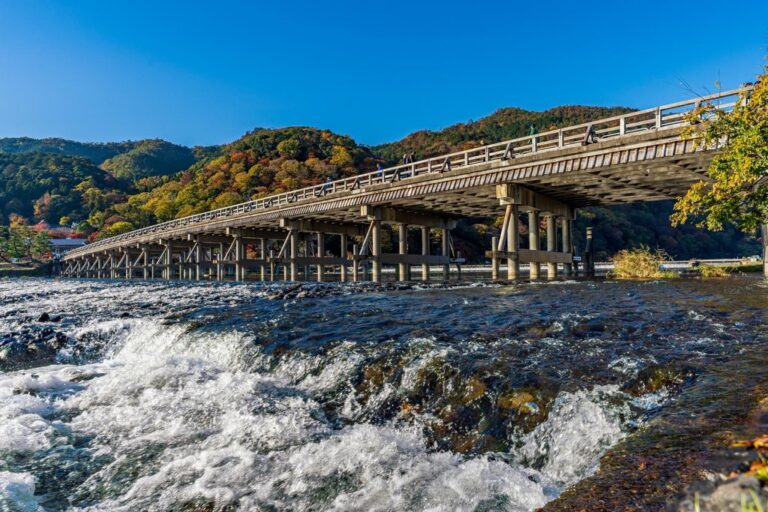
After Tenryu-ji, enjoy the view of Togetsukyo Bridge, which changes its expression with the seasons. If you have extra time, adding a ride on the Sagano Romantic Train or a chopstick-making workshop makes the day even more rewarding. All in all, the route outlined above takes about three hours to complete.
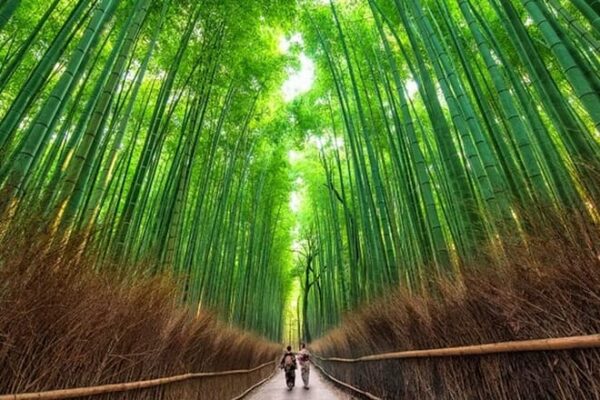
Kyoto: Arashiyama UNESCO Walking Tour with Admission
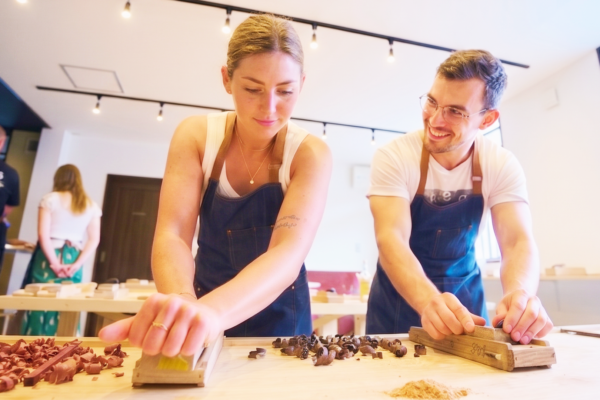
Kyoto Arashiyama Chopstick Making Workshop
Kinkaku-ji and Kitayama | The Golden Pavilion and Rock Garden
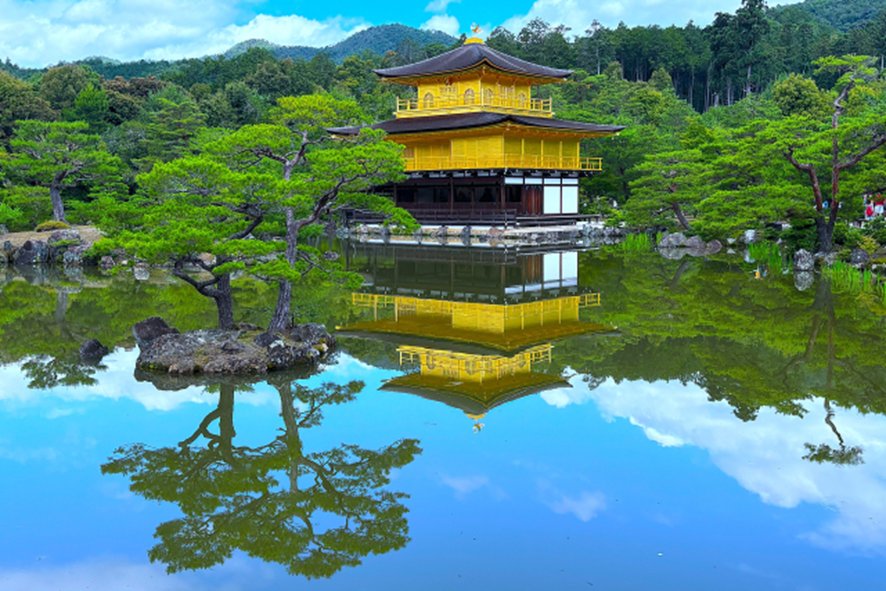
Situated far from the main areas described so far, it’s best to devote a full half day—either morning or afternoon—to Kinkaku-ji. When you step off the city bus, the Golden Pavilion is the first sight to greet you. The golden structure reflected in Kyokochi Pond is one of Kyoto’s most iconic scenes. Admission to the temple is ¥500, and it’s open to the public from 9 am to 5 pm. We recommend allotting forty minutes to an hour for a visit here. After leaving the temple, take a walk along the scenic route known as the Kinukake-no-Michi.
Here are the distances and walking times between the three temples in the area:
| Route | Distance | Walking Time |
|---|---|---|
| Kinkaku-ji → Ryoan-ji | About 1.5 km (0.9 miles) | Approx. 20 min. |
| Ryoan-ji → Ninna-ji | About 0.9 km (0.6 miles) | Approx. 15 min. |
At Ryoan-ji, a rock garden of fifteen stones is set in white sand. Take your time savoring this serene space, a striking contrast to Kinkaku-ji. Kinkaku-ji, Ryoan-ji, and Ninna-ji all sit along the Kinukake-no-Michi, so you can visit them efficiently on foot or by bus. Allow yourself about an hour and a half at each temple; for an unhurried visit, set aside half a day to a full day.
If you move briskly and focus on the main sights, you can see all three temples in three or four hours (including travel time), though crowds and rest breaks can make your time here longer in practice.
Nijo Castle and Nishiki Market | The Shogun’s Castle and Kyoto’s Kitchen
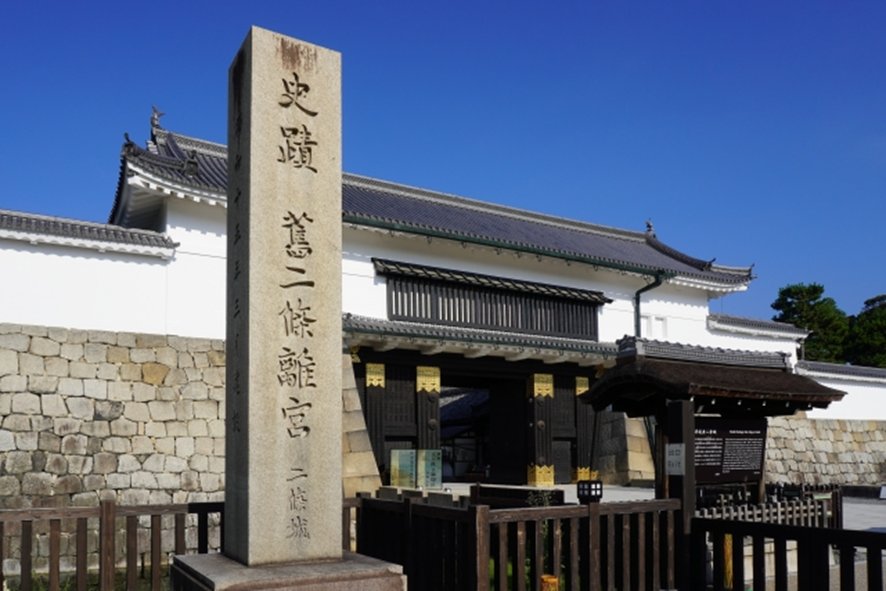
If you’re looking for history distinct from temples and shrines, Nijo Castle is the place to go. The nearest station to Nijo Castle is Nijojo-mae Station, reached by transferring from the Karasuma Subway Line to the Tozai Line. Inside the Ninomaru Palace, the main attraction is the “nightingale floor,” a corridor that chirps with every step. If you focus on the Ninomaru Palace and Ninomaru Garden, plan on spending about sixty to ninety minutes here. For a thorough visit that includes the Honmaru Garden and Honmaru Palace, allow around two and a half to three hours. To avoid crowds, try entering right after opening, between 8:45 am and 10 am.
After the castle, take the subway to Shijo Station and continue on to Nishiki Market. The arcade known as “Kyoto’s Kitchen” is lined with pickles, matcha sweets, and more. Nishiki Market is a perfect spot for both snacking and souvenir hunting.
Details
| Address | 541 Nijojo-cho, Nijo-dori Horikawa Nishi-iru, Nakagyo-ku, Kyoto |
| Hours | Entry 8:45 am-4 pm (castle closes at 5 pm) |
| Closed | December 29-31 (Ninomaru Palace closes on Tuesdays in Jan., July, Aug., and Dec.) |
| Official website | https://nijo-jocastle.city.kyoto.lg.jp/ |
| Recommended for | Those seeking history; those who want to enjoy a castle and food culture in half a day |
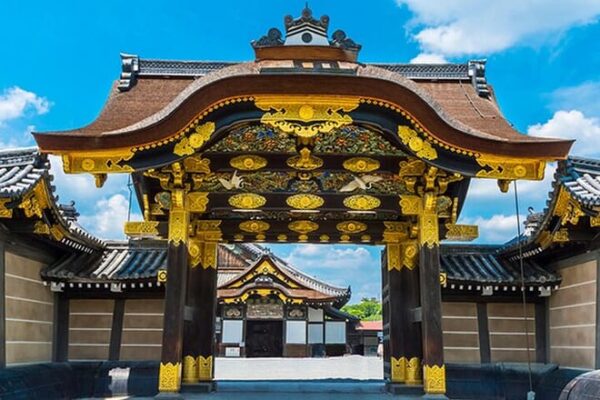
Kyoto: Nijo Castle World Heritage Guided Tour with Admission
Three Food Highlights to Savor
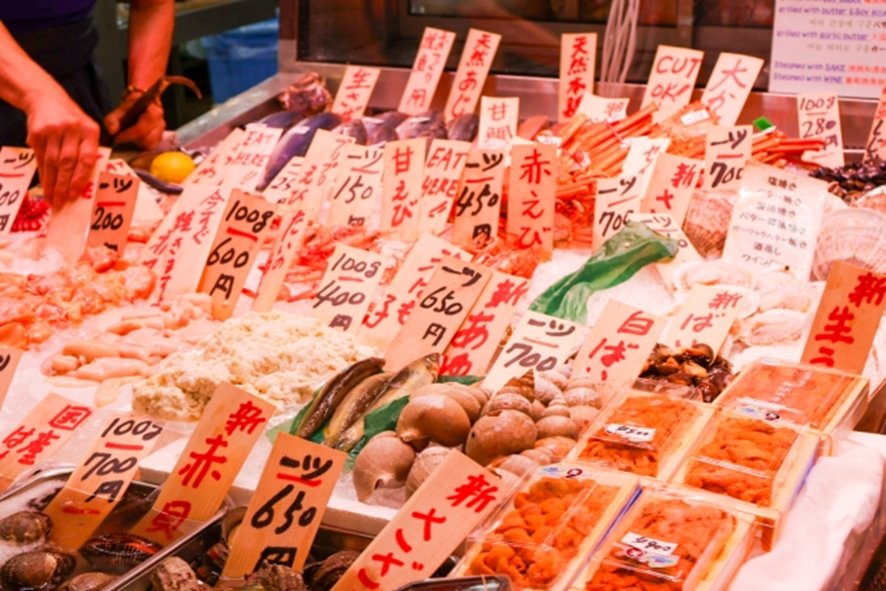
Kyoto’s appeal goes beyond temples and scenery; its cuisine is a cultural experience in its own right. The three food spots covered in this section are concentrated in the Shijo and Higashiyama areas, so they can be slotted in easily between sightseeing stops. Learn how to enjoy each and when to visit, and make the most of Kyoto’s distinctive food scene.
Nishiki Market | Kyoto’s Kitchen
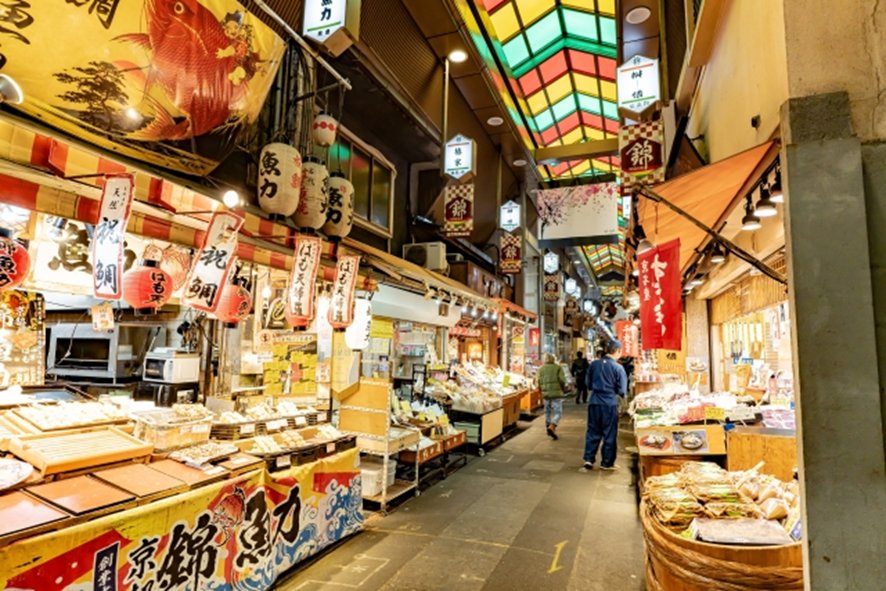
With a history of more than four hundred years, Nishiki Market is “Kyoto’s Kitchen,” home to about 130 specialty shops. Kyoto vegetables, pickles, and other ingredients at the heart of the city’s food culture fill the stalls, and simply browsing the goods is a pleasure. Many shops offer samples and bite-sized skewers, and you can enjoy treats like matcha sweets for ¥300 to ¥500. Eat your purchases at each shop’s eat-in space, though: walking while eating is not allowed.
The market is a five-minute walk from Hankyu Kyoto-kawaramachi Station, making it an easy stop before dinner in Pontocho. Right after opening (at around 10 am) is relatively quiet, so that’s a good time to browse at your leisure. Avoid bringing large luggage such as suitcases.
Details
| Address | 609 Nishidaimonji-cho, Nakagyo-ku, Kyoto |
| Hours | 10 am-6 pm (varies by shop) |
| Closed | Closings vary by shop (many close on Wednesdays) |
| Official website | https://www.kyoto-nishiki.or.jp/ |
| Recommended for | Those who want to experience Kyoto’s food culture and enjoy sampling local treats |
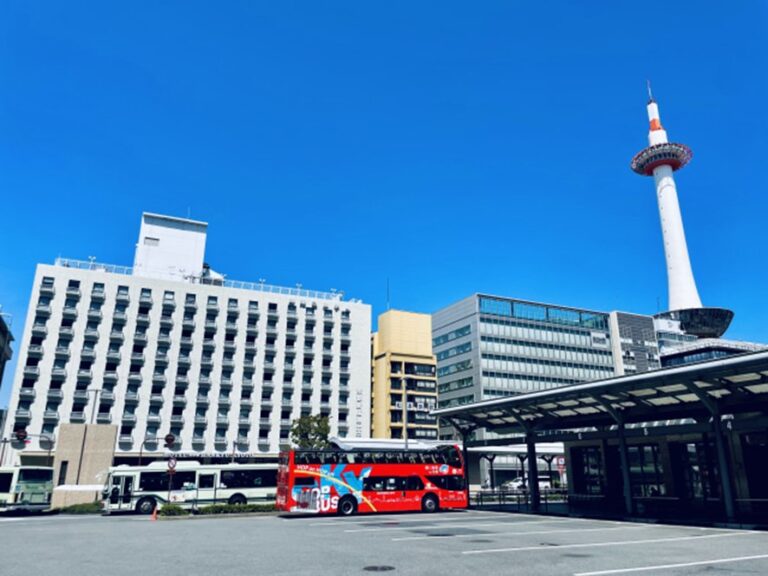
Pontocho | Taste Kyoto Cuisine
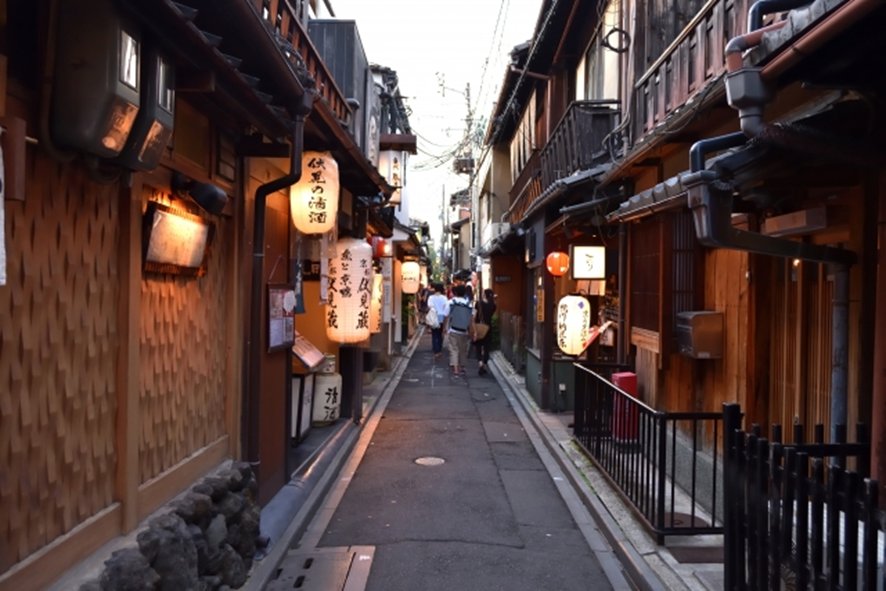
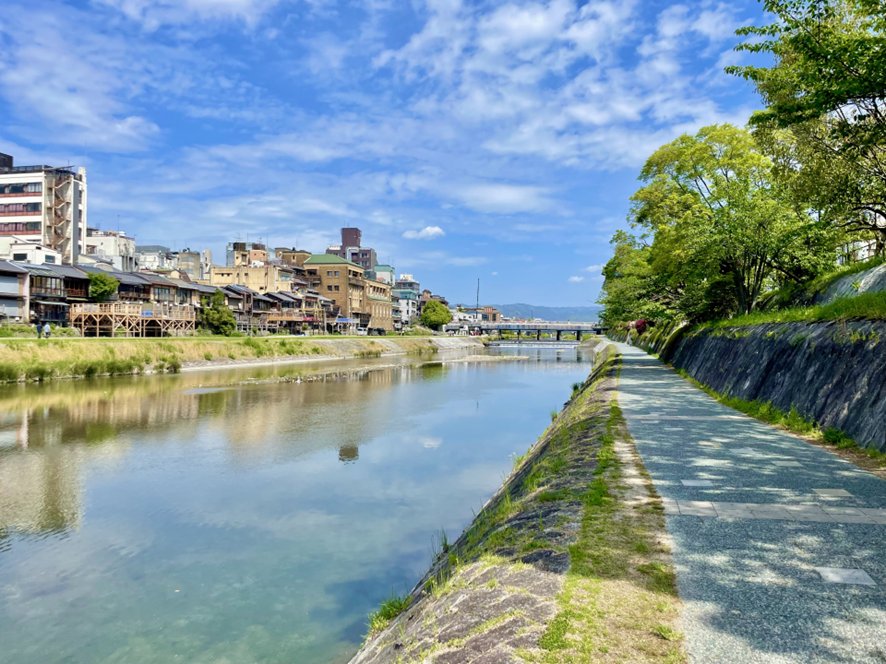
The narrow stone-paved alley squeezed between the Kamo River and Kiyamachi Street is Pontocho, one of Kyoto’s historic geisha districts. For about 500 meters (or 550 yards), it’s lined with a wide variety of restaurants, from Kyoto cuisine to Japanese pub food. As evening falls, lanterns light up and the lane takes on an almost otherworldly atmosphere. From May to mid-October, kawadoko (riverside dining platforms) are set up along the Kamo River, offering a special open-air dining experience.
Weekends and summer days get crowded, so booking ahead is a safe bet. Some restaurants include the riverside seating at no extra charge, while others add a fee, so check details in advance. Note that riverside dining may be canceled in rainy weather. Some small izakaya may only offer service in Japanese, so restaurants with photo menus are convenient.
Details
| Address | Along Pontocho-dori, between Sanjo and Shijo, Nakagyo-ku, Kyoto |
| Hours | Varies by restaurant (mostly evening to late night) |
| Closed | Closings vary by restaurant |
| Official website | https://www.ponto-chou.com/ |
| Recommended for | Those who want to try riverside Kyoto dining and enjoy the city’s evening atmosphere |
Kyoto: Gion Hidden Gems & Geisha Culture Tour
Ninenzaka and Sannenzaka | Indulge in Sweets
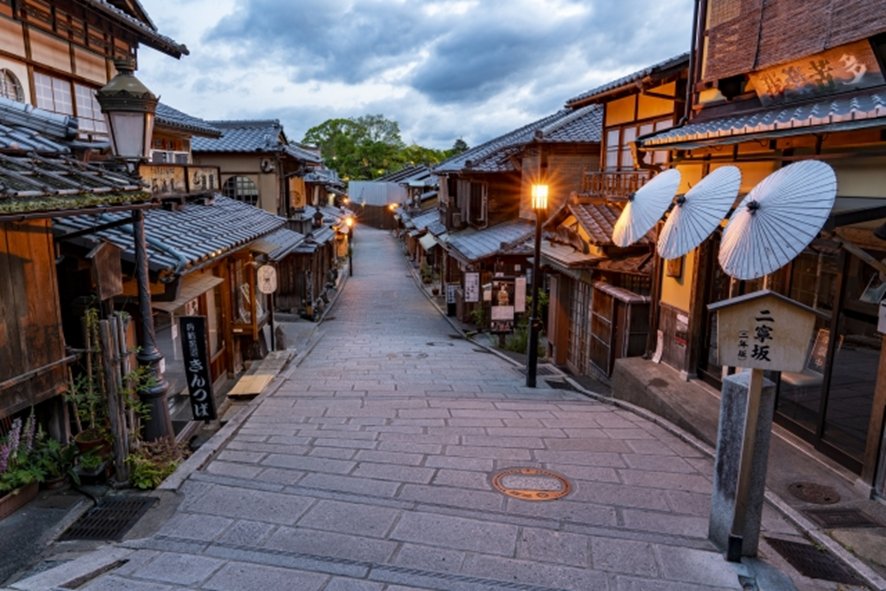
The stone-paved slopes leading up to Kiyomizu-dera are home to one of Kyoto’s densest clusters of matcha sweet shops. Treats like warabi mochi made with Uji matcha cost around ¥300 to ¥800, and parfaits run for about ¥1,000. Some shops occupy houses more than one hundred years old, and their charming exteriors make perfect photo spots.
To preserve the streetscape and keep everyone safe, refrain from eating and drinking while walking. The proper way to enjoy your treats is inside the shop where you bought them or in designated areas. There are many stone steps, so wear comfortable shoes for your stroll. Combined with a visit to Kiyomizu-dera, Ninenzaka and Sannenzaka let you enjoy both sightseeing and sweets in half a day.
Three Cultural Activities
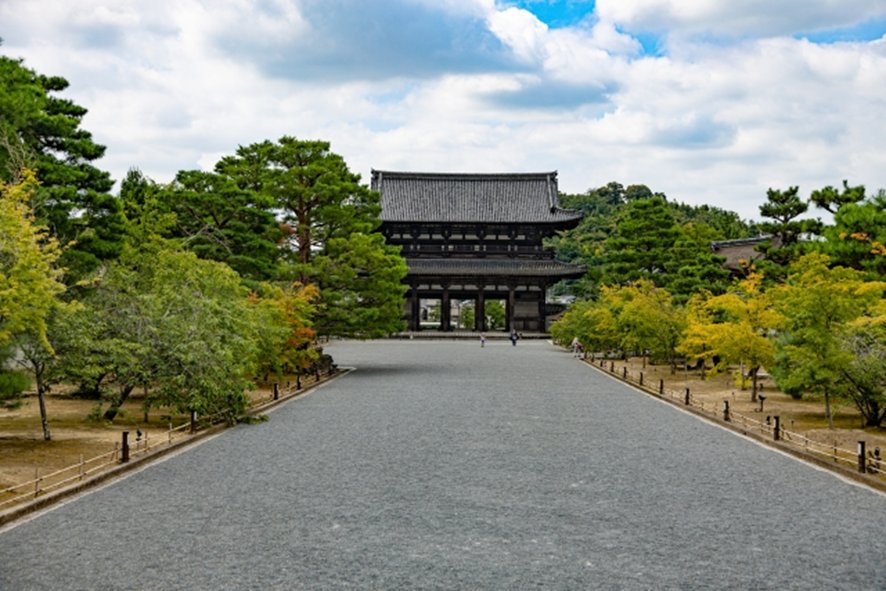
Experiencing traditional Japanese culture firsthand is another pleasure unique to Kyoto. The three experiences covered here are kimono rentals, tea ceremony, and Zen meditation. Here is a quick look at how each works, how long it takes, and how to choose, so pick the experience that best fits your schedule and interests, and work it into your itinerary.
Kimono Rental | Stroll Through Temples in a Kimono
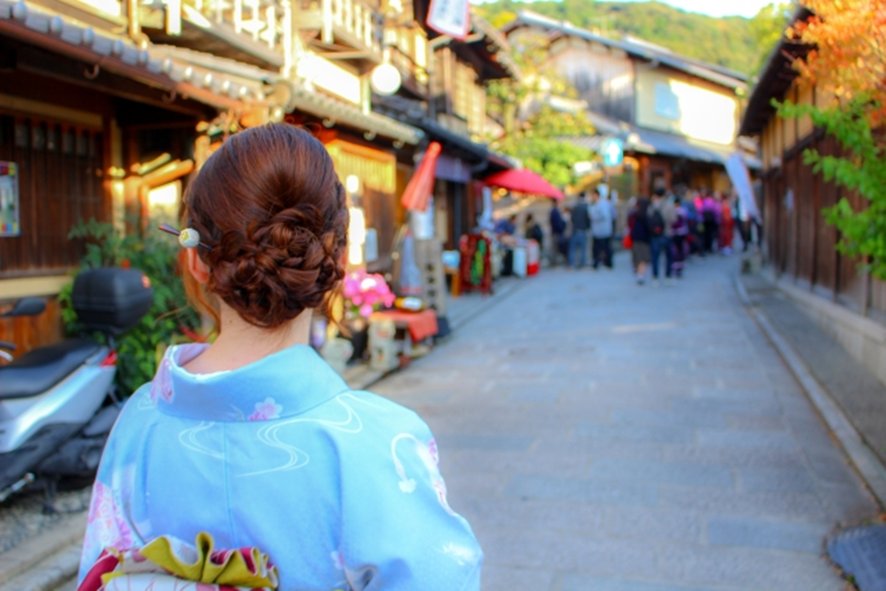
Walking among temples, shrines, and bamboo groves in a kimono is a special way to experience the city’s atmosphere more deeply. Rental plans that include hair styling typically cost between ¥3,000 and ¥5,500. Check-in, kimono selection, dressing, and hair styling take about forty-five to ninety minutes, but if you finish in the morning, you can stroll at leisure until evening.
Zori (traditional Japanese sandals) are not suited for long walks, so limit your stroll to a single area:
- Around Kiyomizu-dera: The stone-paved Ninenzaka and Sannenzaka and old houses make the perfect backdrop for photos
- Arashiyama Bamboo Grove: The bamboo tunnel and natural light create dreamlike shots
- Gion: The stone paving and latticed facades of Hanamikoji Street add to the traditional atmosphere
Rikawafuku offers multilingual support and more than five hundred kimonos to choose from, with shop locations to match your walking area. During the cherry blossom and autumn foliage seasons, it’s best to reserve your spot one to two months ahead of your visit.
Details
| Rikawafuku (Arashiyama Shop) | Rikawafuku (Gion Shop) | |
|---|---|---|
| Address | 11-4 Saga-Tenryuji Tsukurimichi-cho, Ukyo-ku, Kyoto | 7-1 Yamato-cho, Yamato-oji Shijo Sagaru, Higashiyama-ku, Kyoto |
| Hours | 9 am-6 pm (final return at 5:30 pm) | 9 am-6 pm (final return at 5:30 pm) |
| Closed | Irregular holidays | Irregular holidays |
| Official website | https://ewha-yifu.com/shops/kyoto-area/arashiyama/ | https://ewha-yifu.com/shops/kyoto-area/gion/ |
| Recommended for | Those who want to stroll the bamboo grove and Togetsukyo Bridge | Those who want to walk around Hanamikoji Street and Yasaka Shrine |
Arashiyama Shop:
Gion Shop:
Tea Ceremony | Learn to Make Matcha and Japanese Sweets
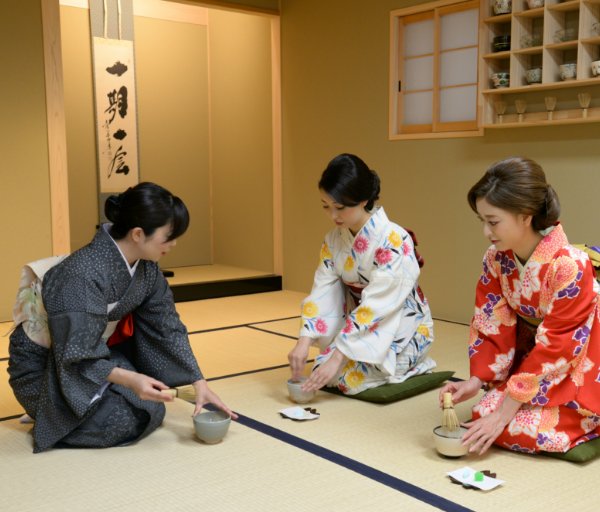
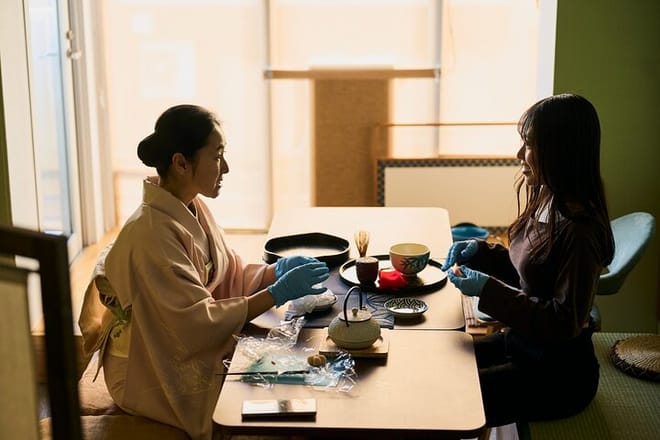
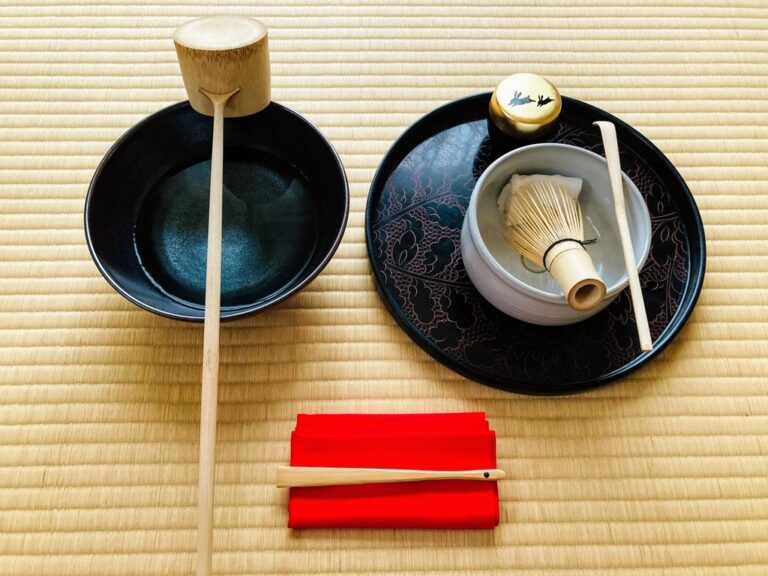
Whisking your own bowl of matcha in Kyoto, the home of the tea ceremony, leads to a deeper understanding of the culture. After watching the instructor’s demonstration, you’ll whisk a bowl yourself with bamboo utensils and enjoy it alongside a Japanese sweet. Tea Ceremony Kyoto Nagomi in Ninenzaka is perfectly located for a visit before or after Kiyomizu-dera. Shared and private plans are also available; the private plan is recommended for those with children under five.
If sitting seiza-style (kneeling on the floor) worries you, ask about chair seating when you book. English-speaking staff are on hand, so you can enjoy an authentic experience while learning the meaning behind each movement of the ceremony. Afterward, the route via Sannenzaka to Kiyomizu-dera ties your Higashiyama sightseeing together efficiently.
Details
| Address | 2F Kanda Bamboo Craft Shop, 349-7 Masuya-cho, Higashiyama-ku, Kyoto |
| Hours | Five sessions daily: 10 am, 11 am, 12 pm, 2 pm, and 3 pm |
| Closed | Irregular holidays |
| Official website | https://kyoto-nagomi-tea.com/ |
| Recommended for | Those combining tea ceremony with a Kiyomizu-dera visit; those who want to learn the tea ceremony in English |
Zen Meditation | Find Stillness
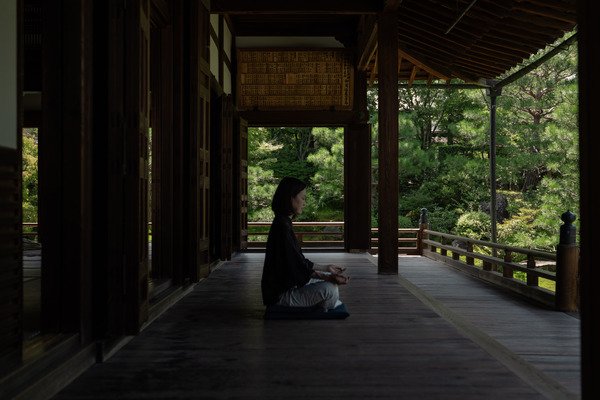
Zazen (seated meditation focused on the breath) in the quiet of a Zen temple is a rare chance to reset your mind. After a monk teaches you posture and breathing, you sit in silence for about thirty minutes. Since you sit cross-legged, avoid skirts or tight trousers and wear clothing you can move in. Breathe from your abdomen, focusing on the exhale more than the inhale, letting your breath out slowly and fully. By quietly counting your breaths, even beginners should find their minds settling naturally.
Ryosoku-in, a sub-temple of Kennin-ji, is within walking distance of Gion and pairs easily with sightseeing in Higashiyama.
Details
| Address | 591 Komatsu-cho, 4-chome Yamato-oji-dori Shijo Sagaru, Higashiyama-ku, Kyoto |
| Hours | 8:30-9:15 am (July) / 9:30-10:15 am (August onward) |
| Duration | About 45 minutes |
| Reservations | Book via the calendar on the official website, from about one month in advance |
| Official website | https://ryosokuin.com/ |
| Recommended for | Meditation beginners; those planning to sightsee in Higashiyama |
Three Recommended Guided Tours for Exploring Kyoto with Confidence

With so much to see in Kyoto, guided tours led by knowledgeable experts are a smart choice. You can cover more ground in limited time, and learning about history and customs directly from a guide deepens the whole experience.
Here are three special tours offered by Japan Guide Star. Use the information outlined below as a guide to choosing the best tour for your length of stay and interests.
Gion Hidden Gems and Geisha Culture Tour
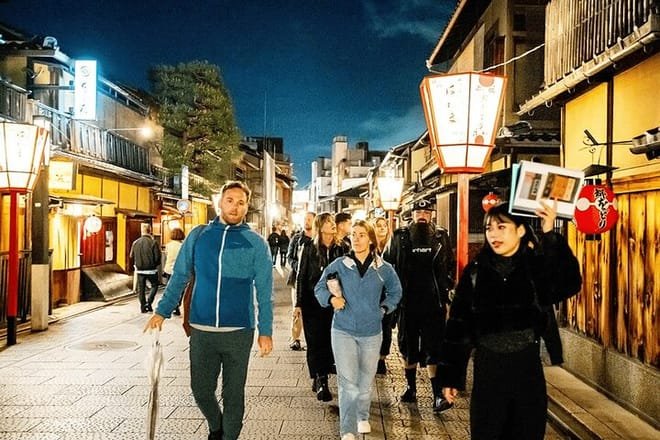
The small shrines and old teahouses tucked into Gion’s back alleys are easy to walk right past if you don’t know they’re there. The Kyoto: Gion Hidden Gems & Geisha Culture Tour from Japan Guide Star takes you around these lesser-known local spots, and an English-speaking guide carefully points out places most visitors overlook.
As you walk quiet backstreets away from the crowds, you’ll learn how the geisha district came to be and how maiko (apprentice geisha) train. If you choose an evening tour, there’s a good chance of spotting a maiko on their way to engagements. The guide also shares photo spots you would have a hard time finding on your own, making this tour a great choice for first-time visitors.
Details
| Meeting point | 105-1 Hashimoto-cho, Shijo-kobashi Higashi-iru, Shimogyo-ku, Kyoto |
| Duration | About 2 hours |
| Included | English-speaking guide, route guidance (food, drinks, and admission fees not included) |
| Booking site | https://japanguidestar.com/tour/kyoto-gion-hidden-gems-geisha-culture-tour/ |
| Recommended for | First-time visitors to Gion who want a deeper look at geisha culture |
Kyoto: Gion Hidden Gems & Geisha Culture Tour
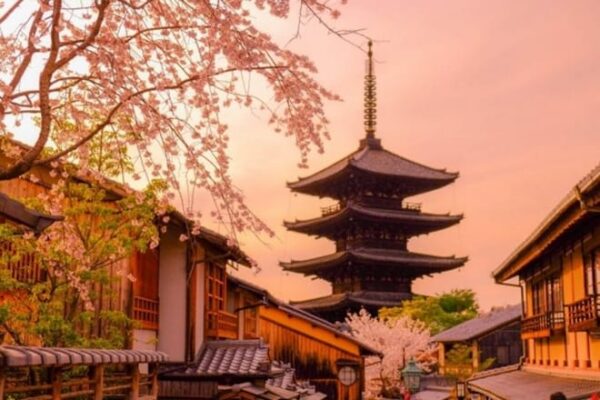
Kyoto: Gion Geisha District Sunset Tour in Spanish and en Español
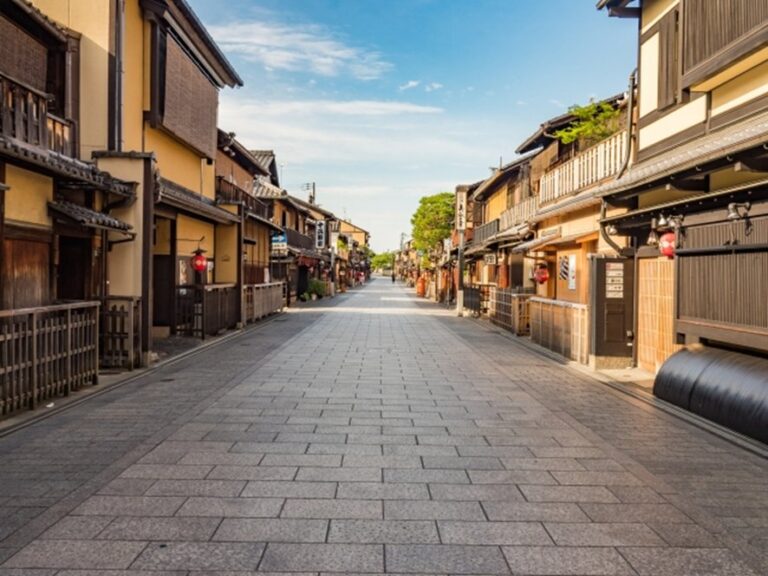
Arashiyama UNESCO World Heritage Walking Tour
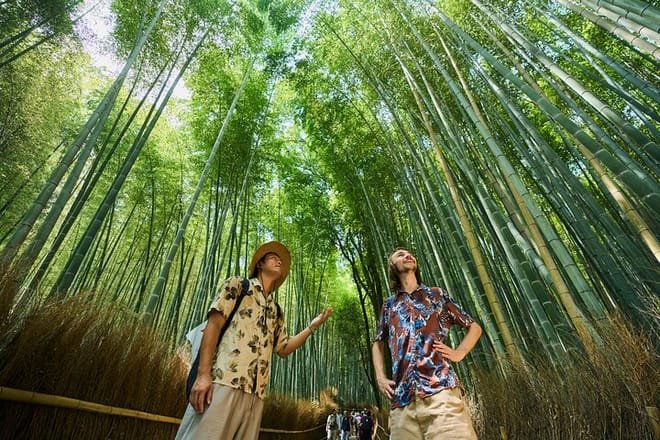
The Kyoto: Arashiyama UNESCO Walking Tour with Admission from Japan Guide Star covers Arashiyama’s main sights. Admission to the Tenryu-ji garden is included, and the walking tour covers the area efficiently in about an hour and a half. Its greatest appeal is how the English-speaking guide’s commentary transforms the way you see the scenery.
Tenryu-ji’s Sogenchi Garden is a masterful example of shakkei (“borrowed scenery”), a technique that incorporates the Arashiyama mountains behind it into the garden itself. With the principles of garden aesthetics explained on the spot, you’ll gain a real sense of the design’s depth. The Bamboo Grove Path also takes on new meaning once you learn its history as a former villa district for the aristocracy.
With a maximum of ten participants, the small group size makes it easy to ask the guide questions.
Details
| Meeting point | Chopsticks Studio Kyoto, 3-25 Saga-Tenryuji Susukinobaba-cho, Ukyo-ku, Kyoto |
| Duration | About 1.5 hours |
| Included | English-speaking guide, Tenryu-ji garden admission |
| Booking site | https://japanguidestar.com/tour/kyoto-arashiyama-unesco-walking-tour-with-admission/ |
| Recommended for | Travelers who want to see Arashiyama efficiently in a short time; those curious about the cultural background of the gardens and bamboo grove |
Kyoto: Arashiyama UNESCO Walking Tour with Admission
Arashiyama Chopstick-Making Workshop
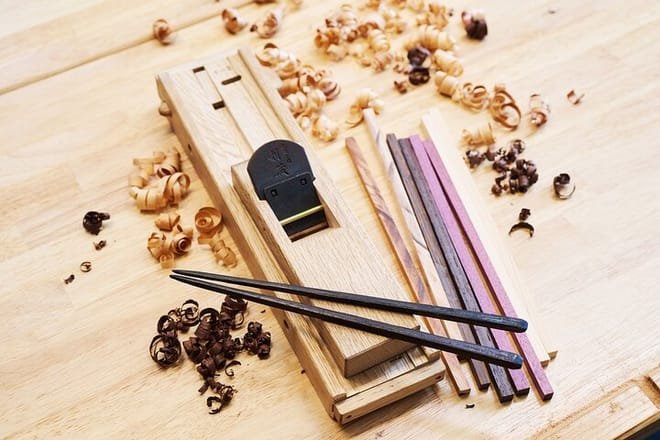
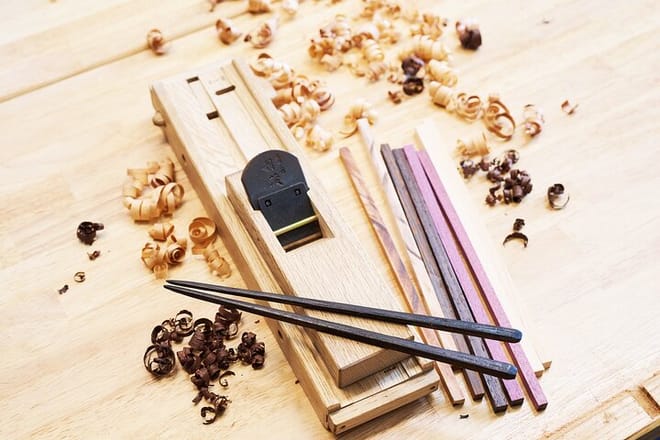
For those who want to make something with their own hands and take it home, this Japan Guide Star workshop is a great fit. In the Kyoto Arashiyama Chopstick Making Workshop, you craft your own chopsticks from the wood of your choice. English-speaking staff are always on hand, so even first-time woodworkers can take part with confidence. You’ll receive your finished chopsticks when you’re done, so you can start using them at meals right away during your trip. What’s more, optional name engraving turns them into a one-of-a-kind souvenir.
The studio is within walking distance of Tenryu-ji, so you can easily combine the workshop with sightseeing on the same day.
Details
| Meeting point | Chopsticks Studio Kyoto, 3-25 Saga-Tenryuji Susukinobaba-cho, Ukyo-ku, Kyoto |
| Duration | About 1 hour |
| Included | Materials, tool use, and your finished chopsticks to take home |
| Booking site | https://japanguidestar.com/tour/kyoto-arashiyama-chopstick-making-workshop/ |
| Recommended for | Those who want to make a practical souvenir; those combining Arashiyama sightseeing with a cultural experience |
Kyoto Arashiyama Chopstick Making Workshop
Kyoto: Arashiyama UNESCO Walking Tour with Admission
Common Questions About Sightseeing in Kyoto

When should you go? How many days do you need? Here are answers to the questions that come up most often in the trip-planning stage. Settling the following points in advance lets you prepare for your journey with confidence.
When Is the Best Season to Visit Kyoto?
Spring and autumn are beautiful, but they bring peak crowds and soaring hotel rates. To avoid the crowds, aim for early summer (May-June), when the fresh greenery is beautiful and tourists are few. Winter is also quiet and affordable, and February is perhaps the emptiest, most under-visited month of the year.
If you want to experience seasonal events like the Gion Festival, however, visit in summer and come prepared for the heat.
| Season | Appeal | Crowds and Costs |
|---|---|---|
| Spring (late March-early April) | Cherry blossoms and temple scenery | Peak crowds/high hotel rates |
| Early summer (May-June) | Fresh greenery and moss | Relatively quiet/lower costs |
| Summer (July-August) | Gion Festival, Gozan Okuribi bonfires | Somewhat crowded/heat precautions essential |
| Autumn (late November-early December) | Spectacular autumn colors | Peak crowds/high hotel rates |
| Winter (December-February) | Snowscapes and quiet temples | Quietest/lower costs |
What Does a Good Two or Three Day Itinerary Look Like?
With two to three days, you can comfortably cover the classic spots by switching areas between morning and afternoon:
- Day 1: Head to Fushimi Inari Taisha at 7 am, then spend the afternoon in the Higashiyama area at Kiyomizu-dera and Gion
- Day 2: Walk around Arashiyama in the morning, then take a bus to Kinkaku-ji after lunch
- Day 3: Tour Nijo Castle, then spend the rest of the day sampling food at Nishiki Market or enjoying a cultural activity
Buses are prone to daytime traffic, so prioritize trains for longer legs of the journey.
Can You Visit Kyoto from Osaka?
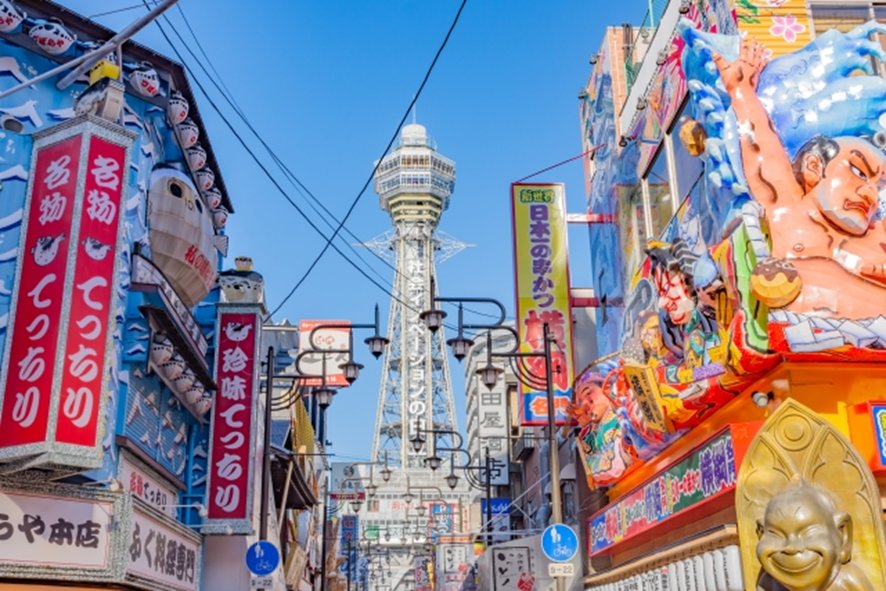
A day trip from Osaka to Kyoto is entirely doable. The JR Special Rapid Service reaches Kyoto from Osaka Station in about thirty minutes for just ¥580, and the Hankyu Railway takes about forty-five minutes from Osaka-Umeda. Even leaving in the morning and returning at night, you can enjoy about eight hours of free time in the city. That’s enough to properly cover popular areas in half-day blocks, such as the classic Higashiyama route outlined above or Arashiyama.
If you have a lot of luggage, utilize the coin lockers found at most train stations.
| Train Line | Travel Time | Fare |
|---|---|---|
| JR Special Rapid (Osaka Station → Kyoto Station) | About 30 min | ¥580 |
| Hankyu Limited Express (Umeda → Kawaramachi) | About 45 min | ¥410 |
Is English Spoken in Kyoto?

English is usually understood at major stations, famous temples and shrines, and chain stores. Multilingual signage is also widespread, but at small family-run shops staff often don’t know English, so gestures and a translation app are helpful backups. When you can’t use English, try Google Lens, which translates words simply by pointing your camera. Download the Japanese language pack in advance and it’ll work offline as well. Capturing the full text in the frame reduces mistranslations, and the Tap to Translate feature is convenient for conversations.
In short: if you plan to venture into Kyoto’s back alleys, have a translation app ready.
Plan to Make the Most of Your Time in Kyoto
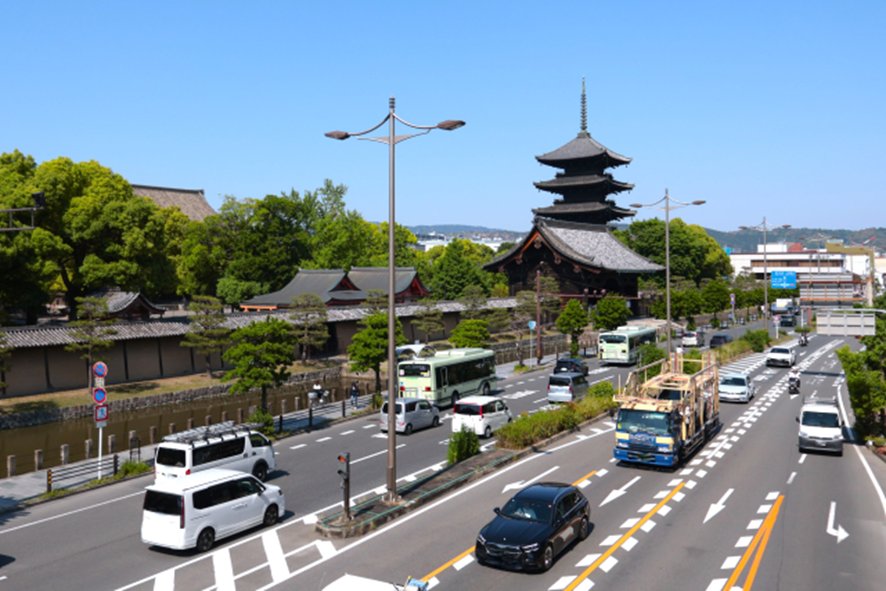
Kyoto’s charm lies in how each area, with its own distinct character, is packed with things to see and do. Planning your trip area by area lets you make the most of every hour. Build in early starts and crowd-avoiding strategies, and enjoy a Kyoto adventure that’s entirely your own.