With century-old institutions and viral soft-set specialists competing for attention, choosing an omurice restaurant in Tokyo can be surprisingly difficult. The city offers everything from historic Western-style restaurants with generations of history to modern specialty shops that have taken social media by storm.
This guide introduces 8 carefully selected omurice restaurants, including long-established establishments with more than 100 years of history and newer spots known for their unique techniques. Along with each restaurant’s style and price range, you’ll find practical details such as expected wait times and accepted payment methods.
We’ll start with a quick introduction to omurice itself, then explore classic institutions followed by the latest must-visit newcomers.
What Is Omurice? The Character of Tokyo’s Omurice Restaurants
Omurice is a uniquely Japanese Western-style dish, and if you’re trying it for the first time, you may be wondering what makes it special and how to choose the right restaurant.
This section covers the essentials, including the key characteristics of omurice, the different styles you’ll encounter, and the typical price range in Tokyo. Understanding these basics beforehand will make it much easier to choose a restaurant that matches your tastes and expectations.
Omurice Is a Japanese-Born Dish of Ketchup Rice Wrapped in Egg
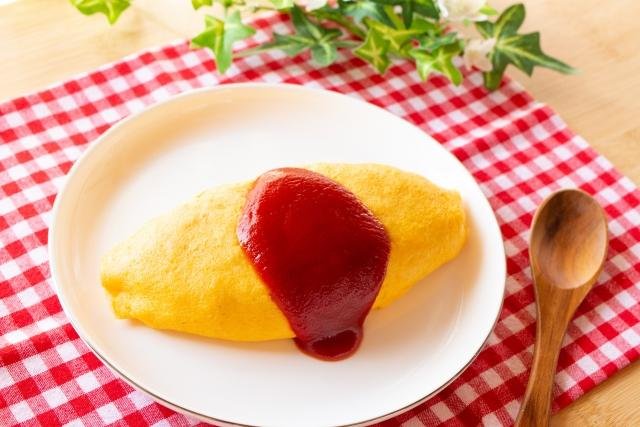
Omurice (omelette-wrapped fried rice) is a Japanese-coined word combining “omelet” and “rice.” It refers to a uniquely Japanese Western-style dish consisting of ketchup-seasoned fried rice wrapped in a layer of egg.
Its origins can be traced to Meiji-era Tokyo, where Rengatei in Ginza, founded in 1895, created the “Rice Omelet,” widely regarded as the original version of the dish. During the Taisho and early Showa periods, it gradually evolved into the familiar style of fried rice wrapped in a thin omelet.
Sampling omurice in Tokyo offers a unique perspective on the dish’s history, as the city is home to everything from century-old institutions preserving classic recipes to modern specialty restaurants attracting worldwide attention.
Styles Range from Classic Thin-Omelet to Modern Soft-Set Versions
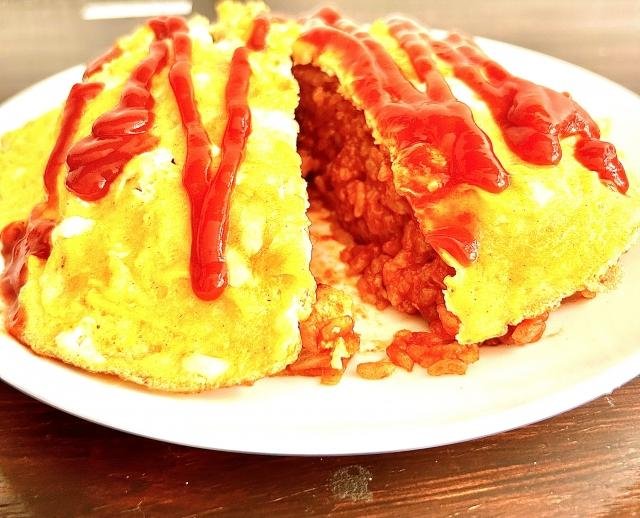
Tokyo’s omurice can be broadly divided into two styles: “classic” and “soft-set” (fuwatoro).
The classic style wraps ketchup-seasoned rice in a thin omelet, creating a tidy appearance and a satisfying, firm texture. The soft-set style places a softly cooked, runny omelet over the rice. When cut with a knife, the egg gently unfolds over the rice, creating the dramatic presentation that has become especially popular on social media and with international visitors.
The sauce also plays a major role in defining each restaurant’s version:
- Ketchup: The traditional sweet-and-tangy choice that pairs naturally with the classic style.
- Demi-glace sauce: A rich, deeply savory sauce that complements the flavor of the egg.
- White sauce and curry sauce: Creative variations commonly found at specialty restaurants.
Even when the ingredients are similar, the combination of egg style and sauce creates a completely different dining experience. If you prefer a traditional, nostalgic flavor, choose the classic style. If you’re looking for a visually impressive presentation and a silky texture, the soft-set style is the better choice.
Prices Mostly Range from ¥1,000 to ¥3,000
Omurice prices in Tokyo vary depending on the type of restaurant. Cafés and specialty shops typically charge ¥1,000–¥1,800, while long-established yoshoku (Japanese-style Western cuisine) restaurants, which often use house-made sauces and carefully selected ingredients, generally fall in the ¥2,000–¥3,000 range.
Depending on your budget and appetite, consider the following options:
- Set menus that include salad and soup usually cost ¥200–¥400 more than the omurice alone but provide a more complete meal.
- Half-size portions are available at some restaurants, making it easy to enjoy omurice as one course in a larger meal.
- Adding toppings such as hamburger steak or cheese can increase the total price to ¥1,500 or more.
If you’re looking for the best value, visit at lunchtime, when many restaurants offer omurice for around ¥1,000, often at a lower price than dinner. For a more indulgent experience, some restaurants offer full-course meals, including an appetizer, omurice, and dessert, for around ¥5,000.
4 Traditional Omurice Dishes at Tokyo’s Historic Western-Style Restaurants
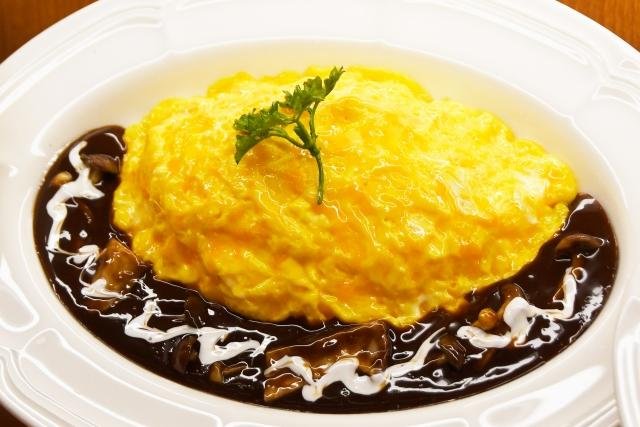
For an authentic taste of Tokyo’s omurice heritage, begin with the city’s long-established yoshoku (Japanese-style Western cuisine) restaurants. These pioneering establishments adapted Western cooking techniques to Japanese tastes and helped shape the omurice we know today.
This section introduces four carefully selected restaurants, including renowned institutions with more than a century of history. By comparing each restaurant’s cooking style, signature sauces, specialties, and practical information, you can choose the one that best matches your itinerary, budget, and dining preferences.
Rengatei | The Birthplace of Japanese Omurice
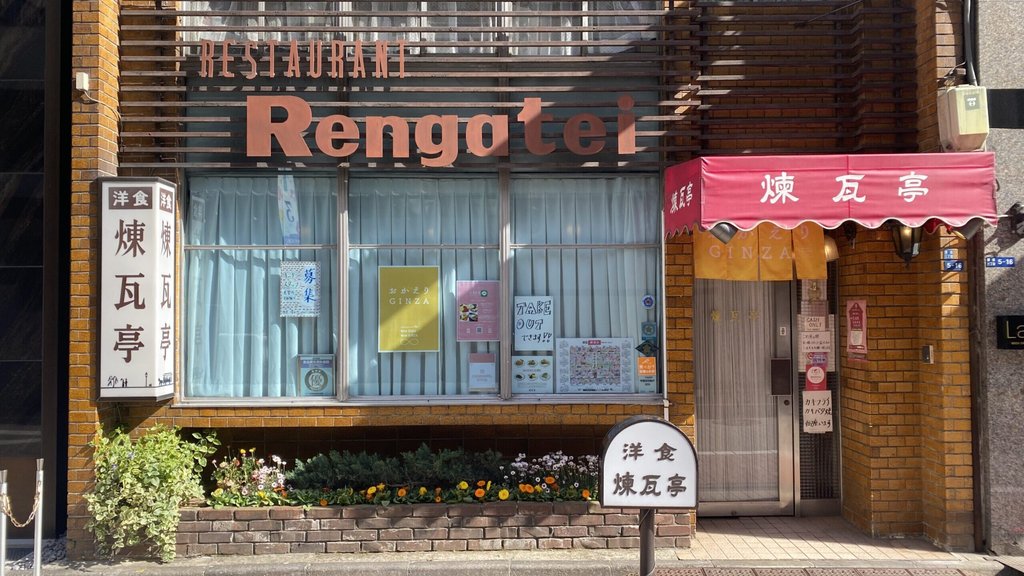
Founded in 1895, Rengatei is a Ginza landmark widely regarded as one of the pioneers of yoshoku. The prototype of modern omurice is said to have originated here around 1900 as a staff meal in which egg and rice were mixed together before cooking.
Today, visitors can compare two historic interpretations of the dish: the simple, rustic Rice Omelet and the Meiji-Born Omurice, which is wrapped in a thin omelet. The rice is seasoned with ground meat, onion, soy sauce, and sugar, creating a gently sweet and savory flavor with a nostalgic character.
Rengatei is also credited with introducing several other yoshoku classics, including pork cutlet and fried shrimp, making it one of the few restaurants where you can experience the history of Japanese Western cuisine in a single meal.
Please note that credit cards are not accepted, so be sure to bring cash before visiting.
Details
| Address | 3-5-16 Ginza, Chuo-ku, Tokyo |
| Hours | Lunch 11:15 am-3 pm (last order 2 pm) / Dinner 5:30 pm-9 pm (last order 8 pm) |
| Closed | Sundays, summer holidays, New Year’s holidays |
| Official Website | N/A |
| Recommended For | Those who want to taste the history of omurice or compare the original and modern styles |
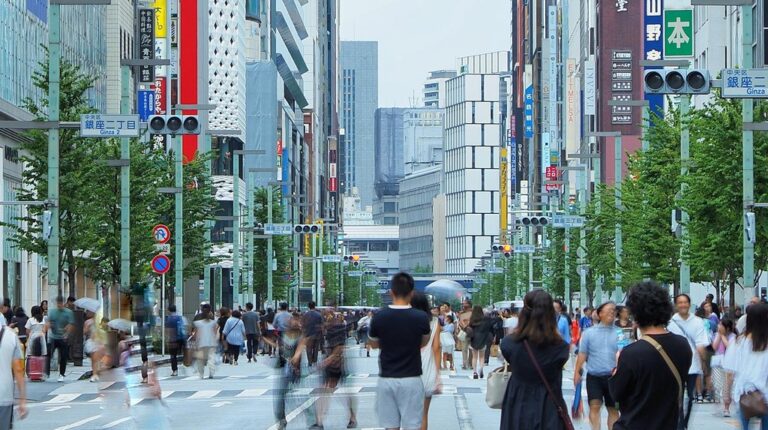
Shiseido Parlour | A Classic Dish Refined in Ginza
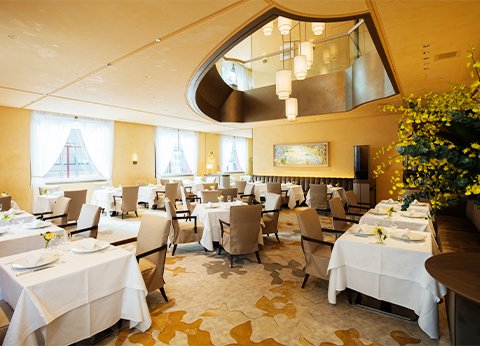
Founded in 1902, Shiseido Parlour is a distinguished Ginza restaurant that has spent more than a century refining the art of yoshoku.
Its omurice remains faithful to the classic style, featuring a thin omelet wrapped around ketchup-seasoned rice. Rather than relying on elaborate presentation, the dish stands out through the precise balance of flavors and the meticulous craftsmanship that has defined the restaurant for generations.
At around ¥2,500, the price reflects both the quality of the ingredients and its prestigious Ginza location. Enjoying a plate of omurice in such an elegant setting offers an experience that goes beyond the meal itself.
Weekend and holiday lunches are especially popular, so making a reservation by phone in advance is recommended to secure a table during busy travel periods.
Details
| Address | Tokyo Ginza Shiseido Building 4F-5F, 8-8-3 Ginza, Chuo-ku, Tokyo |
| Hours | 11:30 am-9:30 pm (last order 8:30 pm) |
| Closed | Mondays (open on national holidays), New Year’s holidays |
| Official Website | https://parlour.shiseido.co.jp/ginza/ |
| Recommended For | Those who want to enjoy classic omurice in an elegant setting |
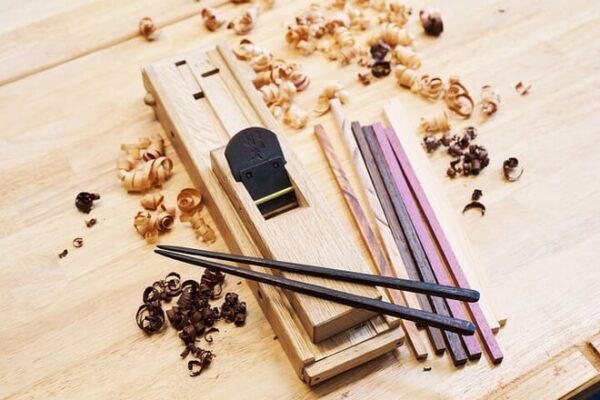
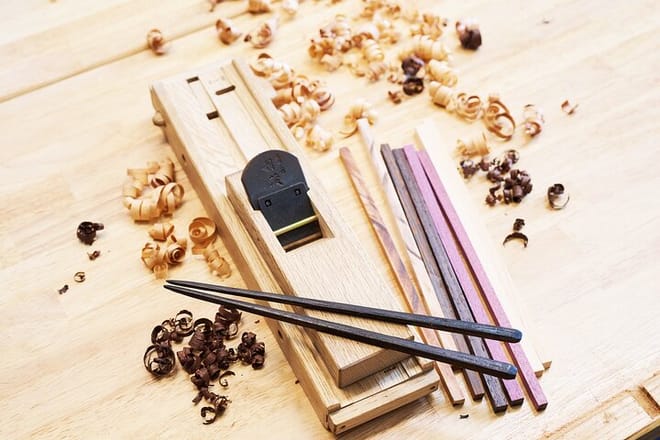
Tokyo Chopstick Making Workshop in Shinjuku
Taimeiken | A Signature Dish Born from the Film “Tampopo”
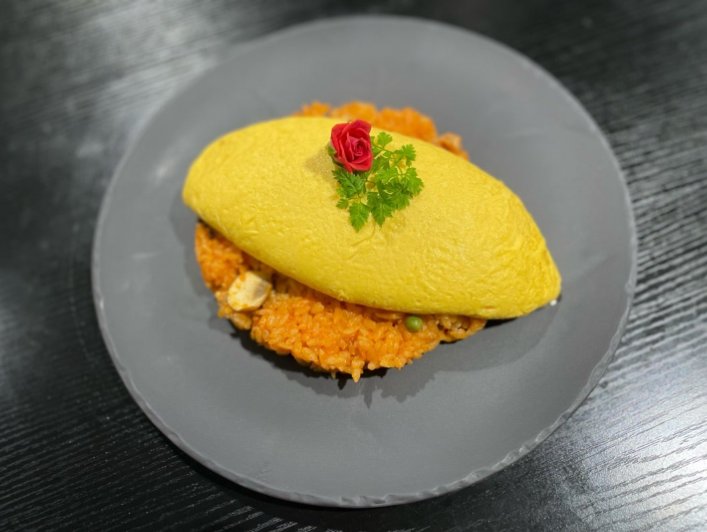
Founded in 1931, Taimeiken is the birthplace of the famous Tampopo Omurice, a dish created during the production of the 1985 film Tampopo.
When the omelet is cut open, the silky egg gently unfolds over the rice like a flower. Captivated by its elegant presentation, the restaurant added it to its regular menu after the film’s production.
Today, the signature tableside knife-cutting moment has become one of Tokyo’s most recognizable omurice experiences, attracting both social media enthusiasts and international visitors eager to see the dramatic reveal in person.
At the time of writing, Taimeiken is operating from a temporary location due to redevelopment; confirm the current address before visiting.
Details
| Address | 1-8-6 Nihonbashi-Muromachi, Chuo-ku, Tokyo |
| Hours | 1F: Weekdays 11 am-9 pm (last order 8:30 pm) / Sundays and holidays 11 am-8 pm (last order 7 pm); 2F: Lunch 11:30 am-3 pm (last order 2 pm) / Dinner 5 pm-9 pm (last order 8 pm) |
| Closed | 1F: Mondays; 2F: Sundays, Mondays, national holidays |
| Official Website | https://www.taimeiken.co.jp/ |
| Recommended For | Those who enjoy the mix of film culture and food, or want a photogenic omurice |
grill GRAND | Signature Demi-Glace Sauce Simmered for Two Weeks
Founded in 1941, grill GRAND is a highly regarded, third-generation family-run yoshoku restaurant in Asakusa that has earned a Michelin Bib Gourmand distinction.
Its signature omurice is served with a house-made demi-glace sauce that is simmered over the course of two weeks, creating a rich, deeply layered flavor that has become the restaurant’s trademark.
You can choose between two styles of omurice:
- Special Omurice Set (demi-glace sauce): about ¥2,800
- Ketchup Omurice Set (old-fashioned style): about ¥2,500
Located in the quiet Kannon-ura neighborhood behind Sensoji Temple, grill GRAND offers table seating on the first floor and traditional tatami seating on the second. Its peaceful setting makes it an excellent place to enjoy a leisurely meal before or after exploring Asakusa’s nearby attractions.
Details
| Address | 3-24-6 Asakusa, Taito-ku, Tokyo |
| Hours | 11:30 am-1:45 pm (last order) / 5 pm-8:30 pm (last order) |
| Closed | Sundays and Mondays |
| Official Website | N/A |
| Recommended For | Demi-glace lovers, those combining a visit with Asakusa sightseeing, and value-conscious diners |
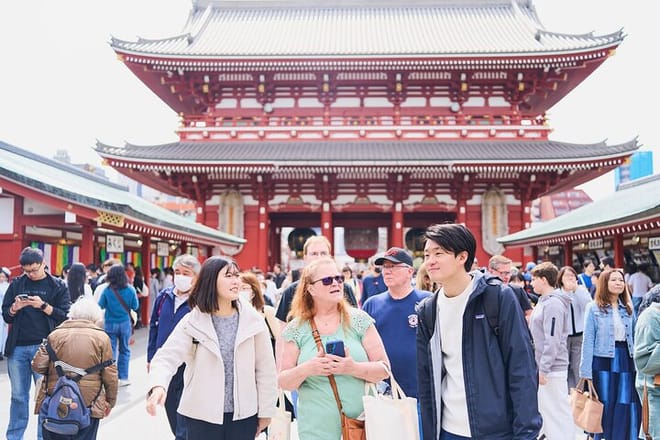
Tokyo: Asakusa & Sensoji ー Oldest Temple Walking Tour (2hrs)
4 Omurice Restaurants Trending in Tokyo Right Now
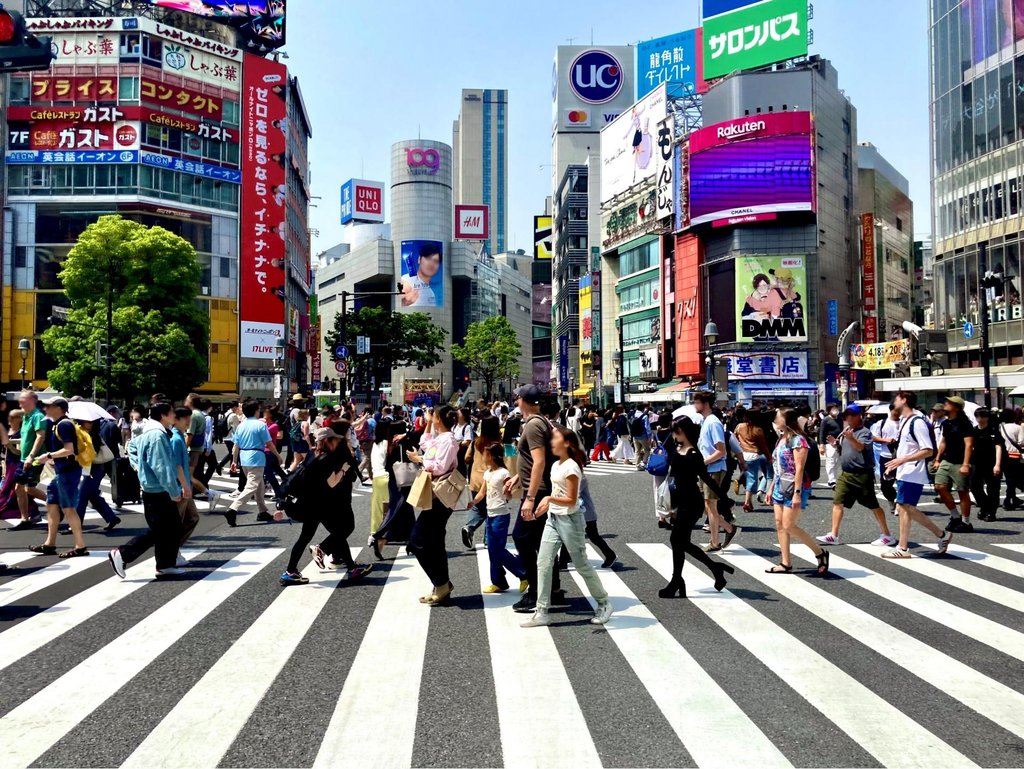
Beyond the classic flavors preserved by Tokyo’s long-established yoshoku restaurants, the city is also home to a new generation of omurice specialists that have gained widespread attention through social media.
This section introduces four distinctive restaurants, each offering its own take on the dish, from silky soft-set omelets and dramatic tableside presentations to creative sauces and unique flavor combinations.
Compare their specialties and choose the restaurant that best matches your tastes and the kind of omurice experience you’re looking for.
Kissa YOU | A Retro Cafe Famous for Its Jiggling Soft-Set Egg
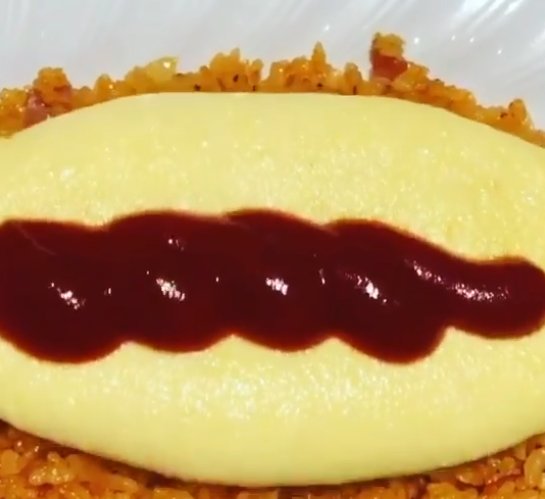
Founded in 1970, Kissa YOU is a beloved café that has stood beside the Kabukiza Theatre for more than half a century.
Its signature omurice features a soft, creamy, half-set omelet generously placed over ketchup-seasoned rice. The gently wobbling egg has become an internet sensation, with countless videos showcasing its silky texture and dramatic movement.
Because of its popularity, queues are almost guaranteed, and weekend waits can easily exceed one hour, so be sure to allow extra time in your schedule.
Reservations are not accepted, but takeout orders can be placed in advance by phone. Please note that cash is the only accepted payment method, so be sure to bring enough before your visit.
Details
| Address | 4-13-17 Ginza, Chuo-ku, Tokyo |
| Hours | Weekdays 11 am-4:30 pm (last order 4 pm) |
| Closed | Wednesdays (check in advance) |
| Official Social Media | https://www.instagram.com/kissa_you/ |
| Recommended For | Those who want both the creamy soft-set texture and a retro cafe atmosphere |
Gensen Yoshoku Sakurai | A Western-Style Course You Can Sample in Half Sizes
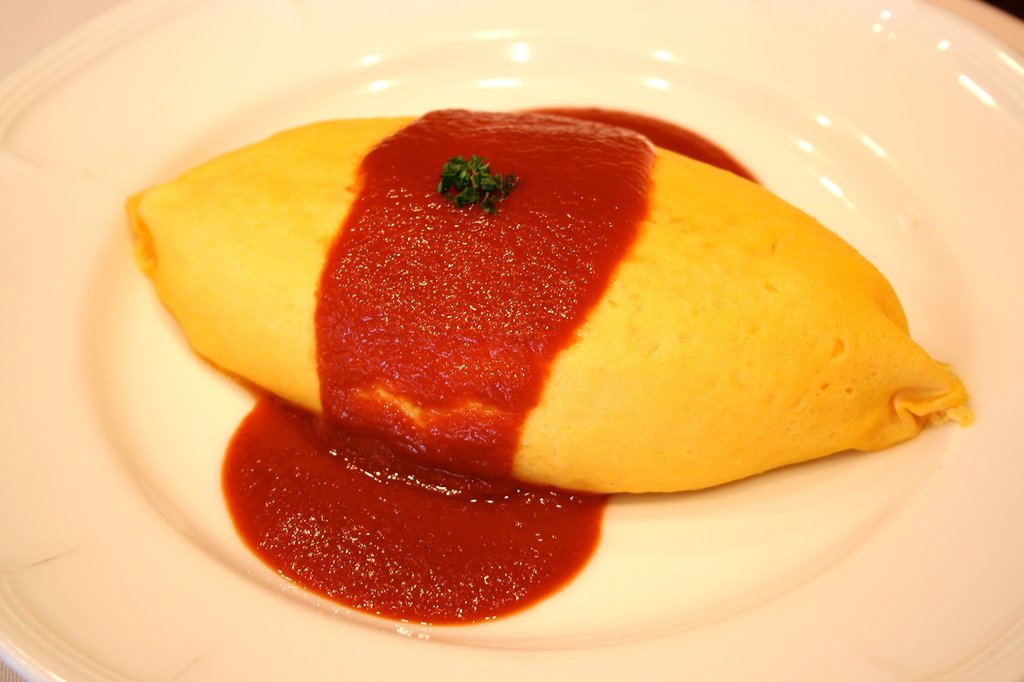
For anyone looking to enjoy yoshoku in the Ueno area, Gensen Yoshoku Sakurai is an excellent choice.
One of its biggest attractions is the option to order half-size portions of selected dishes, including omurice, making it easy to sample several specialties in a single meal. The restaurant’s omurice set allows you to choose between a rich demi-glace sauce and its house-made ketchup sauce, so you can pick the flavor that best suits your preferences.
With a spacious dining room seating 76 guests and the option to make reservations, Gensen Yoshoku Sakurai offers a relaxed dining experience while helping you avoid the long queues.
Details
| Address | Custom Building 7F-8F, 3-40-7 Yushima, Bunkyo-ku, Tokyo |
| Hours | Wed-Fri: 11:30 am-2:30 pm / 5:30 pm-9:45 pm (last order 9 pm); Weekends and holidays: 11:30 am-2:30 pm / 5 pm-9:45 pm (last order 9 pm) |
| Closed | Mondays and Tuesdays (or the following day if a holiday) |
| Official Website | https://www.yoshoku-sakurai.com/ |
| Recommended For | Those who want to sample several Western-style dishes a little at a time |
EDW yellow Shibuya | A Specialty Shop with 13 Sauces to Choose From
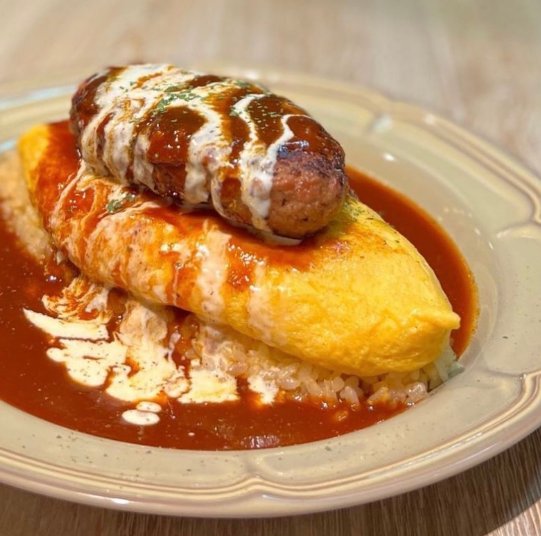
yellow Shibuya is a specialty omurice restaurant that stands out for its extensive customization options, offering a choice of 13 different sauces to suit your preferences.
Its signature “Double Cheese Hamburger Omurice” combines a juicy hamburger steak with layers of melted cheese, creating a satisfyingly hearty dish. One of the restaurant’s highlights is the tableside presentation: a staff member cuts open the omelet in front of you, revealing the flowing cheese inside, a moment that has become especially popular on social media.
The restaurant is cashless only, but it accepts a wide range of payment methods. Conveniently located near Shibuya Station, it’s an easy stop to fit into a day of shopping or sightseeing.
Details
| Address | Ikuma Building B1F, 26-5 Udagawacho, Shibuya-ku, Tokyo |
| Hours | 11 am-10 pm (last order 9 pm) |
| Closed | Irregular holidays |
| Official Website | https://www.instagram.com/yellow_shibuya/ |
| Recommended For | Those who want to customize their own plate or capture photogenic moments |
Sweet Check | Famous for Its Egg-Splitting Performance
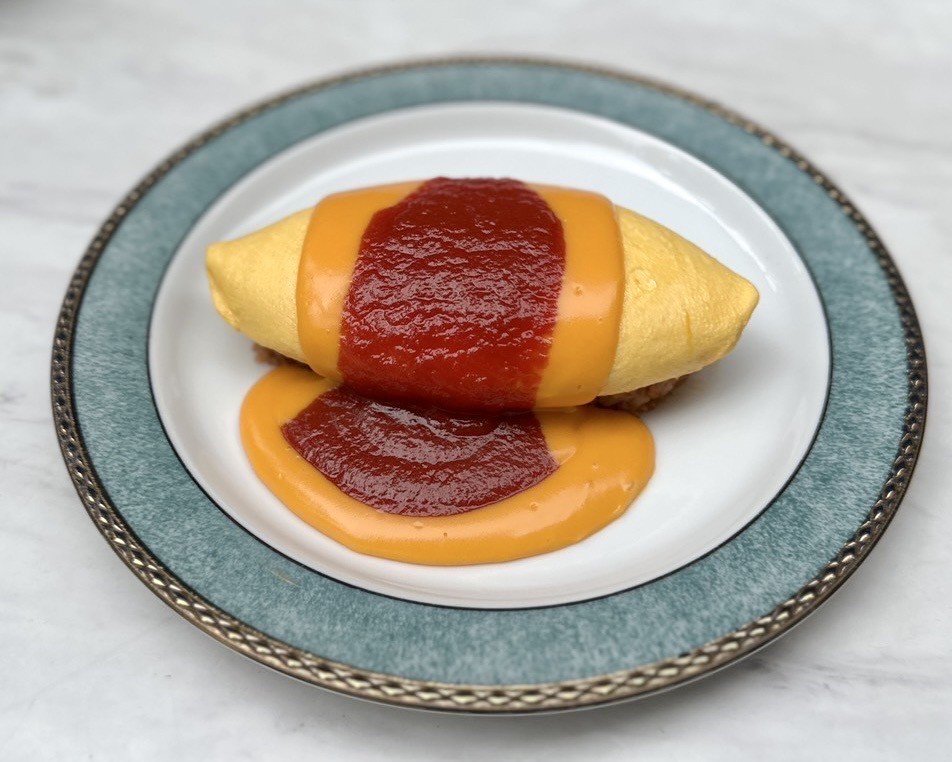
Opened in 2024, Sweet Check is a performance-focused omurice specialty restaurant produced by a well-known influencer.
Its signature Pakkaan Omurice, named after the sound of the omelet splitting open, is designed to impress. A staff member cuts into the omelet at your table, allowing the soft-set egg to unfold over the rice while melted Camembert and rich cheese sauce cascade down the sides, creating a dramatic presentation that’s perfect for social media.
The restaurant uses “Makka Tamago” (deep-red yolk eggs) from Aomori Prefecture, giving the omelet its rich color and flavor. For an even more substantial meal, you can add a hamburger steak as a topping.
Sweet Check is located just a 1-minute walk from Omotesando Station. Please note that the restaurant is cashless only, so be sure to bring a supported payment method.
Details
| Address | Sakura Apartment 1F, 3-18-5 Minami-Aoyama, Minato-ku, Tokyo |
| Hours | 11 am-8 pm (last order 7:30 pm) |
| Closed | Irregular holidays |
| Official Website | https://www.instagram.com/sweetcheck.cafe/ |
| Recommended For | Those who want to film a photogenic moment, or need lunch while exploring Omotesando |
3 Things to Know Before Visiting an Omurice Restaurant in Tokyo
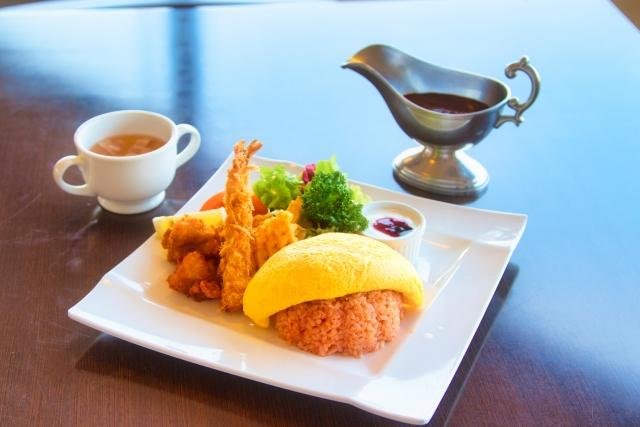
A little preparation can go a long way toward ensuring you don’t miss out on the restaurant you’ve been looking forward to most.
This section covers three practical points to keep in mind: how to deal with queues at popular restaurants, the payment methods commonly accepted at long-established establishments, and the best way to confirm each restaurant’s opening days and holiday closures.
By checking these details in advance, you’ll be able to fit your meal into even a tight sightseeing schedule with confidence.
1. Popular Restaurants Can Have Waits of 30 Minutes or More
Weekends and public holidays between 11:00 am and 1:00 pm are the busiest times, and waits of 30 minutes or more are common at many of Tokyo’s long-established omurice restaurants.
To make the most of your time, consider these practical strategies:
- Arrive 10–15 minutes before opening: You’ll have the best chance of being seated in the first round with little or no wait.
- Visit during off-peak hours: Weekdays are generally quieter between 2:00 pm and 4:00 pm, and even on weekends the crowds usually begin to thin after 3:00 pm.
- Choose a weekday whenever possible: Waiting times are often significantly shorter than on weekends.
Reservation policies vary by restaurant, with some accepting online or phone bookings while others operate on a first-come, first-served basis. It’s worth checking in advance.
Also keep in mind that many traditional yoshoku restaurants stop accepting orders relatively early, so be sure to confirm the last order and closing times before planning your visit.
2. Some Older Restaurants Accept Cash Only
Some of Tokyo’s long-established yoshoku restaurants still do not accept cashless payments, and many travelers only discover the cash-only policy after they arrive. On the other hand, newer specialty restaurants are often cashless, but the specific payment methods they accept are not always clearly listed.
According to surveys by the Japan Tourism Agency and the Japan Research Institute, more than 90% of international visitors use cash at some point during their stay in Japan. Carrying some cash is therefore still highly recommended.
To avoid payment problems, keep these tips in mind:
- Carry ¥3,000–¥5,000 in cash: This provides a comfortable margin for an omurice meal, which typically costs ¥1,000–¥3,000.
- Bring a credit card and a transit IC card (such as Suica): These allow for quick payment at restaurants that accept cashless methods.
- Check accepted payment methods before visiting: Look on the restaurant’s official website or call ahead. If no information is provided, asking directly is the most reliable approach.
Convenience store ATMs are widely available around major stations, making it easy to withdraw cash if needed. Carrying multiple payment options will help ensure a smooth dining experience wherever you choose to eat.
3. Closing Days Differ by Restaurant, So Check in Advance
Each of the eight restaurants featured in this guide follows its own schedule, so visiting without checking in advance could mean arriving on a day when the restaurant is closed. Some also close for two to three hours between lunch and dinner service, making it best to plan your visit before 2:00 pm or after 5:30 pm.
Once you’ve decided on your visit date, check the restaurant’s operating status in the following order:
- Official website: The most reliable source for regular closing days, temporary closures, and special announcements.
- Google Maps: The “Open now” indicator provides a convenient real-time status check.
- Phone call: During periods such as national holidays or the New Year, calling the restaurant around 10:30–11:00 am, shortly before opening, gives you the best chance of reaching a staff member.
Because Japanese national holidays fall on fixed calendar dates regardless of the day of the week, restaurants sometimes change their normal operating schedule when holidays coincide with their regular closing days.
Taking a few minutes to confirm the latest opening information before you head out can save valuable sightseeing time and help ensure you won’t be turned away at the door.
Common Questions About Tokyo’s Omurice Restaurants

Here are answers to the questions travelers most frequently ask before visiting an omurice restaurant in Tokyo.
This section covers practical topics such as the characteristics of each neighborhood, whether reservations are recommended, and what level of English support you can expect. Checking these details in advance will help you choose the right restaurant and enjoy a smoother dining experience.
Which Areas of Tokyo Have the Most Famous Omurice Restaurants?
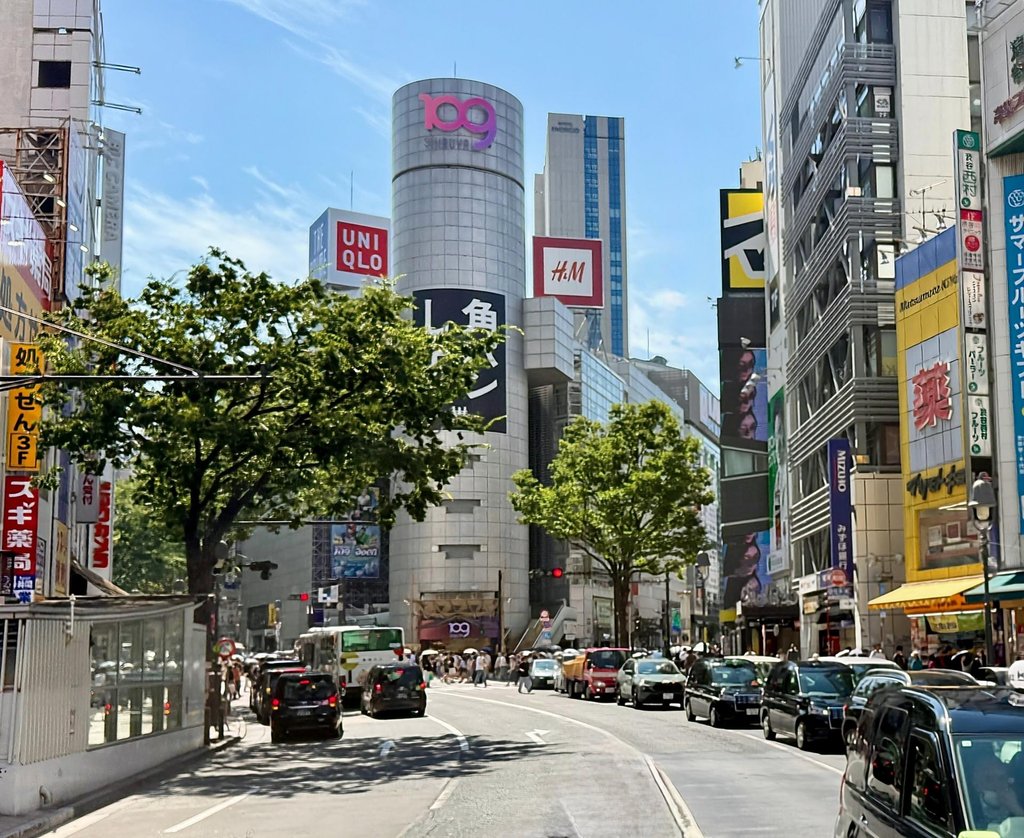
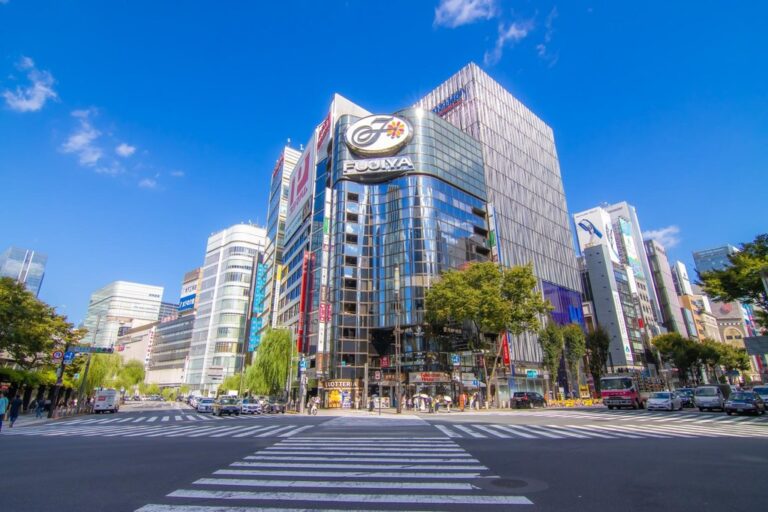
Of the eight restaurants featured in this guide, those in the Nihonbashi and Ginza areas, where many of Tokyo’s historic yoshoku restaurants are concentrated, make an excellent base for comparing classic styles of omurice. At the same time, notable restaurants are spread across a variety of neighborhoods, from traditional downtown districts to fashionable shopping areas, so it’s worth choosing your destination based on the kind of experience you’re looking for.
- Shibuya and Omotesando: Ideal for visitors interested in photogenic, trend-setting omurice restaurants. These areas pair naturally with a day of shopping and café hopping.
- Asakusa and Ueno: Perfect for combining sightseeing with lunch, as many attractions are within walking distance of the featured restaurants.
Remember it this way: Ginza for the classics, Shibuya for the trendsetters, and Asakusa or Ueno paired with sightseeing.
Which Restaurants Have English Menus?
English support varies considerably from one restaurant to another, and many establishments do not clearly indicate their language services on their official websites. The table below provides a general guide to the level of English support you can expect at each restaurant.
| Restaurant | English Support |
|---|---|
| Shiseido Parlour | A Ginza institution with many international guests; staff tend to be accustomed to serving in English |
| Gensen Yoshoku Sakurai | Has a track record of international visitors and may be able to serve guests in English |
| Rengatei / Taimeiken | Menus are mainly in Japanese, but you can order using food photos or by pointing |
| Kissa YOU and others | Often Japanese only |
Even at restaurants with Japanese-only menus, ordering omurice is usually straightforward. The word “omurice” is widely understood, and a smartphone translation app can quickly help you understand the menu.
By downloading a translation app before your visit, you can enjoy your meal with confidence, even if little or no English is available.
Can You Get In Without a Reservation?
Most omurice restaurants welcome walk-in guests, but their reservation policies generally fall into two categories. If having a guaranteed seat is important, it’s worth checking the restaurant’s policy before you visit.
| Type | Restaurants | Notes |
|---|---|---|
| Phone/online reservations accepted | Gensen Yoshoku Sakurai / Shiseido Parlour / Taimeiken / Sweet Check / Kissa YOU (weekdays only) / grill GRAND (dinner only) | Best for those who want a guaranteed seat |
| First come, first served (no reservations) | Rengatei / EDW yellow | Aim for right at opening or weekday afternoons |
Kissa YOU accepts advance orders on weekdays only, and grill GRAND takes reservations for dinner only.
At restaurants that do not take reservations, arriving after 1:00 pm on weekdays or right when the restaurant opens is usually the best way to minimize your waiting time.
During peak travel seasons and on weekends, choosing a restaurant that accepts reservations is the safer option if you want to avoid long queues or the risk of not getting a seat.
Are Children Welcome?

Most of the restaurants featured in this guide welcome children, but age policies and family-friendly facilities vary, so it’s worth checking in advance. The comparison table below summarizes what you can expect at each of the eight restaurants.
| Restaurant | Family-Friendliness | Notes |
|---|---|---|
| Taimeiken | Excellent | The 1F seating is easy to enter, and children’s menus have been reported |
| grill GRAND | Excellent | The 2F has tatami seating (Japanese-style seating where you remove your shoes), giving small children room to move |
| Rengatei | Good | Mainly table seating |
| Gensen Yoshoku Sakurai | Limited | Children under 4 are not admitted |
| Kissa YOU | Limited | Few seats; consideration for other guests is needed when crowded |
| EDW yellow | Limited | Stairs down to the basement make stroller access difficult |
If you’re traveling with an infant or toddler, confirm beforehand whether strollers are permitted and whether there is enough space to accommodate them comfortably. Restaurants with more spacious dining rooms, such as Taimeiken and grill GRAND, are generally better suited to families, allowing you to enjoy your meal at a more relaxed pace.
What Other Food Experiences in Tokyo Are Worth Trying Besides Omurice?
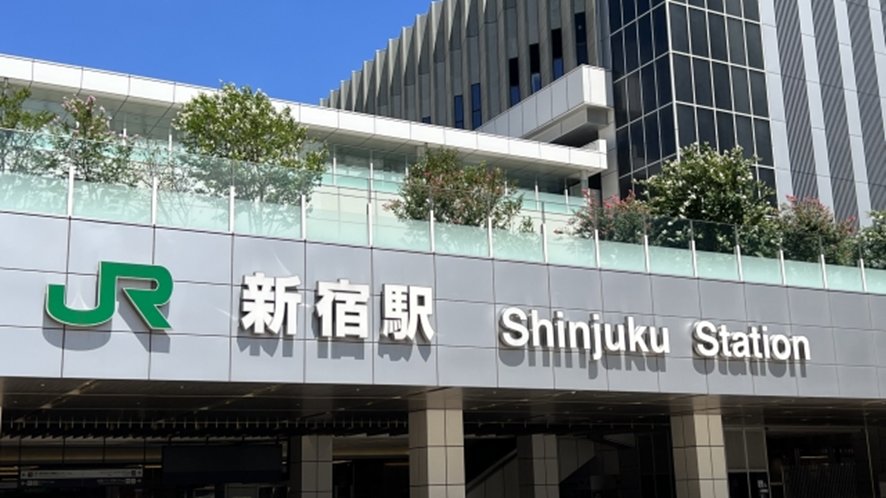
To explore Tokyo’s food culture beyond omurice, consider joining an English-guided food tour. Japan Guide Star offers a Shinjuku tour featuring 15 dishes across four izakaya (Japanese pub-style restaurants), as well as an Asakusa tour that combines local sake with the atmosphere of Tokyo’s historic downtown.
Joining a guided tour offers several advantages:
- Enjoy the food without worrying about ordering or understanding dining etiquette.
- Visit local restaurants and hidden gems that are difficult to discover on your own.
- Learn the stories behind the ingredients, cooking techniques, and regional food culture directly from your guide.
A day that begins with omurice for lunch and ends with an izakaya food tour in the evening offers an excellent introduction to the variety of Tokyo’s culinary scene.
The tour details are as follows:
Details
| Item | Shinjuku Food Tour | Asakusa Food Tour |
|---|---|---|
| Meeting Point | In front of Shinjuku Station East Exit police box, 3-38-1 Shinjuku, Shinjuku-ku, Tokyo | In front of Kaminarimon police box, 1-3-1 Asakusa, Taito-ku, Tokyo |
| Duration | About 3 hours | About 2.5 hours |
| Includes | 15 dishes and 3 drinks | 12 dishes and 2 drinks |
| Booking Site | https://japanguidestar.com/tour/shinjuku-food-tour-15-dishes-at-4-eateries/ | https://japanguidestar.com/tour/tokyo-asakusa-food-tour-12-dishes-3-drinks/ |
| Recommended For | Those who want to visit several spots in one evening | Those who want both sake and old-town Tokyo food |
Shinjuku Food Tour
Asakusa Food Tour

Shinjuku: Food Tour – 15 Dishes at 4 Eateries
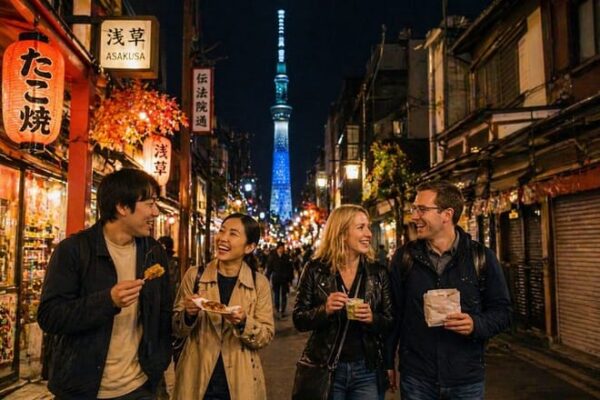
Tokyo: Asakusa Guided Food Tour with 12 Dishes & 3 Drinks
Savor Tokyo’s Omurice, from Century-Old Classics to Soft-Set Sensations
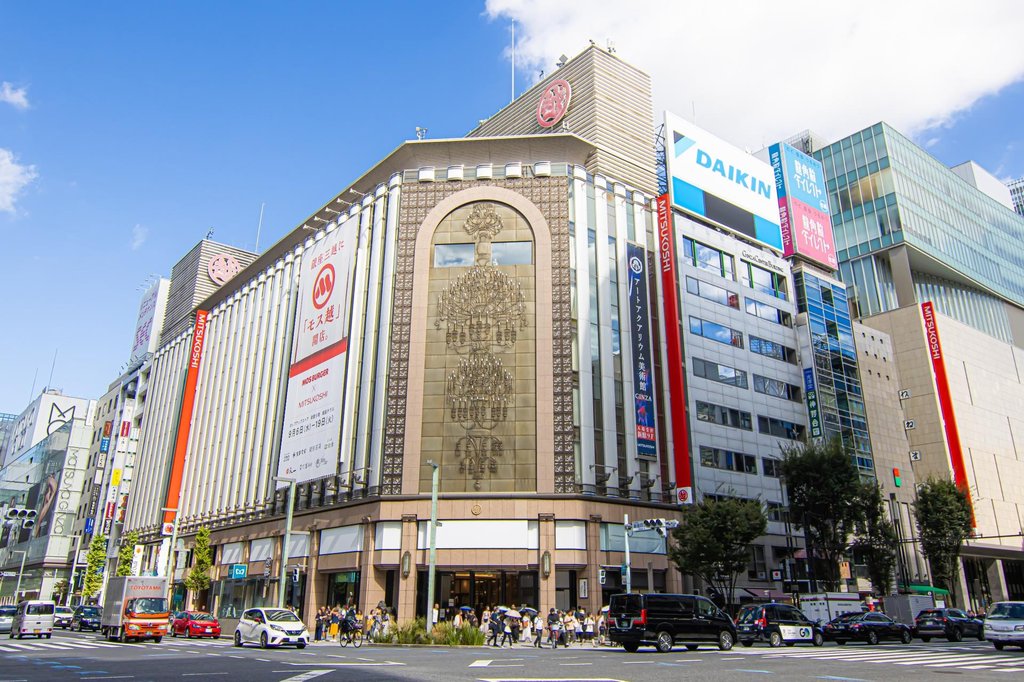
Tokyo’s omurice scene offers an impressive variety of experiences, from historic restaurants with more than a century of tradition to modern specialty shops famous for their soft-set omelets.
Before deciding where to dine, it’s worth checking practical details such as expected wait times, regular closing days, and accepted payment methods. A few minutes of preparation can help you avoid unnecessary delays and make the most of your visit.
With wait times, closing days, and payment methods checked in advance, you are well prepared for whichever omurice Tokyo has to offer.