Want to visit the Arashiyama Bamboo Grove but unsure when to go to avoid the crowds? Head there at the wrong time of day or during peak season, and you risk being swept along in a packed pathway where even taking a photo becomes a struggle.
With the right planning, you can build a visit that perfectly suits your itinerary.
Essential Visitor Information: Arashiyama Bamboo Grove
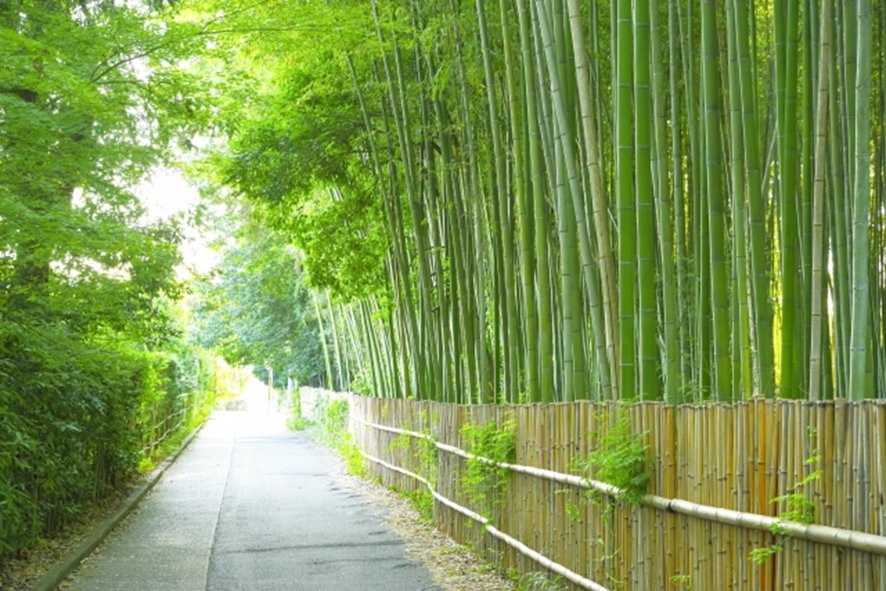
First-time visitors to Arashiyama most often ask about path length, visit duration, and crowd patterns. Once you have a handle on these basics, choosing the right access route and timing becomes straightforward.
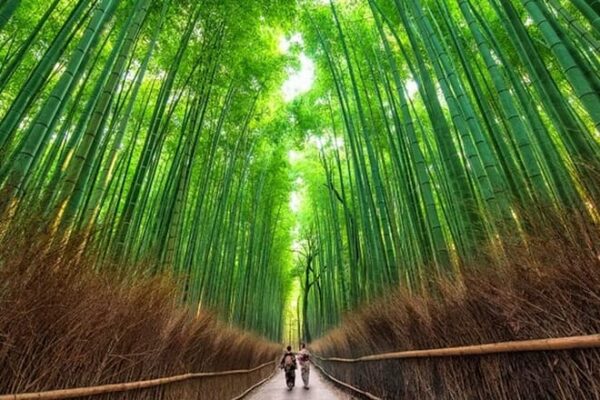
Kyoto: Arashiyama UNESCO Walking Tour with Admission
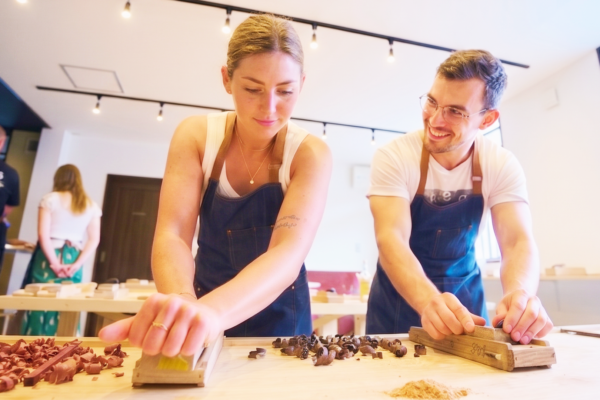
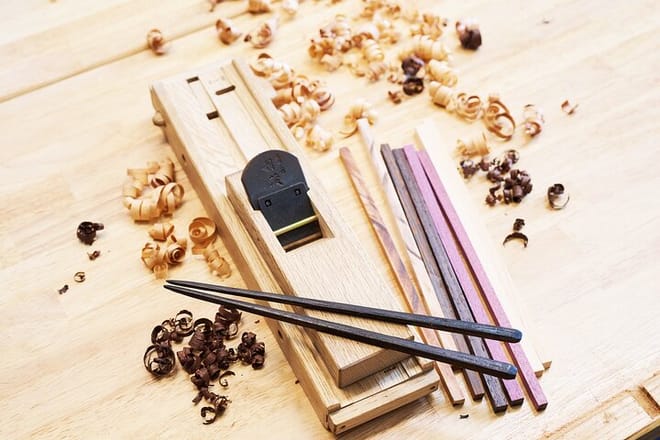
Kyoto Arashiyama Chopstick Making Workshop
A 400-Meter Walking Path Through Towering Bamboo
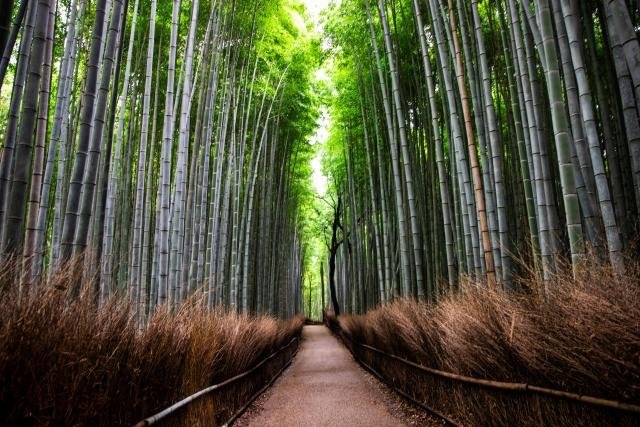
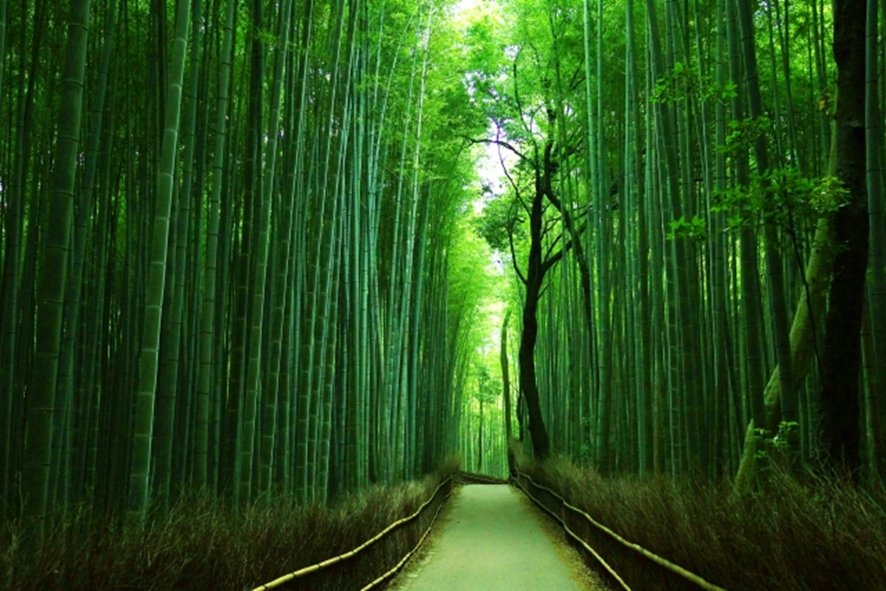
Officially called Chikurin no Komichi in Japanese, this area is commonly known in English as the Arashiyama Bamboo Grove.
The path runs for four-hundred meters (about 1,300 feet) in a straight line from Nonomiya Shrine, past the north gate of Tenryu-ji Temple, to the entrance of Okochi Sanso Garden. Moso bamboo (a tall timber bamboo species) lines both sides, typically standing ten to twenty meters (about 33 to 66 feet) tall. When the wind picks up, the stalks sway and click against one another, producing a distinctive rustling sound.
Japan’s Ministry of the Environment has designated this soundscape as one of Japan’s 100 Soundscapes, making the path a treat for the ears as well as the eyes. Though the path itself is short, a detour to Okochi Sanso Garden at the far end rewards you with a panoramic view of Arashiyama that rounds out the walk nicely.
Details
| Nearest stations | About a 13-minute walk from JR Saga-Arashiyama Station; 10-minute walk from Randen Arashiyama Station |
| Hours | Open 24 hours (may close without notice for maintenance) |
| Admission | Free |
| Estimated visit time | 10–15 minutes one way (or 20–30 minutes, including photo stops) |
| Ideal for | First-time visitors to Kyoto; anyone looking for a peaceful walk in nature |
Kyoto: Arashiyama UNESCO Walking Tour with Admission
Free and Open 24 Hours a Day
The bamboo path is maintained as a public pedestrian walkway, with no entrance gates or closing times. With no admission fee and no set visiting hours, you can walk the path at any time—whether at 5 am or well after dark.
After around 8 am, tourists flood in and rickshaws begin running the path, so arriving before 7 am gives you the best chance of having the bamboo grove almost entirely to yourself. With no entry restrictions, the key to a crowd-free experience comes down to choosing the right time of day.
A few practical points to keep in mind before you head in:
- There are no restrooms or vending machines along the path.
- Use the restrooms near Nonomiya Shrine or around Torokko Arashiyama Station before entering.
- Pick up drinks along the main Arashiyama shopping street on your way to the grove.
Even though the walk is only about four-hundred meters, having water on hand is a good idea in summer or when visiting with small children. A little preparation goes a long way toward a comfortable stroll through the bamboo grove.
Kyoto: Arashiyama UNESCO Walking Tour with Admission
Walking the Path Takes Just Ten to Fifteen Minutes
The bamboo path is a single straight route, and walking from one end to the other takes about ten to fifteen minutes. Even if you stop for photos and walk the path both ways, twenty to thirty minutes is usually enough time for a round-trip. During peak midday hours, you might have to walk at the pace of the crowd, which can stretch a one-way walk to twenty minutes or more.
The path runs from the entrance near Nonomiya Shrine, past the north gate of Tenryu-ji Temple, and through to the Okochi Sanso Garden end. A few side paths branch off to nearby areas, but the route is short and has signage, so getting lost is unlikely.
While the bamboo grove itself is a quick visit, plenty of attractions sit within easy walking distance from it:
- Tenryu-ji Temple: a UNESCO World Heritage Site with a garden bordering the south side of the bamboo grove.
- Nonomiya Shrine: right at the bamboo path entrance, popular for people praying for good fortune in love.
- Arashiyama Monkey Park: offers a view of the Kyoto cityscape from the hilltop.
Combining the path with these stops, you can easily fill half a day exploring the Sagano area.
Early Morning and Late Afternoon Offer the Fewest Crowds
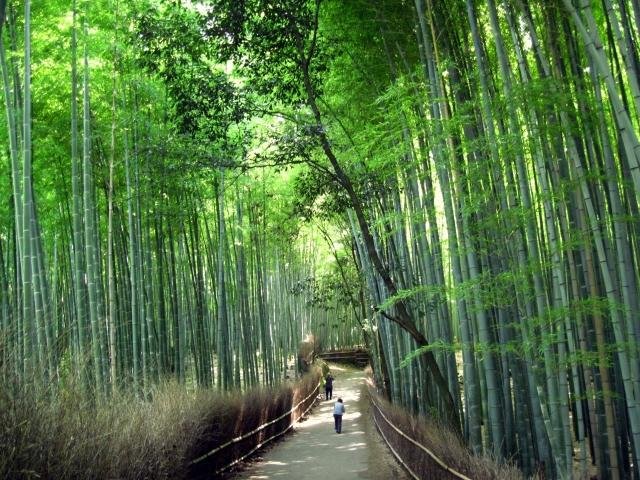
Crowds at the bamboo grove peak between 10 am and 2 pm. Because the path is narrow, stopping to take a photo during these hours becomes nearly impossible as visitors press in from both directions. Waiting for a clear shot and yielding to oncoming foot traffic can eat up more time than you might expect.
The crush intensifies further during cherry blossom season (March–April), during peak weeks in November, and on weekends and public holidays. For a quieter visit, aim for early morning between 6 and 8 am, or late afternoon between 3 and 5 pm. With fewer people around during these windows, you can take in the sound of bamboo swaying in the wind and the shifting patterns of sunlight filtering through the canopy.
Morning visits offer crisp air and near-total silence, while the late-afternoon sun casts warm, angled light across the bamboo stalks.
| Time of Day | Crowd Level |
|---|---|
| Before 8 am | Light (almost private experience) |
| 8–10 am | Gradually increasing |
| 10 am–2 pm | Very crowded (peak) |
| 2–3 pm | Starting to ease |
| 3 pm–sunset | Light (comfortable for walking) |
Kyoto: Arashiyama UNESCO Walking Tour with Admission
How to Get to the Arashiyama Bamboo Grove
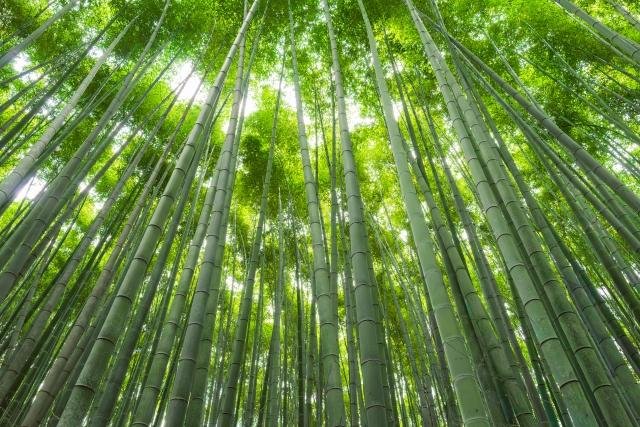
With several train lines serving the area, picking the best route can be confusing. Some options include the JR train from Kyoto Station, the Randen train line, or a guided bus tour from Osaka. Understanding the differences in travel time and cost can help you choose the route that fits your travel style.
Seventeen Minutes from Kyoto Station on the JR Sagano Line
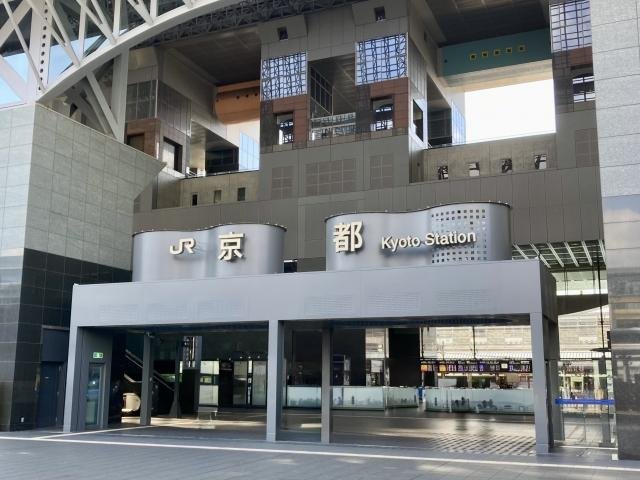
The fastest and simplest route from Kyoto Station to the bamboo grove is the JR Sagano Line (the San-in Main Line). The train runs direct with no transfers, takes about seventeen minutes, and costs just ¥240 (about $2 USD).
Exit at Saga-Arashiyama Station from the south exit and walk straight along the shopping street to the left of Torokko Saga Station. The bamboo grove entrance near Nonomiya Shrine is about a fifteen-minute walk from the station. If you want the grove to yourself, catch the first JR train from Kyoto Station, which departs around 5:30 am. You can reach Saga-Arashiyama Station just before 6 am and have the quiet bamboo grove almost entirely to yourself for photos.
- Kyoto Station → Saga-Arashiyama Station: about seventeen minutes, ¥240, no train transfers.
- Saga-Arashiyama Station → bamboo grove entrance (Nonomiya Shrine side): about a fifteen-minute walk.
- Taking the first train gets you to the grove shortly after 6 am.
Train schedules may change with timetable revisions, so check the latest departure times on the JR West website before your visit.
A Ten-Minute Walk from Randen Arashiyama Station
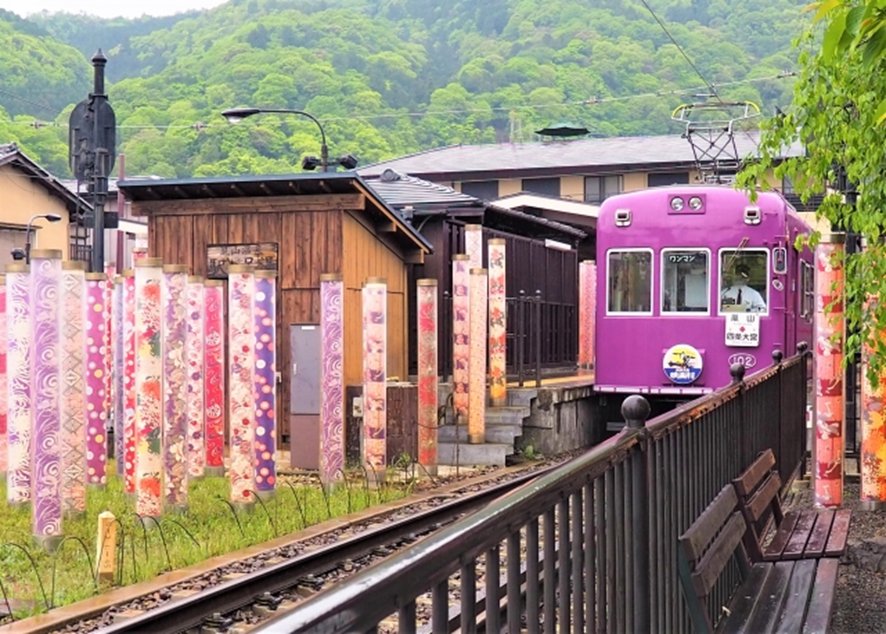
If you take the Keifuku Electric Railroad (Randen), the ride from Shijo-Omiya Station to Arashiyama Station takes about twenty-four minutes for a flat fare of ¥250. Randen Arashiyama Station is the closest station to the bamboo grove, putting you at the entrance in roughly ten minutes on foot. From the station, head north along the street lined with souvenir shops and continue past Nonomiya Shrine to enter the grove.
Walking time to the grove varies considerably by train line:
| Line | Fare | Walk to the Grove |
|---|---|---|
| JR Sagano Line (Saga-Arashiyama Station) | ¥240 | About 15 minutes |
| Randen (Arashiyama Station) | ¥250 | About 10 minutes |
| Hankyu (Arashiyama Station) | ¥410 | About 15–20 minutes |
Fares are subject to change. Please check the operator’s website for the latest information.
From Hankyu Arashiyama Station, you’ll need to cross Togetsukyo Bridge and pass through the central Arashiyama area, adding extra distance. For the shortest walk to the bamboo grove, Randen is the most efficient option. If you are aiming for a quiet early-morning visit, check the first departure times in advance.
Kyoto Arashiyama Chopstick Making Workshop
Day-Trip Bus Tours from Osaka

If you’re staying in Osaka and want to cover Kyoto and Nara in a single day, the “Osaka Departure: Nijo Castle, Nara, and Arashiyama Day Trip Bus Tour” by Japan Guide Star is a convenient choice.
The tour covers the main attractions of both Kyoto and Nara, including the Arashiyama Bamboo Grove, aboard a bus with an English-speaking guide. The full tour takes about ten hours and includes ample free time for exploring Arashiyama at your own pace.
Free cancellation is available up to twenty-four hours before departure, giving you flexibility if your plans change.
Details
| Meeting point | Somewhere in Central Osaka |
| Duration | About 10 hours |
| Departure time | Around 8 am |
| Price | From approximately ¥10,000 |
| Language | English |
Prices are subject to change. Please check the official website for the latest information.
Visiting the Arashiyama Bamboo Grove by Time of Day
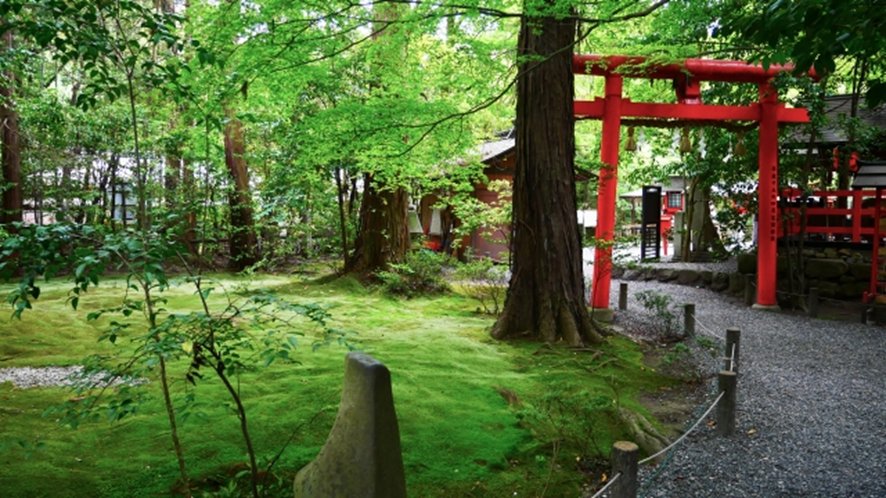
The bamboo grove looks and feels completely different depending on what time you arrive. Matching your visit to the right time of day (whether your priority is photography, solitude, or combining multiple attractions) makes all the difference.
Early Morning: Enjoy the Bamboo Grove in Near Solitude
Step into the bamboo grove between 5:30 and 7 am, and the daytime bustle feels worlds away. The only sound is bamboo leaves rustling in the breeze. Tenryu-ji Temple has not yet opened its gates and no tour buses have arrived, so foot traffic is minimal.
Catch the first JR Sagano Line train from Kyoto Station (departing around 5:30 am) and you can reach Saga-Arashiyama Station by about 6 am. The thirteen-minute walk from the station puts you at the entrance around 6:15 am. Light is limited at this hour, but setting up a tripod for a long exposure can produce an ethereal shot. On a smartphone, switching to night mode helps.
The path itself takes just ten to fifteen minutes to walk one way, so consider visiting Nonomiya Shrine around 7 am, then heading to Tenryu-ji Temple when the gates open at 8:30 am to make the most of your morning in Arashiyama.
Morning: Good Light and Quieter Paths
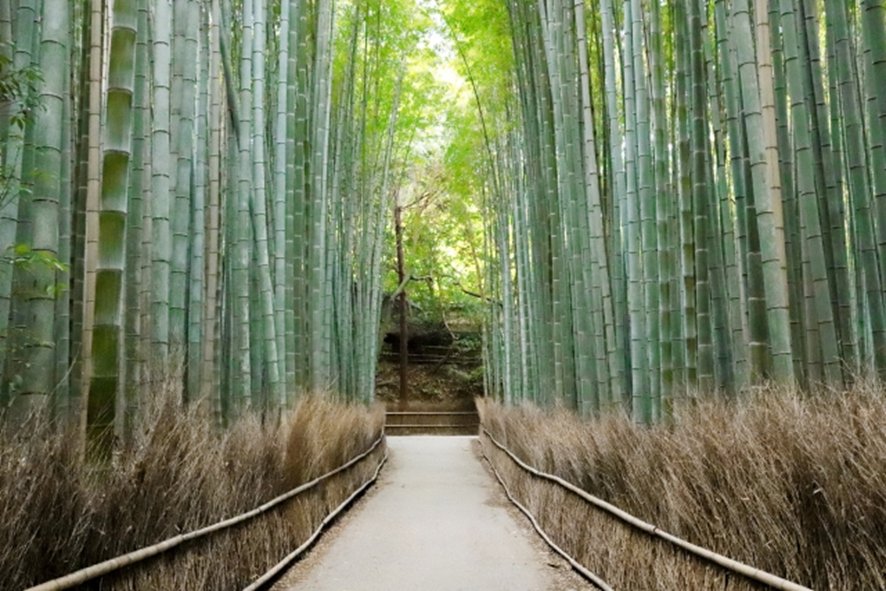
Between 7 and 9 am, the bamboo grove is brighter than at dawn but far less crowded than midday. Morning sunlight slants through gaps in the bamboo canopy, providing enough light for sharp handheld shots even on a smartphone. No special equipment is needed to capture the striking contrast of light and shadow at this hour. The sweet spot is 7 to 8 am. After 8 am, foot traffic begins to pick up, so the earlier you arrive, the quieter your walk will be.
Keep the following time slots in mind when planning your visit.
- 7–8 am: Fewest visitors; ideal for photography with minimal people in your shots.
- 8–8:30 am: Visitor numbers rise gradually, but conditions remain far better than midday.
- 8:30–10 am: Tenryu-ji Temple opens at 8:30 am, sending temple visitors into the grove; the path is busier but still manageable before the 10 am peak.
- 10 am–3 pm: The busiest window across all of Arashiyama, when the grove stays constantly packed.
A 7 am arrival is an achievable goal, and the soft morning light makes for a memorable walk through the Arashiyama Bamboo Grove.
Midday: Peak Crowding as Tour Groups Converge
Foot traffic builds steadily through the morning and increases noticeably around 10 am as organized tours and school excursion groups arrive. The route from Tenryu-ji Temple’s north gate into the bamboo grove is heavily used, adding to the flow of visitors throughout the area. Crowds peak between 10 am and 2 pm. On weekends and public holidays, the narrow path fills shoulder to shoulder, and stopping for a photo becomes nearly impossible. Getting a shot of the bamboo grove free of other visitors is essentially out of the question during these hours.
If midday is your only available window, these strategies can help.
- Hire a rickshaw from Ebisuya (a rickshaw tour company), whose runners know quieter alternative routes through the area.
- Combine your visit with a tour of Tenryu-ji Temple’s garden (¥500 admission), entering the grove from the temple’s north gate.
Most restaurants, souvenir shops, and Nonomiya Shrine are open during midday hours. Check individual shop hours and closing days in advance.
Keeping your bamboo grove walk short and spending more time exploring the wider Sagano area is a good way to get the most out of a midday visit.
Late Afternoon: Thinning Crowds and Beautiful Angled Light
After 3 pm, tour buses begin to leave and the wave of visitors begins to fade. The once-packed path settles down, giving you room to compose your shots with care. On clear days, the soft, low-angle afternoon light catches the bamboo trunks and leaves from the side, bathing the entire grove in a subtle warm glow. The mix of filtered sunlight and shadow through the canopy is especially striking and well suited to photography.
This golden-hour lighting is a major advantage for anyone with a camera.
Some tips for getting the best shots at this hour:
- Dial down exposure compensation slightly to emphasize the contrast where light hits the bamboo.
- Focus your camera on a point deeper in the grove where light streams in, not on the nearest bamboo stalks.
- About thirty minutes before sunset, the color temperature shifts beautifully, producing silhouettes of bamboo against the sky.
After your walk, consider heading to the Kimono Forest installation at Randen Arashiyama Station. The display is illuminated from sunset until 9 pm, pairing well with a late-afternoon visit to the bamboo grove.
After Sunset: No Lighting and Treacherous Footing
The bamboo path has almost no permanent lighting. Once the sun sets, the path is plunged into darkness; uneven stones and steps underfoot become nearly invisible. Bamboo grows so densely here that even overcast daytime skies can make the path feel dim, and the darkness after sunset goes beyond what most visitors expect. For safety reasons, avoid visiting the grove at night except during designated illumination events.
Some risks to be aware of if you do visit after dark:
- Some sections are unpaved, increasing the chance of trips and falls in low light.
- If you use your phone’s flashlight, point it only at the ground out of consideration for others.
- Wild boar and monkeys live in the hills around Arashiyama, and encounters with wild animals become more likely after dark.
- Foot traffic drops sharply after sunset, and walking alone can pose a safety risk.
To enjoy the Arashiyama Bamboo Grove safely, plan your visit between sunrise and sunset.
What to Expect at the Arashiyama Bamboo Grove in Each Season
The Arashiyama Bamboo Grove changes significantly in appearance and crowd levels with the seasons. From spring cherry blossoms to the quiet of winter, each season brings a different mood and set of practical considerations. Knowing the crowd patterns and comfort tips for each season can help you choose the best time to visit.
Kyoto: Arashiyama UNESCO Walking Tour with Admission
Kyoto Arashiyama Chopstick Making Workshop
Spring (March–May): Cherry Blossom Season Brings Crowds
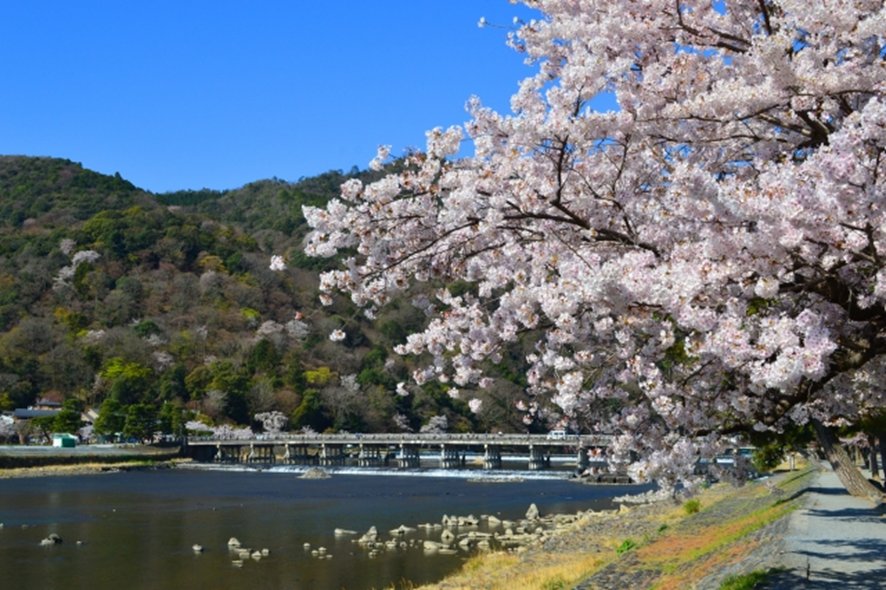
Spring in Kyoto is synonymous with cherry blossoms, and many visitors expect to see the blooms alongside the bamboo. For bamboo, however, spring is actually the season in its life cycle during which older leaves yellow and drop. As such, the canopy can look faded and tinged with pale yellow during this period, so the deep-green tunnel seen in most photos may not be what you encounter.
Besides the poor visuals, large crowds are a serious factor. Cherry blossom season draws massive numbers of visitors to the entire Arashiyama area. JR Sagano Line trains become extremely packed, and the commute can be stressful. If you visit in spring, aim for a weekday morning before 7 am. The stretch between 10 am and 3 pm is the most congested, so finishing your walk while the morning calm lingers is the most practical plan.
Summer (June–August): The Bamboo Canopy Provides Natural Shade
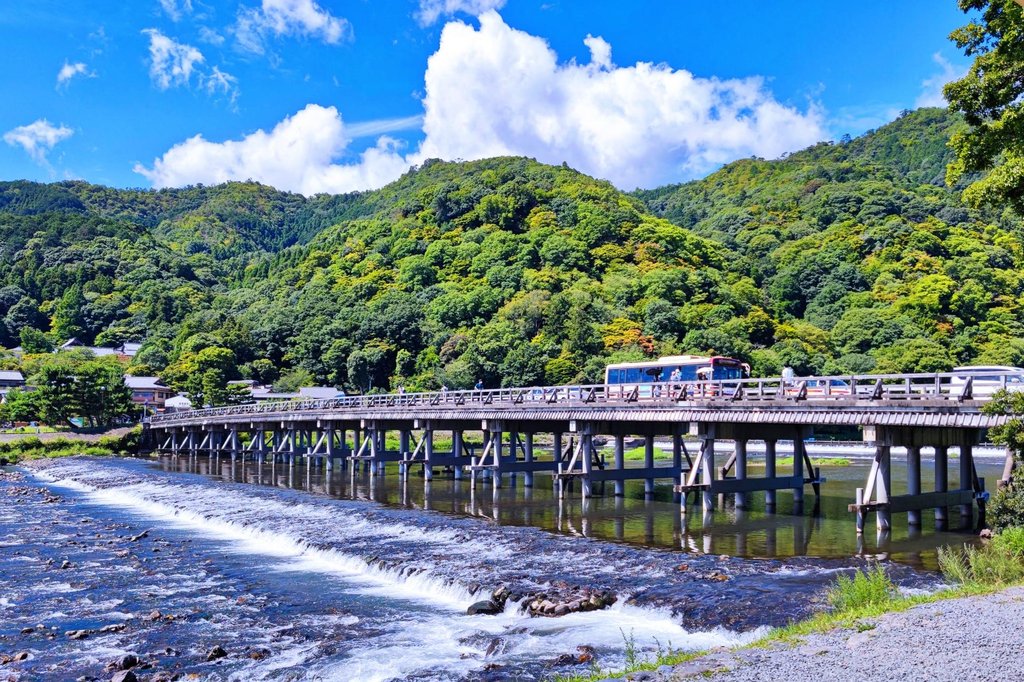
Summer is when the bamboo grove is at its most lush. New growth fills out the canopy, creating one of the densest, most vivid green tunnels of the year. Foliage is so thick overhead that the grove makes an excellent backdrop for photos. The natural shade blocks direct sunlight, which can make the bamboo path feel noticeably cooler than other parts of Kyoto.
Kyoto summers are intense, with temperatures frequently exceeding 35°C (about 95°F) in July and August. The bamboo canopy’s shade and airflow create a natural cooling effect, and many find the grove noticeably more comfortable than the open streets of central Kyoto. Kyoto’s summer humidity is fierce, however, so dress in clothes you don’t mind sweating in and bring plenty of water.
Remember to pack these items for a comfortable visit:
- Hat or parasol: essential for the unshaded stretches between the grove and the station.
- Water bottle: vending machines near the grove are scarce, so buy drinks before you set out.
- Lens cloth: during the rainy season (June–July), camera lenses fog quickly, so carry a cloth for wiping the lens from time to time.
With the right preparation for the summer heat, the Arashiyama Bamboo Grove rewards you with an overwhelming wall of green.
Autumn (September–November): Vivid Fall Colors and Evening Light-Ups
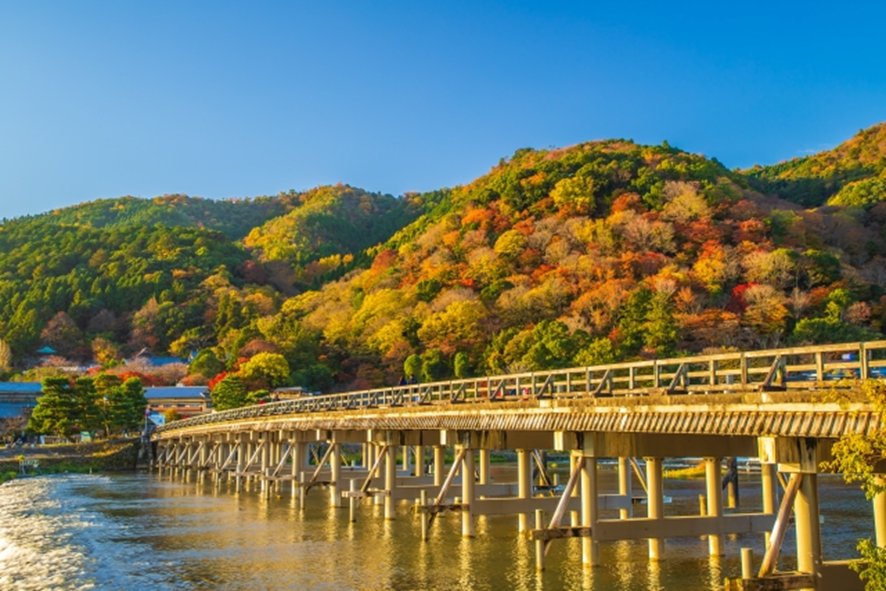
Autumn at the Arashiyama Bamboo Grove is the most visually striking and most crowded season of the year. The contrast between the evergreen bamboo and the fiery reds and golds of the surrounding foliage is something no other season can match. Peak autumn color can be seen from late November through early December, when the gardens of Tenryu-ji Temple and the area around Togetsukyo Bridge are at their most vivid. Near the entrances to the path, red and golden maple leaves overlap with the green bamboo, creating a scene unique to this time of the year.
Nighttime light-ups and events are sometimes held from autumn into winter, offering an enchanting after-dark atmosphere. Note that the long-running Arashiyama Hanatouro (flower lantern path) illumination event ended in 2021, and no replacement of the same scale has been announced as of this writing. Check the Kyoto City Tourism Association’s official website for the latest event information before your trip.
Crowds during the autumn foliage season are the heaviest of the year, so an early-morning visit is strongly recommended.
Winter (December–February): Fewer Visitors and Quiet Walks
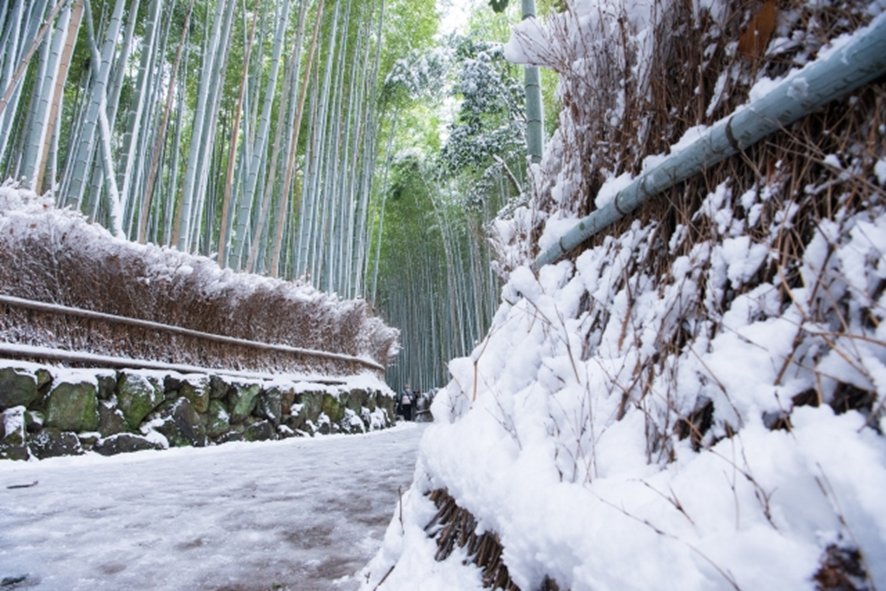
Winter is a lesser-known but rewarding time to visit the Arashiyama Bamboo Grove. With noticeably fewer tourists and a rare sense of stillness, walking through the quiet, sparsely visited grove on a crisp, clear winter day is a luxury you are unlikely to find in any other season.
Kyoto winters bring a distinctive penetrating chill that locals call sokobie (a cold that feels as though it rises from the ground), so proper layering is a must:
- Wear a warm coat along with a hat, gloves, and scarf.
- Add heat-tech or thermal base layers to keep your core warm.
- The path is paved, so sturdy, thick-soled walking shoes are sufficient.
One period to watch out for is late December through early January. Visitors heading to Nonomiya Shrine to pray before and after New Year’s create large crowds in the area that feel out of place for winter. With that in mind, mid-January through February is the ideal window for visiting, especially if you’re seeking the peace and quiet at the Arashiyama Bamboo Grove.
Common Questions About Visiting the Arashiyama Bamboo Grove

Lesser-known spots, rainy-day tips, rules and etiquette, and information about accessibility are among the most common things visitors want to know. Knowing the answers ahead of time can help you make confident decisions on the day of your visit.
Are There Other Bamboo Groves to Explore in Kyoto?
If you want to avoid the Arashiyama crowds, two quieter alternatives in Kyoto are well worth considering.
Adashino Nenbutsu-ji Temple is about a twenty-minute walk further into the hills from the Arashiyama Bamboo Grove. The bamboo-lined path on the temple grounds sees far fewer visitors, meaning it offers a peaceful stroll in near-silence.
Rakusai Bamboo Park, in Kyoto’s Nishikyo Ward, is another alternative. It’s home to roughly 110 species of bamboo and bamboo grass and is free to enter. Getting there by bus from Kyoto Station may require transferring along the way. If that doesn’t appeal to you, you can take the JR or Hankyu line to Katsuragawa, Rakusaiguchi, or Katsura Station and catch a city bus to the Minami-Fukunishicho (Bamboo Park-mae) bus stop.
| Spot | Adashino Nenbutsu-ji | Rakusai Bamboo Park |
|---|---|---|
| Distance from Arashiyama Bamboo Grove | 20 minutes walking | About 40 minutes via public transportation |
| Main attraction | Quiet bamboo-lined walking path | Roughly 110 bamboo and grass species on display |
| Admission Fee | Yes | None |
Is the Bamboo Grove Worth Visiting on a Rainy Day?
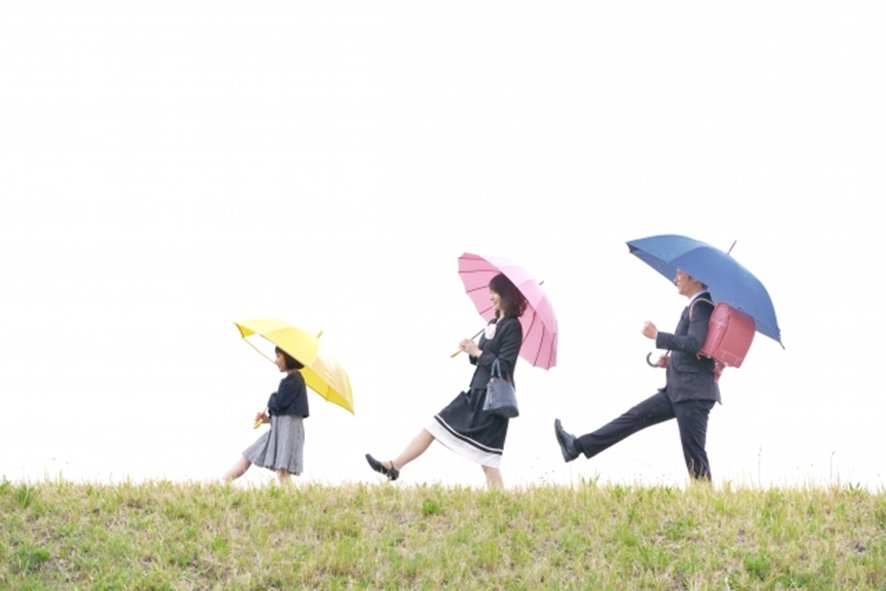
The bamboo grove on a rainy day has a charm all its own, and travel writers often single out the unique atmosphere as one of Arashiyama’s lesser-known delights. The dense bamboo canopy acts as a natural umbrella, keeping you largely dry in light rain while thinning the crowds enough that you might have the path almost all to yourself.
Stone paths and slopes can become slippery when wet, so wear shoes with good grip.
- A compact umbrella is usually enough for light rain; a rain poncho is easier to move in during heavier showers.
- Bring waterproof protection for your camera and phone.
- Pairing a visit to the grove with indoor attractions can make for a well-rounded rainy-day itinerary.
What Are the Etiquette Rules When Walking the Path?

Your behavior on the path plays a big role in preserving the bamboo grove’s beauty. Touching, carving into, or writing on the bamboo is strictly prohibited. Intentional damage to the landscape is taken seriously, and littering can result in fines.
Keep these rules in mind:
- Do not touch the bamboo. Graffiti damages the landscape and may be subject to penalties.
- Stay on the designated path. Private residences and private land border the grove on both sides.
- Keep your voice low. Speaking softly helps others enjoy the atmosphere.
- Be quick with photos. Avoid tripods during busy hours, and watch where you point a selfie stick.
Can You Walk the Path with a Wheelchair or Stroller?
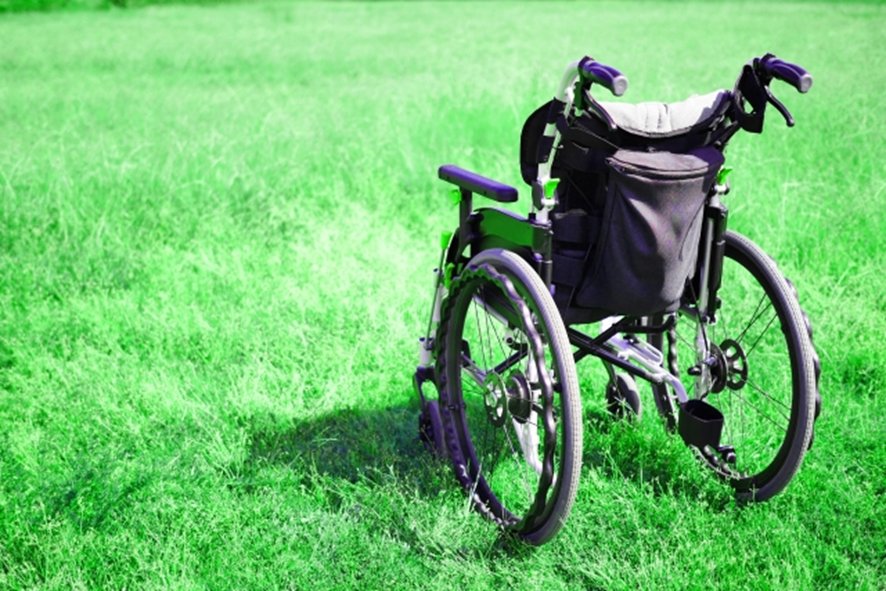
The bamboo path is paved, making it traversable for wheelchairs and strollers, though surface conditions require some caution. Comfort depends largely on the time of day: during peak midday hours, the narrow path makes passing through the throng of visitors difficult.
If you have a wheelchair or baby stroller, aim to visit early in the morning or late in the afternoon when the uncrowded path gives you room to move at your own pace.
- If possible, bring an attendant along.
- The entrance to Nonomiya Shrine has a step that wheelchairs can’t get over.
- Wheelchair rental stations are available in the Arashiyama area, and are open from 9 am to 5 pm.
What Else Can You Do Near the Arashiyama Bamboo Grove?
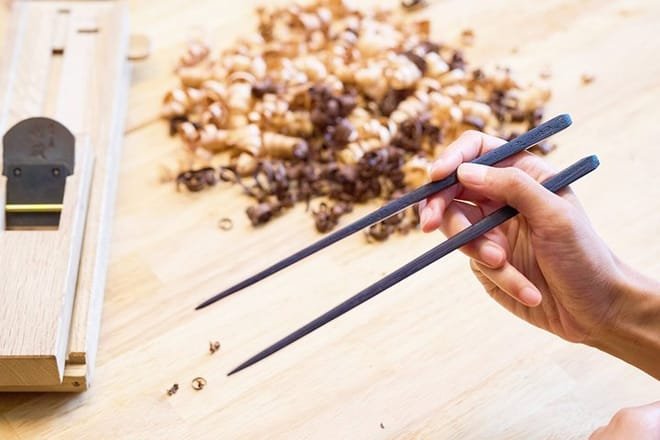
Kyoto Arashiyama Chopstick Making Workshop – Japan Guide Star
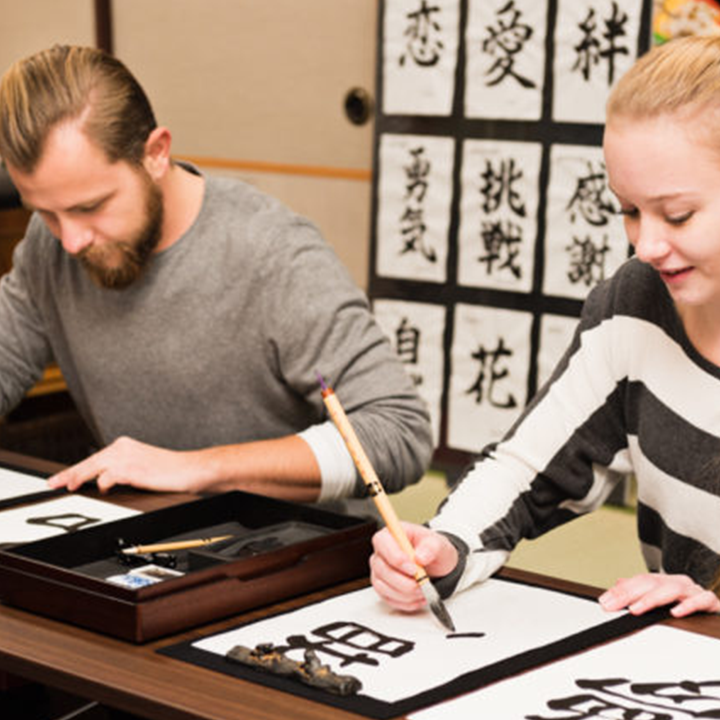
For those looking to extend their time in Arashiyama, a hands-on activity is a great option. The chopstick-making workshop at Chopsticks Studio Kyoto takes about an hour and leaves you with a one-of-a-kind pair of chopsticks you can take home with you. English-speaking staff are on hand to guide you through every step, so international visitors can join with ease. Using your handmade chopsticks at meals back home is a lasting reminder of your Arashiyama trip.
Details
| Address | 3-25 Saga Tenryuji Susukinobabacho, Ukyo-ku, Kyoto |
| Hours | Sessions every 30 min. from 9 am to 6 pm |
| Closed | Irregular closings |
| Reservations | https://japanguidestar.com/tour/kyoto-arashiyama-chopstick-making-workshop/ |
| Ideal for | Travelers who want a practical, handmade souvenir; couples and families who enjoy crafts |
Hours are subject to change. Please check the official website before visiting.
Kyoto Arashiyama Chopstick Making Workshop
Kyoto: Arashiyama UNESCO Walking Tour with Admission
Plan Your Arashiyama Bamboo Grove Visit
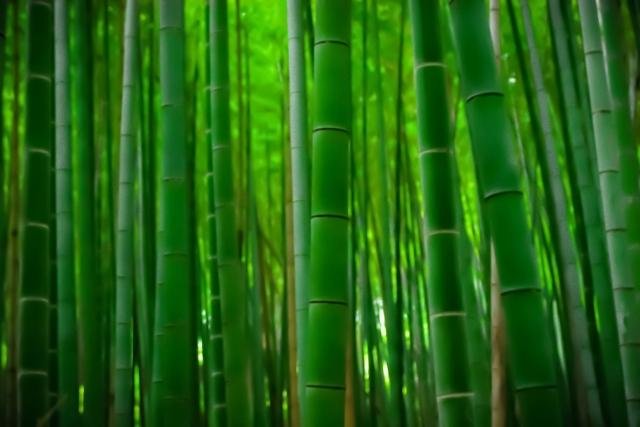
The Arashiyama Bamboo Grove is open twenty-four hours, and an early-morning visit allows you to enjoy the stillness with almost no one else around. While the walk itself takes just ten to fifteen minutes to complete one-way, pairing a visit to the grove with other activities in the area can easily fill up more than half a day.
Remember to steer clear of the 10 am to 2 pm rush and aim to arrive by around 8 am for the smoothest experience and best photography conditions. Use these timing tips to plan your trip and enjoy the enchanting landscape of the Arashiyama Bamboo Grove.