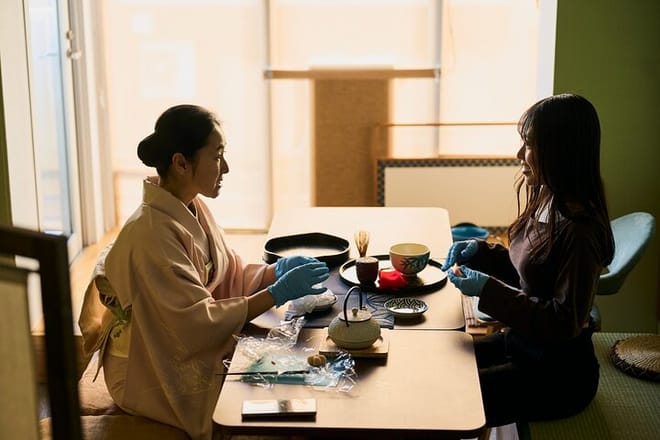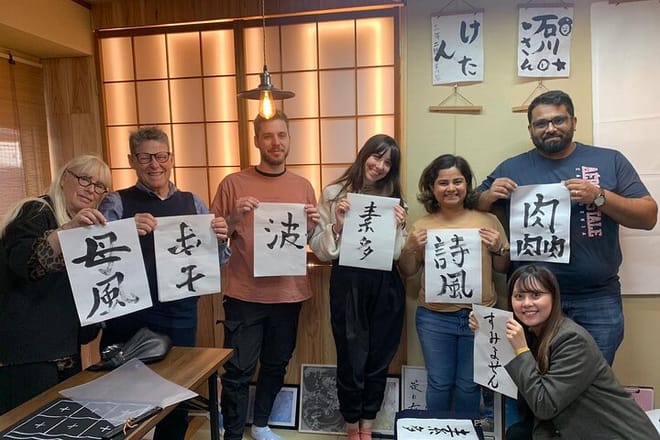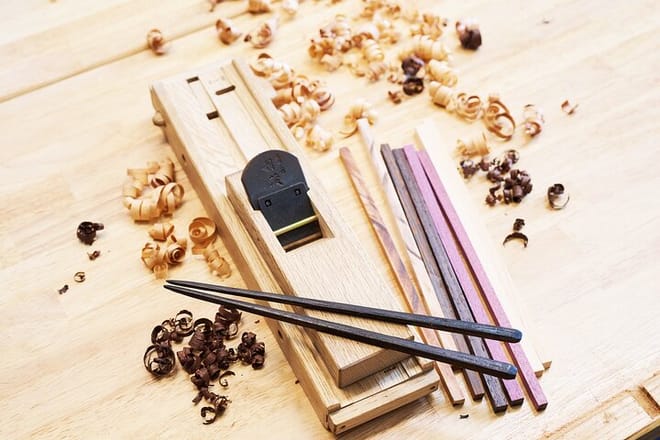
Choosing the right venue makes all the difference when enjoying a tea ceremony experience in Kyoto. English support, pricing, and session length vary widely from place to place.
We have carefully selected 10 English-friendly venues in the Gion and Kiyomizu-dera areas, comparing prices, durations, and plan details, and covering the typical flow, what to wear, and how to book.
We’ll walk you through venues by area along with the manners you should know in advance, so read on to find your perfect match.
Features of Kyoto Tea Ceremony Experiences
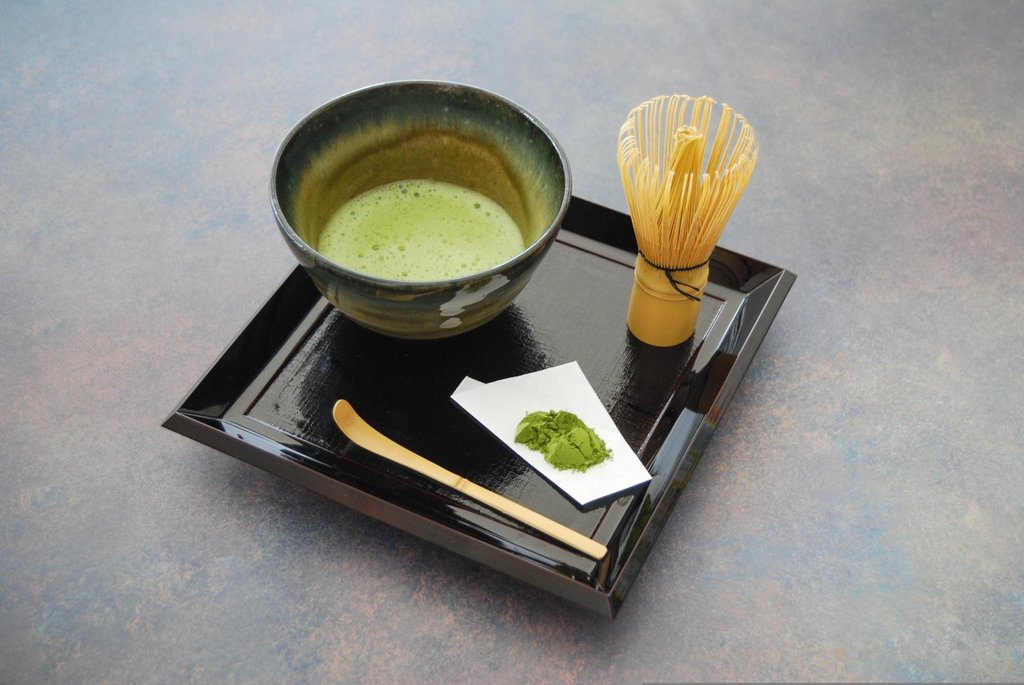
Kyoto is the birthplace of tea ceremony as a refined cultural practice and a city where you can enjoy truly authentic experiences. In this section, we explain the historical background, the differences between experience types, price ranges, and the areas where venues are concentrated. Understanding these points will give you a clear framework for choosing an experience that fits your itinerary and budget.
The Home of Tea Ceremony Where Sen no Rikyu and the Three Senke Schools Took Root
Kyoto’s reputation as the home of tea ceremony is well earned.
In the 15th century, Murata Juko created the original form of wabi-cha, a rustic and simplicity-focused style of tea ceremony.
Later, it was in Kyoto that Sen no Rikyu refined the design of tea rooms and the structure of tea gatherings, completing the foundation of the tea ceremony as it is practiced today. Rikyu elevated the way of tea into one of the defining expressions of Japanese culture.
The Three Senke schools, descended from Rikyu’s grandchildren, still maintain their headquarters in Kyoto today. In other words, both the origins of the tea ceremony and its living traditions continue to exist in the same city.
Matcha (finely ground green tea powder) itself also has a special connection to Kyoto.
Uji tea is cultivated under shade, allowing it to retain rich umami components. The leaves are then slowly ground with stone mills, minimizing friction heat and preserving the tea’s vivid green color and aroma.
A tea ceremony experience in Kyoto therefore becomes something more than sightseeing — it is a chance to encounter centuries of practice, aesthetics, and tradition in the place where they were shaped.
Two Types: Basic Experiences and Combination Packages
Tea ceremony experiences in Kyoto generally fall into two categories: basic experiences and combination packages. Choosing the right type based on your travel style and schedule usually leads to a much more satisfying experience.
Basic experiences typically last 20 to 60 minutes and include an explanation, watching the host prepare tea, and tasting matcha. Some venues offer chair seating, so even those uneasy about sitting in seiza (the traditional Japanese kneeling posture) can join with ease. These venues are easy to visit between sightseeing stops.
Combination packages mostly run 90 minutes or more and bundle elements such as kimono dressing. Venues like MAIKOYA Gion Kiyomizu, where you can enjoy both kimono and tea ceremony in one place, are very popular.
Here is a quick guide to help you choose.
| Comparison | Basic Experience | Combination Package |
|---|---|---|
| Duration | 20–60 minutes | 90 minutes or more |
| Price range | 2,000–4,000 yen | 5,000–10,000 yen |
| Best for | Travelers with packed itineraries who want a quick option | Those who value photo-worthy moments and authenticity |
If you have extra time and want a fuller cultural experience, choose a combination package; if you want to fit tea ceremony smoothly between other sightseeing plans, a basic experience is the safer and more flexible option
Prices Mostly Range from 2,000 to 10,000 Yen
Most tea ceremony experiences in Kyoto fall within the ¥2,000–¥10,000 range.
Affordable shared plans generally cost around ¥2,000–¥3,500. For example, Tea Ceremony Koto offers an English-language guided experience for about ¥3,300 per adult.
Meanwhile, 90-minute plans that include kimono dressing typically range from ¥7,000 to ¥10,000.
At MAIKOYA Gion Kiyomizu, kimono-included tea ceremony experiences start at around ¥7,000, while private-room plans begin from roughly ¥12,000. For private sessions, the per-person cost may vary depending on group size.
Experience lengths also vary widely, from short 20-minute introductions to in-depth 90-minute cultural programs. Look for the best fit by balancing your budget and itinerary.
*Prices listed are current as of publication and may change. Please check official websites for the latest information.
Venues Are Concentrated Around Gion and Kiyomizu-dera
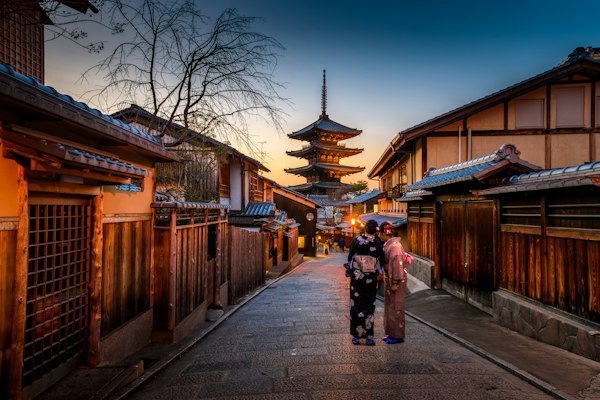
English-friendly tea ceremony venues are concentrated in the Gion, Kiyomizu-dera, and Higashiyama areas. They are scattered within walking distance of popular sightseeing spots, making them perfect to drop into between activities.
You’ll also find venues around Kinkaku-ji and the Shijo-Karasuma area, which pair nicely with temple visits or shopping.
When choosing a venue, the most important factor is the proximity to your accommodation or planned sightseeing spots. Since tea ceremony experiences commonly last 60–90 minutes, minimizing transportation time can make a big difference in how relaxed your schedule feels.
Choosing a venue in the same area as your planned sightseeing spots is often the best way to make efficient use of limited travel time.
From the next section, we introduce 5 recommended venues in the Gion and Kiyomizu-dera areas.
Kyoto Tea Ceremony 1. Top 5 Venues in the Gion and Kiyomizu-dera Area
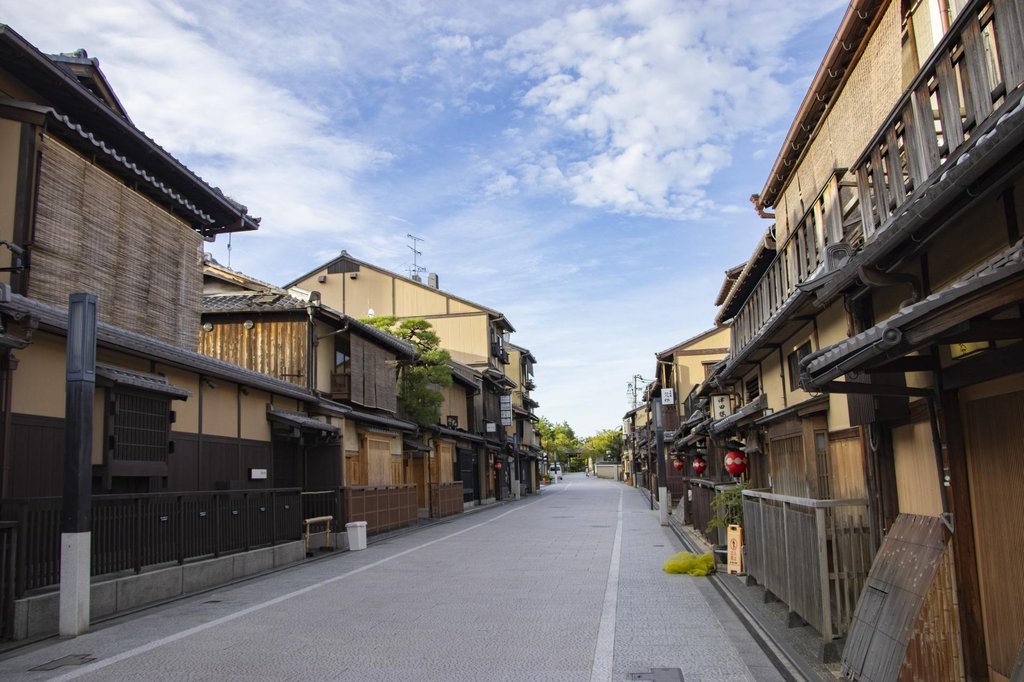
The area around Gion and Kiyomizu-dera is a classic sightseeing district where tea ceremony venues cluster within walking distance. Here, we cover 5 venues that are easy to visit between sightseeing stops and compare their durations and pricing.
With options that include quick 20-minute experiences and kimono-inclusive plans, you’ll find a venue that fits your itinerary and budget.
Nagomi Tea | A 100+ Year Old Tea Room on Ninenzaka
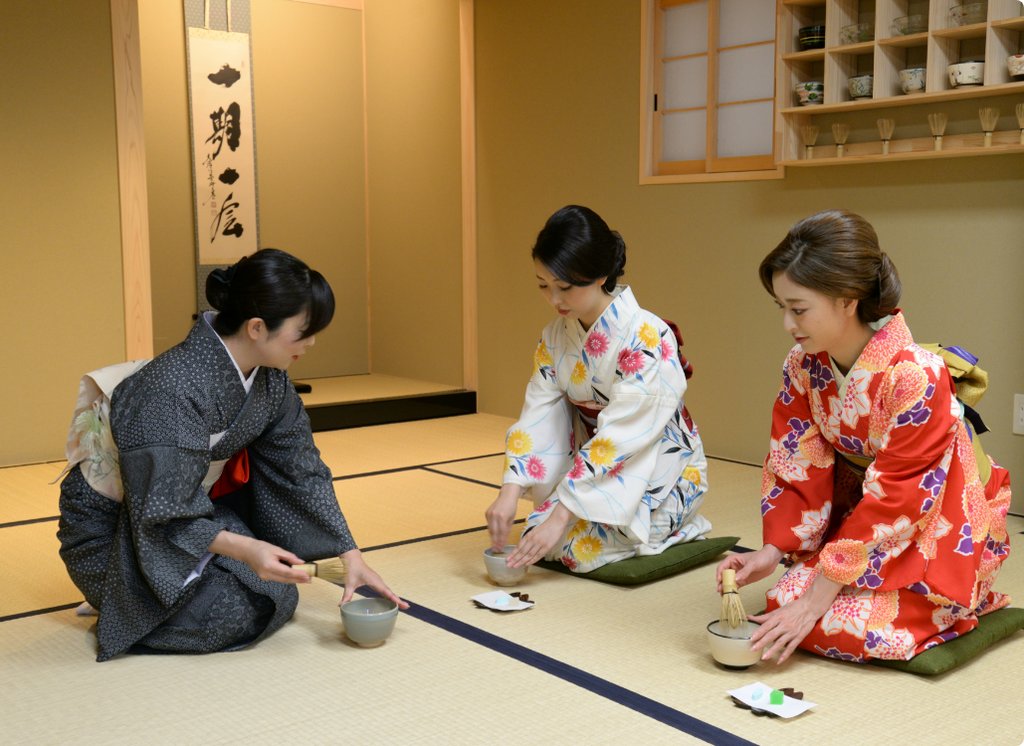
Nagomi Tea offers tea ceremony experiences on the second floor of a traditional building over 100 years old. It is located along Ninenzaka.
The venue uses Uji matcha from the long-established Gion Tsujiri, allowing you to enjoy its rich green color and mellow umami in a historic setting.
English explanations are available, and the host explains the history and cultural background before demonstrating the tea preparation. About a 10-minute walk from Kiyomizu-dera, it’s perfectly placed for a stroll around Gion afterward.
Details
| Address | 2F, 349-7 Masuyacho, Higashiyama-ku, Kyoto 605-0826 |
| Hours | 10 am–6 pm |
| Closed | Irregular |
| Official site | https://kyoto-nagomi-tea.com/ |
| Best for | Those who want an authentic experience with renowned matcha in a historic tea room |
MAIKOYA Gion Kiyomizu | 90-Minute Experience Including Kimono
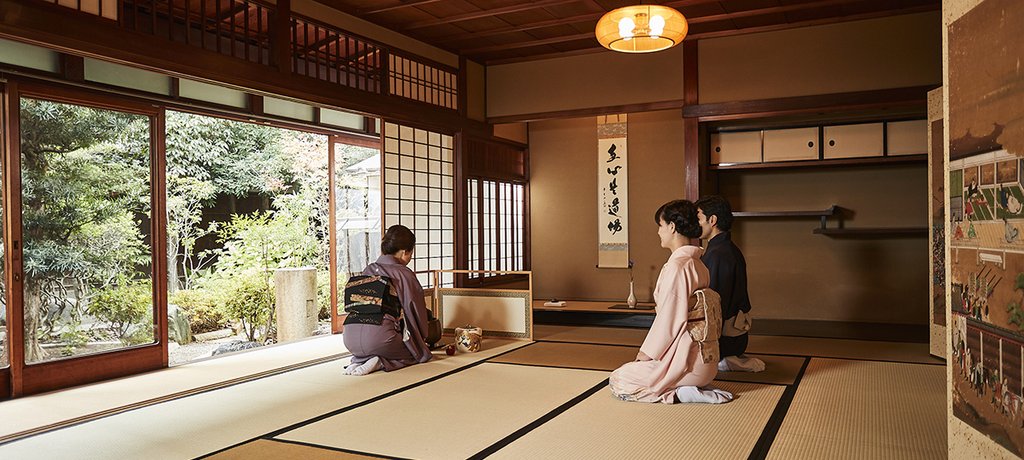
MAIKOYA offers an approximately 90-minute plan that bundles kimono dressing and hair styling with the tea ceremony experience.
The venue is a machiya (traditional Kyoto townhouse) designated as a registered tangible cultural property, and you can take photos with a Japanese garden as the backdrop. It’s popular with those who want a picture-perfect shot for social media.
English support is excellent, and a plan that includes wagashi (traditional Japanese sweets) making is also available. Please note that children under 7 are not admitted.
Details
| Address | 100 Rokurocho, Matsubara-dori Yamato-oji Higashi-iru, Higashiyama-ku, Kyoto (Gion Kiyomizu branch) |
| Hours | 9 am–6 pm (check time slots on the official site) |
| Closed | Irregular (please confirm on the official site) |
| Official site | https://mai-ko.com/ |
| Best for | Couples and families who want to enjoy kimono and tea ceremony together |
Camellia Flower | A 45-Minute Experience in a Ninenzaka Machiya
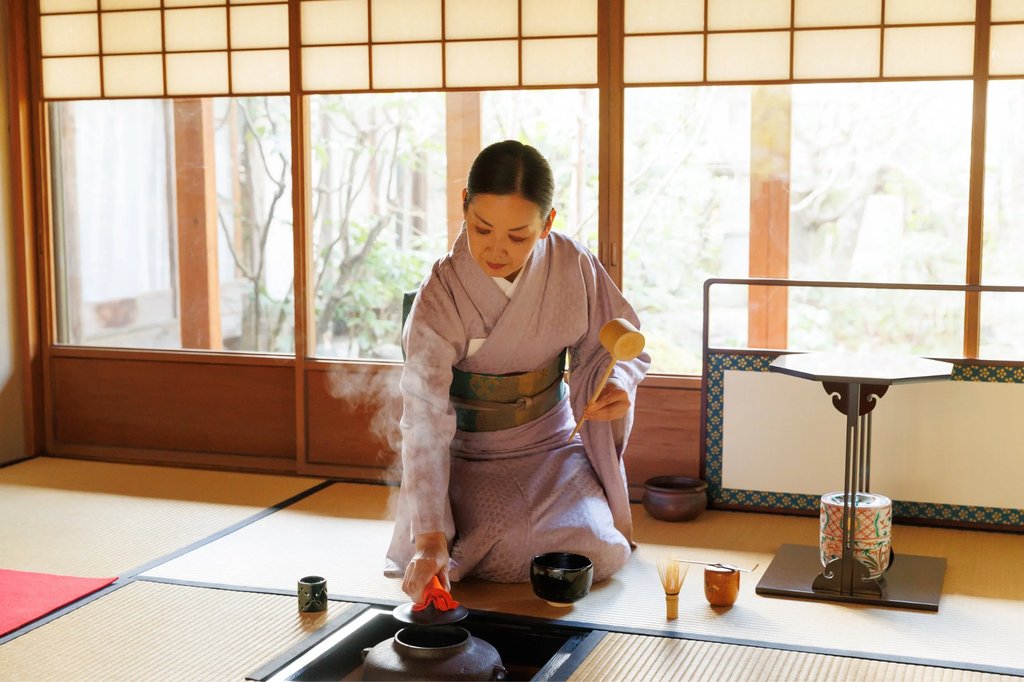
Camellia Flower is a venue on the second floor of a machiya where you can receive thoughtful cultural explanations in English.
The instructor explains the history and the meaning of the wagashi, and you also get time to whisk matcha yourself.
The venue pays close attention to food allergies, offering vegan-friendly wagashi and other options. That way, travelers with dietary restrictions can join without worry.
A sister venue, Camellia Garden, offers a similar experience near Ryoan-ji. Choose the location that best matches your sightseeing route.
Details
| Address | 349-12 Masuyacho, Higashiyama-ku, Kyoto 605-0826 |
| Price | From ¥4,000 per person (45-minute shared plan, off-peak rate) |
| Access | About a 7-minute walk from Kiyomizu-michi or Higashiyama-Yasui bus stops |
| Official site | https://tea-kyoto.com/ |
| Best for | Those who want rich cultural context in English, or visitors with food allergies |
KIMONO TEA CEREMONY MAIKOYA GION KIYOMIZU | An Authentic Japanese Cultural Experience in a Kyoto Townhouse
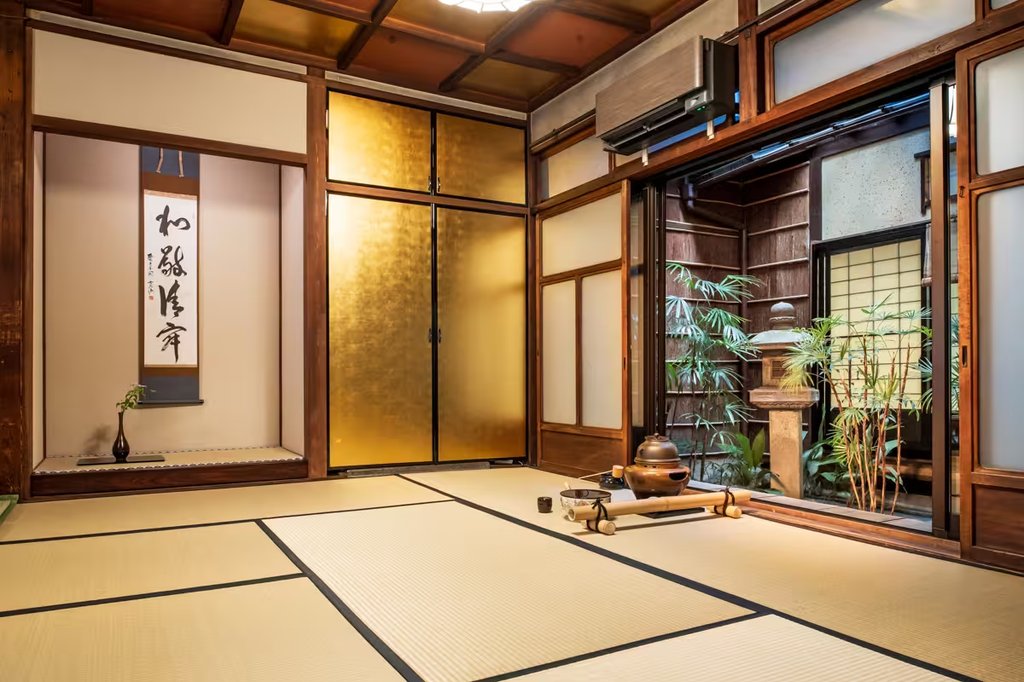
KIMONO TEA CEREMONY MAIKOYA GION KIYOMIZU is a popular venue housed in a Kyoto machiya registered as a national tangible cultural property, offering authentic Japanese cultural experiences.
You can enjoy a range of distinctly Kyoto cultural activities all in one place, including tea ceremony, wagashi making, and watching maiko (apprentice geisha) and geiko (Kyoto-style geisha) performances. English-language support is also available, making it a favorite with international visitors.
In the tea ceremony experience, you receive explanations about the history and etiquette of tea ceremony, then whisk matcha yourself and enjoy it with wagashi. Plans where you participate while wearing a kimono are also popular, letting you soak up a quintessentially Kyoto atmosphere.
In the wagashi making experience, you can craft colorful nerikiri (delicate, hand-shaped sweets made from sweet bean paste) sweets typical of Kyoto together with an instructor. There are also plans where you enjoy the tea ceremony using the wagashi you made yourself.
You can also watch performances and dances by real maiko and geiko, taking photos and feeling Kyoto’s culture up close.
Located in the Gion and Kiyomizu area, it pairs easily with sightseeing around Yasaka Shrine and Kiyomizu-dera.
Details
| Address | 100 Rokurocho, Matsubara-dori Yamato-oji Higashi-iru, Higashiyama-ku, Kyoto |
| Capacity | 12 people (please confirm) |
| Duration | About 90–120 minutes |
| Official site | https://mai-ko.com/ |
| Best for | Culture lovers who find sightseer-friendly quick experiences unsatisfying |
TIA | A Casual 20-Minute Experience in the Kiyomizu-dera Area
TIA is a convenient venue where you can choose a Kiyomizu-yaki (Kyoto-style pottery) tea bowl and whisk matcha in just 20 to 30 minutes.
With two stores in the Kiyomizu-dera area, it’s easy to drop in either on your way to or from sightseeing. The experience is conducted in English, and after a tea ceremony explanation and choosing your tea bowl, you whisk your own matcha. Wagashi is included, and photography is also allowed during the experience..
They welcome walk-ins if seats are available, so feel free to stop by during your trip.
Details
| Location | Yasaka-dori store: 2F, 87-16 Hoshinocho, Higashiyama-ku, Kyoto (about a 1-minute walk from Yasaka Pagoda) / Chawan-zaka store: 6-583-55 Gojobashi Higashi, Higashiyama-ku, Kyoto (along Chawan-zaka on the path to Kiyomizu-dera) |
| Hours / Closed | 10:30 am–3:30 pm |
| Duration | About 20–30 minutes |
| Official site | https://matcha-tia.com/ |
| Best for | Those who want a short tea ceremony experience during Kiyomizu-dera sightseeing |
Kyoto Tea Ceremony 2. Top 5 Venues in Other Areas
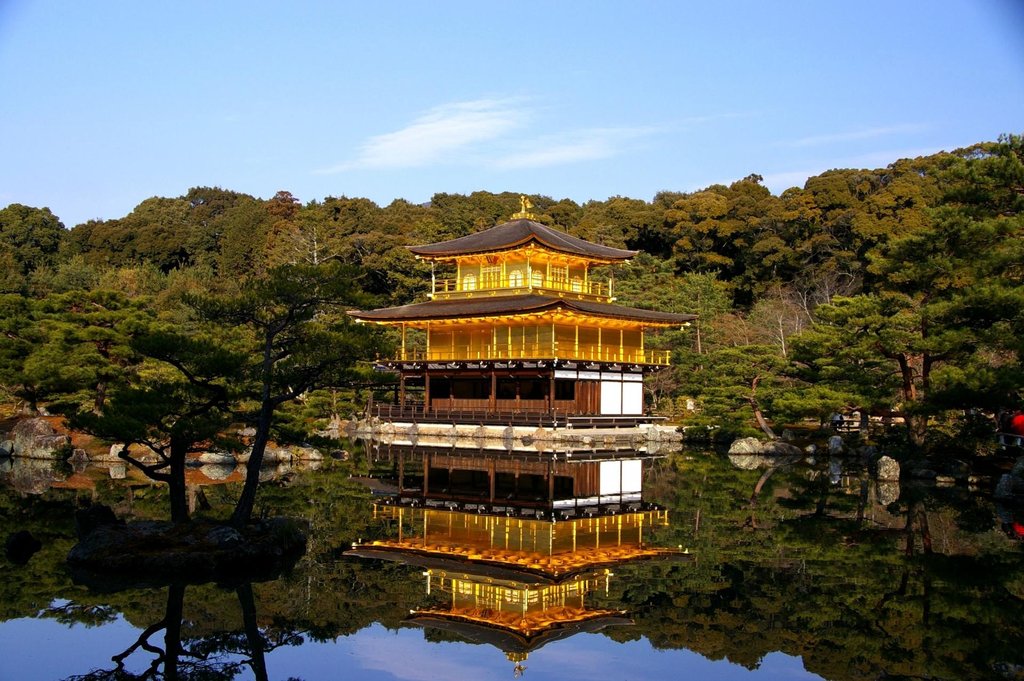
Beyond the Gion and Kiyomizu-dera area, there are appealing tea ceremony venues scattered around Kinkaku-ji, Ryoan-ji, and Gojo. In this section, we introduce five venues that vary in atmosphere, location, and price range while comparing the highlights of each.
By choosing a venue that matches both your sightseeing route and your budget, you can reduce travel time while still enjoying a meaningful tea ceremony experience in Kyoto.
Tea Ceremony Koto | An Affordable Experience in the Kinkaku-ji Area
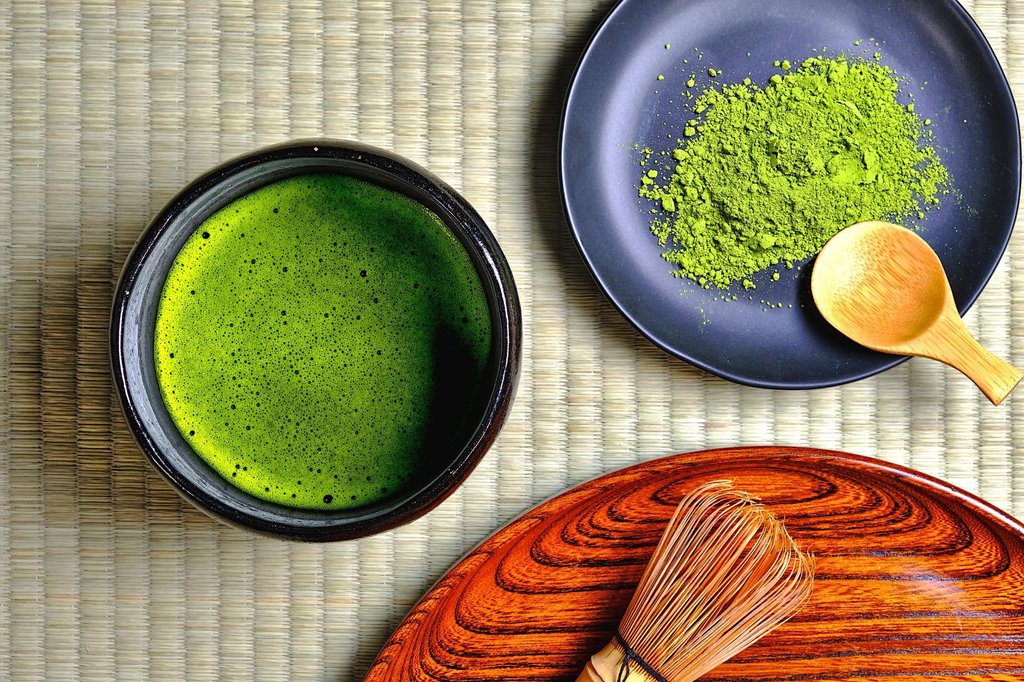
Tea Ceremony Koto is within walking distance of Kinkaku-ji and is perfectly positioned to drop in right after sightseeing.
The shared plan runs about 45 minutes and is reasonably priced at ¥3,300 per adult. The instructor explains the history and tools carefully in English, so you’ll come away with a strong cultural takeaway.
With small group sizes, it’s easy to ask questions, and first-timers feel right at home. A private plan at ¥6,600 per adult is also available.
Scheduling this right after your Kinkaku-ji visit lets you combine sightseeing and culture in one efficient stop.
Details
| Address | 37 Kinugasa Nishi-goshonouchi-cho, Kita-ku, Kyoto |
| Hours | 10:30 am–5:45 pm |
| Closed | Irregular |
| Official site | https://jpn.teaceremony-kyoto.com/teaceremony-koto/plan-price |
| Best for | Travelers who want an affordable tea ceremony combined with a Kinkaku-ji visit |
Camellia Tea Ceremony | A Tea Room with a Garden Near Ryoan-ji
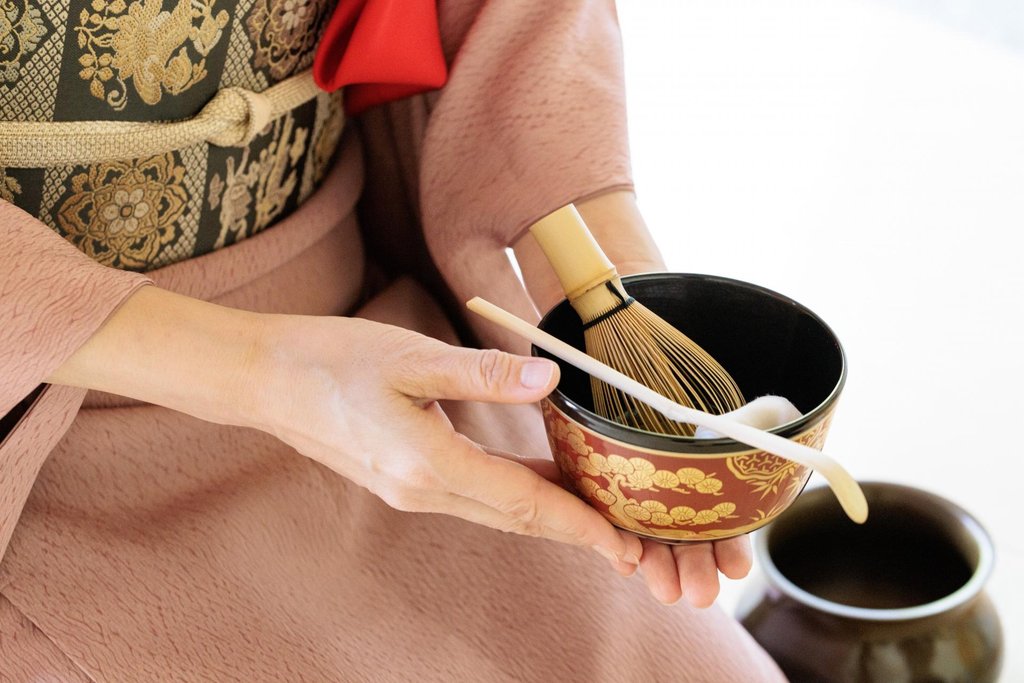
Camellia Tea Ceremony is a venue offering a completely private experience in a 100+ year old Japanese house near Ryoan-ji.
You watch the host prepare tea while enjoying a view of the garden, then whisk your own matcha. Since you don’t share the space with other groups, you can engage with the tea ceremony in a quiet setting.
The venue runs 4 sessions per day, with two ticket types: solo and pair.
Close to Kinkaku-ji and Ninna-ji, it’s easy to slot into a World Heritage tour. It’s a great pick for anyone who wants to experience an authentic tea ceremony in a quiet environment.
Details
| Address | 18 Ryoanji Ikenoshita-cho, Ukyo-ku, Kyoto 616-8003 |
| Hours | 10 am, 12 pm, 2 pm, 4 pm |
| Closed | Irregular |
| Official site | https://tea-kyoto.com/ |
| Best for | Those who want to experience authentic tea ceremony in a quiet, private space |
An Kyoto | Wagashi-Included Set from ¥2,270
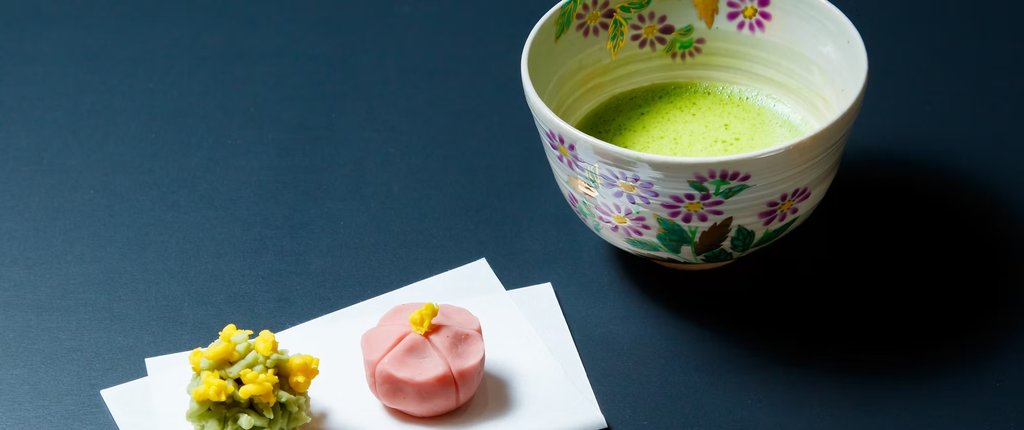
An Kyoto is a popular venue offering an approximately 95-minute combination plan of tea ceremony and wagashi making.
The “Matcha 2-Point Experience” costs ¥2,870, where you shape your own nerikiri sweet and enjoy it together with matcha you’ve whisked yourself. Because you both make and taste the wagashi, the experience tends to feel especially satisfying and memorable.
The venue operates six sessions per day, making it relatively easy to fit into gaps in a sightseeing schedule. It’s a great pick for anyone who wants to enjoy both tea ceremony and wagashi making.
Details
| Address | 2F Berc Karasuma, 135 Manjujicho, Shimogyo-ku, Kyoto |
| Hours | 7:30 am–10 pm (reservations 10 am–5 pm) |
| Closed | Open year-round (excluding temporary closures) |
| Official site | https://kyoto.nipponbunkan.com/ |
| Best for | Efficiency-minded travelers who want to enjoy tea ceremony and wagashi making together |
Yumeyakata Gojo Branch | Kimono and Tea Ceremony All in One Place
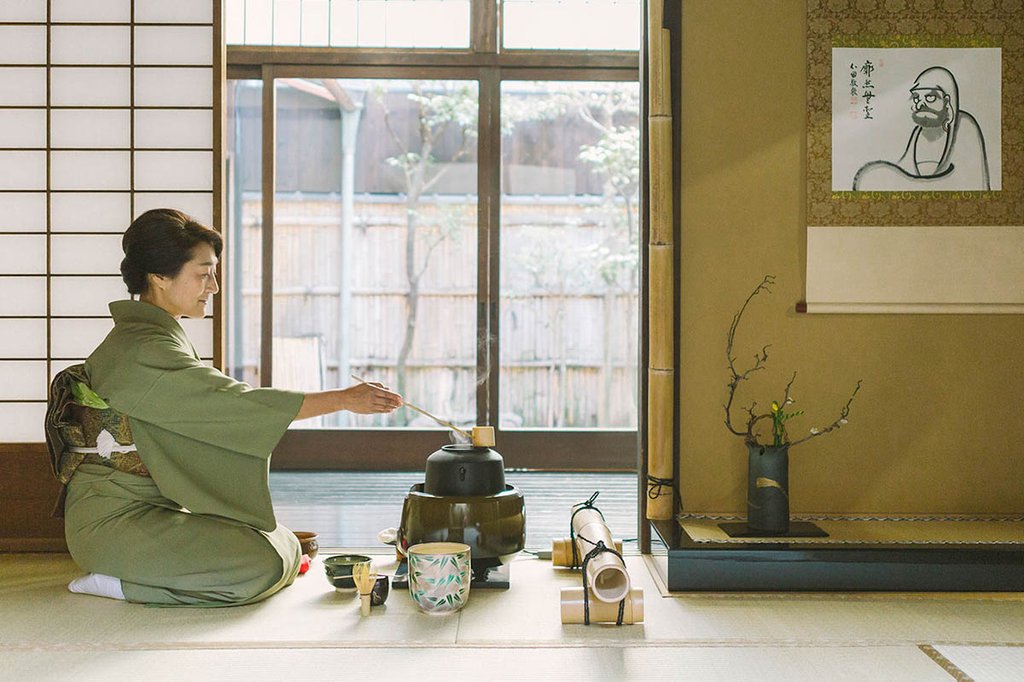
Yumeyakata Gojo Branch is a convenient venue where visitors can complete kimono dressing, hair styling, and a tea ceremony experience all within the same building.
After getting dressed, participants move directly to the in-house tea room, eliminating the need to travel between separate locations. The full experience generally takes about 2 to 2.5 hours.
Pricing starts from approximately ¥7,680 per person for groups of three or more, making it a relatively affordable option for families or groups traveling together.
After the session, guests are free to continue sightseeing while wearing their kimono, with returns due by 5:30 pm. The venue also has convenient access to the Kiyomizu-dera area, making it easy to combine with sightseeing around eastern Kyoto.
Details
| Address | Hosai Building, 353 Shiogamacho, Shimogyo-ku, Kyoto 600-8103 |
| Hours | 10 am–5:30 pm (last entry 4 pm / last return 5:30 pm) |
| Closed | New Year holidays (Dec 31 – Jan 3) |
| Official site | https://www.kyoto.yumeyakata.com/teaexperience |
| Best for | Families and couples who want to handle kimono and tea ceremony in one go |
Hotel Intergate | A Casual Experience at Your Hotel
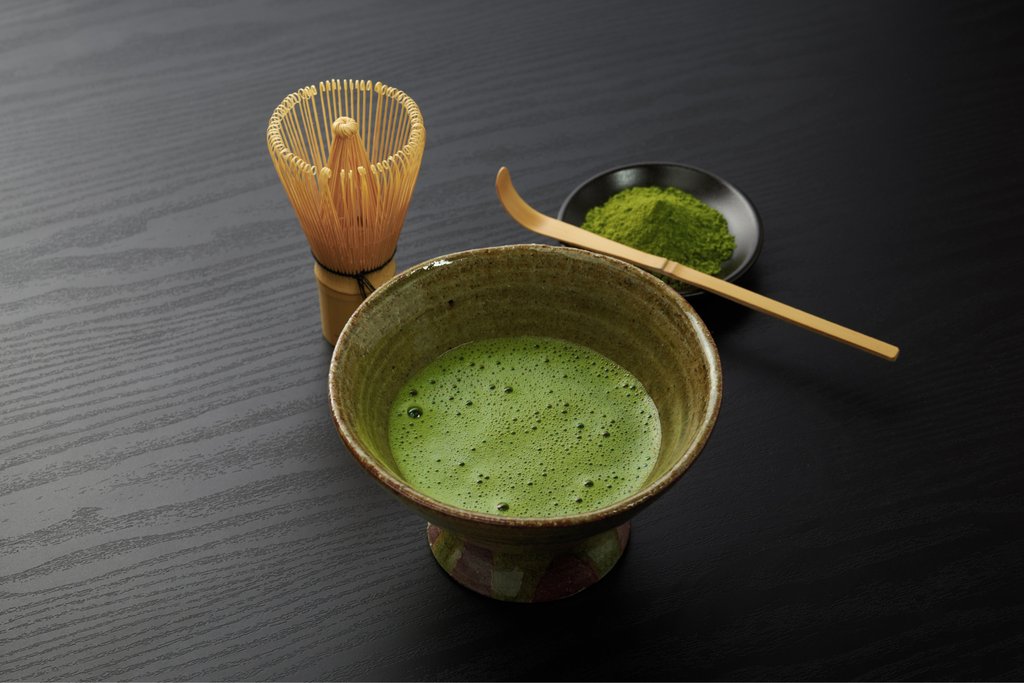
At Hotel Intergate Kyoto Shijo Shinmachi, you can join a tea ceremony experience on the first floor of the hotel. It’s an easy way to fit in a cultural experience, even on rainy days or when you want a more relaxed schedule
The experience consists of two 45-minute sessions, where you learn the history and etiquette and enjoy matcha and namagashi (fresh Japanese sweets). Pricing is reasonable: ¥2,000 for hotel guests and ¥2,500 for outside visitors.
Note that sessions are held only about once a month. Schedules may change or be cancelled, so it’s safest to check the latest schedule on the official site in advance. Reservations can be made by phone.
Details
| Address | 387 Mukadeyacho, Shinmachi-dori Nishikikoji-agaru, Nakagyo-ku, Kyoto 604-8214 |
| Hours | 4 pm / 5 pm (event days only, 45 min. each / check the official site for the latest schedule) |
| Closed | Irregular (held about once a month) |
| Official site | https://www.intergatehotels.jp/kyoto-shijo/ |
| Best for | Those who want a casual experience during their stay, or a backup plan for rainy days |
The Typical Flow of a Kyoto Tea Ceremony Experience
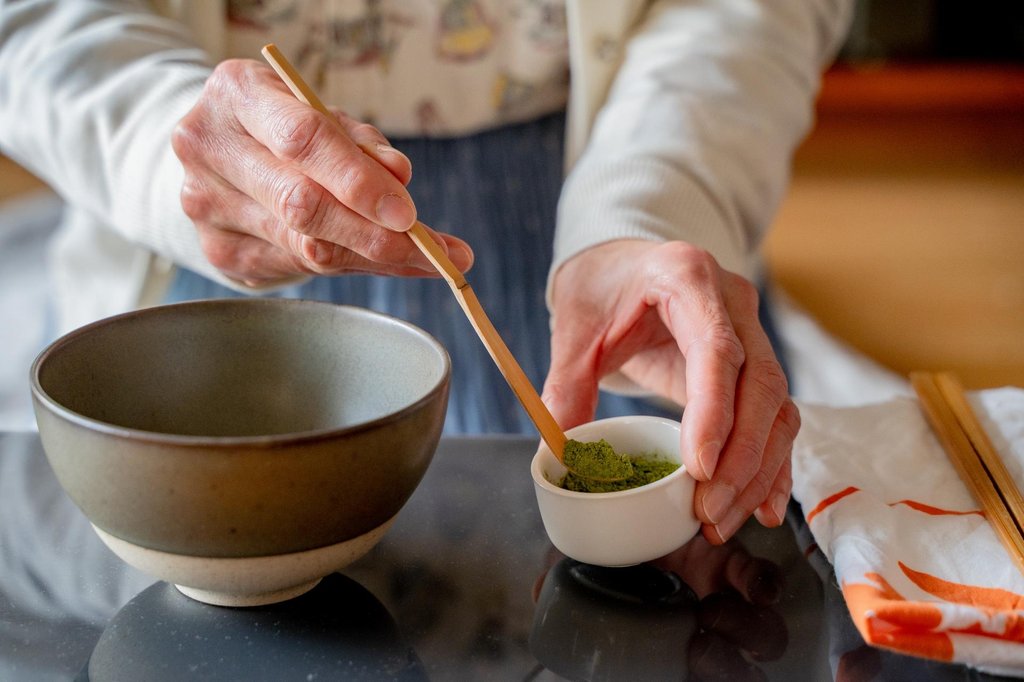
We’ll walk through the flow of a typical tea ceremony experience step by step, from arrival to the end of the session.
The experience can generally be divided into three stages: reception and entering the tea room, watching the host’s explanation and tea preparation, and finally whisking and tasting matcha yourself.
By understanding the flow beforehand, even first-time visitors can relax and enjoy the experience with confidence instead of worrying about etiquette or what happens next.
1. Check In, Remove Your Shoes, and Enter the Tea Room
Aim to arrive at the venue about 10 minutes before the experience begins. For kimono-inclusive plans, dressing can take 30–60 minutes, so make sure to carefully confirm the assembly time provided by the venue.
At reception, you’ll pay and receive a brief explanation of etiquette. After that, you remove your shoes and enter the tea room.
It is considered proper etiquette to enter the tea room wearing white socks or tabi (traditional Japanese split-toe socks). To keep the tatami (woven straw floor mats) clean, avoid bare feet or brightly colored socks. Some venues sell them on-site, but it’s safest to bring a pair in advance.
Check the list below for what to bring on the day.
- White socks or tabi: sometimes available for purchase at the venue
- Screenshot of your booking confirmation email
- For kimono plans: double-check your assembly time
2. Watch the Host’s Explanation and Tea Preparation
During the experience, the host demonstrates the tea preparation process while explaining the meaning behind each movement in English.
The sequence of cleansing the tea utensils, preparing the bowl, and whisking matcha reflects the spirit and philosophy of the Japanese tea ceremony.
To avoid placing your lips on the bowl’s most beautiful “front” side, guests traditionally rotate the bowl about twice before taking a sip. This gesture shows consideration toward the host and respect for the utensils. Understanding the meaning behind gestures like this often makes the experience feel far more personal and moving.
English support differs significantly depending on the venue. Some hosts go into intimate detail about history, while others focus on the steps. For first-time visitors, choosing a venue known for careful English explanations is usually the safest and most rewarding option.
3. Whisk Your Own Matcha and Enjoy It with Wagashi
Whisking matcha with your own hands is often the highlight of the experience. The host stays nearby to guide and support you, so even first-time participants can relax and enjoy the process.
Here are the basic movements of the chasen (bamboo tea whisk):
- First, dissolve the matcha settled at the bottom of the bowl by stirring, then use your wrist to whisk briskly back and forth
- Once fine foam appears, lift the tip of the whisk to the surface, smooth out the foam, and gently lift it away
- Aim for water at 70–80°C and about 70 cc in volume
If the foam doesn’t form perfectly, don’t worry — the host will usually guide your hand and help adjust your technique.
Once the tea is prepared, seasonal wagashi sweets are typically eaten first. The sweetness lingering in your mouth softens the slight bitterness of the matcha, creating a balanced flavor experience. Alternating naturally between the sweets and the tea is part of the enjoyment.
Many venues also set aside time for photos after the session.
Taking a commemorative picture inside the tea room is a popular part of the experience and often results in memorable photos that capture the atmosphere of Kyoto beautifully.
Things to Know Before Joining a Kyoto Tea Ceremony Experience
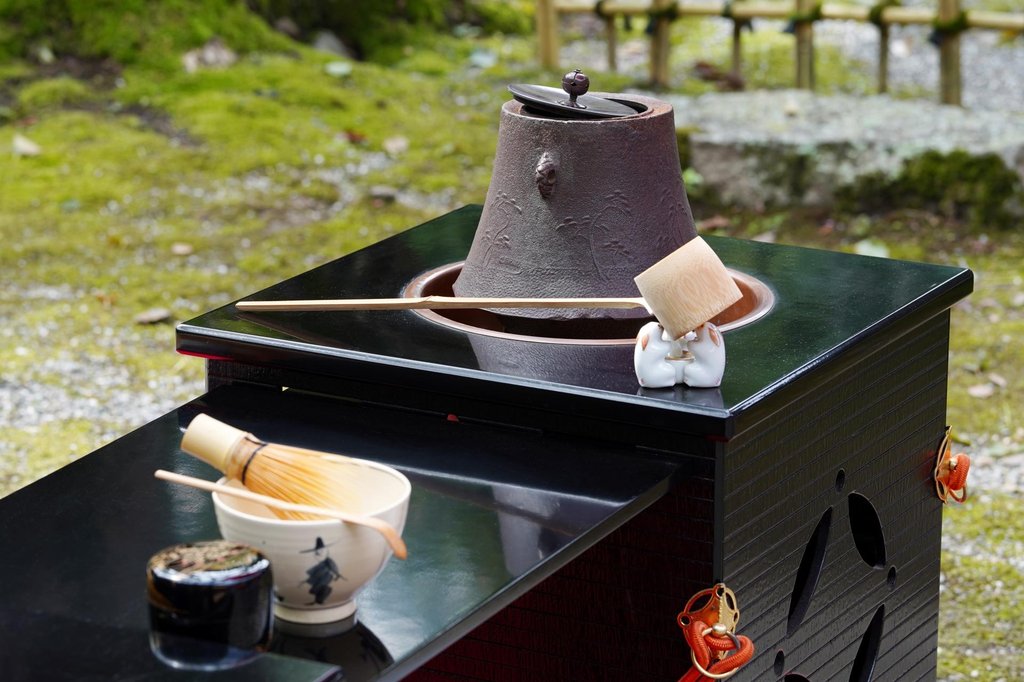
For first-time visitors, it’s completely normal to wonder things like, “What if I don’t know the etiquette?” or “What if I can’t sit in seiza?”
This section walks through practical preparation so you can arrive feeling comfortable and confident.
We cover 4 points: support systems, how to request chair seating, how to book, and allergy considerations.
Checking these details beforehand helps remove uncertainty, allowing you to focus on enjoying the tea ceremony itself once the day arrives.
Hosts Will Guide You from Scratch, No Knowledge Required
You do not need any prior knowledge of tea ceremony to participate.
Most tea ceremony venues in Kyoto offer beginner-friendly plans and are accustomed to guiding first-time visitors carefully from the very beginning.
A typical experience usually flows like this:
- The host demonstrates the customs of entering the tea room (how to step over the threshold, where to sit, and so on)
- You practice how to handle and turn the tea bowl, picking up an actual bowl yourself
- After watching the host prepare tea, you whisk matcha yourself and taste it
Short-format experiences are especially beginner-friendly because they condense the learning process into simple, manageable steps without becoming overwhelming.
At English-friendly venues, you can also learn about the meanings of the movements and their history. The depth of explanation varies by venue, so check for phrases like “beginners welcome” or “English-friendly” before booking. If a venue is described as catering to “international visitors,” you can expect solid support.
If Seiza Is Difficult, Request Chair Seating in Advance
If you have concerns about your knees or back, you can usually participate comfortably by requesting chair seating in advance.
Many tea ceremony venues in Kyoto accommodate these requests. In most cases, you can mention it in the reservation notes field or via email.
Some venues use the ryurei (table-and-chair style) style, where both the host and guests sit at tables and chairs rather than on tatami floors. At these venues, there is no need to worry about seiza at all.
When bringing children, note that the minimum age varies by venue.
- MAIKOYA: requires participants to be 7 or older, and pre-school children may not be admitted
- Nagomi Tea: has experience welcoming families and flexibly accommodates young children
- At some venues, private plans may relax age restrictions
If you require accommodations such as wheelchair access, it’s best to contact the venue as early as possible. Providing detailed information ahead of time allows staff to prepare properly and usually leads to a much smoother experience on the day.
Physical concerns do not mean you have to give up on experiencing a traditional tea ceremony. Many venues today are increasingly flexible and welcoming to international visitors with different needs.
Book Through a Booking Site or the Official Site
You can book through either an experience booking site or the venue’s official site. Choose based on your priorities to avoid surprises.
They work especially well for travelers whose schedules may still change. The downside is that platform fees can sometimes make prices slightly higher than booking directly.
Booking directly through the official site is often the cheapest option, and you can confirm availability directly. Replies may take a few days, so it’s best to contact venues with a comfortable time buffer.
Also be mindful of timing. For weekends during cherry blossom or autumn foliage season, aim to book 1 to 2 months in advance. During off-peak seasons, you’ll likely find openings even at the last minute.
| Comparison | Booking Site | Official Site |
|---|---|---|
| English support | Excellent | Varies by venue |
| Price | Slightly higher | Usually the lowest |
| Free cancellation | Available on some plans | Varies by venue |
Notify the Venue of Allergies in Advance
If you have food allergies, it’s safest to inform the venue twice: when making the reservation and the day before the experience. If you are sensitive to caffeine in matcha, it’s also wise to consult the venue in advance.
Wagashi are mostly plant-based, but some recipes include dairy or other ingredients. Check the following points:
- Whether the wagashi served on the day contain specific ingredients like soybeans, yam, wheat, or eggs
- Whether they can share an ingredient list or composition table in advance
- Whether allergy-friendly alternative sweets can be prepared
Some venues offer allergy-conscious sweets or vegan-friendly plans.
Providing detailed information early makes it much easier for staff to prepare safely and smoothly for your visit.
Other Cultural Experiences Around Kyoto to Pair with Tea Ceremony
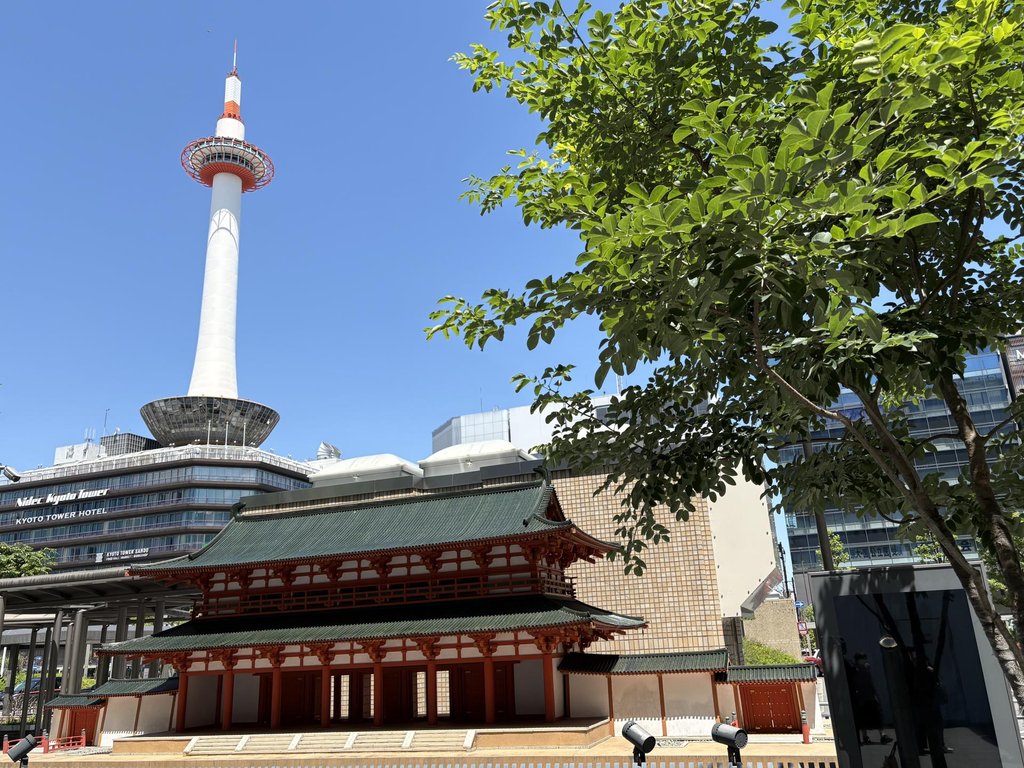
If you’re traveling through both Kyoto and Osaka, combining a tea ceremony with other Japanese cultural experiences can make your trip feel even more memorable and well-rounded.
Here, we introduce nearby cultural experiences that pair well with tea ceremony.
We’ve gathered tips for planning efficiently, including English-language guided Kyoto tours and an Osaka sumo experience worth the trip.
If you want to make the most of your trip, give these a look.
Japan Guide Star’ Kyoto Guided Tours
Japan Guide Star offers English-guided cultural experience tours that pair especially well with a tea ceremony experience.
Combining both on the same day is a great way to experience the culture of Kyoto more deeply.
They offer geiko culture walking tours, chopstick making, izakaya (Japanese pub-style restaurant) tours, and more. Because everything is conducted in English, even first-time visitors can join comfortably.
When combining with a tea ceremony, you might try schedules like these:
- Tea ceremony in the morning (10 am–11:30 am) then tour in the afternoon (from 2 pm): With lunch in between, it’s easy on your stamina
- Tour in the afternoon (1 pm–3 pm) then tea ceremony in the early evening (from 4 pm): Also pairs well with an evening izakaya tour
Because moving between Kyoto neighborhoods can take more time than expected, it’s safest to build your itinerary with generous buffer time between activities.
Tour schedules and pricing may change seasonally, so checking the latest information on the official website before booking is recommended.
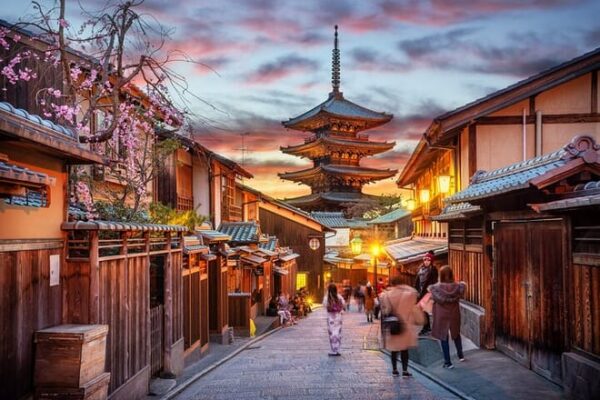
Kyoto: Gion Hidden Gems & Geisha Culture Tour
Enjoy Sumo and Gourmet Food in Osaka
A short trip from Kyoto opens the door to cultural experiences unique to Osaka.
From Kyoto Station, you can reach Osaka Station in about 30 minutes via JR Special Rapid Service.
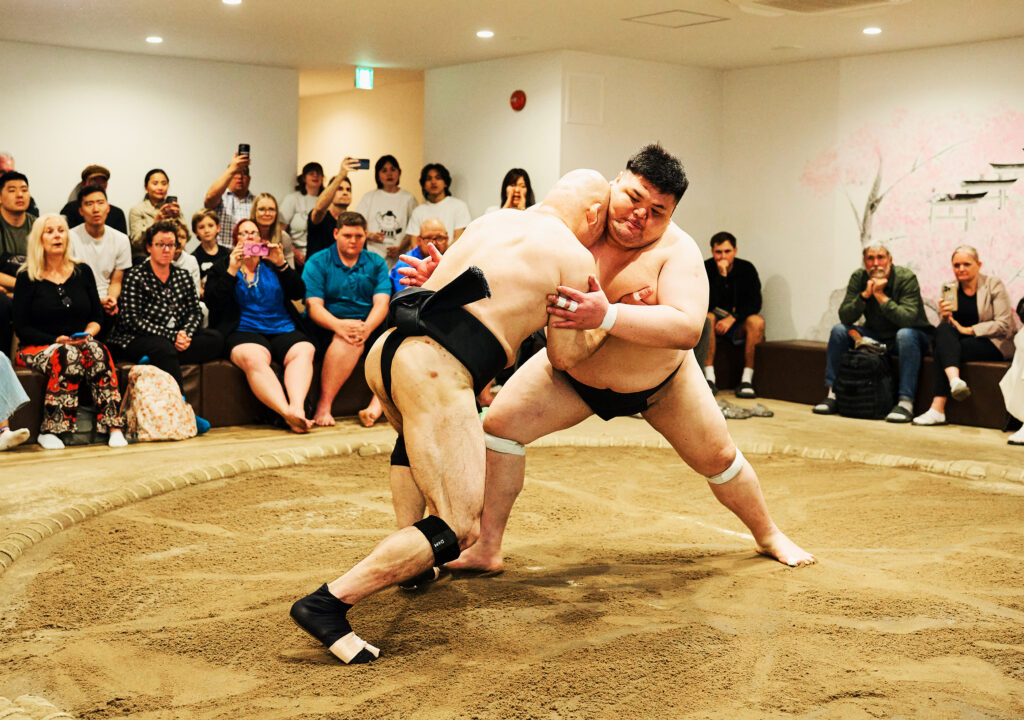
One especially popular experience is Sumo Studio Osaka, located near Hanazonocho Station, roughly 20 minutes by subway from Osaka Station.
The venue offers an English-narrated live sumo show where visitors can step onto the dohyo (sacred clay ring) yourself. Schedules and pricing can change, so checking the official website in advance is recommended.
A schedule of tea ceremony in Kyoto in the morning and a sumo show in Osaka in the afternoon lets you cover both in one day. Adding an Osaka gourmet or izakaya tour the following evening creates an even richer cultural itinerary.
Because the most popular time slots often sell out quickly, it’s best to reserve both experiences as soon as your travel schedule is finalized.
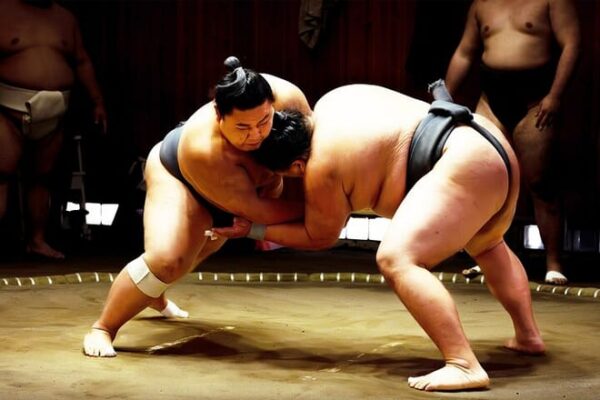
Osaka Sumo Experience with Live Show and Audience Challenge

Osaka: Guided Food Tour with 12 Dishes at 4 Local Eateries
[FAQ] Frequently Asked Questions About Kyoto Tea Ceremony Experiences

We answer 5 of the most common detailed questions you may have before booking. Check them in advance so you can simply relax and enjoy the experience on the day.
Can I join with a same-day booking?
Some venues welcome same-day bookings, but most operate on advance reservations. Note that they fill up quickly during peak seasons.
If you’re searching on the day, check for openings online first thing in the morning, or call directly to ask. Once your itinerary is set, booking early is the surest way.
Can children join too?
Most venues allow children, but age limits and pricing vary, so check the official site before booking.
- Age range: from what age children can join, and whether pre-school children may accompany
- Pricing: whether there’s a child rate, and whether any age tier is free
- Environment: how long the seiza time is, and whether restrooms or nursing spaces are available
A useful question to ask yourself is whether the child can sit quietly in a tatami room. Ask the venue in advance about chair seating availability and whether stepping out mid-session is allowed. If in doubt, contact them directly.
Can I take photos freely?
Photo policies vary significantly depending on the tea ceremony venue. Many venues in Kyoto either prohibit photography during the tea preparation itself, or require guests to ask for permission beforehand.
If taking memorable or social-media-friendly photos is important to you, venues such as MAIKOYA Gion Kiyomizu — which are known for being photography-friendly — may be a particularly good fit.
- Check whether the booking page or FAQ mentions “Photo OK”
- Some venues allow still photography but prohibit video recording
- At venues that set aside a dedicated photo time after the experience, you can keep good manners during the preparation while still capturing a commemorative photo
Confirming the venue’s photo rules in advance helps avoid misunderstandings and allows you to relax and enjoy the experience comfortably on the day itself.
Is there a set return time for kimono?
At many partnered kimono rental shops, business hours are 9 am to 6 pm, with the final return time set around 5:30 pm. However, at “Kyoto Kimono Rental Aiwafuku Kiyomizu Chawanzaka Branch,” for example, the return time differs depending on your arrival: if you arrive between 9 am and 1 pm, the return time is 4:30 pm; if you arrive after 1 pm, it’s 5:30 pm.
Knowing the return time makes it easier to plan your post-experience walk. Late returns can incur extension fees, so check the deadlines and overtime terms on the official site.
Is it cheaper to book through the official site or a booking site?
If keeping costs low is your top priority, booking directly through the venue’s official website is usually the cheapest option because there are no platform booking fees.
Booking sites offer many plans with free cancellation up to the last minute, plus the strength of instant booking. Official websites may have stricter cancellation or change policies, so travelers with flexible or uncertain schedules should pay close attention before booking.
For lower costs, go with the official site; for flexible cancellation, go with a booking site. Pick whichever matches your priorities.
Summary
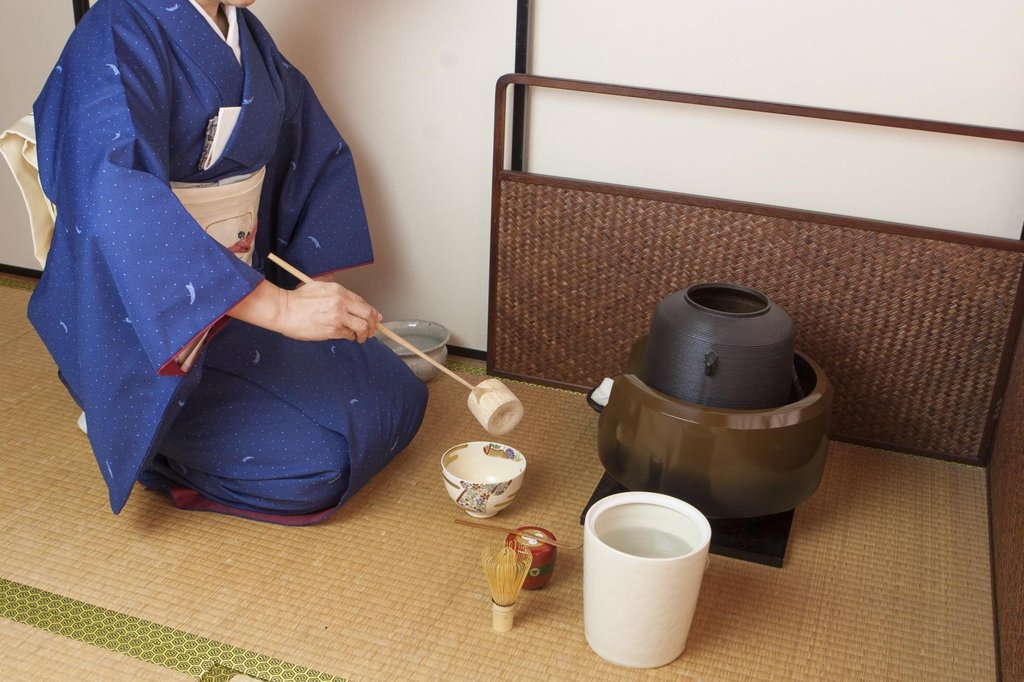
Tea ceremony experiences in Kyoto vary widely in atmosphere, pricing, duration, and style, so choosing based on your preferred area, budget, and plan type is the best way to find the right fit.
Kyoto offers a wide range of English-friendly options that make participation approachable even for first-time visitors. If a venue catches your eye, book early and savor that once-in-a-lifetime moment.