If you’re planning to visit Nishiki Market in Kyoto, you may be wondering what to eat, what to buy, whether it’s acceptable to eat while walking, and when to go. With a history spanning about 400 years, Nishiki Market is known as “Kyoto’s Kitchen.” Its narrow, covered street stretches for about 390 meters (1,280 feet) and is lined with fishmongers, pickle shops, traditional Japanese confectionery shops, and many other food stores. However, many shops close in the early evening, so it’s worth planning your visit in advance.
This article covers the essentials of Nishiki Market, including its location, how to get there, and opening hours. You’ll also learn about its history, discover six local specialties—from Kyoto-style rolled omelets to baby octopus stuffed with quail eggs—and find out what etiquette to keep in mind during your visit. Finally, you’ll find details of an English-guided tour of Gion that you can enjoy after exploring the market.
What Is Nishiki Market? Basic Information to Know Before You Visit
Nishiki Market is located in central Kyoto, within walking distance of several major stations. Note that opening hours vary by shop, and many shops close in the evening, so it helps to plan your visit in advance. Here’s an overview of the market, including its features, location, access, and opening hours.
Features: “Kyoto’s Kitchen” with About 130 Shops
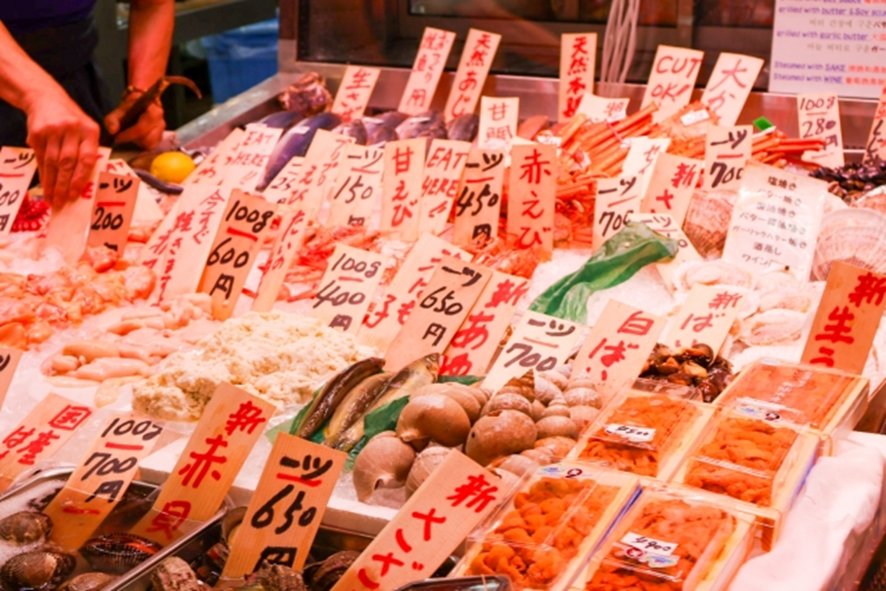
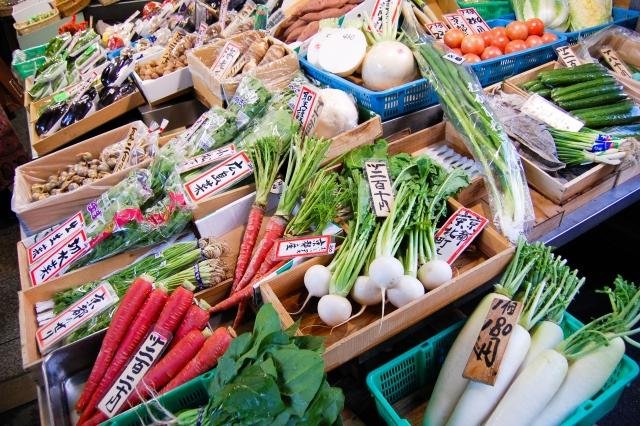
Nishiki Market is known as “Kyoto’s Kitchen” because it brings together the ingredients used in Kyoto cuisine. It supplies a wide range of customers, from traditional Kyoto-cuisine restaurants and counter-style Japanese restaurants, where chefs serve dishes across the counter, to local households. About 130 specialty shops and restaurants line the street, selling seasonal ingredients associated with Kyoto, including fresh fish, Kyoto vegetables, freshwater fish from Lake Biwa, tofu, and dried foods. Pike conger eel (hamo), a summer favorite in Kyoto cuisine, is also available.
Many shops grill or fry food on the spot or sell ready-to-eat items, making it easy for visitors to sample local specialties. Shopkeepers may also offer advice on how to prepare or enjoy an ingredient and explain when it is in season. At this market, where chefs come to source ingredients, you can chat with shopkeepers as you browse, just as local residents do.
Location: A Covered Street One Block North of Shijo-dori
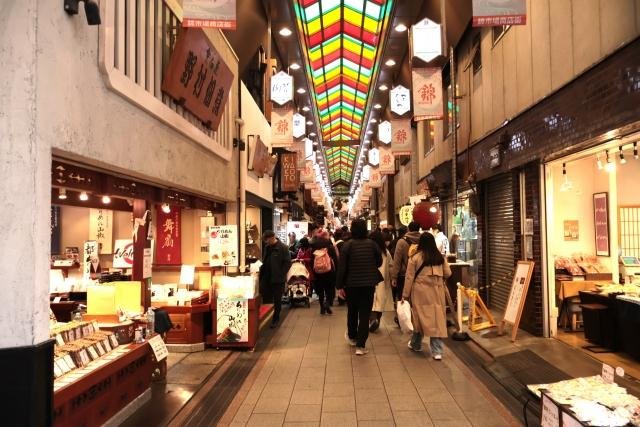
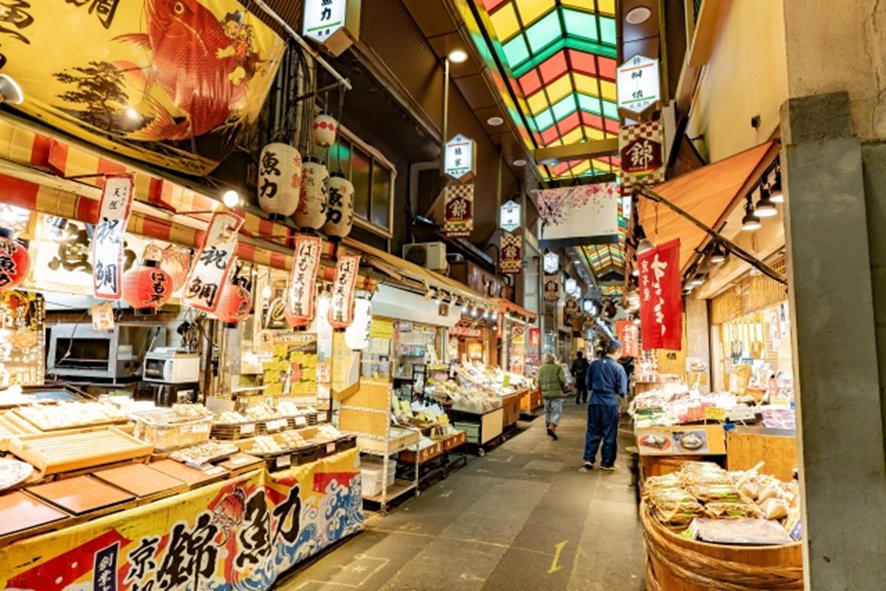
Nishiki Market stretches for about 390 meters (1,280 feet) along Nishikikoji-dori, between Teramachi-dori to the east and Takakura-dori to the west. Nishikikoji-dori is one block north of Shijo-dori, a major east–west street running through central Kyoto. The market street is narrow, measuring just 3.3 to 5 meters (11 to 16 feet) wide, so you can browse the shopfronts on both sides as you walk.
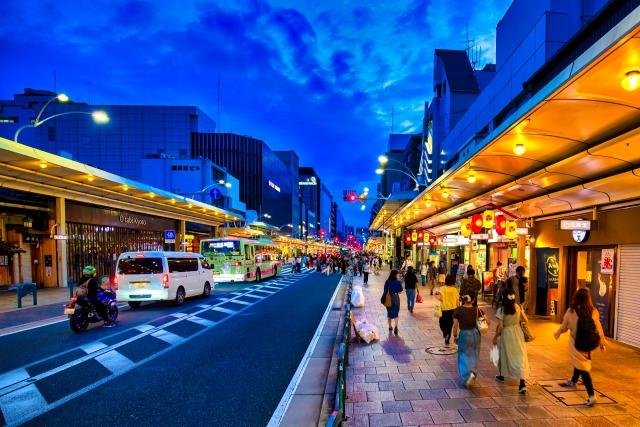
The entire street is covered by an arcade roof divided into red, yellow, and green sections, allowing you to explore from one end to the other without an umbrella, even on rainy days. At the eastern end, Teramachi-dori connects directly to the Shinkyogoku shopping street and the bustling Shijo-Kawaramachi area. From there, you can cross the Kamo River to reach Gion. Thanks to its central location, Nishiki Market is easy to combine with a stroll around the surrounding neighborhood.
Access: About a Three-Minute Walk from Shijo and Karasuma Stations
The closest stations to the western end of Nishiki Market are Shijo Station on the Kyoto Municipal Subway Karasuma Line and Karasuma Station on the Hankyu Kyoto Line. Both are about a three-minute walk away. From Kyoto Station, Shijo Station is the second stop on the Karasuma Line, so you can reach it without changing trains. If you’re entering the market from the east, Kyoto-Kawaramachi Station on the Hankyu Kyoto Line is closer, at about a four-minute walk.
If you’re taking the Keihan Main Line, get off at Gion-Shijo Station and walk northwest for about 10 minutes. Although Shijo Station on the subway and Gion-Shijo Station on the Keihan Line have similar names, they are separate stations in different locations. When using a map app to plan your route, be sure to check both the station name and the railway line.
| Nearest station | Line | Walking time to Nishiki Market |
|---|---|---|
| Shijo Station | Kyoto Municipal Subway Karasuma Line | About 3 minutes (west side) |
| Karasuma Station | Hankyu Kyoto Line | About 3 minutes (west side) |
| Kyoto-Kawaramachi Station | Hankyu Kyoto Line | About 4 minutes (east side) |
| Gion-Shijo Station | Keihan Main Line | About 10 minutes |
Opening Hours: Many Shops Open Around 10 am and Close in the Evening
Nishiki Market does not have set opening hours for the entire shopping street, as each shop sets its own hours. Many shops open around 10:00 am and begin closing around 5:00 pm, while some stay open until around 6:00 pm. Unlike markets with food stalls that operate at night, Nishiki Market is best visited during the day. If you arrive around dinnertime, many shops selling ready-to-eat food will already be closed. To sample local specialties or shop for ingredients, plan your visit for late morning or the afternoon.
After the shops close, you can spot reproductions of works by Ito Jakuchu, an Edo period painter, on shop shutters and other surfaces along parts of the street. His finely detailed paintings of chickens, vegetables, and other subjects add a different atmosphere to the street after the market has closed.
Nishiki Market’s 400-Year History: From Fish Market to “Kyoto’s Kitchen”
Today, Nishiki Market is bustling with tourists, but it originally developed as a fish market that supplied Kyoto. In this section, we’ll trace the market’s history, from its official recognition by the Edo shogunate in the 17th century and the threat of closure it faced in the 18th century to its transformation into a market selling a wide variety of foods in the 20th century.
17th Century: Recognized as an Official Fish Market by the Edo Shogunate
Although no official records survive, a market is believed to have existed in this area as early as the Heian period (794–1185). The area’s high-quality groundwater, which remains at a relatively constant temperature of 15 to 18°C (59 to 64°F) throughout the year, would have helped support it. In the past, shopkeepers drew water from deep wells and used it as a natural refrigerator to keep fish and poultry cool. In Kyoto, far from the sea, this cold groundwater was a major advantage in keeping perishable foods fresh.
In 1615, the Edo shogunate officially recognized three fish wholesale markets as privileged markets in Kyoto, and Nishiki was one of them. This recognition marked the beginning of Nishiki’s development into an established fish market.
18th Century: Painter Ito Jakuchu Saves the Market from Closure
Ito Jakuchu (1716–1800), one of the leading painters of the mid-Edo period, was born into a family that operated a vegetable wholesale business in Nishiki Market. In 1771, following a dispute allegedly instigated by business rivals, the magistrate’s office, a government authority during the Edo period, ordered the market to suspend operations. Jakuchu, who was serving as a town elder at the time, set aside his painting to campaign for the market’s reinstatement. In 1774, the market regained official recognition.
The story of how a painter renowned for his detailed depictions of plants and animals helped preserve the market is a well-known episode in Nishiki Market’s history. Near the market’s western entrance, on the Takakura-dori side, a monument marks the site of Jakuchu’s birthplace.
20th Century: A Market for All Kinds of Food, Not Just Fish
When the Kyoto Central Wholesale Market opened in 1927, many shops relocated there from Nishiki Market. The following year, in 1928, a new organization was established that also included retailers selling vegetables, meat, and other food products. This marked a turning point for Nishiki Market, which expanded beyond fish to become a market offering a wide variety of foods.
This transformation explains why Nishiki Market today features pickle shops, tofu shops, dried-food shops, and even cookware stores along a single street. These businesses joined the market’s long-established fish trade, helping Nishiki evolve into “Kyoto’s Kitchen,” where local residents can find a wide range of ingredients and other essentials for preparing meals at home.
Six Specialties to Buy at Nishiki Market: From Kyoto Flavors to Artisan Knives
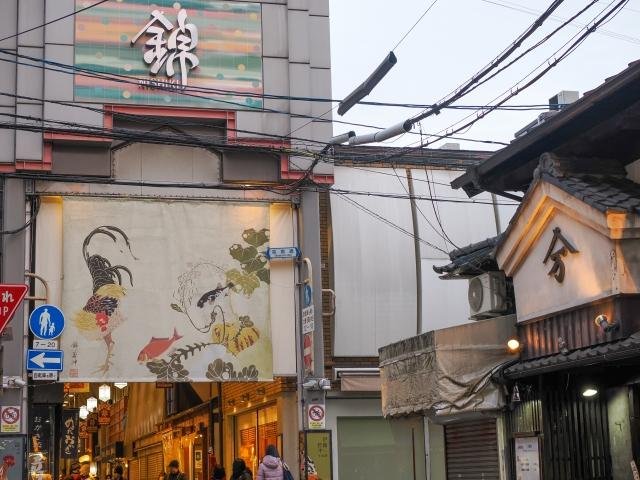
Nishiki Market offers a wide range of items, from snacks to enjoy on the spot to souvenirs to take home and cooking tools. In this section, we introduce six specialties that showcase Kyoto’s flavors and craftsmanship, along with shops where you can find them.
Dashimaki Tamago: Kyoto’s Omelet Rolled with Broth as It Cooks
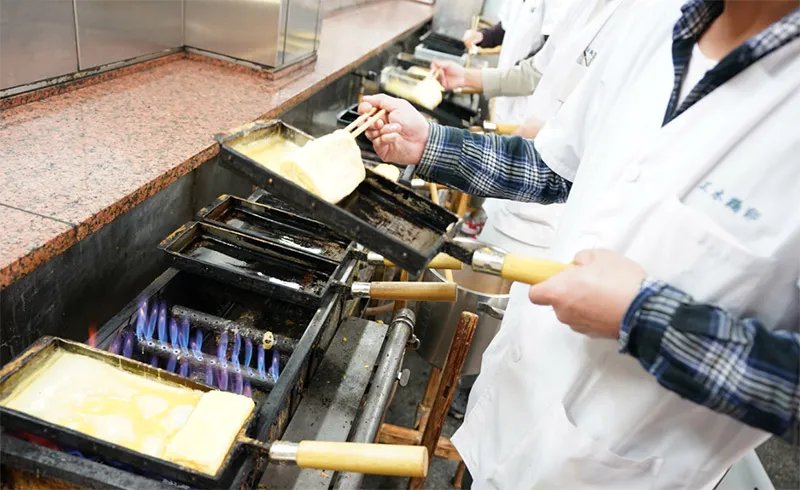
Dashimaki tamago is a Japanese rolled omelet made by mixing beaten eggs with a savory broth made from kelp, dried bonito flakes, or other ingredients, then rolling the mixture as it cooks. In Kyoto, it is a staple for celebratory occasions and traditional New Year’s meals. Kyoto has its own distinctive rolling technique, known as kyomaki, or Kyoto-style rolling. Cooks use a long copper pan and quickly roll the egg from front to back over high heat. The result is so moist that broth seeps out when you press it with chopsticks.
At Nishiki Market, you can buy dashimaki tamago at shops such as Miki Keiran, founded in 1928, and Tanaka Keiran, which makes its omelets using only eggs and broth, without sugar. At Miki Keiran, you can watch skilled craftsmen deftly rolling eggs in copper pans at the front of the shop. The shop makes its broth using Nishiki’s groundwater, Rishiri kelp, and shaved dried fish. The resulting omelet emphasizes the broth’s aroma rather than the sweetness of the egg.
Details
| Address | 182 Higashiuoya-cho, Nishikikoji-dori Tominokoji Nishi-iru, Nakagyo-ku, Kyoto |
| Opening hours | 9 am–5 pm |
| Closing days | Open daily except New Year holidays |
| Official website | https://mikikeiran.com/ |
| Recommended for | Tasting Kyoto’s broth-based flavors, watching artisans at work up close |
Tako Tamago: A Delicacy of Baby Octopus Stuffed with a Quail Egg
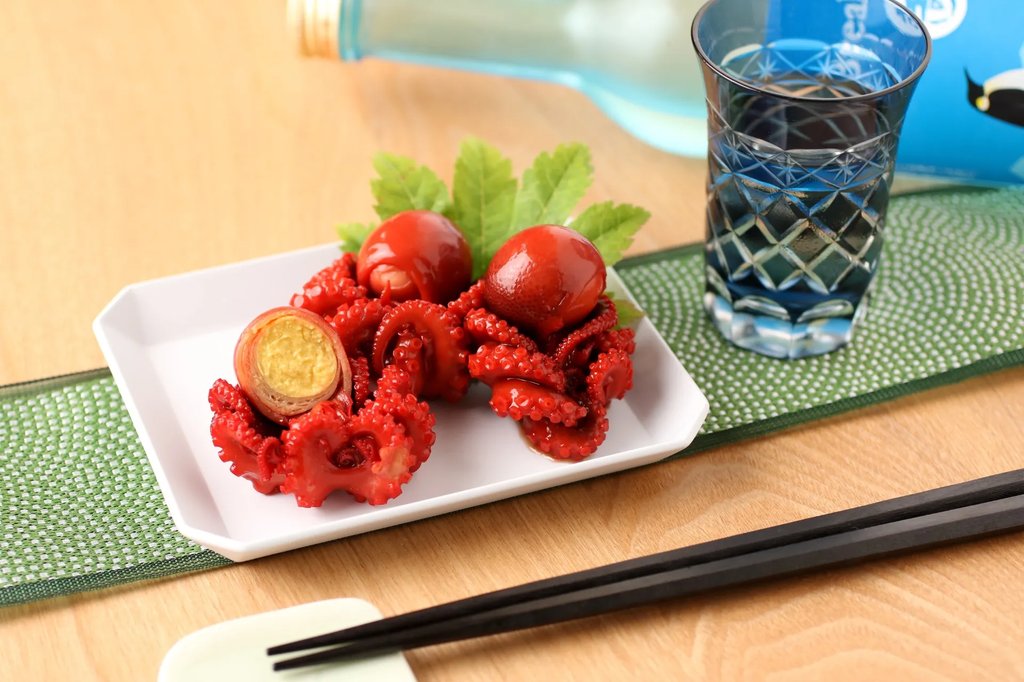
Tako tamago consists of a small octopus simmered until tender in a slightly sweet soy-based sauce, with a quail egg tucked inside its head. The octopuses, cooked to a deep amber color and lined up on skewers, are a distinctive sight at Nishiki Market. When you take a bite, the octopus’s chewy texture gives way to the mild flavor of the quail egg. You can enjoy tako tamago with rice or as a snack alongside sake.
You can buy tako tamago at KAI, a shop specializing in rice seasonings, delicacies, and snacks to accompany drinks. At the shop front, staff can explain the products as you browse. Even if you come across an unfamiliar ingredient, you can ask about its flavor before deciding whether to buy it.
Details
| Address | 216 Kajiya-cho, Nishikikoji-dori Gokomachi Nishi-iru, Nakagyo-ku, Kyoto |
| Opening hours | 10 am–6 pm |
| Closing days | Irregular closures |
| Official website | https://nisiki-kai.jp/ |
| Recommended for | Discovering Kyoto’s regional specialties and finding snacks to enjoy with drinks |
Soy Milk Doughnuts: Made by a Long-Established Tofu Shop
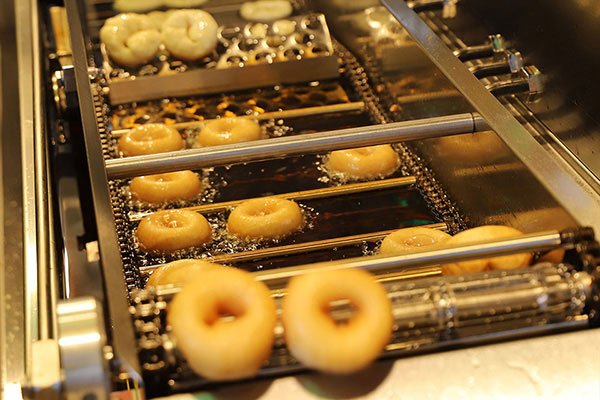
Soy milk doughnuts are made with dough that incorporates soy milk, an ingredient also used to make tofu. They are one of the soy-based sweets produced by tofu shops in Kyoto, where tofu making has a long tradition. These small doughnuts are lightly sweetened and have a mellow soy milk flavor. They’re also a good choice when you want something sweet between savory specialties such as rolled omelets and octopus stuffed with quail eggs.
At Nishiki Market, you can buy soy milk doughnuts at Konnamonja, a shop operated directly by Kyotofu Fujino, which has been making tofu near Kitano Tenmangu Shrine since 1964. The shop’s soy milk soft-serve ice cream is also popular. You can also find the company’s core tofu products, including tofu and yuba, the thin film that forms on the surface of heated soy milk.
Details
| Address | 494 Nakauoya-cho, Nishikikoji Sakaimachi-dori Kado, Nakagyo-ku, Kyoto |
| Opening hours | 10 am–6 pm (may vary by season) |
| Closing days | Irregular closures |
| Official website | https://www.kyotofu.co.jp/shoplist/monjya |
| Recommended for | Enjoying lightly sweetened snacks, experiencing Kyoto’s tofu culture |
Fu Manju: Bean Paste Wrapped in Chewy Wheat Gluten
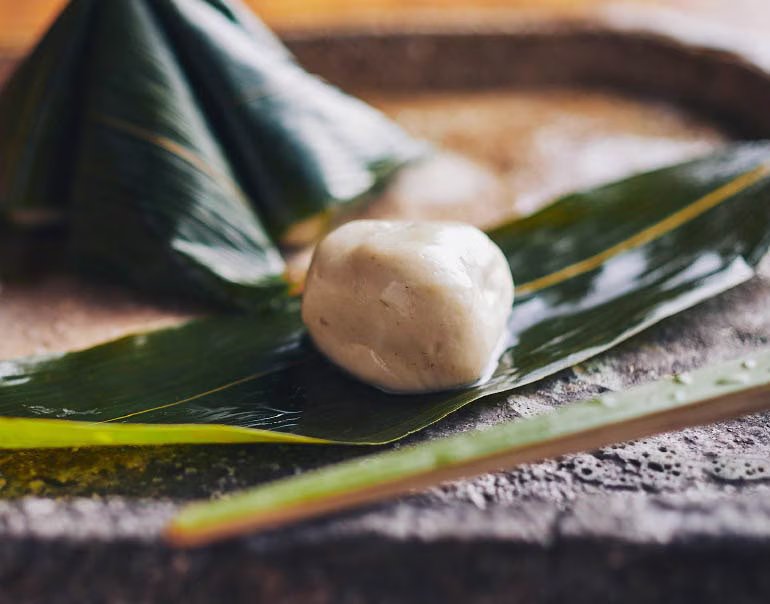
Fu manju is a traditional Japanese sweet made by wrapping smooth sweet bean paste in fresh wheat gluten, a chewy ingredient made from wheat protein. The green dough is kneaded with green laver seaweed, wrapped around the bean paste, and finished with a bamboo leaf. When you unwrap the leaf, you’ll notice a gentle seaweed aroma. Each bite combines the smooth, springy texture of the dough with the silky bean paste.
At Nishiki Market, you can buy fu manju at shops such as Fuka, a long-established maker of fresh wheat gluten associated with the sweet’s origins, and Fusa Shinise, founded during the Tenpo era of the Edo period. Historical records indicate that Fuka supplied fresh wheat gluten to the Kyoto Imperial Palace toward the end of the Edo period. Alongside its classic version, Fuka also offers “Taiyaki Fu Manju,” shaped like taiyaki, a fish-shaped Japanese confection.
Details
| Address (Fuka Nishiki store) | 534-1 Kikuya-cho, Nishikikoji Sakaimachi Kado, Nakagyo-ku, Kyoto |
| Opening hours | 10:00 am–5:30 pm |
| Closing days | Mondays |
| Official website | https://fuka-kyoto.com/ |
| Recommended for | Tasting traditional sweets with a texture unique to Kyoto, bringing home the flavors of a long-established shop as a souvenir |
Kyoto Pickles: A Traditional Way to Preserve Local Vegetables
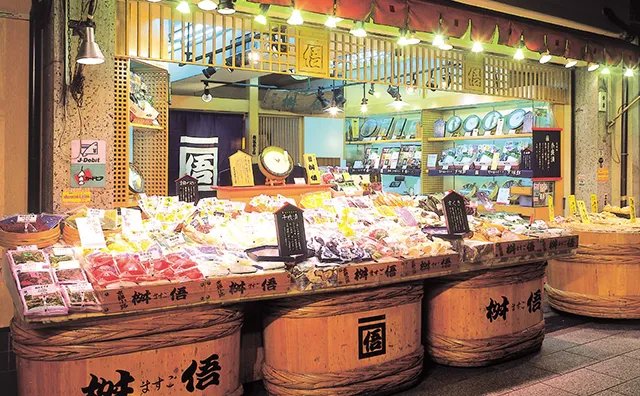
Kyoto pickles are made by preserving vegetables grown in Kyoto in salt, rice bran—the powder left over when rice is polished—or other seasonings. Several shops at Nishiki Market sell these traditional pickles. Barrels displayed outside the shops hold a variety of products, from lightly pickled napa cabbage to original creations unique to each shop. The selection changes with the seasons, so you can discover different varieties depending on when you visit.
At Nishiki Market, you can buy Kyoto pickles at shops such as Masugo’s north store, which has been making them since 1930, and Uchida, which opened in Kyoto’s Shimabara district in 1940. At Masugo’s main store, vegetables are pickled daily in a workshop at the back of the shop. Its wide selection ranges from everyday accompaniments to pickles suitable for souvenirs and gifts.
Details
| Address (Masugo main store) | 181 Higashiuoya-cho, Nishikikoji-dori Tominokoji Nishi-iru, Nakagyo-ku, Kyoto |
| Opening hours | 9 am–6 pm |
| Closing days | New Year’s Day |
| Official website | https://masugo.co.jp/ |
| Recommended for | Bringing home the taste of seasonal Kyoto vegetables, discovering flavors close to Japanese home cooking |
Kitchen Knives: Artisan-Finished Blades Also Used by Kyoto Chefs
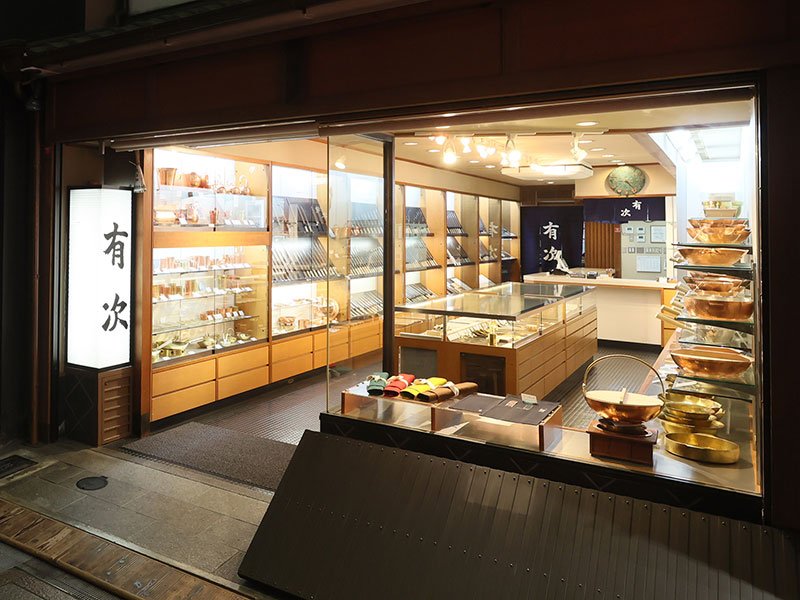
At Nishiki Market, you can also buy kitchen knives hand-finished by artisans, similar to those used by Kyoto-cuisine chefs. One place to find them is Aritsugu, a cookware shop established as a swordsmith in 1560. The shop offers knives in a range of sizes, along with pots and other cooking tools. Both professional chefs and home cooks shop there.
Aritsugu also offers services such as sharpening and repairs for knives purchased at the shop, helping you keep them in use for years. The shop stops accepting new purchases at 4:30 pm, so be sure to allow enough time if you plan to visit after exploring the market. Keep in mind that knives are generally prohibited in carry-on baggage on flights. If you buy one to take home, pack it in your checked baggage.
Details
| Address | 219 Kajiya-cho, Nishikikoji-dori Gokomachi Nishi-iru, Nakagyo-ku, Kyoto |
| Opening hours | 10:00 am–5:00 pm (purchases accepted until 4:30 pm) |
| Closing days | Wednesdays, January 1–4, January 31 |
| Official website | https://aritsugu.co.jp/ |
| Recommended for | Cooking lovers, travelers looking for a long-lasting tool as a keepsake of their trip to Kyoto |
Four Etiquette Rules and Things to Keep in Mind at Nishiki Market
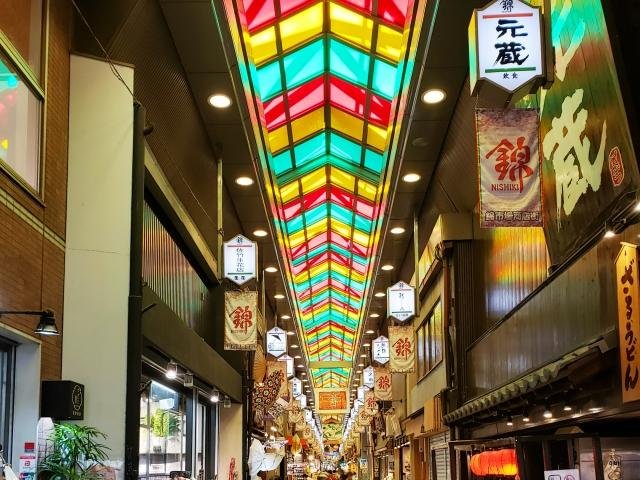
Nishiki Market’s narrow street can get crowded, so it’s important to be considerate of other visitors and shopkeepers as you explore. Payment methods and shipping options also vary by shop, so it helps to know what to expect before you visit. In this section, we’ll cover the market’s etiquette and other points to keep in mind.
1. Eat Where You Buy, Not While Walking
The Nishiki Market shopping street association asks visitors not to eat while walking through the market. The street is only about 3.3 to 5 meters (11 to 16 feet) wide, and during busy periods, it can be difficult to pass other people. Food on skewers or items with sauce could accidentally brush against other visitors and stain their clothes.
Instead, eat your purchases in front of the shop or inside it, where permitted. Stopping to eat makes it easier to enjoy freshly grilled or fried food without spilling it. You’ll also have a chance to ask the shop staff about the ingredients.
2. Bring Some Cash Because Payment Methods Vary by Shop
Nishiki Market has no single payment policy for the entire shopping street, so acceptance of credit cards and electronic payments varies by shop. Some shops accept cards, while others only take cash, so it’s a good idea to carry cash if you plan to visit several small shops. Since you may be buying inexpensive snacks one at a time, having coins and ¥1,000 bills on hand can make paying easier, even at busy shopfronts. If you want to pay by card, check the sign at the shop entrance or ask the staff before ordering.
3. Items from Different Shops Can’t Be Shipped Together
Nishiki Market does not offer a centralized shipping service that combines purchases from multiple shops into a single shipment. Whether individual shops offer shipping, or can combine your purchases with items from other shops, varies by shop. If you plan to buy souvenirs such as pickles from several stores, check the shipping options at each shop before making a purchase, and consider how much you’ll need to carry as you continue browsing.
4. Avoid Busy Times If You’re Visiting with a Stroller or Wheelchair
The street running through Nishiki Market is a public road, and there are no specific restrictions on using strollers or wheelchairs. However, the street is narrow and not fully accessible. The shopping street association also advises visitors to be mindful of crowds. Getting around can be difficult during busy periods, so if you’re visiting with a stroller or wheelchair, consider avoiding peak times, such as lunchtime.
Walk to Gion After Nishiki Market: A Recommended Tour of the District Where Geisha Culture Lives On
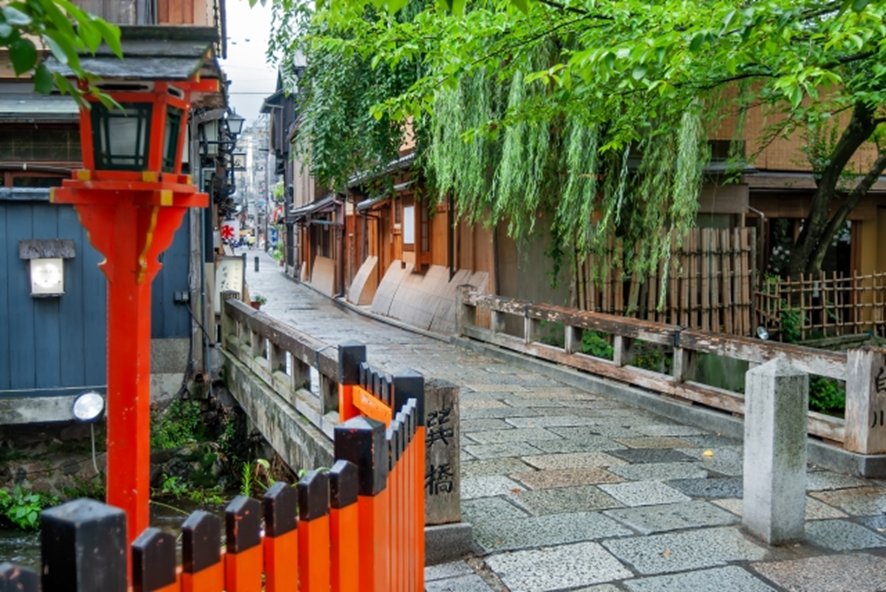
From the eastern end of Nishiki Market, you can walk to Gion via Shijo-Kawaramachi and across the Kamo River. After sampling Kyoto’s local food at the market from midday into the late afternoon, consider spending the evening exploring Gion’s traditional culture as the sun sets. In this section, we’ll introduce a guided walking tour of Gion’s geisha district led by an English-speaking guide.
An Evening Walk Through Gion’s Geisha District with an English-Speaking Guide
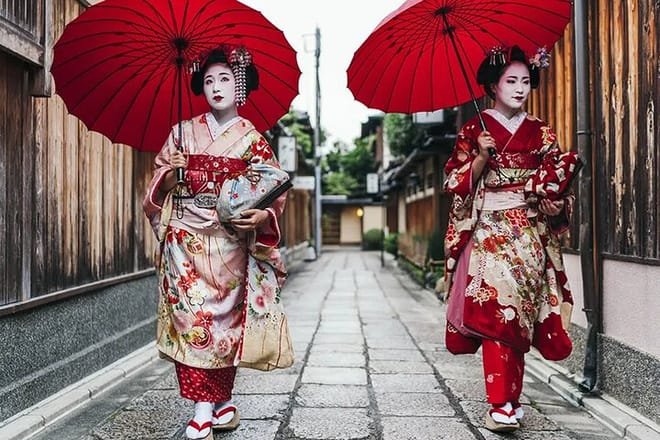
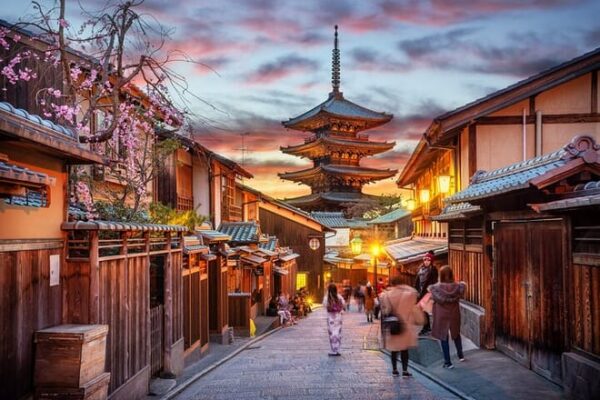
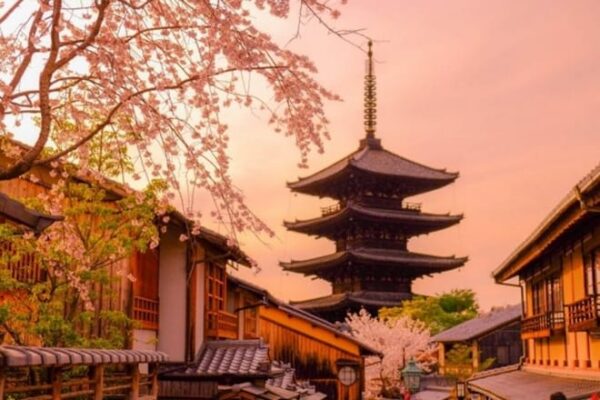
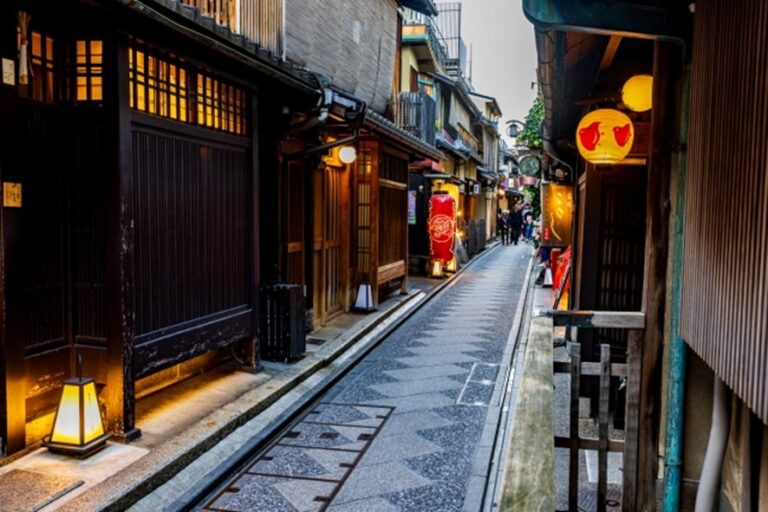
Japan Guide Star’s Kyoto: Gion Hidden Gems & Geisha Culture Tour is a walking tour of Gion that lasts about two hours. A local guide leads the tour in English. Gion is a geisha district east of the Kamo River. The district is home to many teahouses where geisha and their apprentices, known as maiko, entertain guests with song and dance. Its streets are lined with wooden townhouses with latticed doors, and if you walk them on your own, it can be hard to understand the meaning and history behind the buildings. On the tour, you’ll hear about geisha and maiko culture as you visit streets with Edo period townhouses, quiet alleys with few tourists, and a shrine with a 1,000-year history. Along the way, you may spot geisha or maiko on their way to entertain guests at a teahouse.
There are 10 tours a day, starting between 8 am and 9 pm. If you choose the 4 pm or 5 pm tour, you can spend midday to late afternoon at Nishiki Market and then head straight to Gion. The meeting point is McDonald’s Shijo Ohashi, about a one-minute walk from Hankyu Kyoto-Kawaramachi Station, and you can walk there from the east side of Nishiki Market.
Free cancellation is available up to 24 hours before the start, giving you some flexibility if your itinerary changes. Tours operate even in the rain.
In reviews, participants praise the guides for talking in detail not only about geisha culture but also about Kyoto’s history. Reviewers also appreciate being able to walk at their own pace without being rushed, even with children. Some private roads in Gion restrict entry and photography, so if you walk with a local guide, you can enjoy the atmosphere of the geisha district while following local etiquette.
Tour details
| Meeting point | Side street next to McDonald’s Shijo Ohashi, 105-1 Hashimoto-cho, Shijo Kobashi Higashi-iru, Shimogyo-ku, Kyoto |
| Duration | About 2 hours |
| Price includes | English guiding by a local guide |
| Booking site | https://japanguidestar.com/tour/kyoto-gion-hidden-gems-geisha-culture-tour/ |
| Recommended for | Learning about geisha culture and Kyoto’s history in depth in English, exploring Kyoto at a relaxed pace with family |
Kyoto: Gion Hidden Gems & Geisha Culture Tour
Kyoto: Gion Geisha District Sunset Tour in Spanish and en Español
Besides the Gion tour, Japan Guide Star offers a variety of other tours in Kyoto. You can see the full list of Kyoto tours here.
Frequently Asked Questions About Nishiki Market

Finally, here are answers to questions that visitors often ask before going to Nishiki Market. Check them before you go for information on admission, closing days, busy times, and restrooms.
Is There an Admission Fee for Nishiki Market?
No. There’s no admission fee. The street through Nishiki Market is a public road, so anyone can walk it free of charge. You only pay when you buy food or souvenirs at the shops.
Does Nishiki Market Have Regular Closing Days?
No, not for the market as a whole. Each shop sets its own closing days. Many shops close on Wednesdays, so if there’s a shop you want to visit, check its business days in advance. Most shops are open at the end of the year, but many are closed from January 1 to 3.
Are There Times When Nishiki Market Is Especially Crowded?
Yes. The market can get crowded around lunchtime. At the end of the year, it can become so packed with people buying food for New Year that it’s hard to move forward. Visiting at a different time can make walking easier. On the Kyoto City Tourism Association’s Kyoto Sightseeing Comfort Map, you can check hourly crowd forecasts for the Nishiki Market area.
Are There Restrooms at Nishiki Market?
Yes. You can use the restroom at the shopping street association’s office from 10 am to 5 pm, except from January 1 to 4. To find public restrooms around the market, check the map on the shopping street’s official website.
From Rolled Omelets to Kyoto Pickles: Explore Kyoto’s Flavors at Nishiki Market
Nishiki Market is “Kyoto’s Kitchen,” a covered street about 390 meters (about 1,280 feet) long, lined with specialty shops that have supported Kyoto’s food culture. The market began as a fish market officially recognized by the Edo shogunate and was later saved by Ito Jakuchu. Today, it’s a place where you can discover flavors unique to Kyoto, such as rolled omelets fragrant with broth, fu manju wrapped in bamboo leaves, and Kyoto pickles displayed in barrels.
Many shops open around 10 am and start closing in the early evening, so we recommend visiting between late morning and early evening. If you eat what you buy in front of the shop or inside it, and bring some cash, you can shop comfortably even on the narrow street. After exploring the market, head to Gion in the evening and walk the alleys of the geisha district with a guide to experience Kyoto’s food and culture in a single day.
Kyoto: Gion Hidden Gems & Geisha Culture Tour