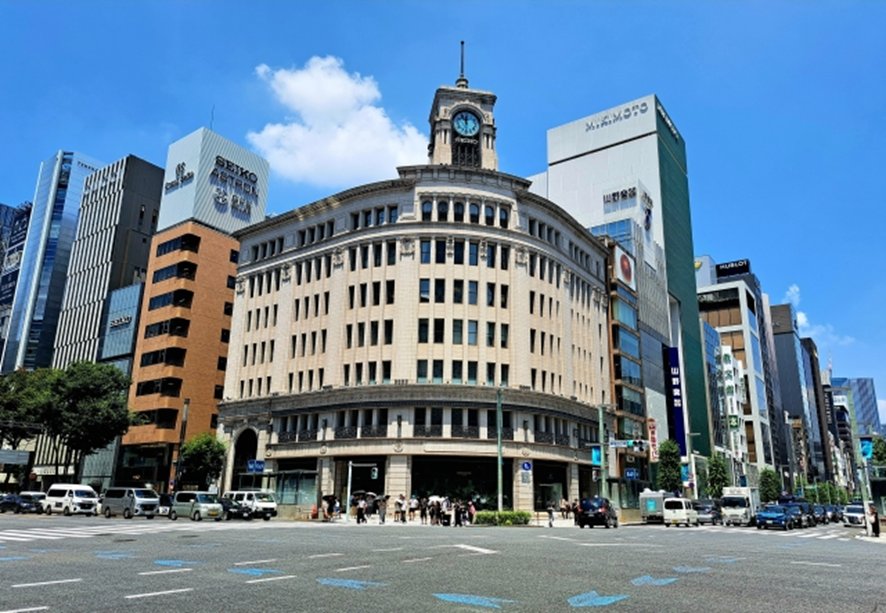
Rain can force a change of plans on a day set aside for touring Ginza. In Tokyo, the rainy season and typhoon season bring with them plenty of days when outdoor plans just don’t work. But Ginza handles this well. Subways are directly connected to major buildings, and museums and hands-on venues sit close together within a ten-minute walk of one another.
In Ginza, indoor spots and shopping complexes allow you to stay dry, and knowing a few practical points about getting around and handling luggage can make the day overall much easier.
Four Reasons Why Ginza Is Comfortable in the Rain
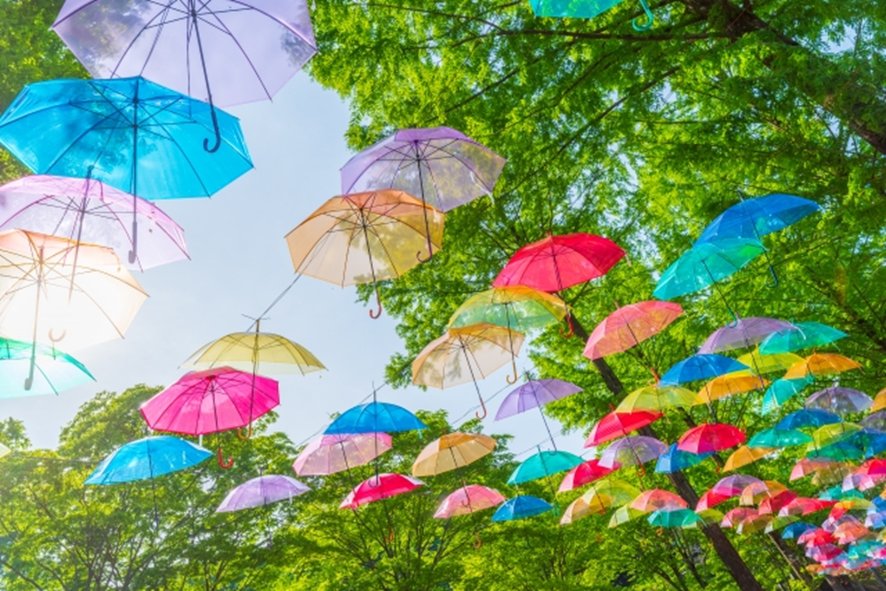
Rain can ruin a day of sightseeing, but Ginza has the conditions in place to keep your schedule running smoothly. Four things work in your favor: the network of subway exits that open straight into buildings, the number of spots in close vicinity to one another, the large number of indoor venues that allow walk-ins, and the range of free exhibition spaces.
1. Exits from Three Subway Lines Open Directly Into Department Stores and Theaters
Three Tokyo Metro lines serve Ginza Station, and many exits lead straight from the ticket gates into major buildings. Here are the direct routes to take on a wet day:
| Exit | Connects to |
|---|---|
| A7 / A8 | Ginza Mitsukoshi |
| A12 | Matsuya Ginza |
| A4 | GINZA PLACE |
| C5 / C7 | Nishi-Ginza Department Store (3-min. walk toward Yurakucho Station) |
For Kabuki-za, the theater devoted to kabuki (traditional performing arts), the convenient choice is Higashi-Ginza, the next station over. An underground passage takes you from the station into the building, so you never have to open your umbrella.
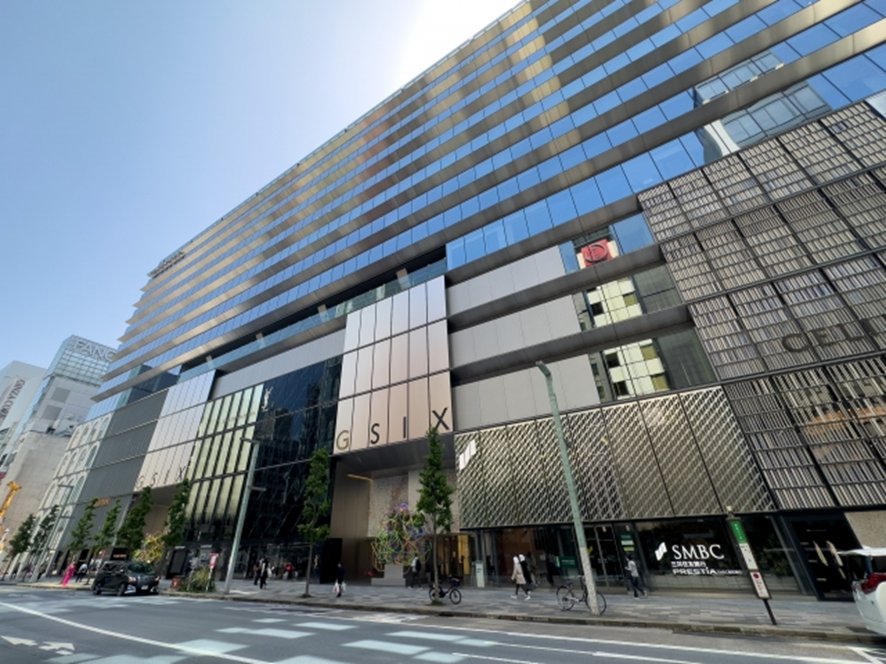
Reaching GINZA SIX requires a few minutes of walking above ground from Exit A3, and Shiseido Gallery and similar venues also involve a short walk outside.
2. The Main Spots Sit Within About a Fifteen-Minute Walk of Ginza Station
The Ginza area runs about 1.1 km (about 0.7 miles) along Chuo-dori Avenue, and most major venues fall within a fifteen-minute walk of Ginza Station. These are the rough walking times:
| Venue | Walk from Ginza Station |
|---|---|
| Ginza Mitsukoshi | About 1 min. (direct from Exits A7 / A8) |
| GINZA SIX | About 2 min. (Exit A3) |
| Shiseido Gallery | About 5 min. |
| Kabuki-za | About 5 min. (also direct from Higashi-Ginza Station) |
| Around Yurakucho Station | About 4 min. |
The whole area is flat with almost no slopes, so short walks link several venues together efficiently.
If the rain picks up in the afternoon, a few minutes of walking brings you to the nearest department store or gallery, and you can switch between outdoor and indoor plans as the weather turns.
3. Many Indoor Venues Take Walk-Ins
Most department stores and galleries in Ginza admit visitors with no advance booking. This means you can redirect your route indoors as soon as the rain starts, so switching plans costs you nothing.
Indoor venues tend to fill up when it rains, so a little timing helps. Keep these points in mind:
- Restaurant floors get busy at around noon, so arriving between 11 am and noon cuts down the time spent waiting to get seated
- Popular special exhibitions often have lines in the afternoon, so visiting right after opening is the better option
- Cafés fill quickly in wet weather too, so aim for the hours before the weather peaks
4. Several Free Exhibition Spaces Run by Companies
Several major companies open galleries and exhibition spaces to the public free of charge inside their own Ginza buildings. In an area full of flagship stores, these cultural spaces sit within walking distance of one another. Here are the main ones.
- Shiseido Gallery (Ginza 7-chome, basement level 1 of the Shiseido Building): closed Mondays, free admission
- POLA MUSEUM ANNEX (Ginza 1-chome, 3rd floor of the POLA Ginza Building): free admission
- Ginza Graphic Gallery: closed Sundays and public holidays, free admission
Most of these venues don’t require a reservation, so you can add a gallery to the day’s route on a whim between shops. Note that these spaces close temporarily between exhibitions while staff change over the displays, so check the official website for current operating status before you go.
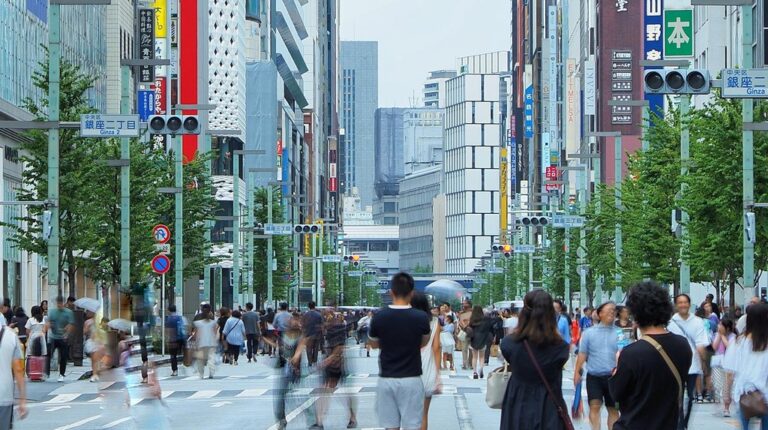
Five Indoor Spots to Visit in Ginza When It Rains
Ginza is home to a varied set of indoor spots around the station. In the following section, we’ll cover five venues showcasing art, traditional performance and technology, each with a different character and a different kind of visitor in mind.
Art Aquarium Museum GINZA: Walk Through a Goldfish Art Space
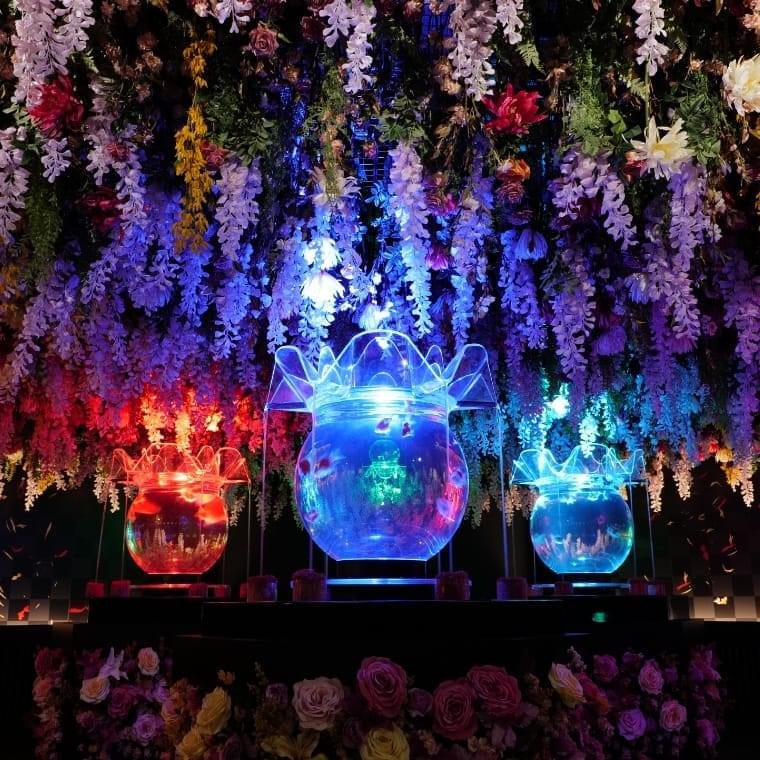
This immersive museum takes goldfish-viewing culture that dates back to the Edo period (17th to 19th century Japan) and reworks it as contemporary art through light and sound.
Themes change with the season, but the running theme is pairing goldfish with traditional crafts such as Nishijin-ori (high-end woven silk from Kyoto) and Kutani-yaki (vividly colored porcelain). At the Art Aquarium, centuries-old craft techniques and living goldfish share the same room.
From Ginza Station, the underground passage through the Ginza Mitsukoshi main building gets you there without stepping out into the rain. Tickets bought online in advance are ¥2,500 compared with ¥2,700 at the door, so booking ahead will save you money. Each adult may bring in up to two children ages twelve and under free of charge, but you’ll need to fold your stroller at the entrance.
Details
| Address | Ginza Mitsukoshi, 4-6-16 Ginza, Chuo-ku, Tokyo |
| Hours | 10:00 am-7:00 pm (last entry at 6:00 pm) |
| Closed | Same as Ginza Mitsukoshi’s closing days |
| Official site | https://artaquarium.jp/ |
| Best for | Couples; travelers interested in Japanese culture; families with children ages 12 and under |
The Seiko Museum Ginza: Learn Japan’s History of Timekeeping
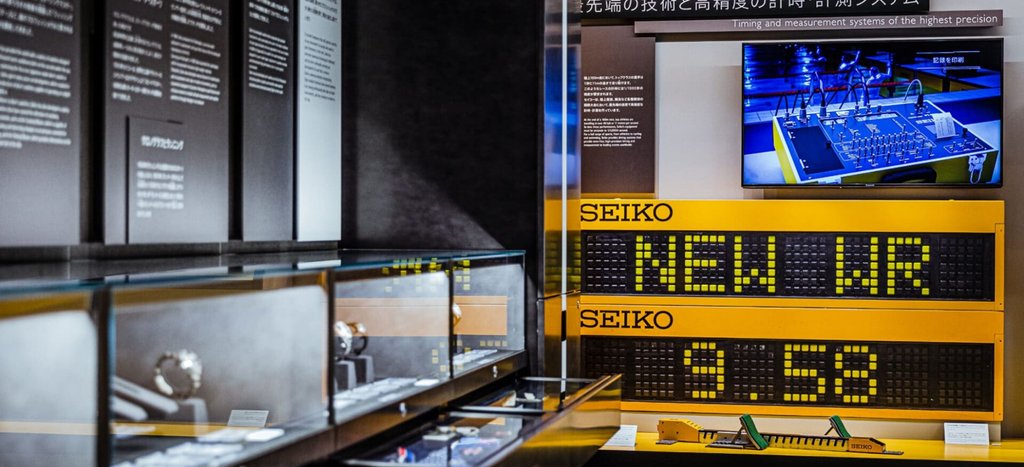
Edo-period Japan measured time by sunrise and sunset. Under that variable-hour system, the length of an hour shifted with the season. The Seiko Museum Ginza displays the actual wadokei (Japanese clocks) built for that system. Seeing the mechanism that changes the hands’ speed to match the seasons is a rare treat.
Exhibits carry English explanations, and a visit here will take you about an hour to an hour and a half, with entry three times a day as well as priority for online reservations. Same-day entry is possible when slots remain, though securing one in advance is the safer move in wet weather.
Exits B2 and B4 at Ginza Station put you about a minute away from the Seiko Museum on foot, which keeps your time above ground and in the rain to a minimum.
Details
| Address | Seiko Namiki-dori Building, 4-3-13 Ginza, Chuo-ku, Tokyo |
| Hours | 10:30 am-6:00 pm |
| Closed | Mondays; New Year holidays |
| Official site | https://museum.seiko.co.jp/ |
| Best for | Older visitors and travelers interested in Japanese culture and the history of technology |
Kabuki-za: See a Single Act of Kabuki
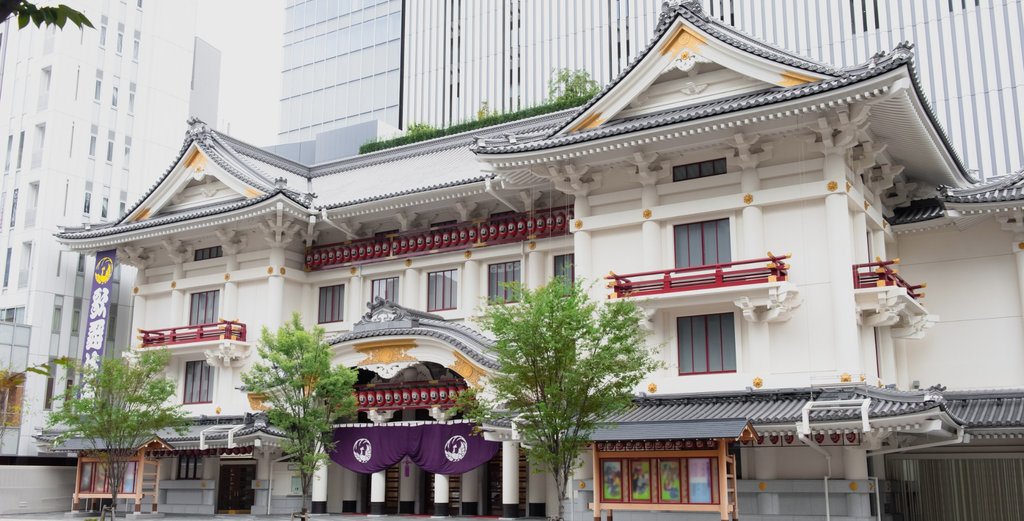
The fourth floor of Kabuki-za has hitomakumi-seki (single-act seating), where just thirty minutes or an hour is enough to take in Japan’s traditional performing arts. The single-act option suits travelers in Ginza on a short stay, and it fits neatly into a rainy afternoon without demanding half a day. Tickets go on sale online at noon the day before, so book yours ahead of time if you can: the box office sells same-day tickets only when seats still remain.
An underground connection from Higashi-Ginza Station keeps you dry between the station and the theater. You can borrow tablets with English subtitles, so the story stays accessible whatever your language. Before the show, the Kobikicho Hiroba shopping plaza on basement level 2 is a good place to browse for souvenirs.
Details
| Address | 4-12-15 Ginza, Chuo-ku, Tokyo |
| Hours | Vary by performance schedule |
| Closed | Closed on days with no performances |
| Official site | https://www.kabuki-za.co.jp/ |
| Best for | Anyone wanting a short introduction to traditional performing arts; visitors looking to stay indoors in the rain |
Shiseido Gallery: See Art Backed by a Company
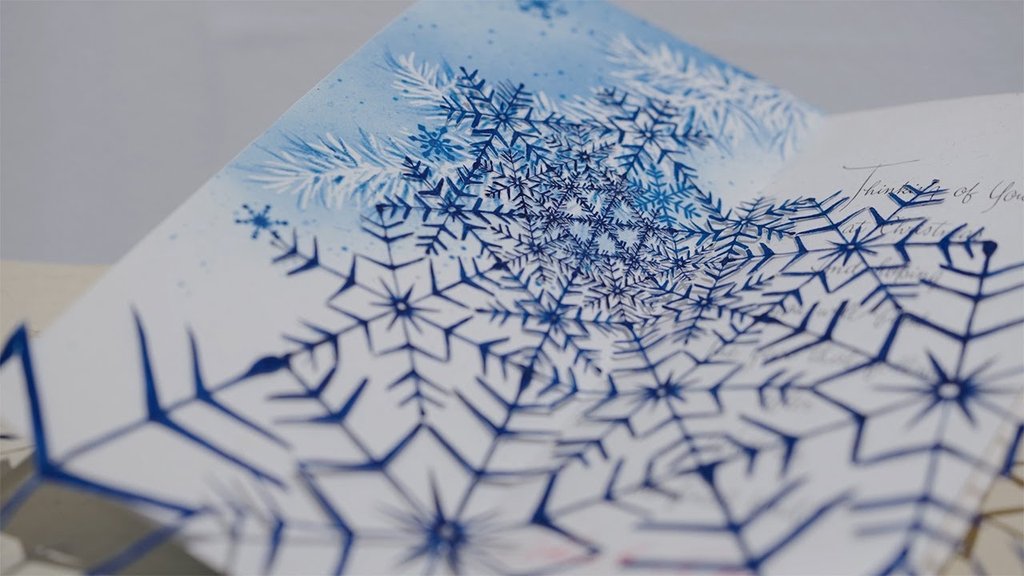
Opened in 1919, Shiseido Gallery is the longest-running corporate art space in Japan, where this global cosmetics maker has provided a platform for contemporary art for over a century. The basement exhibition room—with its high, five meter (16 foot) tall ceiling—shuts out daylight so that the colors and textures of the art hold your attention. Exhibition panels are labeled in both Japanese and English.
A visit here takes about thirty minutes and fits neatly between shopping. The gallery closes between exhibitions though, so check current dates on the official website first. The walk from Ginza Station takes about five minutes above ground, so bring a folding umbrella with you for when it rains.
Details
| Address | Tokyo Ginza Shiseido Building B1, 8-8-3 Ginza, Chuo-ku, Tokyo |
| Hours | Weekdays: 11:00 am-7:00 pm Sundays and public holidays: 11:00 am-6:00 pm |
| Closed | Mondays (including public holidays) |
| Official site | https://gallery.shiseido.com/ |
| Best for | Visitors wanting a short, free art experience; anyone interested in corporate arts patronage |
Ginza Sony Park: Try Hands-On Exhibits
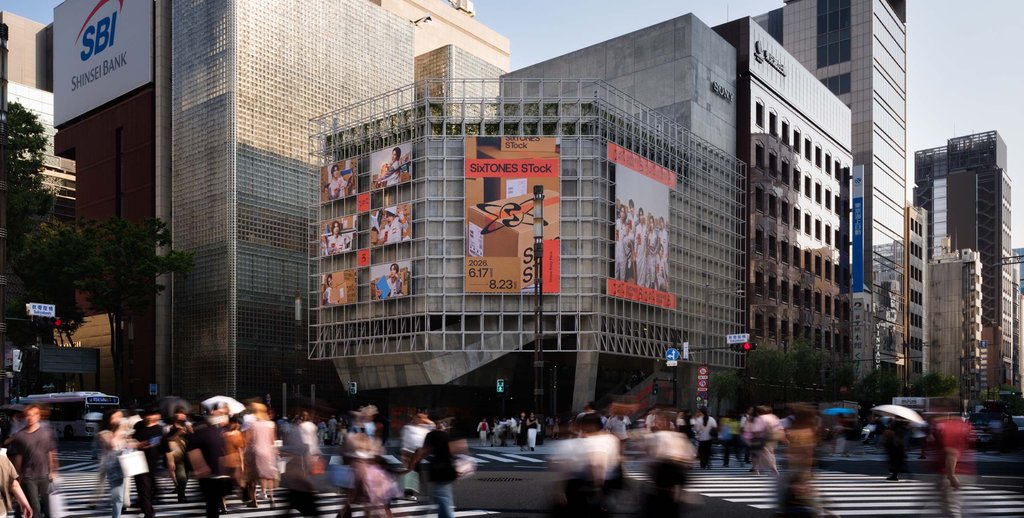
Ginza Sony Park, which opened in January 2025, is an urban venue that features hands-on exhibitions. The programs go beyond simply looking: you touch the works, or stand surrounded by sound and images (note: exhibitions rotate; check the official site for the current program).
Ginza Sony Park is connected underground to Exit B9 at Ginza Station, which makes entry easy in bad weather. Open spaces for sitting are scattered throughout the building, and the dining area on basement level 3 means you can eat there too and stay all day if you like.
Details
| Address | 5-3-1 Ginza, Chuo-ku, Tokyo |
| Hours | 11:00 am-7:00 pm |
| Closed | New Year holidays; maintenance days |
| Official site | https://www.ginzasonypark.com/ |
| Best for | Anyone who enjoys hands-on exhibits |
Three Complexes in Ginza That Are Connected to the Station
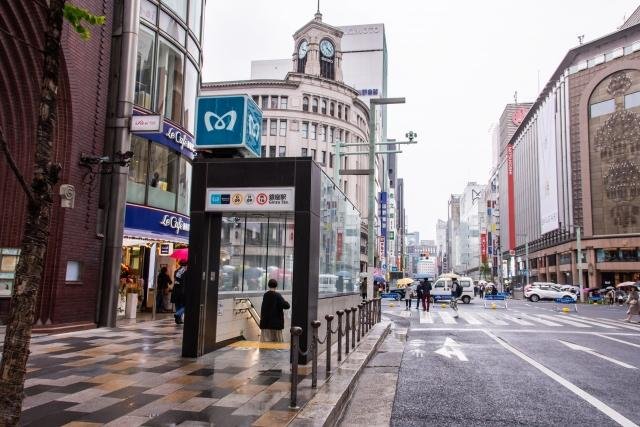
For a long stay indoors out of the rain, a complex you can reach easily from the station is hard to beat. Three department stores and shopping complexes stand out in Ginza for their scale and proximity to Ginza Station, each with distinctive floors and ways to pass the time.
Ginza Mitsukoshi: Pick Up Seasonal Sweets on the Basement Food Floor
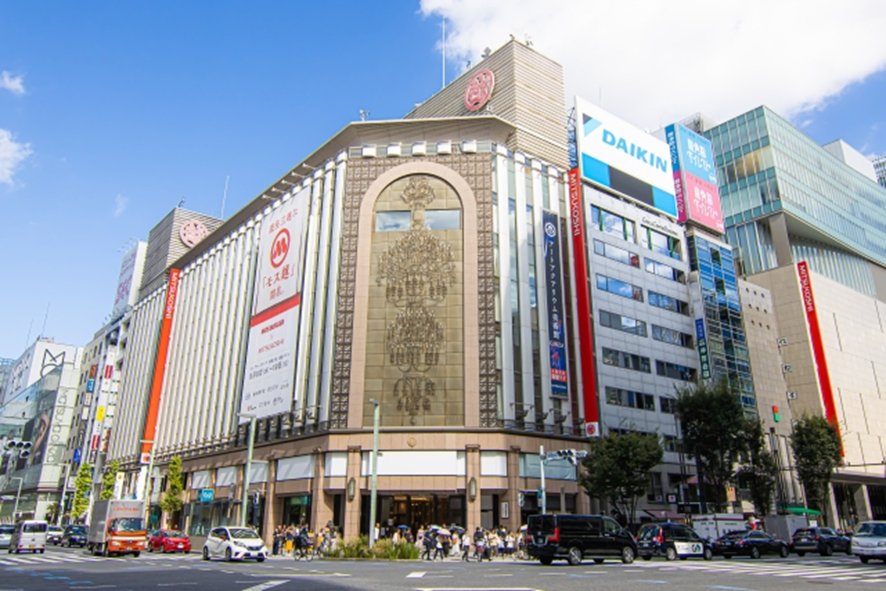
Ginza Food Garden on basement level 2 of the main building is a depachika (the upscale food floor in a department store), and it houses Kayuan, a permanent select shop that showcases celebrated wagashi (Japanese sweets) from across the country.
The lineup changes with the seasons: cherry blossom sweets in spring and refreshing jellies in summer, each one made to be looked at as much as eaten. Limited-time event corners bring regional specialties from around Japan to central Tokyo.
Exit A7 at Ginza Station connects directly to Ginza Mitsukoshi, so you’ll arrive dry, and one to two hours is enough to browse souvenirs here at an unhurried pace. Bring your passport and you can complete tax-free procedures, but remember to keep tax-free food purchases unopened until you leave the country.
Details
| Address | 4-6-16 Ginza, Chuo-ku, Tokyo, basement level 2 |
| Hours | 10:00 am-8:00 pm |
| Closed | Irregular closures (same as Ginza Mitsukoshi’s closing days) |
| Official site | https://www.mistore.jp/store/ginza.html |
| Best for | Visitors looking for seasonal wagashi as gifts; travelers buying food tax-free |
Matsuya Ginza: Japanese Everyday Goods on the 7th-Floor Design Floor

Design Collection on the 7th floor of Matsuya Ginza is a sales floor of everyday goods chosen by a specialist committee. The committee has applied a distinct editorial eye since 1955, and the pieces here differ from standard souvenirs. Tableware, stationery and other practical tools are built to stay in use long after you get home, and many stand out for the texture of their materials and the way they sit in the hand.
Exit A12 at Ginza Station connects directly to Matsuya Ginza, so getting in and out is comfortable even in the rain.
Details
| Address | Matsuya Ginza 7F, 3-6-1 Ginza, Chuo-ku |
| Hours | 11:00 am-8:00 pm (until 7:30 pm on Sundays and the last day of consecutive holidays) |
| Closed | Same as Matsuya Ginza’s closing days |
| Official site | https://designcommittee.jp/collection/ |
| Best for | Design-minded couples and repeat visitors; anyone looking for practical Japanese souvenirs |
GINZA SIX: Settle Down In at an Art Bookstore and Café
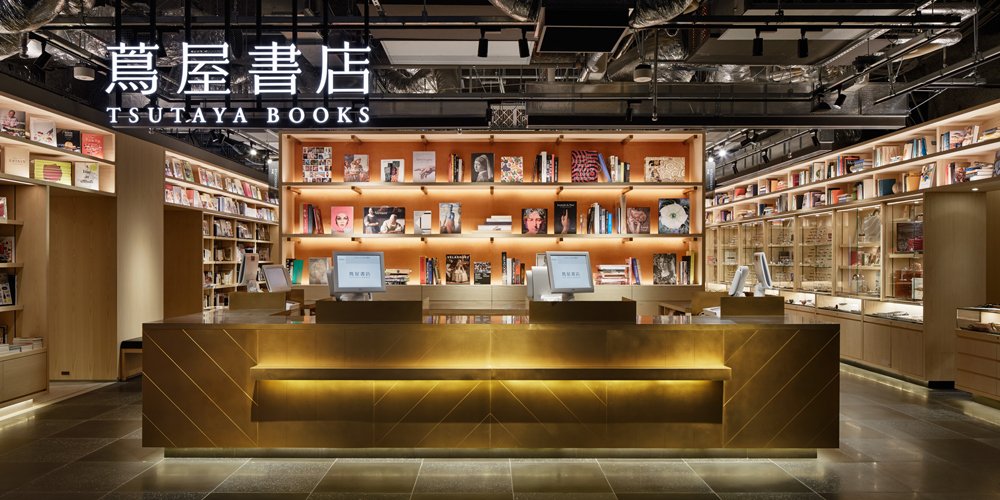
Ginza Tsutaya Books on the 6th floor of GINZA SIX is a vast space where you can sit and read for as long as the bad weather lasts. The selection of books here centers on art, design and photography and covers Japanese architecture, fashion and much more. An English page on the official site makes the store easy for overseas visitors to navigate. The Starbucks inside offers a multilingual menu too, so you can easily spend a few hours here over coffee, and the art on display in the store is worth a slow look too.
The bookstore stays open until 9 pm and the café until 10:30 pm. Add dinner at a restaurant on the upper floor and you can spend half a day or more inside just this one building. Free Wi-Fi also suits business travelers dropping in between meetings.
Details
| Address | GINZA SIX 6F, 6-10-1 Ginza, Chuo-ku, Tokyo |
| Hours | Bookstore 10:30 am-9:00 pm; Starbucks 10:30 am-10:30 pm |
| Closed | Open year-round (except GINZA SIX closing days) |
| Official site | https://store.tsite.jp/ginza/english/ |
| Best for | Culture-minded couples; older travelers; visitors in Ginza on business |
Indoor Cultural Workshops You Can Join in the Rain
Besides shopping and eating, plenty of visitors want to try an activity rooted in Japanese culture. The workshops introduced below sit in the Ginza area and are operated entirely indoors whatever the weather. They take same-day bookings when slots remain and offer full English support, with the activity and time commitment set out clearly in advance.
Tokyo: Ginza Chopstick-Making Workshop & Cultural Insights
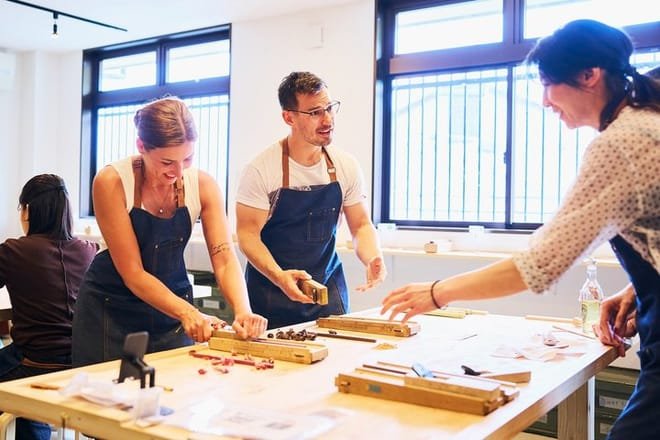
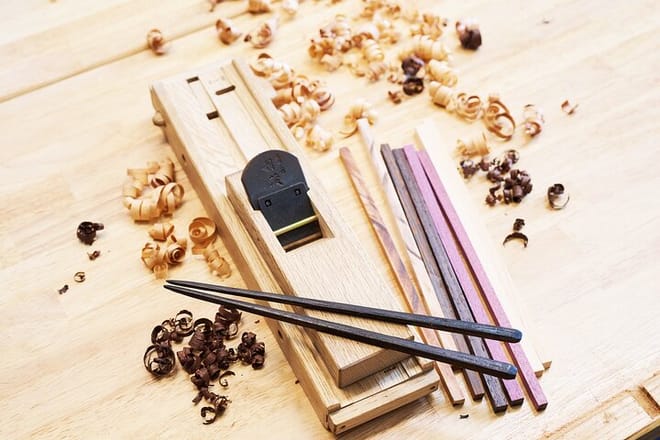
In this workshop from Japan Guide Star, you’ll make your own pair of chopsticks at Chopsticks Studio Ginza, learning the craft directly with instruction in English.
The process is straightforward: choose the type of wood you like, shape it with a kanna (a traditional Japanese plane), then finish the chopsticks with oil. The session runs for about sixty minutes, and you’ll get to take the finished pair home with you as a souvenir.
English-speaking staff are on site throughout the workshop, and everything happens indoors, so rain has no impact on the activity.
Details
| Meeting point | Chopsticks Studio Ginza, 1F Kusumoto Dai-17 Building, 1-14-12 Ginza, Chuo-ku, Tokyo |
| Duration | About 60 minutes |
| Included in the price | Instruction, materials, use of tools |
| Booking | https://japanguidestar.com/tour/tokyo-ginza-chopstick-making-workshop/ |
| Best for | Couples; families; anyone interested in Japanese culture |

Tokyo Chopstick Making Workshop in Ginza
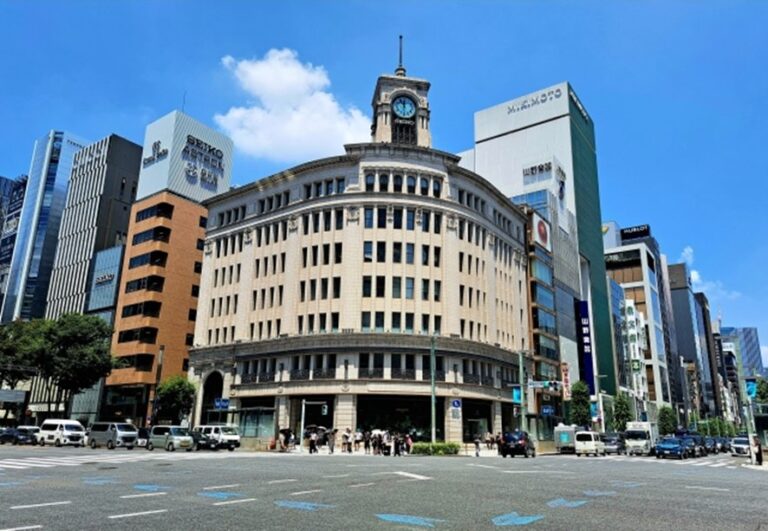
How to Plan a Rainy Day In Ginza
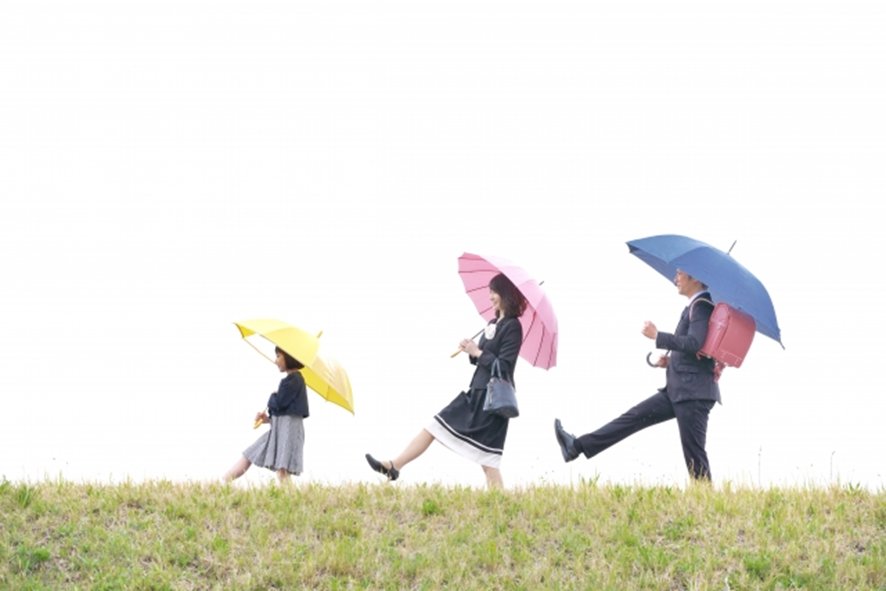
Even with your destinations settled, an inefficient route can cost you precious time when it rains. Below, we’ll cover four practical points: when to set out, how to combine bookings with drop-in visits, which places require an umbrella, and where to leave your bags. Sort these details out in advance and a sudden turn in the weather won’t dictate your day.
Venues Close Early, So Start in the Morning
As a rule, indoor venues in Ginza close early. Department stores shut at 8 pm and the retail floors of GINZA SIX close at 8:30 pm. Most galleries and museums close between 6 pm and 7 pm. This means that if you start in the afternoon, closing time will arrive within just a few hours. In wet weather, crowds also concentrate indoors after noon, so waits at restaurants can be long.
Aiming to arrive at 10 am when the doors open will help you avoid the crowds and cover more ground. Here’s a rough itinerary to give you an idea of how to divide up your day:
| Time | What to do |
|---|---|
| 10:00 am-12:00 pm | Visit department stores and galleries before the crowds |
| 12:00 pm-1:00 pm | Eat an early lunch, ahead of the rush |
| 1:00 pm-6:00 pm | Try hands-on workshops and see the remaining spots |
Lock In Timed Activities First, Then Build Around Them
Cultural workshops and timed-entry exhibitions have fixed start times, so work backwards from those when planning your day. Rain drives demand toward indoor activities, and slots are often gone by the morning of your visit, so try to book the day before at the latest. Sorting venues by whether they need a reservation or not also makes planning easier:
| Category | Examples | Notes |
|---|---|---|
| Reservation required (book first) | Chopstick-making workshop, single-act seating at Kabuki-za | Fixed start times. Book by the day before |
| Check first (varies by exhibition) | POLA MUSEUM ANNEX, Shiseido Gallery | Entry method changes with each exhibition, so check the official site |
| No reservation (fit in around) | Ginza Mitsukoshi, GINZA SIX, Itoya (a stationery store) | Enter any time during opening hours |
Some venues change entry conditions depending on the exhibition period, so check the official website before you go. Secure any fixed-time slots first and fit department stores and bookstores into the gaps.
Tokyo Chopstick Making Workshop in Ginza
You’ll Need an Umbrella Between Buildings
Major venues in Ginza connect to the station’s underground passages, but almost nothing links the buildings to one another below ground. Going from Ginza Mitsukoshi to GINZA SIX, for example, means resurfacing, so rain gear matters. Even a few minutes outside means opening up your umbrella.
Chuo-dori Avenue designates a pedestrian-only zone created by closing the street to traffic on weekends and public holidays, though severe weather can result in it being cancelled. When rain is in the forecast, keep the strolling part of your plans flexible.
Local convenience stores sell cheap plastic umbrellas, though carrying a folding umbrella will keep your load lighter.
Leave Your Bags in a Coin Locker Before You Set Out
Moving around with wet clothes and a suitcase wears you down, so put anything you don’t need into a coin locker first. Lockers sit outside the ticket gates at Ginza Station and take transit IC cards (prepaid cards, such as Suica) for quick payment. Lockers inside Ginza Mitsukoshi are also an option.
Large lockers fill up during peak travel seasons. When none are free, the ecbo cloak luggage storage service is helpful: book from your smartphone in advance then leave your bags at a partner shop. Some venues have no lockers at all, so arrange storage in advance and travel light.
Common Questions About Ginza on a Rainy Day
Questions about wet weather in Ginza tend to cover the same ground: how to fill a full day indoors, what to expect during the rainy season and typhoon season, tips for visiting with children, and how much English support is available.
Can You Spend a Full Day at Indoor Venues Alone?
You can easily spend a full day indoors: visiting museums in the morning, trying a chopstick-making workshop in the afternoon and visiting a bookstore or café in the evening will allow you to remain comfortable from 10 am to around 7 pm.
Ginza Station connects directly to the major buildings, but underground routes between them are limited. Moving from one building to the next means a few minutes of traveling above ground, so bring a folding umbrella and enjoy the range of indoor spots available to you.
When Does Tokyo’s Rainy Season Start and End?
Tokyo’s rainy season begins around June 7 in an average year and ends in mid-July. Extended rain tends to continue for roughly six weeks though, so plan for indoor activities if your visit falls in this window. Since the rainy season shifts by a few days each year, check the latest forecast from the Japan Meteorological Agency before visiting.
September and October, after the rainy season ends, see a lot of typhoons and sudden downpours. With conditions that change quickly, carrying a folding umbrella and learning Ginza’s underground routes will pay off.
Can Families With Children Enjoy Ginza in the Rain?
The main venues in Ginza are well equipped for families, and a wet day with children can be comfortable: Ginza Mitsukoshi, Matsuya Ginza and others provide nursing rooms, diaper-changing tables and hot water facilities. Ginza Mitsukoshi also offers childcare, which frees up shopping time for adults.
Large toy stores and hands-on workshops sit close together too, so children have plenty to hold their attention. Some venues restrict strollers, however, so check the official website before you go.
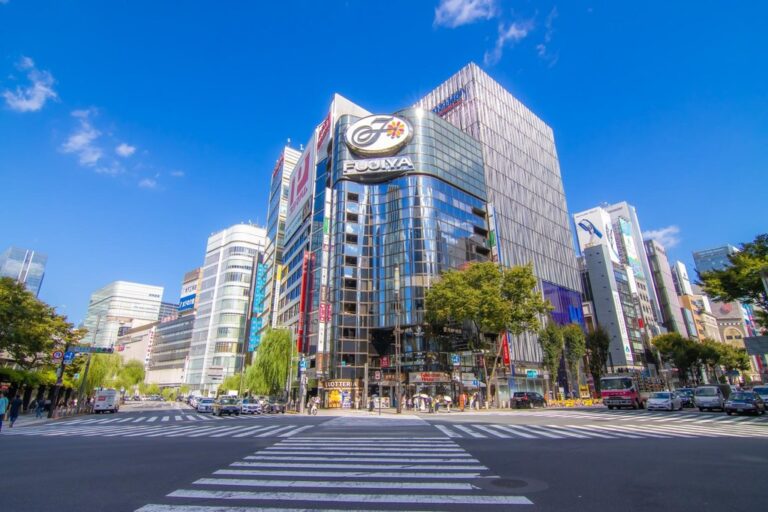
Tokyo Chopstick Making Workshop in Ginza
Can You Get By in English at Ginza’s Indoor Venues?
The larger retail complexes in Ginza are easy to navigate in English alone: tax-free counters at the major department stores have English-speaking staff, and in-store signage is multilingual.
If you run into trouble, the Chuo City Tourist Information Center keeps English-speaking staff on hand year-round. It’s a reliable place to get accurate information and adjust plans at short notice.
Independently run restaurants often operate in Japanese only. For these places, the following three approaches work well:
- Point to items on a menu to order
- Use the camera function in a translation app for instant translation
- Show a calculator app screen to confirm prices and quantities
Shinjuku: Food Tour – 15 Dishes at 4 Eateries
A Full Day in Ginza, Rain Included
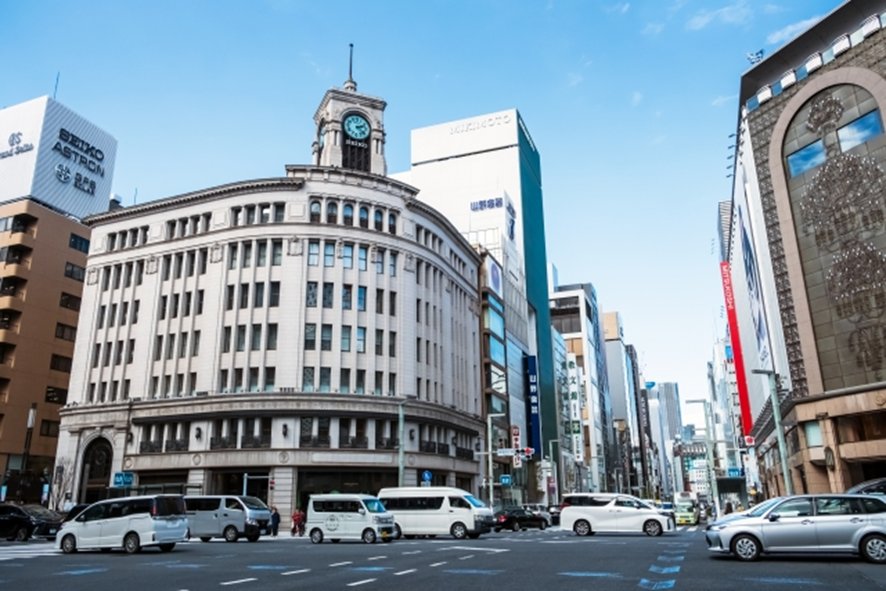
Ginza boasts shopping complexes with direct subway access, galleries, and a variety of cultural experiences all within a walkable area. Even in the rain, you can fit in both shopping and viewing art without wasting time getting around. Since many venues close early, remember to start in the morning and book experience programs ahead of time.