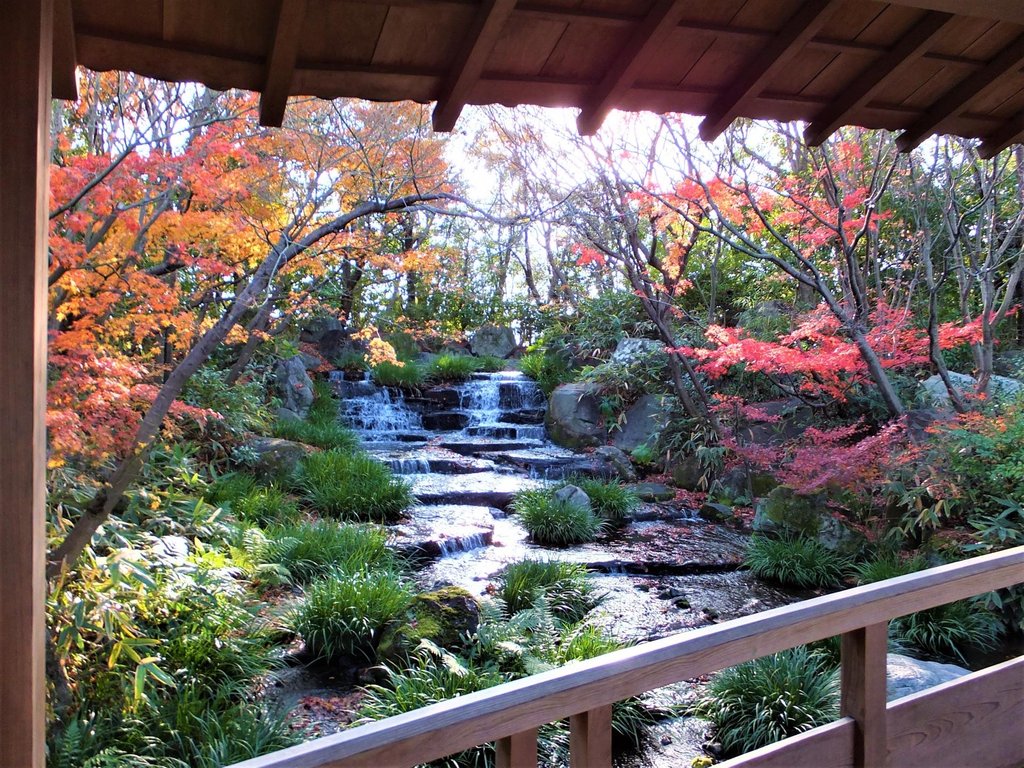
When an incentive trip—a reward trip for top-performing employees or business partners—returns to nearly the same destination every year, participants rarely find it fresh. Yet proposing an unfamiliar country can raise concerns about safety and logistics.
Below, you will find why Japan works as an incentive destination and when it may not, followed by experience ideas such as sumo and tea ceremony, with notes on why each suits a reward trip. You will also find sample itineraries to use as a starting point for an internal proposal, along with planning points to settle early, such as venue bookings and dietary restrictions.
Why Japan for an Incentive Trip: 3 Reasons and When It Doesn’t Fit
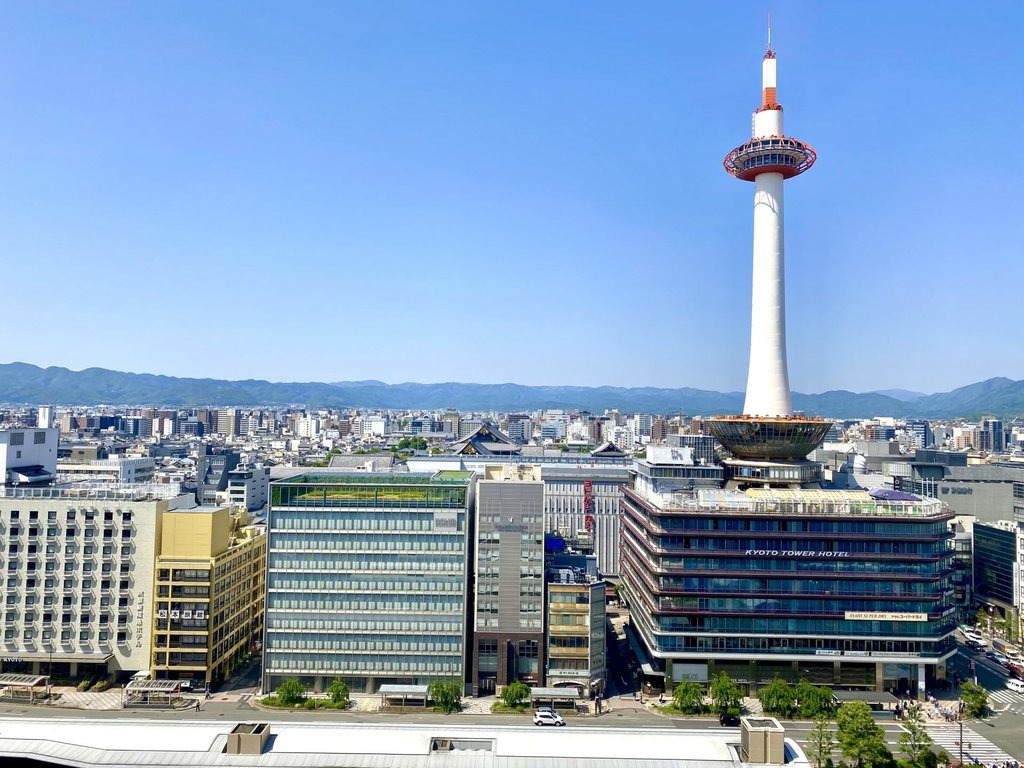
When choosing a destination, two questions weigh heavily on planners: “Can we send our award winners with peace of mind?” and “Will every participant enjoy the trip, whatever their tastes?” Japan has three strengths here: safety and reliable transportation, a blend of traditional culture and modern city life, and fast intercity travel by shinkansen (bullet train). Under certain itinerary conditions, however, Japan may not be the right fit.
Safety You Can Trust and Trains That Run on Time
Japan ranked 10th out of 163 countries and territories in the 2026 Global Peace Index (GPI). Many people walk through the nightlife districts of Tokyo and Osaka after dark, so planners can generally allow some free time after dinner without major concerns.
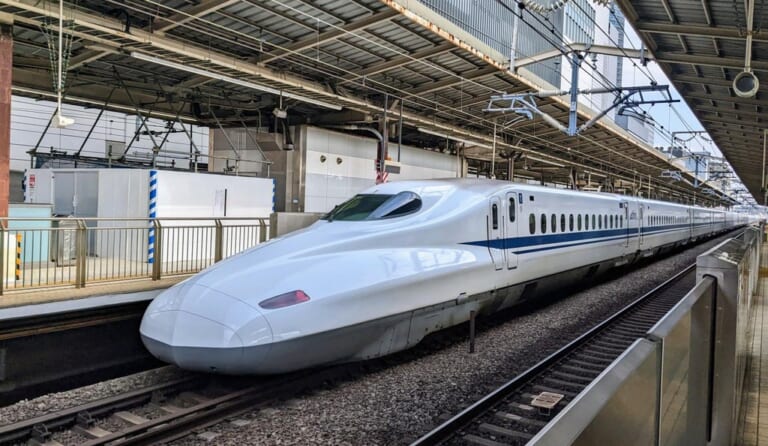
Trains are highly punctual, too. In fiscal 2024, the Tokaido Shinkansen averaged a delay of just 1.4 minutes per train. That figure includes delays caused by natural disasters such as typhoons and earthquakes, making the service’s overall reliability notable even when unexpected disruptions occur. For itineraries involving meetings, award ceremonies, and activities scheduled down to the minute, including these figures in internal approval documents can help explain why Japan is a practical choice for a trip involving the company’s top performers.
Source: Institute for Economics & Peace, “10 Most Peaceful Countries in 2026”
Source: JR Central, “Fact Sheet 2025 (Tokaido Shinkansen)”
Traditional Culture and Modern Cities in One Trip
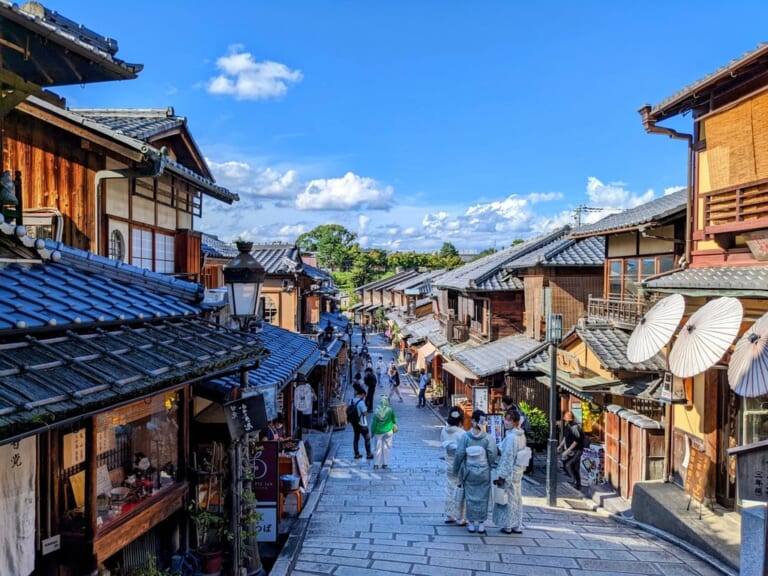
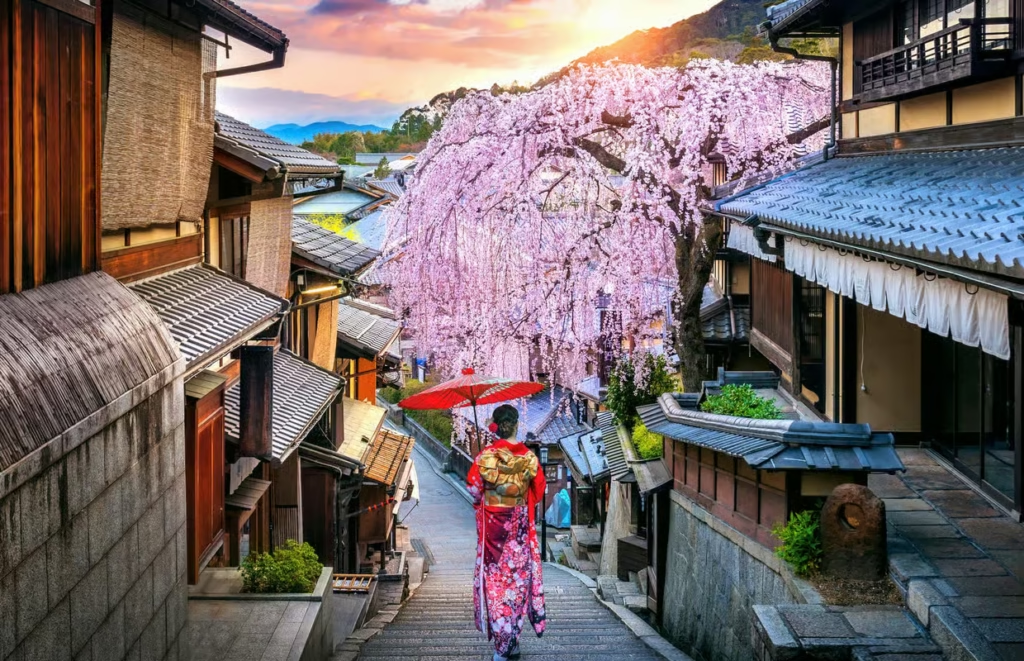
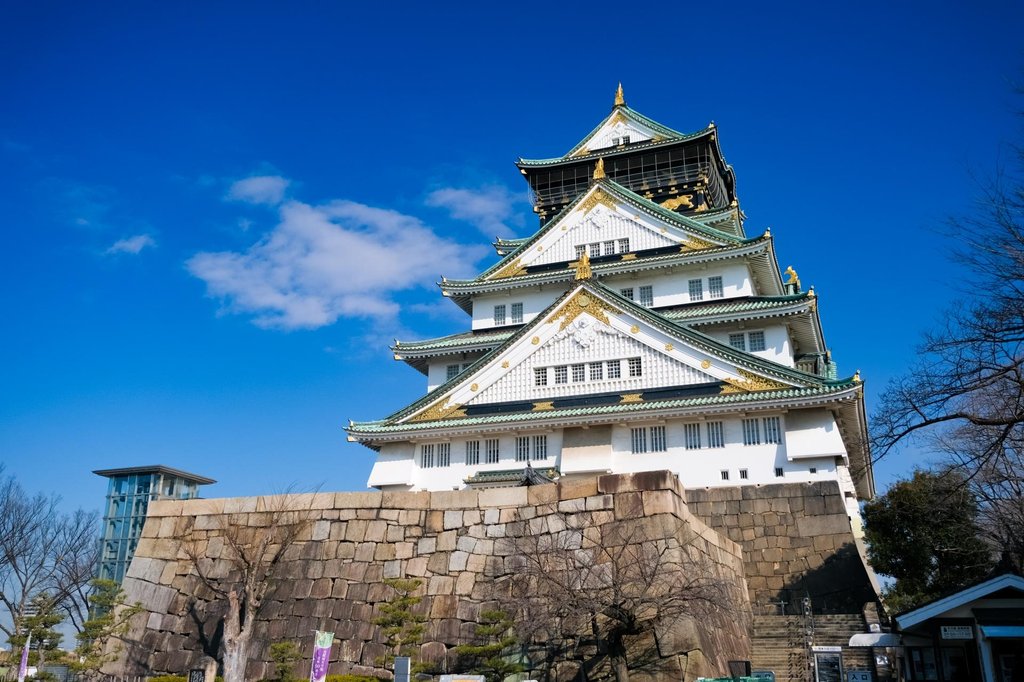
In Japan, a single itinerary can combine traditional culture—temples and shrines, tea ceremony, and sumo—with modern urban experiences. Spending a quiet morning in a Kyoto temple garden and then taking in the night view from a Tokyo observation deck that evening is a realistic combination, travel time included.
Trips centered on a beach resort or a single city tend to lean in one direction, making it harder to satisfy everyone when participants have different tastes. In Japan, you can mix experiences to suit different interests: castles and shrines for history fans, market walks for food lovers, and the latest city experiences for those drawn to technology.
Award winners can return home with specific stories about things they “couldn’t have done anywhere else,” which fits the core purpose of a reward trip: giving people something memorable to work toward when next year’s targets are set.
Fast Shinkansen Links Between Multiple Cities
By shinkansen, Kyoto is about 2 hours 15 minutes from Tokyo, while Osaka (Shin-Osaka Station) is about 2 hours 30 minutes away. That makes it realistic to finish a meeting in Tokyo in the morning and join a cultural activity in Kyoto that same afternoon. Sapporo and Fukuoka are also accessible by domestic flights from Haneda Airport, taking about 1.5 hours to Sapporo and about 2 hours to Fukuoka.
The host cities are well equipped for international events, too. The Japan Tourism Agency has designated Sapporo, Tokyo, Yokohama, Nagoya, Kyoto, Osaka, Kobe, Fukuoka, and other cities as Global MICE Cities, a program focused on attracting international conferences and large-scale events. These cities offer venues capable of hosting international conferences as well as accommodations suited to groups, making it easier to find suitable facilities whether your group has 50 or 200 participants.
Source: Japan Tourism Agency, “Global MICE Cities”
Not Suited to Trips of 3 Nights or Fewer from North America or Europe
Flights from North America and Europe are long, and the time difference is substantial, so a 3-night, 4-day trip can leave little breathing room. Travel takes up much of the arrival and departure days, leaving mainly the two middle days for a substantial program.
For groups traveling from Asia or Oceania, the smaller time difference makes a 3-night, 4-day trip more workable. Flights from Oceania are fairly long, but with an overnight flight, participants can sleep on board and arrive in the morning.
| Departing From | Approx. Flight Time | Time Difference with Japan | Recommended Length |
|---|---|---|---|
| North America / Europe | About 10–15 hours | 7–17 hours | 5 nights or more |
| Asia | About 2–7 hours | 0–3 hours in most areas | 3 nights or more |
| Oceania | About 9–11 hours | 0–2 hours in most areas | 3 nights or more |
Start by confirming which region your award winners will depart from. If a North American or European team can spare only 3 nights or fewer, it may be more practical to consider destinations other than Japan.
5 Recommended Experience Ideas for Incentive Trips in Japan
How satisfied participants are with a reward trip depends less on the destination itself than on what they experience there. The key is creating moments when award winners feel they are being treated as special, along with experiences they will still be talking about back at the office.
The five experiences below are easy to build into an itinerary in Japan. Each includes notes on why it suits an incentive trip and what to watch for when planning. For experiences that Japan Guide Star runs itself, a table lists the area, maximum group size, and other key details.
Sumo Show: Award Winners Step onto the Dohyo and Face a Former Rikishi
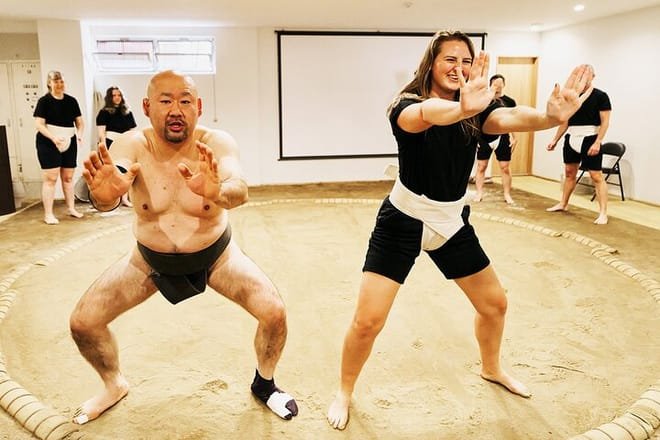
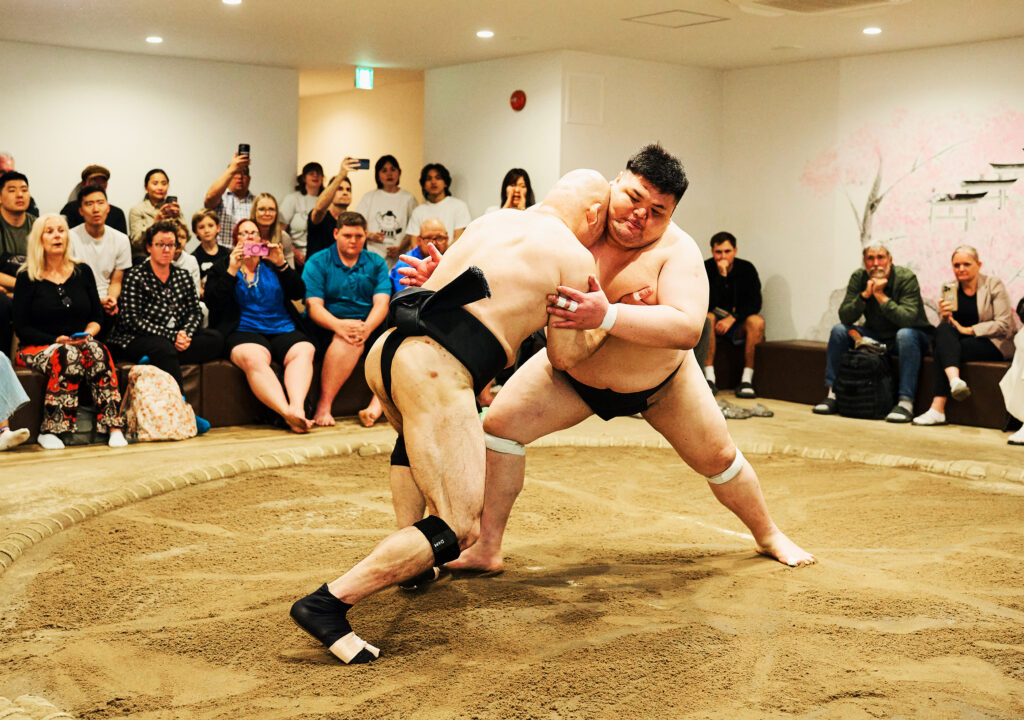
At Sumo Studio Osaka, retired professional rikishi (sumo wrestlers) perform bouts and demonstrate kimarite (winning techniques) just a few meters away. From that distance, you can hear the smack of bodies colliding and the stamp of feet on the dohyo (the ring of clay and sand where sumo takes place).
Over the 90-minute show, the hosts explain in English the meaning behind rituals such as scattering purifying salt to cleanse the dohyo and shiko (raising each leg high and stamping it down to drive away evil spirits), as well as sumo’s ties to Shinto (Japan’s indigenous faith) and samurai culture.
In the second half, audience members can step onto the dohyo to face a former rikishi. If you arrange for award winners to be called up by name, the show itself can become part of the award ceremony. As the other participants cheer on each honoree taking on a retired wrestler, the spotlight falls on the winners in a way that a formal ceremony cannot easily replicate.
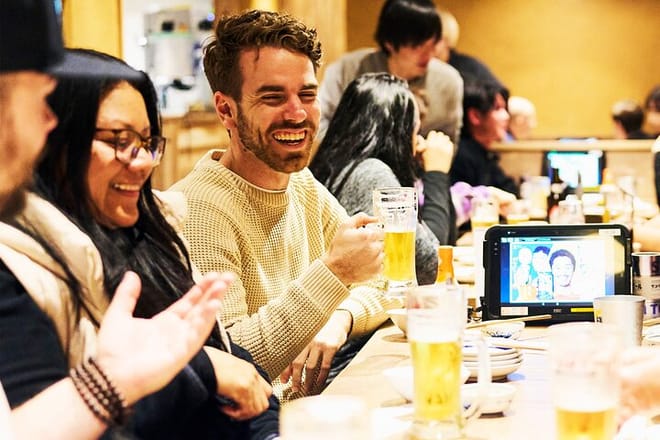
After the show, guests can take commemorative photos with the former rikishi and share their impressions over Japanese beer or umeshu (plum wine) at the on-site bar.
Because the venue is indoors, the show can go ahead even in rainy weather, and staff can store large luggage such as suitcases, making it easy to schedule on days when the group is moving between cities. For safety reasons, participants who have been drinking cannot take part in full bouts on the dohyo, so schedule the toast for after the show. For private bookings, confirm how many people can face off on the dohyo and what staging options are available when you first inquire.
Details
| Experience | Area | Max. Group Size | Duration | Private Booking |
|---|---|---|---|---|
| Sumo Show (Sumo Studio Osaka) | Osaka (Nishinari Ward, in front of Hanazonocho Station) | 53 people | 90 minutes | Available on request |
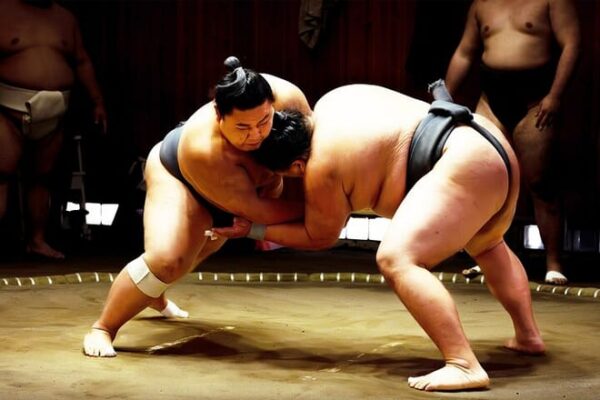
Osaka Sumo Experience with Live Show and Audience Challenge
Craft Workshops: Chopsticks, Calligraphy and Kintsugi Keepsakes
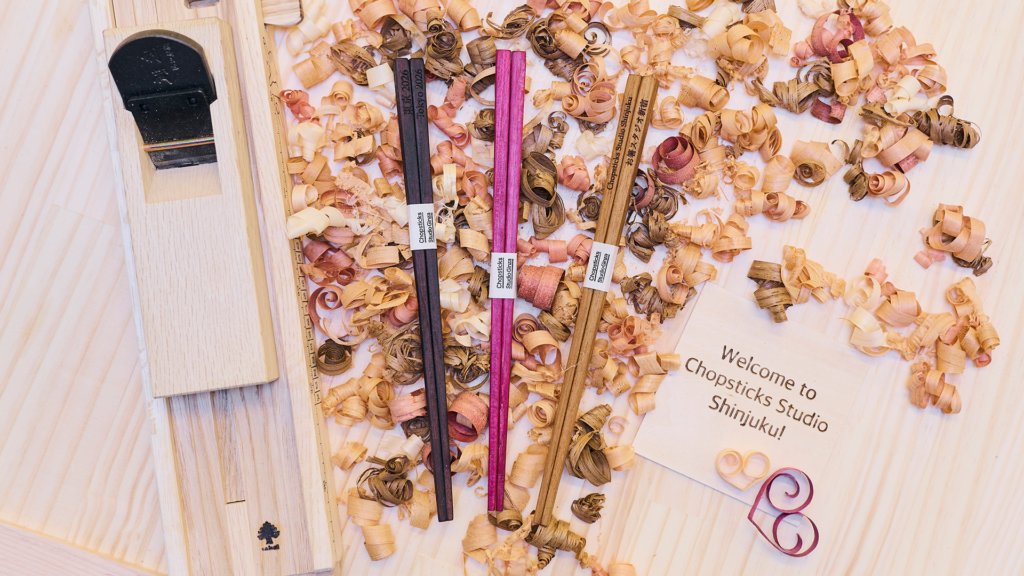
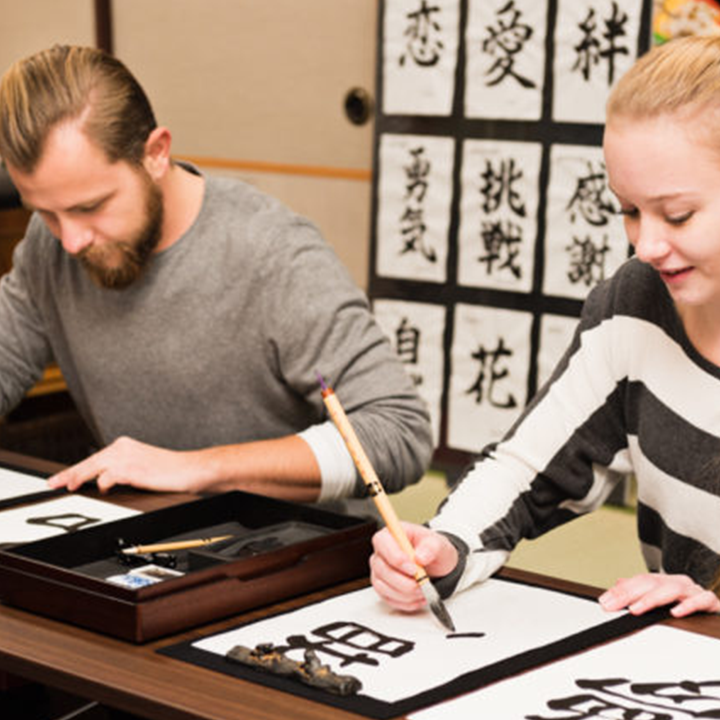
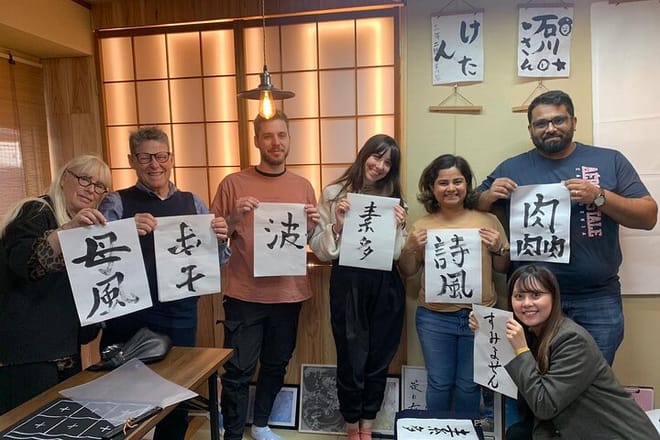
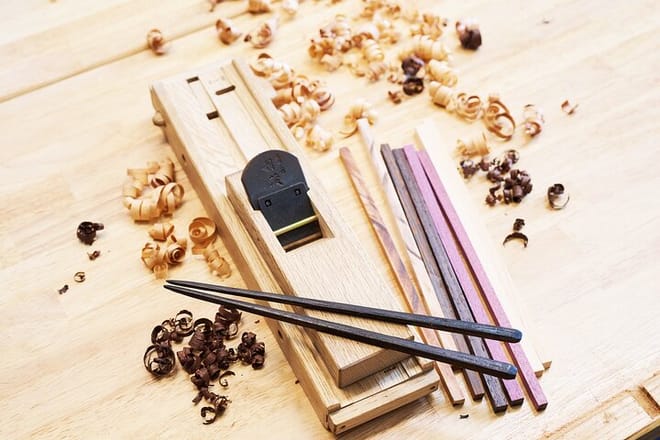
In chopstick making, calligraphy, and kintsugi (a Japanese pottery-repair technique) workshops, every participant works on the same task and takes the finished piece home the same day. The keepsake can stay on a desk at work or at home long after the trip, giving participants something to show colleagues while talking about their travels. All three activities take place entirely indoors, so the weather is not a concern.
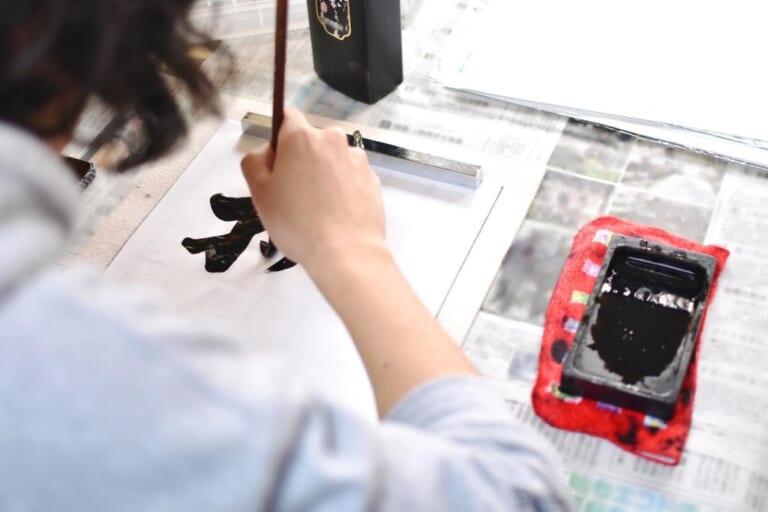
In chopstick making, participants choose their favorite wood, then shape, polish, and finally engrave their name on their chopsticks, all in about an hour. You can adapt shodo (the traditional Japanese art of writing characters with brush and ink) so that participants write the company’s vision or their own name in kanji (Chinese characters used in Japanese).
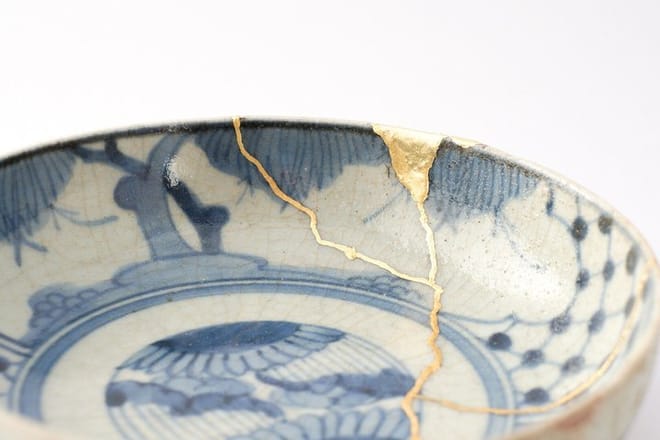
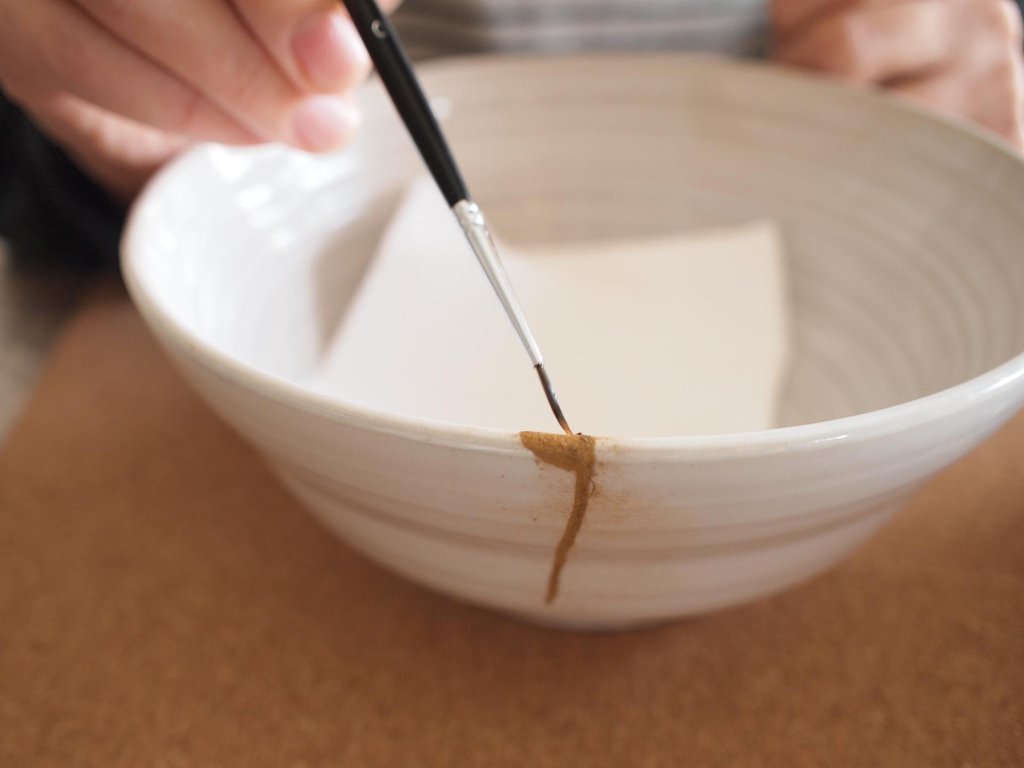
Kintsugi is a technique for repairing broken pottery by finishing the seams in gold. It introduces the idea of mottainai (the wish not to waste the value of things), or continuing to use something rather than throwing it away when it breaks. Traditional kintsugi with genuine urushi lacquer takes several weeks to cure, but this workshop uses quick-drying materials so participants can take the finished piece home the same day.
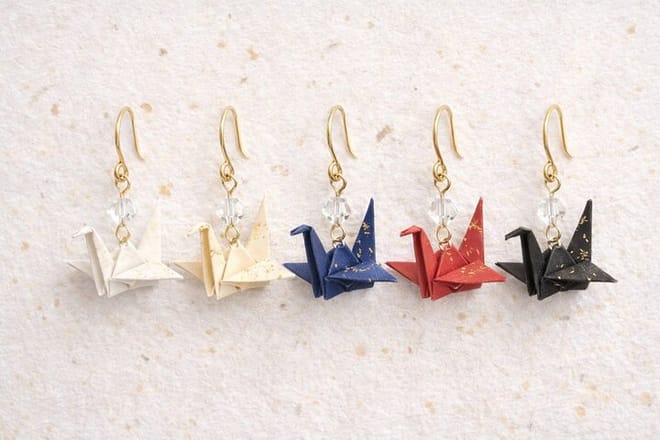
The building that houses the Shinjuku chopstick-making venue also hosts calligraphy, kintsugi, and origami jewelry workshops, so you can combine several of these workshops in a single day. You can also ask about splitting participants into groups, with each group joining a different workshop.
Details
| Experience | Area | Max. Group Size | Duration | Private Booking |
|---|---|---|---|---|
| Chopsticks Studio Shinjuku | Shinjuku | 60 people | 60 minutes | Available on request |
| Chopsticks Studio Ginza | Ginza | 30 people | 60 minutes | Available on request |
| Chopsticks Studio Asakusa | Asakusa | 44 people | 60 minutes | Available on request |
| Chopsticks Studio Shibuya | Shibuya | 44 people | 60 minutes | Available on request |
| Tokyo: Calligraphy Workshop & Original T-Shirt Creation | Tokyo (Shinjuku) | 24 people | 90 minutes | Available on request |
| Tokyo: Japanese Gold Repair Kintsugi Workshop in Shinjuku | Shinjuku | 60 people | 60 minutes | Available on request |
See the full list of Japanese cultural experiences operated by Japan Guide Star.
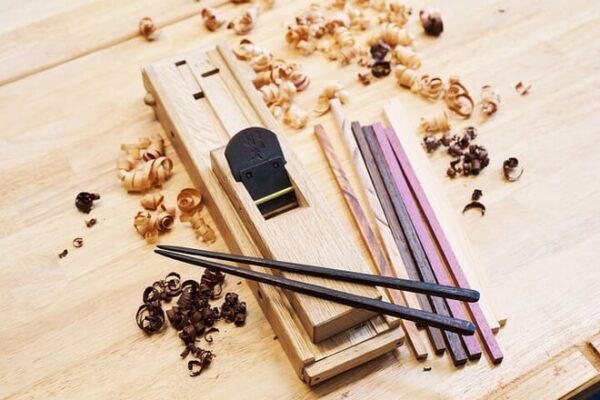
Tokyo Chopstick Making Workshop in Shinjuku

Tokyo: Japanese Gold Repair Kintsugi Workshop in Shinjuku
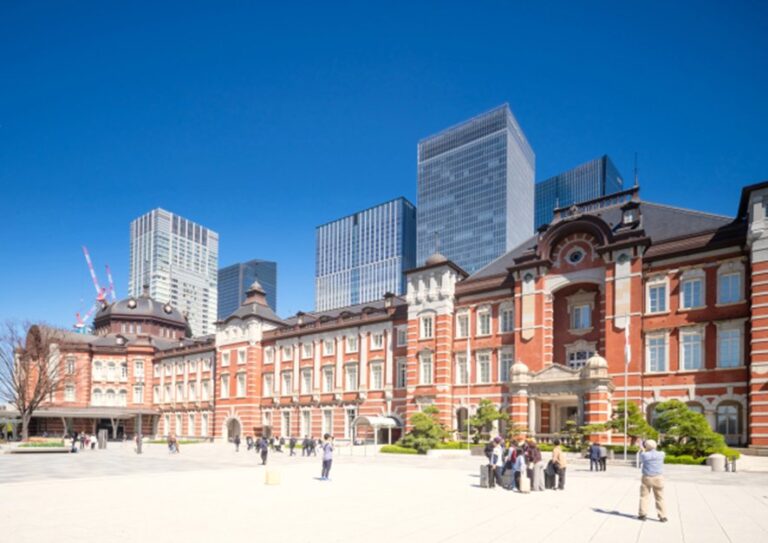
Tea Ceremony and Wagashi Making, Zazen and Martial Arts: A Quiet Break Between Meetings and Travel
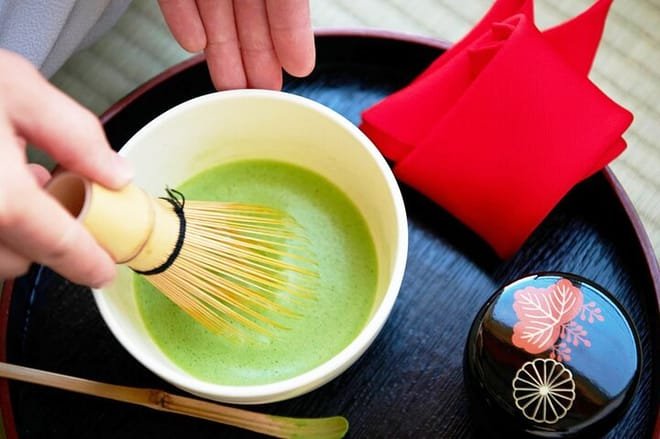
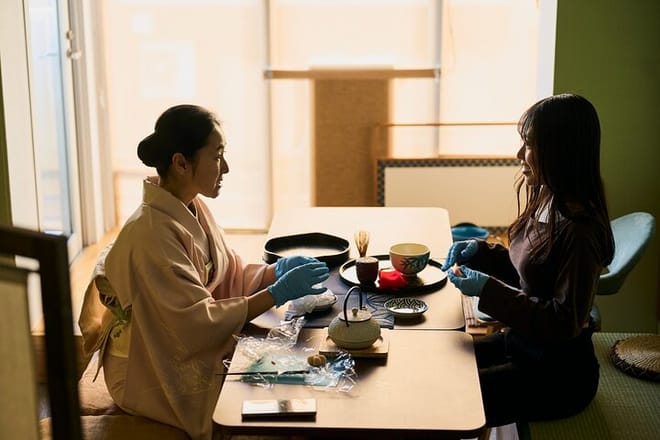
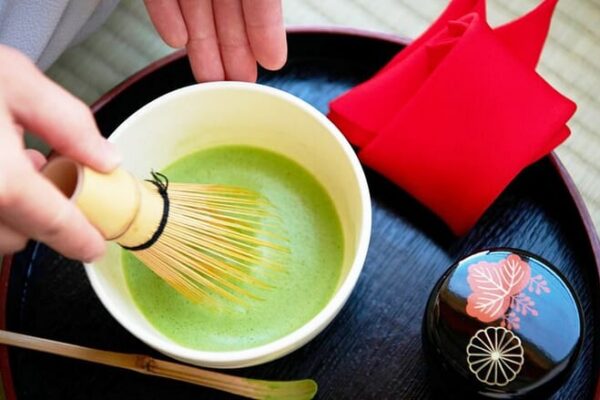
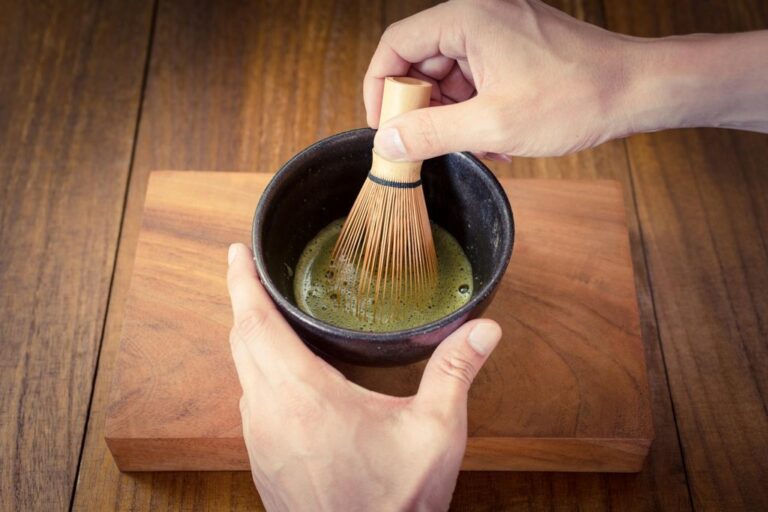
On a schedule packed with meetings and travel, adding one experience where participants can sit quietly can help prevent cumulative fatigue. In a tea ceremony experience, participants watch the instructor demonstrate temae (the full sequence of preparing tea), then whisk their own matcha using a chasen (bamboo tea whisk). Next, they shape sweet white bean paste into seasonal nerikiri (Japanese sweets molded into shapes such as flowers or fruit) and enjoy them with the matcha they prepared. The whole experience takes about an hour.
You can also include zazen (Zen meditation in which you sit quietly, focusing on posture and breathing) or martial arts such as kendo, aikido, and judo. In martial arts, practitioners follow the etiquette of beginning and ending with a bow, which participants can observe up close. These experiences suit participants who want something different from a trip spent mainly visiting sightseeing spots. English or multilingual interpreters can accompany all of them.
Because wagashi (traditional Japanese sweets) making involves food, tell the organizer about any food allergies, including allergies to ingredients such as beans, when booking. The tea ceremony experience accepts up to 10 people per booking, so groups of 11 or more need to split into separate bookings.
Details
| Experience | Area | Max. Group Size | Duration | Private Booking |
|---|---|---|---|---|
| Tea Ceremony and Wagashi Making | Tokyo (Hakusan, Bunkyo Ward) | 10 people per booking (groups of 11 or more split into separate bookings) | 1 hour | Available on request |
Tokyo: Tea Ceremony & Japanese Sweets Making
Experience the harmony, respect, and tranquility of tea
Food Experiences: Market Walks, Cooking Classes and Sake
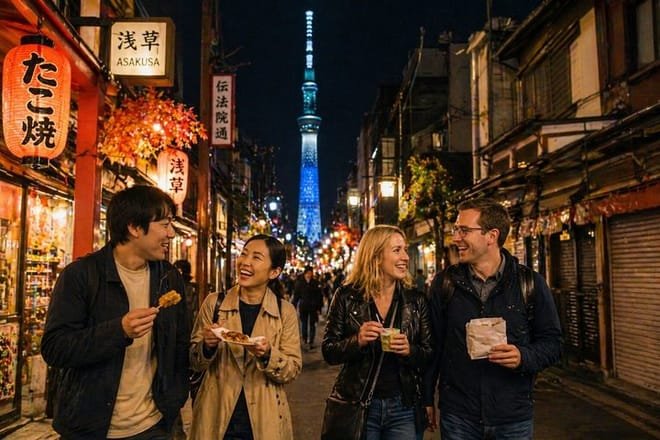
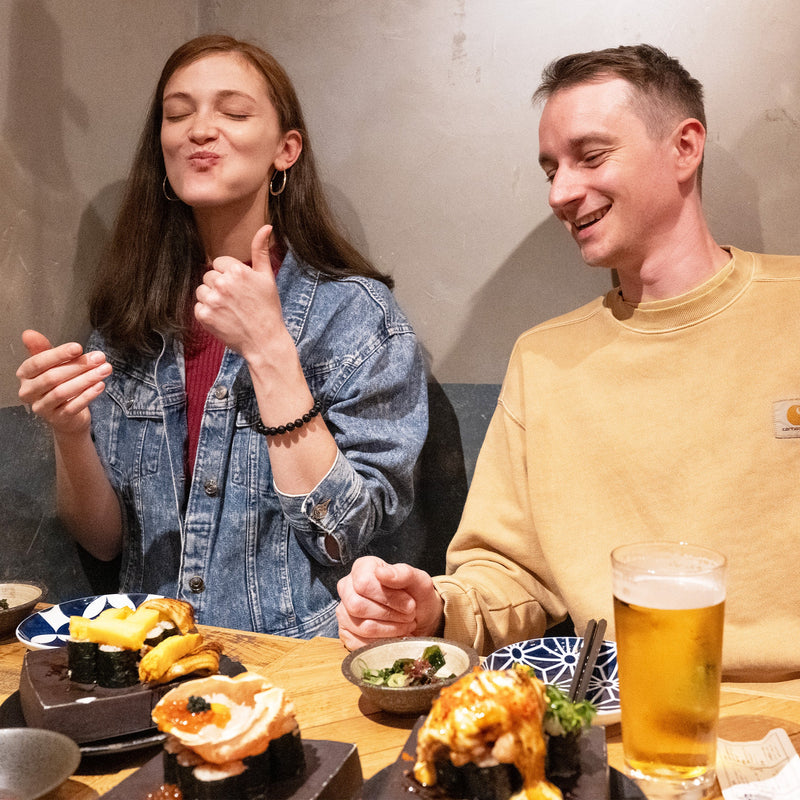
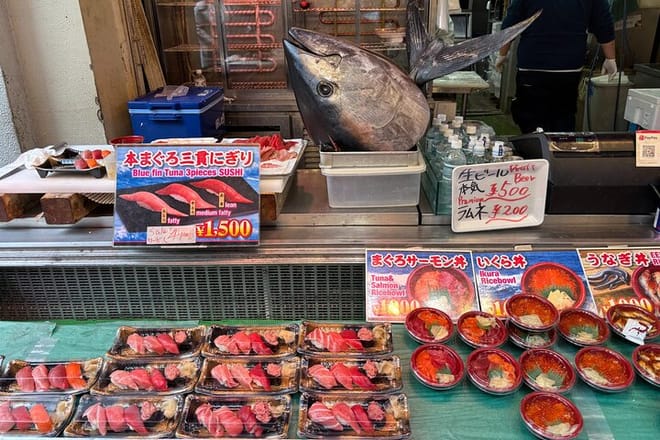
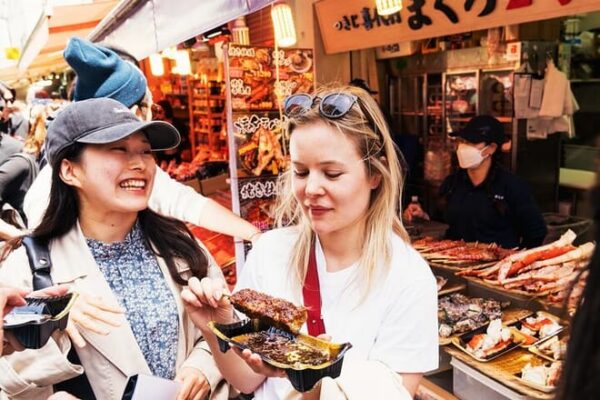
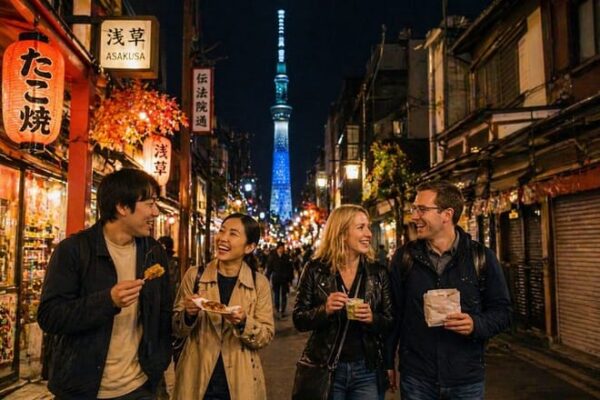
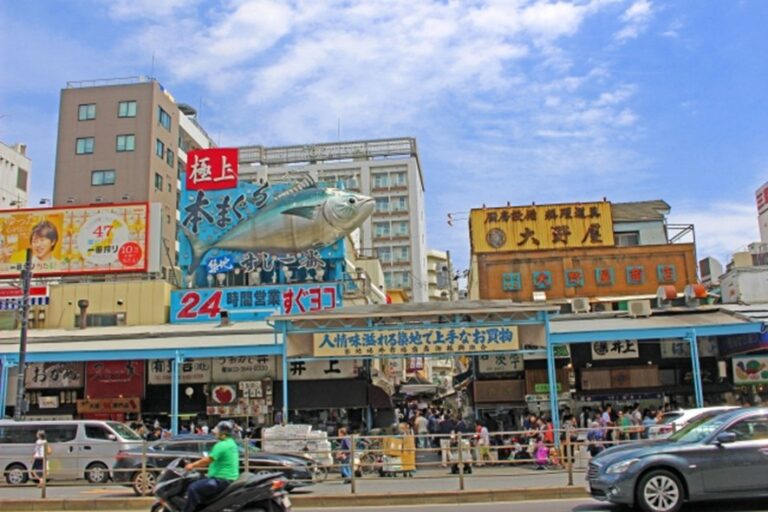
Food easily sparks conversation, even among participants from different job roles and countries. On a guided food tour, participants learn about ingredients and local history while sampling tamagoyaki (a sweet Japanese-style rolled omelet) and fresh seafood at Tsukiji Outer Market. Other tours take groups to spots locals frequent in the backstreets of Asakusa and Shibuya. You can also arrange cooking classes where the group makes its own sushi or ramen, or a sake tasting. Because the sake tasting is done seated, participants with different fitness levels can enjoy it at the same pace.
Tsukiji Outer Market has narrow aisles, so a large group cannot easily move through the area together. A practical approach is to split participants into groups of 20–30 people with staggered start times. If any participants have food allergies or religious dietary restrictions, check in advance what the experience includes and how well the restaurants and venues can accommodate them. For vegetarian meals, confirm that even the dashi (savory stock made from bonito flakes or kombu seaweed) contains no animal ingredients. For halal meals, confirm whether the venue is certified and whether food is prepared in a separate area.
Details
| Experience | Area | Max. Group Size | Duration | Private Booking |
|---|---|---|---|---|
| Tsukiji Fish Market Food & Walking Tour with 7 Gourmet Bites | Tsukiji | 30 people | 1 hour 30 minutes | Available on request |
| Tokyo: Asakusa Guided Food Tour with 12 Dishes & 3 Drinks | Asakusa | 20 people | 2 hours 30 minutes | Available on request |
| Tokyo: Shibuya Food Tour with 15 Dishes at 4 Eateries | Shibuya | 30 people | 3 hours | Available on request |
| Shinjuku: Food Tour – 15 Dishes at 4 Eateries | Shinjuku | 30 people | 3 hours | Available on request |
See the full list of food tours operated by Japan Guide Star.
Tsukiji Fish Market Food & Walking Tour with 7 Gourmet Bites
Tokyo: Asakusa Guided Food Tour with 12 Dishes & 3 Drinks
A Special Evening: Geiko Entertainment or an Awards Dinner at a Private Venue
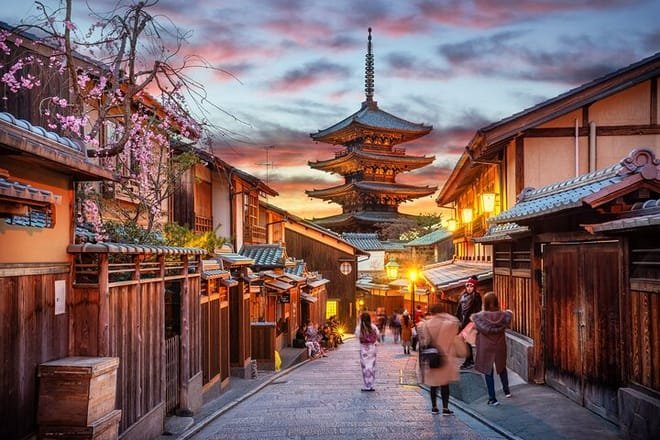
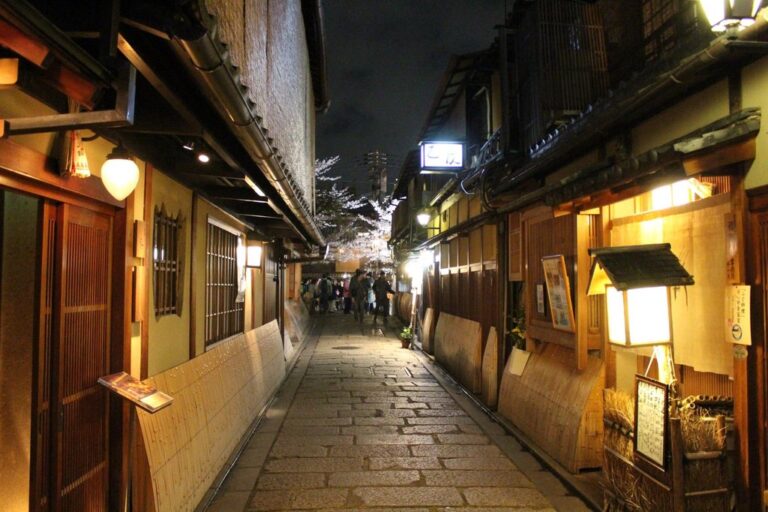
Reward trips often include one special evening to honor award winners, typically on the final night. A classic option in Japan is to invite geiko (women who entertain at banquets with traditional song and dance) or maiko (apprentice geiko) from one of Kyoto’s hanamachi (districts where geisha houses and teahouses are clustered) and dine in a zashiki (a tatami-floored Japanese-style room).
Dances performed right in front of guests and ozashiki asobi (simple party games played with geiko at the banquet) are difficult for ordinary travelers to arrange, and that exclusivity makes the evening a fitting way to honor award winners. It is also common to arrange a shamisen (traditional Japanese string instrument) player. Since bookings go through a ryotei (traditional Japanese restaurant) or hotel, it is wise to start discussions several months before your preferred date.
Another option is an awards dinner held at a private-hire historic building, garden, or facility that is normally closed to the public. Such venues often charge high usage fees and may require long preparation periods, and some only open reservations at set times. If you have a venue in mind, reach out early with the number of participants, preferred date, program details, and approximate budget.
Sample Itineraries for an Incentive Trip in Japan
Once you have a picture of the experiences, the next step is fitting them into a schedule. Depending on the departure region and trip length, there are two sample itineraries: a 3-night, 4-day trip based entirely in Tokyo, and a 5-night, 6-day trip linking three cities by shinkansen. Each table shows which days include meetings, award ceremonies, and cultural experiences.
3 Nights, 4 Days: A Tokyo-Only Plan for Groups from Asia and Oceania
For groups traveling from Asia or Oceania, a 3-night, 4-day stay can work for a reward trip. However, travel takes up much of the arrival and departure days, leaving only the two middle days for meetings and activities. Skip intercity travel and keep the entire trip in Tokyo.
| Day | Morning to Afternoon | Evening |
|---|---|---|
| Day 1 | Arrival and hotel check-in | Welcome dinner |
| Day 2 | Meeting in the morning; craft workshop such as chopstick making in the afternoon | Awards dinner |
| Day 3 | Food tour in Tsukiji or Asakusa; city site visits | Free time |
| Day 4 | Check-out and departure | No evening program |
In Tokyo, luxury hotels and conference facilities are concentrated in areas such as Marunouchi, Toranomon, and Roppongi, and travel between venues can take as little as 10–30 minutes by car. With relatively little time spent in transit, you can devote the two middle days to activities and networking among participants.
5 Nights, 6 Days: Tokyo to Kyoto and Osaka by Shinkansen
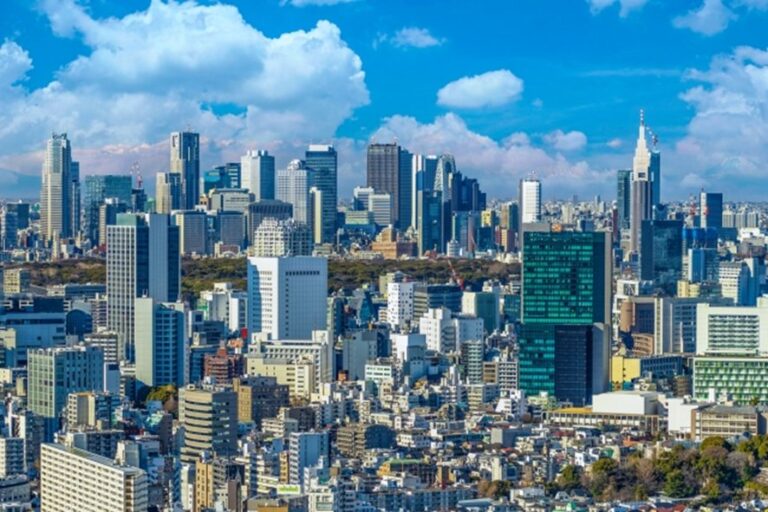
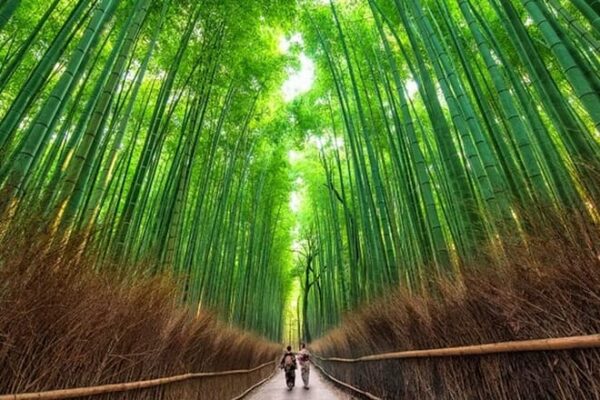
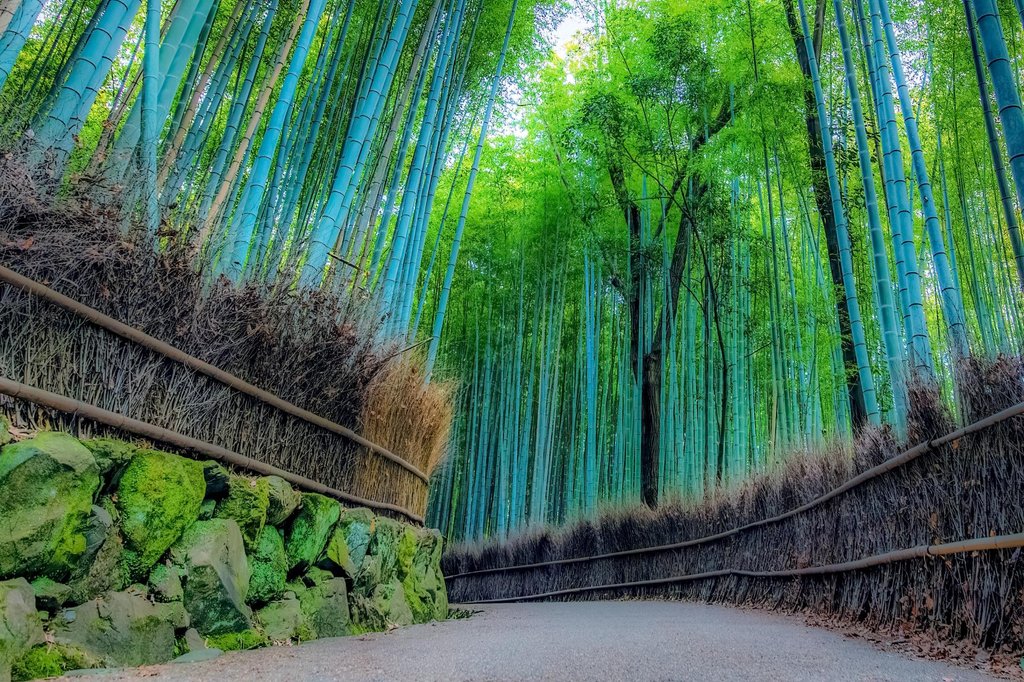
With 5 nights and 6 days, you can link Tokyo, Kyoto, and Osaka by shinkansen and include different experiences in each city. Hold meetings and the award ceremony in Tokyo, then take the Tokaido Shinkansen to Kyoto on Day 3 for a cultural experience in Arashiyama. The next day, move to Osaka, about 30 minutes away by train, to enjoy a sumo show.
| Day | City | Main Activities |
|---|---|---|
| Day 1 | Tokyo | Arrival; welcome dinner |
| Day 2 | Tokyo | Meetings; awards dinner in the evening |
| Day 3 | Kyoto | Shinkansen to Kyoto (about 2 hours 15 minutes); cultural experience such as chopstick making in Arashiyama |
| Day 4 | Osaka | Transfer to Osaka (about 30 minutes); sumo show |
| Day 5 | Osaka | Food tour or free time; farewell dinner in the evening |
| Day 6 | Departure | Depart from Kansai International Airport |
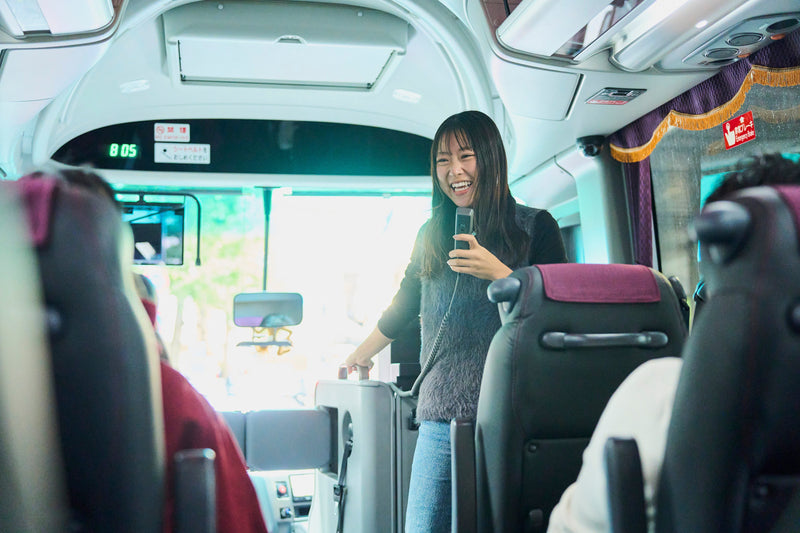
Luggage forwarding is an effective way to lighten the load when moving between cities. If you arrange for the hotel to ship suitcases to the next accommodation by the day before, participants can board the shinkansen with only their hand luggage. On the Tokaido Shinkansen, bringing bags whose three dimensions total more than 160 cm (about 63 inches) requires reserving a seat with an oversized baggage area. For groups, shipping bags ahead saves effort on travel day. If you want fewer rounds of packing and unpacking, you can also rework the plan to stay 2 nights in Kyoto and visit Osaka as a day trip.
Osaka Sumo Experience with Live Show and Audience Challenge
Kyoto: Arashiyama UNESCO Walking Tour with Admission
5 Points to Check Before Planning an Incentive Trip in Japan

Even with a clear itinerary in mind, overlooked details can surface midway through the arrangements or on the day itself, leading to extra costs or a reworked schedule. The five points below tend to cause trouble because of the particular nature of incentive trips. Checking each one in your first inquiry with a travel provider can help prevent last-minute scrambling during internal approval and on-site operations.
1. Holding Venues Before Participants Are Confirmed
On an incentive trip, the number and names of participants may not be settled until the company finalizes its performance reviews. Popular venues and hotels, however, can fill up well before then, especially during cherry blossom and autumn foliage seasons, around major holidays, and when large conferences are taking place.
In your first inquiry, ask the provider whether they can place a tentative hold (temporarily securing a booking slot before a formal application). Also ask when cancellation fees start to apply, how much flexibility there is to change the number of participants after confirmation, and whether the hold period matches the pace of your internal decision-making. This helps ensure that the slots you secure do not go to waste.
2. Handling Dietary Restrictions at the Awards Banquet
Since the awards banquet exists to honor award winners, you want to avoid serving a winner something they cannot eat. The more nationalities among the participants, the wider the range of allergies and religious dietary restrictions, and the fewer venues that can accommodate everyone.
Japanese cuisine uses a lot of soy sauce and dashi, so ordinary banquet halls may not be able to meet strict halal or kosher (Jewish dietary law) requirements, and specialized catering may be needed. Japan has no single, unified halal certification body, so to be certain, go beyond a simple “we can accommodate that” and confirm the name of the certifying organization and whether the food is prepared in a separate area.
Collect participants’ dietary restrictions when sending invitations, and keep the option of switching to experiences that do not involve food if needed. Workshops such as calligraphy or kintsugi remove the need to coordinate dietary restrictions altogether. Confirm that the provider can handle both meal-inclusive and activity-only options, so you can make the final decision once all participant information is in.
3. A Single Point of Contact for Multi-City Itineraries
On reward trips that span several cities, hotels, chartered buses, private vehicles, and shinkansen tickets may each be arranged through a different provider. If a Kyoto experience runs 30 minutes over, the bus departure shifts and the arrival notice for the Osaka hotel has to be rewritten. One change can set off a chain reaction across the bookings before and after it, and the planner ends up managing revisions with every contact involved.
Check whether a single provider can handle both accommodations and on-site operations, and whether there are any limits on the areas they cover. Rather than simply asking, “Can you handle multiple cities?”, ask about their track record with groups of a similar size in the same areas and whether one call to them is enough to adjust the entire itinerary when plans change.
4. On-Site Management and Emergency Response
For an incentive trip, you also need to confirm participant safety management and emergency response arrangements in advance. Going ahead without deciding how to handle injuries or illness can leave the planning team exposed to significant risk. If participants do not speak Japanese, whoever accompanies them may have to deal with hospitals or the police. If something happens at night or on a holiday, that person may have to make decisions on the spot without being able to reach the provider.
Before signing a contract, confirm who operates each experience, whether someone on site can handle emergencies in both Japanese and English, and whether there is a contact line that can be reached at night and on holidays.
5. Cancellation Terms Presented with the Quote
In internal approval, it is hard to get sign-off without knowing how much a cancellation would cost. Because incentive trip headcounts can change as performance results are finalized, you need to understand the terms for cancellations and changes in participant numbers from the earliest planning stage.
Check whether you can receive the following in writing along with the quote: the cancellation terms (when fees begin to apply and at what rate), the payment currency, and whether an advance deposit (a portion of the cost paid at the time of booking) is required. Whether the quote is in yen or a foreign currency also determines which party bears the risk of exchange rate fluctuations, so confirming this up front makes your budget easier to forecast.
Japan Guide Star’s Strengths and Scope for Incentive Trips in Japan
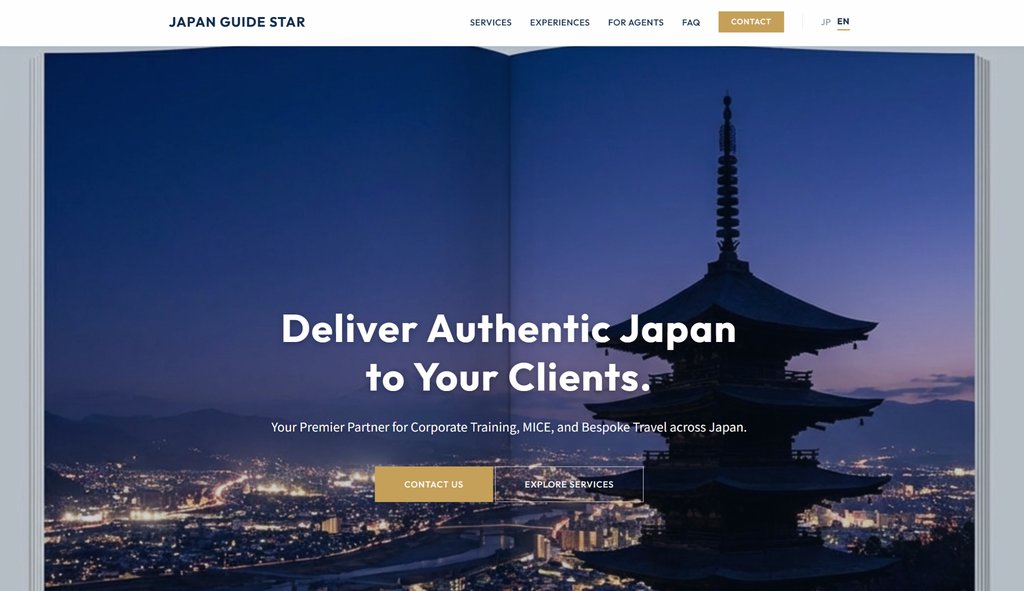
Japan Guide Star | Destination Management Company
With the five checkpoints above in mind, this section covers the strengths and scope of services you can expect when you entrust an incentive trip in Japan to Japan Guide Star (operated by Contents Like LLC). Use these points as a basis for comparison when choosing a DMC (a company that arranges and operates travel on the ground).
Multi-City Arrangements and On-Site Operations Under One Company
Japan Guide Star is a Japanese DMC with offices in Tokyo, Osaka, and Kyoto. The company handles ground arrangements (local transportation, accommodations, and other logistics) from Hokkaido to Okinawa, including hotels, chartered buses, private vehicles, shinkansen, domestic flights, and ferries. With a single point of contact, planners do not have to coordinate with multiple companies when headcounts change or the itinerary is reworked.
The company handles everything from small executive trips to groups of around 200, with a minimum group size of about 10. It is registered as a travel agency with the Governor of Tokyo (Registration No. 2-8877) and is a member of JATA (Japan Association of Travel Agents), so you can include these registration details in your internal approval documents.
Company-Run Experience Venues with Support for On-Site Management and Emergencies
Japan Guide Star operates its own venues, including Sumo Studio Osaka and chopstick-making studios in Tokyo and Kyoto, so you can leave on-site management and emergency response to the same team. Questions about private bookings and capacity limits can be answered directly, without the back-and-forth that can come with third-party venues.
For land operations (running the trip on the ground), Japan Guide Star provides 24-hour support, so you can reach someone even if a participant falls ill or plans change suddenly at night. For dietary restrictions at banquets, Japan Guide Star coordinates directly with the venue, saving planners from compiling each participant’s requests and contacting the venue individually.
Written Cancellation and Payment Terms Provided with Every Quote
Japan Guide Star provides the cancellation terms, payment currency, and advance deposit requirements in writing together with the quote. Hotels and special venues apply their own cancellation policies, but those terms are also included in the quote. Because you receive everything in one place, you can clearly lay out the cost conditions required for internal approval, including how much a cancellation would cost.
Japan Guide Star accepts payment by international bank transfer in US dollars, euros, or Japanese yen, so you can choose the currency your headquarters uses for accounting.
Inquiries Welcome Before Participants Are Confirmed, with Candidate Dates
When you inquire, share the timing, headcount, purpose, and preferred cities, and you can start discussions around candidate dates even before the participants or detailed schedule are confirmed. The recommended lead time is 3–6 months before the trip, and for peak periods such as cherry blossom and autumn foliage seasons or large-scale events, Japan Guide Star recommends reaching out even earlier.
Support is available in English as well as French, Spanish, German, Chinese, and other languages, so inquiries from overseas offices and multinational teams are welcome.
Learn more about Japan Guide Star’s incentive and group travel arrangement services.
Extensive Experience Hosting Overseas Groups
Japan Guide Star works with travel agencies, corporations, and tour operators in Europe, North America, Australia, and Asia, and has hosted groups of various sizes and nationalities. In July 2026, the official website of the Imperial Hotel, Osaka featured Sumo Studio Osaka as an experience recommended to hotel guests.
The company’s own Chopsticks Studio Shinjuku (a chopstick-making venue) welcomed a cumulative 2,000 participants within about two months of opening and holds ratings of 4.9 on OTA (online travel agency) reviews and 5.0 on Google, as of August 2026. Third-party endorsements, such as hotel recommendations and customer reviews, can also serve as supporting evidence when presenting a proposal to senior management.
FAQ: Common Questions About Incentive Trips in Japan

Once you start seriously considering an incentive trip to Japan, questions about language, timing, tipping, and payment naturally come up. Below are brief answers to six questions planners frequently ask.
Do Participants Need to Speak Japanese?
No. The experiences Japan Guide Star offers come with English or multilingual interpreters, so participants who do not speak Japanese can follow along and take part. If your participants come from several countries, let the team know which languages you need at the inquiry stage.
When Is the Best Time for an Incentive Trip to Japan?
Spring (late March to May) and autumn (October to November) are popular for their generally stable weather, and you can work cherry blossoms or autumn foliage into the itinerary. However, venues and hotels fill up quickly, so early inquiries are essential.
The rainy season runs from June to mid-July, while July to September brings heat as well as the possibility of typhoons. Building the plan around indoor experiences can help minimize weather-related disruptions. Winter is a relatively quiet season, and in Hokkaido, you can design an itinerary around snowy scenery.
Do I Need to Tip in Japan?
No. Tipping isn’t customary in Japan, and people generally don’t tip at restaurants or hotels. Many hotels also include a service charge in their rates, so there is usually no need to budget for gratuities. If you want to show your appreciation, a simple thank-you is enough.
Can You Arrange Venues for Meetings and Award Ceremonies?
Yes. Beyond experiences, Japan Guide Star arranges meeting rooms, award ceremony venues, and banquets, and can accommodate groups of around 200. If you would like to book a historic building or similar site exclusively, usage fees and preparation periods may apply, so please get in touch early with your group size and budget.
In Which Currencies Can I Receive a Quote?
Quotes are available in US dollars, euros, or Japanese yen. Payment is made by international bank transfer, and for travel agencies with an ongoing business relationship, Japan Guide Star can also issue invoices with a set payment due date. Advance deposit terms vary depending on group size and season.
Is There a Way for Travel Agencies to Work with You on an Ongoing Basis?
Yes. Japan Guide Star offers partnership agreements for travel agencies. Partners receive quotes at NET rates (wholesale prices for travel agencies), priority allocation during peak seasons, and invitations to FAM trips (familiarization trips for travel agencies) once or twice a year.
The process has three steps: an inquiry, an online meeting, and the agreement.
Key Takeaways for Planning a Successful Incentive Trip in Japan
Three points can make a major difference to the success of an incentive trip in Japan.
- Add Japan to your list of candidate destinations for its safety, the distinctive chance to experience both traditional culture and modern cities, and easy intercity travel by shinkansen
- Build in moments that put award winners center stage, such as stepping onto the dohyo during a sumo experience, along with experiences that produce a take-home keepsake, such as chopstick making or kintsugi
- For groups departing from North America or Europe, plan on 5 nights or more, and secure tentative venue holds and confirm cancellation terms before the final participant list is set
You can review Japan Guide Star’s scope of services and company-run experiences on the service page, and the sample itineraries above can be used as a starting point for an internal proposal.